

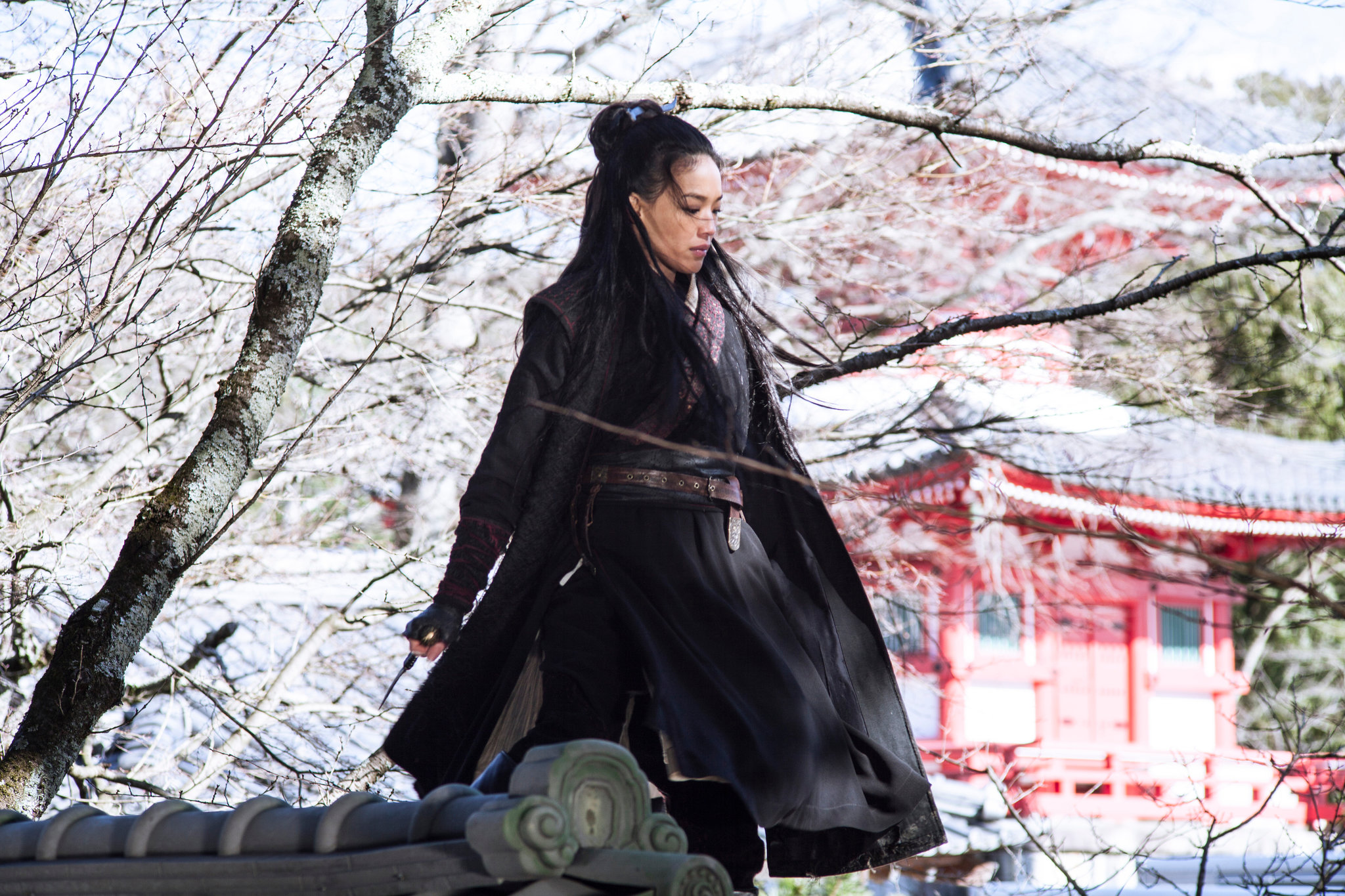
To mark the release of Kenji Tanigaki’s blood-pounding brawler The Furious, we attempt to build the definitive canon of modern martial arts movies spanning 2010 to the present day, from Hou Hsiao-hsien’s meditative wuxia masterpiece The Assassin (2015) to Timo Tjahjanto’s brutally uncompromising The Night Comes for Us (2018). Enjoy, and let us know what we missed…
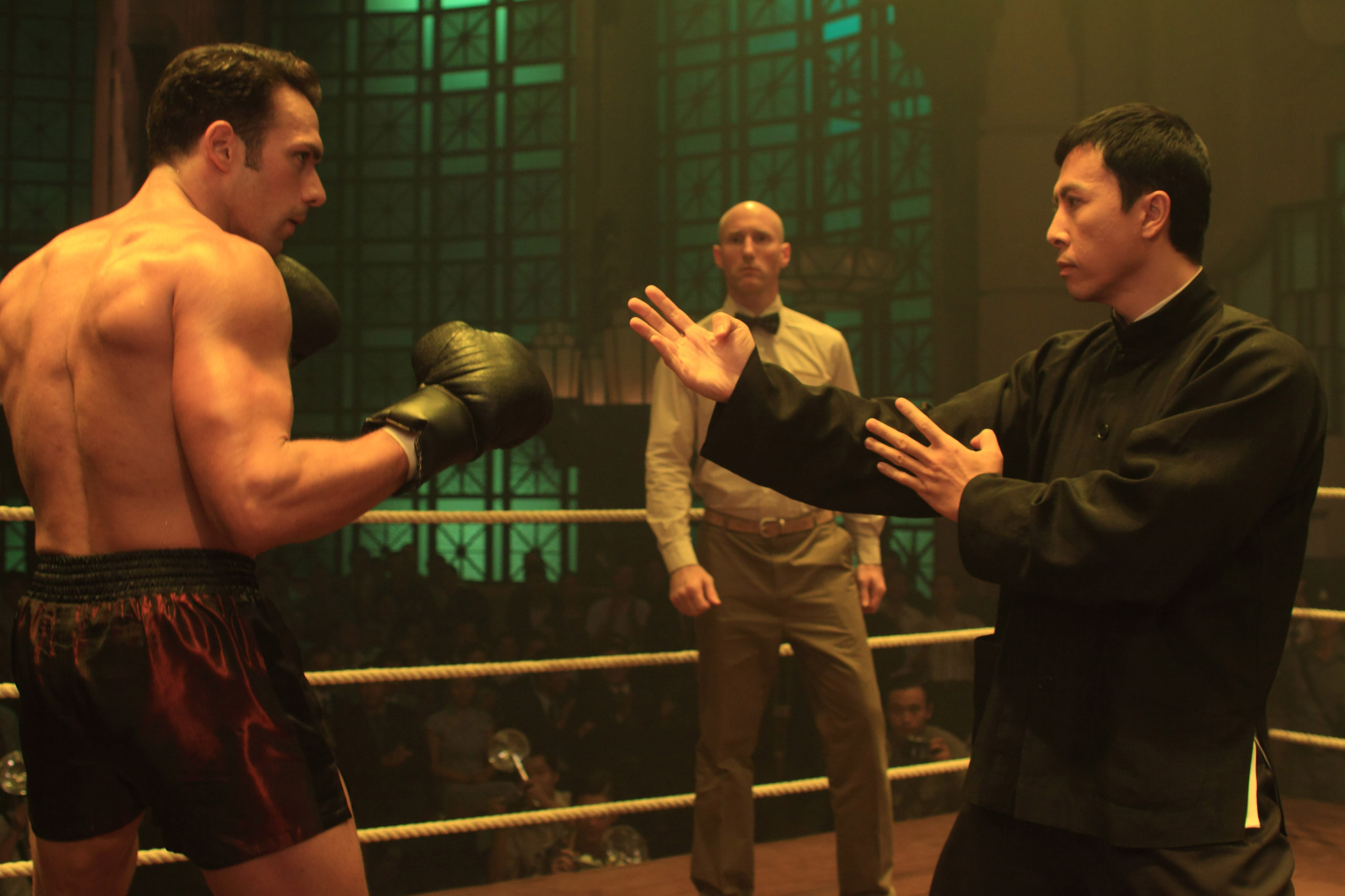
Wilson Yip, Ip Man 2 (2010)
The beloved Ip Man movies ebbed and flowed in quality as the series went on, but this second installment featured some of the most iconic action sequences in the entire franchise. Following Wing Chun master Ip Man (Donnie Yen, in arguably his best role) as he moves to Hong Kong and comes into conflict with rival martial arts masters and British colonialists, the film builds toward an emotional one-on-one showdown between Ip Man and British boxer Twister—a thrilling clash of fighting styles that doubles as a symbolic, if somewhat heavy-handed, battle between Chinese national pride and British colonialism.
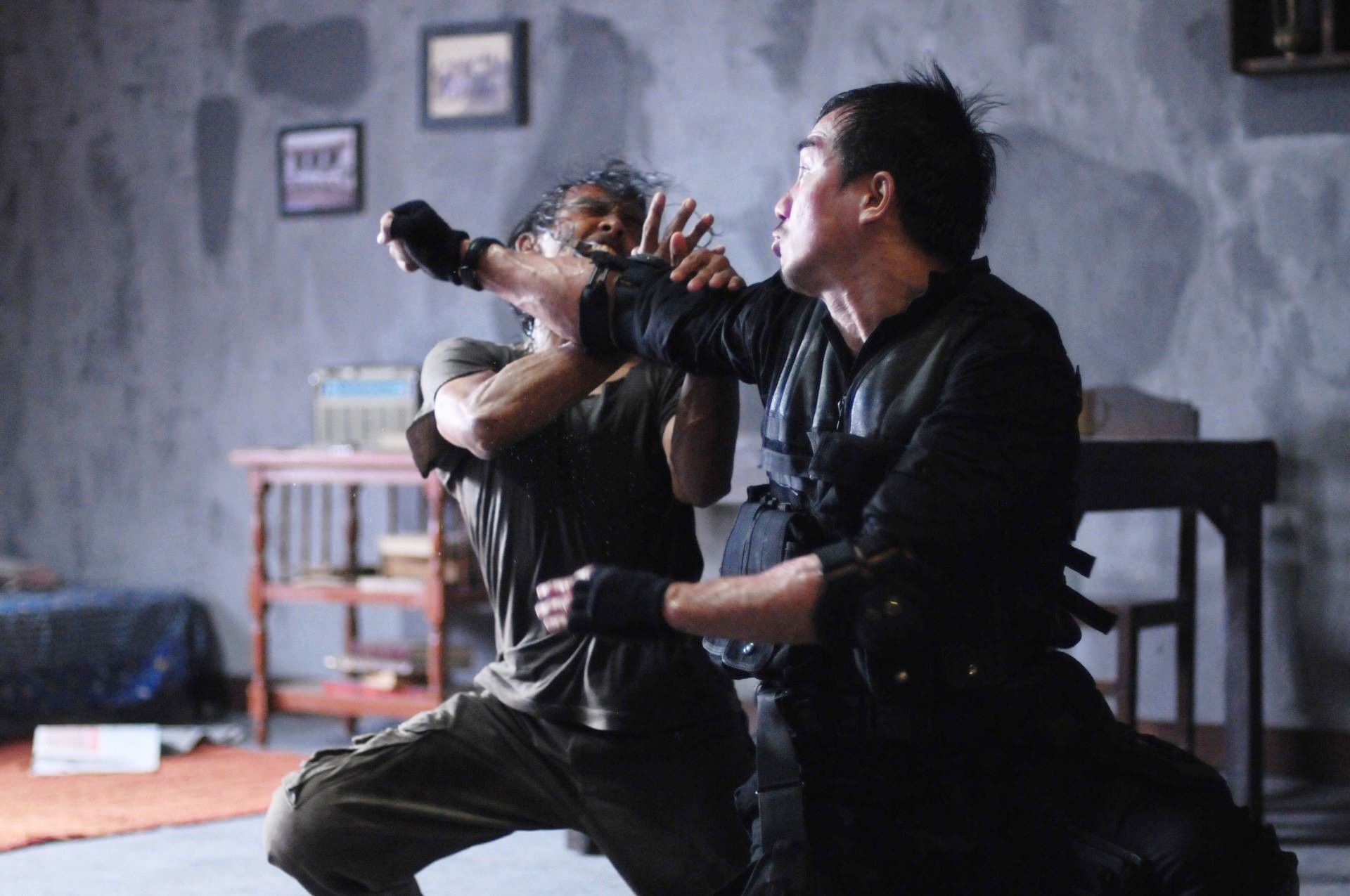
Gareth Evans, The Raid series (2011-2014)
There’s a reason why every major action movie that has come out since 2011 has been held to the gold standard set by Gareth Evans with The Raid and its 2014 sequel The Raid: Redemption. For one, the delightfully video game-coded elevator pitch is irresistible: a SWAT team, including rookie cop Rama (Iko Uwais, in a star-making turn), enters a tower block controlled by a crime lord, and has to fight their way out floor by floor. What Evans does with this deceitfully simple premise, however, is anything but. In a single film, he recalibrated what audiences expected from on-screen combat—not just in terms of brutality and choreographic invention, rooted in the Indonesian martial art Pencak Silat, but in the way violence could build tension, reveal character, and sustain narrative momentum across two hours of near-constant bone-breaking escalation. Perhaps no other film on this list greater informs everything that came after as this one does.
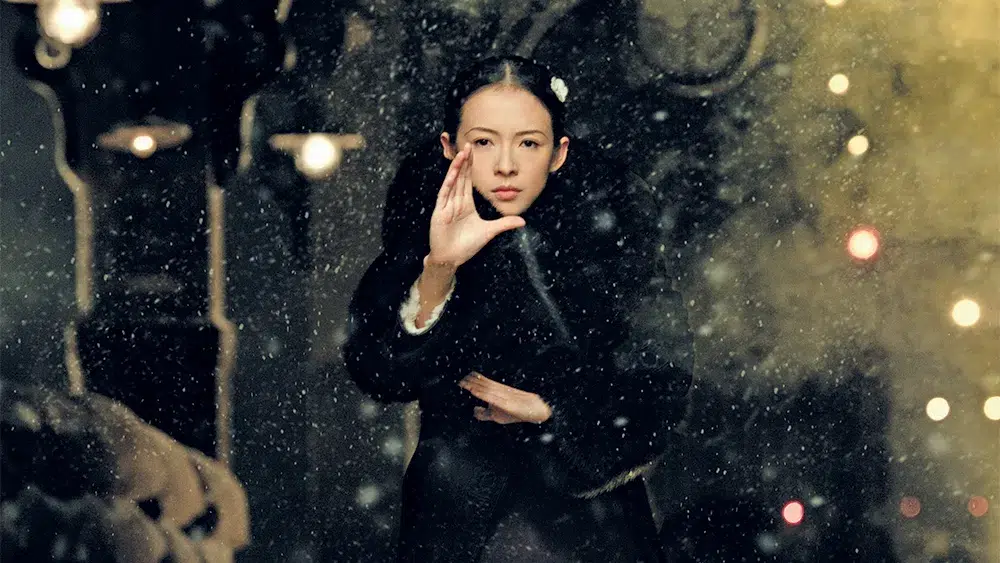
Wong Kar-wai, The Grandmaster (2013)
That’s right, the same man who gave us hot-blooded portraits of melancholic romance like In The Mood For Love (2000) and Chungking Express (1994) also made one of the best martial arts films of the 2010s. But take a closer look at Wong Kar-wai’s filmography—from Chungking’s frenetic, grittier sibling Fallen Angels (1995) to his star-studded wuxia epic Ashes of Time (1994)—and his own take on the Ip Man story won’t look so out of place here. Starring Tony Leung as the Wing Chun grandmaster and Zhang Ziyi in a remarkable performance as Baguazhang master and love interest Gong Er, The Grandmaster marries breathtaking wuxia spectacle with the aching sensuality that permeates all of Wong’s cinema.
Chad Stahelski, John Wick series (2014-2023)
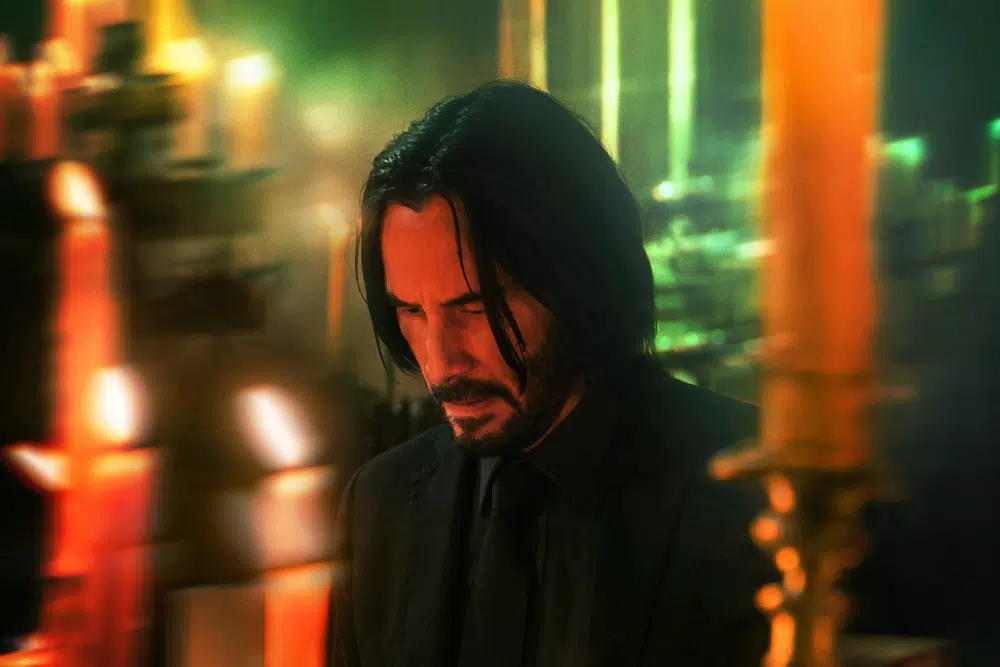
As far as action movies go, the premise is as bulletproof as they come: the spoilt son of a powerful Russian mafia boss kills the beloved dog of a retired assassin, unwittingly unleashing the legendary “Baba Yaga,” the most feared hitman in the underworld.
The only American film series on this list, Chad Stahelski and Keanu Reeves (the titular Wick) deserve enormous credit for not only paying respect to martial arts film culture, but contributing to it in increasingly meaningful ways. A genuine box office phenomenon, the success of the John Wick franchise becomes even more admirable when you consider that its entire run coincided with the height of the fiercely dominant Marvel Cinematic Universe. Yet instead of being swallowed by the superhero boom, the story of the underworld’s boogeyman became the foundation for one of the most influential action franchises of the modern era. Marrying Hong Kong-inspired gun-fu, breathtaking stunt choreography and elegant world-building, John Wick didn’t just revive the American action film, it fundamentally redefined what audiences expect from one.
Hou Hsiao-hsien, The Assassin (2015)
The adrenaline junkies out there might be surprised to see a Hou Hsiao-hsien film on this list—the Taiwanese master of slow cinema isn’t exactly the first person to come to mind when you hear the words ‘action movie’. But though his mesmerising wuxia film The Assassin is light on complex fight choreography, he more than makes up for in grace and contemplation. The film, loosely based on the 9th century Chinese short story Nie Yinniang, follows Hou mainstay Shu Qi as an assassin assigned to kill her former lover.
Jung Byul-gul, The Villainess (2017)
Ryoo Seung-wan’s Tarantino-esque martial arts bloodbath City of Violence didn’t make the list on a technicality (it came out in 2006), so we’re happy that we get to include at least one South Korean action flick on here. Inspired by Luc Besson’s La Femme Nikita, Jung Byul-gul’s The Villainess is mostly notable for an inventive POV sequence that sees the titular villainess (Kim Ok-vin) charge through scores of henchmen and dispatch them with brutal efficiency. Sits comfortably in the hallowed halls of contemporary “women kicking ass” movies alongside Furie (2019), Ballerina (the 2023 film starring Jeon Jong-seo, not the 2025 John Wick spinoff), The Shadow Strays (2024), and 2008’s Chocolat, which remains one of the best of its kind.

Soi Cheang, SPL II: A Time for Consequences (2015)
The only filmmaker to have two films on this list, Soi Cheang’s SPL II: A Time for Consequences and Twilight of the Warriors: Walled In are simply two of the best action films to come out of Hong Kong in over a decade. In SPL II, an undercover Hong Kong cop (Wu Jing), whose cover has been blown, finds himself rotting in a maximum security Thai prison run by a corrupt warden at the centre of an organ trafficking ring. His unlikely lifeline is a prison guard—the inimitable Tony Jaa—whose dying daughter needs a bone marrow transplant, and who just so happens to be a perfect match with his new inmate. What follows is an operatic, relentless beat-em-up that offers a rare chance to see two of the most gifted martial artists of their generation team up and kick the shit out of everyone else on screen.
Timo Tjahjanto, The Night Comes For Us (2018)
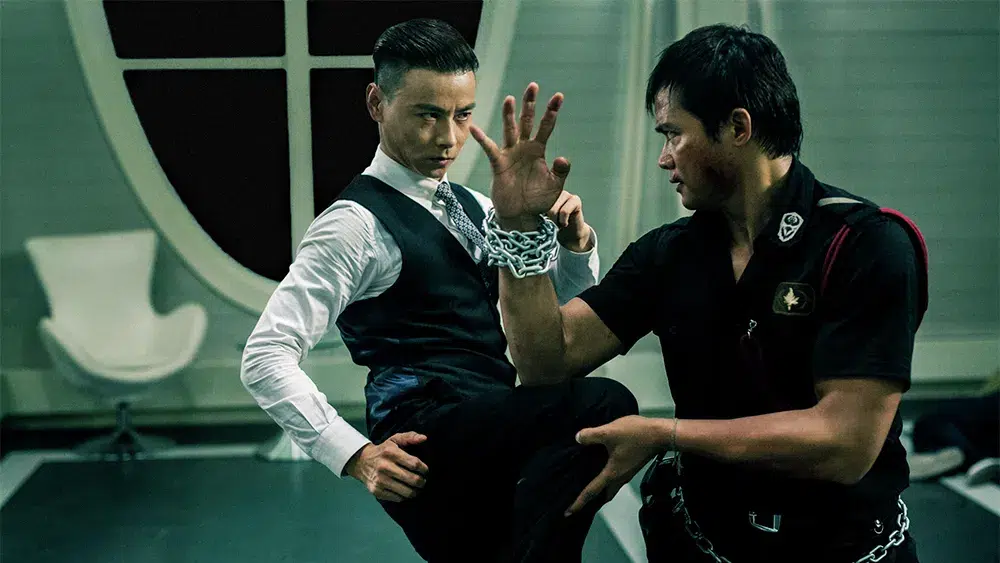
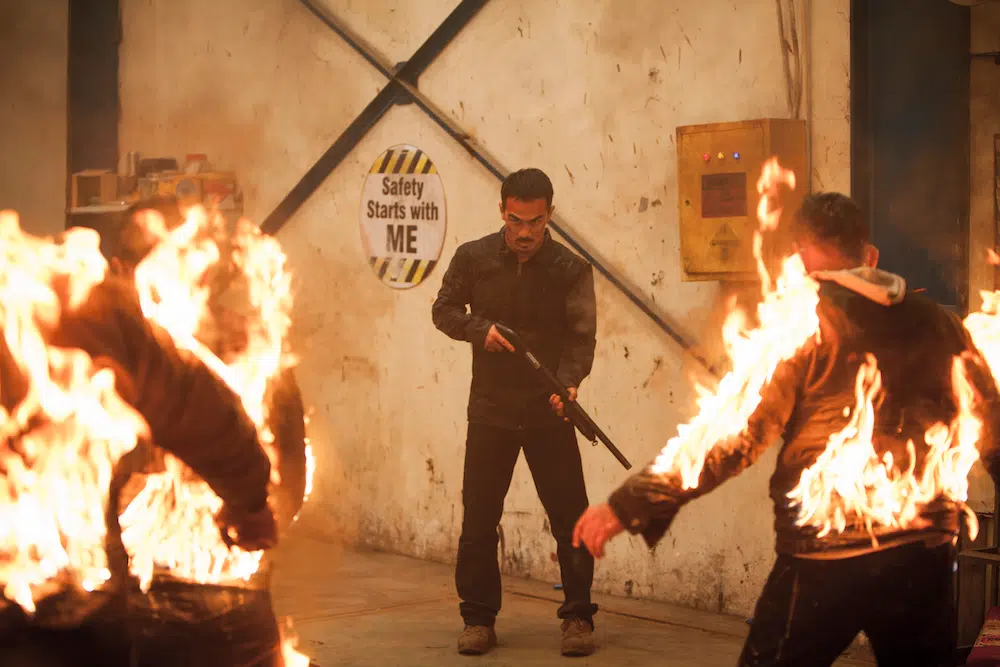
Is there another action filmmaker right now doing the “final showdown” better than Timo Tjahjanto? Specialising in savage brawls to the death, the filmmaker’s latest Indonesian-language feature The Shadow Strays and his most recent Hollywood outing, Nobody 2 (2025), are both proof of his efficiency behind the camera, but it’s The Night Comes for Us that truly cements his reputation as a leader of the modern action movie canon. In the film, ex-mob enforcer Ito (Joe Taslim) becomes the target of an entire crime syndicate after refusing to carry out the execution of a little girl. The conflict brings him face to face with his former best friend, the ambitious gang member Arian (Iko Uwais), culminating in a ferocious action set piece that sees the two taking literal chunks out of each other until there’s only one man left standing.
Zhang Yimou, Shadow (2018)
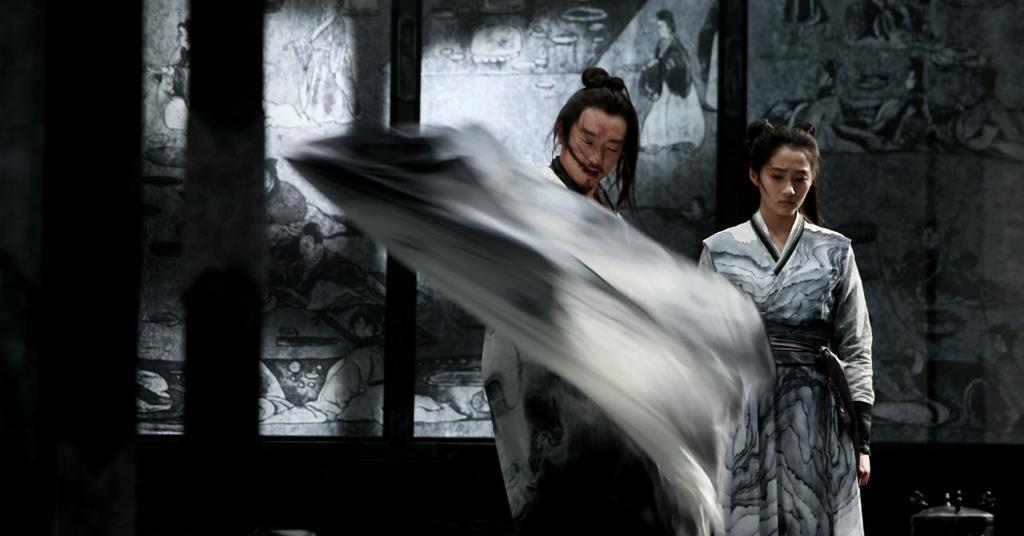
Few filmmakers wield color as masterfully and meticulously as Chinese director Zhang Yimou, and Shadow (2018) is as much a visual marvel as it is a Wuxia epic. Set during China’s Three Kingdoms era, the film centres a military commander who secretly employs a body double to reclaim a lost city, setting the stage for a breathtaking series of rain-drenched confrontations where innovative weapon choreography and monochromatic cinematography merge into a tragic meditation on identity, loyalty, and the cost of political ambition.
Yugo Sakamoto, Baby Assassins series (2021-present)
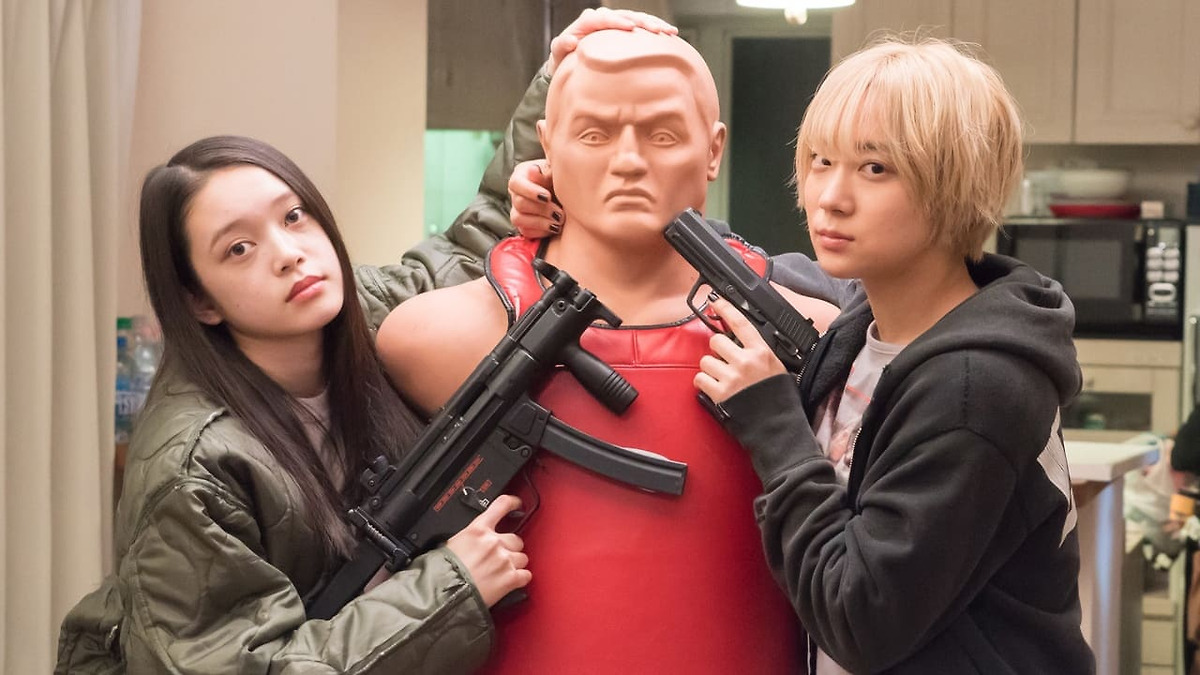
Whoever said that violence can’t be cute? In Yugo Sakamoto’s Baby Assassins series, killing is kawai, following two teenage girls (Saori Izawa and Akari Takaishi) who, upon graduating, are tasked with finding regular part-time jobs as a front for their real careers as highly skilled contract killers. It seems easy enough at first, but the two quickly realise that integrating into everyday society is more complicated than they might think. Part slice of life comedy, part action rollercoaster, don’t let the ultra-laid back, slacker energy of the franchise fool you—when Baby Assassins eventually turns up the octane, it consistently boasts some of the most creative action in the game right now.
Benny Chan, Raging Fire (2021)
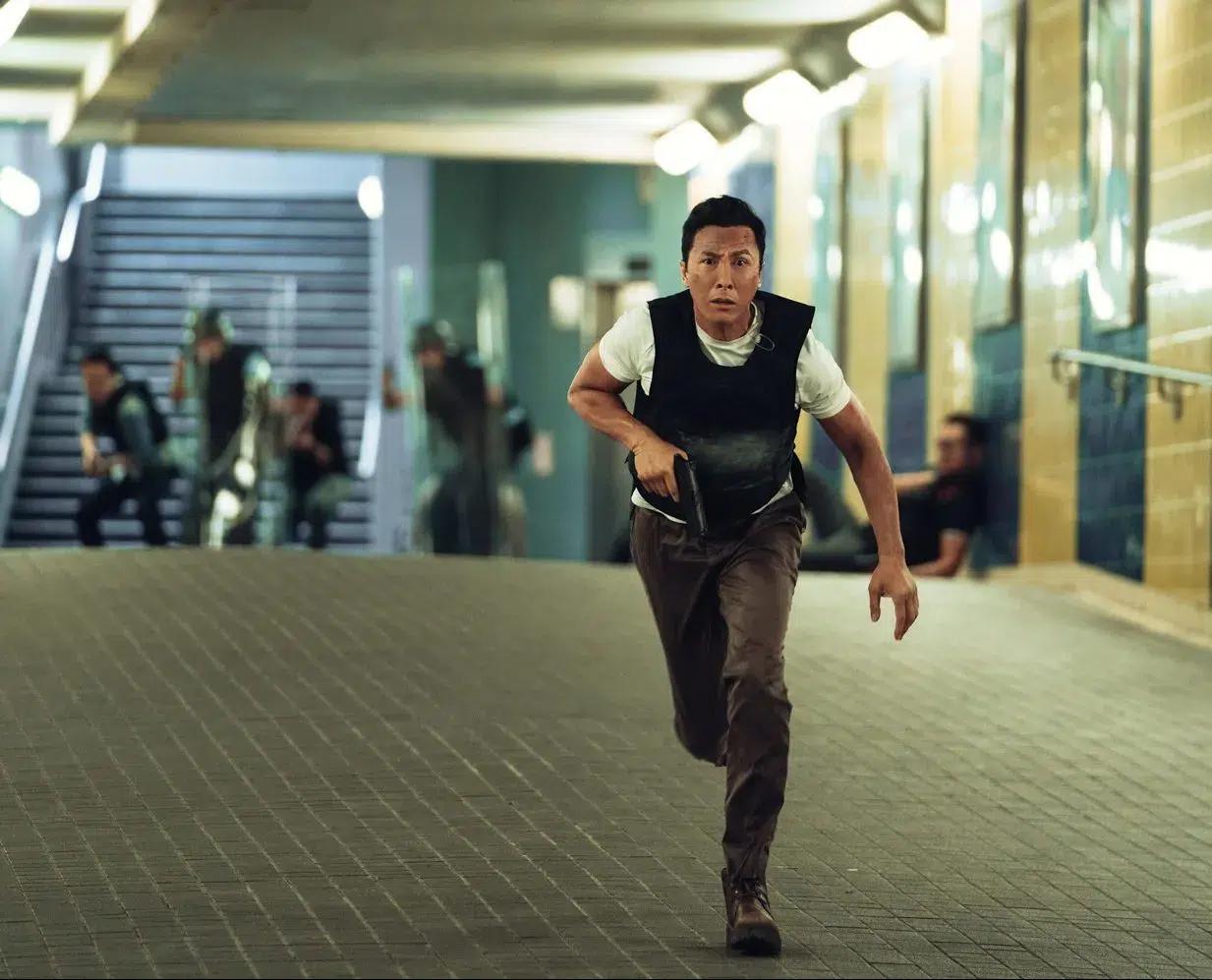
Released posthumously, the final film by Hong Kong filmmaker Benny Chan—the man behind HK action classics like A Moment of Romance (1990), Big Bullet (1996), and Heroic Duo (2003)—stars Donnie Yen as an incorruptible police officer hunting down a former colleague, played chillingly by Nicholas Tse. Toeing the line between hard-boiled crime thriller and precisely-engineered martial arts flick, the film’s standout is its final movement: a tense and tightly choreographed close-quarters battle between Yen and Tse in an abandoned church. Stripped of ornament and driven by pure physical intensity, the sequence alone secures Raging Fire (2021) a place among modern Hong Kong action standouts, while serving as a fitting capstone to Chan’s career.
Nikil Naghesh Bhat, Kill (2023)
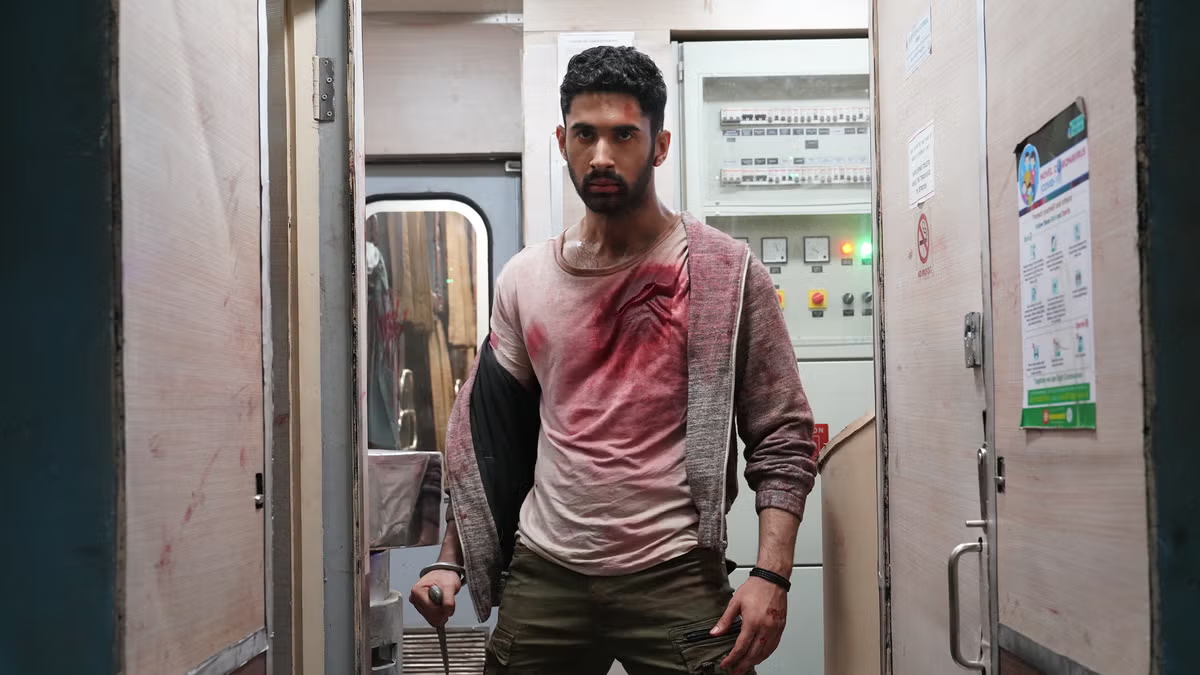
The great twist of Nikhil Nagesh Bhat’s Kill is that it is every bit as violent as its title promises—it just makes you wait for it. The film starts off pretty cheerfully, all things considered: a dashing military commando, Amrit (Lakshya Lalwani), returns from service to find that the love of his life, Tulika (Tanya Maniktala), has been forcefully betrothed to another man. He crashes her engagement party, they decide to elope, and board a train together the next day. Unfortunately, so does a family of bandits, who quickly begin terrorising passengers, Tulika and her family among them. There are skirmishes—various stabs, bangs and bruises are exchanged—and for the best part of 45 minutes the violence feels like a warm-up. Then the title card drops, and it dawns that playtime is over. Tulika is murdered in brutal fashion by the bandit’s ringleader, and from that moment Bhat unleashes a torrent of visceral, R-rated carnage that earns its name ten times over, as an enraged Amrit sets out to end an entire bloodline at any cost.
Dev Patel, Monkey Man (2024)
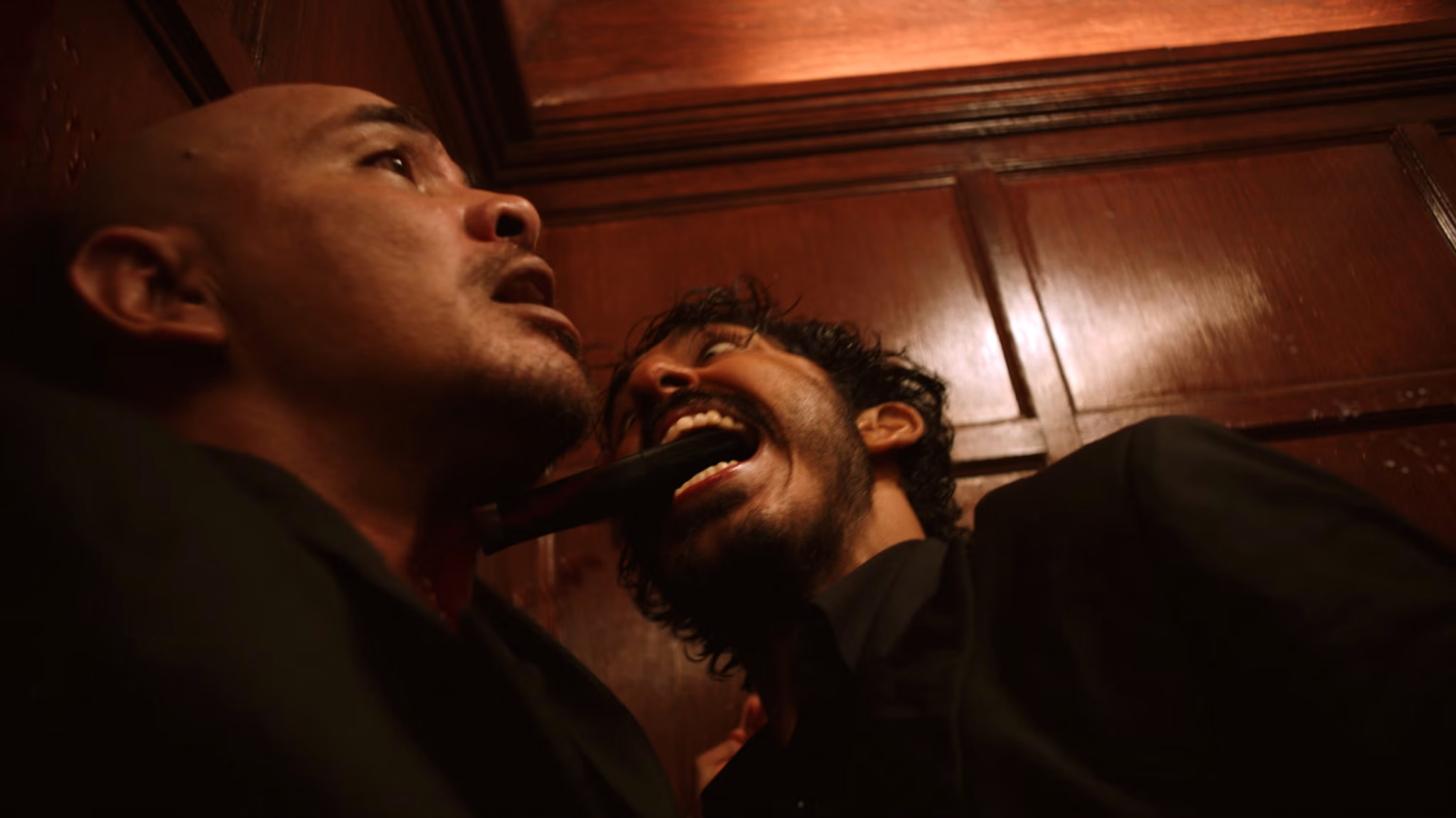
Dev Patel’s Monkey Man (2024) may not hit the same towering heights as some of the other films on this list, but it lands (most of) the punches that matter. A love letter to martial arts cinema itself, the film follows a man in a monkey mask carving a path of furious vengeance through India’s corrupt elite. More importantly, it cements Patel as more than just another actor making the leap to directing, but a filmmaker hungry to earn his place in the larger action movie canon. Patel may sometimes appear too eager to pay homage to previous films, but there are moments of true subversion here. In one standout sequence, he takes the familiar action-movie image of two opponents straining over a knife and gives it a savage twist, with his masked avenger catching the hilt in his teeth and forcing the blade into his opponent’s throat.
Soi Cheang, Twilight of the Warriors: Walled In (2024)
If you’re reading this after coming out of Kenji Tanigaki’s The Furious, prepare to have your head explode for a second time this week, this time by Soi Cheang and his 2024 feature Twilight of the Warriors: Walled In. In some ways a spiritual precursor to The Furious, the film bears Tanigaki’s fingerprints throughout: serving as action choreographer, he hints here at ideas he would fully realise with his own action extravaganza only a few years later. Set in the densely-populated and lawless Kowloon Walled City, the film centers on a mysterious fighter who finds safe haven in the city amongst a gang of good-hearted triads, but whose presence soon threatens to reignite a long-buried turf war.
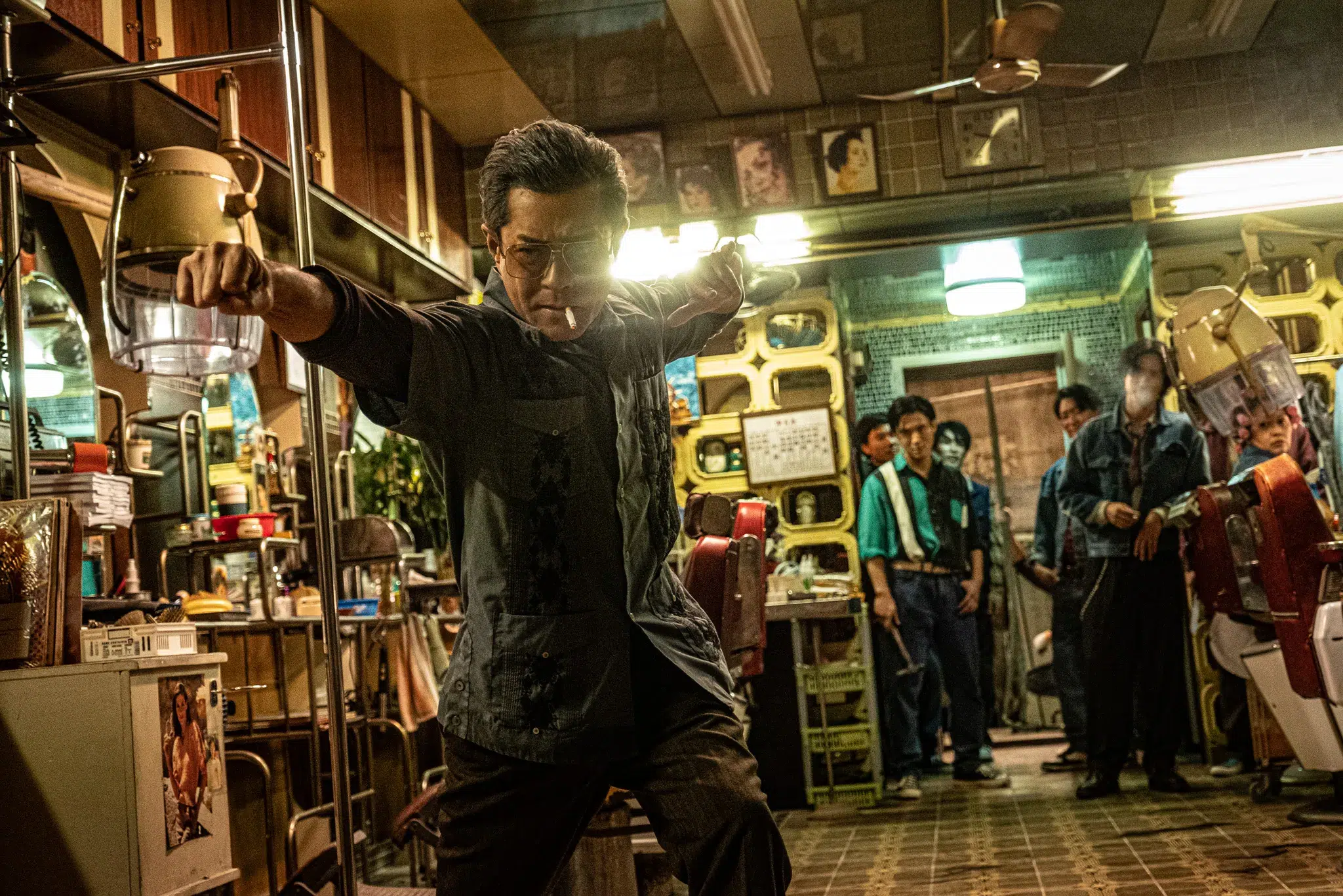
Kenji Tanigaki, The Furious (2026)
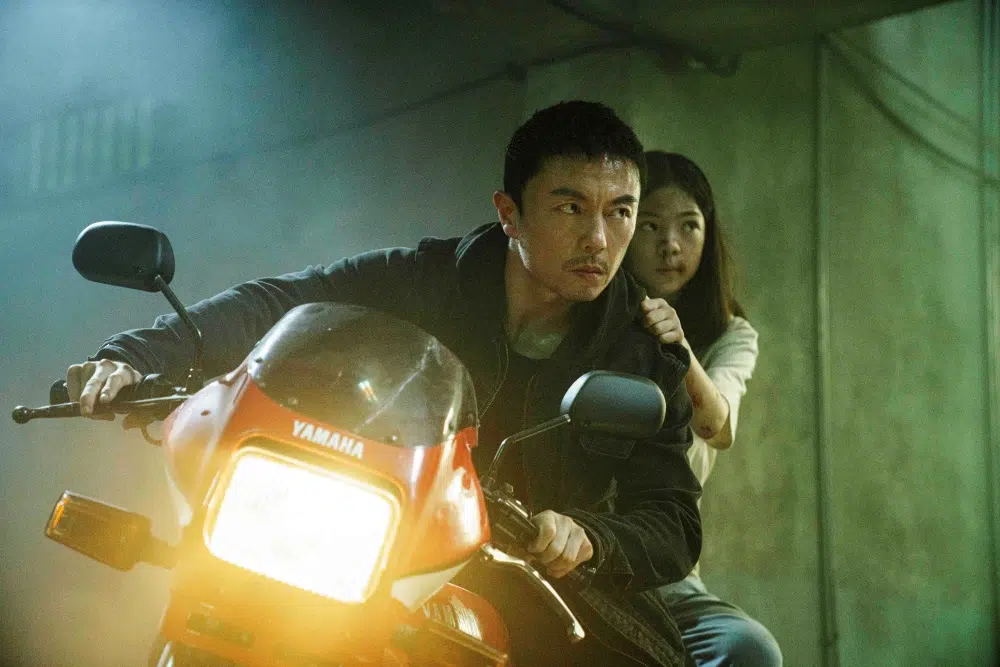
Action movie aficianado or not, you may have nevertheless heard whispers of a movie that is revolutionising the genre—that movie is Kenji Tanigaki’s The Furious, a blood-pounding brawler that sees Mo Tse as mute father Wang Wei, who embarks on a merciless crusade through the criminal underworld after his young daughter (Yang Enyou) is abducted by a ruthless human trafficking syndicate. Innovative, relentless, with one hand reaching into the future of the genre and another lovingly clasped on the great films and filmmakers that came before, The Furious is an unmissable thrillride that somehow lives up to it’s meteoric hype.
You can read our interview with Tanigaki about the making of the film here.