

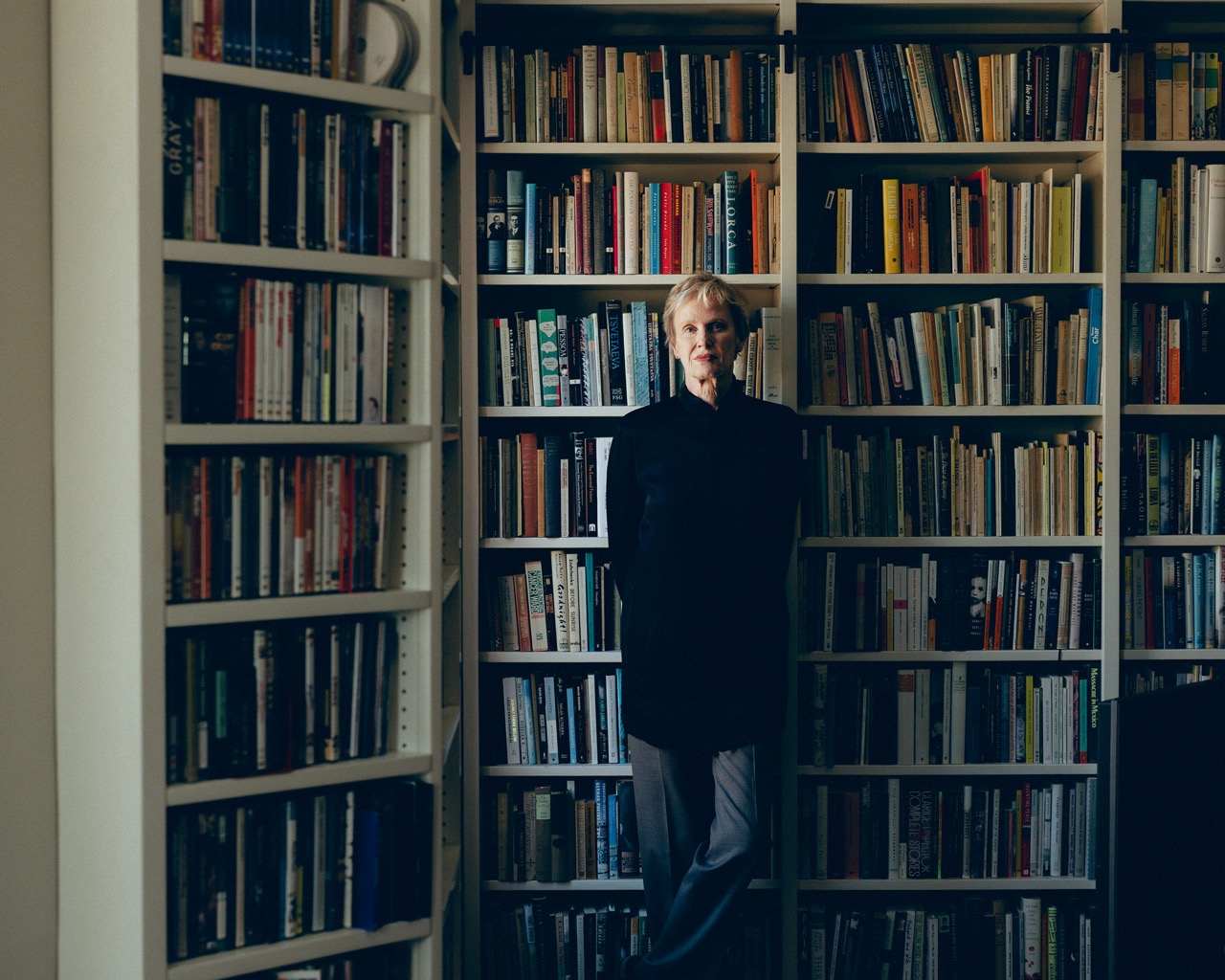
With her memoir Ghost Stories, Siri Hustvedt has written a deeply moving account of grief. At home in Brooklyn, the author and essayist discusses the cognitive splintering that followed the death of her husband, the author Paul Auster, finding a form for her mourning, and the power of the senses in conjuring the deceased. Photography by Amir Hamja.
“I am alive. My husband, Paul Auster, is dead.” These two sentences open Ghost Stories (2026), the new memoir from novelist and essayist Siri Hustvedt. She started writing the book two weeks after her husband, the author Paul Auster, died from lung cancer in April 2024. “I realised that I had to write. I couldn’t go back to the novel I had half-finished, because I didn’t feel as if I were the same writer anymore,” says Hustvedt. “This was the only thing I could write about. It was a kind of need. The first paragraph just came out of me.”
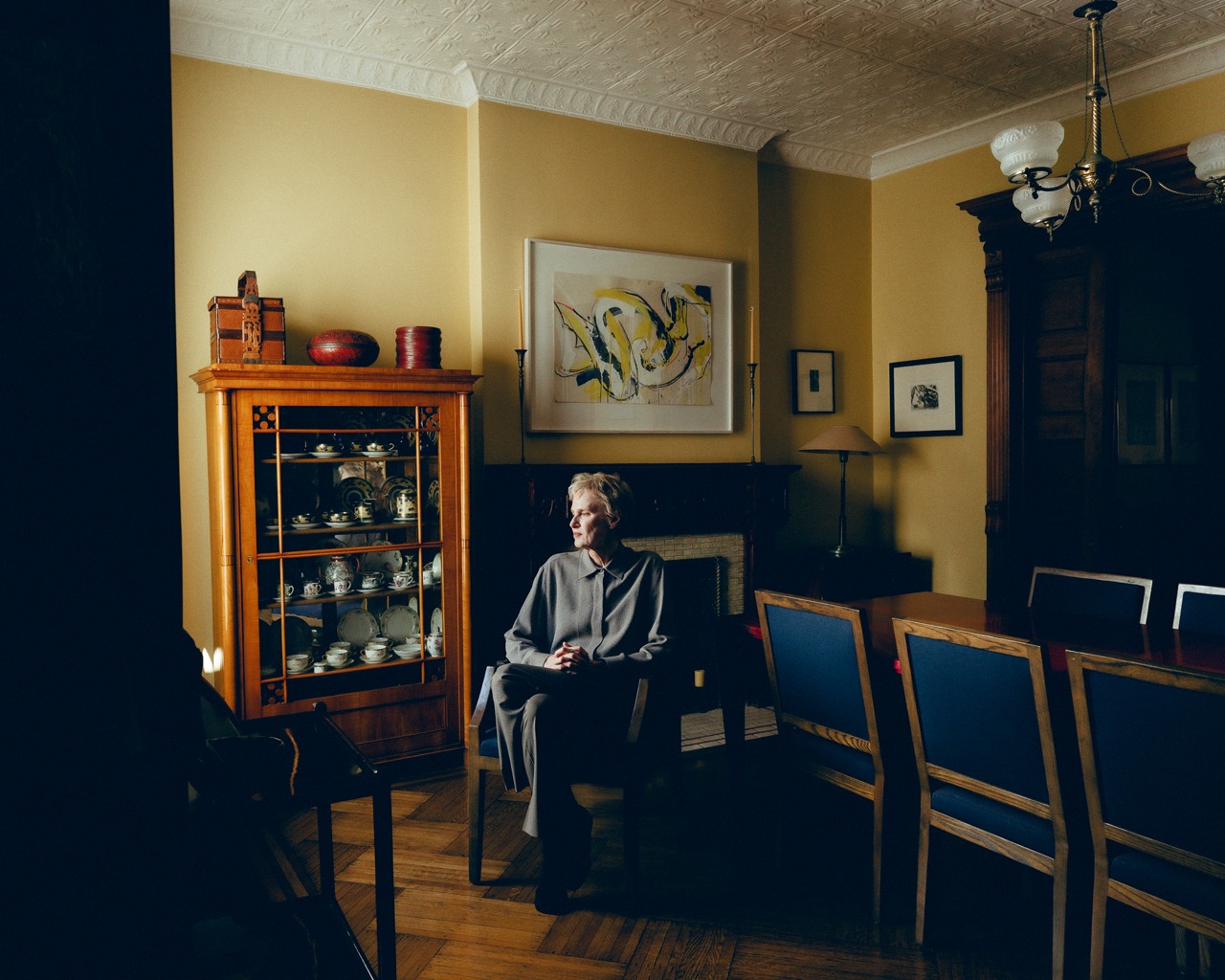
Hustvedt, 71, is speaking to me via Zoom from her home in Brooklyn—an enviable brownstone that she lived in with Auster for the majority of their 41-year marriage. Despite the couple’s laminated image as cool New York intellectuals, Hustvedt—who is the author of 15 works of fiction and non-fiction as well as many more academic papers on neuroscience—is humorous and light-hearted, while just as exacting and erudite as I had hoped. Between handsome bookshelves, above the fireplace behind her sits a painting that I recognise from a reissued cover of her 2003 bestseller What I Loved. A woman, sitting on a chair in a red dress, stares into the black abyss of the artwork’s background. “A faceless portrait; there’s something moving about that,” notes Hustvedt.
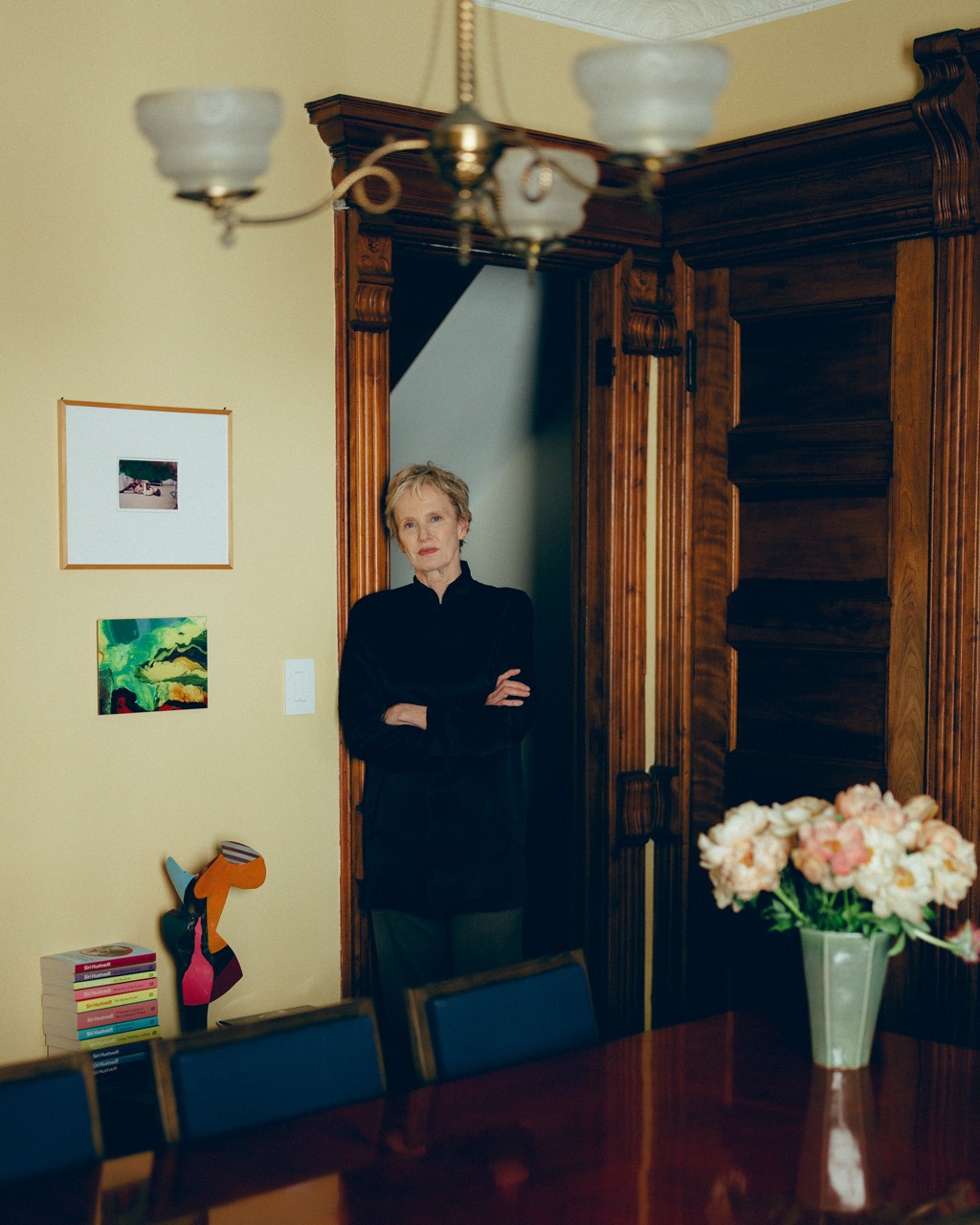
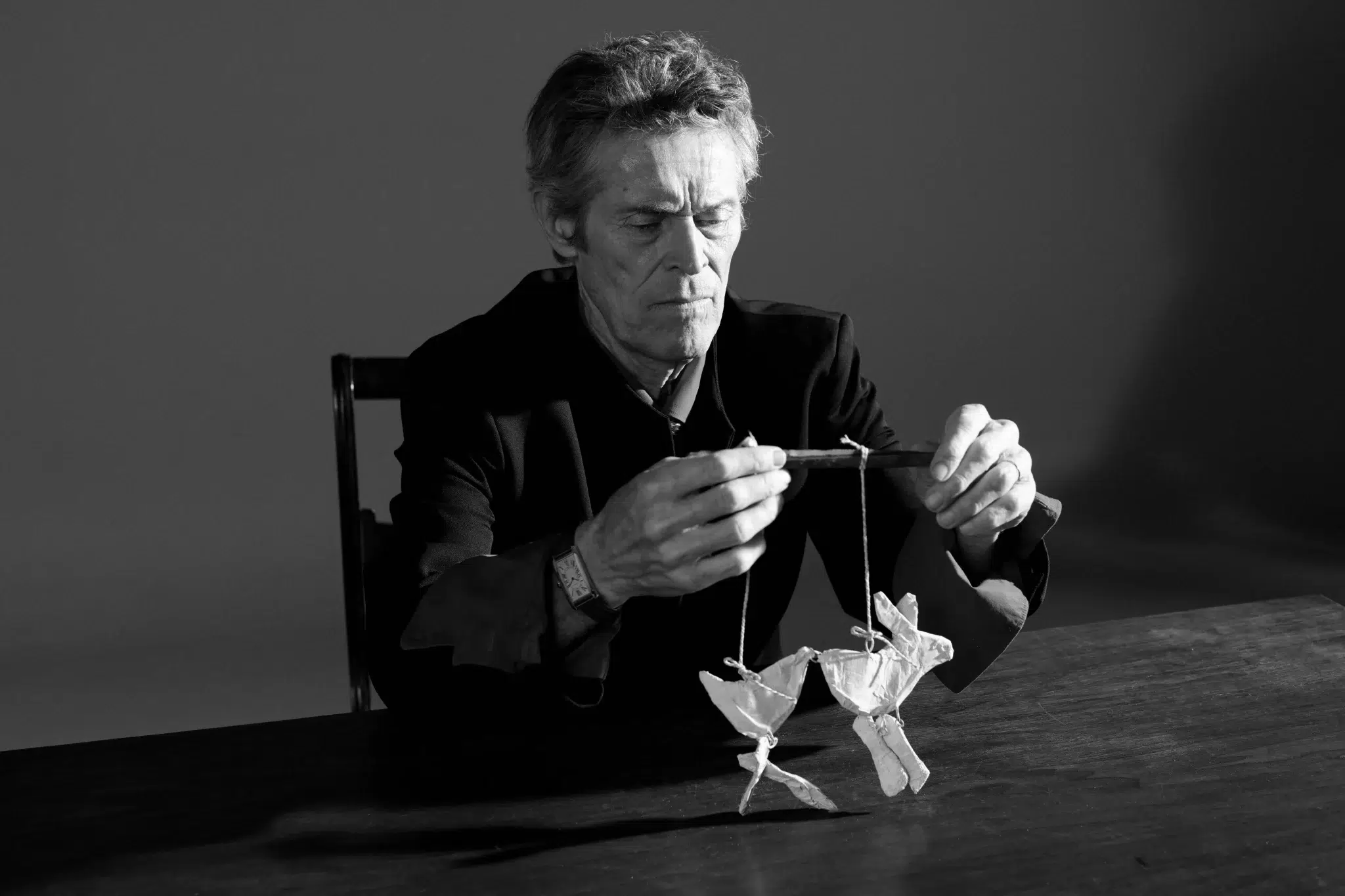
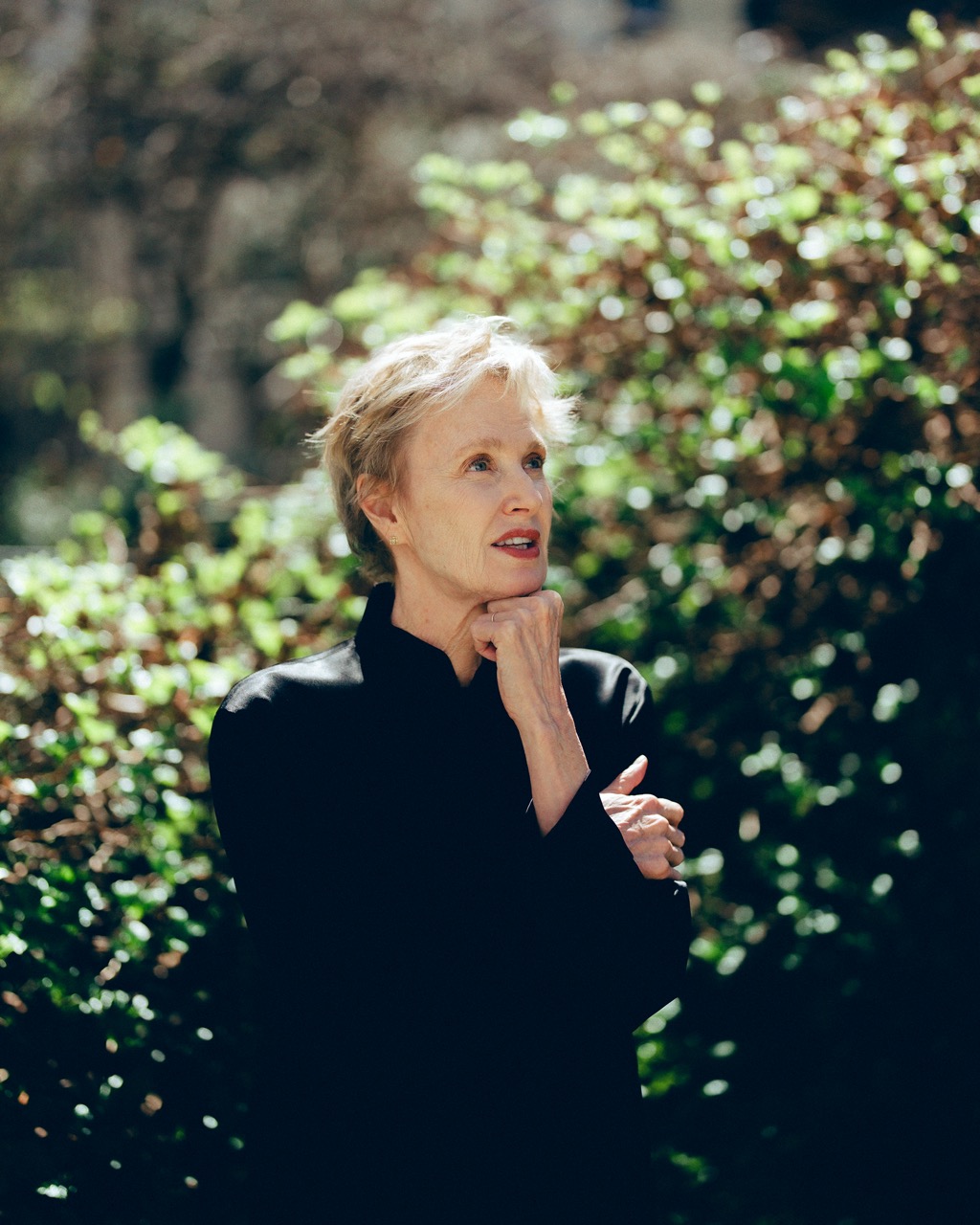
Siri Hustvedt at home in Brooklyn, 2026. Photo by Amir Hamja.
While What I Loved was written (and rewritten) over six years, Hustvedt wrote Ghost Stories in one fell swoop over 11 months, from May 2024 to March 2025. As such, it is a febrile, living document of grief, a response to the “cognitive splintering” she experienced. “Despite the fact that I knew Paul was dying… you’re just not prepared for something to disappear from your perceptual reality that was there all the time,” says Hustvedt. The first-person narrative that opens the book is punctuated by stinging observations of this new normal: “I sleep by pill”; “No one faxes me”; “Grief is not constant. I can seal myself up for days against the storm, and then gale winds come and knock me down.”
When Ghost Stories begins, time, for Hustvedt, is “deranged beyond recognition”. Accordingly, the memoir moves backwards and forwards chronologically and is interwoven with extraneous documents: from old diary entries to emails from Hustvedt to friends and family with updates on Auster’s progress in “Cancerland”. “The structure of the memoir was an attempt to imitate the experiences I was going through,” says Hustvedt. “I wanted these fractured but multiple times to exist in the book itself.”


Most notably, Hustvedt includes the letters that Auster wrote to his grandson Miles, intended for him to read in the future. In these missives, Auster details their family history and the upbringing of their daughter, the musician Sophie Auster, while reflecting on seismic events, from 9/11 to the Covid-19 pandemic. “I talk about our marriage as a dialogue, so it’s a kind of posthumous form of dialogue that you get both our voices,” she says.
These documents contrast with passages of personal narrative and analysis informed by philosophy, literature, and science, from Maurice Merleau-Ponty to CS Lewis. “It came to me from my subconsciousness that [Claude] Lévi-Strauss, the French anthropologist, wrote a book called The Raw and the Cooked, which I read in grad school,” says Hustvedt. “I thought, ‘Well Siri, that’s what it is’. There are notes from my journals taken during Paul’s illness full of raw feeling. But then there’s the cooked stuff, which is part of my tendency to meditate on what this is and how common it is. If you have the capacity for love and you live long enough, you will grieve. There’s really no exit.”

“The structure of the memoir was an attempt to imitate the experiences I was going through… I wanted these fractured but multiple times to exist in the book itself.”
Siri Hustvedt
Hustvedt is no stranger to ghosts. In her essay collection Mothers, Fathers and Others (2021), she reflects on the “Mentor Ghosts” that made an impact on her, while in The Shaking Woman or a History of My Nerves (2010), Hustvedt explores her violent tremors as a symptom of her father’s death. “It’s a persistent metaphor,” agrees Hustvedt. “I think it’s what happens to writers, that things keep coming back whether you like it or not. Then you go, ‘My god, this again’.”
In Ghost Stories, the motif of the haunted house in particular comes through. (It is “inhabited by a ghost Paul and I made together, a ‘we’ that doesn’t exist anymore”.) It was Auster’s wish to die in the library of the house, and in the memoir Hustvedt describes strange sensations of his presence. “It’s comforting to me now,” says Hustvedt of the home, referring to the Ancient Greek concept of memory palaces. I wonder if she feels any resonance with her character in The Blindfold (1992), who pays the protagonist Iris Vegan to describe, in detail, the possessions of a dead woman. “The objects of the dead take on absurd meanings,” she agrees. “This isn’t in the book, but there was a sweatshirt [of Paul’s] that was hanging in the closet that hadn’t been washed. I just grabbed it and inhaled it. Smell has a different path to the brain. It’s not in the past, it’s immediate. It’s as if that person—at least the sensual part—is reincarnated.”
Reading is its own form of haunting. “Paul said to me before he died, even before he was ill: ‘I spend a lot of time talking to ghosts’,” recalls Hustvedt. “As an intense reader, you do spend a great deal of your time reading the voices of the dead… Some of my best friends are ghosts.” I wonder how it feels now that Auster—once Hustvedt’s first reader and “in-house editor”— has reached the other side. “I think I’ll take that to the grave,” responds Hustvedt. “On an editorial level, I internalised some of Paul’s earlier critiques. It’s funny, I thought, if I had died, then he would have lost the reader.”
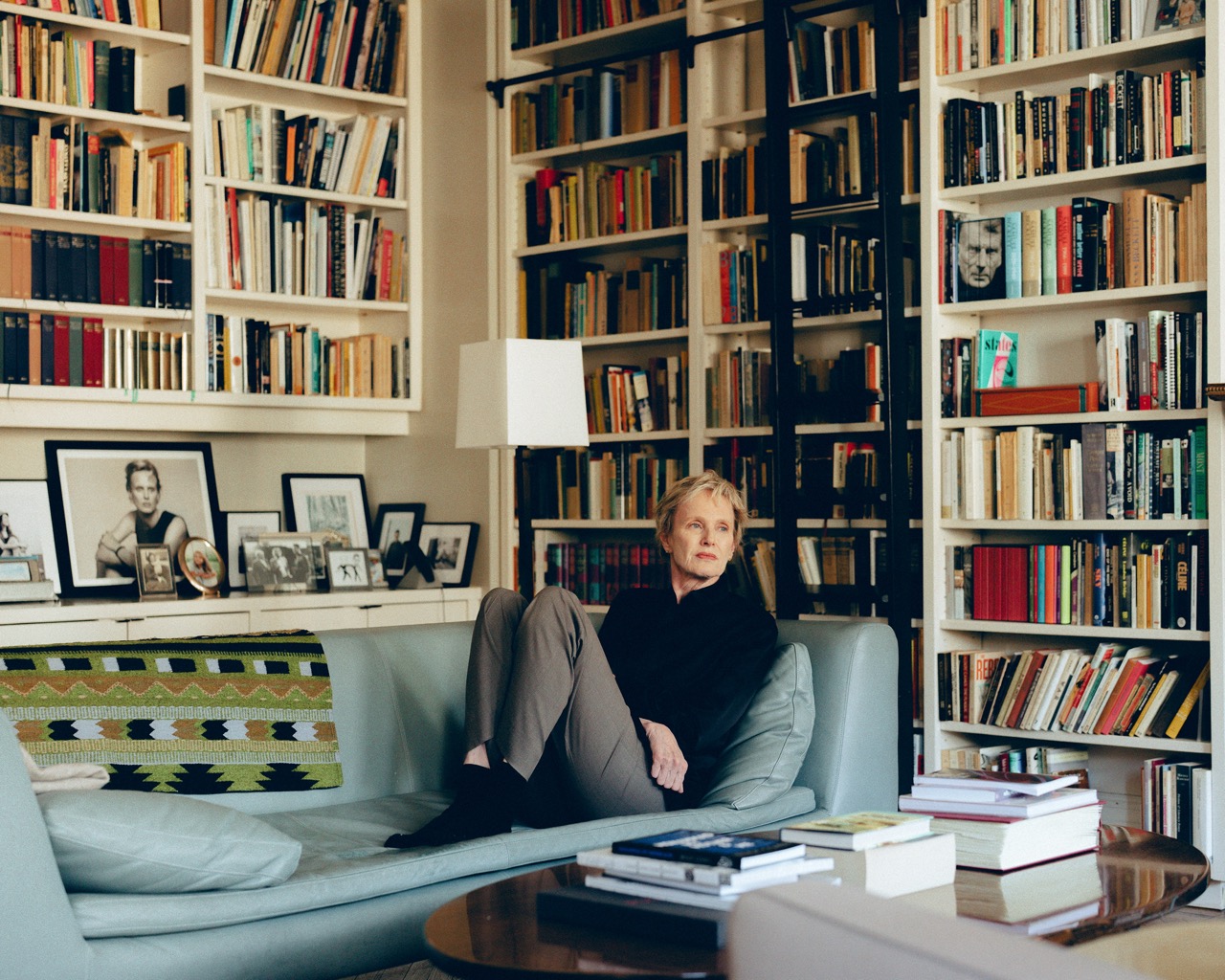
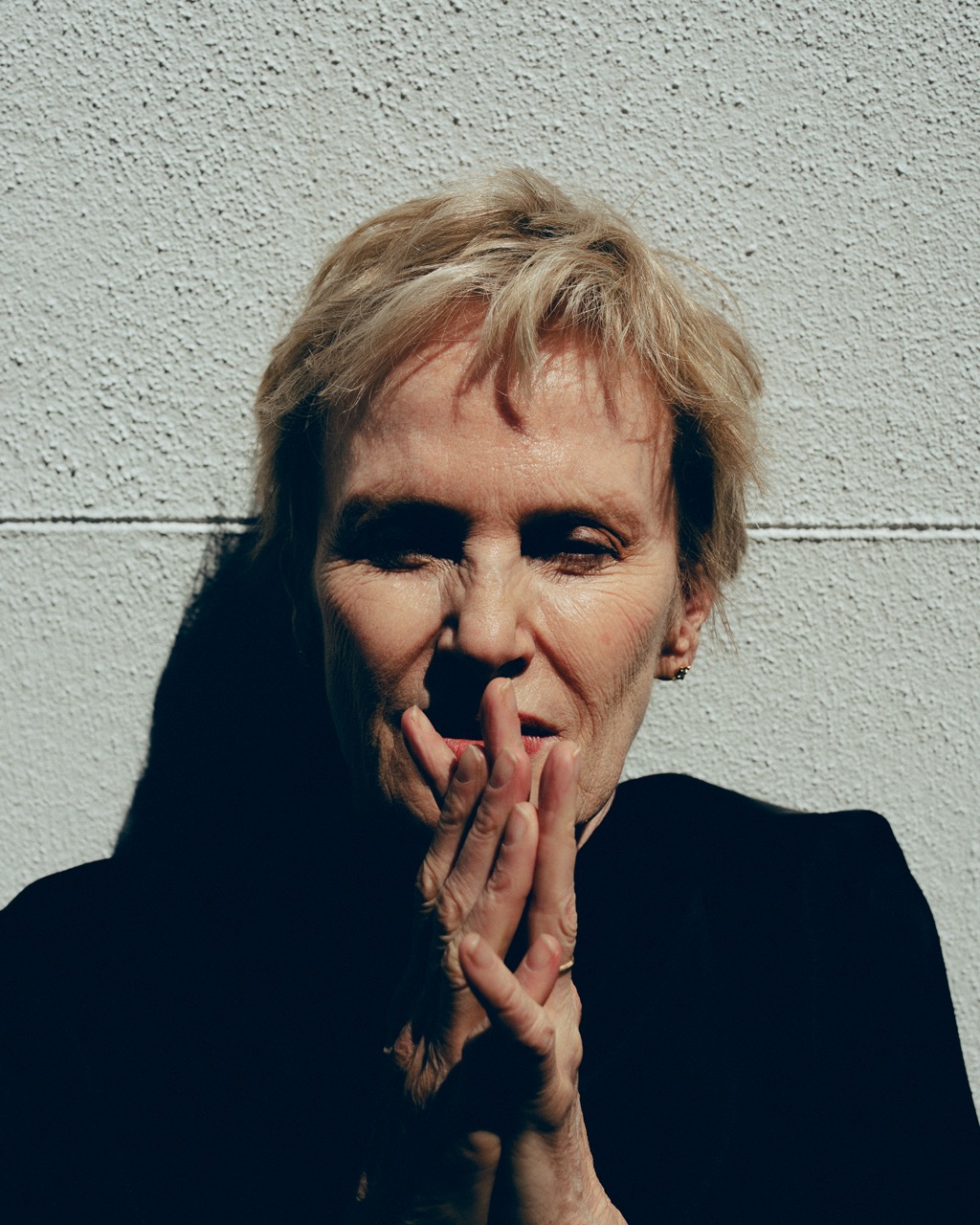
Siri Hustvedt at home in Brooklyn, 2026. Photo by Amir Hamja.
“As an intense reader, you do spend a great deal of your time reading the voices of the dead.”
“As an intense reader, you do spend a great deal of your time reading the voices of the dead.”
Siri Hustvedt
The Auster and Hustvedt story is a kind of literary Camelot. When the pair first met—at a poetry reading in 1981—she was a 26-year- old graduate student from a Norwegian family in Minnesota writing a PhD about Charles Dickens. He was a 34-year-old from a middle- class Jewish family in New Jersey working on a series of novels, later titled The New York Trilogy (1985–86), that would launch him into literary stardom. When Hustvedt became a novelist herself with The Blindfold, she would spend a lot of time fielding misogynistic questions about her husband’s influence on her work. “Profound sexism,” says Hustvedt. “[Paul] got pretty irate about it over time. The outcome was that it made him a pretty die-hard feminist.”
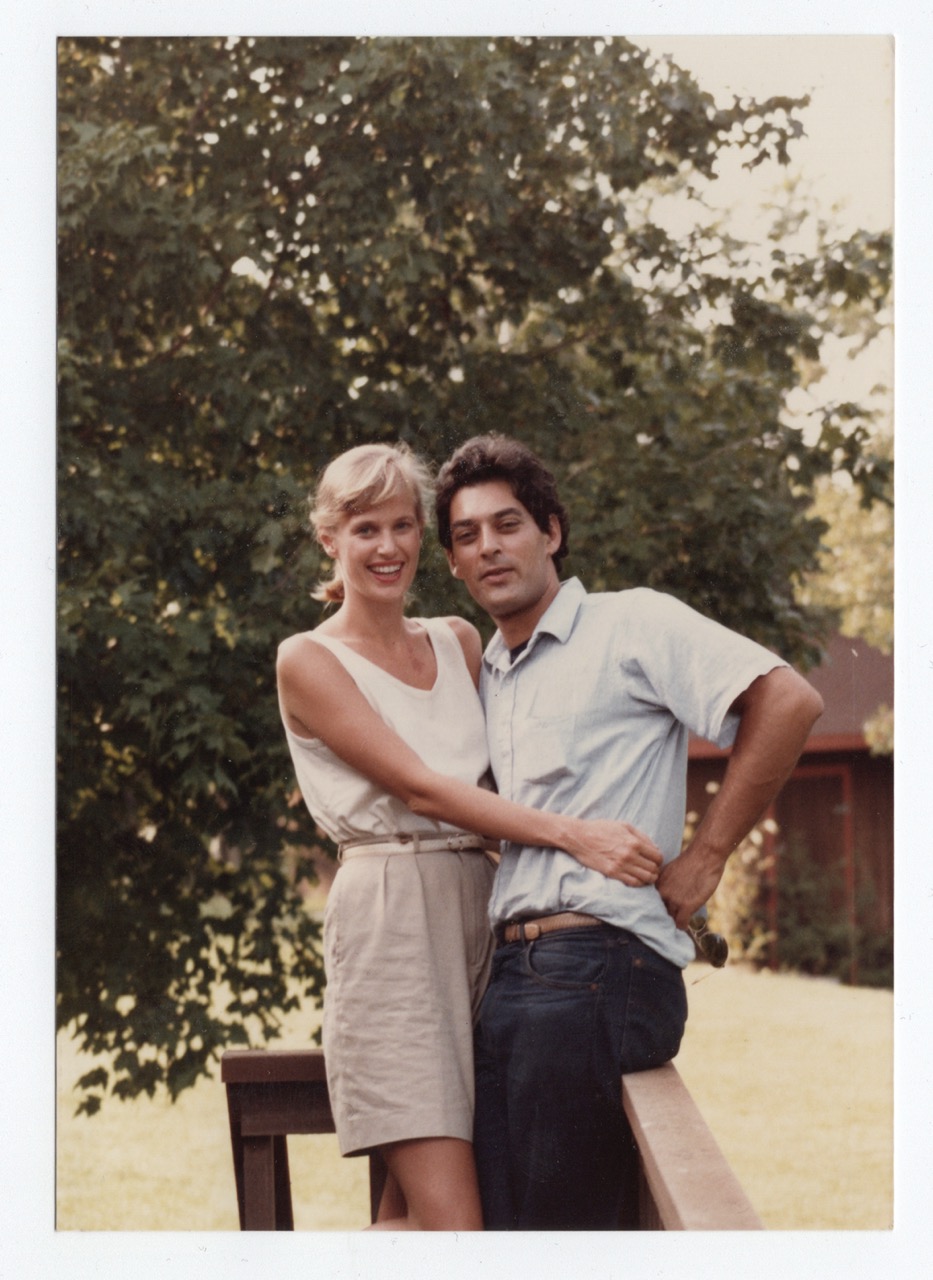
Siri Hustvedt and Paul Auster pictured in Minnesota
While undeniably successful, the marriage, as Hustvedt makes plain in Ghost Stories—is far from perfect. “We argued and he was really stubborn and I was really sensitive. The machine versus the organic model,” she quips. The memoir also devastatingly relays “the terrible things”. Namely the tragic death of Ruby, Auster’s first granddaughter, in 2021 from a fatal overdose of fentanyl and heroin at 10 months. Ruby’s father, Daniel Auster—his son from his previous marriage with the writer Lydia Davies—would be charged. Daniel died from an overdose 11 days after his arrest. While a lived pain is palpable under the surface, there is a sober relaying of the facts in Hustvedt’s account of these events—likely a response to the speculation that followed the story. “With memoir, there’s a kind of moral contract between the writer and the reader,” says Hustvedt. “That everything the writer is saying is, to the best of that person’s knowledge, absolutely true.”
Also included in Ghost Stories are two letters that Hustvedt wrote to Auster during a brief period of separation early on in their marriage. With something between courage and delusion, Hustvedt wills him back to her. “Still you should think hard before you discard this friendship,” she writes. “Even if it hadn’t worked out, I did feel I would be fine,” Hustvedt reflects today. Was revisiting this old separation a way of making sense out of this new one? A reassurance that all will be well? “I’m not telling you it’s better. I’d snap him into existence in a heartbeat if I could,” says Hustvedt. “[But] you recognise a kind of capacity for living alone and that can have fulfilment too.”
When we speak, the second anniversary of Auster’s death is just around the corner. “I think he would have loved this book,” says Hustvedt, reflectively. She plans to return to the political novel she abandoned, which will necessarily become something different from when she first started. “I’m a widow and that’s an interesting experience,” she notes, citing the American political climate as another key variable. “There’s a book inside the book about eugenics, and we’re seeing the rise of this with JD Vance and birth rates, and all these proto-fascist realities coming back to haunt us.” Hustvedt, now with her knees tucked up to her chest, looks off-camera to gaze at the desk beyond her. “I’m going to put my finished pages beside me and start from scratch,” she explains. “How does one finish a novel like that? Well, I have a couple of ideas.”
Ghost Stories is out now