

In honour of the Summer Solstice, Hannah Benson explores how the languid longer days of the Northern Hemisphere allow filmmakers to elicit, fact, fantasy and feelings.
Time works differently in the movies. It could take years for the end credits to roll. A computer-generated calendar flips in seconds to illustrate months passing by. Viewers can spend a mere two hours in a theatre, despite witnessing a character’s entire lifespan. To truly inhabit a film’s world, we disregard logic and the hands of Cartier Tank watches.
The months of June, July, and August exhibit their own distinct haze in cinema’s frames and time frames. The single-day narrative is a recurring tool of the summer film canon, spanning coming-of-age cult classics, Richard Linklater’s filmography, French and Iranian New Wave, and the stories that capture the mythos of New York. While the minutes may not match the ones outside the screen, the longer days of the Northern Hemisphere allow filmmakers to effectively elicit fact, fantasy, and feeling in a shorter duration within their movie’s reality.
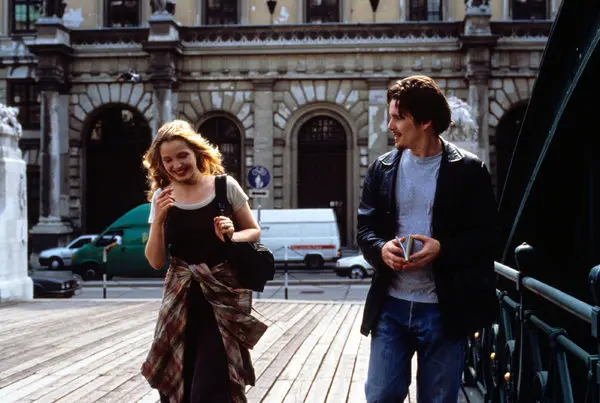
Richard Linklater, Before Sunrise (1995)
June 5 is the canonically agreed upon date of the 1986 teen comedy, Ferris Bueller’s Day Off. Beyond instructing audiences on how to feign illness to get out of monotonous obligations, the titular character showed us how to take advantage of the extended daylight hours. Nearing the end of high school, Ferris Bueller expanded minds when he drew his bedroom curtains to clear, blue skies. “How can I possibly be expected to handle school on a day like this?,” he asks, speaking to camera. With June’s beauty before him, Ferris justifies his school skipping and itinerary: a baseball game, a parade infiltration, poolside Oreos, a museum visit featuring Georges Seurat’s A Sunday on La Grande Jatte (1884)—its own summer afternoon in frame, the dotted subjects free of time constraints. The film’s writer and director John Hughes maximised his characters’ escapades over the course of a school day, while still richly depicting their distinguishing personalities. Ferris, himself, is defined by the film’s tenet, the line, “Life moves pretty fast. If you don’t stop and look around once in a while, you could miss it.” We only get so many summer days.
American teenagers’ wisdom (and lack thereof) is also explored in Richard Linklater’s semi-autobiographical film, Dazed and Confused. The 1993 film transports audiences back to the 1970s, centring around the last day of school in a Texas town. To the various characters, the advent of summer means rock ‘n’ roll, making out in cars, and marijuana—all of which are feeble attempts to stop the season from cascading into fall, when books are to be opened and more “adult” decisions must be made. Languidness permeates this slice of life due to lack of plot and the inclusion of a great number of bongs and joints. It’s the first day of the summer holidays, there’s no rush.
Echoing our youth, as adults we use summer to break up the monotony of the year. We travel, entertain hand-holding, and stay in the water a little longer. These romantic notions may also stem from Linklater’s immediate follow-up to Dazed and Confused. June 16 marks the meeting of Jesse and Céline, the encounter that spawned a day-long conversation across Vienna in Before Sunrise, the first installment of The Before Trilogy. A fascination with time and aging is evidenced throughout all of Linklater’s filmography. With Before Sunrise, Linklater upholds the power of attraction and banter. Falling in love is possible—we all start as strangers after all. While most definitely a Hollywood notion, who among us hasn’t indulged in the allures of a warm evening?
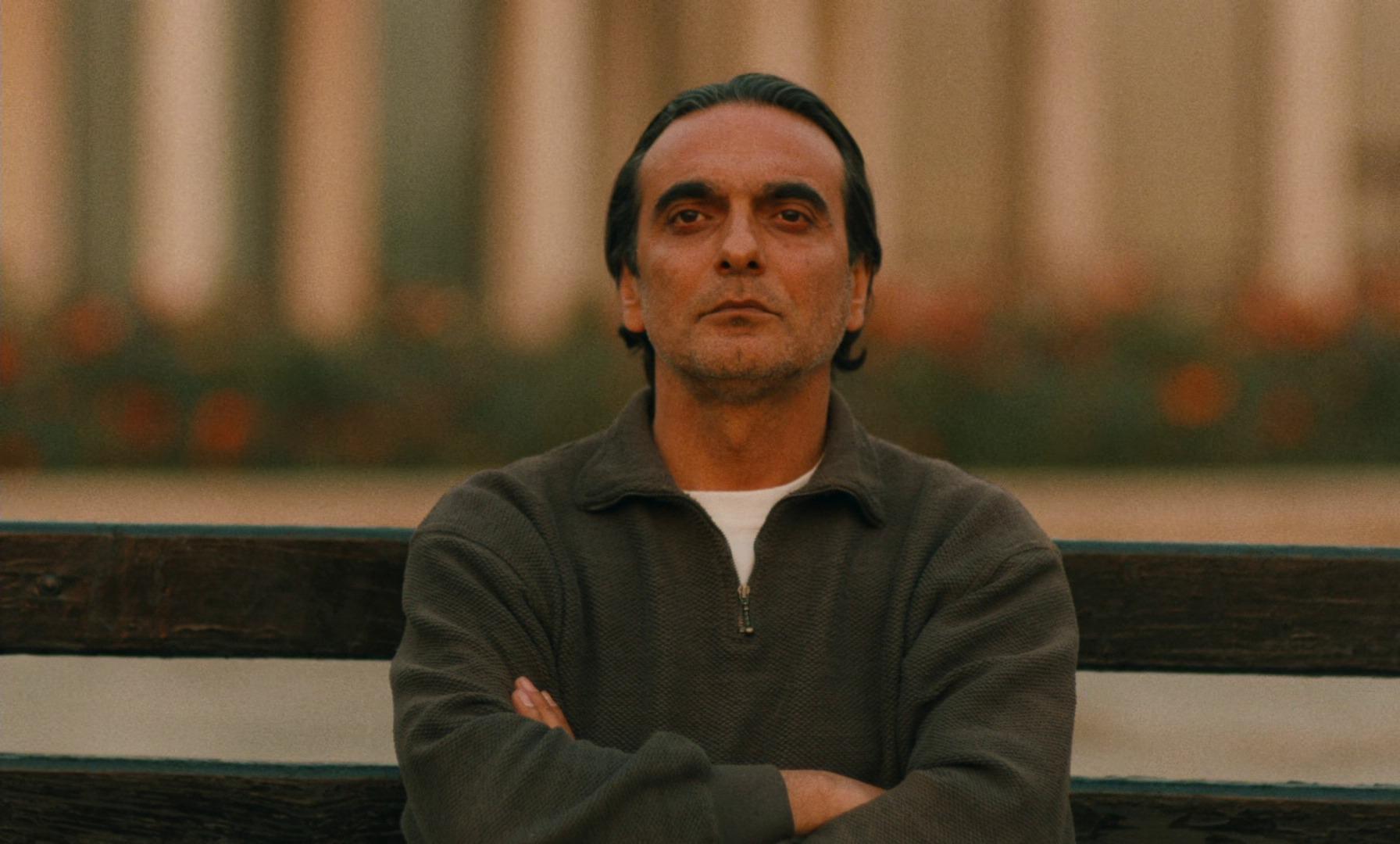
Abbas Kiarostami, Taste of Cherry (1997)
While warmth seeps itself into the frames of Abbas Kiarostami’s Taste of Cherry (1997), the plot says otherwise. Driving through the outskirts of Tehran, Badii spends his day searching for someone to bury him once he ends his life—not frantically, rather with ease. In both close-ups and wide shots, Kiarostami implements natural lighting with slight exposure bringing forth a palette of yellows, oranges, and browns. The strangers Badii encounters implore him to let this day roll into another, including Mr. Bagheri, who muses, “If you look at the four seasons, each season brings fruit…”, then adding, “No mother can do as much for her children as God does for His creatures. You want to refuse all that? You want to give it all up? You want to give up the taste of cherries?” A fruit that returns summer after summer as viewers hope Badii does.
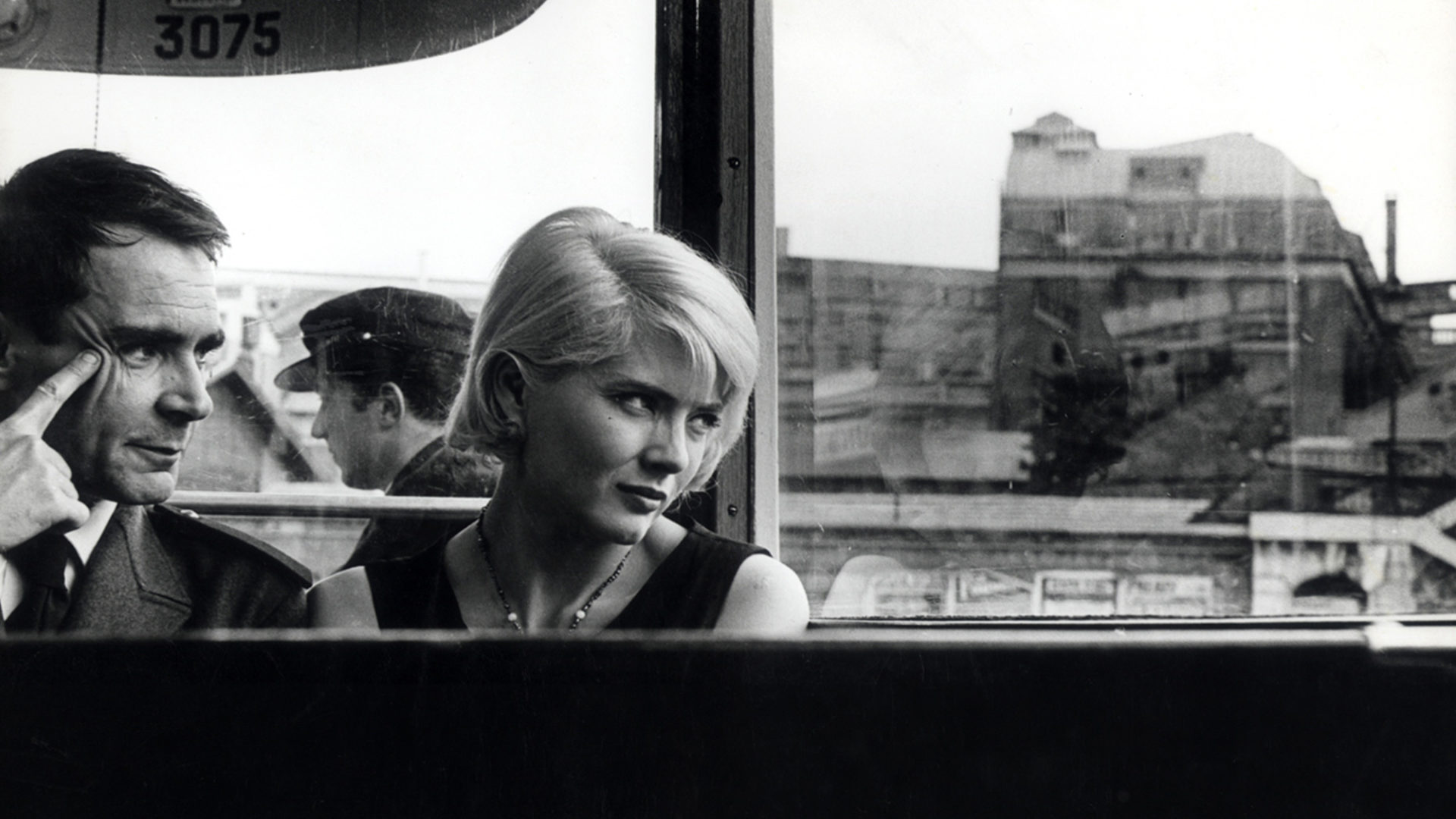
The hours between 5 p.m. and 6:30 p.m. on June 21 are the focus of Agnès Varda Cléo from 5 to 7. The impact of Varda’s use of “real time” is familiarity; audiences gain an honest glimpse into the life and mind of the eponymous Cléo, wandering across 1960s Paris. Awaiting a possible cancer diagnosis, this day should be more anxiety-inducing yet the summer solstice’s sheer length grants a certain slowness as she flints from café to shop to home to Parc Montsouris. The minutes outside on a summer’s evening on the Left Bank are a means of escape from grave news. Filmed in black and white, it’s clearly a beautiful day just as Cléo’s faith in recovery is not seen but felt.

“While most definitely a Hollywood notion, who among us hasn’t indulged in the allures of a warm evening?”
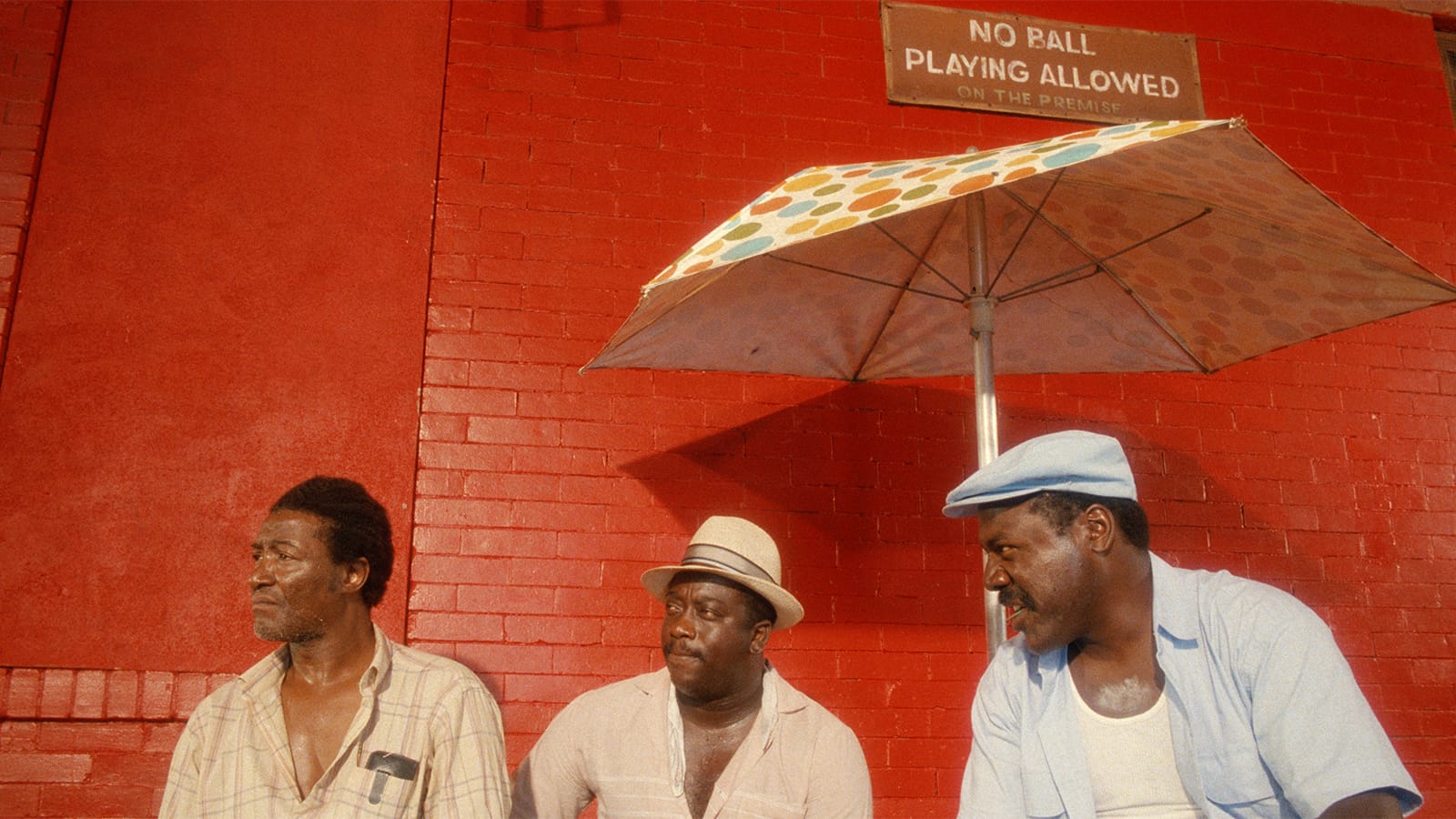
Spike Lee, Do The Right Thing (1989)
In 1989, the New York minute took on a whole new meaning with Spike Lee’s Do The Right Thing. Beads of sweat roll down every face of the neighbourhood—the heatwave doesn’t discriminate. The high temperatures radiate on the Brooklyn concrete, refract off the Love and Hate brass knuckles, and build the tension between the longstanding residents of a Bed-Stuy block and a gentrifying business: Sal’s Pizzeria. From the spray of an opened fire hydrant to the soundtrack of jazz, R&B, and hip hop, Lee places viewers in the hottest day of summer; the senses helping them grasp the value of home and what it means when it’s threatened.
Perhaps the single-summer-day-narrative is utilised for practical reasons, a great number of daylight hours allow for more natural light on set and a condensed storyline keeps the script succinct. Or, it’s because directors and screenwriters rely on the fact that the clock is rather irrelevant when the sun rays warm the skin just so.