


As the Fifa World Cup kicks off across Mexico, Canada and the US, writer Valeria Berghinz treats us to ten of her favourite footie films.
As the FIFA World Cup kicks off across Mexico, Canada and the US, against the backdrop of Donald Trump’s presidency and a wider world in turmoil, the opening games have already showcased what football is all about: drama.
Meet the endearing underdog, the overpowered villain and the tearful fan; hold your breath during penalty kicks, cheer the assists, and, if this is your first rodeo, pretend to understand the offside rule. All the while, you might have a sneaking suspicion you’ve seen it all before—and that’s because you have: no tournament better embodies the sporting narratives that film has returned to time and again.
Here, we’ve collected the films—about football, its players and its fans, from the camp to the political—that best capture the tremendous humanity of the sport.
Gurinder Chadha, Bend it like Beckham (2002)
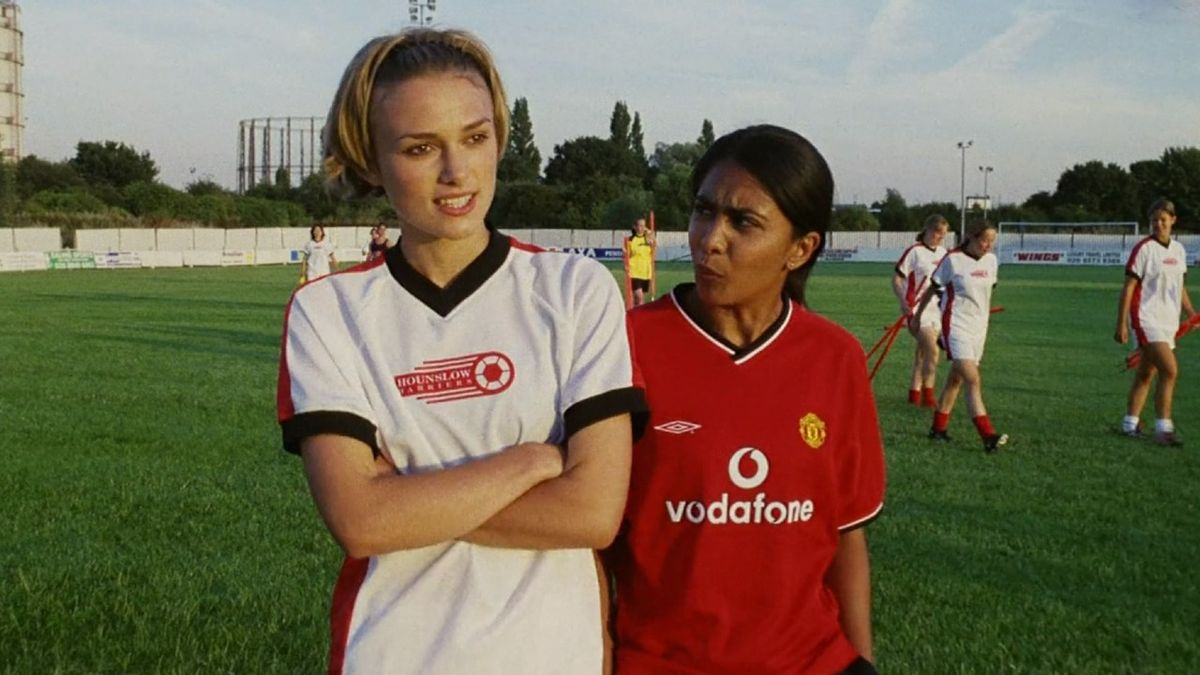
This beloved early-2000s comedy follows teenage footballer Jess as she hides her involvement with a local team from her disapproving Punjabi parents, confronting racism on the pitch as well as the sexism faced within women’s sports. As well as… a love affair with short-haired Jules (Keira Knightley’s breakout role)? Not quite. Though the film never makes their relationship romantic, it is the pair’s homoerotic friendship that has endured most vividly in the cultural imagination, a gem in a film already brimming with charm.
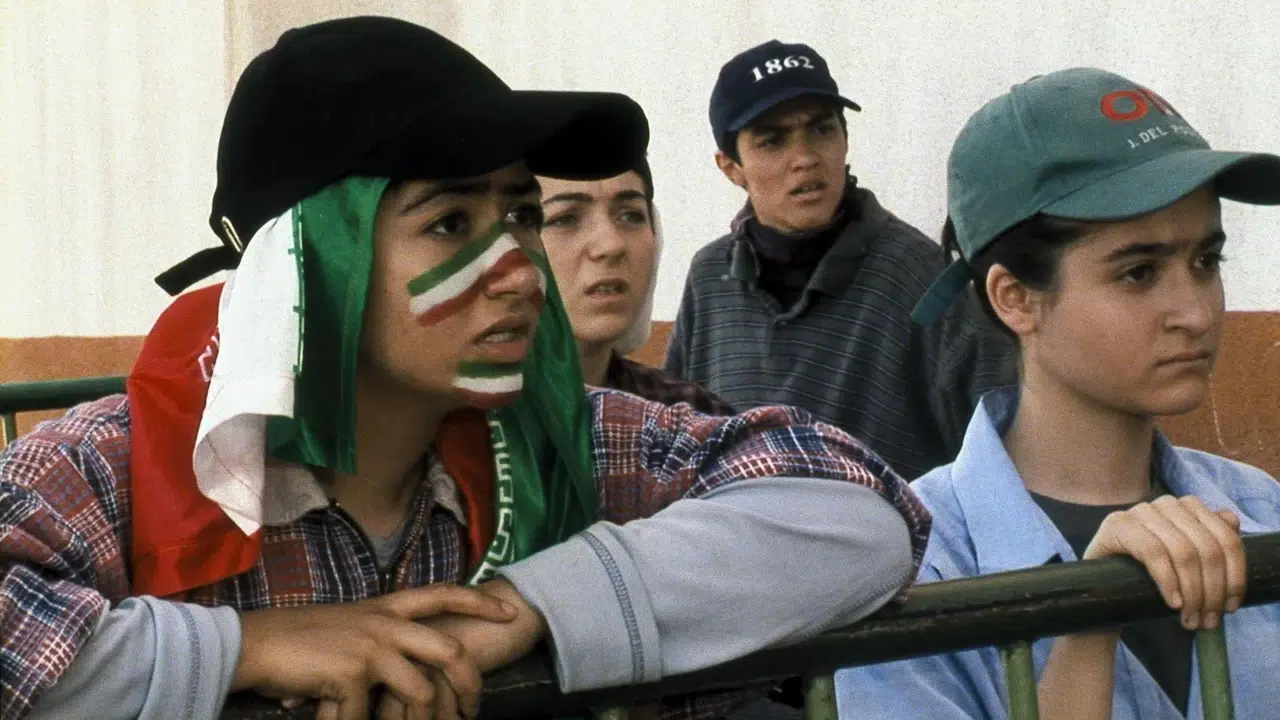
Jafar Panahi, Offside (2005)
Inspired by an occasion when his football-loving daughter was refused entry into a stadium, Jafar Panahi’s Offside portrays the thrilling highs of Iran’s World Cup qualifying game against Bahrain behind a concrete wall of the Azadi Stadium, where a handful of snickering girls are held in a make-shift prison for attempting to sneak in disguised as men. They beg for release, make fun of the guards, re-enact the plays, try their hand at escaping; they cheer, cry, swear, and await judgement for defying the law that bans women from watching live football, all from their holding pen, all for the love of the game.
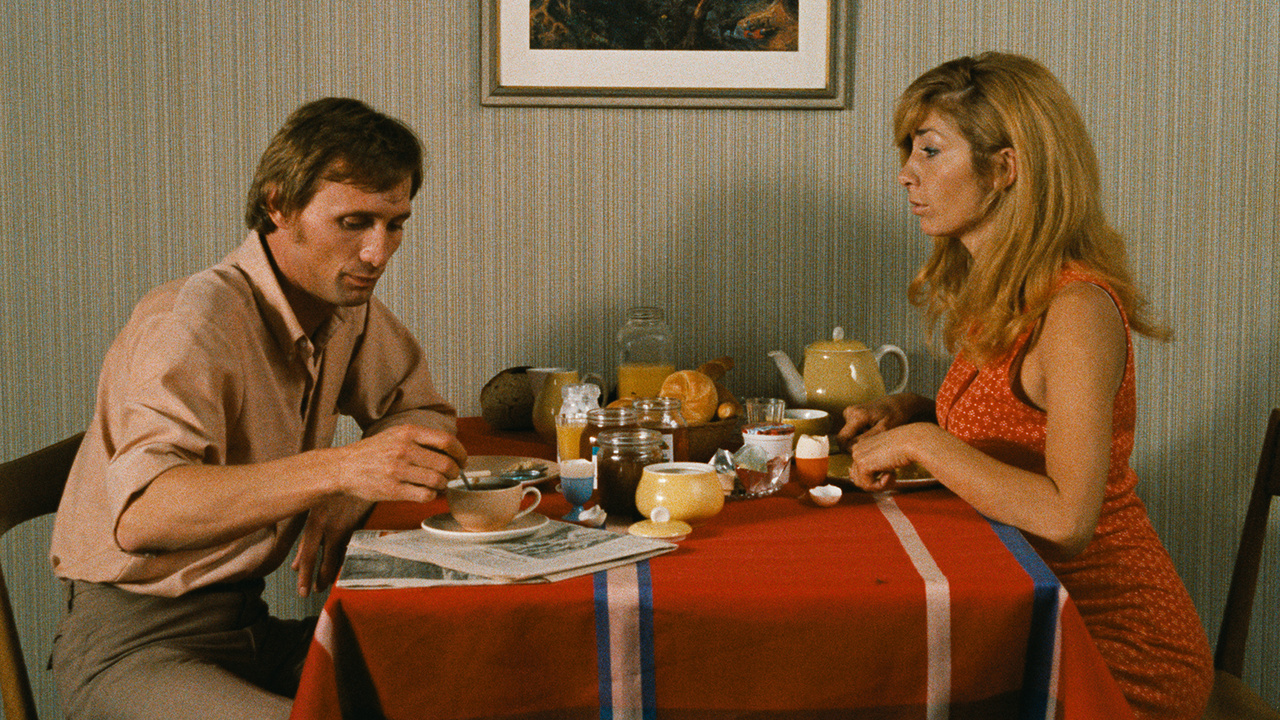
Wim Wenders, The Goalie's Anxiety at the Penalty Kick (1972)
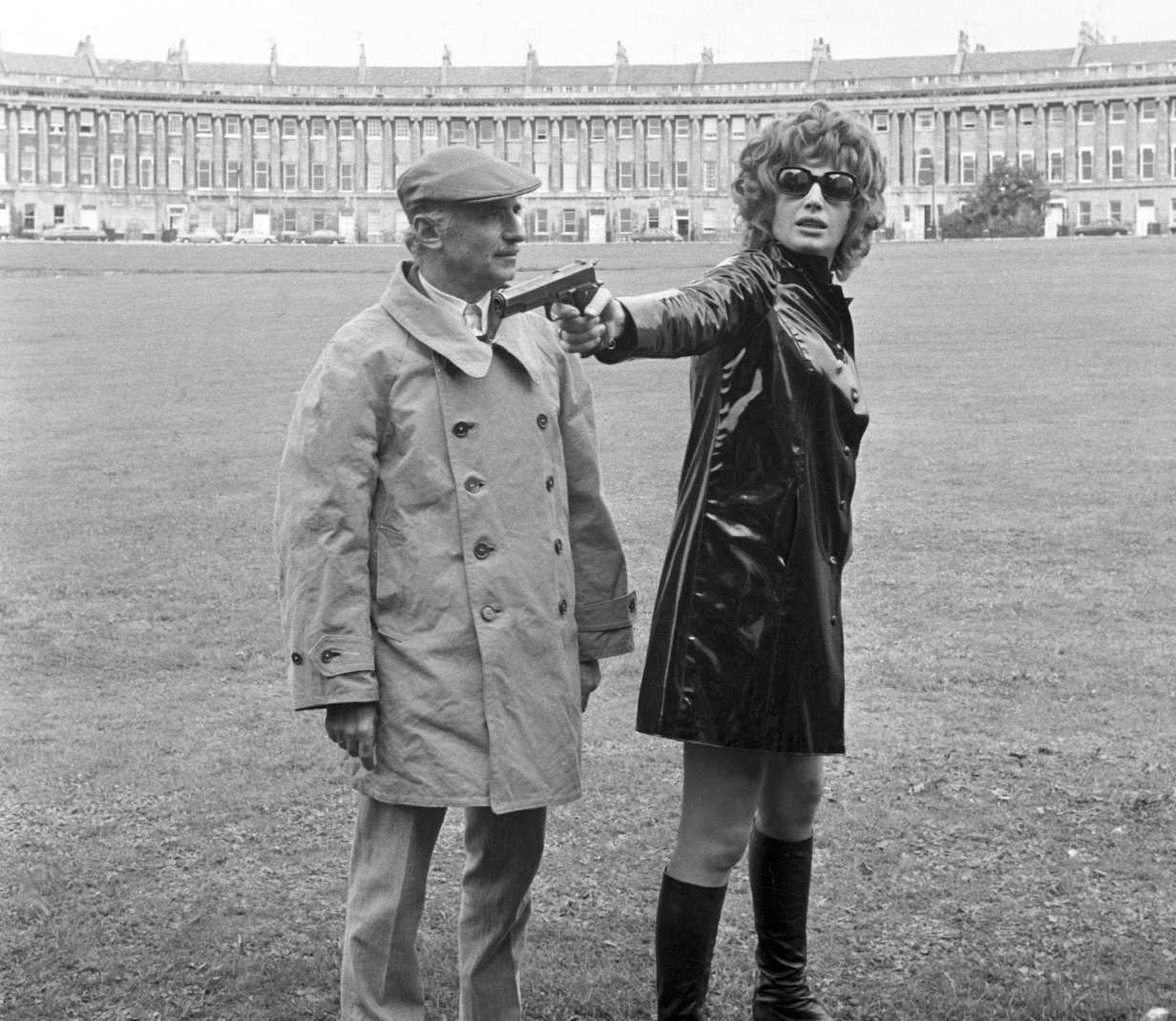
In Wim Wenders’ debut feature film, adapted from a novella by Peter Handke, a goalkeeper is dismissed from a match before murdering a woman and returning to his hometown to hide in plain sight. There is not much football in the film itself, except for a late conversation in which the protagonist discusses the psychological gamble of facing a penalty kick, confronted as goalkeepers are by the unknowable decision of the kicker. It’s an anxiety mirrored in his own predicament, trapped in a Hitchcockian game of cat and mouse with the law.

Ramiel Petros, Nicholas Freeman, The Last Guest of the Holloway Motel (2025)
In the 1970s, Tony Powell played as a central defender in the British football league and, in the early ’80s, in the American one, where he ultimately ended his career, cut ties with his family and mysteriously disappeared from the public eye. Decades later, filmmakers Ramiel Petros and Nicholas Freeman found him at the Holloway Hotel in West Hollywood, where he had been manager and was now facing eviction. In this touching documentary, they speak to him about his life in the limelight, and what it meant to navigate a career in football as a closeted gay man in an industry that he ultimately had to leave behind.

Stephen Chow, Shaolin Soccer (2001)
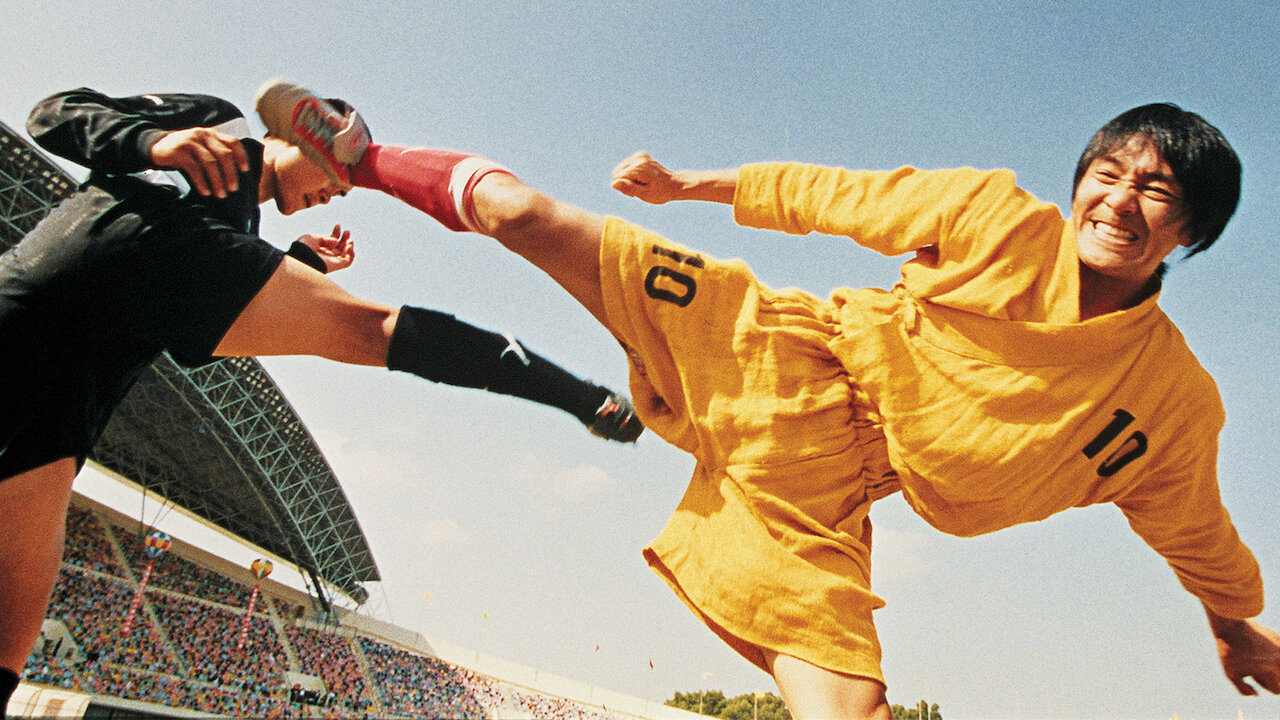
Kung Fu meets football in this cult sports comedy from Hong Kong, where a group of former monks are recruited into a team of gravity-defying, superhuman players who use the powers of Kung Fu to defeat “Team Evil” on the football pitch. The underdogs triumph, a seemingly humble love interest is revealed to be drop-dead gorgeous, and the ball is struck with such force it catches fire – what’s not to love?
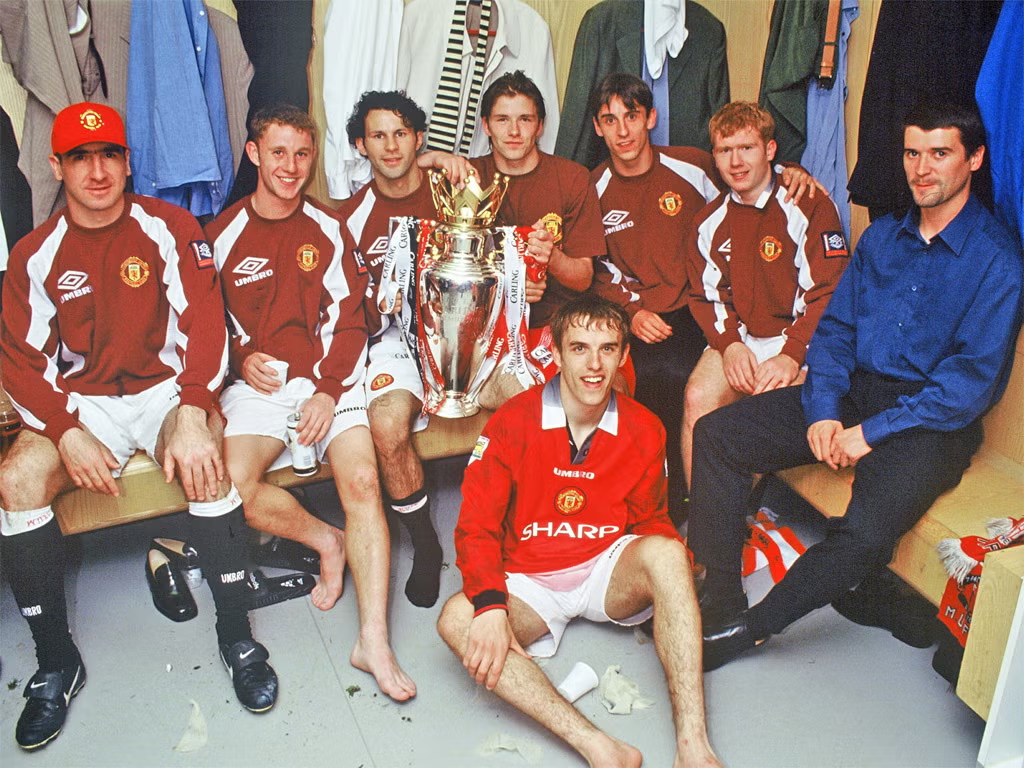
Gabe Turner, Benjamin Turner, The Class of '92 (2013)
Gabe Turner and Benjamin Turner’s documentary follows Manchester United’s so-called “Class of ’92” (David Beckham, Ryan Giggs, Paul Scholes, Nicky Butt and Gary and Phil Neville) as they rise from academy hopefuls to define an era of English football. In doing so, it highlights one of football’s most enduring qualities: that fiction’s most cliched underdog narratives can be lived realities, both for the players and the communities they represent.
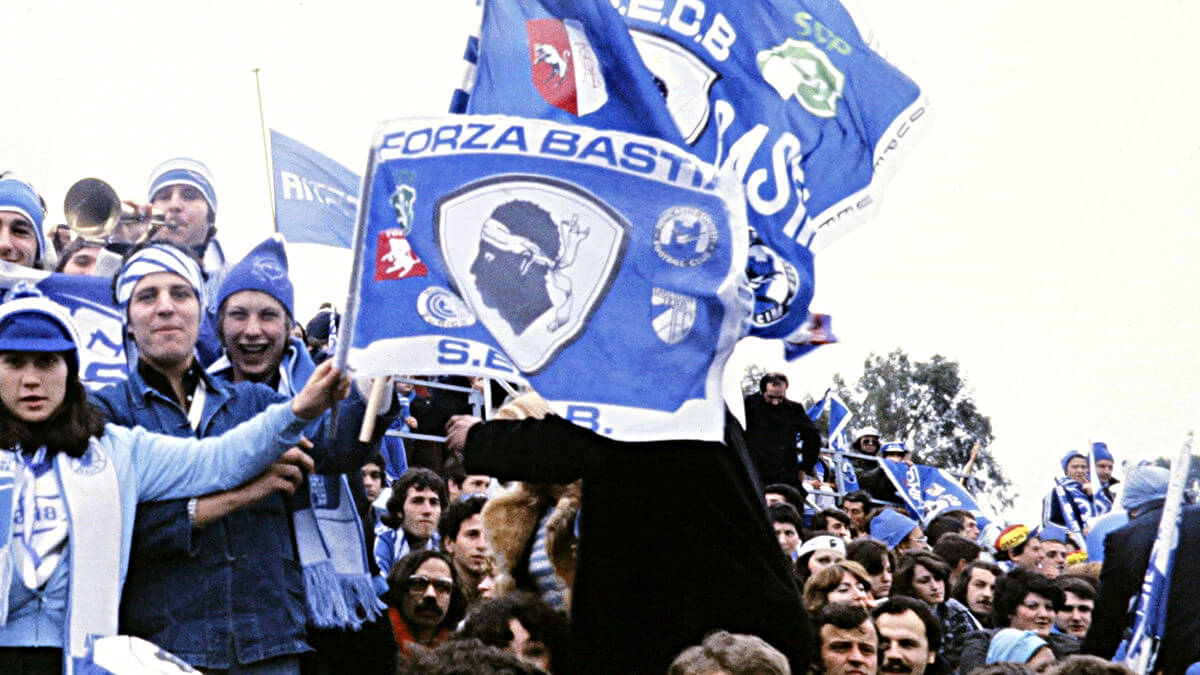
Jacques Tati, Forza Bastia (2002)
In this short observational documentary, the port city of Bastia, on the northern coast of Corsica, celebrates in anticipation of one of the most important football matches it had ever seen – its first (and last) European Cup final in 1978. It was a euphoric, if muddy, game that Bastia ultimately lost, but Tati was less interested in the action than in capturing a portrait of the locals in jubilation, a project he left unfinished until his daughter compiled and edited the footage many years later.
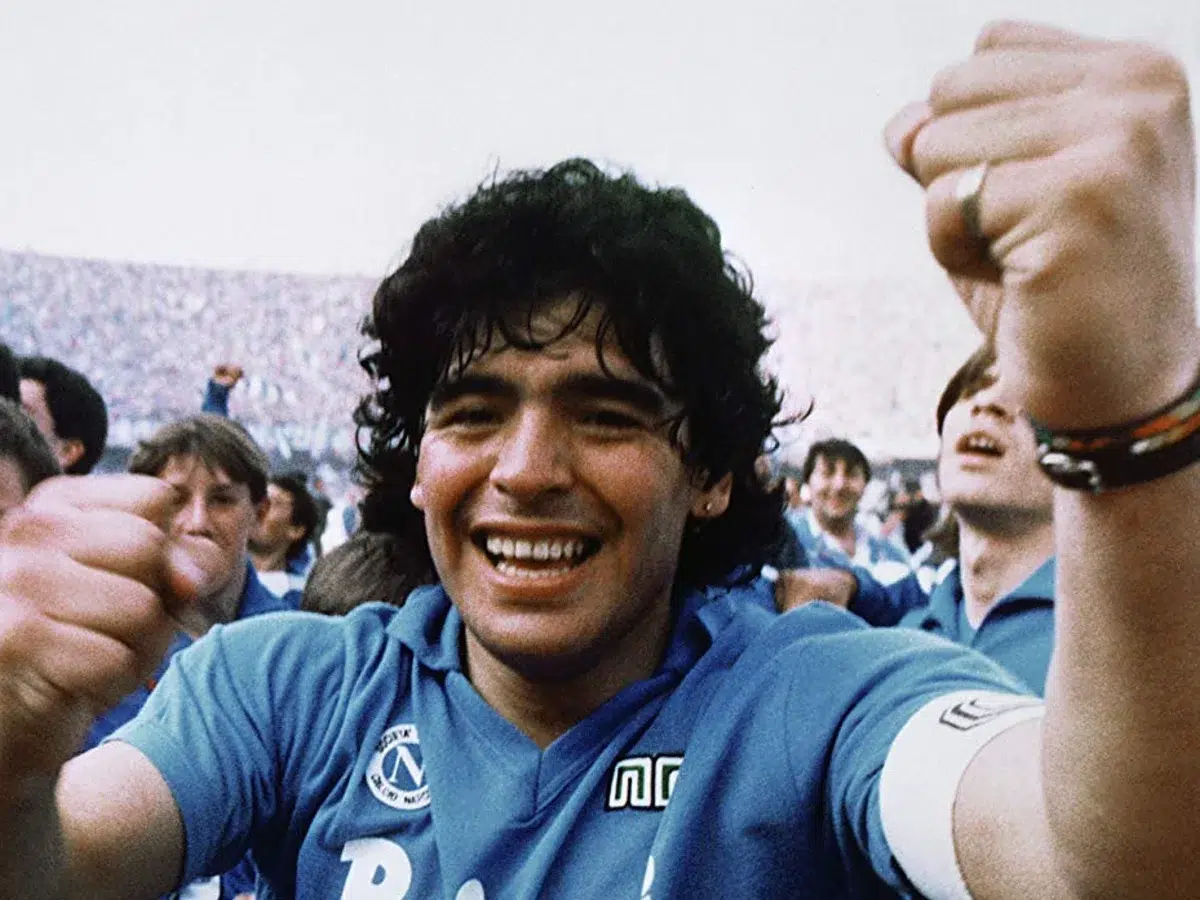
Asif Kapadia, Diego Maradona (2019)
Football has a long history of iconic players, but no one quite captures the fanaticism of the sport like Argentine Diego Armando Maradona, whose career spanned 21 years and three countries. One was his native Argentina, for whom he won a World Cup; another was Italy, where his time in Naples brought a national title and propelled him to godlike status, literally – he’s as revered as the city’s patron saint, San Gennaro. This documentary depicts his life and career, scandals and cocaine included, entirely through snippets of television footage: a mythos in the making.

Ken Loach, Looking for Eric (2009)
When twice-divorced, suicidal postman Eric is told to look at life through the eyes of someone he admires, he conjures up Manchester United hero Eric Cantona – charmingly played by the real Cantona – who appears as a force of positive masculinity, encouraging Eric to rely on his friends while reminiscing about his most iconic moments on the pitch. Director Ken Loach later revealed that this unlikely buddy comedy was Cantona’s own idea: he wanted to make a film exploring his relationship with Manchester United supporters.

Danny Cannon, Goal! (2005)
In this classic rags-to-riches story, Santiago Munez is scouted in Los Angeles and offered a chance to play football in the British league, much to the dismay of his disapproving father. He rolls up his sleeves and finds a way to afford a flight to the UK, where he will be rolling them up many more times, facing villainous teammates, the dangerous allure of stardom and partying, and even his own struggles with asthma. Given more than one last chance to prove himself, Santiago ultimately does just that, rising to the occasion as the quintessential sports movie hero.