


Sue Mengers changed the trajectory of the relationships between talent agents and their stars forever. But behind the tough exterior was a woman of great complexity and courage, writes Natasha A Fraser.
“You’re late,” shrilled Sue Mengers. Standing in her hallway, there was Hollywood’s first superagent, a teeny tyrant recognisable by her thick blond hair, tinted glasses, and well-filled caftan. It was 1996, we were on Lexington Road in the flats of Beverly Hills, and while I struggled with my tape recorder, Mengers lit up a joint and told me that I resembled a young Joan Crawford, but needed to dye my hair red. “And I’m always right,” she added, delivered with a wry smile. It was the mildest taste of Mengers pushing limits, but then the 64-year-old built a career on smashing down boundaries. In her heyday, she was “Baby Sue”—her term—among Hollywood’s big, bad boy’s club. Earning a reputation as an eyelid-batting saucepot whose acerbic comments could mentally knee in the groin, she dared to call film directors and producers three times a day. Her single-minded tenaciousness led to career-exploding roles for her clients. Think Gene Hackman in The French Connection (1971), Michael Caine in California Suite (1978) and Dressed to Kill (1980), Faye Dunaway in Chinatown (1974) and Network (1976), Tatum O’Neal in Paper Moon (1973), and her beloved Barbra Streisand in What’s Up, Doc? (1972).
Joan Crawford became a keen acquaintance. Nevertheless, the screen legend was neither a Mengers client—the list also included Ryan O’Neal, Candice Bergen, Peter Bogdanovich, Mick Jagger, Sidney Lumet, Ali MacGraw, and Burt Reynolds—nor a “dykette” (Mengers’s nickname for her close yet straight girlfriends). “Joan pronounced my name ‘Soo’,” Mengers recalled. Since the screen legend regulated her latter life around TV soaps, Sue—or ‘Soo’—had to time her visits in-between the programmes. “TV is comforting and reliable,” I offered, sensing that the self-retired Mengers also watched a fair amount. It was five years after her departure from the William Morris Agency (WMA). “That was a huge mistake, I should never have worked there,” she told me. Having left ICM (International Creative Management) on a career high in 1986, three years later she signed up with WMA where the insider’s joke was, “I don’t have an agent, I’m with the Morris office.” A wrong fit on numerous levels but, worse still, Mengers’s former clients kept away.
Mengers’s frankness was refreshing, as was her overuse of “HellOHH” and “Fuck you” defiance. When film producer Julia Phillips launched her book You’ll Never Eat Lunch in This Town Again (1991)—a shattering, spill-the-beans Hollywood memoir—Mengers organised a lunch for 12 girlfriends, ordering copies from Book Soup on Sunset Boulevard. “Natasha, everyone else was hiding their copy,” she recalled. I envisioned sweaty palms and frantic combing of the incriminating index: all except for lil’ old Baby Sue. In spite of her 23-year marriage to Jean-Claude Tramont, the Belgian writer-director, the chain-smoking Mengers brayed to me that “Deux paquets de Gauloises” was the extent of her French. With hindsight, I question this. It was possibly part of her Baby Sue act, equivalent to claiming that she never analysed screenplays during her agent years when, on Friday night, her Mercedes was spied bearing a healthy stack.
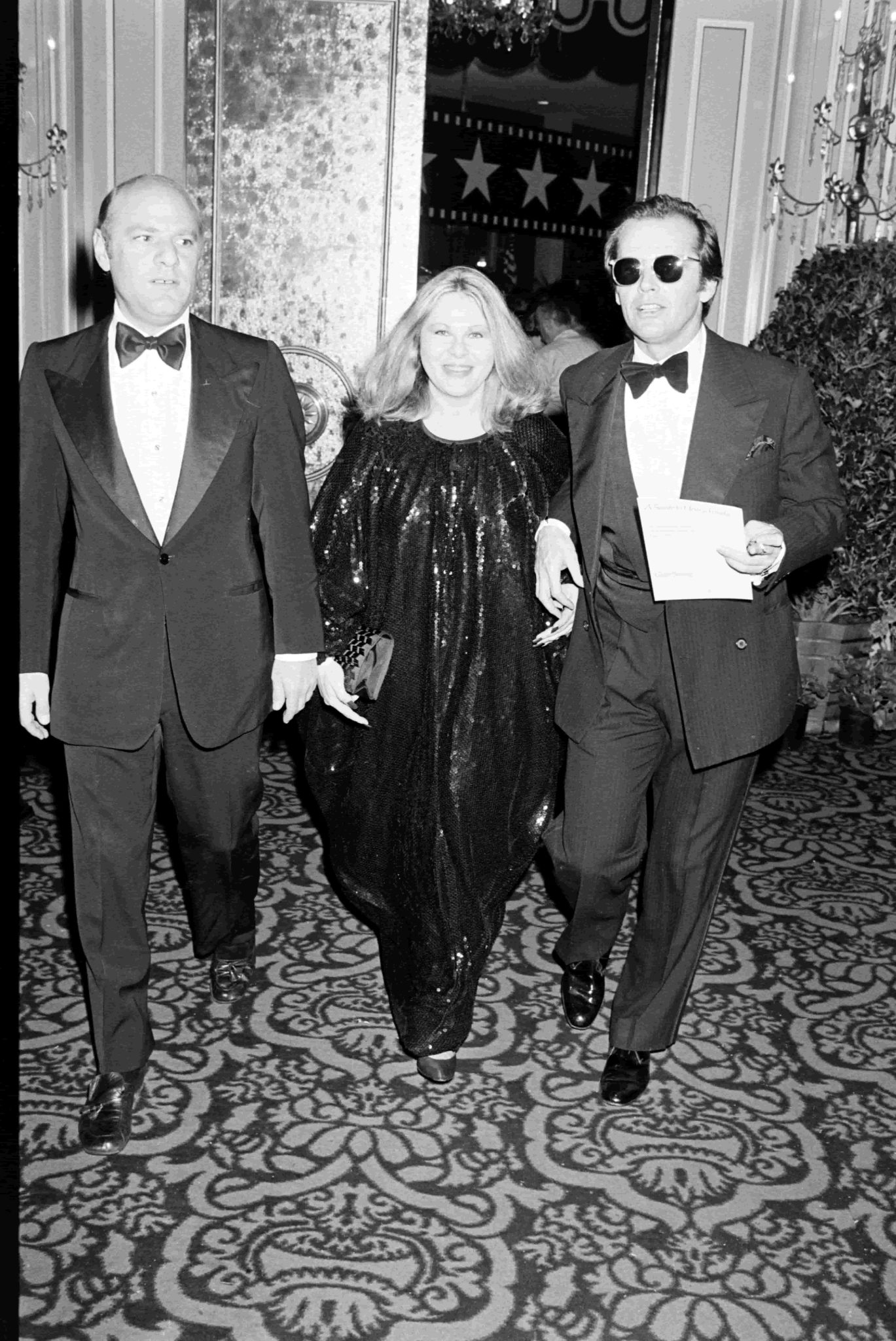
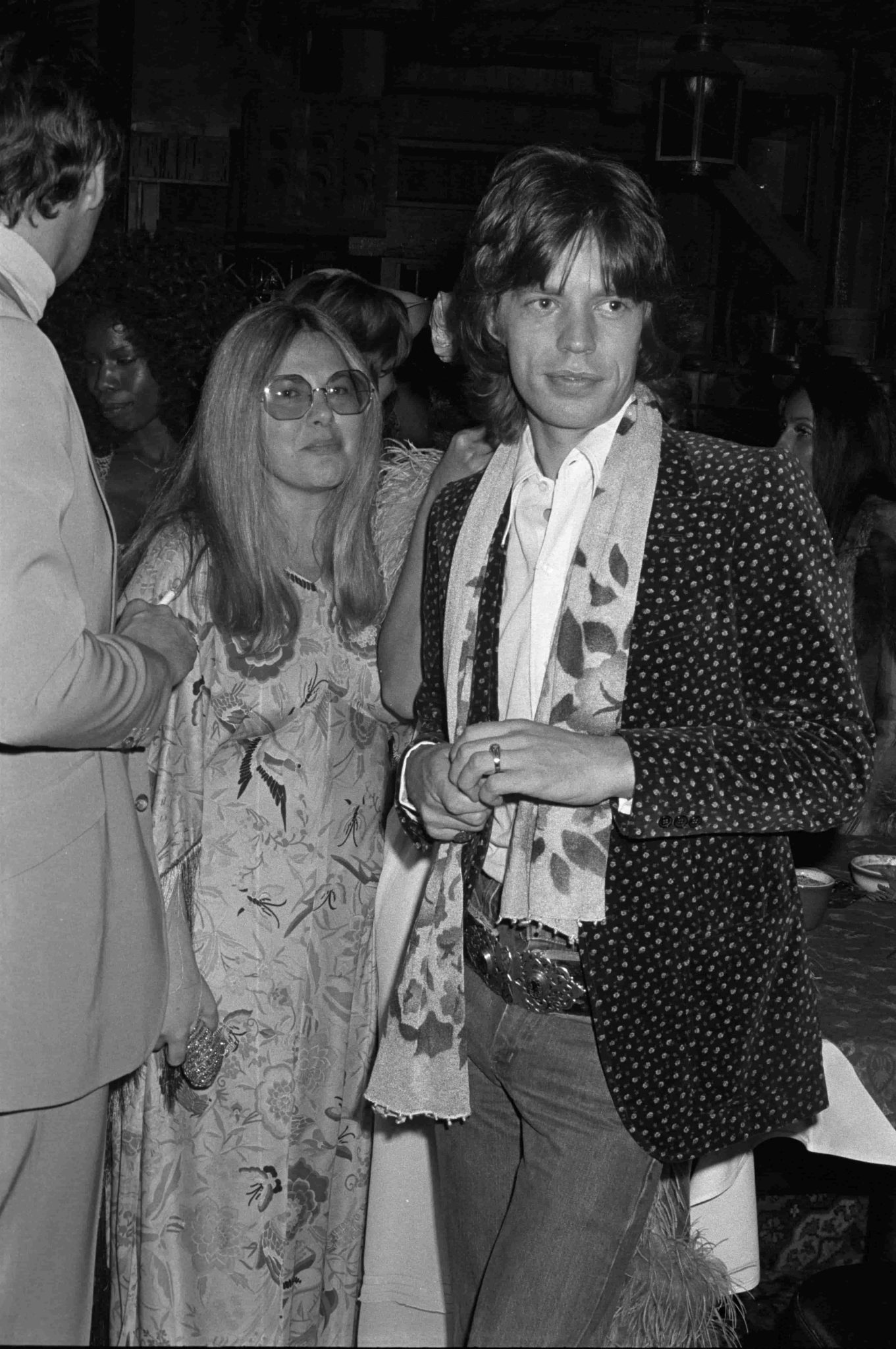
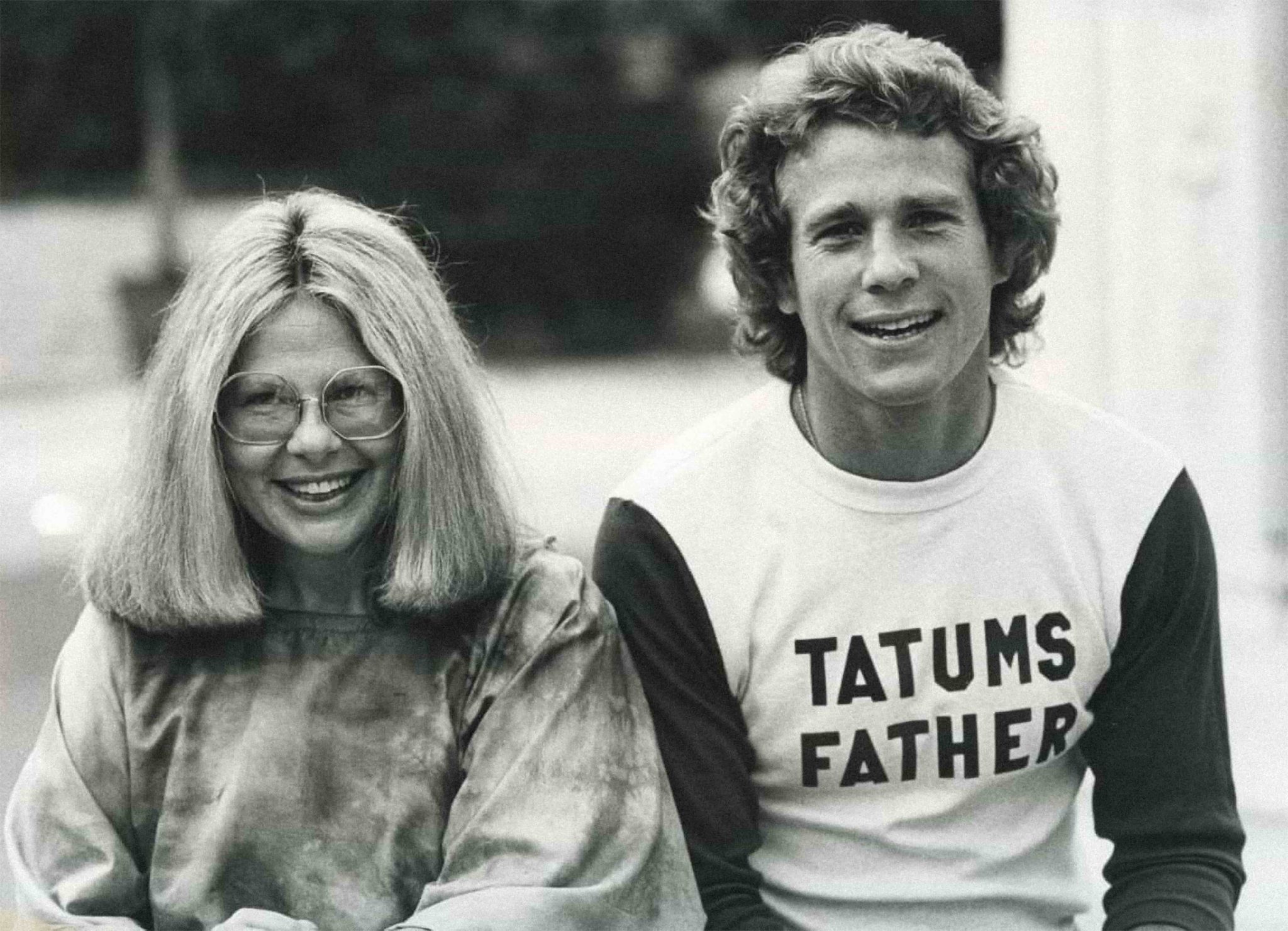
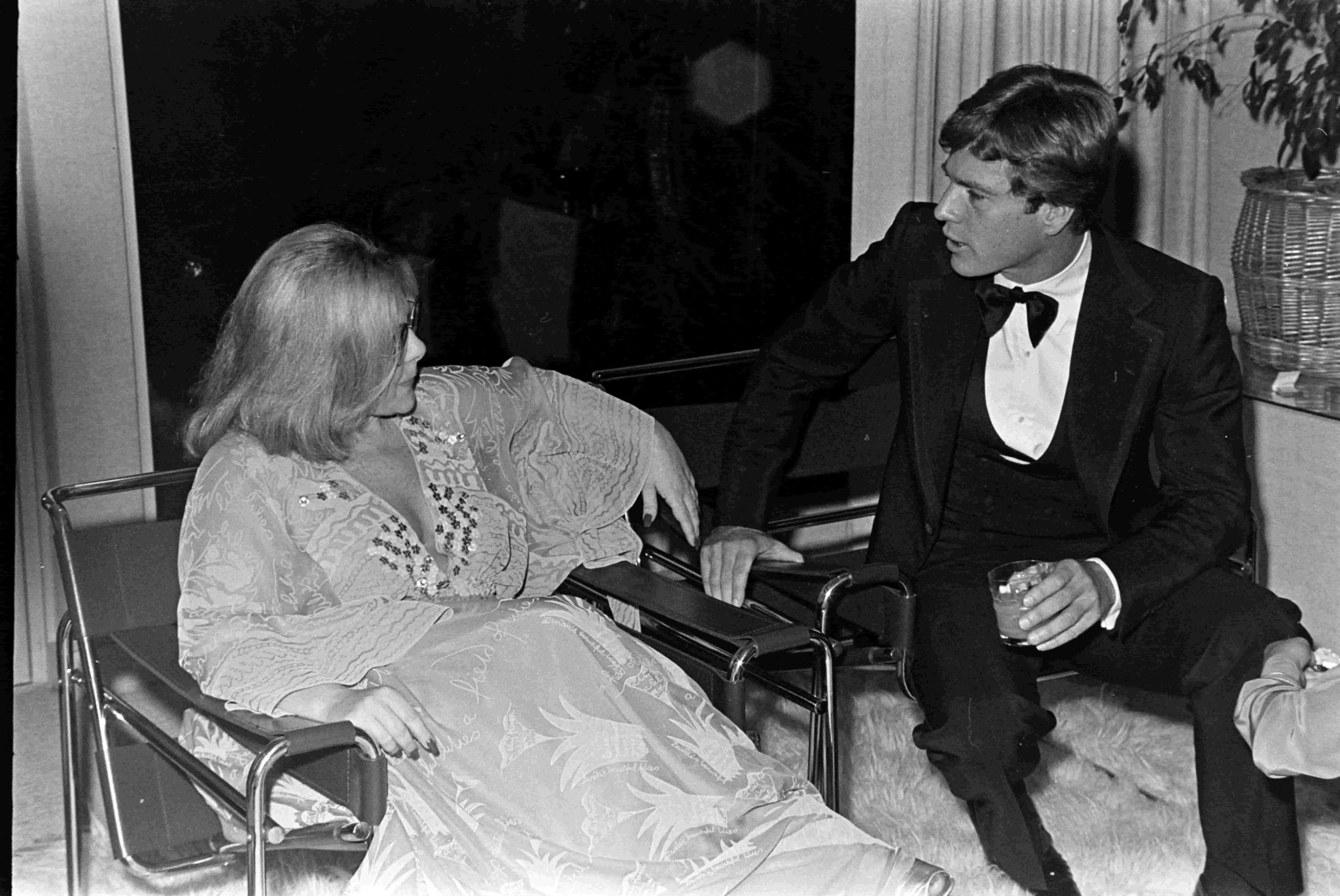


“Sue was different and a one-off,” opines Diane von Furstenberg. This, combined with Mengers’s razor-sharp intelligence, coquettish charm, and biting humour, allowed her second act from 1991 until she was weakened by a series of strokes and fatal pneumonia in October 2011. “Sue was nearly 80 but never felt old,” comments the Oscar-winning producer Lili Zanuck, a dykette. “Being stoned didn’t affect that genius mind and she hadn’t lost a strand of that incredible hair.” Indeed, in a town obsessed with youth and success, the non-working Mengers created a sought-after salon. The new generation of “twinklies”—her term for stars—flocked to her house for dinner, the magazine articles continued (Graydon Carter’s Vanity Fair demonstrated a perennial interest), while her gang of powerful and famous friends shone, including David Geffen, William Friedkin and Sherry Lansing, MacGraw, Joanna and Sidney Poitier, Howard Austen and Gore Vidal, the Zanucks and Barry Diller and his wife von Furstenberg—nicknamed the “von Dillers” by Mengers.
Most importantly, the fascination continues, confirming that Mengers has become a twinklie in her own right. Brian Kellow published Can I Go Now? (2016), a commendably researched but slightly stodgy biography. Both Jennifer Lawrence and Tina Fey have Mengers projects—may the best Soo win—while Bette Midler starred in John Logan’s play I’ll Eat You Last: A Chat with Sue Mengers (2013). “The play didn’t get that Sue was very attractive,” states Zanuck. “Agreed, there was terrible Jewish self-hatred—she wouldn’t leave the house because of her weight—but a big part of her energy was sensual. Even to her last breath, Sue had this way of flicking her hair, talking, and moving.” Mengers’s appearance, which radiated personality in photographs, has weathered well. “It was like a trademark, the hair, glasses, and kaftans,” offers vintage expert Cameron Silver, who counted Mengers as a client.
Mengers remains missed. “I think of her often,” says von Furstenberg. “She introduced me to Barry and changed my life.” The von Dillers have Mengers’s portrait in their bathroom. Sue was proud of playing cupid to the power couple just as she was horrified that Ali Macgraw left Robert Evans for Steve McQueen. Mengers believed in marriage just as she believed that “but for 40 pounds” she could have become Mrs Richard Zanuck. “Sue had a big crush on my husband but not a chance!” says Lily Zanuck. “After my Oscar nomination, I see Sue in the Giorgio Armani store who comes over and says, “I should have married you!” Their feisty friendship then flourished. The writer Joan Juliet Buck recalls the “shit ton of advice to myself and Anjelica (Huston),” Menger’s delight at arriving at Régine’s night club in New York accompanied by Woody Allen, and finding her with Éric de Rothschild and his cousins. “Both sides were very happy,” Buck says. Or lunching with Mengers in 1974 alongside Orson Welles, Robert Evans, and the model Lisa Taylor: “It was Paris, it was the Plaza Athénée…” Molly Ringwald viewed Mengers as “top quality” and not “full of shit… I was thinking of getting a manager and Sue said, ‘Don’t get a manager, get a publicist’,” the actress says. Ringwald also enjoyed the dinners and interesting guests such as Billy Wilder and Shirley MacLaine. “The set up was formal,” she says. Cocktails were followed by dinner, held at a round table. “Sue was very particular about who was sitting next to who,” states Ringwald.
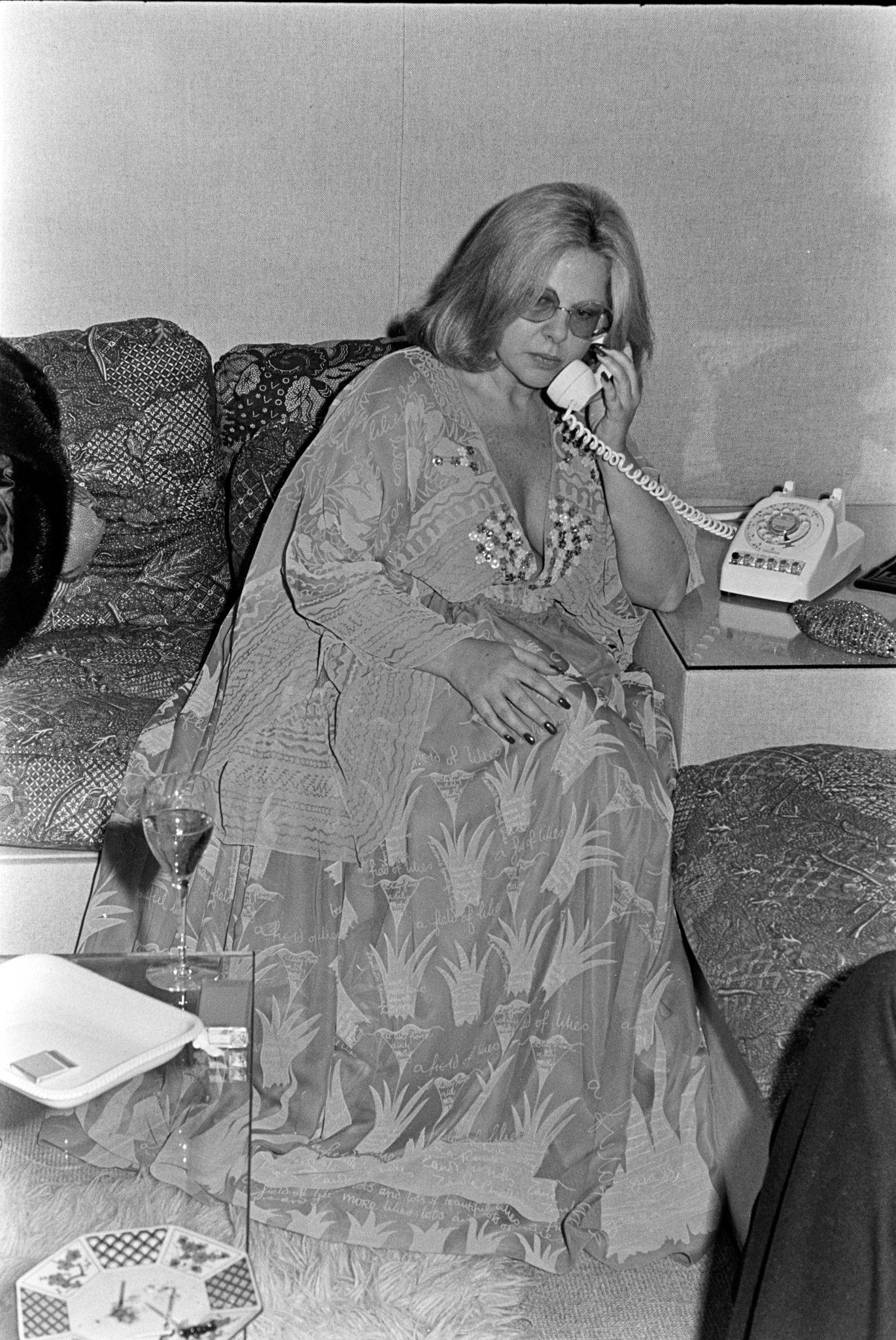
Sue Mengers on the phone during a party at her Los Angeles home, 1975. By Alan Berliner.

“Sue Mengers built a career on smashing down boundaries. In her heyday, she was ‘Baby Sue’—her term—among Hollywood’s big, bad boy’s club… earning a reputation as an eyelid-batting saucepot whose acerbic comments could mentally knee in the groin.”
During our encounter, Mengers referred to other Hollywood parties as “overcrowded rat fucks… Mine were great because if you weren’t a star, you didn’t set foot through that door,” she crowed. “My mother could be standing outside trying to get in.” Mengers, who Zanuck describes as “a player and real star fucker”, was lucid about celebrity. “Everyone wants to meet stars and no one more than the other stars,” Mengers revealed. “I’ve seen them greet each other like long-lost travellers.” In her experience, the über rich and aristocratic were “the biggest groupies. They’d say, ‘You must come on my boat, stay in my château’.”
Just as there were many Baby Sues—being chameleon-like helped barrel her way in—there were many stories. Standouts include her surprise visit to the Barry Lyndon (1975) movie set in Ireland. Ryan O’Neal spotted the diminutive Mengers stomping across the field while director Stanley Kubrick cowered behind the trucks as if she was an FBI agent. There was also the 1979 hijacking episode when flying from Los Angeles to New York. Friends such as Max Palevsky were in the foetal position whereas Mengers kvetched about her fur coat and being late for a dinner at “Elaine’s with Candy”. Another tale concerned being thrown off a friend’s boat during a cruise of the Mediterranean, because she wouldn’t stop smoking grass. “They had to get off at Bologna,” says Zanuck. “It was humiliating for Jean-Claude.”
My personal favourite was courtesy of Vidal who, like Mengers, was interviewed for my Sam Spiegel biography. “I opened the door abruptly and Sue fell in because she was eavesdropping,” he recalled. This happened at WMA’s New York office where Mengers was a secretary. By 1963, she became an agent at the Tom Korman Agency and gained a reputation for dropping her business card in the water glass or soup of famous actors and saying, “Get rid of that asshole your agent.” Mengers’s stop-at-nothing tactics, particularly with Paul Newman, drove CMA (Creative Management Associates) to recruit her in 1966 then send her to Hollywood. “I suffered a lot,” she said, delivered with emphasis. “The female agents were older: spinster types who wore hats.” Quite a contrast to Mengers, a brassy blond from the Bronx who apparently wanted Burt Reynolds “to die of scalp cancer” when the toupee-wearing Reynolds left her client list.
Like Spiegel (1901–85) Mengers lied about her age—both knocked several years off—and escaped Nazi Germany. Born in Hamburg, her parents arrived in America in 1938. The six-year-old Mengers couldn’t speak English and was given elocution lessons. “Ruth, Sue’s mother, was awful to her,” said Zanuck. “She only criticised and never congratulated.” The domestic situation deteriorated when Mengers was 14 and her father committed suicide in a Times Square hotel. The latter was a no-go area and possibly thwarted Mengers’s attempts to write her memoir. There was considerable interest and naturally she had a title: I Can Be Bought. “Sue said, ‘I’m not going to tell everybody who I’ve fucked’,” recalled Buck. “And I said, ‘OK Sue, but I don’t think they’re lining up to find out!’”
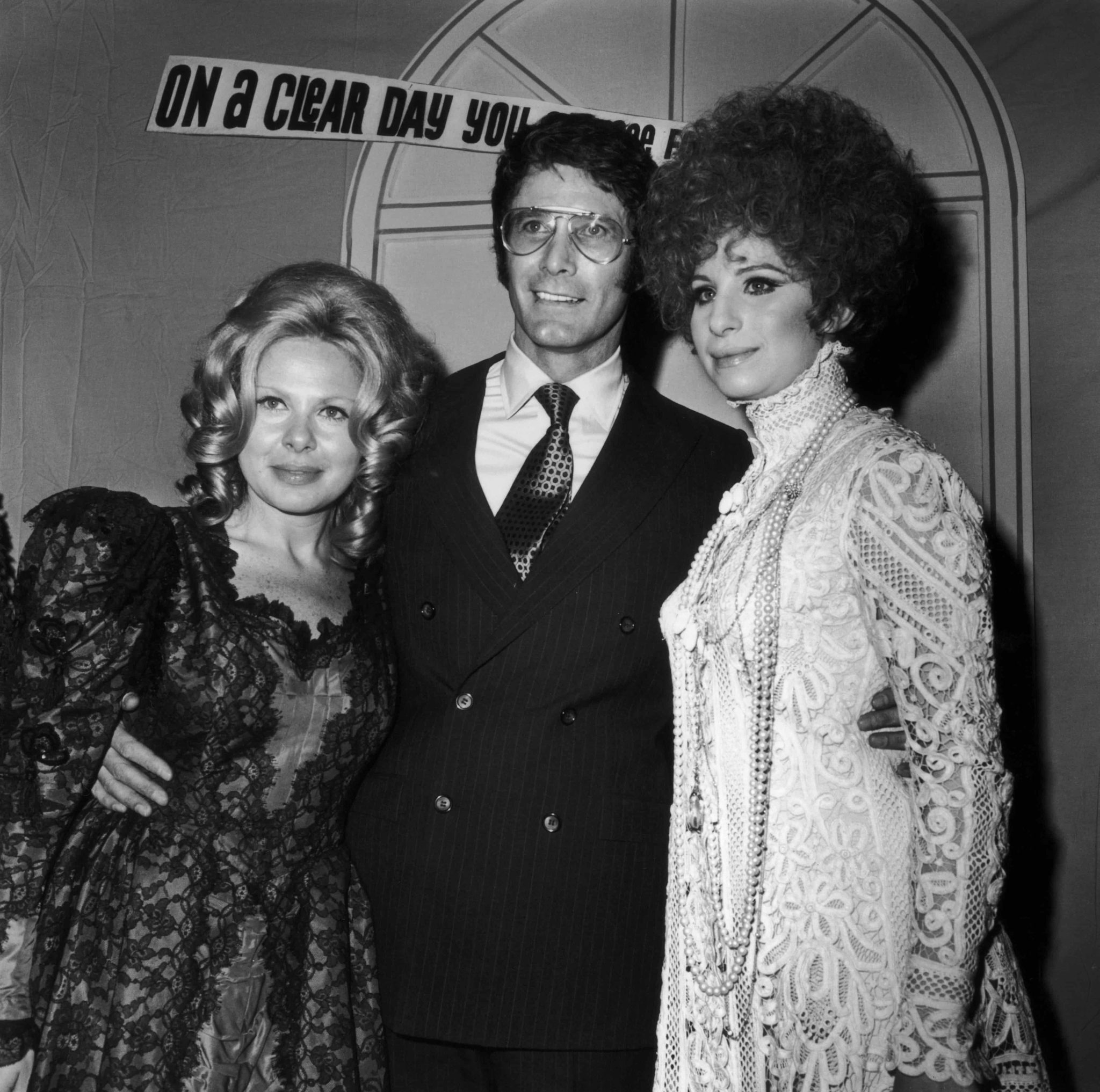
Sue Mengers with legendary hairdresser Fred Glaser and Barbra Streisand at a Reincarnation Costume Ball, 1969.
Like Spiegel, she lost her footing with Star Wars and all the franchises (from 1977). Nor did Mengers suit the new Hollywood ruled by CAA’s (Creative Artists Agency) Mike Ovitz and his steely Armani-suited soldiers. Whereas Mengers created a family, CAA conceived an empire disciplined by the agency’s “the client is always right” motto. To quote Diller, another Spiegel interviewee, “ The [former] craziness, yelling, and threats had a spirit underneath.”
Unlike the thrice-married Spiegel, Mengers found her soulmate in the tall, dark, and handsome Tramont. True, All Night Long (1981), his box-office flop, skewered her relationship with Streisand—a case of disastrous miscasting—but she respected his business savvy (Tramont made millions in real estate), as well as his mind and wit. “Schindler’s B list” was his infamous description of his mother-in-law’s 85th birthday party. During the Academy Awards, Tramont also came up with, “There’s no business like Shoah business” when yet another Holocaust-themed project won. Mengers was devastated when Tramont died of prostate cancer in December 1996.“It seemed to break her spirit,” said Ringwald—she was touched by all the condolence letters, discovering how much people cared. Like most divas, Mengers was scared of being forgotten. Her close friendships were occasionally marred by her critical nature. “She loved gifts but nothing was ever good enough,” said Zanuck. “Geffen bought her a sapphire from Tiffany’s and Sue kept on saying he could have done better.”
Regarding her final years and ailments, Mengers reasoned that celebrities meant better service and care. Not that Baby Sue demonstrated gratitude. After Neil Diamond took her to a doctor’s appointment, Mengers telephoned Zanuck. The world-famous singer was sitting in her living room and wouldn’t leave. “Sue, maybe he wants to say goodbye?” Zanuck offered. After a few seconds, Mengers quipped, “Do you think he wants to fuck me?” Zanuck was equally bemused by the terms of Mengers’s will. She insisted that her ashes be mixed with Tramont’s and scattered around various parts of Paris by dykettes such as Lansing. “By the way, this was against the law,” said Zanuck. But by the way, this was Baby Sue Mengers.