

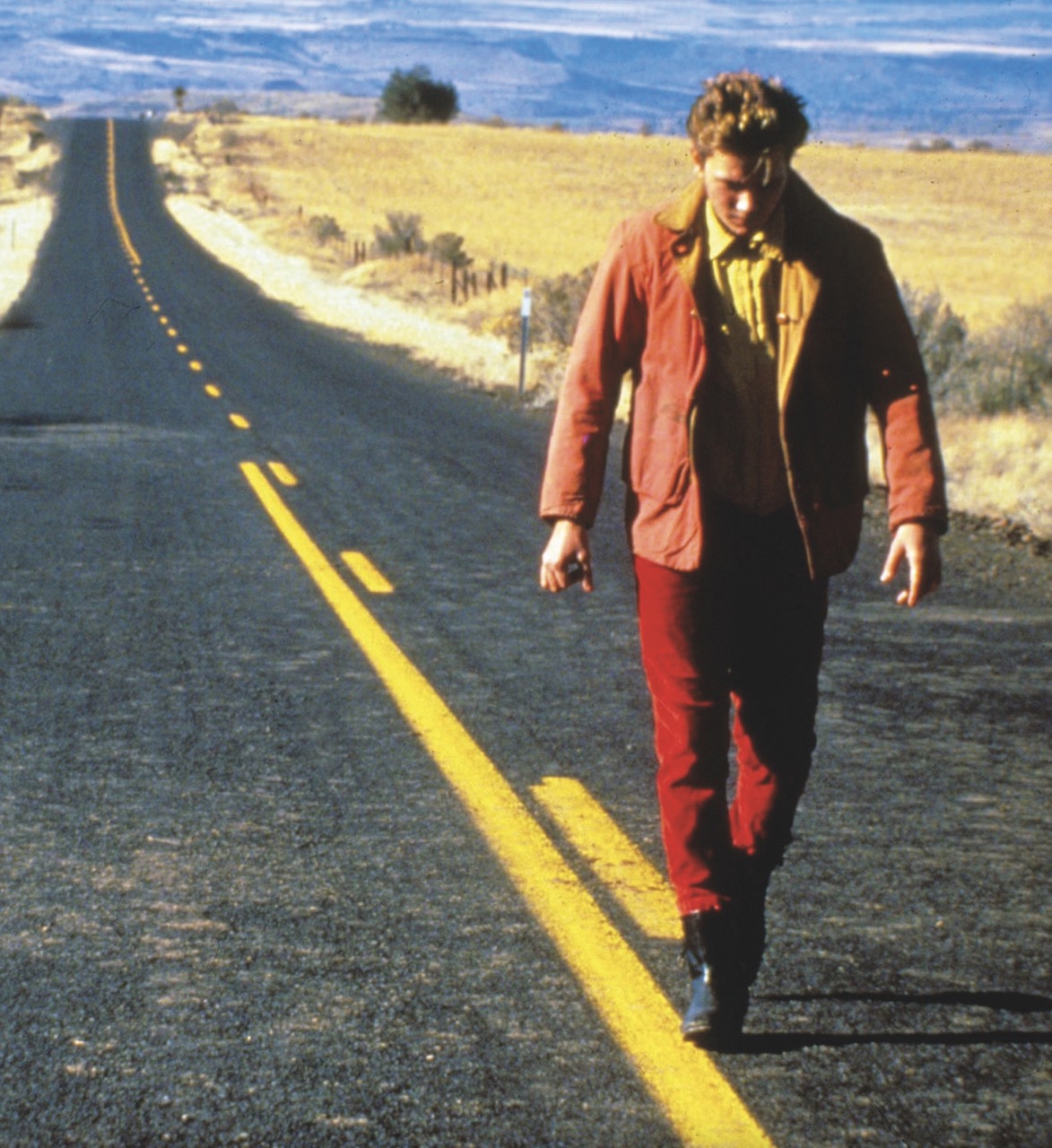

As the BFI launches a new season of Big Screen Classics dedicated to road movies, we revisit a genre built on the illusive promise of freedom. From Dorothy’s yellow brick road to Jim Jarmusch’s drifting outsiders and lost lovers in Wong Kar-wai’s Happy Together, the most enduring journeys take alternative routes, writes Ying-Di Yin.
I’ve never cared much for cars. The identities people attach to them and the status they project, have largely passed me by. Yet when I moved to London from Australia four years ago, I found myself missing the act of driving. Not the vehicle itself, but the sensation of movement. Unlike in London, driving was once a key part of my daily routine, from weekend road trips to cruising to the beach for morning swims. The possibility that, at any given moment, I could point myself towards somewhere else and simply go.
The road movie is built on a similarly seductive promise: that movement leads to transformation. Cinema has repeatedly imagined the open road as a route to freedom, reinvention and self-discovery, and despite the expansion of modes of transport over the century, from trains, motorcycles, and planes, the genre has an intractable quality. Even during the early 18th century, filmmakers were obsessed with movement, with films in the 18th century leaning towards the absurdity of cars and motorcycles through stunts and slapstick scenes – there was already a curiosity. Today, the foundations of the genre remain the same; it takes the character and, by extension, the viewer along for the ride—moving them forward.
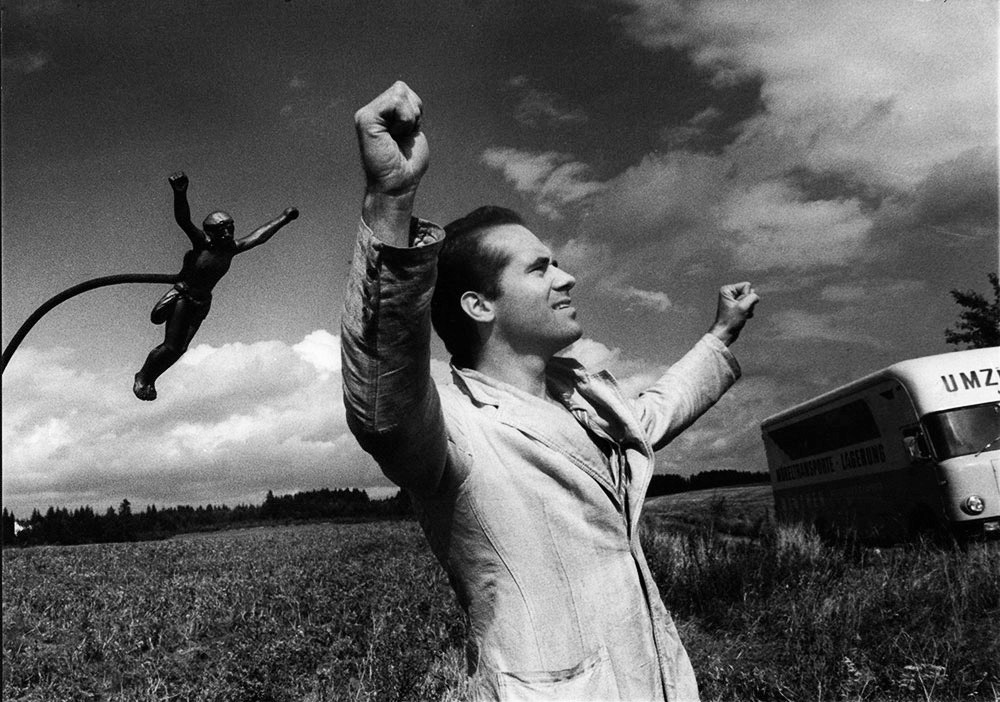
Wim Wenders, Kings of the Road (1976)
“The earliest road movies were about the discovery of a new land or about the expansion of frontiers, as with westerns in North America,” writes filmmaker Walter Salles for The New York Times, a four-time director of road movies. They were early documentation of national identity in construction. Add the residue of the Gold Rush era, post-war optimism and the rise of the automobile industry, and the mythical link between westward travel and success became embedded in American culture. Despite layers of immense change over the coming decades, these romantic notions of escapism or turning over a new leaf remained consistent—a signifier of freedom and the American Dream.
Yet the most enduring road movies are often sceptical of that promise. While America made the journey aspirational, other cultures and generations have offered their own take. The open road, with its vastness and adaptability, permits directors to reshape the genre, and the most interesting ones choose to challenge this representation, instead reflecting on the political and societal times they are made in (Walter Salles’ The Motorcycle Diaries, Christopher Petit’s Radio On), subvert the genre’s male ownership (Gurinder Chadha’s Bhaji on the Beach, Ridley Scott’s Thelma & Louise) and question whether the road propels us towards a better life (Kelly Reichardt’s Meek’s Cutoff, Jim Jarmusch’s Stranger Than Paradise).
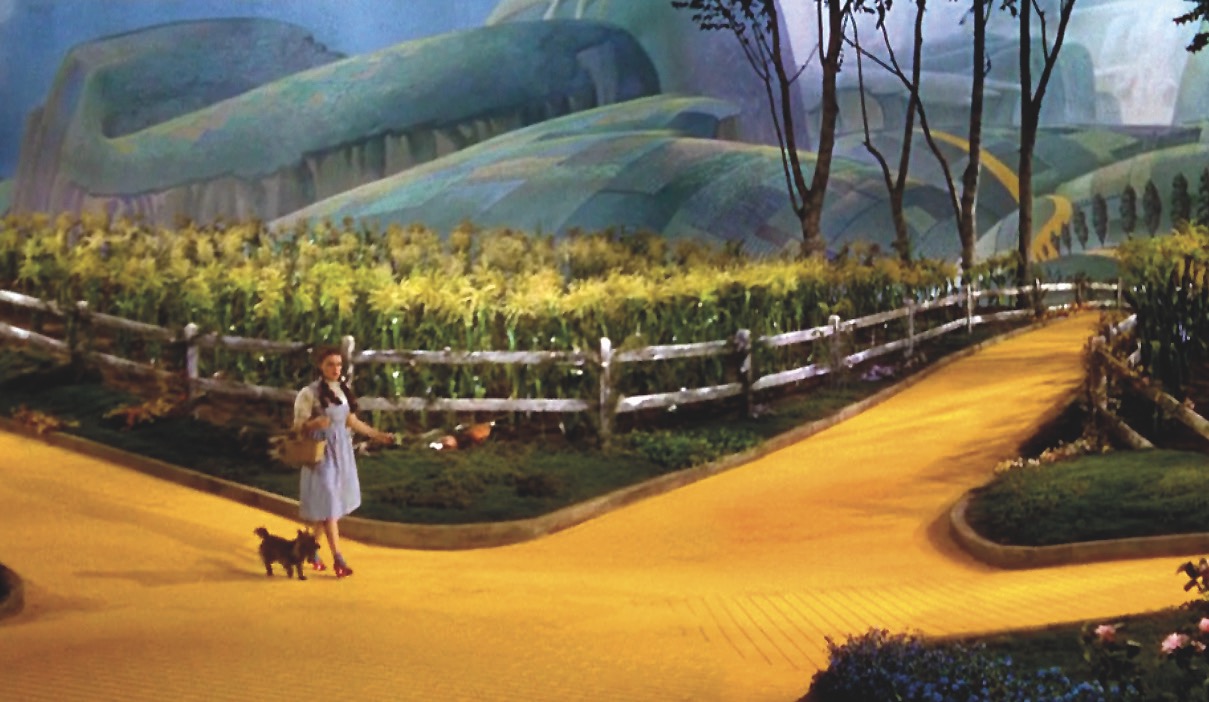
Victor Fleming’s The Wizard of Oz (1939)
The genre’s founding logic, as film scholar Pamela Robertson argues in ‘Home and Away: Friends of Dorothy on the Road in Oz’ (1997), relies on an absence of home. The road only acquires meaning if it takes us away from where we began. Yet one of cinema’s earliest and most beloved journeys complicates that premise. In Victor Fleming’s The Wizard of Oz (1939), a young Dorothy, on foot rather than on wheels, follows the yellow brick road in search of something better, only to discover that her destination lies behind her, leading her straight back to her humdrum origins, culminating in the famous declaration that “there’s no place like home.” It is a rarity: a road movie that admits, almost at its inception, that the most important journey is not towards a new direction but returning to one you already know.
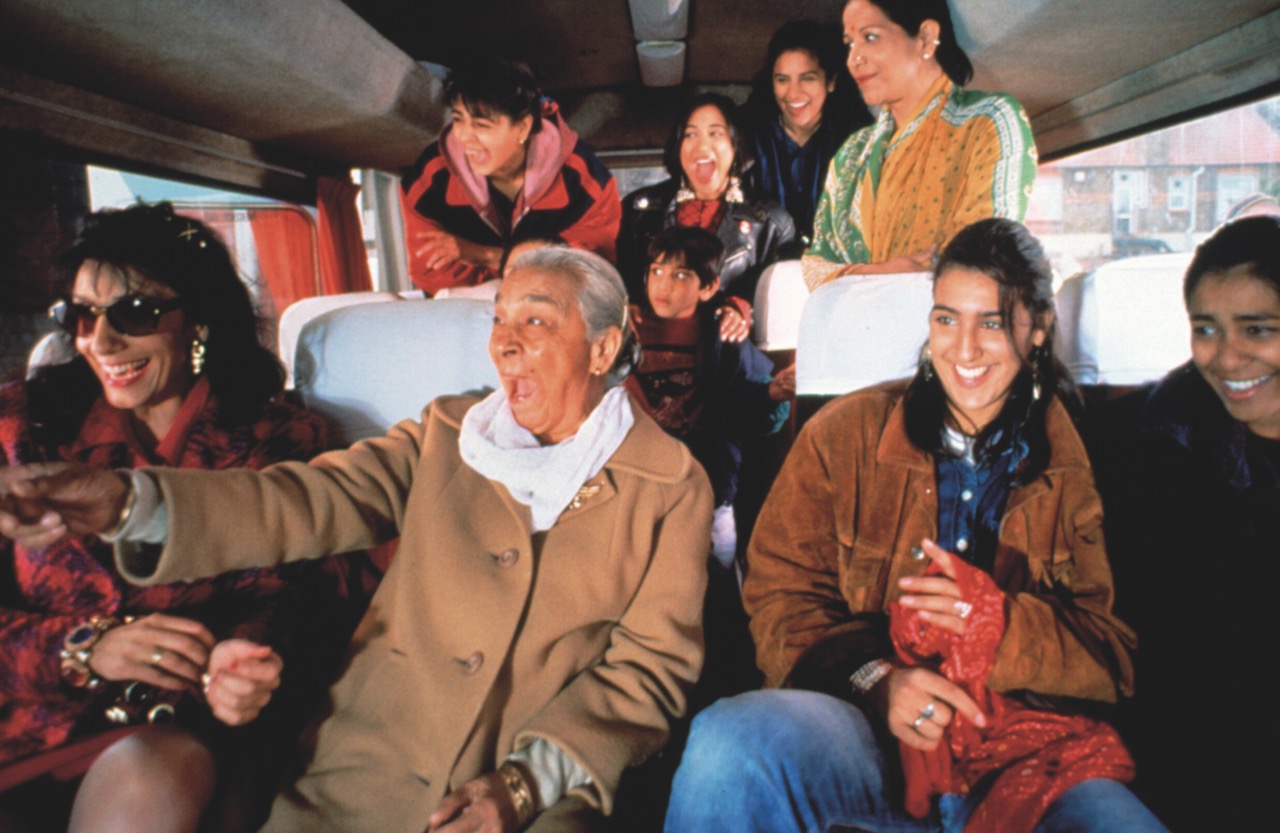
Gurinder Chadha, Bhaji on the Beach (1993)
Historically, the road films and stories have been overwhelmingly masculine and coded as heterosexual. From Jack Kerouac’s autofiction novel On the Road to the counterculture film Easy Rider (1969), the road traditionally belonged to men—untethered by responsibility, restless yet free to move. Few films challenge that framework as effectively as Ridley Scott’s Thelma & Louise (1991). Written by Callie Khouri in response to the male-dominated road narrative, the story places two women behind the wheel. It transforms the road into a site of liberation from patriarchal control, if only for the duration of the movie.
A few years later came Gurinder Chadha’s debut feature, Bhaji on the Beach (1993). A disparate group of British South Asian women take a day trip by bus from Birmingham to Blackpool for some “female fun time.” The road movie here is not only told through a female lens but also actively exposes its current times. Across three generations, the women navigate racism, sexism, domestic violence and Chadha (with warmth and humour) uses the journey to explore these tensions in post-Thatcher Britain. The road movie here becomes a collective rather than an individual; the destination is deliberately unglamorous. The road, she manages to assert, belongs to everyone.
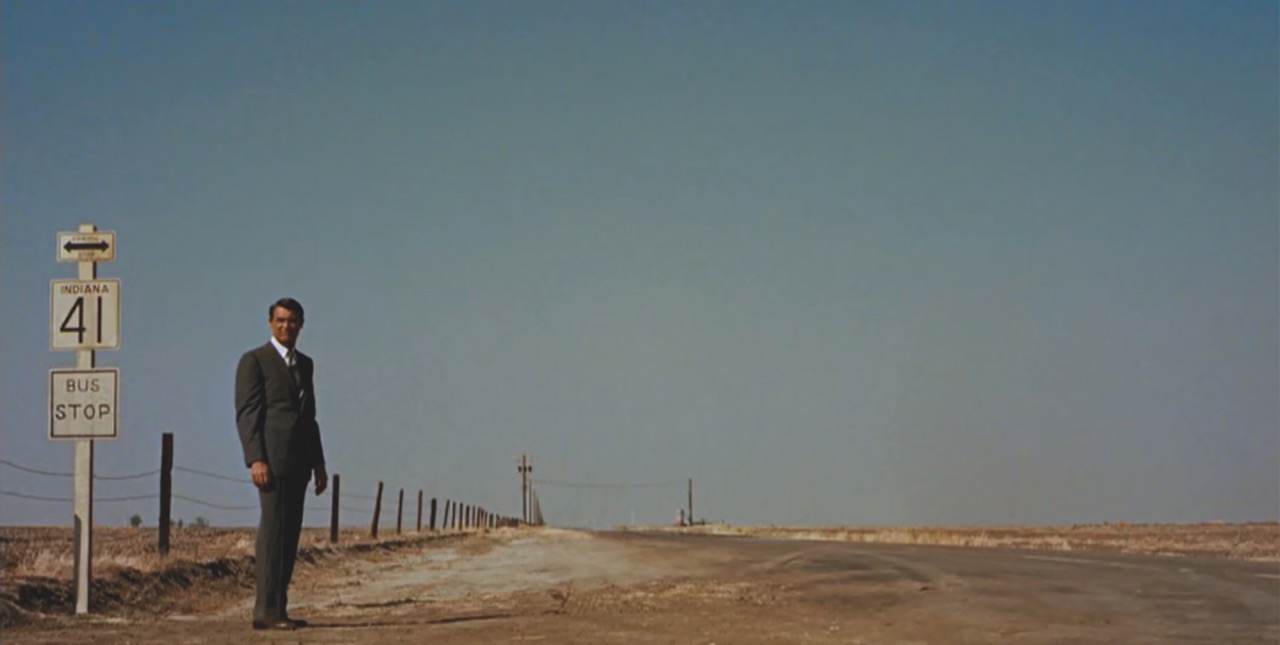
Alfred Hitchcock, North by Northwest (1959)
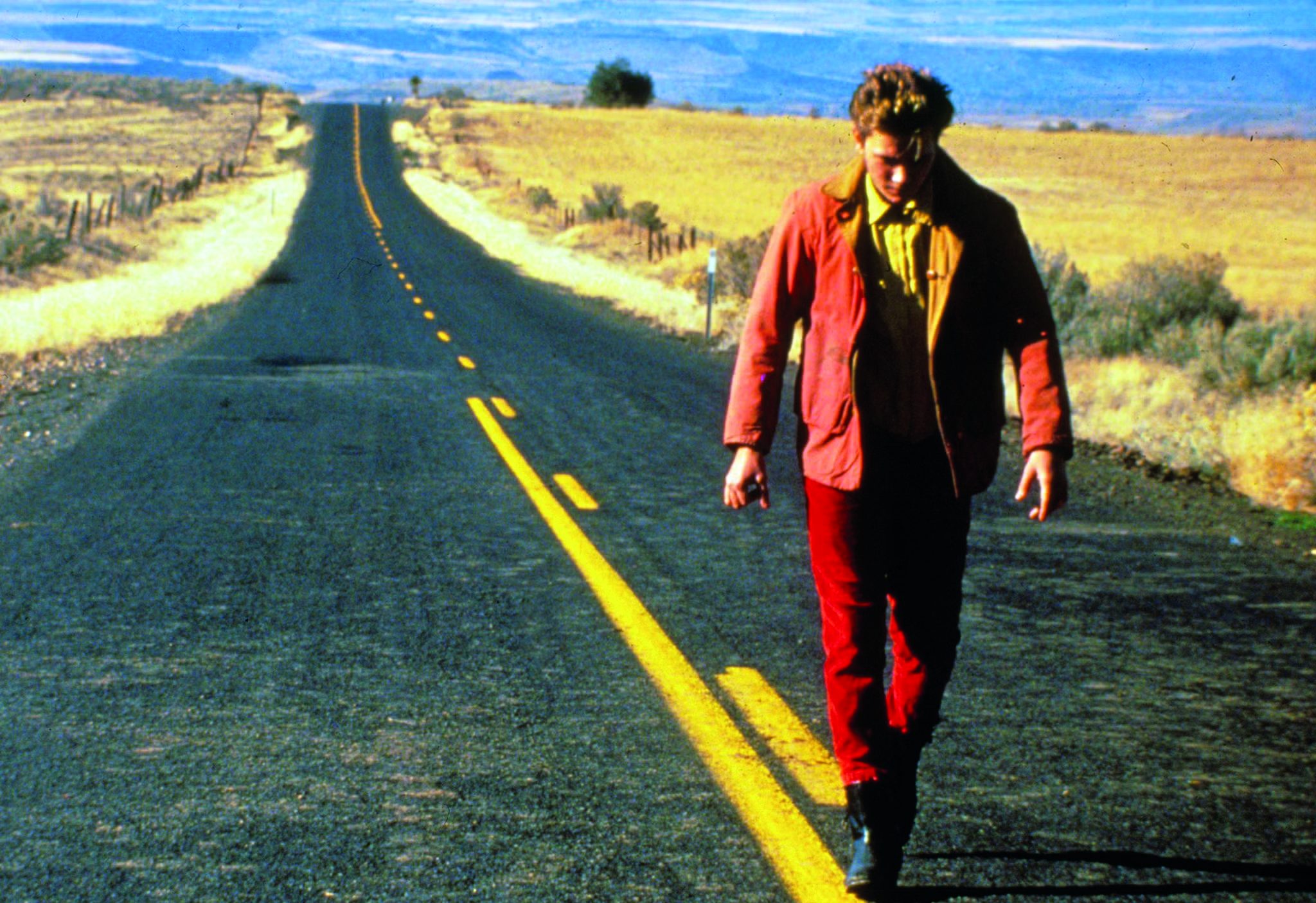
Questions of belonging also sit at the heart of Gus Van Sant’s My Own Private Idaho (1991), one of the first queer road movies to move through the iconography of the American landscape whilst also exposing its exclusions. The film follows loner and survivor, Mike and privileged yet rebellious Scott, two hustlers from vastly different backgrounds, as they travel across the Pacific Northwest and beyond in search of Mike’s estranged mother. Wide highways, empty roads and open skies suggest the possibility of reinvention, but the film repeatedly denies Mike this, instead marking a cyclical journey – the quest to find his mother is futile, and Scott ultimately leaves the road and Mike behind to reintegrate into his inherited privilege. By the film’s conclusion, Mike, narcoleptic and adrift, finds himself back where he began—on the same road, alone. Both he and the landscape remain unchanged, denying him the American Dream.
The road movie also makes space for contemplation, and in Wong Kar-wai’s queer love story, Happy Together (1997), it’s less about the physical and more about the internal. In one of Wong’s few films not set in Hong Kong, ill-fated lovers Lai and Ho travel to Buenos Aires, ostensibly to be together and to visit Iguazu Falls. Yet, we barely see the South American landscape as the on-and-off-again couple loses their way. Wong’s familiar visual language of confined spaces—rooms, corridors, close-ups—mimics the lovers’ unhealthy cyclical pattern of yearning and collapse. Despite travelling thousands of miles from home, they end up back in restricted spaces, trapped in emotional turmoil, signature themes of Wong’s works.
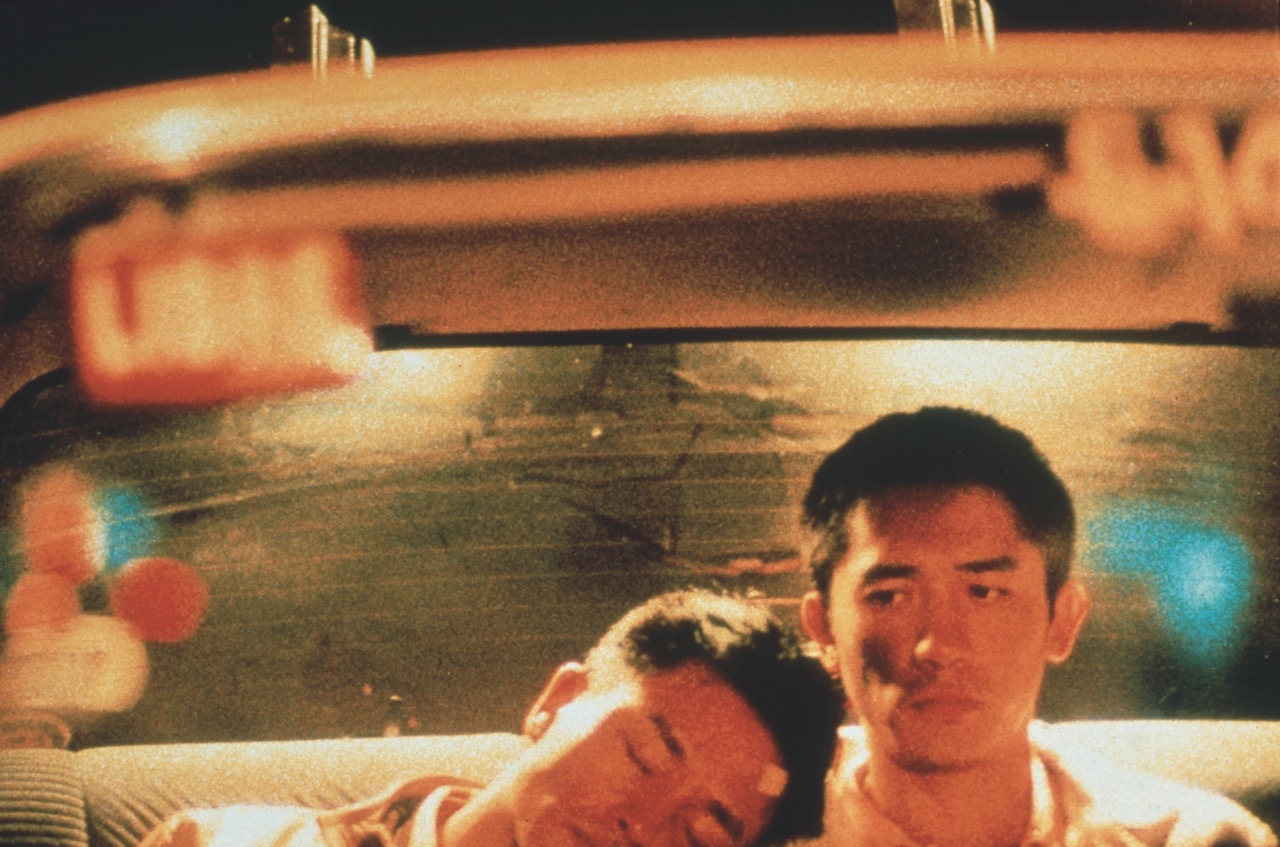
Wong Kar-wai’s Happy Together (1997)
Perhaps the most lucid reckoning of the genre comes from Jim Jarmusch’s low-budget film, Stranger Than Paradise (1984). Described by Jarmusch as a film about exile and America viewed through the eyes of outsiders, it follows three immigrants, best friends and amateur con-artists, Willy and Eddie, and Willy’s Hungarian younger cousin, Eva, drifting across America, from New York and Cleveland to Florida in a three-part, vignette structure. Mentored by Wim Wenders, Jarmusch takes on similar views about America with unsentimental clarity, depicting the landscape as vacant, mundane and consumer-led. Eddie notes in snowy Cleveland that “you come some place new, and everything looks just the same”. In its languid malaise, the trio arrive precisely nowhere, altered by nothing, reducing the genre’s founding promise to an absurdity.
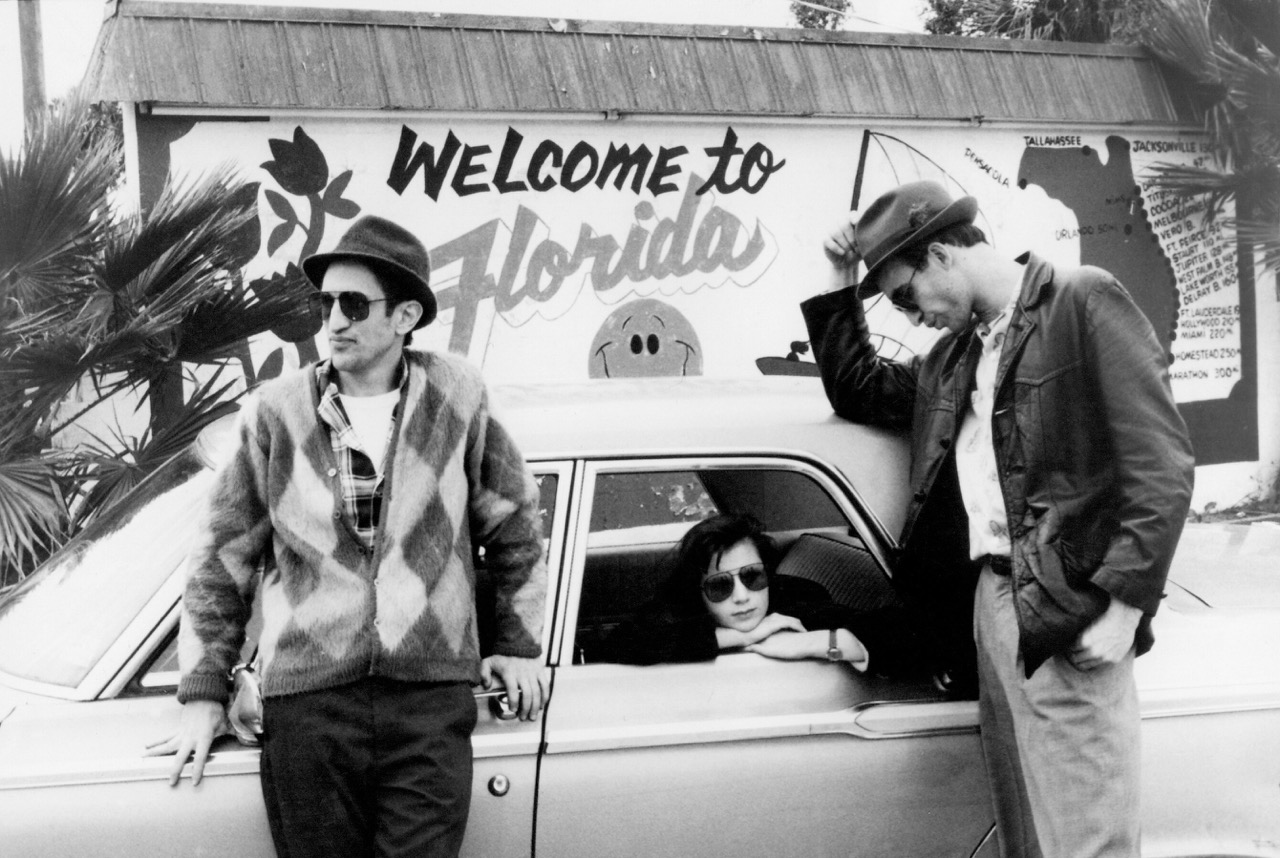
Jim Jarmusch’s Stranger Than Paradise (1984)
In this century, road movies have continued this tradition of questioning what freedom is and reflecting societal crises, internal conflicts or exploration. From existential films such as Nomadland (2020) and Sirāt (2025) to joyous ones that still reflects its times, like Y tu mamá también (2001) and Little Miss Sunshine (2006), the best road movies blur the lines between narrative and reality.
The classic American road movie template promised that movement equals transformation. These subversive road films are less certain. They ask what transformation actually looks like and find the answer neither in the destination nor the journey, but in the confrontation with whatever we carry with us. The road, it turns out, is one of cinema’s most honest mirrors.
BFI’s Big Screen Classic July series runs from 3 July to 31 July