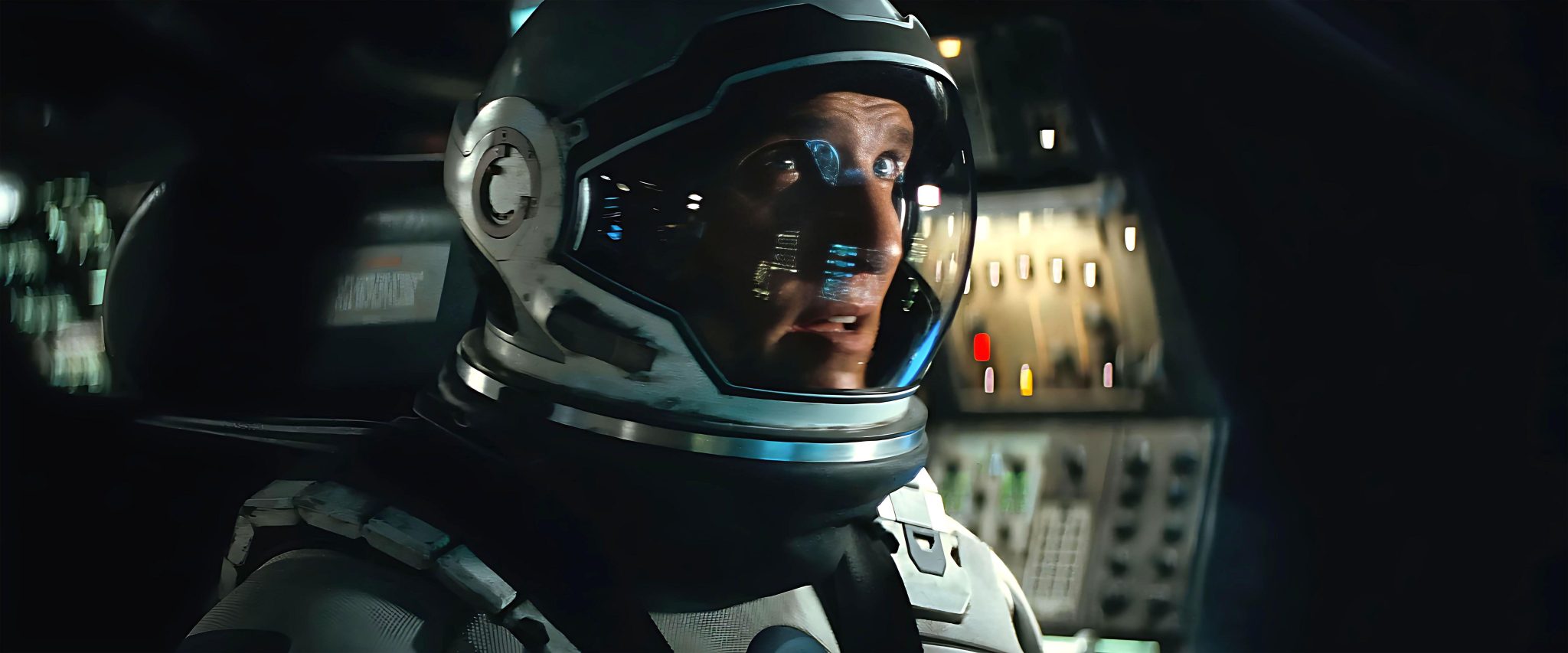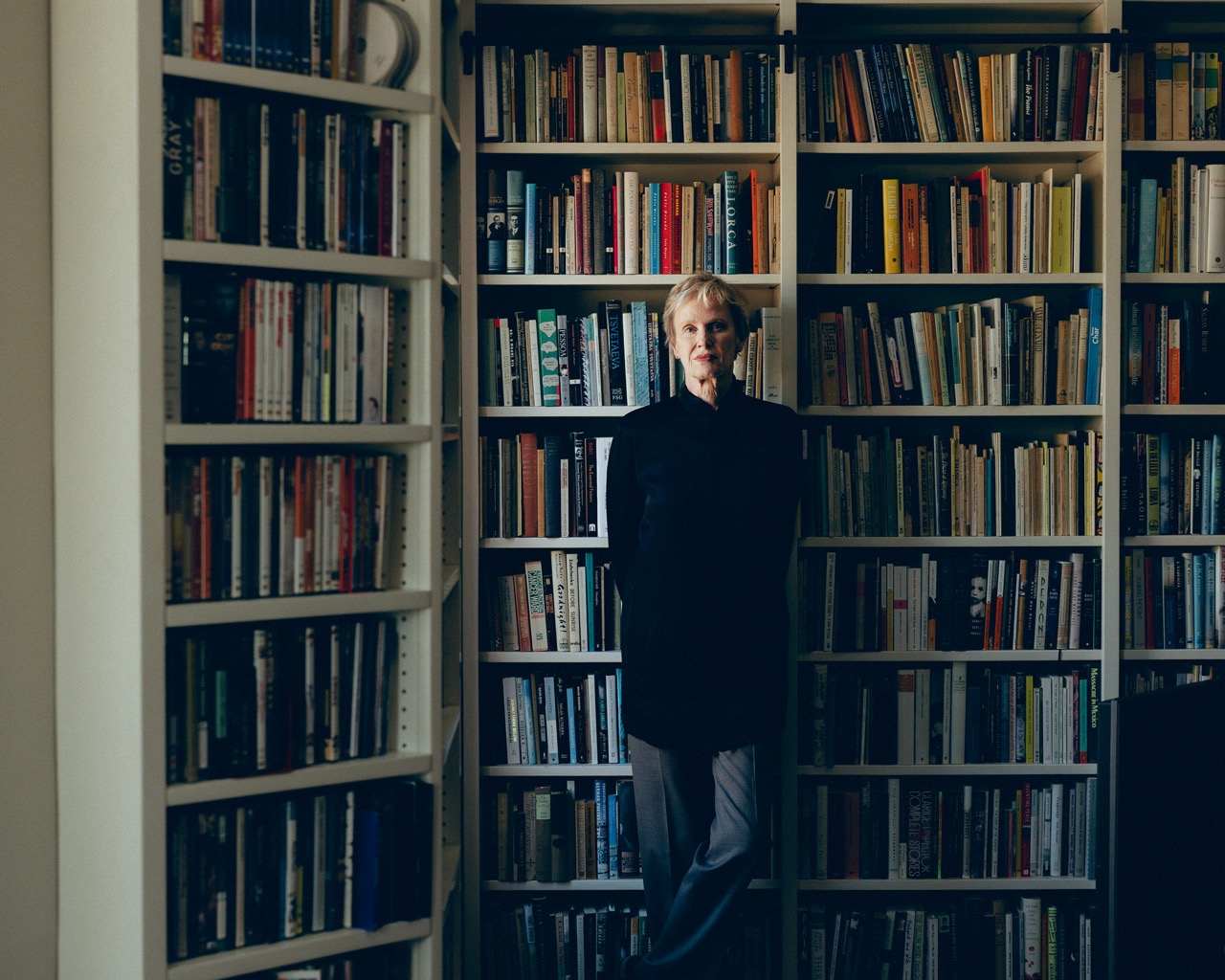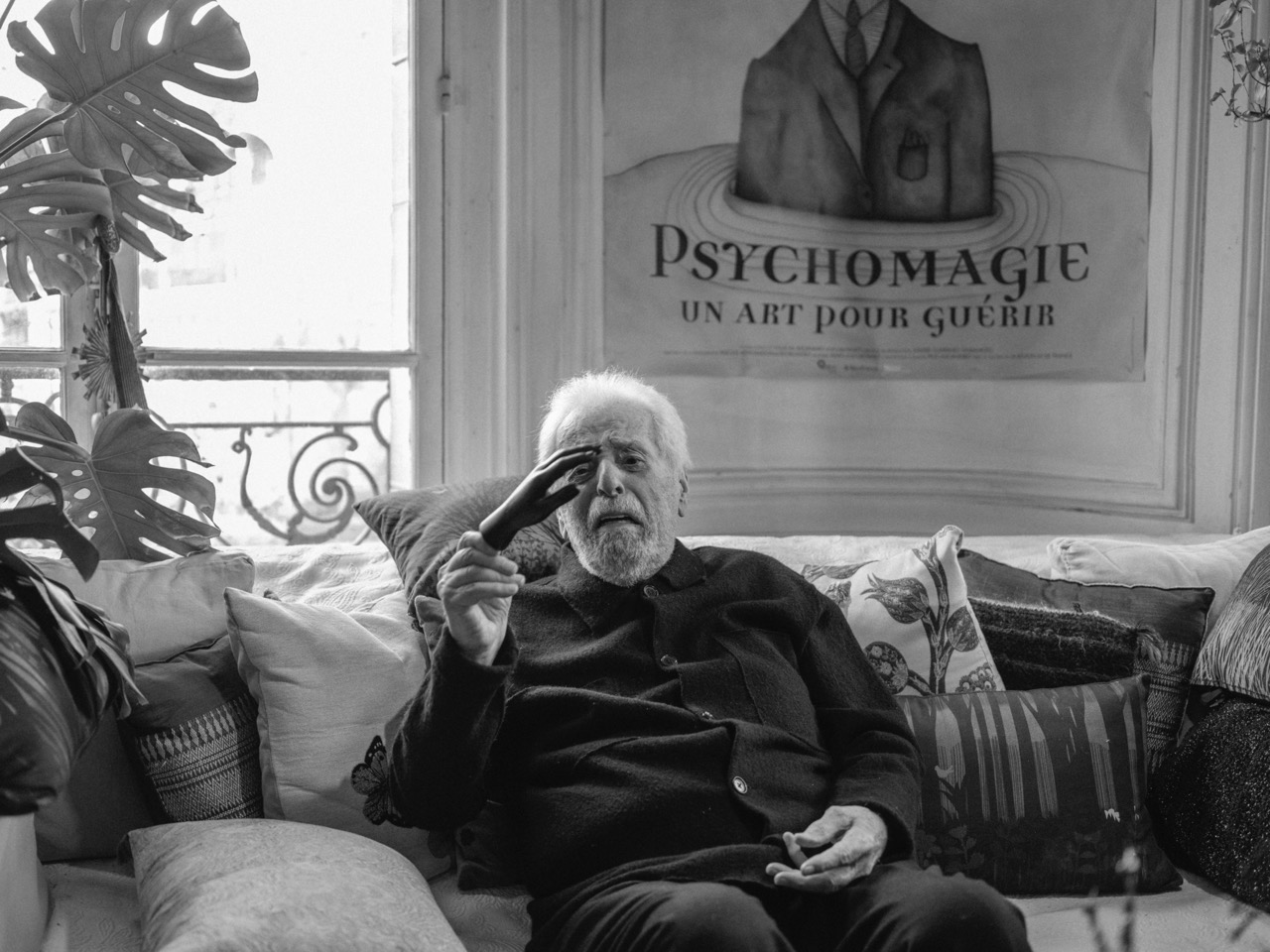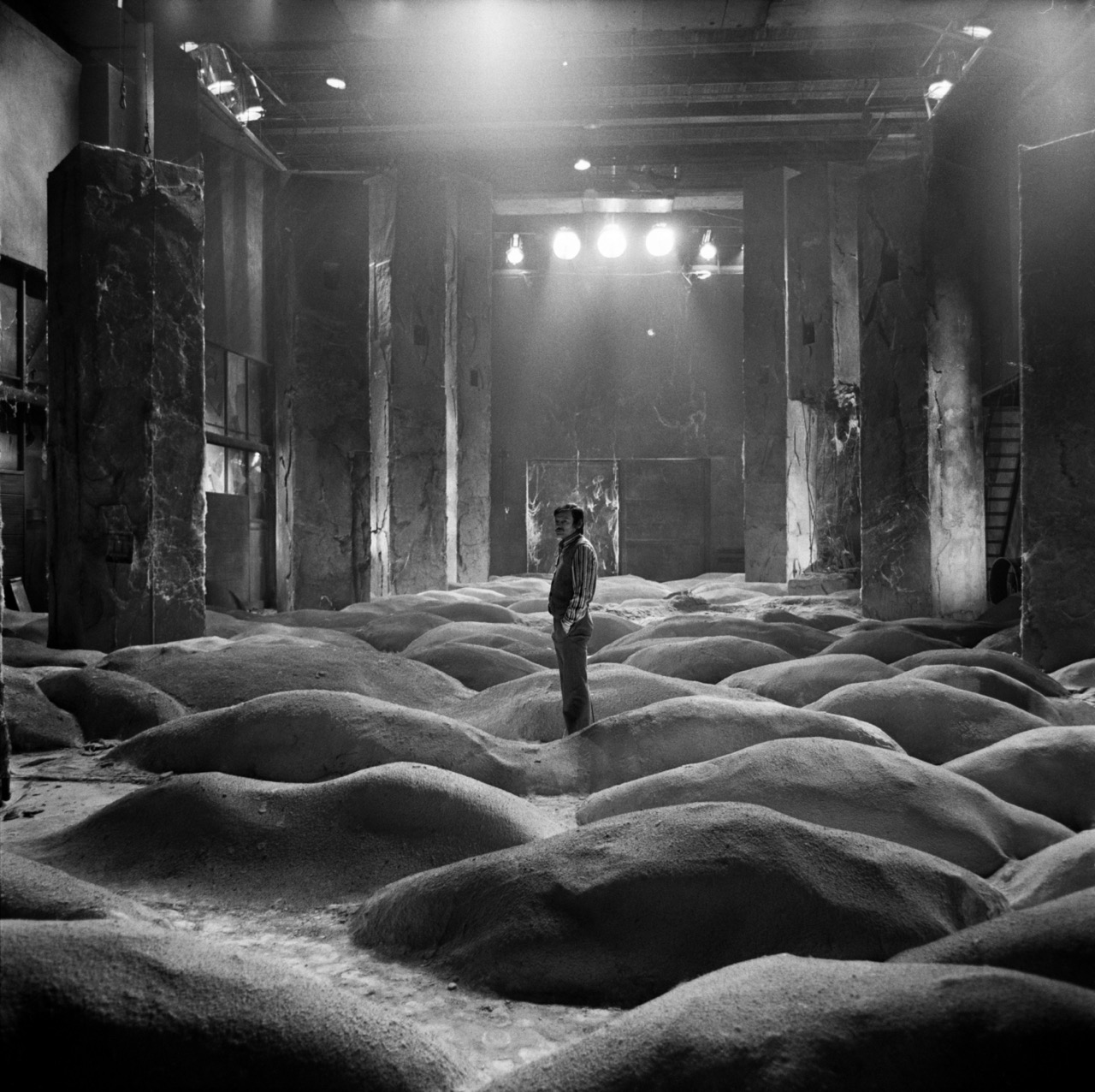


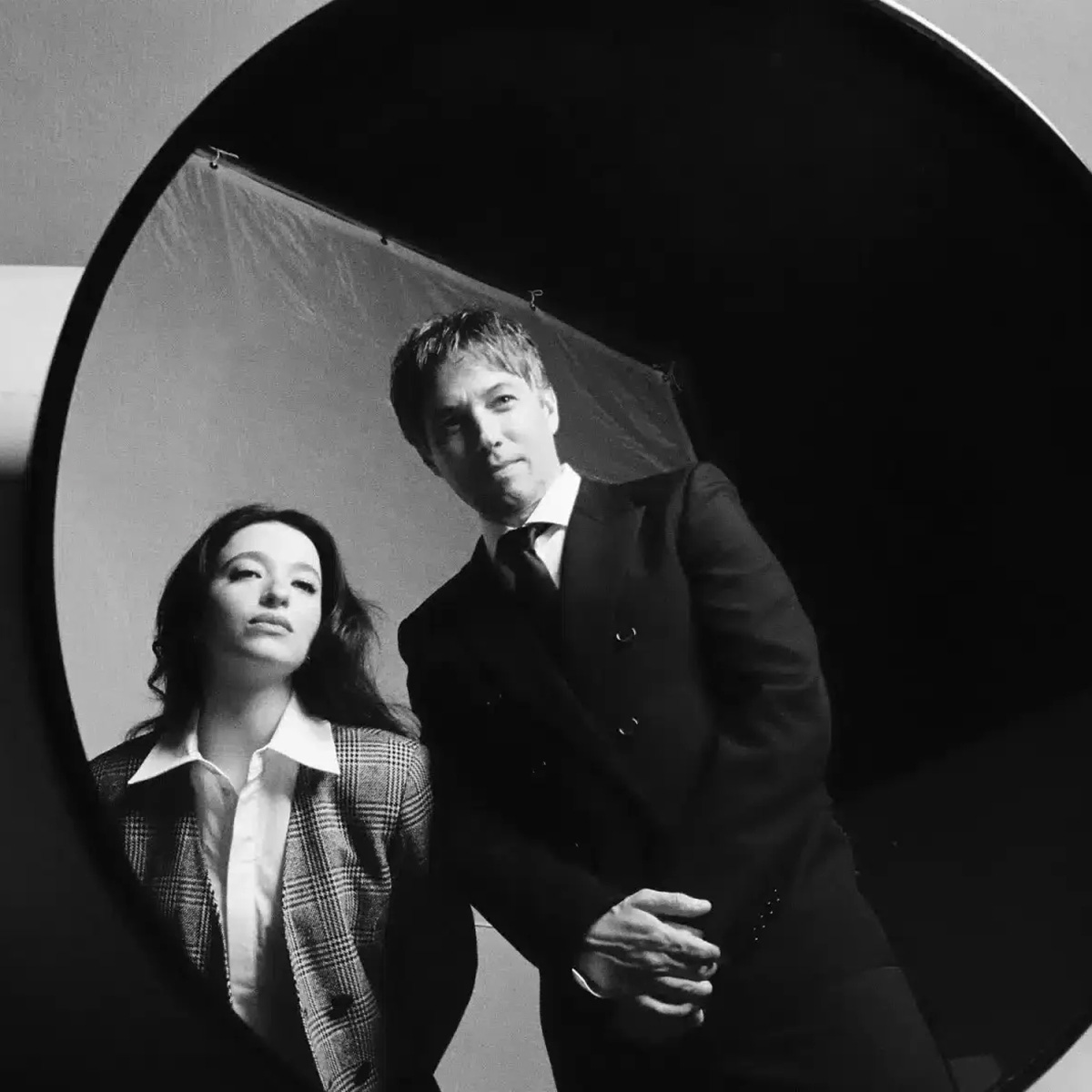
He’s been a Python and a comic book artist, and he’s had his fair share of notorious run-ins with the studios. But few directors truly embody the term “visionary” more than Terry Gilliam, writes Chris Cotonou, who spends time with the Brazil director at his home.
“I used to be the loudest one in the room, but it seems the Brits have all caught up,” says Terry Gilliam as he enters Arlington— a ritzy restaurant in Mayfair, London. Trays of steak frites and martinis circle the lunchtime hordes. The American-born Gilliam, 85 years old, swerves them and parks himself at a table that the waiter proudly declares was Princess Diana’s domain. “Just last week, Steven Spielberg sat here,” smiles another waiter. Gilliam responds. “I’m the opposite of Spielberg. For starters, I don’t do happy endings.”
For the main course, Gilliam will speak his mind. That’s one of the funniest things about spending time with him—listening to the hard-won anecdotes and name drops (Robin, Johnny, Brad, Colin, Heath), as he airs some long-held grievances over a career of cult film classics. “This isn’t going to be a puff piece, is it?” he insists. Terry Jones, his Monty Python collaborator, once stated that Gilliam thrives on having an adversary. His life encompassing a stint in the military, a political science major in California, drawing comics in New York, comedy in Britain, and making movies—has been coloured by intimidating adversaries, often studio heads such as Columbia Pictures’ Dawn Steel, or the grim reaper of Cannes, producer Paulo Branco. Films have been stalled. Projects delayed. Enemies made.
Gilliam is quick to admit he’s been a martyr to his own causes, professionally and in the media (recently, a series of anti-woke comments). But there has also been terrible luck. Steel’s appointment as Columbia’s head honcho in 1987 meant disregarding her predecessor’s slate (The Adventures of Baron Munchausen (1988) was one of her victims), while Branco cost Gilliam millions, dropping out of his Don Quixote epic at the final minute. This is after his first attempt at Quixote, which was documented in Lost in La Mancha (2002). Heath Ledger died during the production of The Imaginarium of Doctor Parnassus (2009), and Gilliam’s most recent project, The Carnival at the End of Days, with Johnny Depp playing Satan, is “pretty much dead,” he sighs. “For all the luck I had at the start of my life, I paid for it near the end.”
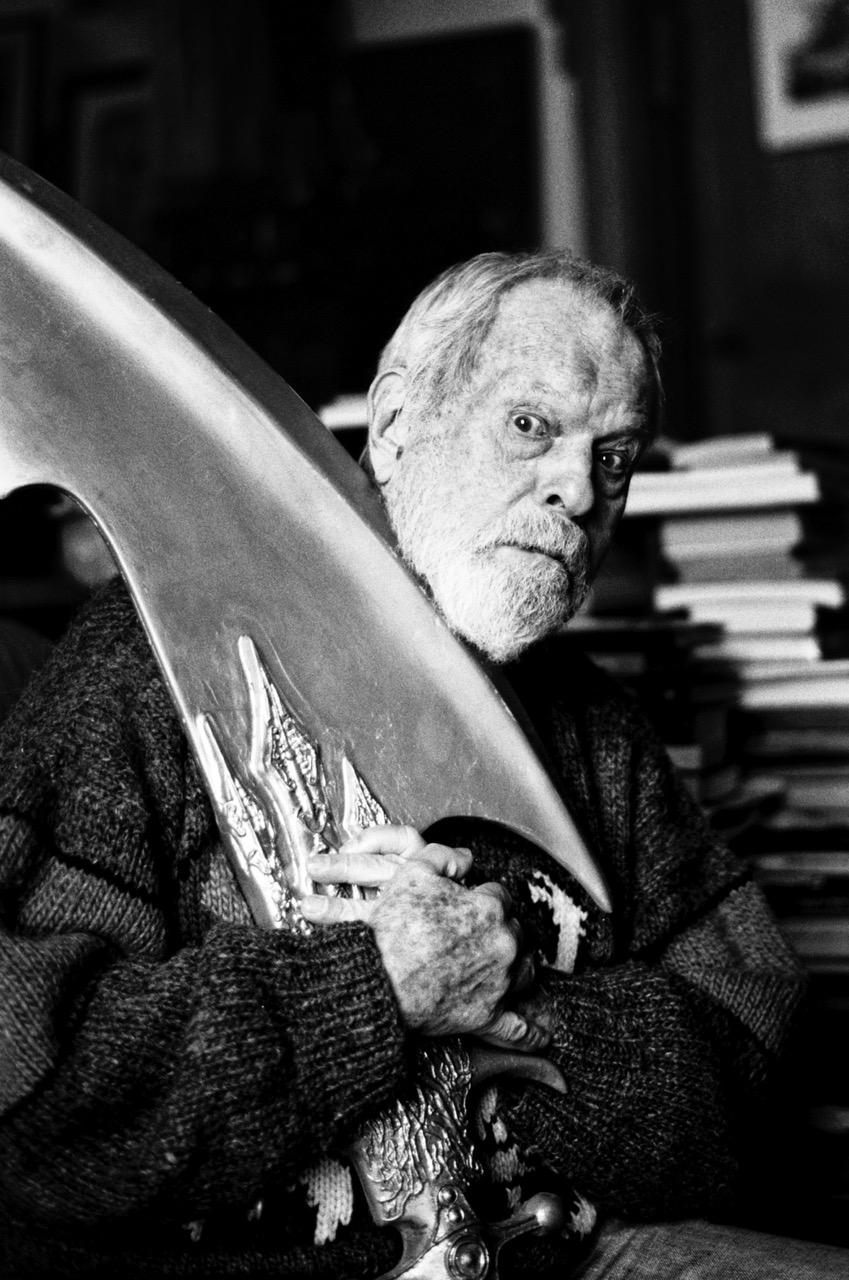
Terry Gilliam holding the executioner’s axe from The Adventures of Baron Munchausen (1988) 2026. By Laurence Hills.
I reached out to Gilliam for an interview in February. His reply was: “Chris… I’m in a re-posthumous mood and reasonably free.” Carnival was out but I’d read news about one of his other dream projects, The Defective Detective, which has been on his mind since 1991. It promised to be a culmination of Gilliam’s brilliant vision—drawing on the futurist urban sprawls of Brazil (1985), his devotion to practical effects and animatronics, puppetry, and Dutch tilt camera techniques that create a sense of tension and unease. He told one reporter in 1997: “The script started from me going into my files, my drawers and digging out all the bits I’d cut out of Brazil and Munchausen, and everything else I’d ever done… like Fanny and Alexander (1982) was kind of a compendium of all the best of Bergman. That’s the idea on this one.” It is reportedly going to be his last film. Not true, he admits. “Sometimes I just say things. I get caught up in the moment.”
The problem is a good cast; the magic ingredient in Gilliam’s cinema. He has worked with the best, but he says that he is feeling out of the loop. Where are the Bruce Willis and Brad Pitt types these days? (Both offered themselves up for 1995’s 12 Monkeys.) Or his great friend Robin Williams. “Who do you think is a real leading man these days?” There will, as ever, be a role for Jonathan Pryce—the DiCaprio to his Scorsese; Gilliam’s recurring thesp beyond the Pythons. He landed Don Quixote for The Man Who Killed Don Quixote—the emblematic Gilliam character, both in daring and delusion. But Brazil remains their most acclaimed collaboration.
Brazil is also Gilliam’s masterpiece and, if not my personal favourite (reserved for Munchausen), it is his tightest film and still tops critics’ lists. Like George Orwell’s 1984, Gilliam applies a stylish vision to the suppression of liberty, where bureaucracy is as deadly as a shotgun. “I like stories about people being crushed by systems or trying to escape them,” Gilliam says. “It’s about people being trapped in an absurd mechanism.” Brazil (he originally wanted to name it “1984 and Half”) remains a hugely influential work of dystopian science fiction—one that feels prescient today. You can see Brazil’s fingerprints in the warped, steampunk futures of Jean-Pierre Jeunet and Marc Caro or Guillermo del Toro’s Frankenstein (2025). The surveillance society that Pryce’s daydreaming company man Sam Lowry traverses through is transplanted from Brief Encounter (1945)—trench coats, fedoras, British keep-calm-and-carry-on—but there’s an underlying horror. Monsters are everywhere. Even in polite societies.
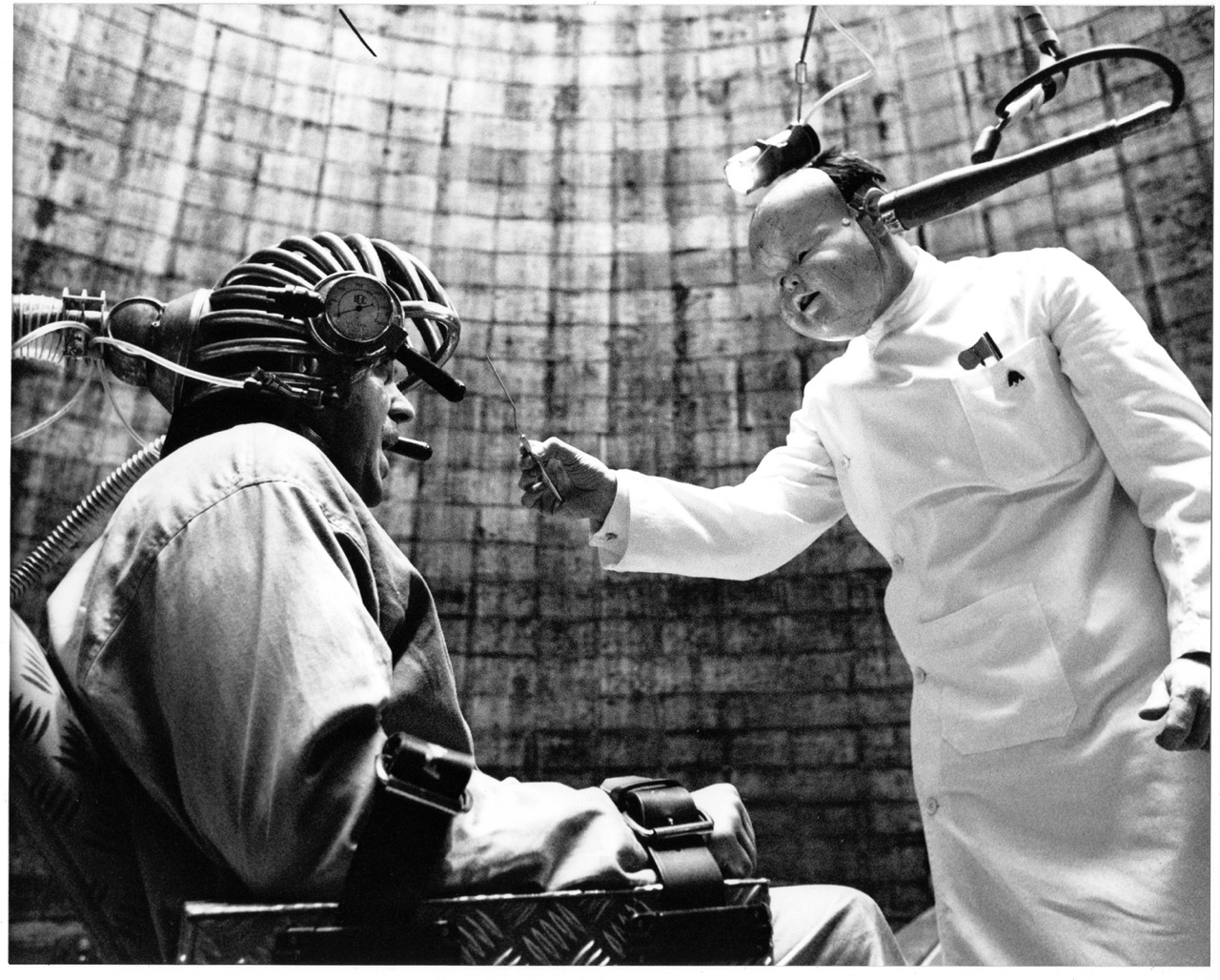
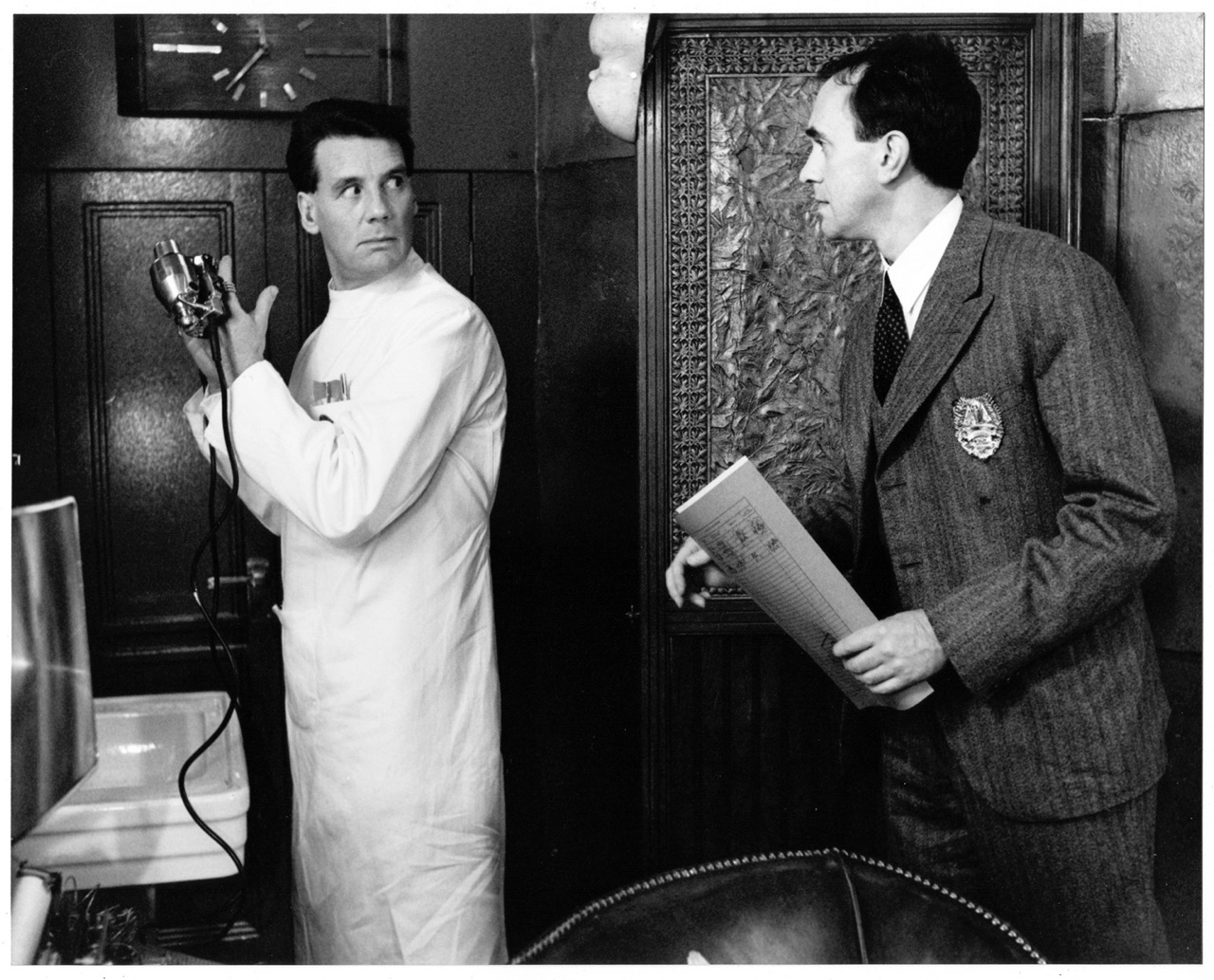
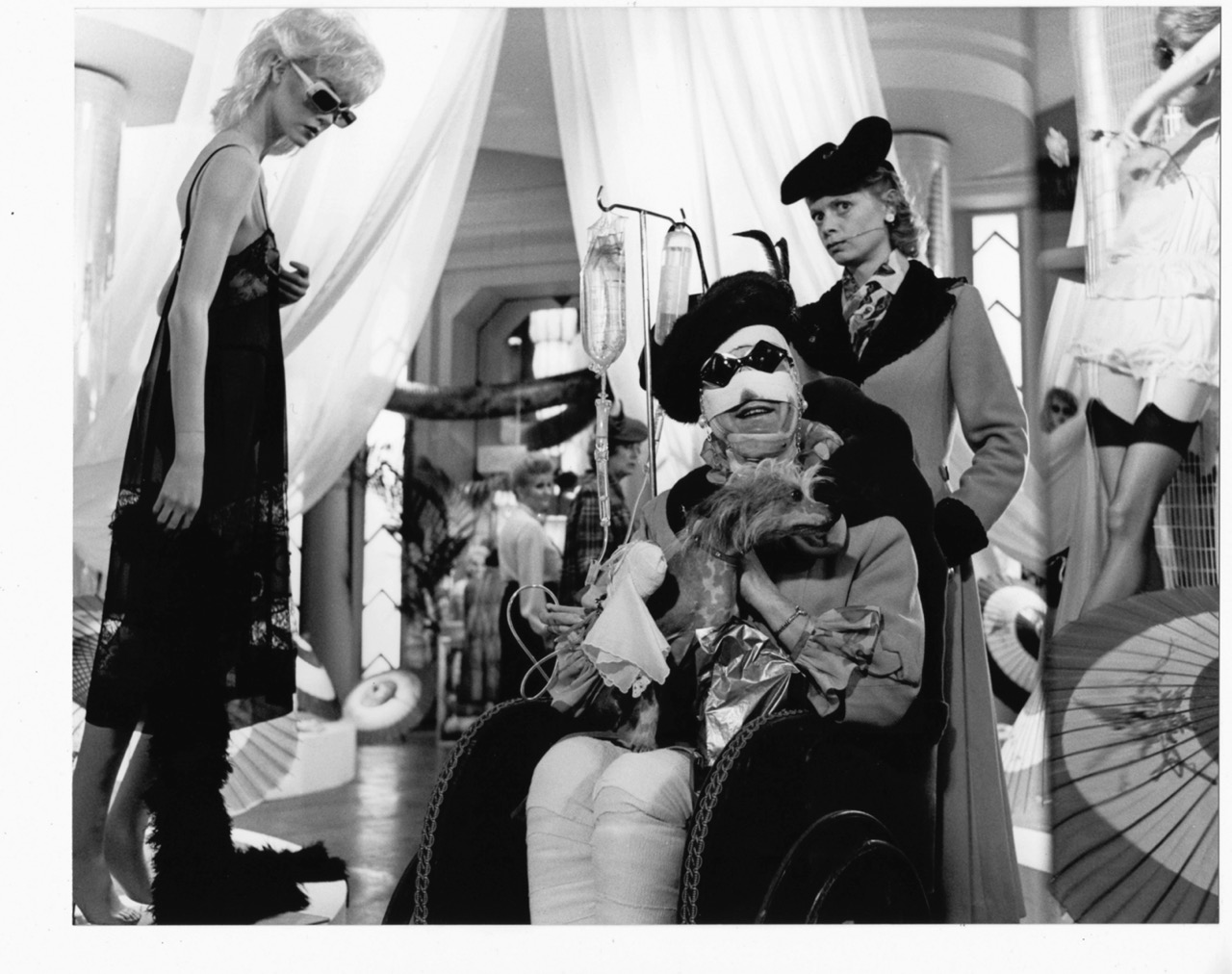
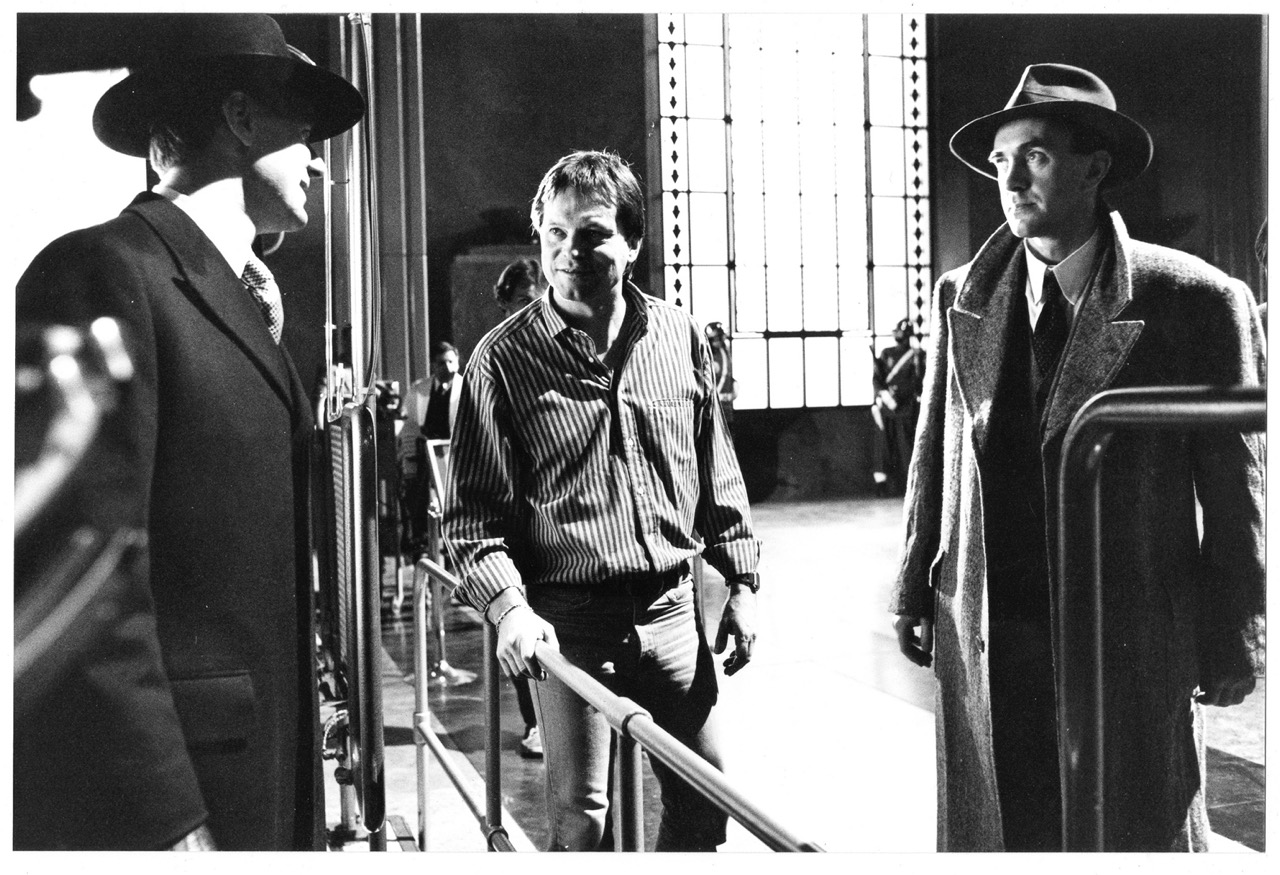
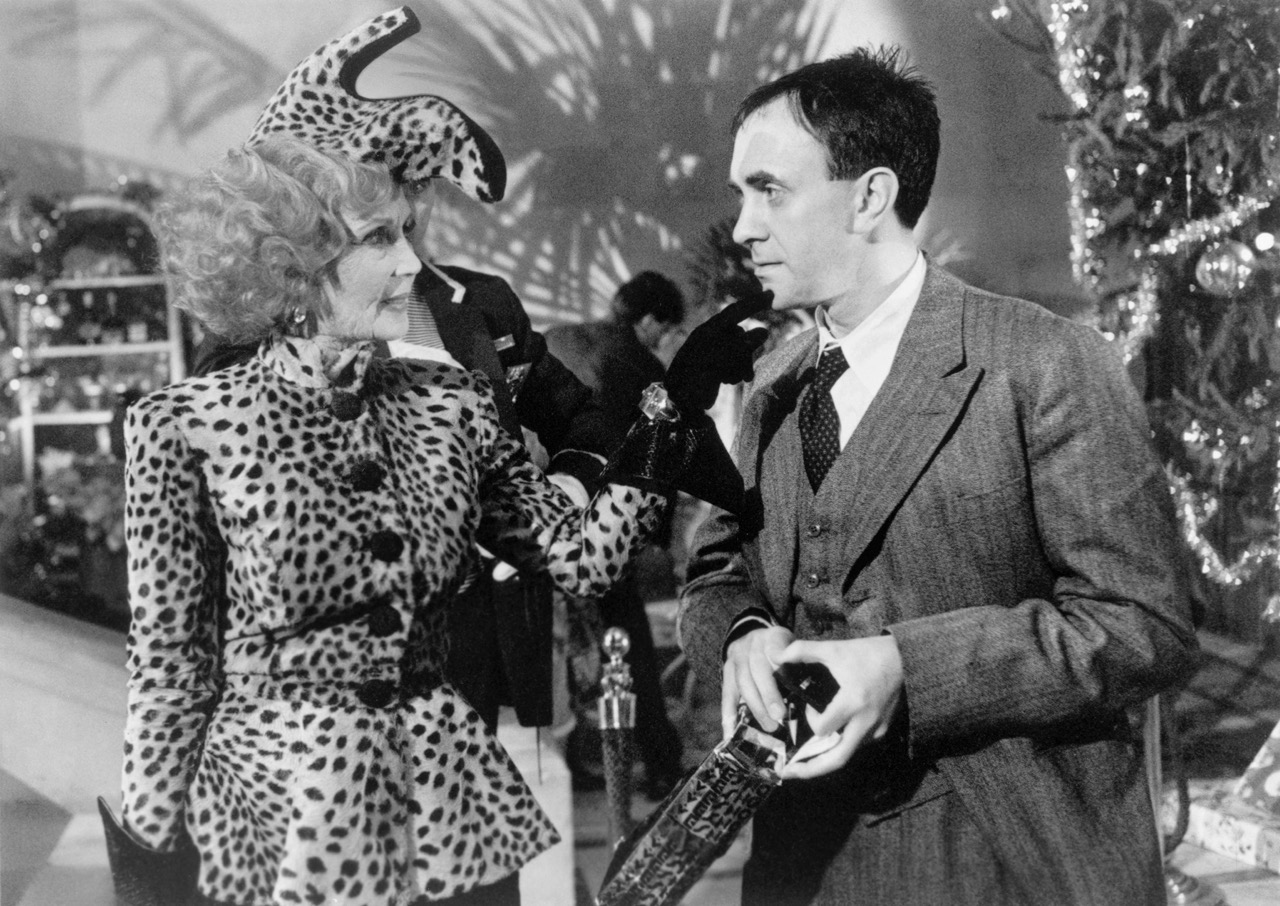
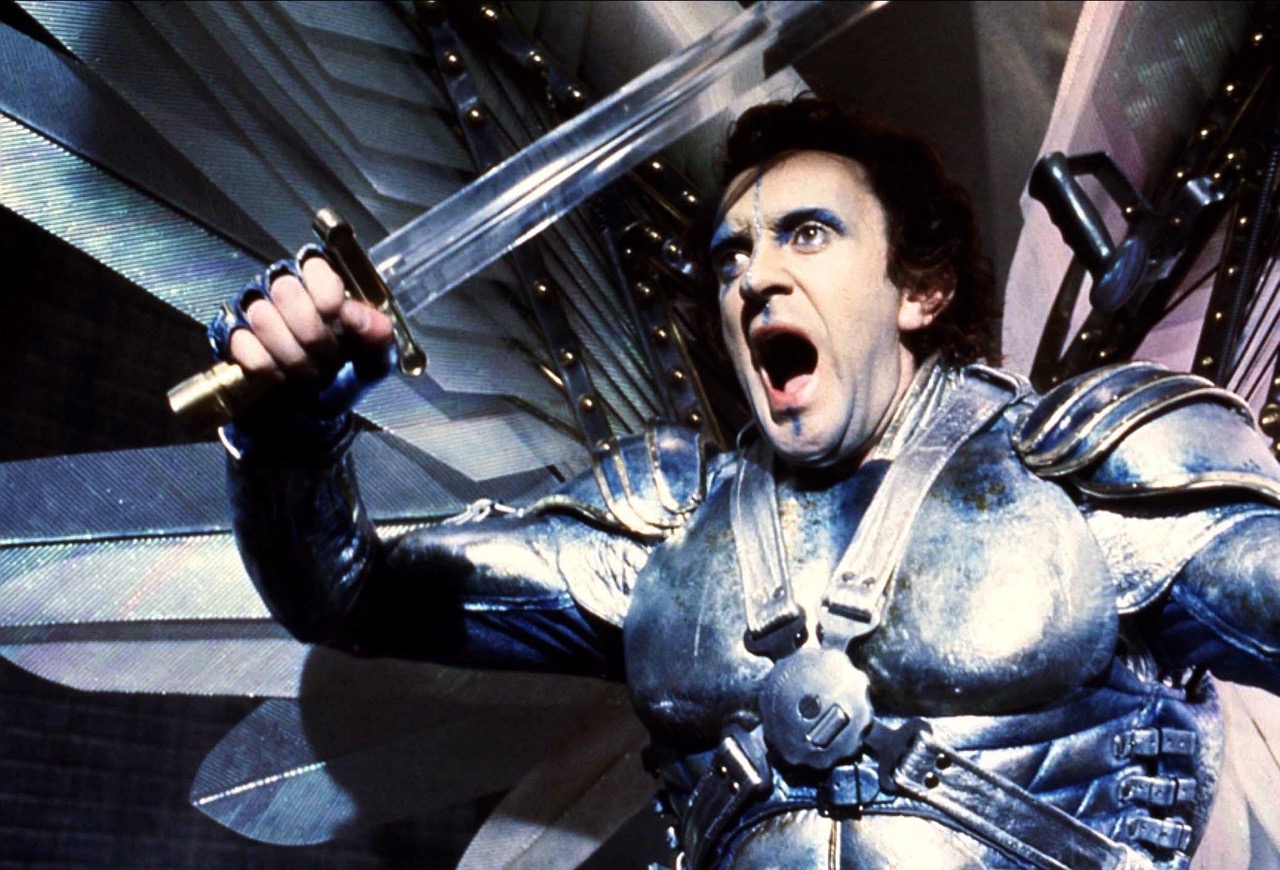


I bring up the subversive climax, which is rather depressing. But Gilliam sees it another way; it’s a liberation. After Lowry is “rescued” by Robert De Niro’s gallant freedom-fighter Archibald Tuttle, he slips away into the rolling Scottish hills, but his happily-ever-after is abruptly sniped out. “I watched Blade Runner (1982) and as a fan of Philip K Dick [the author of source material Do Androids Dream of Electric Sheep?], I thought the original ending was a cop out,” he says, “I wanted to adapt the book myself. So one of my intentions with Brazil was to make the anti-Blade Runner.” There’s an element of bad taste to Brazil. The plastic surgery scenes, the restaurant where everyone is served beige balls; the wealth, gluttony, terrorism, and one scene where Bob Hoskins’s shell suit overflows with human excrement. Gilliam remembers these moments with a mischievous giggle. He likes audiences to squirm.
The film did enormously well in Europe (particularly in France) but Hollywood struggled to grasp the tone or the Anglo absurdities (Ian Holm’s neurotic administrator is a highlight). The ending also did not sit right with Universal head Sid Sheinberg—another Gilliam belligerent—who refused to release the film unless the director shot a shorter, “happier” version. Not one to back down, Gilliam publicly protested with secret screenings and a full-page ad in Variety. It read:
Dear Sid Sheinberg
When are you going to release my film, ‘BRAZIL’?
Terry Gilliam.
The battle became public. “I was interviewed on television saying, ‘I don’t have a problem with the studio; I have a problem with one man. He looks like this.’” Gilliam proceeded to flash a photo of Sheinberg’s face to the camera. “Most people would’ve been terrified. But I’m more afraid of losing the film than losing the job.” The Python was on the attack… and winning. His resolve inspired the Los Angeles Film Critics Association to award Brazil best picture. Finally, Universal agreed to release a slightly modified version—with Gilliam’s supervision. Two Academy Award nominations followed. Today, it remains his defining work. When I ask about Brazil’s alternative ending, he agrees to show it to me at his home a week later. On my visit, he shrugs it off. Deleted or lost? He won’t say. “Again… I got caught in the moment.”
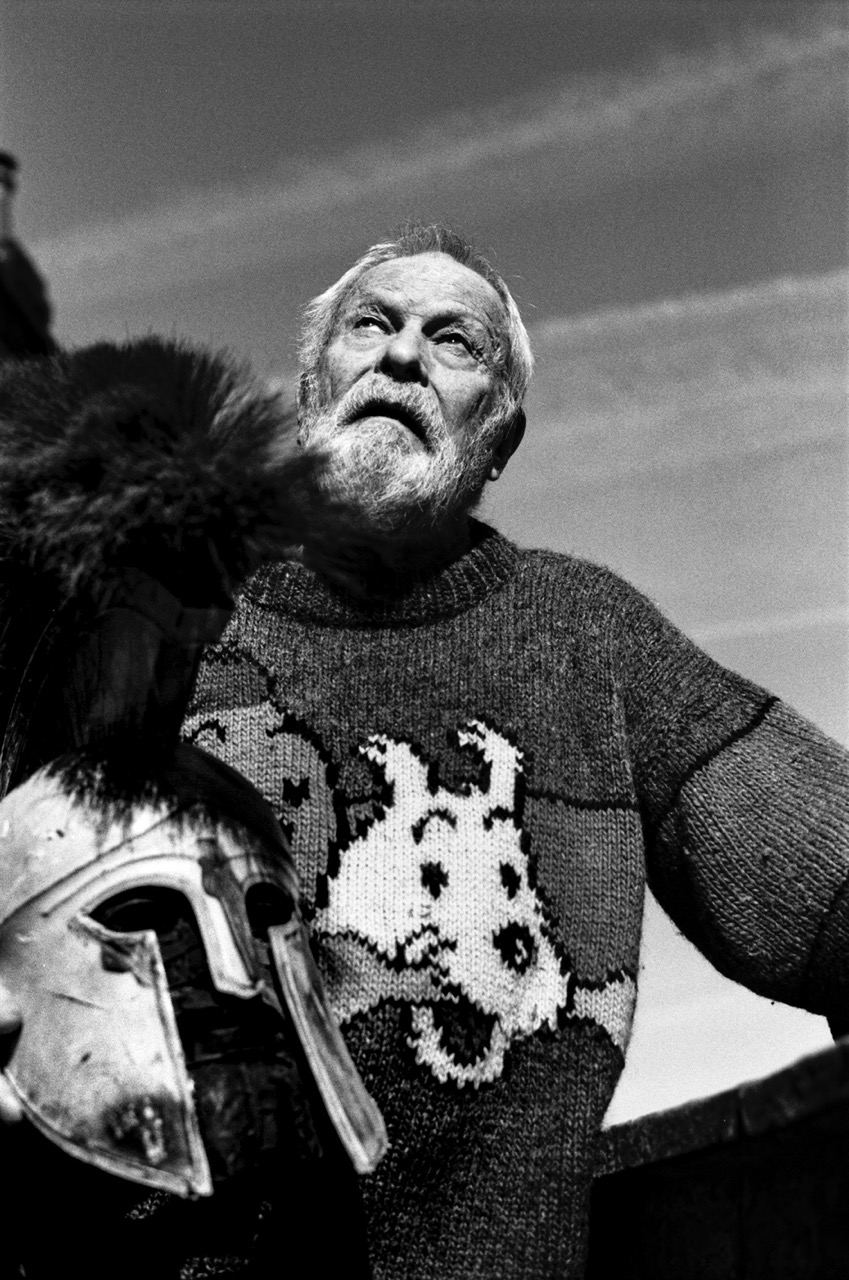
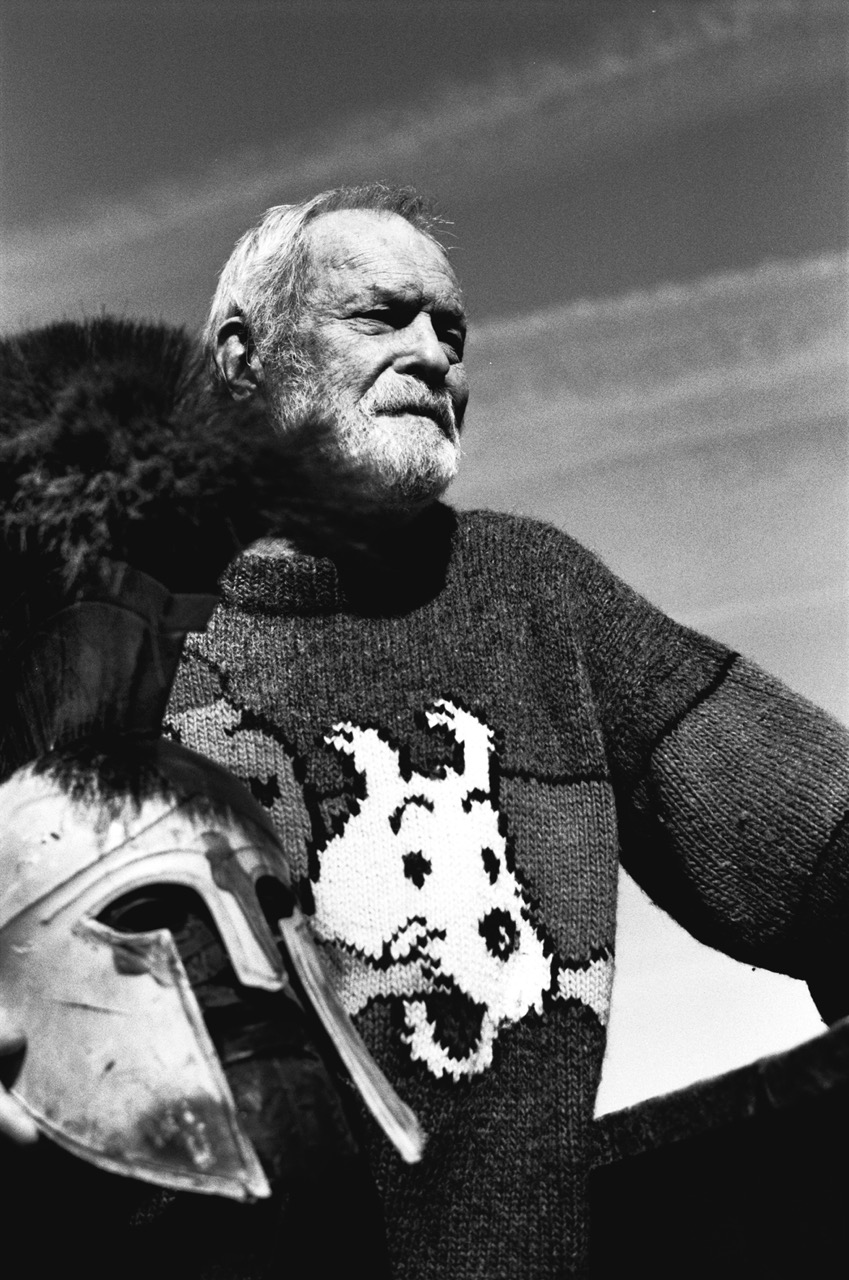
Terry Gilliam poses with Sean Connery’s helmet from The Time Bandits (1981), London, 2026. By Laurence Hills.
For all his British-isms, Gilliam recalls his rural American youth vividly, and it’s easy to trace his imagination back there. “We didn’t have an indoor toilet until I was six,” he recalls of Medicine Lake, Minnesota. “Across the road Bruce Willis in 12 Monkeys (1995). By Terry Gilliam. was a swamp, behind us a forest, cornfields, and the lake in front. It was a paradise that shielded me from the big world.” It was only when his sister suffered respiratory issues that the family uprooted to the newly built Panorama City, San Fernando Valley, California. The aluminium houses and endless tract homes resembled the nightmarish suburbs in Edward Scissorhands (1990), he says; but Hollywood’s seductive light was as real as the sun. Around this time, Gilliam would tune into national radio shows: Let’s Pretend and The Shadow conjured worlds in the impressionable boy’s mind. When a neighbour got a television, he relished in the exploits of comic Sid Caesar (written largely by Mel Brooks) and the surreal visual gags of Ernie Kovacs, he explains. Kovacs in particular was visually experimental. “It shaped my sense of the absurd, and what pictures could do,” Gilliam says.
His first taste of showmanship happened when, as a child, Gilliam also became obsessed with magic. His father, a carpenter, built a small counter in the street so that Gilliam could perform for the neighbourhood kids. Every trick went wrong. His failures made his audience laugh. “I realised my incompetence had the power to entertain,” he grins. At high school, he was head cheerleader, a pole vaulter, student body president, and valedictorian. A scholarship brought him to Occidental College, where he majored in political science. It was also where he encountered the original Gilliam antagonists: the snarky student politicians. Their pretentiousness was at odds with the Minnesota menace, who proved himself a royal pain in the ass. “Every day, me and my fellow cartoonists would roll these huge scrolls of paper around the university and paint mocking slogans that took the piss out of them. Everyone woke up in the morning with this shit,” he continues, gleefully.
Comics were his biggest love, and none made more of an impression than the influential Help! publication (1960–65). When Gilliam reached out to its owner Harvey Kurtzman for work in New York, Kurtzman discouraged him from moving out east. It had the opposite effect. Bags in hand, newly in Manhattan, he stepped inside the Algonquin Hotel and happened, by complete chance, on a meeting between the cartooning gods from Help! and Mad. “Your timing is pretty good, kid,” said Kurtzman, smiling with a head like a skin-wrapped acorn. “My assistant editor just walked out.” Gilliam became deputy editor for one of the world’s most iconic comics. Three years later, he moved to London while hitchhiking through Europe and joined Monty Python. It was the height of 1960s “Cool Britannia”. Monty Python was a phenomenon and remains one of the most influential comedy troupes of all time. I tell Gilliam that, for all the misfortune, there’s been serendipitous quantities of chance. But he is only too aware of the fact. “Life has been a series of reckless leaps,” he says, sipping his Margarita on Princess Di’s seat. “Followed by some extraordinary luck.”
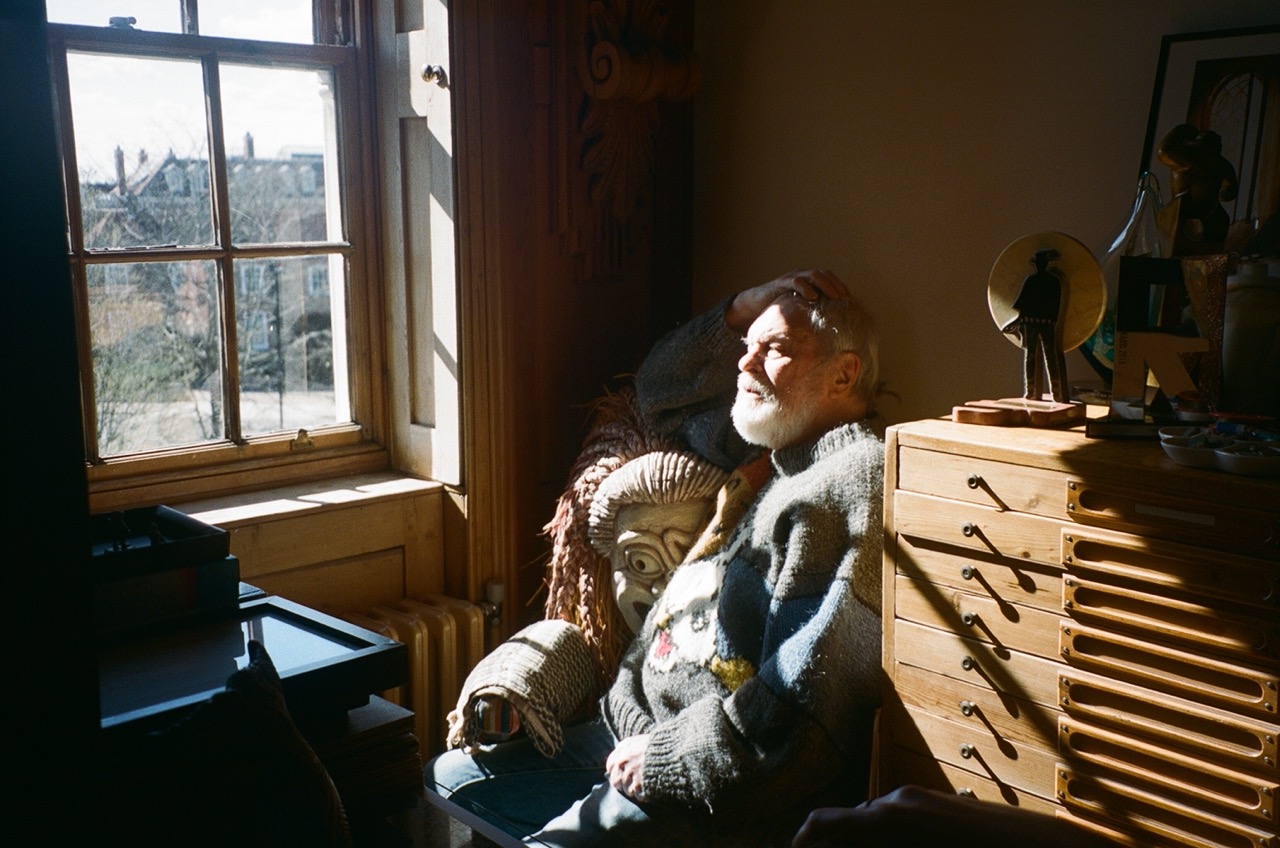
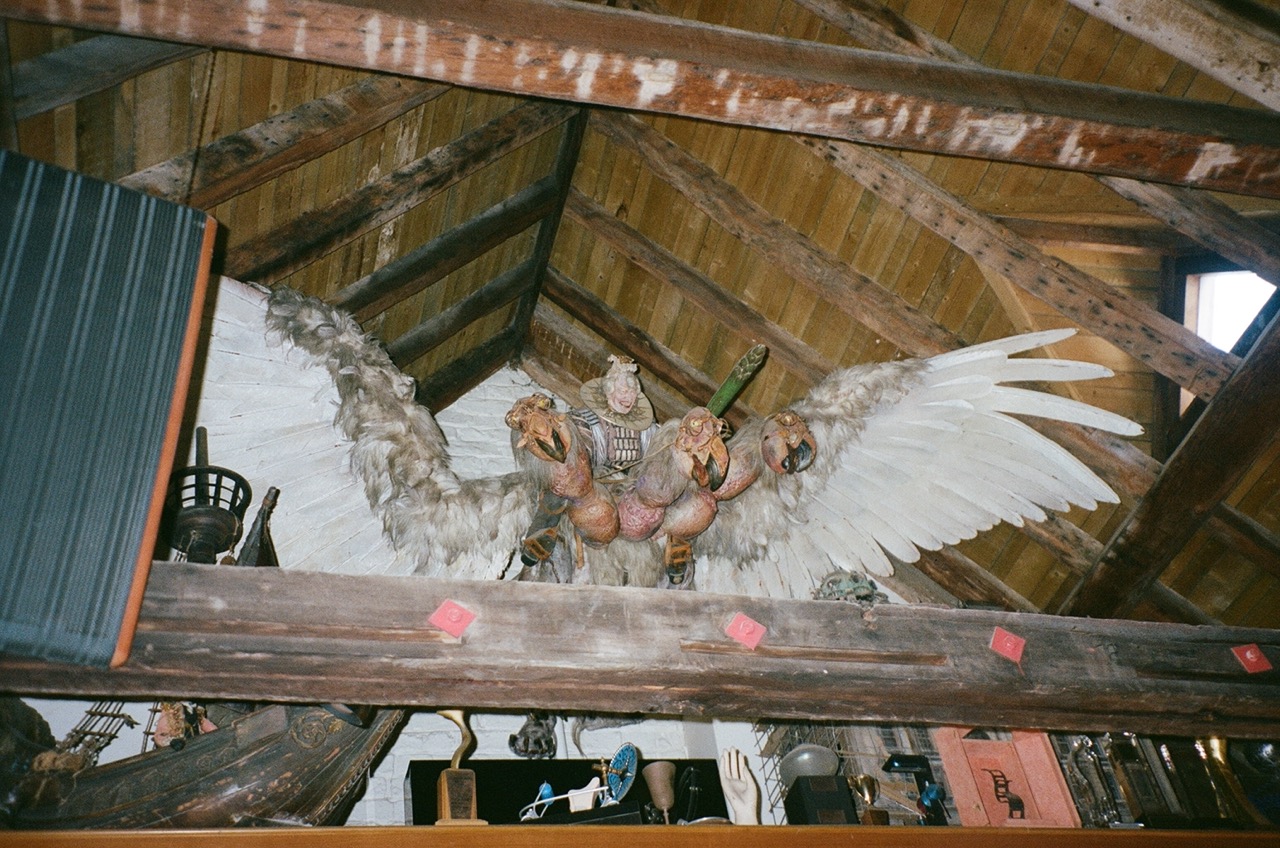
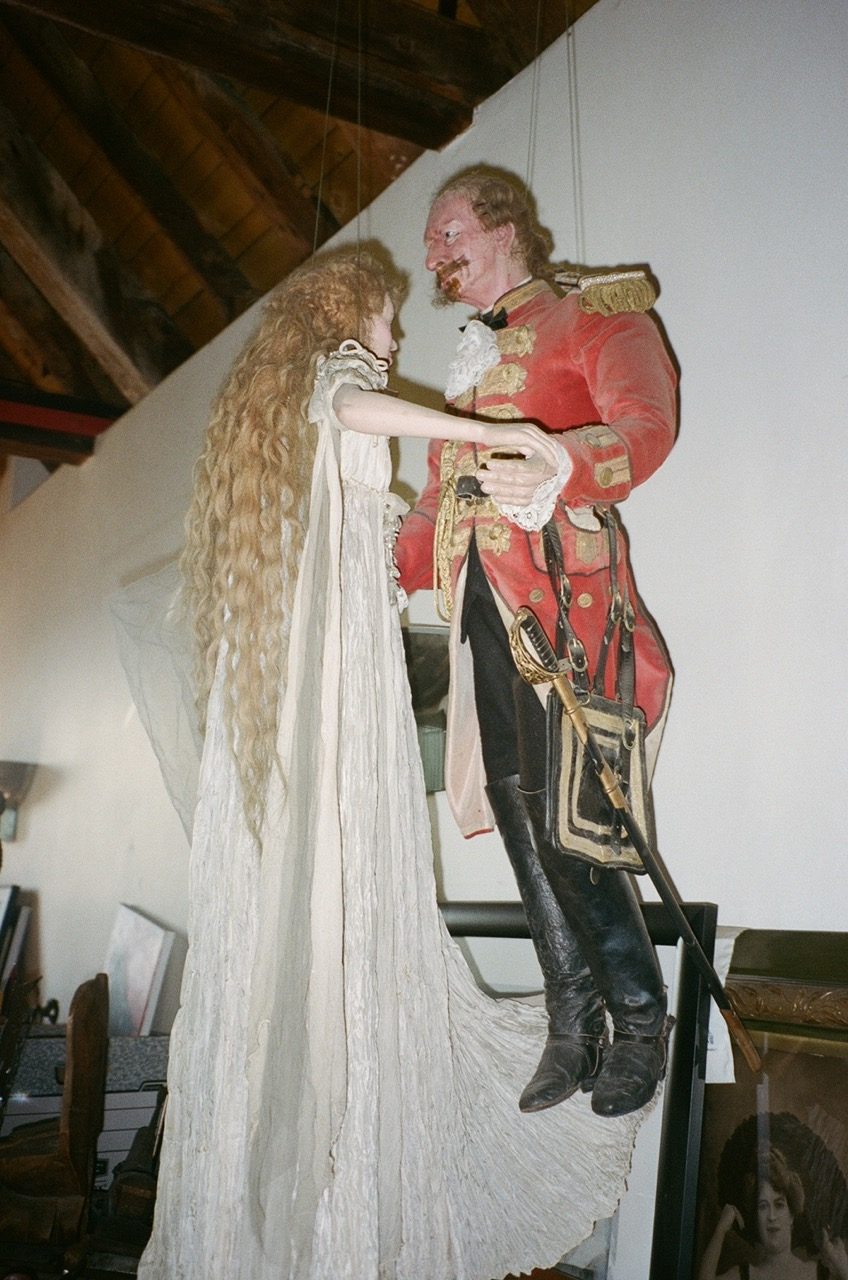

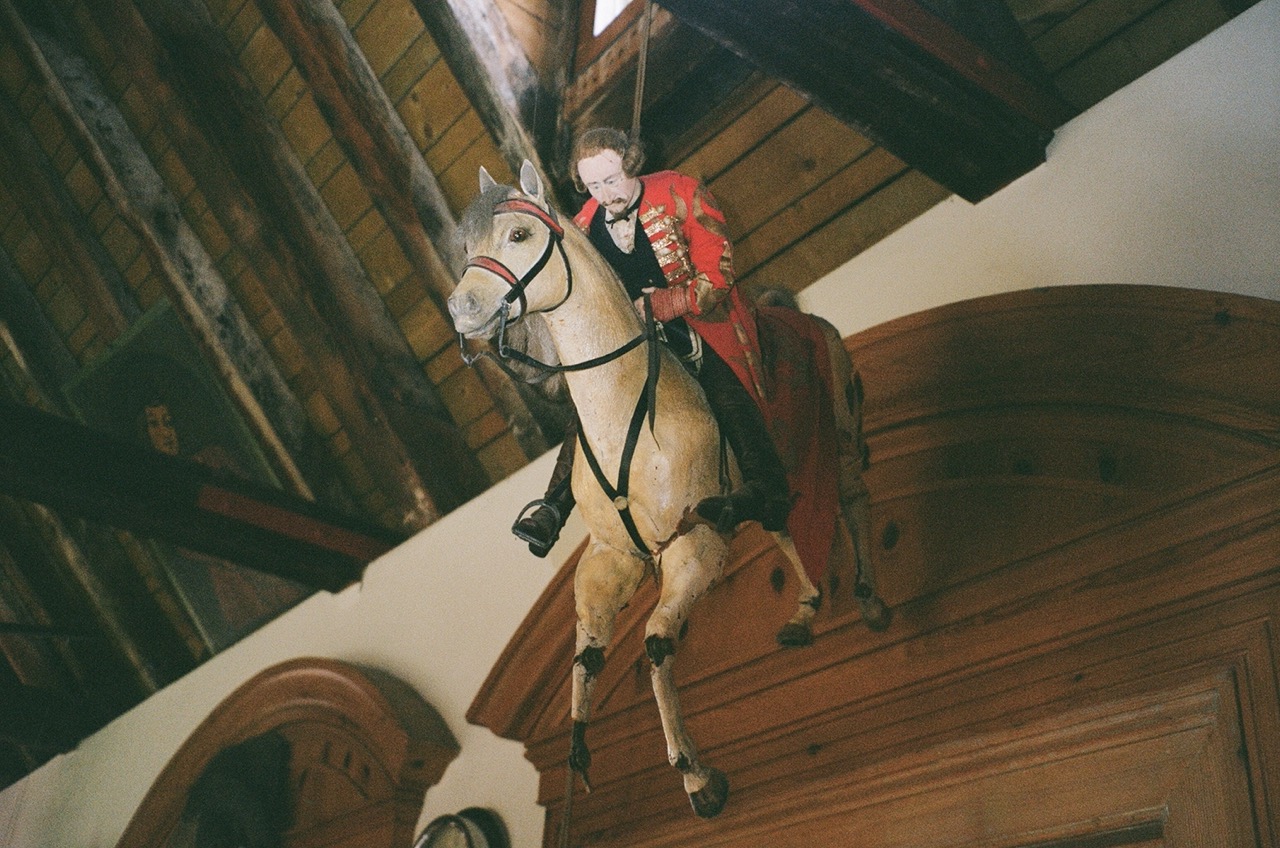

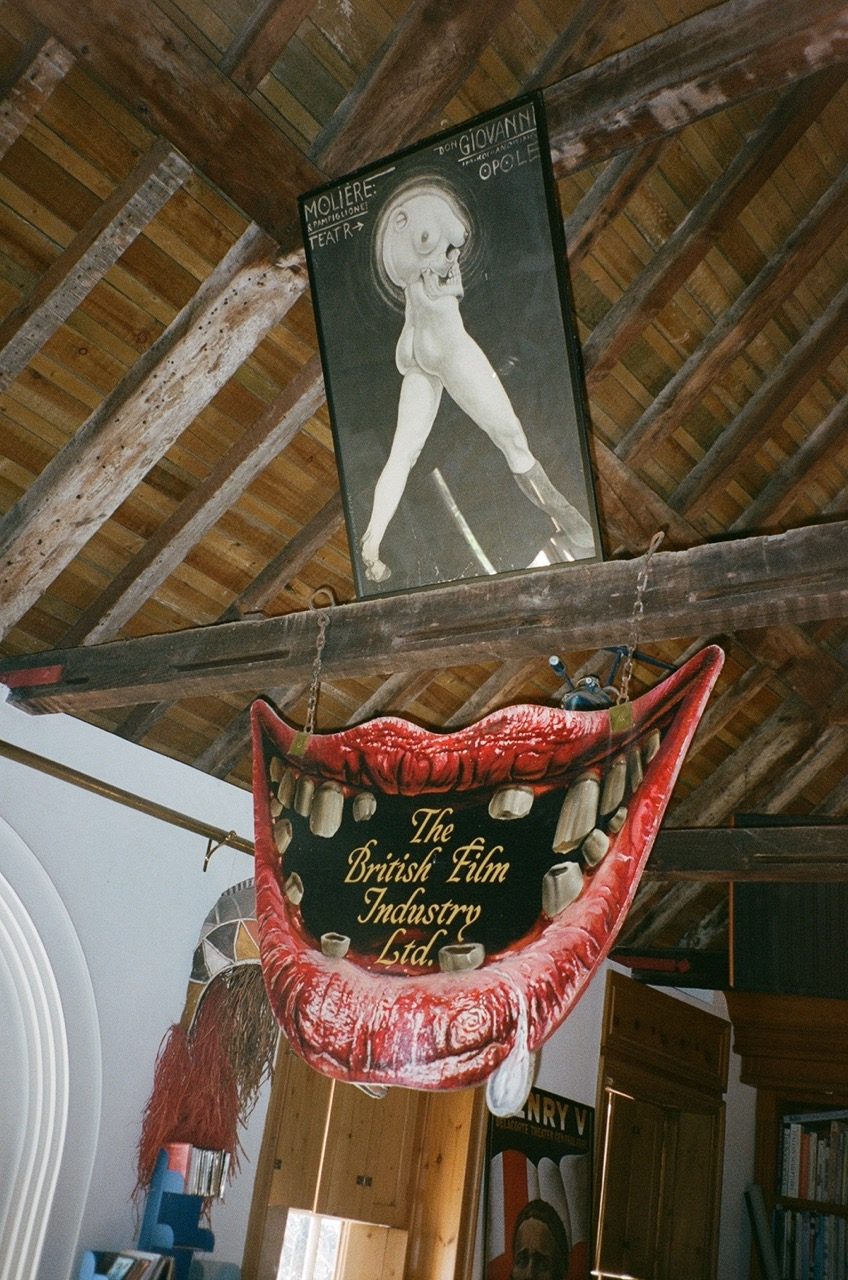
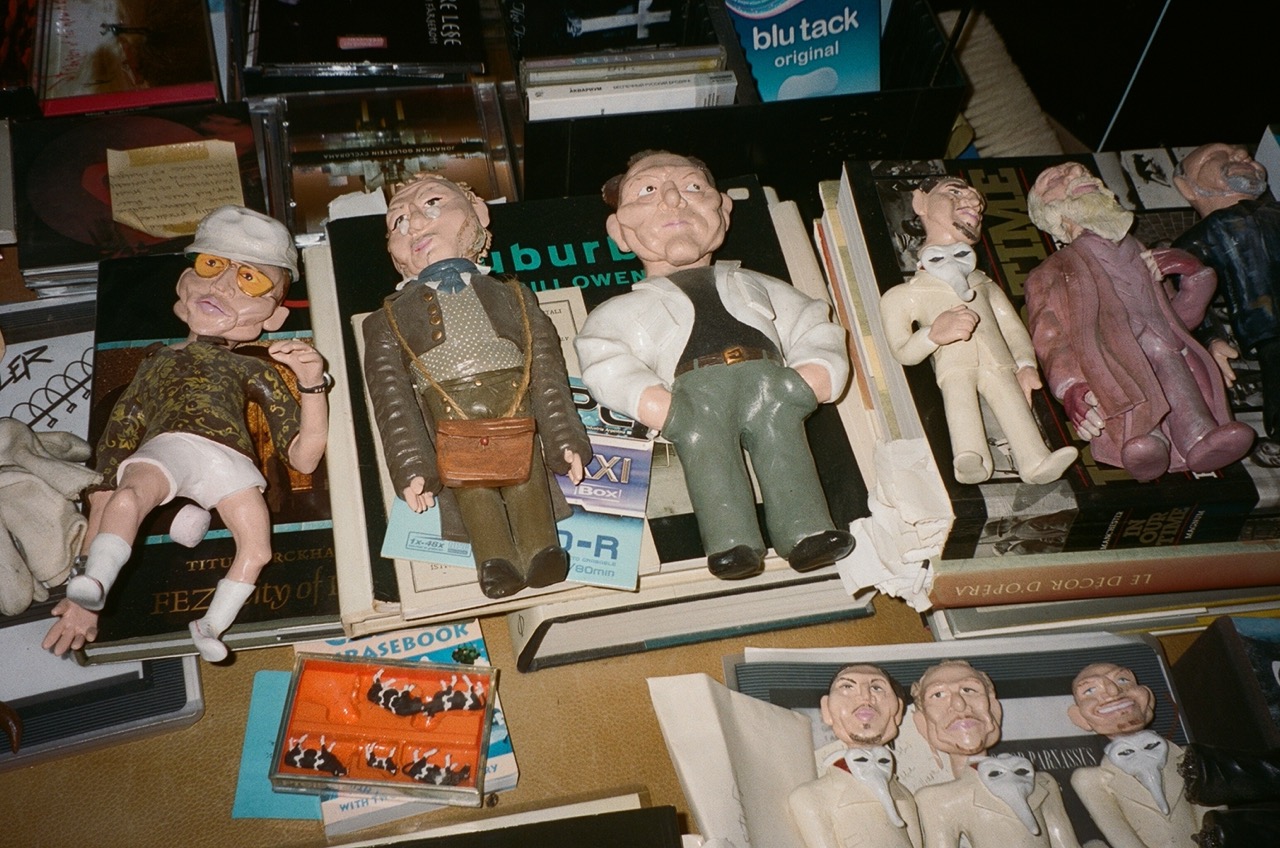
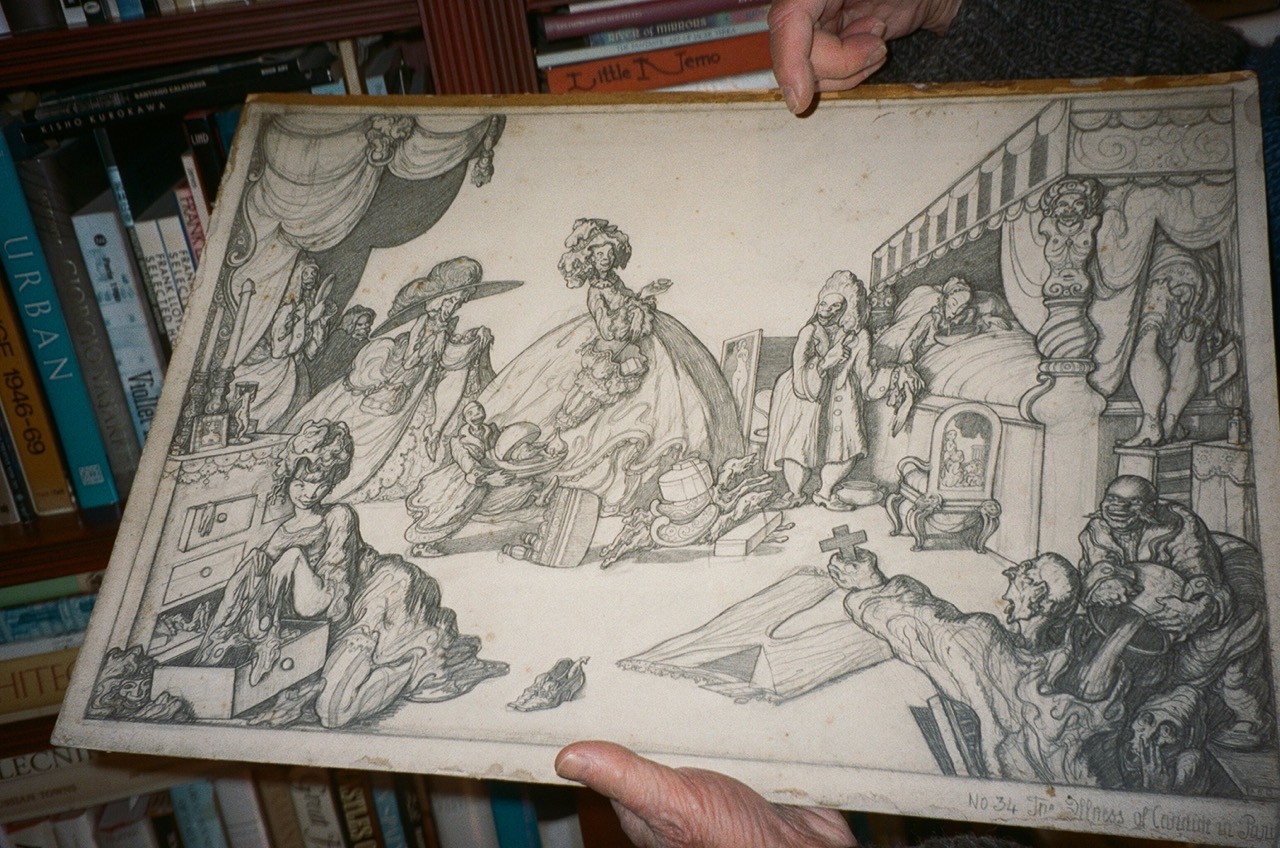
A week later, I am in leafy north London. Gilliam’s house—Norman castle?—looms behind a large gate and a tidy Queen of Hearts garden. He’s been here since the 1970s. “Don’t go to the main house. Take the stairs on the right,” he tells me over the phone. “My wife [legendary make-up artist Maggie Weston] insists the front is only for family.” When Gilliam opens the door, he’s wearing a Charlie Brown sweater. Laurie, my photographer, and I are in a hallway that smells of weathered books (there are endless rows of paperbacks) and a stack of antique film cans with Baron Munchausen written on them. “This is where Sir Francis Bacon caught pneumonia and died,” he says, with worrying glee. “Soon, it will be me and Bacon haunting the place.” This particular section of the house is like a tower. As we climb a spiral staircase in the dark, memorabilia from Gilliam’s films tease what is to come. Puppets from Fear and Loathing in Las Vegas (1998). An original Japanese poster of Brazil. Tote bags for The Brothers Grimm (2005). A skylight appears five floors up; African masks on the wall. A small kitchenette. Then, a marvellous, open-space museum appears—an emporium of curiosities— overlooking a garden and church, with waist high piles of books and more puppets and windows, and astrologer curtains next to a small reading nook. It is an autobiography of Gilliam’s career.
Our jaws drop. “Yes,” Gilliam says, as our eyes dart around the room, “that is Sean Connery’s helmet from Time Bandits (1981)… that is the Sultan’s axe in Munchausen … that’s out of The Meaning of Life (1983) and Jabberwocky (1977),” and so on. We spy a winged Jonathan Pryce model from Brazil, used during the strange dream sequences. A whole table is overrun with accolades and honours from film festivals. “When you get old, one of the things you have to look forward to is getting lots of invitations from movie festivals,” he laughs.
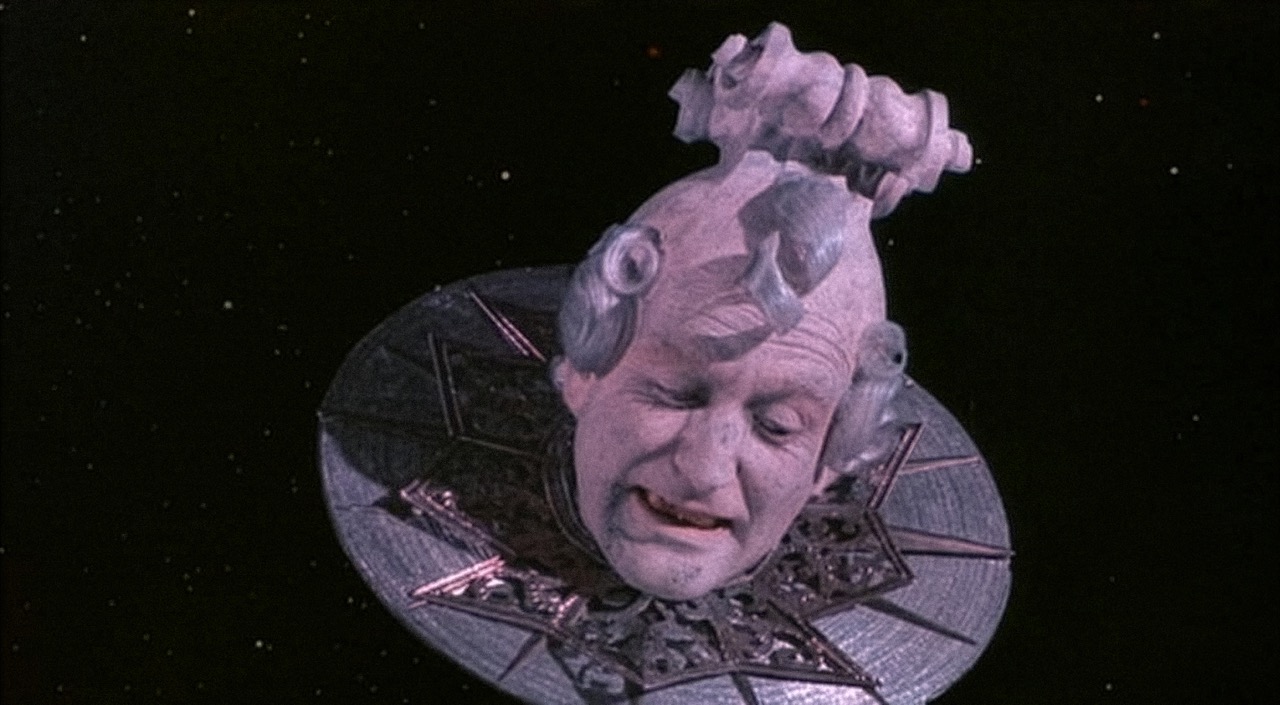
A huge HandMade Films banner flies above us. It’s one of the few reminders of the production studio, active between 1978 and 2013, responsible for Python’s movies. After co directing the quotable, endlessly re-watchable religious comedy Life of Brian (1979), Gilliam pursued filmmaking. Time Bandits, the first in his so-called Imagination Trilogy—followed by Brazil and Munchausen—is perhaps his most fondly reappraised film. The story of a young boy’s escapades with a gang of time travelling dwarves, Time Bandits happened because Gilliam couldn’t initially get Brazil off the ground. “I went home pissed off and decided, ‘Right, I’ll write a film for everyone— from toddlers to old people’,” he says. Fellow Python Michael Palin had a hand in the witty dialogue, but it’s best remembered for Sean Connery’s performance as Mycenaean king Agamemnon. The original script had a scene describing a Greek hero taking off his helmet “to reveal Sean Connery—or an actor of equal but cheaper stature”. When HandMade’s Denis O’Brien happened to be playing golf on the same course as Connery, he showed him the script. Connery thought it hilarious and signed on. The film performed well, even in Hollywood. A recent television remake (sans dwarves) is best forgotten.
“I’m the opposite of Spielberg. For starters, I don’t do happy endings.”
Terry Gilliam

“Most people would’ve been terrified. But I’m more afraid of losing the film than losing the job.”
Terry Gilliam
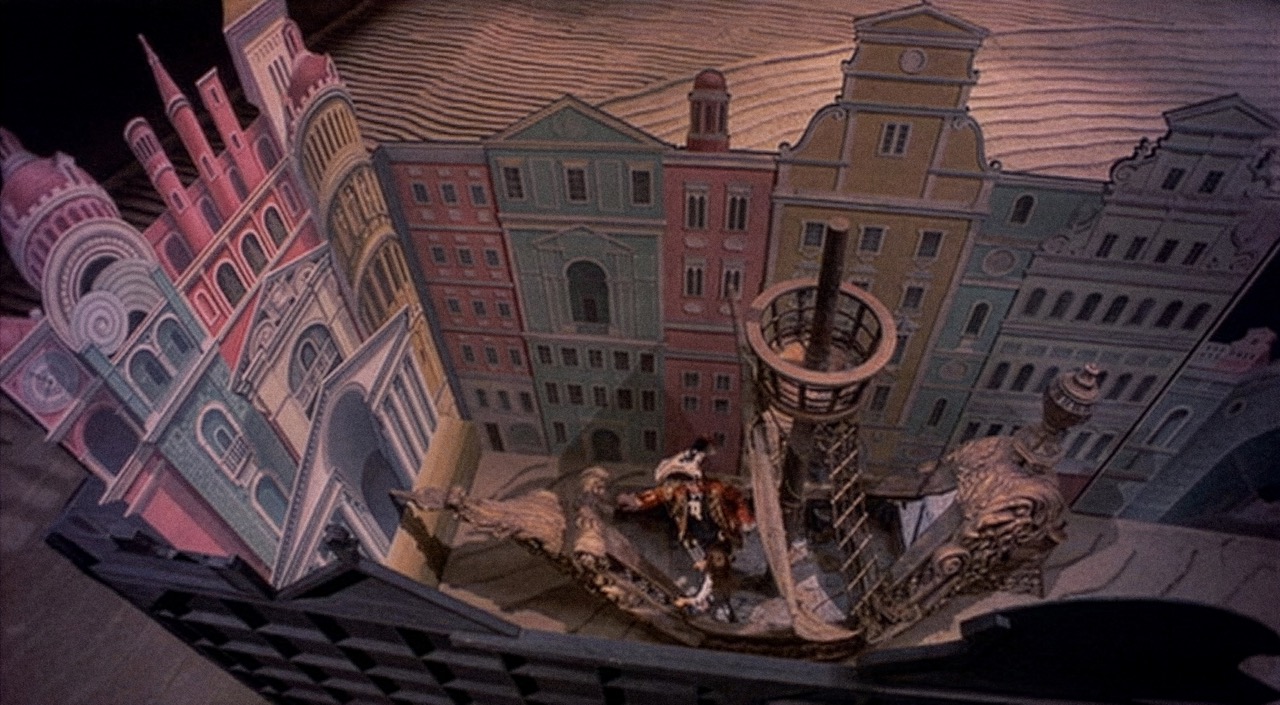
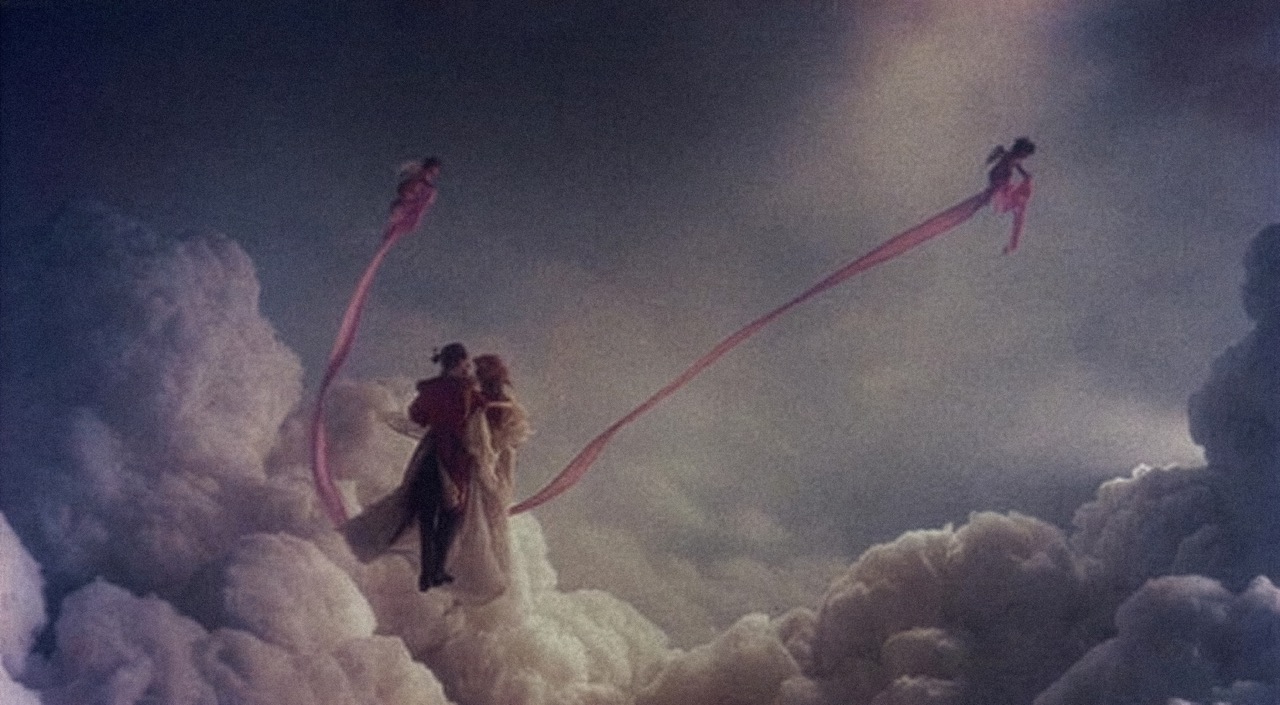
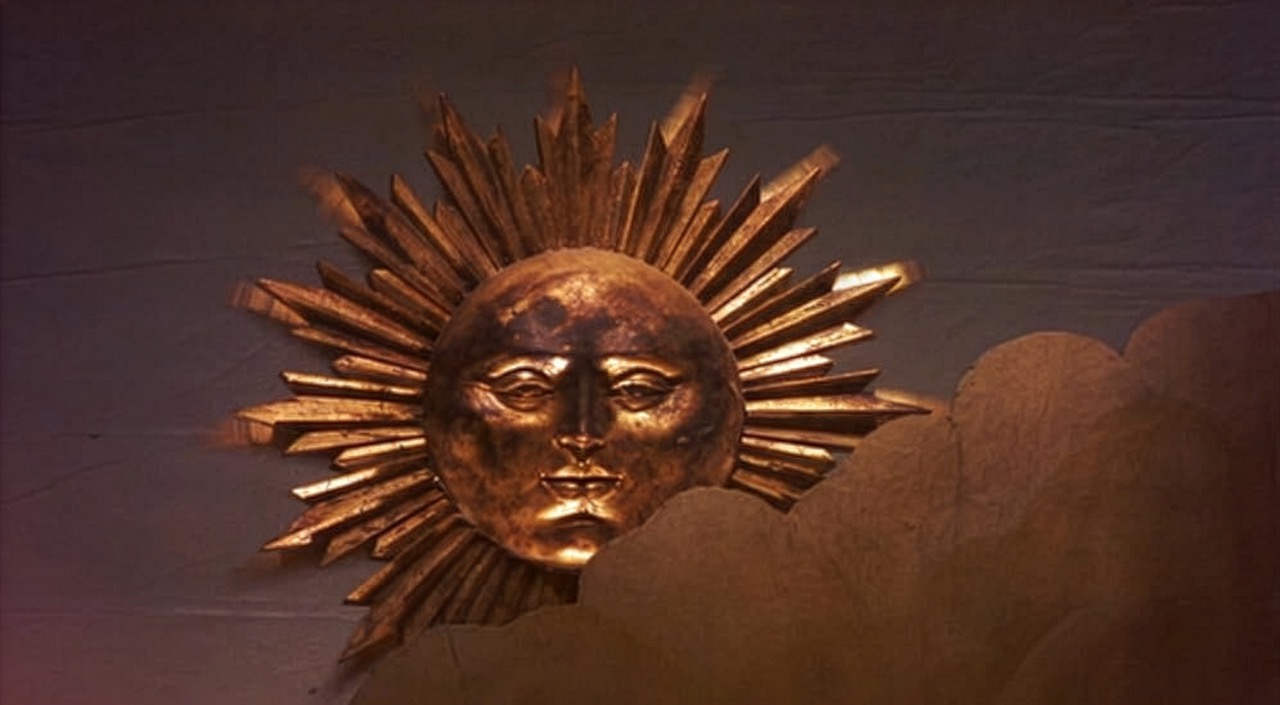
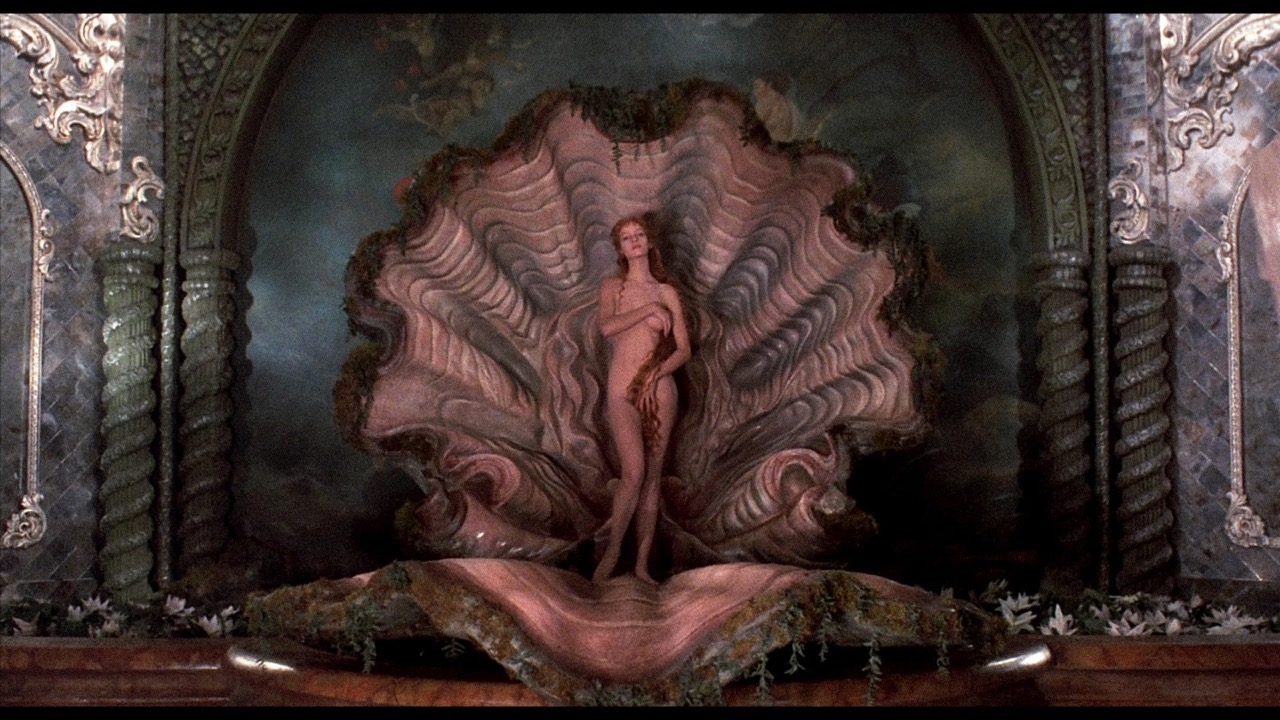
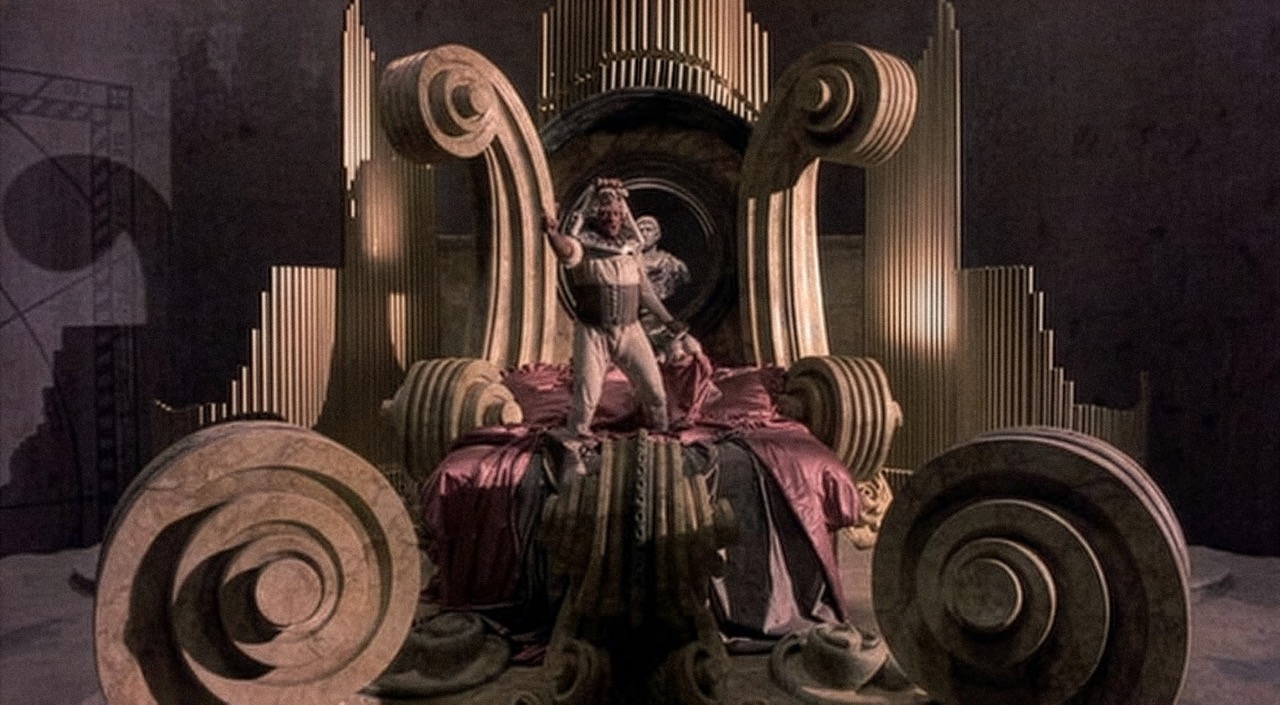
The trilogy closed with an adaptation of Rudolf Erich Raspe’s novel The Adventures of Baron Munchausen (1781)—his most sorely under watched flick. It is the story of a long running Picaresque character Munchausen, a fibbing German baron (John Neville) who tells tall tales of his daring exploits—notably saving a besieged town from “the Turk”. It stars a young, irresistible Uma Thurman as Venus, opposite Oliver Reed’s loopy Vulcan. Above one of Gilliam’s bookcases is a large human sized Robin Williams model—“king of the moon” Ray di Tutto. It has me grinning ear to ear. (Connery was originally signed on to play the role, but his Bond producers stood in the way.)
Munchausen’s marketing was chaotic: “The German producer Thomas Schüly proclaimed it the ‘biggest thing since Cleopatra (1963)’, which is the last thing anyone should say in Hollywood, because they think ‘disaster’.” Steel quietly buried the film by releasing 117 prints, at a time when studios printed thousands. “I couldn’t watch it for years. The experience was so painful,” Gilliam admits. “But when seeing it for a recent Blu-ray restoration, I was surprised at how good it is.” A trilogy of films set in America followed. They were darker, suited to the era’s Gen-X angst, but retained cult followings—beginning with the excellent The Fisher King (1991), a sort-of Holy Grail story with Jeff Bridges and Robin Williams. It’s the type of film dear to those who have seen it. 12 Monkeys, a science fiction drama starring Bruce Willis and Brad Pitt—both at the height of their careers—was a box office success and gloomily prophesied the Covid-19 pandemic. It was loosely inspired by avant-garde documentarian Chris Marker’s La Jetée (1966) and is one of few examples where Brad Pitt truly proves how excellent an actor he really is, as a rambling mental patient. “Brad was electric, he made Bruce up his game,” remembers Gilliam.
A trilogy of films set in America followed. They were darker, suited to the era’s Gen-X angst, but retained cult followings—beginning with the excellent The Fisher King (1991), a sort-of Holy Grail story with Jeff Bridges and Robin Williams. It’s the type of film dear to those who have seen it. 12 Monkeys, a science fiction drama starring Bruce Willis and Brad Pitt—both at the height of their careers—was a box office success and gloomily prophesied the Covid-19 pandemic. It was loosely inspired by avant-garde documentarian Chris Marker’s La Jetée (1966) and is one of few examples where Brad Pitt truly proves how excellent an actor he really is, as a rambling mental patient. “Brad was electric, he made Bruce up his game,” remembers Gilliam. Finally, and perhaps Gilliam’s last generally well-received film, was Fear and Loathing in Las Vegas (1998), adapted from Hunter S Thompson’s gonzo account of acid tripping in Sin City. It has one of Depp’s most iconic performances—as the mad, slurring Thompson.
Carnival was supposed to be the last time he and Gilliam came together. They still stay in touch, he tells me. Recently, the director sent the actor an illustration celebrating Depp’s daughter Lily-Rose’s birthday. He opens it on his computer, which is full of archives of his creative work, political toons, and archived photos, much of it private. There are hand drawn birthday cards for Tom Waits and Bridges, and satirical letters to Eric Idle. We’re also shown ambitious concept art for The Defective Detective. But the most wonderful, and moving, works are the comics he draws for his wife. One depicts them both in a boat, attacked by a giant sea monster. “I put a lot of time into them—really,” he tells us.
Of all the people Gilliam has faced off with in his career, here, at home in his north London castle, none have come close to his beloved Maggie. “She’s the boss,” he smiles. “She won’t let me have a cinema in the house. Can you imagine that? A director with no cinema.” Well, actually, nothing is that hard to imagine when it involves Terry Gilliam. He leads us back downstairs and sees us off from his tower. Gilliam is right that his films don’t have happy endings. But standing at the door of the north London castle, waving goodbye in a Charlie Brown sweater, he looks suspiciously like a man who got one.