

Ahead of the release of her new film, Erupcja, actor, writer, and filmmaker Lena Góra reflects on cosmic coincidences, collaborative filmmaking, Charli xcx, and the distinctly Polish sensibility she is reconnecting with through her work.
Half way into my conversation with actor and filmmaker Lena Góra, we have only covered one of my questions. Góra, 36, arrived in Warsaw last night from New York, and is balancing a busy schedule shooting a new season of HBO Max’s Eastern Gate while promoting her latest film, Pete Ohs’ Erupcja, in which she stars alongside Charli xcx and Jeremy O. Harris. “It’s been non-stop,” she tells me. But after a morning spent in the sauna listening to Jay Shetty, Góra—who is loosely draped in an oversized shirt, and leaning back on a dark leather sofa—is thinking about cosmic energy, kismet, and fine tuning her intuition. Her answers are sprawling and heartfelt, unfolding through anecdotes of childhood in Poland, and the literary and cinematic influences that have shaped her creative life today.
“This is Sunny,” she says, holding up what I initially mistake for a throw cushion—a curious-looking dog with a tuft shooting out of his head. “He has a mohawk going on right here, see? He’s this ancient Egyptian breed, taken on Chinese ships to catch rats—they called them Chinese Crested Dogs.” Last year, Góra spent five months on location in Cairo, which was long enough to become crazy about the place. “Sunny is my manifestation of that.”
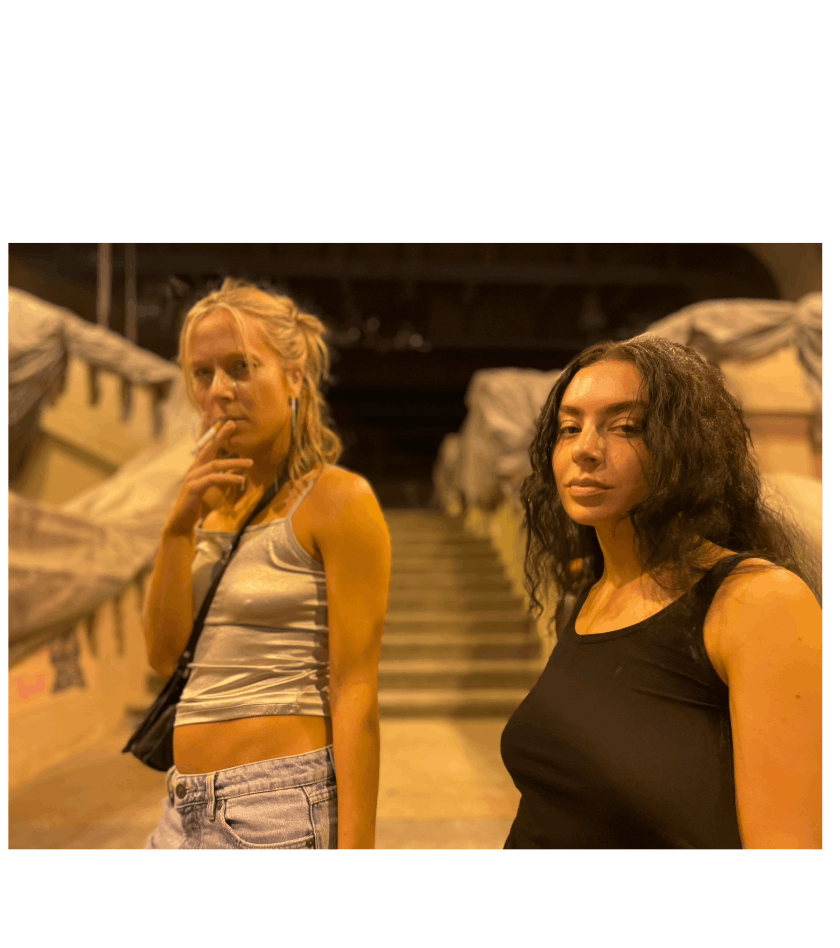
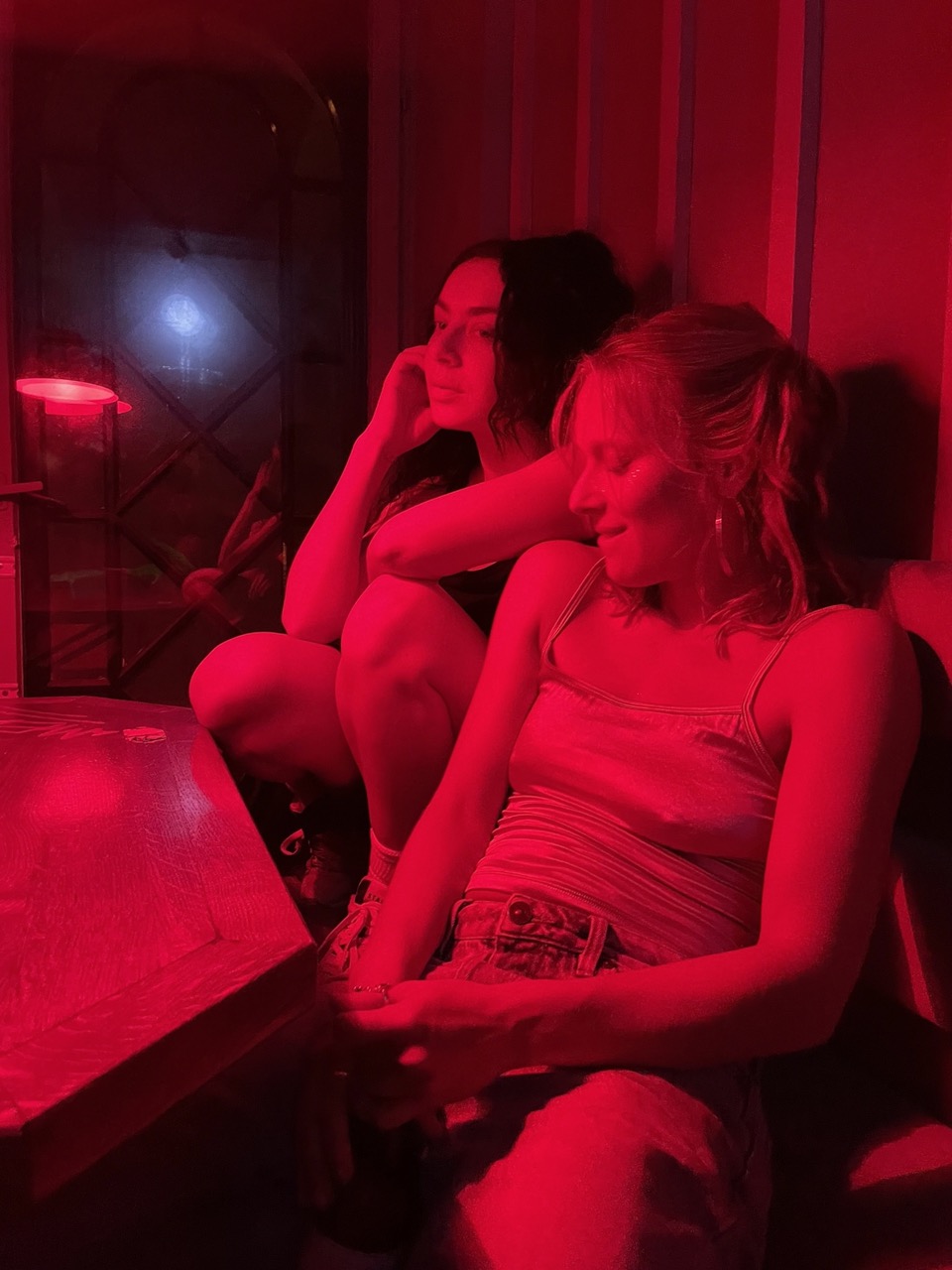
Filmed at home in Warsaw, Erupcja tells the story of two women (Góra and Charli xcx) connected by a series of cosmic coincidences. Every time they meet, a volcano erupts somewhere in the world. “I’m all kismet, and all magic,” Góra tells me. She plays Nel, a florist from Warsaw who has had to learn to shut down her beliefs about love, while Charli xcx makes one of her anticipated first film appearances as Bethany, the British visitor who left Nel heartbroken years earlier. The pair share a writing credit on the film, along with co-stars O. Harris, Will Madden (who plays Bethany’s boyfriend), and Ohs. “Pete asked everyone to write their part,” Góra says. “We all wrote everything. It’s part of our poem.
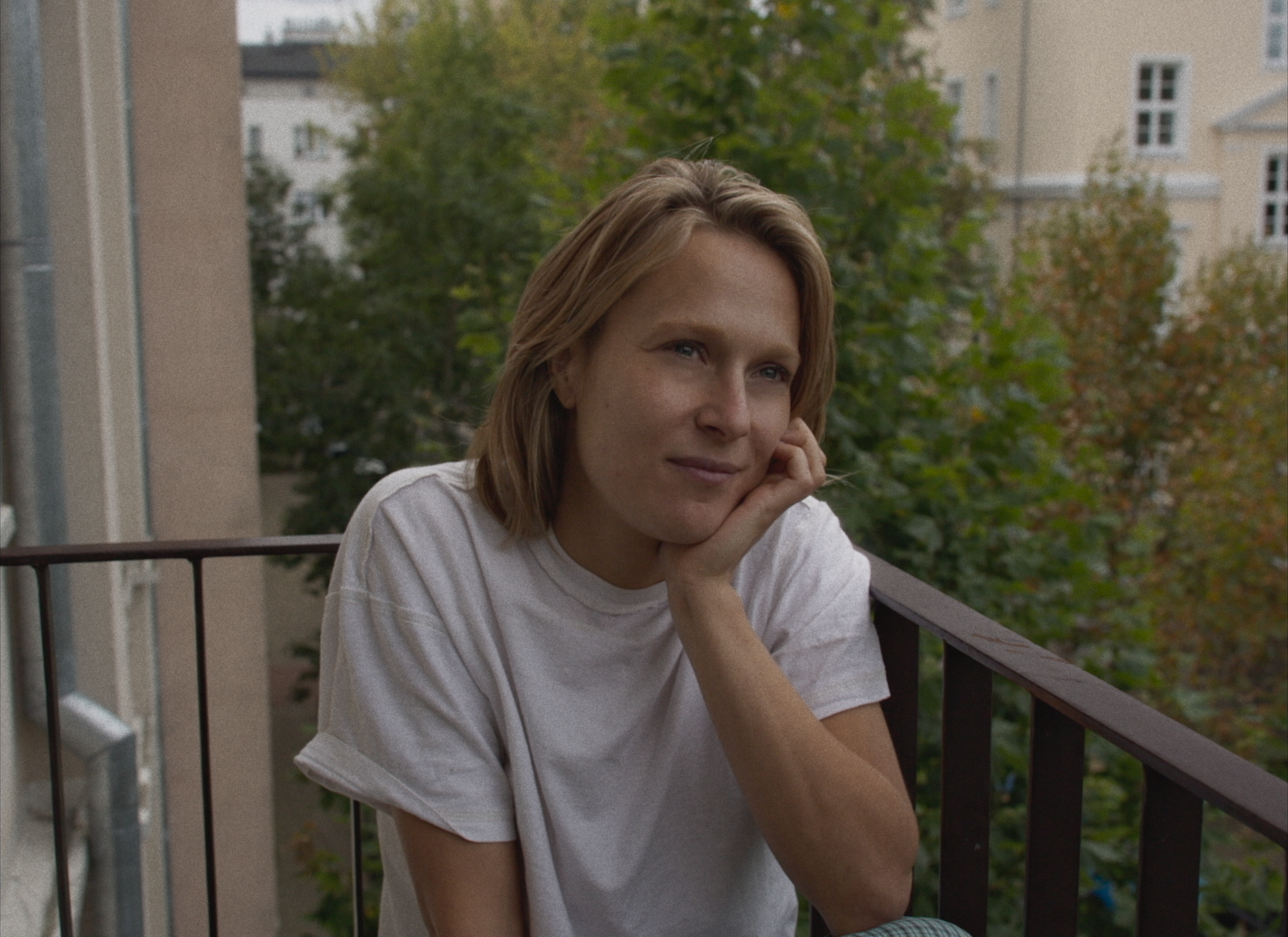
Lena Góra in Erupcja. Credit: Michal Wieckowski.
Góra speaks about Nel with tenderness. “I’m attracted to strong, beautiful, unapologetic women—connected to their heart, to nature, to their intuition.” In Erupcja, Nel has shut down these instincts to create a life for herself that feels safe: the same route to the flower shop every day, listening to the same techno tracks, not speaking to anyone. What seems mundane, Góra insists, is Nel’s way of protecting herself. But in one scene, Nel finally finds her strength: “it was the most debatable scene for me. I really thought about how she should behave in that moment.” In the scene, Bethany recites a Lord Byron poem—becoming what Góra describes as “the embodiment of a wave of eruptive behaviour.” Her response is to shed a farewell tear: “She really loves her. She’s just done with this kind of toxicity in her life.”
Góra spent the first sixteen years of her childhood in Poland before moving to Los Angeles and then New York. Raised in a house of artists—her mother a singer of the post-punk wave and her father an artist, still spending his days in the studio—Góra describes a deeply felt need to make art that sits outside the world of “strict filmmaking”, and this is what made Erupcja such an exciting project. “It was crazy. We had no money to make it. We were just like, you’re cool, you’re cool, you’re cool. Okay, let’s make a film.” The process of writing was loose and intuitive—the cast quickly tuning into the sense of shared rhythm which became the beating heart of the project. “Pete’s brain is so wonderfully mathematical—and so is Charli’s, as a musician, she has this strange connection to the nature of rhythm and the need for it.” The atmosphere on set, she tells me, was intense: “We were four elements: earth, fire, wind and air.”
“We decided to make a movie that is a matter of perspective,” she tells me. This same instinct shapes the way that Góra approaches character: “no woman or man that I know is only good,” she reflects. “We’re just absolutely complex and searching.” It is films like Erupcja—where character unfolds slowly, and always in shadow—that bring us closer to the complexities Góra sees in nature: “all of my films are ambiguous; its totally a pillar of what I’m trying to say.”

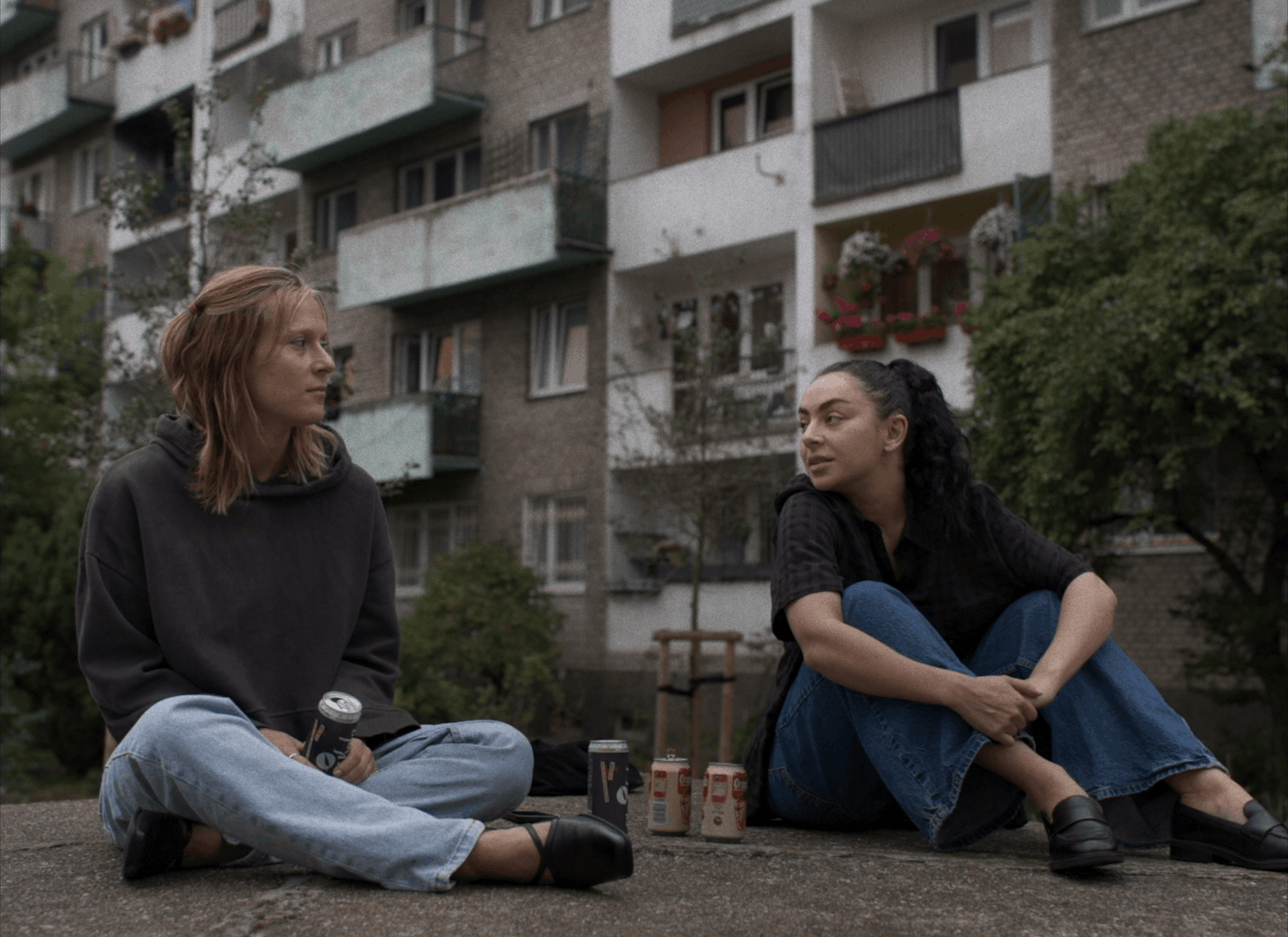
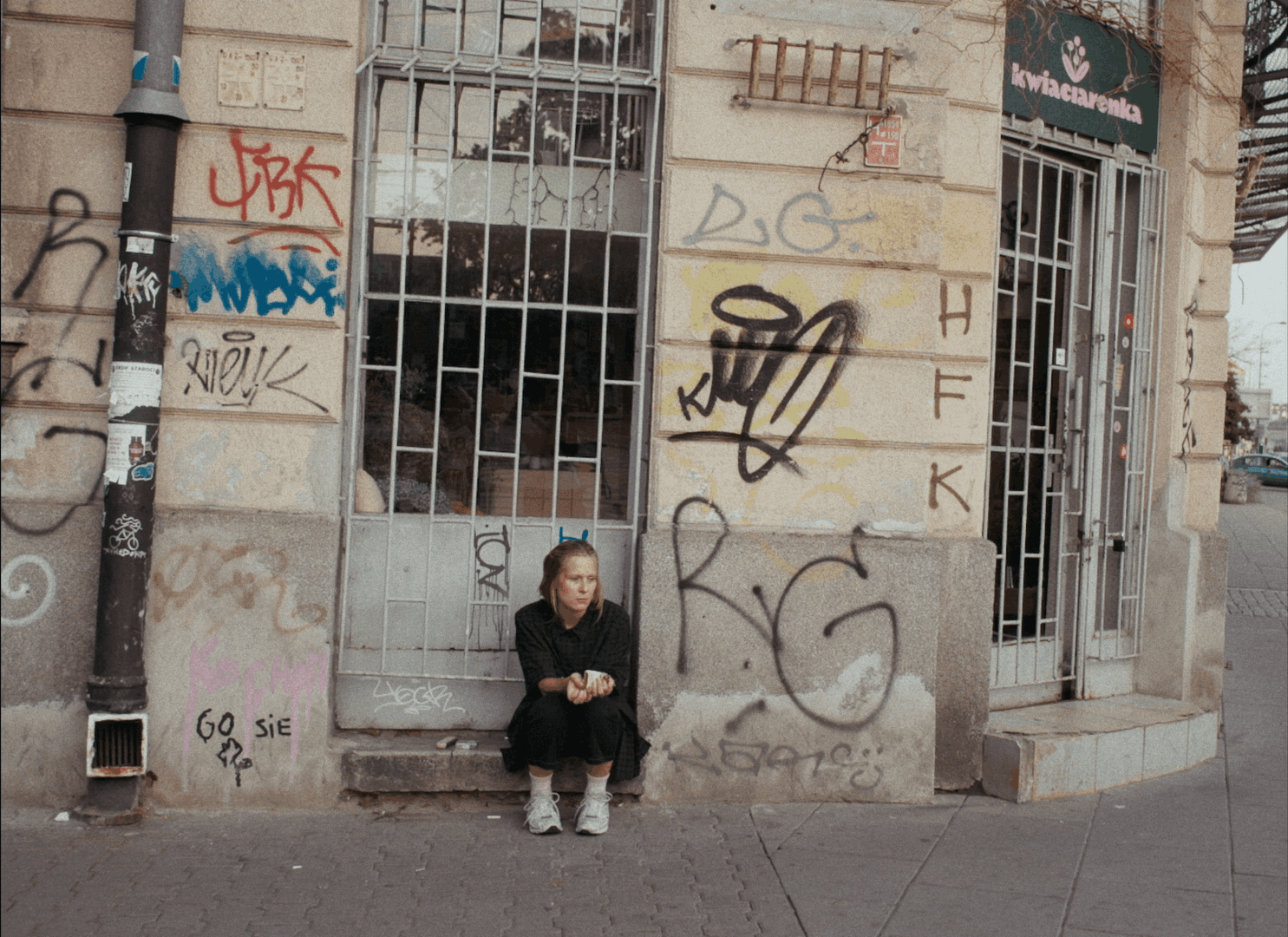


Góra is able to cut her work in two. There are the films that she has written—Roving Woman (2022), Imago (2023), and now Erupcja (2026)—and then her work as an actor. “I love being an actor so much”, she tells me, though the world she describes—of highly produced TV thrillers, assassins and CIA analysts—feels far away from the one we are in now. “We literally begged to get a couple of weeks off so I can do all the press for Erupcja.” Her eyes light up: “I get to spend two weeks talking about flowers and Kismet and love: I need that!”
Half Polish, half American, yet also “neither”, Góra describes herself as a kind of extra-terrestrial being: “I’m always an alien everywhere—I think I’m from the same planet as David Bowie. I’m finally ready to admit that.” This sense of shifting perspective finds its way into Góra’s films: her debut, Roving Woman, executive produced by Wim Wenders, was shot across the Californian desert using an entirely Polish crew, while Erupcja brought Pete Ohs’ American team to Warsaw. I ask Góra about her feelings towards the city. She shows me, picking up her laptop to show me the exposed brick of her apartment and the morning light streaming in. “Poland is very cute,” she tells me. “That’s what I want people to know—that Poland is cute and sexy—and literally pagan.”

“That’s what I want people to know—that Poland is cute and sexy—and literally pagan… we are born to believe in magic a little bit more”.
Lena Góra
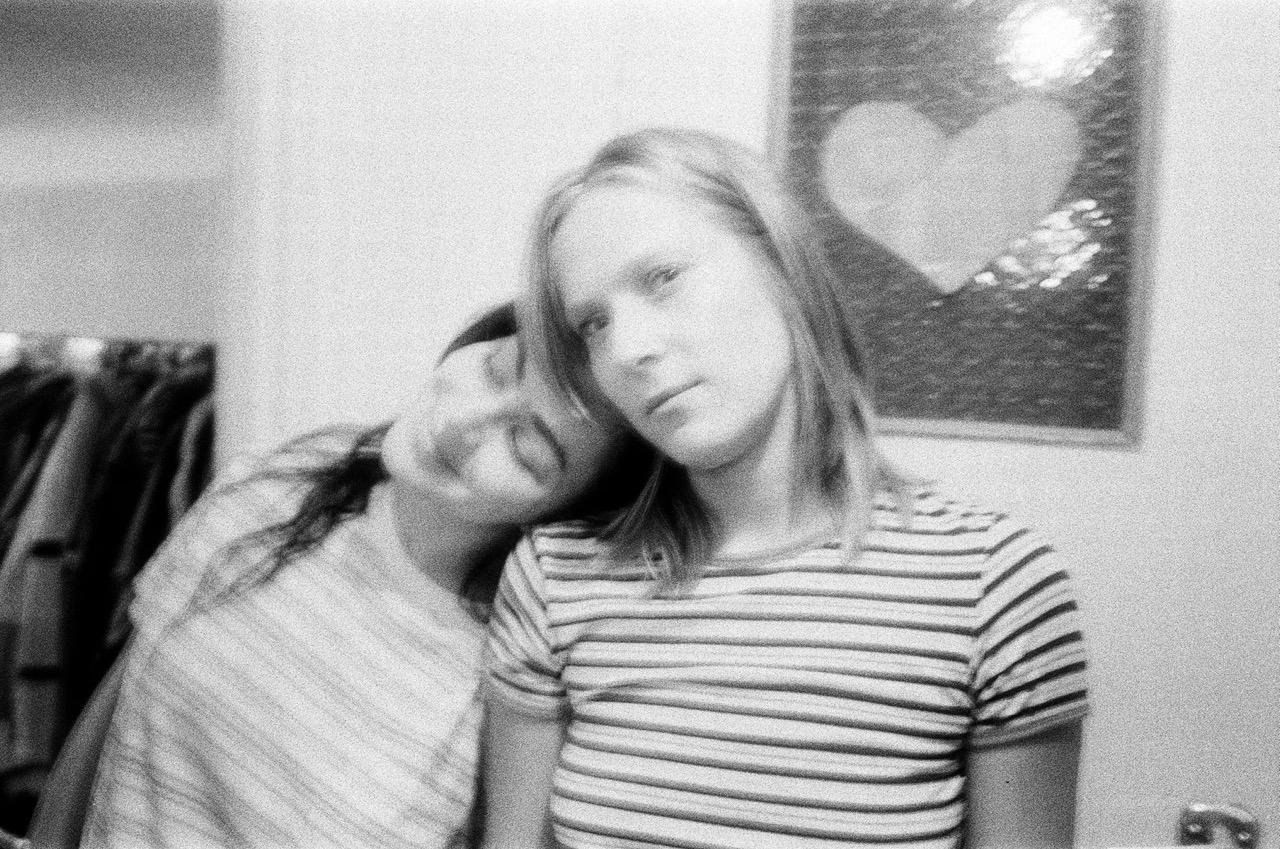
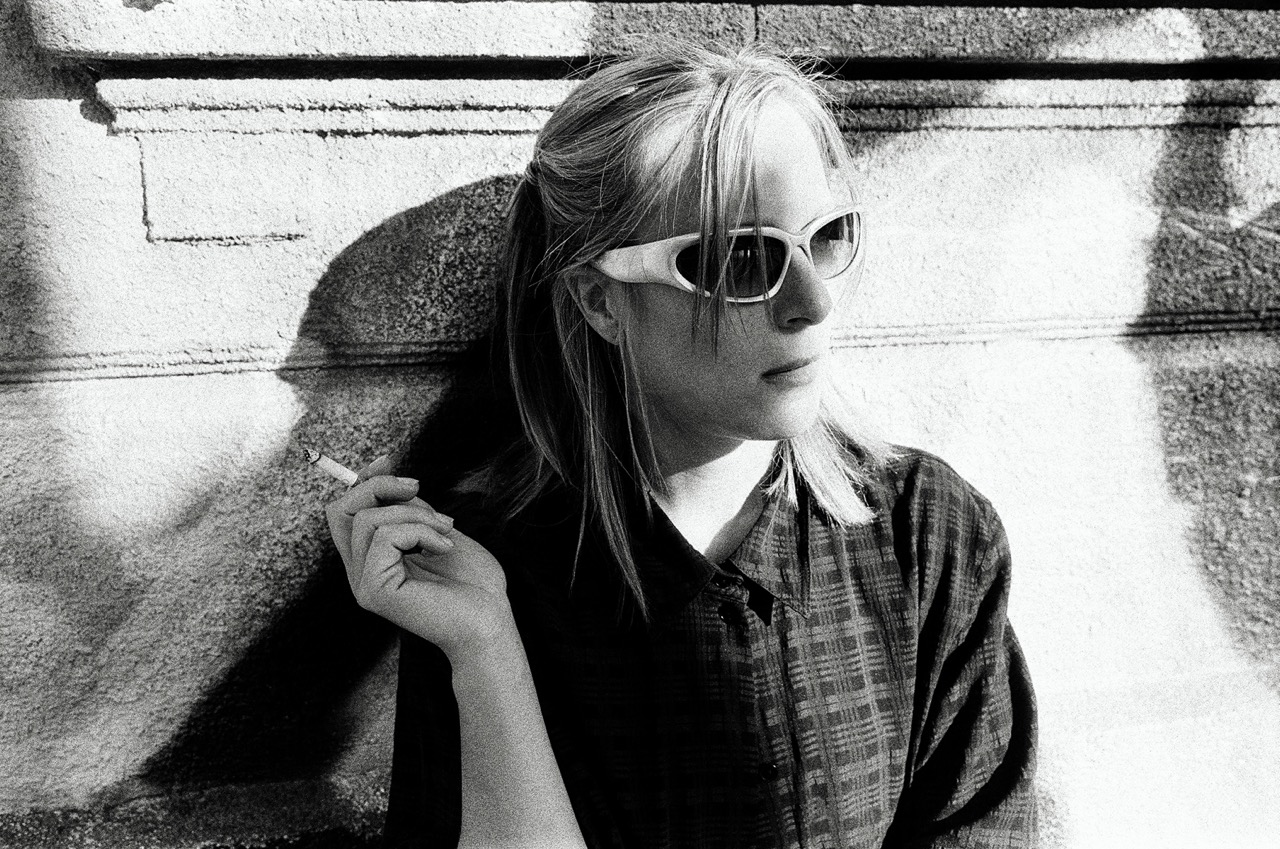
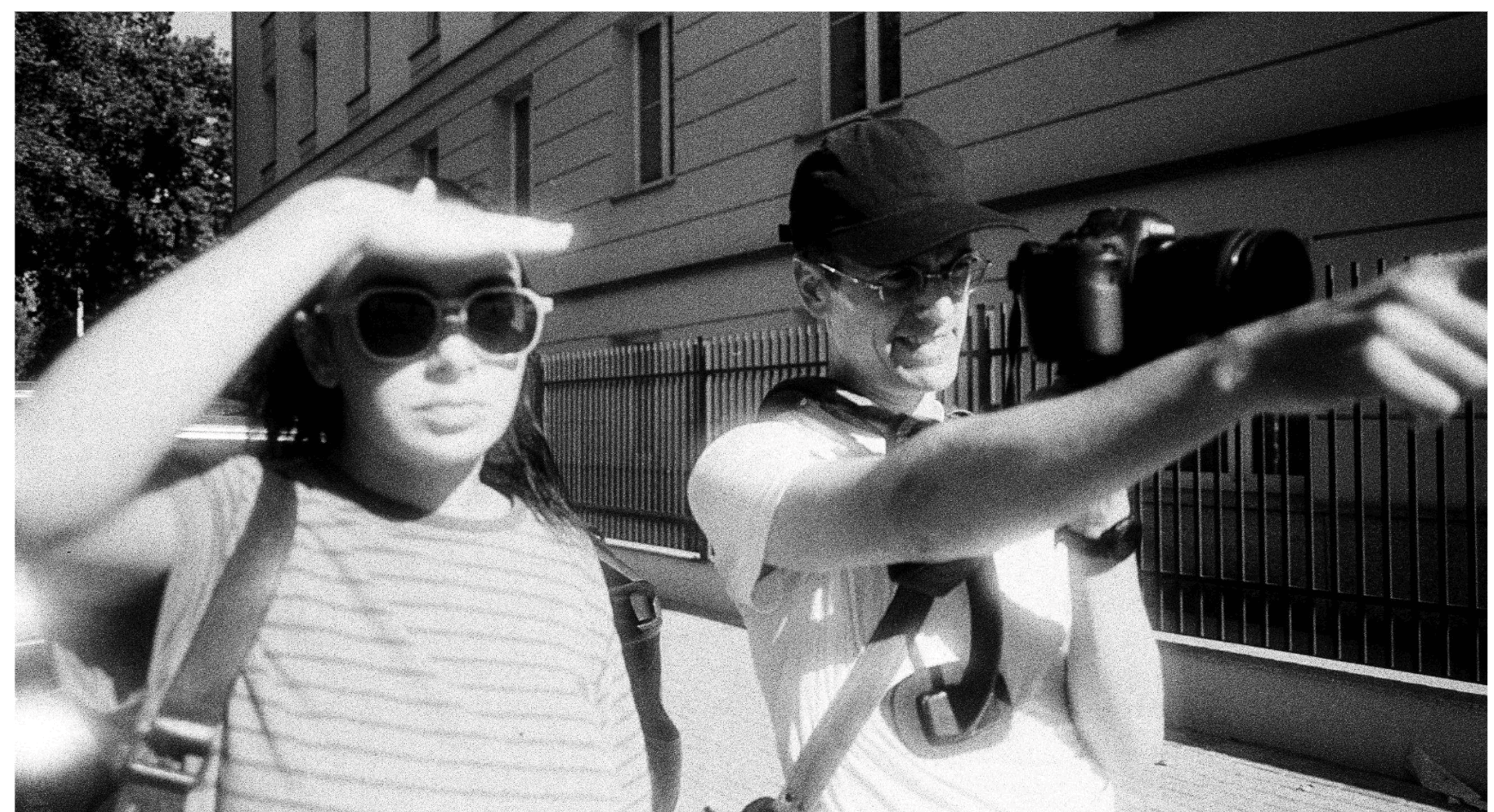
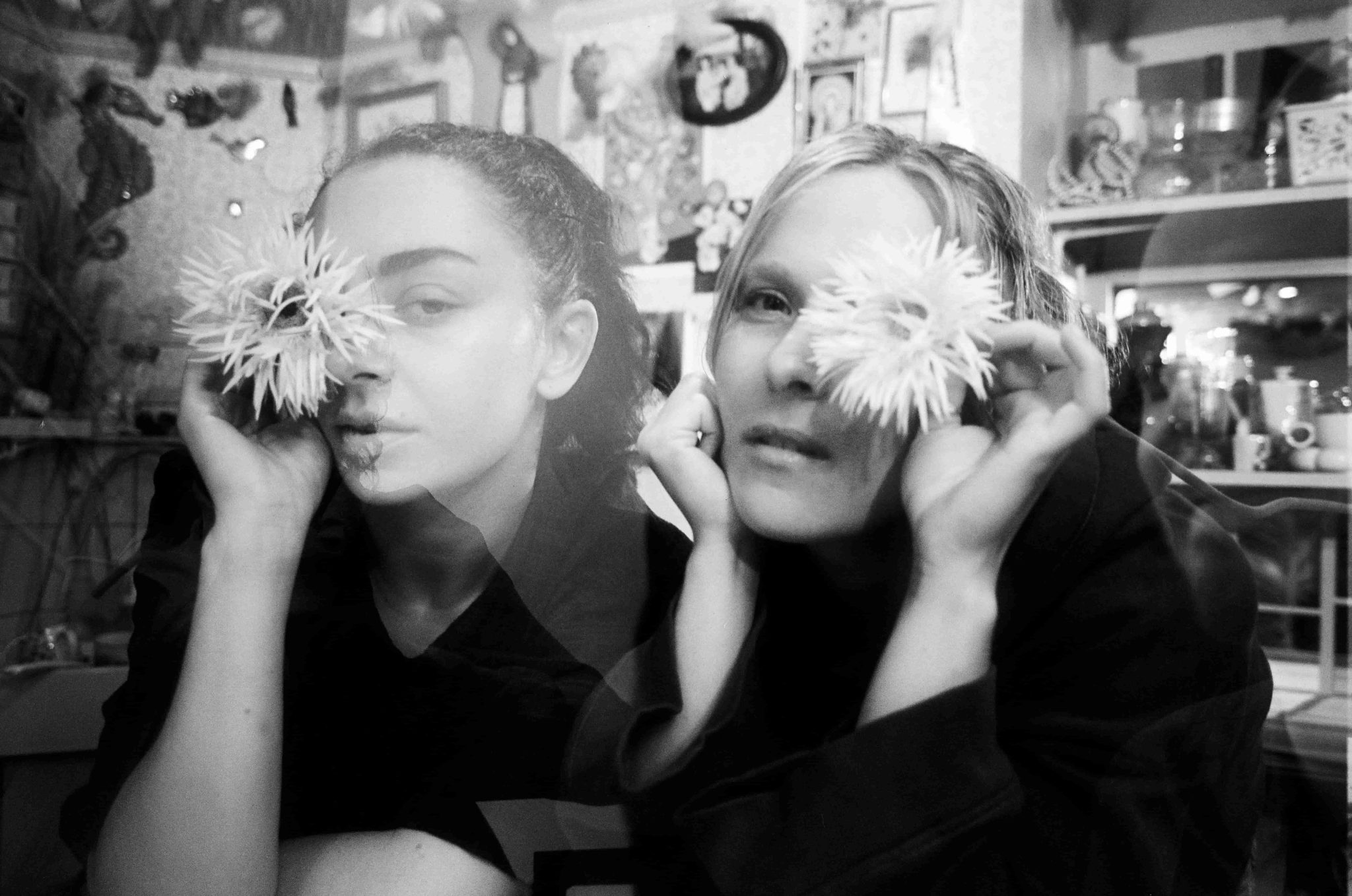
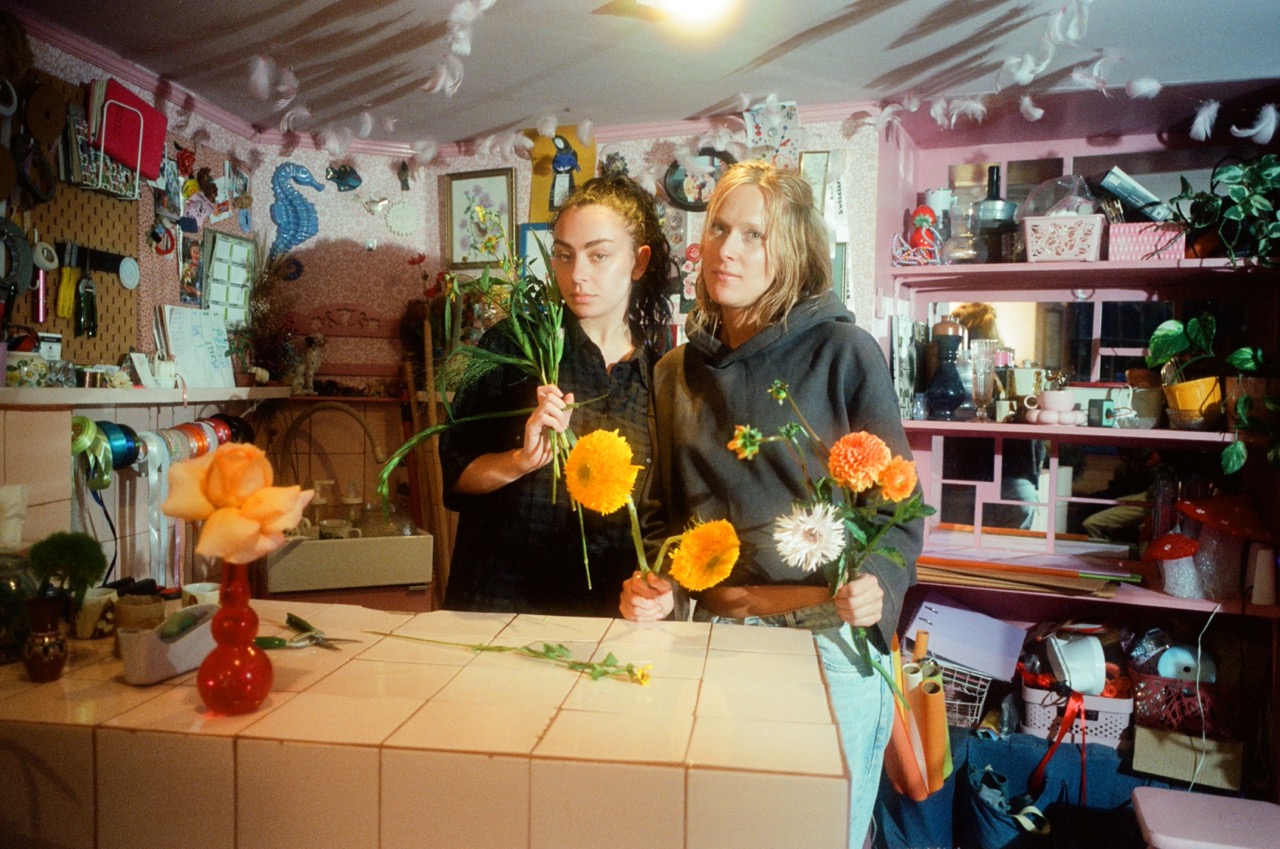
Góra goes on to describe a childhood spent playing with flowers, equinox rituals, and casting spells on boys: “in Poland we are born to believe in magic a little bit more.” It is a belief system that manifests in Polish cinema, Góra reflects, pointing to Pawel Pawlikoswski’s My Summer of Love (2004)—which she describes as a kind of prequel for Erupcja. “I hope people know Polish cinema, because then it will speak for itself,” she says. “[Krzysztof] Kieślowski, [Andrzej] Żuławski, [Roman] Polanski—they are some of the most important directors ever to be alive. If I didn’t know their cinema, I would feel like I didn’t get to live on planet Earth.”
Góra places her own films—past, present and future—within this Polish lineage: “I think there’s going to be a lot more Polish cinema that should excite people”, she says. Her next project, Lilith, a collaboration with New York-based director Jeff Preiss, will bring another American crew to Poland. Góra plans to bring the “cute poetic polish vibes” she has been reconnecting with into the project: “But not just poetic.” Góra thinks for a moment, then elaborates with a signature whimsy:“It’s like the girl that picks flowers in the morning, but also has a knife and a sausage in her pocket, in case she gets hungry.”
Erupcja is in UK cinemas from Friday 5th June