

The Cape Fear cinematographer speaks to features writer Luke Georgiades after a long day on set to discuss art vs commerce, shooting the horrific (beautifully), and why he’s always chasing Raiders of the Lost Ark.
Luke Georgiades: You were filming today?
Eben Bolter: It was day one of a new project! First day of the shoot, went home and had dinner, and now speaking to you—good day!
LG: Do you have a chance to take breaks between projects or do you enjoy that feeling of jumping straight into the next one?
EB: It’s difficult, because whenever you’re shooting, it could also be the last job you ever have. [Laughs]. If you’re in a film, it’s a miraculous thing, and maybe it’ll be good, and maybe people will go and see it, but there are so many stages involved where things have to go well. You get an amazing job like Cape Fear, but it ends, and when it ends, you’re gone. It’s over. So the breaks are really good, but the anxiety about what’s next is pretty crippling. I don’t know many people in the industry that can just sit back and decide what they want to do next, you can only make sure you have something and that you’re making it as good as it can possibly be.
LG: Do you find yourself wrestling with the art vs commerce aspect of what you do?
EB: Hugely. I’m 42 and I’ve got three young kids. Paying the mortgage and giving my family a nice life is on my mind. What I can’t do anymore is be the poor artist who can barely make any money but is doing this worthy project that maybe no one will ever see. I can’t physically commit to that anymore. I’ve done projects that I’ve been really proud of that nobody saw, and it’s almost as if they don’t exist. It’s like screaming a beautiful song into the woods. Who is it for? I’m not ashamed to want to work on things that lots of people will see. The end goal for me is to do something like Project Hail Mary, which is a big, commercial film that is also artfully done and is a good movie. The choice doesn’t need to be between mindless popcorn-McDonalds and bad, or Cannes-winning gourmet and no one sees it.
LG: When I first heard there would be a Cape Fear adaptation, I was a little nervous about it. Was the legacy of the previous adaptations, particularly Scorsese’s, daunting for you?
EB: I think it’s fair enough to be cynical of any IP resurrection and remake, but when I read the script, I thought Nick did an incredible job at updating the characters for modern times, where things are inherently more extreme. The world is in a crazy place, at the worst point of cyberbullying, catfishing, AI—living a carefully constructed life that you present to the world and all the dirty secrets underneath. The idea of Max Cady being someone who has been locked away for 17 years and coming out into the modern world, and taking it on in an old school way, is a really insightful reinvention.


LG: How would the TV show look different if the previous adaptations didn’t exist?
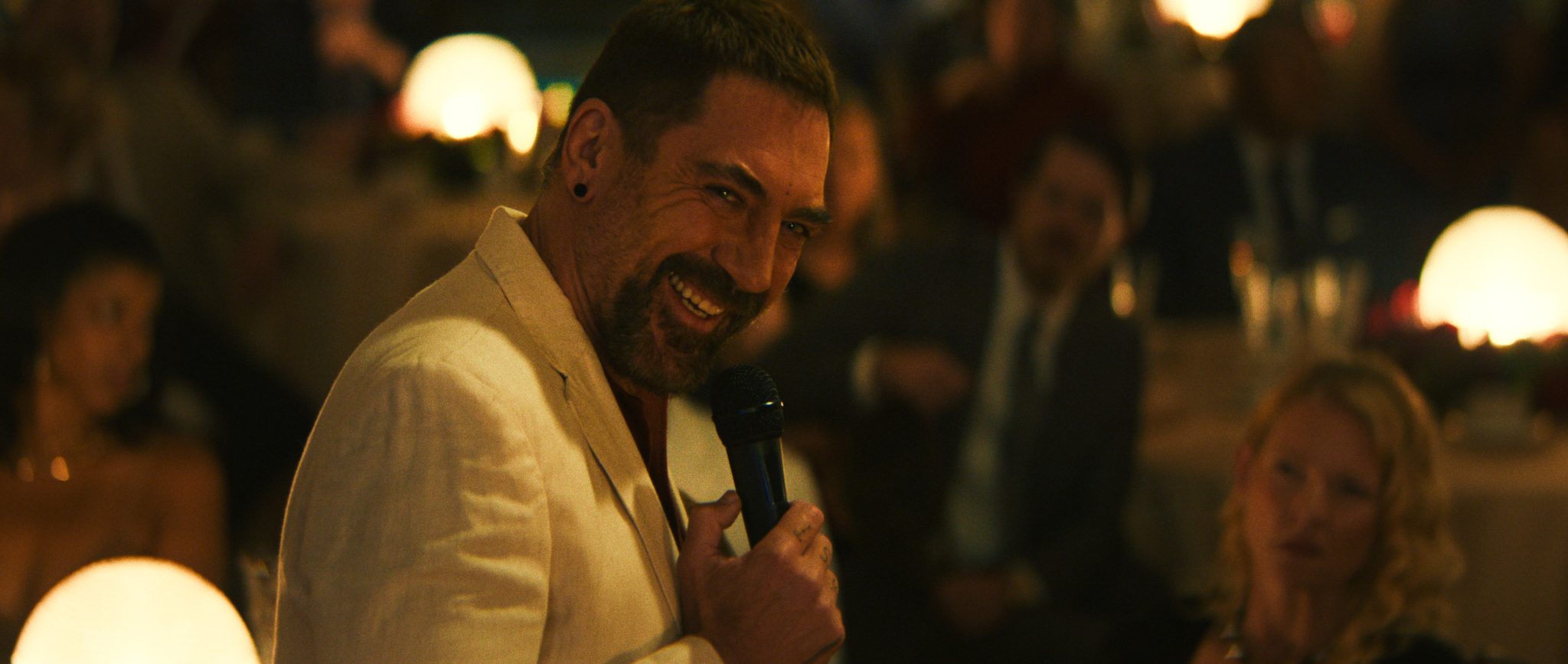
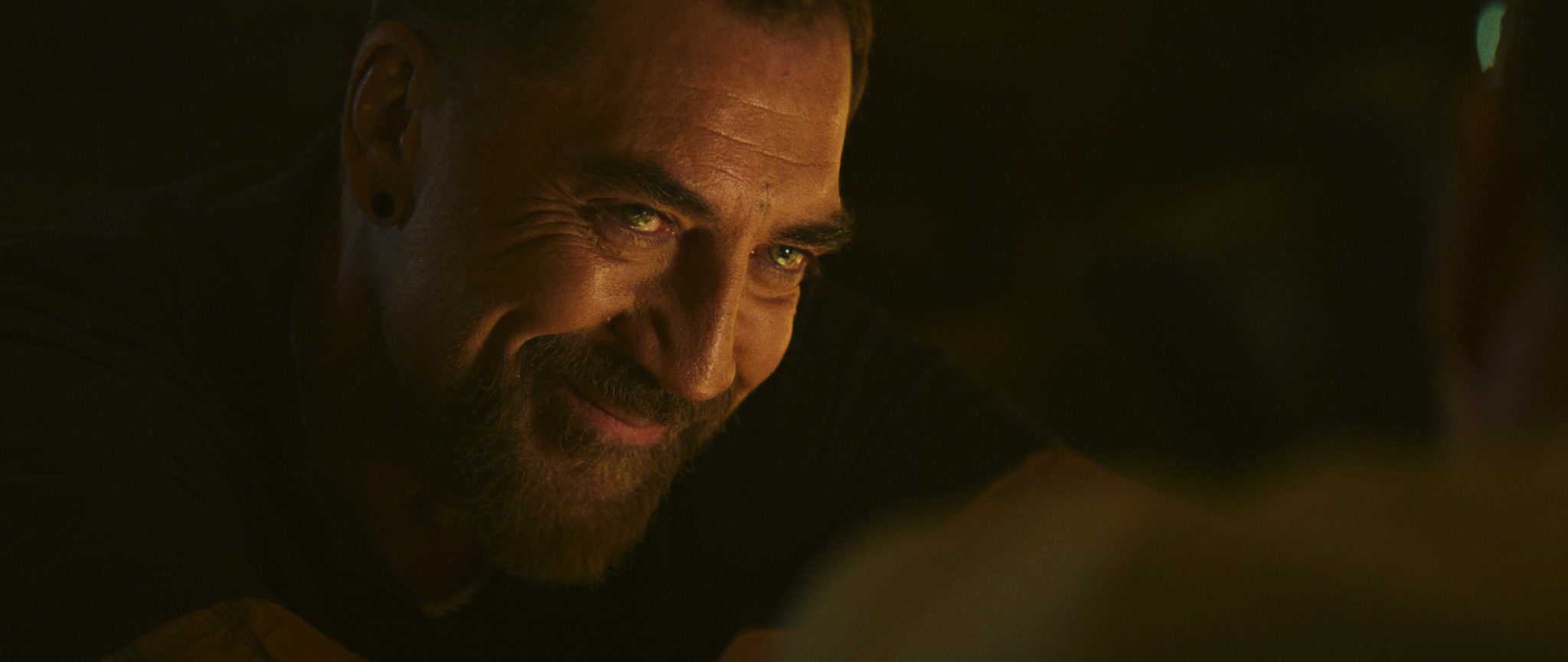
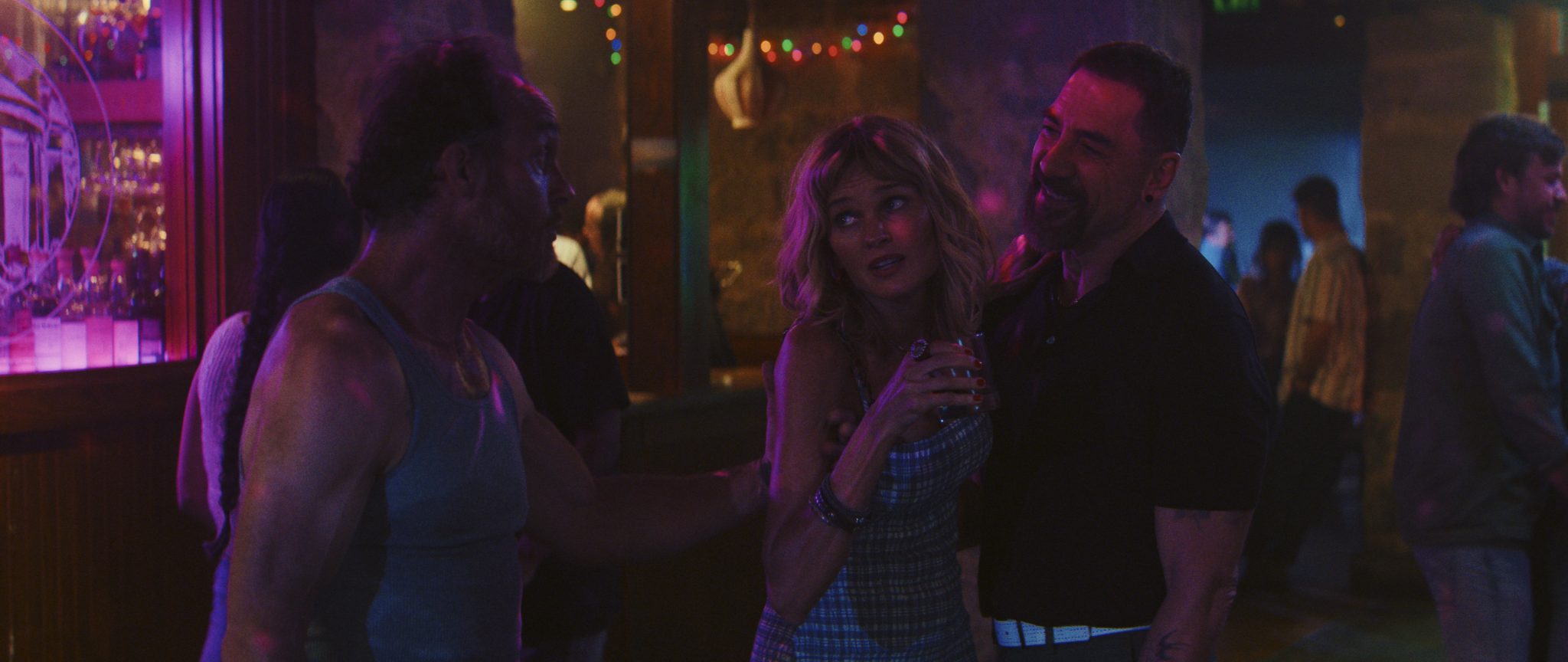
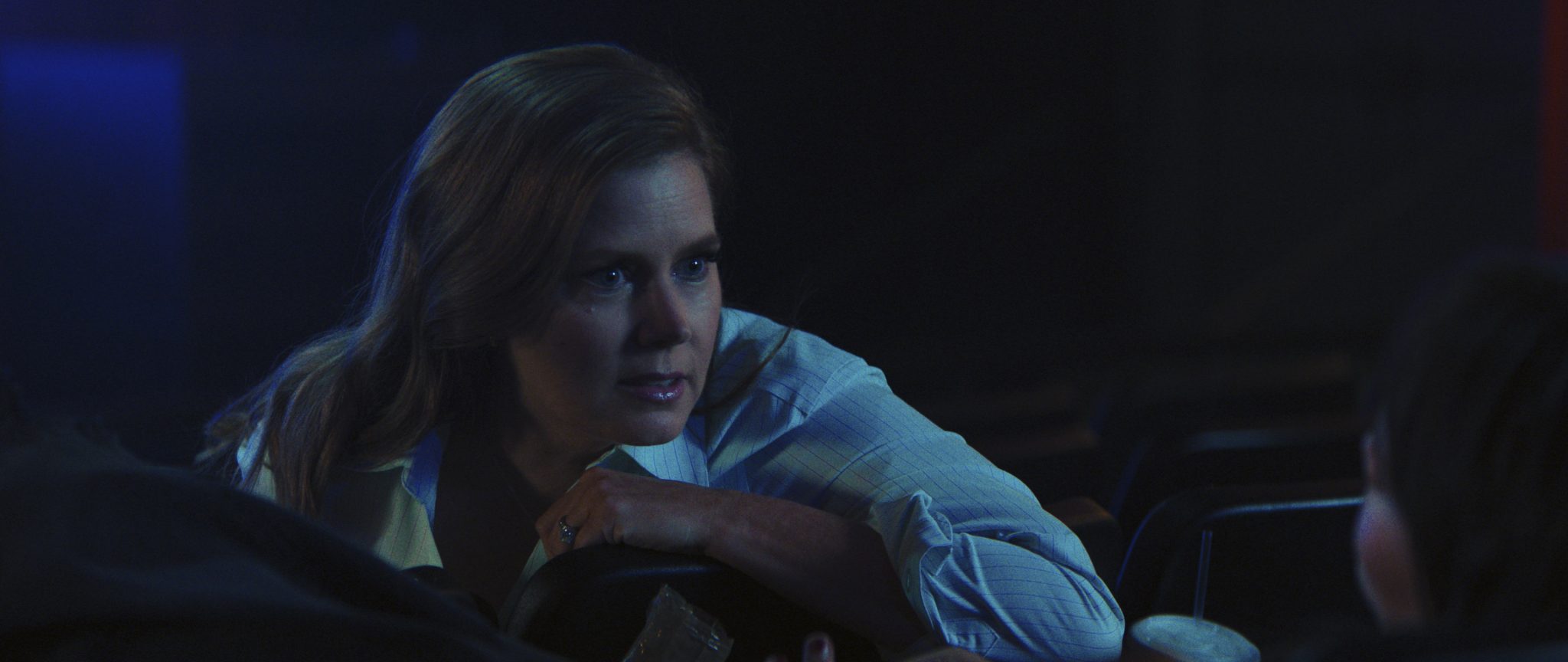
EB: The location gave it this tropical, sunshine-noir feeling. I went from Slow Horses season 6—in the cold winter, 110 days of shooting, big coats on the beach in Suffolk, freezing cold—to Savannah, Georgia, the feeling of heat and sweat and thunder in the distance, was so visceral that immediately we knew we had to capture that feeling for the audience. Where the Scorsese film really influenced heavily how we shot was more the camera moves. The ability to swing the camera between characters, to do a contra-zoom, to do a zoom lens and push, push, push. The film had always been there in my mind as one of Scorsese’s wackier films, that was such extreme, fun filmmaking. I had images from it seared in my brain. It was a great jumping off point, an expressive entity that you can then move forward with. It gave us permission to be bold.
LG: How did you go about communicating the terror of Max Cady in a visual way?
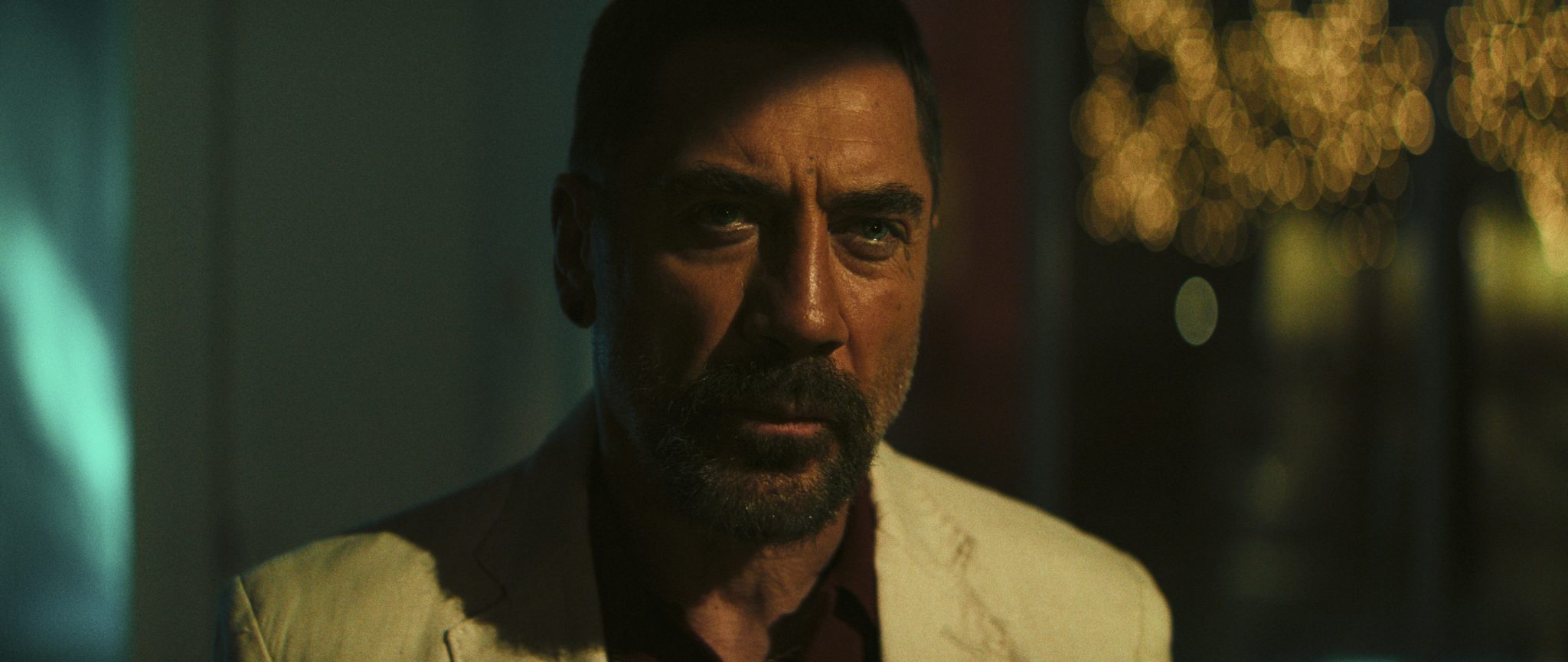
EB: It was described in the script that the first time we see Cady at the dinner, he has a slash of darkness across his face, and he steps in the light. We made sure to always be behind Cady, like an animal hunting its prey, until the moment with that slash. I wanted that slash of darkness to be as theatrical and noir-feeling as possible to emphasize how ominous and foreboding this moment was. I also wanted to pepper in a little bit of water. Cady’s relationship to water runs through the entire series, so even at the dinner, I wanted to have a little bit of moving water behind him on a wall. That’s inexplicable, there’s no reason for it other than a symbolic nod to his character.
LG: How do you strike the balance between the emotional and the technical, which, on paper, live on opposite ends of the spectrum?
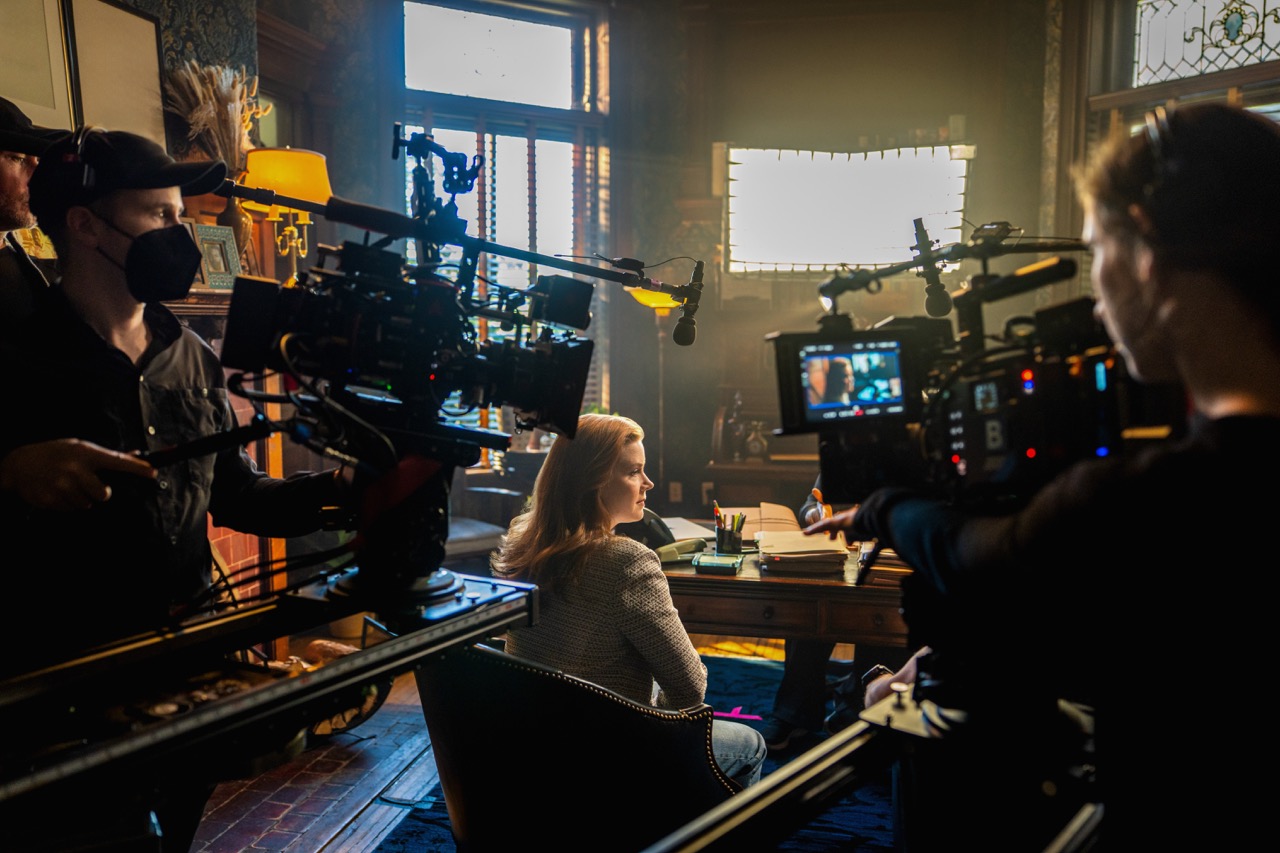
EB: I think about that all the time. My dad was a software engineer for IBM and my mum was a dancer, so I’ve always had technology and art on both sides of my brain. And that’s exactly what cinematography is. The “what” is the most important thing—the philosophy behind, “what are we doing and why are we doing it, what’s the approach, what’s the metaphor, what’s the tone”—but then as a cinematographer you have to take that from the director and deliver the “how.” The “how” is the technology and the science.
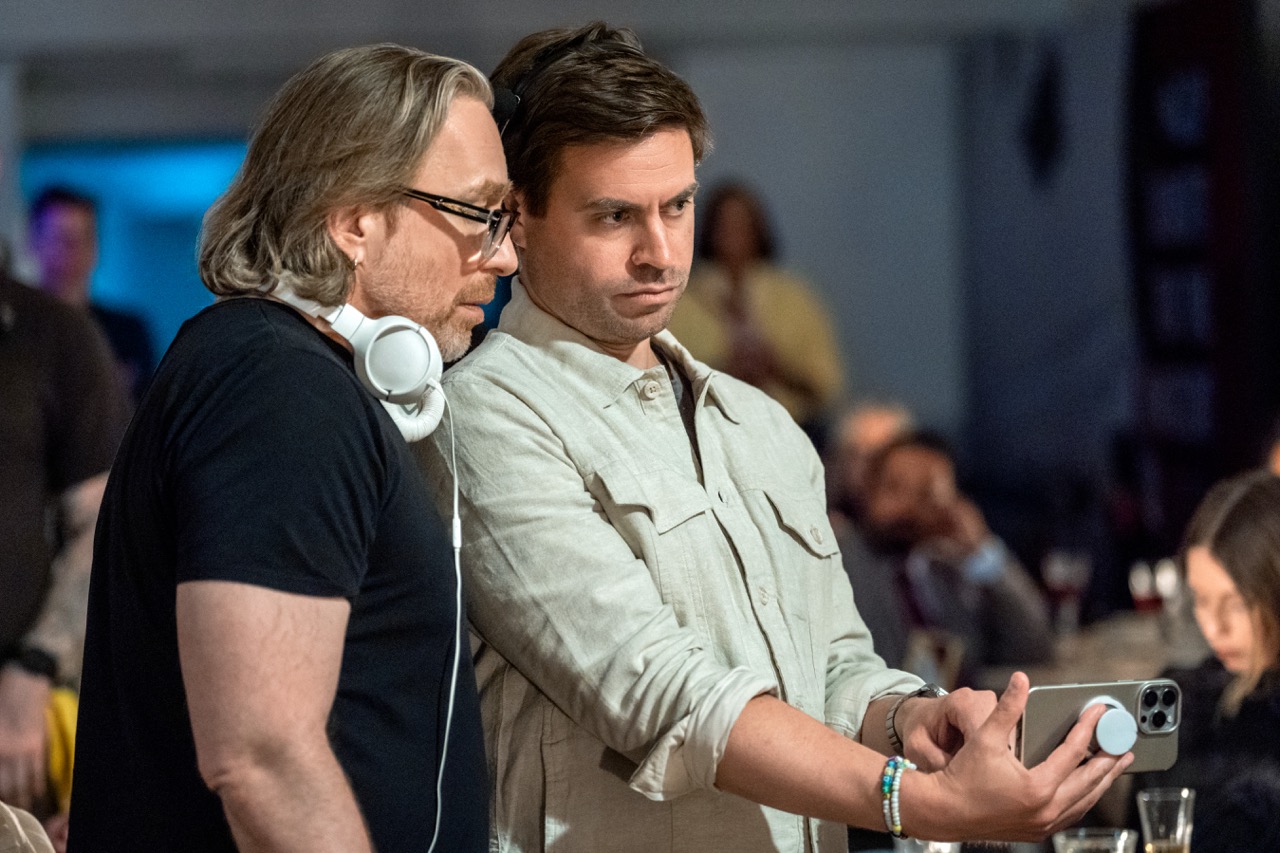
LG: Do you lean more into preparation or improvisation?
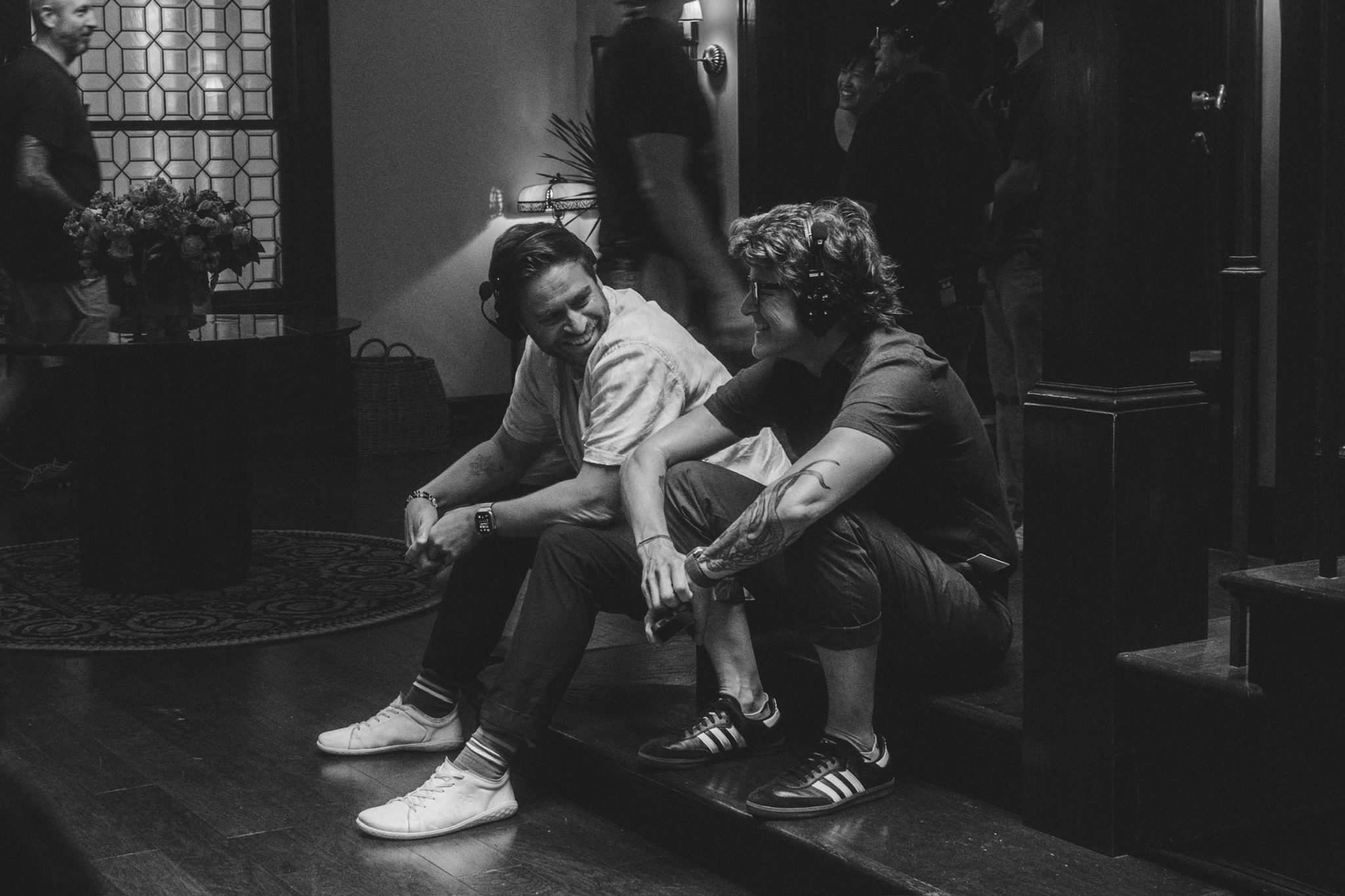
EB: Preparation allows you to figure out what’s important without the pressure of the shoot day. Filmmaking is a verb—it’s a thing you do. You can talk about playing a football match for 14 weeks, but when you’re out there standing on the pitch, and then what happens, happens. That’s the actual filmmaking. You just have to go for it, and often the thing you wanted was the best version theoretically, but then life gives you something different that is almost always better.
But a lot of the time it’s a leap of faith. Every room is different. Every light is different. Every actor is different. On set, you have to be open and alive to what’s happening in front of you. In my DP-brain, I’m always trying to get to Raiders of the Lost Ark, but the way that I fail to do it is how my own style is created. You never want to actually imitate. Art is individual. The more you lean into your personal instincts, the more individuality will be imbued in your work.
LG: Apart from Raiders of the Lost Ark, did the DNA of any other films find its way into how you approached Cape Fear?
EB: Apocalypse Now—there’s something about the sense of location, the heat of the jungle, the dichotomy of horror and beauty. There’s something fascinating to me about shooting something horrific beautifully. It forces you to ask yourself what a “beautiful” image really is. If you stand in a sunset cornfield and put a person in the frame, it’s a beautiful image, but if that person is horrifically murdered, is it still a beautiful image?