

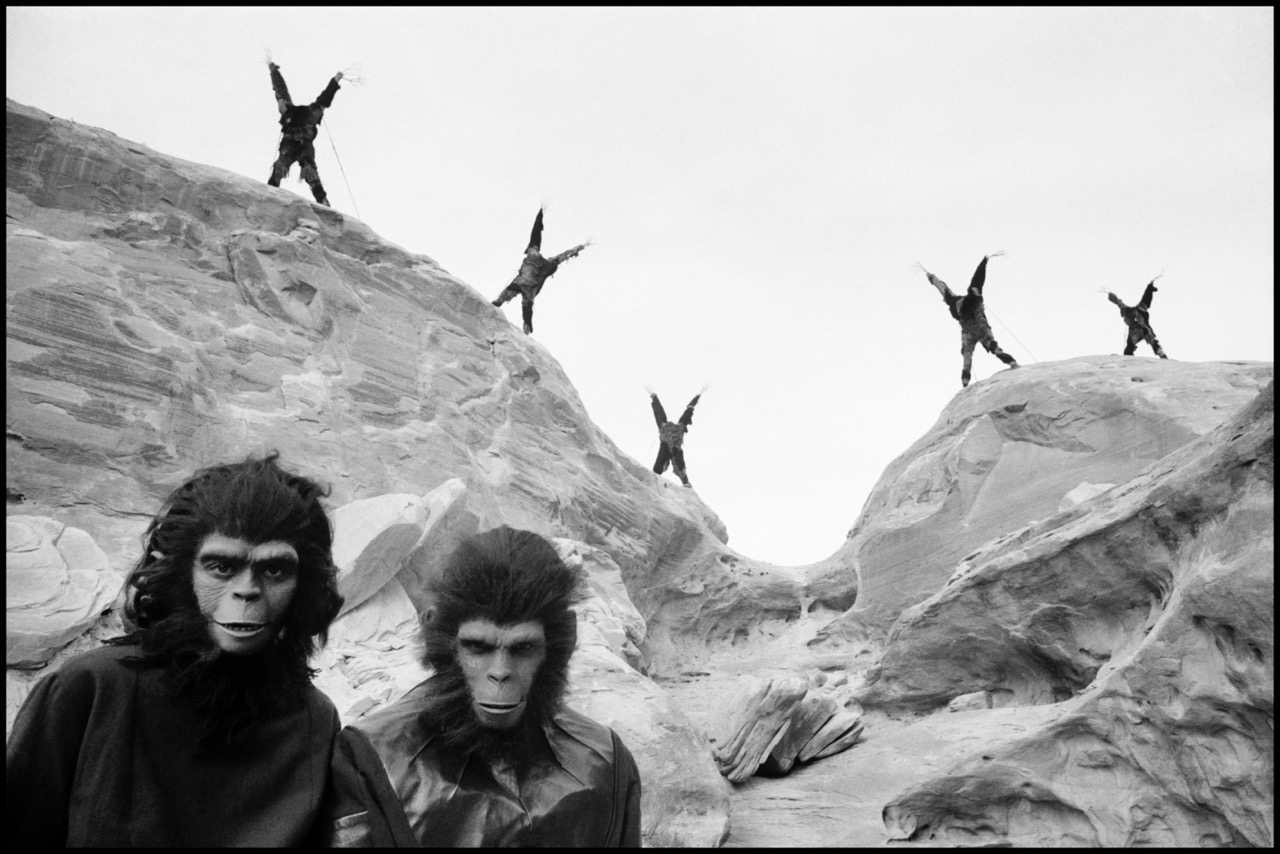
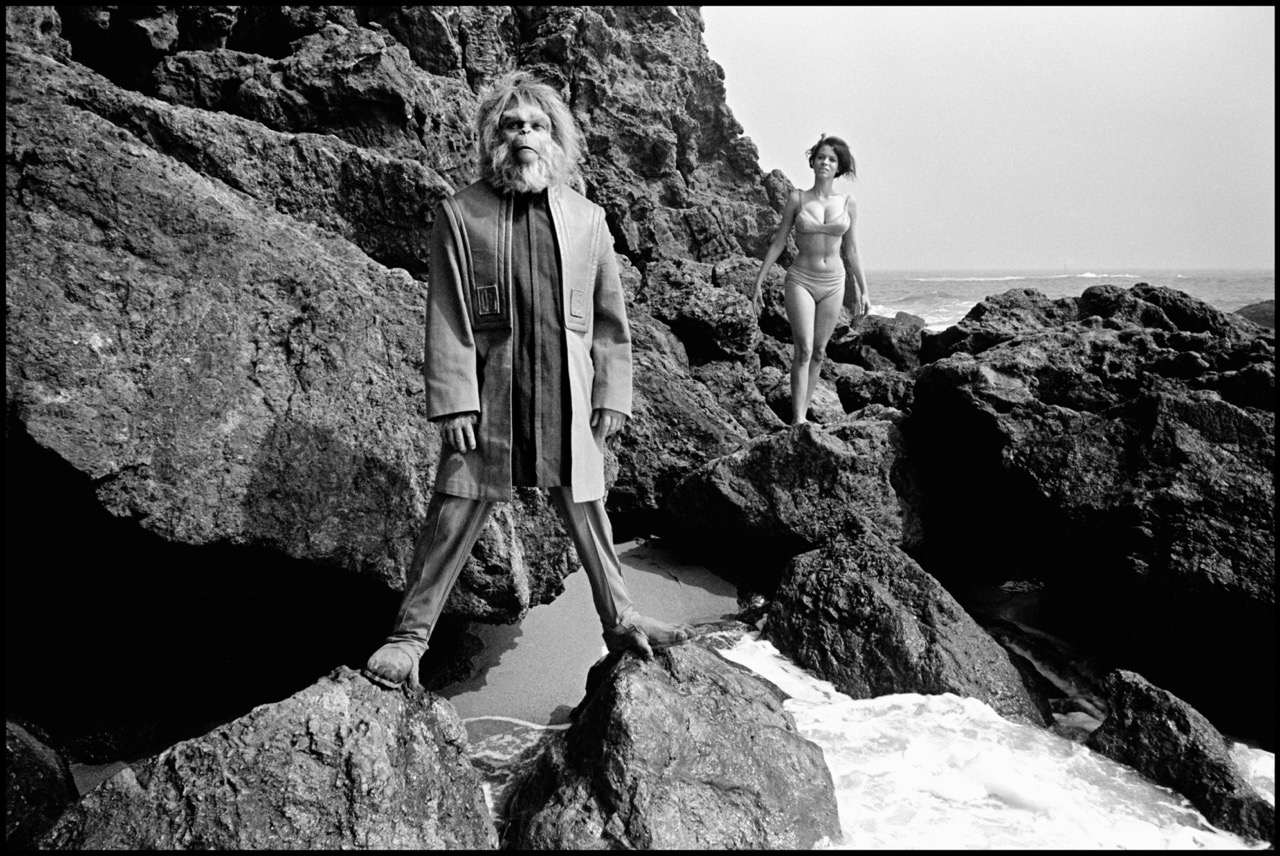
The legendary New York-born photographer Dennis Stock captured moments of humanity wherever he went… most famously behind the scenes of The Planet of the Apes (1968) and his portrayal of icon James Dean.
Dennis Stock was born in New York City in 1928. After leaving home to serve in the US Navy at age 17, he began what would become a prolific career as a photographer, in which he would lens iconic portraits of Hollywood stars and jazz legends, including James Dean, Marilyn Monroe, Louis Armstrong, and Billie Holiday.
Stock’s work captured not just the spirit of Hollywood, but also America itself, from his fascination with the countercultural hippy dream of California in the 1960s, which culminated in the book California Trip (1970), to his photographs of natural and urban American landscapes, through to the smallest details at the level of abstractions in flowers. Another strong angle is his broader engagement with American identity. Stock’s work sits within a tradition of postwar American photography that sought to define the nation visually. He can be situated alongside figures like Robert Frank and Walker Evans, but also photographers such as Dorothea Lange and Diane Arbus. Like Stock, these artists turned their attention to everyday life and marginal or revealing moments— Lange through her documentation of hardship and resilience during the Depression, and Arbus through her stark, unsettling portraits that challenged conventional ideas of normality. Placing Stock in dialogue with both his male and female contemporaries adds an academic layer while broadening the field of reference beyond its usual boundaries.
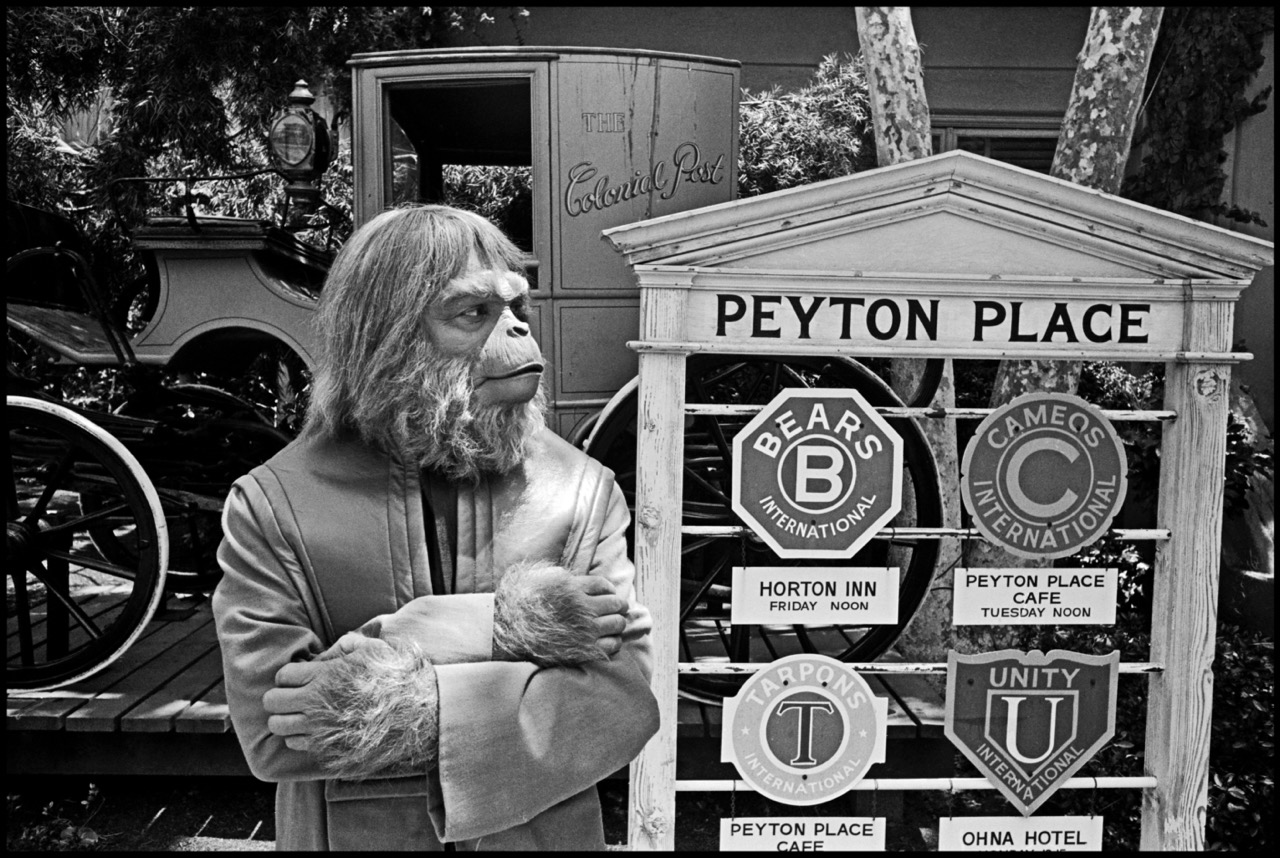
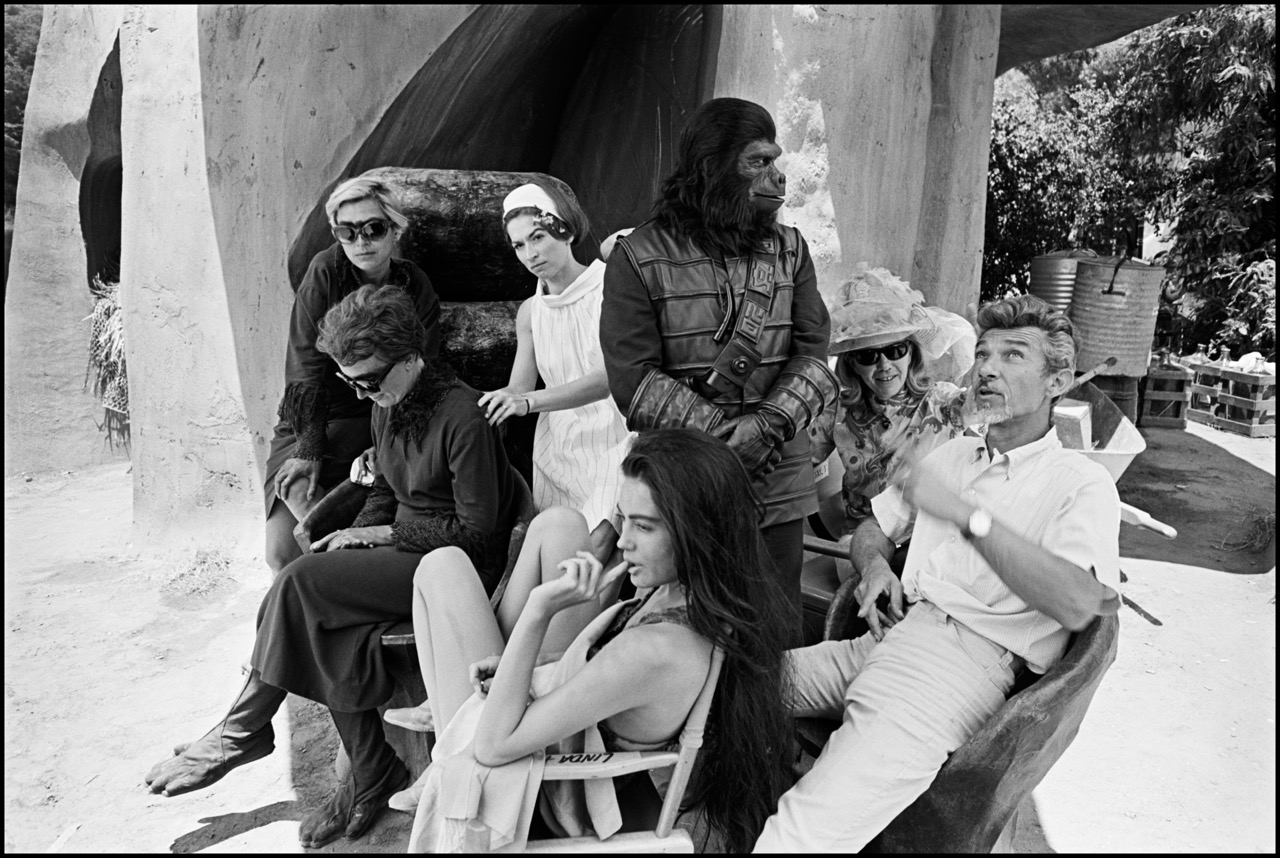
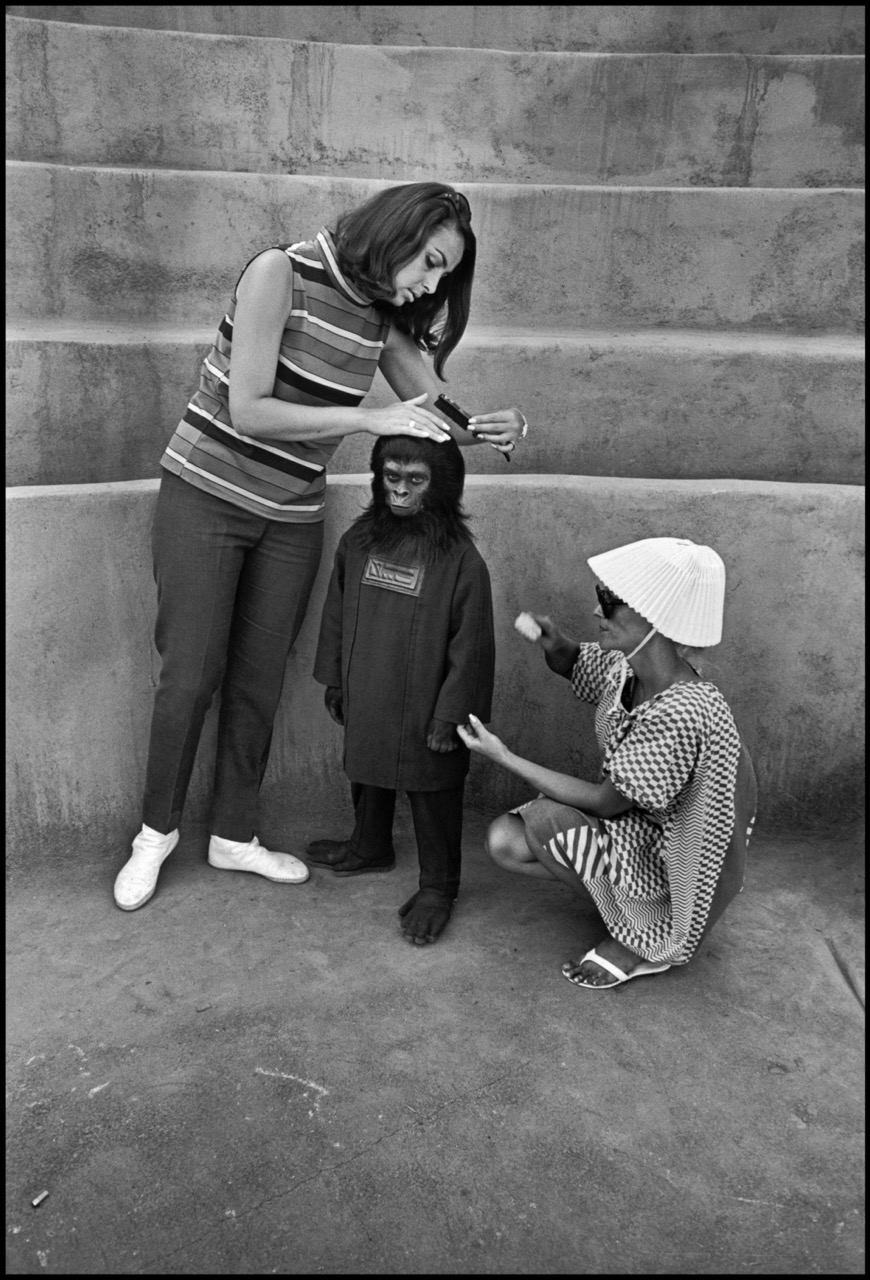
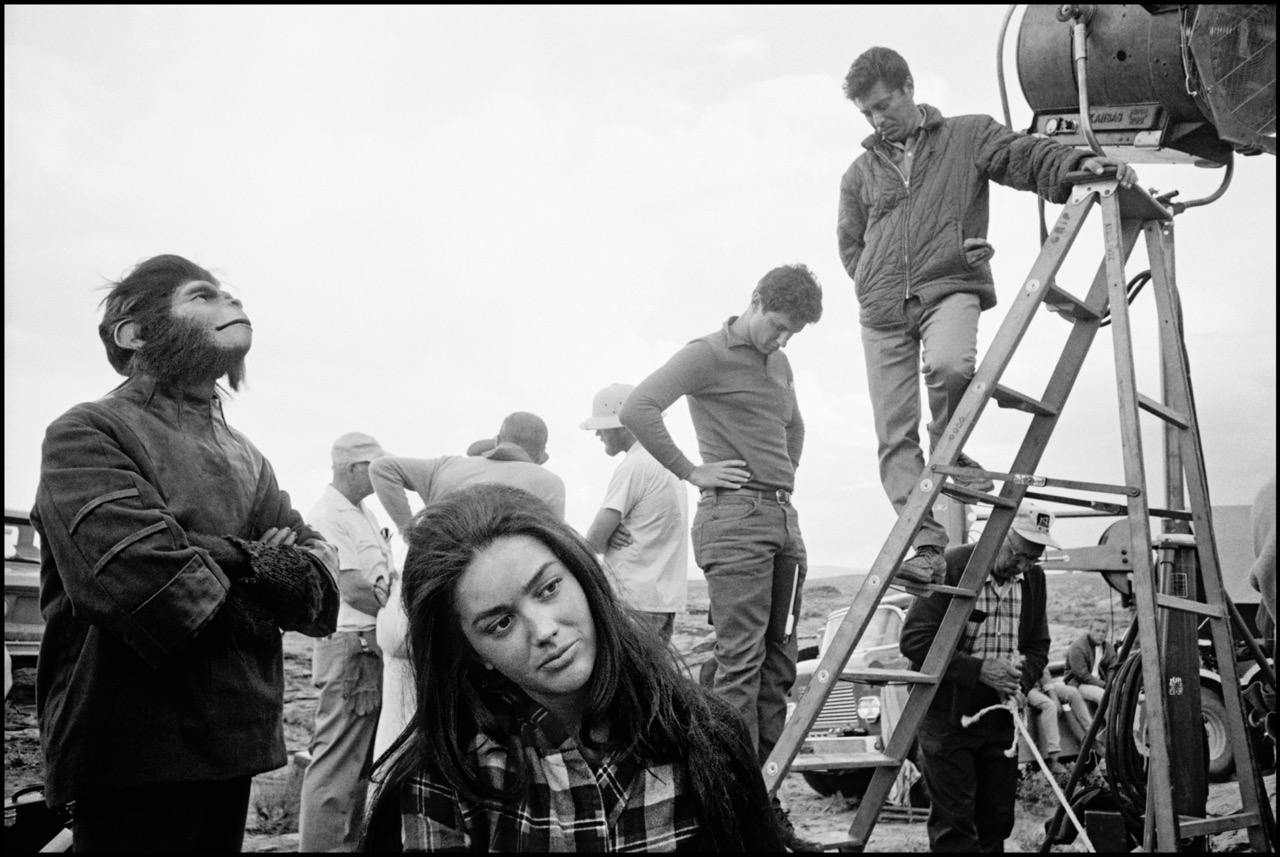
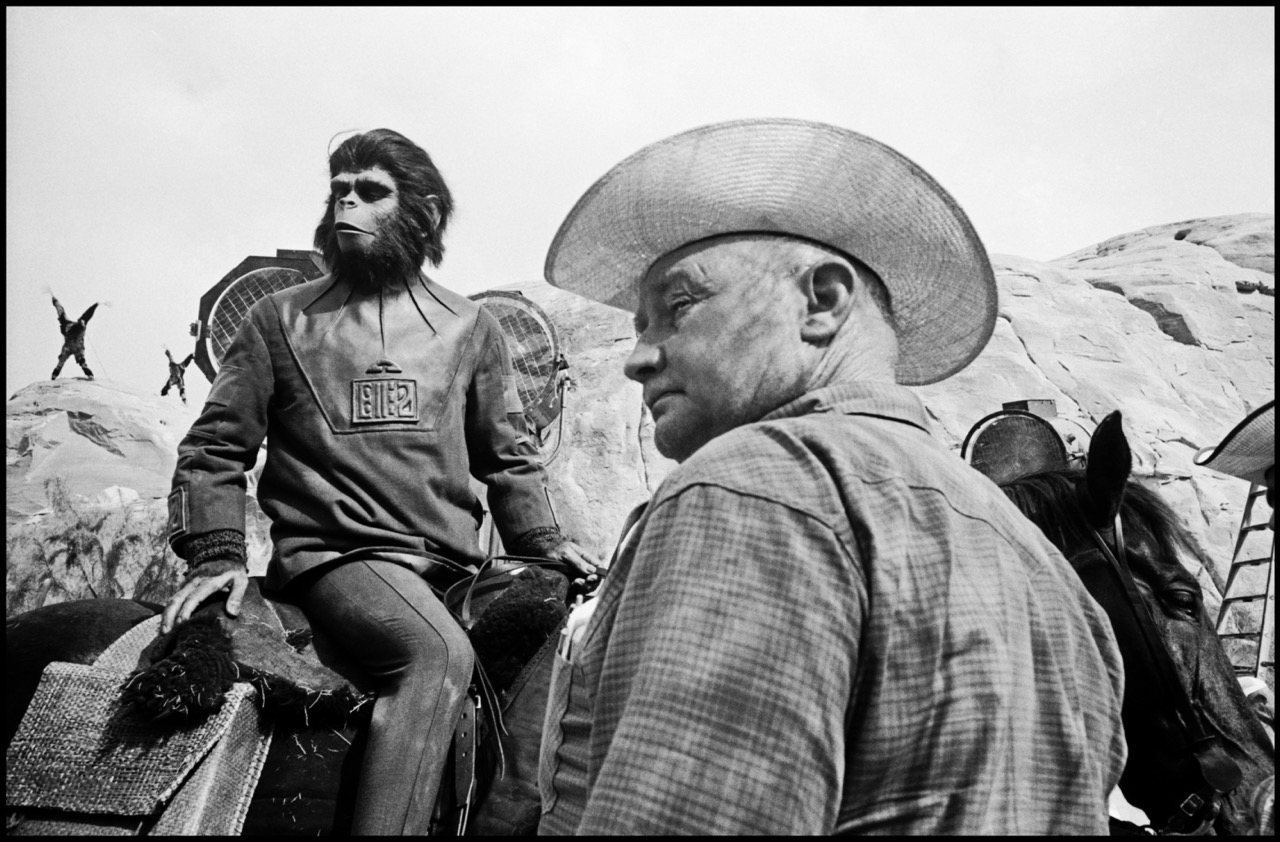


Though sweeping in its subject matter, Stock’s work is unified by a sense of spirit. Two sets of Stock’s photographs, collected here, bring together little-seen portraits of James Dean on the set of Rebel Without a Cause (1955) and behind-the-scenes photographs from the set of Planet of the Apes (1968). Though taken over a decade apart, and depicting seemingly opposite subjects, the photographs reveal Stock’s defining instinct to capture his subjects at their most candid—both on set and off. The photographs of James Dean on the set of Rebel Without a Cause are the product of a bond of trust between actor and photographer. Working as a Magnum photographer, Stock had recognised something in Dean after a screening of East of Eden (1955), and convinced him to allow a photo essay documenting his life in New York and Fairmount, Indiana. Published in Life magazine in March 1955 as Moody New Star, the series established the intimacy that would allow Stock to capture the actor in his most natural, characteristically brooding state. Stock’s uncanny photographs behind the scenes of Franklin J Schaffner’s Planet of the Apes push his aesthetic project to its extreme. Where Hollywood glamorises, Stock exposes—the labour, the heat, the waiting. His images show actors retreating to trailers between takes, sitting around in full ape prosthetics, cigarettes held in specially designed holders so the makeup need not be disturbed. Half-finished costumes and idle technicians fill the frame alongside lights and equipment.
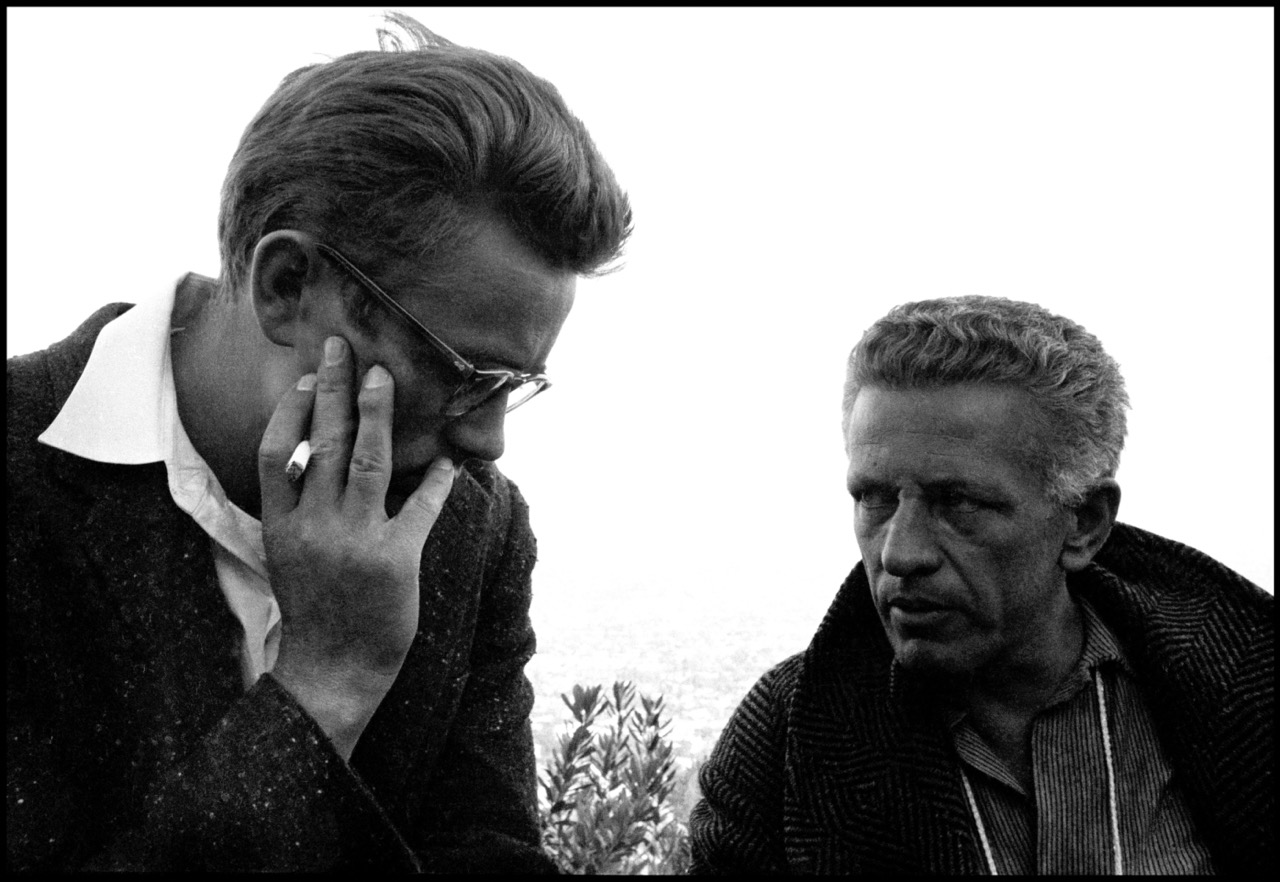
James Dean and director Nicholas Ray during the filming of Rebel Without a Cause. 1955, California, USA. By Dennis Stock. Courtesy of Magnum Photos.

If there is a thread to be observed throughout my work it’s that I’m relatively affirmative. I’m not inclined to make fools of people and I love beauty.
Dennis Stock
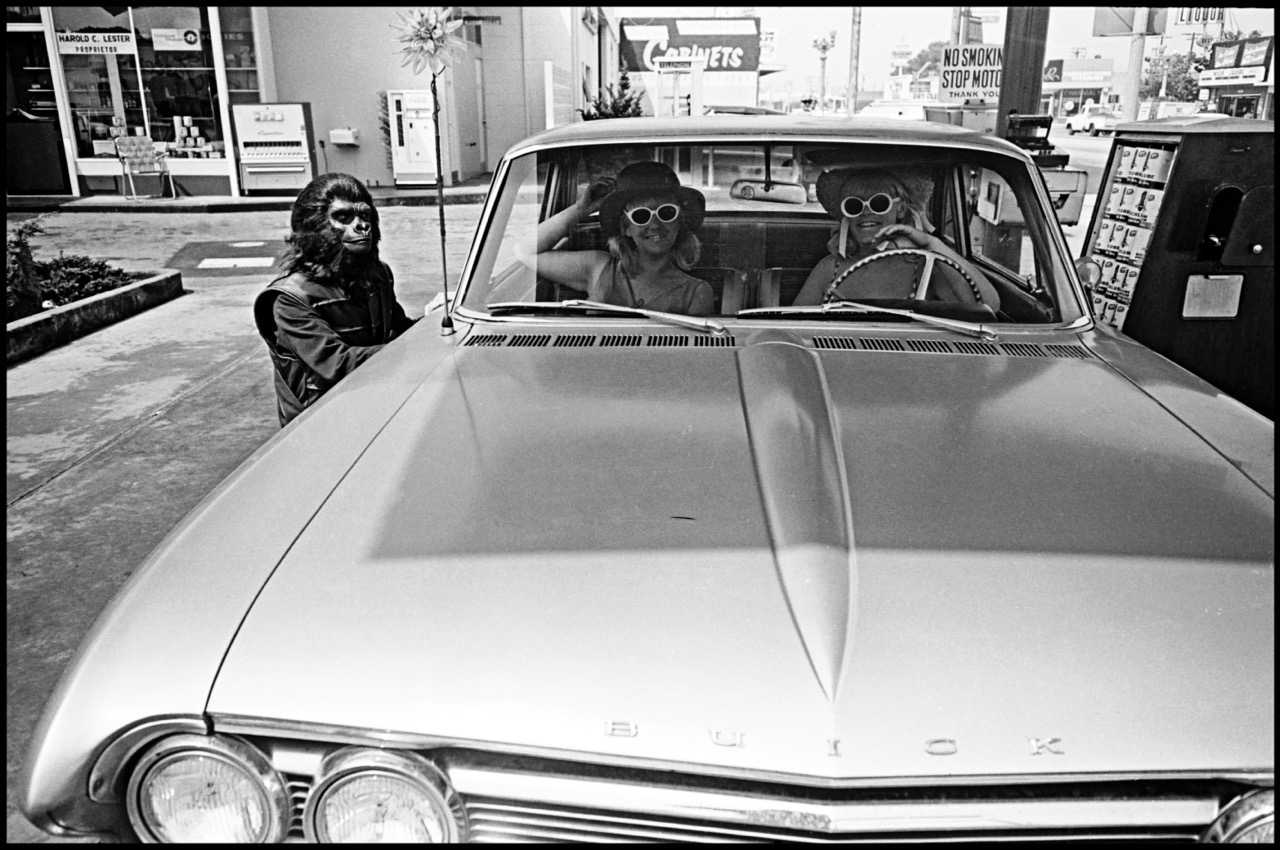
There is a sense of humour in these images—in one, an actor, appearing every bit the ape, opens a car door, while two women in thick-rimmed sunglasses smile cheerfully inside—but the abiding mood is one of boredom and absurdity, the mechanics of filmmaking stripped of all mystique. The film relied on the Academy Award-winning prosthetics and makeup of John Chambers, and the sweltering conditions of the California desert, to build its post-apocalyptic world; Stock’s lens turns instead to the long hours and technical construction that made it possible.
Thinking about his legacy, Stock said: “If there is a thread to be observed throughout my work it’s that I’m relatively affirmative. I’m not inclined to make fools of people and I love beauty.” The images shown in this collection reveal the photographer’s instinct for these very things—becoming almost one with his subject, so as to capture it at its most intimate and beautiful.