Confessions of a gallerist




Ashley Saville keeps a diary leading up to the opening of her eponymous London gallery.
I join the walking expressway of commuters on the Holborn Viaduct. It’s a short journey from my flat in Farringdon to the gallery—about twelve minutes. I go back and forth nine times today, shuttling my miscellany in endless cardboard boxes. Now that my startup loan has cleared, my refurbishment plans can finally begin. I’m completely enchanted by the Victorian grandeur of my suite of rooms on Fleet Street, but there’s still a lot to do before they’re fit for purpose. With a little over a week to go before we hang the first show—what could possibly go wrong?
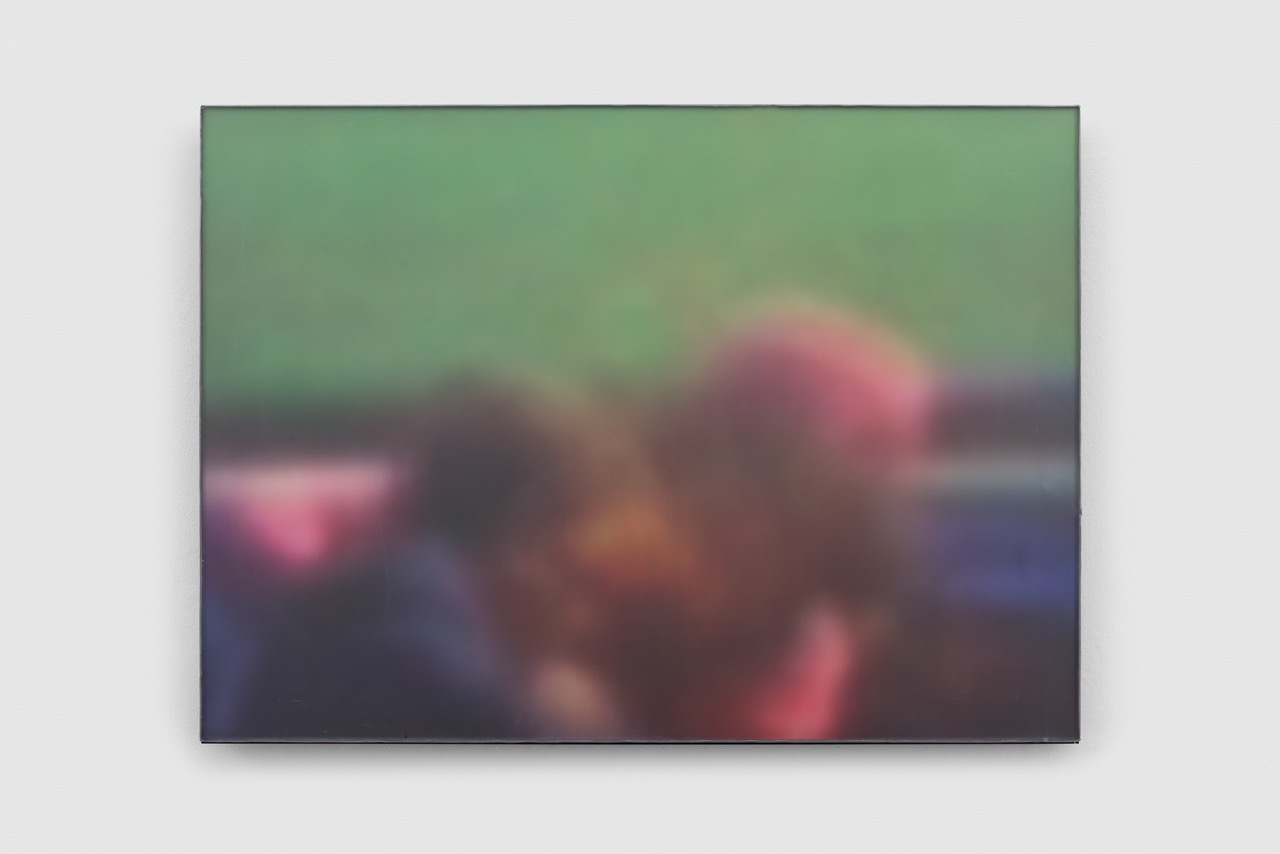
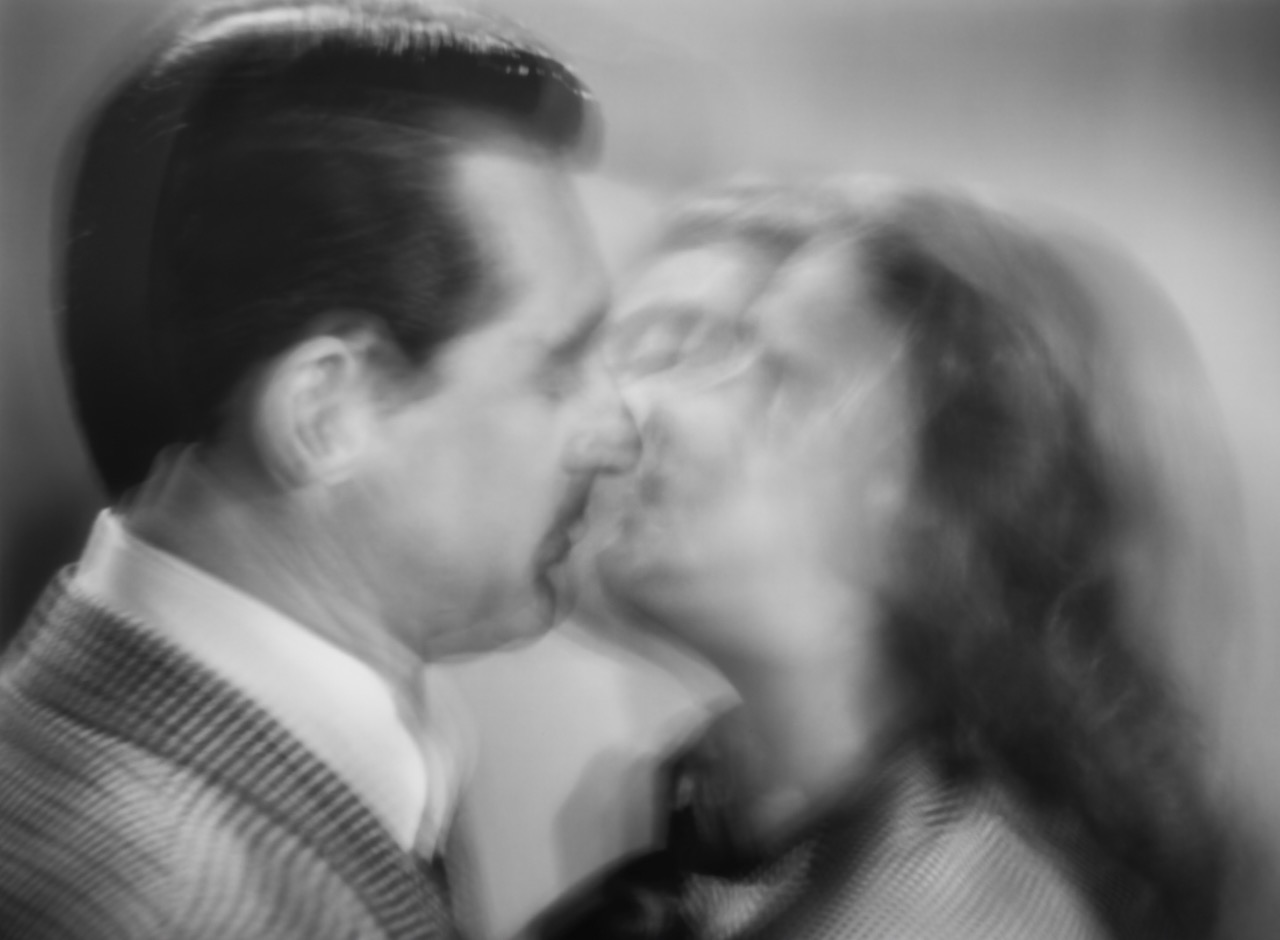
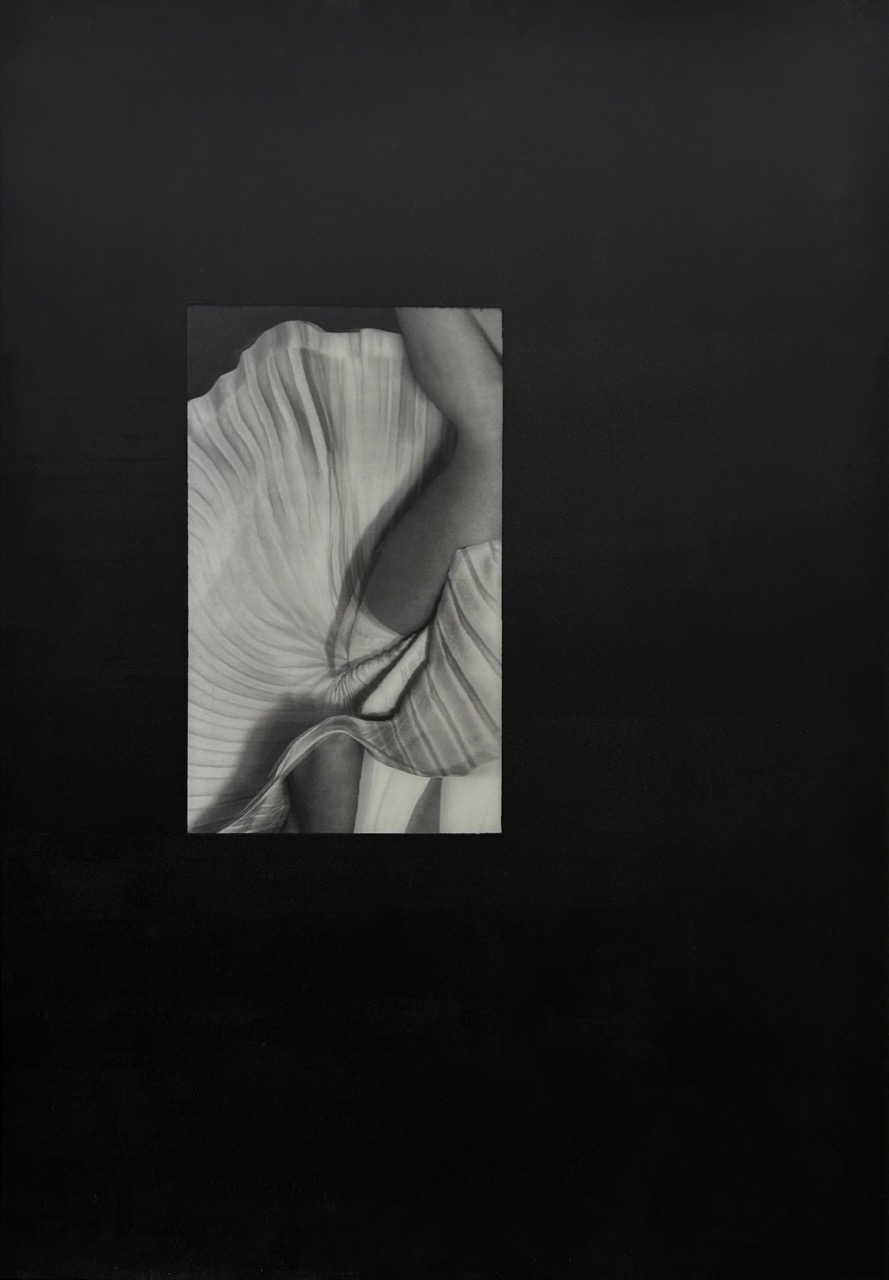
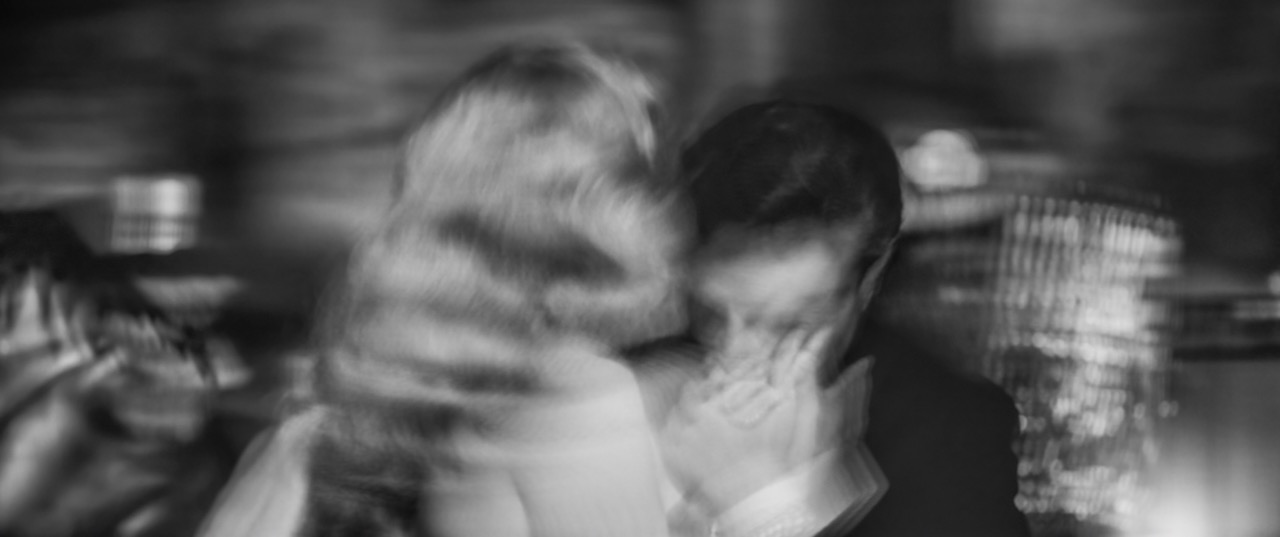
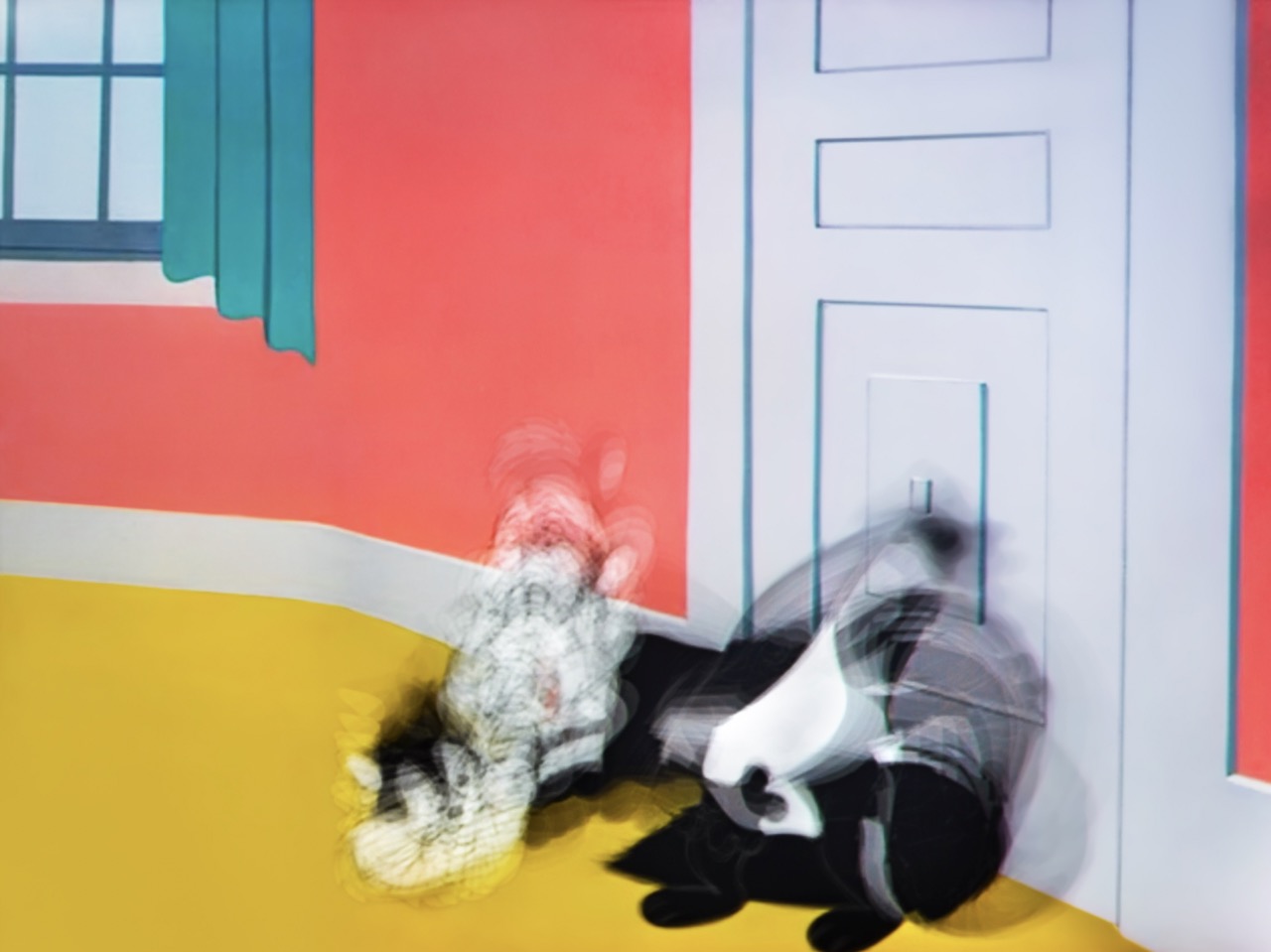
I call the artist Jason Shulman as I run my errands. Jason and I have collaborated on many projects over the last four years and I have come to know his elusive practice well. With an experimental approach to materials, he examines time, motion, perception and personal experience with an unparalleled originality. We’ve been preparing for his solo exhibition for seven months now—imagining it before I’d even found a space to show it. Jason describes the different ‘textures’—patinations—of welded metal frames that he’s chosen for his latest lenticulars. I’m deliriously excited for their arrival.


The artist Sienna Murdoch comes for tea this afternoon. It occurs to me that she’s the gallery’s first visitor. I feel anxious and a bit coy because the space is still a shell. In just a matter of days, the stark office lights will come down and track lighting will go up. The walls, currently a blinding shade of brilliant white, are to be painted the creamy colour of full-fat milk. I break up shards of cold chocolate for Sienna and arrange them on a dish.
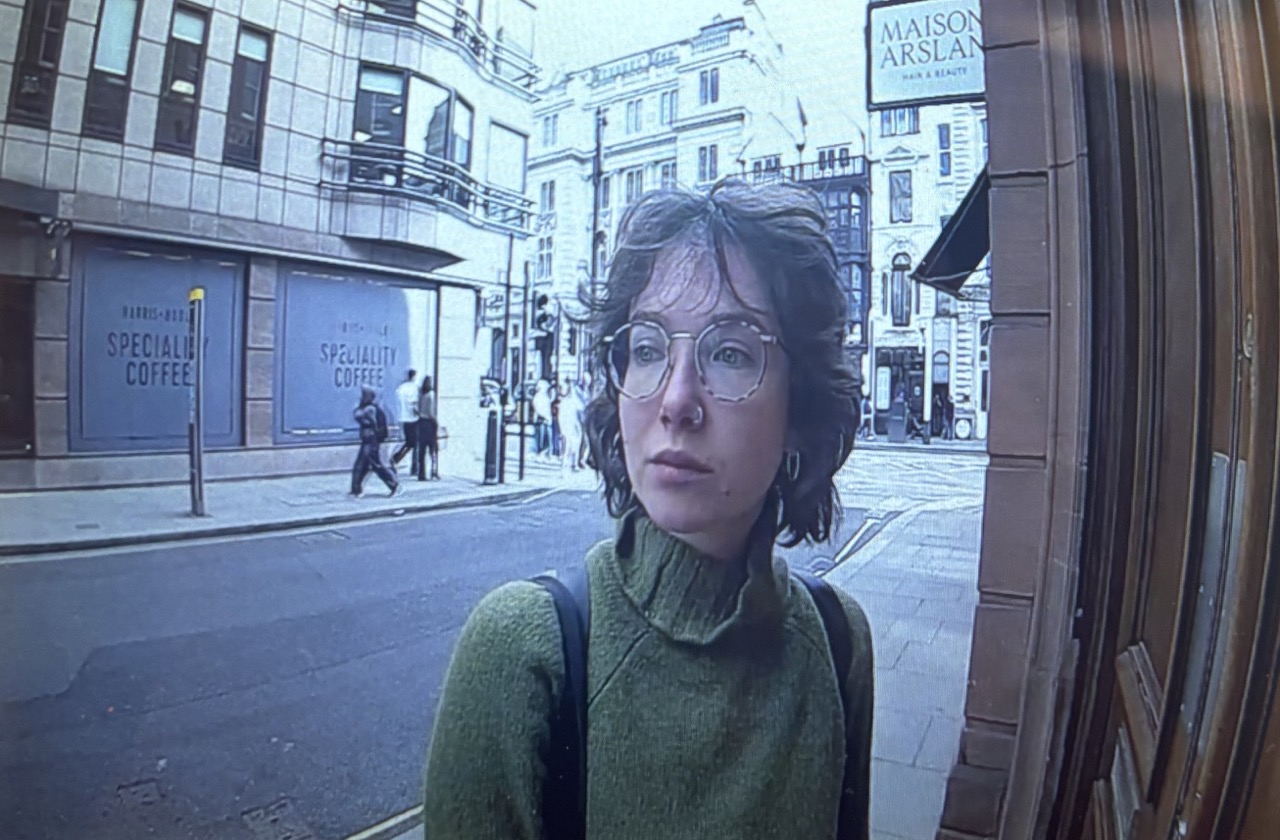
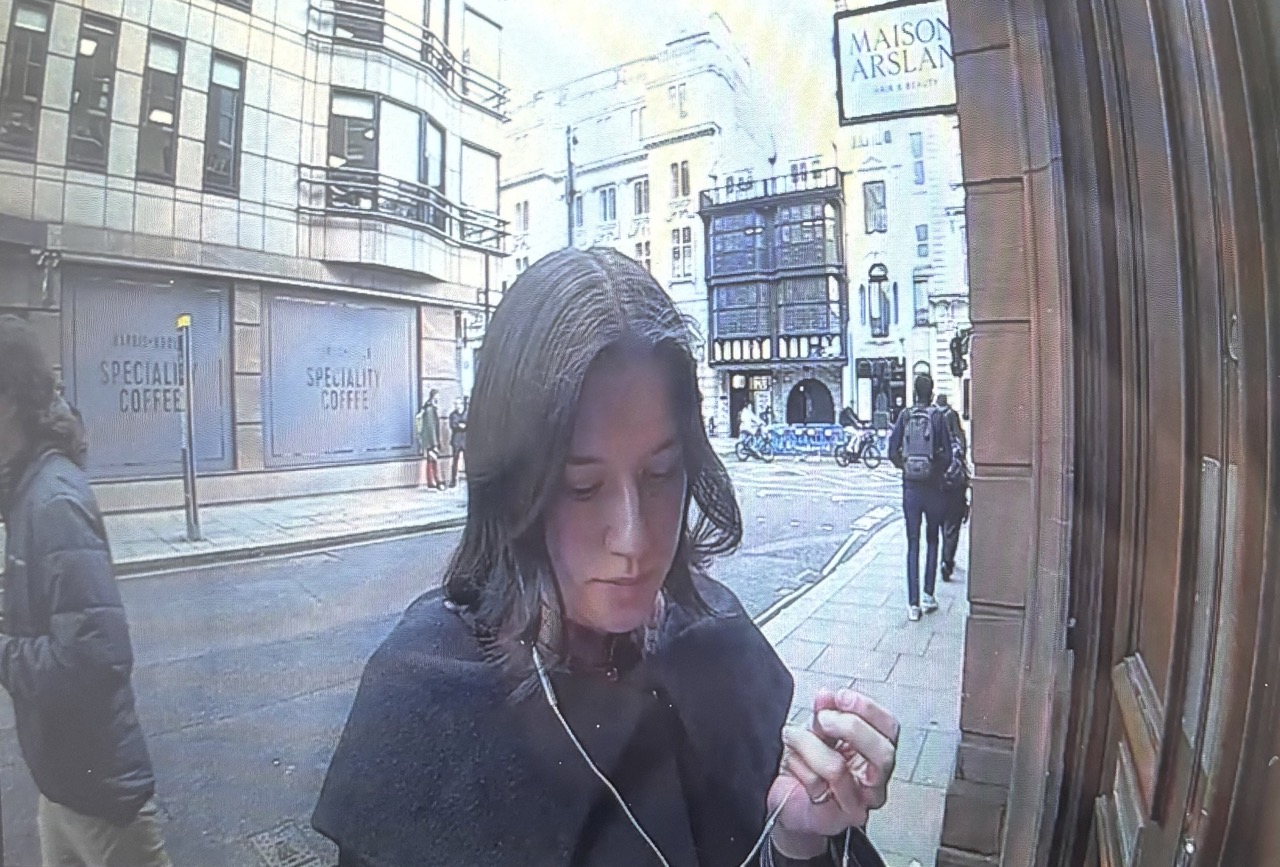
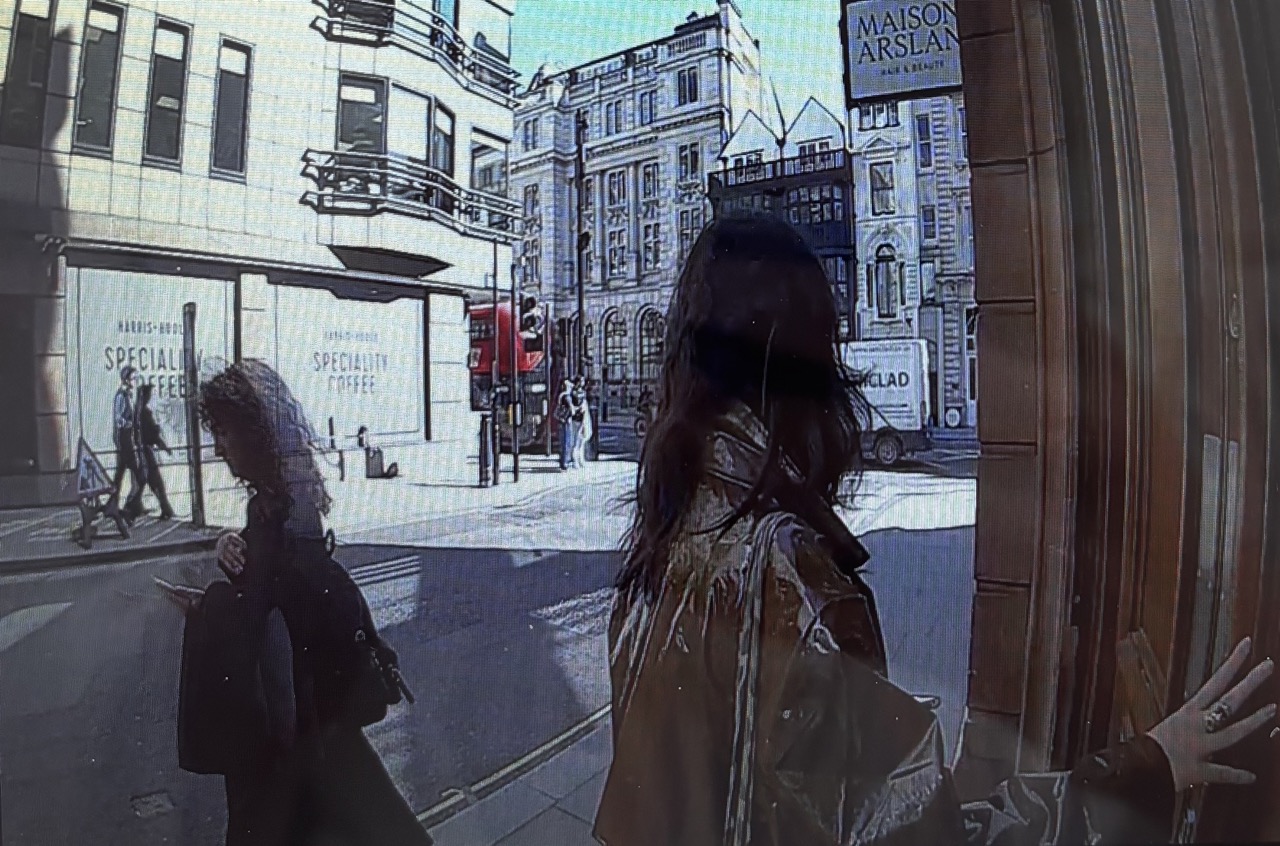
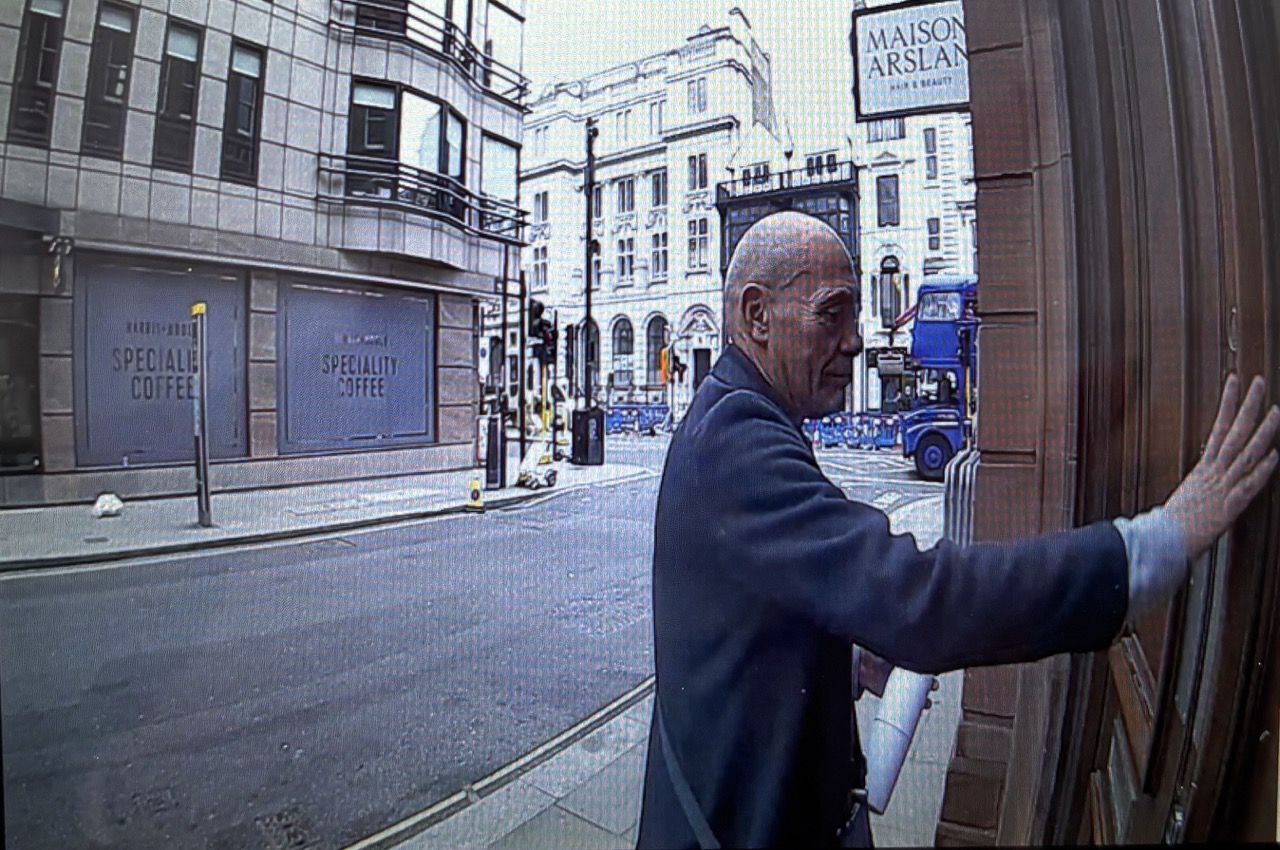
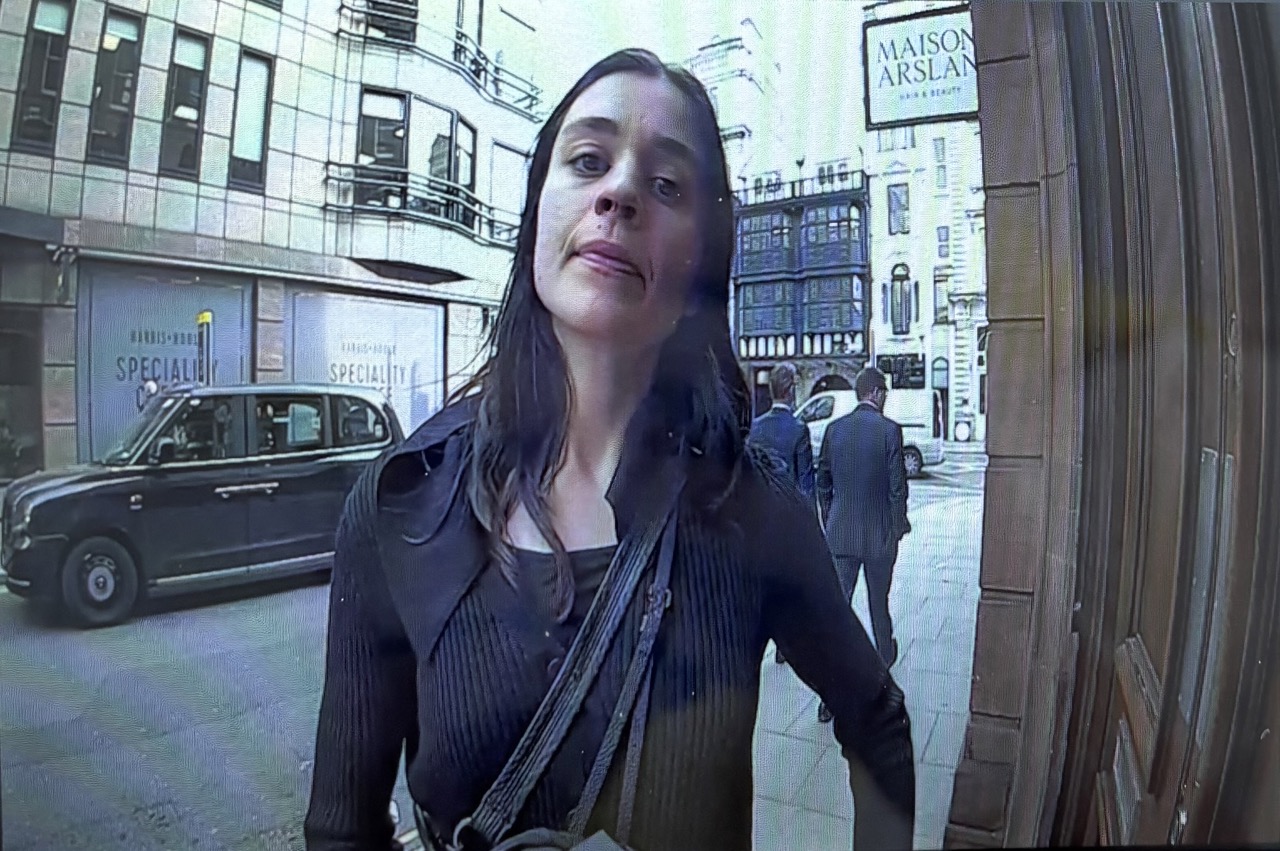
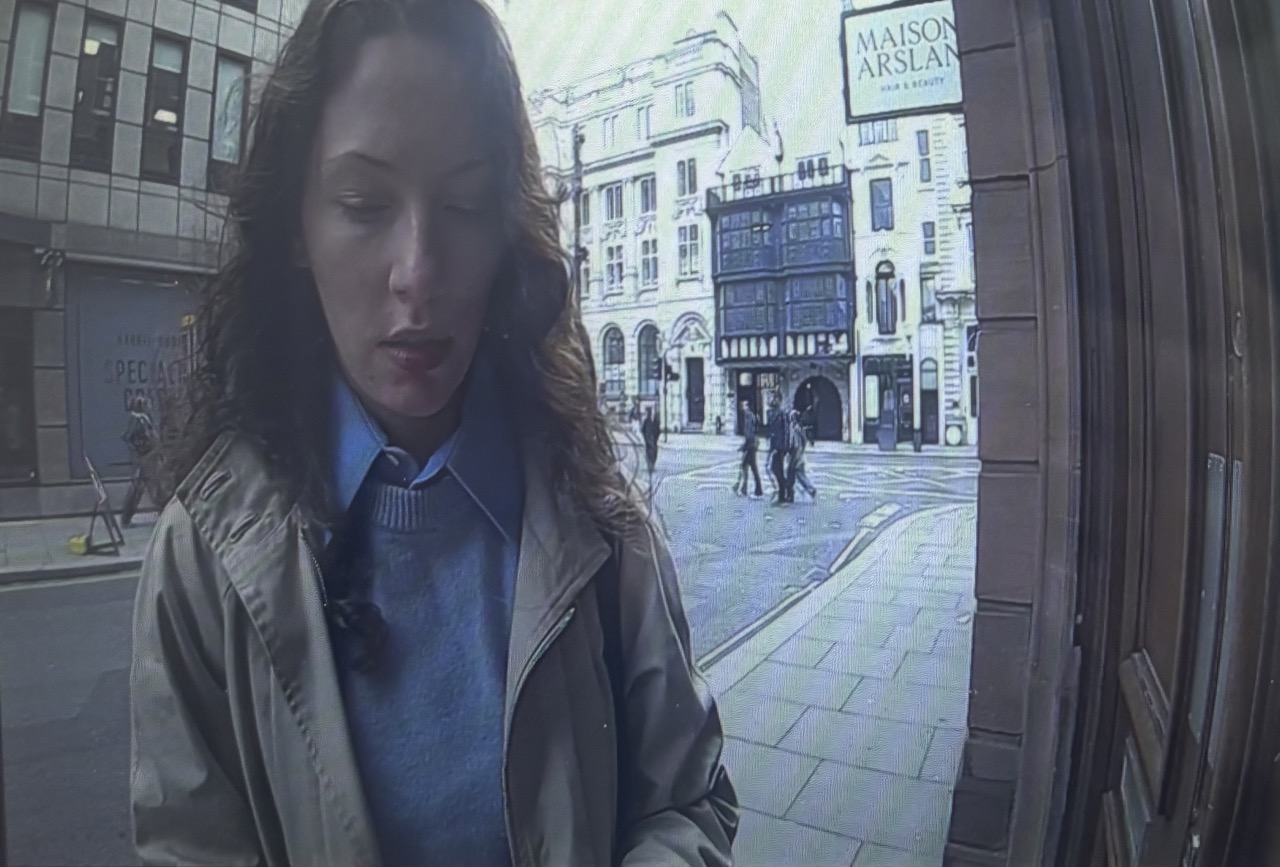
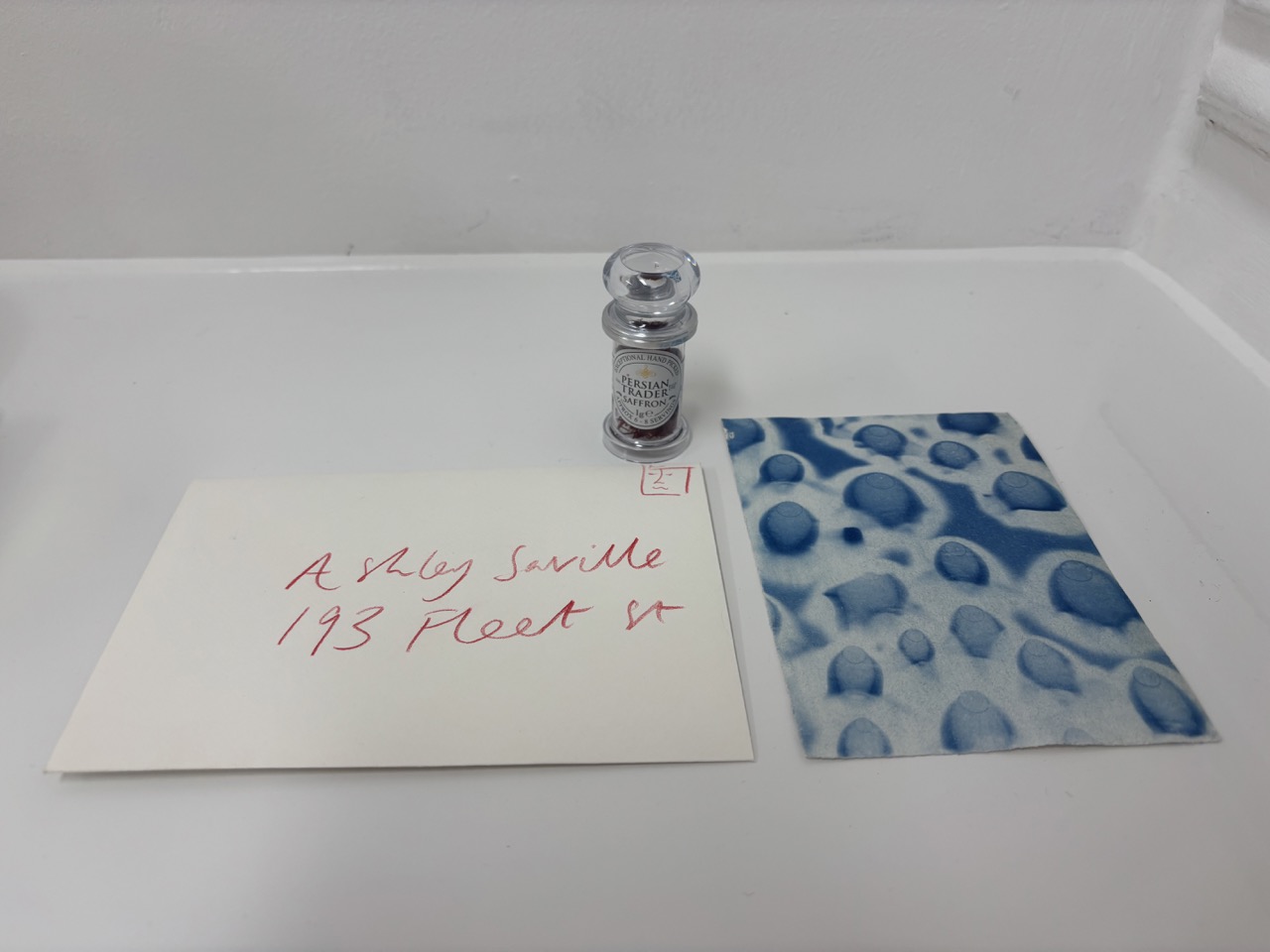
She rings the bell and I photograph the screen of the video intercom as she waits outside. I’m collecting these pictures of all my guests to the gallery: a low-fi rendition of Jurgen Teller’s Go-Sees. We sit cross-legged on the floor (no chairs yet!) drinking tea and chatting in the spring sunlight. Sienna brings me a note in coloured pencil and a tiny vial of Iranian saffron as a moving-in gift. We spend the afternoon talking about archives, the role of surprise in curatorial practice, and semi-precious stones.
The decorators begin painting in the gallery today. I feel soothed by the purr of their rollers as I attend to a bumper to-do list. The morning is consumed by my weekly admin. I gather receipts, audit expenses, and organize the files that have amassed on my computer. After that comes the more creative task of spreading the word about Jason’s show. Spanning a decade of work, the exhibition pulls together several strands of his elusive practice, unified by a sense of time and motion. I send out hundreds of emails to art critics, journalists and collectors, tailoring the information to each person’s area of interest. I’m forever searching for new writers and curators who might connect with the exhibition’s themes. They are, after all, the great themes of art and life: sex, death and religion.
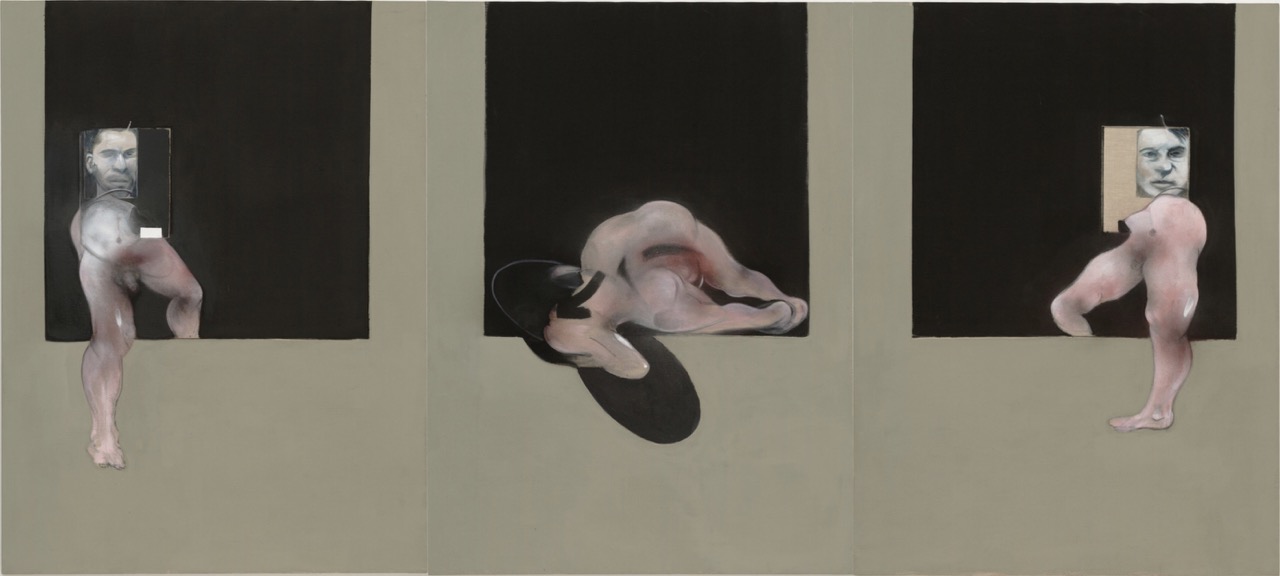
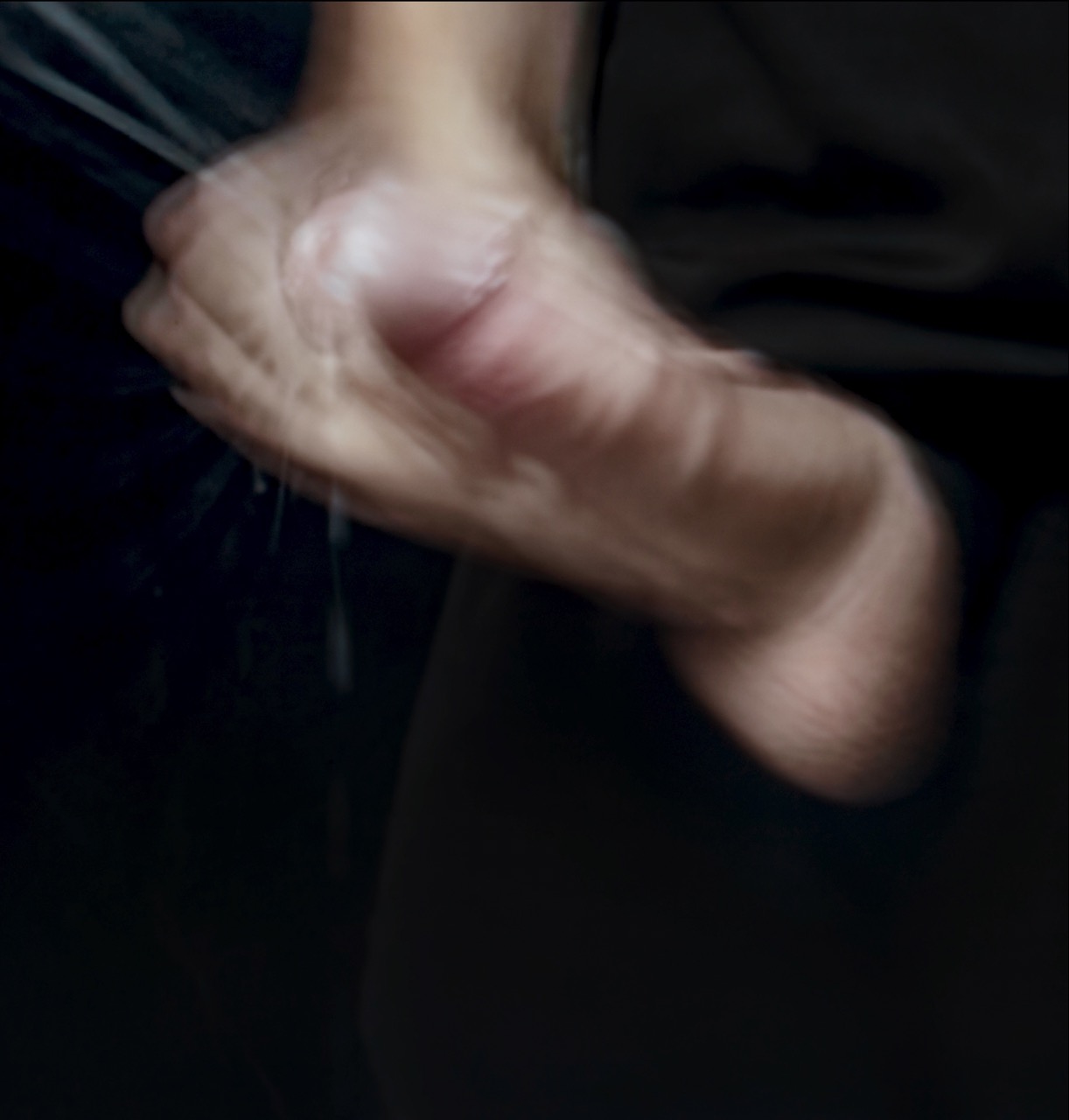
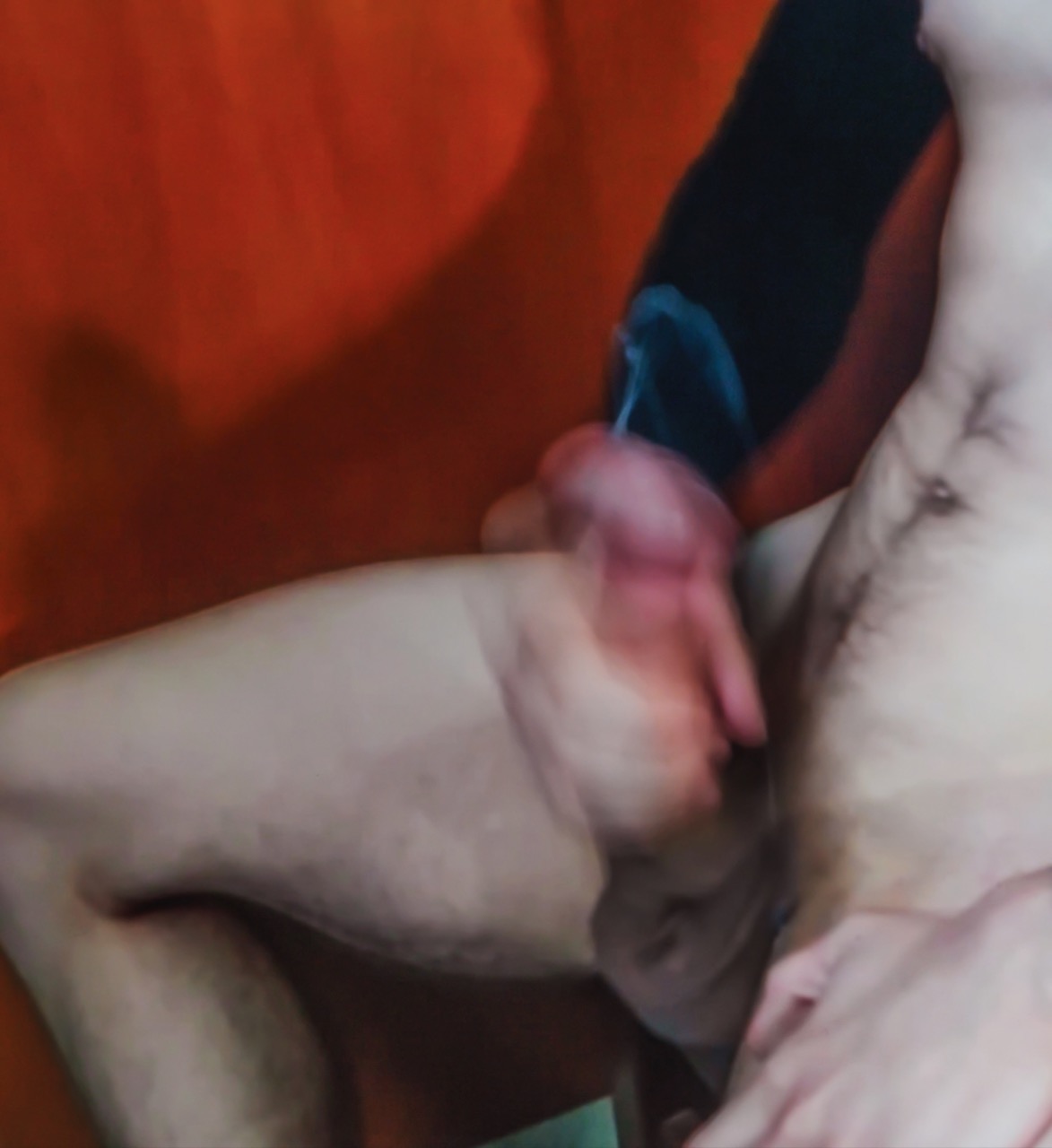
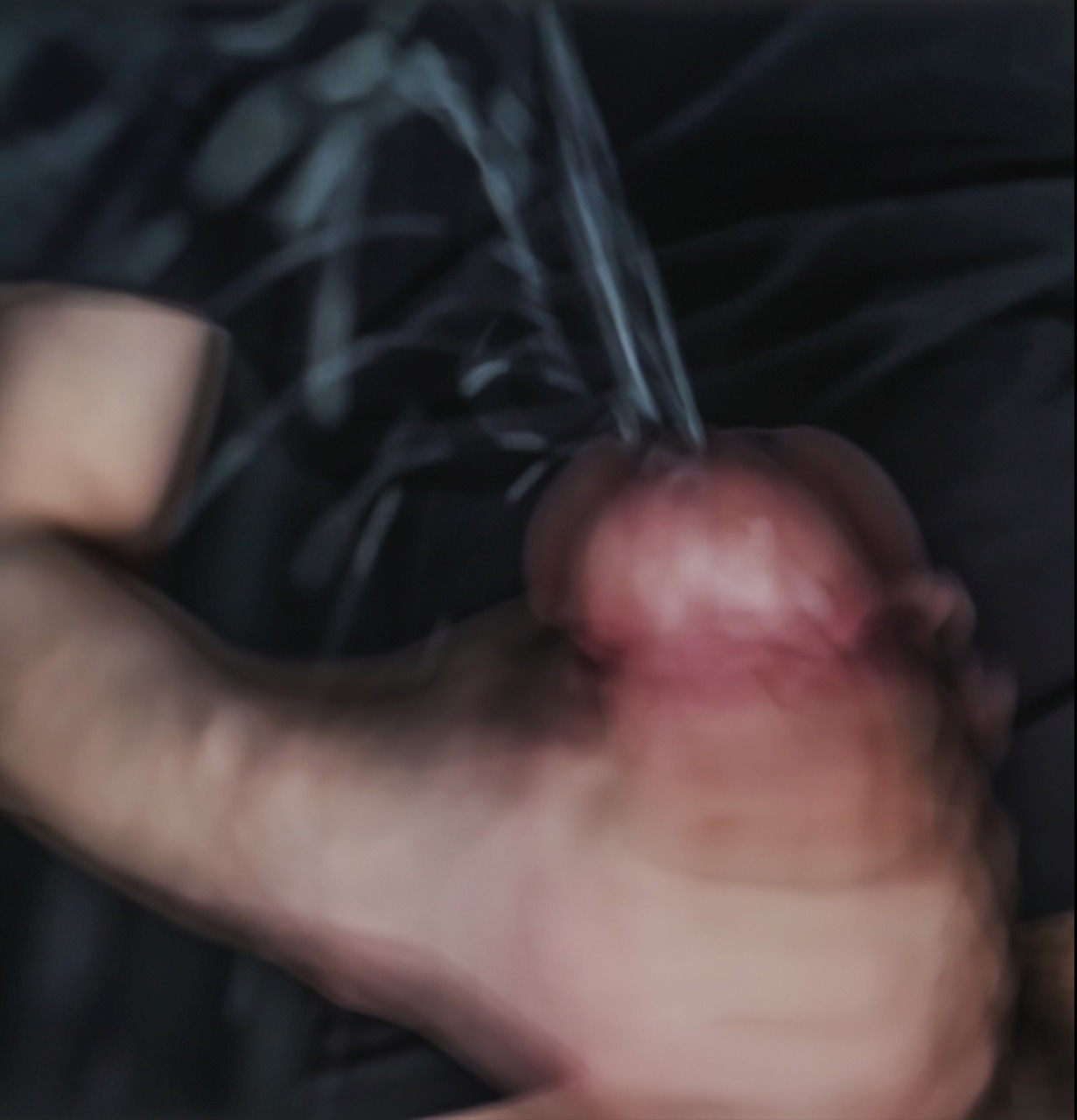
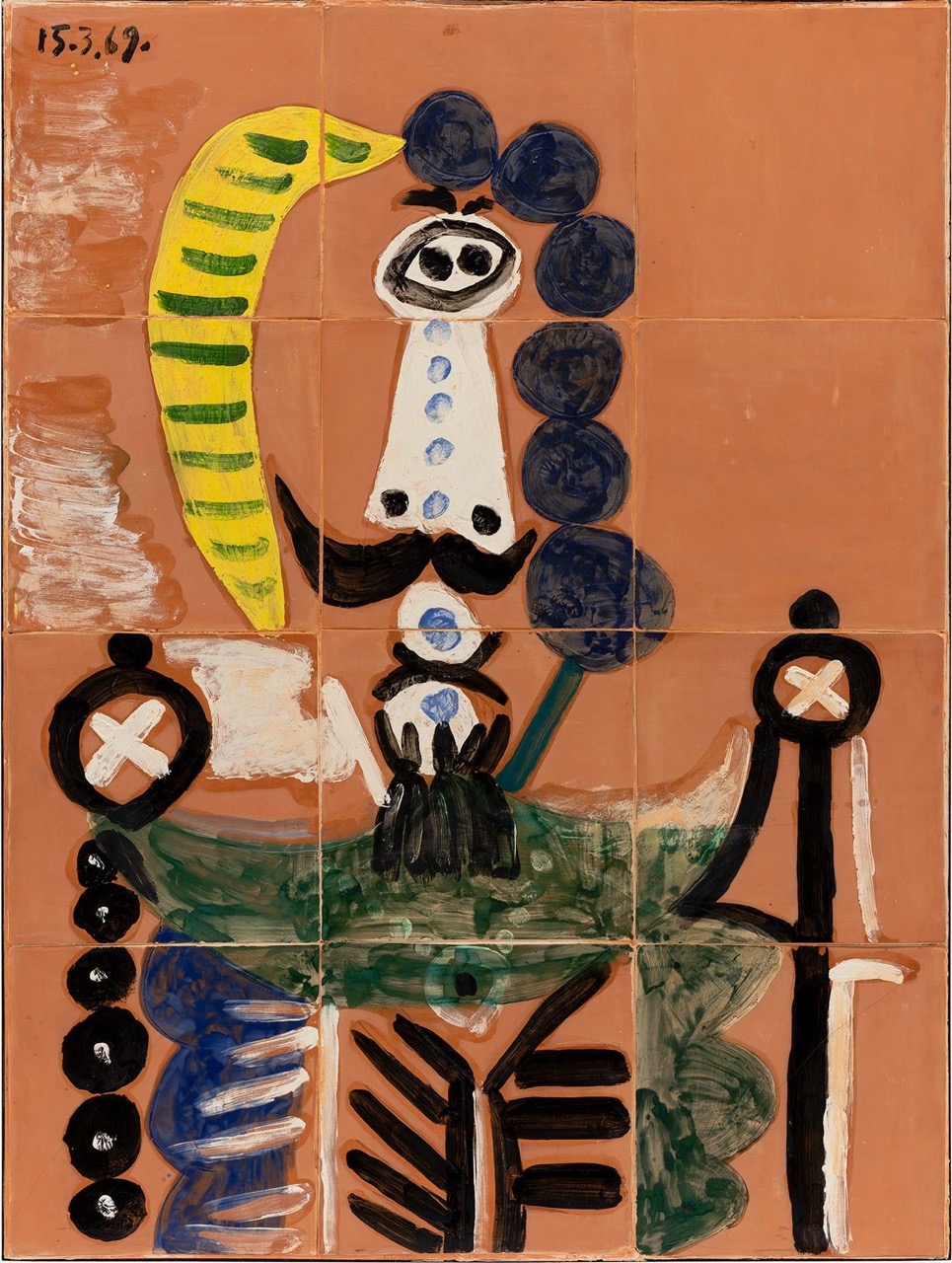
I go to my grandmother’s house in the suburbs today for a family get-together. Everyone’s excited to hear how things are going with the gallery. I tell them about a new body of work in Jason’s exhibition called Cum Shots. These are long-exposure photographs of male ejaculation, compressing the moments just-before and just-after orgasm into a single frame. They have an enigmatic surface—silken, vaporous. In one, the bright penis looks pearlescent, like a strange seafood. In another, it resembles a Philip Guston in its slabbed form, pink on black. They belong to the canon of ‘Old Man Art’, as Jason would say: images of faltering flesh and dislocated eroticism. Think the abject mass of Francis Bacon’s final Triptych (1991), or Picasso’s swashbuckling Musketeers.
As I finish explaining, my family members stare at me blankly. I sense an eagerness to change the subject. This is not the first time that these images of masturbating men have shut down a conversation. I, however, find their repellant power rather fascinating. Their energy springs from deep currents and I find them easy to defend.
A flurry of construction workers come and go, removing ugly air-conditioning units and erecting moveable walls. Twirls of expanding foam swell into the afternoon. From the comfort of a new chair, I confirm appointments with decorators, electricians and technicians. In past gallery lives my colleagues and I would’ve done this all ourselves, but I’m quickly realising that there’s nothing like paying for professional help.
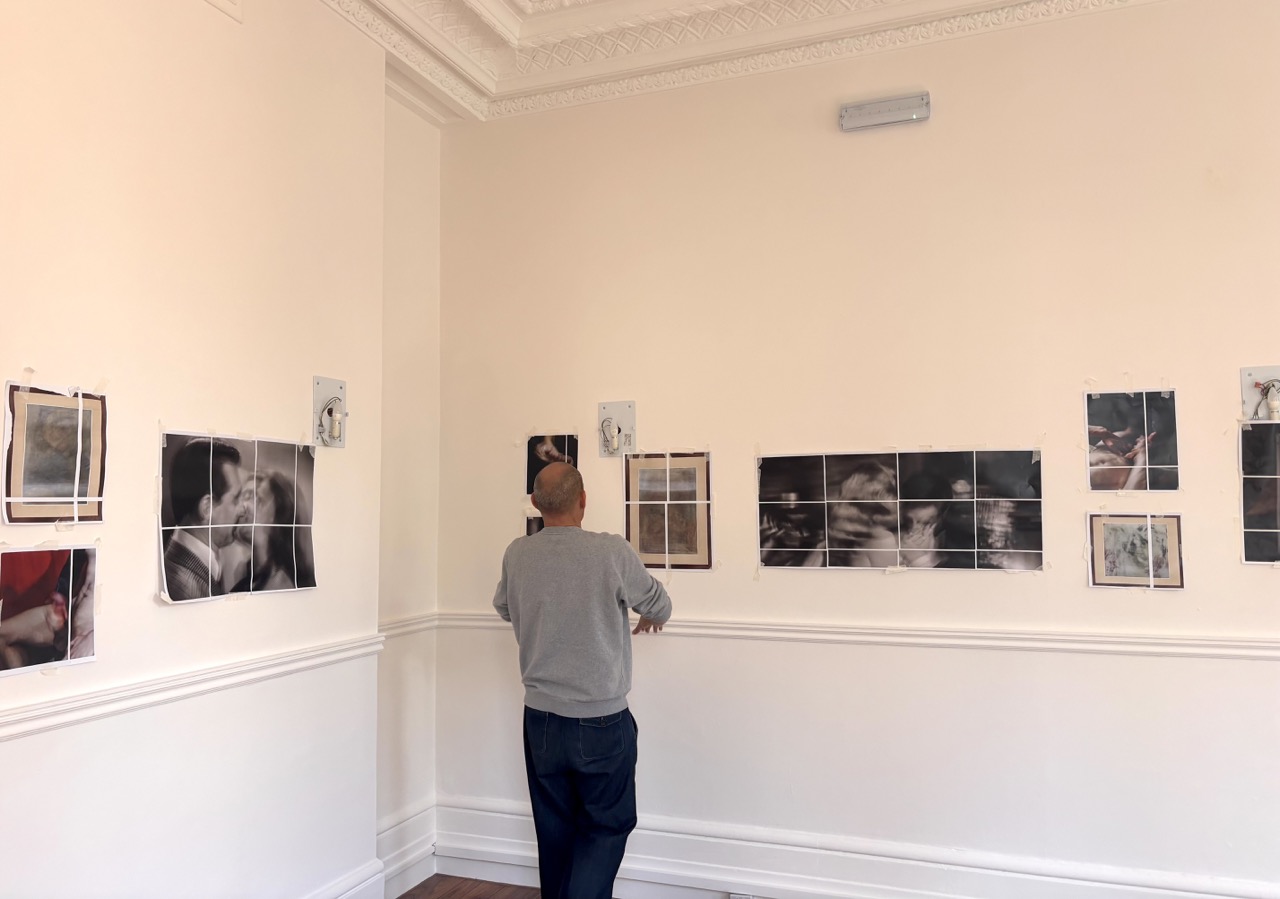
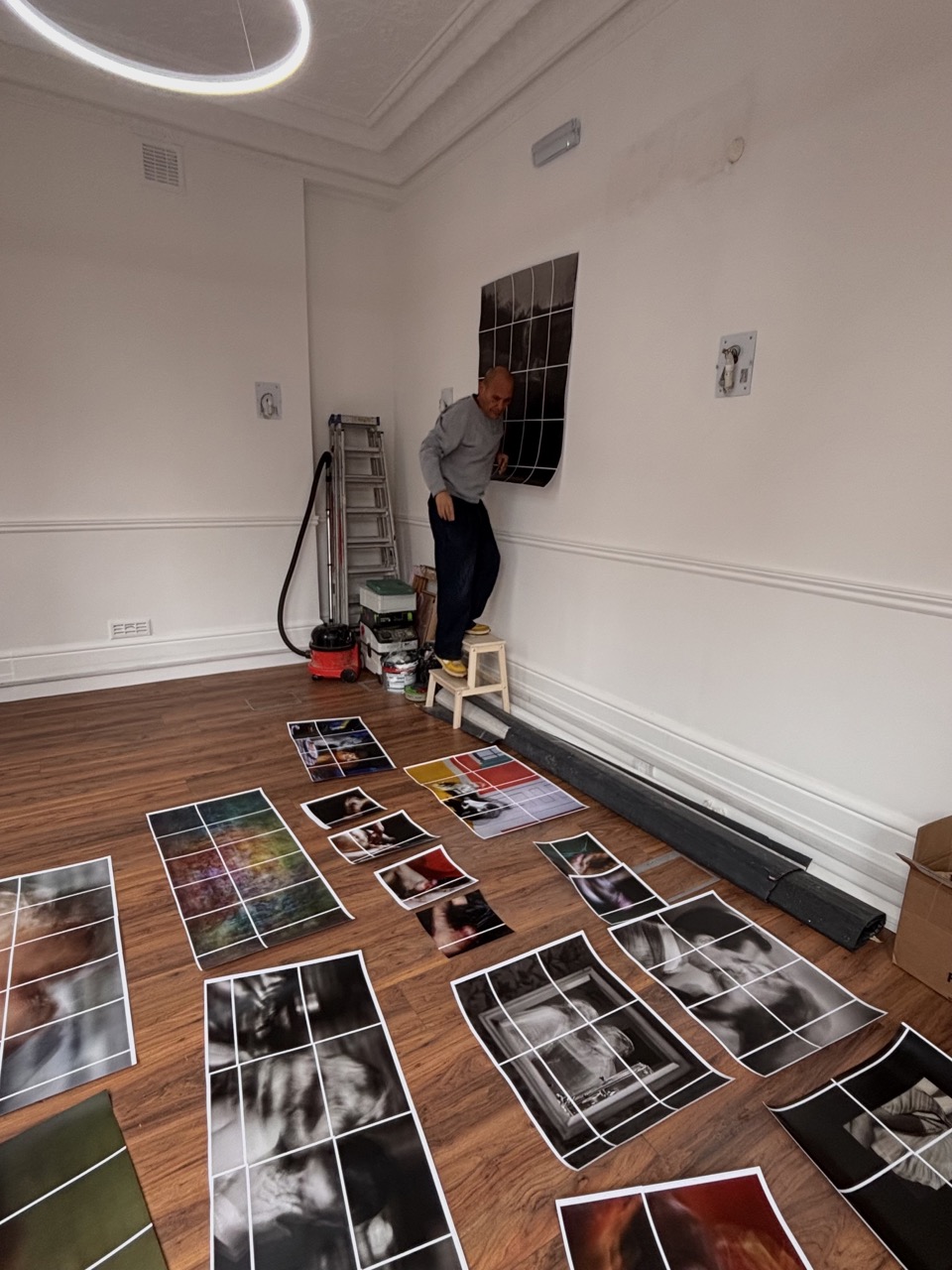
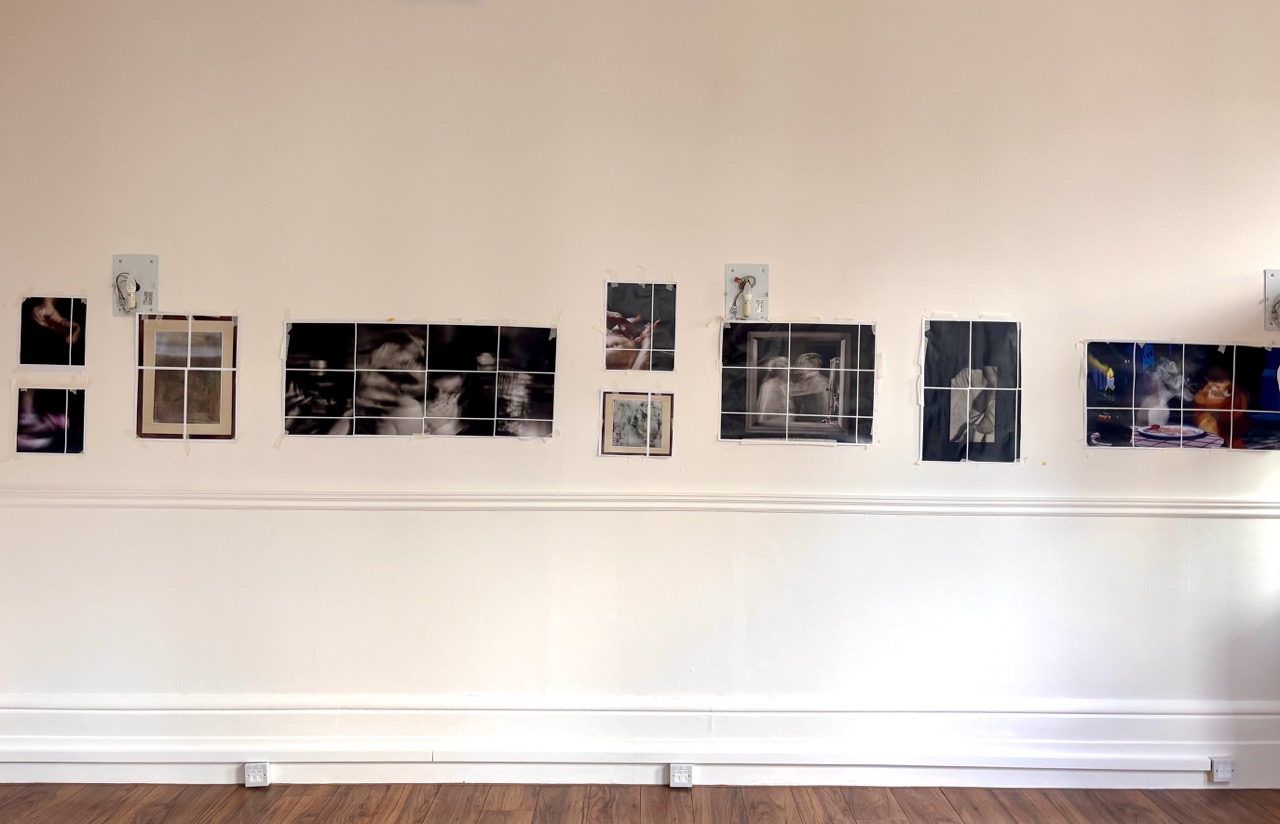
Jason arrives with paper facsimiles of all 21pictures earmarked for his exhibition, and we spend the morning blue-tacking them on the walls in different arrangements. Much to our surprise it takes hardly any time to get the pictures in the right order; though fine details of spacing take us ages to resolve. We stand back and admire the rise and fall of the images, which appear like musical notation on the walls. For a moment, I’m electrified by this crudely-printed glimpse of what’s to come.
And now comes the day I’ve really been dreading: installation day. The crucial day, fraught with potential disaster.With only 48 hours until we hang the exhibition, all I can do is pray that nothing goes wrong. I’ve shaken my piggy bank for a set of super high-spec remote-controlled lights. My electrician warms me up with a series of dilemmas – wrong tools, missing fittings, locked fuse boxes. Thankfully we escape them all unscathed. Then comes the piece-de-resistance: mounting the tracks. This means drilling into the ornate nineteenth-century plasterwork on my Grade-II listed ceiling. My now sweaty electrician warns me of an irreparable crumble that ‘seems likely and can’t be avoided’. I shiver. Everyone gulps. Fifteen minutes later, my electric angel descends from the heavens with a grin. A heinously expensive crisis averted! Divine light beams down in spots and floods.
This week has hurtled past. I’ve watched the gallery change a little every day like a well-fed baby. I’d expected to feel relieved at this point, but instead I feel disarmed and oddly disconnected from it all. I put it down to the vertiginous fear that I’ve been living with for months now. First it came in pangs and now it lodges in my stomach. I’m told this cryptic, cursive feeling is very common. I’m also told I’d better get used to it. The decorators move out today and I’m alone at last in my empty rooms, fragrant with sawdust and wet paint. I fall asleep reading magazines.
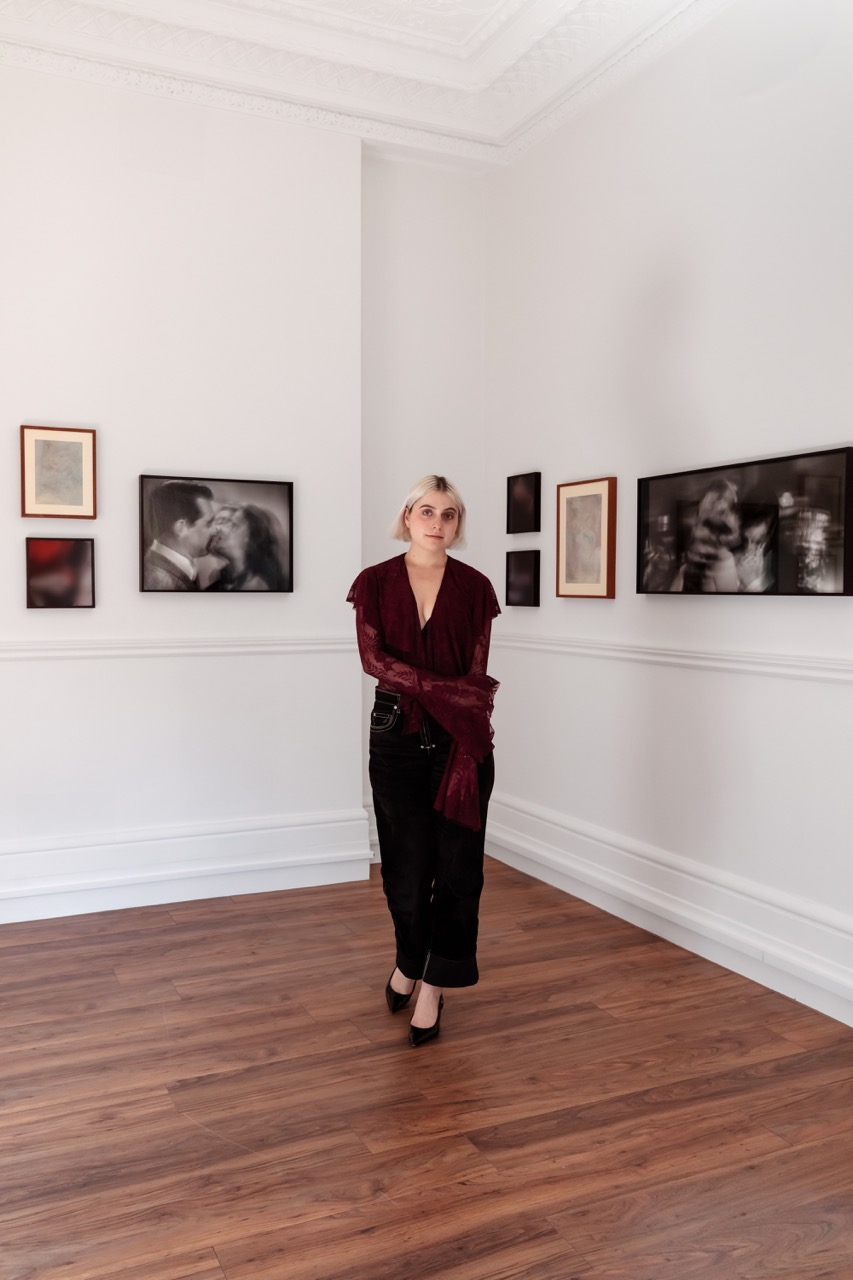
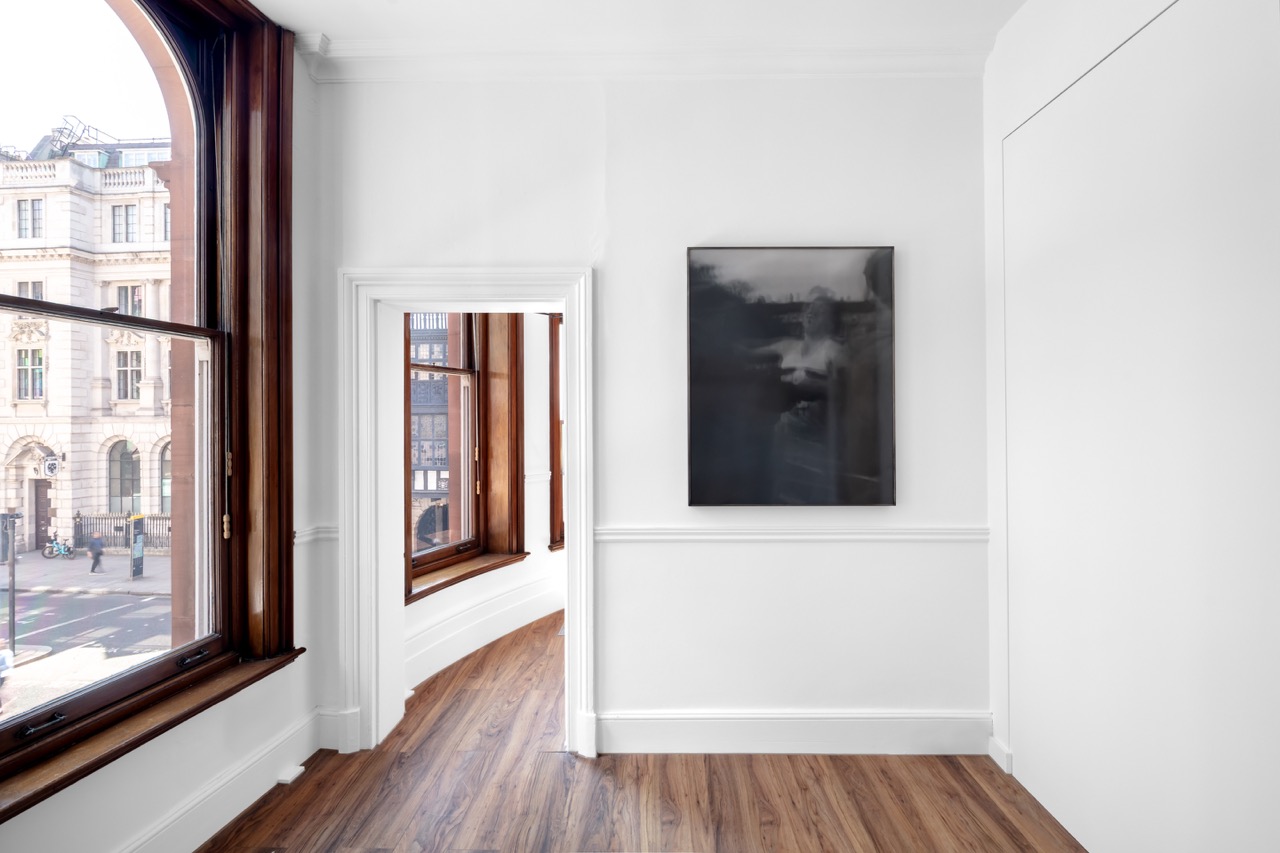
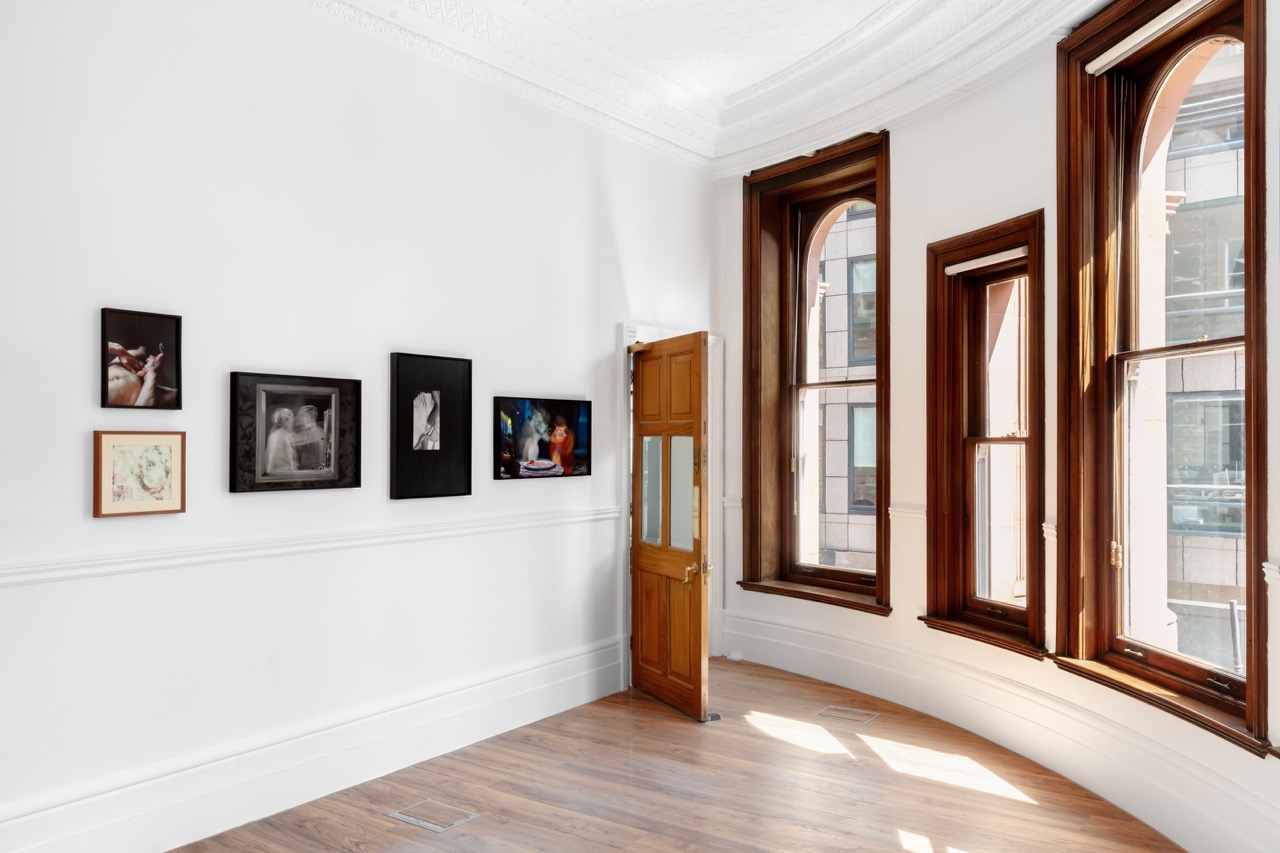
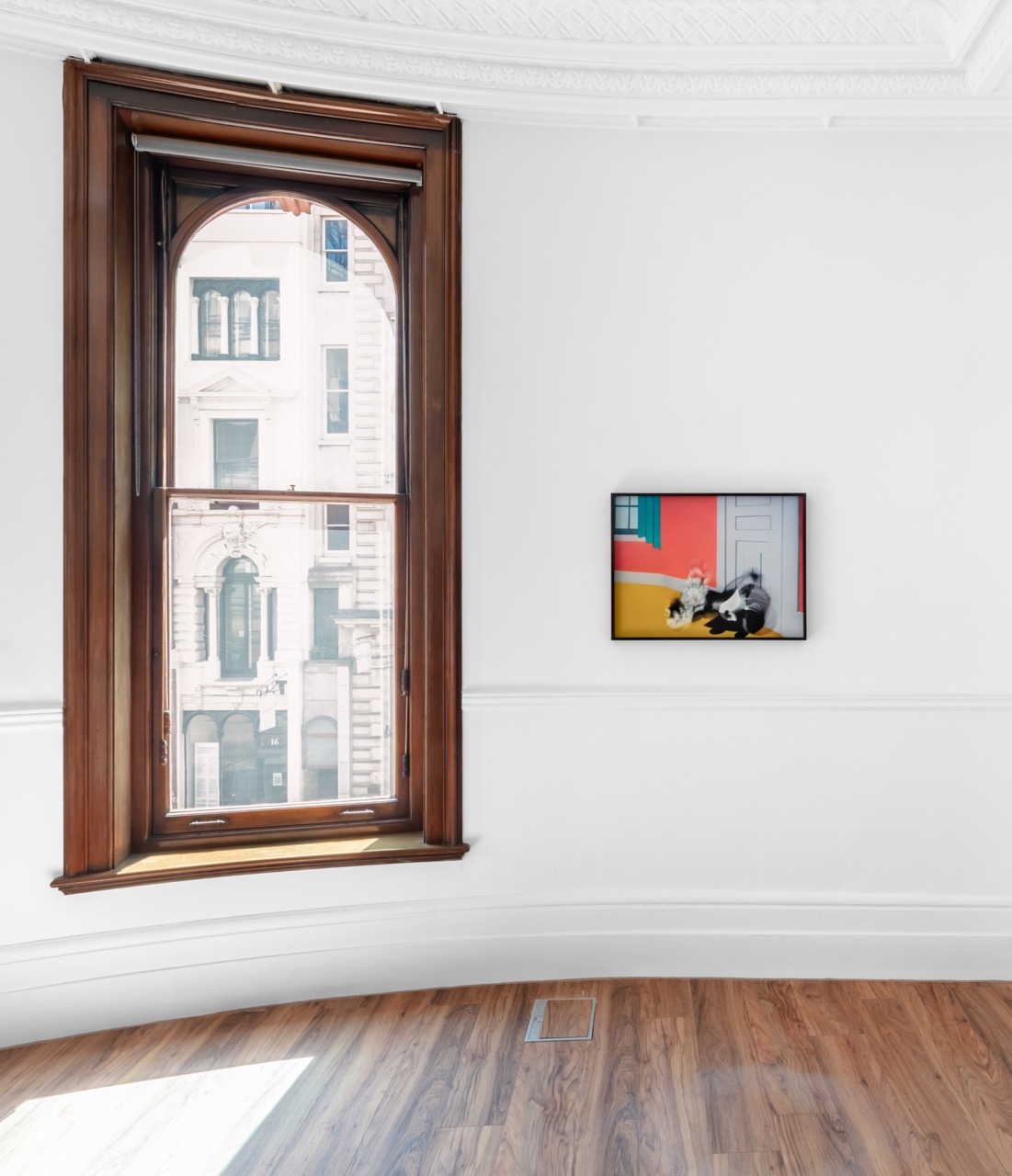
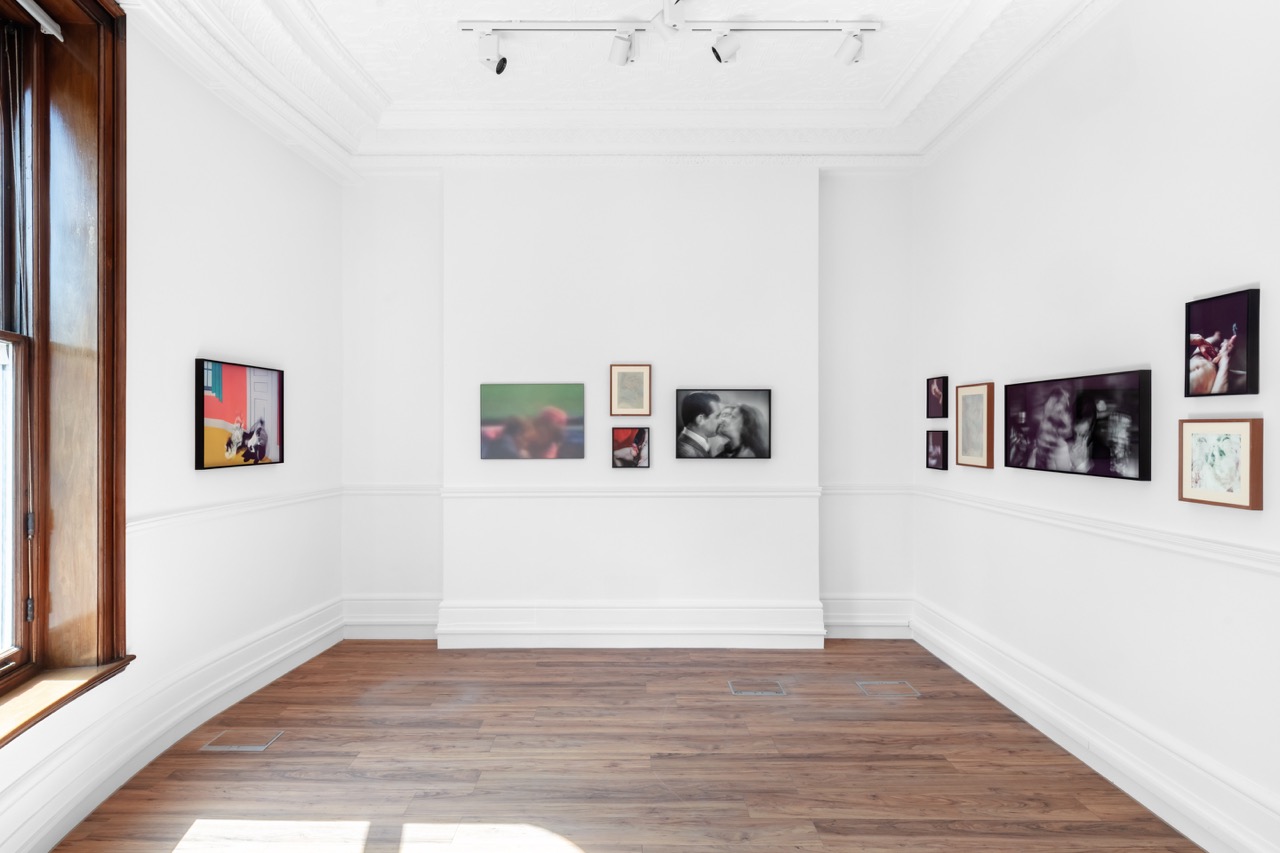
We hang the exhibition. When the first picture finds its way onto the wall, I forget my stomach completely. There’s a new rush in my head now, a feeling of delight. I stand in the corner of the room and watch my installer carefully hang the show according to our plan. We focus the lights and Jason’s pictures start to glow like cabochons on the wall. The conclusive moment soaks me through. I squeeze my arms across my chest. I squeeze my eyes and lips shut. I want to hold it in. And now it all begins.
Until now, I’ve treasured the gallery as if it were my secret world. I’ve had some visitors over the last fortnight, but in very private, intimate circumstances. To think that I’ll share the space with everyone I know tonight feels incredibly disarming—almost impossible. The hours between 6am and 6pm are filled with final preparations: polishing pictures and preparing bundles of printed matter about the exhibition to hand to guests at the door. The pathetic fallacy couldn’t be scripted. A sharp outburst of hail, then perfect sun; a gloomy downpour followed by clear, fresh air.
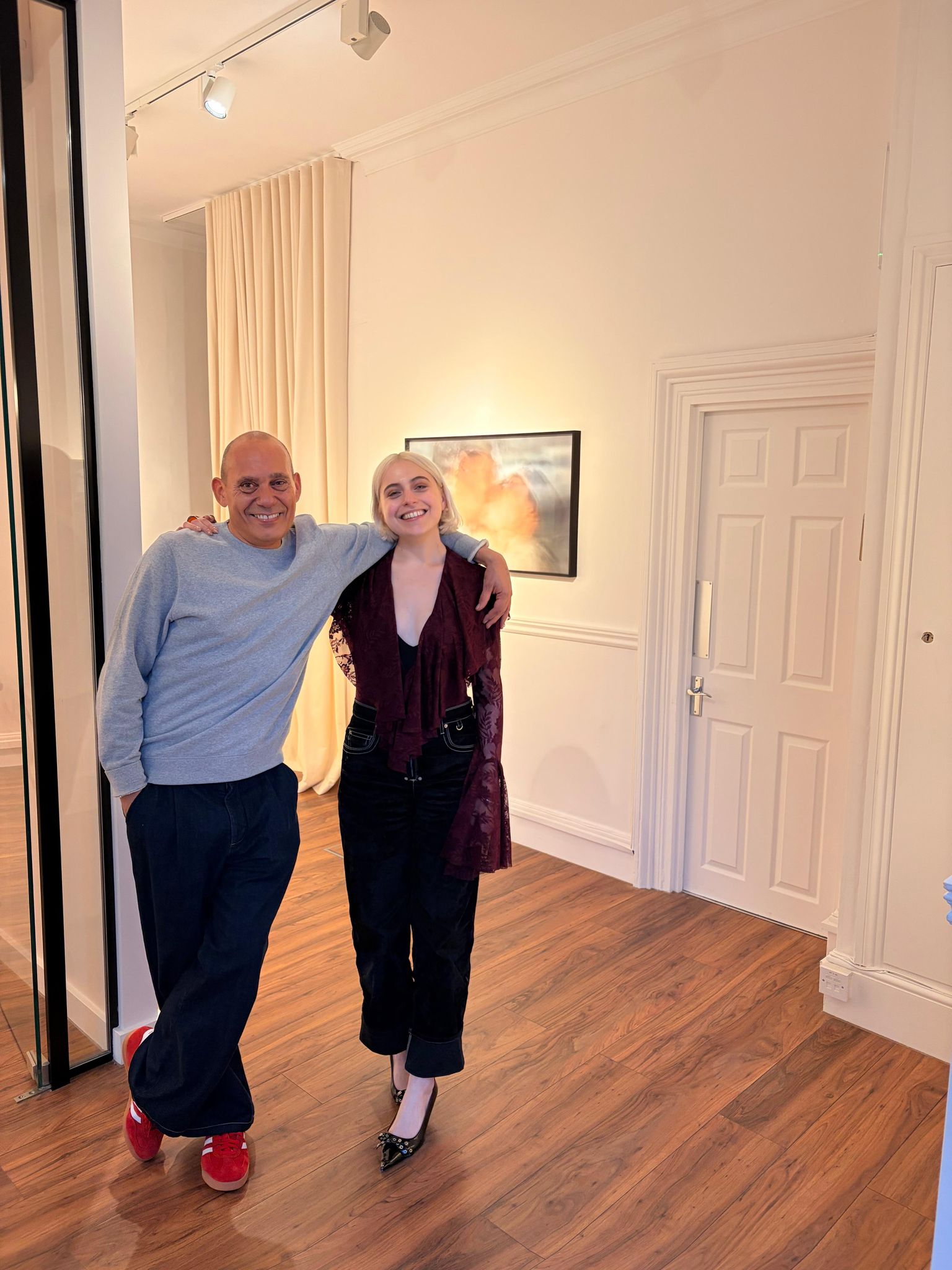
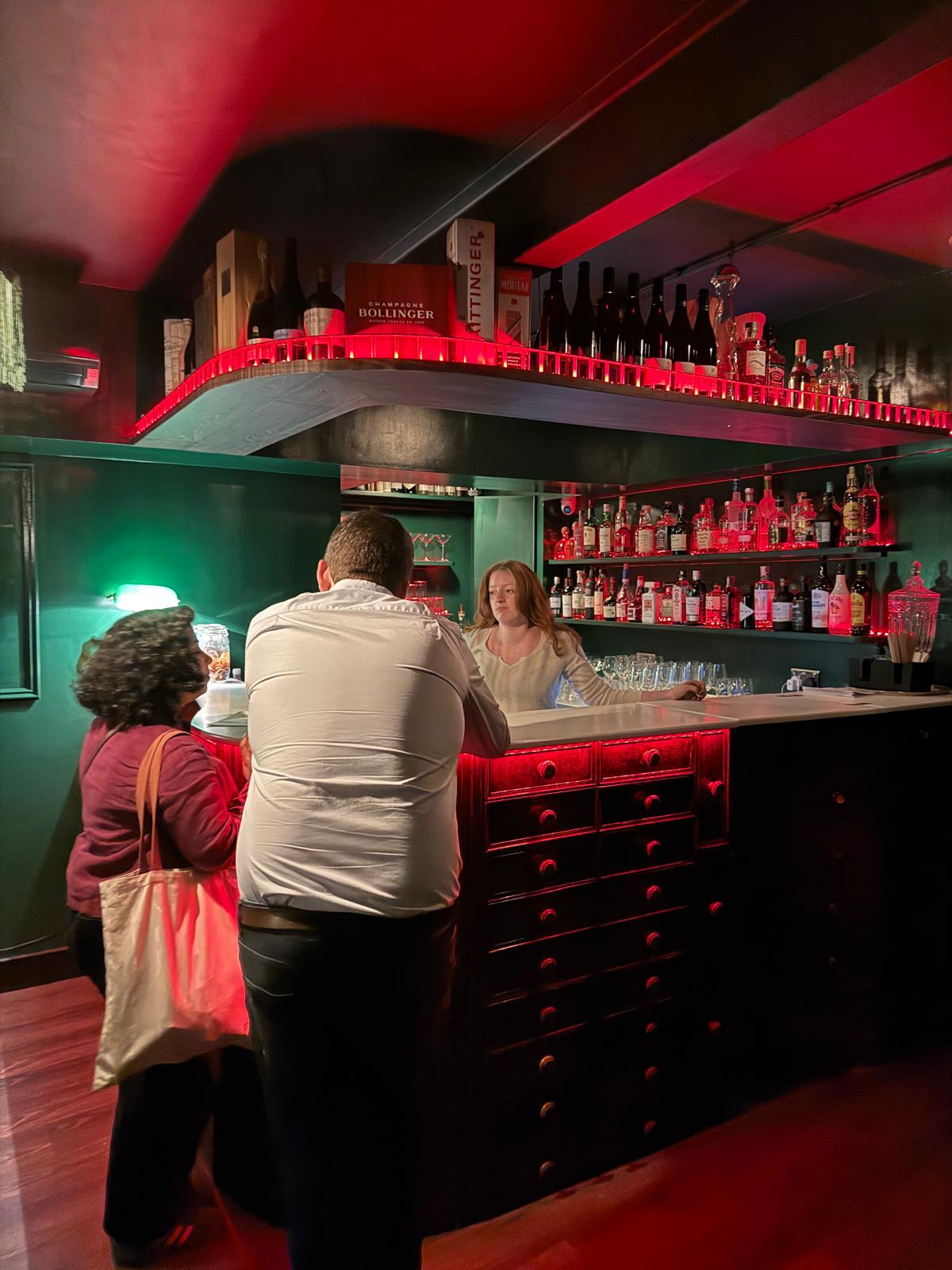
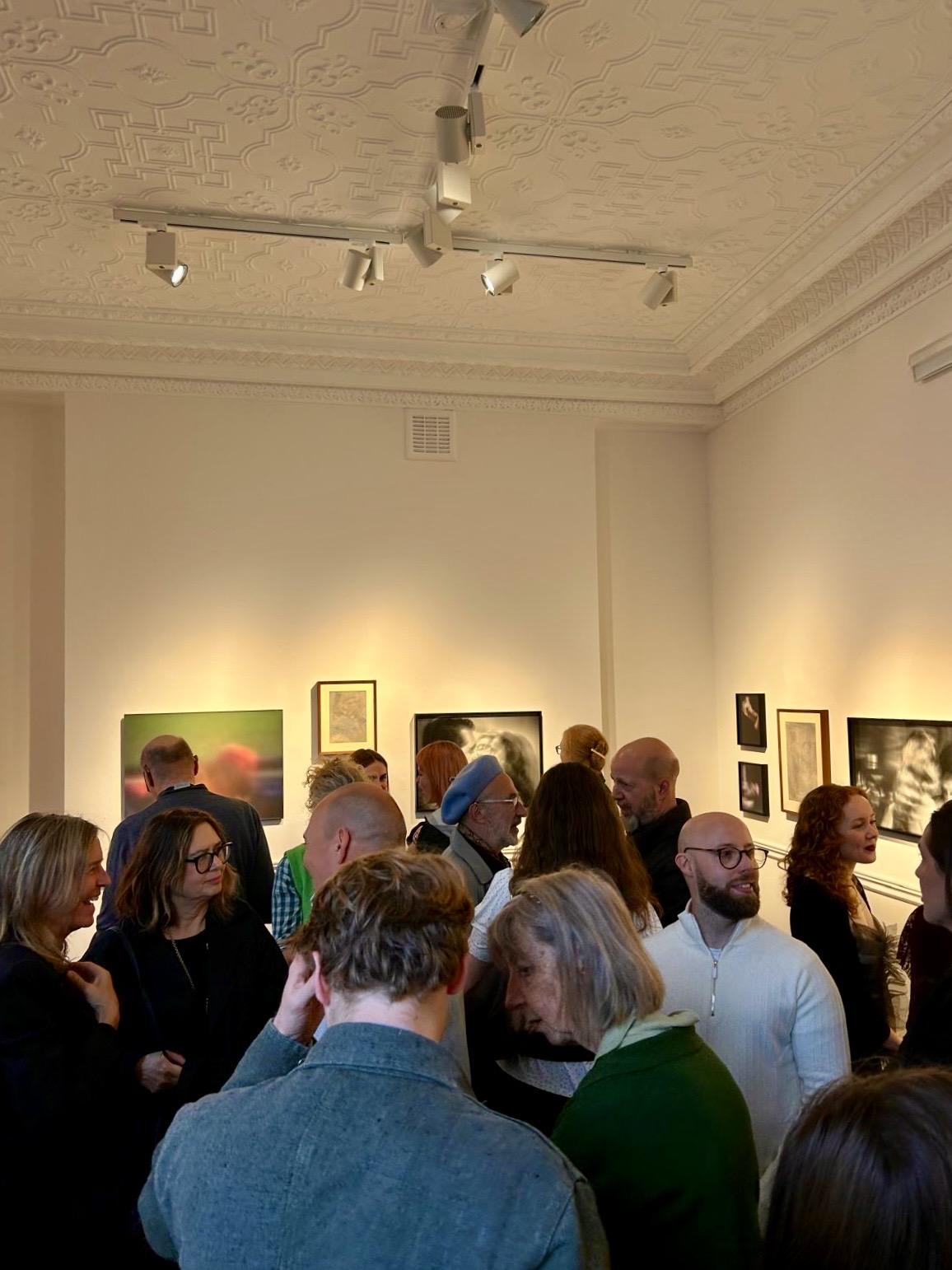
The invitation says the party starts at 6pm, but a gentle trickle of early visitors arrives at 5, wishing us well and dropping off flowers before disappearing into the bright evening. The trickle becomes a stream, then a torrent, then an ocean. Soon the gallery is scintillating with hundreds of family and friends — new and old — as well as patrons, artists, and writers. Bodies pour into every square inch of the room. After enjoying the show, guests shuffle down the stairs and through a door into the hairdresser’s on the ground floor of the building. They are guided past the wet-haired women in the salon, through the heavy air and smell of burnt hair, before descending another steep flight of stairs. Here lies Fleet Street’s best-kept secret: a vast, cavernous speakeasy with a delicious cocktail bar. It’s a total fever dream.