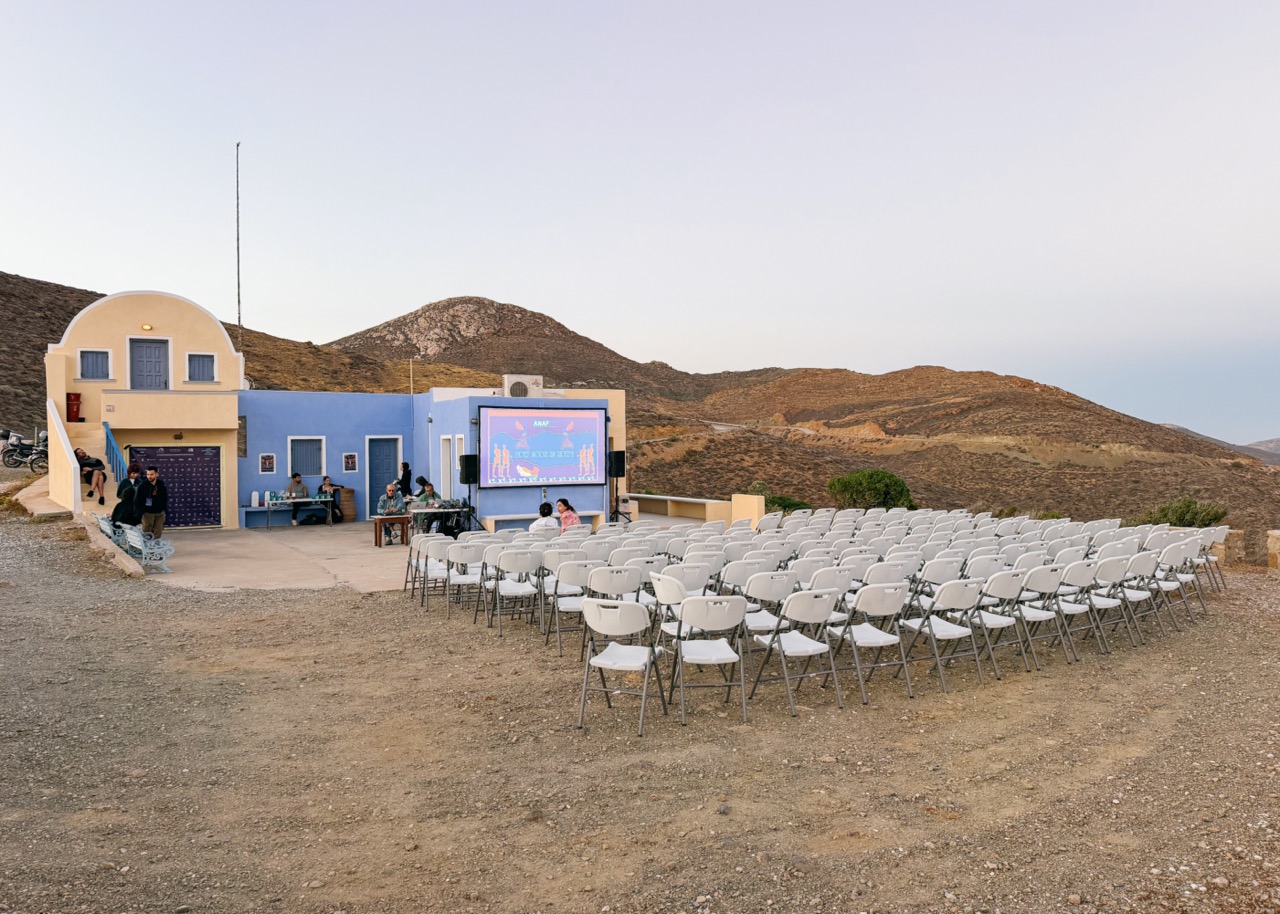
Inside a film festival on the edge of the Aegean



Get unlimited access to all our articles for just £3.50 per month, with an introductory offer of just £1 for the first month!
SUBSCRIBEFounded by filmmaker Stelios Christoforou in 2023, the Anafi International Film Festival gathers established and emerging filmmakers on a picturesque Greek island. Photographer Arnolt Smead attended this year’s edition, capturing the festival in a photo dispatch and short essay reflecting on this year’s edition—whose programme focused on dreams and displacement.
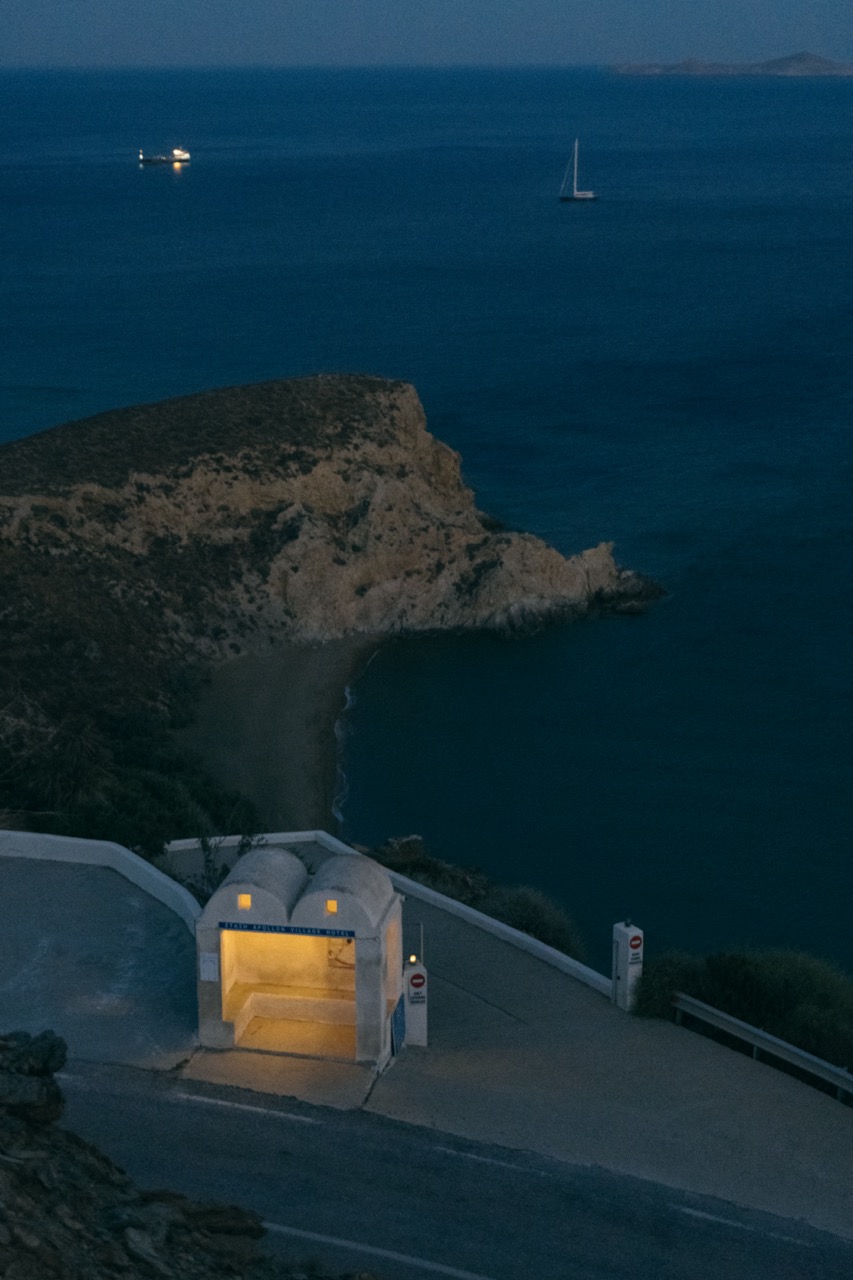
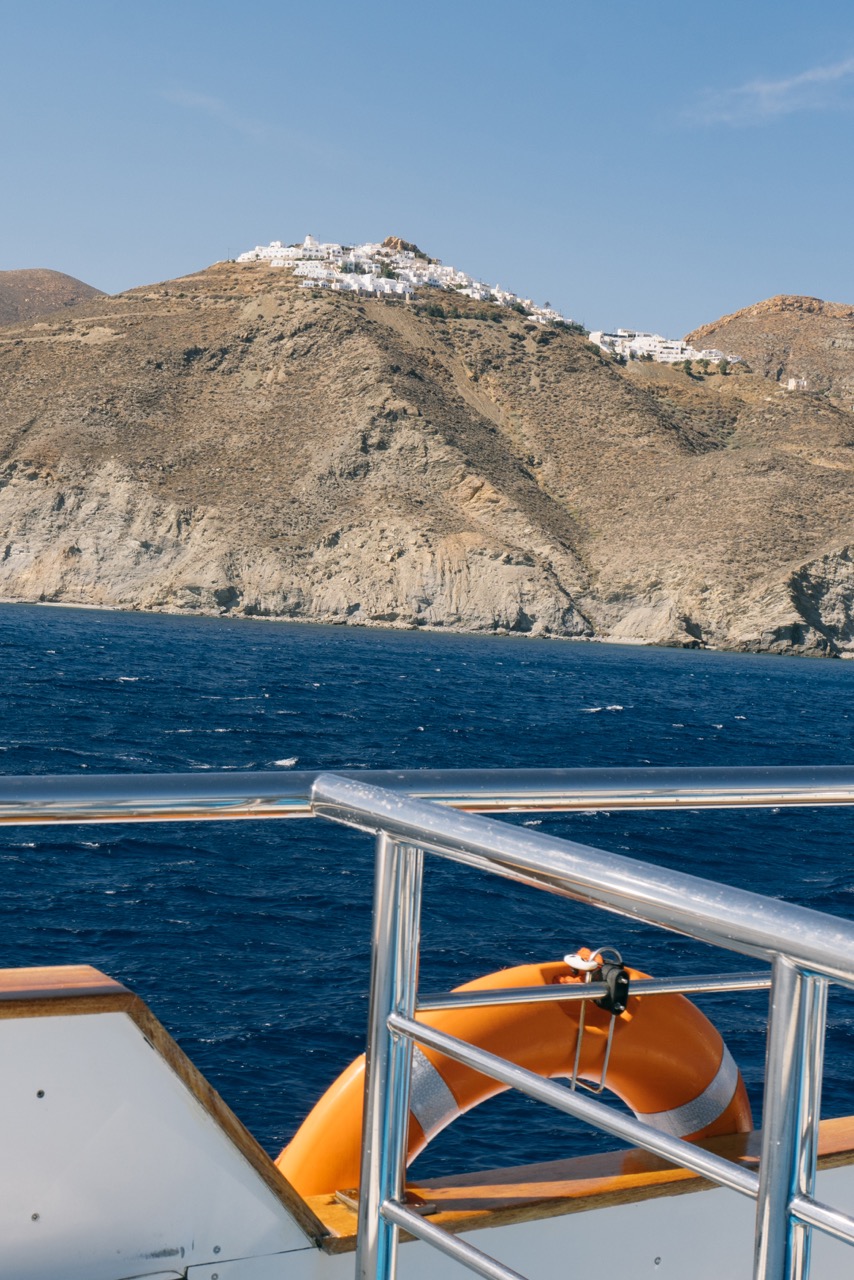
The ferry to Anafi leaves when it leaves. In Greece, this is not always the same thing as the time printed on your ticket. Ours finally pulls away from Santorini several hours late. The island recedes and then for a while there is no land at all. Just the Aegean in every direction. When Anafi finally comes into view, it is a small rock in a lot of sea. The Argonauts supposedly saw something similar. Lost at sea in complete darkness Apollo cast light on Anafi with his golden bow, giving them somewhere to land. Anafi is just 38 square kilometres, much of it bare sediment and steep mountains. Communists and political dissidents were once sent into exile here. Now people return every summer for the nudist beaches, the freedom and perhaps the fact that Anafi still takes real effort to reach. Not the obvious place for a film festival, which is precisely the point.
Anafi International Film Festival was started by filmmaker Stelios Christoforou in 2023. He first came to the island at age 17, returning the following summer to work. He had just finished his first short, Sammer. “One evening we organised a small private screening, just people sitting together watching a film under the night sky. I remember looking around and thinking how naturally cinema belonged here. There was no separation between the film, the people and the place. The island became part of the experience. That was the moment I realised I wanted to bring other filmmakers to Anafi to experience this.”
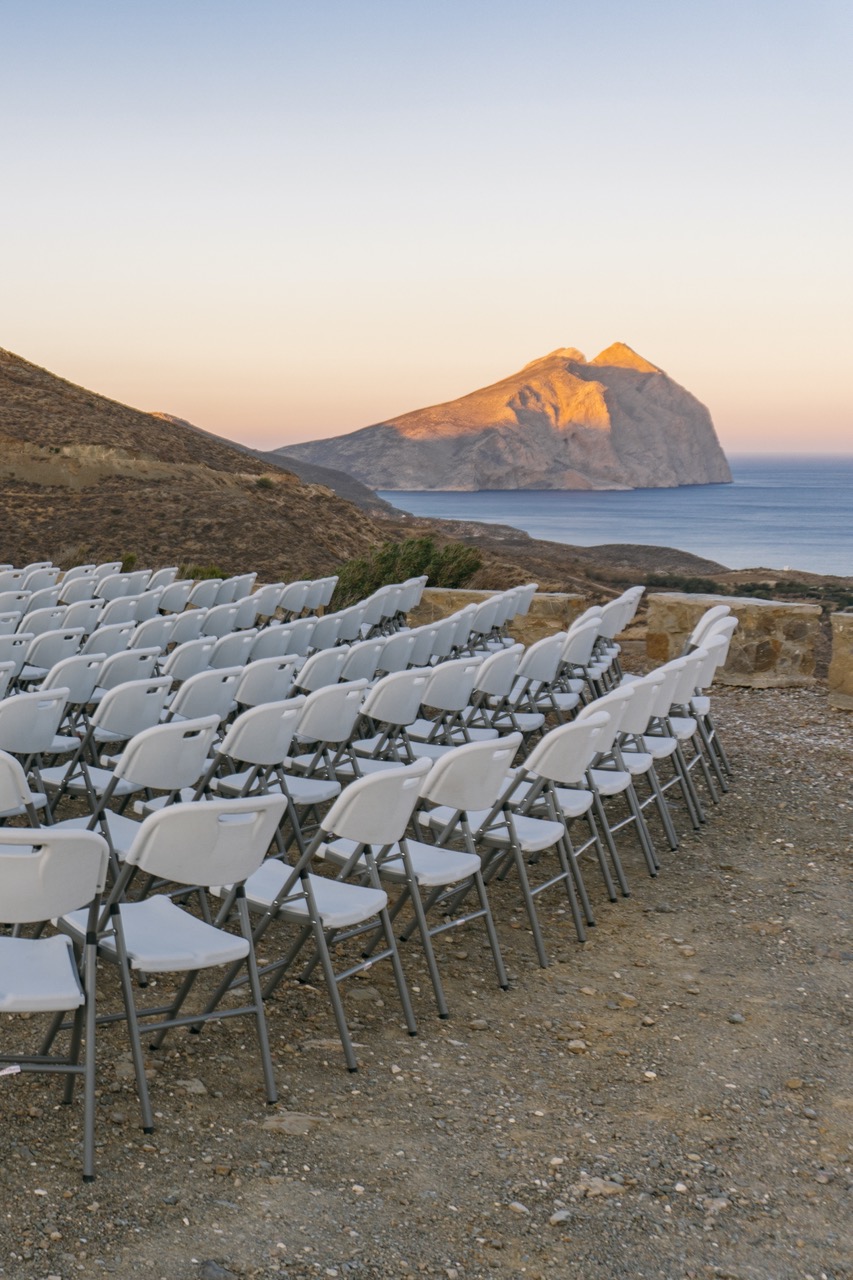
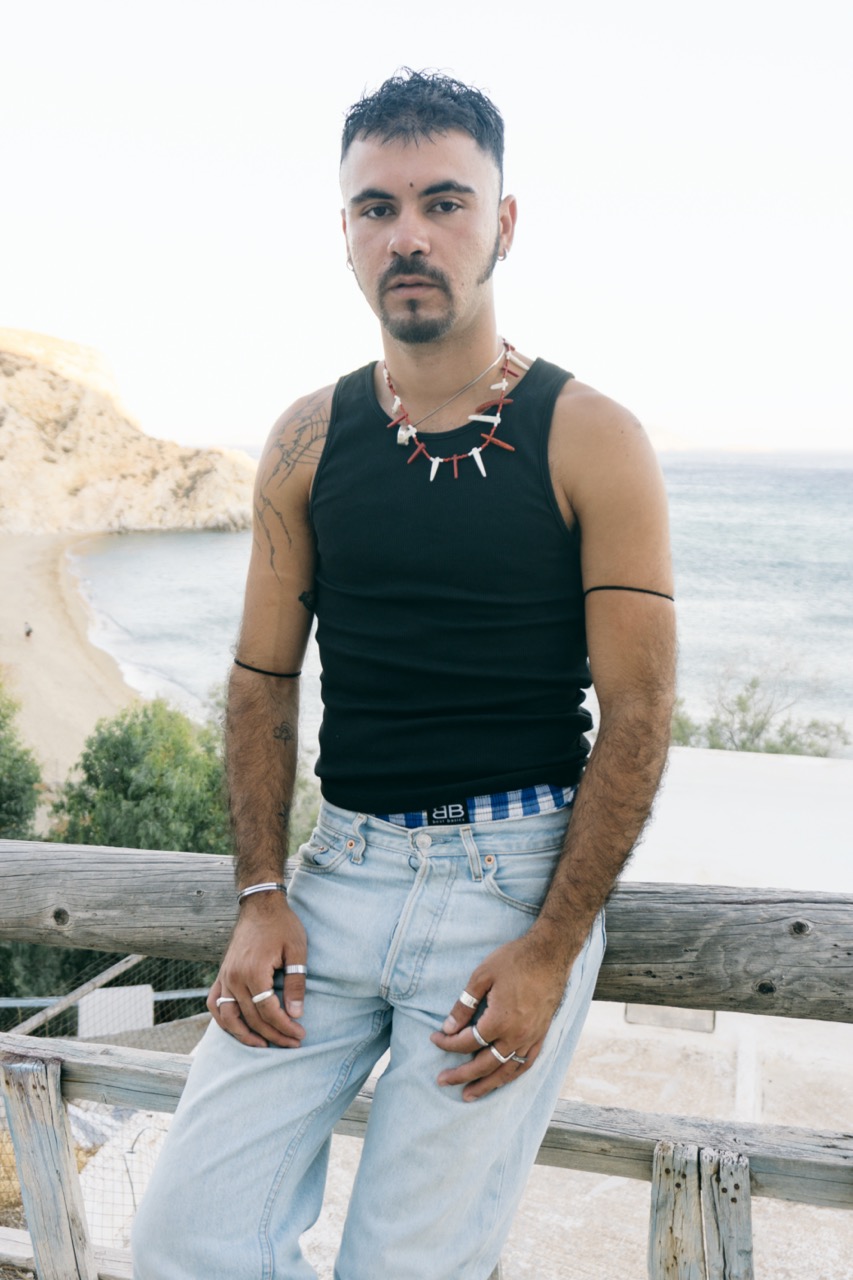
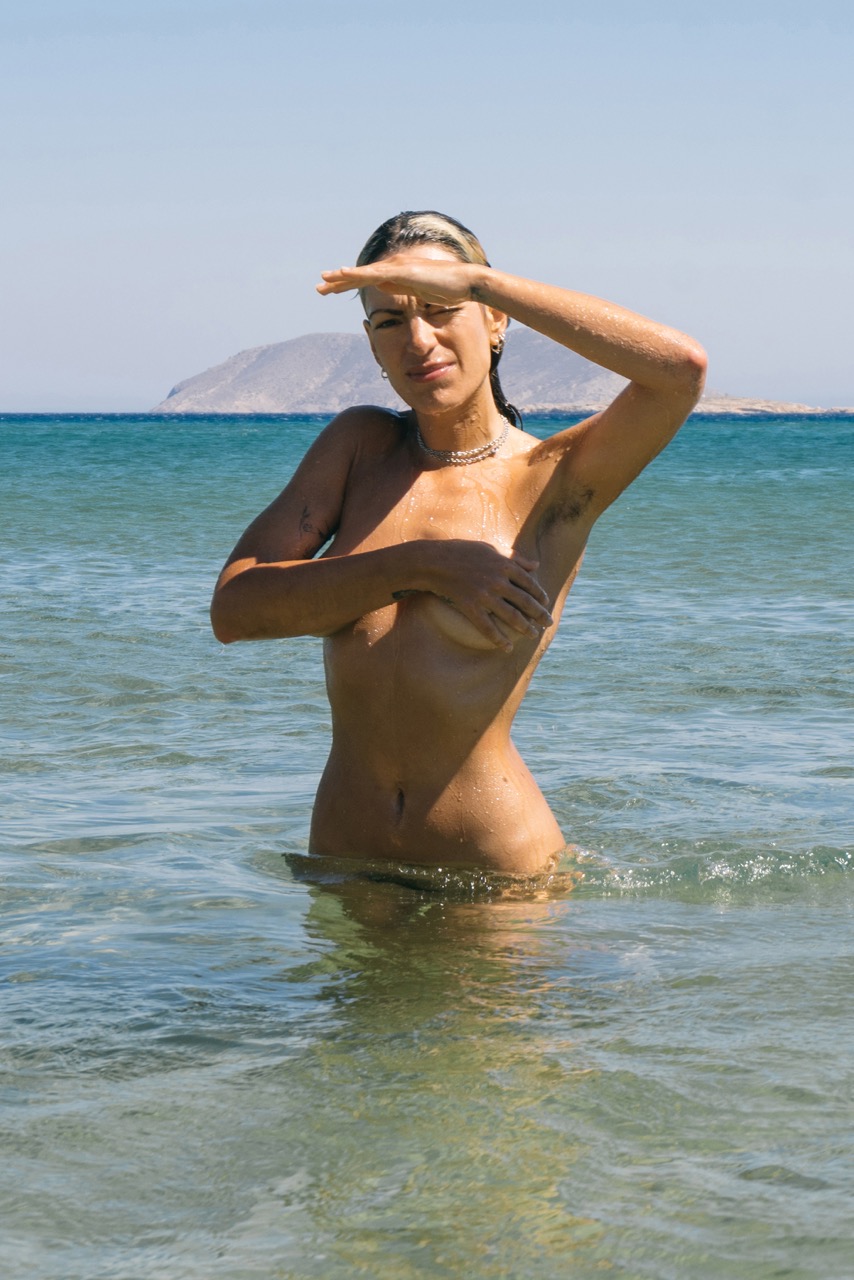
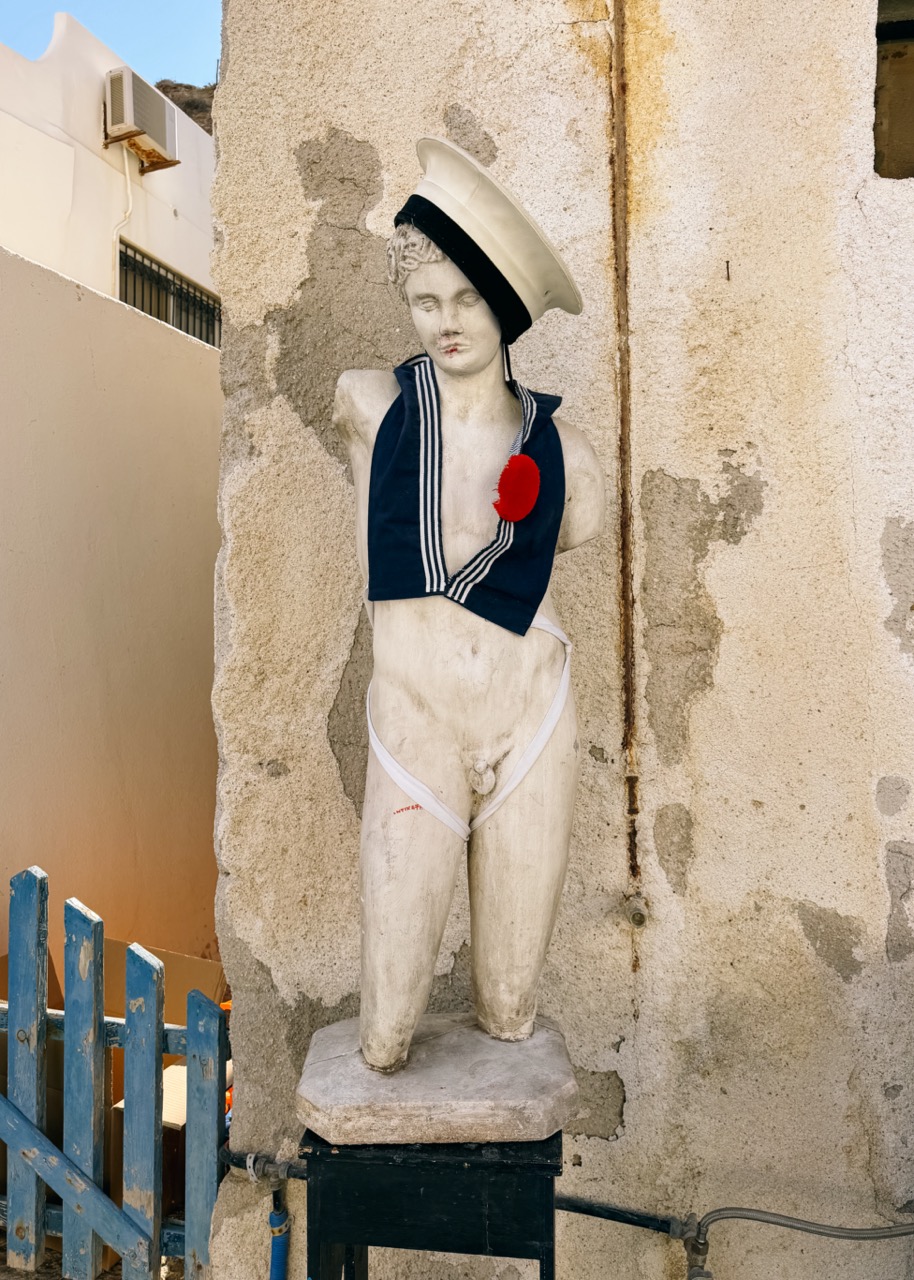
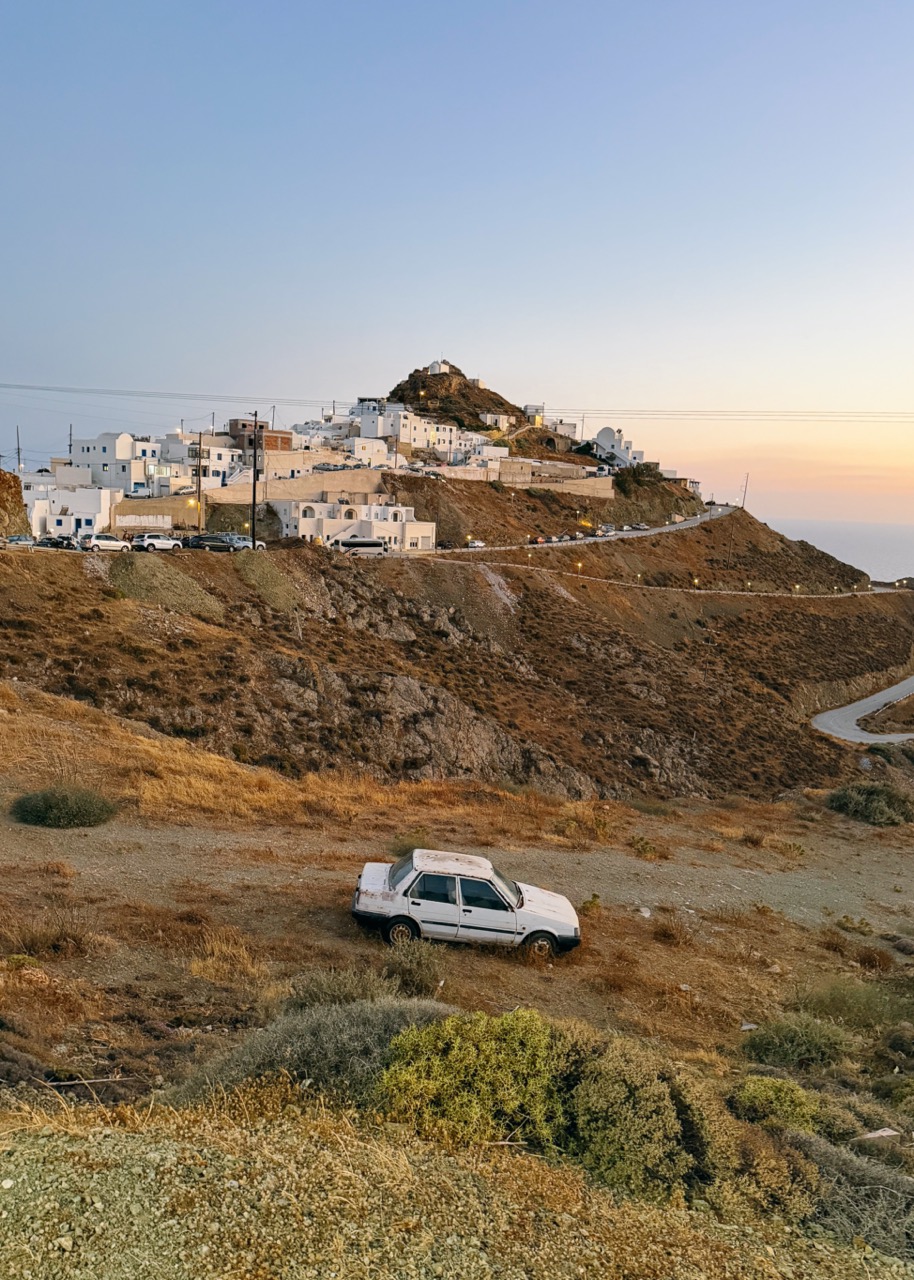
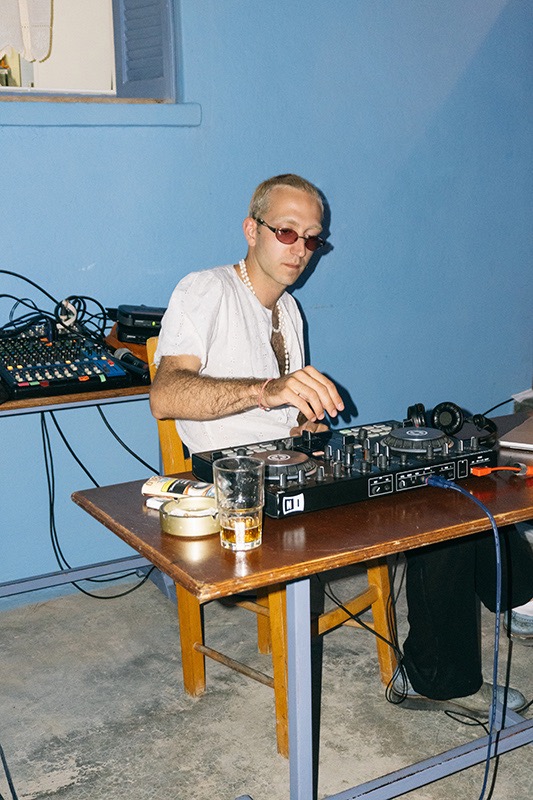
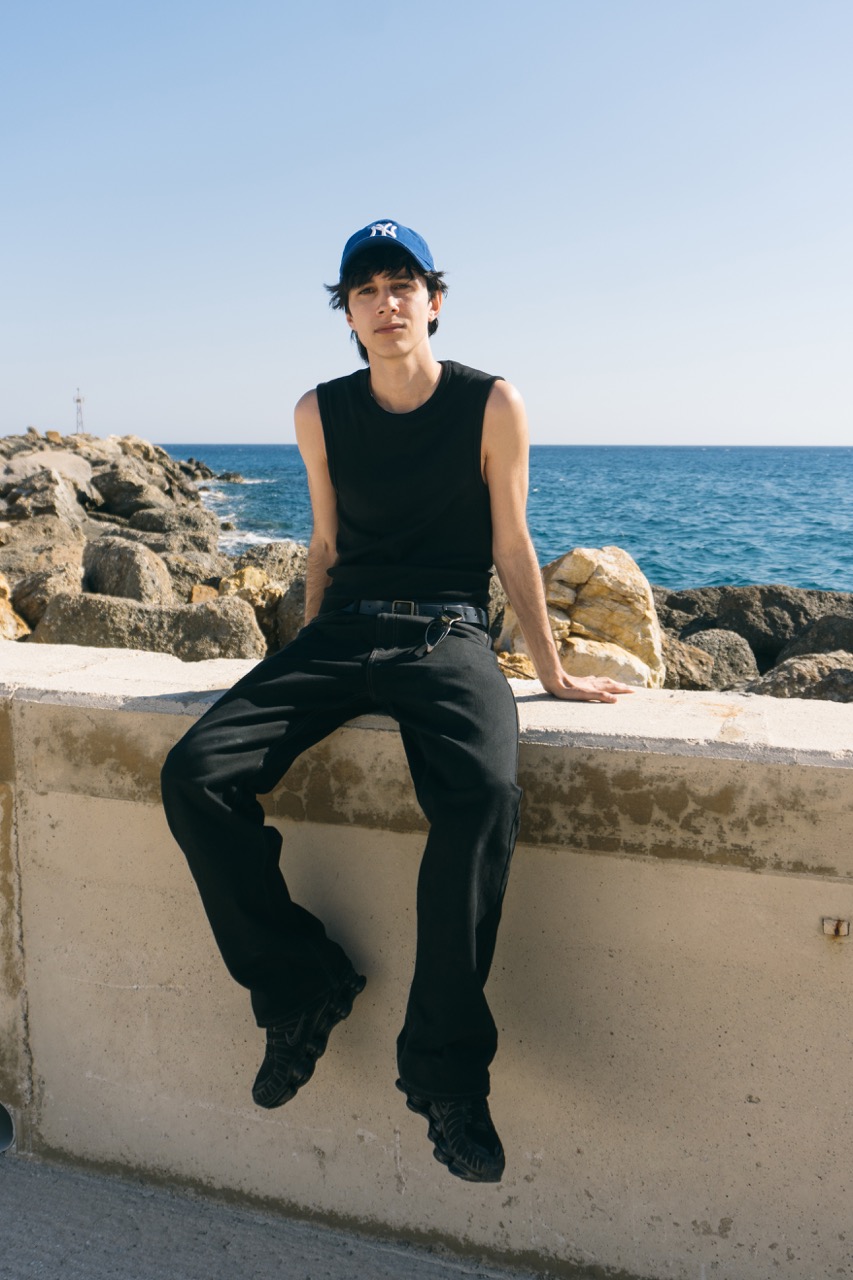
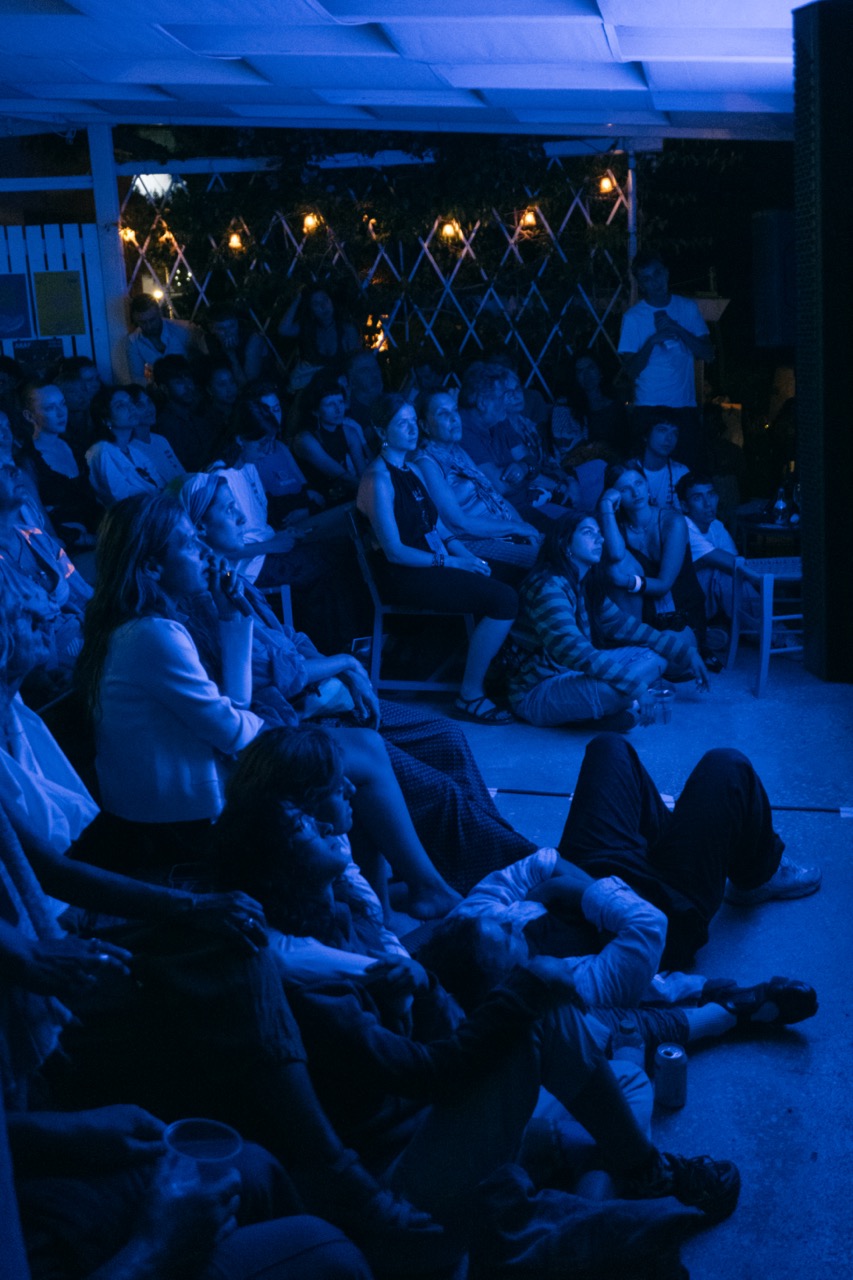


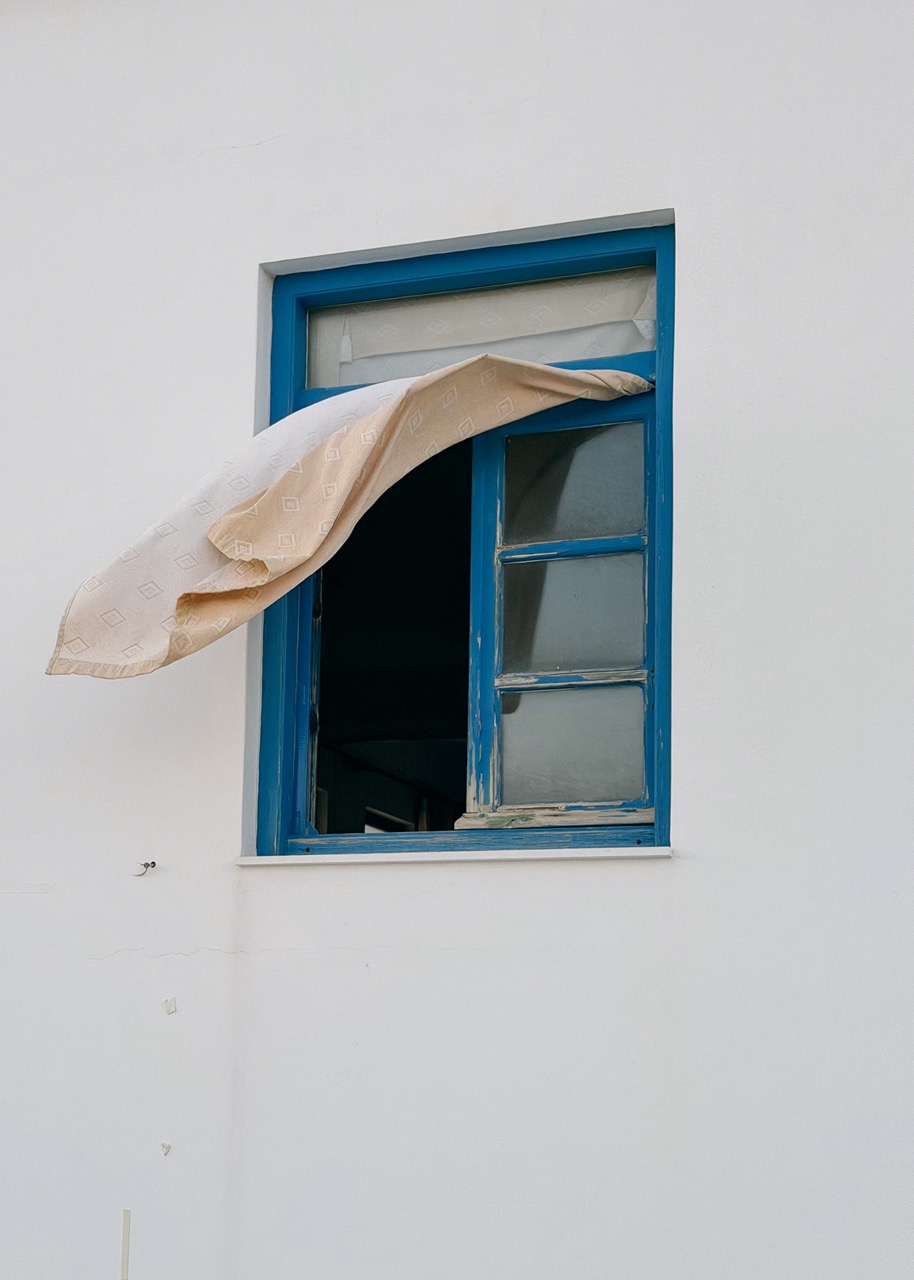
Years later, that original idea still holds. The festival moves between the cafeteria and sports field of the local school and the island’s bars and late-night haunts. There are sessions on storytelling and production, AI and VR, alongside performances and films. The programme is carefully put together, but it also has to bend to the island. Not least because of the wind. It tears across the mountains through the streets of Chora and makes itself particularly unpopular during outdoor screenings. Microphones erupt into screeching feedback. The projection screen moves, taking the image with it. No-one really minds.
This year’s edition, which took place in June, was titled ‘How Soon Is Now?’ and covered themes such as dreams and memories; displacement and uprising; non-conformist love and queer becoming. Early in the week, Programme Director Stavros Markoulakis gave the audience one instruction: “Let these films wash over you and watch them with your heart, not your mind.” One film, The Insufferable Weight of Being a Fourtheen-year-old Murderer by Yannis Mohand Briki, unfolds entirely inside ‘The Sims 2,’ another, Vox Humana by Don Josephus Raphael Eblahan, tracks horses through the mist with the sensibility of a music video. Gay vampires turn the rituals of hook-up culture into a hunt in Time to Go by Renzo Cozza. Fragments of Palestinian life emerge through architecture, landscape and voice notes in Aïda Kadaan’s Another Day Shall Come. The films tend to be abstract, explicit, funny and difficult. You have to lean into them.
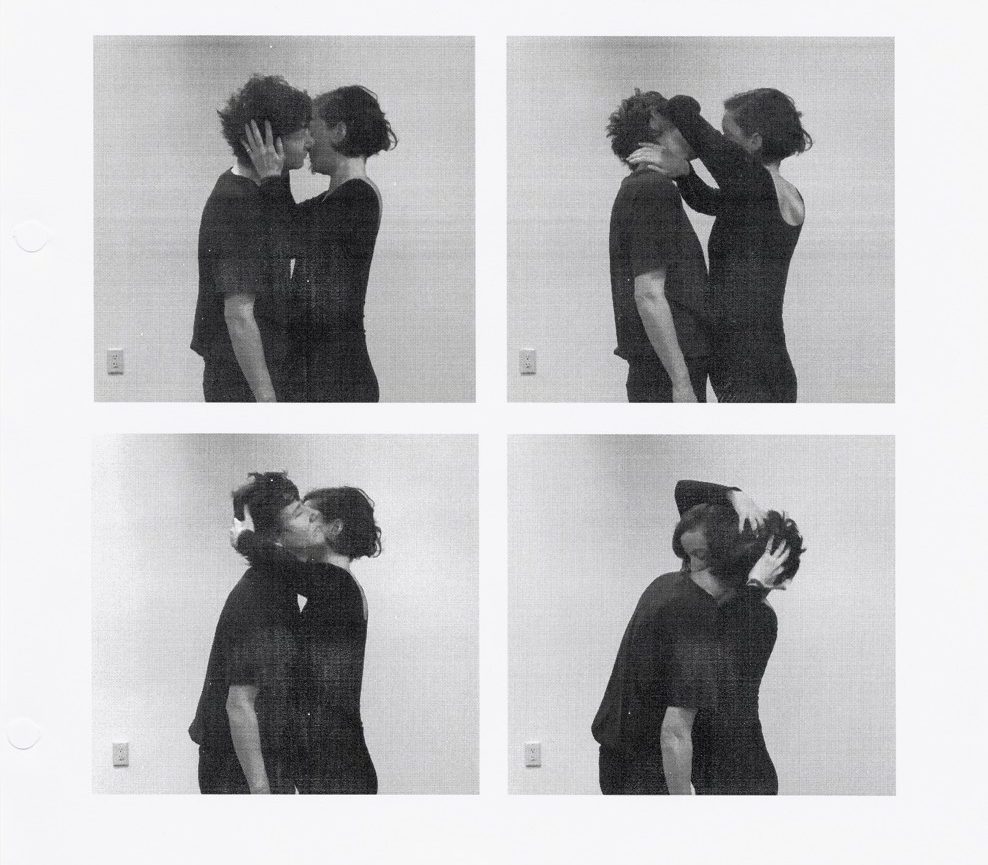
The programme is not set in stone but shifts as the week goes on. When acclaimed Greek director and choreographer Dimitris Papaioannou arrives with a preview of This That Keeps On—a surreal performance of moving, morphing bodies—it is added at the last minute and is screened well beyond midnight in a packed room that remains unusually still.
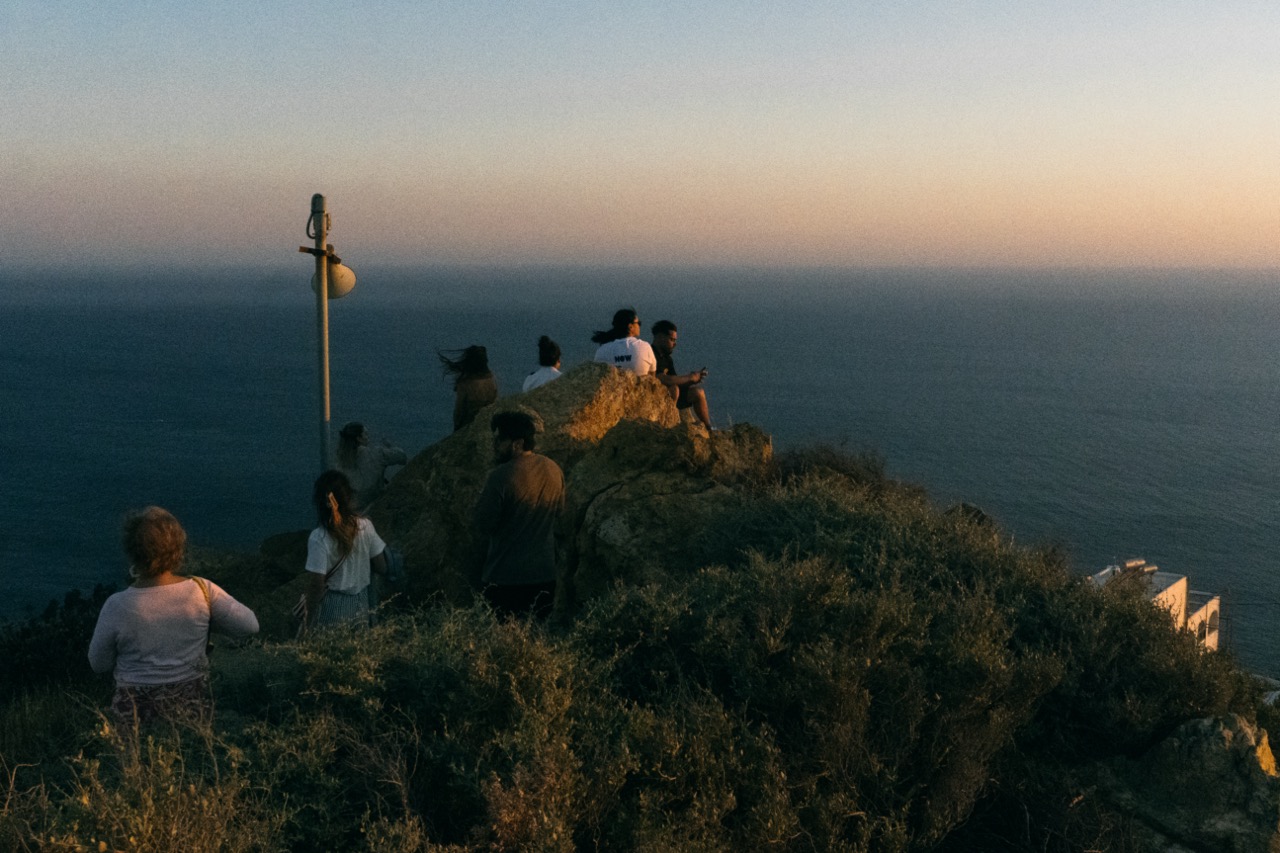
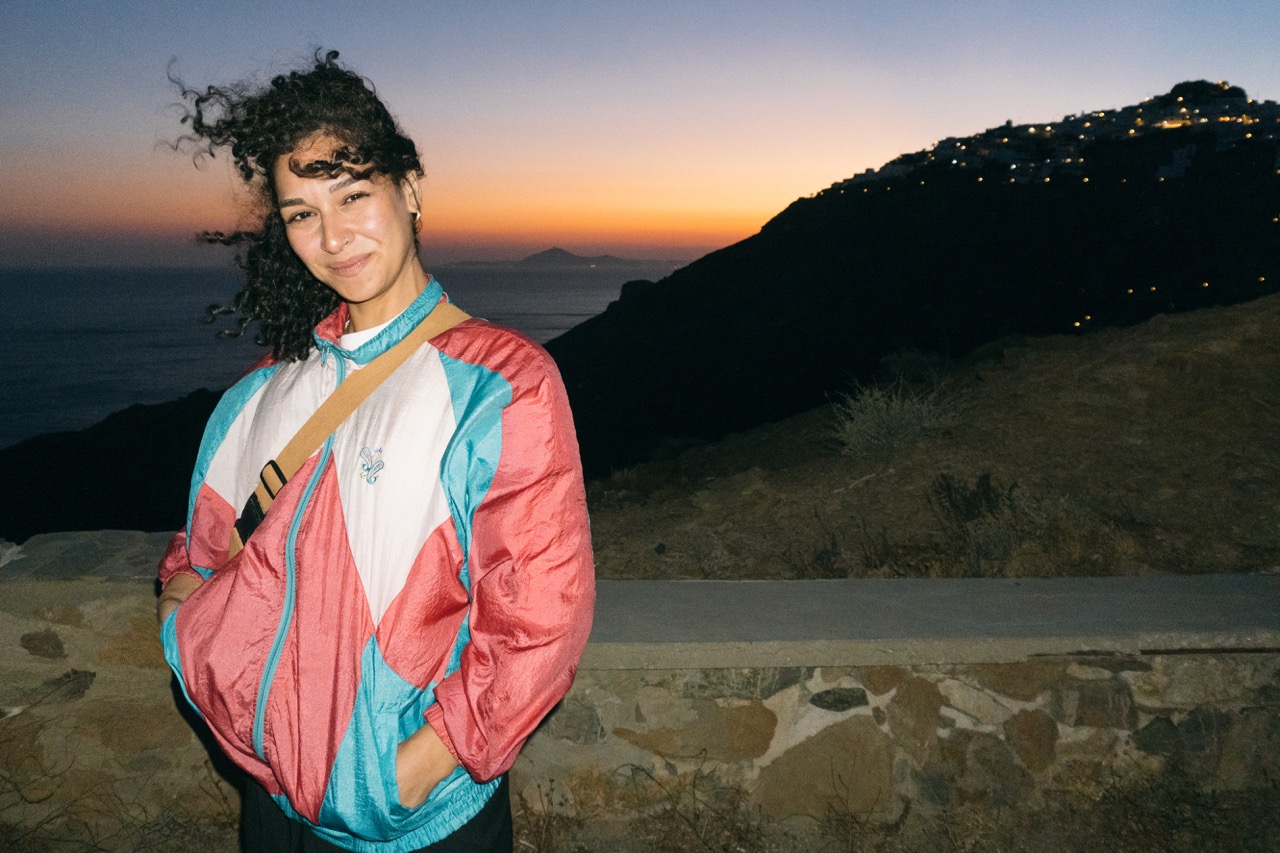
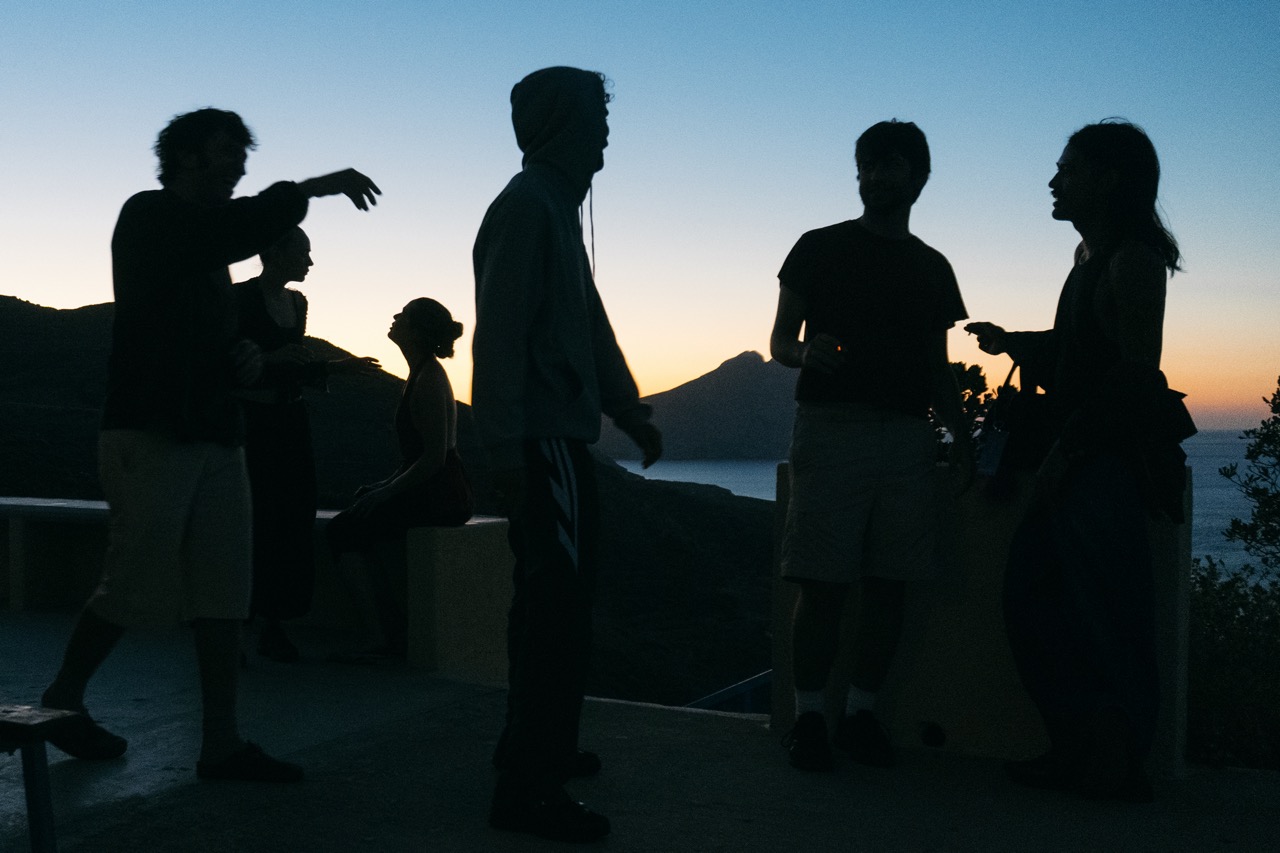
Gathering for sunset. Image: Arnolt Smead
But much of the week belongs to filmmakers still making their name—from across Europe and beyond—including a striking generation of experimental Greek voices. Evi Kalogiropoulou’s Gorgonà, one of the festival’s few feature-length films, takes female power, attraction and Greek myth into the industrial wasteland of an oil refinery. “I don’t know if we can call it a new Greek wave, but I hope there is one, and I would be happy to be part of it. There are many talented new Greek filmmakers with distinct voices and very different styles, and it’s exciting to see their work being recognized at festivals around the world,” Kalogiropoulou says.
The festival draws both recent graduates and those who have already shown work at Venice and Berlin. For a few years, the same people will meet in different places with new films. Some will break through. Others will go back to jobs that pay the rent. But for now, everyone is on Anafi and that changes how films are watched.
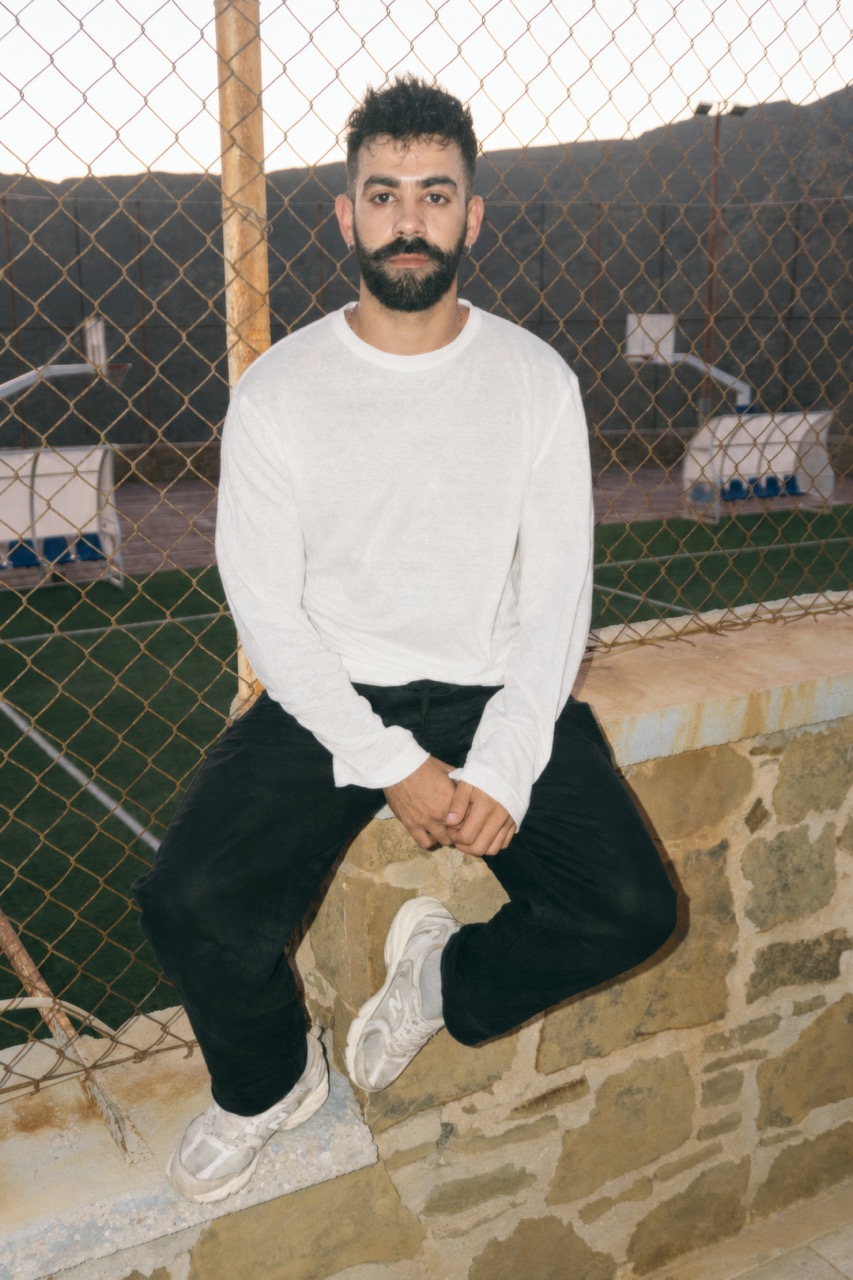
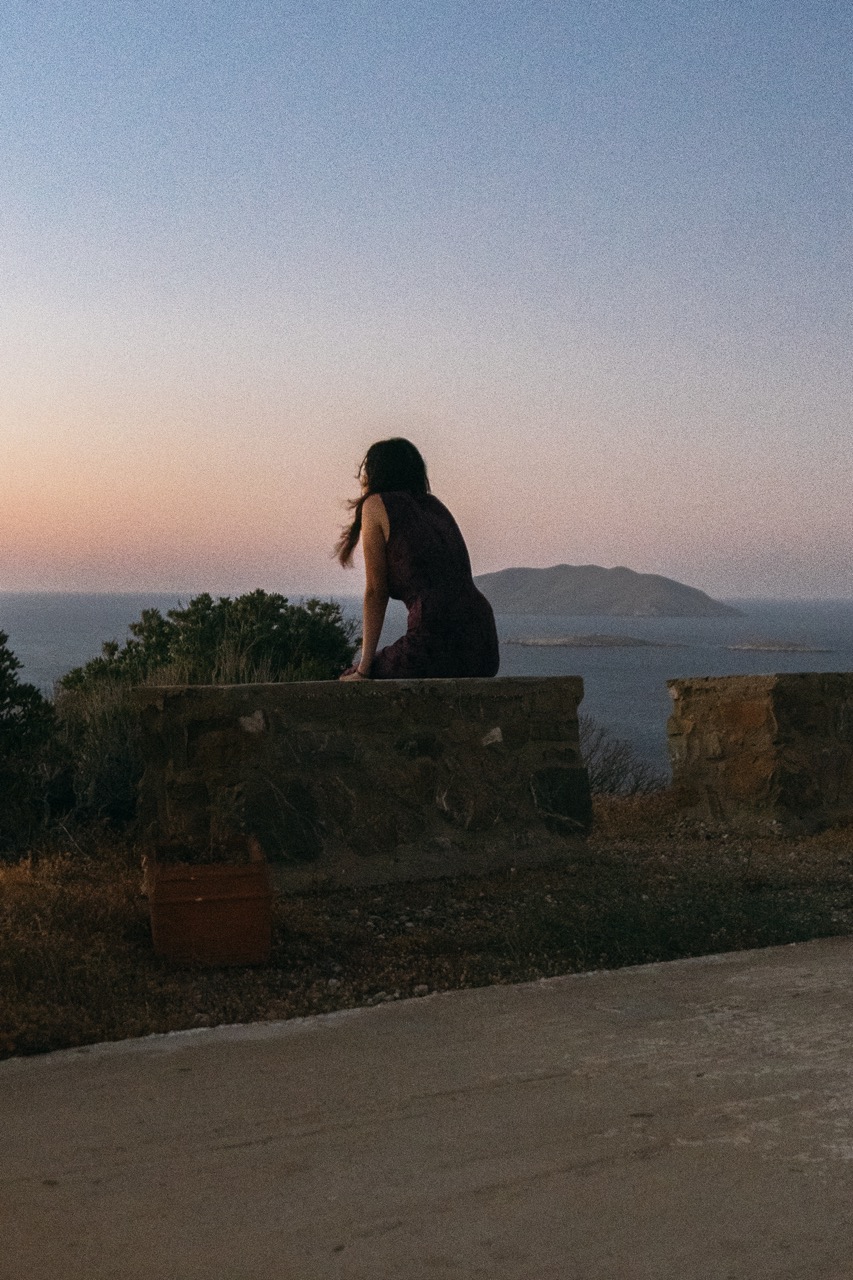
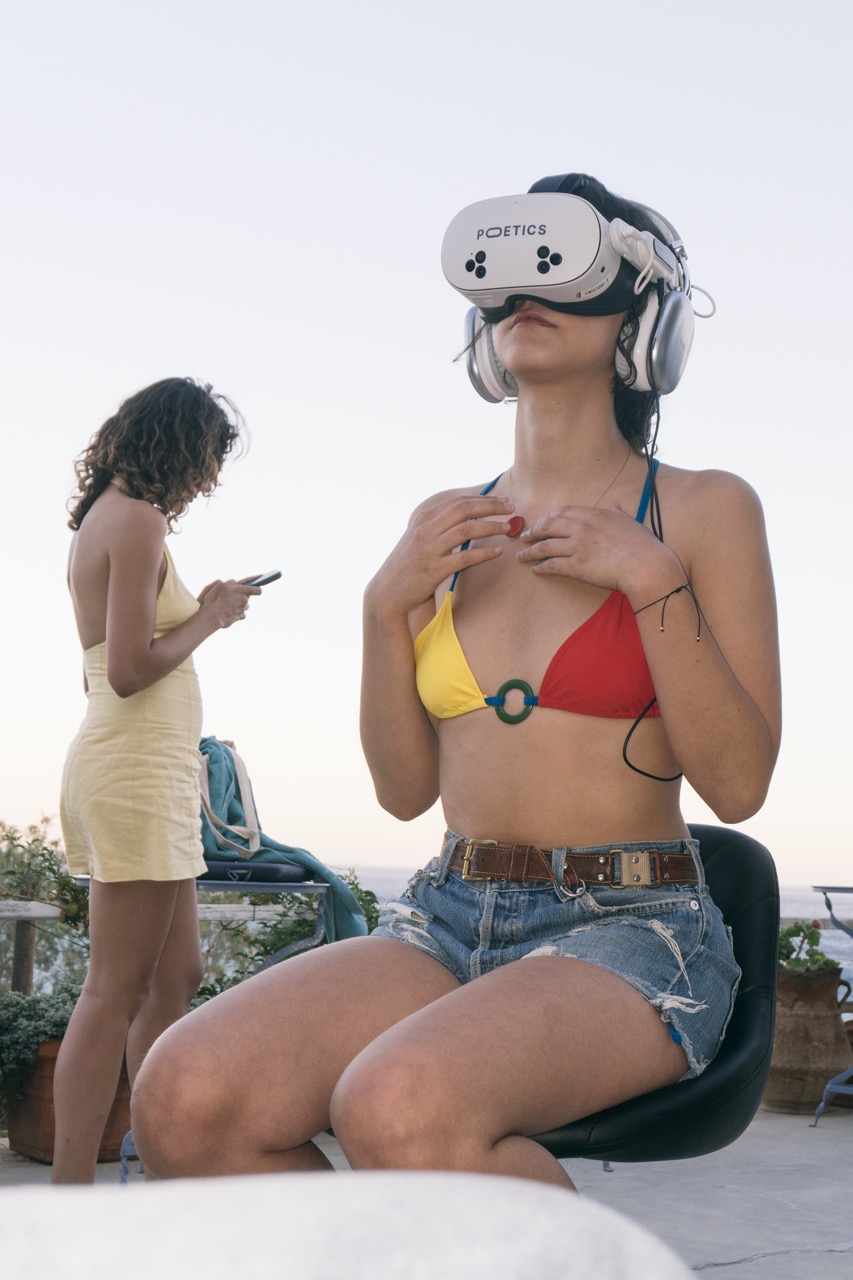
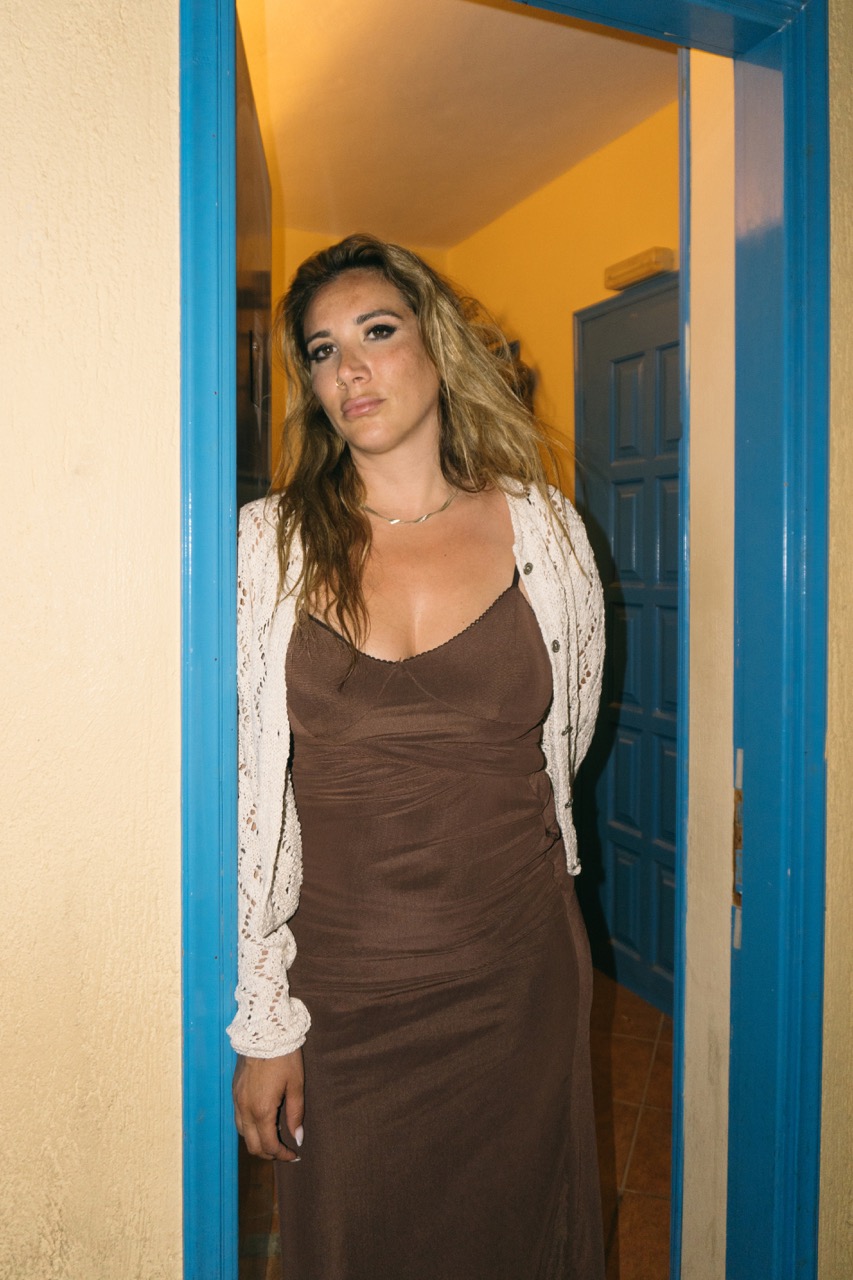
Spanish filmmaker Christian Avilés brought Stallion and a Crystal Ball, a story of queer adolescence, fantasy and desire. “It feels deeply communal. For a film that comes from a sentiment so aggressively repressed, it is a joy to be seen and to see others receive it in the same vein, under the same weather.”
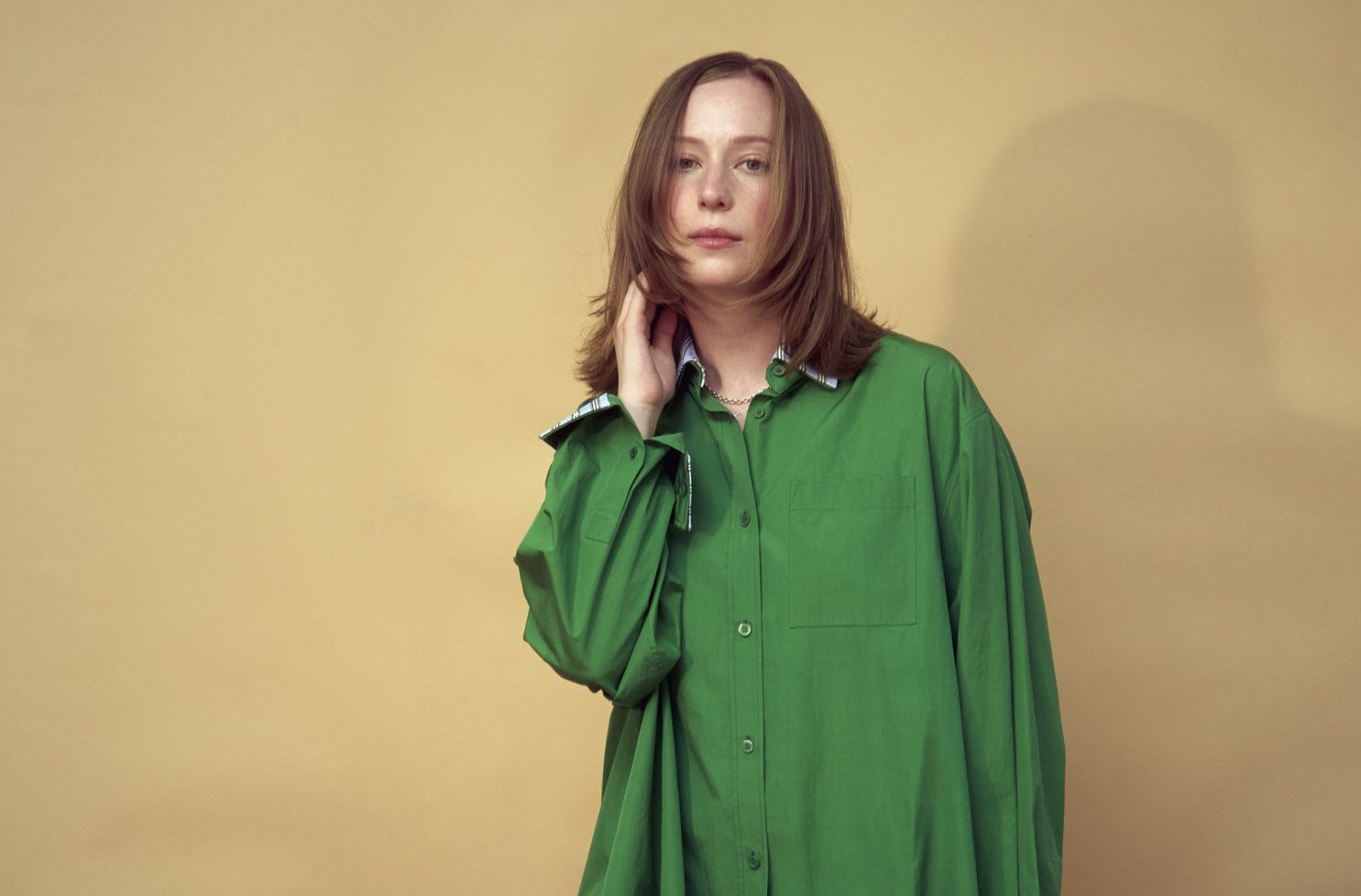
Maya Sfakianaki’s ‘How Many Lovers Can Fit Inside a House’ is an intimate, autobiographical exploration of polyamorous love, sexual freedom and what happens when emotion catches up with both. She knows Anafi well, and left her accommodation in town to sleep on a secluded beach, a counterpoint to her life in London: “A very vibrant and intense city where people are constantly bombarded with new stimuli, opportunities, people, relationships. In places like Anafi, time works differently and you get space and time to think and reflect on what is really important.”
Dancing until sunrise at Madres. Image: Arnolt Smead
Here, time works differently after dark too. At Madres, the parties run until sunrise. An if-you-know-you-know island icon, the club sits on a cliff above the harbour bay, its terrace facing the open sea. DJ Talkstoomuch plays through the night as the black Aegean turns blue and the first yellow and red light breaks behind the mountains. By then, going home seems beside the point.
After a week, Anafi has become small. You know who you will see at the tavern for breakfast and who will still be missing. You pass the same people on the way to the beach, then sit beside them at a screening that evening. Filmmakers become the audience for other filmmakers. It is all temporary, of course. Everyone has a ferry to catch. But it doesn’t always arrive on time.