

The Photographers’ Gallery is inviting audiences to discover Japan through the eyes of its women photographers with its essential new exhibition, Japanese Women Photographers from the 1950s to Now. We spoke with curator Taous Dahmani about the vision behind the exhibition, the challenges of bringing together such a wide-ranging selection of work, and why these photographers deserve greater international recognition.
“What would happen if we re-wrote the history of Japan through the lens of its women?” This is the question curator Taous Dahmani is asking with her thrilling new exhibition Japanese Women Photographers from the 1950s to Now, currently open to the public at The Photographers’ Gallery in London. Collecting the works of 26 women photographers over an integral seven decade period, the extensive exhibition addresses a critical gap in the Western world’s perception of Japanese cultural history, and attempts to undo the erasure of some of its most visionary photographers.
“What did they look at?,” Dahmani asks. “What did they care about? What was important to them? We rarely discuss Japan’s history of feminism, even if the word “feminism” occupies a different context there than it does here in the West. Often, when we don’t hear about something, we assume that it doesn’t exist, but it’s because we aren’t researching and championing it.”
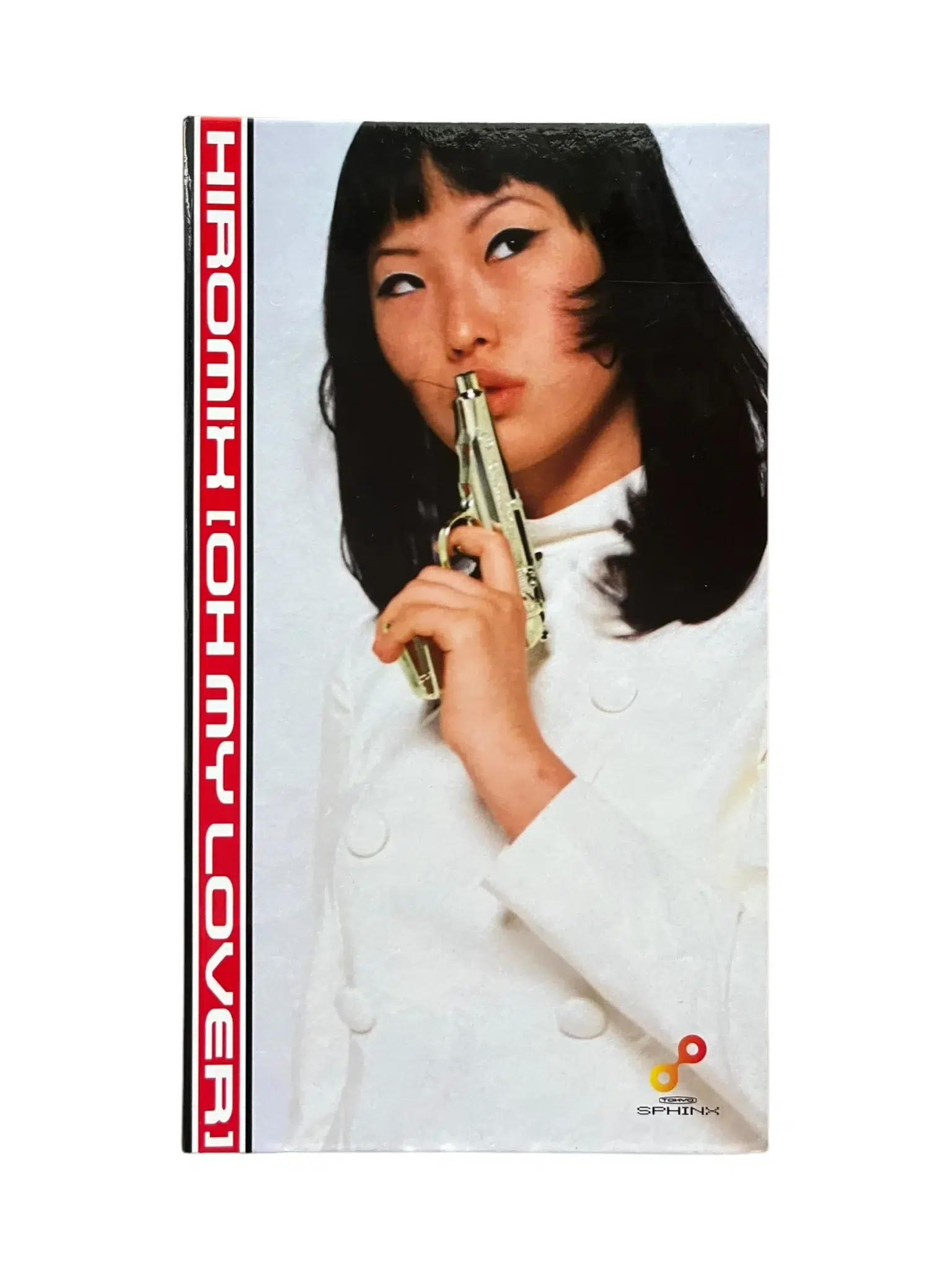
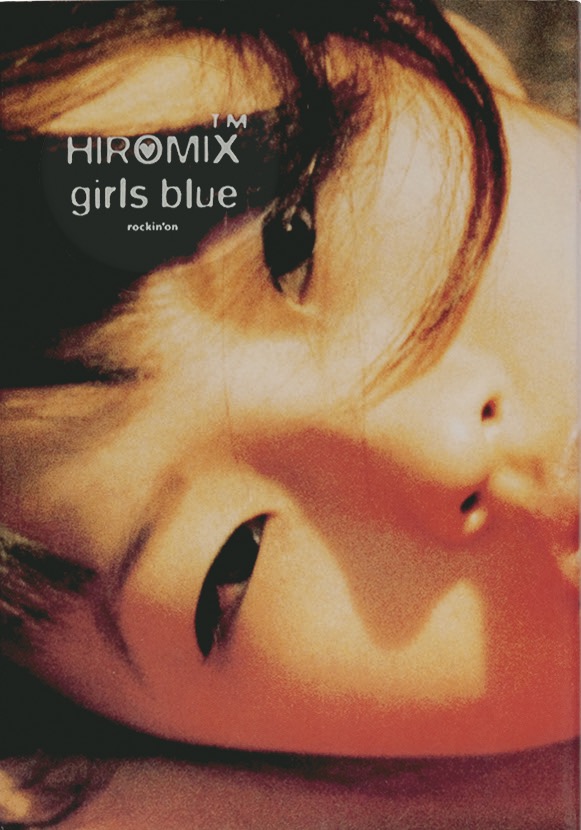
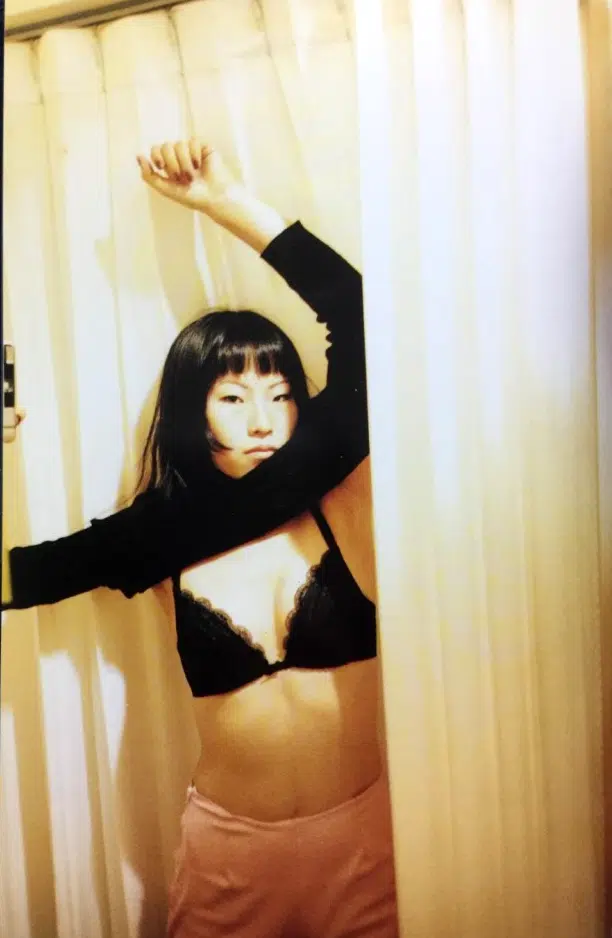
Inspired by the Aperture book I’m So Happy You Are Here, the sheer variety on display at Japanese Women Photographers from the 1950s to Now is impressive. Spanning internationally celebrated figures like Hiromix and Ninagawa Mika—whose candid and colourful point-and-shoot approach left an undeniable impact on lifestyle photography in and outside of Japan—to pioneers like Yamazawa Eiko, the contributions of whom are still felt unconsciously but have all but been erased from the conversation, Dahmani’s exhibition allows every photographer the space to reclaim their moment in history.
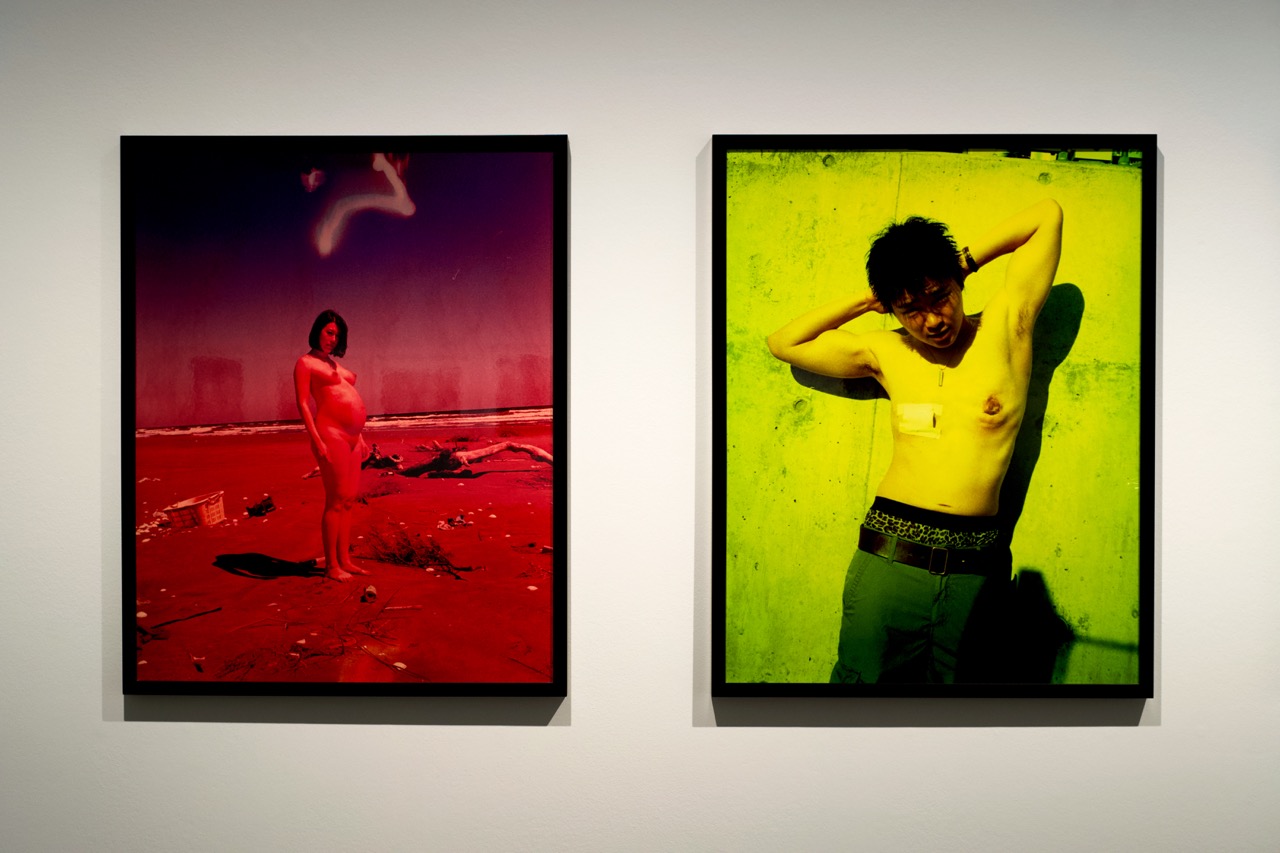
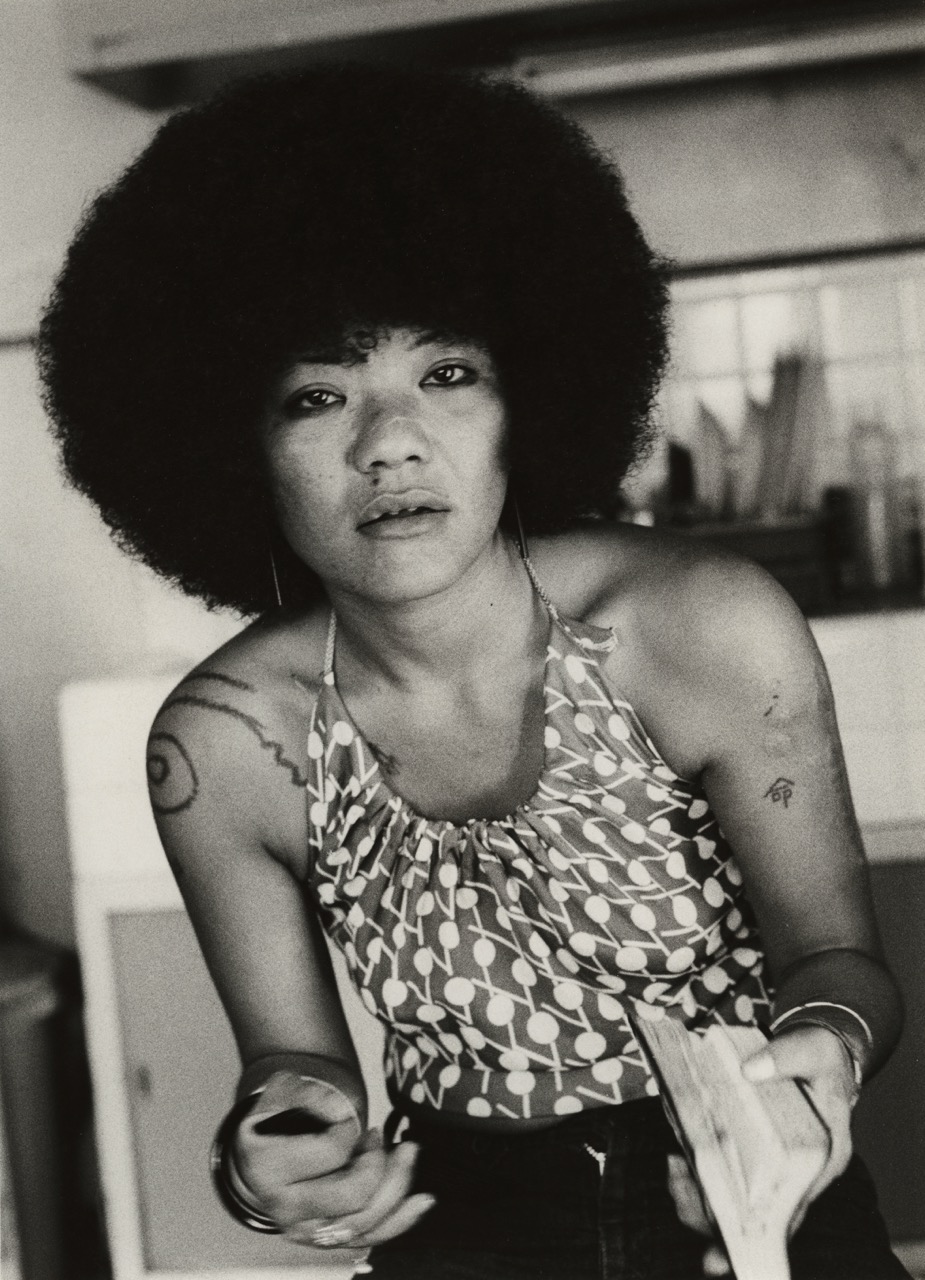
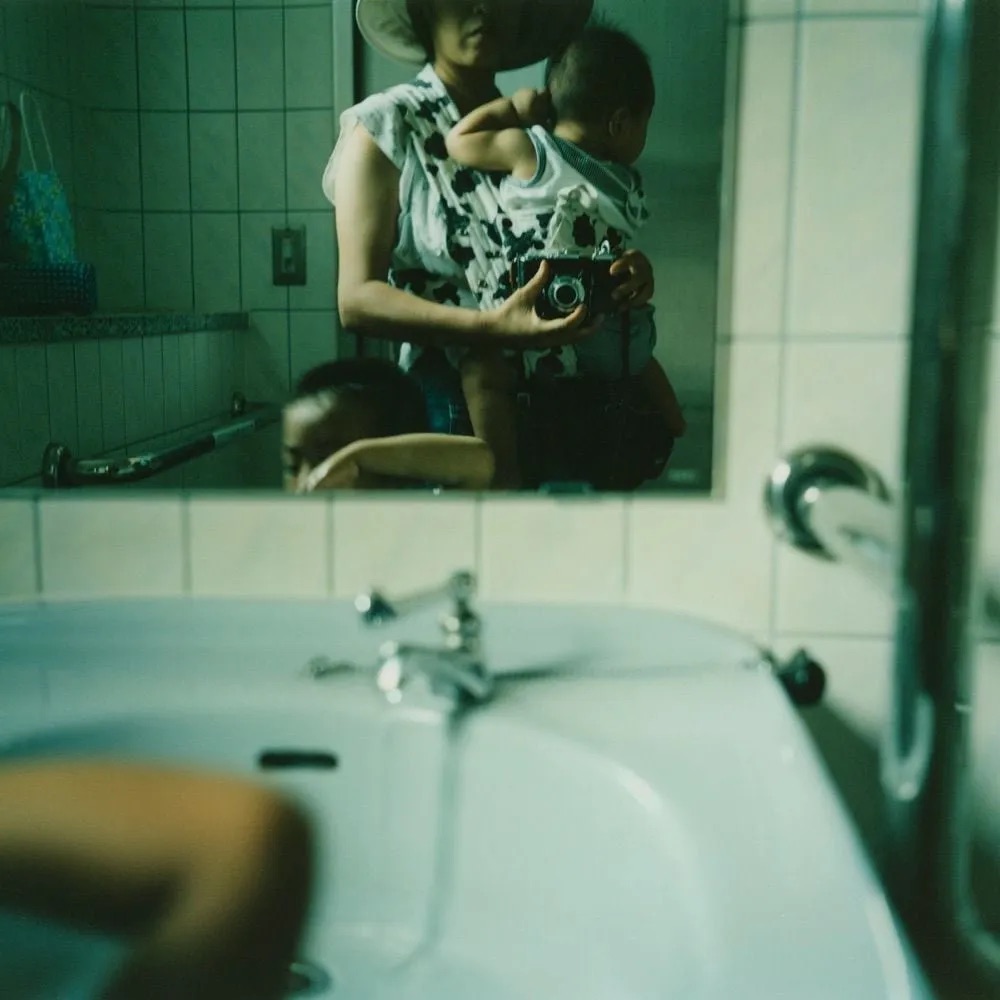
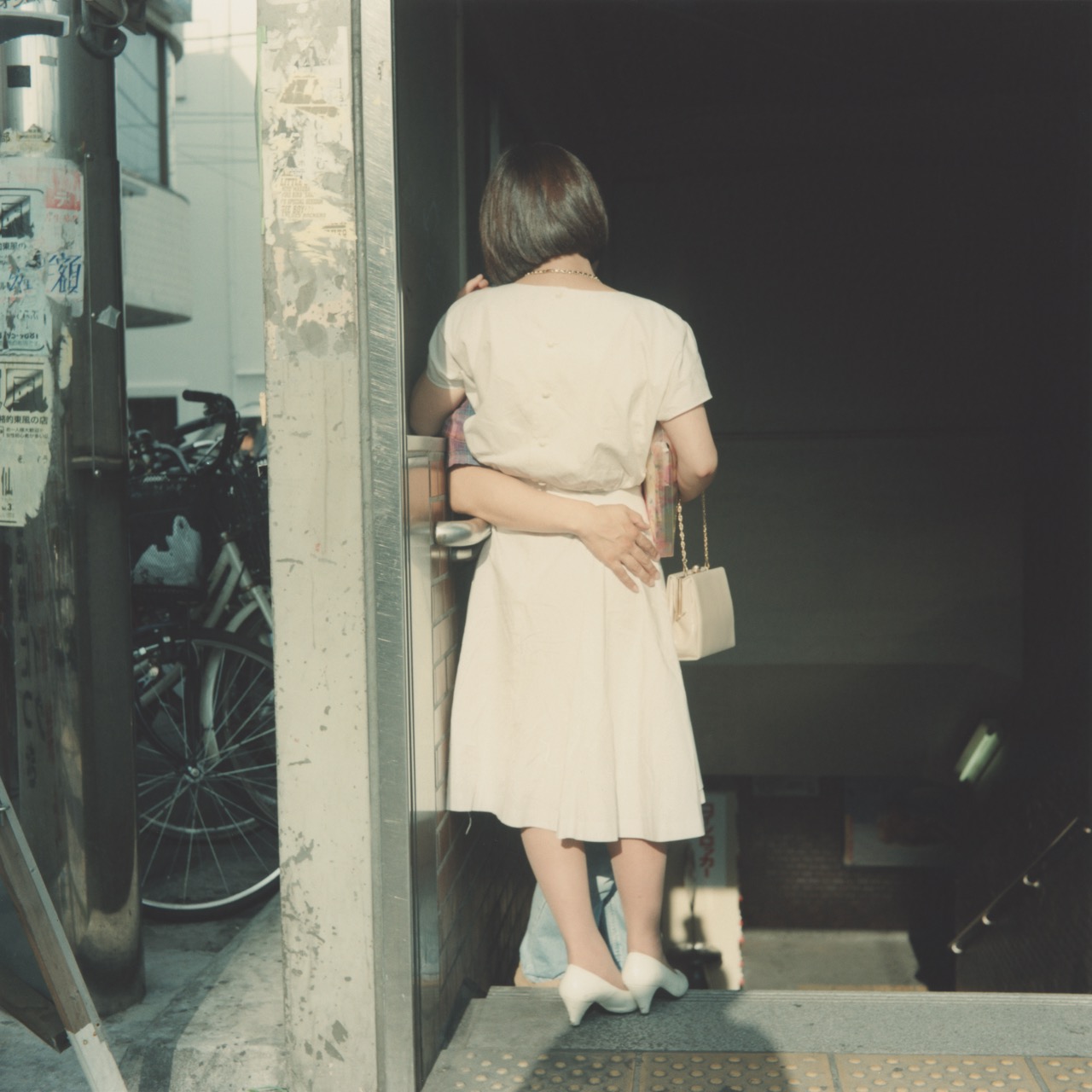
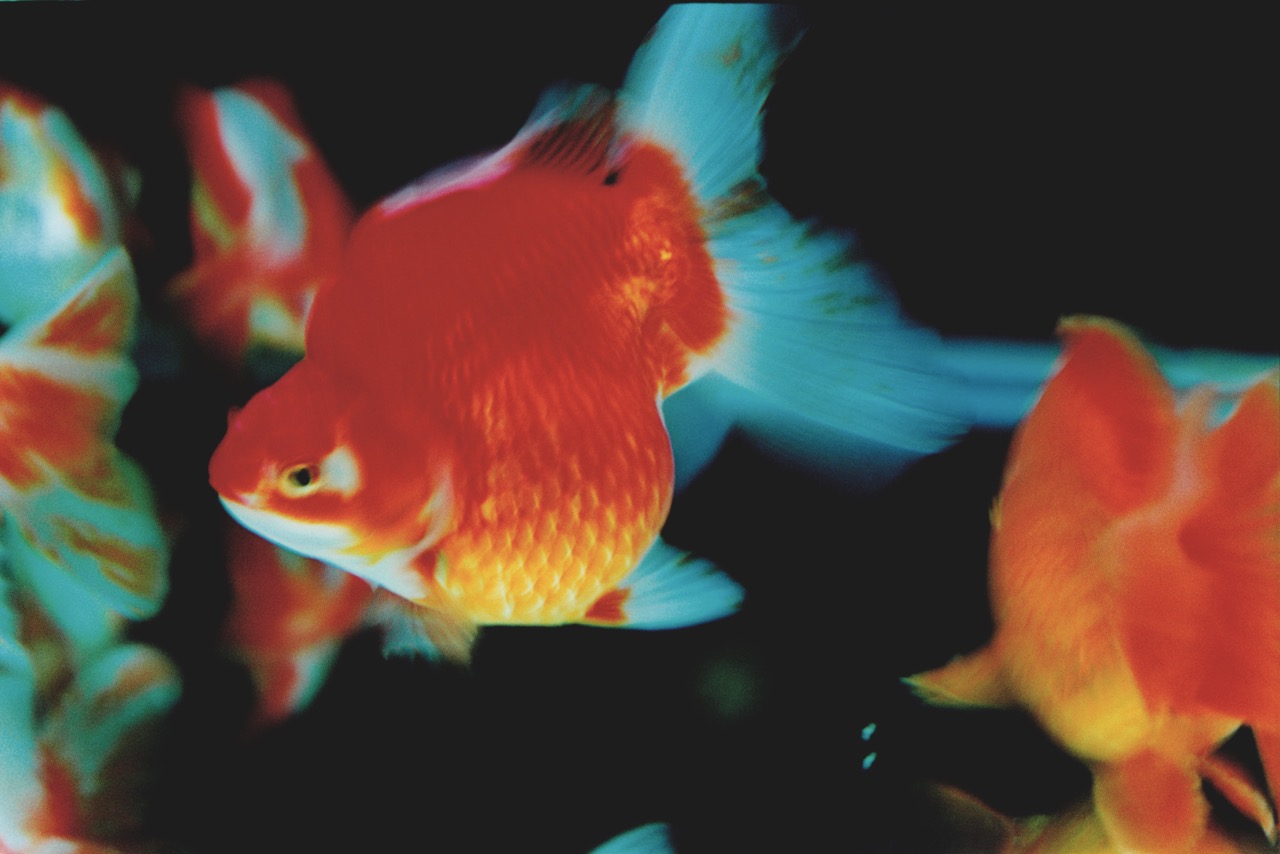
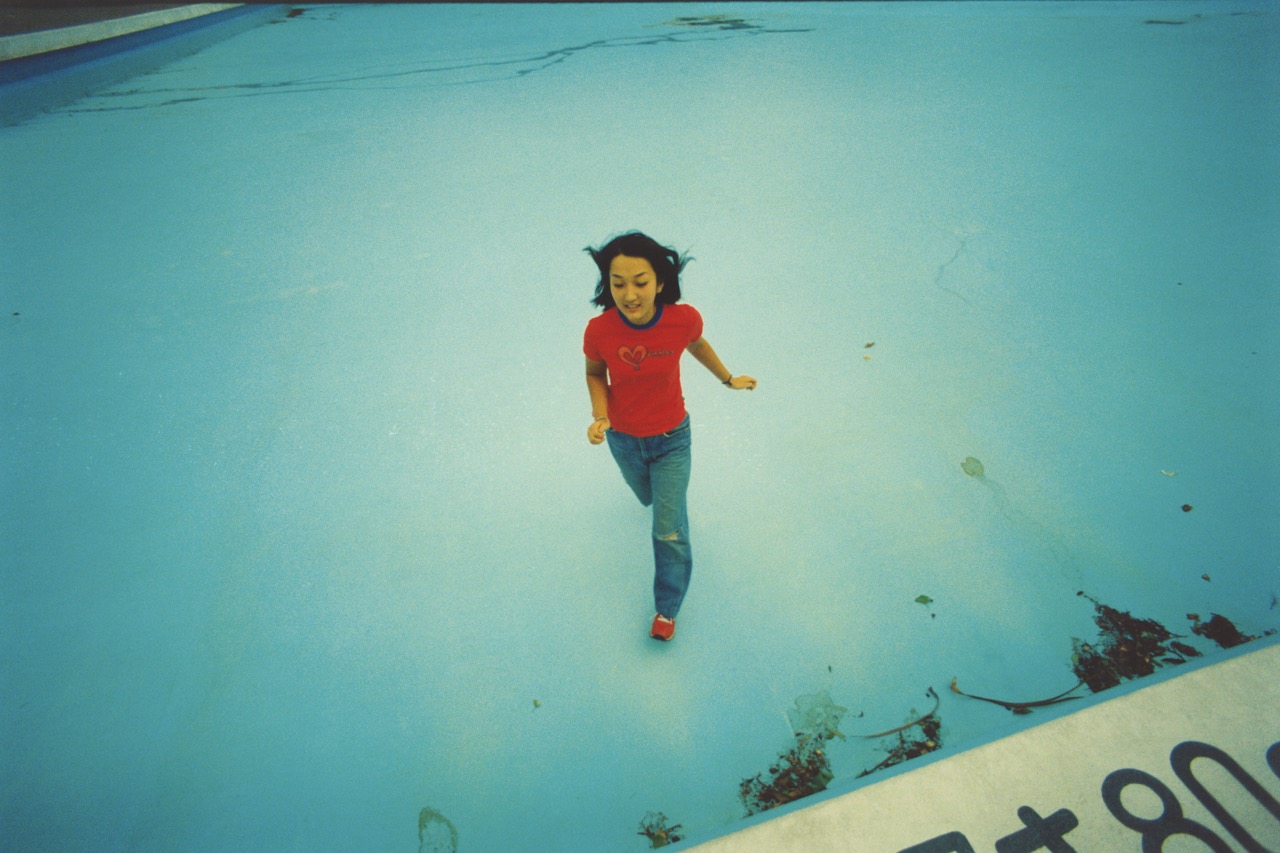
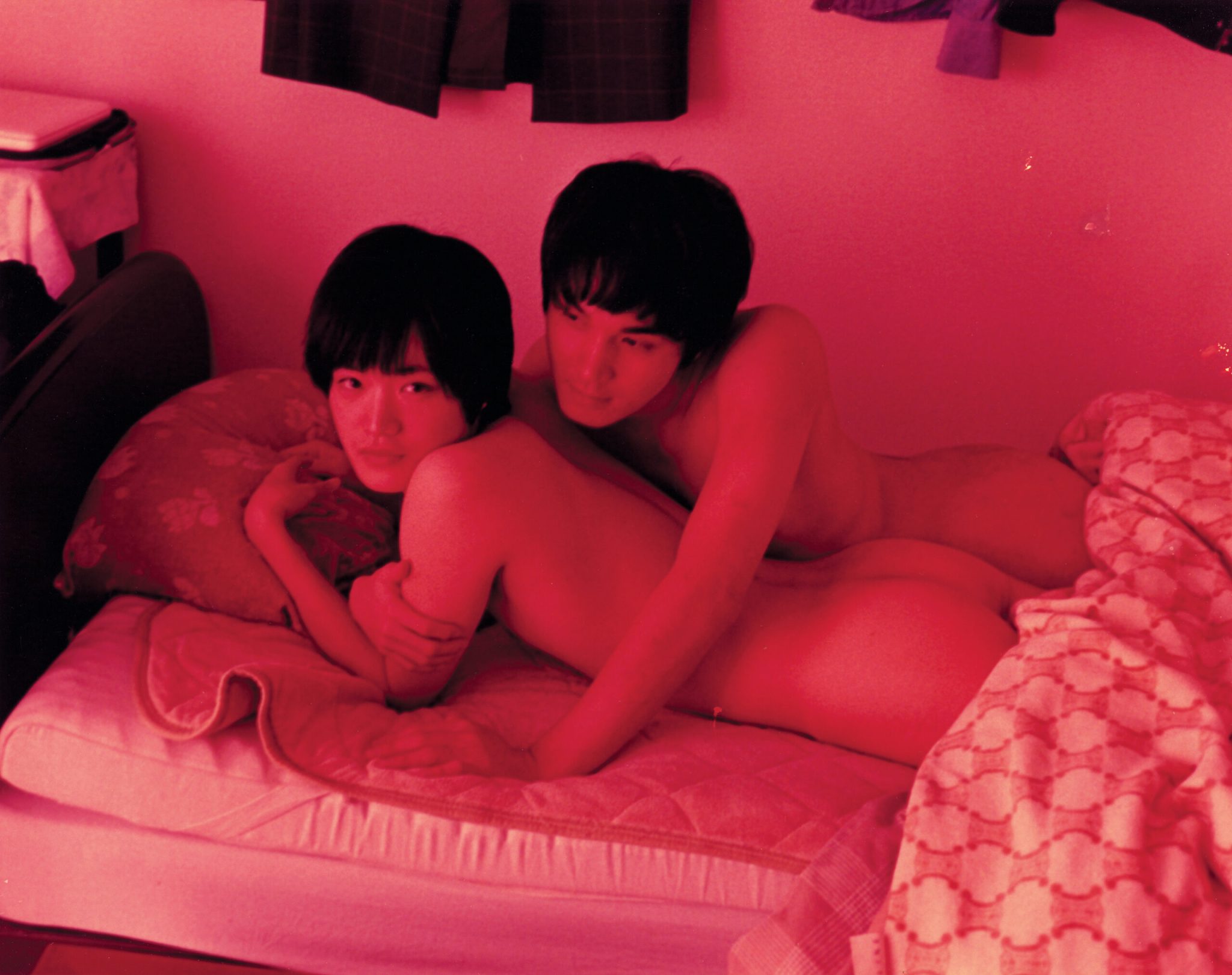
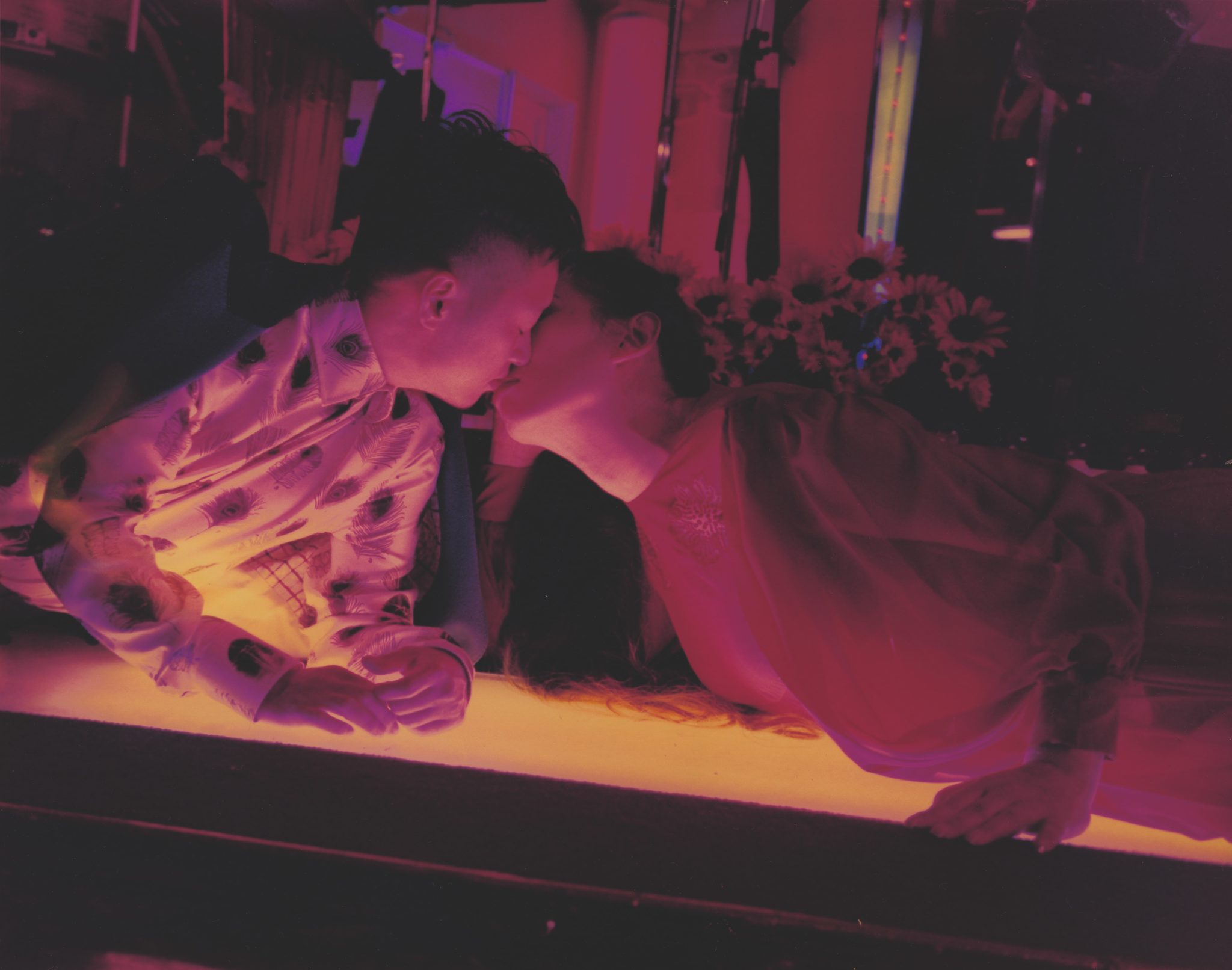
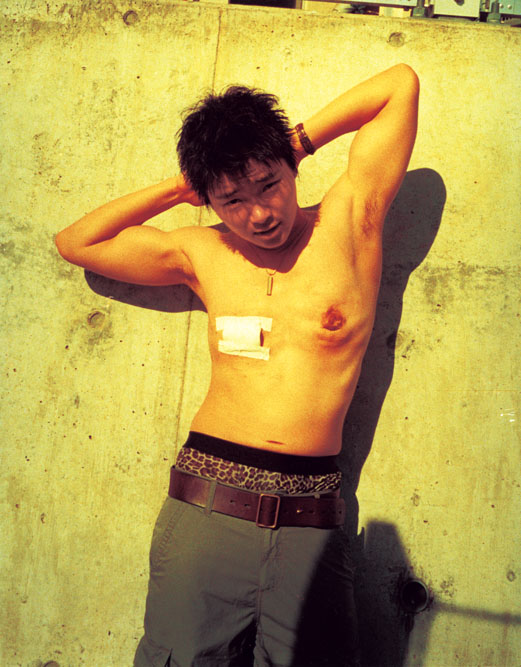


“Yamazawa is one of my highlights.” Dahmani says. “She was an incredible woman who, in the 1920s, left Japan and studied in California before returning to open Osaka’s first photo studio. She then opened a school, because she wanted to train the next generation of photographers, and employed only women in that pursuit. She pushed the boundaries of what photography could do, in terms of thinking beyond documentary, beyond landscape, beyond portrait. She forayed into colour and abstraction, which was very rare back then. Hers are the first few prints you see when you start the exhibition. I’m glad we were able to find a collector in the UK who had a few prints of her work.”
Other exhibition highlights include Hara Mikiko—who embraced fluidness and ambiguity in her photography—Okabe Momo—who turned her private life into jewel-toned shishōsetsu novels—and Mao Ishikawa, who viscerally documented the US occupation of Japan in Okinawa during the Vietnam War.
“In a society that is riddled with taboo, it’s important to recognise that these women weren’t just extremely talented with a camera but extremely resilient in their efforts to explore the messier aspects of Japanese culture, beyond what we love and adore about the country already. They were all women who felt as if they had something to say about Japanese society.”
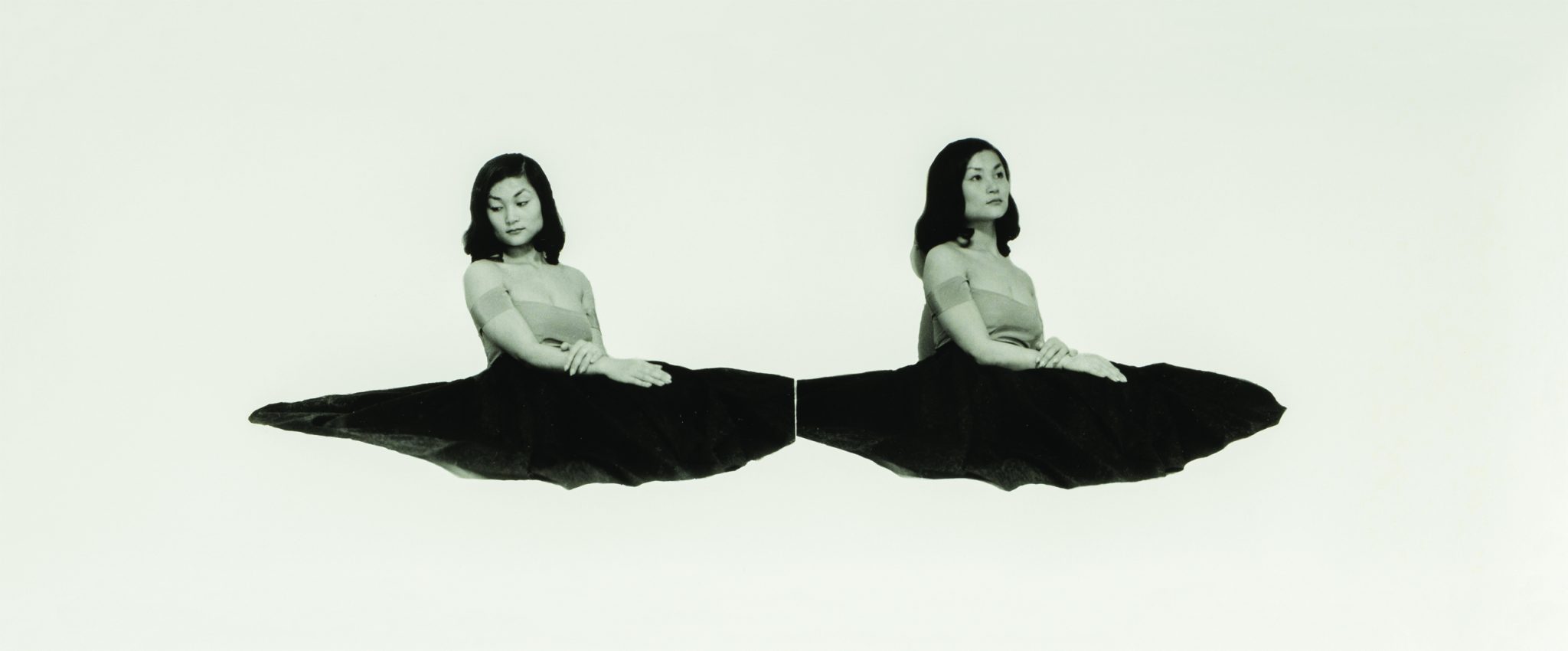
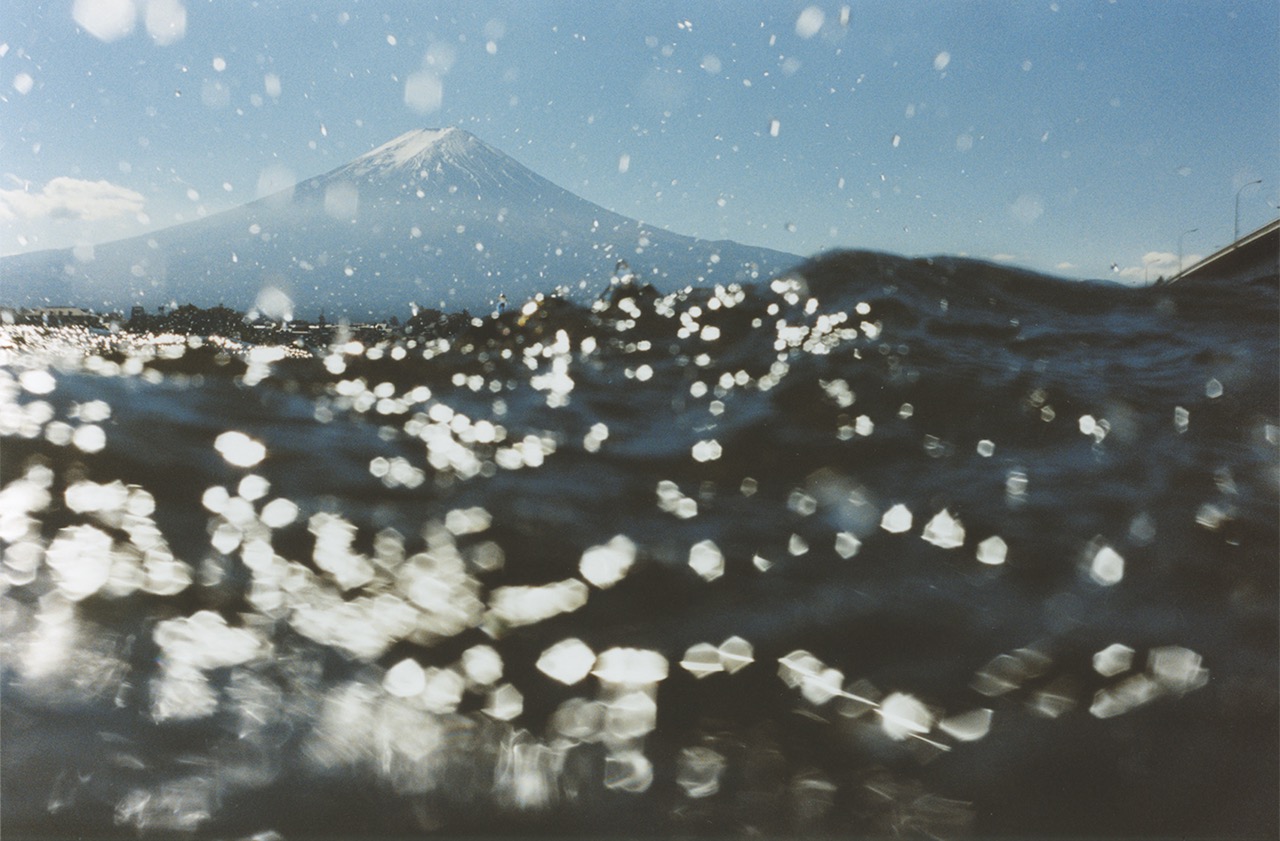
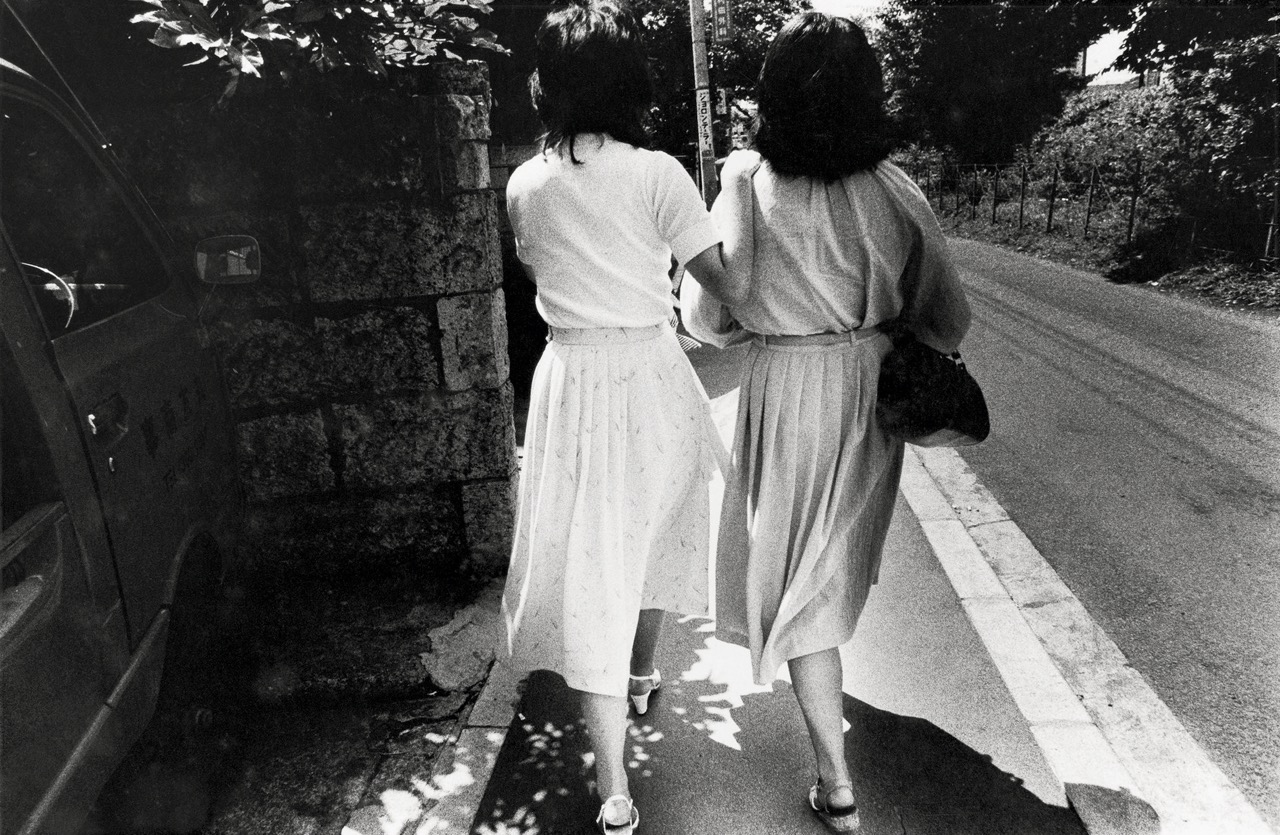
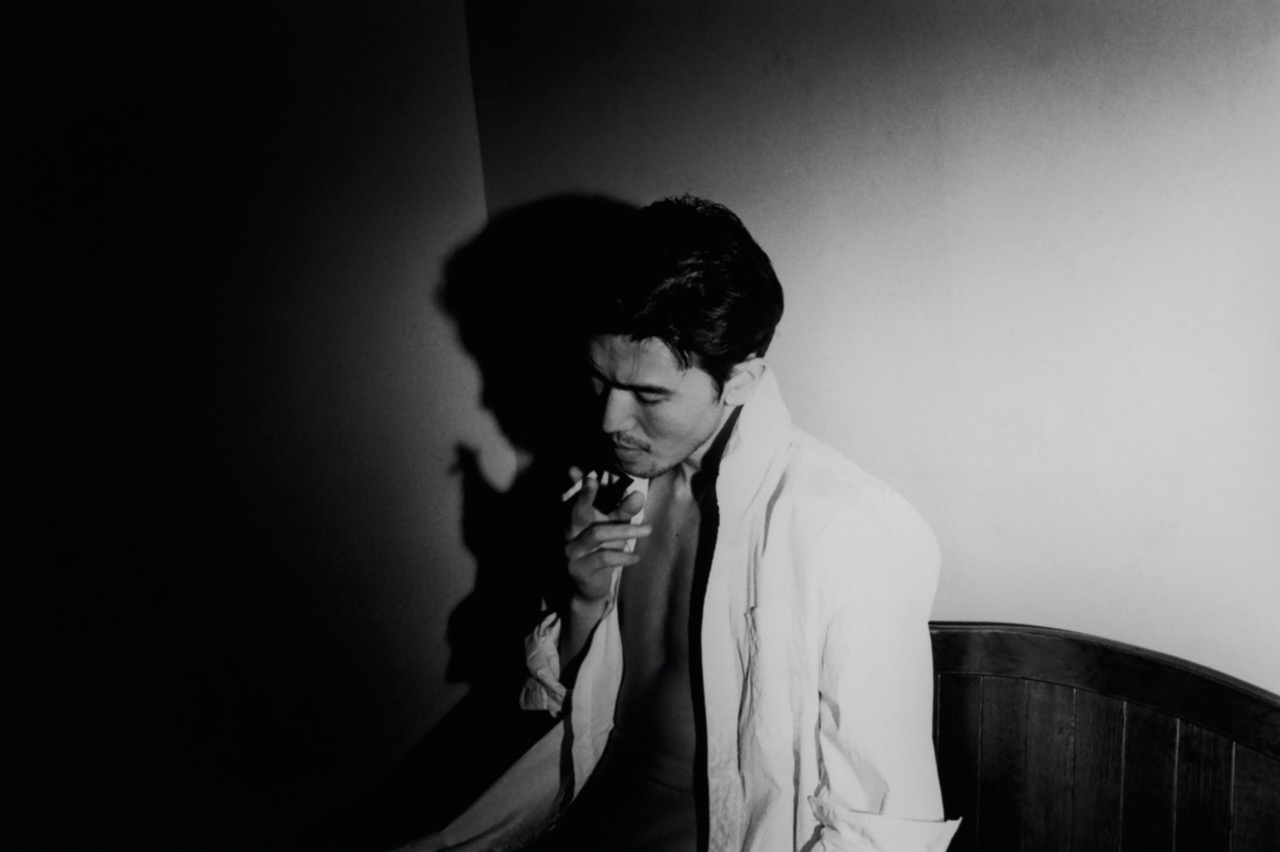
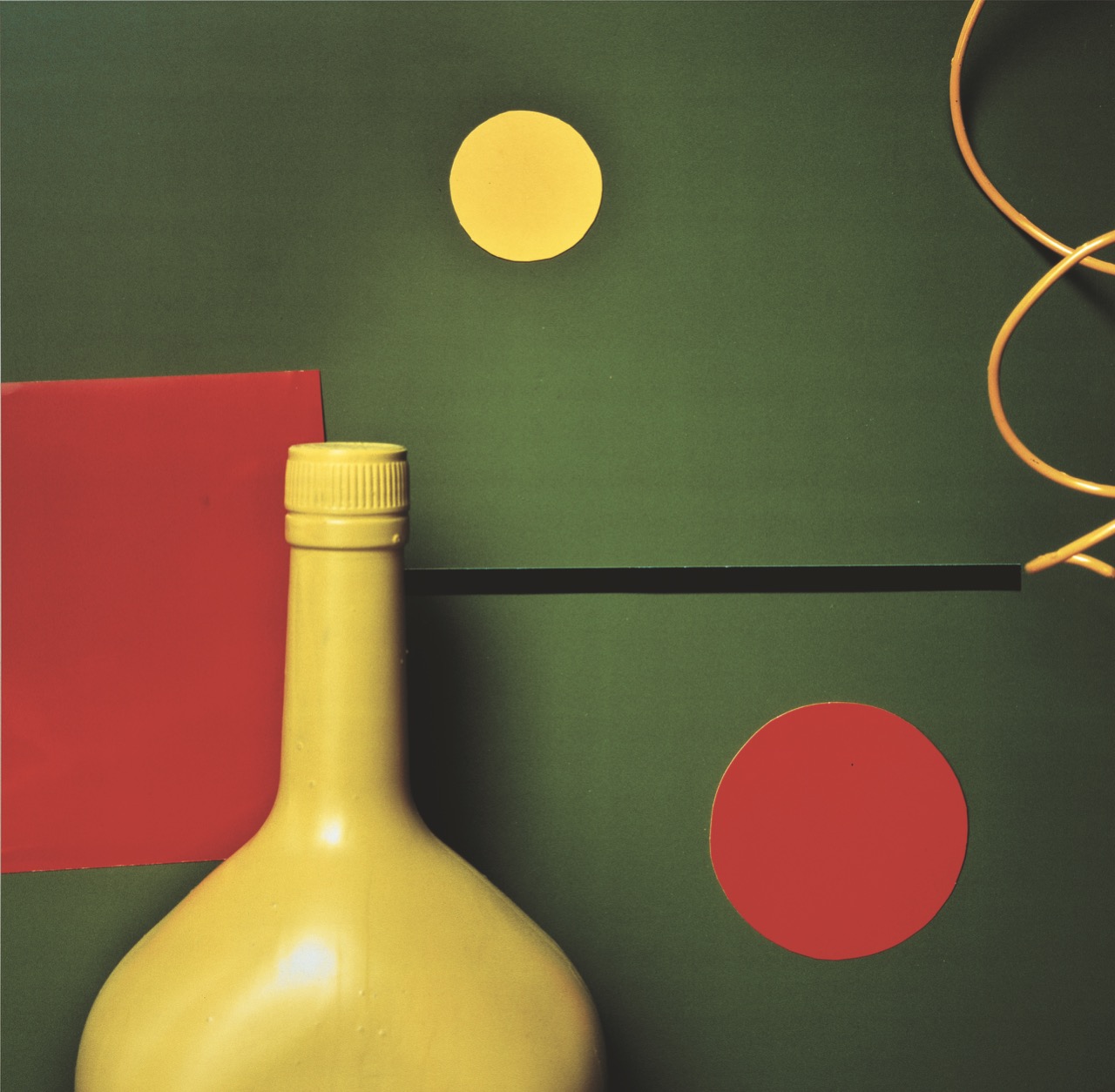
Dahmani expresses, above all, that this exhibition is more than just a tribute to the great women of a single country’s history, but an act of urgent reclamation.
Our conversation turns to the world’s current infatuation with Japanese culture, including the international surge of interest in photographer Nobuyoshi Araki, who obsessively fetishized the female body in his work, and whose subjects have, over the years, been publicly vocal about the exploitative nature of their shoots together.
“There’s a lot of international fascination with Japan, and for good reason—an incredibly rich culture, a fascinating history.” Dahmani says. “But I’ve noticed that fascination is often seen through the objectification of women. Today, in 2026, in a world where sexism and fascism is rising once more, there is a renewed urgency to discuss and spotlight women photographers. We’re being shown once again how fragile our society’s perspective on simple ideas like “gender equality” really are. And how they still need to be thought about in a conscious way.”
Japanese Women Photographers from the 1950s to Now is now open for viewing at The Photographers’ Gallery until 27th September 2026. Find out more here.