

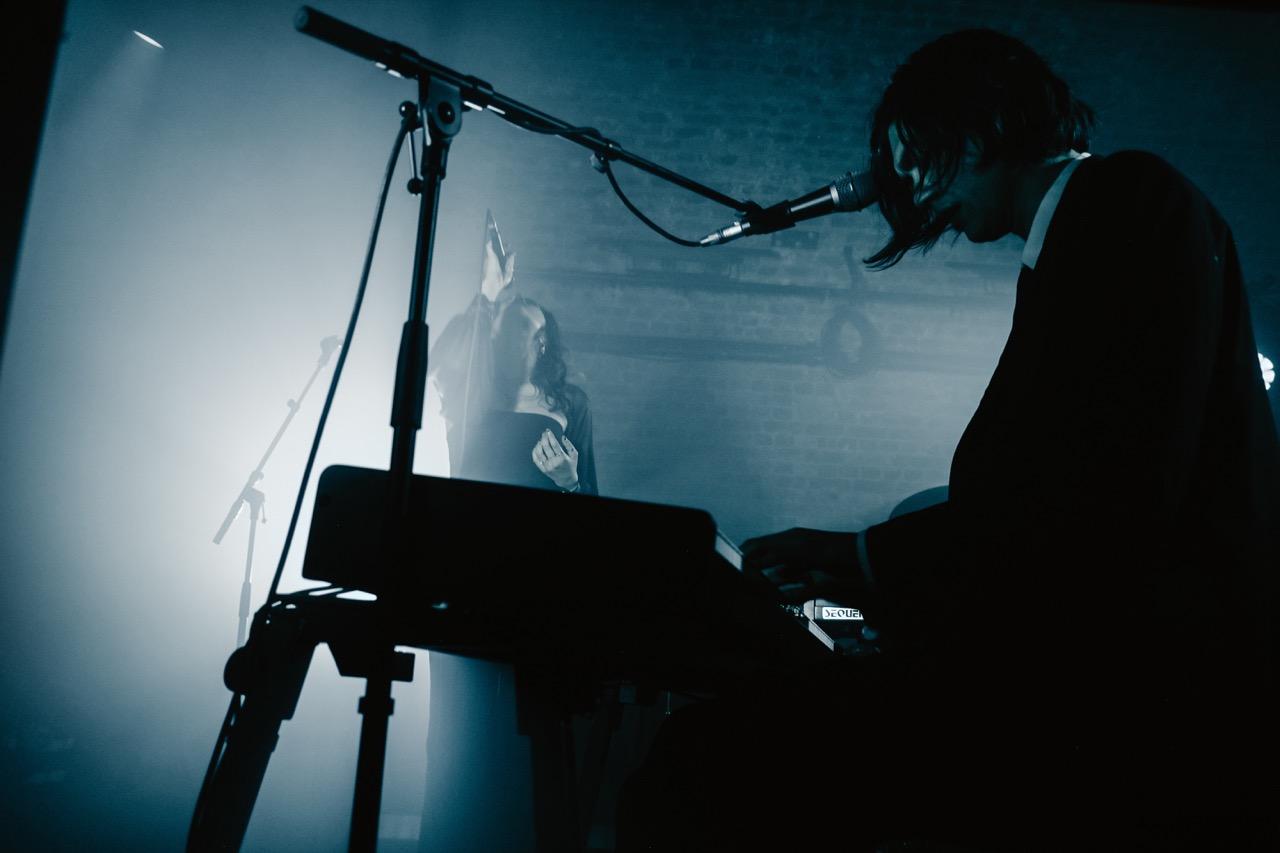
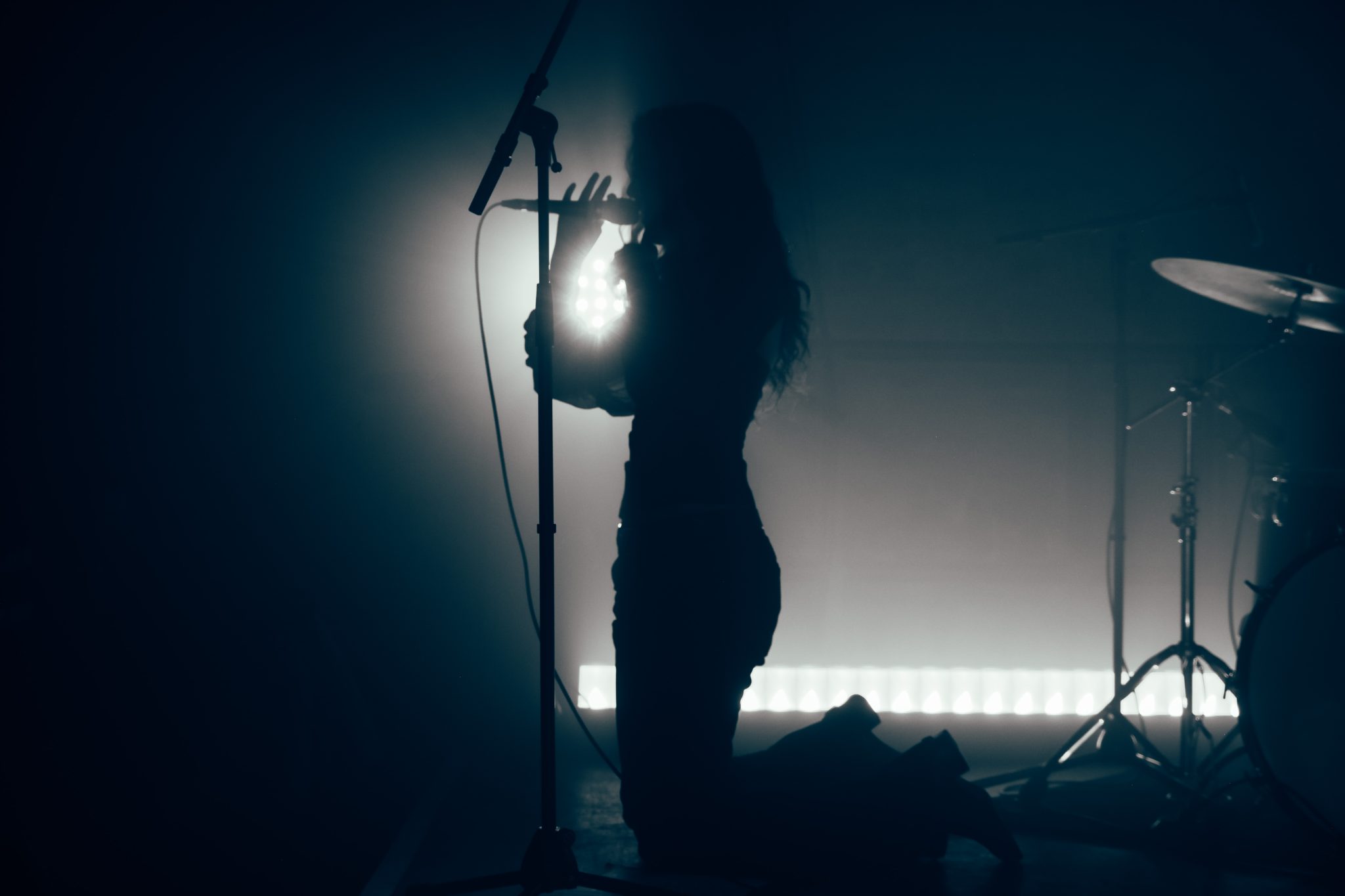
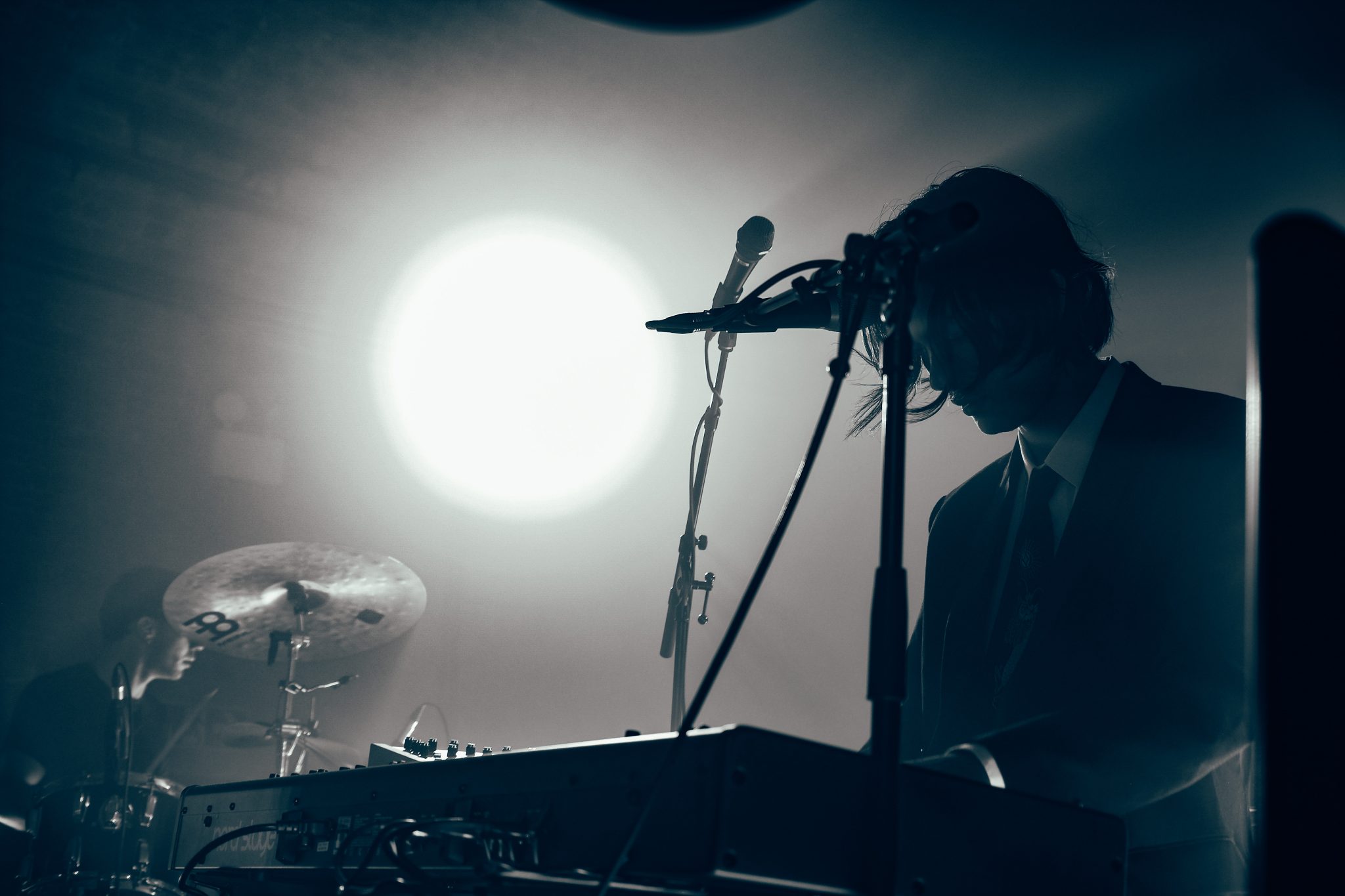
Olivia Hardy and William Gao, the sibling duo behind Wasia Project, are taking their sound from bedroom pop to the cosmos. Ahead of the release of their night-themed coming-of-age album Nocturne, they joined Iana Murray to discuss growing up, embracing the night and expanding their sonic universe.
“Olivia, is your mirror smashed in the corner?”
William Gao, 23, and Olivia Hardy, 21, the sibling duo who make up the band Wasia Project, are calling from their respective places in London when the latter notices his sister’s bedroom decor.
“I’ve been busy, and then it smashed, and I was like, ‘I don’t have time for this right now,’” Hardy explains. “I kind of like it now, though. I see myself fragmented, and I don’t really know how I look every day, so it’s kind of good for my ego, I guess.”
In any case, a little bad luck couldn’t derail Wasia Project. The group found their following with adolescent lo-fi bedroom pop elevated by their musical proficiency and classical training. “We both started really young, like I did violin at four or something crazy, and William was the same with piano,” Hardy says. “And I think it was from our mum who always wanted the opportunity growing up, but didn’t have that.” If the pair went through that near-universal Wasian experience of having parents force them into music, they’ve made the most of it. A brush with virality came with “ur so pretty”, a longing piano ballad fronted by Hardy’s ethereal vocals, featured in Heartstopper, Netflix’s coming-of-age series which also stars Gao.
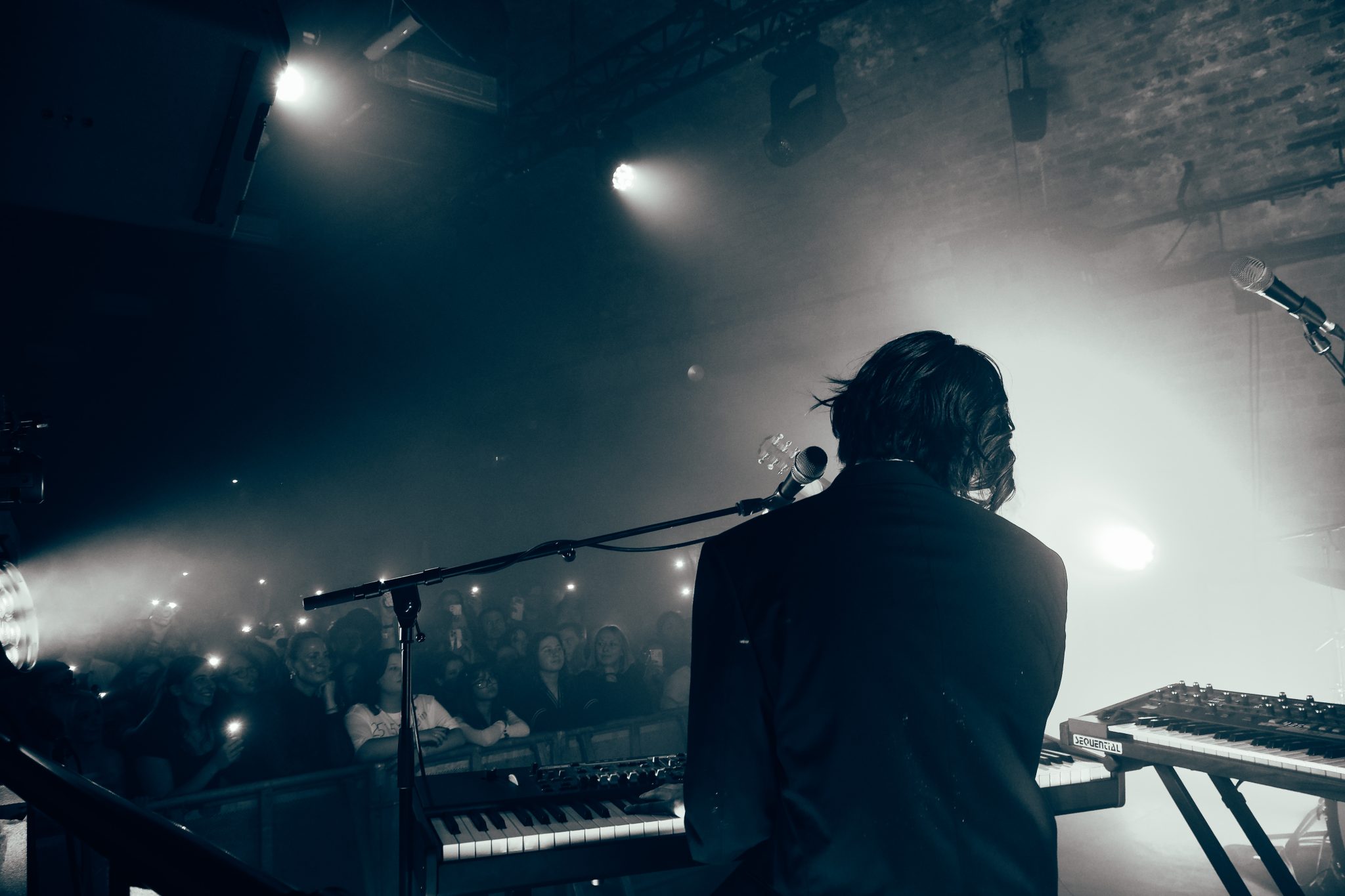
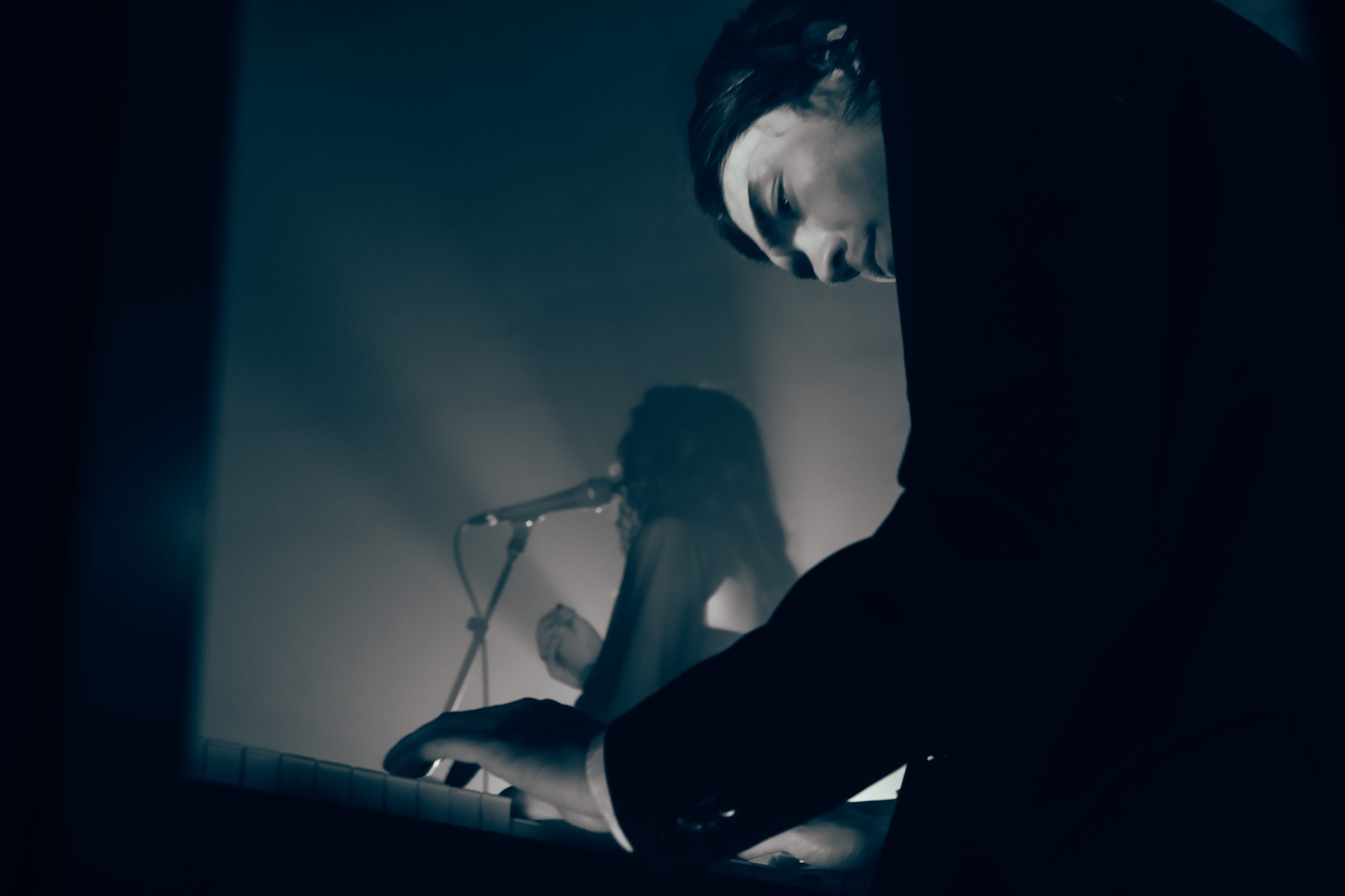
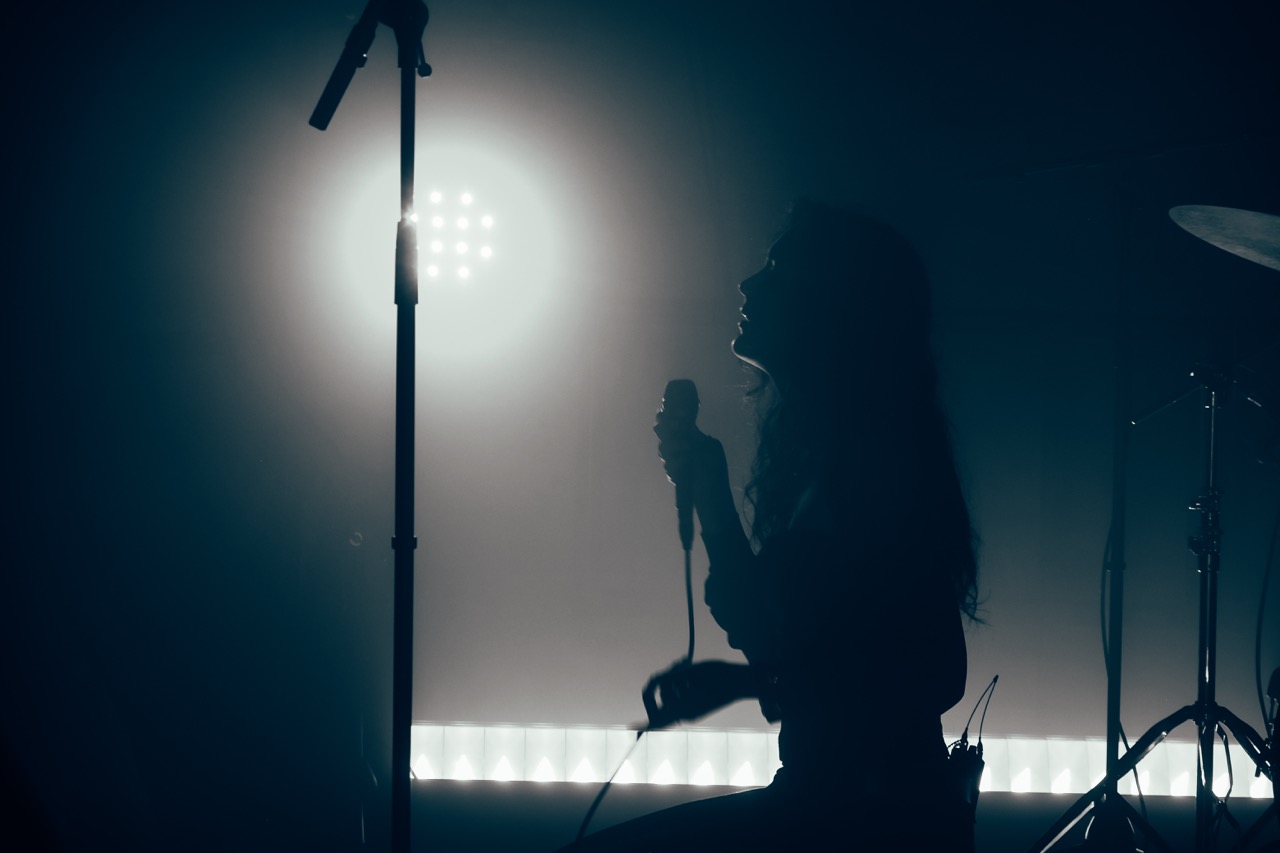
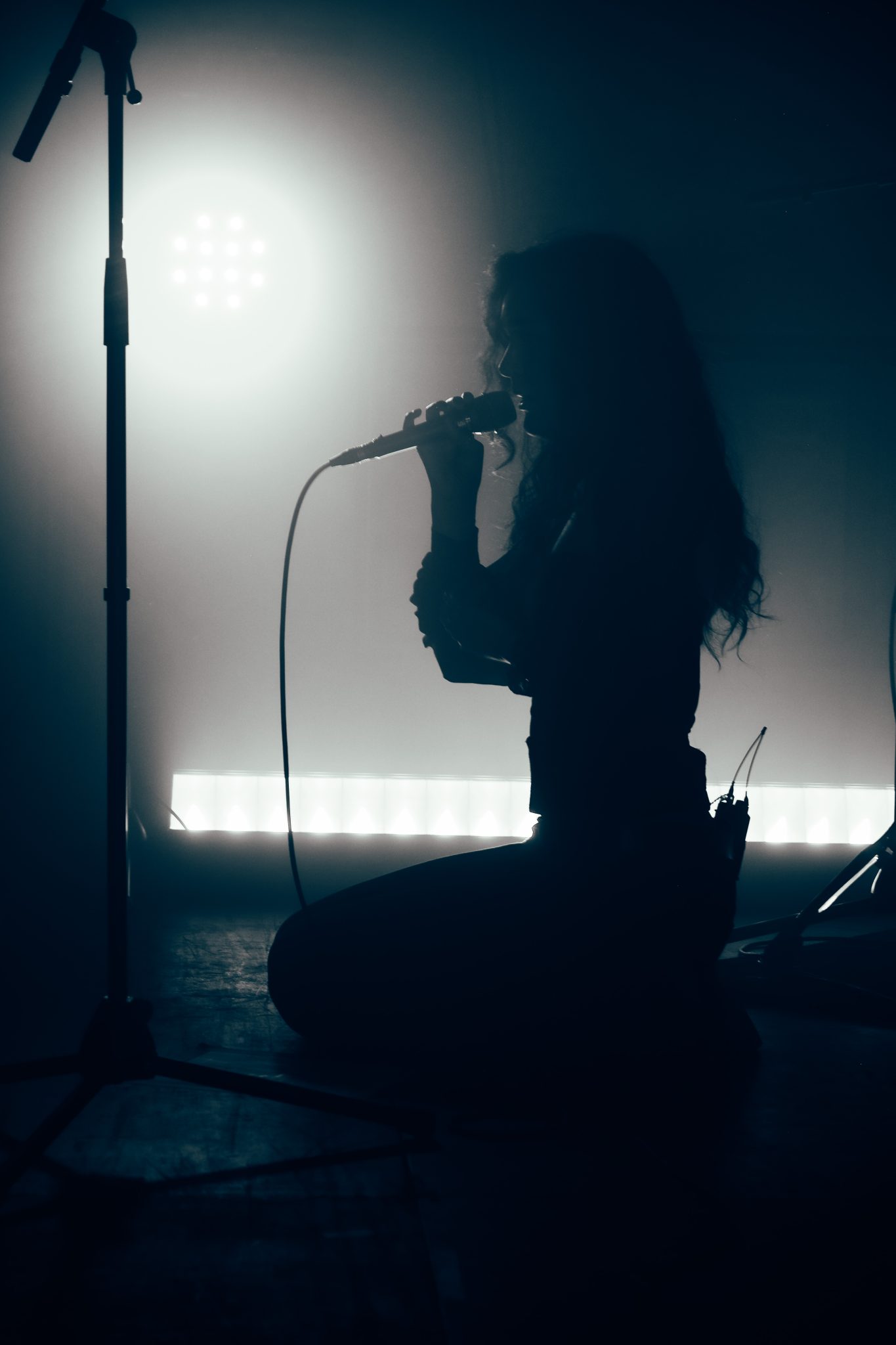
But with their album Nocturne, the band are moving out of the bedroom and into the cosmos, in a celestial body of work that soars into the night sky and crashes down onto the dancefloor. Album opener and lead single “2515” is a declaration of that transition: Hardy’s breathy voice over a moody synth rhythm and rapid drum beats — a far stretch from the swooning, soft romanticism of their previous two EPs how can i pretend? and Isotope. As the siblings leave their teenage years in the rearview, Nocturne proves that they’ve grown up. In our conversation, Gao and Hardy talk about myth, cinematic influences, and taking inspiration from the night.
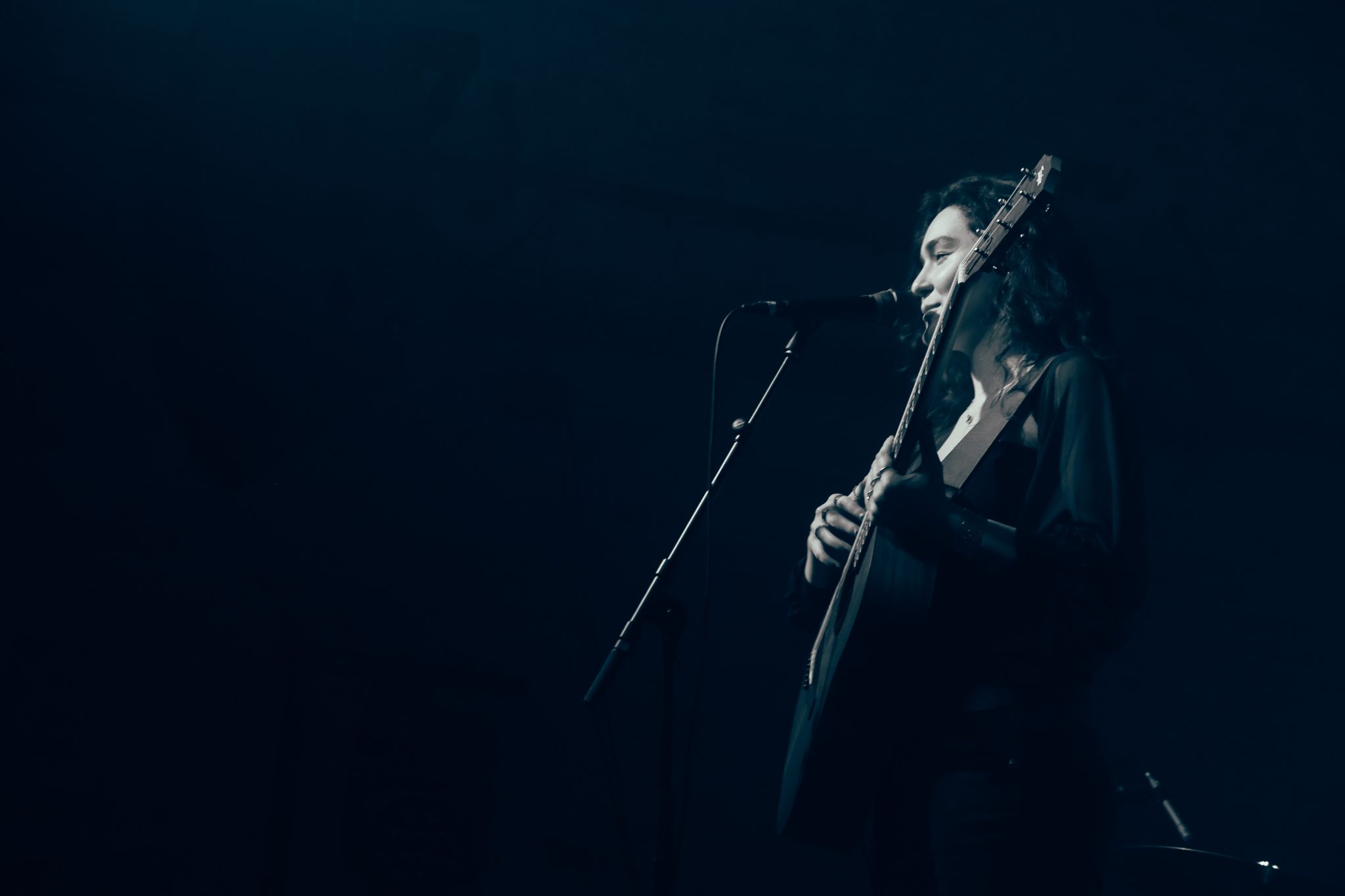
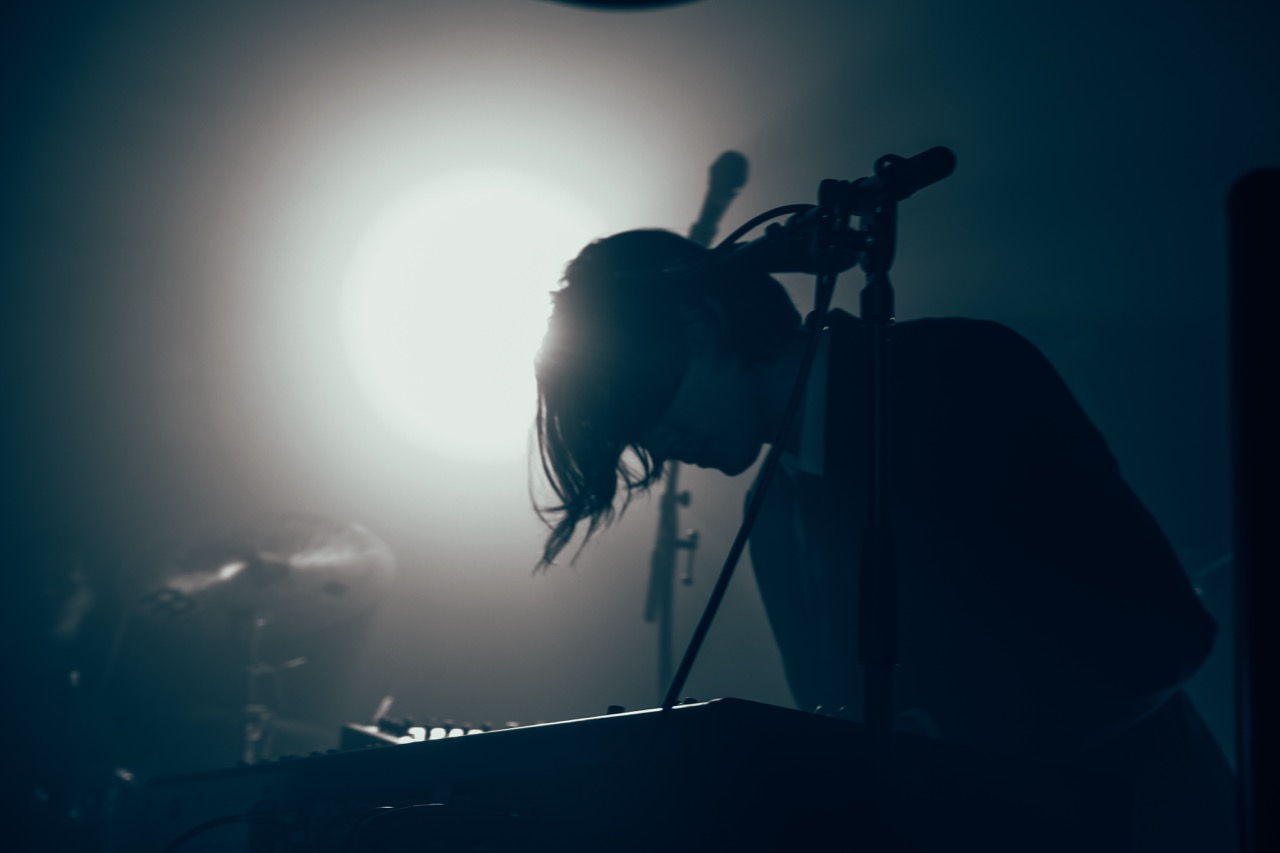


IM: As you were about to embark on making this new album, what was going on at that point in time where you felt ready to jump in?
OH: It was [the] end of 2024, we’d been on tour for the whole year. Our first EP was 2022 and then we released Isotope after ‘ur so pretty’ got a lot of attention, so it was a lot of really experiencing [touring] for the first time. But it was really full on. I had just come out of school, William was in between filming, and it was a very crazy time. Amazing, but crazy. I think so much growth happened every day in so many different ways, so that when it came to the end of 2024/beginning of 2025, we were like, “Okay, hold on, let’s take a breather.” We wanted to make new music, but we needed to take a really deep breath holistically to focus on the next page ahead. After touring these songs that we’d written [when] we were, like, 14, 15, we were so ready to catch people up to how our tastes have grown. It’s these crucial years where you change so much as well: late teens and early 20s. It felt like there was a lot of catching up to do, and just new sounds and wanting to explore a new direction.
WG: We finally found ourselves with a stretch of time in which we had to make a body of work. Weirdly, it was more stressful than we thought. Making music outside of a structure is more freeing, so when the structure is music, it’s a bit kerfuffling — because you have to make the music in that time, so it’s like a job. Before, we made it outside of school or shooting, or the structures of life.
IM: It’s different when music feels like your job as opposed to a hobby.
OH: It’s important to protect the hobby feeling. That’s how we started, and that’s why we feel most comfortable in that environment. But I feel like when nobody is expecting anything, that’s when, at least for me, I feel like I’m just at my most creatively free. But the moment people know we’re working on an album, it’s like, “No, no, stop!” We both enjoy it when it feels like there are no stakes.
IM: The lyricism in the album feels very elemental. You talk about lightning and the moon. There’s a lot of allegory. How did that play into the ideas that you wanted to explore in the album?
OH: In the old songs, like ‘ur so pretty’, it’s really simple. It’s a simple feeling, even though it’s yearning. It’s just a more basic feeling, whereas I love exploring deeper, more nuanced things that we both experienced in a more complex way. [There are] mythical elements we’re really into, and so there’s a lot of that strewn over. ‘Strike Me Down from Heaven’, which is a song actually William brought in, like, two years ago, was always this biblical allegory. ‘Moon Goddess’ as well is based on this Chinese myth, and then ‘Sunken Quay’ reminds me of Greek myths, so there’s a lot of layers to it — but also personal feelings within relationships that feel a lot more confrontational and cathartic.
IM: What are the origins of ‘Strike Me Down From Heaven’?
WG: It was the only song that really held its ground [throughout] the whole process. [There were] so many songs that we thought were so strong, and then they weren’t, but ‘Strike Me Down’ really paved its way through, and just had this deep assurance of knowing what it was. It started at the piano — [this] chaos thing of fusing classical sonics, and this drama of faith and questioning. I just love the catharsis of faith and the catharsis of a concept like God, and I wanted to bring that in. I remember the day — it was actually the day our producer was not available — so it was just us two, and it felt like the teacher was out of the classroom. We were just going crazy with it. And then Olivia was thinking we needed this new section, which is the drop. I really like that song [and] the sound of where that is now. And I’m so excited to play it live. It’s kind of mental.
OH: I love artists who delve into that, when it’s something like faith or a myth, and tying it into an experience. I love love songs, that’s the main thing in pop, but I love it when artists explore other things. It’s just so much more nuanced.
WG: Yeah, why do you want to be struck down from heaven?
OH: We’ve done plenty of analysis on this.
WG: I just think it’s so interesting.
OH: Craving adversity.
WG: Craving adversity is such an interesting thing, and it plays into Buddhism. I’m not gonna get into it, but there’s the whole Buddhism/Taoism world of being in a cycle of always wanting more and more and more. But the reverse of that is wanting to struggle again in order to have something to believe in, or some direction to some purpose. It’s like the flip side of the cycle of ego.
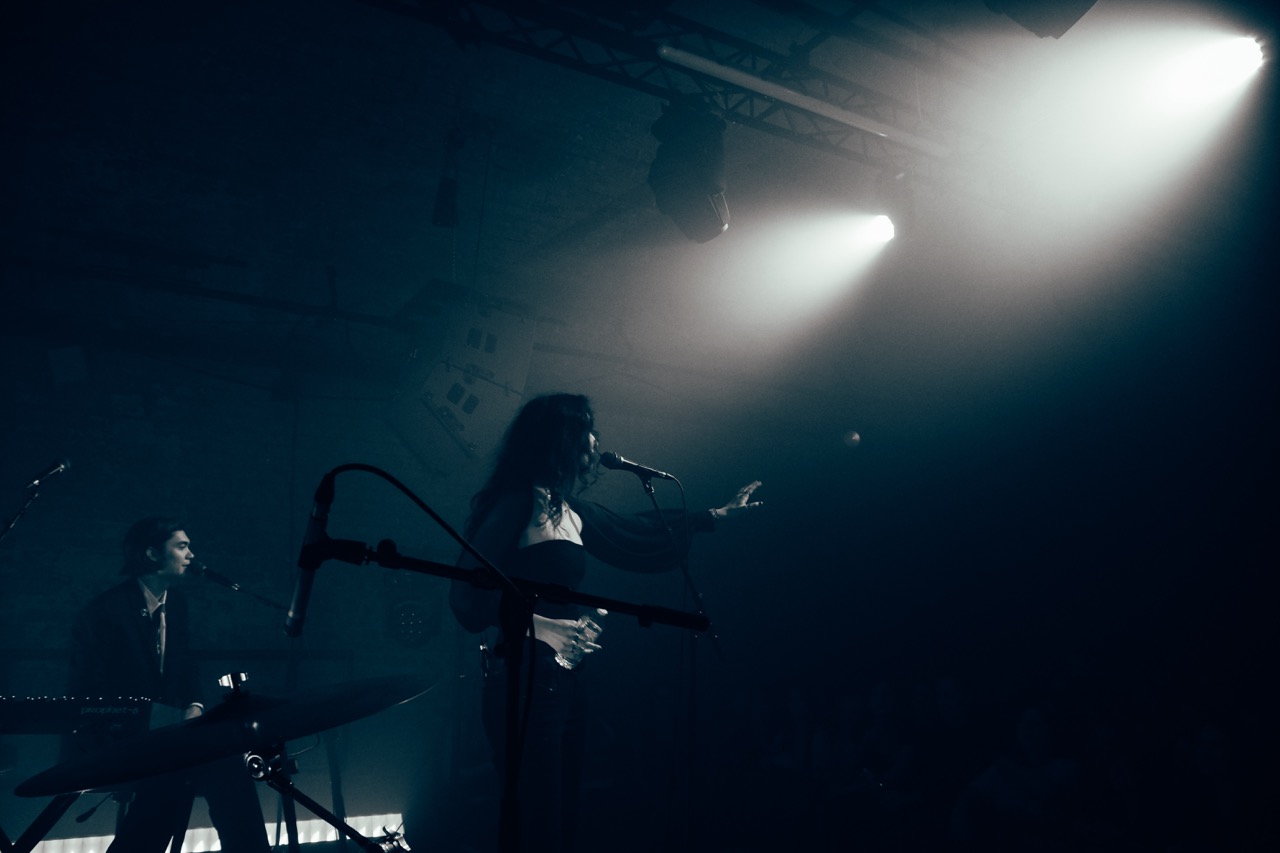
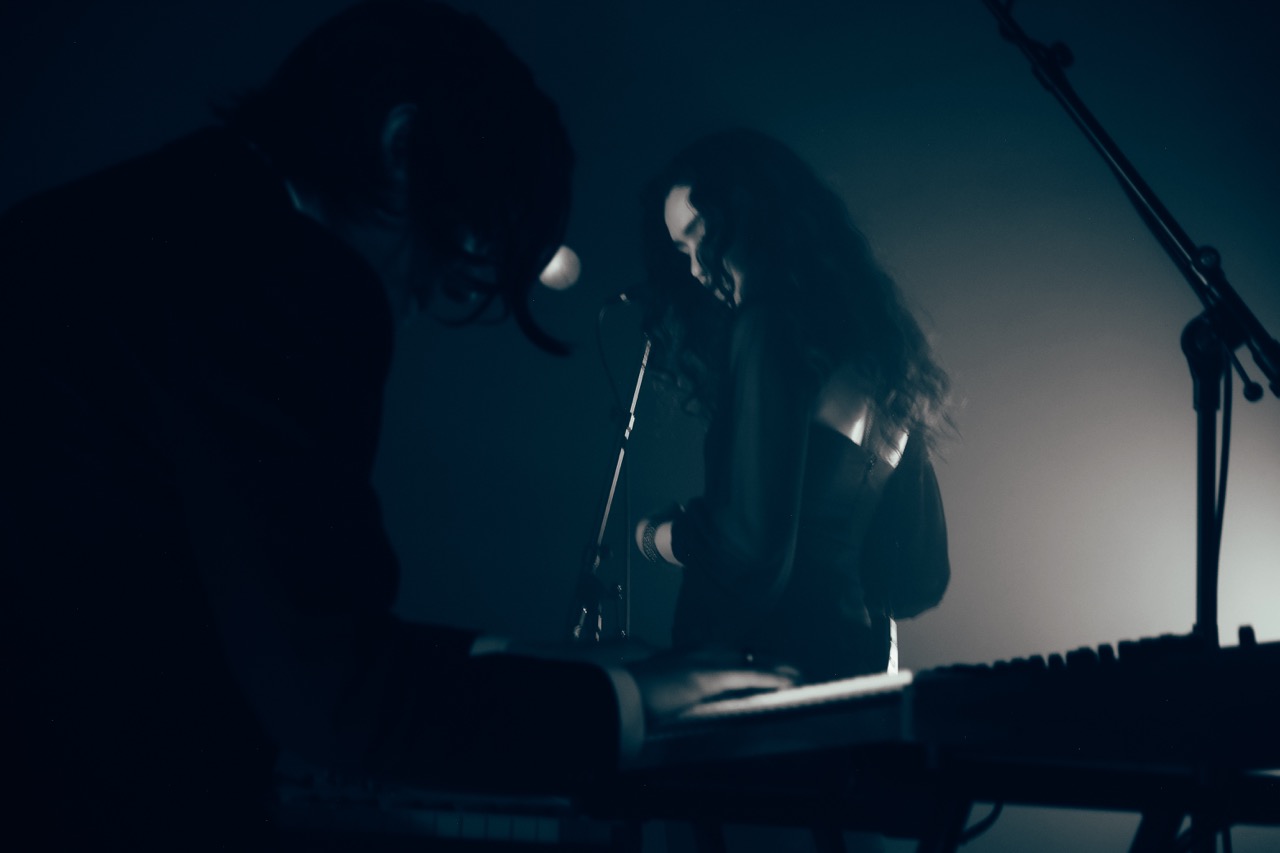
IM: You mentioned catharsis, and I feel like that’s such a good word to describe the sound of this album, which has this really grand maximalism to it. You’ve retained the core of the piano, but then you branch out in so many different ways in terms of instrumentation. What did that experimentation look like in expanding the sonic palette of the album?
OH: I do feel like maximalism… maybe we didn’t go in with the word, but I think we went in with the intention to make it big. Mark a footprint in the sand. There was like a studio we went into in East London that was just a good vibe. William, you can talk more about the specific sounds, but I think sonically it was really playing with a lot of pedals and a lot of reverb, and making it feel extra big. William would just go around on synthesisers, and I would try out pedals. I got loads of videos of just us messing around in studio spaces, which I think has always felt like a bit of a playground for us — especially when we’re going in for a couple of days, so it feels less like we’re editing things and more, like, let’s get everything we can. And I think that’s kind of an ethos we go by and maybe contributes to the grandeur. William, what would you say?
WG: Yeah, I think it was pretty spot on. We’re just really free — that part of the process of just going, how big can we make this? How massive can we make this? I guess we started in that bedroom lo-fi world. At the start, we were trying to find these sounds, but it’s really contained within the living room of our house, and we were like, “Let’s just make this really intimate.” I think the vibe was, like, let’s just capture what we’ve got going here. And then with this record we were like, “Nah, mate, like, bang!” Everything, all the doors just [mimics an explosion noise]. We wanted to create that feeling of, you know in films, when the glass just explodes inside a building, but in slow motion. That’s the feeling we wanted in the studio.
IM: On the subject of films, you’ve talked about how “Bleeding Gold” is about feeling unable to return to your younger self, but also recognising that the past is this formative part of your identity. That really reminded me of Past Lives, and because this album also feels so cinematic, I wondered if you had any filmic influences on this album.
OH: I resonated with that movie so much, and I think that really goes with something like “Bleeding Gold”. Will, you should go first, I feel like you’re more in the film world.
WG: I can speak about the format. Something that spikes up in conversation when we do talk about grandeur between me and Olivia is — I know you haven’t gone to much IMAX, Olivia — but a lot of the films you refer [to] are [in] the IMAX format. And that format of film is just so ridiculous.
OH: Like Bond movies.
WG: Massive and grand, and I’ve seen a couple of things in IMAX, but I think Christopher Nolan or, for example, Dune — these films that are coming through now that are for epic experiences. I think that’s the kind of reference point we use. It’s, like, grandeur in the cinematic space, at least for sonics. But then the emotional reference point is usually in indie cinema and character-driven work, because that’s the emotional pull.
OH: There’s that grandeur, and you reference Dune, and Hans Zimmer is a reference, especially in that Dune soundtrack. But then also Little Woman is one of my favourite movies, the Greta Gerwig one. The soundtrack for that is obviously sonically sparse and feels quite playful, and it’s piano-led, but there’s something also insanely cinematic about the minimalism. It’s still sonically big. I cry like every second of that movie whenever I watch it, because it’s so intimate and so intricate in all the subtle undertones and emotions.
I think in the more intimate songs, it’s still the sonic landscape of something like Dune, but it’s in that intimate way, and I think that is the best balance of having those moments. Like in ‘Strike Me Down’, bro, we would go through music video ideas, and I have this one that is literally straight out of, like… I think of Divergent way back when. When they’re on the moving train, that vibe, and the grandeur of a big sci-fi, fantasy movie, but then also something as intimate as Little Women.
IM: Would you ever want to score a film?
OH: Big yes.
WG: I think it’d be cool. It’d be a challenge but in a great way. We just actually finished a project that’s not film, it’s an audio project for Audible. It’s like a murder mystery, and we had a lot of fun with it. It feels like a stepping stone into that kind of world, but we’re approaching it with curiosity and openness.
IM: Well, you also have an instrumental track on this album. Can you talk about the conception of ‘Moon Goddess’, which feels like a big step away from the kind of music you’re known for?
OH: It’s also very grand, isn’t it? I think it was just an idea, we played it on the piano, and William was tinkling around in the high magical bits, and then I was playing the body of it. And that melody, I think we just stuck to. I wanted to involve something about the moon in some way, because I feel like it’s such a massive creative force in my world. Thinking about the moon and some kind of celestial element. There’s this Chinese myth: this lady drinks this immortal elixir. She has an archer lover who’s away, and she drinks it to protect [him]. And then she floats up to the moon, but that means she’s forever destined to be apart from her lover, essentially. I might be getting it wrong, by the way — but when he discovers this, he tries to drink a similar elixir to join her, but he ends up going to the sun. So the moon and sun are forever apart, and they can’t be together again, unless it’s an eclipse. I imagined this grand accompaniment of her floating up to the moon, realising that she’ll never be with the person she loves again, and it’s so sad but it’s so beautiful as well. It’s just a heartbreaking, beautiful story. And I also like to think of her floating up — it’s got this elevation to it, and this tragic beauty about it. And that’s what I think the moon also embodies. It’s a big part of Nocturne.
IM: The album does feel nocturnal in every sense. There’s the celestial element but it also has a club atmosphere. How did that theme shape the sound of the album?
WG: I don’t know why I’m using the analogy of a football pitch, but if you see a football pitch, there are four corners. There’s this thing of connection: connection with yourself, with your former self, with other people, with music. It’s all about this desire for connection, and I think in the space of a night time where we sonically are there’s different corners to it. So there’s obviously the night club where [connective] energy could be at its fiercest. And that raw connection of dance music and being with loads of people cramped in a space and that sense of intimacy in that space is really amazing.
And then from that to the other side of the football pitch, we have people at night. You go to sleep, you’re on your own normally or you’re with a partner, but it’s a very intimate moment. There’s a lot of reflection that happens at night. So [the album] plays between those two spaces. That goes on that axis, and then the mythology goes on [the other] axis. But at the end of the day, it’s this throughline of connection at nighttime, and playing with that concept. It feels like a powerful draw for us. We’re still in the process of exploring that. I think we all are.
OH: Nighttime in general is a very creative time for us both. The small hours are when I feel most surreal and in touch with a creative side of myself, because it feels intimate. Nobody’s watching, and everybody’s asleep. I think we both love the nocturnal aesthetic of being [in the] city at night, being in nature at night. The moon feels like a solid representation of a vibe that feels in touch with what we really align with and resonate with.
IM: The album starts with ‘2515’, which really makes a statement about where you are now as artists. How did you want to reintroduce yourselves with this album?
WG: This is where this is where we’re going. This is where we’re at now. Let’s turbo charge this, and we’re not here to mess around!
OH: We’re putting our foot in the sand!
WG: [Jokingly] Gone is the word “indie”, “trendy”. In is the word “alt” and “electronic”.
OH: Period. With the harsh sounds, we wanted to… I don’t know if it did shock people, but [it was] definitely like, okay, different.
WG: I remember when we played it on the tour we just did, there were two fans at the front, [it was] literally like the wind [knocked them]. They were younger, I think that maybe—
OH: Waiting to hear “ur so pretty”.
WG: They gave the vibe that they’d recently discovered [us]. I feel like there’s some people that are discovering “ur so pretty” and “Petals on the Moon” a bit later now. But they’re not the fans that have been with us for a few years. They discovered “ur so pretty”, came to see the show, and then [we] played 2515. I remember looking at them during the strobes, and one of them was like [mimics jaw dropping].
OH: Intended reaction, though.