

Broadcaster and veteran film critic Anna Smith observes cinema’s fascination with fetishising cyborgs and female robots—or “fembots”—in a story that spans a century.
Artificial humans have fascinated filmmakers since movies began, but the female is distinctly different from the male. Whether they’re curvy and compliant or raunchy and rebellious, “fembots” are far more sexualised than their male counterparts. When you include humanistic AI and cyborgs, these females are a fascinating reflection on the cinematic and sexual preoccupations of their eras, often exaggerating existing gender tropes. They appear in high and low culture, B movies and intelligent sci fis, asking to be looked at—and, often, told what to do.
Most of the female robots I’m going to mention have been created by men, both on and off screen, so it’s unsurprising that they conform to typical beauty standards of the time. What is particularly telling is how these beautiful young fembots are portrayed, both physically and narratively: many of these imagine a future where technology has moved on, but gender balance has not. Prepare yourself for spoilers as I look at the nuts and bolts of some significant robo women on screen.
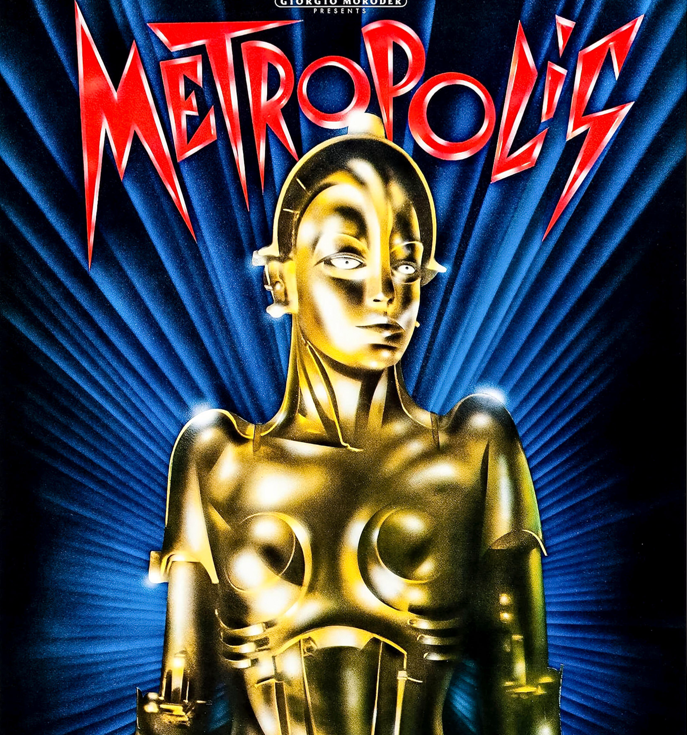
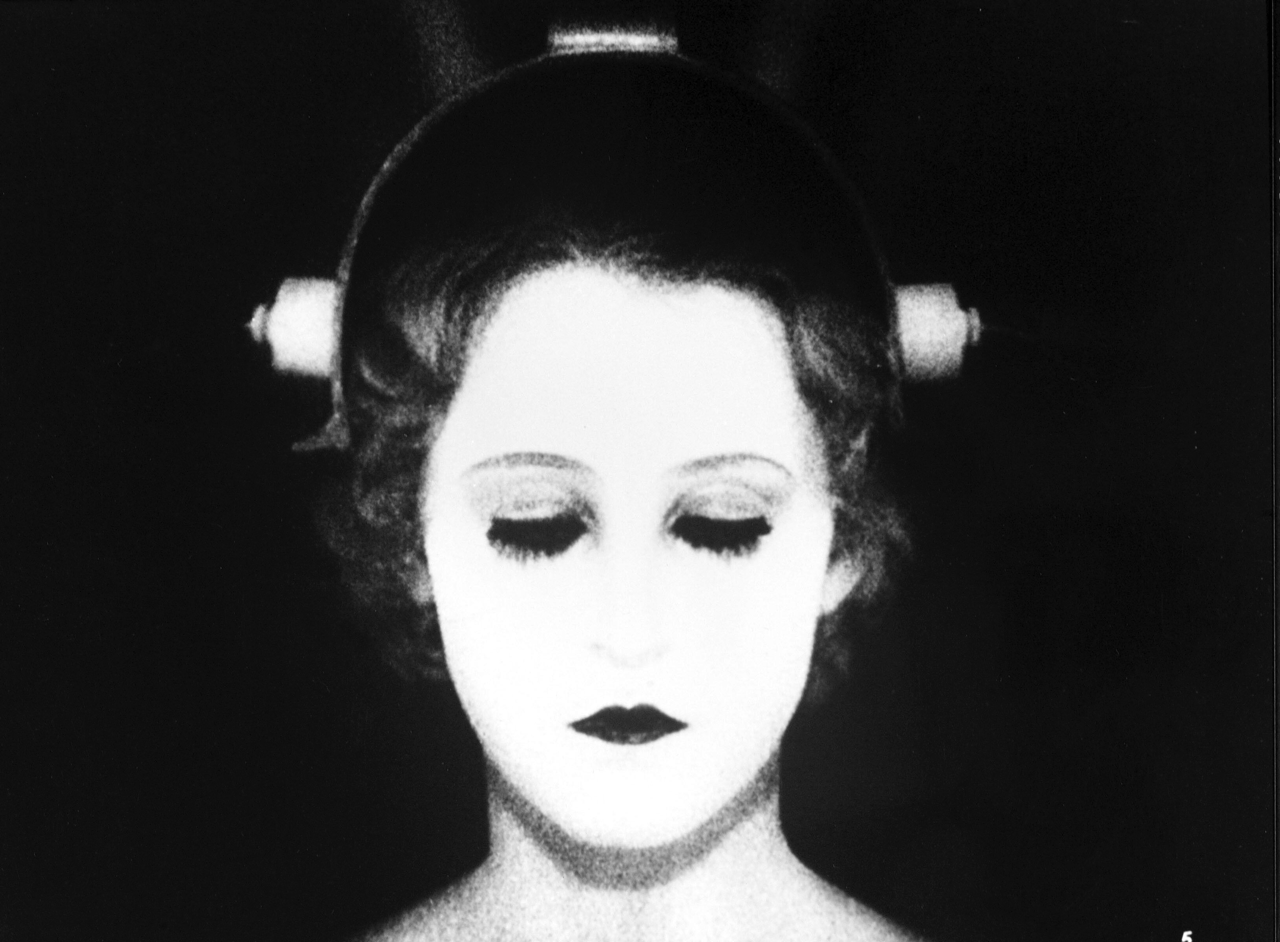
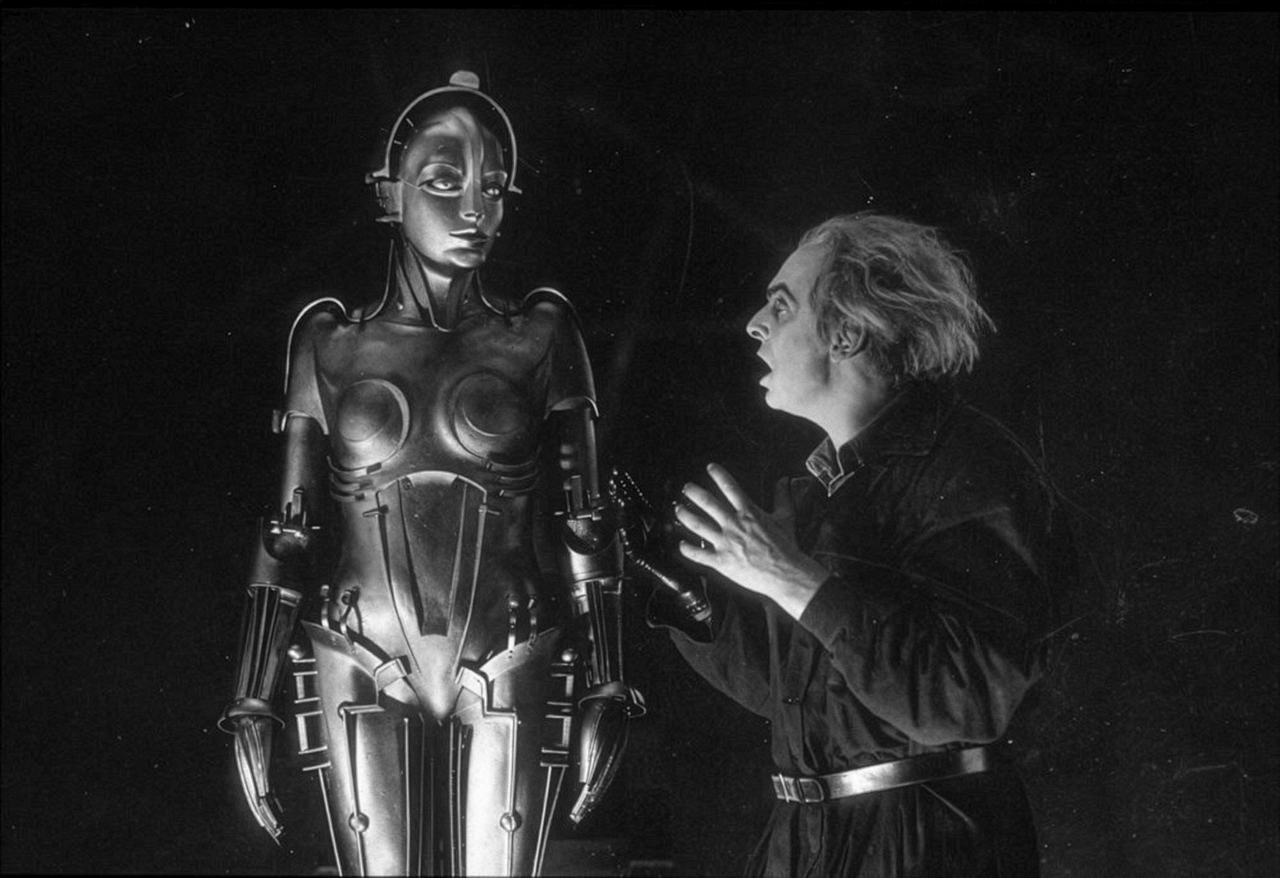
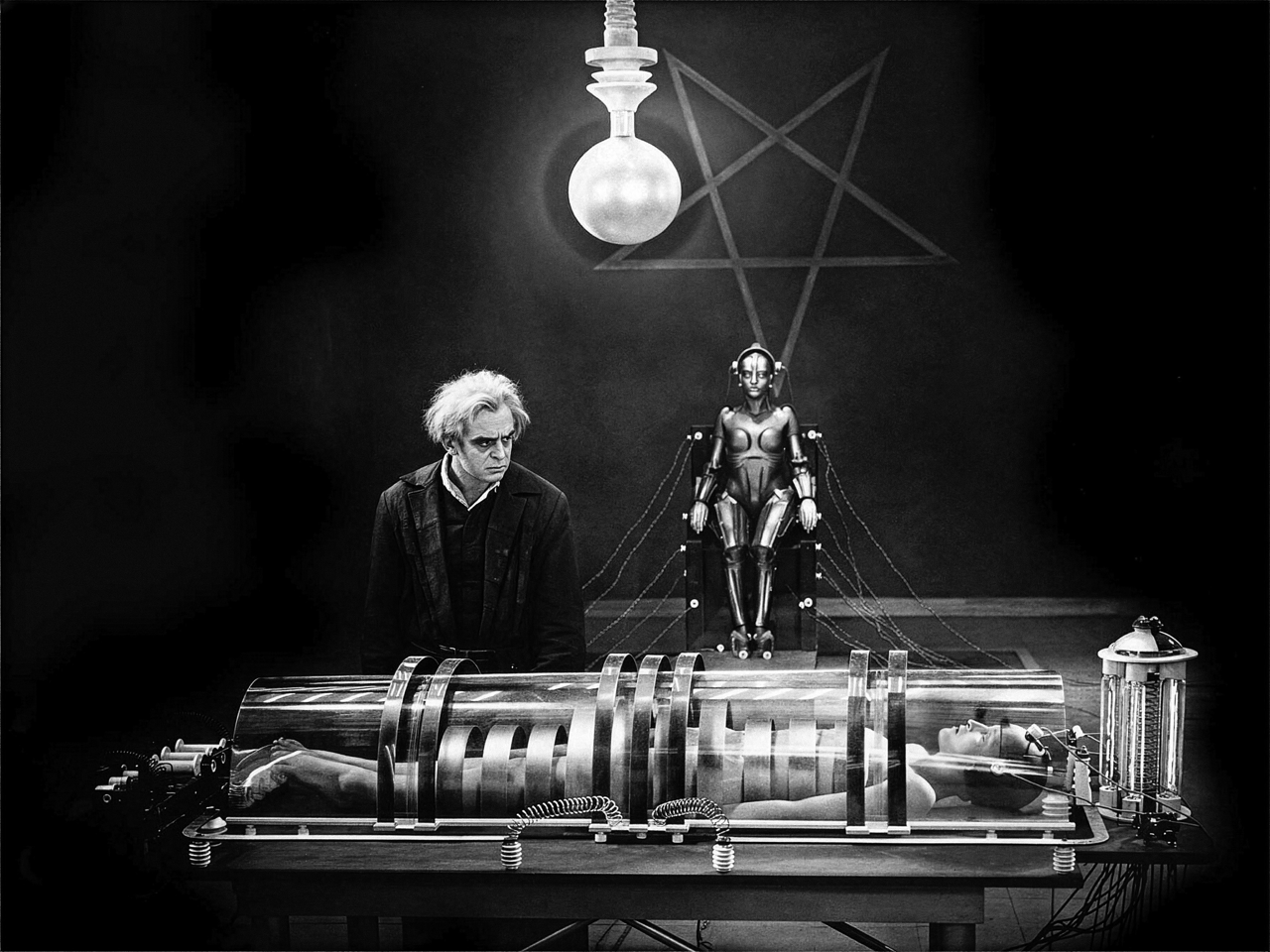
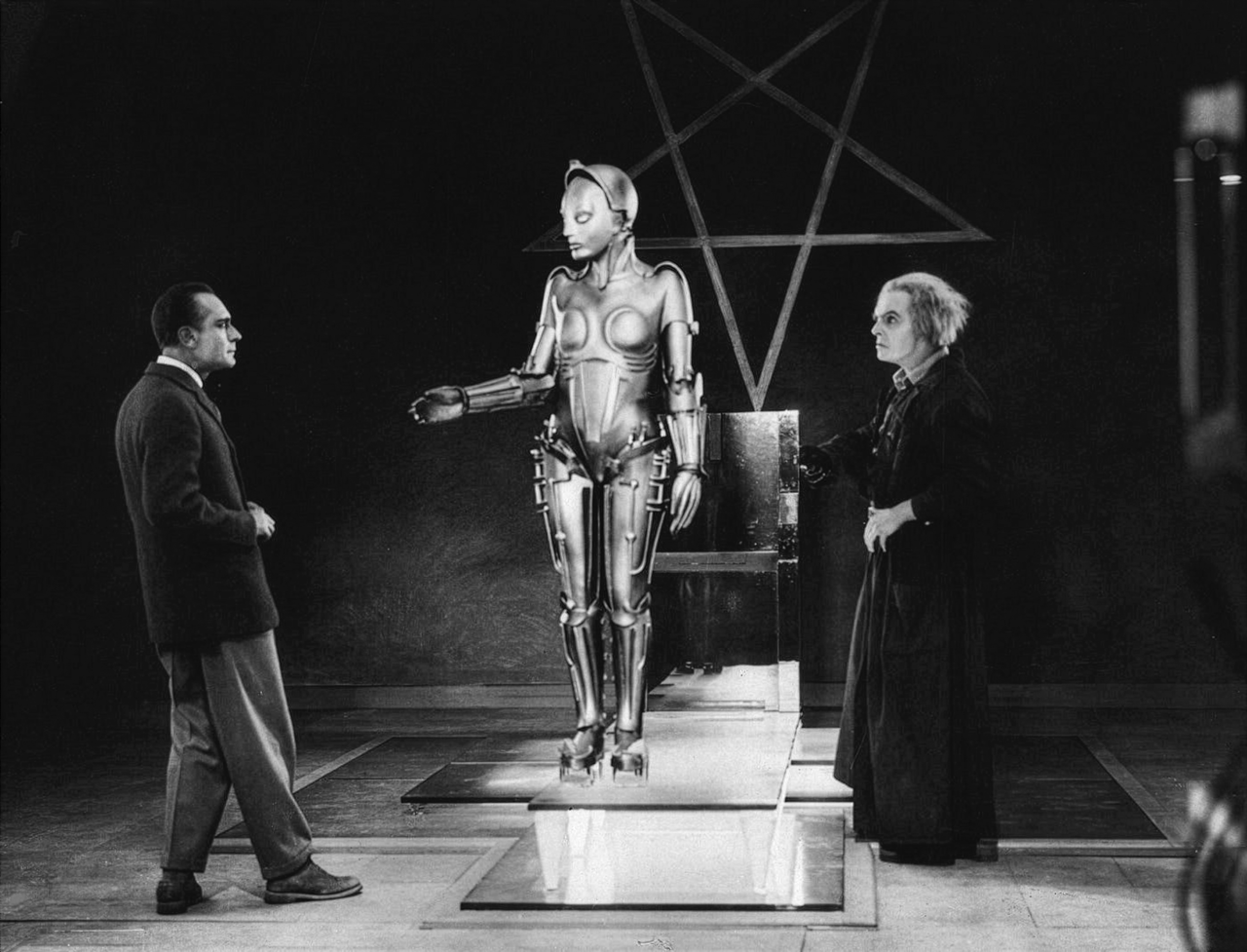
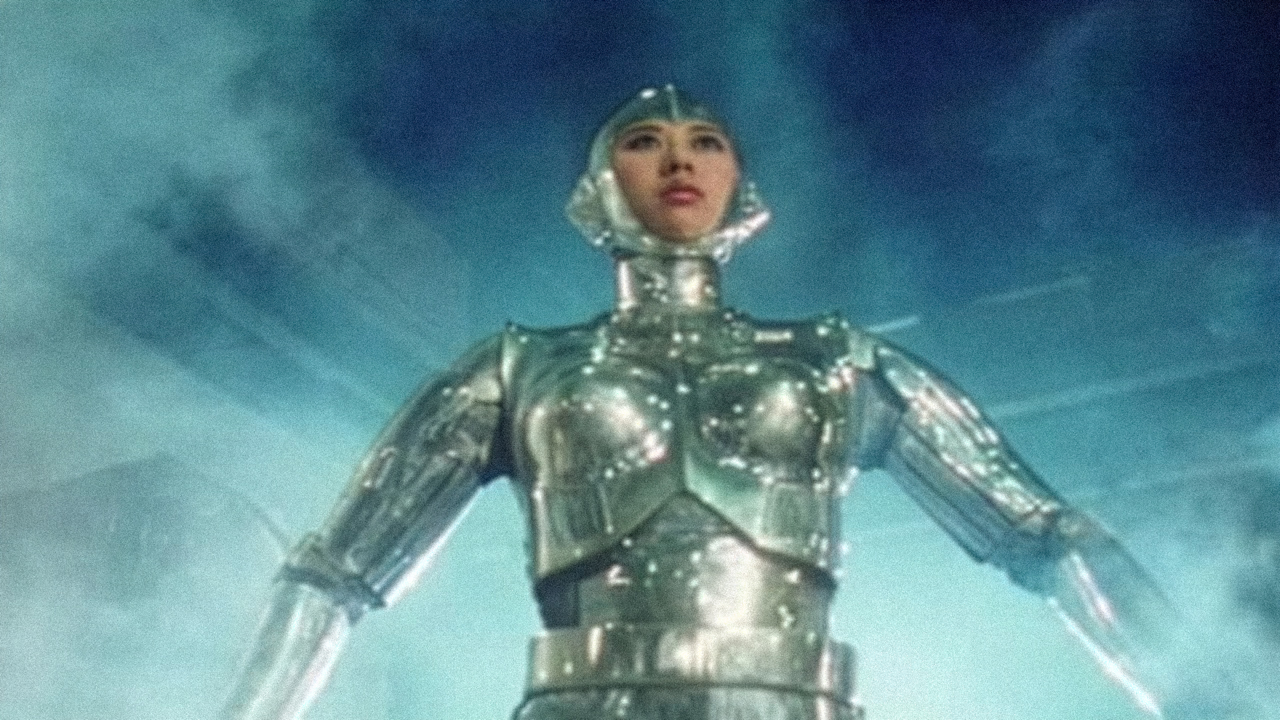
The first robot loomed into cinemas in Fritz Lang’s 1927 dystopian sci-fi Metropolis. Metallic and glistening, she came in a casing that enhanced her feminine attributes. Inventor Rotwang transformed her into the human image of Maria, a working class activist. The robot Maria was used to enticemen with her sexuality, at one point performing a seductive belly dance, while the real Maria was cast in a saintly light: an early example of women being separated into what became known as the Madonna/whore archetypes.


In 1949, The Perfect Woman presented a beautiful female robot designed to be “perfect”. Chaos ensued when she was substituted by the robot’s real-life inspiration, the creator’s niece. With shades of Pygmalion and the subsequent My Fair Lady, The Perfect Woman attempted a comical commentary on idealistic notions of womanhood, while still catering to fantasies about obedient women who could be controlled.
The production line of robots sped up with the explosion of sci-fi movies and TV in the 1960s. Those voiced or played by male actors were often boxy and practical, and designed for physical chores, in the likes of Lost In Space (from 1965) and Forbidden Planet (1956). Reflecting Cold War anxieties and worries about the Space Race, they could also be threatening, such as the space robots in The Earth Dies Screaming (1964).
Sixties female robots had a different weapon: sexuality, and true to the campy style of the era, this soon became the subject of comedy. The spoofy Dr Goldfoot and the Bikini Machine (1966) featured an army of models in gold bikinis, inspiring Austin Powers’s fembots. The TV sitcom My Living Doll (from 1964) starred future Catwoman Julie Newmar as a beautiful humanoid robot co-habiting with Bob Cumming’s psychiatrist and programmed to do what she’s told. “You are a fantastic electronic creation in the shape of a human being,” he tells her. “Boy, what if all girls were shaped like you!” Most of the show’s comedy revolved around either her attractiveness or her ignorance, while underlining the vexing unpredictability of human women. How the canned audience laughed.
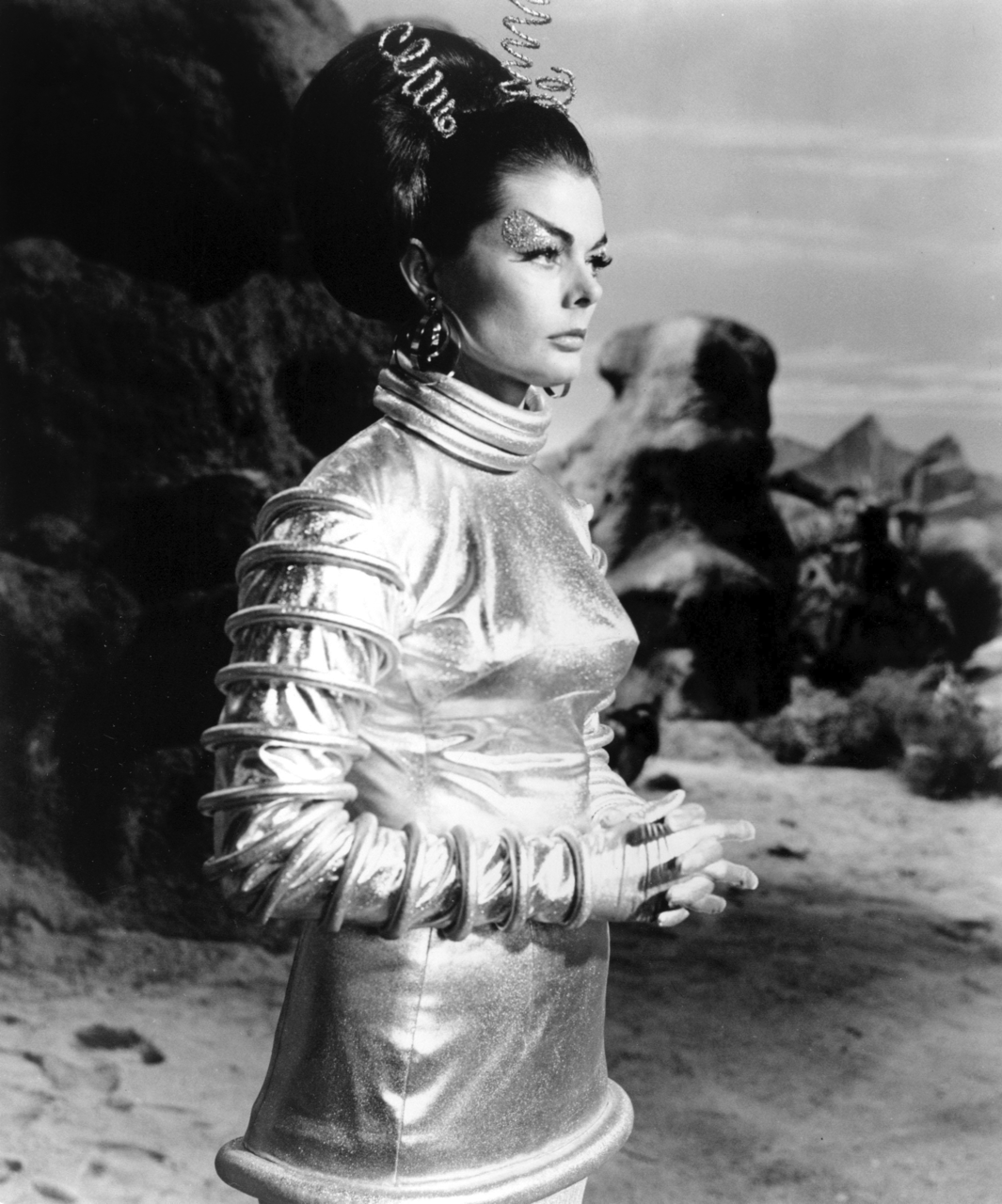
Dee Hartford in Lost In Space (1965). By Irwin Allen.
An interesting 1960s counterpoint is Rosey from the cartoon series The Jetsons (from 1962). She appeared to be modelled on a more mature female domestic servant, which would make her a rare example of an older lady robot. While conforming to some housekeeper tropes of the era, Rosey had brains and backchat, telling one man, “I may be homely, buster, but I’m S-M-A-R-T smart.” The early 1970s saw the first onscreen incarnation of Michael Crichton’s Westworld (1973). The androids of the amusement park were designed to cater to every whim of the wealthy visitors, including sexual encounters. While the opening scene featured a woman recalling the men in Roman World, the rest was left to the audience’s imagination. And yet we were shown a steamy scene of the hero bedding a sorrowfully compliant robot woman in a brothel. Any initial inhibitions he had about her lack of humanity were swiftly overcome. Westworld was given more of a feminist twist in the TV series in 2016, though both versions present a largely heteronormative, patriarchal world.
In 1975, amid the burgeoning women’s movement, The Stepford Wives made a strong feminist statement. Spoiler alert: the idealised housewives of suburbia turned out to be robotic replacements, designed to give their husbands sex on tap and daily ego boosts. This novel adaptation inspired a complicated 2004 remake starring Nicole Kidman, with many changes that felt regressive rather than reflecting evolving times.
The 1980s were exciting times for cinema; less so for healthy depictions of women on screen, whether real or not. In the era of the action hero RoboCop (1987), the AI female came in the shapely form of Kelly LeBrock. Weird Science (1985) saw two nerds wishing her sexy AI into existence using a computer and a doll. Making a character nonhuman gave filmmakers a get out clause—free licence to ogle, as she can’t be offended, can she? LeBrock’s character is matter-of-fact about her nudity as she showers in front of the gobsmacked boys, while the camera invites the audience to be complicit in consuming her body one piece at a time. It pans up and fragments her figure in the way human females are so often on screen (the documentary Brainwashed: Sex-Camera-Power (2022) details this trend in an eye- opening fashion). I loved Weird Science as a kid, but I dread to think what it did to my unconscious mind.
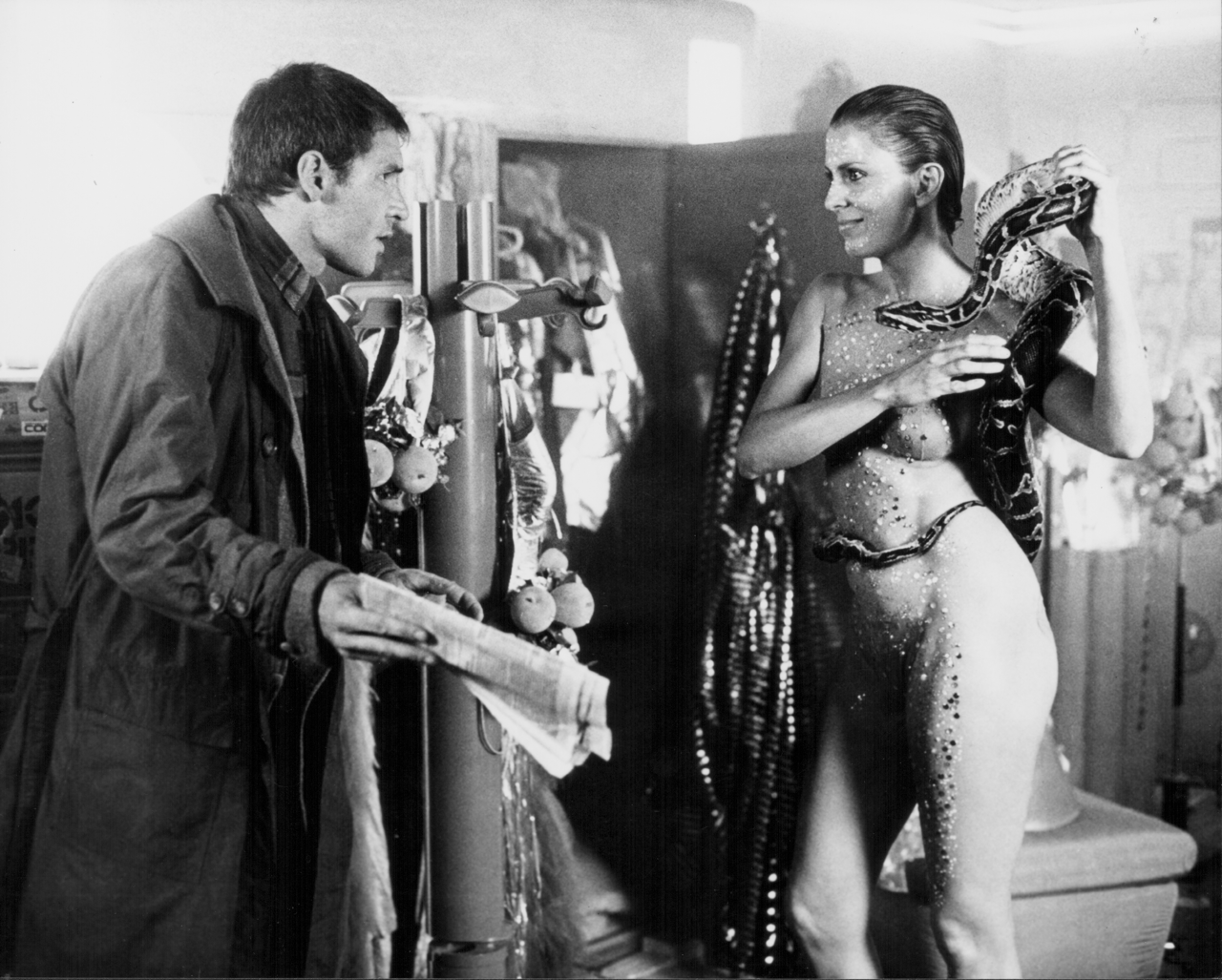
Harrison Ford and Joanna Cassidy as Zhora in Blade Runner (1982). By Ridley Scott.
Two years later, my friends and I flocked to the cinema to watch Mannequin (1987), another Pygmalion story in which a sexy shop window dummy comes to life. Then came Cherry 2000 in 1987… did no one want a real woman in the 1980s?
Not Deckard, it seems. Ridley Scott’s Blade Runner (1982) was a classic sci-fi full of vision and wonder—and “replicant” women who catered for your desires, whether you were after a docile girlfriend, an acrobatic pleasure model, or a stripper. Yes, there are male replicants, and you could argue that at least one of them is sexy. But the three key females are presented in a very different light.
Rachael (Sean Young) is a gorgeous assistant who thinks she’s a real woman and, troublingly, demurs to the persistent advances of Deckard (Harrison Ford) after repeatedly saying no. Pris (Daryl Hannah) is a punky, aggressively sexual acrobat who will cuddle you by wrapping her legs around your neck. Zhora (Joanna Cassidy) is a sex worker who meets a swift and public end. Later, in Blade Runner 2049 (2017), Mackenzie Davis’s Mariette would be used as a puppet to allow our hero to have sex with his operating system, Joi (Anade Armas).
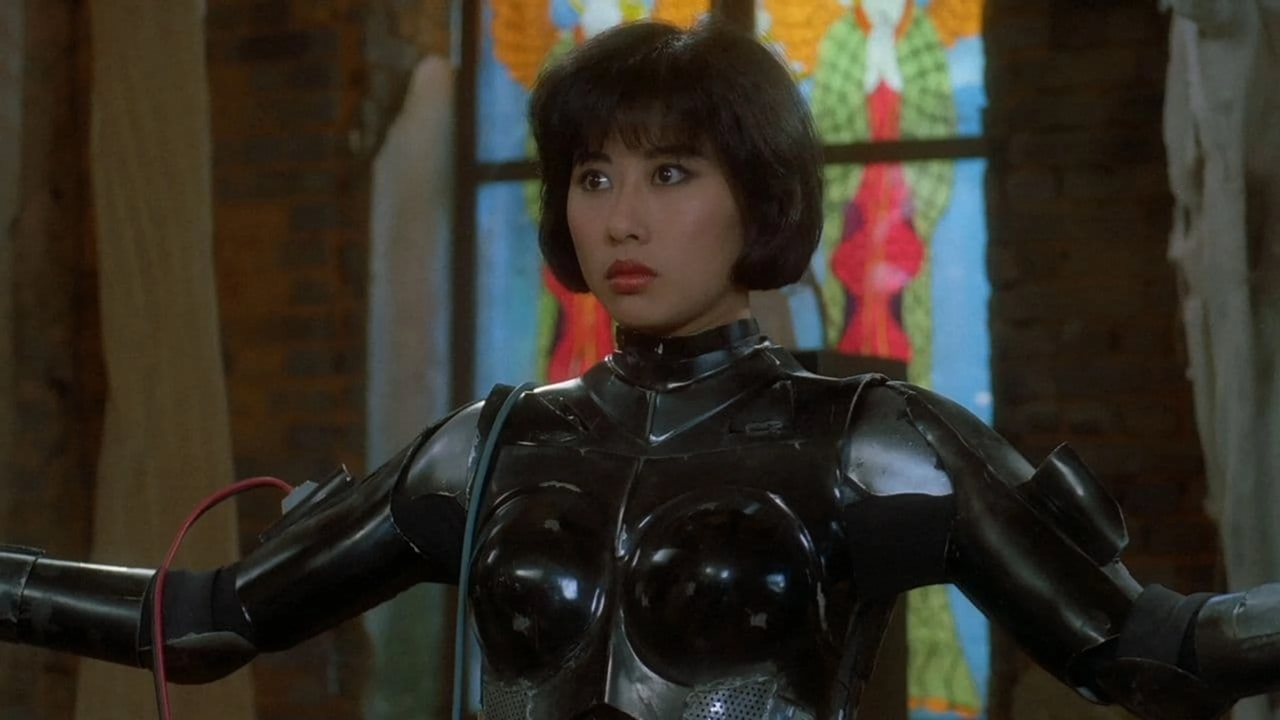
In The Terminator (1984), a naked Arnold Schwarzenegger looked like he might at least offer some sexy-robot gender balance. But think about how he was shot: the camera looked at Arnie’s muscular body admiringly, in awe and fear, fetishising it during action sequences rather than in sexually suggestive situations. Terminator 3: Rise of the Machines (2003) featured a T-X whose breasts expanded to distract a traffic cop—a low moment for a series that has a fantastic feminist lead in Linda Hamilton’s Sarah Connor.
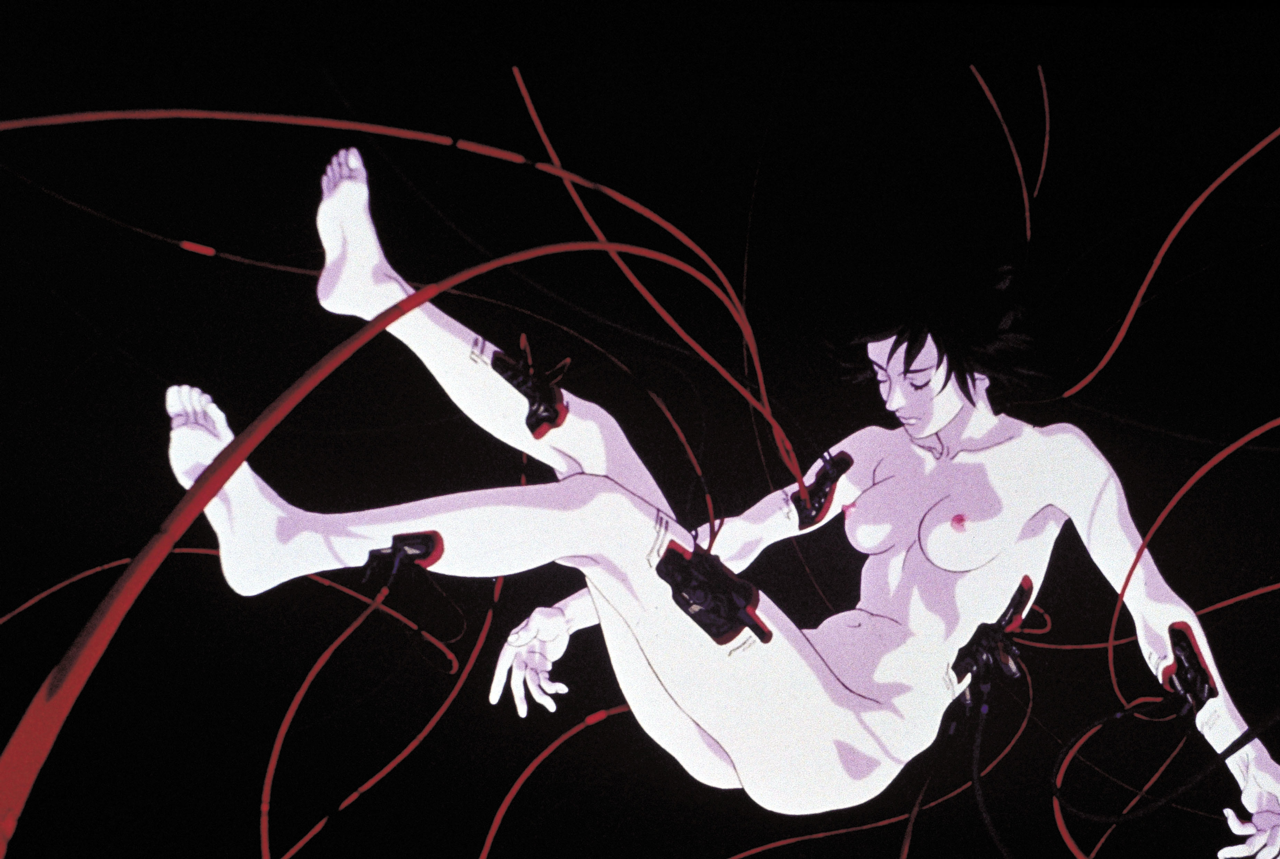
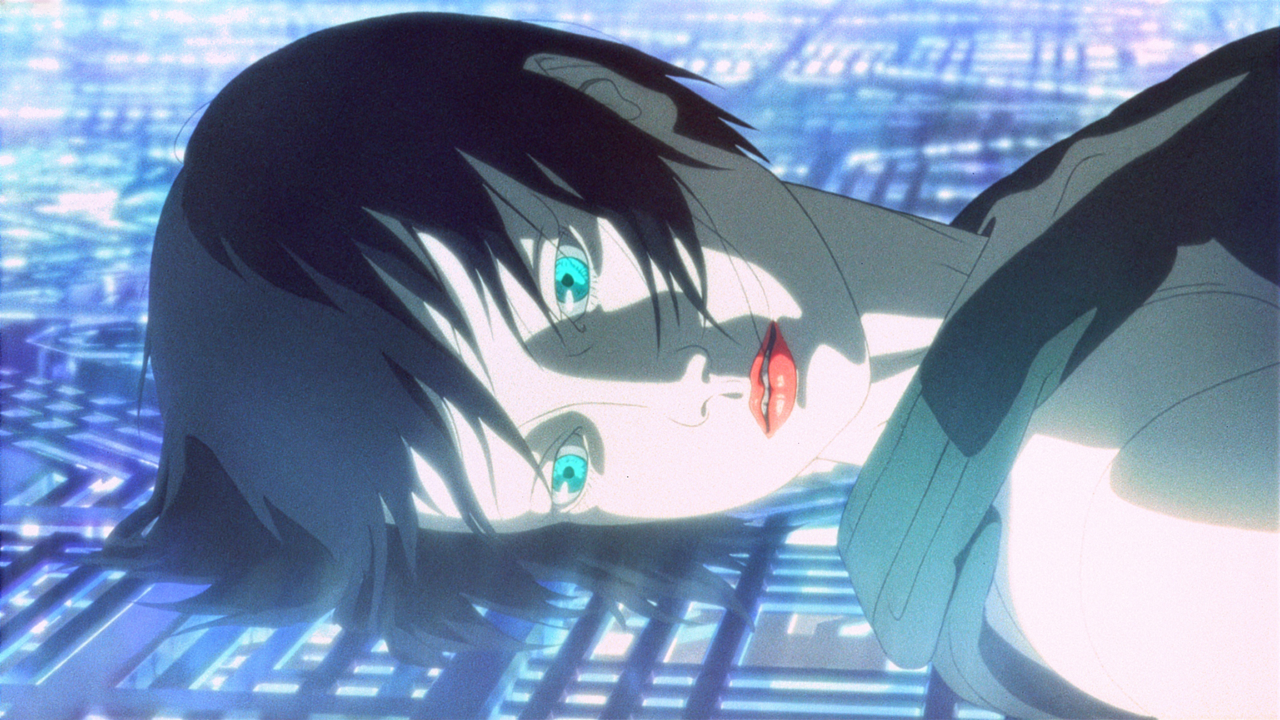
The futuristic Ghost in the Shell manga series (from 1989) featured an essentially naked, pneumatic female cyborg, replicated to varying degrees in the many film and TV adaptations from the 1990s onwards. This visual presentation of Motoko, aka The Major, arguably undermined the strong and intelligent character, including in 2017, when Scarlett Johansson controversially took the role. Still, it’s worth noting that Johansson has done compelling work in robot-adjacent genre films such as Her (2013) and Lucy (2014).
When Alex Garland turned his attention to AI, the results would always be intriguing. 2014’s Ex Machina is a taut treat, loaded with nuance and a terrific turn from Alicia Vikander as the sentient robot who is assigned to test Domhnall Gleeson’s lovelorn programmer by eccentric inventor Oscar Isaac. On the one hand, this is a credible portrait of fallible men who are in thrall to the sexual power of a woman, whether she is real or not. But it still leads with the idea of female robots being dangerous and alluring chiefly because of their sexuality. And then there is racial politics to consider: the Asian AI, Kyoko (Sonoya Mizuno), has a more servile role and doesn’t even speak.
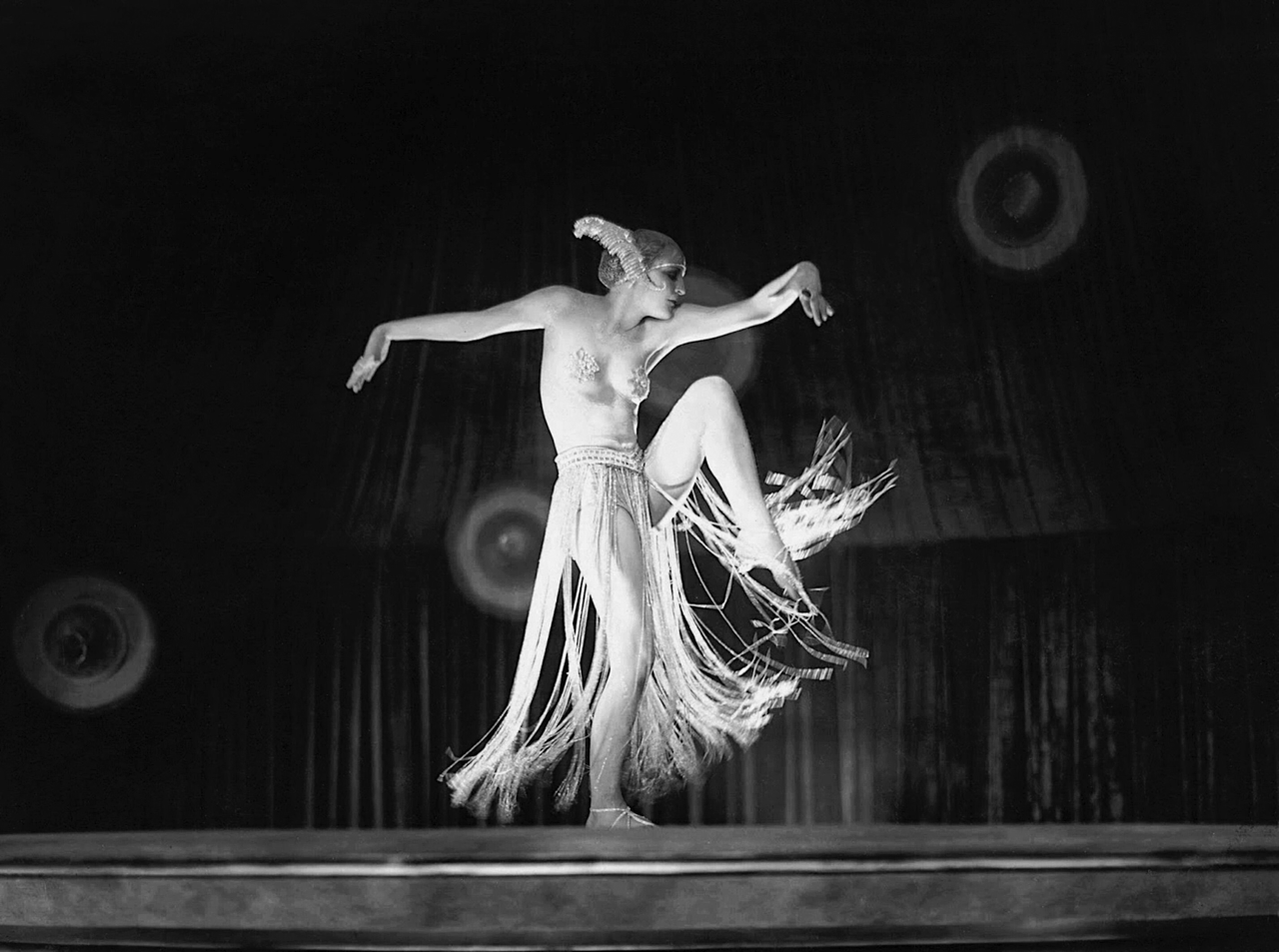
Horst Von Harbou in Metropolis (1927). By Fritz Lang.

“These artificial women often exaggerate existing gender tropes, reflecting the cinematic and sexual preoccupations of their eras rather than escaping them”
In 2001, filmmaker Gabriela Tagliavini delivered an intriguing comedic response to this phenomenon. The Woman Every Man Wants imagined a matriarchy where only women were allowed to own sex robots. As the title suggests, the protagonist secretly creates one for himself. In the same year, Spielberg’s A.I. Artificial Intelligence starred Jude Law as Gigolo Joe, a male companion bot. Like the women robots before him, he was conventionally attractive, but in the film’s main seduction scene, he took the lead, informing the woman of why she needed his services. He’s much more in control than, say, the submissive fembots of 1973’s Westworld.
You could argue that this different power dynamic reflects human gender stereotypes, presuming that men are after a quick lay, and women yearn for emotional connection. Ever ahead of the curve, Charlie Brooker played with this trope in a 2013 episode of Black Mirror. “Be Right Back” starred Hayley Atwell as a woman who recreates her dead boyfriend (Domnhall Gleeson) using AI. While her motivation is chiefly emotional, she tests out his sexual programming in no uncertain terms.
In the past decade or so, the wider film industry has become gradually more aware about gender and representation on screen. It’s the subject of my podcast, Girls On Film, and I’ve seen slow progress since we launched in 2018. And as the human females are evolving, so the robots are, too.
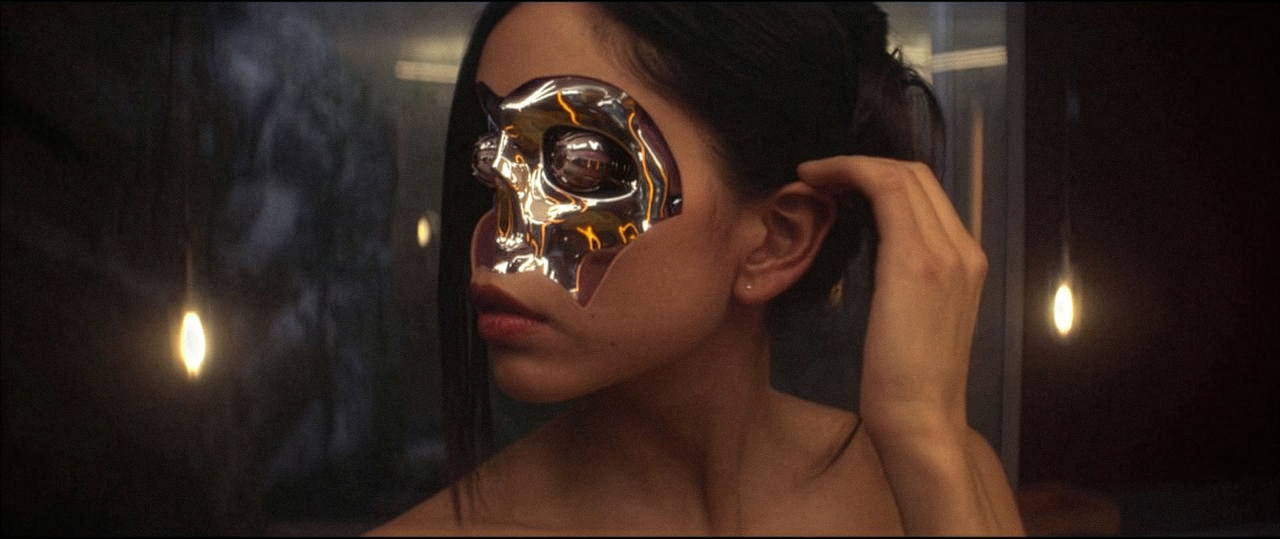
Sonoya Mizuno in Ex Machina (2014). By Alex Garland.
The titular character in the family film The Wild Robot (2024) features a maternal but physically androgynous central character, voiced by Lupita Nyong-o. Centring on “found family”, both the book and film are open to LGBTQI+ readings: a rarity in the screen robot. A gay male robot appears in the 2025 movie Companion, which (spoiler) centres around an unwitting female bot who discovers her odious boyfriend has programmed her to have 40% intelligence. That is soon fixed. Subservience (2024), in which Megan Fox’s sexy helper threatens a family unit, feels like more of a 1980s throwback.
But it does vocalise some of the questions previous films have raised, such as: what’s the difference between using a vibrator and bedding the robotic help? A similar question is explored in much more depth in the 2021 film I’m Your Man, from German writer-director Maria Schrader. It stars Maren Eggert as an academic who spends three weeks with a humanoid male (Dan Stevens). He has been programmed to learn her preferences and develop into a credible substitute for a romantic partner. It’s funny and thought- provoking, and while Stevens’s character is cast in an attractive light, he’s more than a sexbot, and the heroine wrestles with the ethical dilemmas his presence raises.
As AI becomes an increasing presence, it feels as though filmmakers are taking a more analytical look at the artificial sex objects their forerunners have fetishised—as well as offering a more critical analysis of how human characters are consuming them. And if this involves more diversity in every respect, perhaps the genre is finally moving with the times. It was certainly time for a reset.