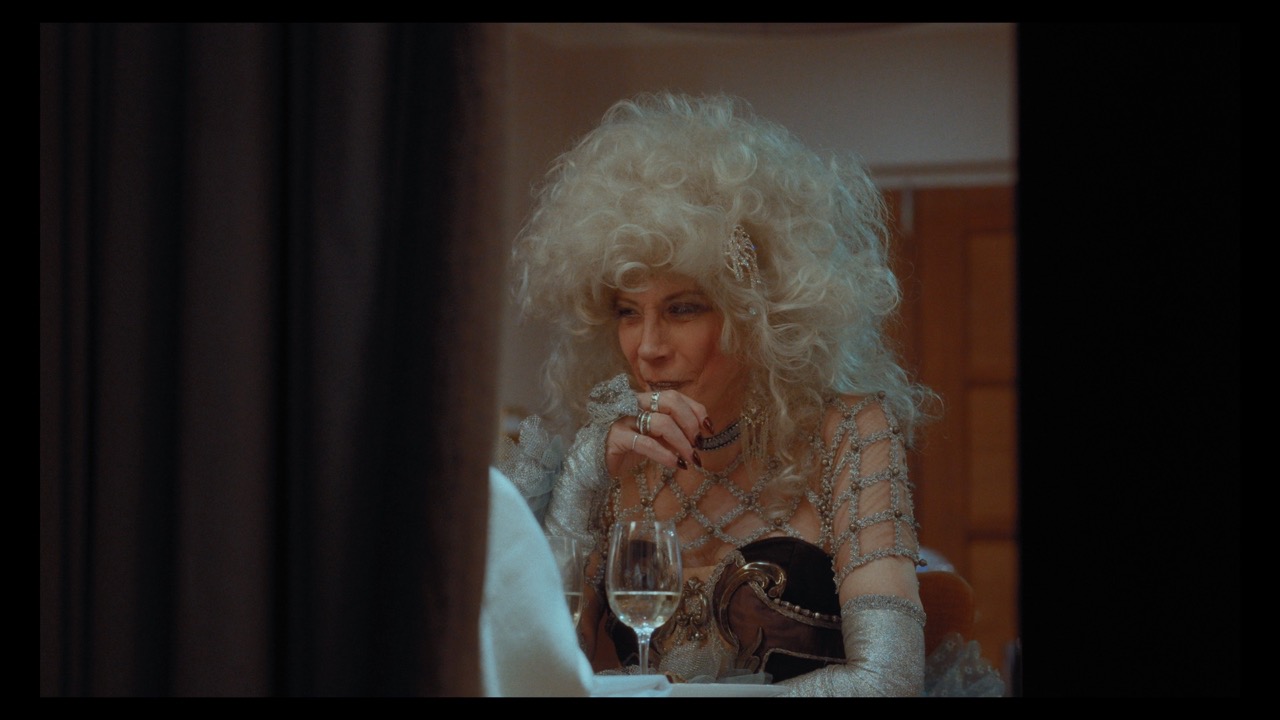
After years of secrecy, a documentary gives one trans pioneer the limelight



The debut documentary from Naomi Abel-Hirsch tells the story of trans pioneer Martine Rose, who, since the late 1970s, has provided a safe space for a community of trans women to meet, socialise and explore their trans identities.
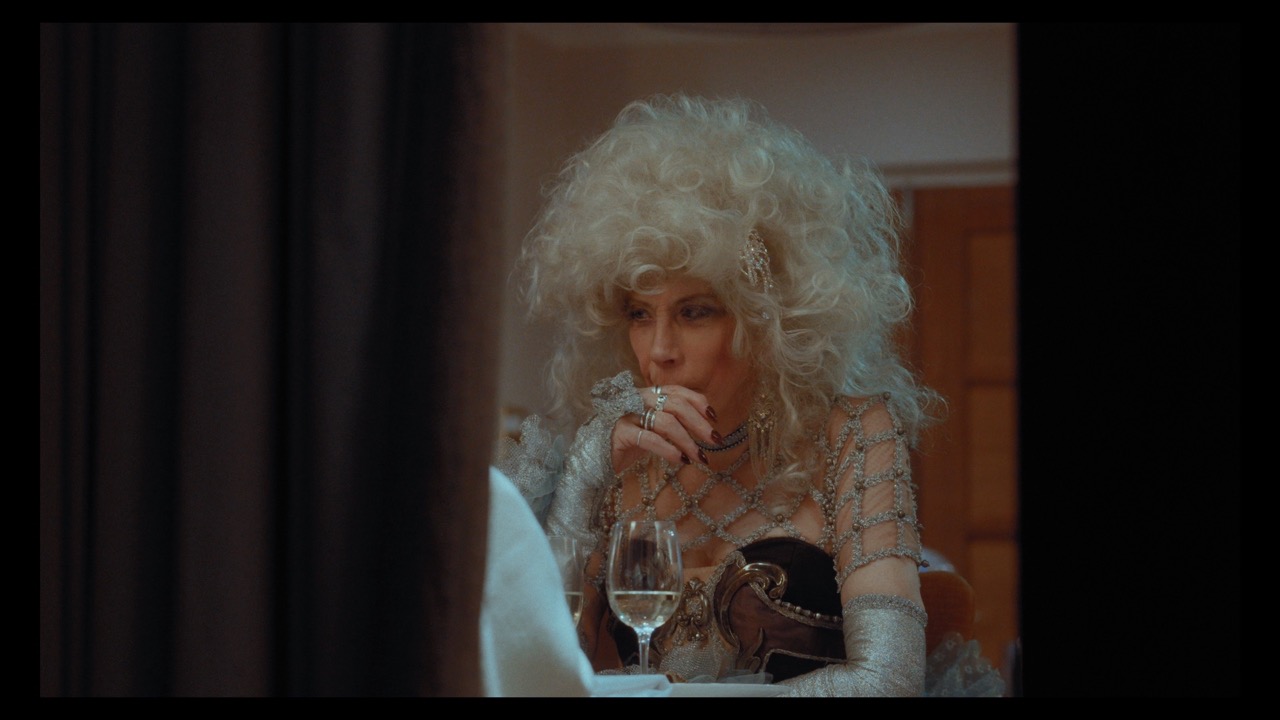
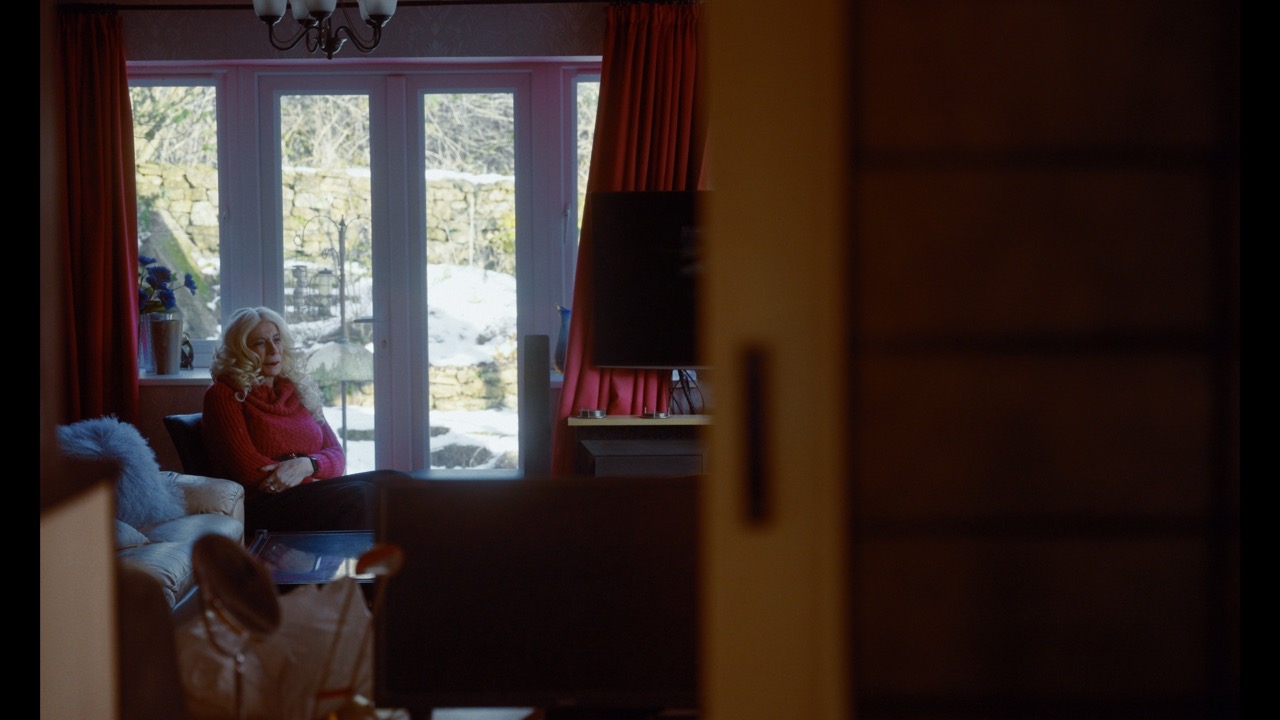
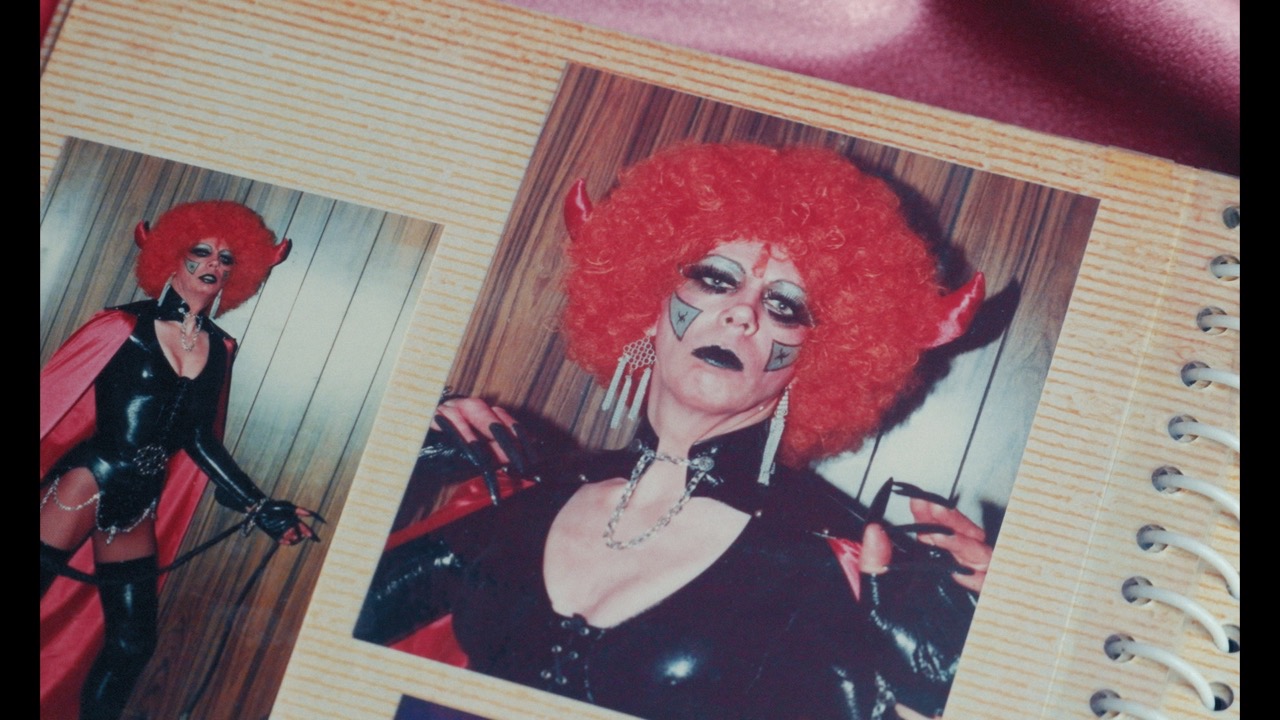
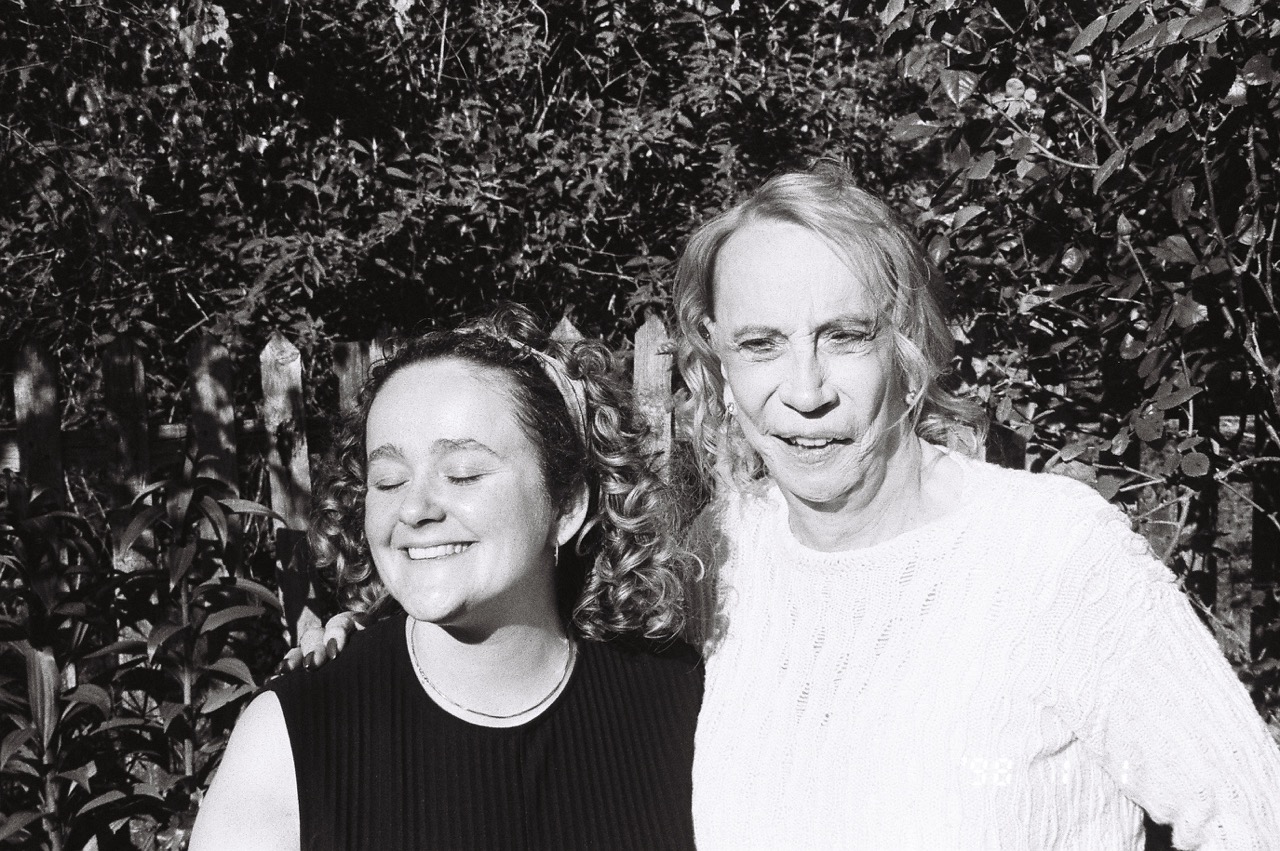
Rose’s House opens with an archival home video of a woman, giving tips on how to create a feminine image—how to hide blemishes, how to work with the light—before cutting to the same woman today, in a bright pink jumper and delightful twirls of blonde hair. This is Martine Rose, an important figure in British trans history who, in 1979, bought a rundown terraced house in Sheffield to create a safe space for people like her. (“Cross-dresser” and “transvestite” are the terms used by the documentary, reflecting the vocabulary used at the time). “I was looking for somewhere I could dress in secret,” says Martine. “Creating the sort of help I could have done with when I was struggling in the early days.” Through interviews and archival material which captures the spirit of the 1980s, Rose’s House tells the story of Martine and the community she created. From the difficulties (Martine had a helpline for those struggling) to the joys (up to eight parties in the winter months). Sitting in a cinema, Martine watches footage back from those days with a smile. Yet Rose’s House is also forward-looking, an exploration of a tight-knit community of trans women that continues to exist—with both its struggles and celebrations—today.
Ahead of the documentary’s premiere at Sheffield Doc Festival, we spoke to director Naomi Abel-Hirsch and Martine Rose about how the film came about, discovering the film’s kaleidoscopic archive material and their thoughts about the hometown premiere.


A Rabbit’s Foot
Naomi, how did you first come across Martine and decide there was a documentary here?
I was sort of in between jobs—I work in documentary and television normally—and for some respite in between applications I would go to the Bishopsgate Library archive in East London, as well as other archives. There was a photographer there called Robert Workman who took photos of drag balls at Porchester Hall in West London and I was just completely drawn in by them. Martine had put on her website that she’d won the Saints and Sinners ball in 1982 so I got in touch with her and she sent me her autobiography and I immediately knew it was going to be an incredible story to tell–I didn’t understand why it hadn’t been done before. I got the coach to visit her in (near Nottingham) and we had a weekend together. I think Martine expected me to arrive with a bit more kit then I did. We sort of went out for dinner and just chatted and there was a feeling of ease between us. I saw Martine’s incredible archive and I was set on it from that moment. I knew I had to make it work despite having no resources.
A Rabbit’s Foot
Martine, it’s quite a proposition being asked to make a documentary about you. How did it feel from your perspective?
It felt great, really, and as Naomi says, it felt as though there was a story there to be told. When Naomi came along, it felt like the ideal opportunity for someone who was interested in telling that story and I had been doing a bit of reflection on that specific period of time while I was writing my autobiography. She’s done such an excellent job and I’m happy with the way it’s all worked out.
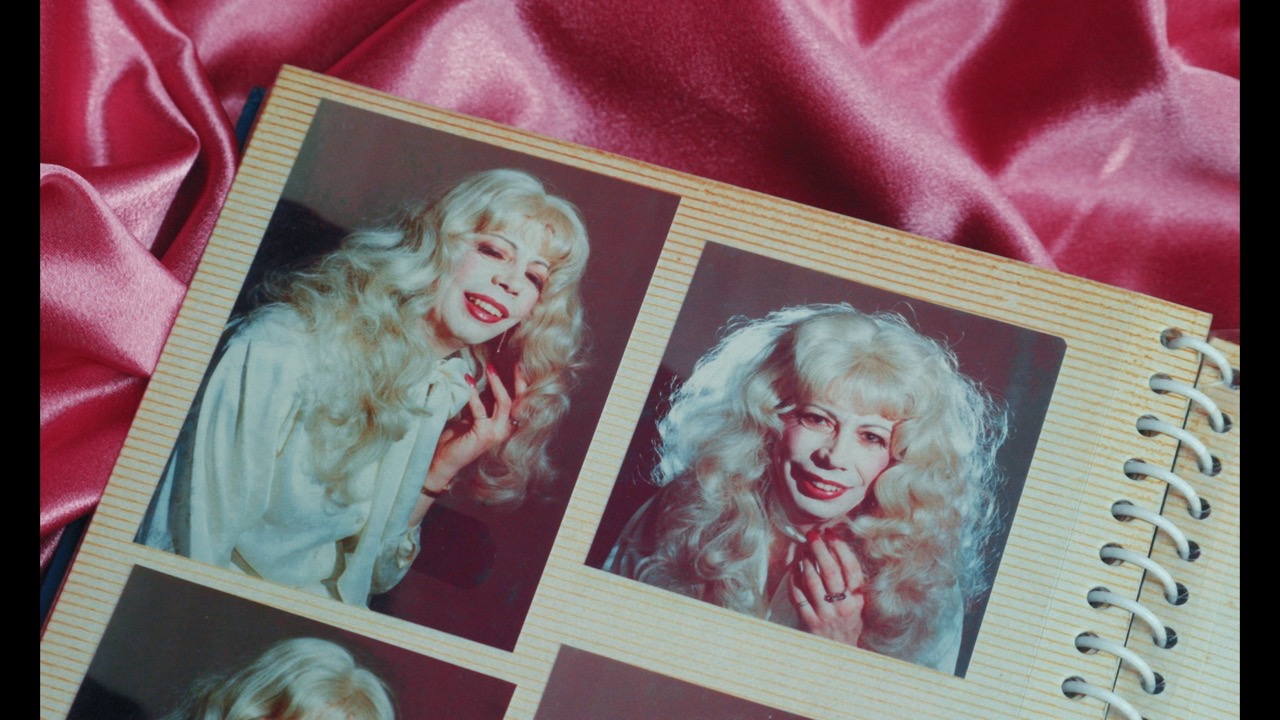
Rose’s House (2026). Directed by Naomi Abel-Hirsch.
A Rabbit’s Foot
Could you tell me a bit more about the formation of Rose’s House –it is such a fascinating history.
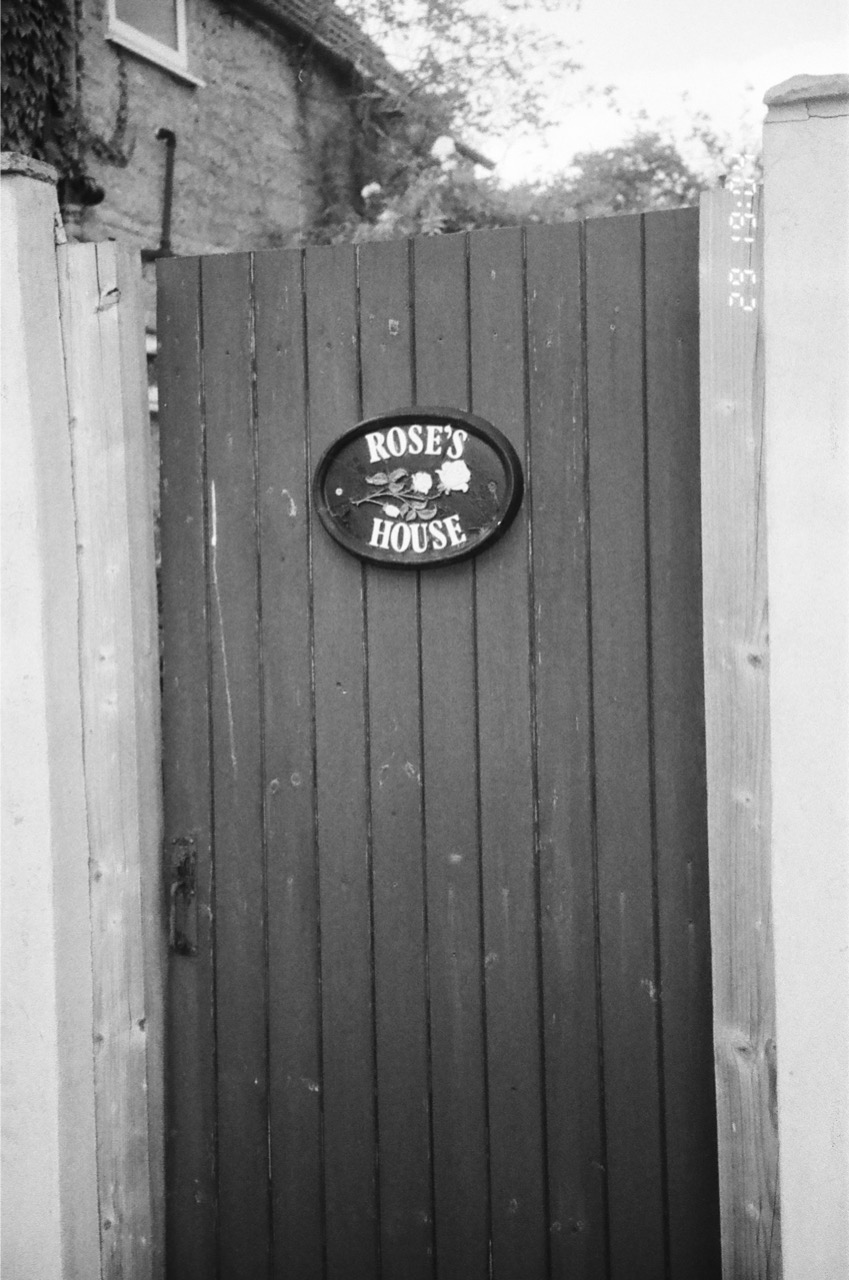
I was 41 at the time I started Rose’s House. Before then, I’d been struggling most of my life with coming to terms with being a transvestite—that was the term we used in those days. Initially, when I was very young, I thought I was the only male in the world who wanted to wear female clothes. It came as a revelation to realise that there were other people like me, which I discovered over the years. Gradually, I built up a self-acceptance and no longer felt ashamed of it—it was just clothes after all. There’s no reason why I should be skulking around in the shadows and keep it all hidden. I realized there were so many people like me who were also struggling and wanted to indulge their passion for cross-dressing. So I wanted to provide some sort of support as there wasn’t much available then. I found this house in Sheffield and opened it for anyone who needed it to come along. I just publicized it as much as possible in various magazines, and I did talks at the local university and the Samaritans.
A Rabbit’s Foot
You also created your own magazine—which you produced alone. Can you talk about that development a bit?
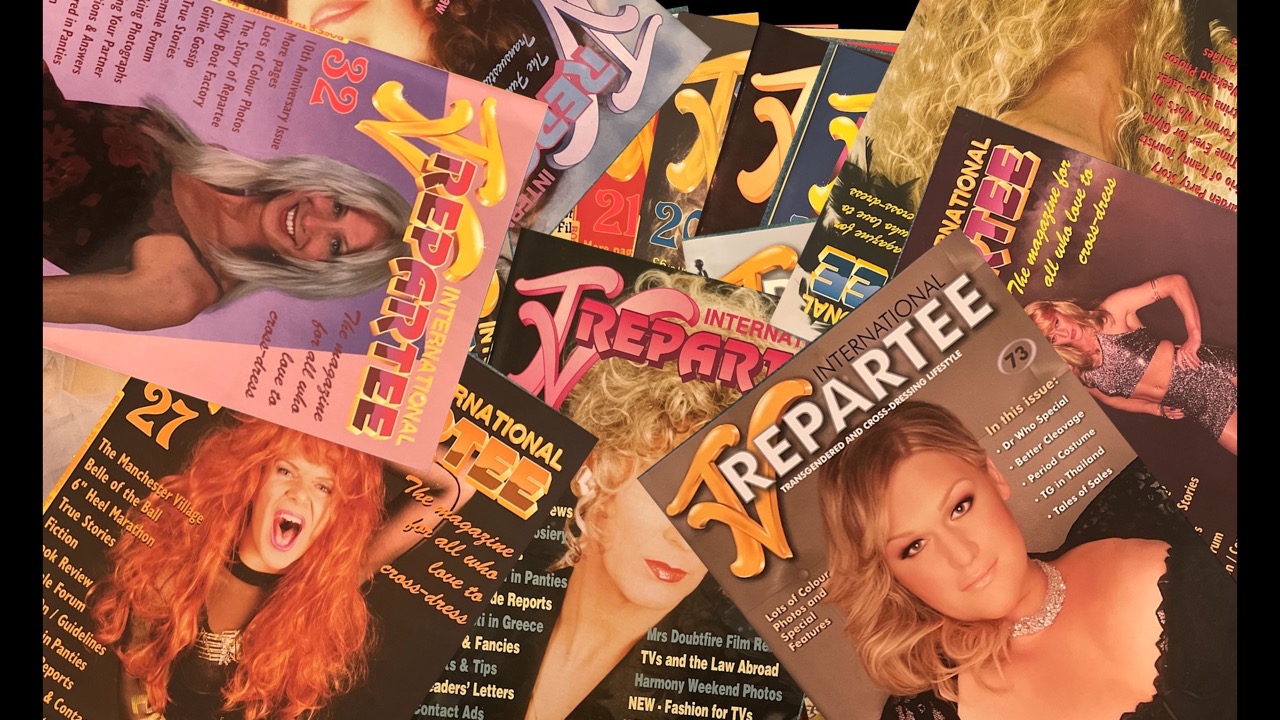
That came 10 years later, in 1989. It was another step on the journey, because I felt like there was a need for a quality publication. All of the information you’d need then would be in a magazine. Rose’s Repartee was really unique at the time.
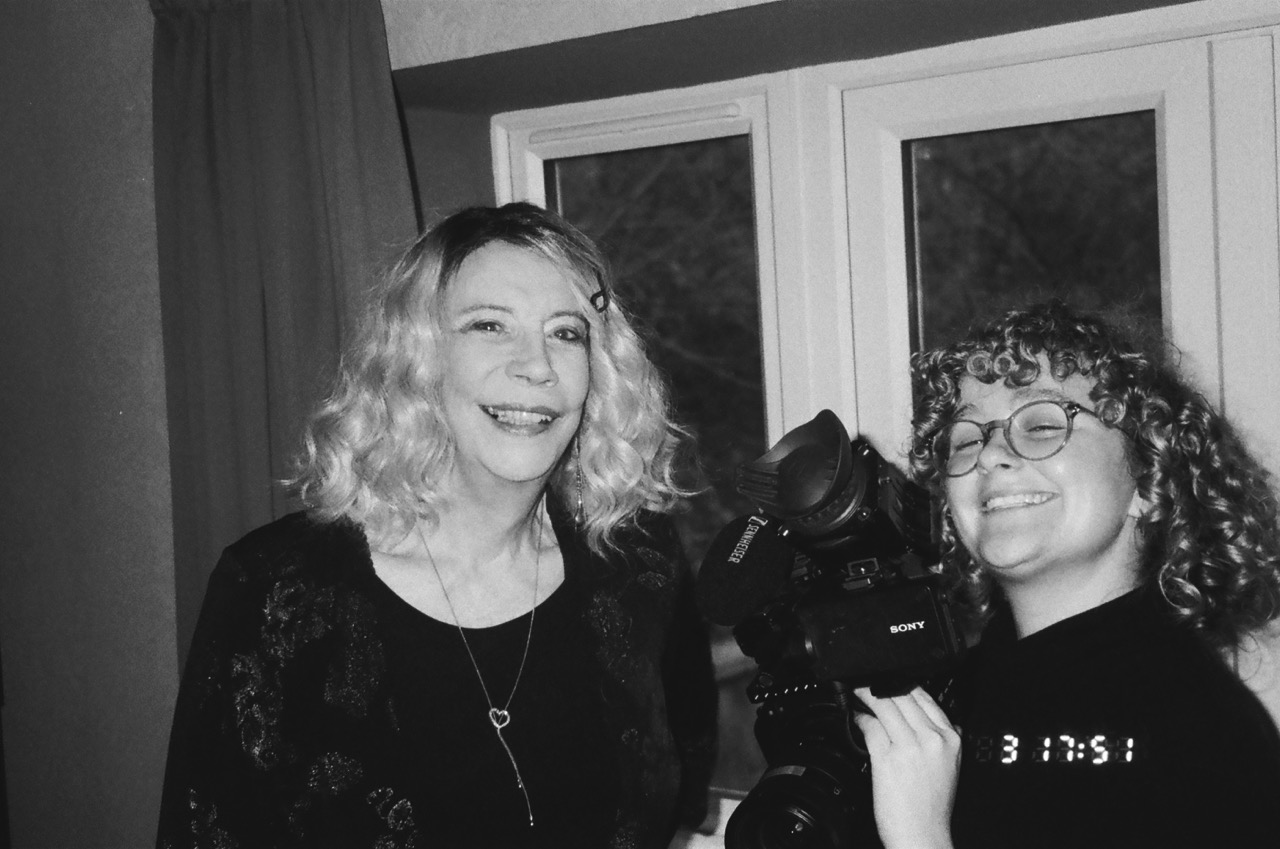
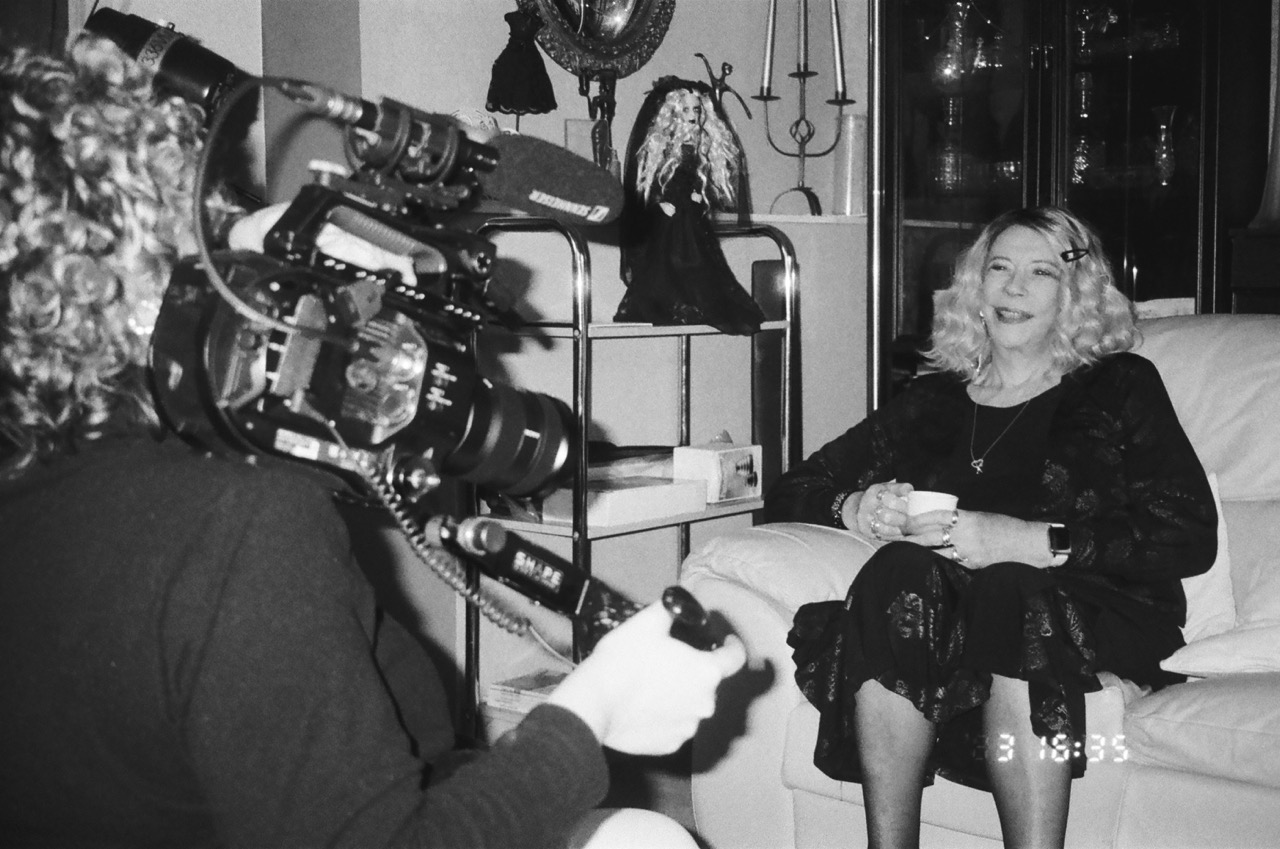
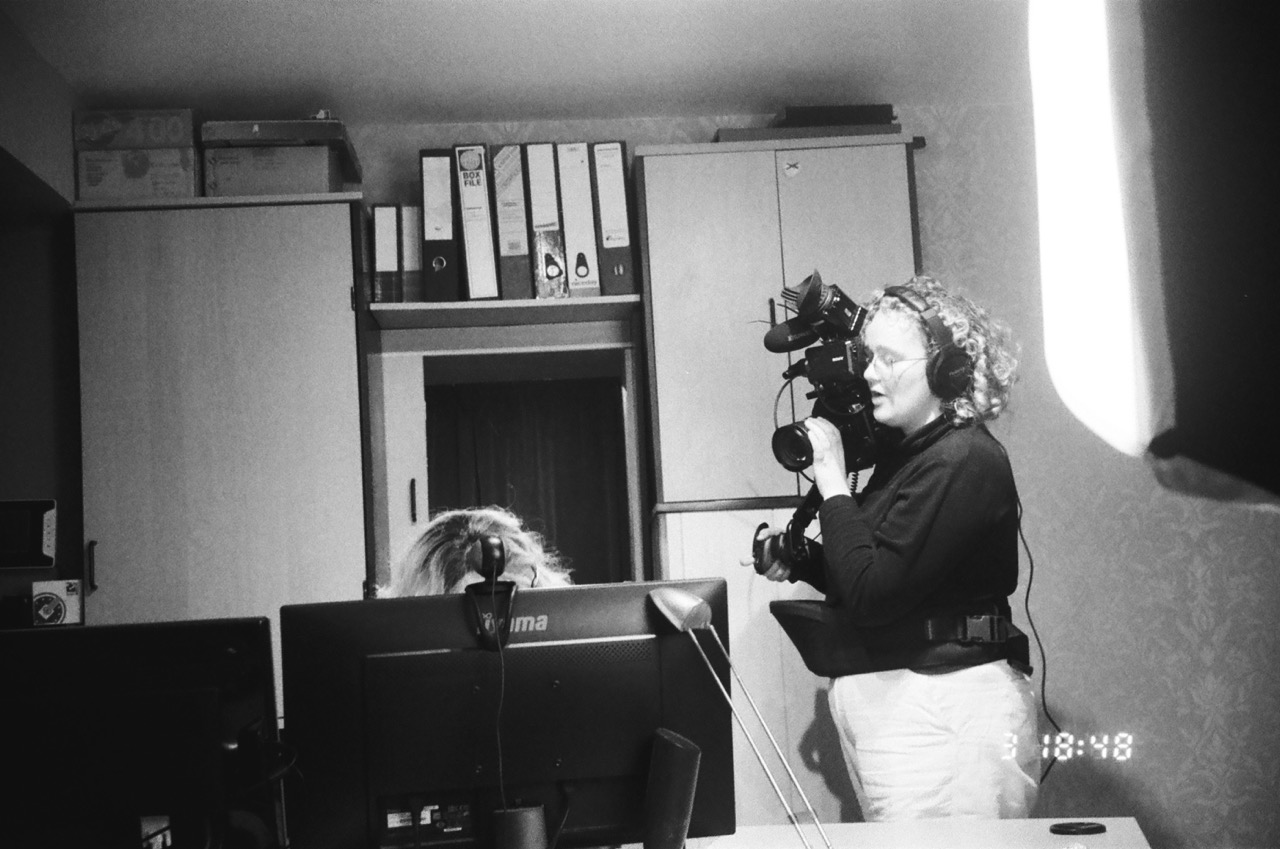
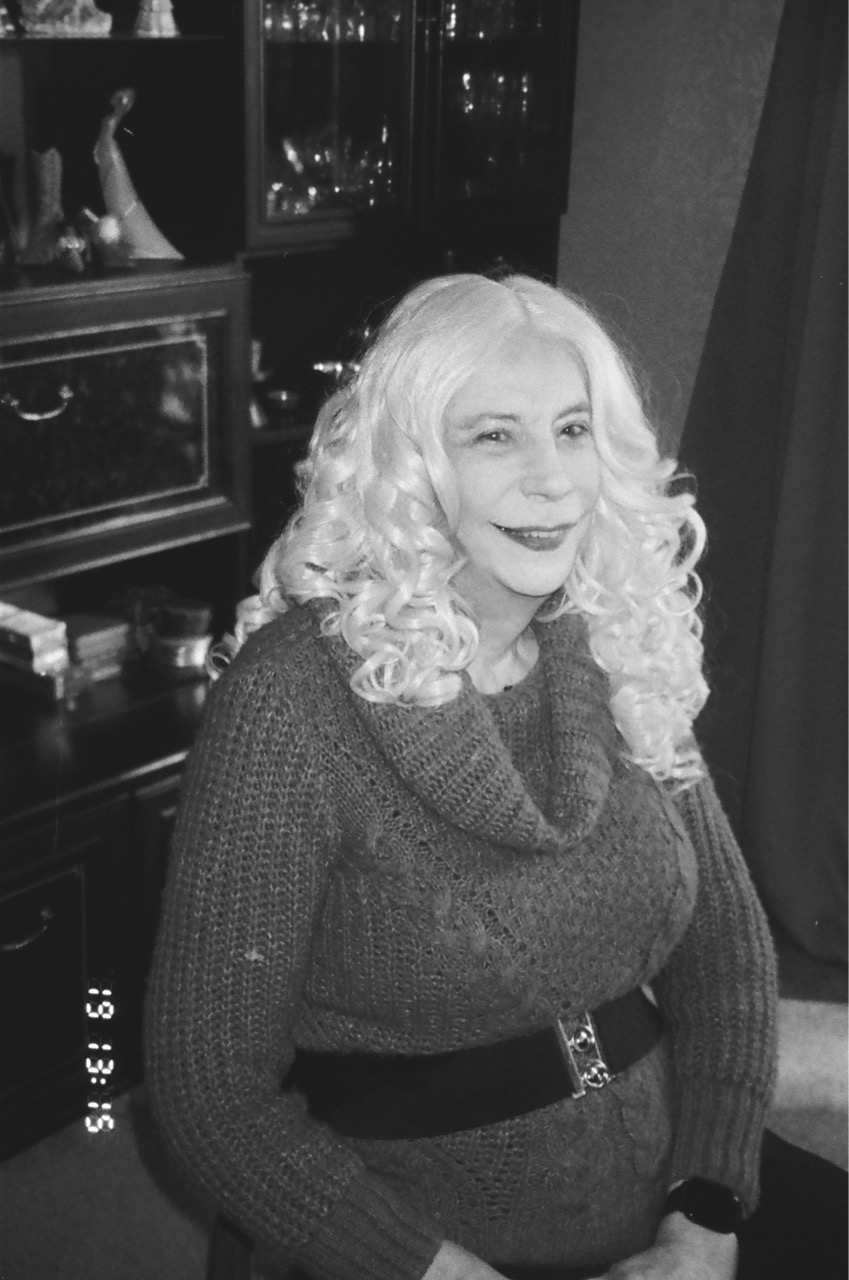
A Rabbit’s Foot
Naomi, you mentioned the archive process yourself—can you talk a bit about that, how did the archives shape the telling of the story?
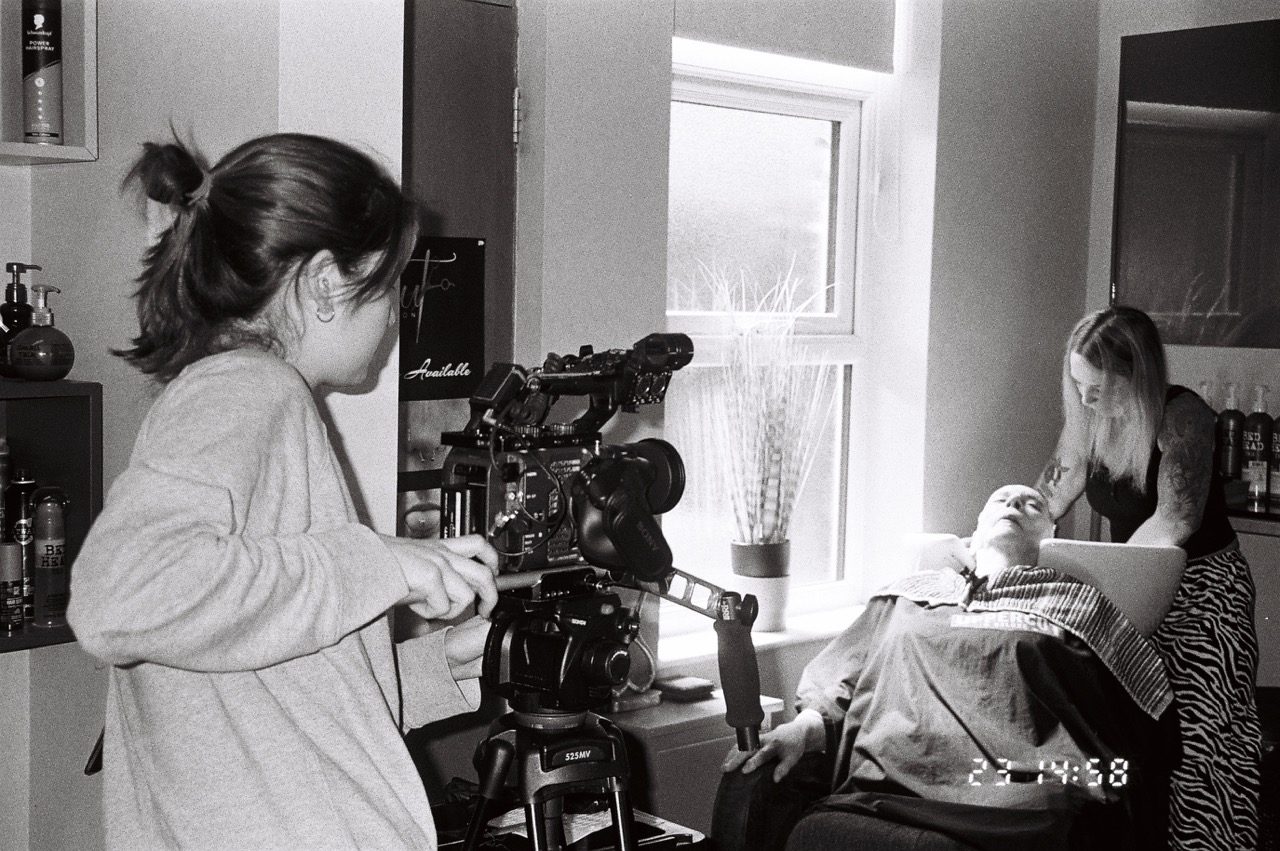
The archive process was fundamental. I saw Rose’s Repartee and I saw some images that Martine had quite early on. But we had to see the film in two stages: before funding and after funding. Before it was trying to gather archives and make connections with other people in the community, because a lot of it was held privately and we relied on people to donate their archives. I relied heavily on my archive producer Alex Wilson who had worked on Eno (2024), an Oscar-shortlisted film, so I was really happy when he took this on. Then when we got the project funded and we got an amazing crew to work on–everyone was bowled over by the archive. It was so rich and textured and you can’t not be curious when you look at it to find out more and want to know the stories behind the pictures, and it had that great 70s, 80s feel.
A Rabbit’s Foot
The documentary really transports the viewer back to that time, it’s a period piece in a way. I was wondering if you also were thinking about the urgency of the topic of gender and trans identity now?
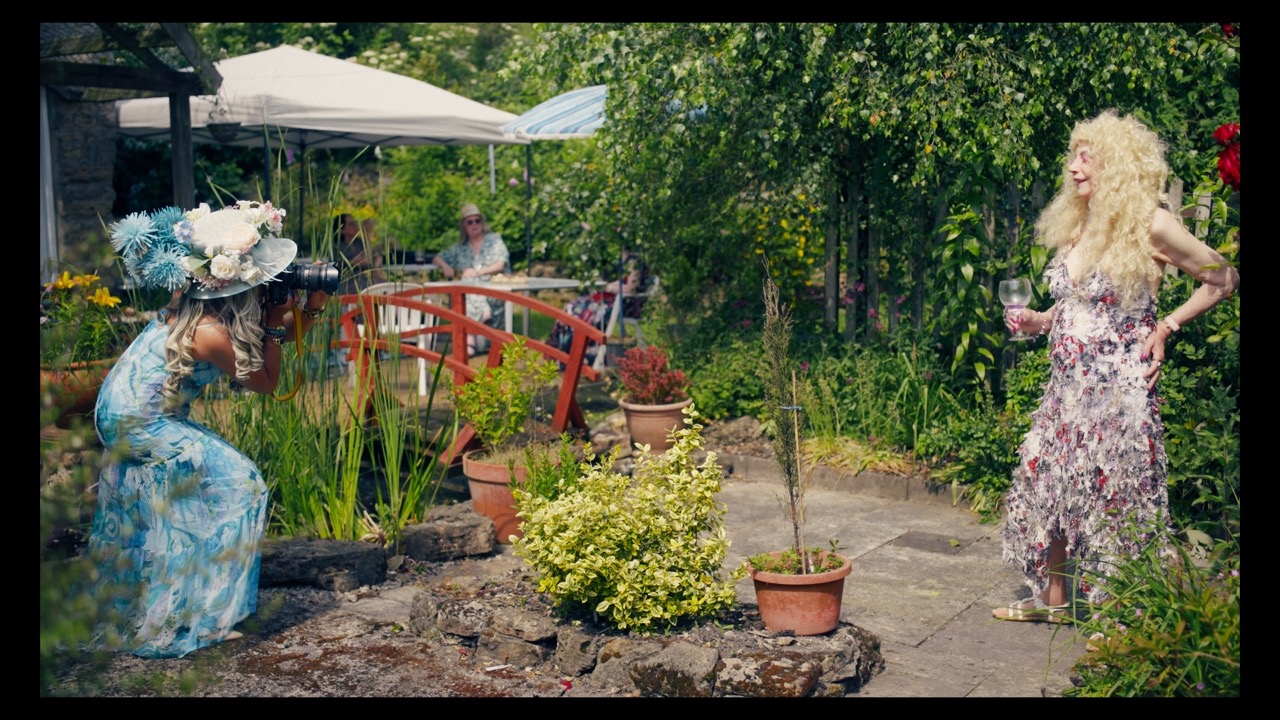
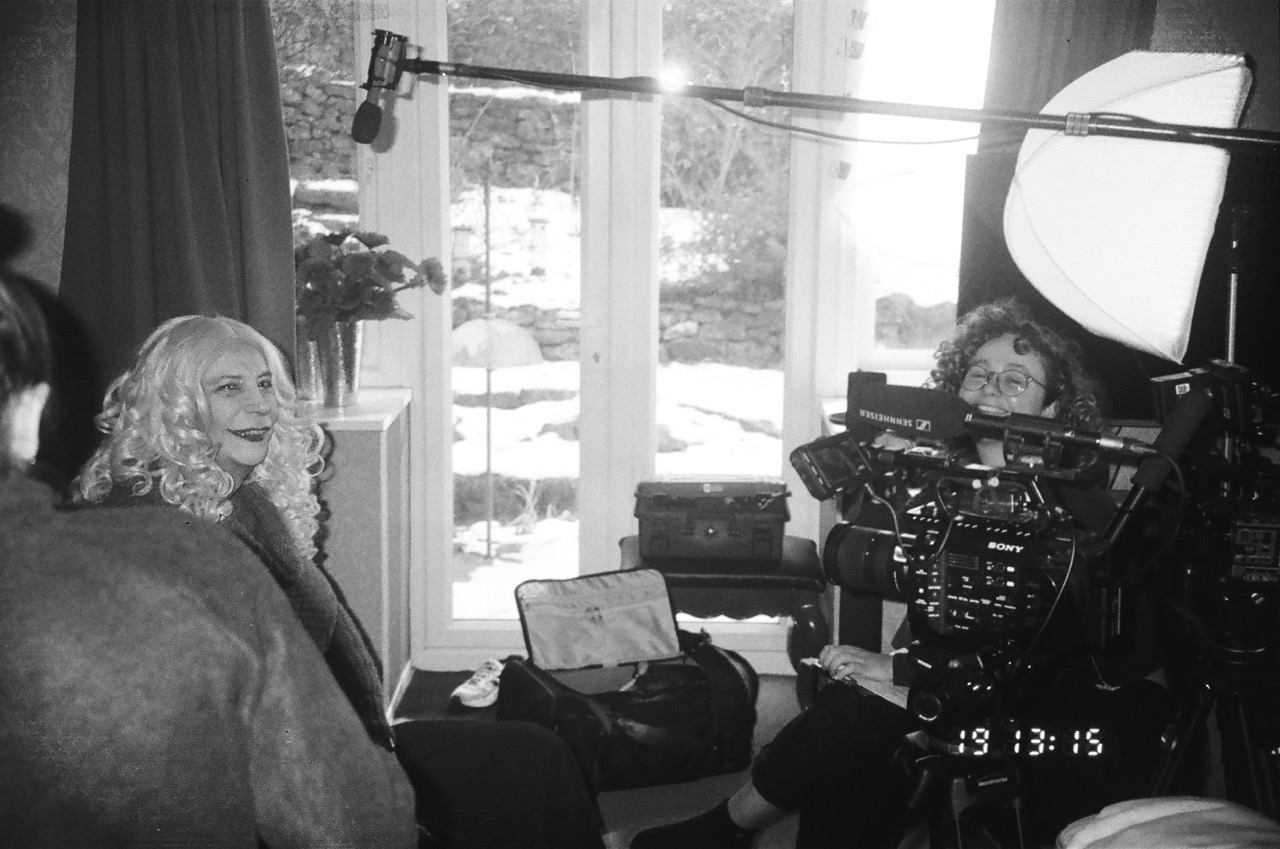
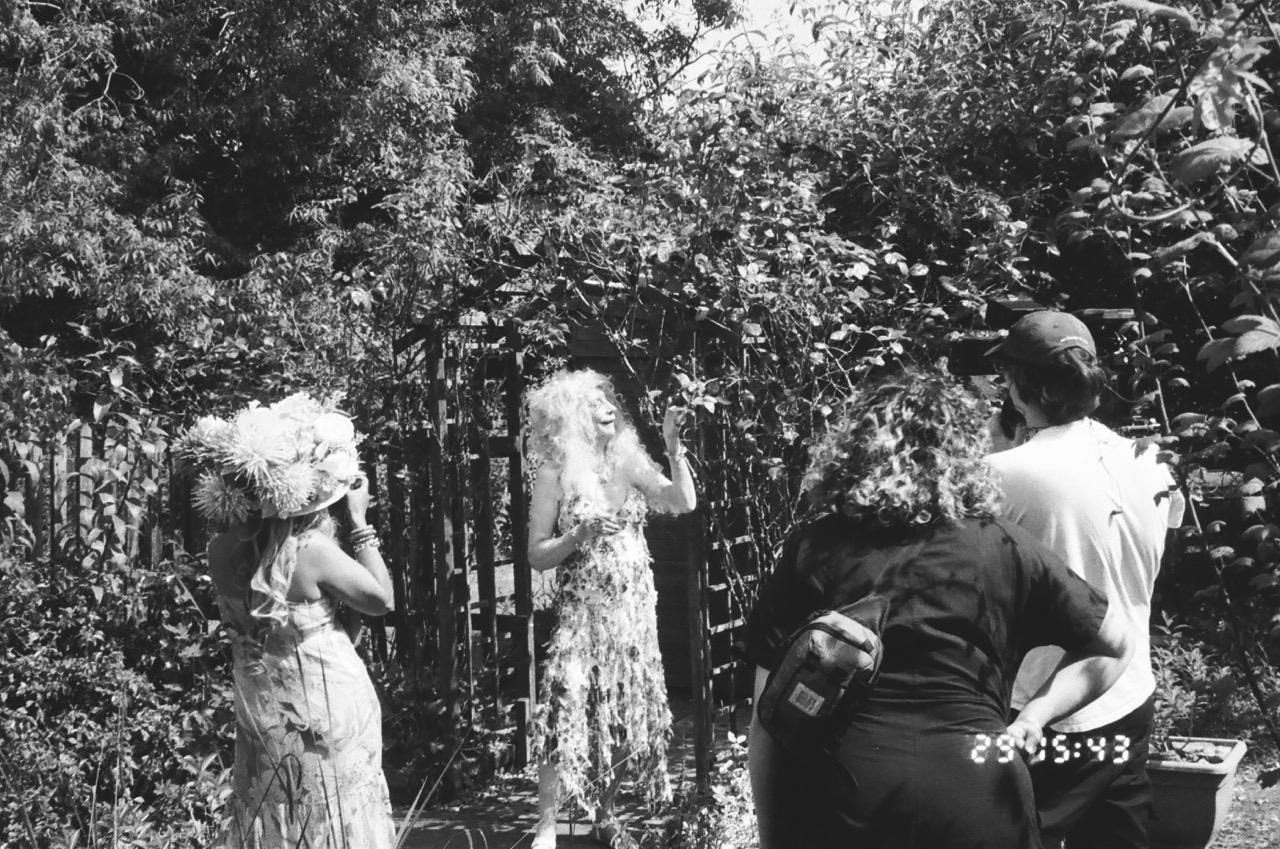
Naomi: I didn’t really think of it as a period piece—it is rooted in history and the formation of the house in some way, but we also move into the present, with the Cotswolds weekend. I came to this as an outsider. I’m a cis woman, and I was aware of that from the start. So everything grew out of my relationship with Martine. Keeping her and her story at the heart of every decision, the whole way through, is what made it possible to explore this history at all. So I wasn’t just doing it alone, but I was consulting with academics at LSE and the National Archives and I worked very closely with two consultants—one called Jaye Hudson who is a trans historian and film programmer and Leila Sellers who was doing a PhD funded by the Wellcome Trust about this era. Our conversations—particularly during the edit—we decided we really wanted to focus on the joy of the house, because that is what felt really true to what it was. Martine set up a place for people to feel completely at ease. We had the constraints of 20 minutes, and I think if we were to try and force anything in about debates or anything like that, we wouldn’t have time to fully unpack it.
Martine: I was really pleased that Naomi focused on the joy of it. It was good fun. That was the whole ethos of Rose’s House—that cross-dressing was something to enjoy and not to be ashamed of, not to keep hidden.
Naomi: I always go back to something Martine said which is how after the parties she’d wake up and there would just be all these people sleeping on the floor. And I had this visual memory and just a sense of the fun of it all—the way people would party all night and then make their way home in the morning.
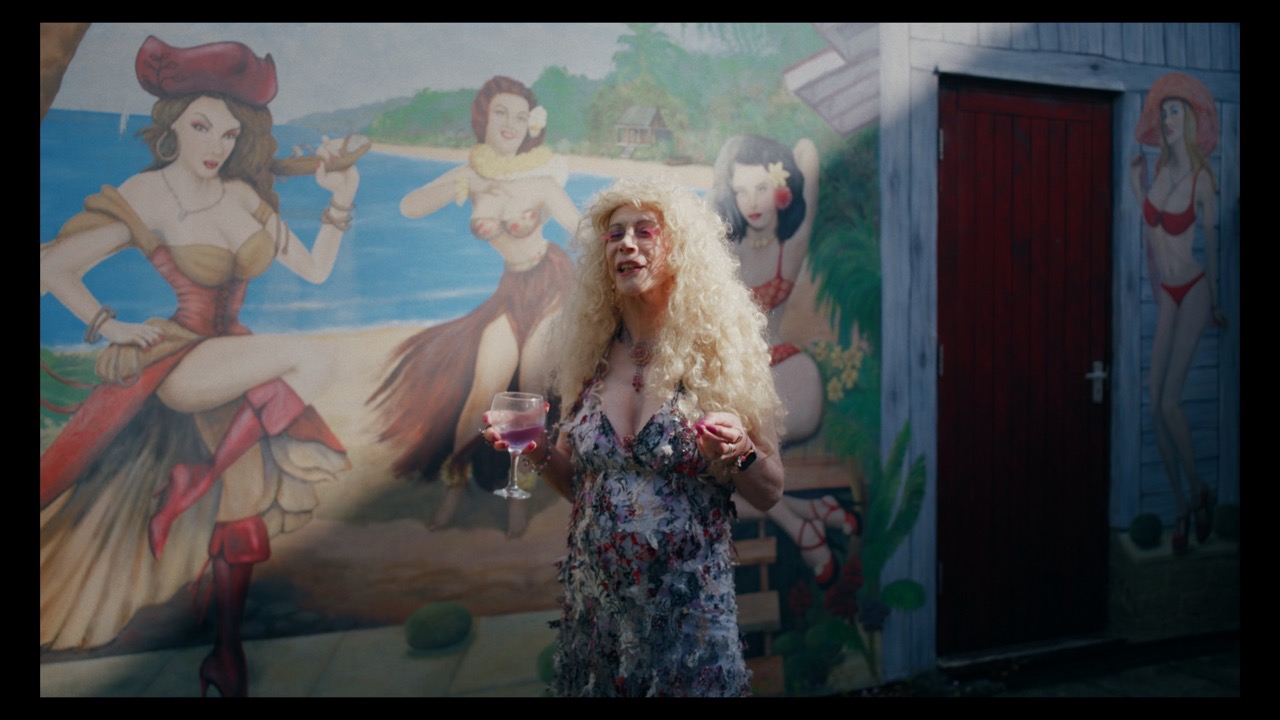
Martine Rose in Rose’s House (2026). Directed by Naomi Abel-Hirsch.
I was really pleased that the documentary focuses on the joy of it. That was the whole ethos of Rose’s House—that cross-dressing was something to enjoy and not to be ashamed of, not to keep hidden.
A Rabbit’s Foot
Martine, were there any particular memories that were activated for you while making this?
Martine: They were happy memories. The parties were great. There was the serious side as well—I had a helpline and a lot of people would come privately, because they were too nervous about confronting anyone. Several times, people told me they were on the verge of suicide and I really helped them to accept themselves. It’s still a community today— the old crowd is still getting together, as you see with the Cotswolds weekend. There aren’t many youngsters coming on these days—the need for what I’m providing isn’t so great anymore. It’s a lot more open and young people don’t need to keep [their gender identity] hidden. They go out clubbing with their mates and they don’t need to go along to a hotel. It’s a different scene these days. There’s still backlash towards trans people, but it’s a lot better than it was. There’s all the mularkey about toilets, but the only threat to women is from non-trans men entering female toilets. Problems are always with ordinary men, not trans people. Trans women are identifying with women, we are on their side.
A Rabbit’s Foot
And how do you both feel about sending this film into the world?
Martine: Well I think it’s great. This documentary can only help make people realise that we’re not a threat. We’re just having fun in our own way and there’s nothing to worry about. We’re not troubling anyone. It brings more understanding, basically.
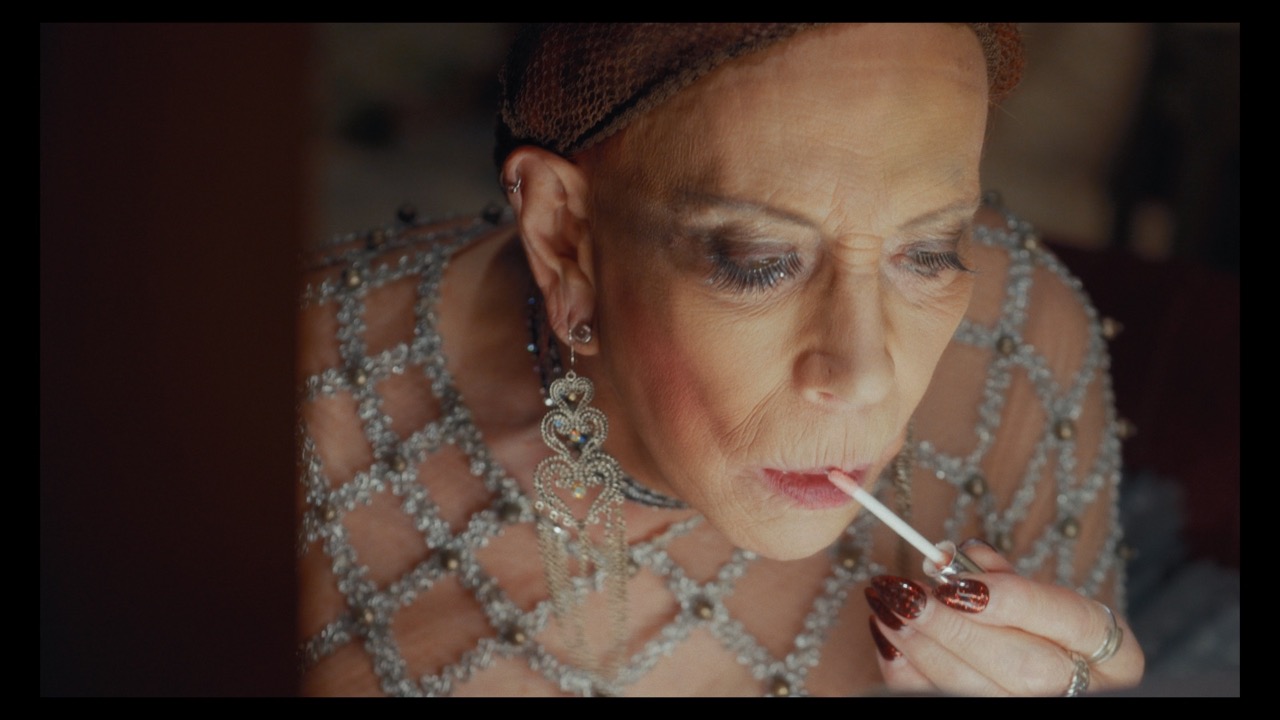
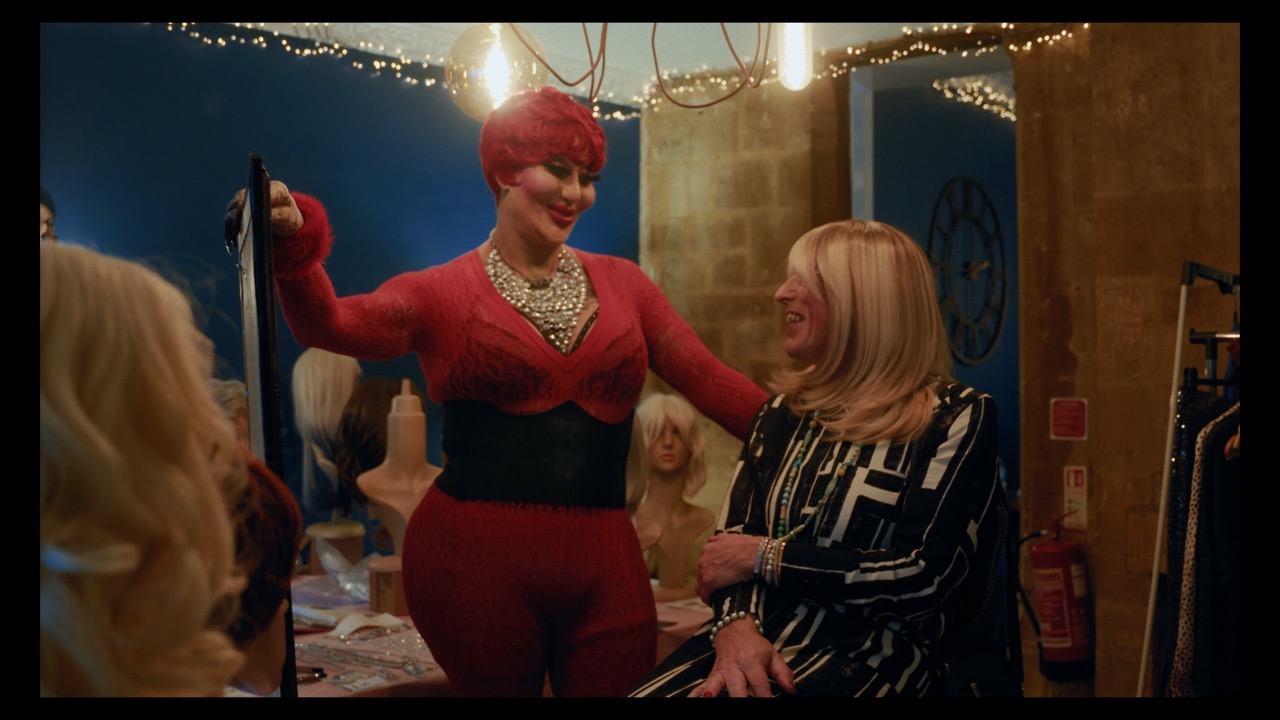
Naomi: I’m so thrilled that it got into Sheffield DocFest—that was the aim throughout the whole process. It feels such a full circle moment, for the documentary to have its premiere in a town where the house existed. Other members of the group will be coming along, like Nathalie, who in the documentary we meet in the Cotswolds weekend getting her wig fitted. After I first met Martine, I was shocked that all her work hadn’t been recognized, and it’s nice that even in a small way, that I am doing that now. There are certain histories that haven’t been documented properly, it’s important that we document a lot of these trans histories, making sure that Martine’s story is there forever and it has some permanence.
A Rabbit’s Foot
Finally, Martine, it feels fitting to ask what you will wear to the premiere?
I haven’t bought anything outrageous, as I will probably be wandering around the town for most of the day. Although I do have a dress I bought in around 2000 from the Royal Opera House—from when they sell costumes. I love it and I took it home to adapt it so it would fit me. It was worn in the Sleeping Beauty ballet and even has the dancer’s name tag sewed in there. In the ballet it is worn by the queen.