At Trasierra, a writing retreat full of adventure—and flavour



We hosted Barnaby Rogerson and Anastasia Miari for our first ever writer’s retreat in Andalucia, Spain. Over several days at Trasierra, a private hotel in the Sierra Morena, the writers embarked on excursions and shared wisdom with A Rabbit’s Foot—compiled here in the first Trasierra anthology by our Deputy Editor Chris Cotonou. All of this, with great thanks, through a partnership with Montblanc.
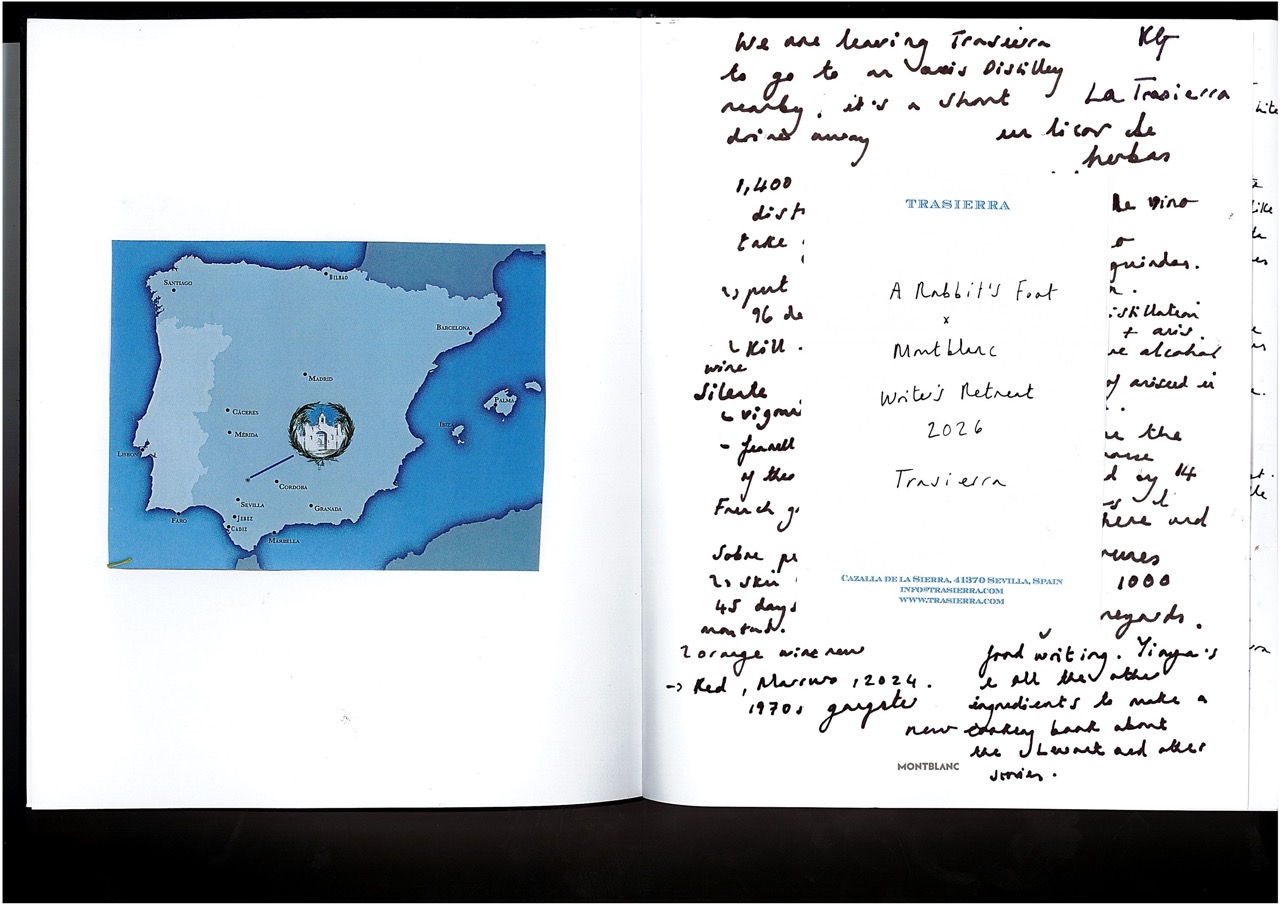
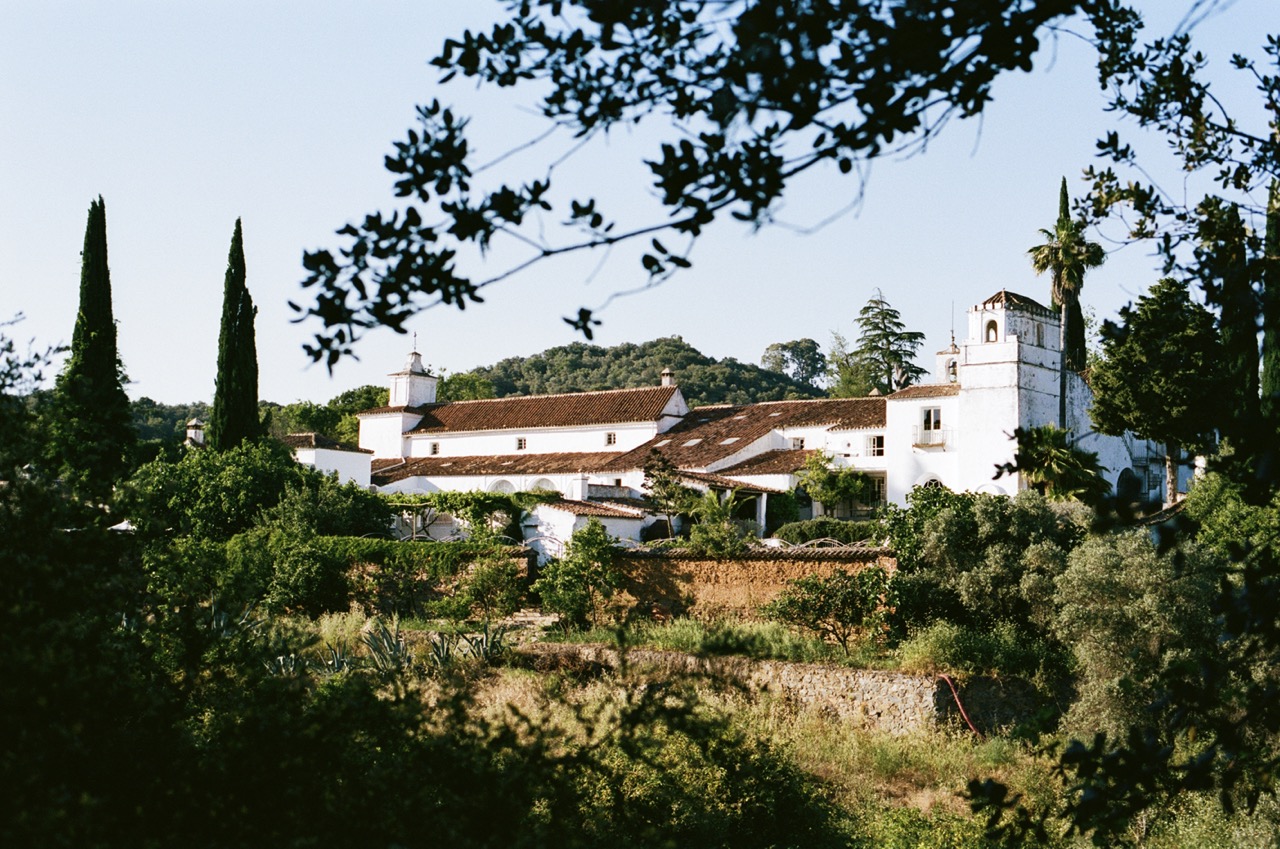
We are in the Sierra Morena, a rugged mountain range an hour from Seville. As our taxi tumbles through the winding roads, further to where the arid Meseta plateau and lush Guadalquivir Valley meet, ivory villages start to poke out on hillsides like mantlepiece ornaments.
This part of Spain is always interesting. Andalusía, more than any other region of Spain, has an image that can be conjured in the mind—written about by the likes of Miguel de Cervantes or Lope De Vega. The spinning tufts of flamenco dresses, the Moorish horseshoe arches of the Alcazar and Alhambra, tiled walls in Seville, Cordoba, Cadiz, and happy picaresque villagers, make this a literary place, a region of tales. Where better to write them?
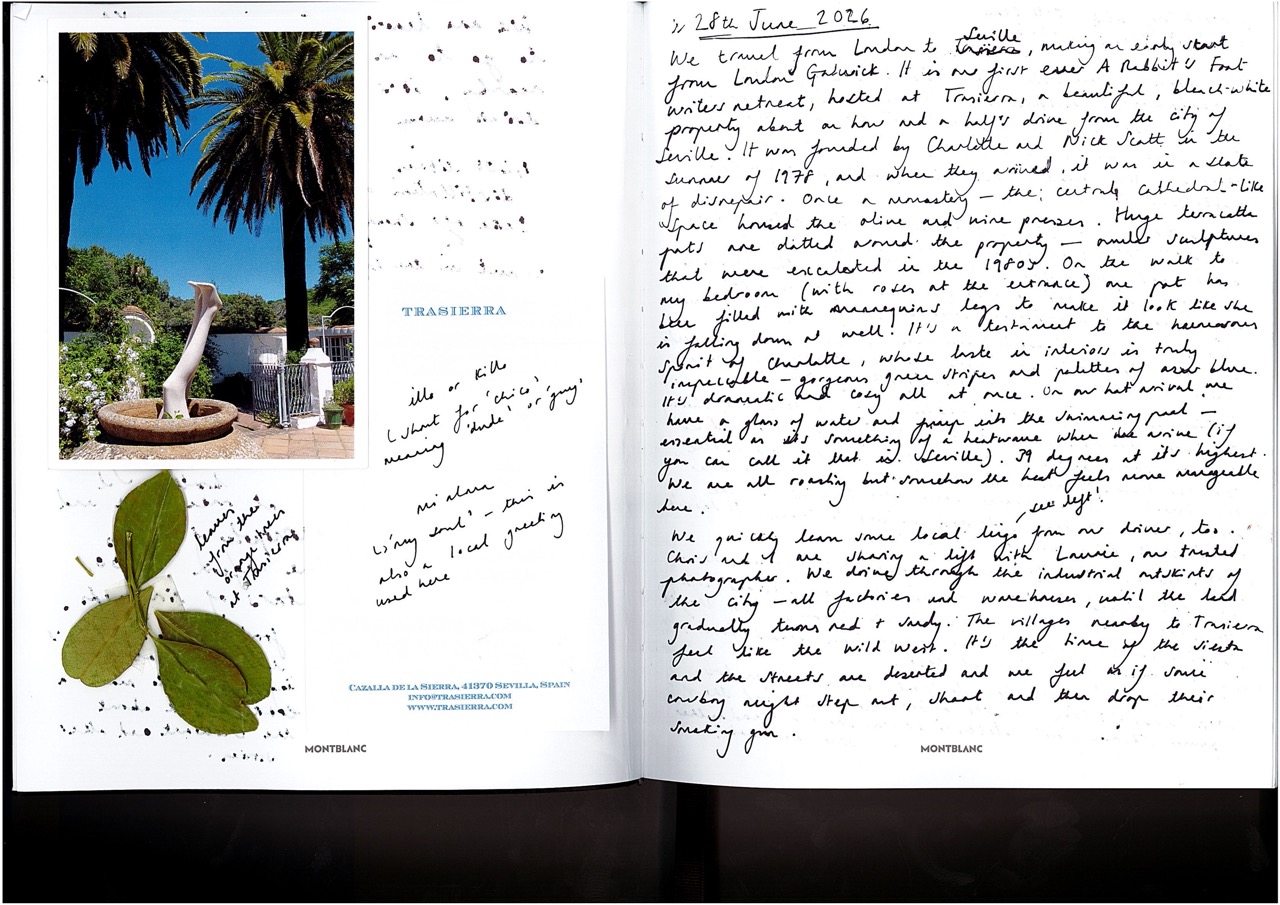
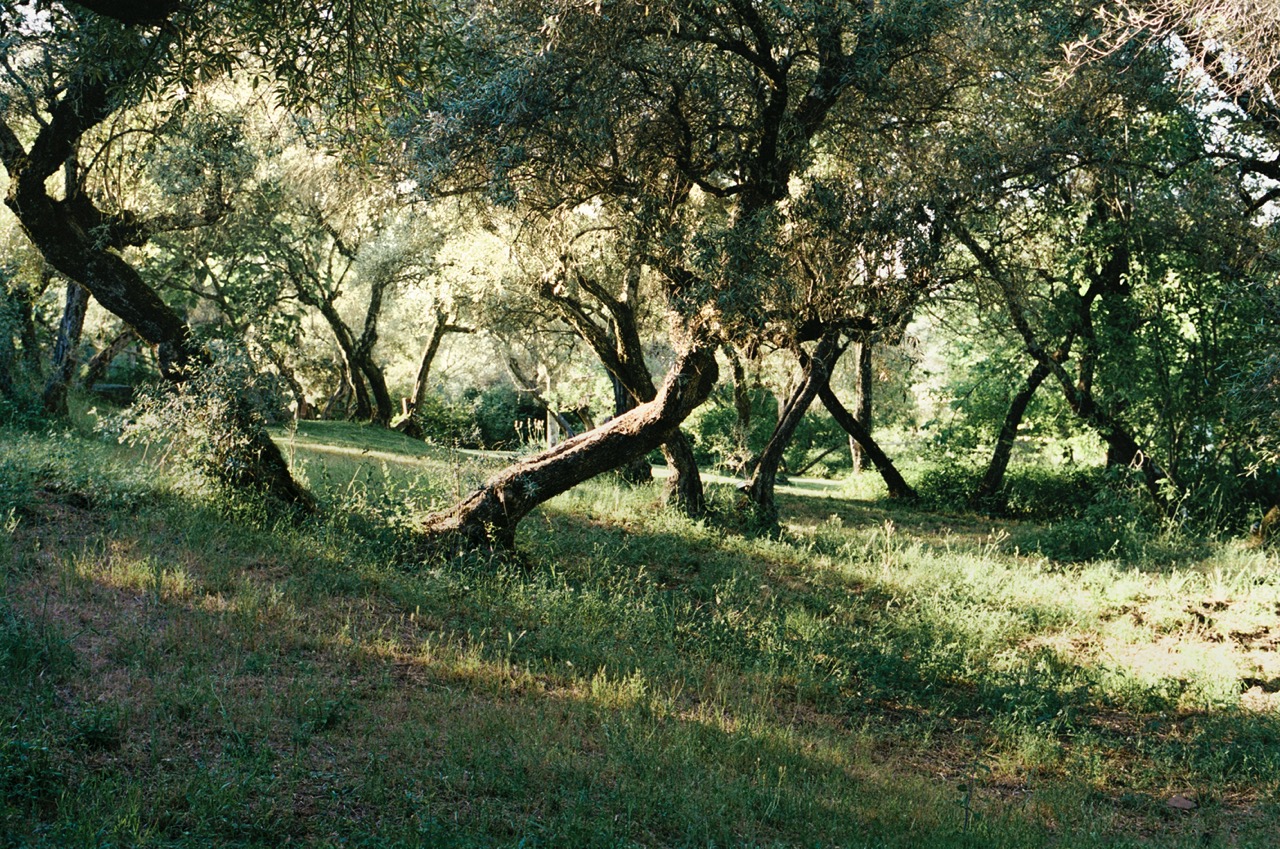
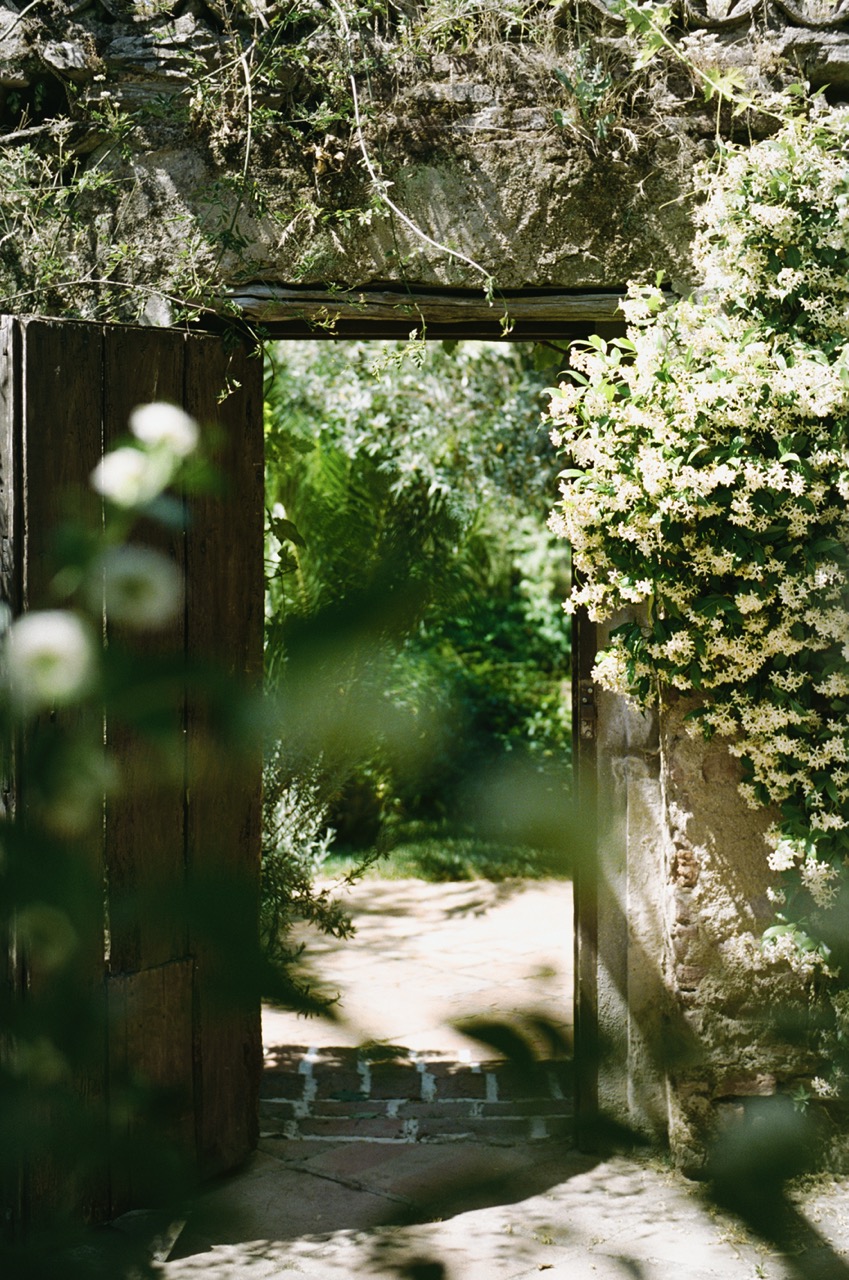
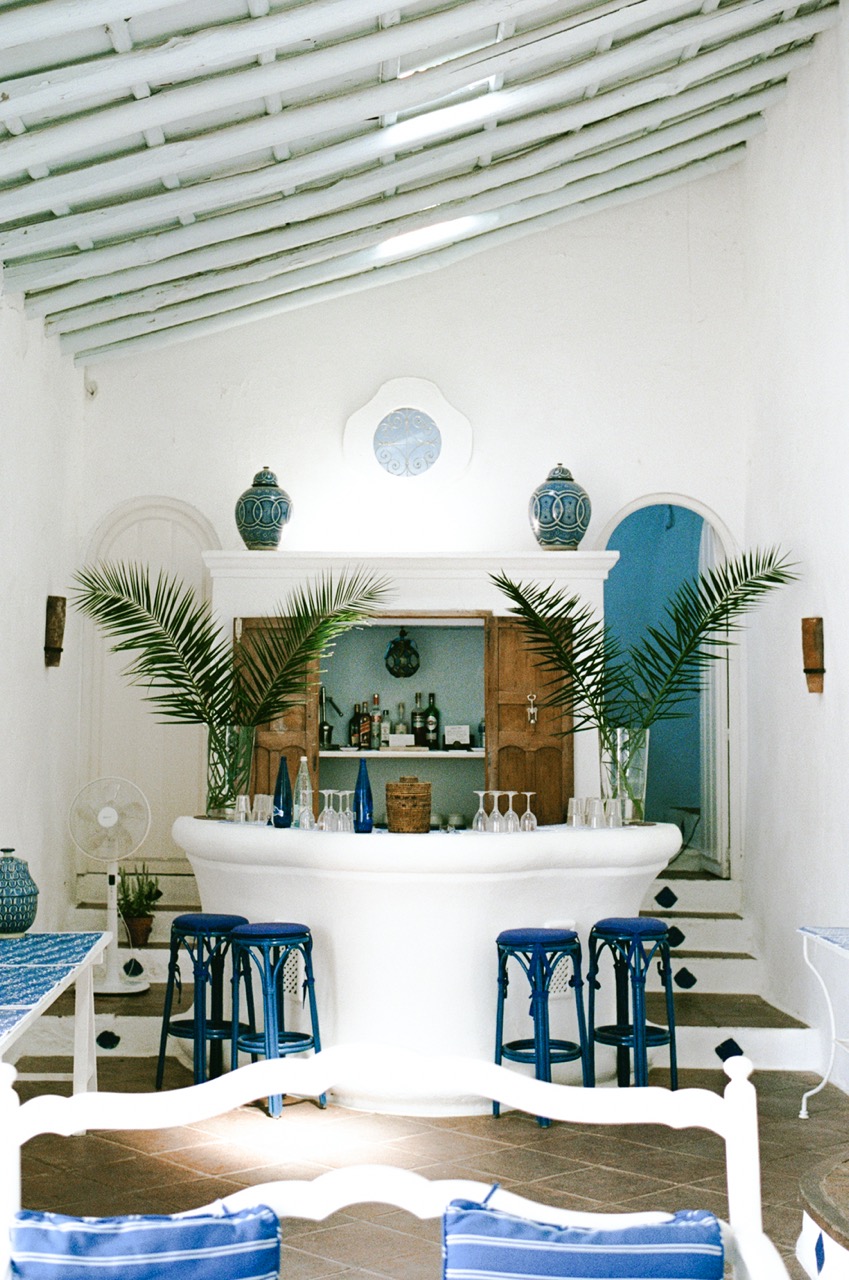
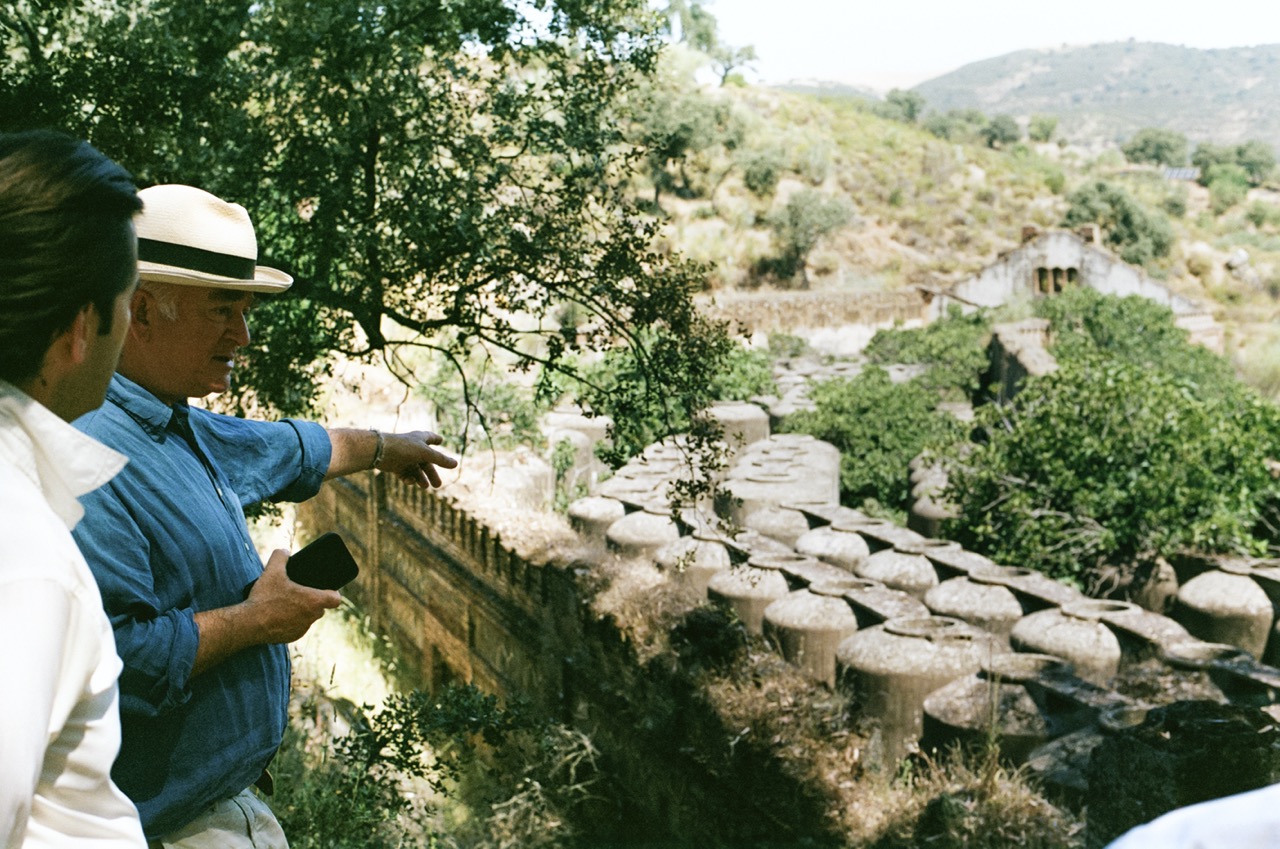
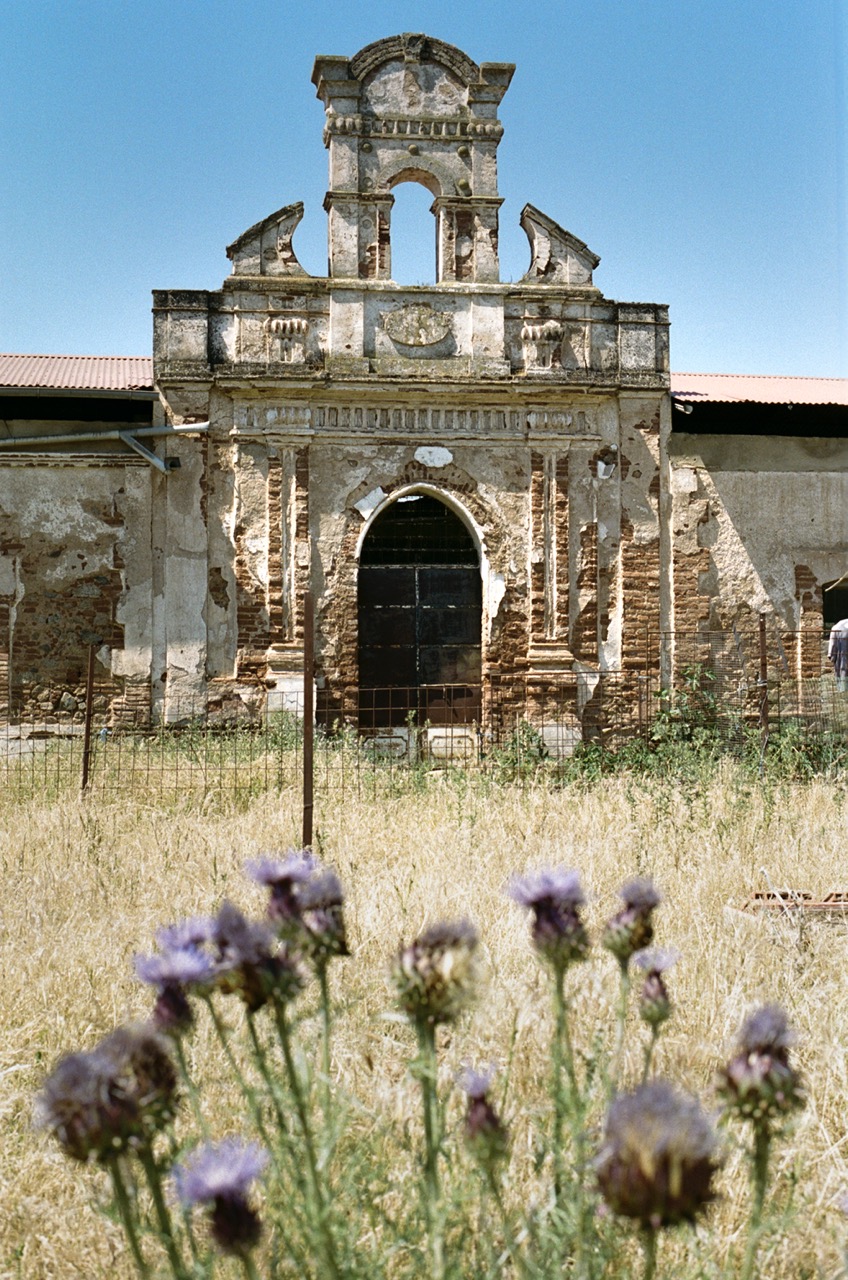
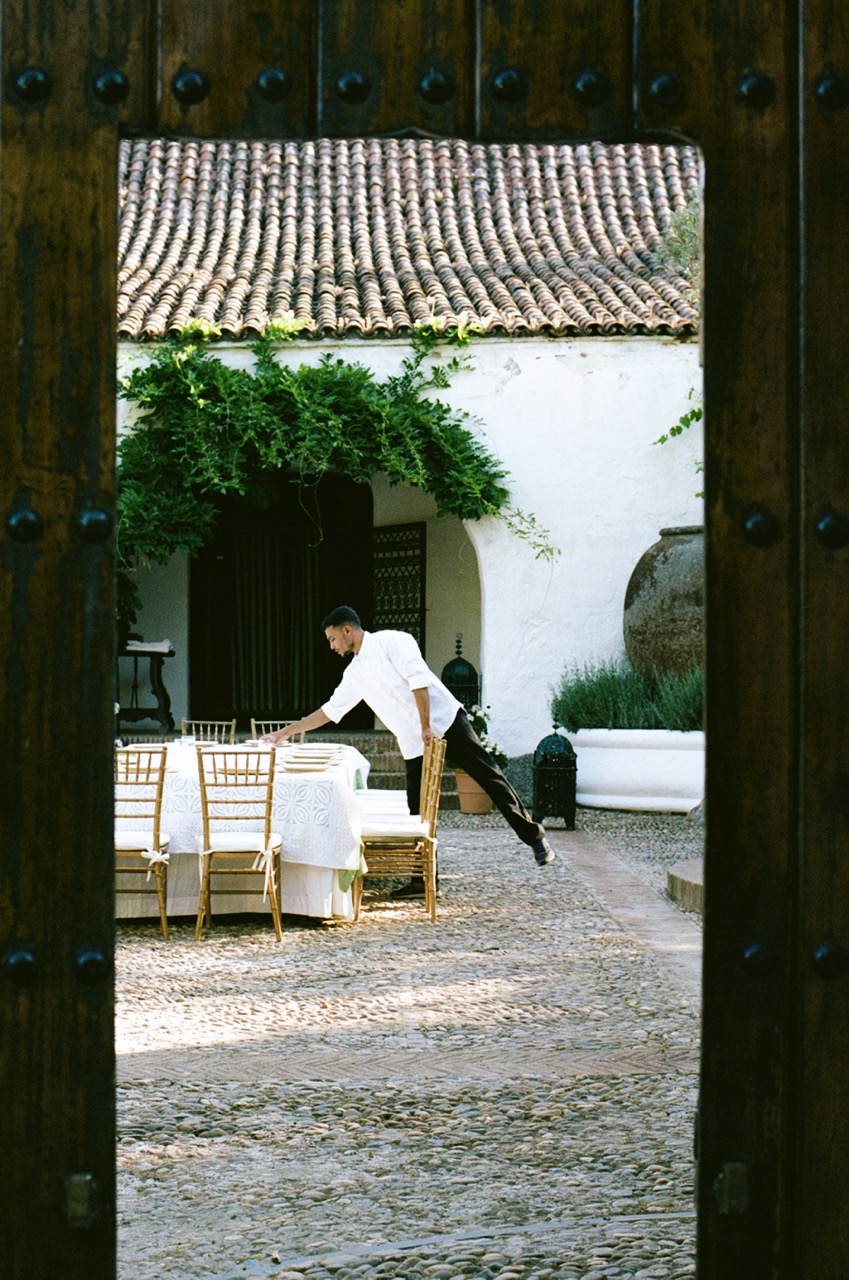
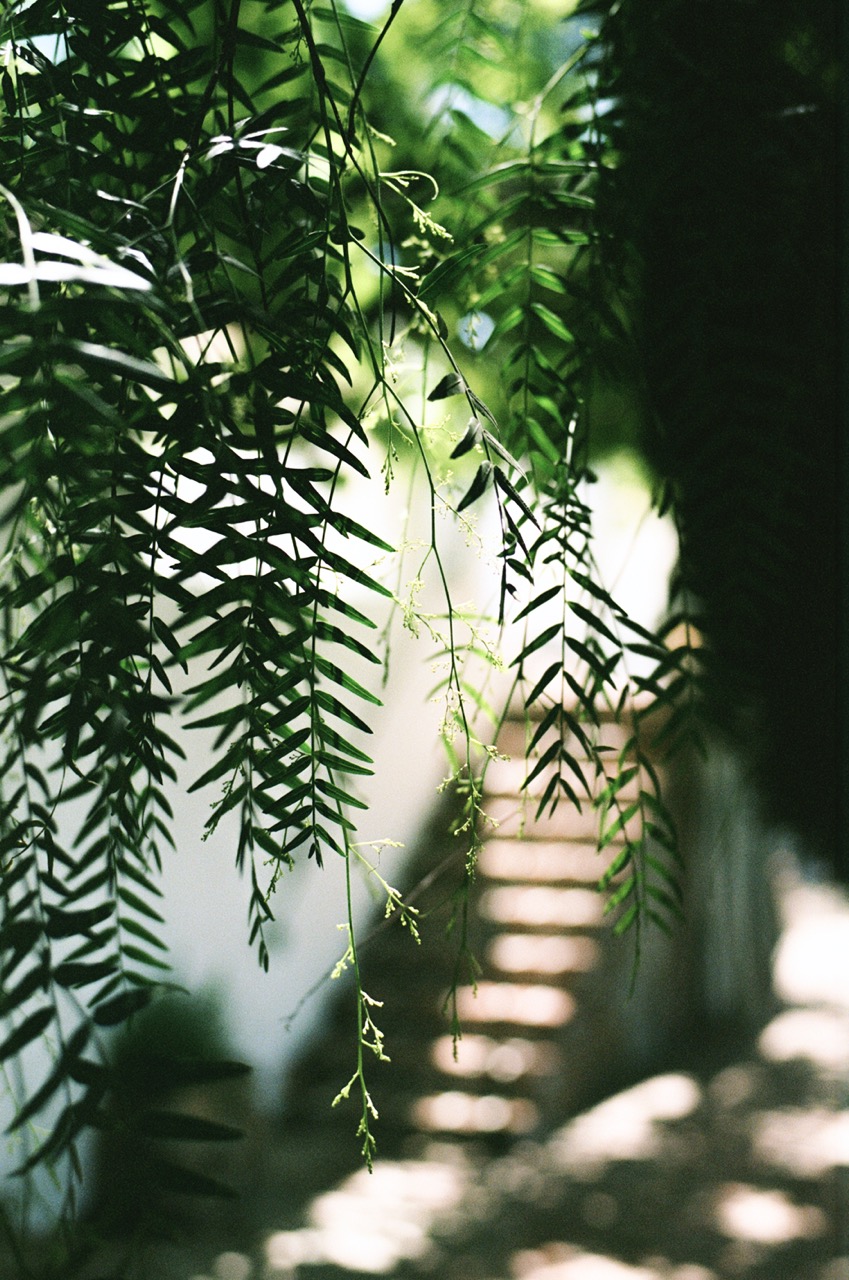
This was thinking when deciding the location for A Rabbit’s Foot’s first writer’s retreat. For decades, interesting people have escaped to Trasierra—Charlotte Scott’s guest house—when they need to be away from the world. She has lived here since the 1970s, moving from London to Andalusia and slowly renovating what was once an abandoned oil press. At first, it was a family home, but artists and actors, filmmakers and politicians began privately enquiring, then staying, and usually returning. It’s obvious why. Surrounded by an overgrowth of trees and high walls, you feel entirely outside of the world—the perfect place to write.
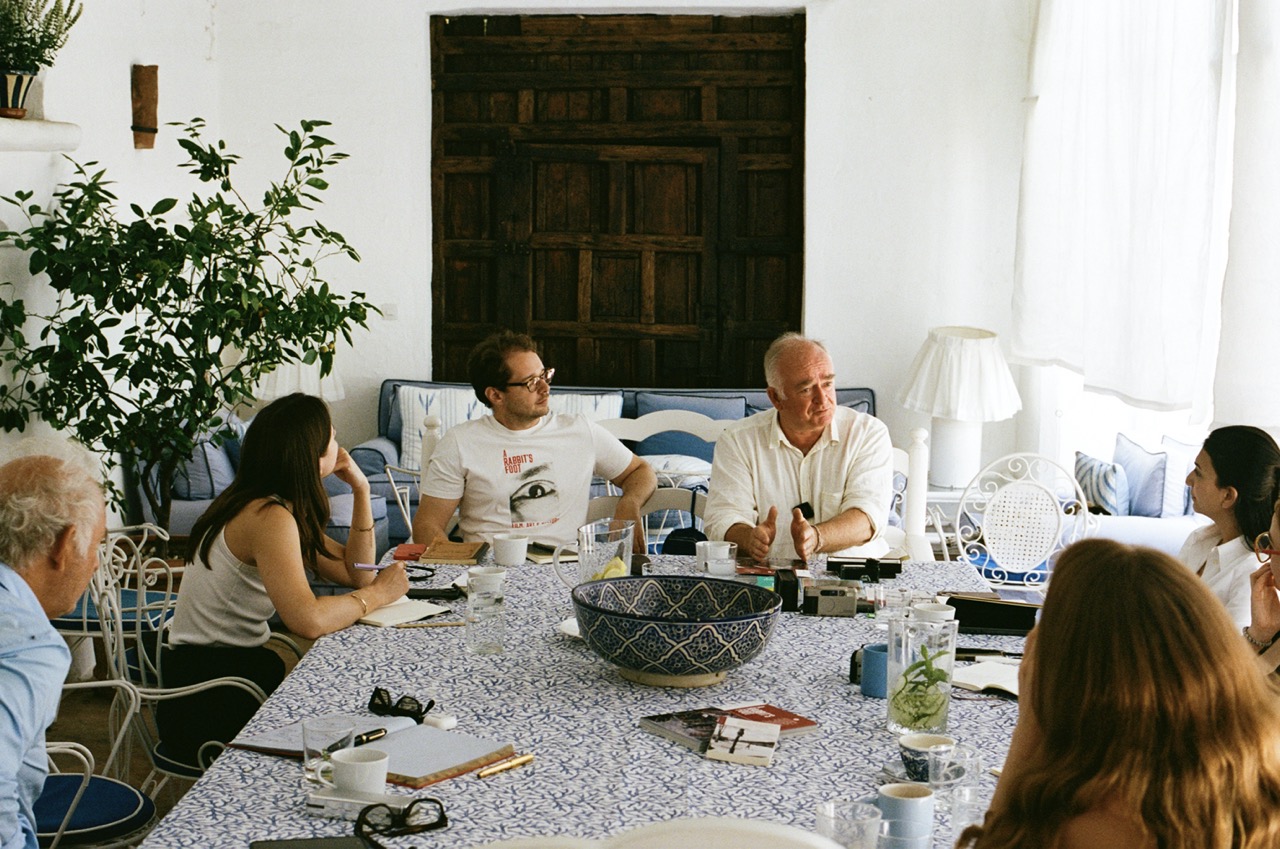
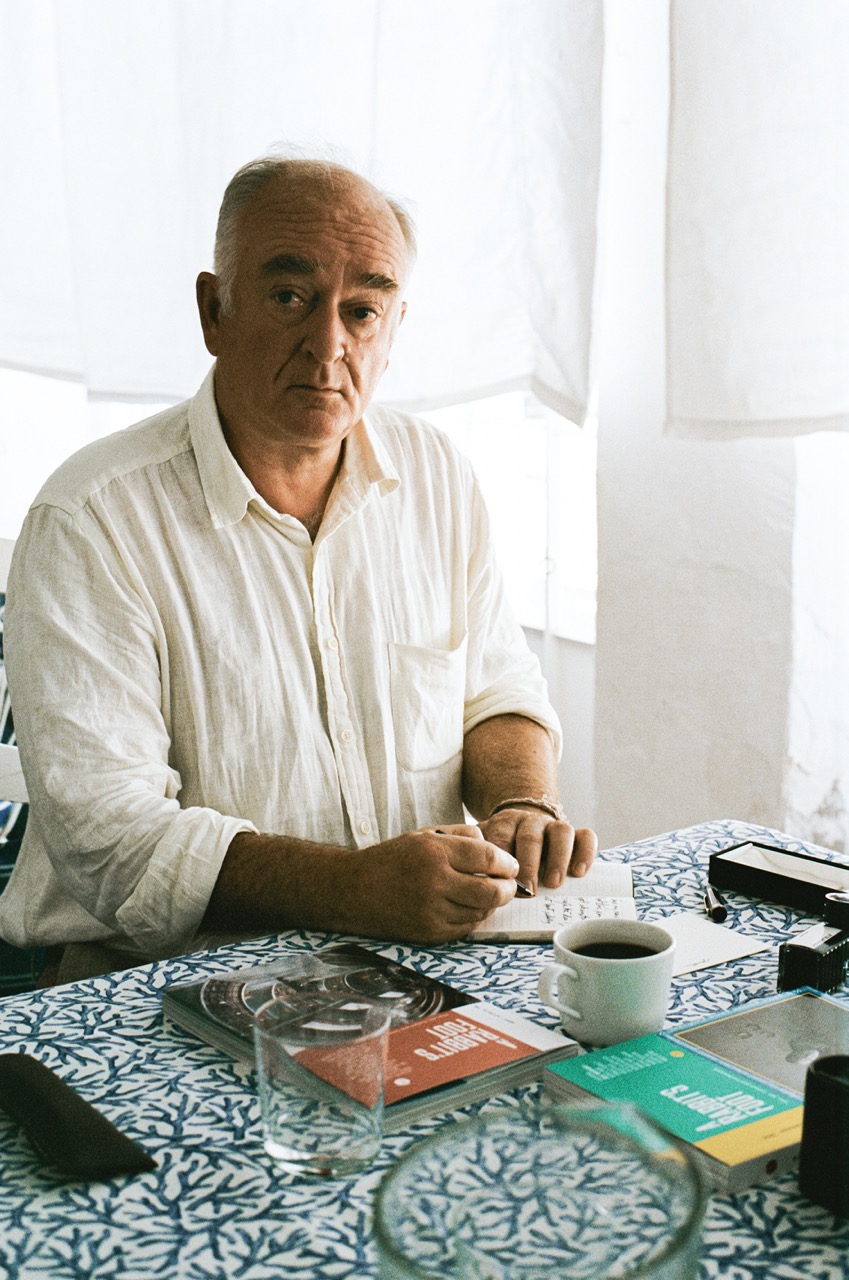
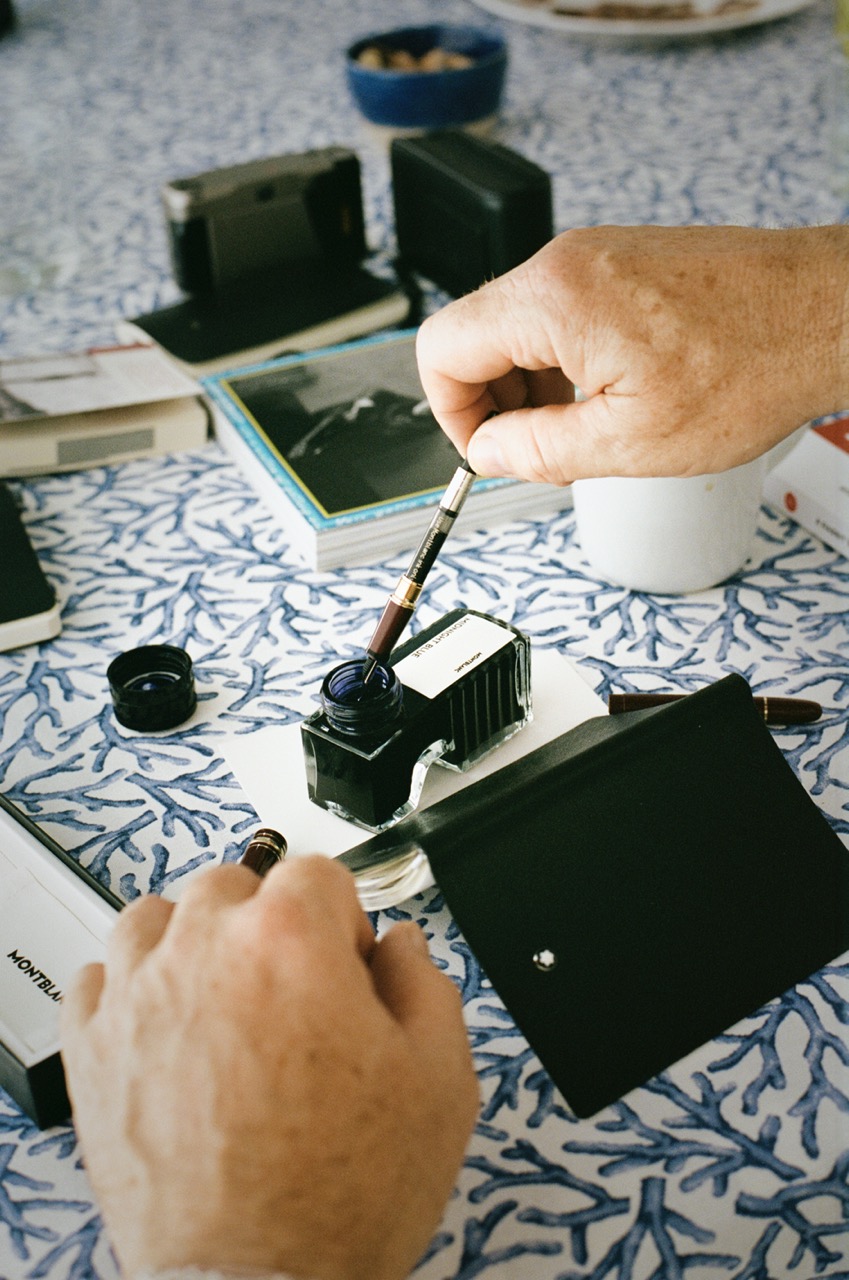
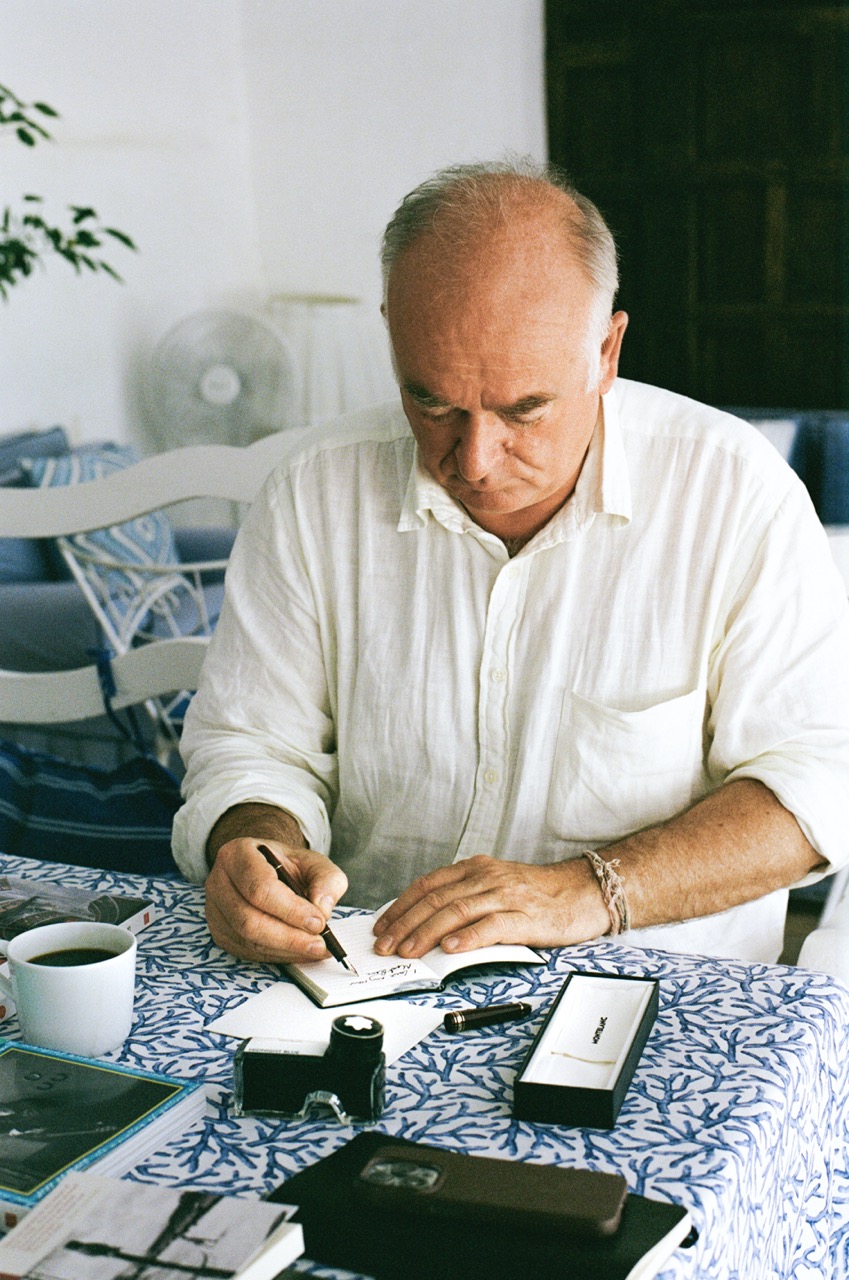
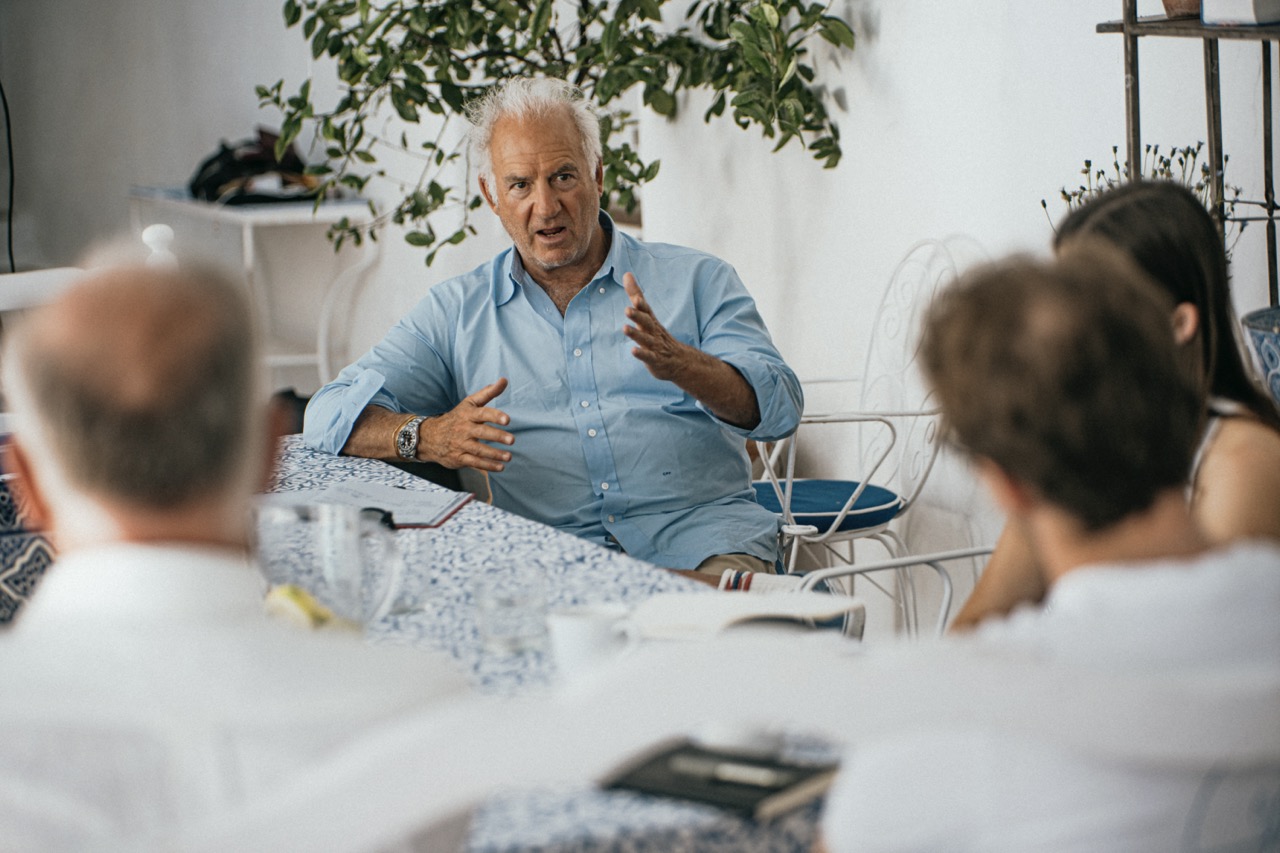
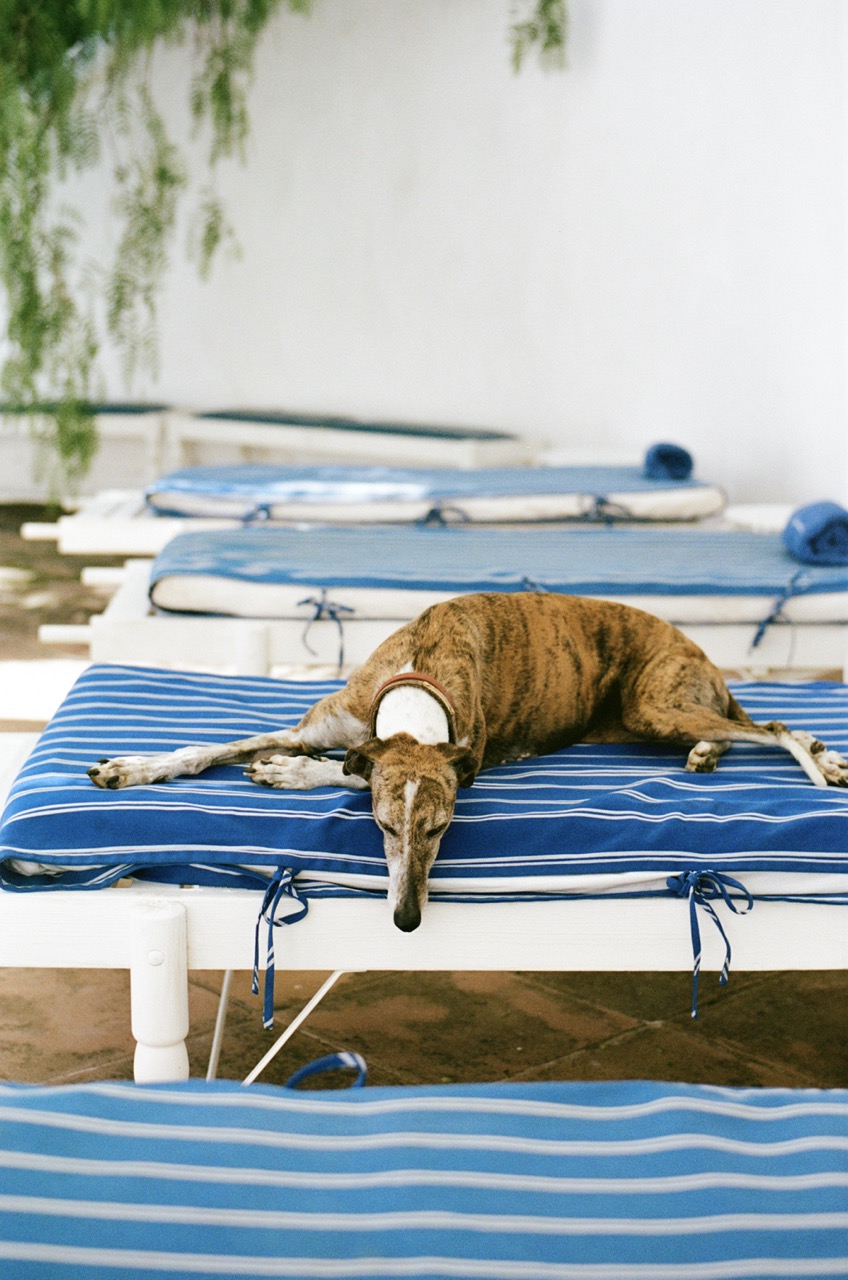
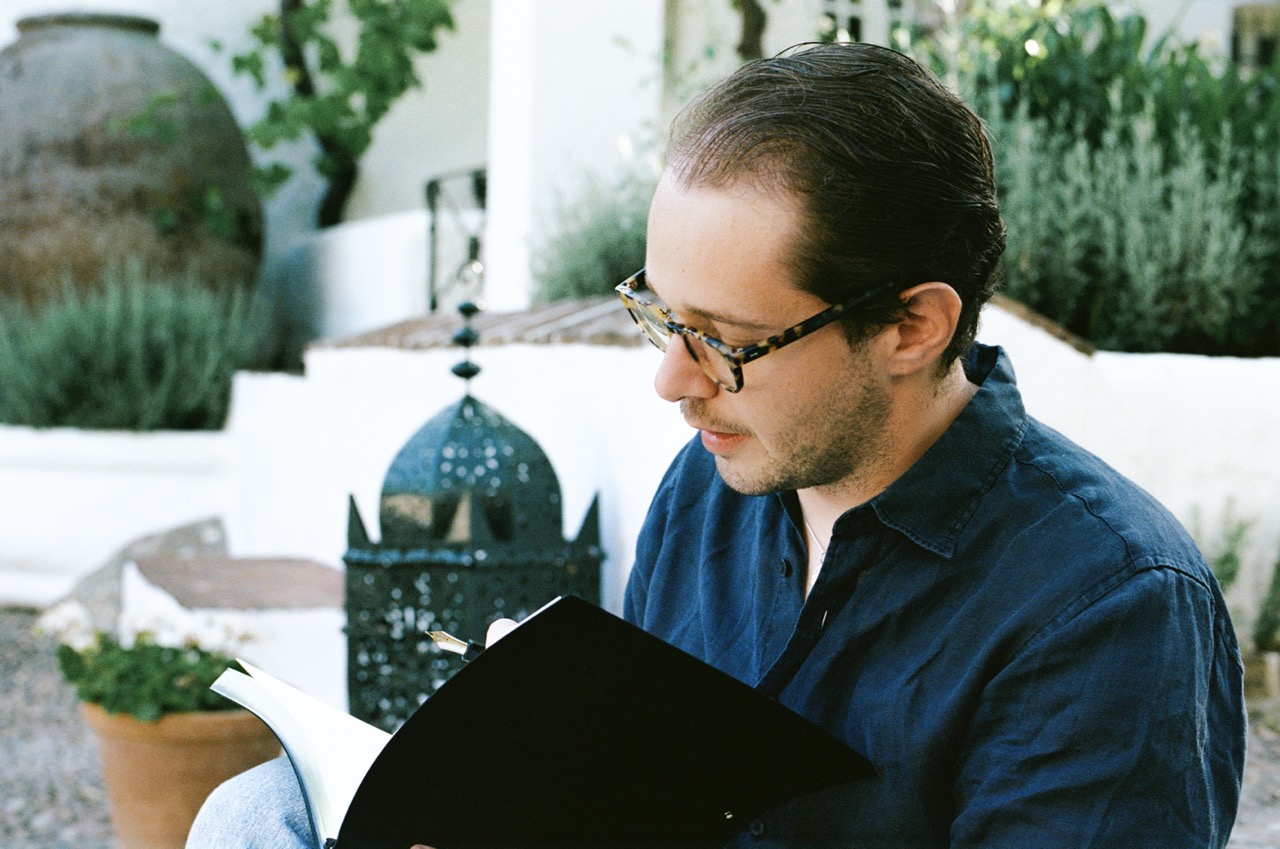


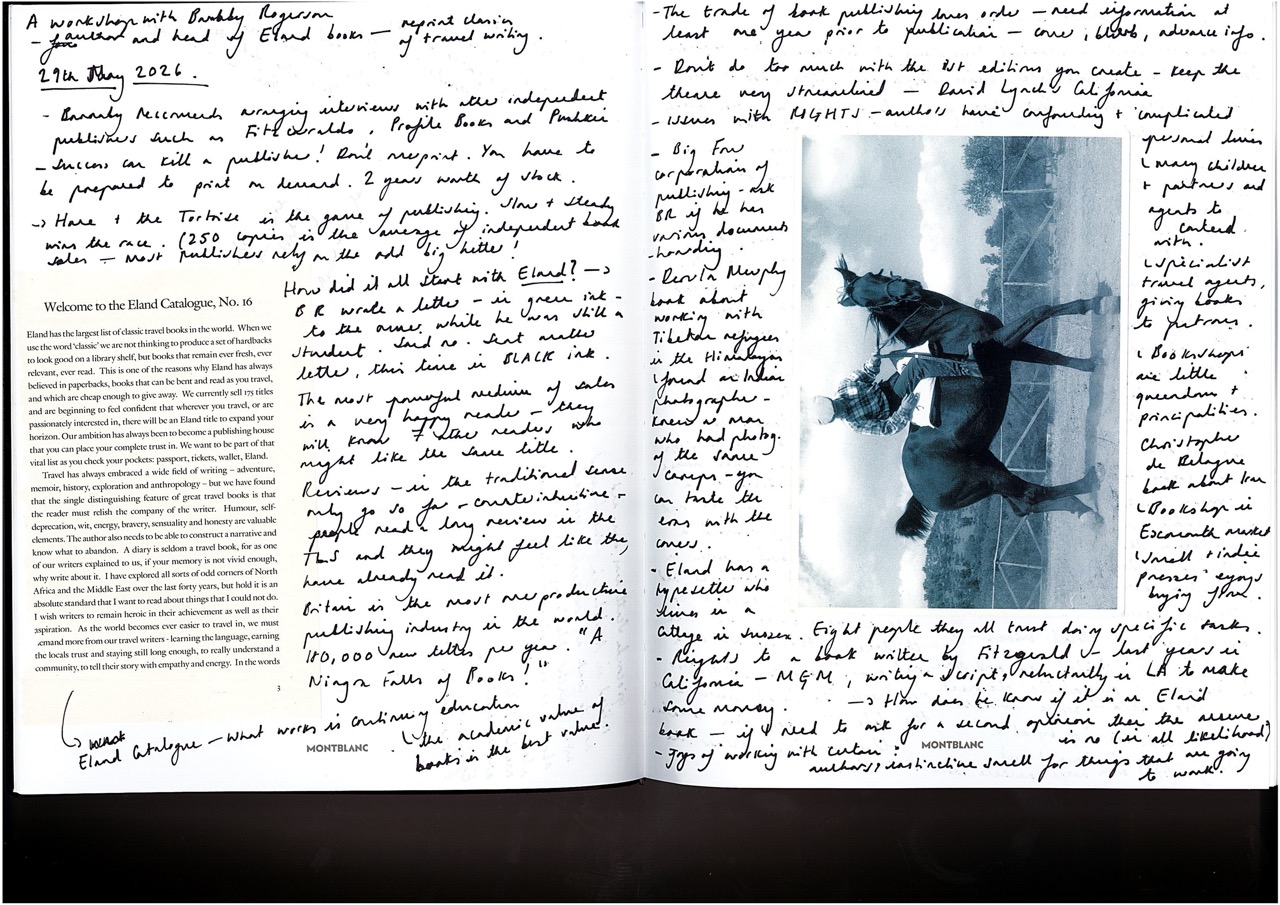
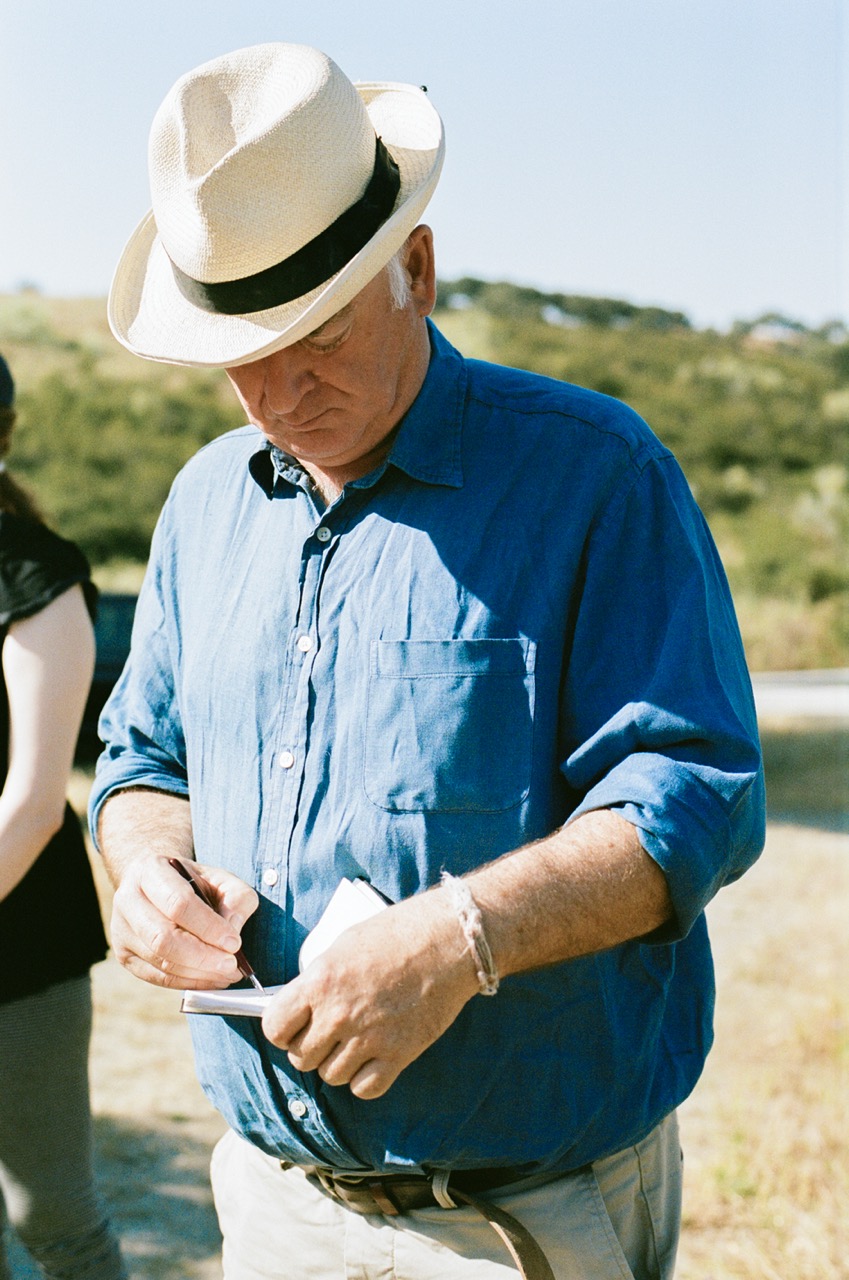
On the first day, our team was joined by Barnaby Rogerson. A broadcaster, writer and owner of Eland, a publishing house known for some of the greatest travel writers (including Norman Lewis and Dervla Murphy), he is also the author of around a dozen books largely set in North Africa. In his boxy linen shirts and straw hat, Rogerson cut the image of a proper travel writer. The following afternoon, Anastasia Miari arrived from Athens. Miari’s cookbook Yiayia (compiling the recipes of Greek grandmothers) is also as much about travelling and discovering as the food itself.
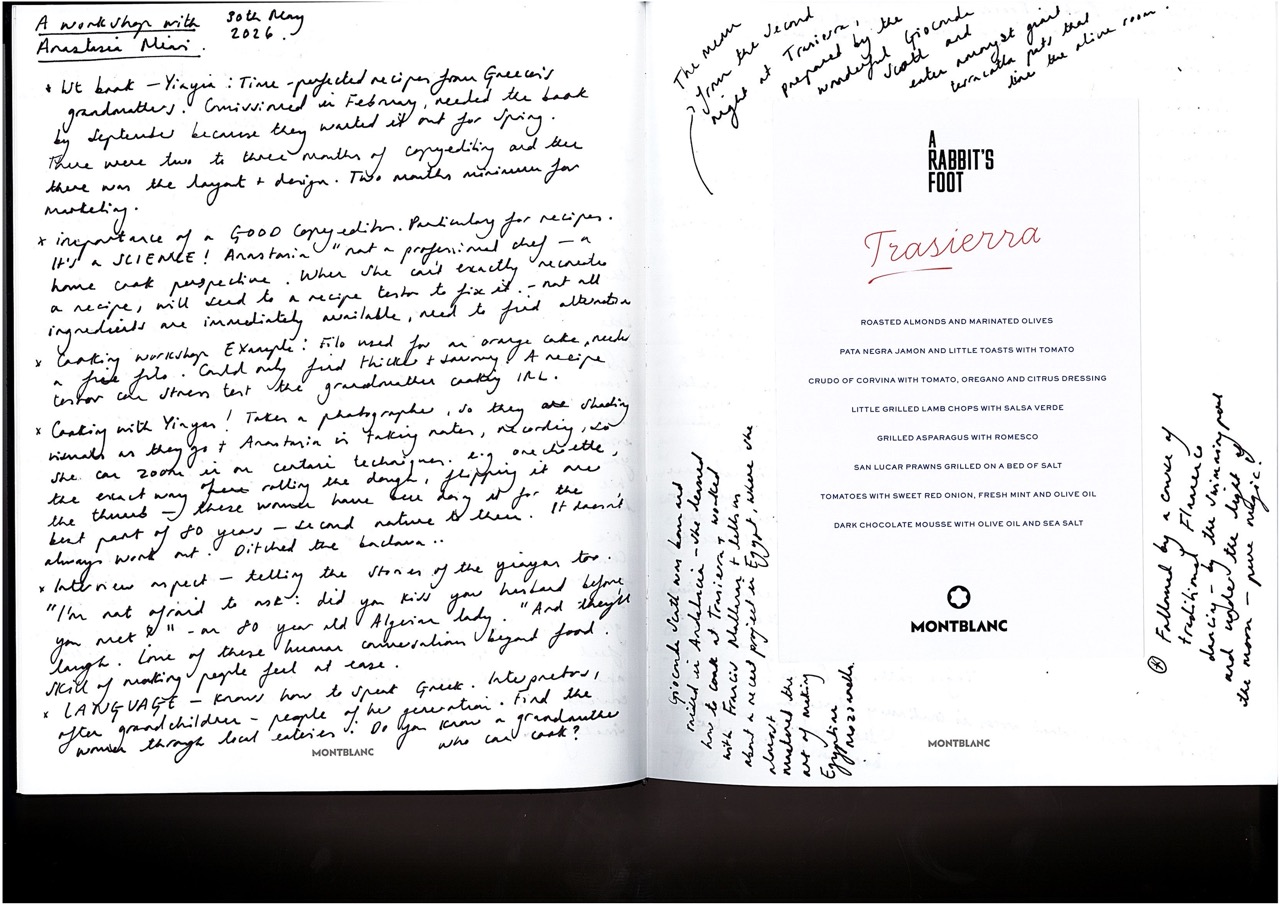
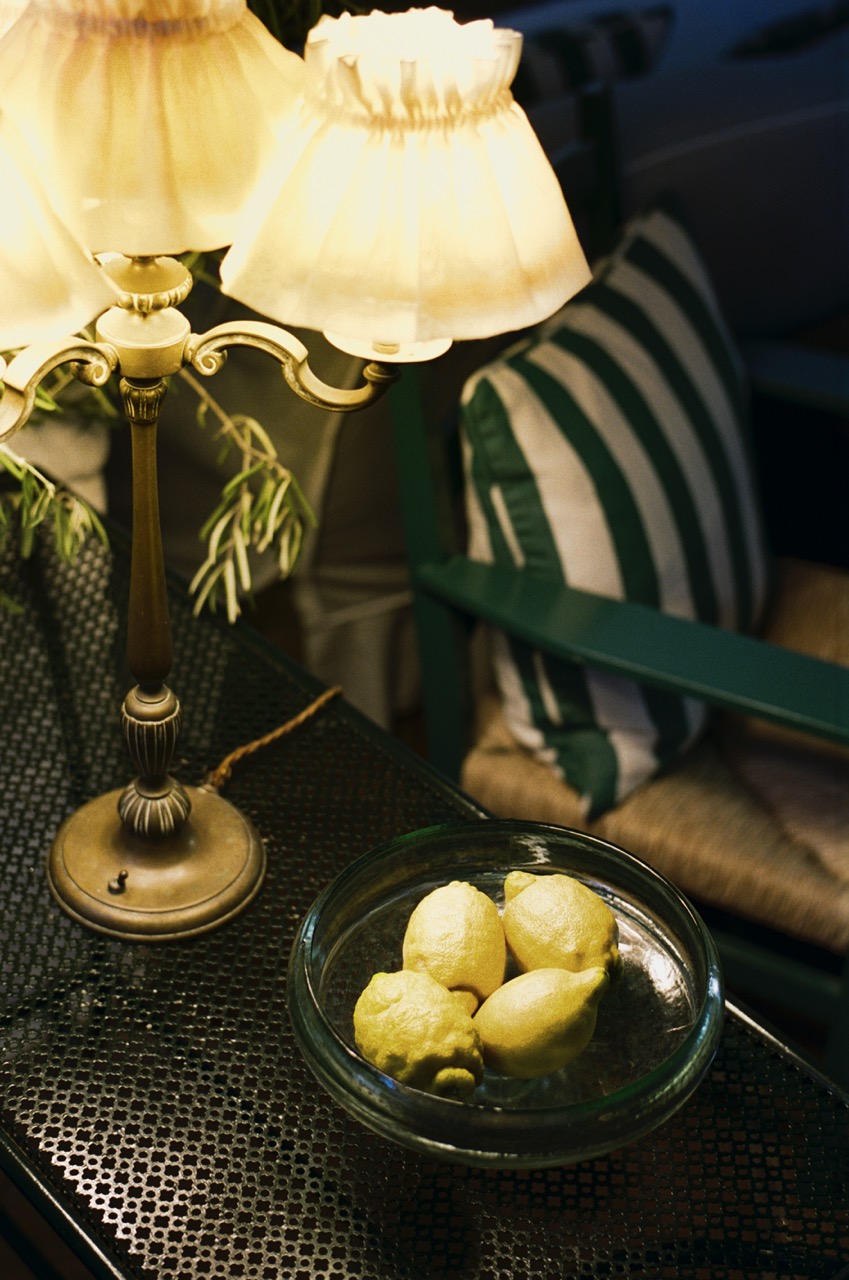
Our first evening’s dinner was kept in-the-family. “We’re going to begin with a tapas,” said chef Giaconda Scott, Charlotte’s daughter, as we sat in a quiet corner of the front courtyard beneath grapevines. The sun set, fairy lights switched on, and we Rabbits donned our finest clothes as trays of jamon, locally-caught gambas, grilled lamb, asparagus, and Andalusian wines were placed temptingly under our noses. Silence took over in the aftermath (I have never seen our team eat so greedily as at Trasierra), until we swapped stories with Rogerson and the cicadas resounded to sleepy conversation.
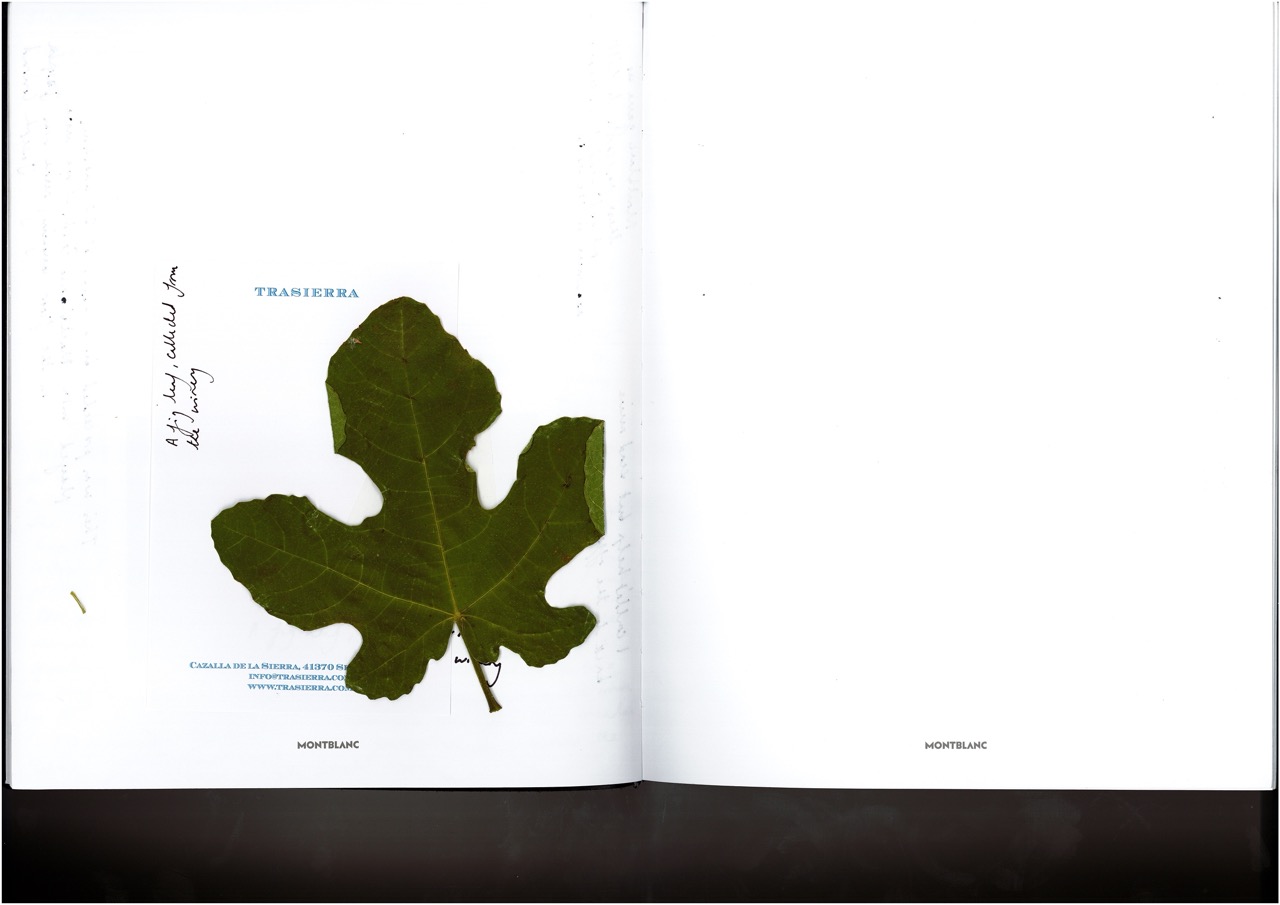
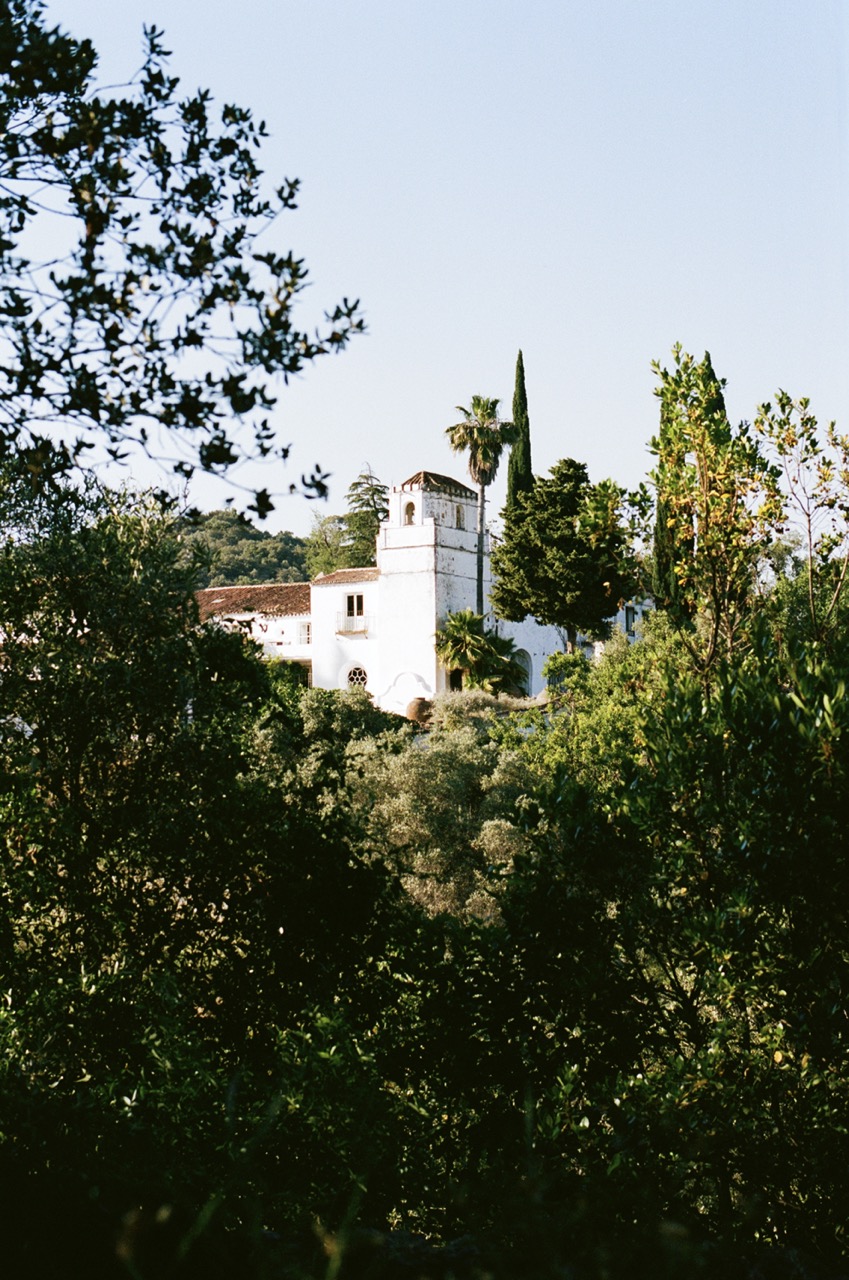
The following day, it was up-and-early. I carried a mug of hot filter coffee and ambled into the fig tree garden to find shade to write, when I met the large, stone remnants of the oil press scattered like fragments of a ruin. Behind me, I could get a proper look at Trasierra. It seemed enormous from a distance; a big whitewashed walled village with church spires and terracotta-tiled rooftops—the forest around is populated with wild boar, which we observed from about twenty yards.
“A splendid place to be,” commented Rogerson. “I’ve always wanted to visit.” He agreed to give us a talk on travel writing, and book publishing, after lunch. The theme was useful for us Rabbits, as our next chapter Rabbits Books is in process to begin soon. (More on that soon.)
“The best place to write is somewhere boring, an office. Not a Greek island where the temptation is to rest,” said Rogerson. He mentioned a memoir he was reading, potentially to publish. “It was splendid. A page turner.” But there was too much mention of cricket. “It interrupted the whole thing and if I’m not 100% certain or something, I won’t publish it. That is a rule.”
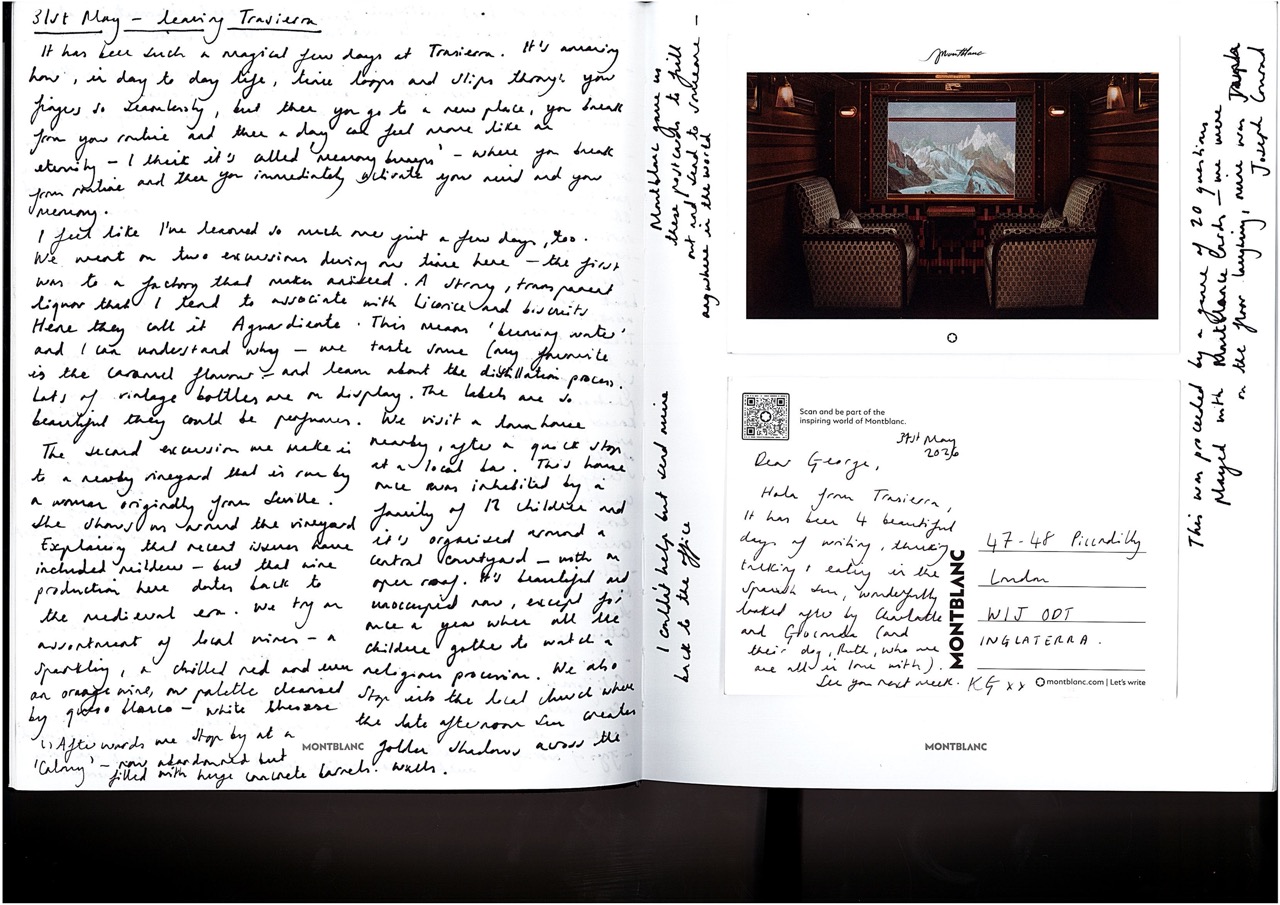
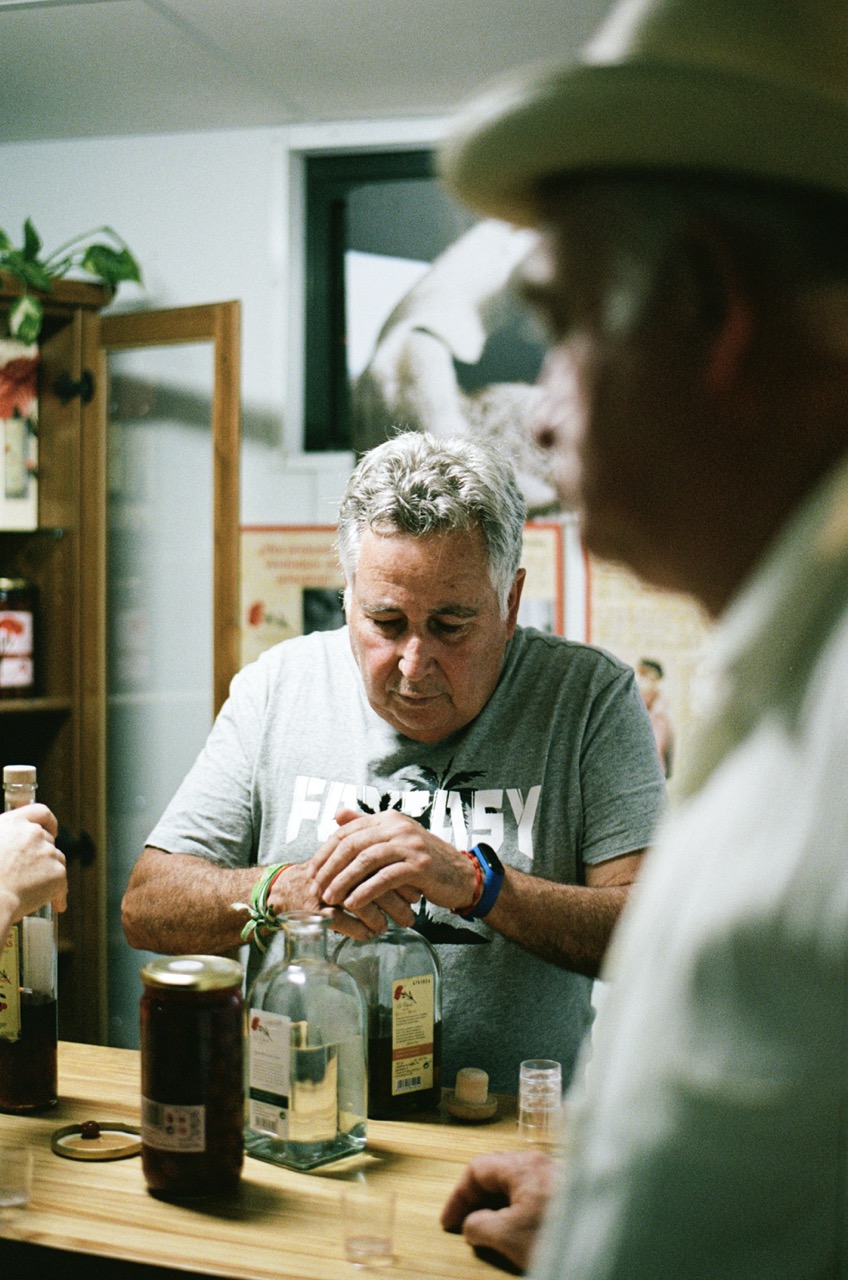
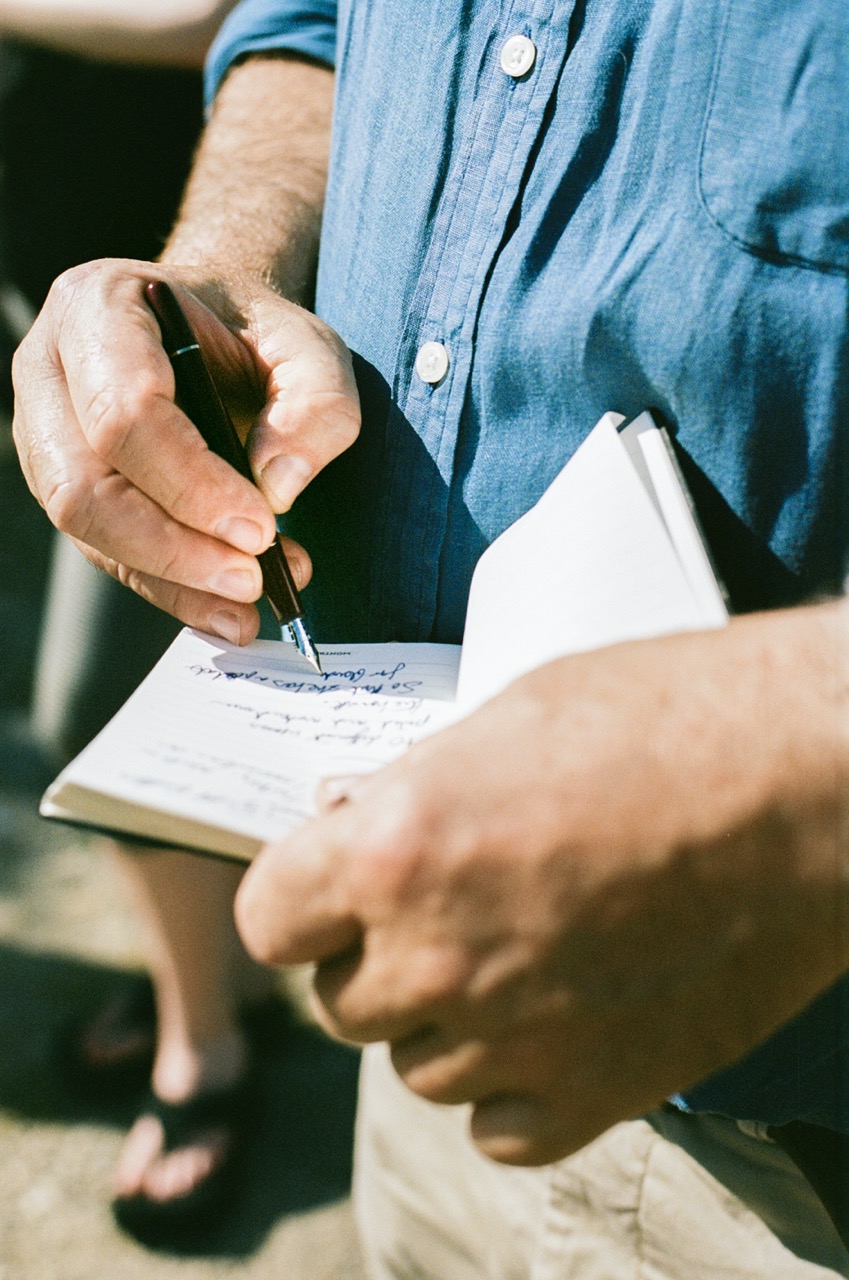
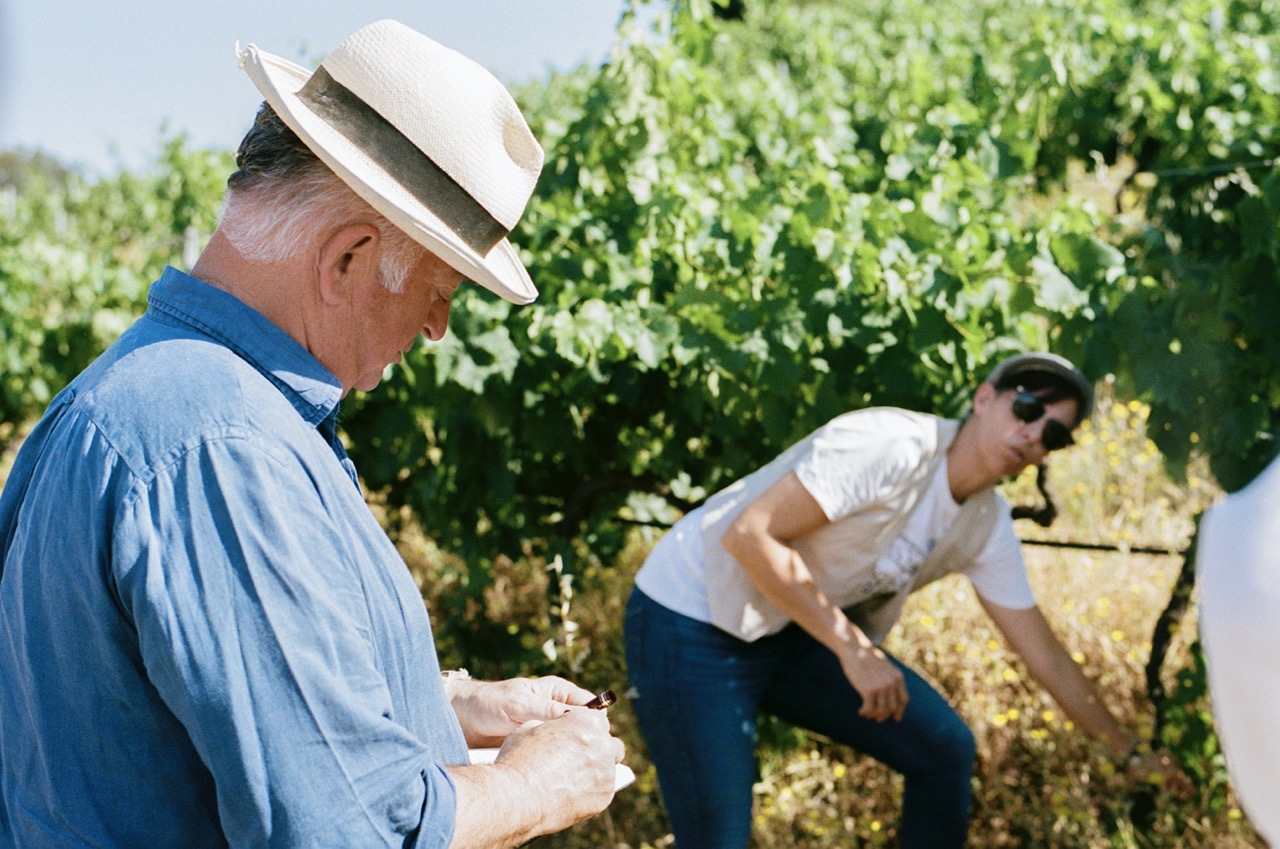
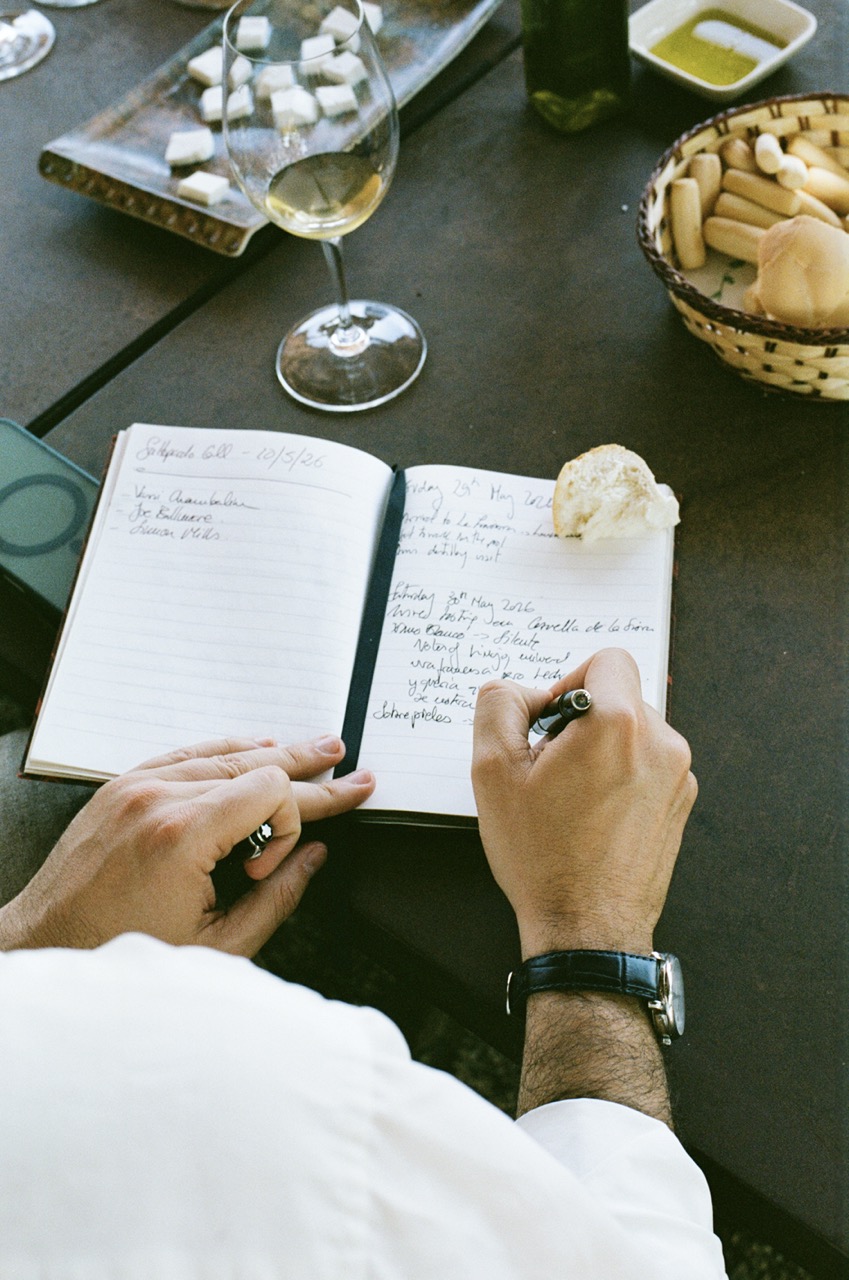
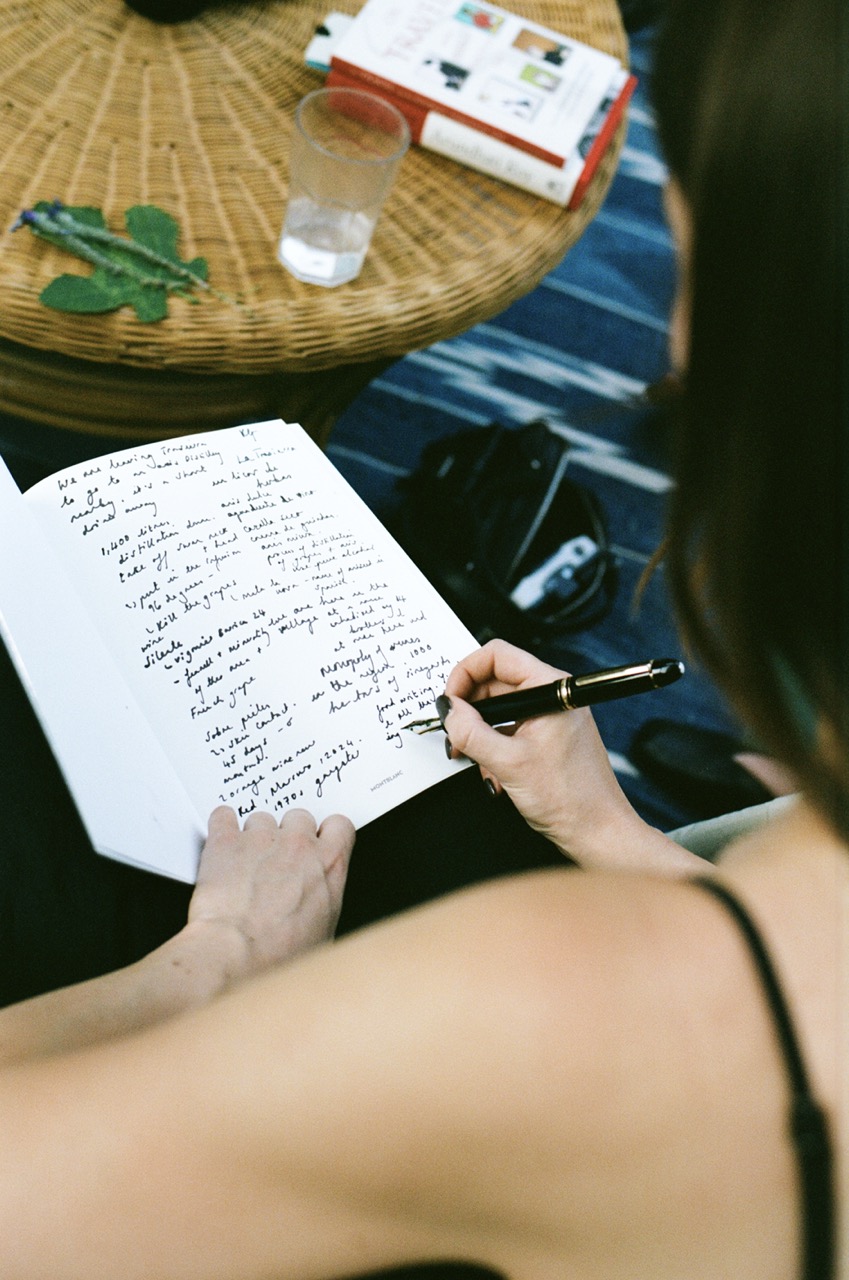
That evening, Rogerson joined us at the last aguardiente factory in Cazalla del Sierra. The aniseed spirit was so synonymous with this village, “Cazalla” was a byword for being inebriated across Spain. As the factory owner explained the process of crafting the alcohol, I observed Rogerson jotting notes on a tiny memo pad which he whipped out of his chest pocket. Sometimes each page would hold a single name, a key word or phrase, and later he would write its association properly into a large notebook, with paragraphs of his thoughts on six foot wine vases, the local flora, and abandoned villages throughout the Sierra. “You must always be prepared,” he admitted.
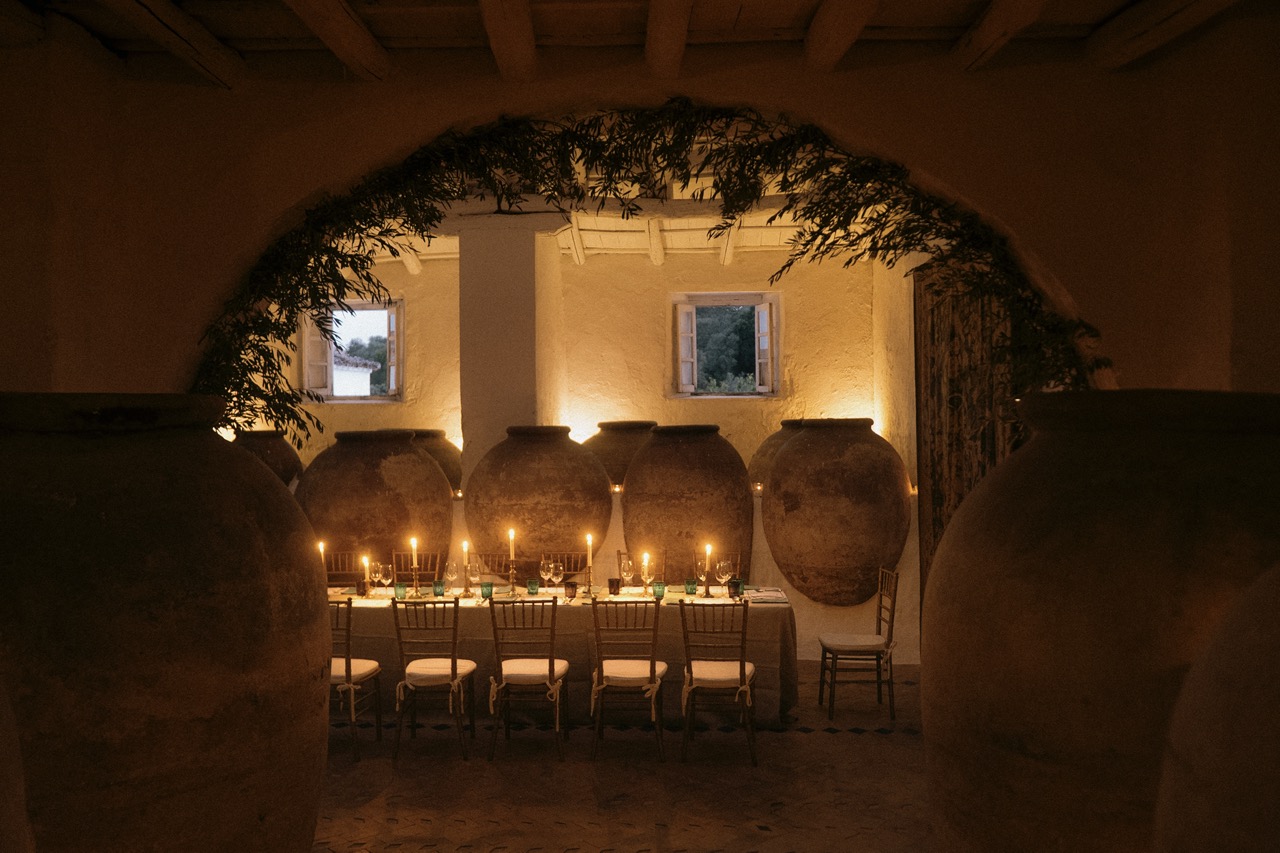
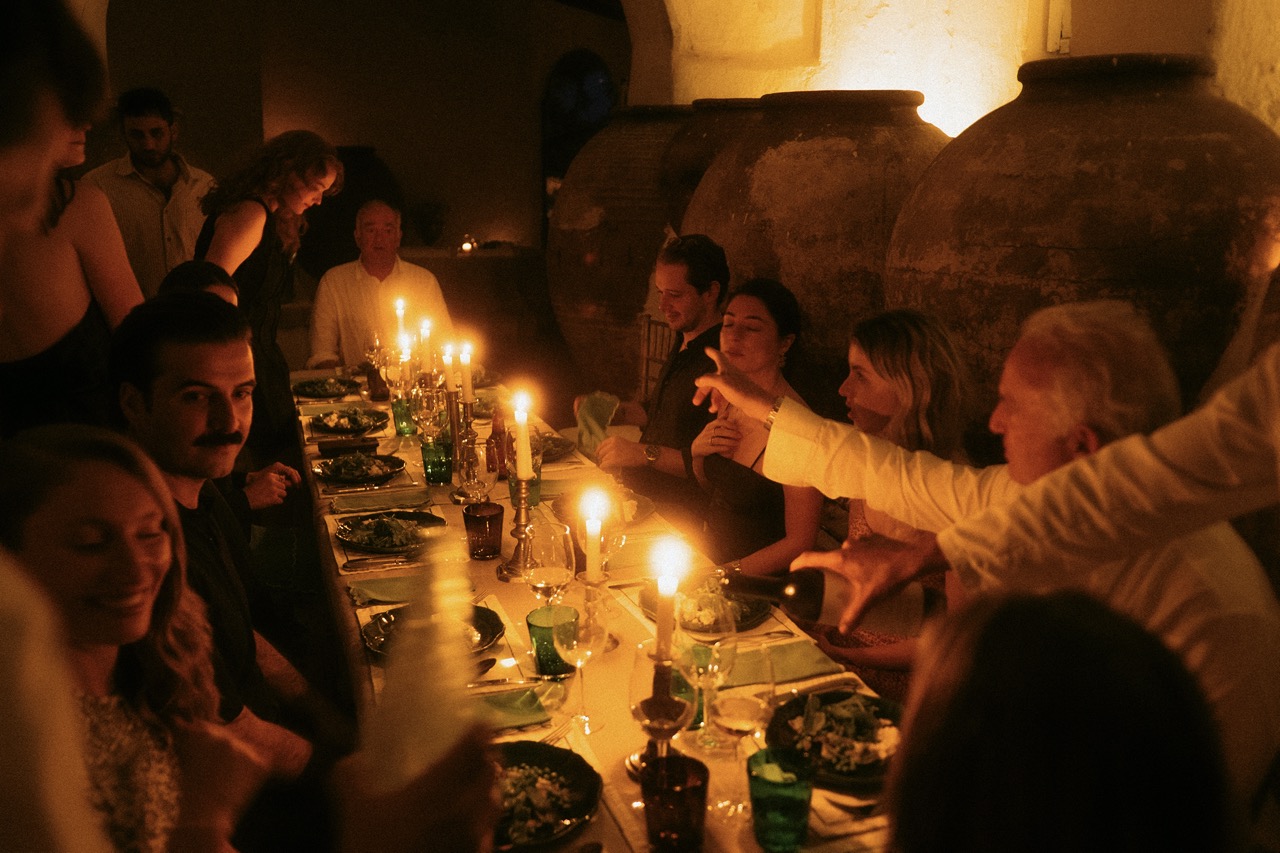
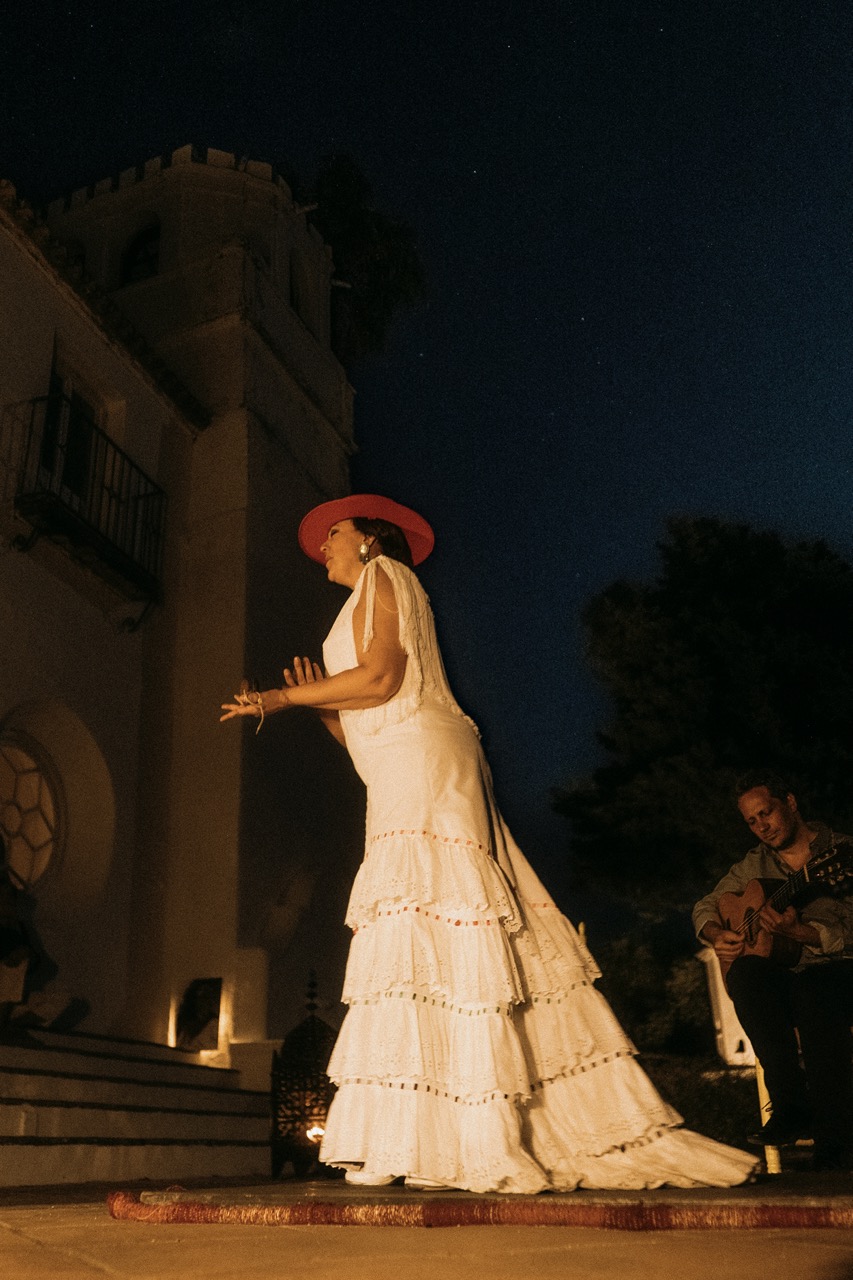
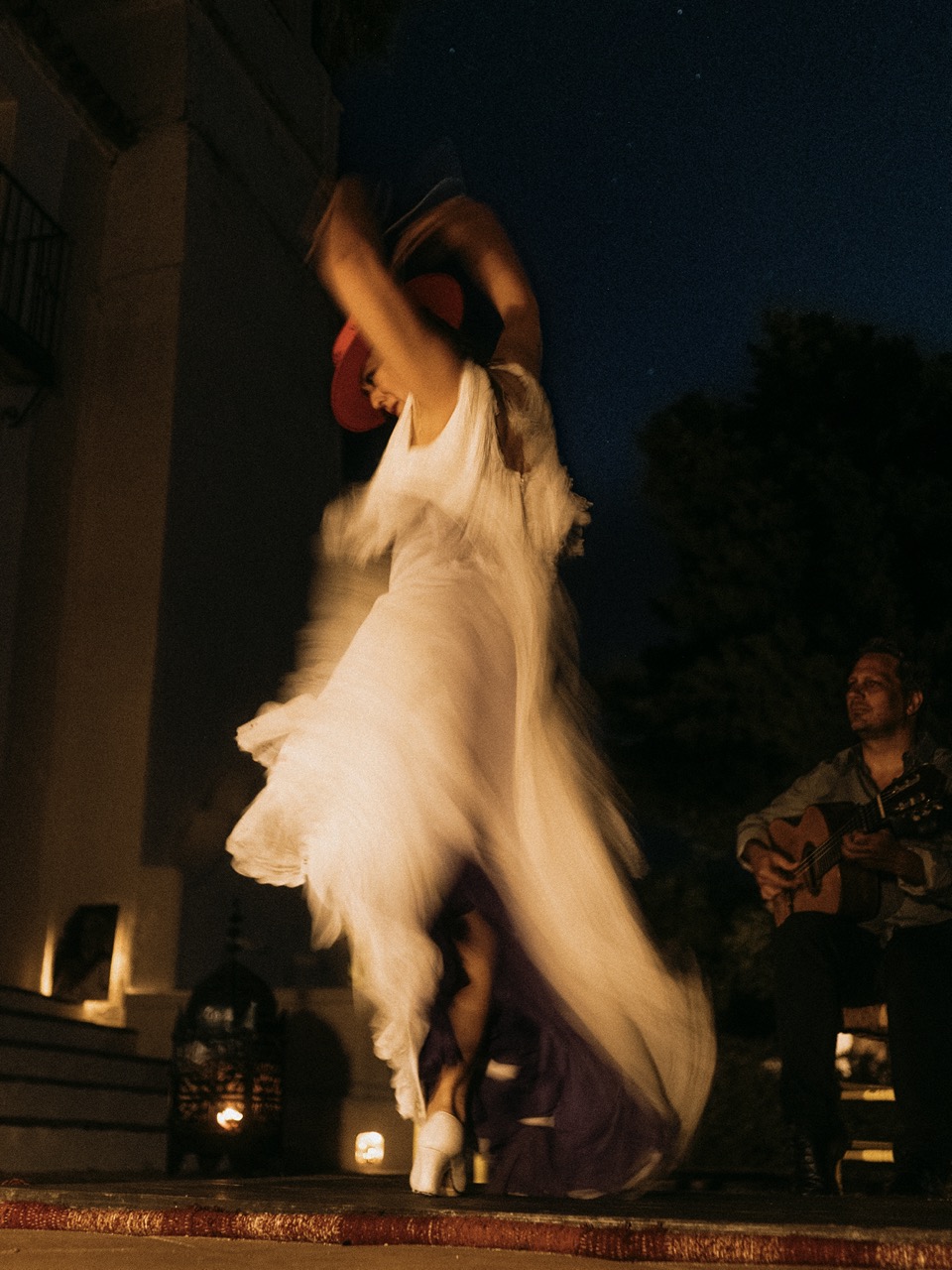
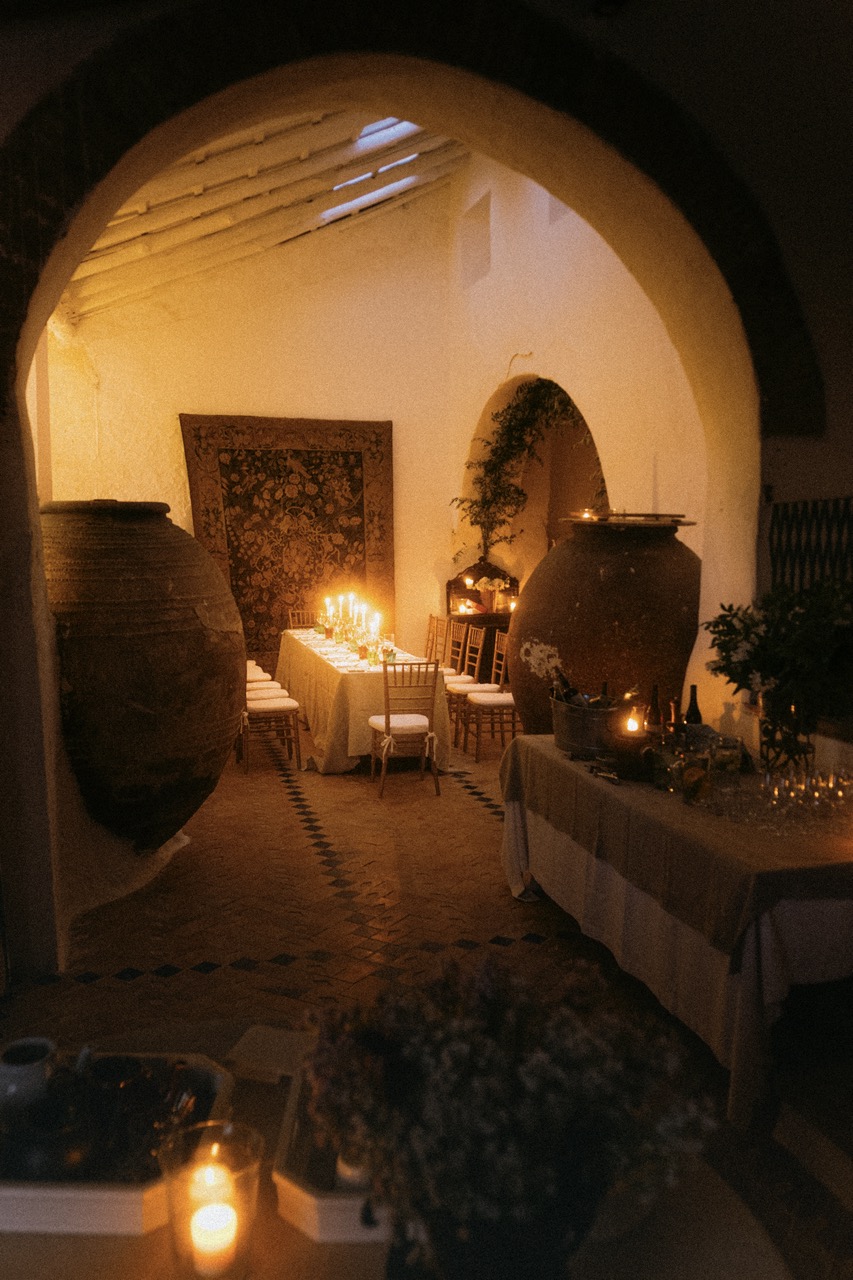
The evening concluded with a candle-lit dinner in a salon of recovered wine vases (Scott had to save them from being destroyed) followed by a flamenco performance by moonlight; two Sevillanas, a guitarist and a dancer. As we rested along the steps of the salon, the dancer moved to the sounds of strumming, finger-picking gitano songs, parading her traje dress like a peacock. Her eyes expressed either of sadness, or mischief, depending on the rhythm of the songs, and rarely looked toward us, but rather somewhere else, on whatever she was contemplating. It was a striking sight.
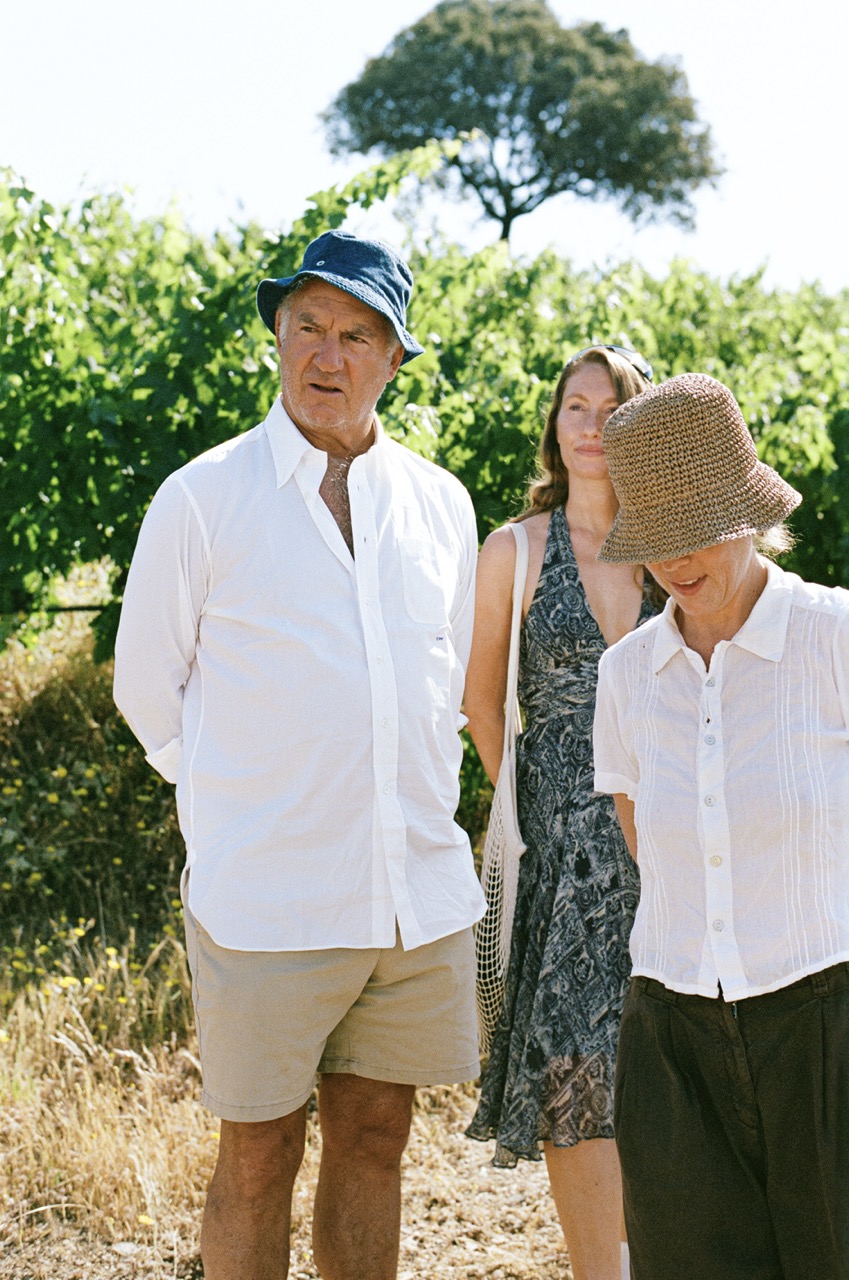
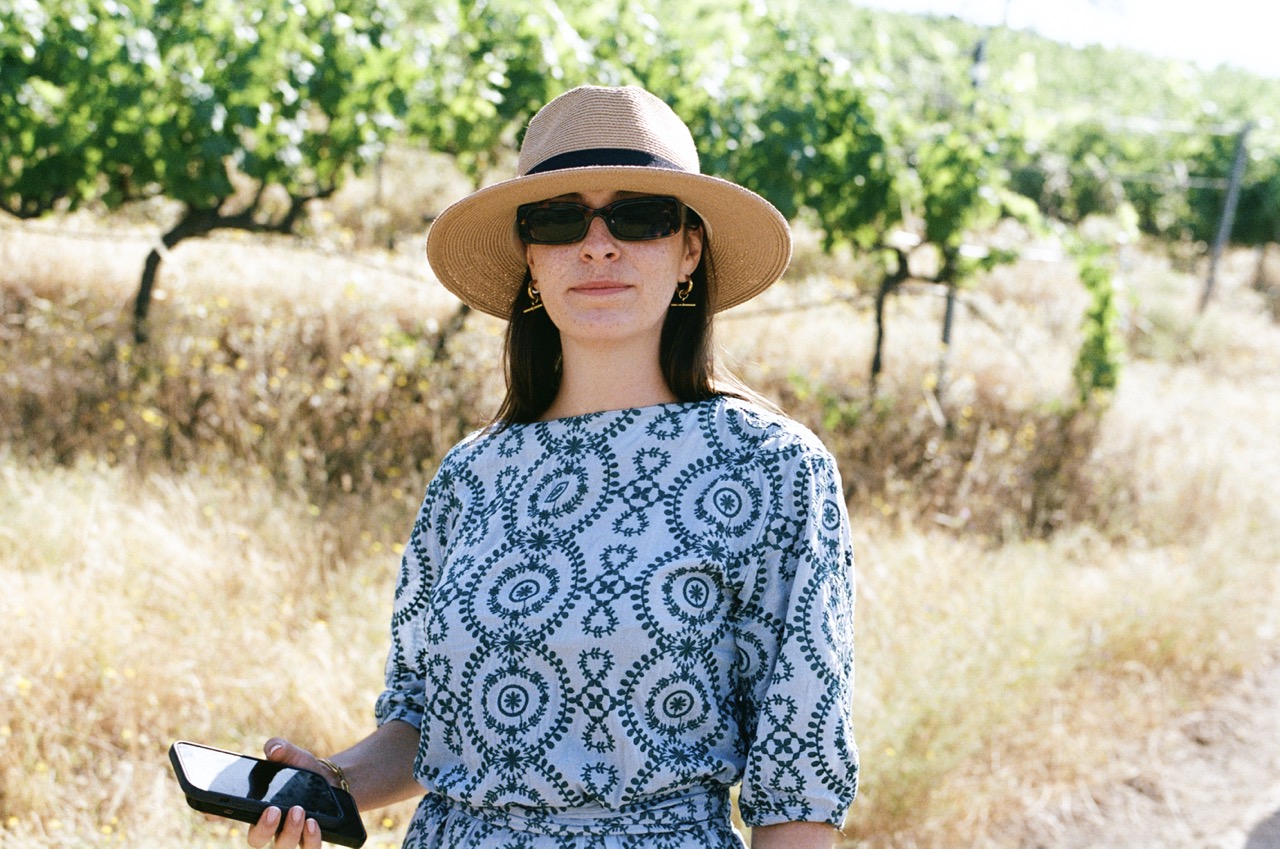
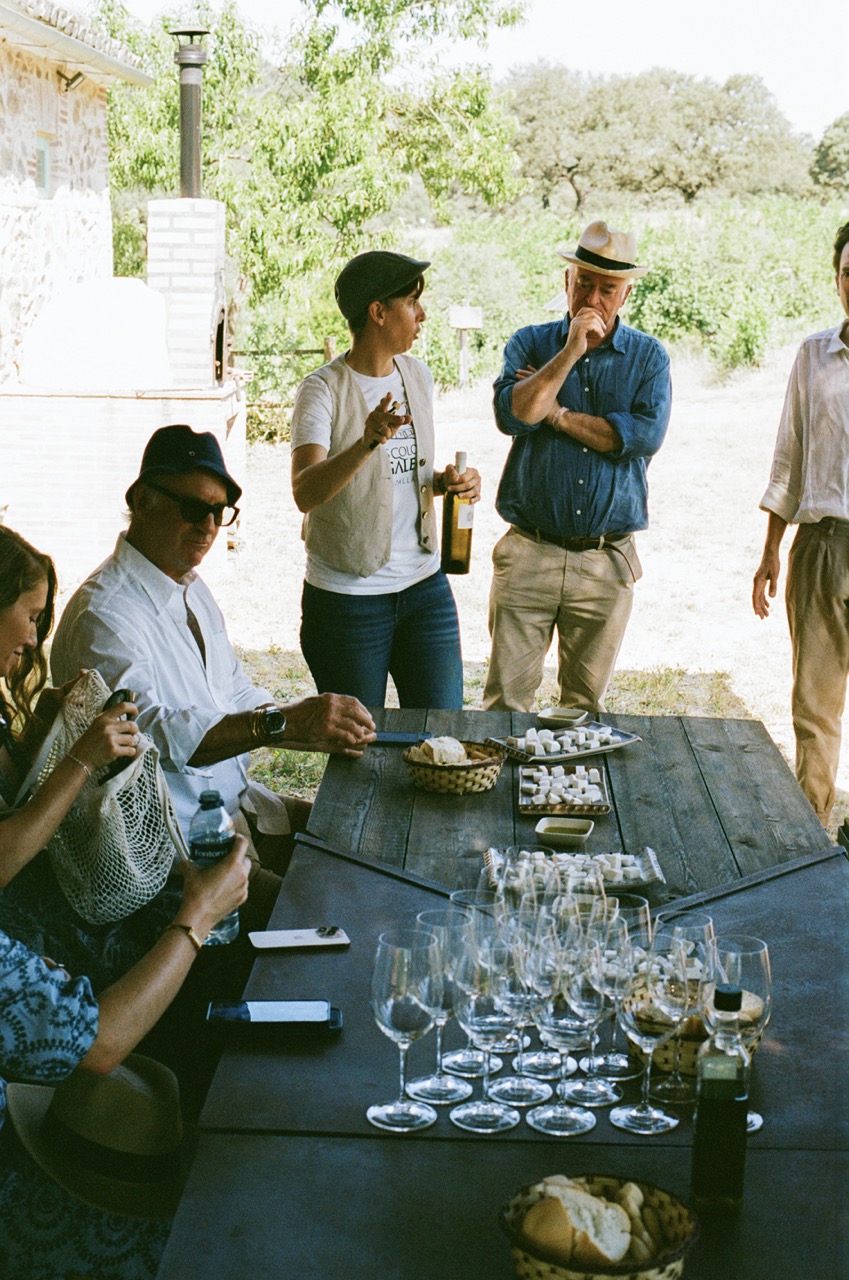
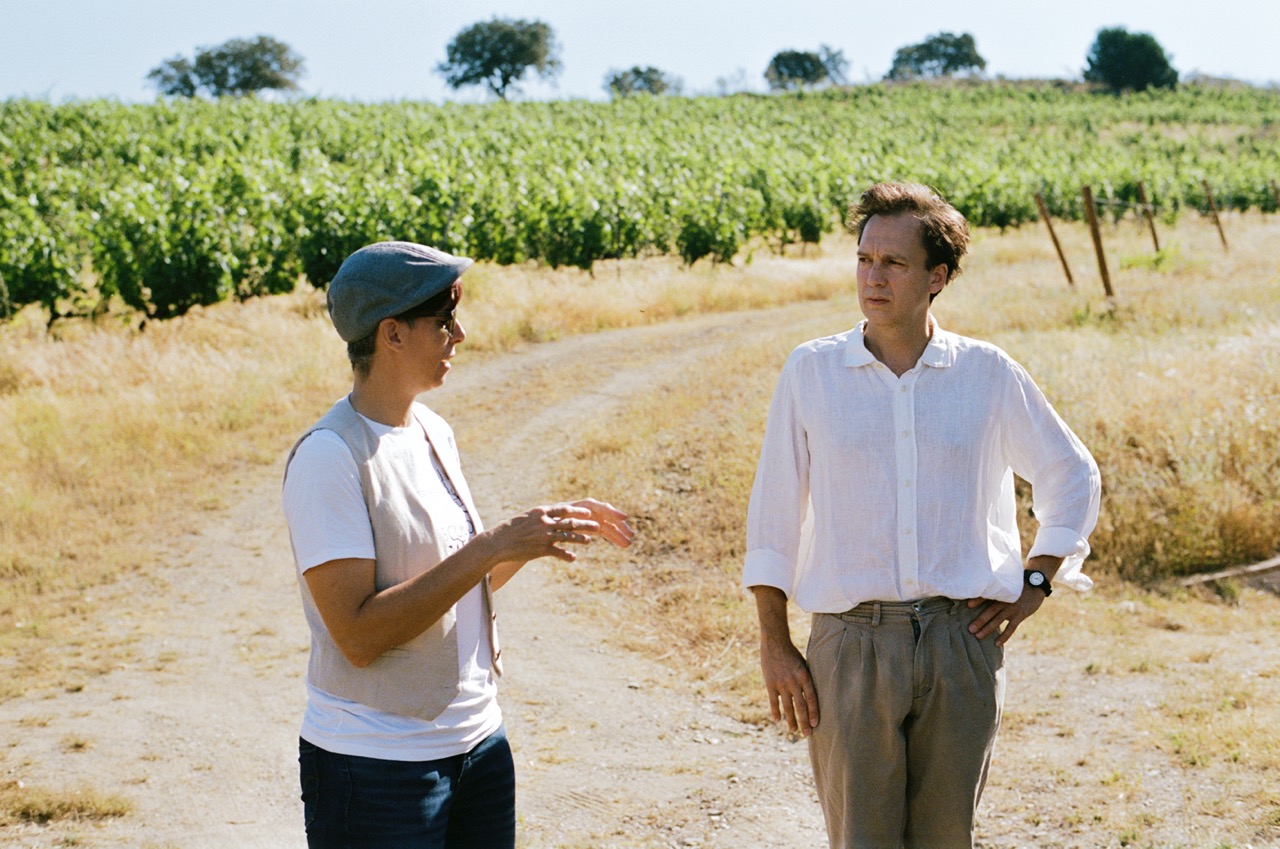
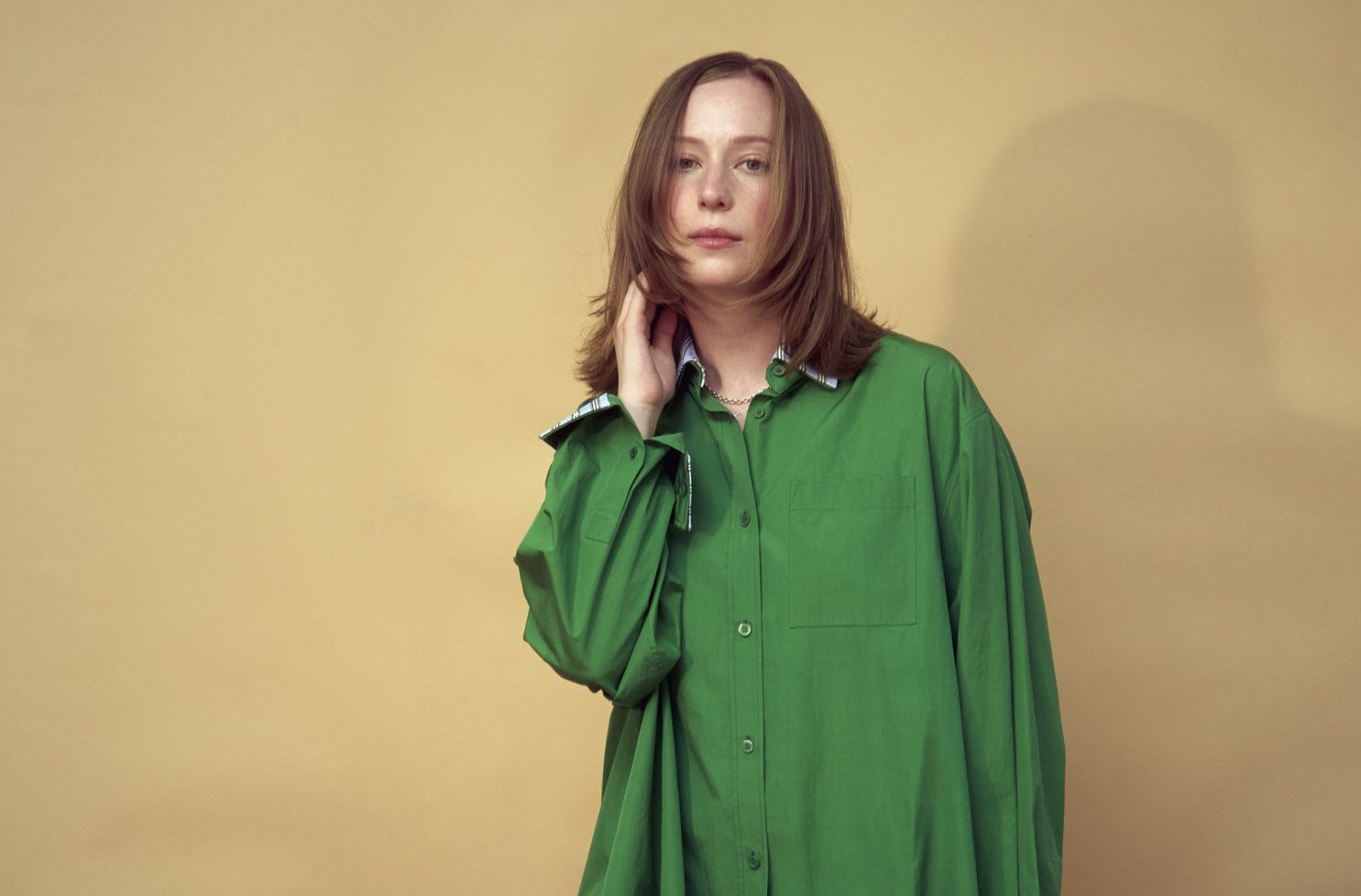
The next day, as our team explored a local winery, I stayed behind to help Anastasia Miari prepare for a cooking workshop. In the kitchen, both Miari and Trasierra’s chef Fiona (as well as a number of jolly village ladies) were boiling Lima beans in great pots, applying syrup to an orange sponge cake, and stewing tomatoes and eggs for a Corfiot dish, all of which appear in the bestselling Yiayia. It was all quite festive; but I realised how useless I can be when it comes to cooking. The book is ten years of collecting recipes from Greek grandmothers across different parts of the country. “This type of grandmother, who tended to the land, cooked, and supported their families, will be around for fifteen more years max,” she said. “I wanted to preserve their stories as well as the dishes.”
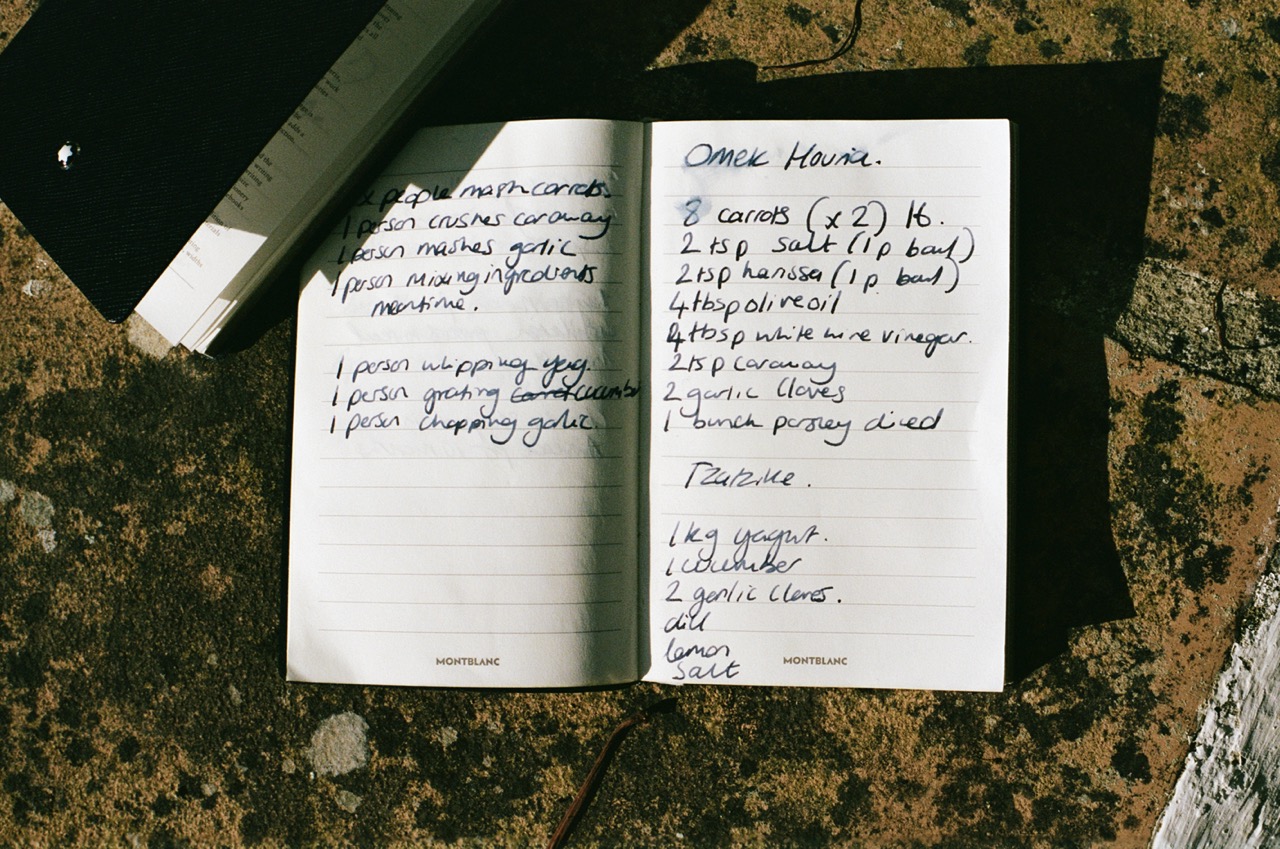
Yiayia is as much a travelogue—a personal odyssey—as a typical recipe book. Mediterranea followed a few years later; developing the same idea but throughout the region, including Italy and Spain. “We’re going to make a Tunisian salad dish: Omouk Houria,” Miara explained, as she prepped ingredients for the workshop. “It’s a delicious carrot salad with spicy harissa I learned from a grandma in Tunis.”
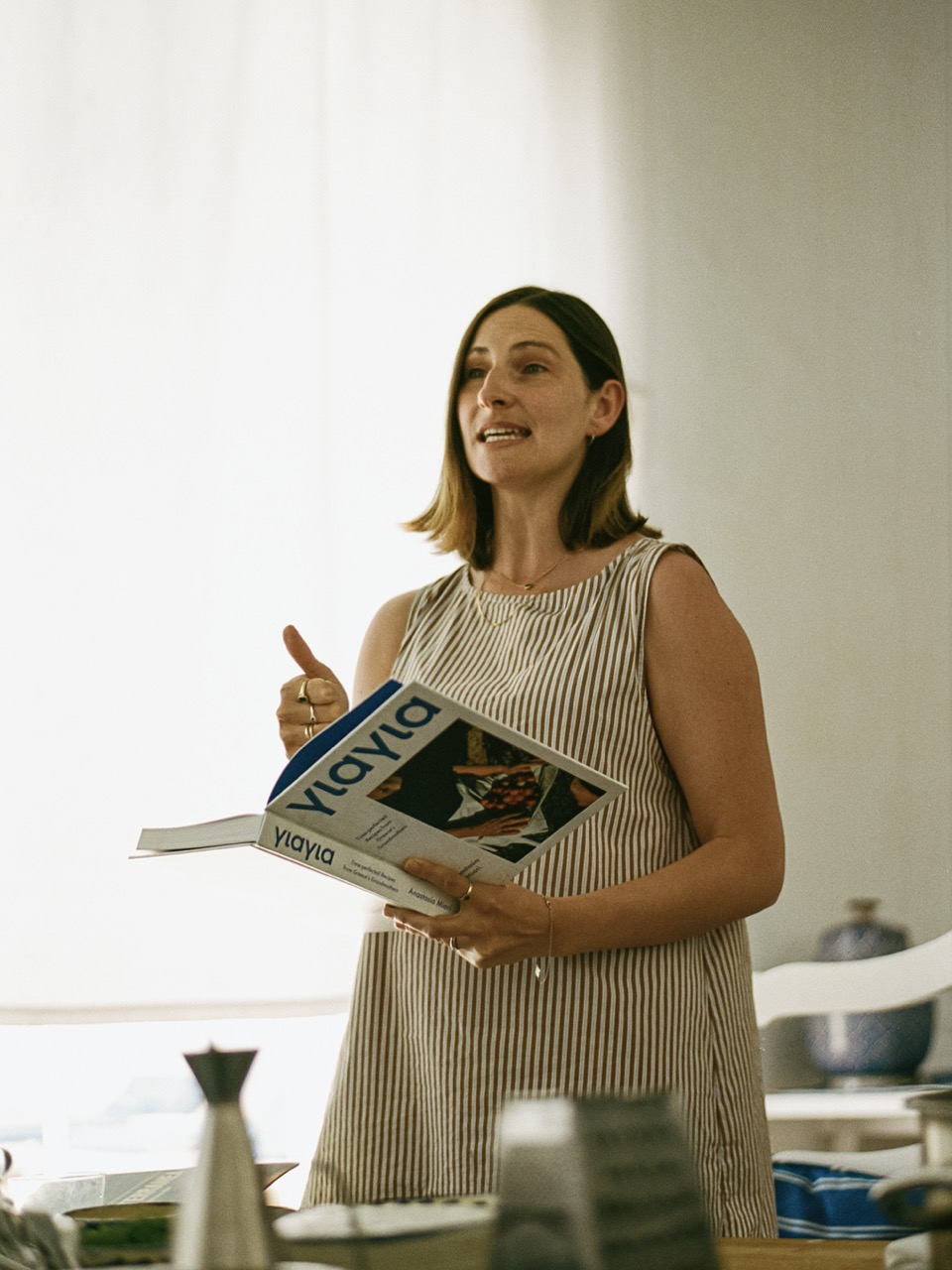
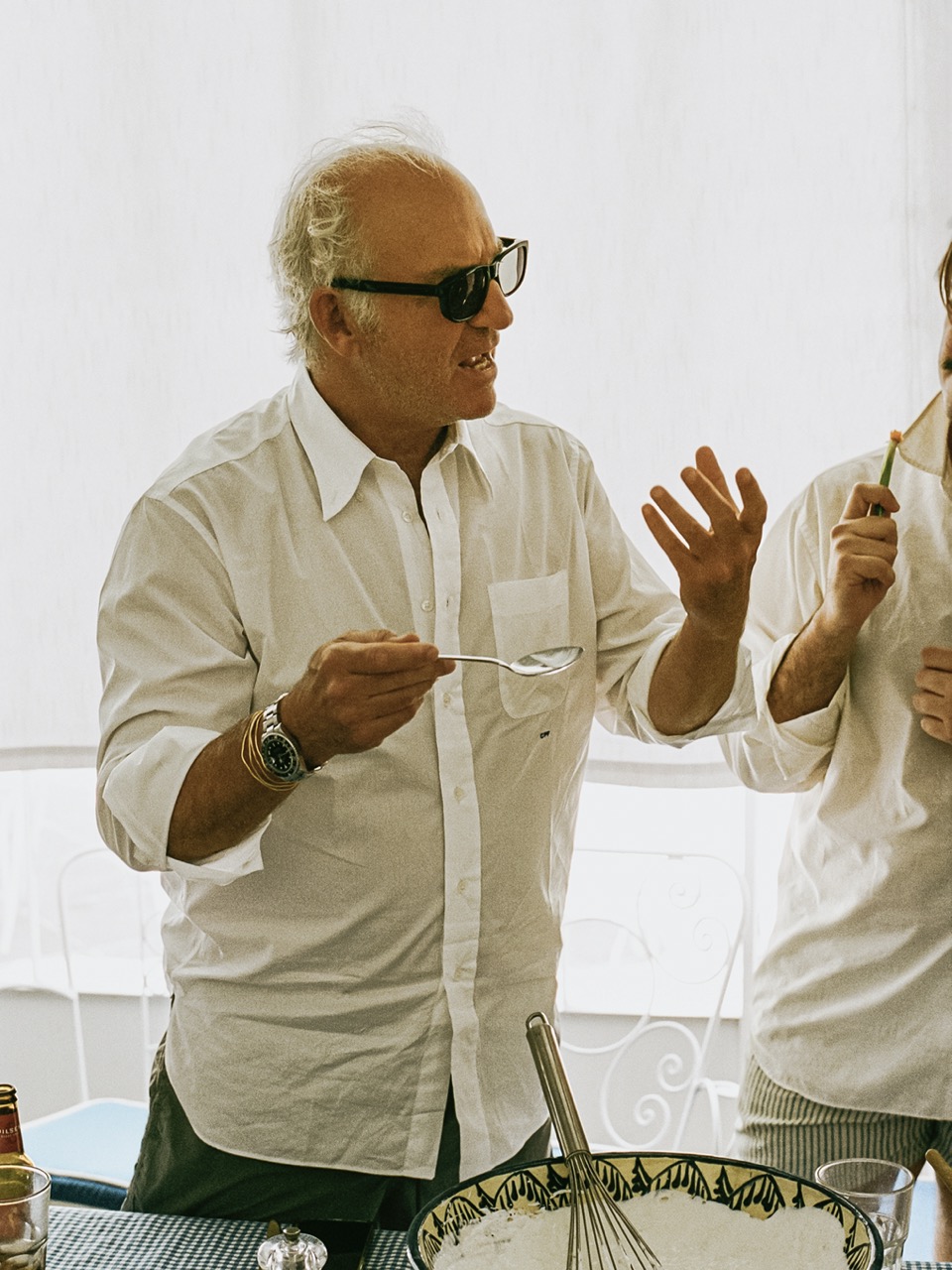
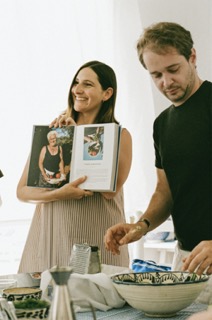
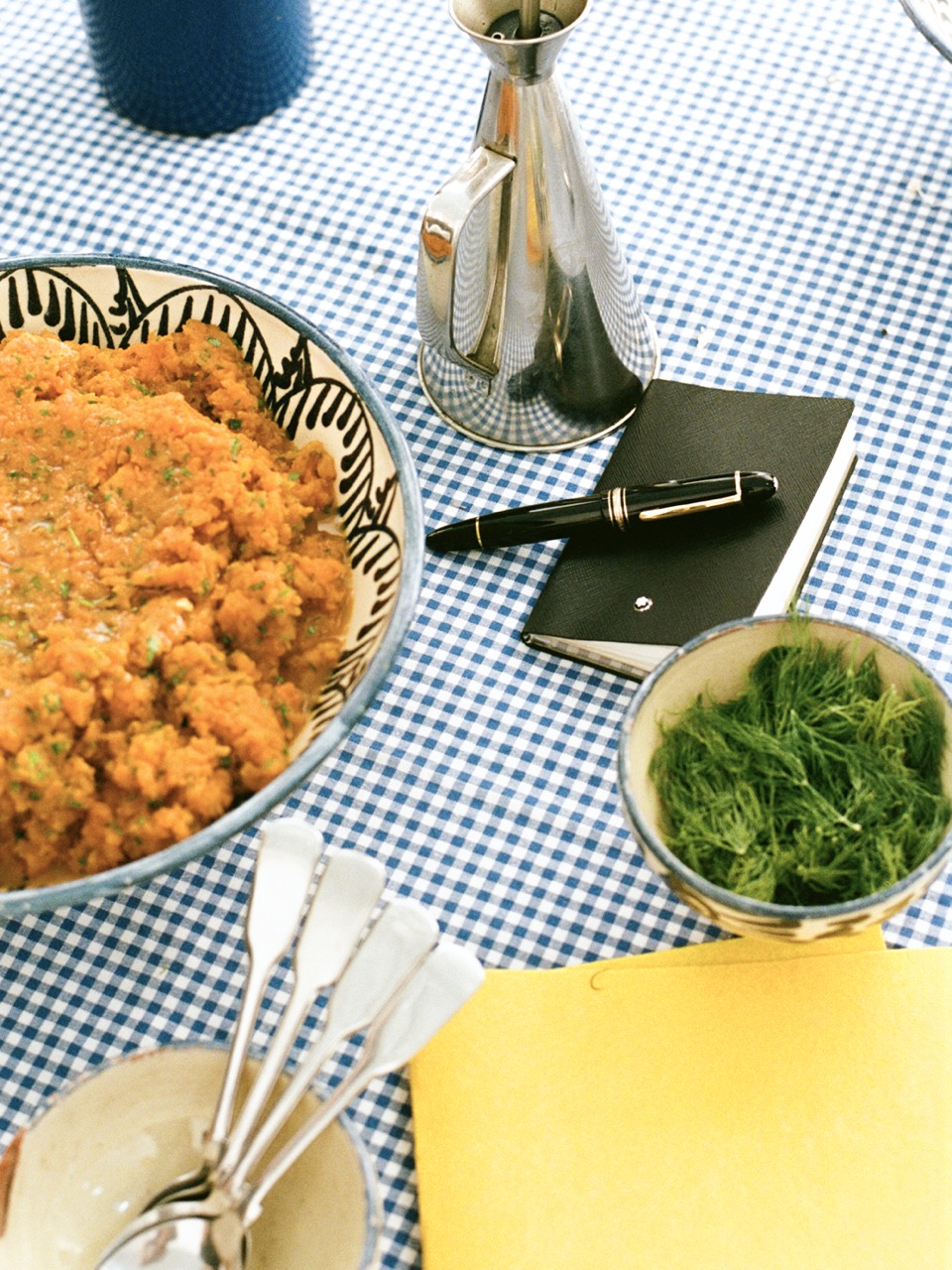
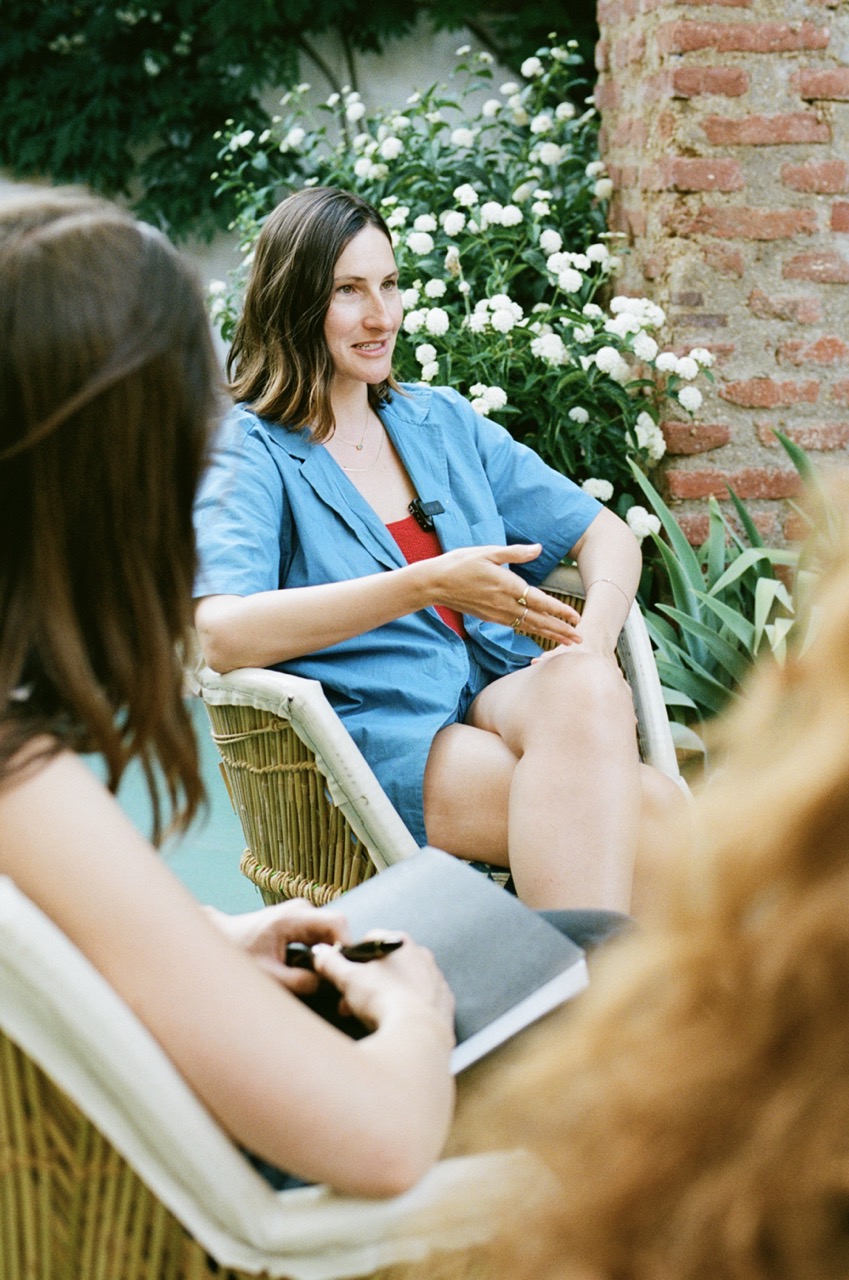
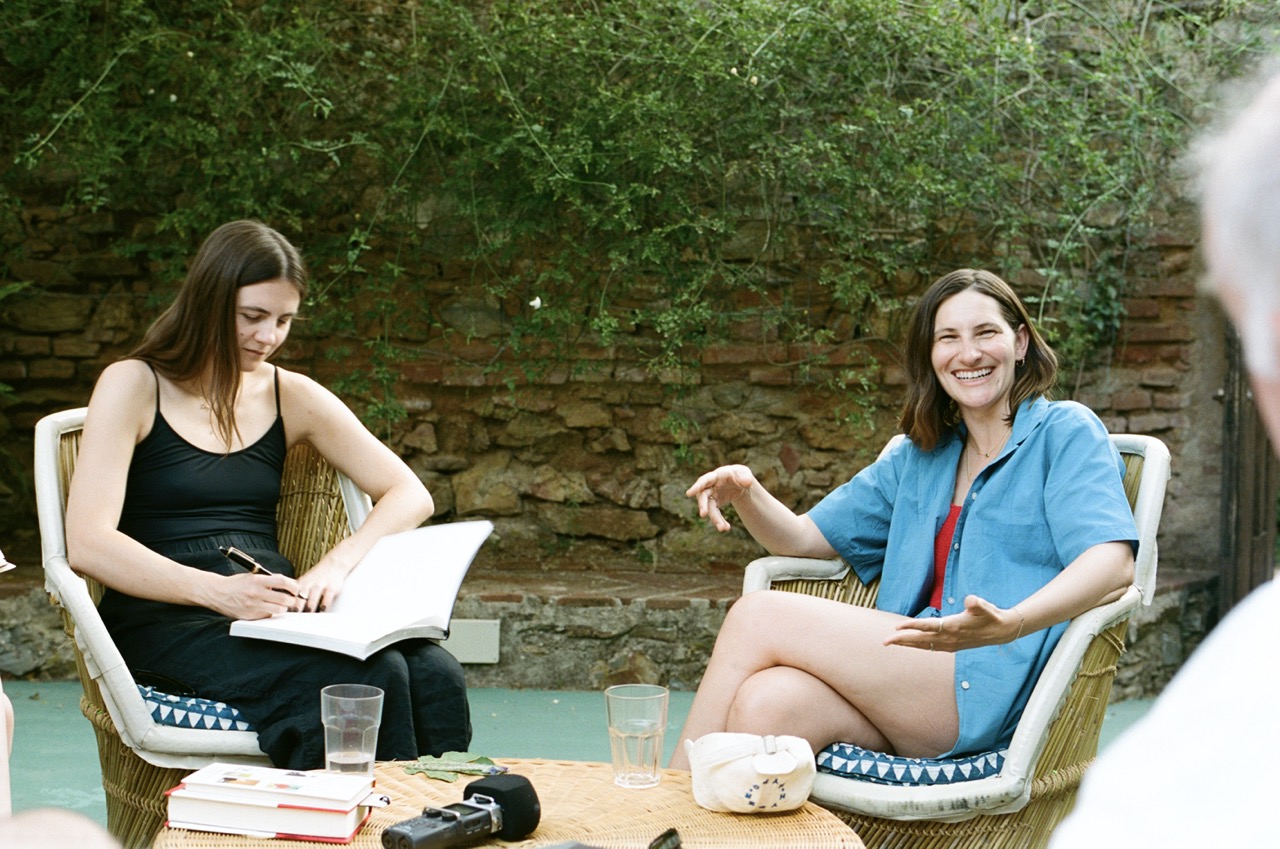
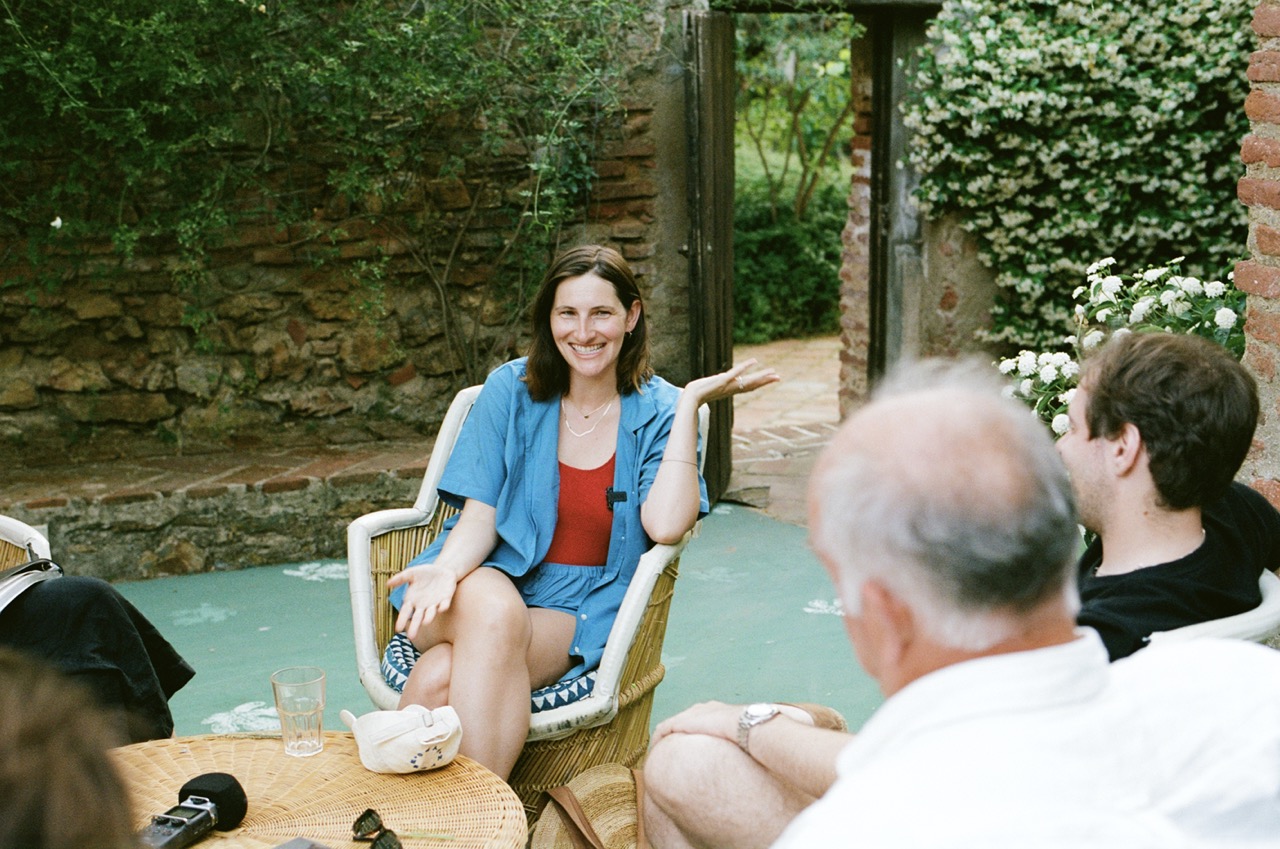
The entire team returned slightly pickled from the winery, past three pm. In the cool dining room, Miari performed a reading of two stories from her books, both from two different grandmothers, as the Rabbits (and Rogerson) set about work on a tzatziki and the Omouk Houria. Lunch was then served.
Miari’s workshop was a lesson in perseverance. She explained how it took many years for her to find a home for Yiayaia, and struggled to convince publishers to believe in the project. Today Yiayia has sold 80,000 copies and counting’ “I have to be there with the people who are cooking for me, so I can record, write and understand exactly how they make their food,” she explained. “Sometimes, they’ll get annoyed if I try to ask how much oil or salt they use—most of the time, they’ve got used to eyeballing quantities. But these things are important to record. Then, I’ll return home and test it and share it with a professional recipe tester.” It proved just how meticulous every recipe had to be before being published, and how many steps and processes are needed to ensure that the dish has the same effect in home kitchens. She emphasises the importance of connection as a writer. “You need to be good with people, you need to empathise. Or they won’t be willing to share some of their most personal stories with you.”
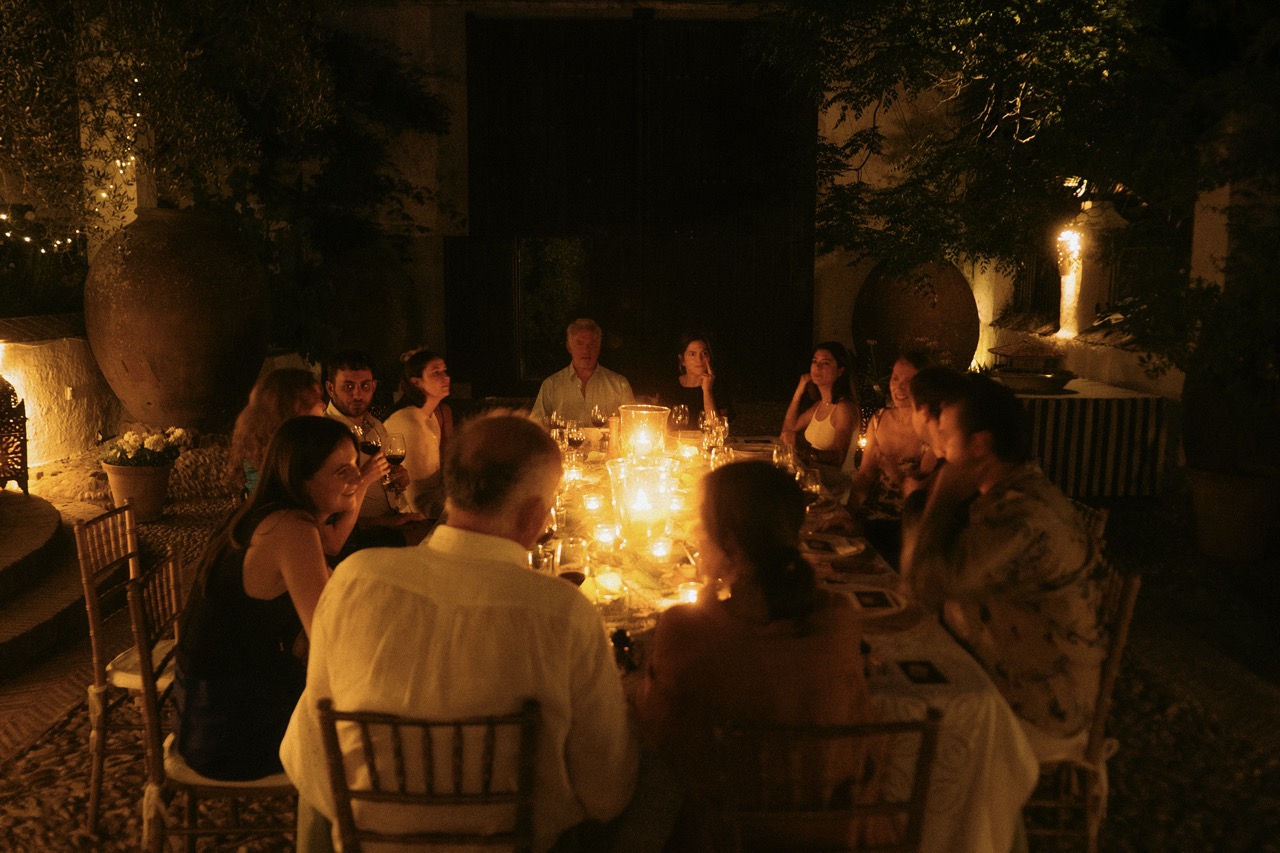
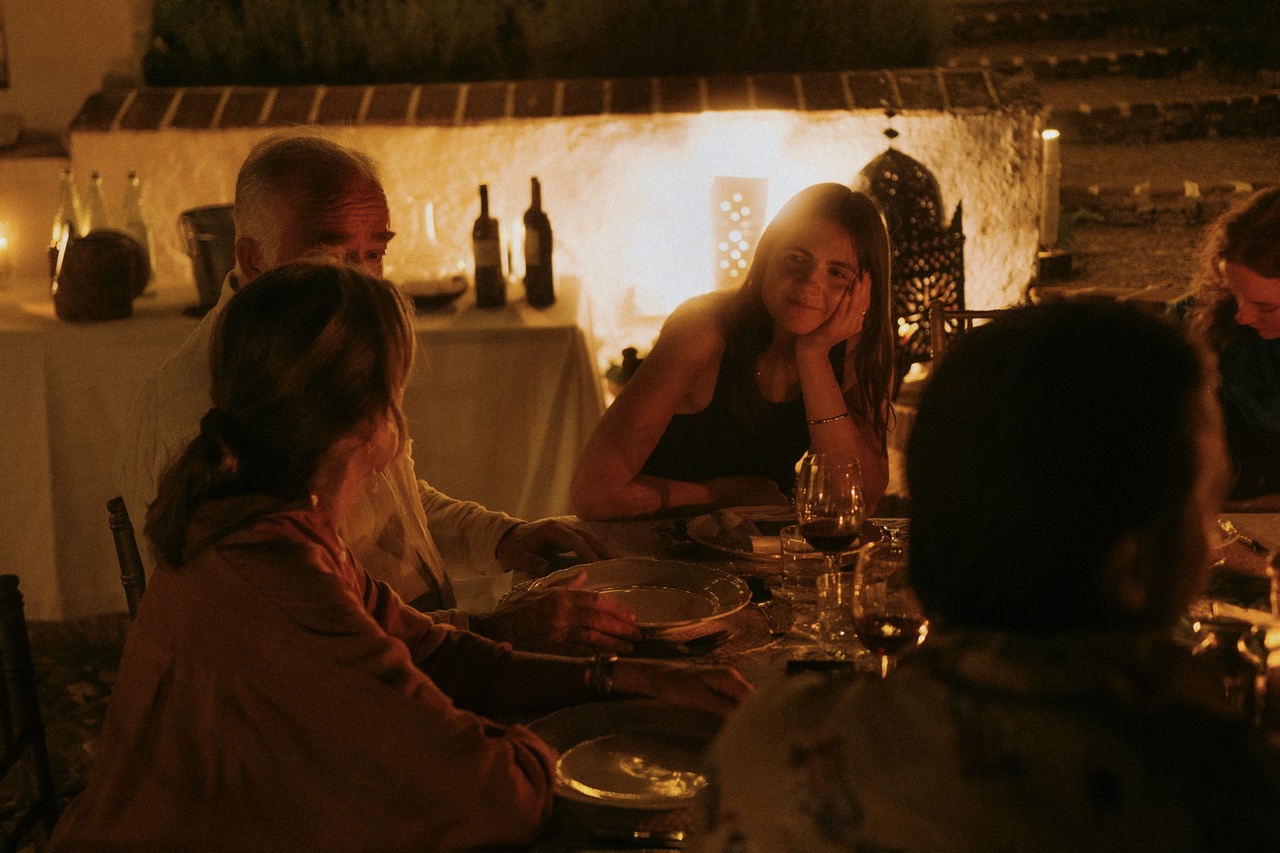
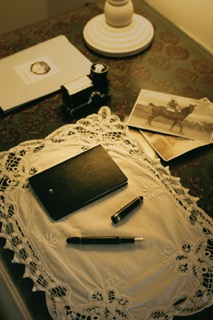

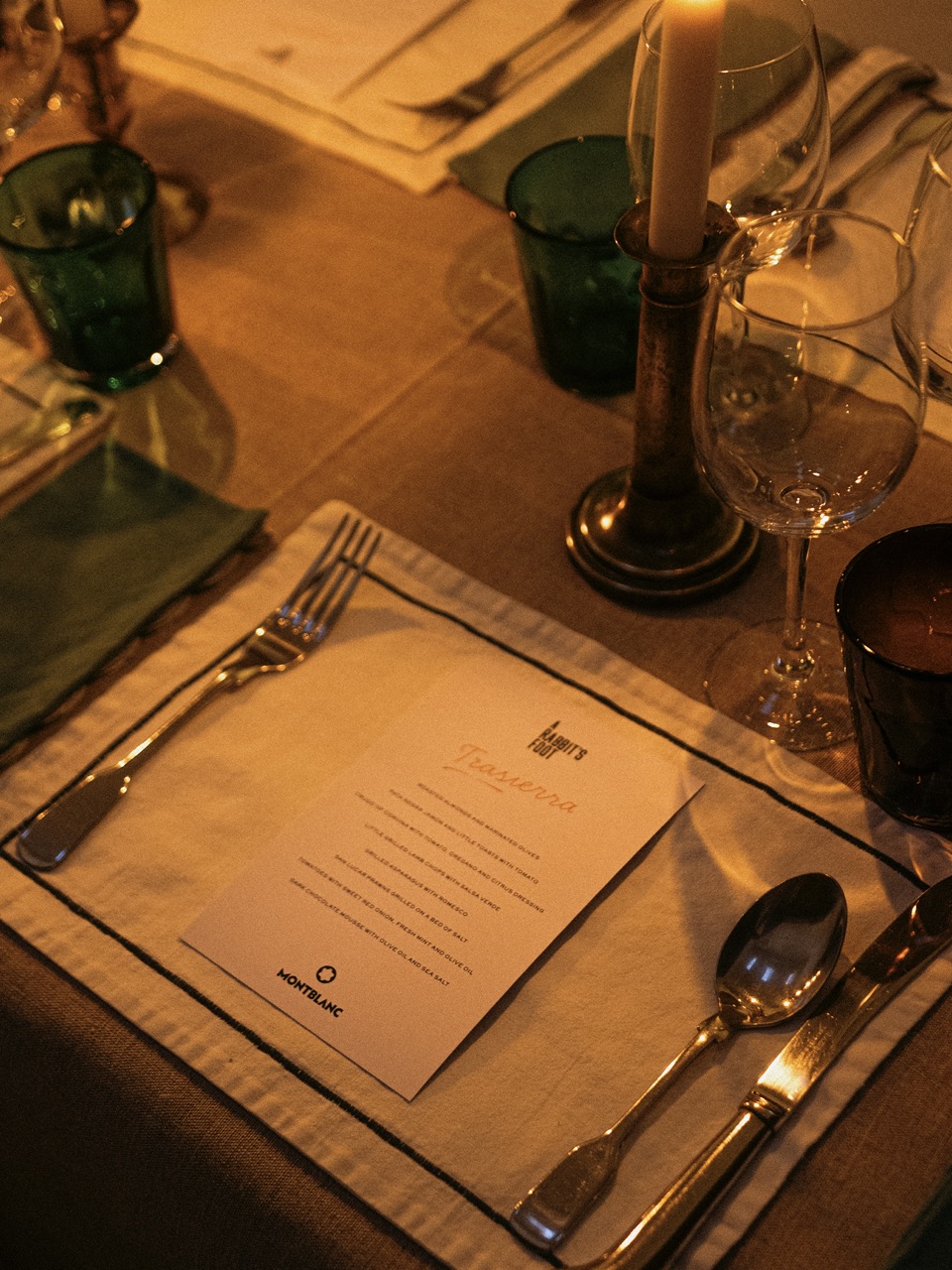
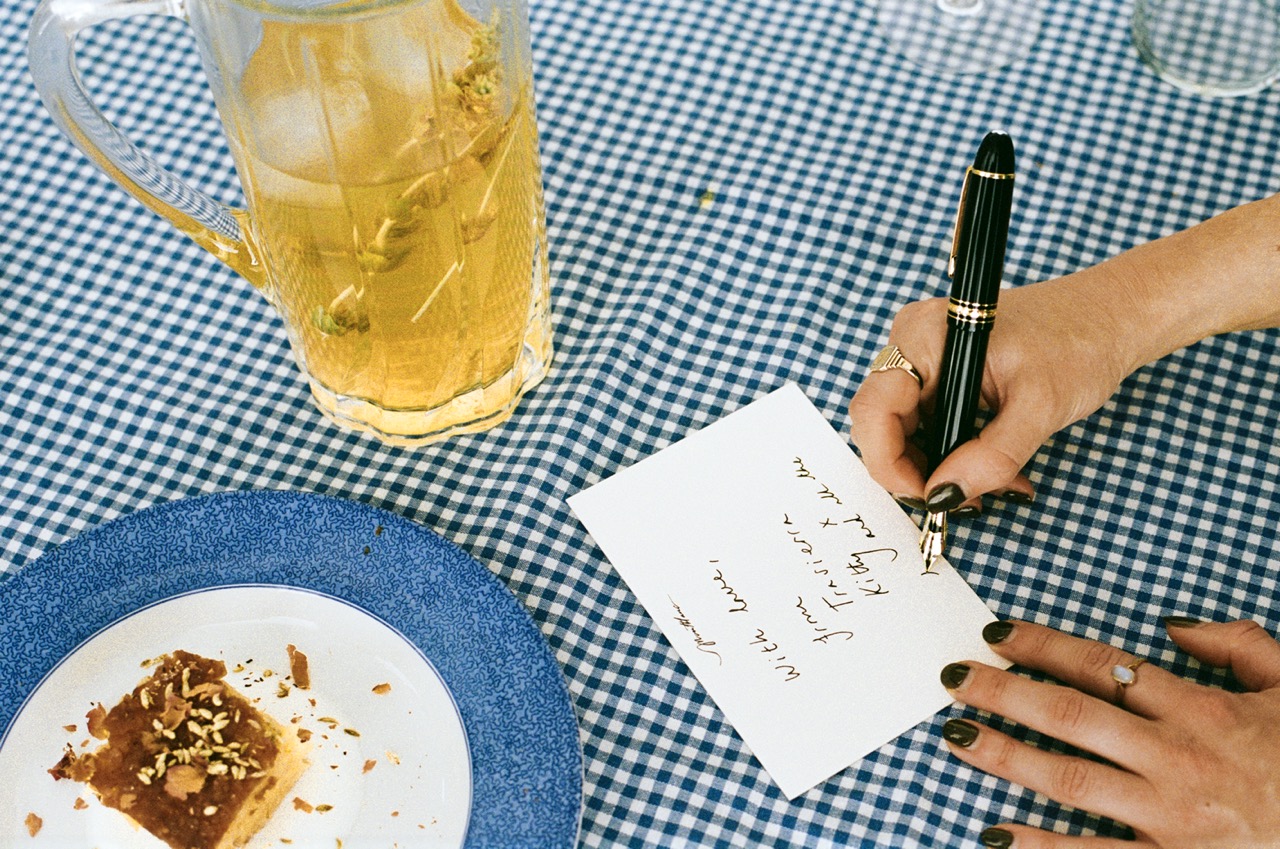
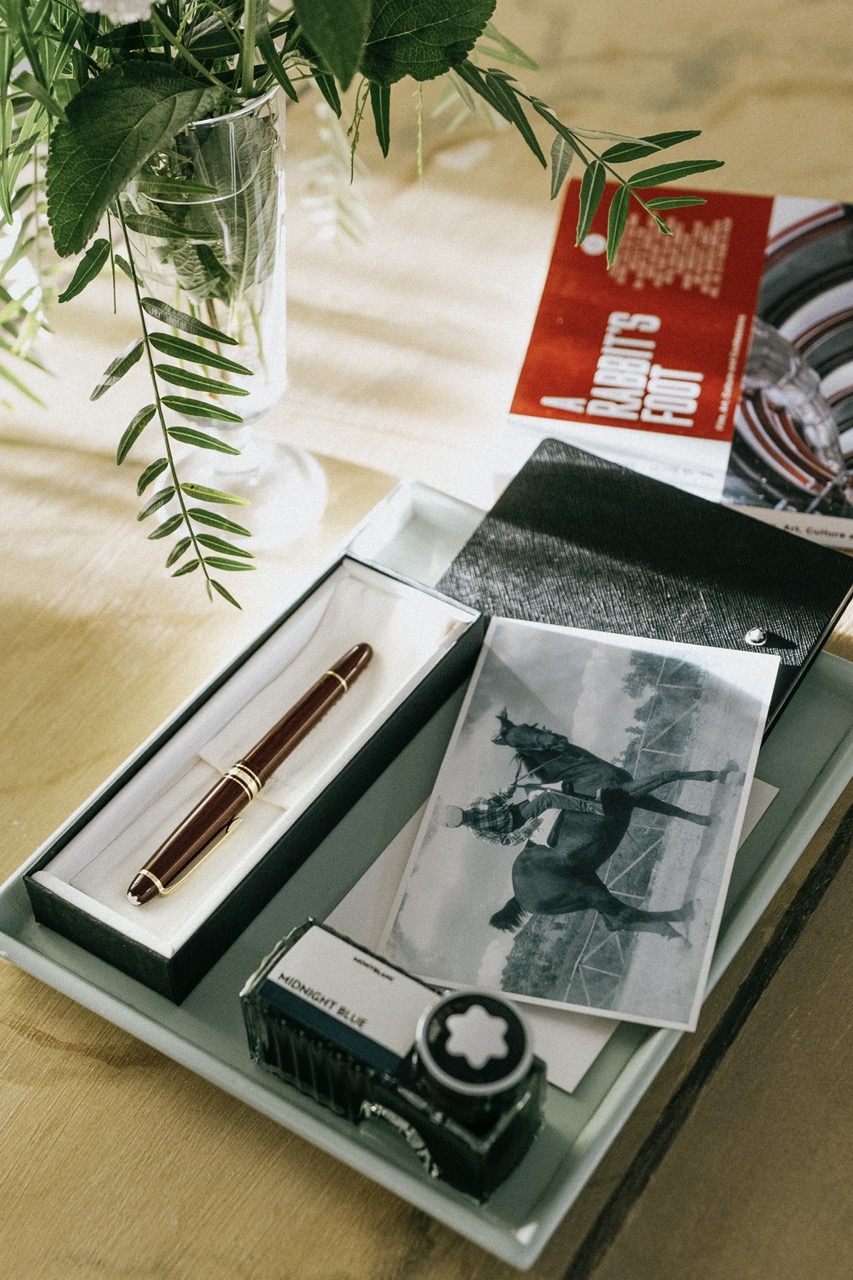
That’s perhaps the most meaningful piece of advice any writer can give. The rest of us hurried to write her wisdom down, just as we had at Rogerson’s workshop. The weekend had come to a smooth end, on a warm evening out on the courtyard for a final dinner prepared by Giaconda. Charles paid tribute to the writers, as well as our hosts (I’ll have an interview with Charlotte on the site soon) and awarded both Rogerson and Miari a silver rabbit pin. Montblanc shared postcards for us all to jot messages for our loved ones. But both the writing instrument, and the memo pads they supplied found another use: a game of Celebrity Heads where each of us was given a famous figure to guess. Mine, as it happens, was a fictional character (yes), male (no), resembles me (somewhat but let’s say yes), and under the age of thirty (when they were on TV). I was stumped. And then surprised to learn that the notecard in front of me read Xena the Warrior Princess. Perhaps that’s the first time she’s been spoken about in the jasmine-scented confines of Trasierra. Then again, maybe not.
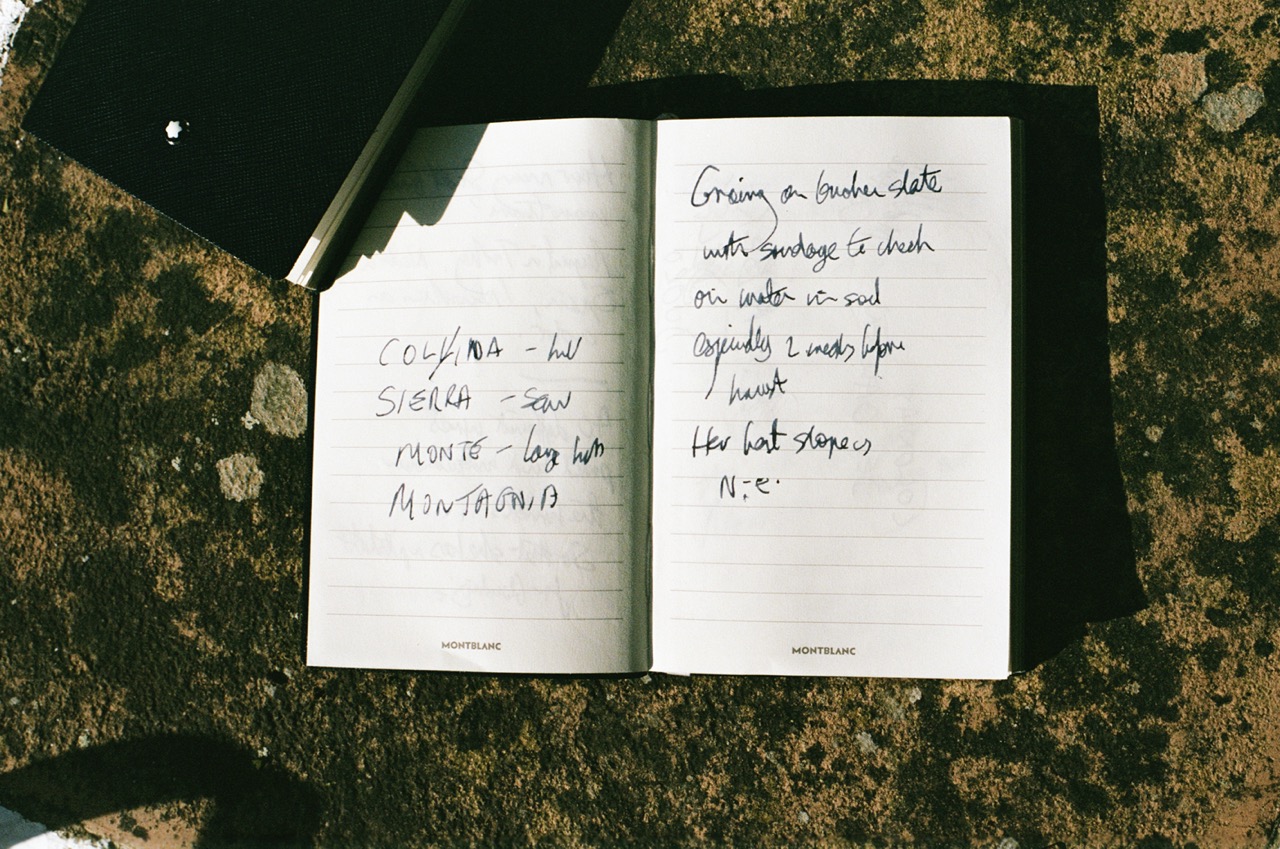
As we rolled again through the Sierra Morena on the way to the airport, the Rabbits were already plotting our return for a second writer’s retreat. We’d like to once again thank the Scott family, Barnaby Rogerson, Anastasia Miara, and Montblanc for making the experience so memorable. Finally, there will be more news soon as we also prepare for Rabbit’s Books to become an important part of our offering. But more on that as we settle back in London and piece together the lessons from Trasierra. Because as the Spanish writer Federico Garcia Lorca once wrote, “only mystery allows us to live, only mystery.”