

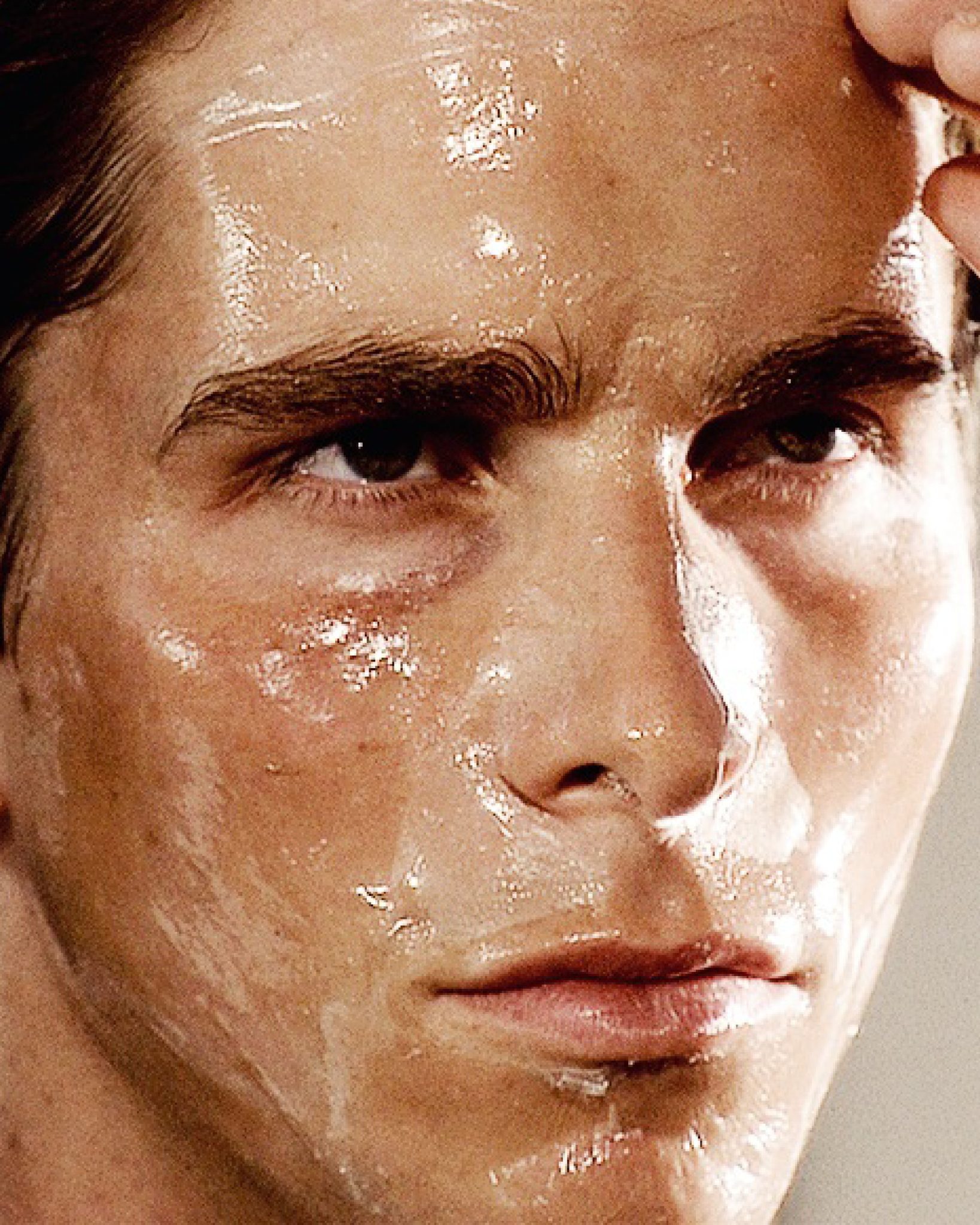
Speculation continues about who might play the next Patrick Bateman, the Bret Easton Ellis villain embodied by Christian Bale in Mary Harron’s American Psycho. In an age of GLP-1s, edgelord feminism and a rampant manosphere, is it time for a woman to take on the role?
Last year news broke that Luca Guadagnino was resurrecting American Psycho, the cultural phenomenon that brought us OG mogger Patrick Bateman. Following the original 1991 Bret Easton Ellis book, it was adapted into a 1999 movie by Mary Harron and later, a stage musical starring Matt Smith. Speculation has been abundant online about who the next Bateman will be, with Austin Butler currently piqued to inhabit him, as if he’s James Bond instead of a literal psychopathic murderer. Albeit, one with suave drip in good suits.
But what if, in the age of dead-eyed GLP-1 Brats and alt-right Tradwife influencers, our next “American Psycho” was a woman?
Set in 1980s NYC, Patrick Bateman emerged as a trojan horse to lay bare the excesses of “no such thing as a society” yuppie culture and the toxic masculinity it bred. Written by enfant terrible Bret Easton Ellis when he was just 26 years old, the novel was reviled and subsequently dropped by its publishers before it was even released, later becoming a cult classic.
And, thanks to the film adaptation starring Christian Bale, the work now also become fodder for memes and GIFs, the favourite film of the reply guy that trolls you from afar, and the lookbook for men on the finance bro-media hyphenate continuum…essentially, separated from its shock satire, its own laughable entity. The suits, the business cards, the 15 step skincare regime, it’s not only normalised but aspirational. Patrick Bateman lives in your feed, and he is not a psychopathic murderer but a “Looksmaxxxer” a la Clavicular. Or maybe he is both, but the algorithm can’t tell otherwise.


In Mary Harron’s film—one she was warned would be “career-ruining” as well as destroying star Christian Bale’s career—Bale radiates a dead eyed smarm, whether he’s pontificating smugly about Huey Lewis and the News or smashing Paul Allan (Jared Leto) into pieces, only an occasional glimmer of electricity behind his eyes reminding us that there is a person beneath the perfectly coiffed exterior.
He looks like an alien in a lizard skin suit, but of course, one that is unwaveringly attractive. And yet, following its release over 26 years ago- Bale as Bateman has sparked a momentous and cynical case of missing the point. The fanbase of American Psycho has been infiltrated by bros: it used to be a searing lampooning of the worst kind of men, now the worst kind of men have adopted it as their screed and lifestyle manual. Look at the middle class millennial media hyphenate’s favourite clothing brand SCRT, who dropped their Bateman line, Look around at any Halloween party and you’ll see at least one Patrick Bateman, slicked back hair and pressed suit, a transparent raincoat over it: for the low cost of £30, you too can cosplay as a serial killer for the night.
Yet one of the reasons Harron took on directing and adapting the screenplay was how the story works on an allegorical level, “a bit like Frankenstein, I think, in the sense that the character is a tragic monster. Not as tragic as Frankenstein, but Bateman is a pathetic monster in a lot of ways: he cannot help himself, he is a deformed human being, and he’s trying to learn how to be a human being by watching normal people”. Harron’s choice to approach Bateman as a mythological figure continues the thread from her first film, I Shot Andy Warhol (1996), even if that one was about a controversial figure in the women’s lib movement, as far away from Bateman’s world as you can get. Or, perhaps not: her previous feminist work seemed to also help inform and propel her to take on adapting Psycho with her writing partner, Guinevere Turner, she told the London Review Books.
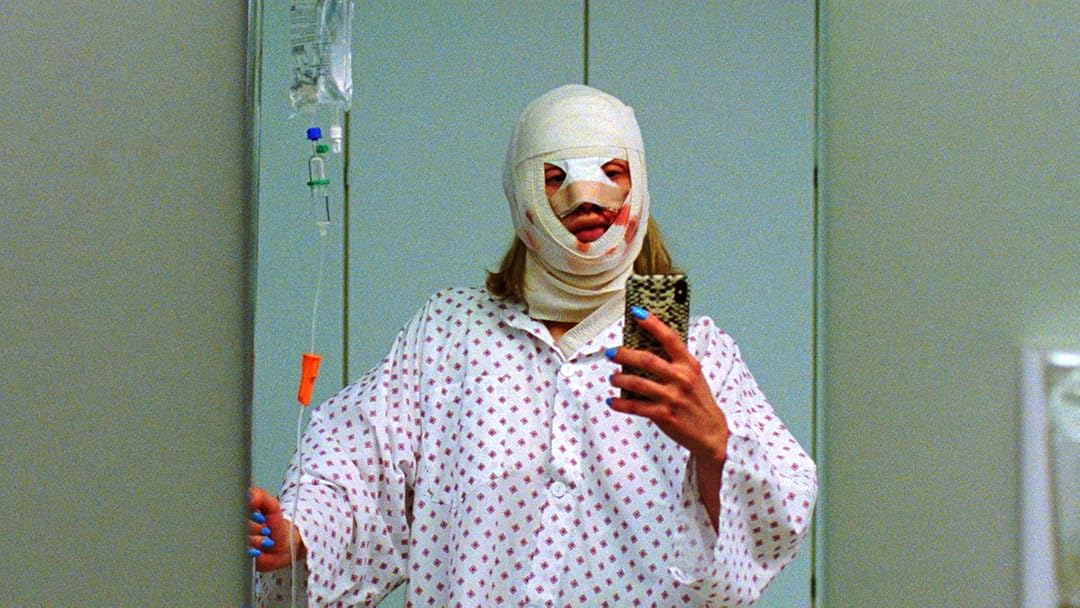
Sick of Myself (2022), directed by Kristoffer Borgli
In I Shot Andy Warhol, Harron told the story of Valeria Solanas, author of the (some say militant feminist, some say misandrist) SCUM manifesto, and with it, proved that she was at home making films about polarising figures that have also been deified to icon status.
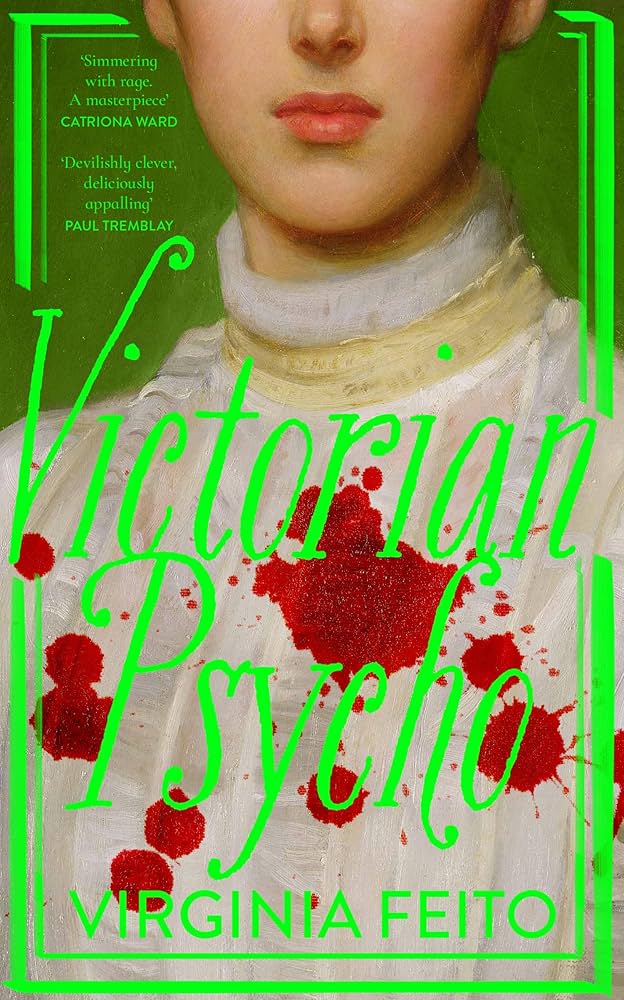
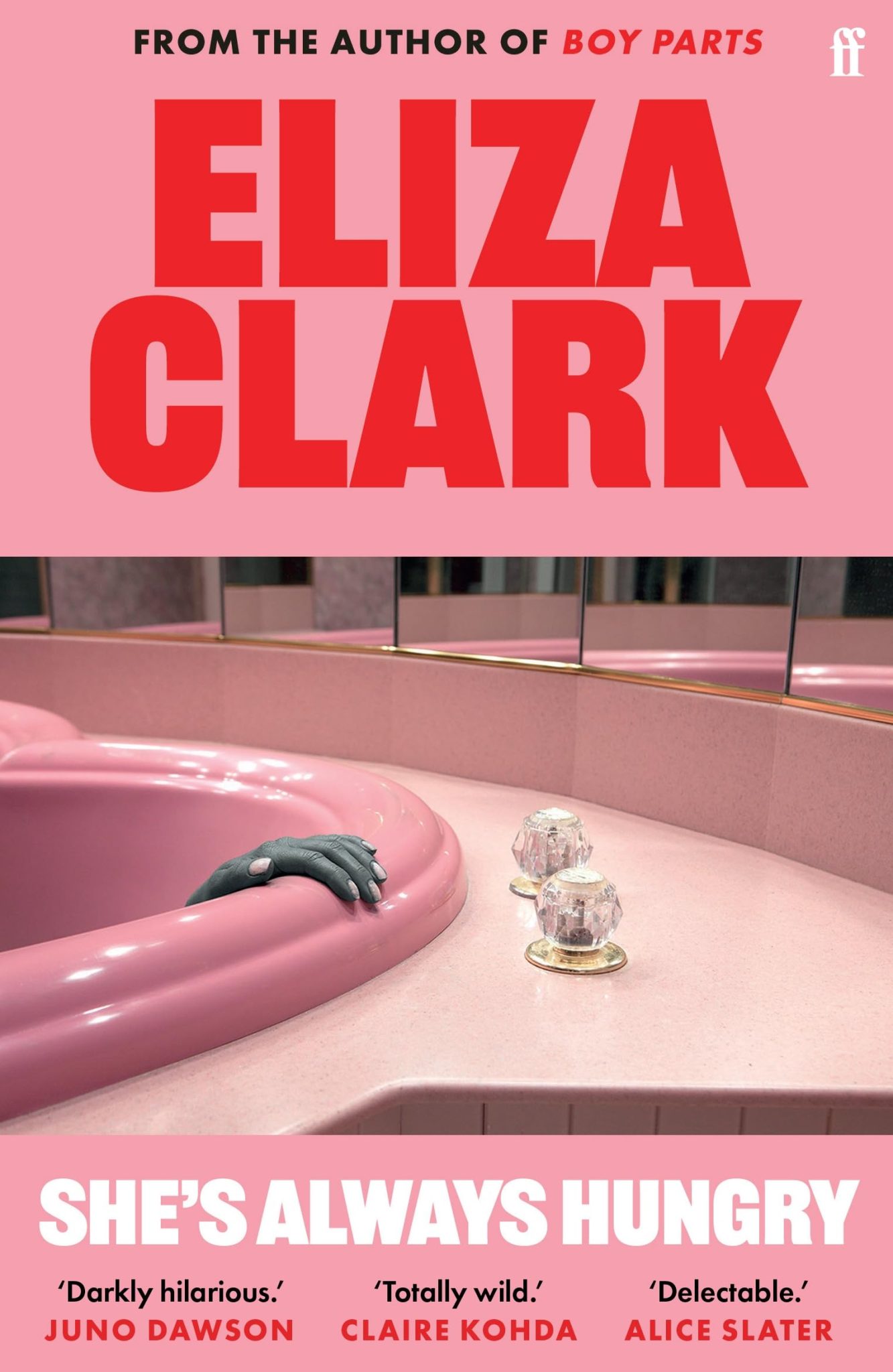
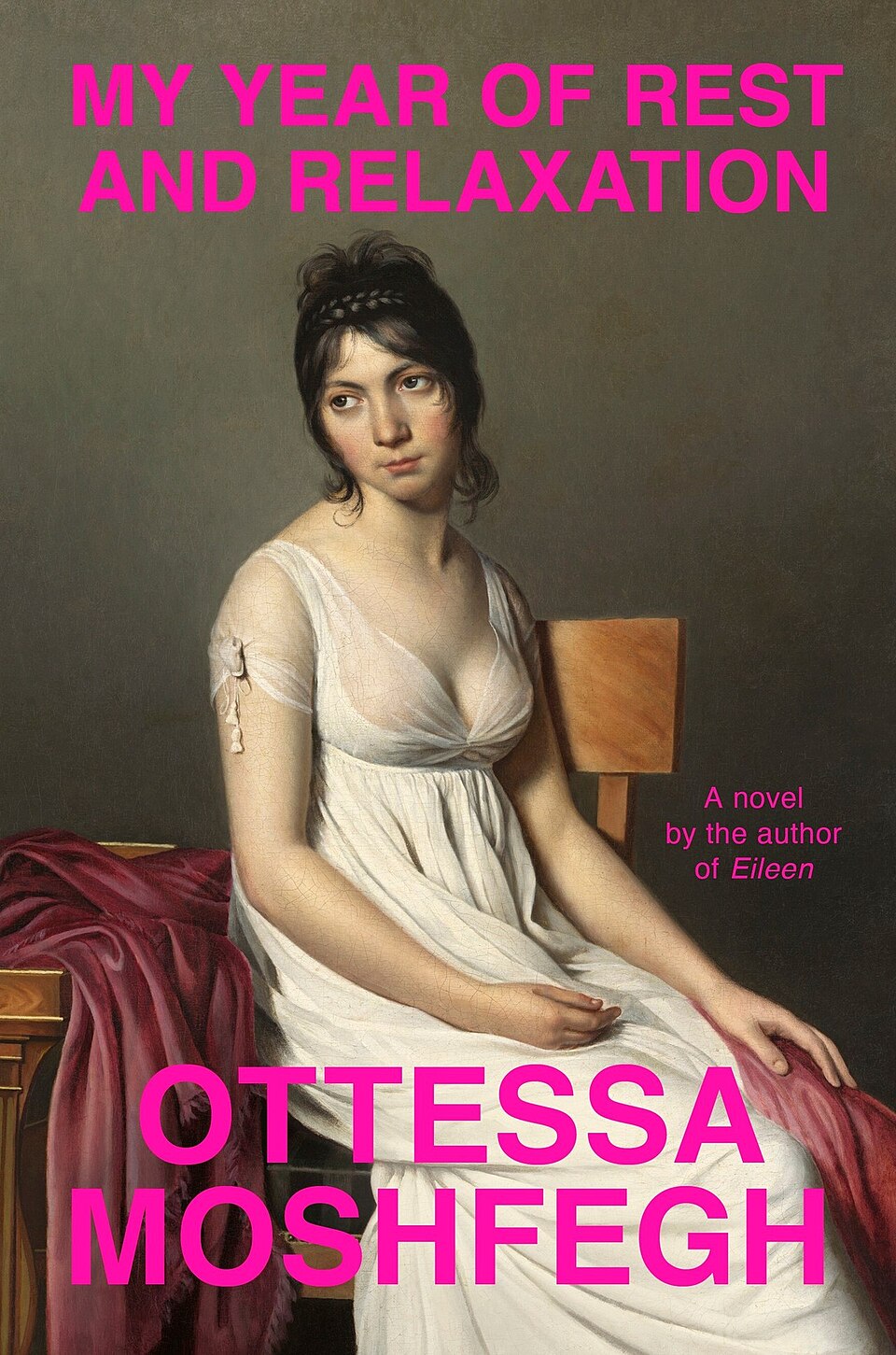
“Women in literary fiction are becoming murderers, cannibals, psychopaths, and stalkers; they’re obsessive and neurotic, unlikeable and questionable at best.” wrote Heather Colley in Writers Digest last year and it’s true, if the popularity of books like Ottessa Moshfegh’s My Year of Rest and Relaxation and Eileen, and Eliza Clarke’s short stories of female abjection in She’s Always Hungry are anything to go by.
But does modern cinema love a crazy chick? There is no female counterpart to Bateman, at least in the zeitgeist of pop cultural psychopathy, and not one that is as meme-ified to death.
When I cast my mind back to the pantheon of female villains onscreen, there’s the inevitable internalised misogyny: isn’t The Devil Wears Prada already a tale of corrupt feminism and power hungry girl bosses? Isn’t every Ryan Murphy production about vain yet beautiful women acting “ugly”?
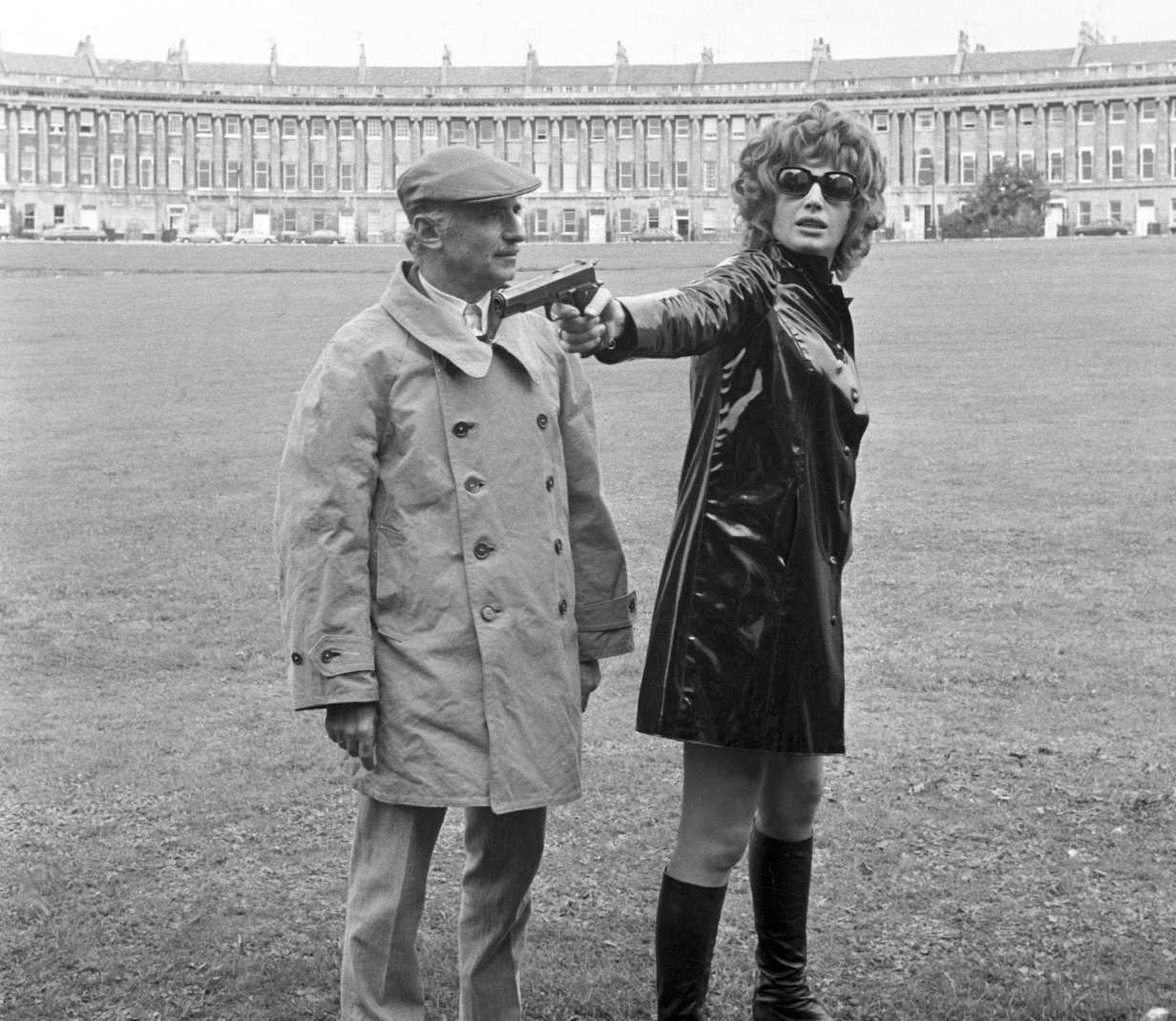
Or is this just a case of me expecting more from female characters than their male counterparts, denoting them as “villains” when they’re often just…bitches. There are the great female villains of the past, like Jeanne Moreau’s sexually frustrated schoolteacher in Tony Richardson’s Mademoiselle (1966), who, in causing acts of destruction, violence and vandalism while going undetected, showing no remorse, only subtle glee, is the closest I can think to a Bateman figure. Someone who fits into bourgeois life and whose mask of sadism slips when left alone.
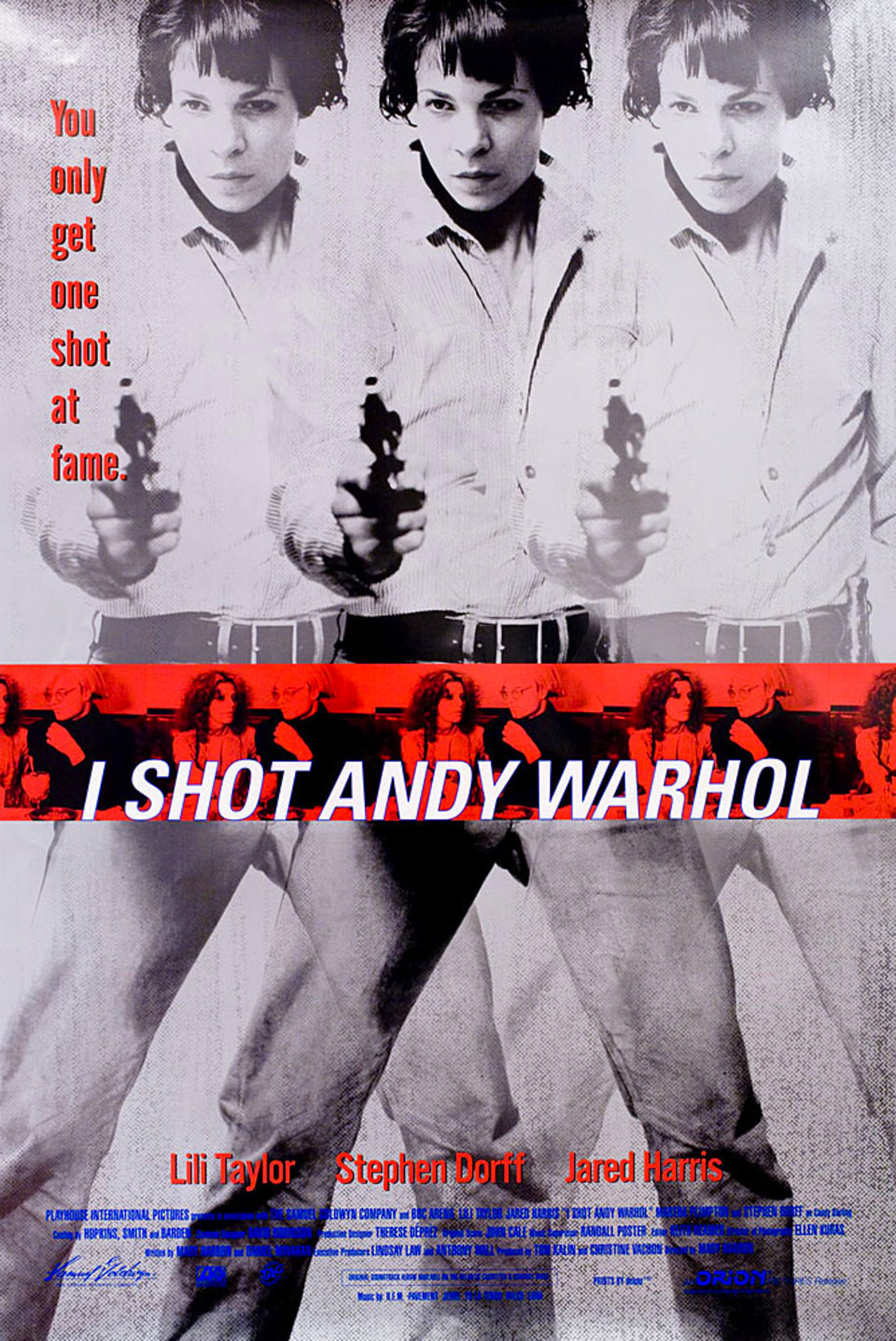
I Shot Andy Warhol (1996), directed by Mary Harron
The big screen does seem to take issue with letting female characters act out as much as Bateman does. She’s either cossetted by her traumatic background (A Promising Young Woman) simply too messy/self involved (Girls, Fleabag), or she’s a trolling narcissist (Do Not Expect Too Much from the End of the World). Or, she’s a psychopath, but one where the only damage she does is to herself (Sick of Myself).
Even in jester Kristoffer Borgli’s latest film The Drama, Emma (Zendaya) is not a school shooter, like the stereotypical “incel”. She just… thought about it, and never went through with it, instead learning from her adolescent angst and transforming it into communal activism.
Writing for The Guardian, Billie Walker says that the media has struggled with seeing women as real threats. In the case of The Drama, she writes how “in Charlie’s first draft of his wedding toast, before Emma’s confession, he describes his fiancee as kind and empathic, and yet the audience is never shown evidence of this. Was Emma ever really warm the way he describes her or, more likely, was he simply projecting on to her the qualities he believed make a woman marriage material?”
A female Bateman could be a real threat if not just regurgitating the polished femme fatales of yore. Never mind the curated aesthetic of perfection, which women are expected to adhere to anyway — whether she’d smoke Marlboro Gold or Vogues, whether she’d compare herself to other women, want to rip off their skin to wear as her own — would be background noise. Instead, a Bateman heroine where there isn’t room for feminine virtue, or maternity, or modesty. One where she says, like Timothy Price early on in Ellis’ novel, something akin to “I’m creative, I’m young, unscrupulous, highly motivated, highly skilled. In essence what I’m saying is that society cannot afford to lose me. I’m an asset.”

In my head, she’s Sandra Huller, with her teutonic ice cold stare and haughty demeanour perfect for playing a role that is evil without being cartoonish.
Katie Driscoll
In my head, she’s Sandra Huller, with her teutonic ice cold stare and haughty demeanour perfect for playing a role that is evil without being cartoonish. You never know what’s real with Patrick Bateman and what’s imaginary; Hüller already perfected playing a role that inspired ambivalence in its audience in Anatomy of a Fall (maybe the question isn’t did she kill her husband, or not, but could we have believed that she did? And my answer is, yes). In Zone of Interest, Hũller manages to depict Hedwig Höss, wife of infamous Auschwitz commander Rudolf Höss, not only with the callous indifference one expects, but also a banal ordinariness that feels far more chilling than if she was an outright monster.
Hüller, it can be said, is not afraid of playing women who repel, horrify and upend our notions of what a female villain should be. (In another life, a female Bateman of course, would have been played by Isabelle Huppert).
In another sense, a female Patrick Bateman might breathe a sigh of relief- for to be as Bateman describes “an abstraction, an entity” is to also abdicate from the strain of feminine performance. The brand of Girlboss Tumblr feminism of the 2010s proved itself to be hollow; the failure of #MeToo paved way for the current edgelord feminism of podcasts like Redscare.
Instead of her fixation on plastic surgery and weight loss drugs — which everyone from The Real Housewives to your ex best mate from school who wants to shed a few pounds for her wedding day dabbles in — the real threat from a female Bateman would spawn from her reluctance to adhere to what we still view as “female traits”- kindness, empathy, decency, maternity, modesty.
“I am simply, not there”, I can imagine Hüller saying, except ending her line reading with a small smile.