

Michael Hoppen has spent over two decades collecting works from the archive of Francis Bacon. The gallerist and art dealer discusses his unique collection—the subject of his latest exhibition—that sheds a unique light on one of the 20th century’s greatest artists.
“The archive doesn’t simply explain the paintings. It gives you a glimpse into the mind of the man making them,” says the gallerist, art dealer and photography specialist Michael Hoppen. He is talking about his latest exhibition Out of Chaos: Paper From the Floor of Francis Bacon’s Studio. On display at Sotheby’s at The Breuer last month in New York, the show featured original photographs, contact sheets, collages, annotated prints and ephemera collected from one of the 20th century’s most influential painters. The works, whose provenance is largely Francis Bacon’s 7 Reece Mews Studio in South Kensington (where he was inspired by a “floor potage” of material rather than the ‘real’ world), includes negatives, portraits and postcards from Peter Beard, work by John Deakin, Michel Ginès, as well as work by Eadweard Muybridge and unattributed images of wrestlers in motion. The collection (which is rich in portraits of Bacon) reveals multitudes about the painter, from his relationship to movement and the body, as well as identity and portraiture.
Here, Michael Hoppen discusses what the artist’s photography collection can teach us about the painter, Bacon’s close relationship with Peter Beard and how he decides what is significant in an archive.
What is it about collecting Bacon’s work that you love?
I think it is the detective work, the hunt, that I love. I have spent more than twenty years looking at this material, and it still has the capacity to surprise me. With Bacon, nothing seems entirely accidental. A photograph, a torn page from a book, a contact sheet or an image that has been cut and marked can suddenly reveal something about how he was thinking.
What fascinates me most is that these are not simply illustrations of his paintings. They are part of the machinery of his imagination. You begin to see the extraordinary visual world that surrounded and inspired him and, occasionally, the very direct connection between an image on the floor of the studio and something that subsequently appeared on the canvas.
For me, collecting has always been about trying to preserve those connections before they disappear.
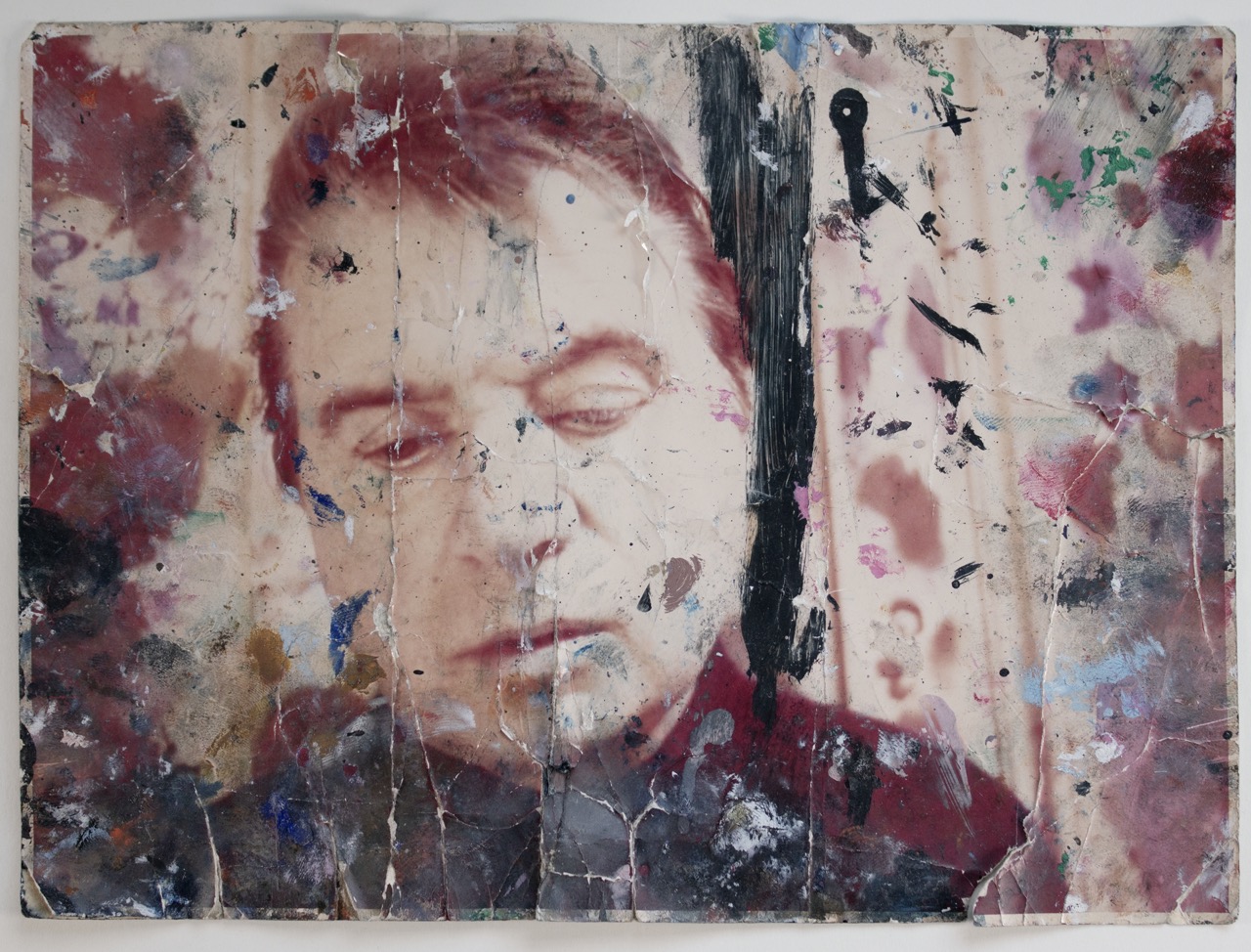
Michael Pergolani, Portrait of Francis Bacon, 1979 Colour c-type print with paint and ink 18x24cm. © Michael Pergolani. Courtesy of Michael Hoppen Gallery
What does the “floor-potage” tell us about how Bacon saw the world?
The studio tells you that Bacon saw the world as an enormous reservoir of images. He didn’t seem to make a great distinction between what we might call high and low culture. A Muybridge photograph could sit alongside a newspaper cutting, a photograph of a friend, an animal, a medical illustration or something completely banal.
The chaos was important. These images were constantly being looked at, moved around, damaged and rediscovered. They became a kind of visual compost from which something new could emerge.
I think Bacon needed that disorder. He was not looking for a single image to copy. He was looking for something that might trigger a response—a movement, a shape, a face, a distortion, a feeling—but also the chance juxtapositions he found within the extraordinary cornucopia of material he found and kept around him. The studio was essentially an external version of his continuously expanding imagination and memory.
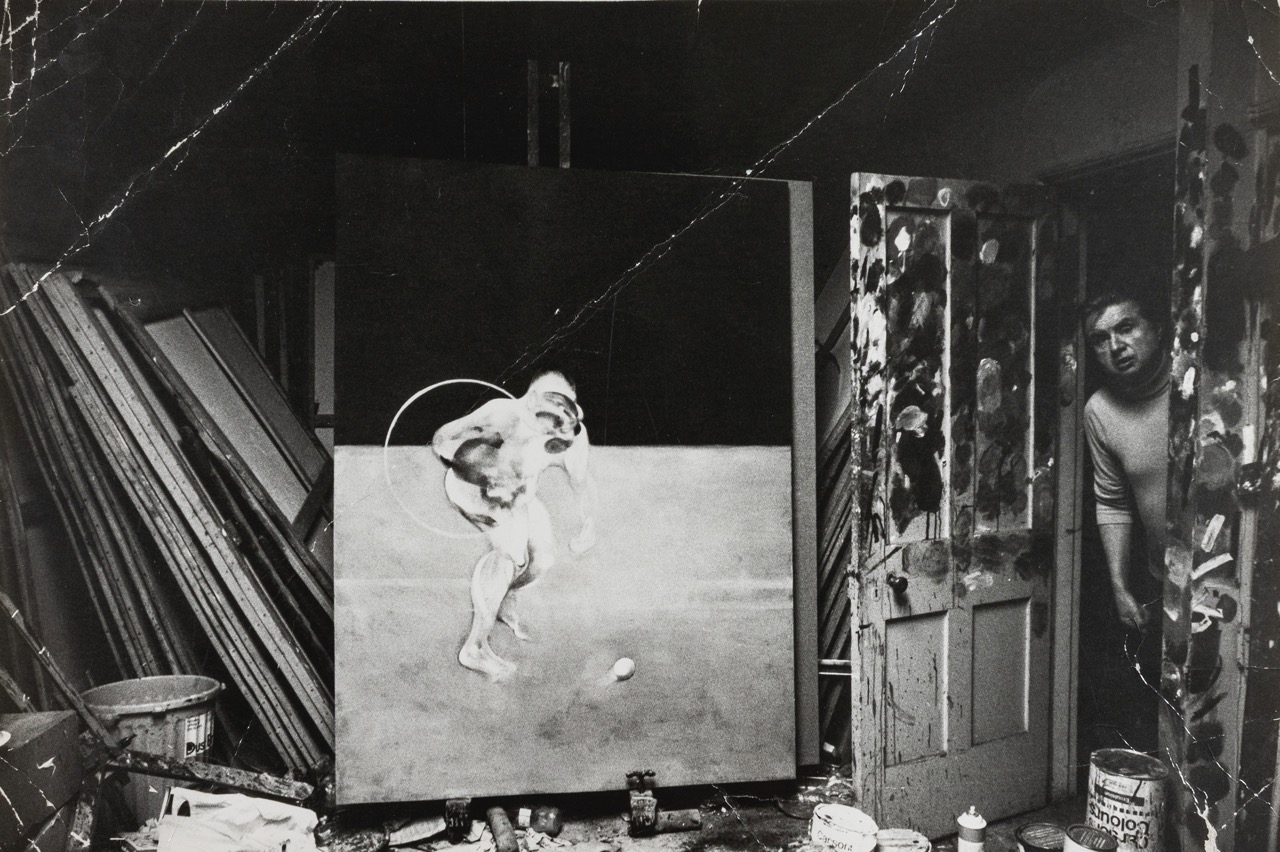
Peter Beard, The Last Man on Earth, Francis Bacon at 7 Reece Mews, 1974/1975 Inscribed on the verso by Francis Bacon. Vintage silver gelatin print from the floor of Francis Bacon’s studio Paper size: 24.5 x 36.8 cm © The Estate of Peter Beard. Courtesy of Michael Hoppen Gallery
Can you talk about the anonymous wrestler photographs and Bacon’s handwriting?
The wrestling photographs are among the most exciting things to find in the collection because they take us so close to the moment when Bacon was actually looking and thinking. We know that enlarged contact sheets of two anonymous wrestlers were in the studio, and some carry Bacon’s own directional marks and annotations. They are also closely connected to figures and movements that appear in his paintings.
What moves me about seeing his handwriting is its intimacy. Suddenly this isn’t simply a photograph that happened to be in Bacon’s studio. You are looking at something he physically handled and worked over. The marks tell you where his eye was going. And I think that is the extraordinary thing about this whole project: occasionally you can catch Bacon in the act of looking.
They were incidentally also acquired at a strange farm sale which was really the last place one would expect to find paper from the floor of Bacon’s studio!
What did photography give Bacon that looking at the real figure could not?
Photography gave Bacon distance and freedom. He could look at a human figure without having the person actually sitting in front of him. He could enlarge it, crop it, distort it, invert it, combine it with another image or simply leave it on the floor for years.
A photograph also freezes the moment that the eye normally passes over. A movement, a particular expression or an awkward position can suddenly become something completely different when it is arrested. Bacon also loved film stills, and the screaming woman from Battleship Potemkin (1925) was a recurring image he returned to.
In that sense, Bacon’s paintings are profoundly photographic, although they are not really about photography. He took something from the photographic image and then transformed it into something entirely his own. The photograph was a starting point, not an ending point. The photograph was an object to be used, and was catalytic in Bacon’s hands.
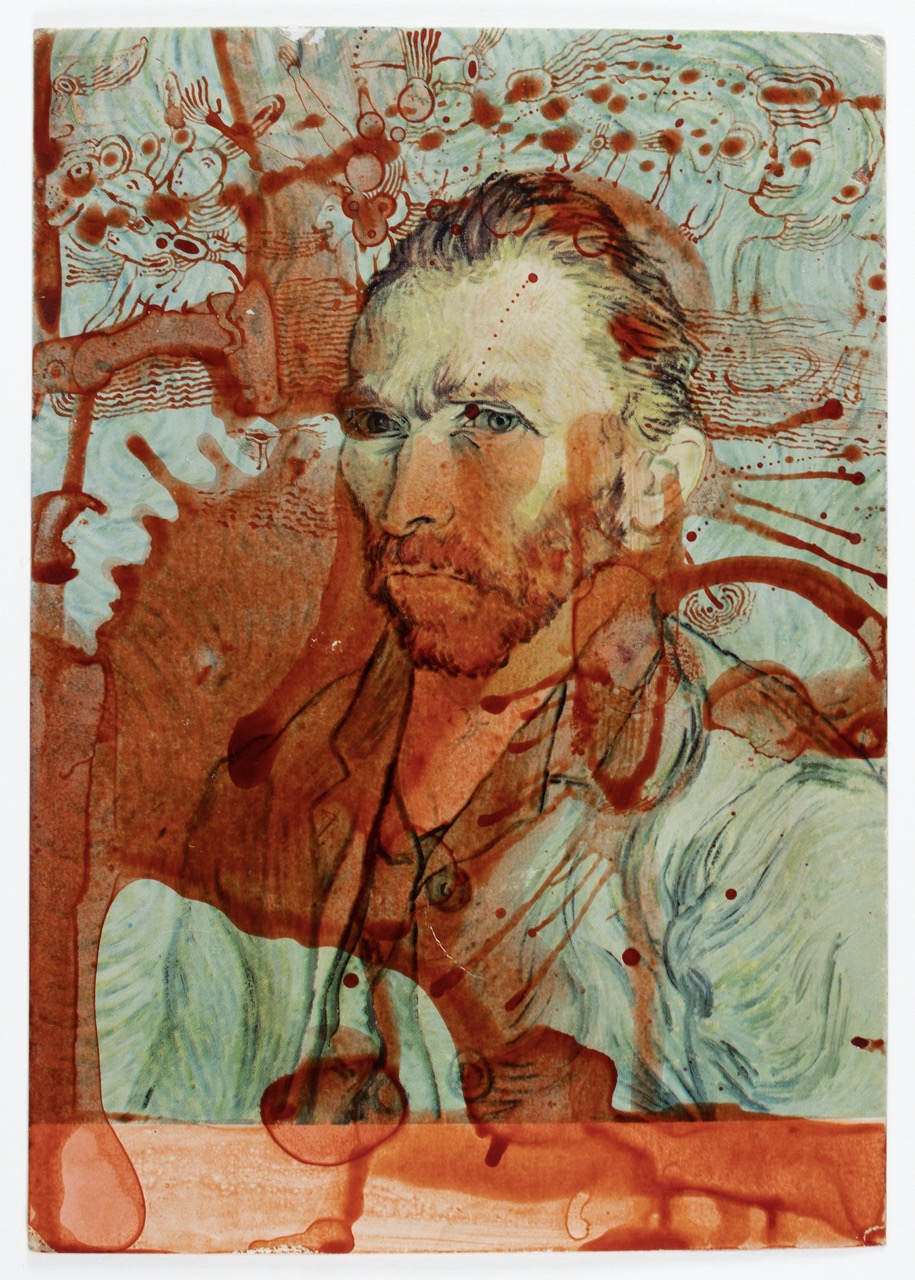
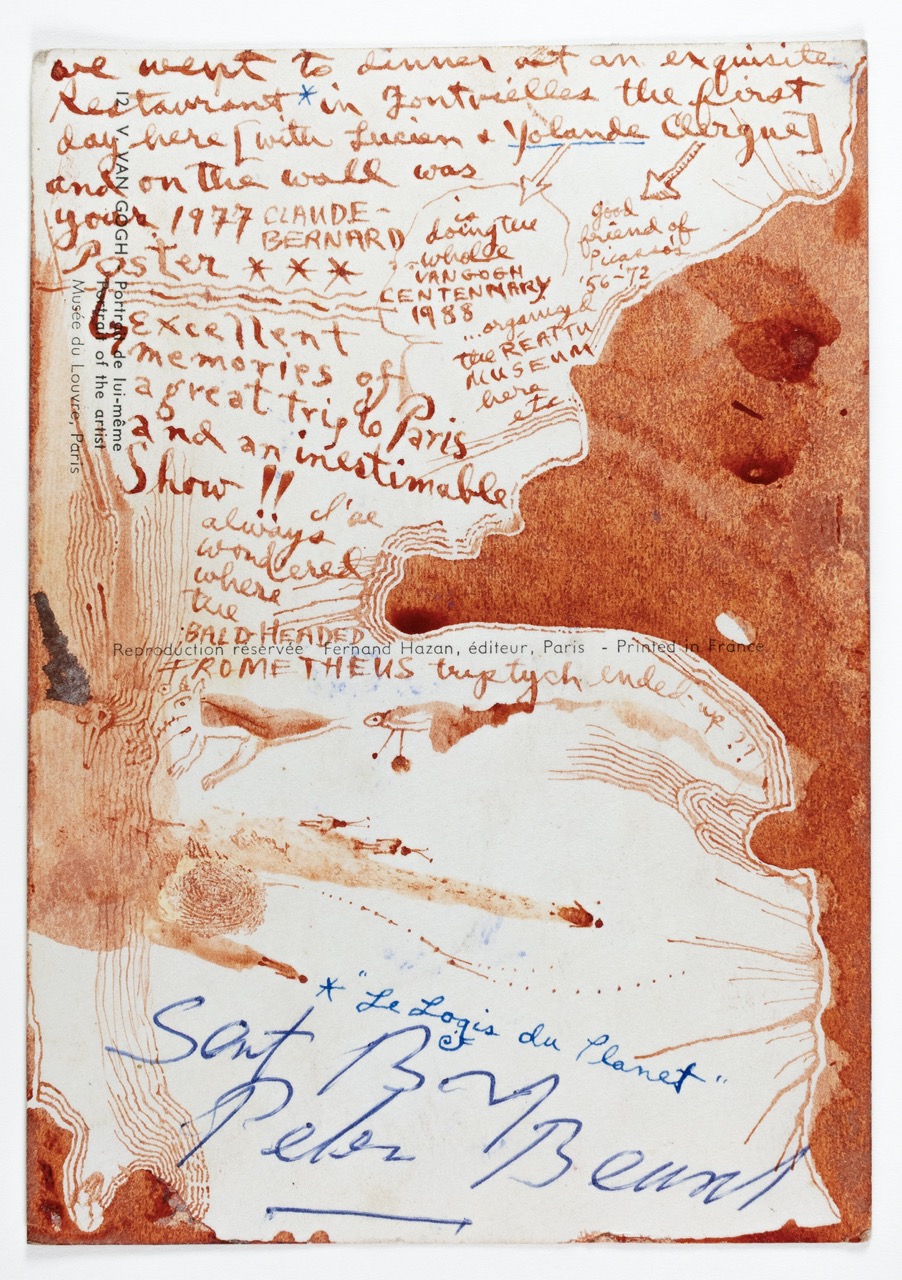
Peter Beard, Postcard of Van Gogh, Arles. From Peter Beard to Francis Bacon, 1970s Annotated by Francis Bacon and Peter Beard, from the floor of Francis Bacon’s studio. Unique postcard with ink and watercolour recto and verso 15×10.5cm © The Estate of Peter Beard. Courtesy of Michael Hoppen Gallery
Did Bacon respond differently to different photographers?
Absolutely. John Deakin was particularly important because he understood Bacon and the people around him intimately. His photographs could be extraordinarily direct and visceral. Bruce Bernard was different again—he was a close friend, an editor and someone with an extraordinary eye. Jacques Saraben and others brought entirely different visual possibilities.
Bacon never chose a photograph because it was necessarily “a good” or “a beautiful” photograph in the conventional sense. He was looking for something within the image that could disturb him or stimulate him. It had nothing to do with print quality or its position within the canon of photography itself.
It might be the bone structure of a face, a particular gesture, a body caught in movement, an accident of cropping or some strange quality in the reproduction itself. He was searching for an image that could be transformed. That is why some photographs that appear almost insignificant to us could be immensely important to him.
What connected Bacon and Peter Beard so deeply?
I think they recognised something in one another almost immediately. They were both voracious collectors of images and ideas, and both were fascinated by the relationship between man and animal, beauty and violence, life and death.
Beard’s photographs of Africa, particularly the elephants, had a huge impact on Bacon. But it wasn’t simply that Bacon used Beard’s photographs as source material. They talked, corresponded and exchanged photographs, books, diaries and ideas for decades. Bacon painted Beard repeatedly, and hundreds of Beard’s photographs were eventually found in Bacon’s studio.
Having known and represented Peter myself, I can understand the attraction. Peter had an extraordinary appetite for life. He was endlessly curious and visually obsessive. I think Bacon found that stimulating, and Peter clearly found Bacon equally stimulating.
There was a genuine friendship there, but also a very productive artistic exchange.
Were they influencing the way each other saw?
Yes, I think that is exactly what happened. It would be too simple to describe Beard as simply supplying Bacon with photographs.
They were feeding each other’s imaginations. Beard was fascinated by Bacon’s paintings and by his way of seeing the human figure, while Bacon was fascinated by Beard’s photographs, diaries and extraordinary visual world. Their conversations about Africa, animals, violence and human behaviour clearly fed into their work.
What makes their relationship so interesting is that neither of them seemed particularly interested in maintaining a boundary between art, life and experience. Everything could become material.
I think they both understood that an image could have a life beyond the circumstances in which it was originally made.
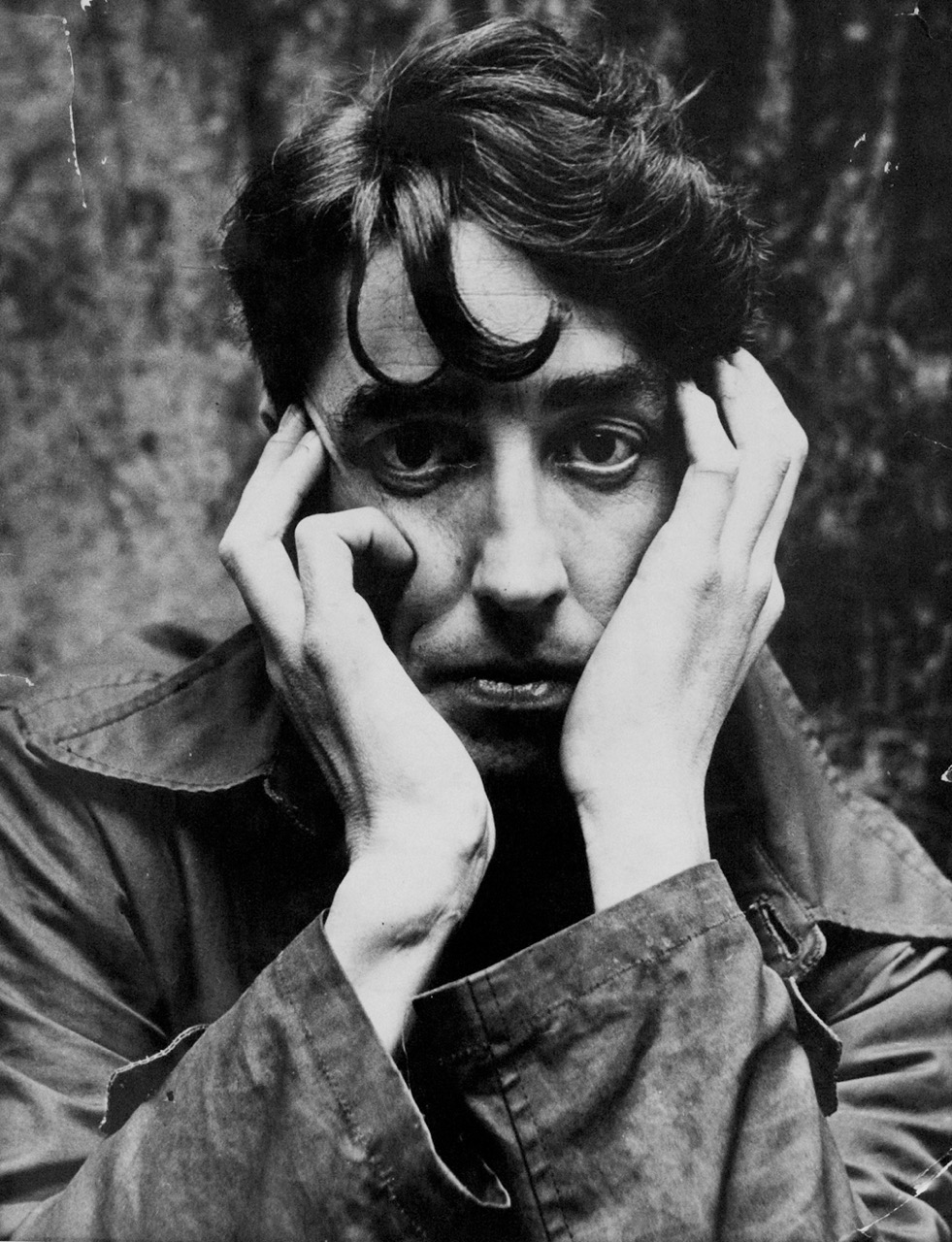
John Deakin, John Minton, Vogue, 1951. Vintage silver gelatin print 37.4 x 29.2 cm © Condé Nast. Courtesy of Michael Hoppen Gallery
Why was movement and physical distortion so important to Bacon?
I think movement allowed Bacon to escape the conventions of portraiture. A conventional portrait tells you what someone looks like. Movement tells you something about what they are.
Muybridge was particularly important because he broke the human body down into sequences of movement. Bacon could then take that information and compress it, distort it or almost collapse several moments into one.
The wrestlers are fascinating for exactly that reason. Two bodies become one shape; limbs overlap; identity becomes ambiguous. You are no longer simply looking at a portrait of a person. You are looking at flesh, energy, tension and physical presence.
That ambiguity was enormously fertile for Bacon. He could make the human figure feel both recognisable and completely unfamiliar.
How do you decide what is significant in an archive? What surprised you?
You have to resist the temptation to decide too quickly. The danger with an archive is that you approach it knowing what you think is important. With Bacon, I think it is better to look at what he chose to keep.
The most insignificant-looking photograph can sometimes tell you more than something that appears obviously important. If an image survived in his studio, there was a reason for it—even if we don’t always understand what the reason was.
What continues to surprise me is the sheer breadth of his visual appetite. There are extraordinary photographs alongside things that initially appear almost worthless. And then you begin to notice that Bacon was looking at all of them.
That, for me, is one of the great revelations of the project: the archive doesn’t simply explain the paintings. It gives you a glimpse into the mind of the man making them.

I see a man who was extraordinarily disciplined within apparent chaos. He needed images around him constantly. He needed accidents, fragments and things that could trigger an idea.
Michael Hoppen
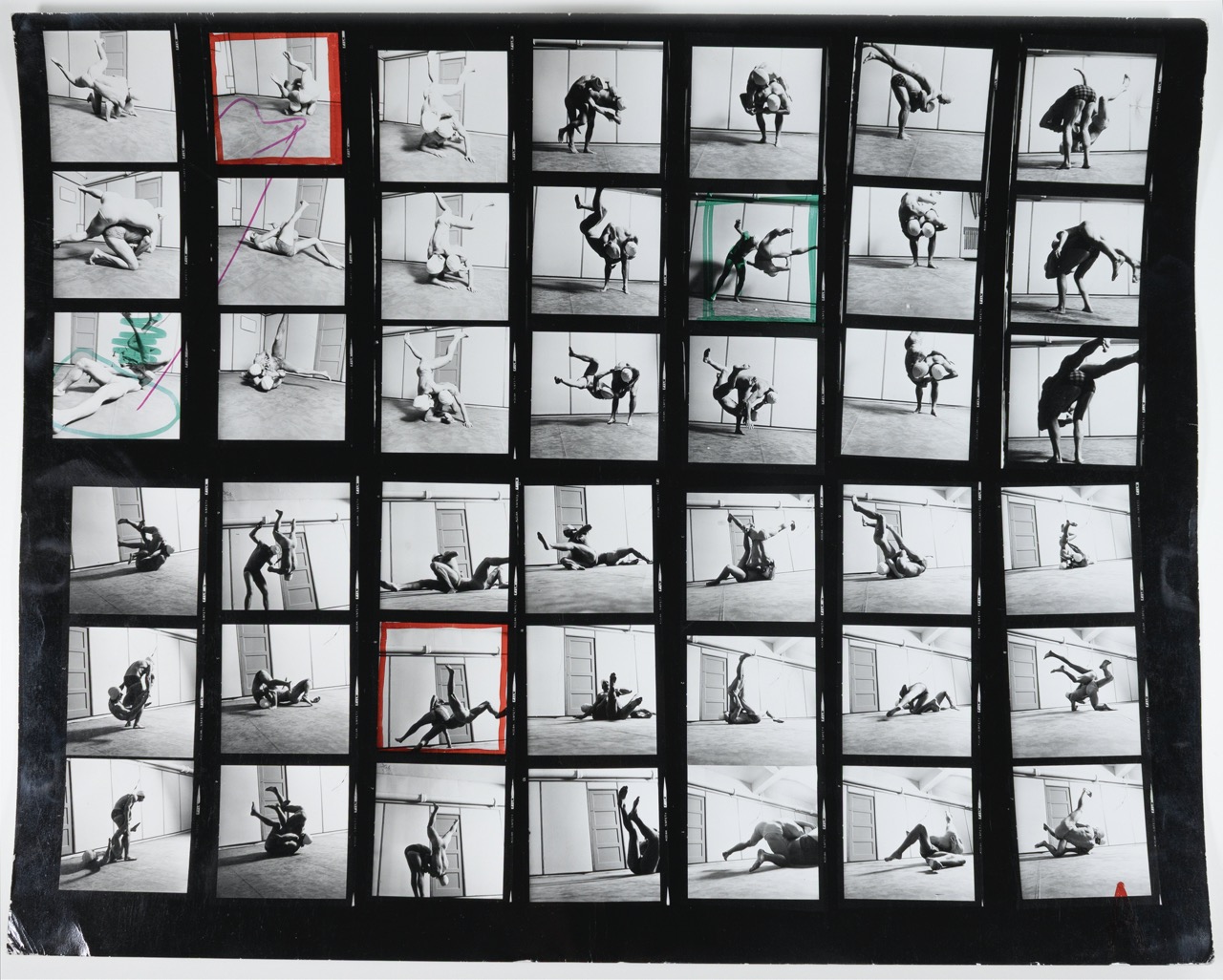
Unknown Photographer, Two Men Wrestling in a Studio, c 1975. Vintage gelaatn silver enlarged contact sheet with markings by Francis Bacon, from the Robertson Collec@on, from the floor of Francis Bacon’s studio. 40.5 x 50.9 cm. Courtesy of Michael Hoppen Gallery
After twenty years, how have you better understood Bacon as an artist and a person?
I don’t think you ever completely understand Bacon, and perhaps that is part of his power. But after twenty years I feel I understand his process much better.
I see a man who was extraordinarily disciplined within apparent chaos. He needed images around him constantly. He needed accidents, fragments and things that could trigger an idea. He was incredibly serious about painting, but his sources could come from absolutely anywhere.
As for the person, the photographs and objects make him feel much less remote. You begin to see his friendships, his obsessions, his humour and his curiosity. You also see how much he depended on other people’s images and on the people who surrounded him.
Perhaps the greatest thing the project has taught me is that Bacon didn’t live in a world of only paintings. He lived in a world of images—and somehow he managed to turn that chaotic world into something completely whole and unmistakably his own.
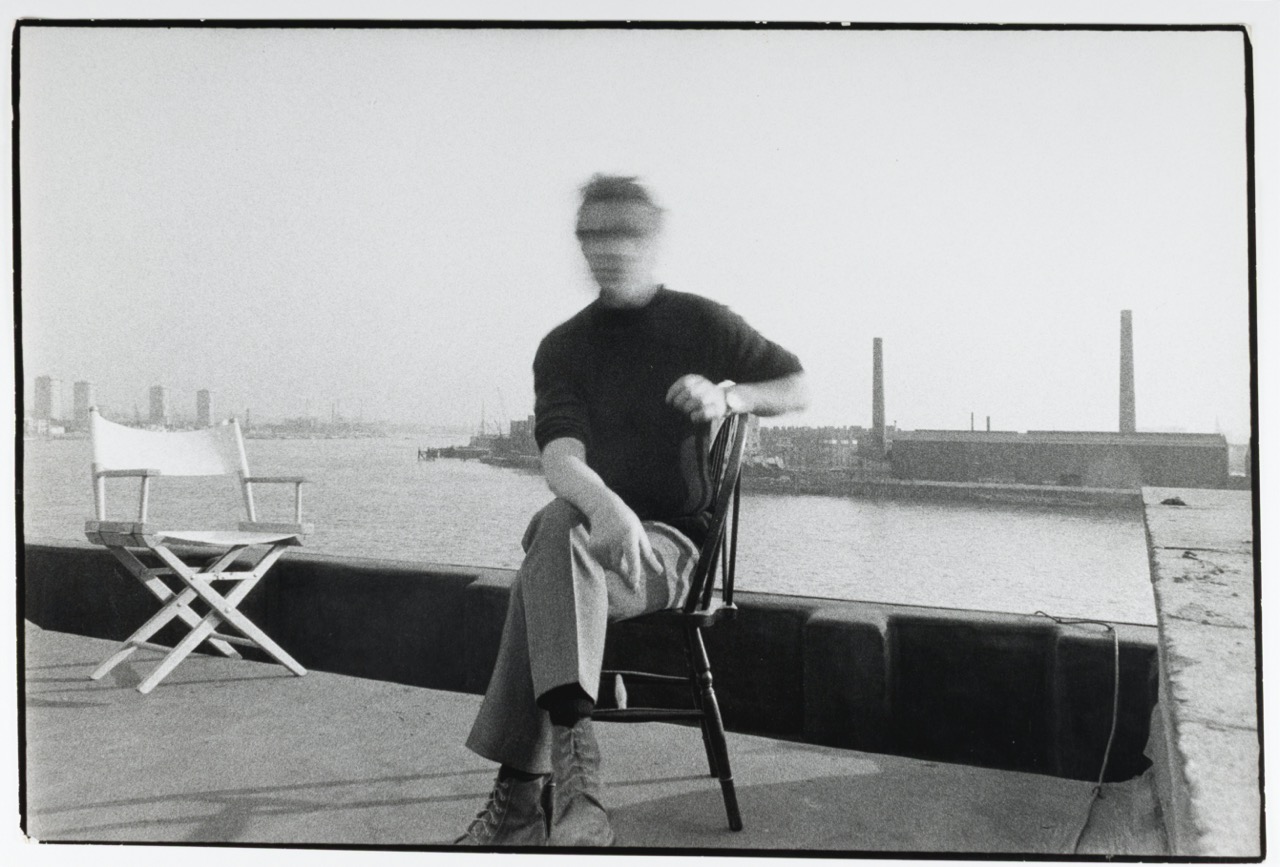
Find out more at www.michaelhoppengallery.com. Main image: Peter Beard, Francis Bacon on his Roof at 80 Narrow Street, London, 1972, Signed and variously inscribed in blue crayon verso with agency and vintage credit stamps from 1972, Vintage gelatin silver print, 23.3 x 34.8 cm, © The Estate of Peter Beard. Courtesy of Michael Hoppen Gallery