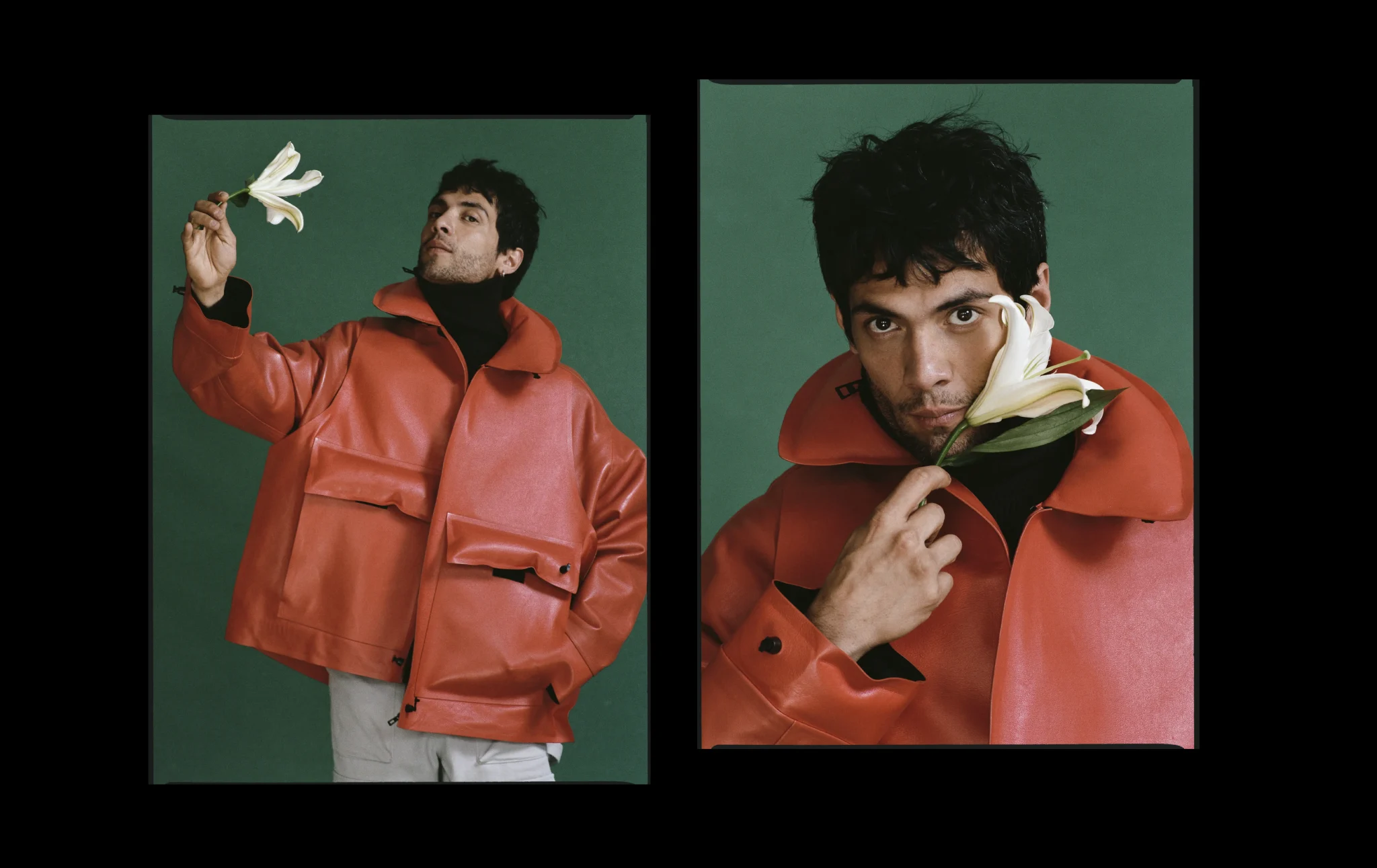
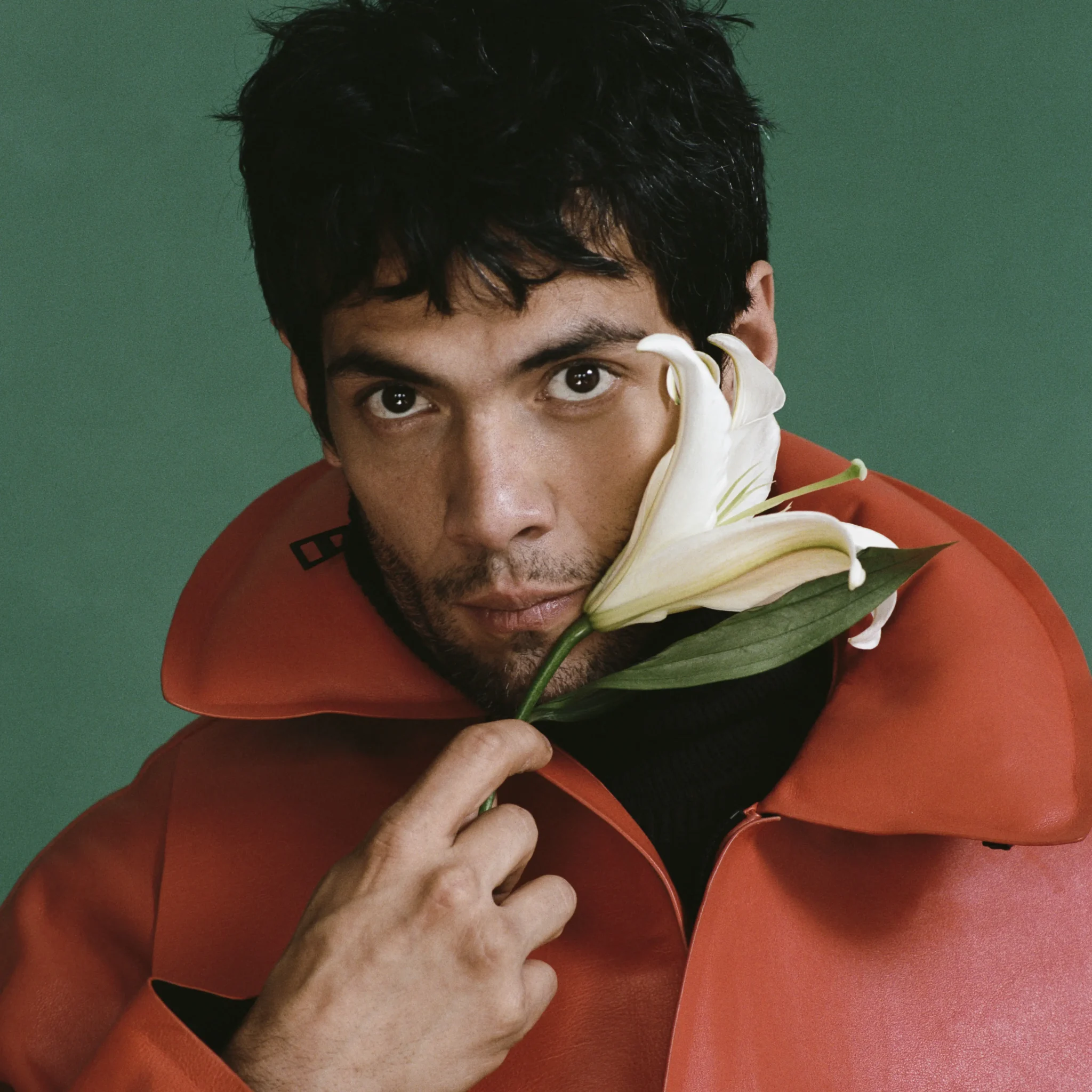
Four years after his breakthrough with Babylon, our November digital cover star talks finding home in the movies, his relationship with the queer scene, navigating Hollywood, and why he doesn’t fall in love without thinking in the eternal.
Diego Calva is telling me a story about the movies. As a young boy growing up in Mexico City, his grandmother—an obsessive cinema-goer—would take him to the Cineteca Nacional. No film was off-limits: from kids’ movies and Golden Age Mexican melodramas to sweeping romances and American blockbusters. The subtitles would go so fast, he says, that she would lean in and whisper the translations in his ear. “My love of movies comes from the excitement of sitting in a movie theater with my grandmother every weekend,” he says. “No one cared if I was seven years old and watching an adult film in Mexico. That’s how I first watched the horrible Batman movie, Batman & Robin (1997). I was obsessed with Uma Thurman.”
The 34-year-old actor is calling me in transit—he is on the way home from Mexico’s Morelia Film Festival, where he’s just been presented with an honorary award celebrating his contributions to Mexican cinema. It’s a special festival for Calva, who went from local skater-boy standing in line outside the ticket booth to premiering his first film I Promise You Anarchy (2015) at the fest, to now attending with Jordan Firstman’s Club Kid, the international indie hit of which he is one of the stars. “I don’t feel like I deserve any kind of career award just yet,” he says. “But it felt great. It’s a special feeling when your own people recognise your work.”
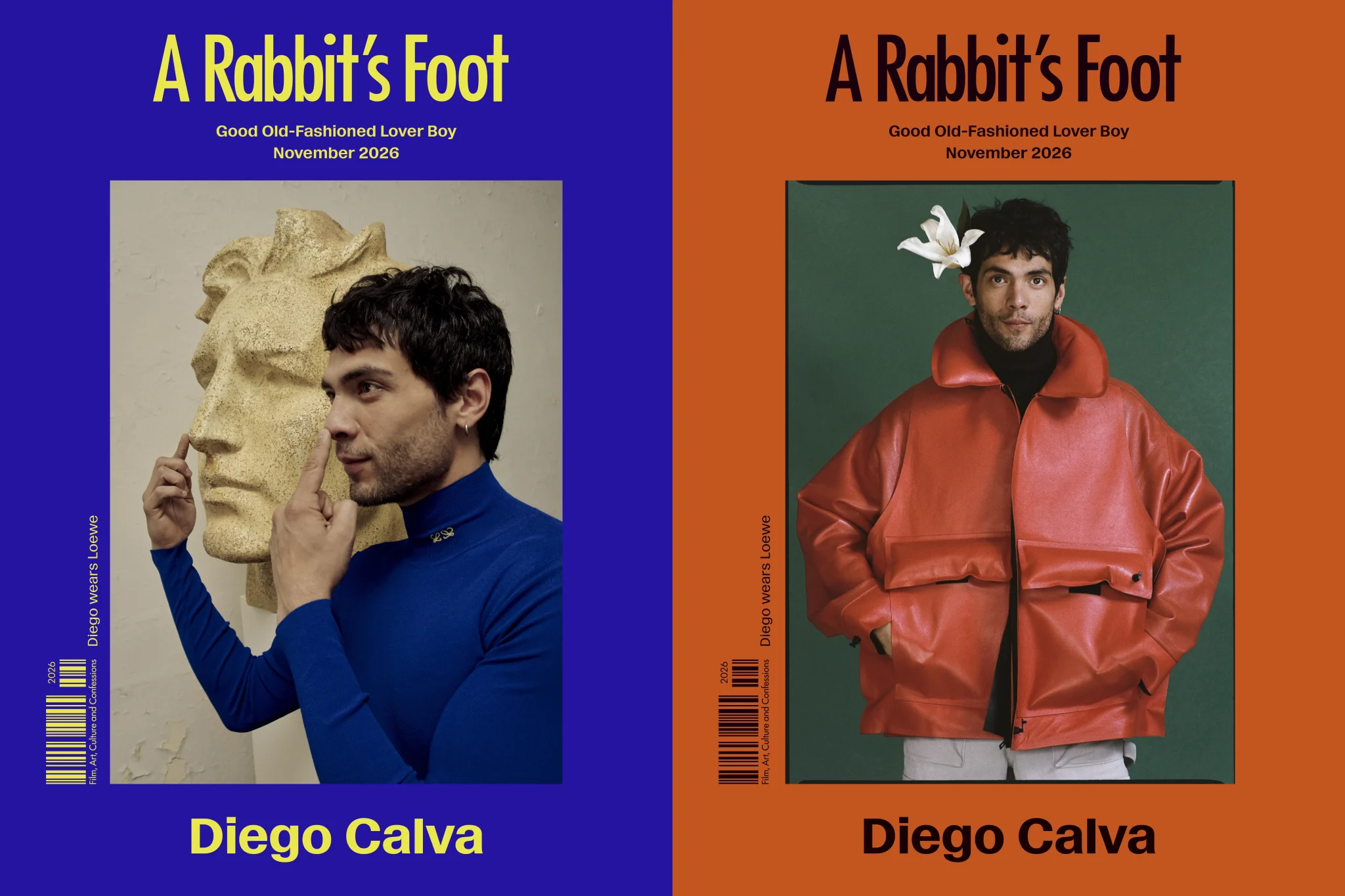
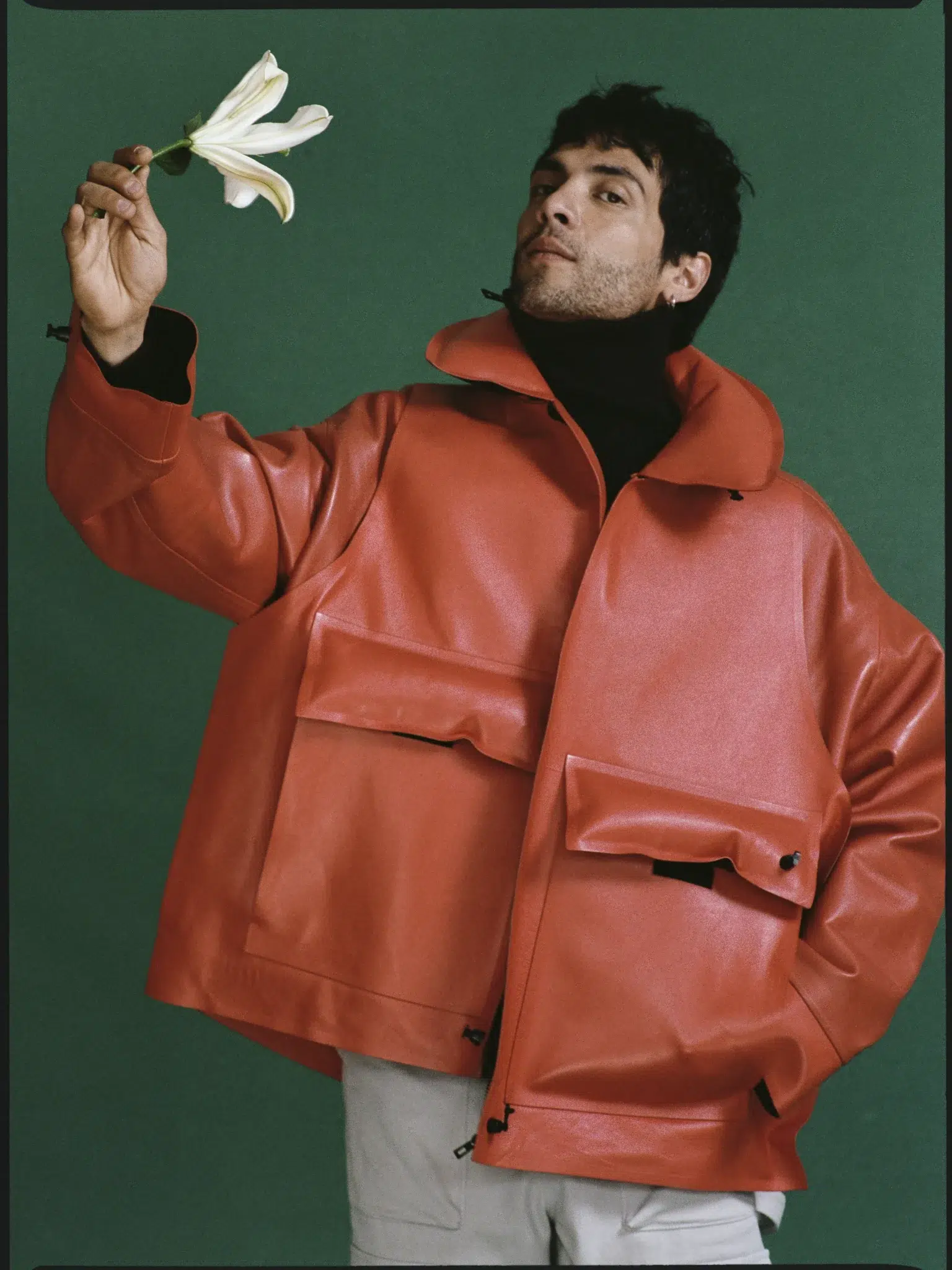
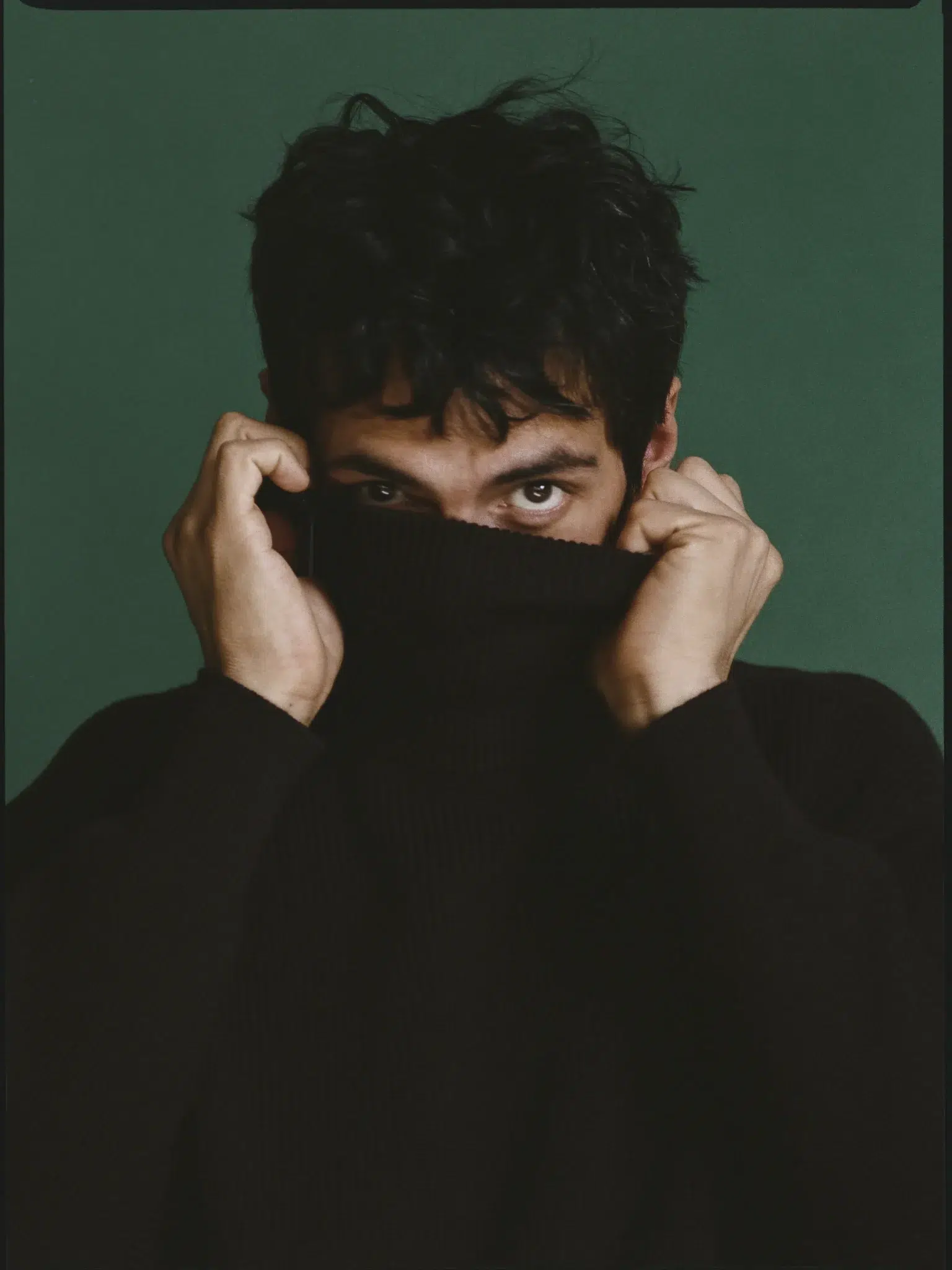
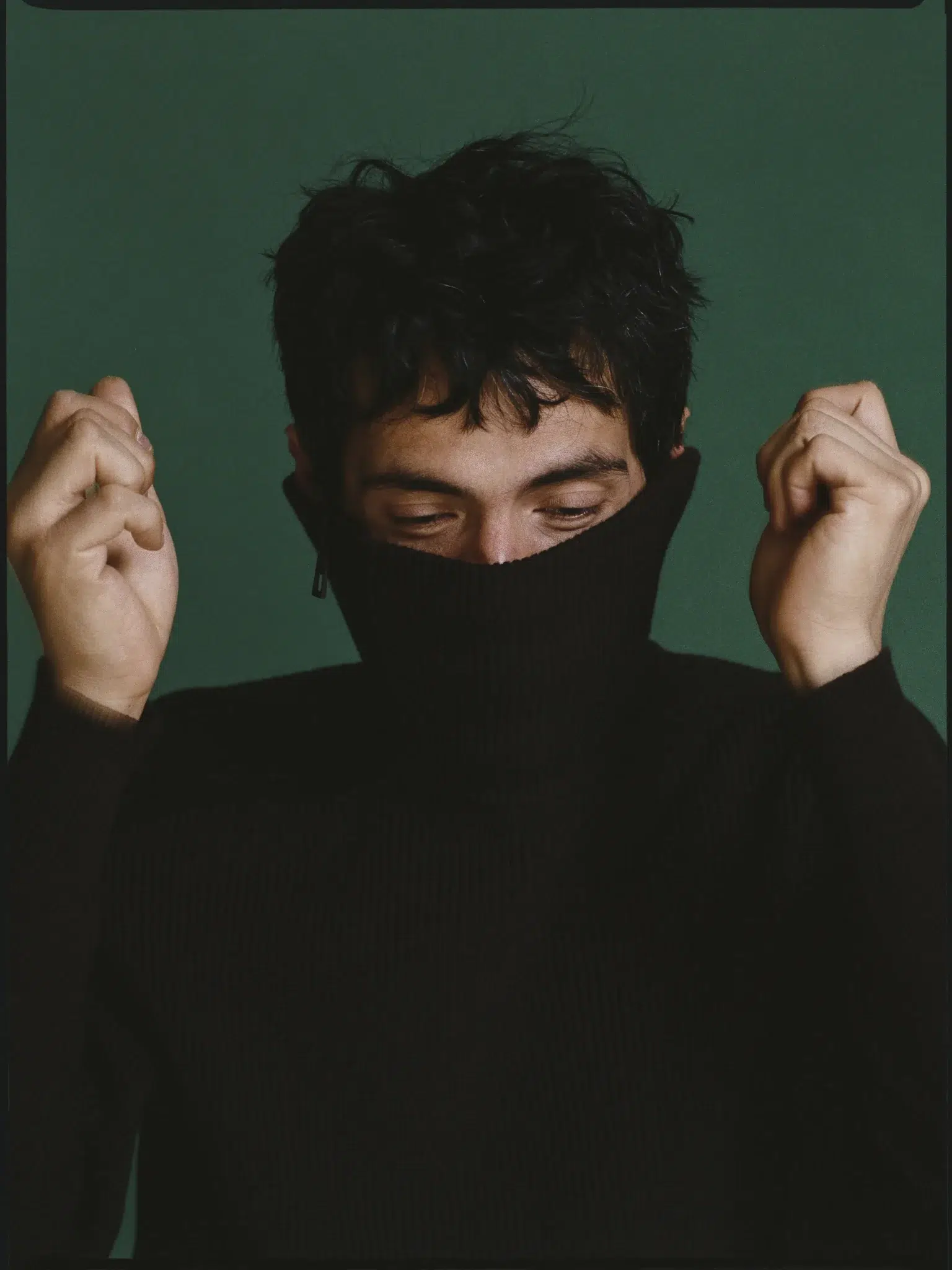
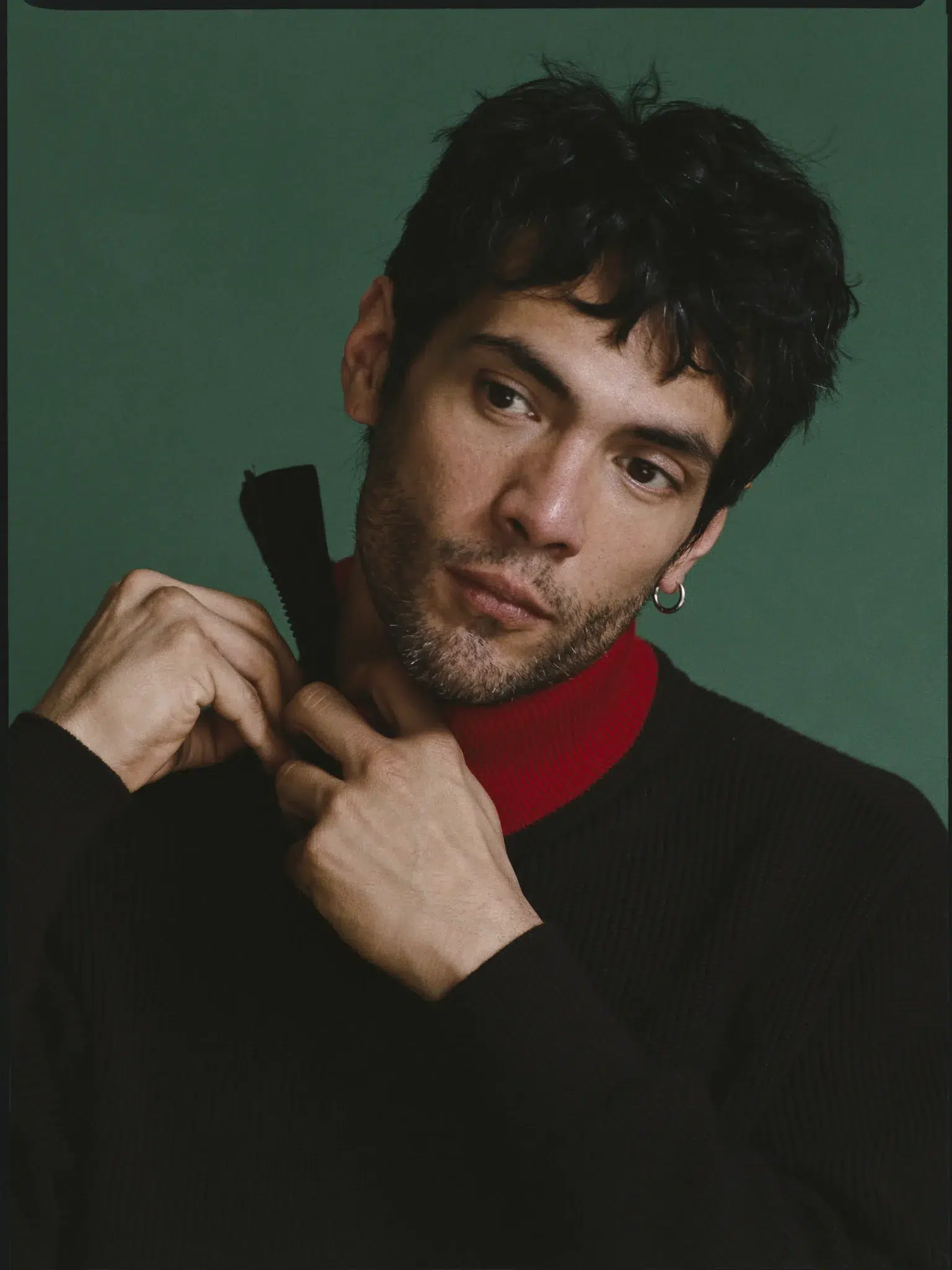
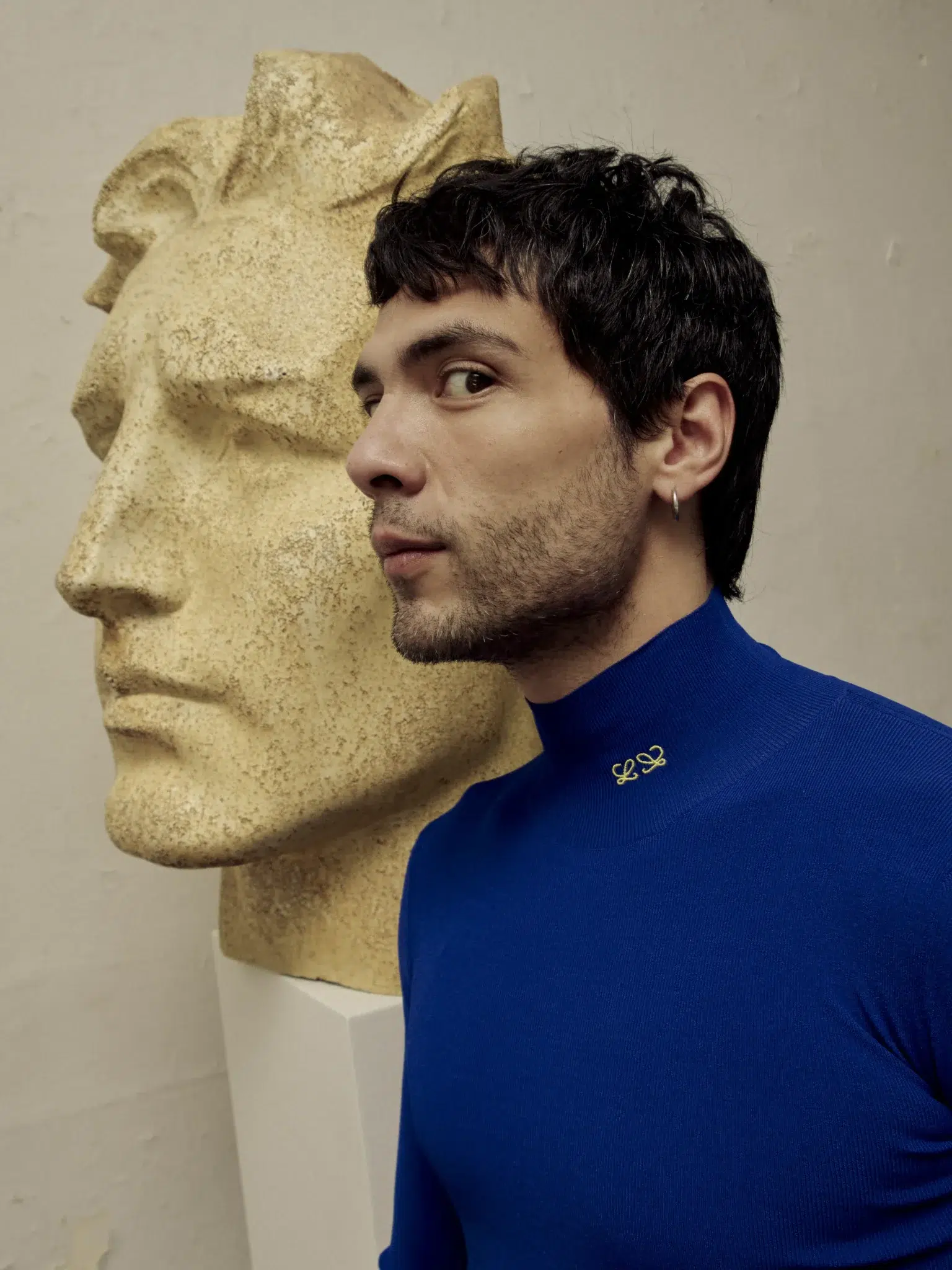
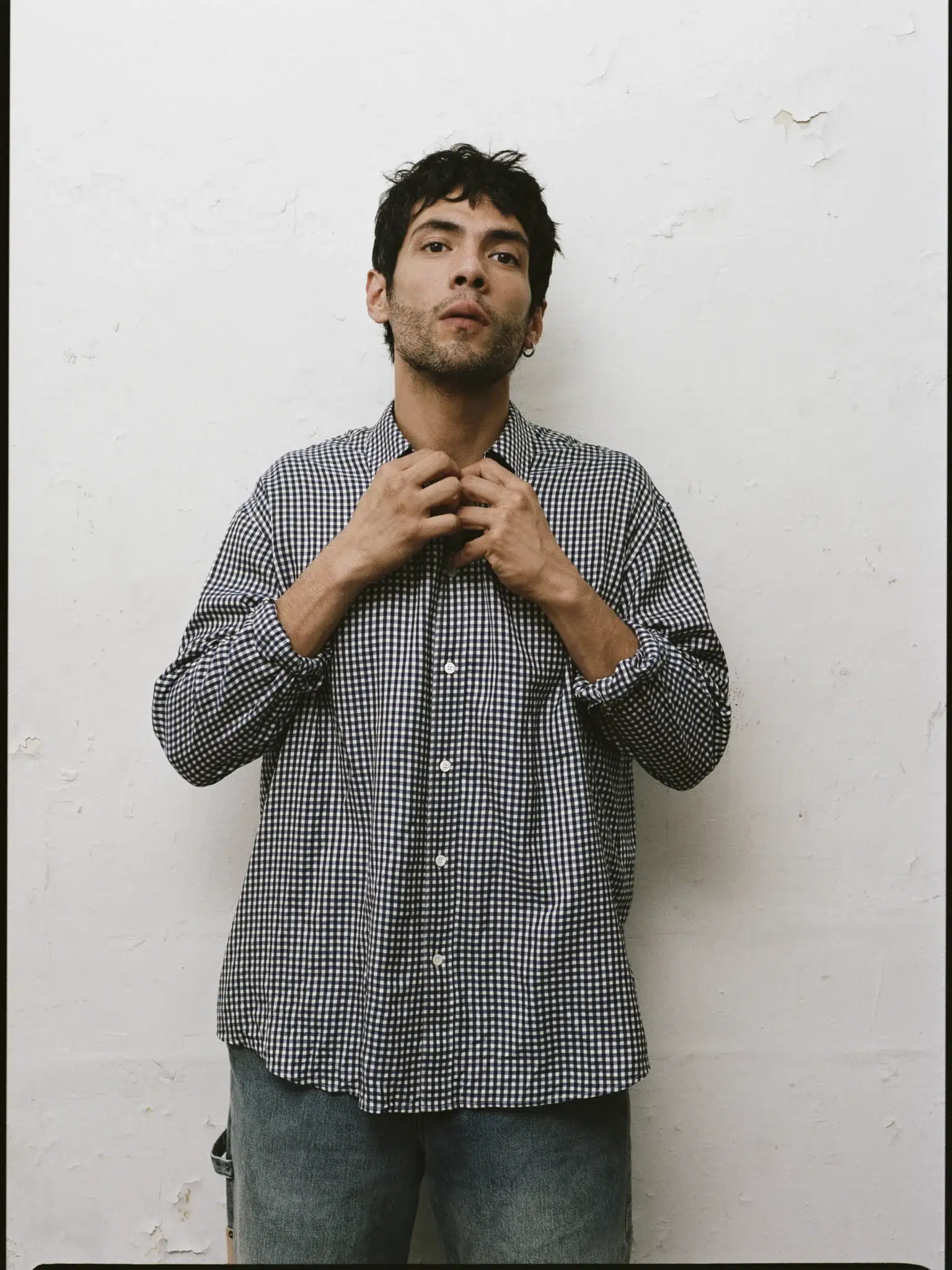
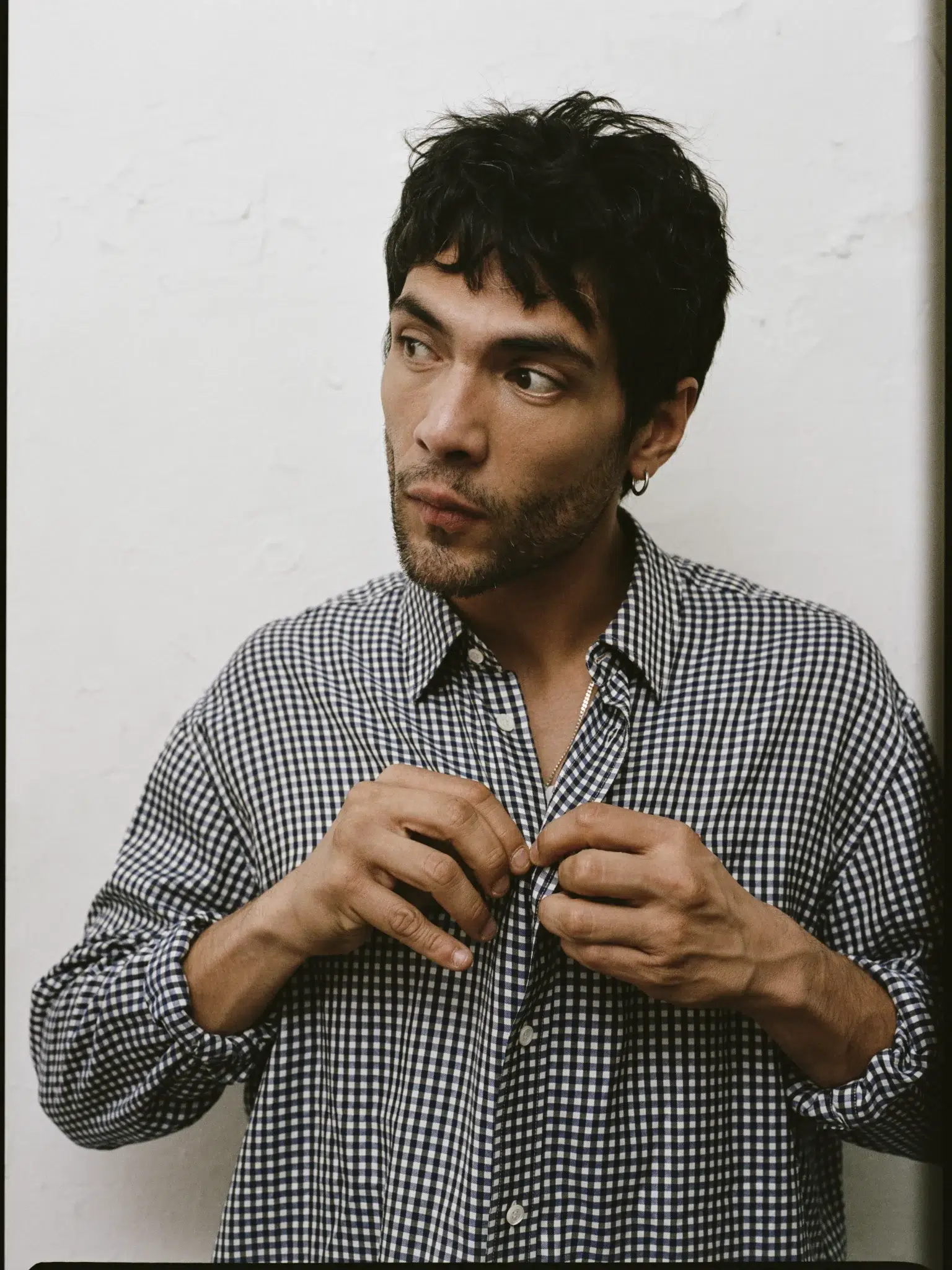
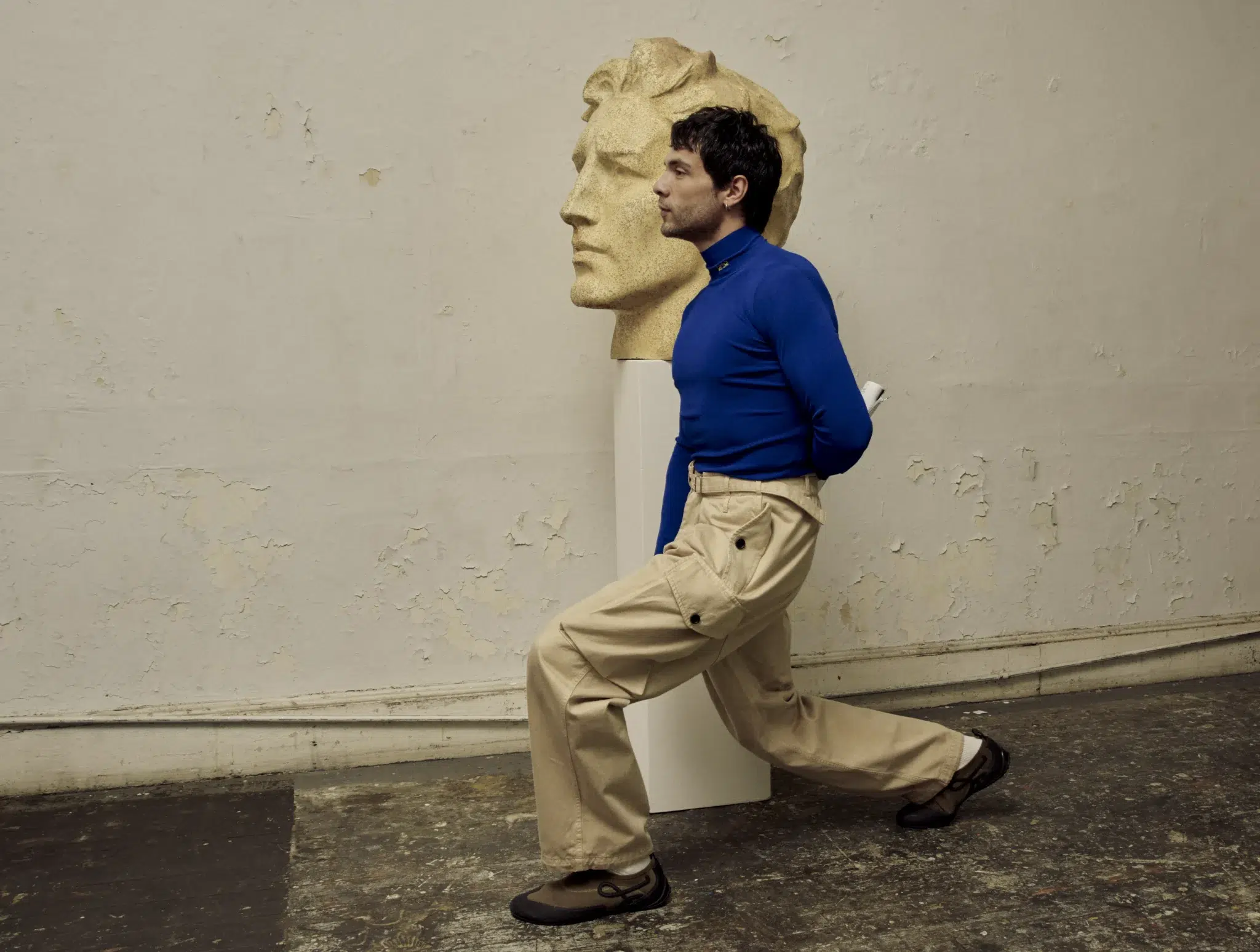
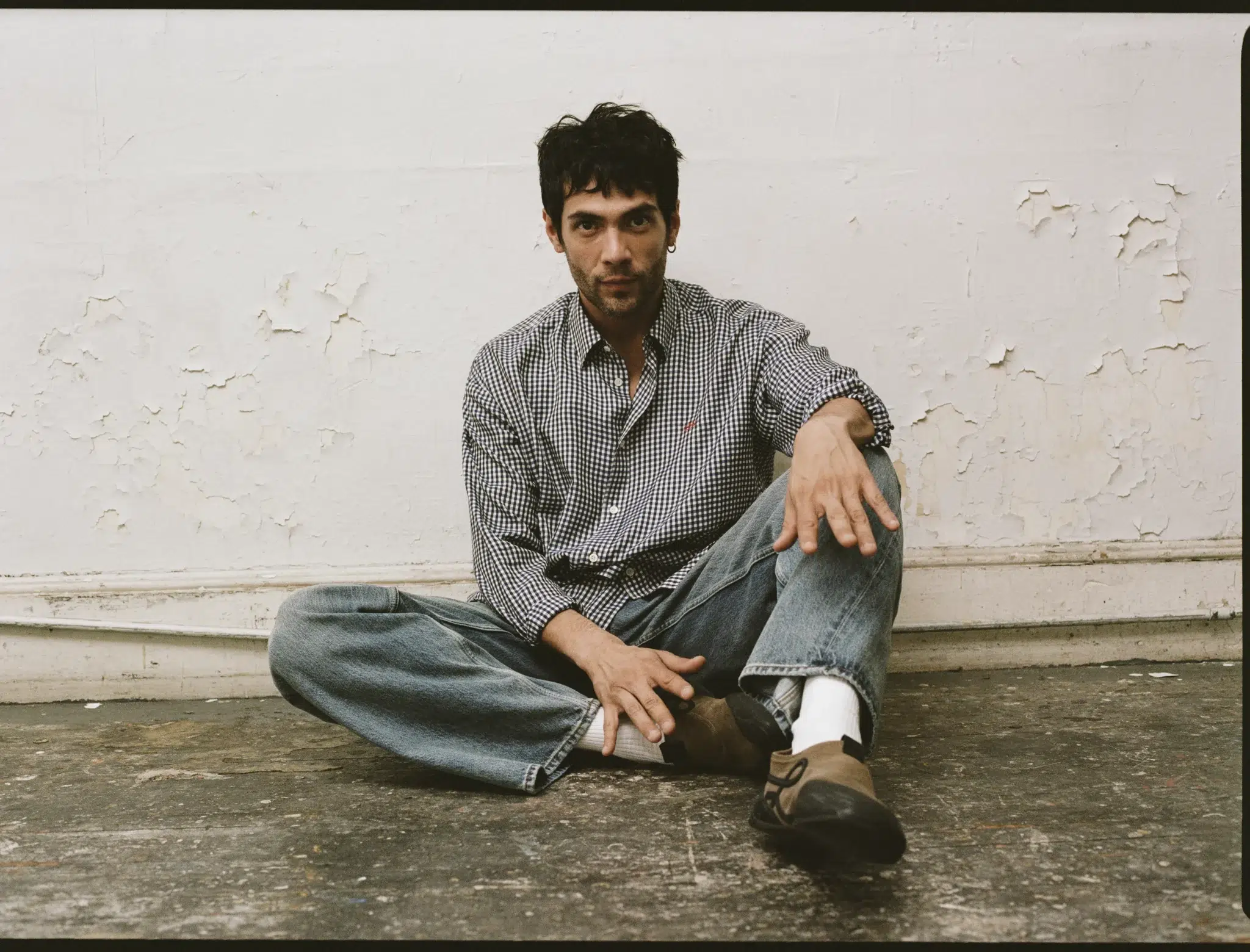
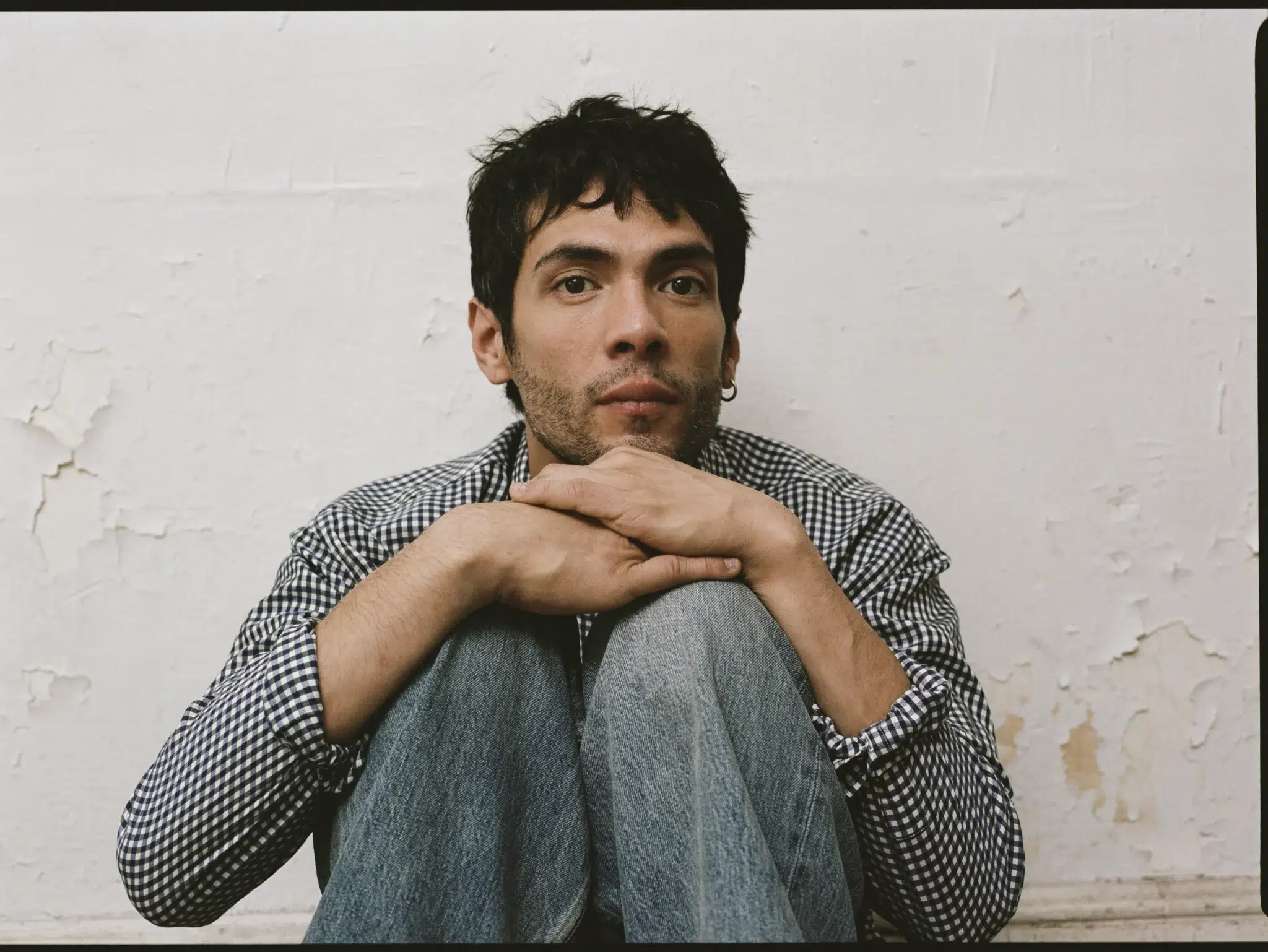
Diego Calva in New York for A Rabbit’s Foot November digital cover. 2026. By Maddy Rotman.
Cinema has been there for Calva his entire life. The only child of a single-parent household, he spent long stretches of the day in front of the TV while his mother was out at work. The screen, he tells me, was his “first nanny.” As a teenager, he would visit legendary neighbourhood DVD dealer Armando, who, if the price was right, could smuggle you a bootleg of any movie from around the world. He watched a new film a day, familiarising himself with Gregg Araki, Harmony Korine, Andrea Arnold, Linklater, Bunuel—in his words, punk rockers, architects of “fucked-up, rotten-beautiful” coming-of-age films that felt like his own teenage years spent rollicking around the city’s skate scene. “I was the guy in High School who had seen all the Korean movies. I found the films of Gregg Araki and Harmony Korine and I felt safe in their hands. I was among weirdos. Normal people scared the shit out of me.”
It took a broken heart at 15 to turn movie-watching into a calling. “My first break-up,” he laughs. “It was the worst moment in my life up until that point. I watched four Almodóvar films in one night. I watched The Law of Desire (1987) ten times in a week. I wasn’t just watching movies anymore—I was falling in love with them. I was a junkie. I decided then and there that I was going to be a director. I never saw myself as Antonio Banderas. I wanted to be Almodóvar.”

“I never saw myself as Antonio Banderas. I wanted to be Almodóvar.”
- Diego Calva
Calva’s acting career began with a no-show. Then a directing student and crew member-for-hire (he’s tried his hand at everything from coffee boy to sound engineer), he stepped in for a missing actor on a friend’s short; a few years later, Julio Hernández Cordón found him on Facebook and cast him in I Promise You Anarchy, a raw tale of two skaters caught up in Mexico City’s black-market blood trade. Soon, he had a handful of indie films and a role in Netflix’s Narcos: Mexico under his belt, but was yet to call himself an actor.
“A few years later,” Calva adds. “This guy called Damien Chazelle called.”
Broke and isolated in his small apartment in Mexico City, with nothing but his two dogs for company and the script for Babylon (2022) in his lap, Calva became obsessed with the role of Manny, a bright-eyed Mexican kid navigating his way through Old Hollywood—like Calva himself, a dreamer. He read the script from cover to cover, learning every beat by heart. “It was the most beautiful thing I had ever read about movies. I was studying it for fun. That script saved me during COVID.”
Then, the phone stopped ringing, and for two months there was radio silence. Calva groans, jokingly. “I thought, ‘this is going to Diego Luna.’”
But it didn’t. Soon, Calva was on the first plane to Los Angeles to star opposite Brad Pitt and Margot Robbie in a big Hollywood movie about making big Hollywood movies. “I was in love with the movies, and after Babylon, the movies finally loved me back.”
Despite earning Calva a Golden Globe nomination and since enjoying a nascent cult following, Babylon was a box-office disaster upon release, deemed pretentious and overstuffed by many and landing Chazelle in a stint of director’s jail that he’s only now clawing his way back from.
“Damien protected me when Babylon [bombed],” says Calva, when I ask about the not-so-glamorous side of the industry: the reviews, the flops, the rumours and the all-around charade. “He kept all the negativity for himself. He told me that the situation with the movie wasn’t my fault, and ordered me to enjoy the moment. Don’t read the fucking reviews, don’t listen to the fucking critics. If Paramount lost 100 million dollars, it’s their fault, not yours. He saved me from having to ask myself questions like, ‘is the world really ready for a Mexican lead?’” He continues, “Babylon was my acting school. I hurt more, I suffered more, I cried more, but I smiled more than I ever had in my life. I went to Los Angeles, I lived in my car—the whole Hollywood experience. I still struggle with industry ideas like awards and critics. I know I need to flirt with them on some level, but I take everything as a win.”
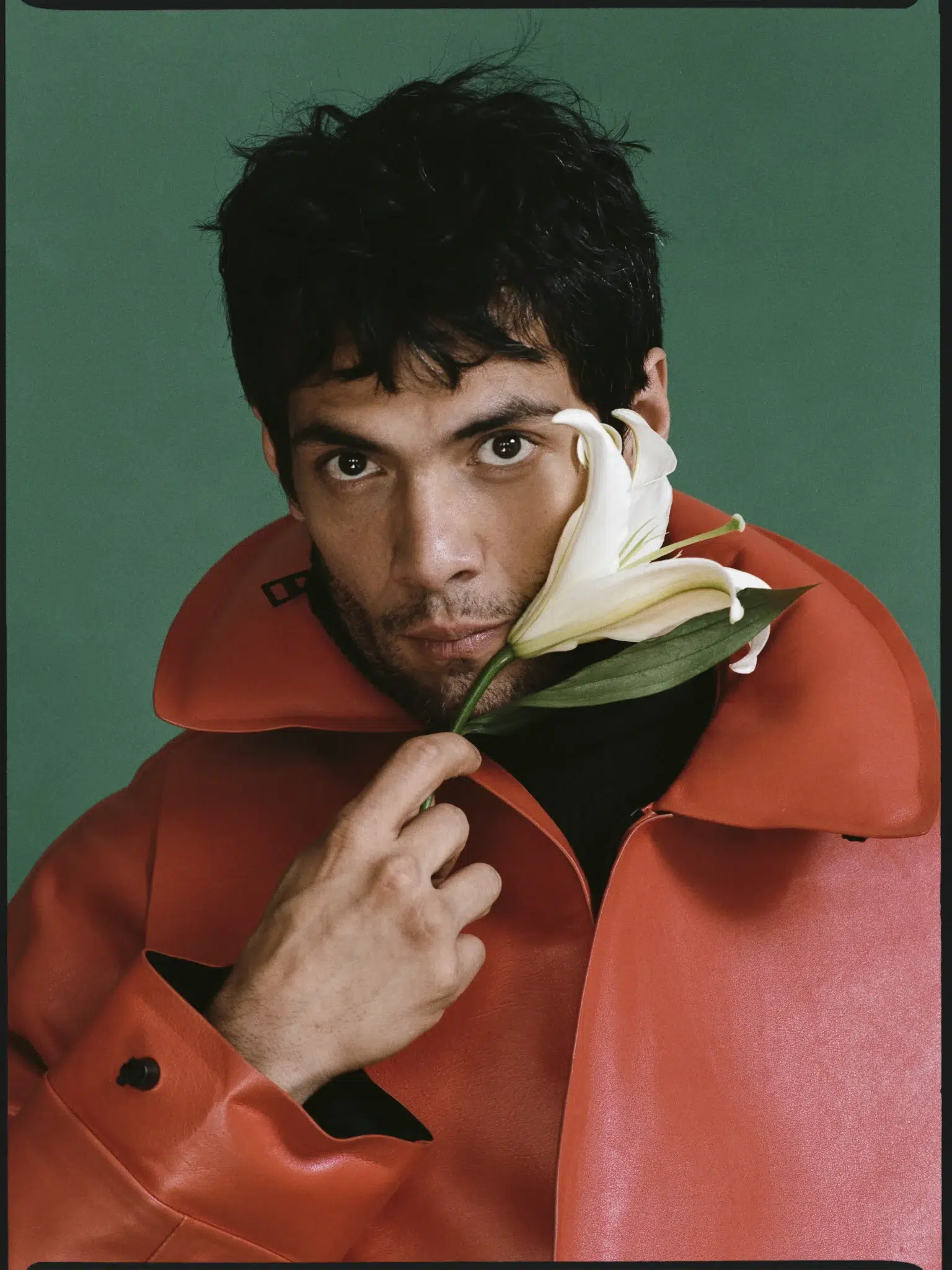
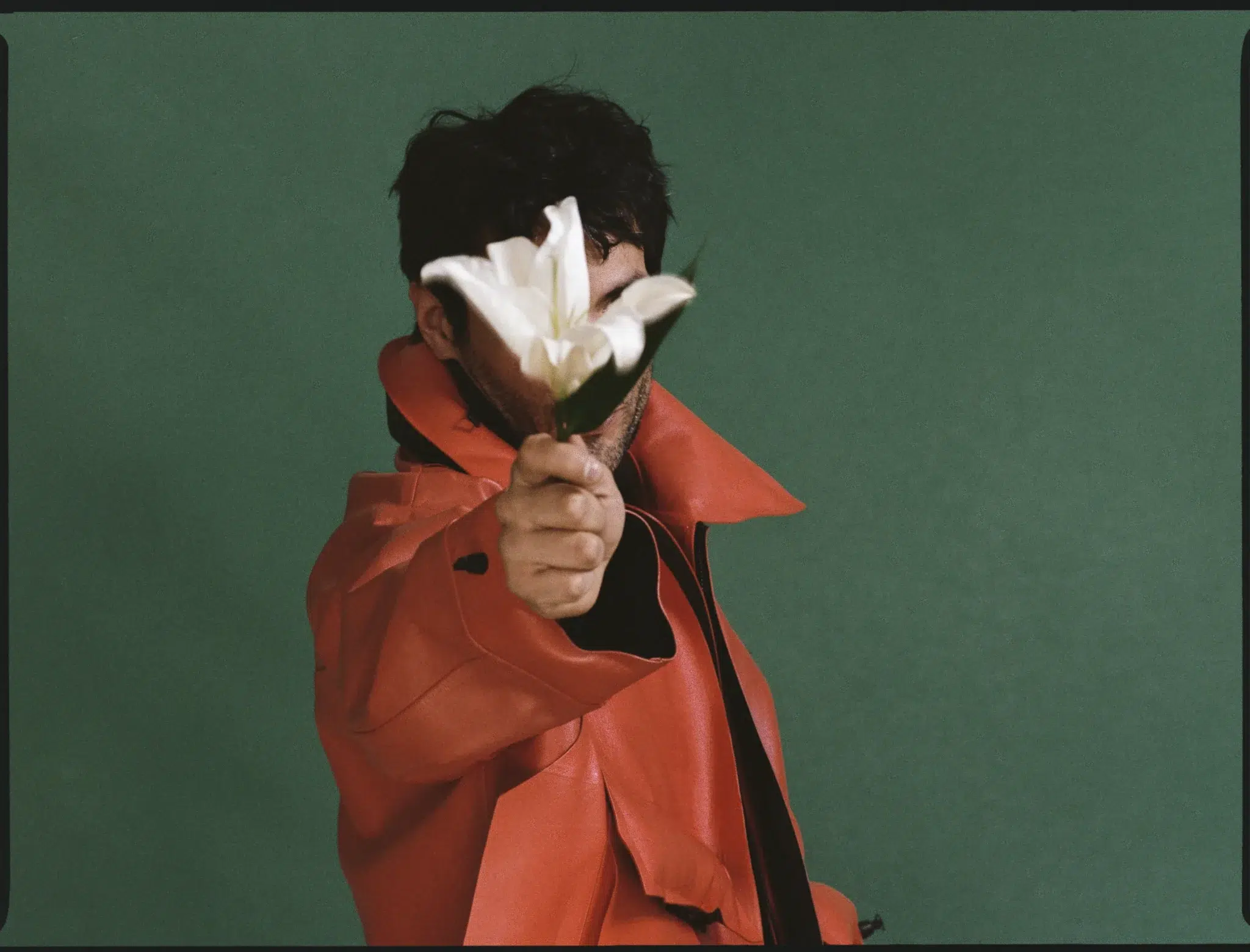
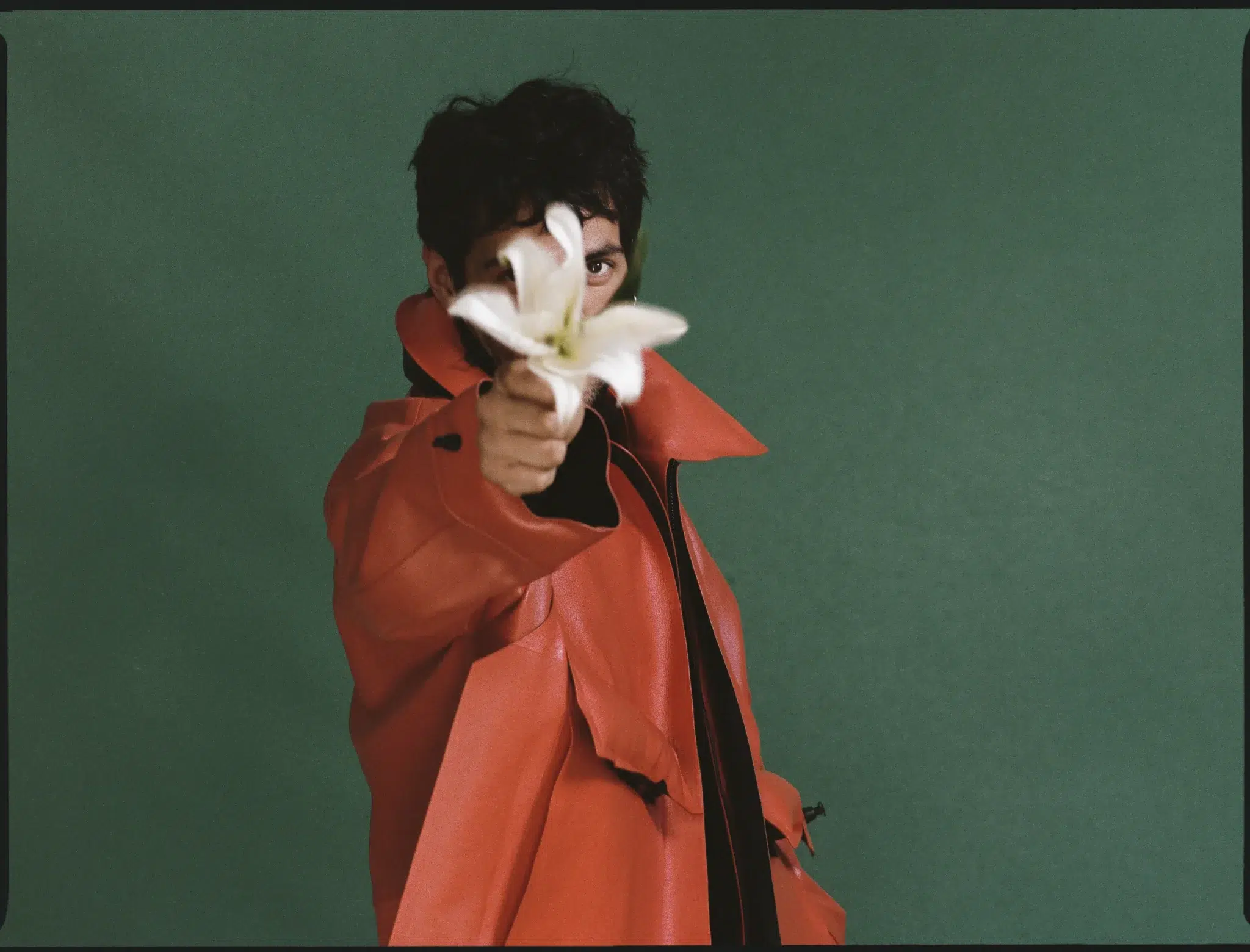
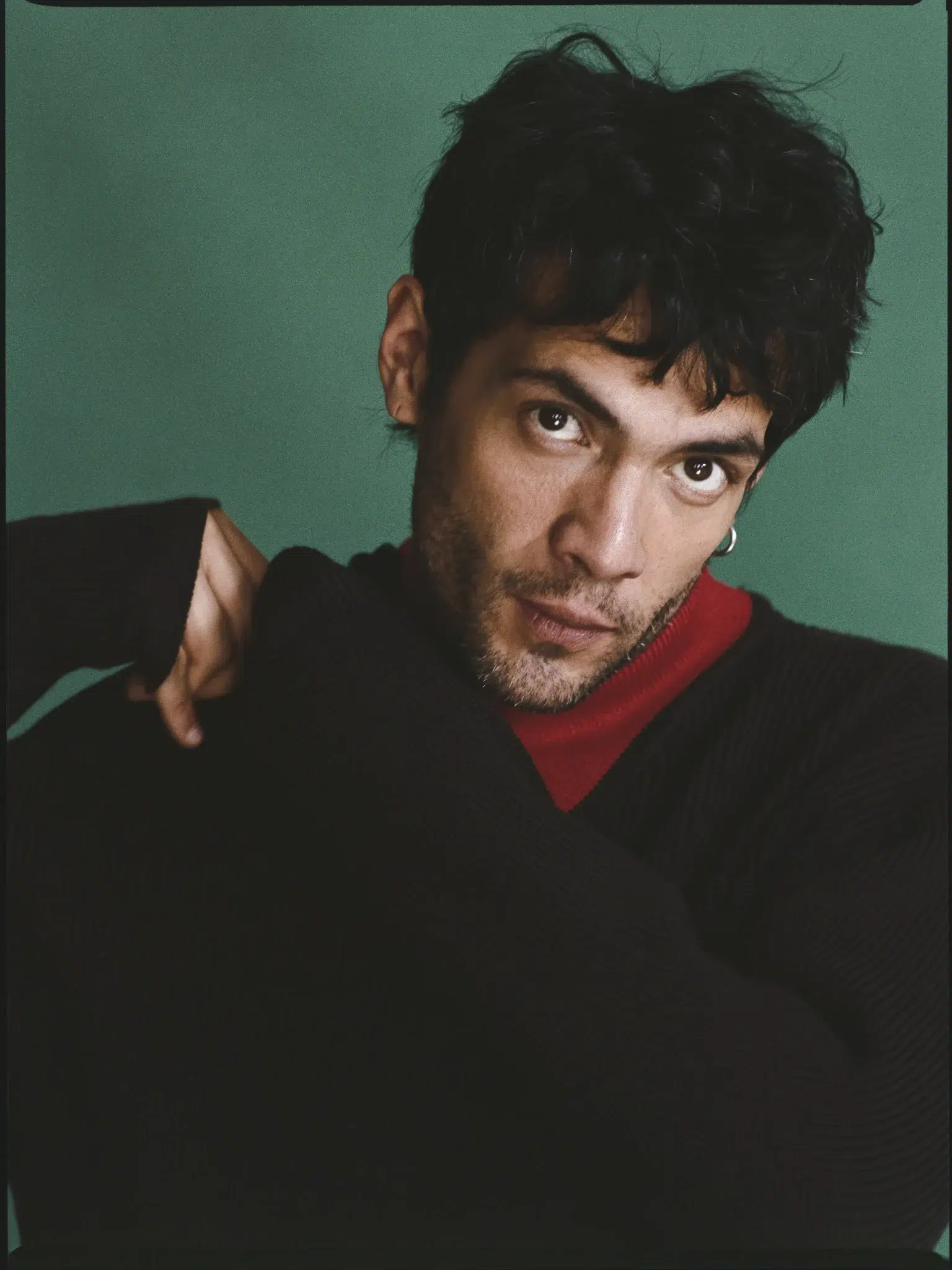
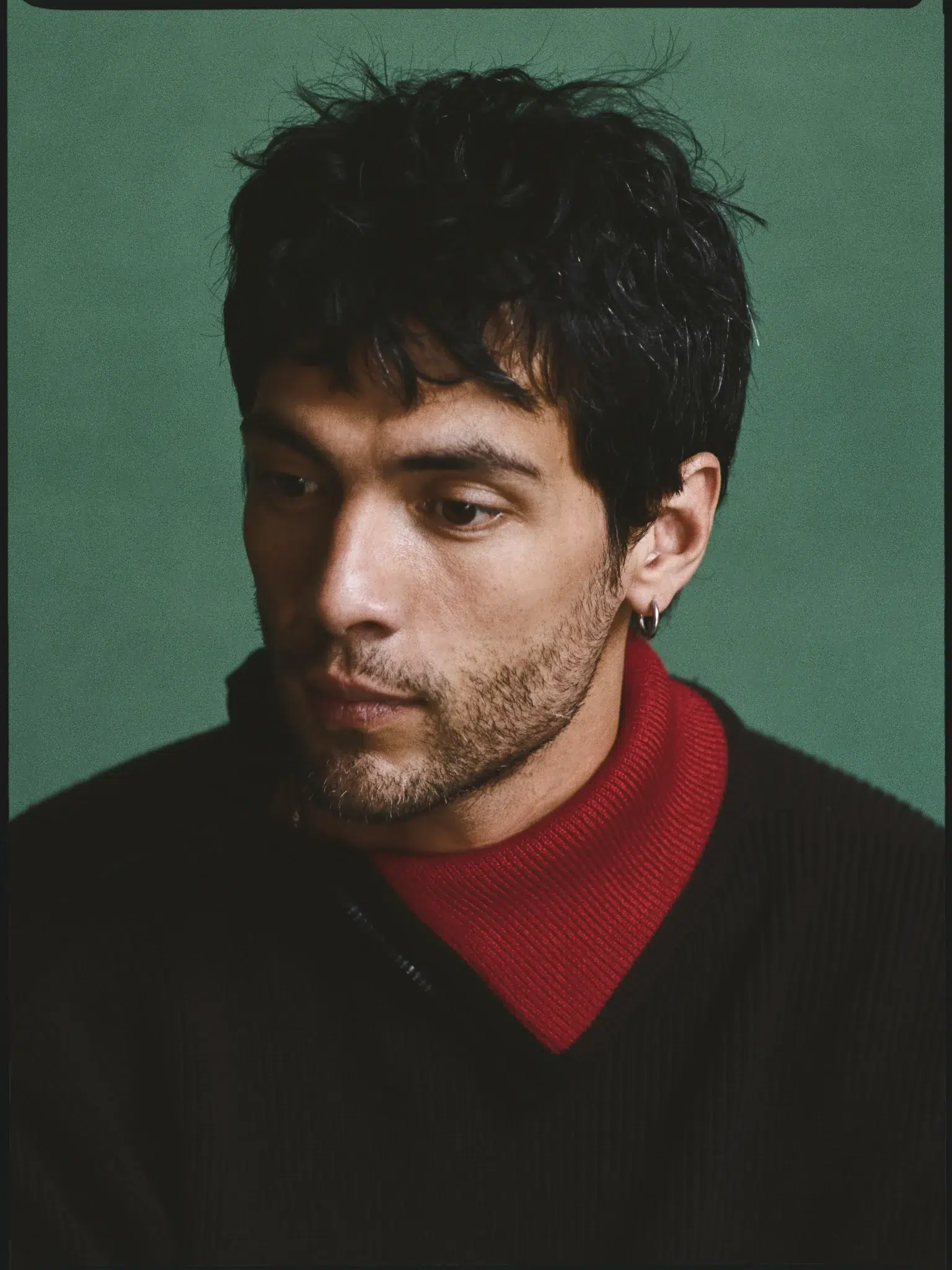


The way Calva tells it, his life has been full of love affairs: a love affair with the movies, a love affair with Mexico City, a love affair with his craft, and a love affair with love affairs. He remembers the time he begged the owner of a local toy store to let him rent it out for the evening and use the rooftop for a first date, equipped with candlelit dinner and a musician hired to serenade them. “I’m not with that girl anymore,” he admits. “But I’m still that guy. I believe in love being eternal. That’s how I am. I like to do the most stupid, big, beautiful acts of love. Every fucking day is a movie. I’m a complete romantic.”
He reflects on a scene in Babylon where Manny, overcome with adoration, confesses his love to Margot Robbie’s Nellie. “Te amo, te amo, te amo, te amo!” “That wasn’t scripted,” he says. “It was me breaking. I was saying what I really wanted to say to Margot. I just wanted to tell her, “I love you, I love you, I love you, I love you.” It has the texture of someone in love, and you can access that with tricks and strategy, but if you are brave enough to play with the essence of love, then you can really find something beautiful. It’s why I always pick characters that are in love or play with love in some way.”
Calva frequently takes on queer roles. In I Promise You Anarchy, his character Miguel has an on-off sexual relationship with his best friend Johnny (Eduardo Eliseo Martínez). In 2025, he and fellow heartthrob Jacob Elordi took on queer romance in Daniel Minahan’s On Swift Horses (2024). This year, in the hit series The Night Manager (2016-2026), Calva takes part in a steamy three-way dance with co-stars Tom Hiddleston and Camila Morrone. The scene itself nods to Mexican classic Y tu mamá también (2001), but Calva refuses Alfonso Cuarón’s film or any other the credit of shaping his sexual worldview. That belongs to him alone, and he wears it fearlessly. “I’ve been open with my sexuality since my time in the skate and punk rock scene. I’ve seen so many colours out there. My best friends would have crazy affairs. My mom is close to the queer scene. I was always in contact with it. It’s part of who I am, and there was no way for me to be safe in the movie business if I couldn’t show it. I know a few people who have a person and a persona. That’s okay, but I can’t do that. I’m going to be Diego Calva ‘til I die.”
“I’ve been open with my sexuality since my time in the skate and punk rock scene. I’ve seen so many colours out there. My best friends would have crazy affairs. My mom is close to the queer scene. I was always in contact with it. It’s part of who I am, and there was no way for me to be safe in the movie business if I couldn’t show it. I know a few people who have a person and a persona. That’s okay, but I can’t do that. I’m going to be Diego Calva ‘til I die.”
- Diego Calva
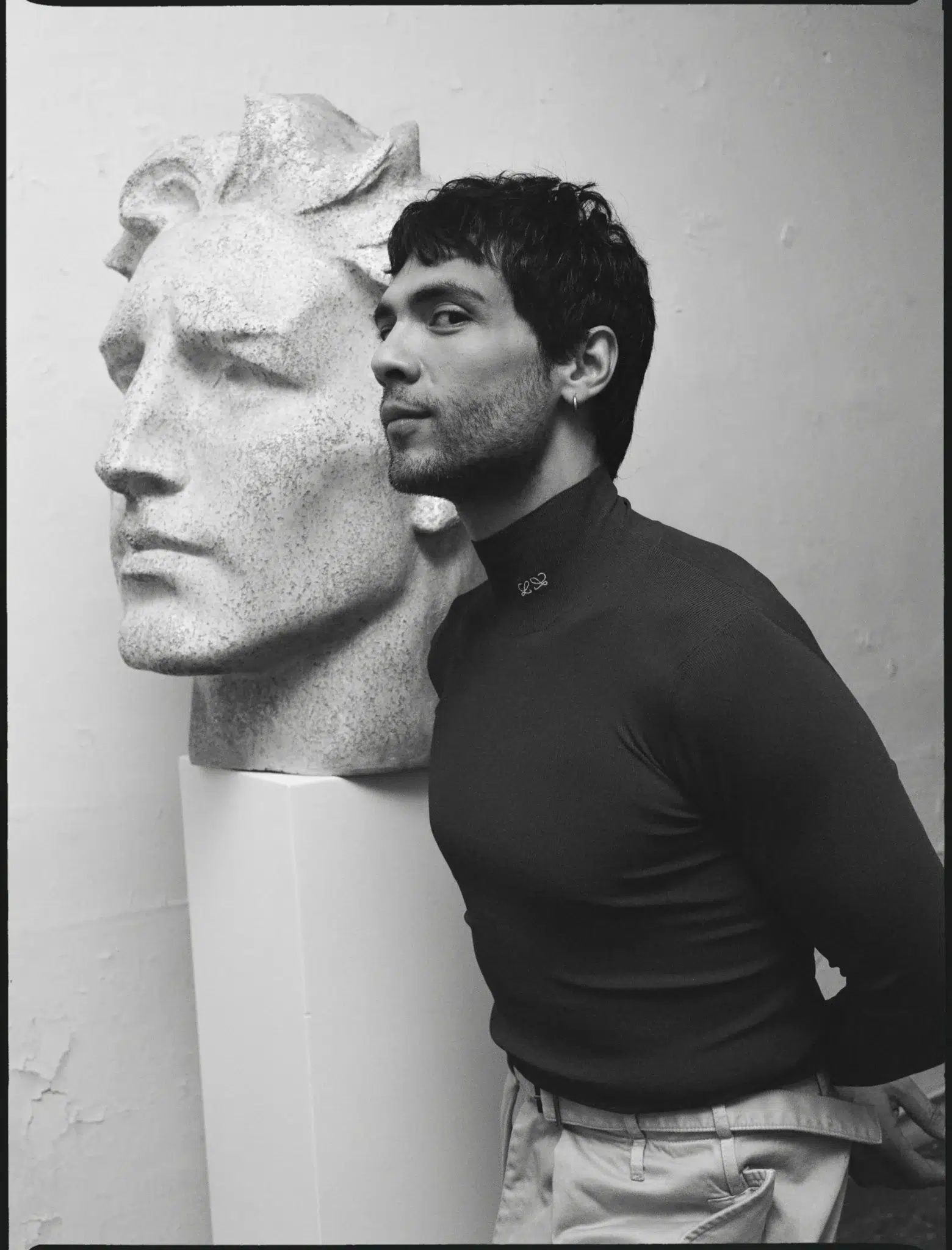
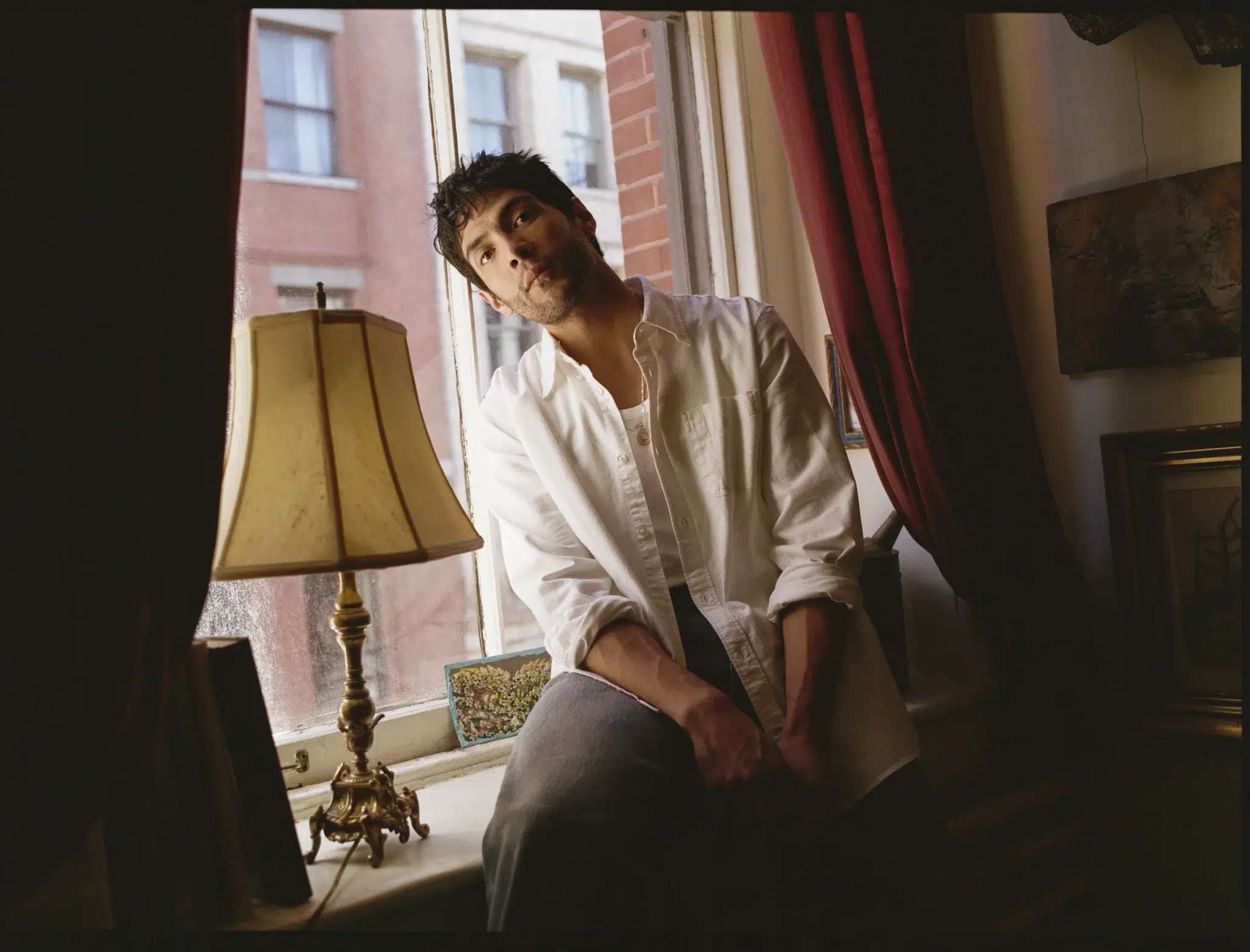
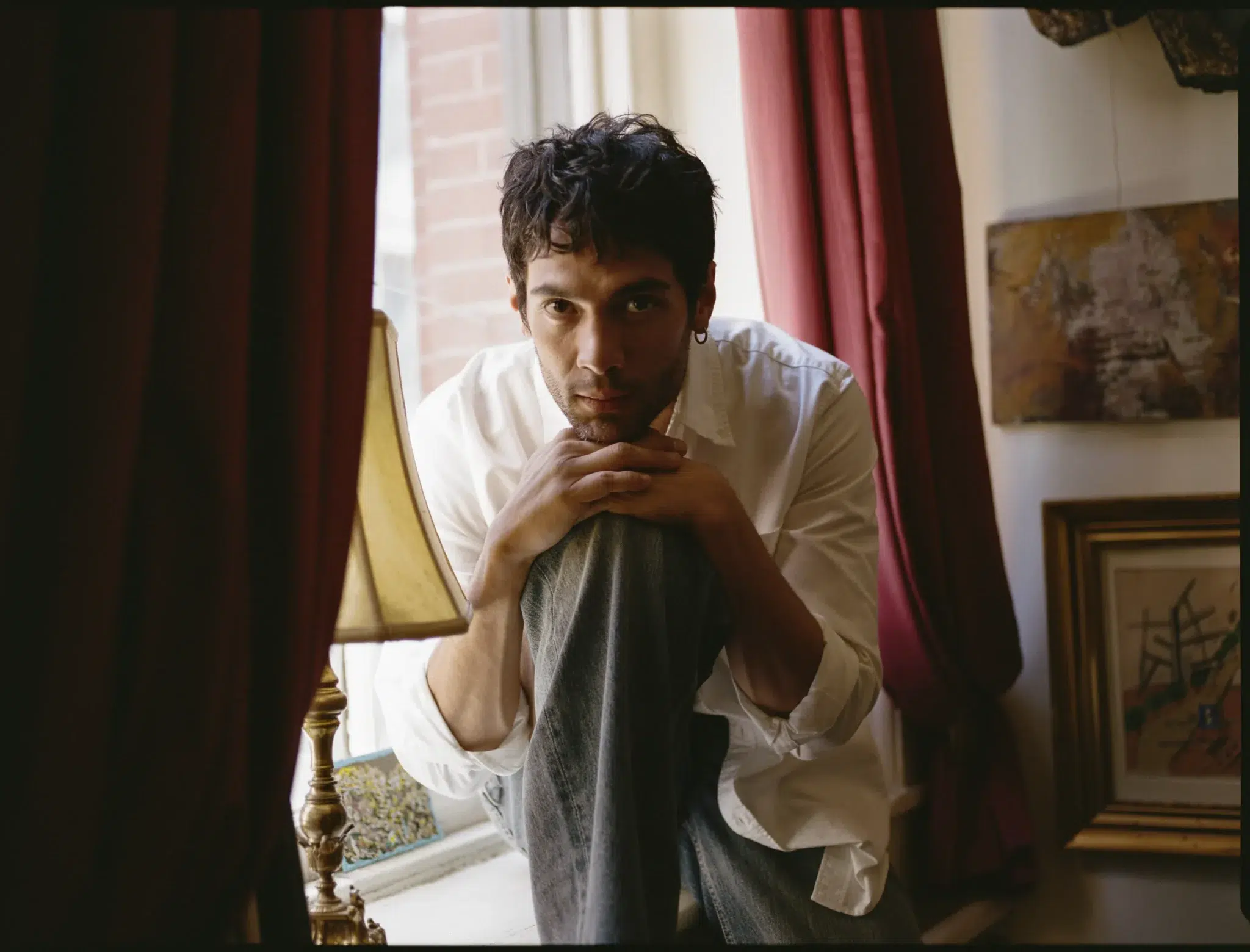
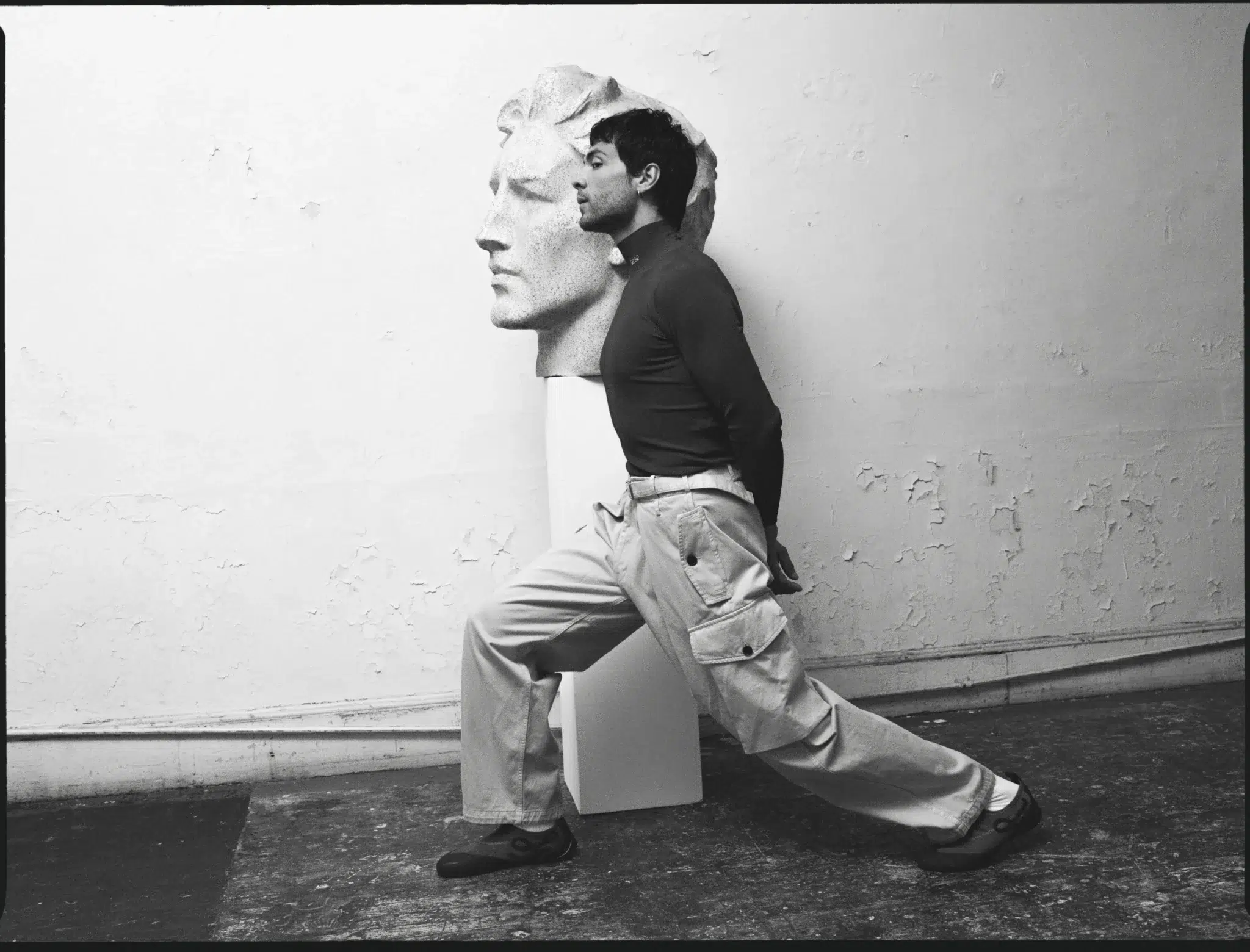
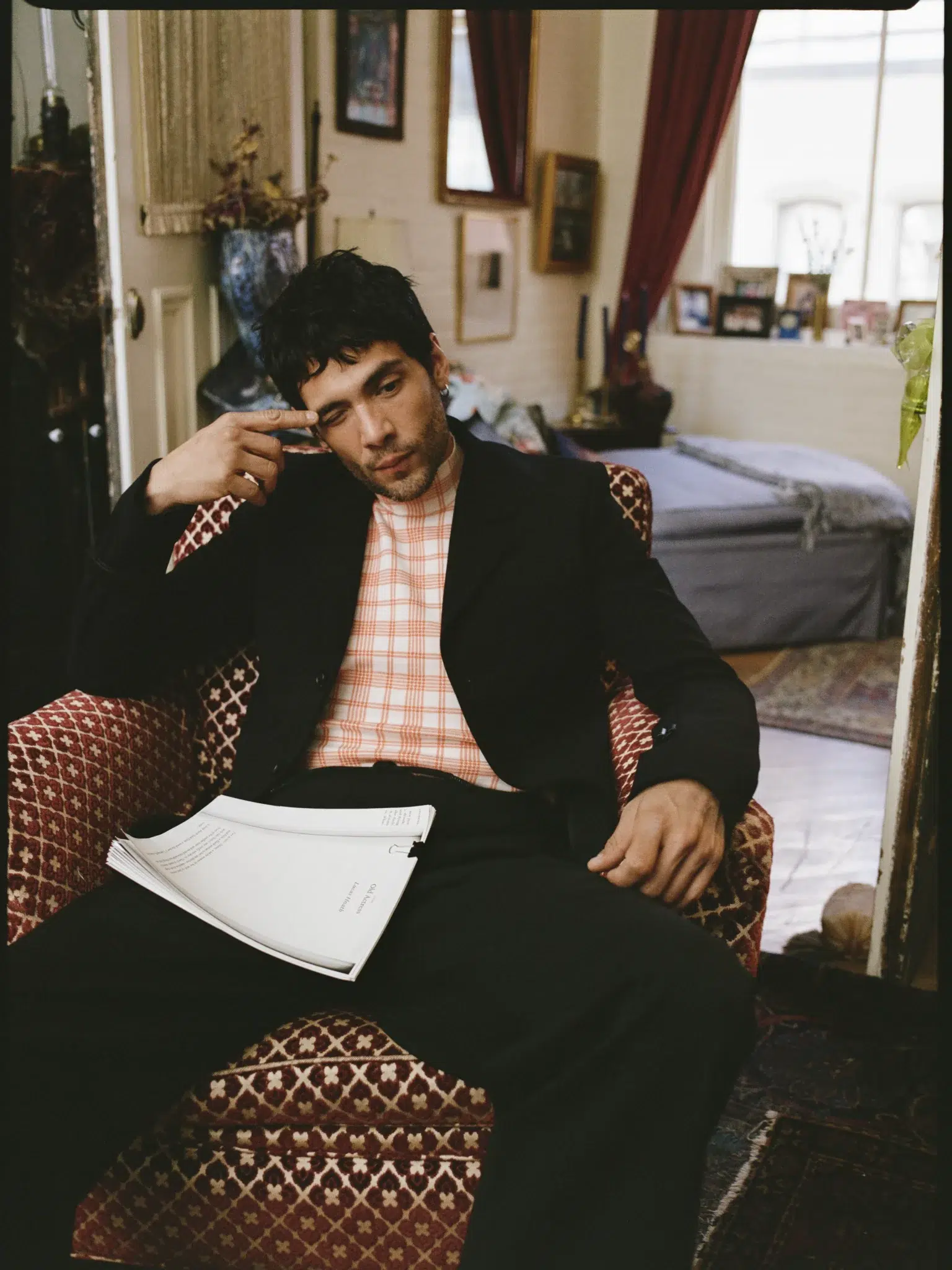
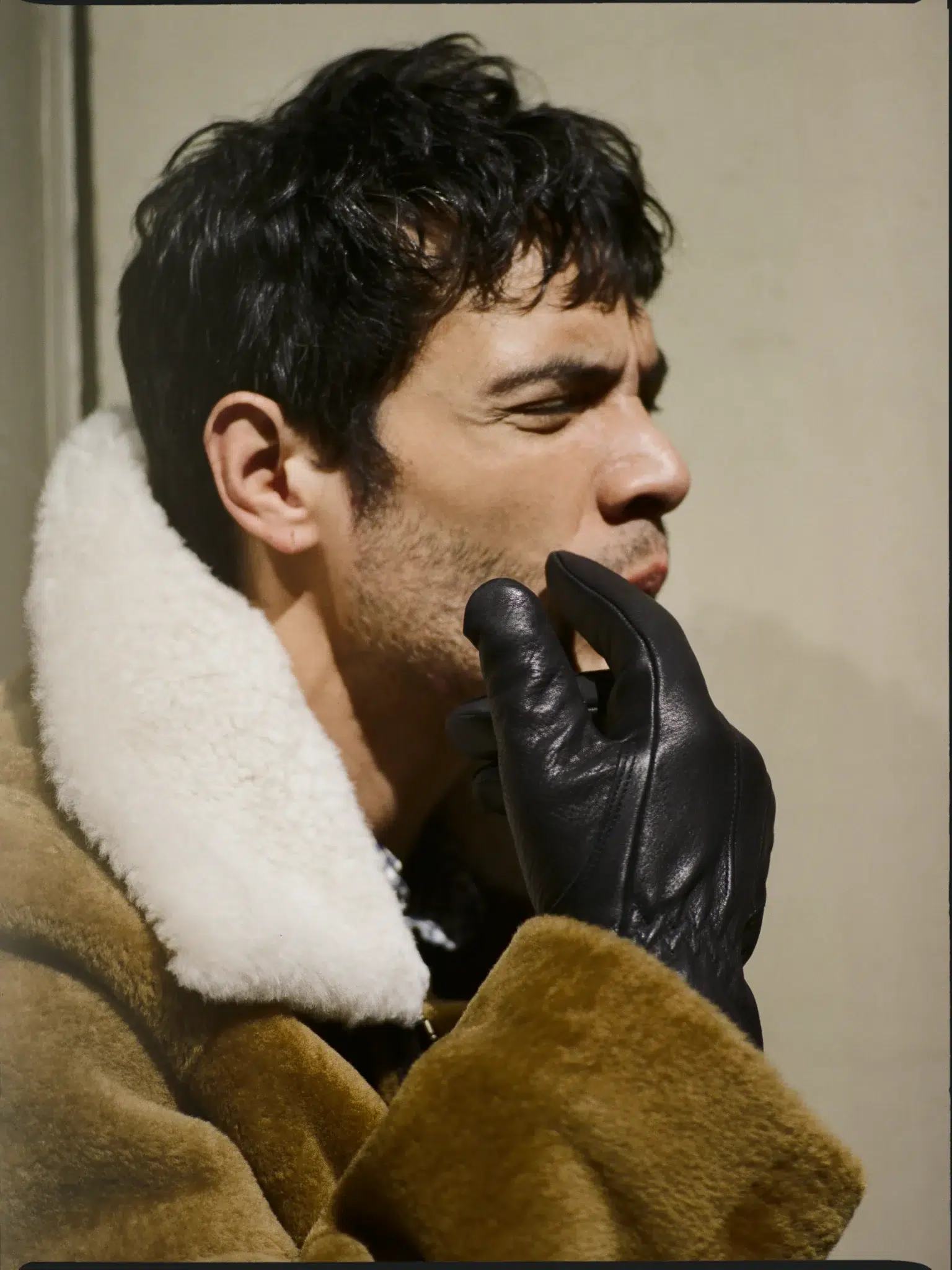
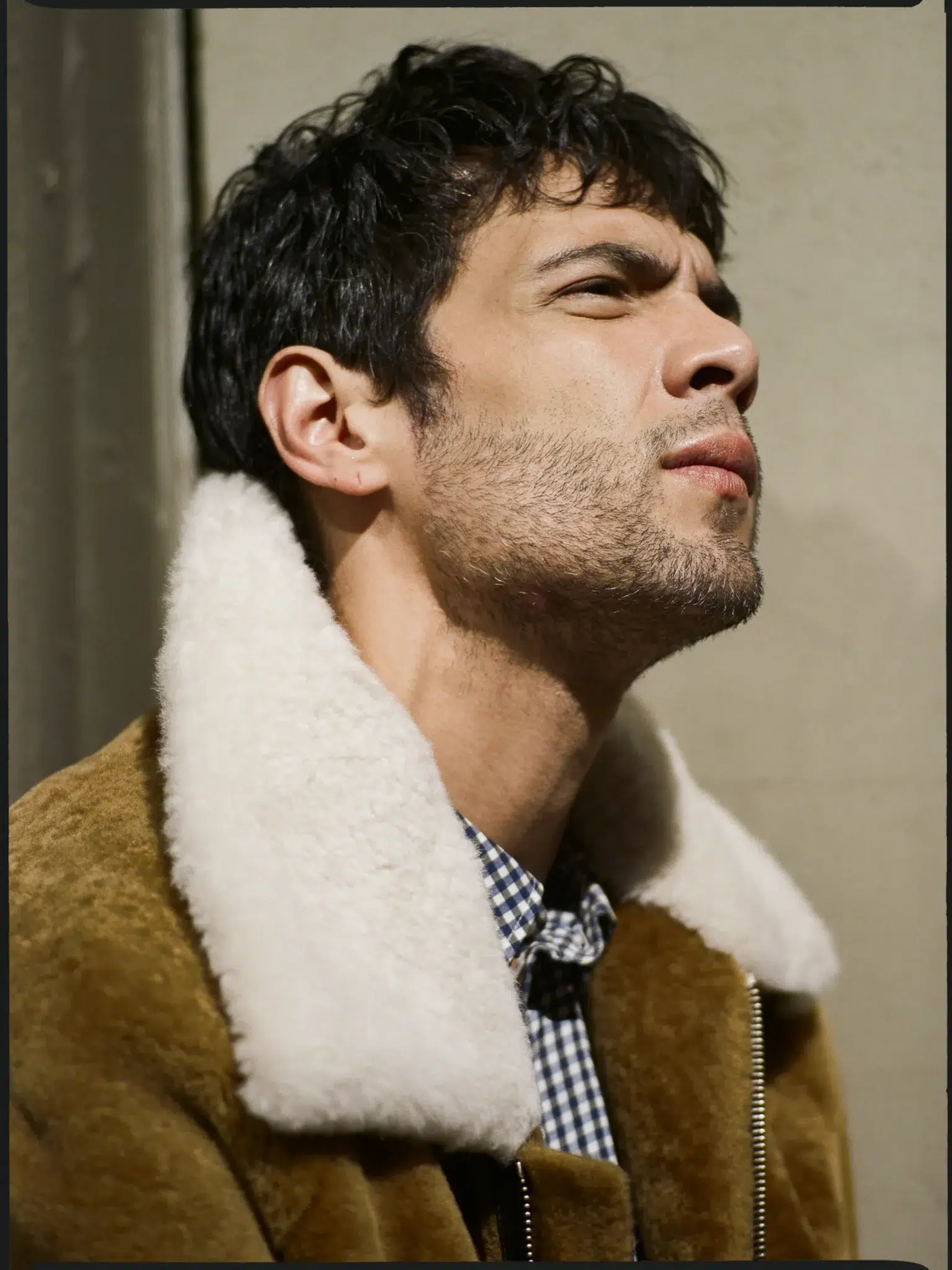
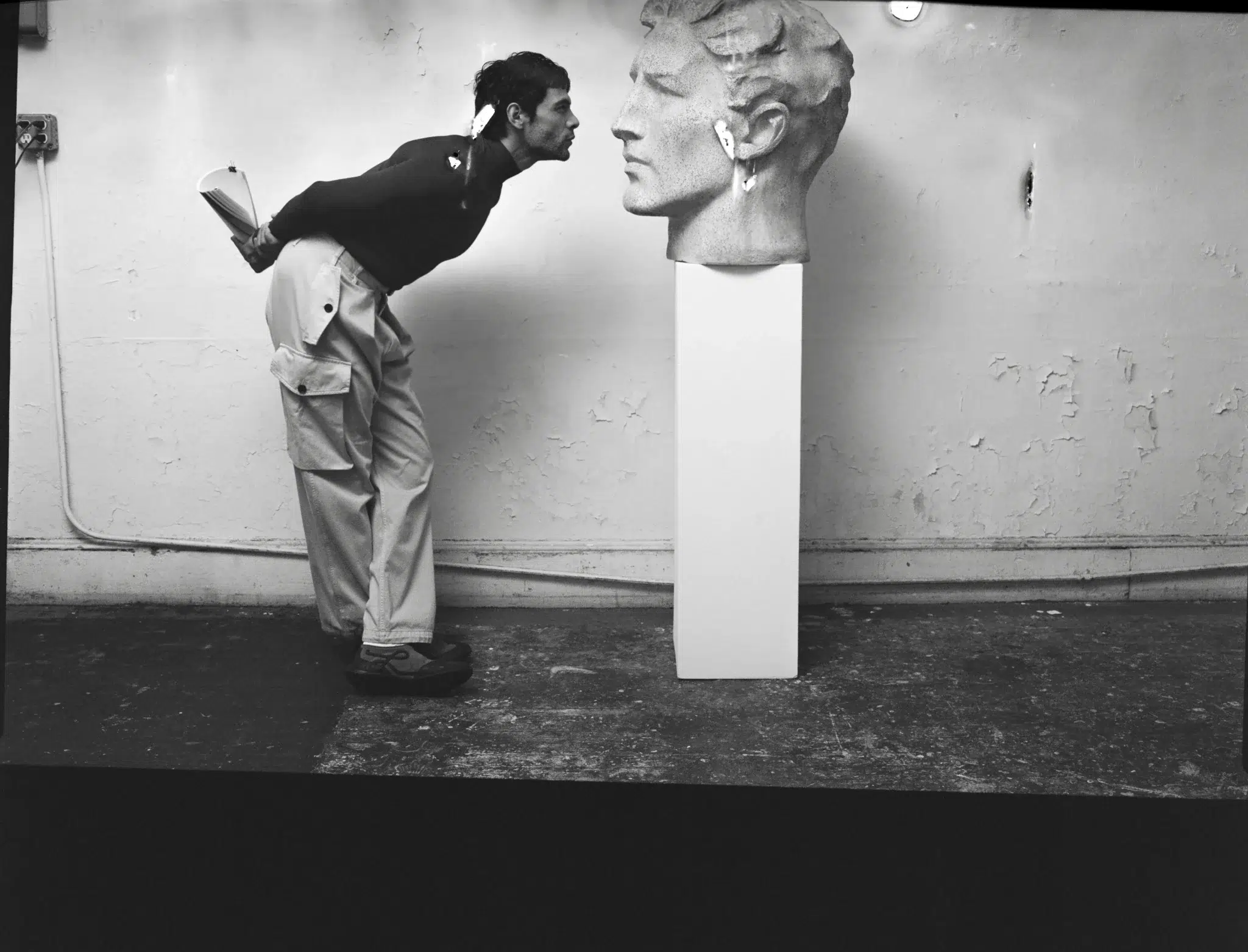

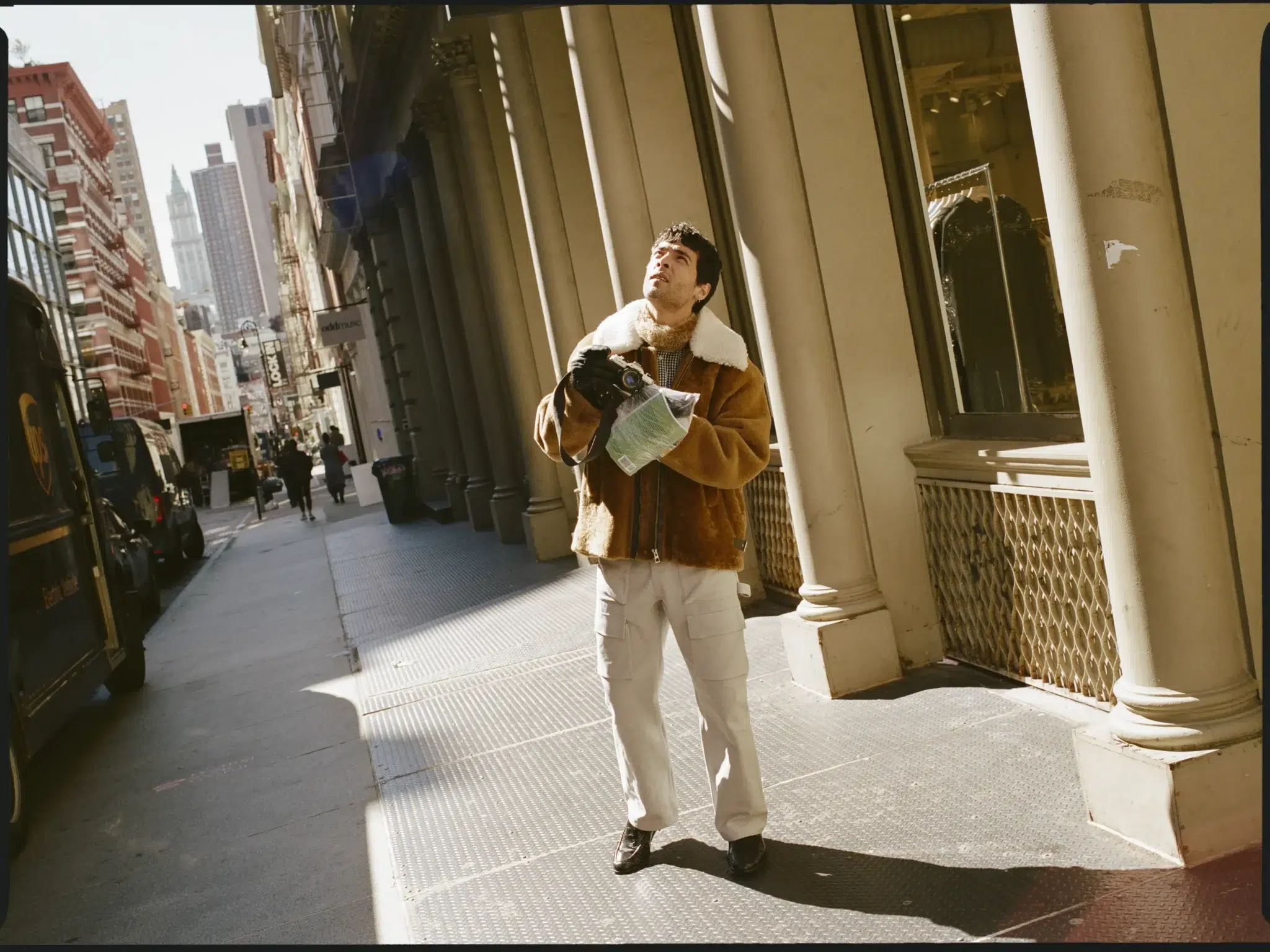
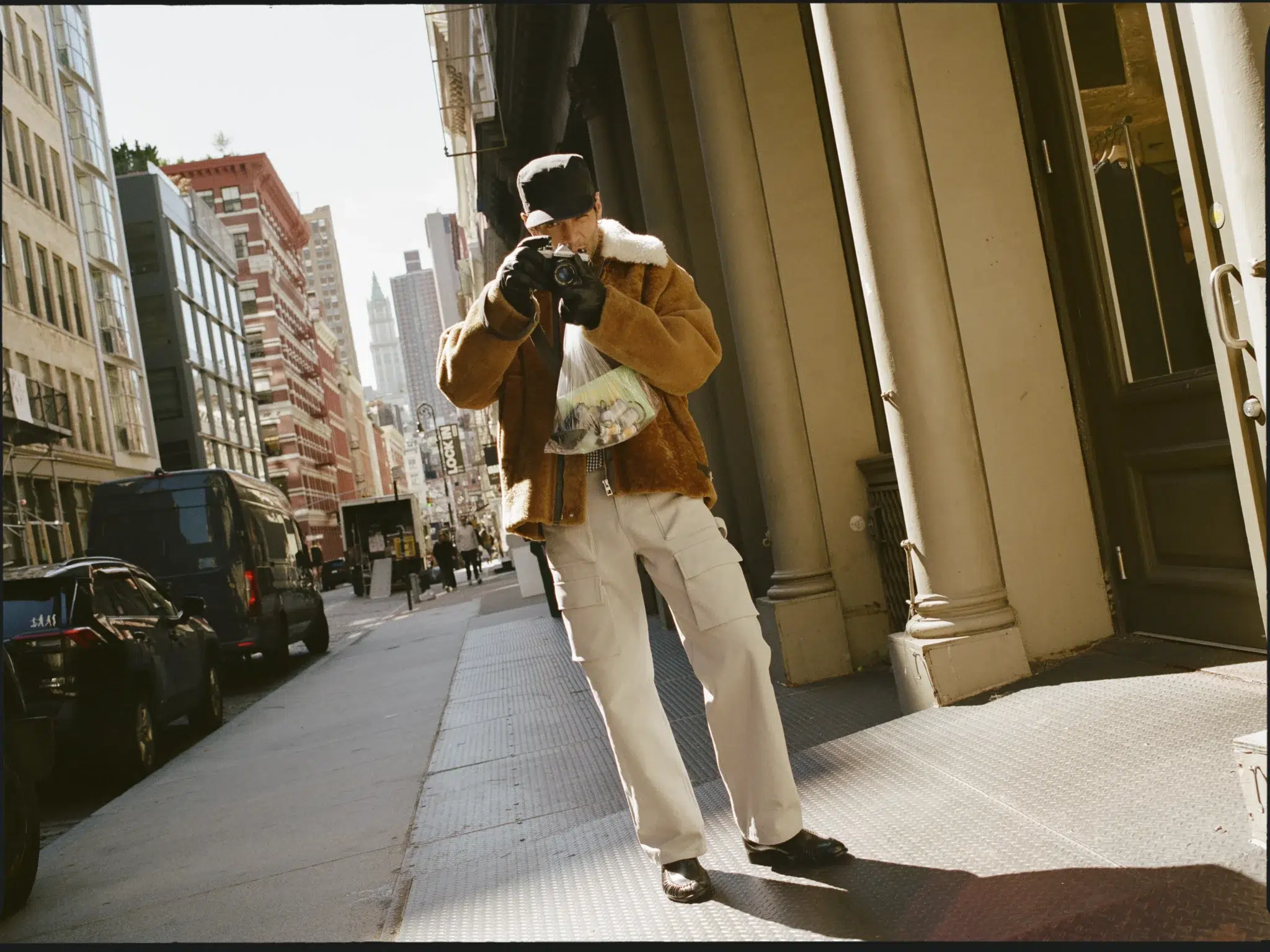
At this year’s Cannes, Calva appeared in two of the buzziest movies of the festival: Her Private Hell (2026), from legendary cult director Nicolas Winding Refn—returning after a decade-long absence with a polarising foray into the neon underworld—and Club Kid, a comedy-drama from actor-director Jordan Firstman that, once again, sees Calva embrace queer romance as child therapist Oscar, Firstman’s love interest in the movie. “Nic is Nic,” Calva says, referring to Winding Refn. “He doesn’t have to prove anything to anyone. Then you have Jordan, who has everything to prove, but with no expectations. The thing that connects these two guys—a guy doing his first movie and a guy with a legendary filmography—is that they are both free.”
Calva is also starring in an upcoming reimagining of Andrzej Żuławski’s psychological horror Possession, by Smile director Parker Finn, out in cinemas next June. “I wouldn’t call it a remake,” he says, keen to put fans of the cult-original at ease. “It’s almost a trick to call it Possession.”
Beyond the mirage of Hollywood, Calva is seeking to return to the indie roots he planted with pre-Babylon projects like I Promise You Anarchy, ColOZio (2020), and Beautiful Losers (2021). “I didn’t find home in Hollywood,” he says. “I found home in the movies. My romance with indie films is going to last forever. I want my old schoolmates to send me their scripts, I want to be a part of their movies. If my small slice of fame can help find the money to get a movie made, then I’m happy.”
It suggests a longing from Calva to reclaim his own coming of age story. “The thing with acting as a teenager is that you can use your immaturity as a tool in your performance. Now I’m so aware of acting that sometimes I feel like I’m just doing tricks. My performance in I Promise You Anarchy was shameless. I didn’t give a fuck [laughs]. I’ve been trying to get back to the shameless Diego that I was when I was younger.”
Still, Calva insists, there’s a throughline between the punkish, wide-eyed cinephile who accidentally starred in movies and the fully-fledged actor now taking the stage at international film festivals. “Even back then, I think that the actor in me had arrived, but I was wearing a disguise. I was myself on screen, but I was acting in life. I like to think that I Promise You Anarchy has a relationship with Her Private Hell, which itself has a relationship with Club Kid and The Night Manager. I like to think that I’m telling my own story too. They aren’t just dreams, they belong in my Diego Calva universe.” He flashes a grin. “I don’t know, I’m still figuring it all out.”
Credits
Interview and video producer: Luke Georgiades
Creative director: Fatima Khan
Photography: Maddy Rotman
Head of production: Anna Pierce
Stylist: Maurice Diallo
Creative assistant: @kitty_spicer
Styling assistant: Mari Greco
Photo assistant: Irene Tang
Groomer: Jessica Ortiz
Graphic design: Broad Peak Studio
Set designer: Alice Jacobs
Set assistant: Olivia Ballard
Video director: Vivian Kim
DP: Nolan Zangas
Video editor: Alex Stenhouse
Title treatment: Broad Peak Studio