

In the second instalment of ‘Hotel Notes’, in which Ramzi De Coster examines the literary and artistic connections of hotels across the world, he considers Pera Palace. An icon of old world Istanbul, it has inspired countless novels involving romance, politics and spies (most notably associated with Agatha Christie’s writing of Murder on the Orient Express). But does the hotel’s enduring allure lie less in its physical splendour than in its symbolic power—representing a gilded past that can never truly be recaptured?
I once worked at a hotel in Istanbul that was nothing like the Pera Palace, the famed hotel where Agatha Christie is said to have written her novel Murder On the Orient Express (a frequent brag on the hotel’s website). If the Pera Palace was a relic to some bygone era and old-world charm, the hotel I worked in was its counterpoint, a great big modern spa-and-gym machine, oiled and fine-tuned to provide the best possible “service” twenty-four hours a day, no exceptions. I worked in that hotel for a couple months in the summer of 2010, at nineteen, on the presumption that there was something important to be learned about the world from being there. I was right. Mega hotels or resorts are like small nations, with all their own rules, codes, and belief systems; and seeing them from the inside out feels like running an enterprise through an x-ray machine.
Beneath the hotel’s glassy, manicured exterior was the corporate office–the heart of the hotel–and a network of rooms and underground floors that formed its arteries, pumping blood and oxygen to keep it functioning. Guests were feared and treated like Gods and the staff rooms and service elevators were tattooed in posters extolling the virtues of their work.
The Pera Palace and that hotel are at opposite ends of Istiklal Avenue, with all of the Beyoglu district and its narrow streets and alleys between them, where buildings lean so close they look like they’re telling each other secrets. Soon after starting my run at the hotel, I learned that a day in the life of anyone working behind the front desk or as a hotel porter consisted of long stretches of boredom punctuated by two moments of sheer terror and panic called check-in and check-out. Other than that, I spent a lot of my time waiting for something to happen, staring through the hotel’s glass skin and daydreaming about places like the nearby Pera Palace. Not the actual hotel, which I had already seen for myself, but the way it was when I could never have seen it.
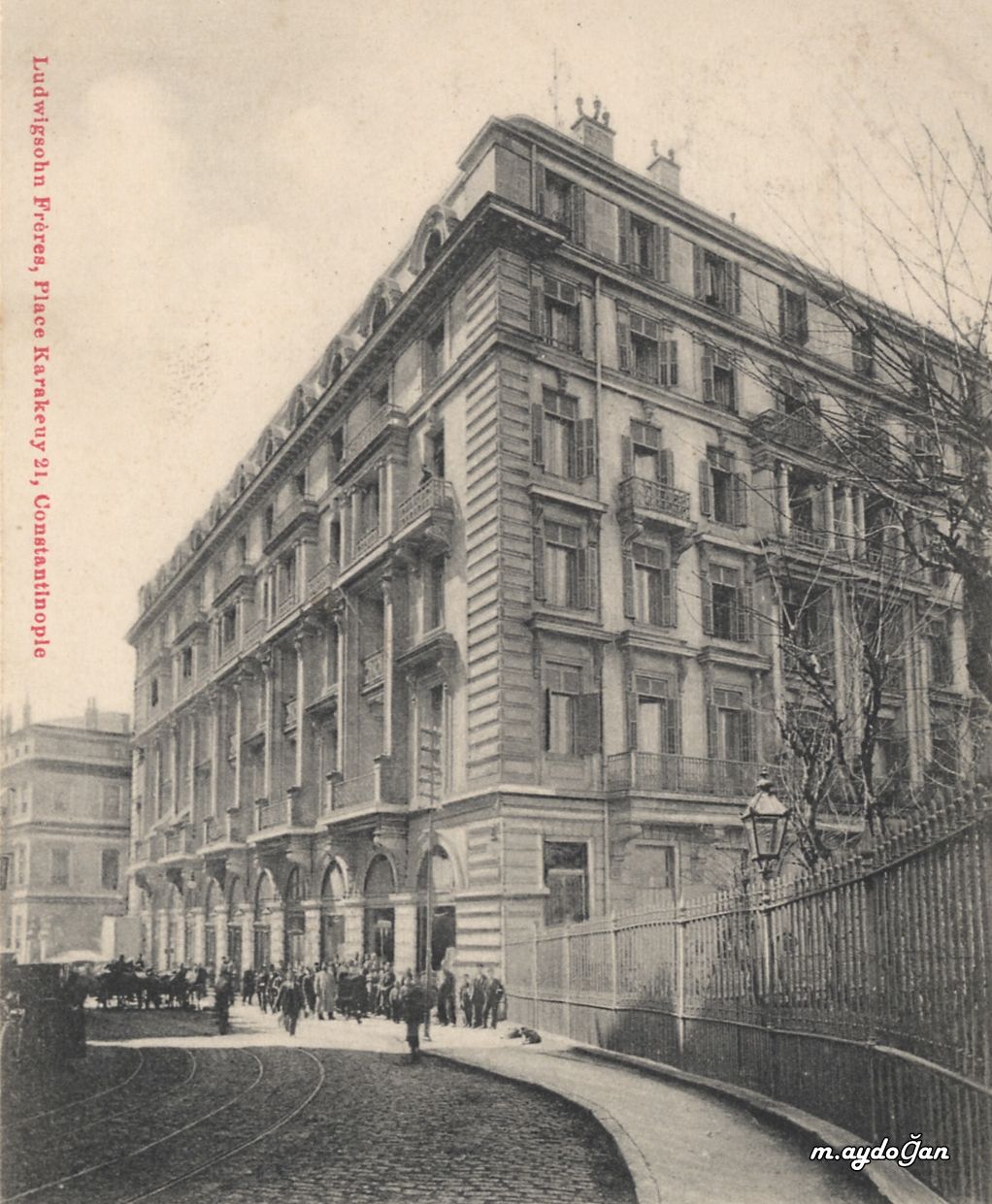
The Pera Palace was built between 1892 and 1895, designed by French-Ottoman architect Alexandre Vallaury whose many projects in Istanbul earned him the nickname “Architect of the City.” Modern hotels trace their origins, partially, in the need to provide travellers a place to stay between stops and the Pera Palace, constructed right where the Orient Express ended, was no exception. More than just a convenient place to stay, though, its location in Pera with a view of Sultanahment and the Golden Horn must’ve also captivated the imaginations of the many big names that stayed there, among them Ernest Hemingway, Greta Garbo, Mustafa Kemal Ataturk, and Alfred Hitchhock. In Hemingway’s “The Snows of Kiliminjaro,” the short story’s bed-ridden protagonist, dying of gangrene, ruminates on the time he “turned up at the Pera Palace with a black eye.” Descriptions by the famous writers and artists that are alleged to have stayed there, however, are often harder to come by than the works since set in the hotel.
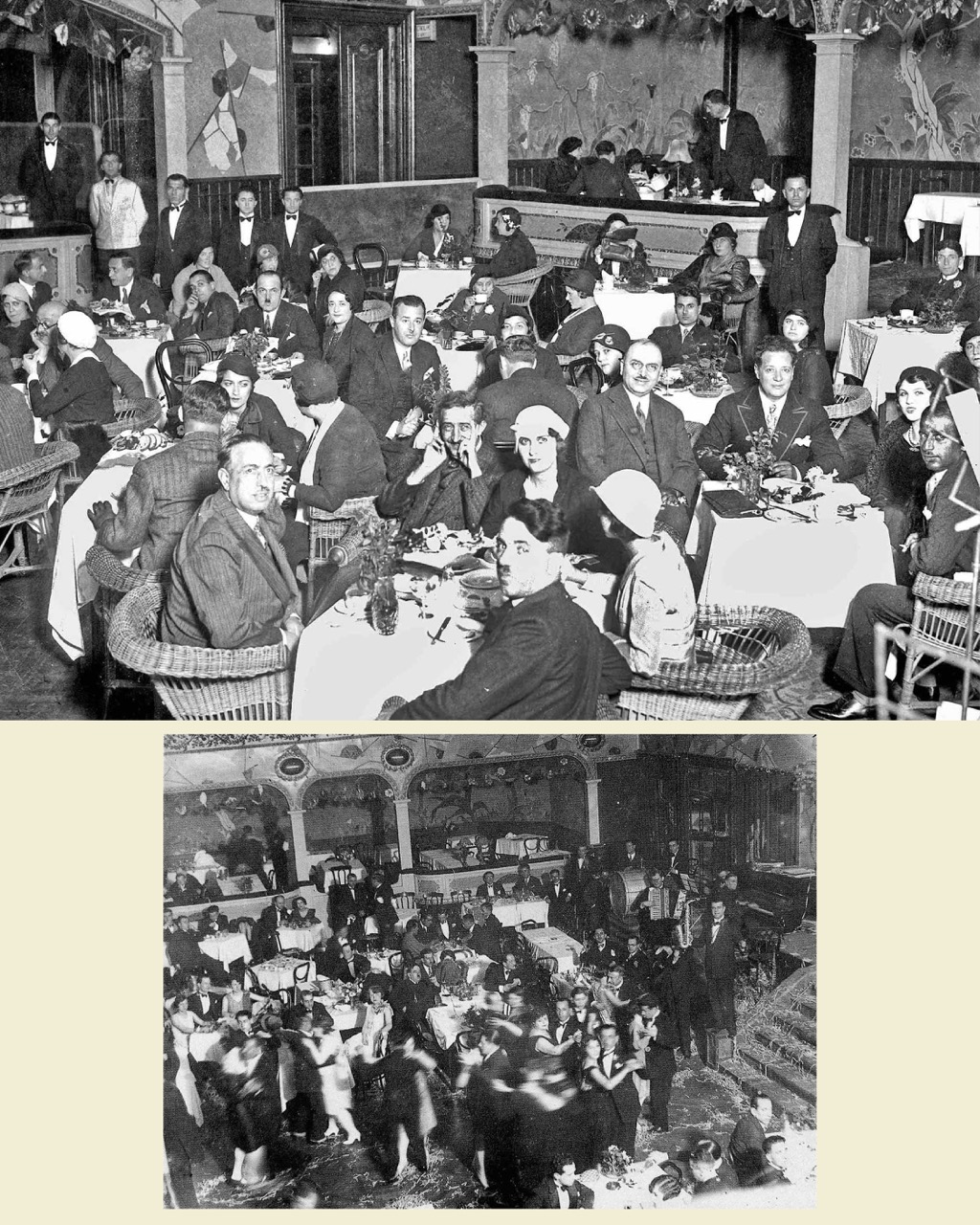
There are many stories, novels, plays, and television shows set in and around the Pera Palace. Something about the hotel has clearly long captivated the imagination. In most or many of these there are spies, diplomats, assassinations, unresolved murders, dramatic romances, and political feuds. Like the hotel I worked in, the Pera Palace is host to its own machinery, carefully screwing together and shipping the components that form the basis of great fiction. But when I think about what it is that fascinates people about the Pera Palace, it’s easier to talk up its place in history than it is to consider that it constitutes a fiction of its own. “The eye does not see things but images of things that mean other things,” Italo Calvino writes in his novel Invisible Cities. For as long as the Pera Palace has had a “legacy” it has insisted on its history, on its place in the distant and unreachable past and on the impossible task of trying to recreate it. In “The Snows of Kiliminjaro,” a story not without flaws, it’s hard not to notice that the Pera Palace is essentially just a namedrop. Conjured in the middle of a fever dream, the Pera Palace strand of Hemingway’s story is more interested in fistfights with British gunners during the Occupation of Constantinople and in Anatolian battles during the Turkish War of Independence.

“Maybe the Pera Palace isn’t special for what it was, but for the image it fortifies in our minds.”
Ramzi De Coster
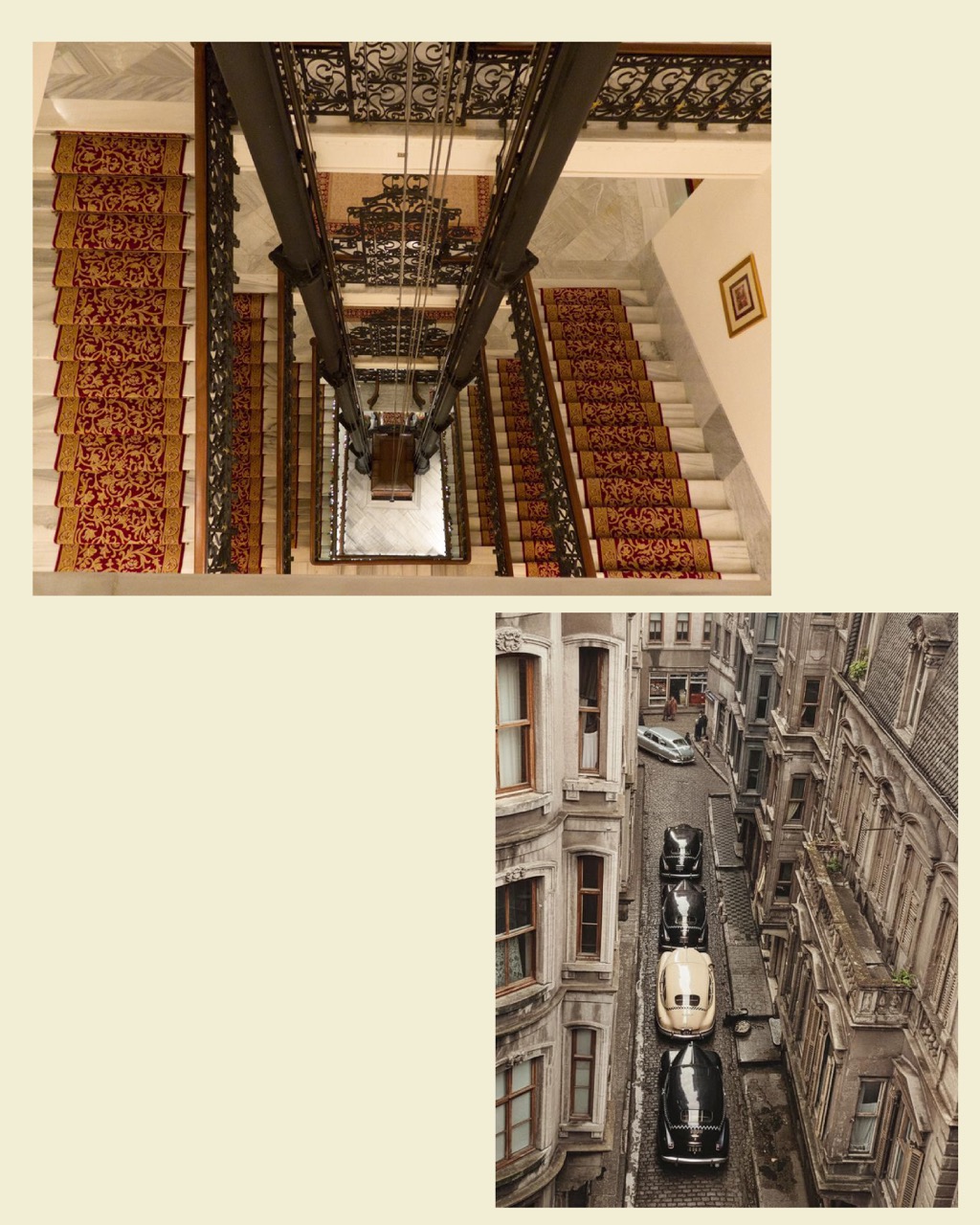
That’s not to say that there isn’t something compelling about the Pera Palace for its own sake. Travalogues and travel writers frequently wax poetic and rhapsodize about its “timelessness” and views and marble floors and neoclassical facade and low-hanging chandeliers yet high-domed ceilings. There’s no question of the building’s beauty or its story or the fact that it matters. It was, as the hotel’s website states more than once, “a magnificent witness to history.” But sitting there many years ago over a very British afternoon tea of scones and tarts and sandwiches, pianist in a tuxedo playing in the background and everything, I remember the slight sorrow and regret of wanting but inevitably failing to relive, live in, graze, or simply pretend to rub shoulders with a past and a place that, regardless, will never be again.
On the final day of my first and last hotel gig, I remember handing in my uniform and, elated at leaving, walking aimlessly in the opposite direction of home, down Istiklal, towards Tünel and Pera, headed straight for whatever lay beyond the rest of that summer before I moved to New York. I was not heading for the Pera Palace at the time but I’m sure I walked past it. I don’t know what I thought about it back then, or if I had any opinions about it at all. Maybe the Pera Palace isn’t special for what it was, but for the image it fortifies in our minds. Or maybe we’re drawn to it simply for what we believe happened there, and what it produced (even the fact of Agatha Christie having stayed and worked in Room 411 is disputed by some researchers and biographers). Still, it’s hard not to see, standing on the edge of Pera, taking in what Orhan Pamuk called a “city of ruins and of end-of-empire melancholy,” the infinite images of Istanbul.