

For A Rabbit’s Foot, filmmaker Wes Anderson speaks about his relationship with costume designer Milena Canonero through a series of conversations with Natasha A Fraser. (Read her full interview here). The result is this touching letter—an ode to professional collaboration and friendship.
Dear Natasha
I’ve read all your questions. My answer might be one response that’s a mixture of all of them, I think. I hope that’s okay.
I met Milena when I was going to make The Life Aquatic in Italy, in either 2003 or 2004, and when I learned that she was there and available. That was one problem solved. It felt obvious and automatic—we handed the whole giant thing over to her. I loved working with her on the film. She took on something that was a massive and peculiar project. She gathered that there were materials I wanted to use that she didn’t like, such as polyester, but she quickly absorbed the story aspect of why I wanted some of these things that she thought were horrible. Then I saw her adapt and transform them.
I think that’s the key thing: she’s a storyteller. As much as she’s interested in the historical aspects of the clothing—the details, the shapes, the visuals—more deeply, she’s interested in how this tells our story. And obviously, when it comes to historical settings, she’s unparalleled at this point. But she’s also inventive when it comes to something that might be a bit more abstract. And it’s really because she’s interested in the movie. When Milena reads the script for the first time, her first notes often have to do with making a change that almost no one else in the world would imagine they could ask for, like, “Let’s not make it in the country you’re talking about,” or, “Let’s change the cast of the main characters.” I mean, she might ask for something that would generally be considered pointless for anyone to ask. But she’s empowered to ask whatever she wants. And we empower her. She empowers herself, but we also empower her because we want to know what she has to say, even if we’re still going to shoot the movie in the country we always planned to shoot it in. Everyone loves her, you know. She has great authority.
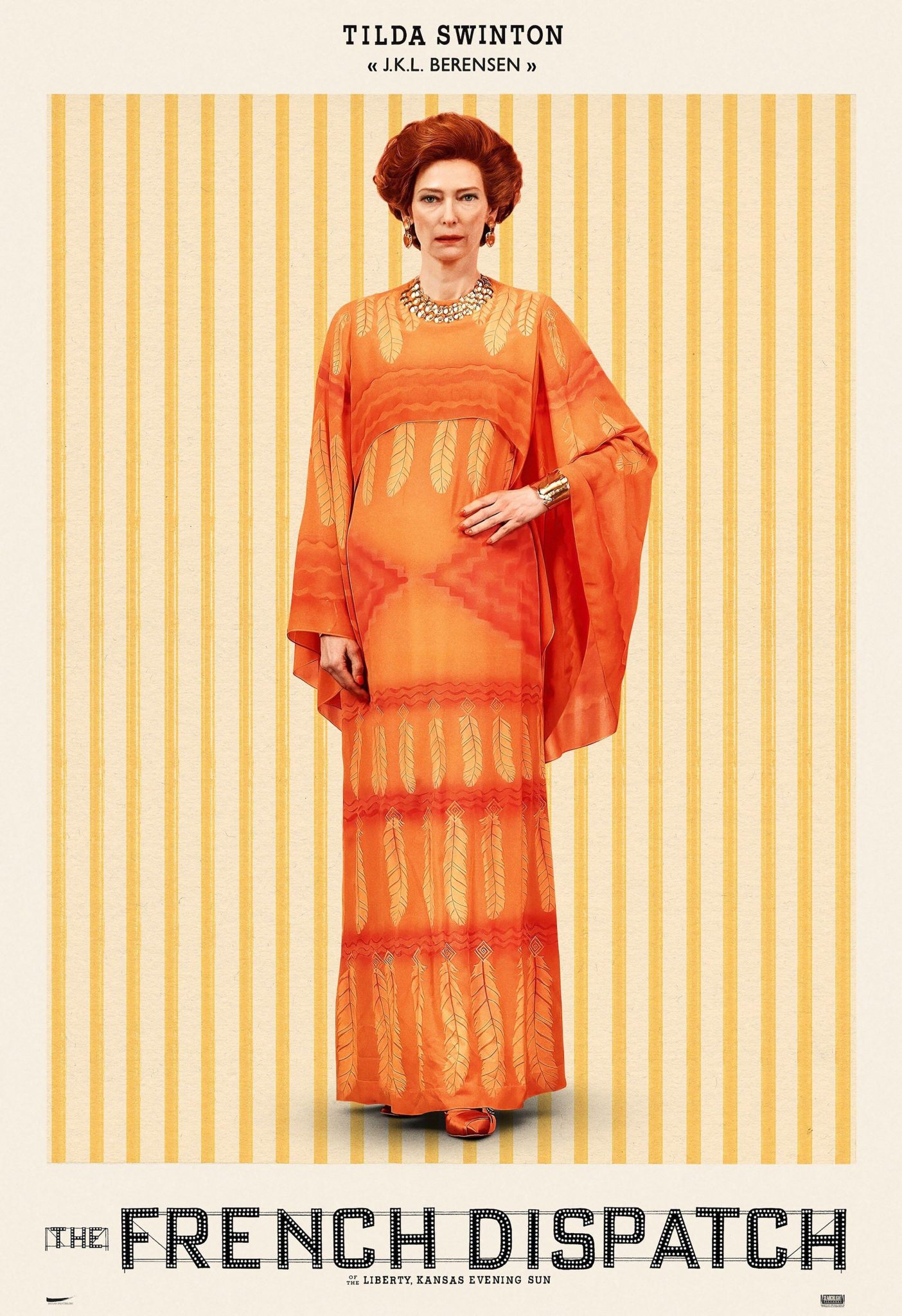
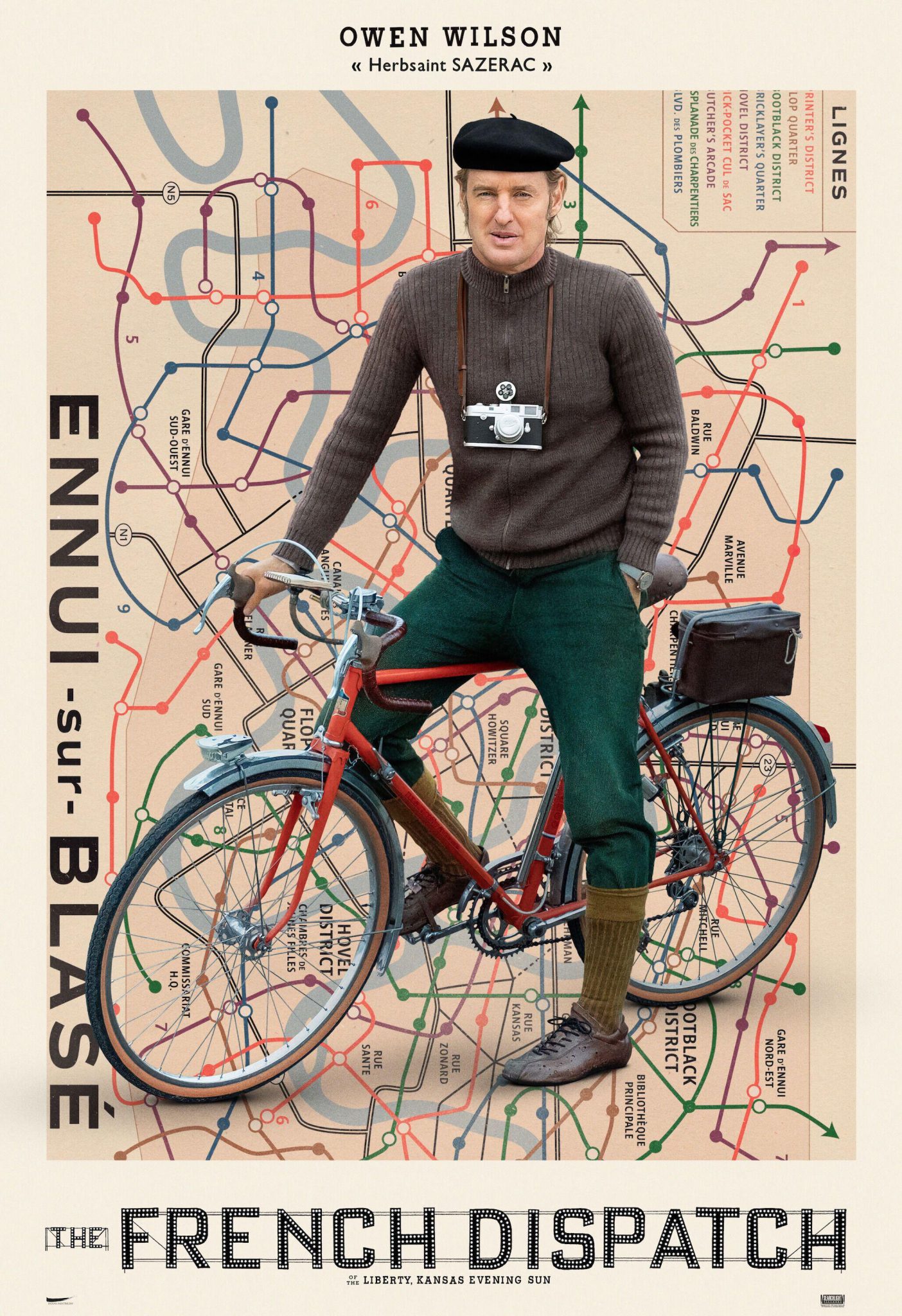

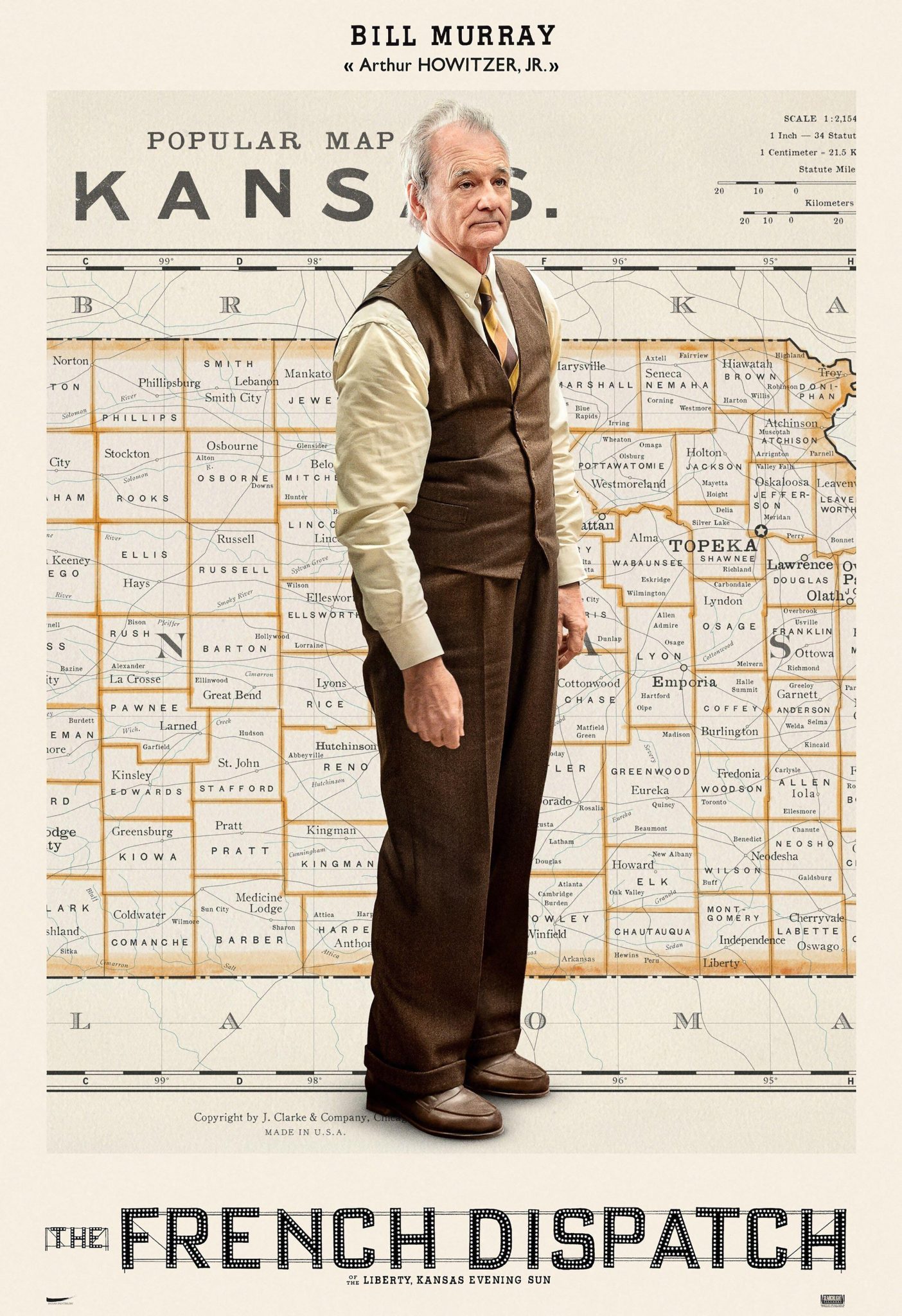


She works with a large team. We’ve tried to reduce the team at different times, for budget reasons, but we stopped trying probably a decade ago because it can’t be reduced; it won’t be reduced. And anyway, we love all the people on the team. Most of the people who work with Milena come back again and again and again. They’re deeply devoted to her. They’re our team, too. I’ve never had the feeling that Milena’s gang is not supporting me. And that’s an unusual thing, because sometimes somebody who is the head of a department can have their team, and you feel like they’re sort of a little coup d’état. And you say, “These guys, they don’t even care what I’m saying.” Milena’s team has never been like that. They’re her people, but she makes them ours. She sort of gives them to us. Milena usually works behind the scenes. She’s usually not on the set. But when she’s on the set, it’s a bit like a star is visiting. The director of photography is always excited to have Milena on the set.

I think that’s the key thing: she’s a storyteller. As much as she’s interested in the historical aspects of the clothing—the details, the shapes, the visuals—more deeply, she’s interested in how this tells our story.
Wes Anderson
We’re working on a new one together right now, and it’s already been sort of a remarkable experience. And there’s no one else like Milena in the whole gang. What else can I say? You know, it’s very interesting that the history of her movies is so broad. And she has so many—it’s quite a few movies where people say, “Really, she did that one?” And people are always impressed. I’ll tell you who she reminds me of more than anyone else in this range of people—Polly Platt. Maybe you know who that is. Polly Platt was married to Peter Bogdanovich. She was a production designer and had different positions in the movies. But she worked with me on the first movie I made, Bottle Rocket, and she was somebody who also had a very strong, instinctive sense of what makes a movie work. People like that are so valuable, too, because when something goes wrong, they’re quick to apply this sort of vast machine computer of their mind to the situation. They like to adapt, and they give you a solution where you say, “Well, that’s better than if things hadn’t gone wrong in the first place.” So Milena is like that.
See if that gives you something now that isn’t just rambling. All right, thanks, Natasha. See you soon, I hope. We’re in Houston, Texas. I’m looking out at a deeply tinted hotel window that doesn’t open, at people sitting around a swimming pool just below me. I don’t think they can see me.
– Wes Anderon