

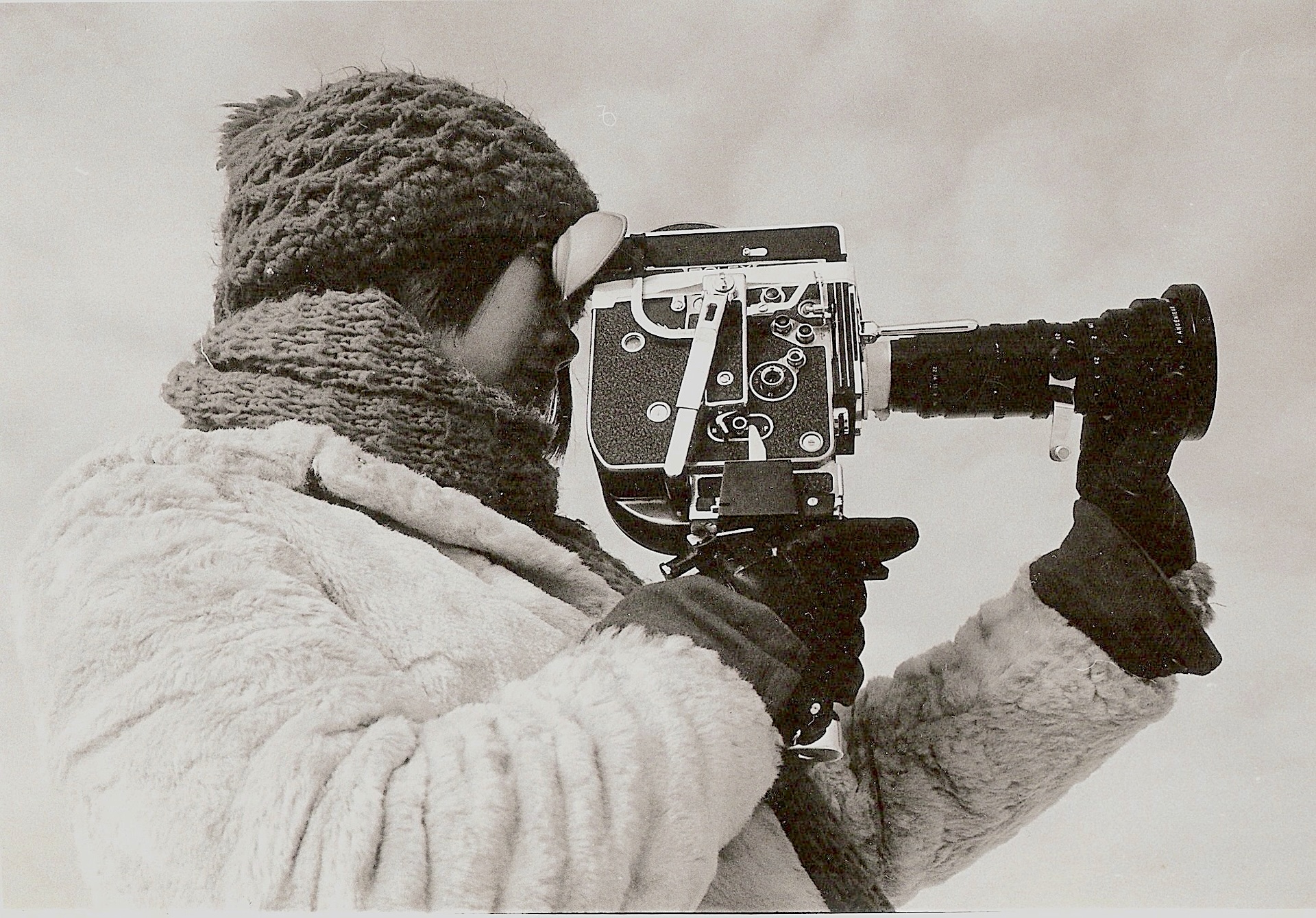
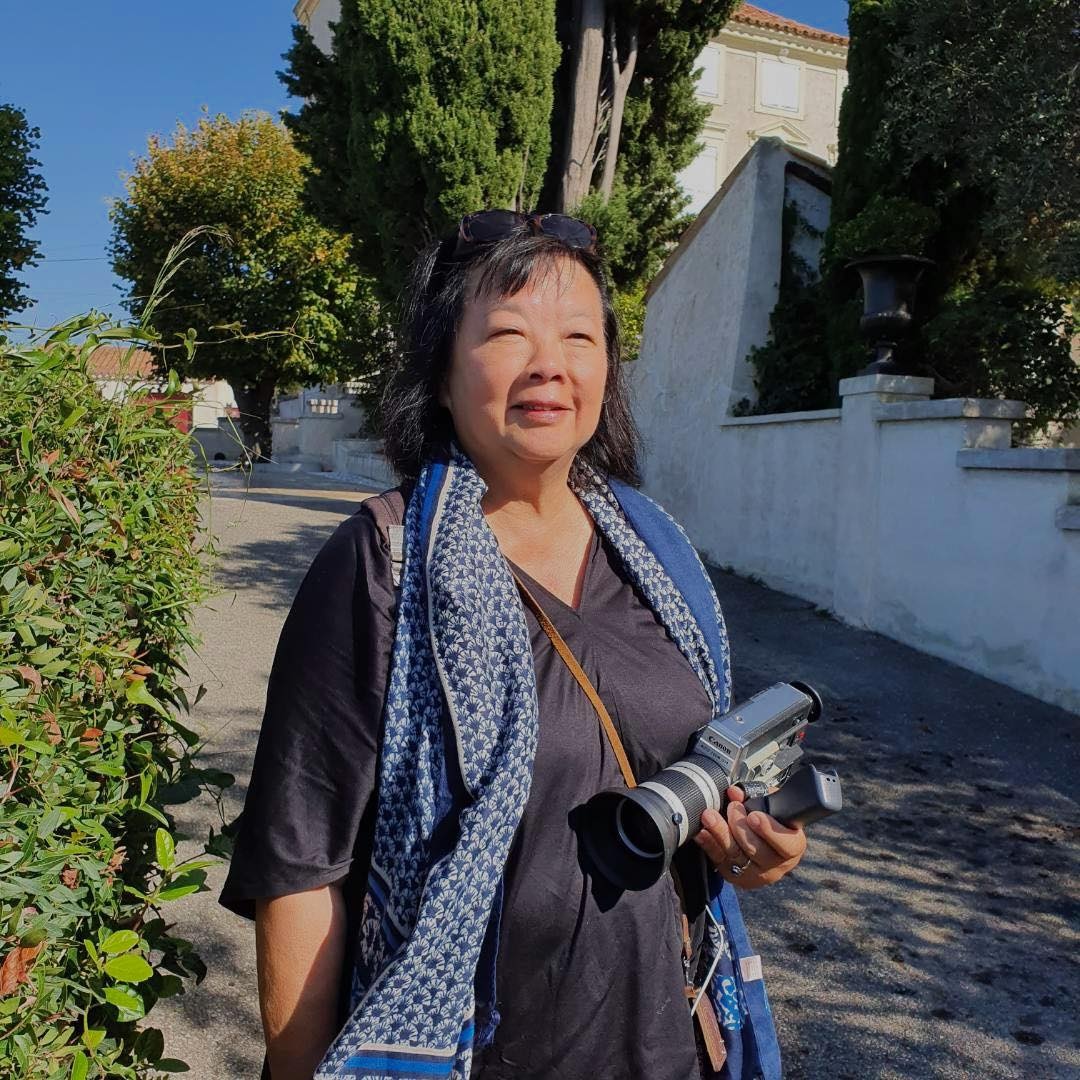
Mary Stephen, Éric Rohmer’s longtime editor and an accomplished filmmaker in her own right, talks cinema and her career ahead of her retrospective at the Hong Kong Film Festival UK.
Mary Stephen is perhaps best known as a regular collaborator of Éric Rohmer, but the Hong Kong-born and Paris-based filmmaker had already directed two full-fledged features before she entered the coterie of the French New Wave auteur through The Aviator’s Wife (1981) as an assistant editor. After over two decades working with Rohmer until his final film, Stephen has remained a prolific film editor (more than 50 titles) as she shifted her focus to productions in Asia and joined forces with numerous other filmmakers such as Ann Hui, Adam Wong Sau-Ping, and Du Haibin. Her directorial comeback Palimpsest: The Story of a Name (2025) sets out to solve the jigsaw puzzle of her unusual Western surname in the city that was once a British colony. With the film now touring the international festival circuit alongside recent restorations of her debut feature and early shorts, the filmmaker is receiving a long-overdue celebration of her remarkable career.
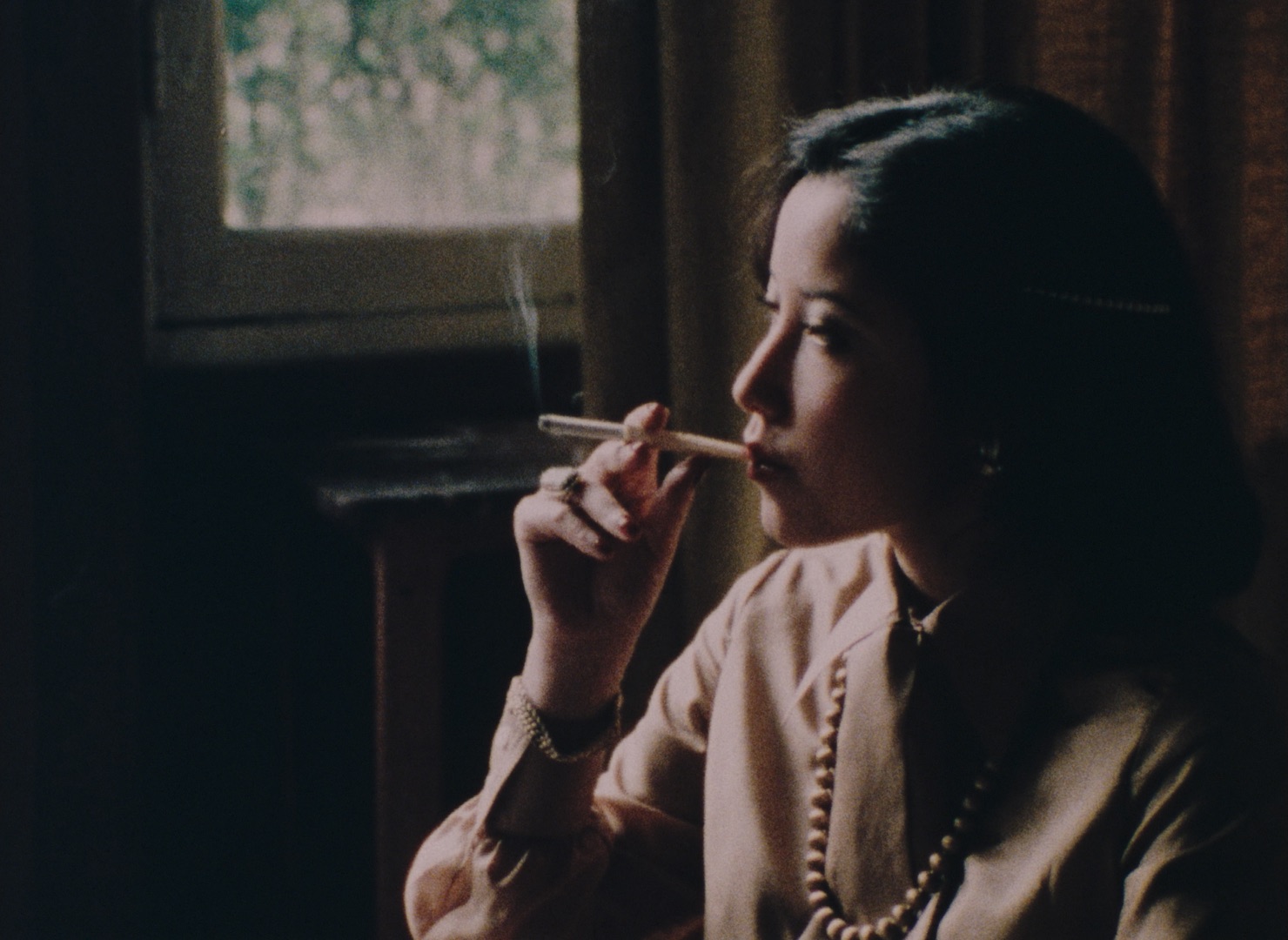
Stephen cites avant-garde filmmakers such as Charles Gagnon, who was her mentor when she studied Communication Arts in university, and Maya Deren as her formative influences. Her first short Labyrinthe (1973), originally a school assignment, cross-cuts scenes of two young women, one Asian (played by Stephen) and one Caucasian, dressed identically, moving through winding stairs and hallways—reminiscent of the doppelgängers in Deren’s seminal work Meshes of the Afternoon (1943)—and communicates a split identity the filmmaker first experienced after immigrating to Montreal at 15.
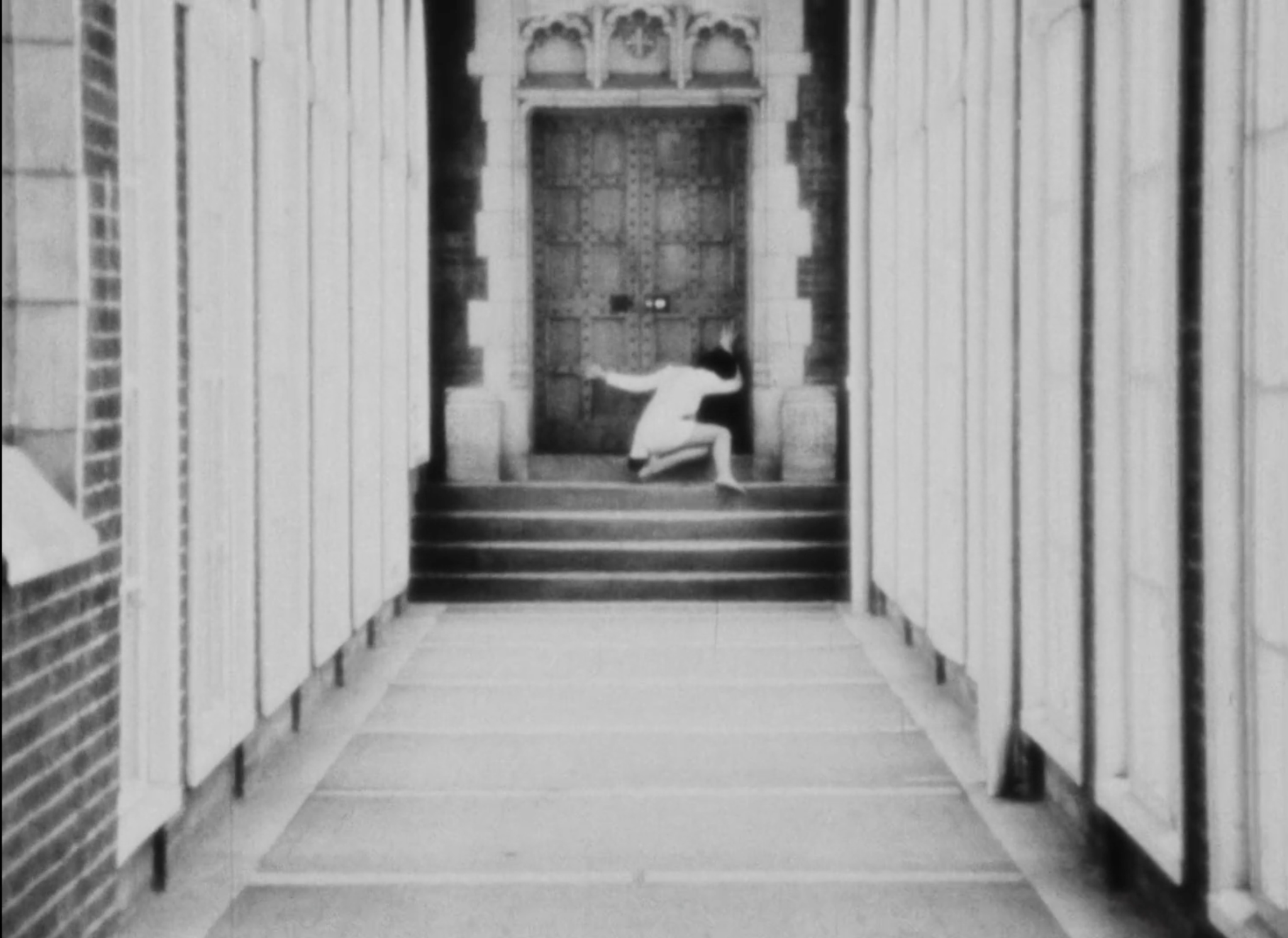
Still from Labyrinthe (1973). By Mary Stephen. Courtesy of HKFF UK.
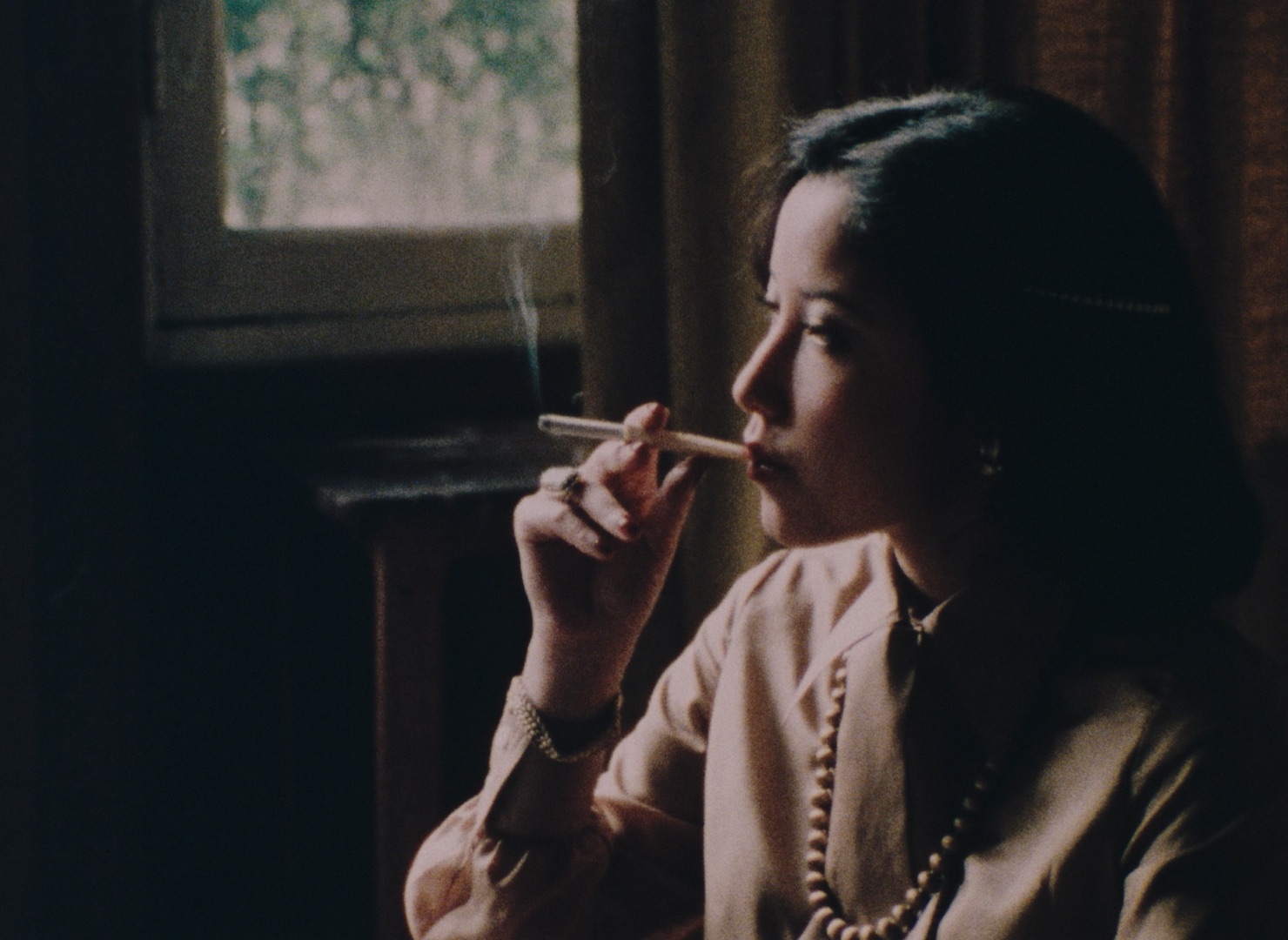
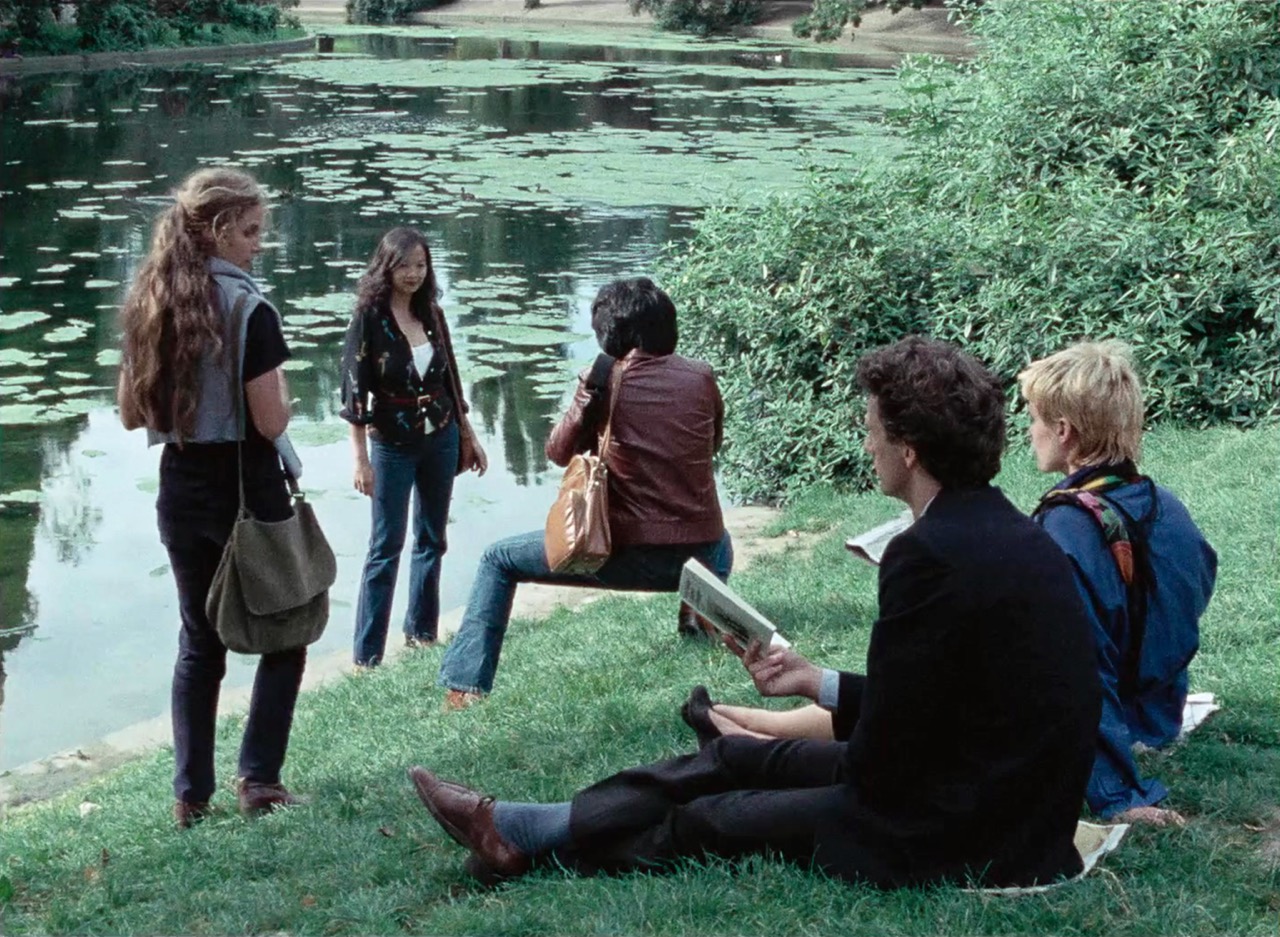
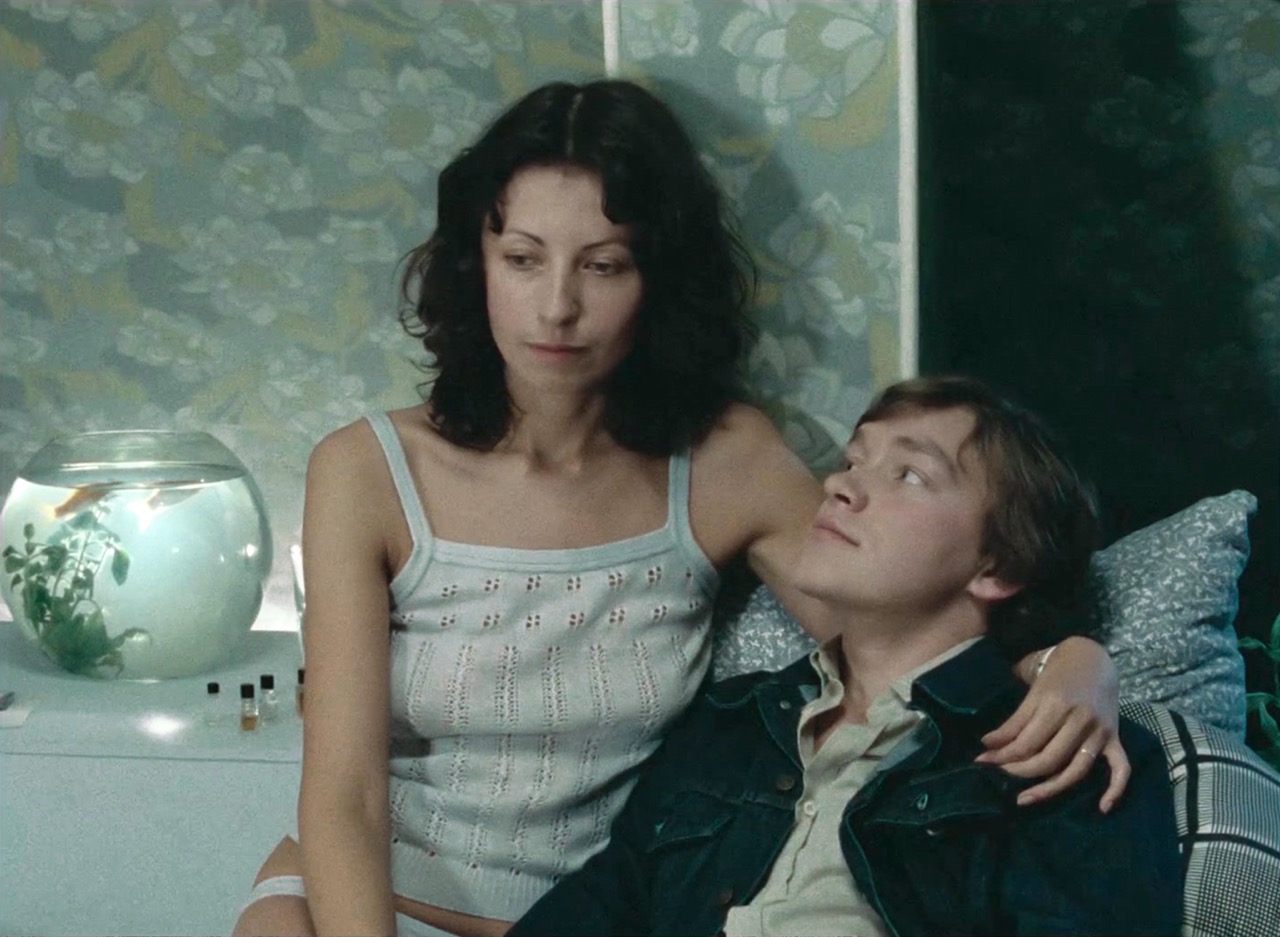
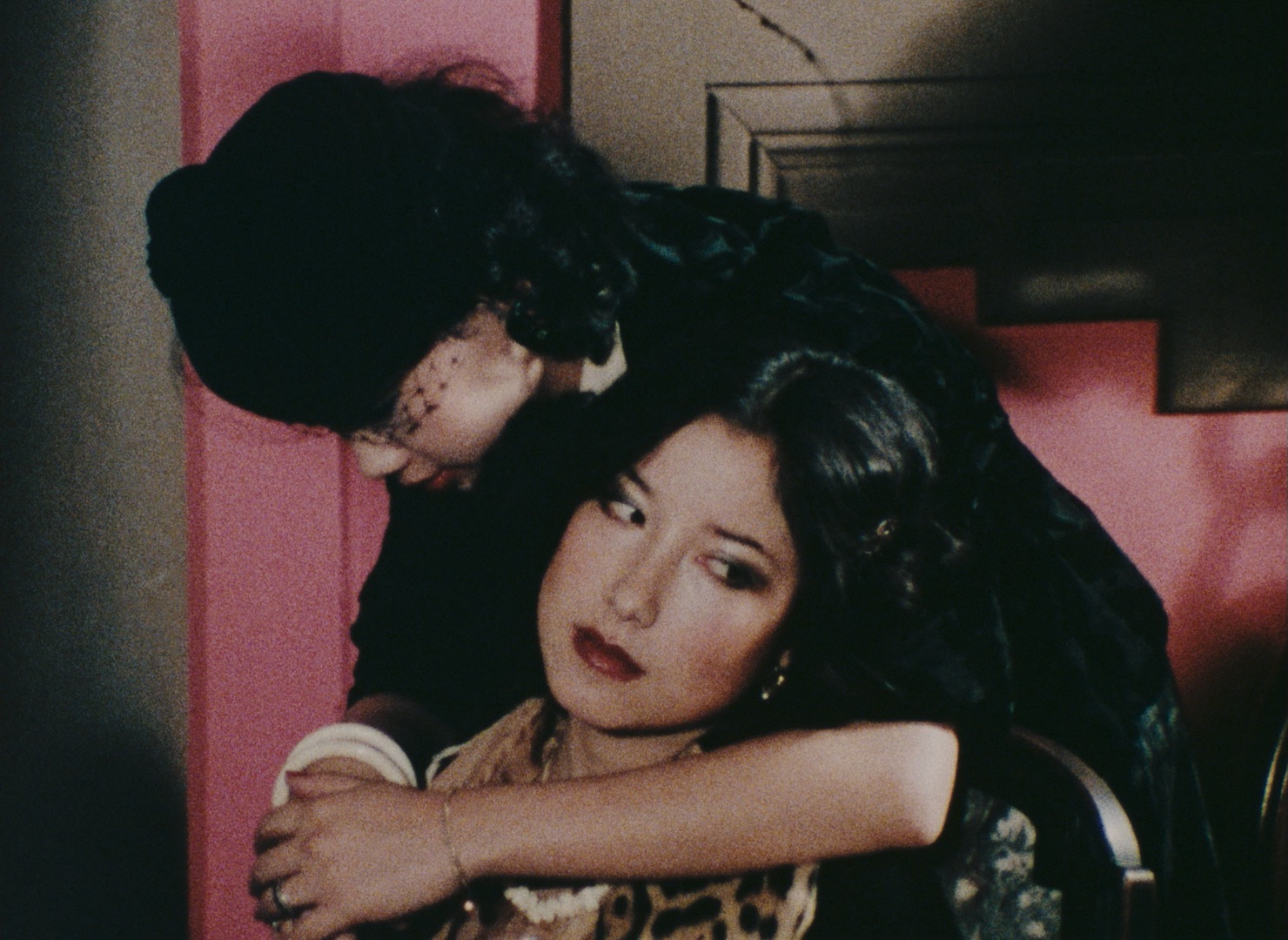
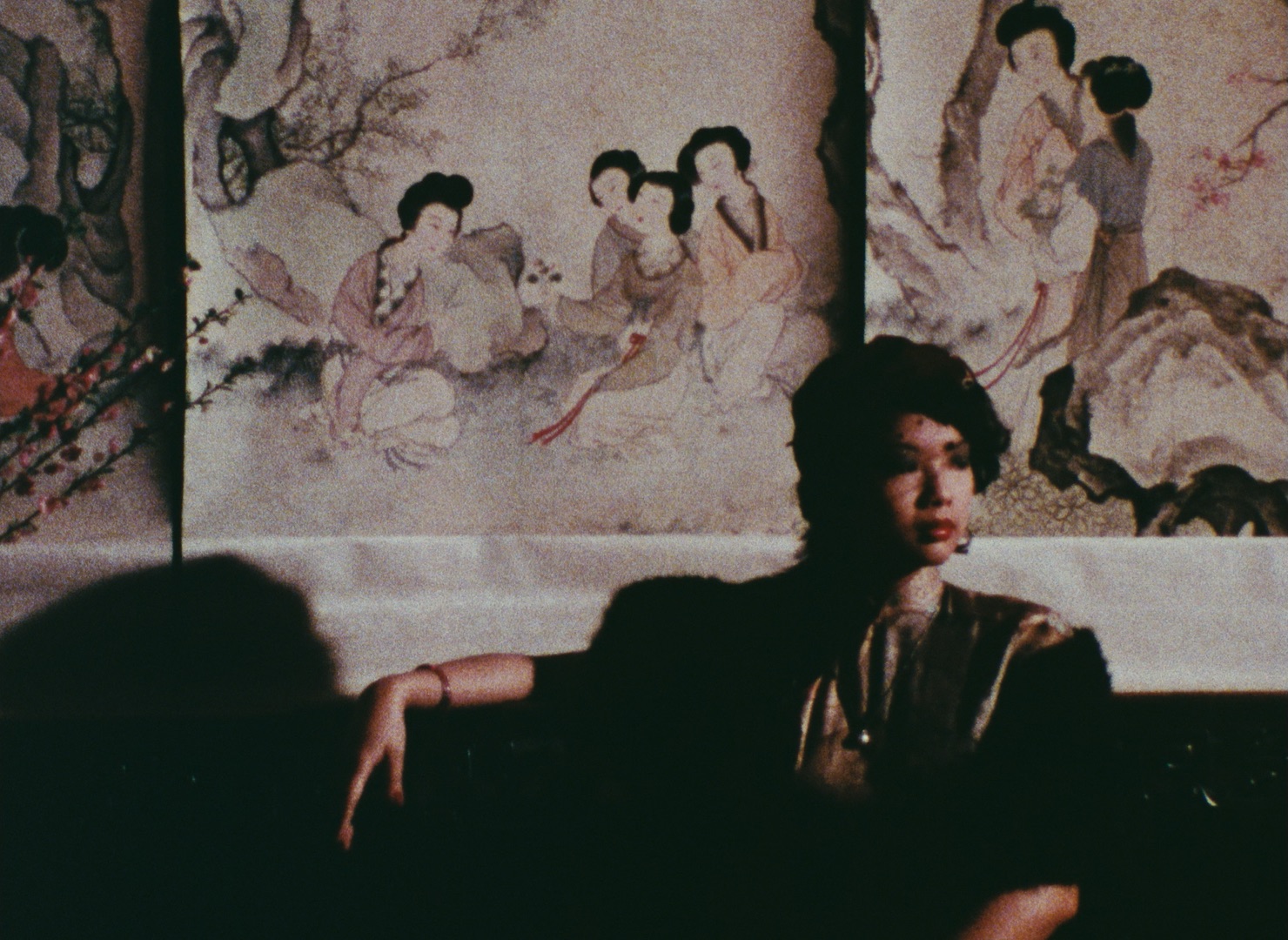
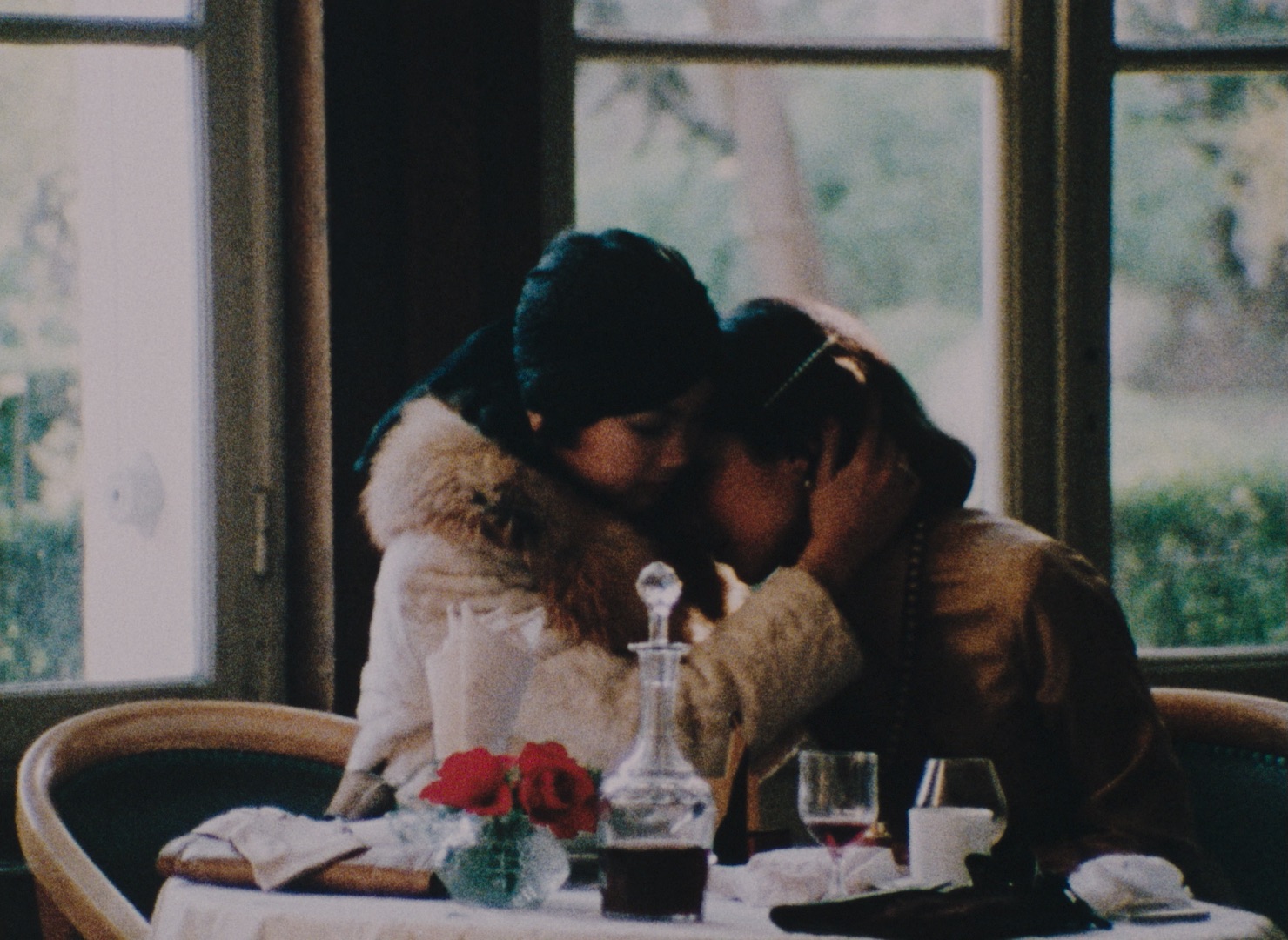
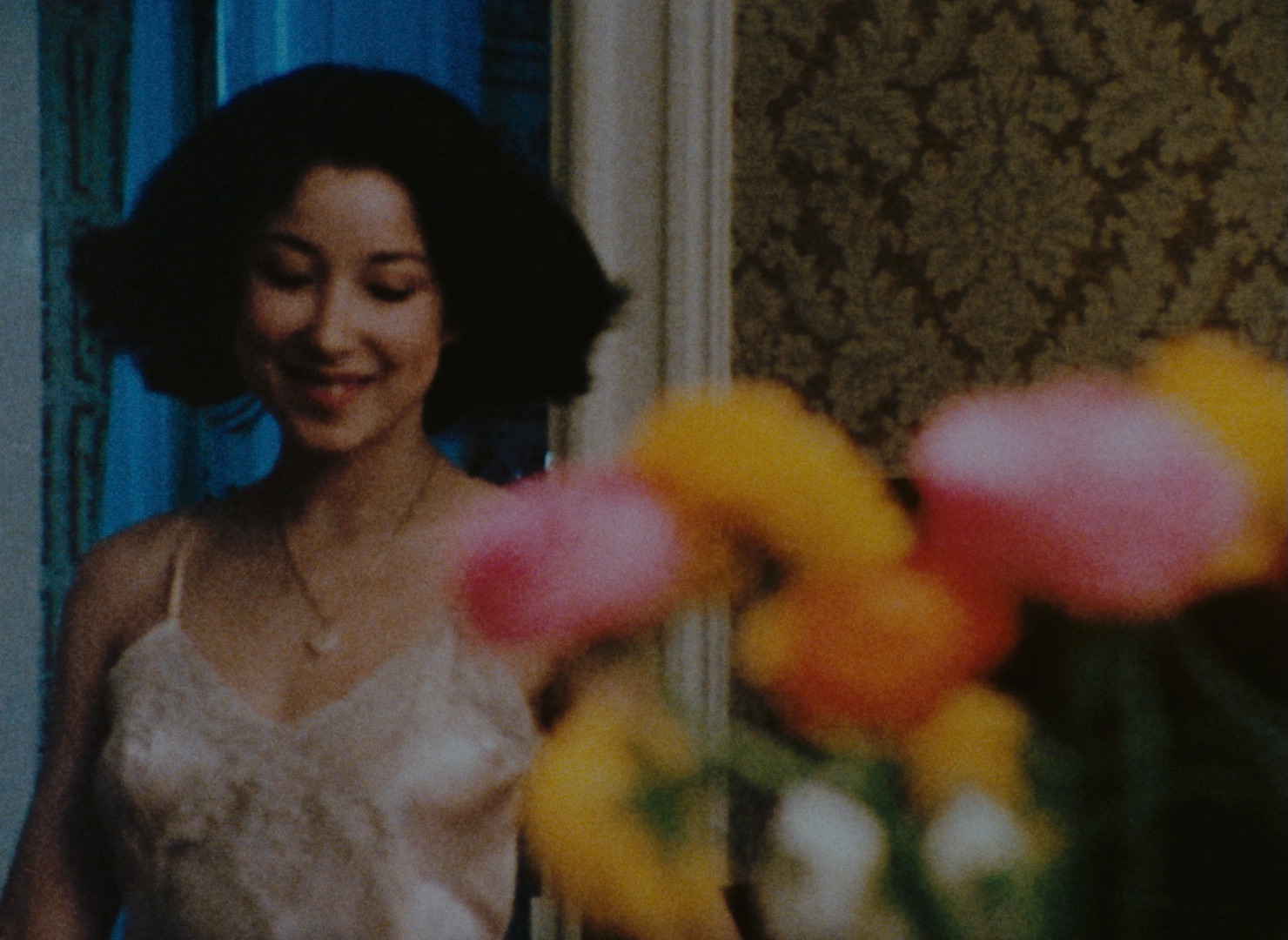
The filmmaker starred again in her first feature Ombres de soie (a.k.a. Shades of Silk) (1978). Shortly after she graduated from university and newly moved to Paris, Stephen watched Marguerite Duras’s India Song (1975) and was inspired to make a film that tells the Asian side of the story under European colonisation. The film portrays the delicate fabric of the relationship between Lysanne (Alexandria Brouwer) and Marlène (Stephen), who have been best friends since their schoolgirl years in Shanghai and drift apart as they leave the city separately in adulthood. Made on a shoestring budget at the age of 24, Stephen deployed various innovative cinematic devices, including confessional voice-overs, photo-montage, and recurring musical motifs and reprises, to build an incredibly rich love story between the two women within a short time frame of just over an hour.
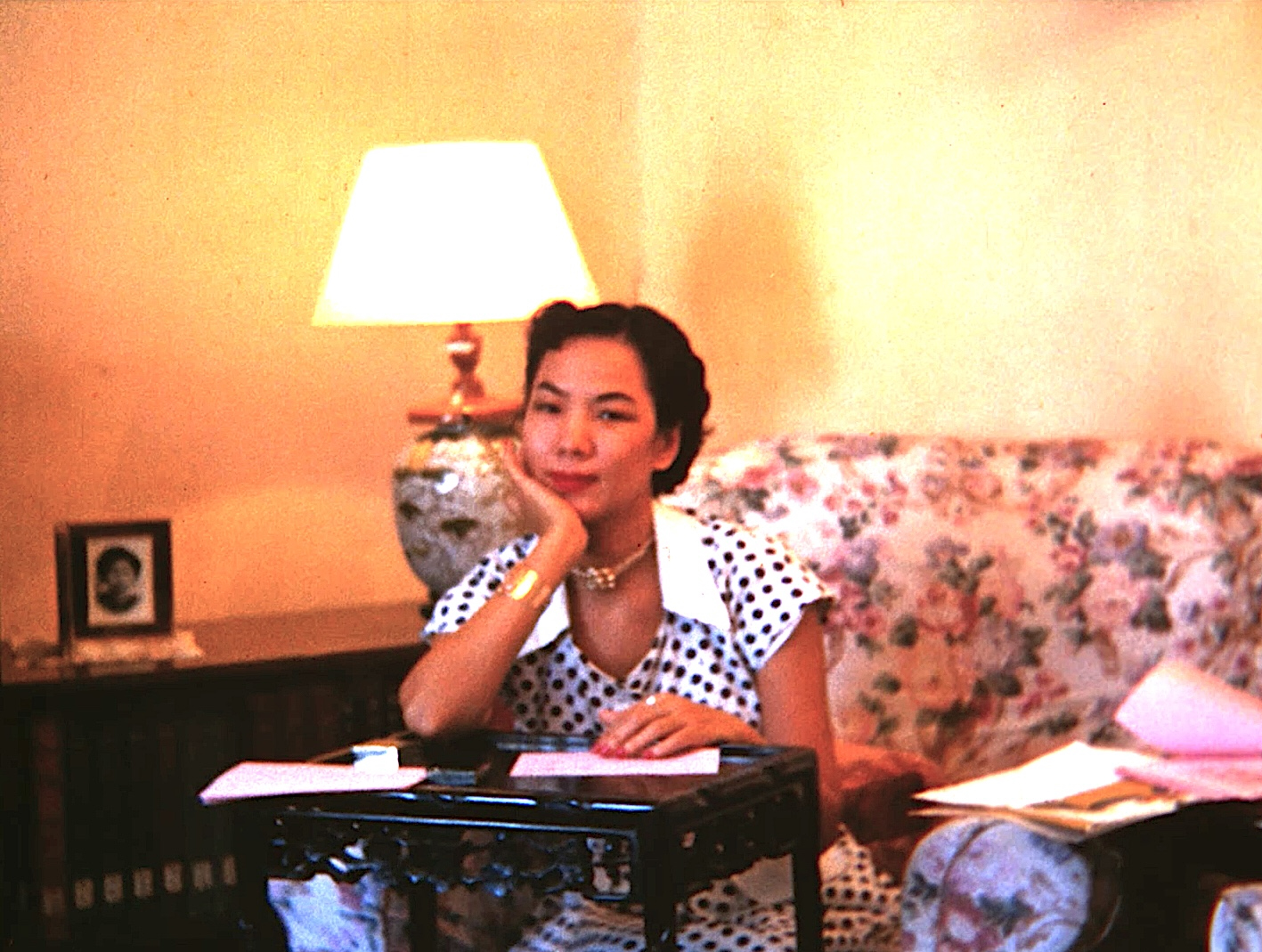
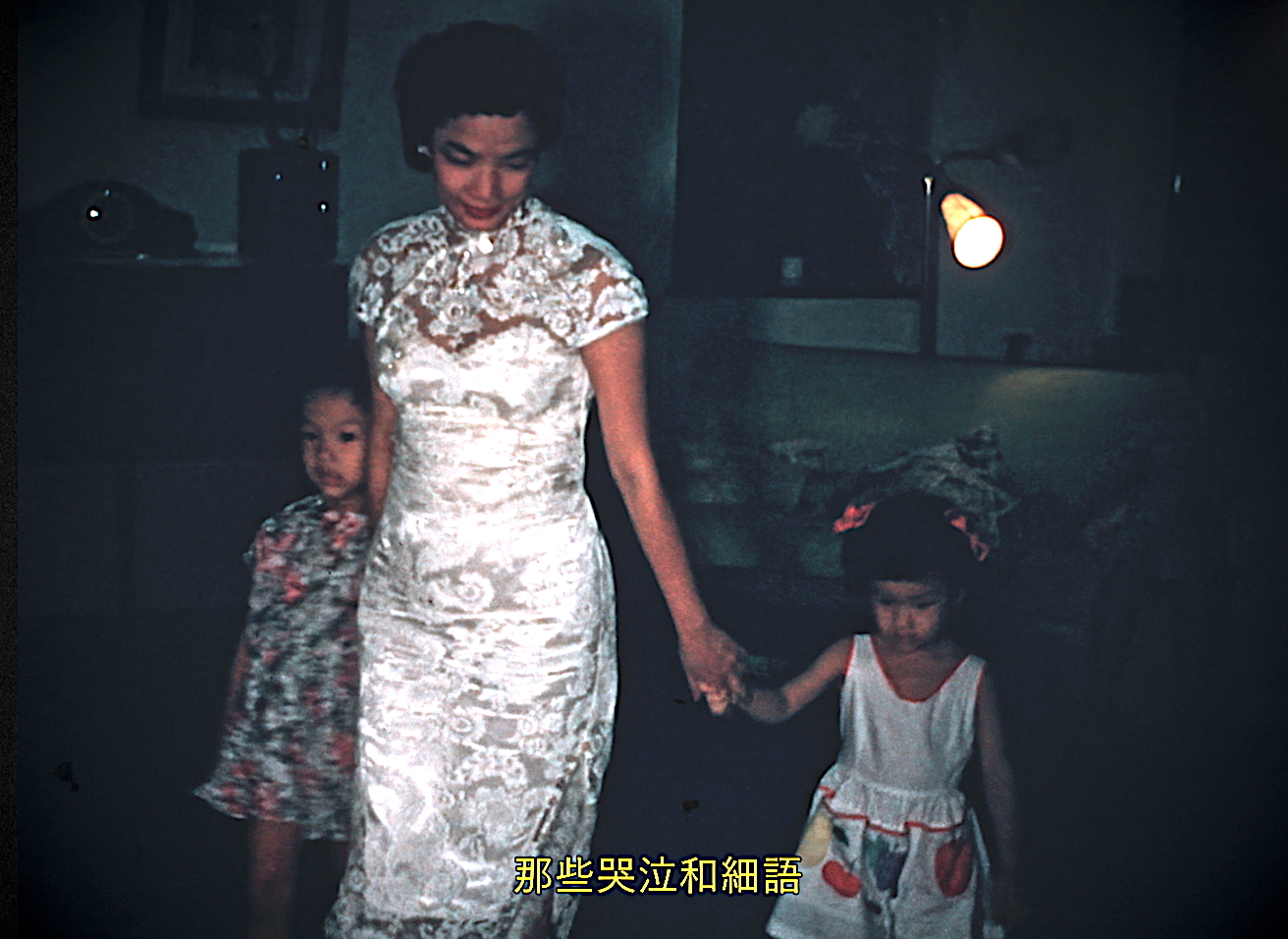
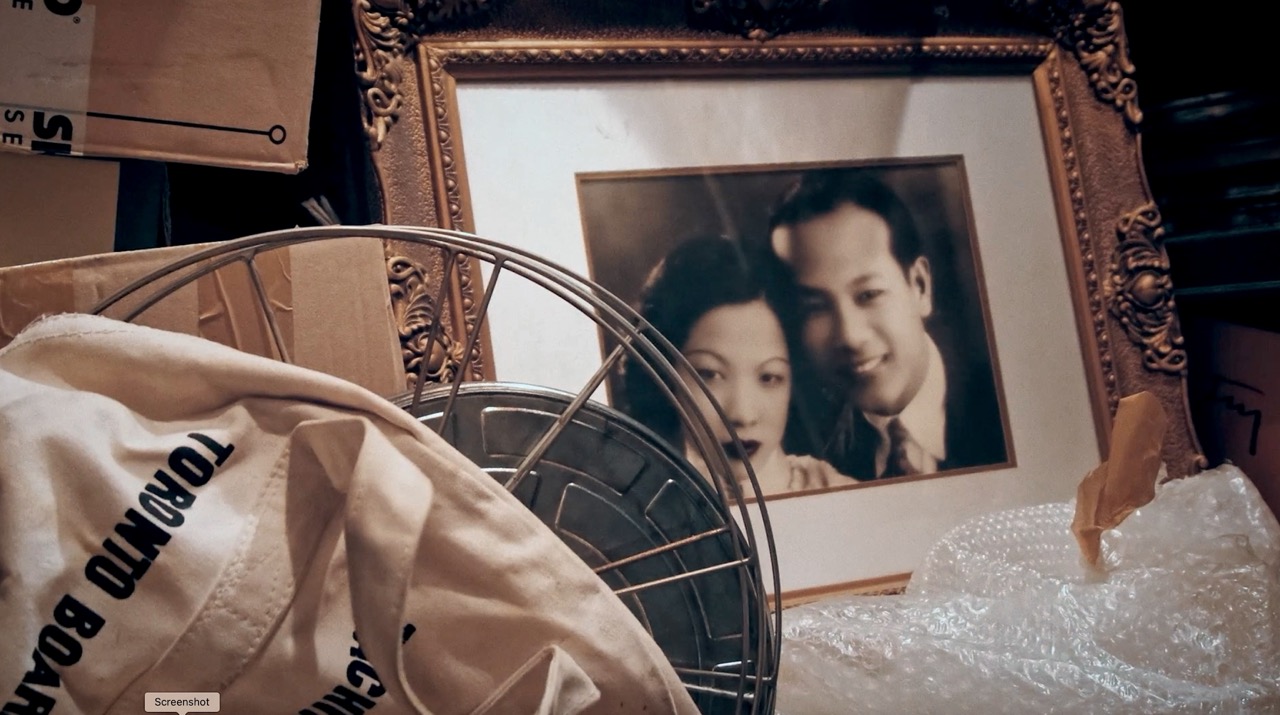
That same interest in diaspora and experimental cinema reverberates in Palimpsest, a grand return to feature filmmaking after a 45-year break since her lost second feature Justocoeur (1980). As a mentor to many aspiring editors, Stephen always emphasises that the ultimate mission of the role is to identify the latent ideas the director holds back, something that is far easier to perform from a position of distance, an advantage that she forfeits in her new film: the filmmaker took on the arduous task of reassembling her own family history, confronting her father’s painstaking efforts—evinced by the trove of home movies and biographies he left behind—to elevate his social standing in the colonial city by making a white name for himself and his family. In a feat that demands exceptional clarity, the film cuts to the crux of the politics of class, race, and gender under colonialism.
Preceding the In Focus programme dedicated to Stephen’s work at the Hong Kong Film Festival UK across Barbican and the ICA, A Rabbit’s Foot spoke to Stephen about her double lives as a director and editor.


Eleanor Lu: What first sparked your interest in filmmaking?
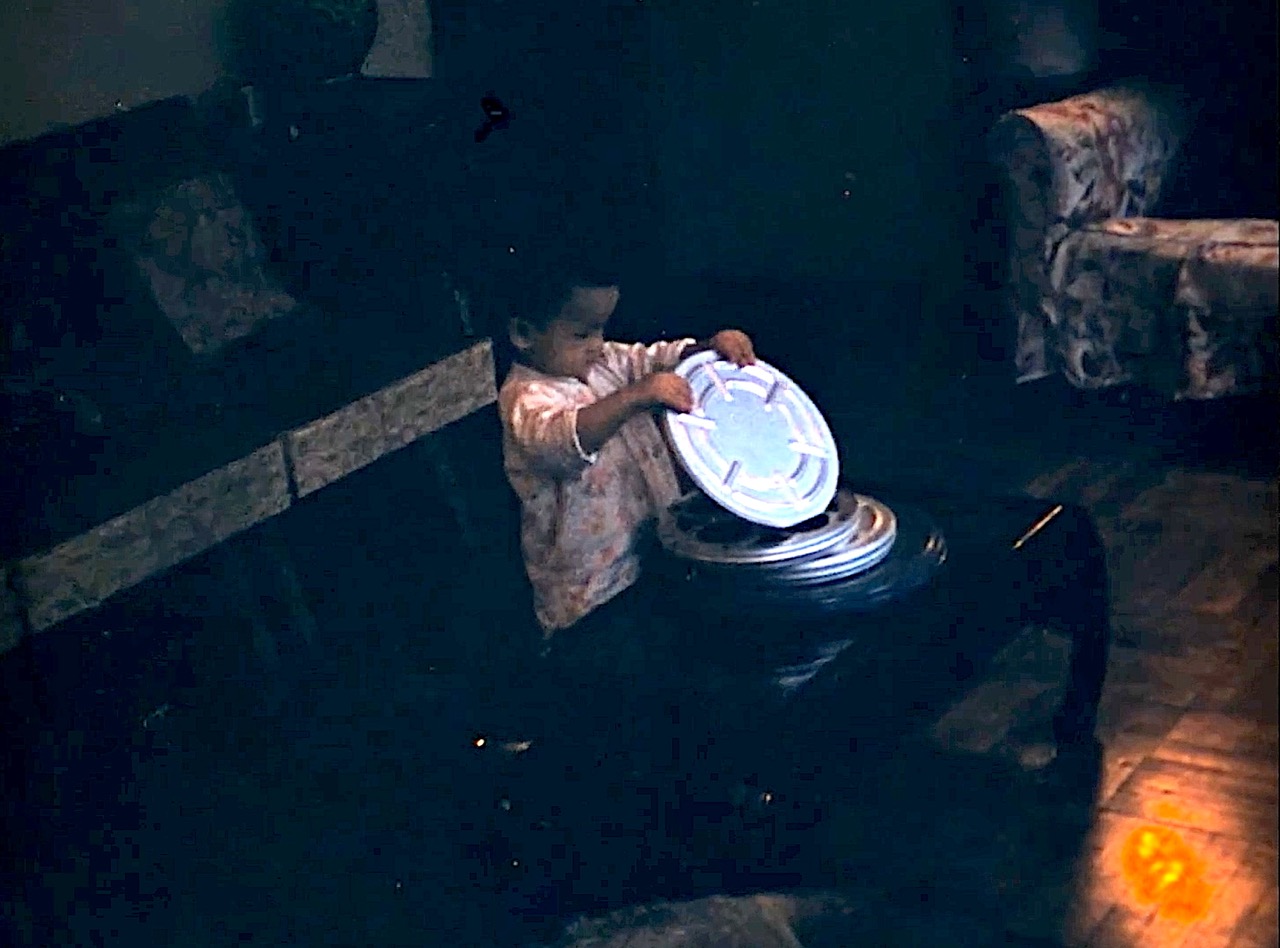
Mary Stephen: I was brought up on cinema culture. My parents took us to the cinema all the time, watching Hitchcock’s movies on the weekends. And my father had been playing with editing gear and cameras since I was very little—you can see an image of baby me touching the film cans in Palimpsest. It was through making the film that I realised how much of a cinephile my father was, and how that must have had an influence on me. In my teenage years in Hong Kong, I started getting really interested in films because of the Chinese Students Weekly and its cine club in the City Hall. I was introduced to a lot of European films, such as Sundays and Cybele (1962) and Misunderstood (1966), and discovered the French New Wave like that.
When I first immigrated to Montreal, I was studying at Loyola College (Concordia University), and still not sure at all that I wanted to get into the world of filmmaking because my fellow filmmaking classmates were so different from me; a lot of them were French and Italian Canadians, and I was just fresh out of Hong Kong, a very proper Chinese family girl. However, in my second year, I went to see Tang Shu Shuen’s The Arch (1968). It was so daring in terms of not only the subject matter, but also the way it was done. I remember coming back from that film and saying to myself, “that’s what I want to do.”
EL: Your earlier films like Labyrinthe and Ombres de soie touched on the dual identities living between “Eastern” and the “Western” cultures under colonialism. And Palimpsest: The Story of a Name is an even more critical and nuanced assessment on internalised colonisation. Could you tell me more about your interests in exploring these themes in your films?
MS: Like most kids my age in Hong Kong, I was fascinated with western culture in general, but especially the British, through its pop music. Later, I became much more aware of how we emulate the white ways of living and secretly wished that we were white. Like in film, my father would put on western suits and decorate the house with western furniture. That’s why the connection with Virginia Woolf (whose maiden name was Stephen) is important in my film. It symbolises a Hong Kong person’s longing to be part of a British “family”. What better metaphor than having a name connection with the British literary icon?
It’s about this self-inflicted wound of not being in the “league” of the “superior” family. Later on, in Montreal and Paris, there were more straightforward racist or discriminatory encounters, but I think what is more complex to describe or express, is this auto-imposed ambiguity about which “family” we would rather belong to, and this probably is directly linked to the fact of being “grown on colonial soil” as I said in the film.
“The production team suggested bringing an editing consultant in. I told them I would like that person to be a woman, someone from a different background, not a Chinese or Asian person, but someone who still shares the experience of displacement and exile. In the end we found Lebanese-Armenian filmmaker Chaghig Arzoumanian.”
- Mary Stephen
EL: It goes without saying that you also have a major career as a film editor. I remembered you mentioned in an editing masterclass that directors tend to “self-censor” their work, and that the editor’s job is to have that clarity and bring those hidden parts out. What is it like when it comes to editing your own films?
MS: I always tell other people not to edit their own films. And I was committing all the sins that I told other people not to do—really “self-censoring” a great deal.
It took almost two years to edit the film. I was really stuck a year into editing it. At that point, I thought it would be wonderful if somebody could edit this for me. But logistically it wasn’t possible because there’s such a massive amount of materials and only I know where they are and what they mean.
The production team suggested bringing an editing consultant in. I told them I would like that person to be a woman, someone from a different background, not a Chinese or Asian person, but someone who still shares the experience of displacement and exile. In the end we found Lebanese-Armenian filmmaker Chaghig Arzoumanian. She looked at all the footage carefully, pointing out the interesting bits, and told me not to fast forward (on my father’s home movies which I thought no one would want to watch). And it was great.
“Rohmer had a little electric piano in his office and got me and some other of his friends to teach him how to play it. He would write these little melodic phrases. My work was to arrange them into proper music.”
- Mary Stephen
EL: Palimpsest is all about the mystery of your family name. I’m curious about another mysterious name—Sebastian Erms, the pseudonym you and Rohmer used as a composer in some of his films. Could you tell me a bit about it?
MS: Rohmer had a little electric piano in his office and got me and some other of his friends to teach him how to play it. He would write these little melodic phrases. My work was to arrange them into proper music with the accompaniment. He started this in The Aviator’s Wife, even though I wasn’t credited with it, because I didn’t have the rights to work in France at the time.
For A Tale of Winter, he wanted to have a fugue, like Bach, and I volunteered to help. I thought it was a fun challenge. Rohmer was afraid this would hurt the feelings of his usual composer Jean-Louis Valéro, so he suggested using a pseudonym of his name and my name together — E-R-M-S (Eric Rohmer, Mary Stephen).
As soon as he got out of the editing room in the 7th arrondissement, I went next door to the local music conservatory and asked for a fugue score for reference because there was no internet at that time. That’s how I wrote the rest of that piece with four phrases Rohmer gave me. He really loved it and we used it in the film. And it’s similar to A Summer’s Tale and other films. He also wrote the lyrics for the songs.
EL: I know Ombres de soie is a response to India Song. Do you know if Duras had ever watched the film ?
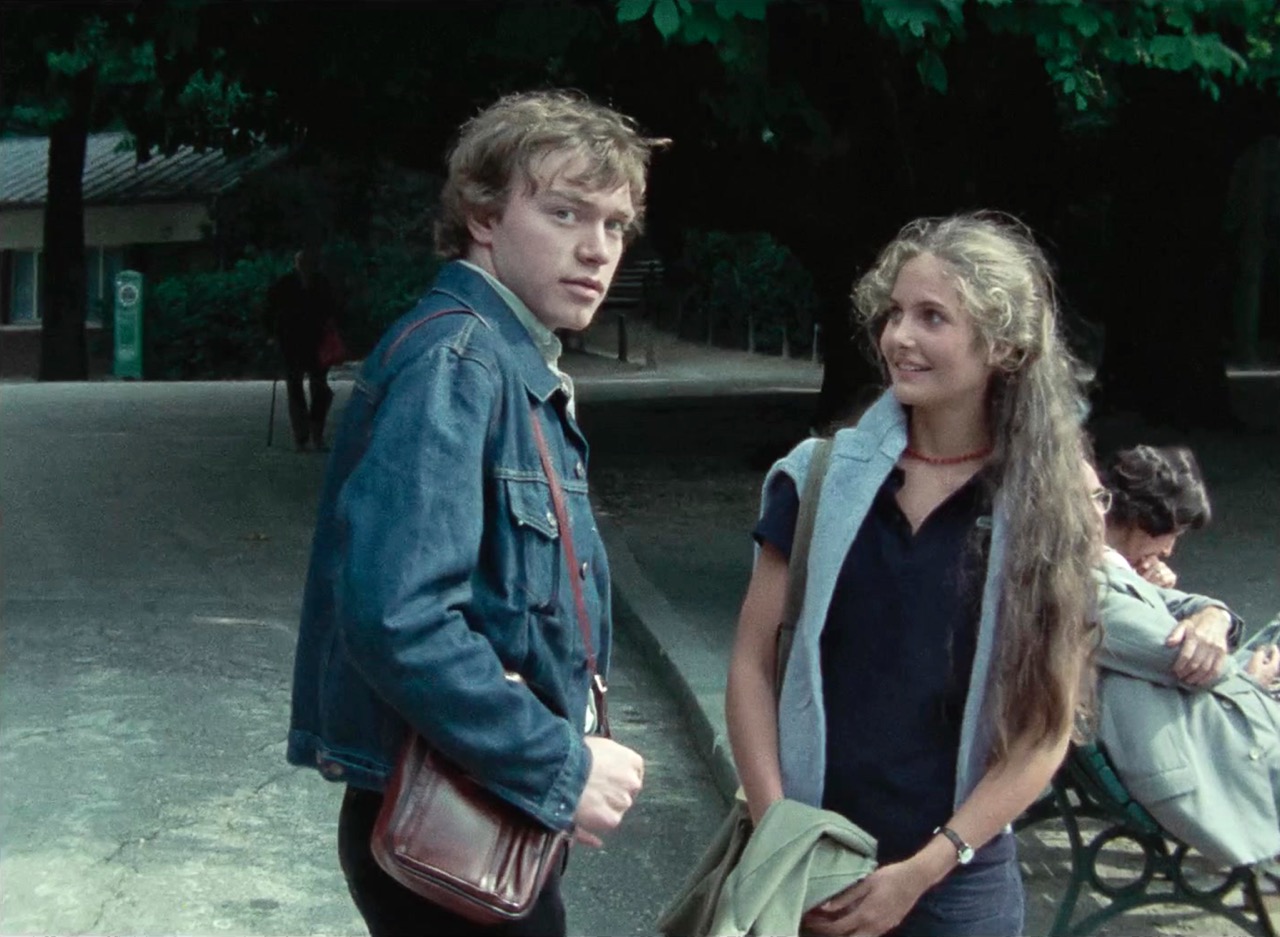
MS: No, I don’t think so. Around the time I shot my second film Justocoeur, which is now lost, I was kindly invited to go visit the filming of Le Navire Night (1979) in Duras’ country house in Neauphle-le-château by actor Mathieu Carrière, a friend of mine who also appeared in Justocoeur. I was very shy and introverted at that time, and stayed in my corner without speaking to anyone! Duras was a living legend and that intimidated me a great deal. I was very fortunate to have witnessed that day of filming.
EL: You mentioned in other interviews that there are a lot of artistic choices you made for Ombres de soie that are due to a limited budget, like the asynchronous voice-over, the photo montage sequence and yourself playing the role of Marlène.These are all things that make this film unique and innovative. Do you think it is easier for you to come up with inventive ideas with a film when there are more constraints?
MS: Yes. When I showed the film in Rotterdam, I was asked, “if someone offered me a good budget to make the film again, would I do it?” And the answer is no. I saw many interesting comments online about the photo montage sequence. I hadn’t seen La Jetée (1962) at the time so I didn’t have that reference. It’s just something that has always been on my mind. I mean, how else could you create a whole banquet scene with no money? It’s just something that you think about when you don’t have the resources to do it.
Palimpsest was a long process of four to five years’ co-production between Hong Kong, France, and Taiwan, with a big structure (still very small in terms of documentary budgets) for me and having to answer to many people. I’ve often had to advise young people how to best balance their own voice with the demands of a funding system. This film wouldn’t exist without the hard work and patience from my producers and funders. And I am grateful about that. But it is an important lesson that made me realise that I want to continue on the filmmaking and writing path in the future but in a more autonomous and confidential manner.
EL: Your directorial output became more sporadic after Justocoeur and switched to working on mid-length and short films like Vision from the Edge: Breyten Breytenbach Painting the Lines (1998) and The Memory of Water (2018). Is there a reason behind that?
MS: Part of the reason for the long pauses between films was the difficulty of getting 2 feature narrative films funded in the 1980s despite the support from important film producers like Humbert Balsan and stars like Jeanne Moreau. I planned to make After Giulio, a musical film about a métisse singer with British bands and A Thin Thread of Passion, a family drama that Moreau and Carrière agreed to act in, but both didn’t get funded
EL : Justocoeur is unfortunately lost. Could you tell me about it?
MS: It was terrible. The only thing left is this poor VHS copy that my sister found in her basement. I even showed it to the lab to see if anything can be done with it. And they said they can’t restore it from something like that. The film is about a woman, a half-African and half-white dancer, who is shut out of the relationship between two white men. She is an outsider not only culturally but sexually. That’s probably why Tony Rayns wrote in the programme notes that it was one of the rare films that didn’t have a condescending attitude towards male homosexual characters at the time. It’s precious in a way because it’s emblematic of a certain artistic milieu in 1980s Paris. Rohmer also made a 2-second cameo in the film. But there’s a little bit of hope that now I’m working on a short film about it.