

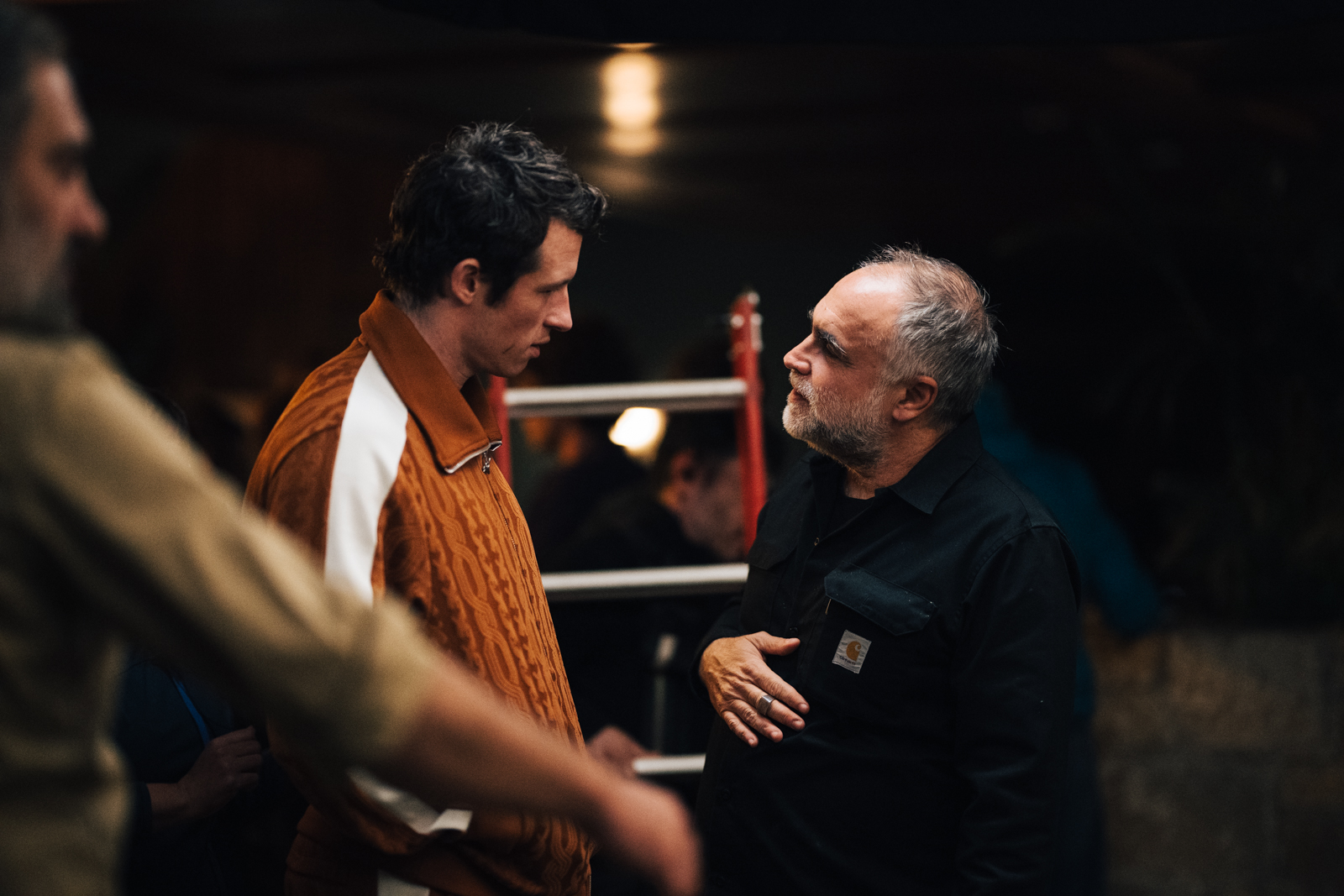
Features writer Luke Georgiades spoke to the Brazillian filmmaker—very much alive and well—about his new feature, which is written by frequent Yorgos Lanthimos scribe Efthimis Filippou.
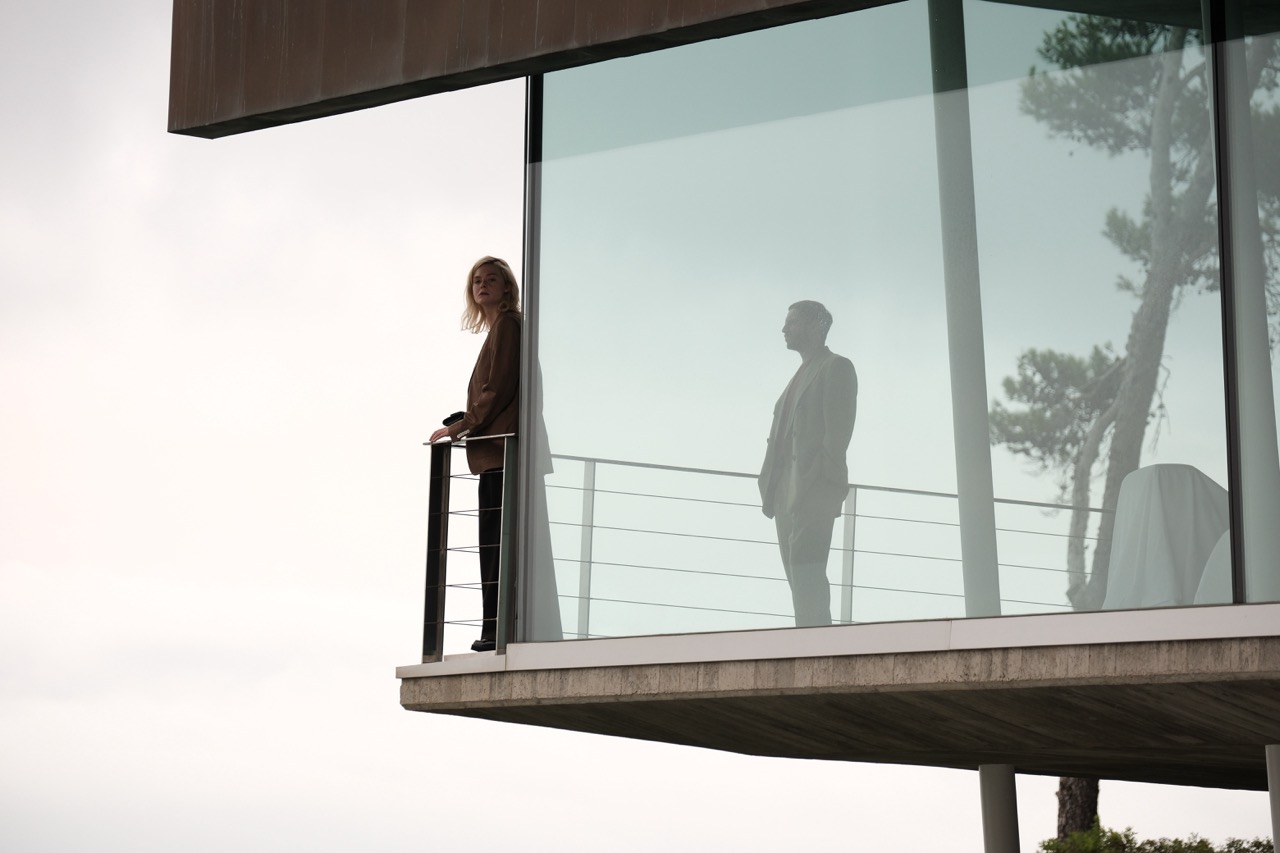
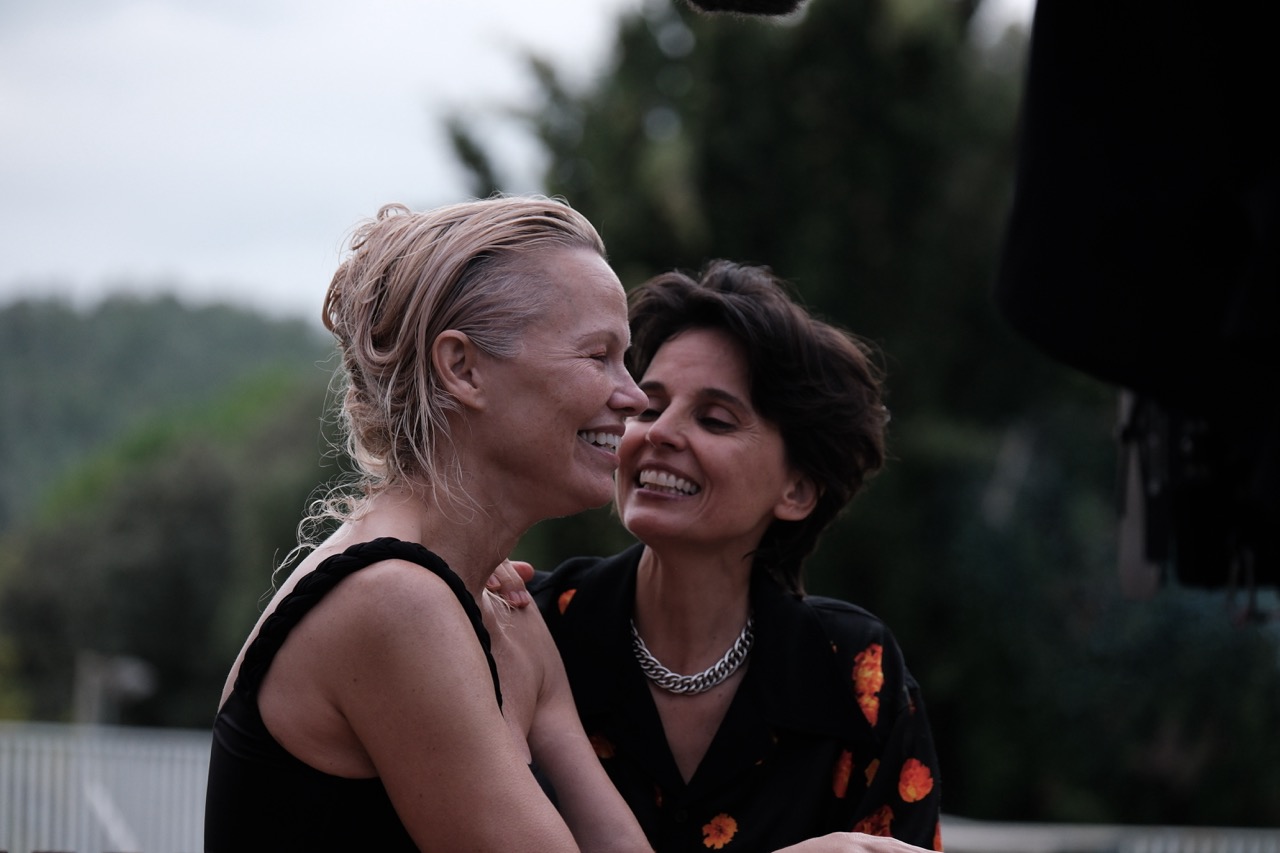
“I was afraid we were all going to die,” says the Brazilian filmmaker Karim Aïnouz. He’s talking about the moment the first seeds were planted for his latest feature Rosebush Pruning, which follows the implosion of a grotesquely wealthy American family who are dominated by their abusive, controlling patriarch in the wake of their mother’s death. “It was during the pandemic…I wanted to make a movie before I died. It sounds dramatic, but I wanted it to be my last gesture.”
I’m chatting with Aïnouz in an office complex in central London. I can confirm that, thankfully, he’s very much alive and well—though it’s not the last time he mentions his fear of dying during our conversation. “It’s why I normally develop many things at the same time.” He laughs. “I never feel like I have much time left. I have so much to say and speak and dream about. You know how it is in this business—it can collapse at any moment. I want to work while I can.
Rosebush Pruning is a far cry from Aïnouz’ previous films, which even the Brazilian filmmaker himself admits are laced with sentimentalism. Conceived with frequent Yorgos Lanthimos scribe Efthimis Filippou during the COVID pandemic, it sees Aïnouz, for the first time, choosing provocation over sentiment, and comedy over drama.
But this is an Aïnouz film after all, and on top of the sun-kissed, vibrant colour-grading that he’s become known for, he insists that a palpable humanity runs through the blood of even these, the most despicable of characters. “I genuinely love those characters.” He says. “It’s not about making villains, it’s about taking the risk of creating a range of characters who are not to be loved, but love them all the same. They’re human. You don’t have to like them, but at least you can smell them.”
Below, I spoke to Aïnouz about his fear of dying, travel as a common theme in his work, and why Rosebush Pruning isn’t your typical “eat the rich” film.
Luke Georgiades: When did you first conceive of the film?
Karim Aïnouz: It was during the pandemic. I was afraid we were all going to die, and I wanted to make a movie before I died. It sounds dramatic, but I wanted it to be my last gesture. I told my producer that I would love to make a movie about a family cooped up in this house. A few months before he had seen Fists in The Pocket by Marco Bellochio, and asked me to watch it. I did, and was so intrigued by how modern and original it still felt.
LG: And this also led you to connect with Efthimis?
KA: I was already a huge fan of Efthimis’ work—especially his sense of humour. I had never done a satire in my life, and I’m at an age where I’m enjoying playing with toys that I’’ve never played with before. I felt my films were too sentimental for his taste, but when we met, I realised that he’s a real romantic. We hit it off. We discussed Fists in The Pocket as a blueprint. I wanted to talk about privilege, about isolation—a feeling which was at the zeitgeist of those years during the pandemic. I was also interested in talking about men. I had already made many films about women, and there was a moment where I felt that I had gotten a bit too comfortable doing that. I wanted to explore characters I didn’t know very well—heterosexual men are one of them [laughs]. We talked about music, we talked about queerness, and he read me, went away and came back with a beautiful first draft that was completely of his DNA but had a real understanding of me in there, too.
LG: You’ve said before that you’ve always followed the thread of drama, despite your life being full of comedy. Why did you avoid going down that path for so long?
KA: I always felt as if I needed to grow up before making a comedy, because I think it’s the most difficult genre you can touch. I didn’t want to fall into the trap of laughing at my characters rather than with my characters. In this case in particular, it seemed to me that it was impossible to talk about the poisonous consequences of abuse without comedy. To talk about sadness, you need to be joyful. There’s something about that contrast for me. These days, in a lot of movies, the themes kidnap the story. Comedy allowed for the perfect strategy to avoid that trap.
LG: Like you said, your films do have a sentimental quality to them, and though they do challenge, sentimentality is an agreeable emotion. What was it like for you with this film to operate in a world of quite extreme provocation?
KA: I think there is still something still very sentimental about this film. It’s an unrequited love story. It’s the love for a stranger that comes into the life of Ed that triggers him to change. It’s the disclosure of what’s happening in that house. But it’s the love of that man that brings him into a place of questioning and a place of dreaming. There’s something very sentimental about that. But what you say is also true—I’ve had notes on this movie of people saying, “what horrible characters, how dare you?!”
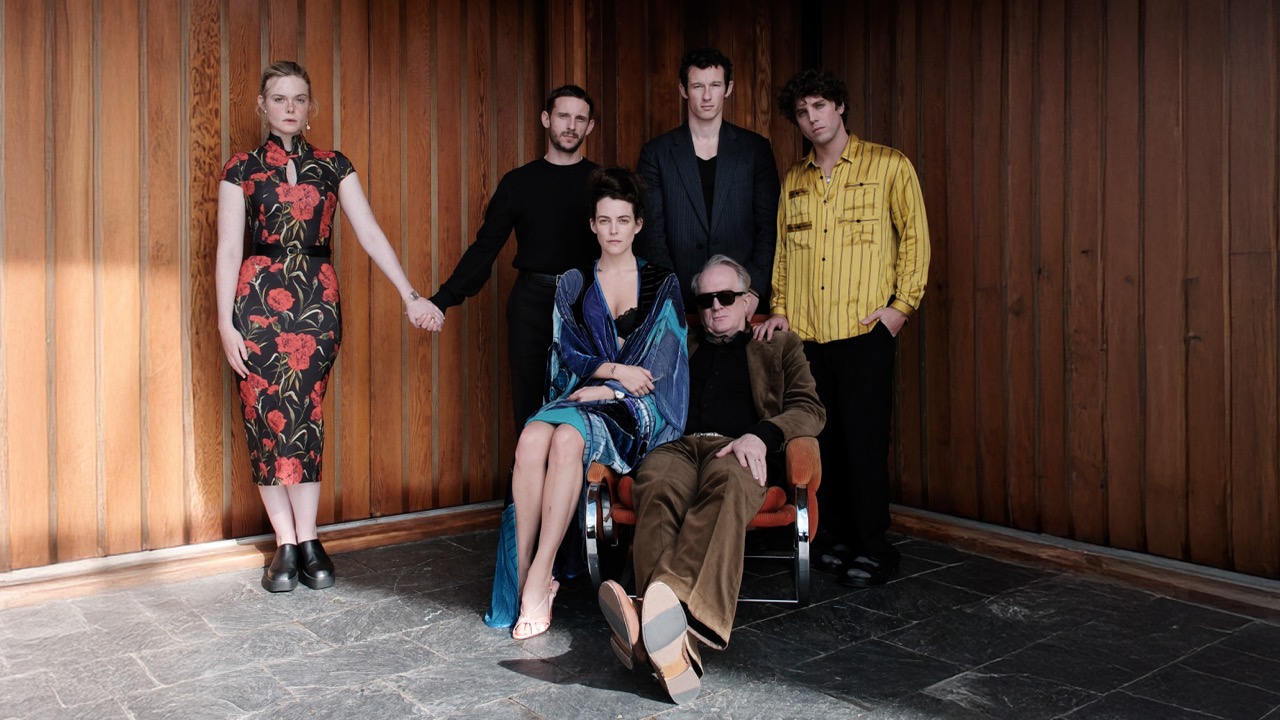
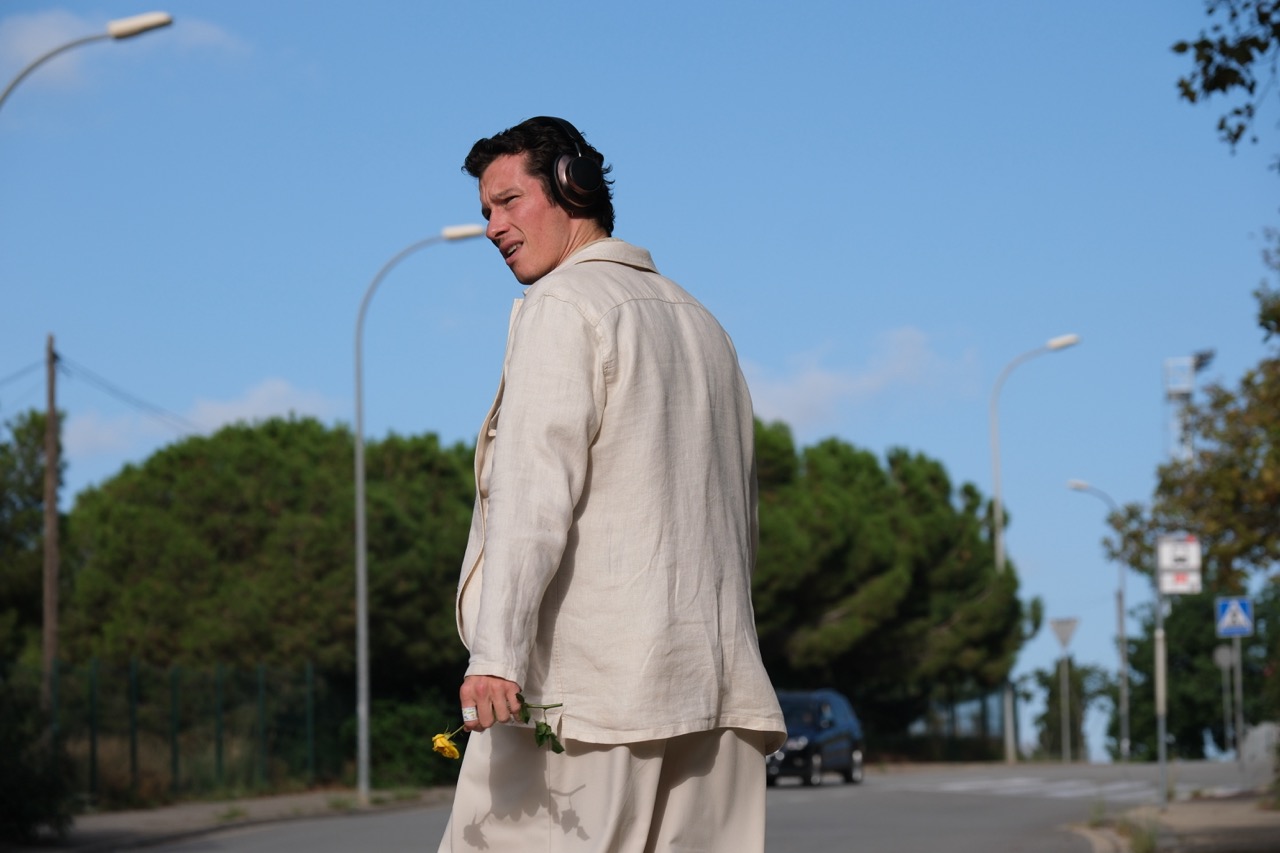
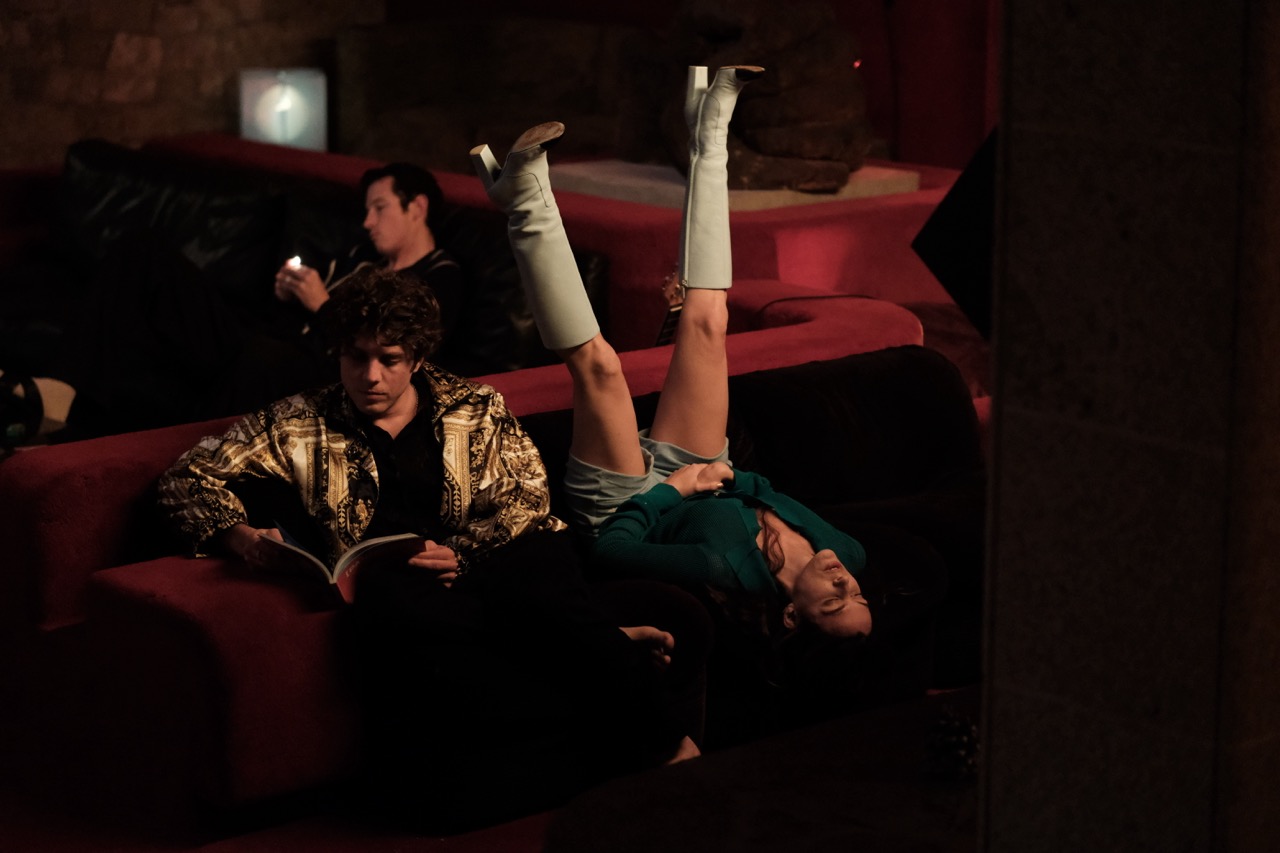


LG: Do you detest these characters?
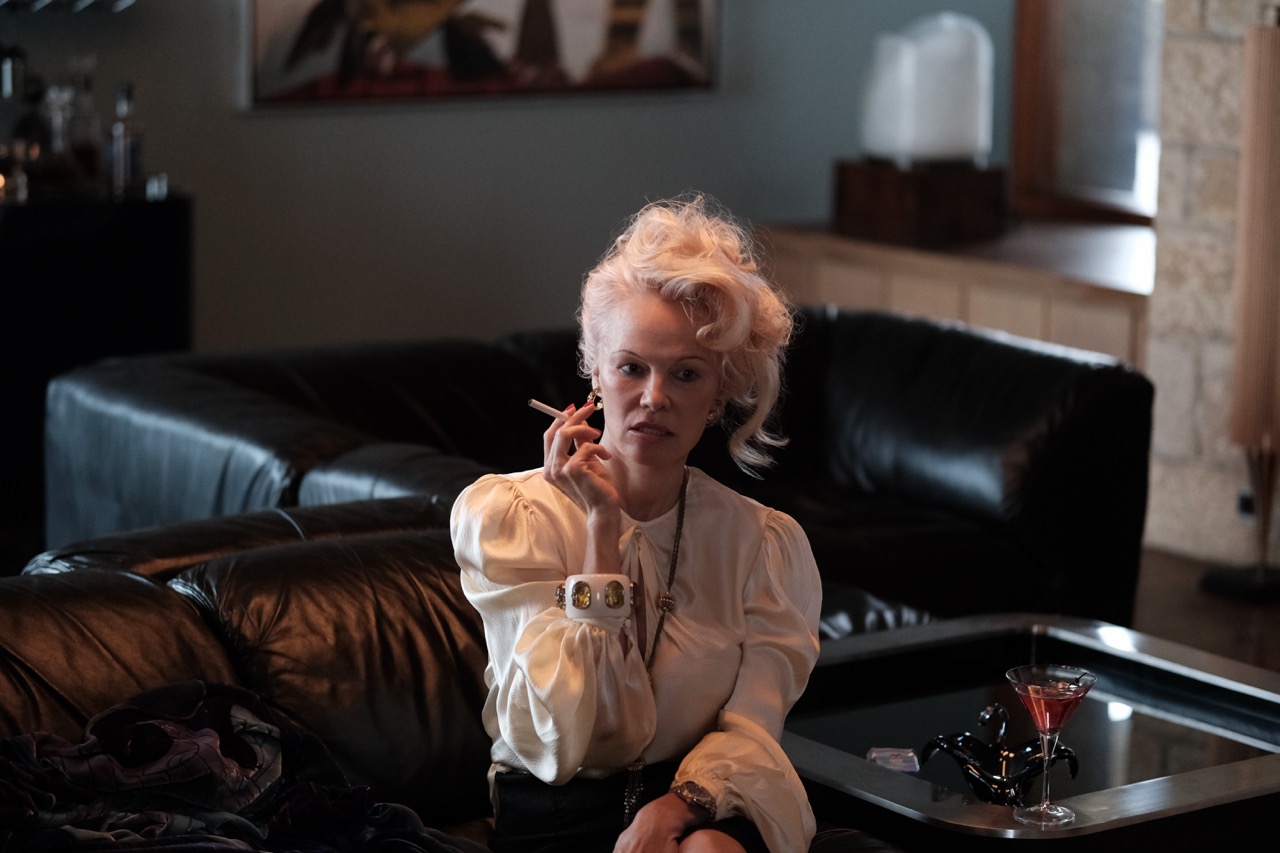
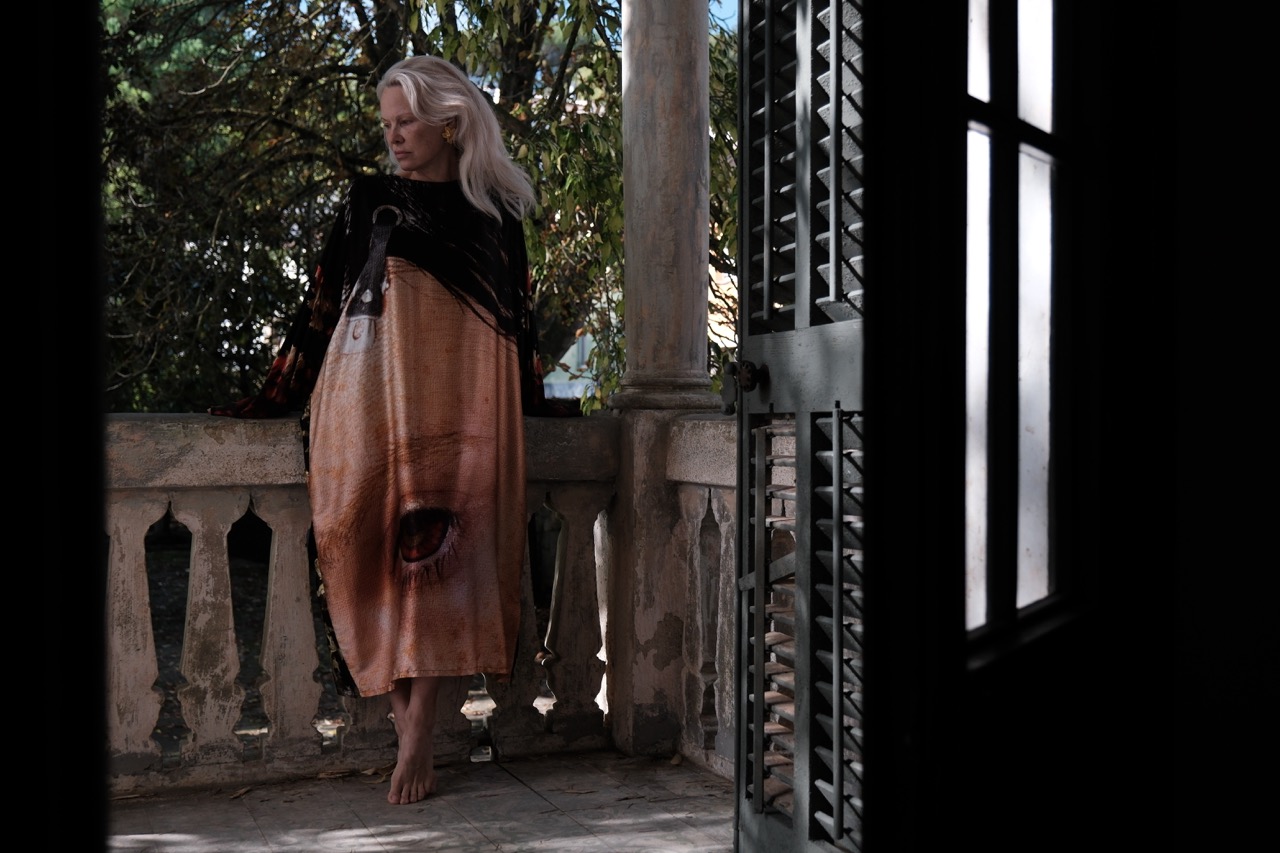
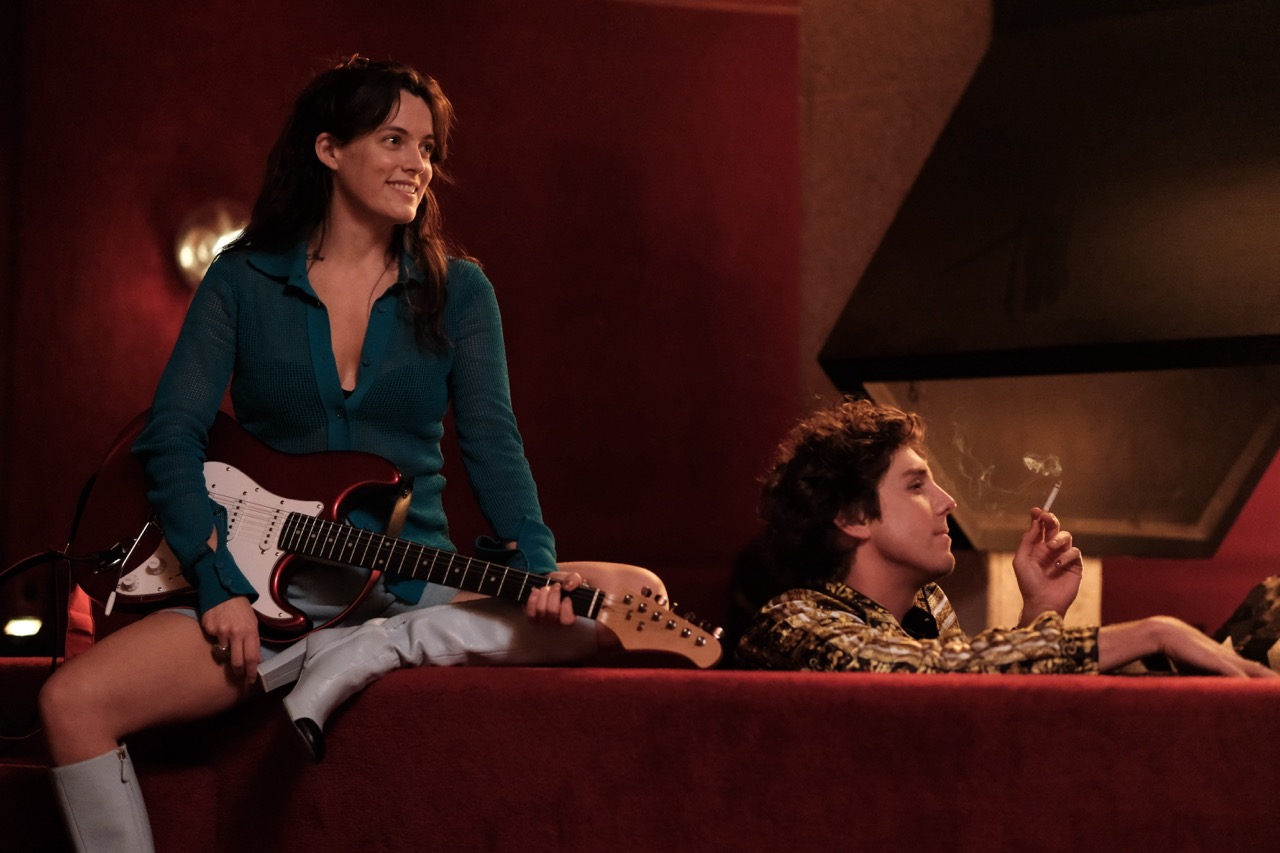
KA: Well, for me, it’s going to sound a bit crazy, but I genuinely love those characters. I don’t love the father, but I’m intrigued by him. I think those kids are damaged, and it’s a poison that’s been leaking from the top down since they were born. It’s profoundly vapid. But hating them is legitimate too. It’s not about making villains, it’s about taking the risk of creating a range of characters who are not to be loved, but love them all the same. You may not like them, but you’re probably very uncomfortable with them. They’re not evil. I couldn’t make a movie like Silence of the Lambs, which is a movie I adore. I couldn’t conjure up true evil like Hannibal Lecter.
LG: Both this film and Hotel Destino begin on the beach, with two characters, one the main character and the other we only see once in the entire movie but their presence hangs over the entire movie. Does this reflect something that you’re interested in at the moment thematically?
KA: No. [Laughs]. But let me elaborate: my path in filmmaking has been non-planned and intuitive. I never planned to be a filmmaker, but now I can’t think of anything else that I could do in my life. It’s a trap and a pleasure. Because of that, I’ve never been calculating in the themes I discuss. I’m only interested in adventure and playing with every project. But what I find interesting about your observation is that it’s beautiful to see the way the unconscious works. It is surprisingly the same thing, and that must have come from me. There’s a level of the unconscious that I prefer to leave undeciphered. I’ve never rewatched a movie that I’ve made. Let them be. I don’t want to break my own mystery, even for myself.
LG: What mediums beyond cinema inspired this film?
KA: When we began developing this movie, there was always this question of whiteness. White teeth, and white people, the white family and white lights. There’s a painter called Joaquin Sorrola, a Spanish painter from Valencia, who somehow translates the milky and translucent light of that part of the world to his work. There’s also an Austrian artist and choreographer called Florentine Holzinger that really inspired me. She’s fun and crazy and provocative. I’m always inspired by the movies of Almadovar and John Waters—the campness and the colours.
LG: I couldn’t help but think of David Hockney’s work while watching the film, because of the setting and the vividness of the colour grading.
KA: Of course! Well, regarding my use of colour: I photograph all the time. I’ve got a huge archive that I haven’t yet made public, though I’m playing with the idea of doing something with them. I’m afraid that I’m going to die, and those negatives will mean nothing, they’ll end up in a flea market or something. But shooting in colour has been very important to me because I have an eye condition where I slowly lose my vision. It’s nothing dramatic, it’s something to do with my cornea. But I see a lot of white. I see very little colours. So the bright colour in my work has always been a way for me to hold onto reality—to stay sure that there is blood running through the world, and that I can grab it. In this film, it’s an ironic sense of colour—using beautiful bright colours to tell a story that is very dark, to bring harmony into conflict with chaos.
LG: Just to note, that was the second time that you mentioned your fear of dying before being able to accomplish something.
KA: [Laughs]. It’s why I normally develop many things at the same time. I never feel like I have much time left. I have so much to say and speak and dream about. You know how it is in this business—it can collapse at any moment. I want to work while I can.
LG: What are you working on next?
KA: I’m doing an English language film this year, and I’m doing another one next year which is probably going to be in Japanese. It’s about migration and diaspora.
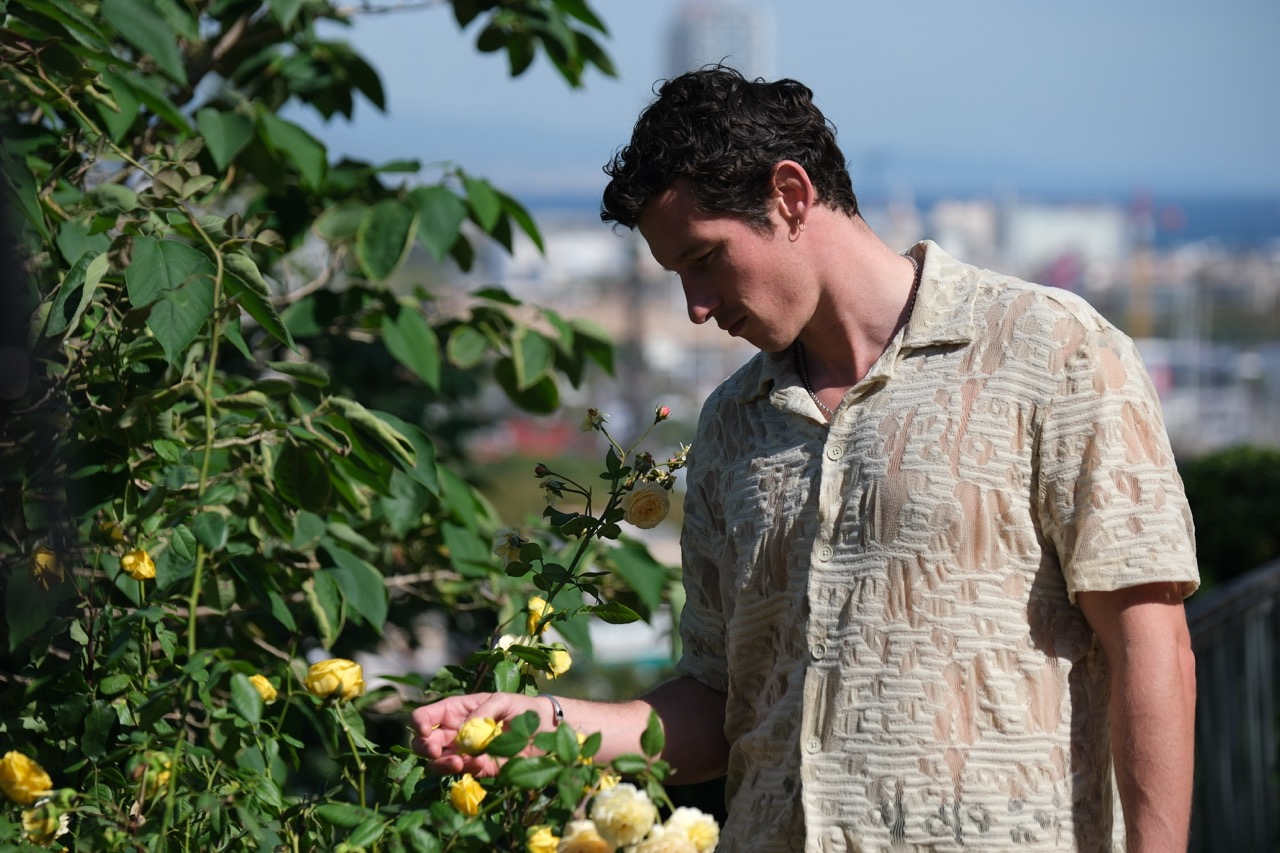
LG: Travel—in many of its forms—is central to your work. There is this idea of escaping to another place, returning to another place. I loved Hotel Destino because you were returning to your hometown to shoot it, but the protagonist is trying to escape at the very same time. Here, Callum Turner’s character also yearns to escape to another country. Why is travel a theme that you feel constantly fascinated by?
KA: When you were born where I was—being queer, being born in a non-classical family—the first thing you want to do is escape. Since I was five, my favourite hobby was to assemble airplanes. Escape was always on my mind. I was raised in a place where my name didn’t make any sense, because it was Arabic. There was a sense of being a stranger to my own home. My city had this huge sea ahead of us, and I’d look out into the sea and wonder what was beyond the horizon. Is there a world out there that won’t keep me on the margins, but embrace me instead? I needed to get there.
LG: Do you reject or embrace the possibility that this might be categorised as an “eat the rich” film?
KA: One of the things that fascinates me the most in the world right now is the accumulation of wealth. It’s just fucked up and immoral. I’m appalled by it. But I’m obsessed with the lives of the wealthy, and what I wanted to attempt with this film is to observe them without judging them—observe the effects, the collapse between wealth and patriarchy. I hate when people say that this is a movie about a dysfunctional family. All families are dysfunctional. I wanted to focus on how destructive the environment is to the characters involved. I wanted empathy. They’re human. You don’t have to like them, but at least you can smell them.
Rosebush Pruning is in cinemas now and will be coming to the MUBI streaming platform soon.