

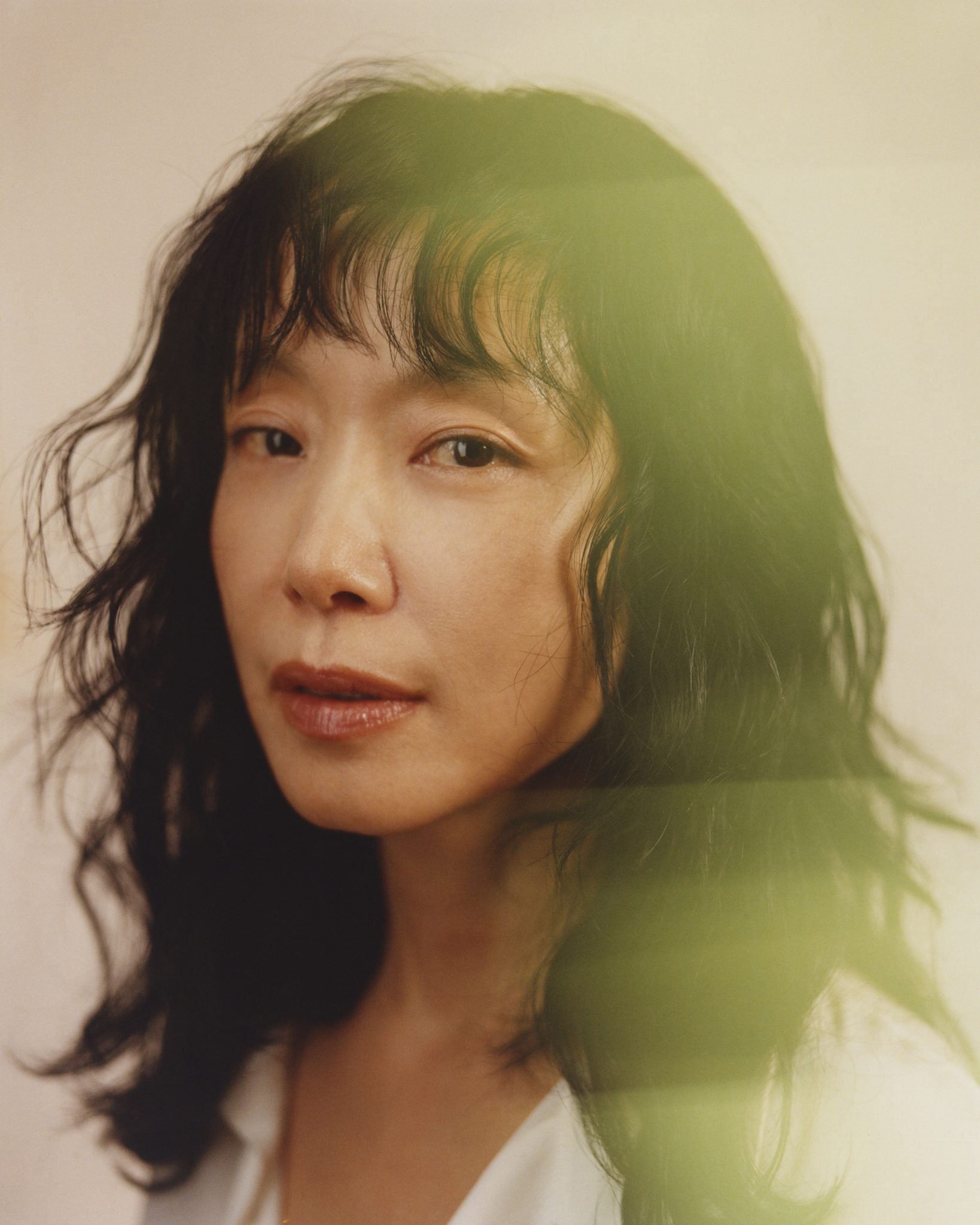
The star of Lee Chang-dong’s Possible Love talks career choices, performing and how she learnt to trust her instincts.
Towards the end of my conversation with Jeon Do-yeon, the 53 year-old actress says something quietly radical about the art of performing: “It was never my dream.”
It’s a refreshing statement to hear from someone who, over the last two and a half decades, has become one of her native country’s most beloved and acclaimed stars. Known as the “Queen of Tears”, a nickname she earned through a slew of artistically rich but emotionally taxing performances, Jeon started in the industry as a K-Drama actress before being catapulted into mainstream Korean cinema in 1997 with the immensely successful New Wave romance films The Contact and, in 1999, Harmonium In My Memory. She then quickly pivoted to more daring roles—in 1999, she appeared opposite megastar Choi Min Sik in the controversial erotic-drama Happy End, for which the explicit nature of Jeon’s performance caused uproar but has since been lauded.
Her accolades speak for themselves: her raw portrayal of a grieving mother in Secret Sunshine made her the first South Korean to claim Best Actress at the Cannes Film Festival, and throughout her career she has won just about every award there is in her local scene, from Grand Bells to Blue Dragons. She has played the lover, the scorned mother, the wife, the assassin, and the ruthless femme fatale. She is both a local box office draw and an international arthouse darling—by every definition, an icon.
“It was never my purpose,” she continues. “If acting was my life’s purpose, once I’d achieved it I think I would feel lost. Because it’s not, it allows me to continue enjoying my work.”
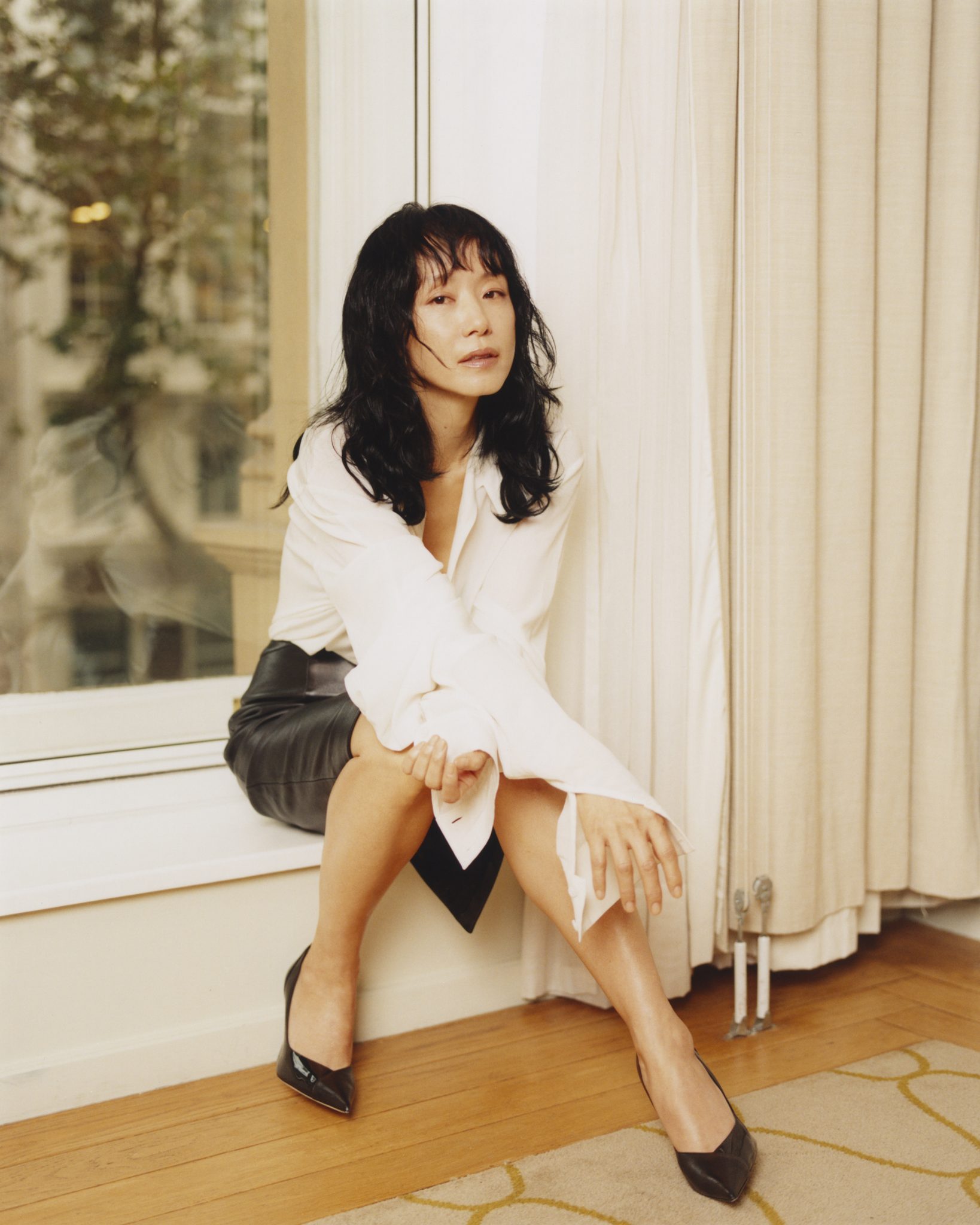
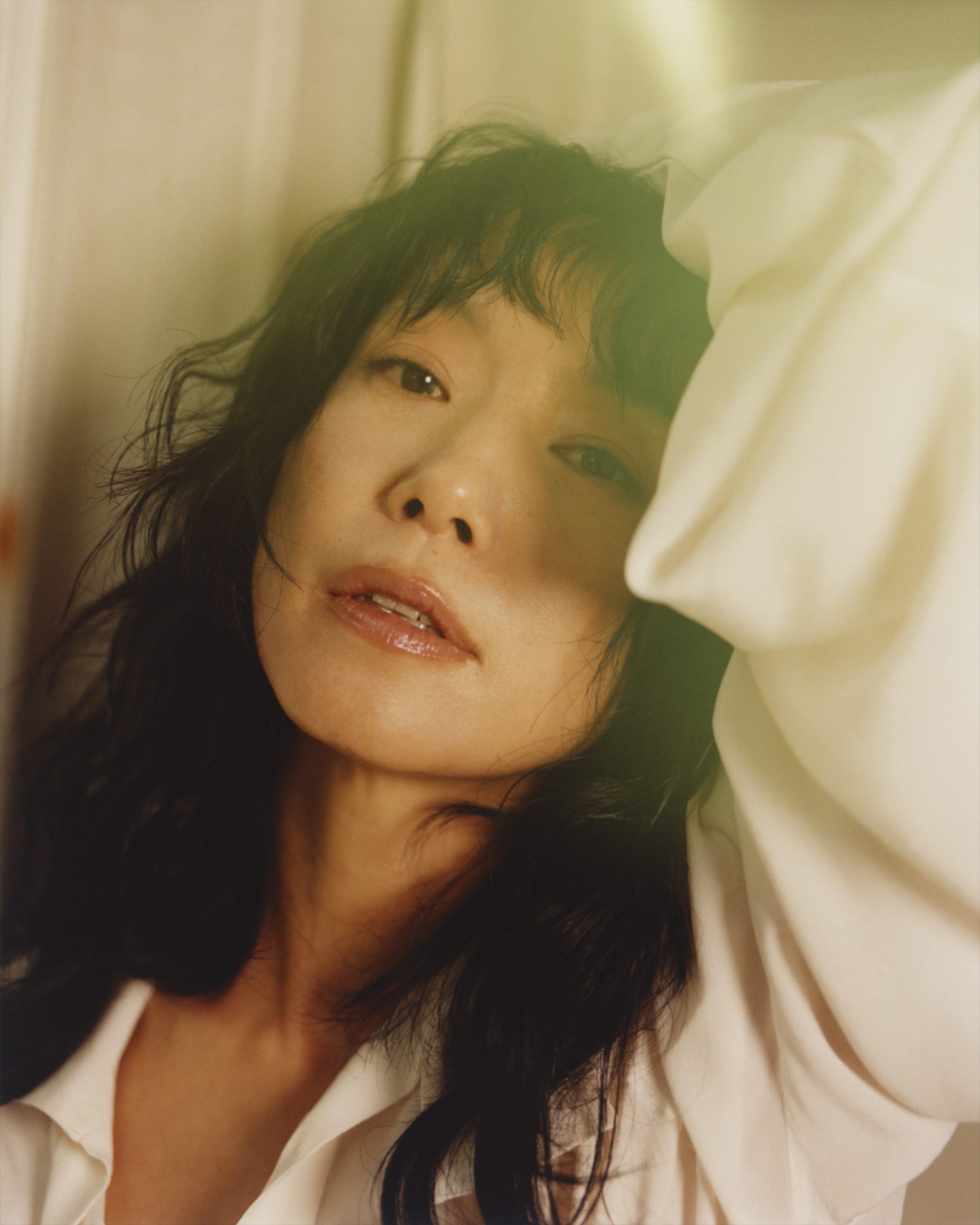
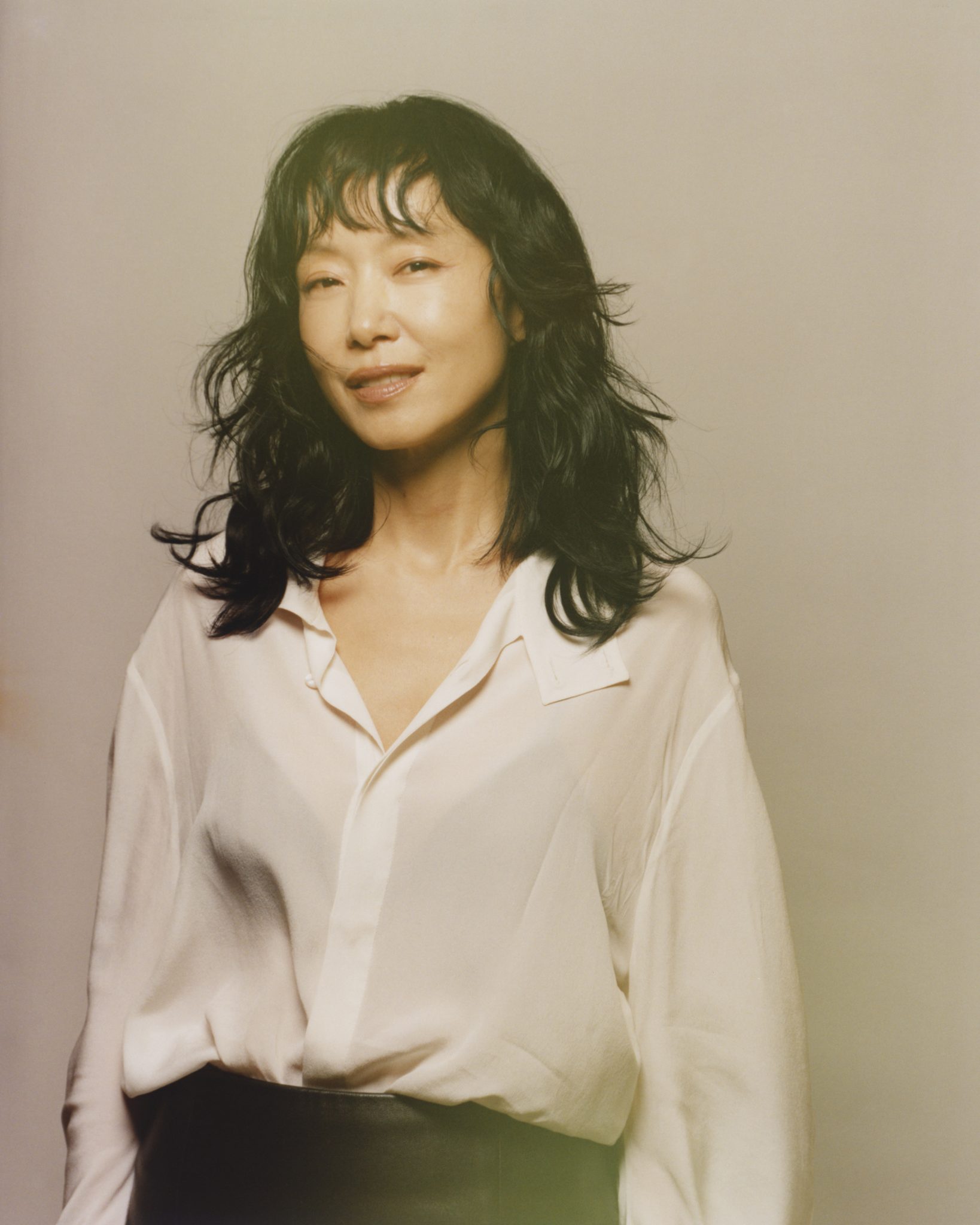


Over the years, Jeon has learnt to trust her instincts. She points out that the studio behind The Contact was initially against casting her, and understands that her fierce portrayal of female independence in Happy End was years ahead of its time. After making her most acclaimed movie with director Lee Chang-dong 21 years ago—Secret Sunshine, what she has described as the most challenging and illuminating experience in her career so far—her instincts have led her back to him, too.
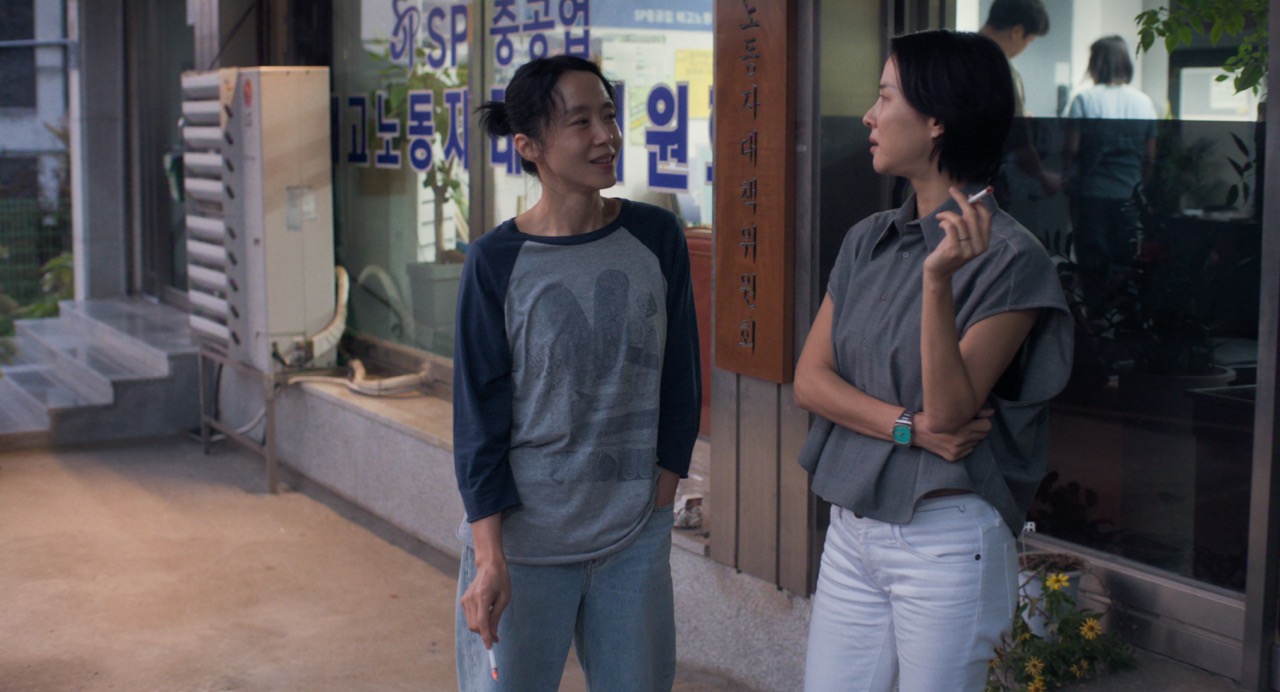
In Lee’s Possible Love, which won the Silver Lion at this year’s Venice Film Festival, Jeon plays Mi-ok, a mask factory worker whose husband, Ho-seok (Sul Kyung-gu), has struggled to rebuild his life after being laid off following a violent labour dispute. When the couple meet Ye-ji (Cho Yeo-jeong), a wealthy documentary filmmaker hoping to tell the stories of displaced workers, their lives become entwined with hers and her affluent husband, Sang-woo (Zo In-sung).
Mi-ok is complicated and contradictory—the antithesis of easy interpretation. In other words, the quintessential Jeon Do-yeon performance. But for an actress who has spent decades pouring herself into characters that demand emotional extremes, perhaps the most revitalising aspect of Jeon’s approach is how little she feels the need to define her own life through her work, even as she acknowledges the profound effect these characters have had on her. “Never once have I found it hard to let go of my characters after filming,” she says, with a hint of defiance. “They all remain somewhere inside of me. I hope they continue to remain part of my growth. This is the reason I’m an actress”
Below, Jeon joined me to discuss the most pivotal choices in her career, how Lee Chang-dong’s directing style helped shape her approach to acting, and why her only role model is herself.
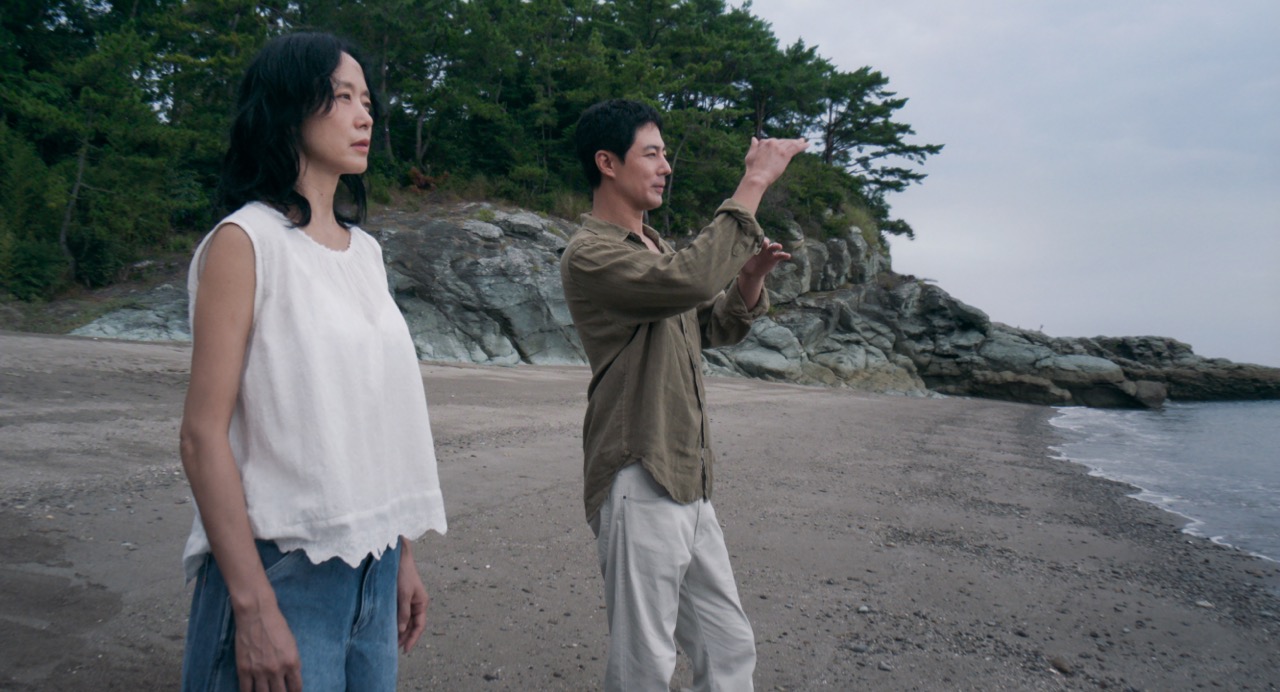
A still from Possible Love (dir. Lee Chang-dong).
Luke Georgiades: This is your fourth major movie with Sul Kying-gu— In I Wish I had A Wife you play love interests, In Birthday, you also play husband and wife, and in Kill Boksoon, you murder him. What can you and Sul accomplish as scene partners now that you couldn’t when you made I Wish I Had a Wife in 2001?
Jeon Do-yeon: We were too young the first time we worked together. I Wish I Had A Wife was a light, romantic comedy. Since then, we’ve built some faith between us. That comes through in Possible Love more than any other. People have said that we’re like a real-life married couple. It’s not the kind of chemistry you can achieve by simply acting together. It’s not a discussion about a scene. There’s something about our real life relationship that needs to come through the screen as well.
LG: When you starred in Secret Sunshine, you mentioned that director Lee didn’t give straightforward direction, which made you a bit resentful towards him. 20 years later, has he changed as a director, have you changed as an actress?
JDY: Looking back, what was so despairing for me was, yes, director Lee’s style was very new to me, but I was so full of doubt as an actor back then. I was playing the role of a mother who had lost her child. At the time, I didn’t have a child, nor was I married. Director Lee kept encouraging me to express what I felt in my performance, but I didn’t know what I was feeling. In that way, I felt pain and confusion akin to what the character is going through. After we finished shooting and I saw the performance I had given, and the kind of film Director Lee had made, I gradually realised, little by little, what he had actually been asking of me.
LG: Did the experience change your performance style going forward?
JDY: There was a real difference in how I viewed acting before and after working with him. Prior to filming Secret Sunshine, I would act in a way to fulfill the director’s demands—to fill their cup entirely, in terms of what they were asking of me. Under the direction of Lee, I learnt how to focus on satisfying myself. With him, I learnt that it’s less about thinking philosophically about how I’m going to approach a role or analyse a character, and more about entering my own head and opening my heart to every living moment on set.
“What helps me about the way Director Lee works is that he encourages me to express what I sincerely feel on the inside, so when we finally shot that scene in the sea, I felt it wasn’t possible to lose the emotionality of what Mi-ok was going through because it was tied so strongly to my sincere emotions. My emotions are mine to express at will.”
- Jeon Do-yeon
LG: The Contact was your first film, and it became a phenomenon. What do you remember about being a new actress on the scene and suddenly being dropped into the centre of Korean cinema?
JDY: I found out, long afterwards of course, that everyone was against casting me in The Contact. I had only made TV dramas at the time, and there was a big difference between being a film actress and TV talent. As we know, The Contact was very successful, so I was able to keep starring in films after that. For me, what was attractive about working in film versus TV was that I was able to watch the final film on a big screen with the audience. That was a surprising experience for me, and the idea of continuing to do that motivated me. Once I had experienced that success, It propelled me to really consider what was next and choose wisely the next projects I wanted to work on.
LG: Happy End came out two years later and was incredibly controversial upon release. You’ve said everyone around you was against you making that film, too. What made you go ahead with it?
JDY: Happy End was a shocking controversy at the time. It wasn’t common in Korea for a female actress to appear nude or perform so explicitly. It took a lot of courage while shooting, and it took a lot of courage to face the public after the film was released. I thought these scenes were necessary to portray the character, but Korea is a very conservative society, and once the film came out people saw, not the character, but Jeon Do-yeon the human being on screen. I really learned at an early age that Korean society may not have been ready for that level of exposure. Many people imagine the difficulties I experienced being a part of the film, but there were good things. It was the first time a director had asked me what I thought about what my character was going through. Bo-ra is very different from Shin-ae in Secret Sunshine, but those two very challenging experiences are also the moments that I really fell in love with what I do.
LG: There’s this amazing sequence near the end of the movie in which you and Zo In-sung swim around each other in the ocean. How do you approach performing in a scene so steeped in nuance and grey area?
JDY: I was worried about that scene. Due to variable weather conditions, we had to shoot the scene earlier than intended, despite it being one of the climactic scenes of the movie. I was scared I wouldn’t be able to capture any of the complex emotions that Mi-ok was feeling. What helps me about the way Director Lee works is that he encourages me to express what I sincerely feel on the inside, so when we finally shot that scene in the sea, I felt it wasn’t possible to lose the emotionality of what Mi-ok was going through because it was tied so strongly to my sincere emotions. My emotions are mine to express at will.
LG: Do you find it harder to leave certain characters behind after investing so much personal emotion into them?
JDY: Never once have I found it hard to let go of my characters after filming. They all remain somewhere inside of me. I hope they continue to remain part of my growth.
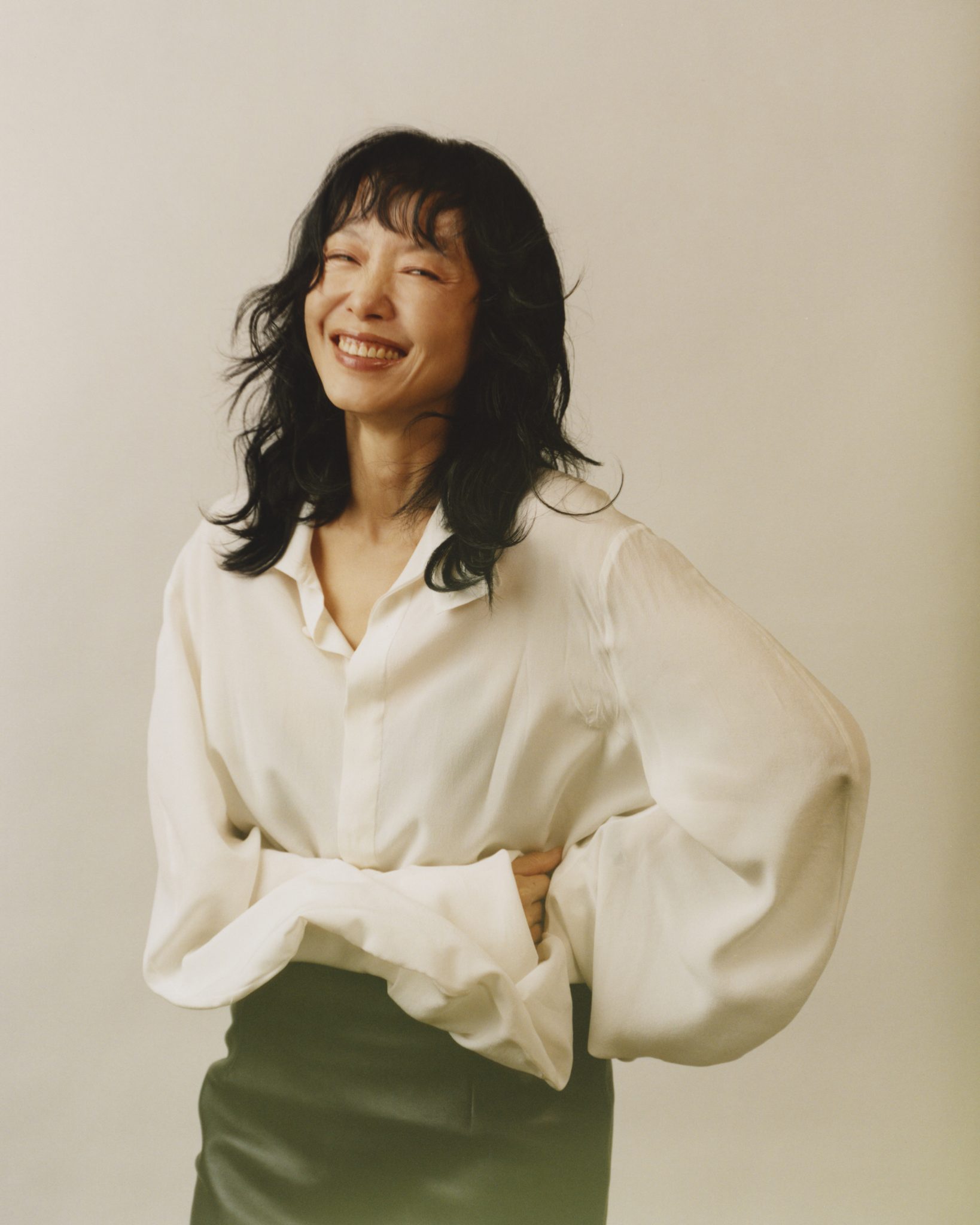
“I thought you needed a special upbringing to be an actor, so I never allowed myself to dream of being one. It was never my dream, it was never my purpose. If acting was my life’s purpose, once I’d achieved it, I think I would feel lost. Because it’s not, it allows me to continue enjoying my work.”
- Jeon Do-yeon
LG: Is the reverse true?
JDY: I hope so. To act is to change constantly, however they all come from somewhere inside of me, and as a result, I discover new parts of myself with each role that I may not have been aware of before. This is the reason I’m an actress.
LG: Growing up, were there hints that you might end up as a performer?
JDY: Not at all. I grew up in a very ordinary family and had a very ordinary upbringing. I thought you needed a special upbringing to be an actor, so I never allowed myself to dream of being one. It was never my dream, it was never my purpose. If acting was my life’s purpose, once I’d achieved it, I think I would feel lost. Because it’s not, it allows me to continue enjoying my work.
LG: Do you remember the first film you watched that made you think about performance differently?
JDY: I don’t watch anything differently because I’m an actor. There are performances I love, but I don’t tend to have role models. I like to see myself as my own role model. With performing, I follow my own lead.
LG: It seems that directors now trust you very much to take on abstract direction. You said Simon Stone also directed you to simply find the character’s “Pure Soul” in The Cherry Orchard.
JDY: Simon is the first foreign director I’ve worked with, yet we were acting in the Korean language, so I was curious how he was going to capture my words and feelings. But he excels with people and language. The Cherry Orchard was an adventure for me. There was no script at the start. We had a one week workshop together, and he would ask us to talk about our personal lives, and what I thought were quite trivial things. I was becoming anxious about that. I wanted to receive a script and to work on it as soon as possible. He said, “Don’t worry, once you receive the script, the character won’t feel so unfamiliar to you.” I didn’t understand what he meant, and I didn’t understand even after reading the script. It was only much later on that I realised how deeply he had seen me and was able to capture parts of me in what he created. I never knew I had such a pure soul [laughs].