

After being swarmed by Asian hornets and nearly dying on set, Victor Boccard emerged with Moongirl, a gorgeous 16mm meditation on love and loss set against Japan’s snowy wilderness.
It’s hard to imagine Victor Boccard dying. Mostly because the 27-year old director is filled with energy: raving in a soft French accent while his webcam, by some hidden gadgets, pans to track him, blurring his Parisian bedroom out of focus as he smiles excitedly about his film.
But his film Moongirl —screening at TIFF shortly—nearly did take the director’s life. While excavating an abandoned Hokkaido hut he’d initially scouted through Google Earth, Boccard was swarmed by Asian hornets. But the resulting 26‑minute short is an aesthetic treat: a 16mm dreamscape that threads his French sensibilities with Japan’s timeless Princess Kaguya mythos — featuring locations in Hokkaido that feel too surreal not to be painted.
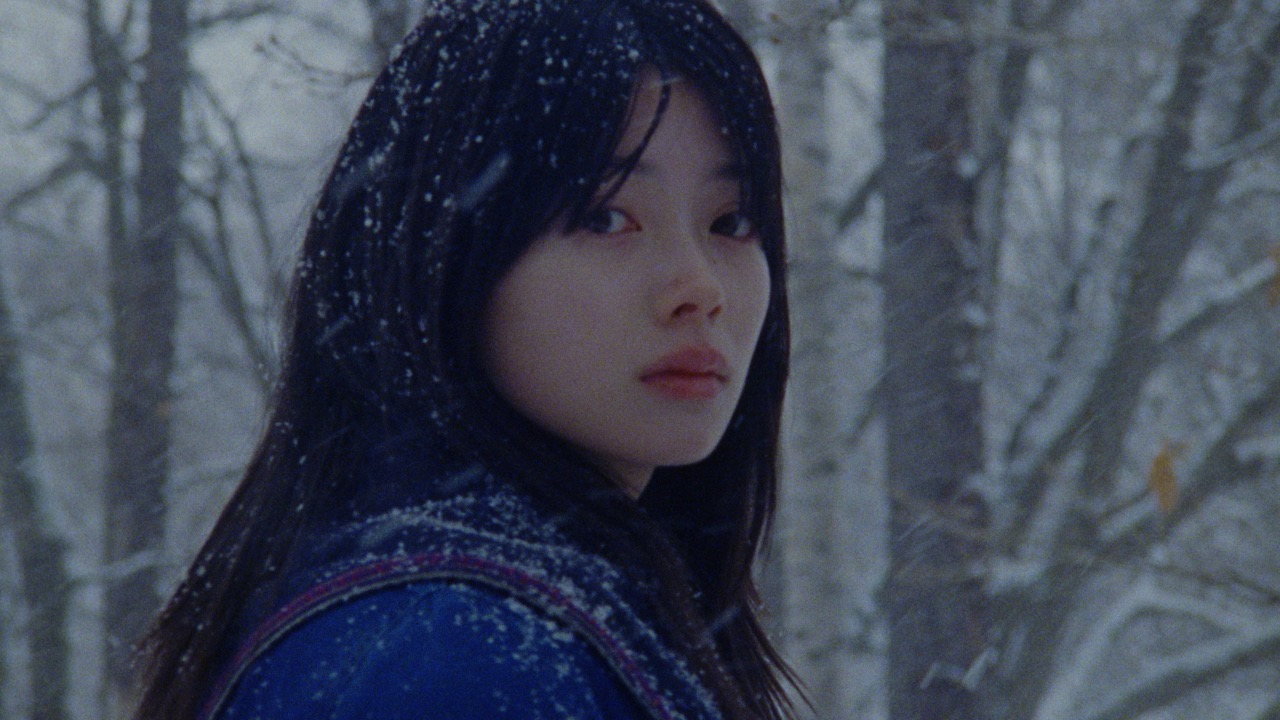
At its center, Moongirl tells the story of an elderly painter looking back on an ethereal encounter sixty years ago. The film hovers between being a selective memory or a transcendental encounter, each carried by striking performances from up-and-comers Kotona Minami and Bun Kimura (who play the young couple), while Akira-veteran Sakae Kimura navel-gazes as the now-silent artist, painting a fateful snow-covered moment in a rotting shack. It all builds to an end which suspends you, and the cast, between two worlds.
We sit with Boccard to discuss the making of his latest work, the not-so-known differences between France and Japan, and—crucially, like the doomed alien Princess Kaguya—whether he’d like to live forever…
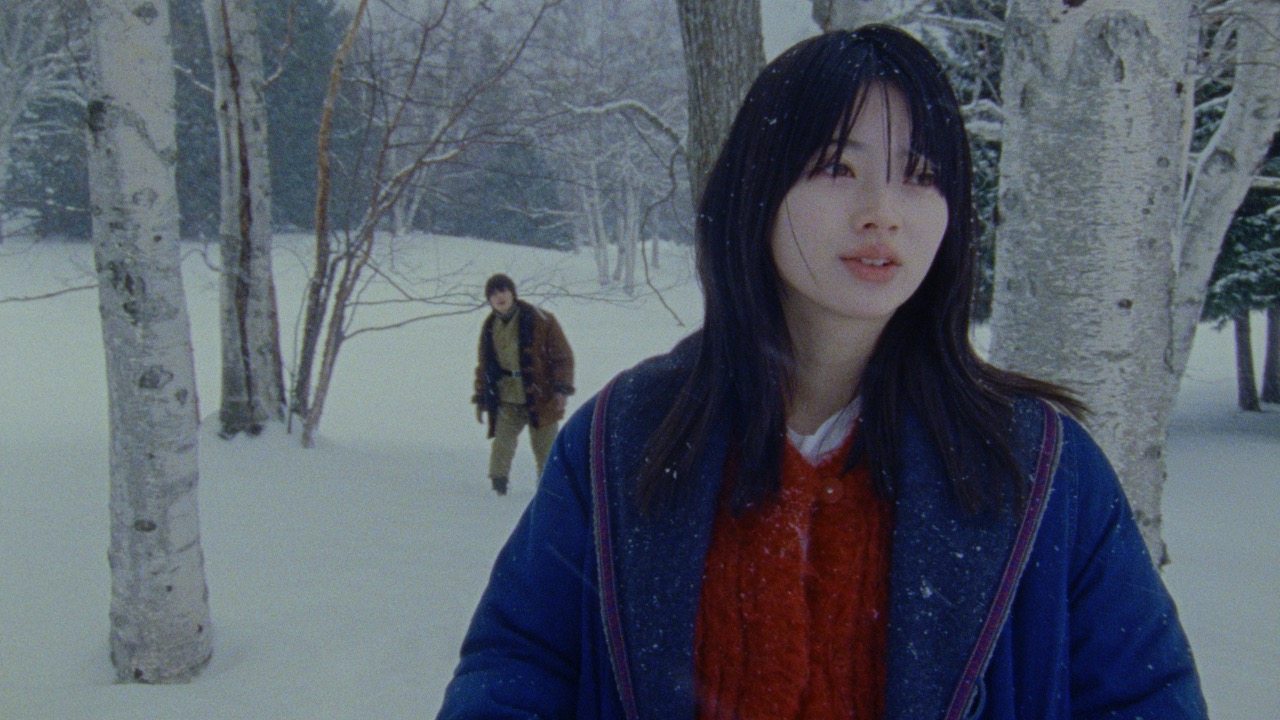
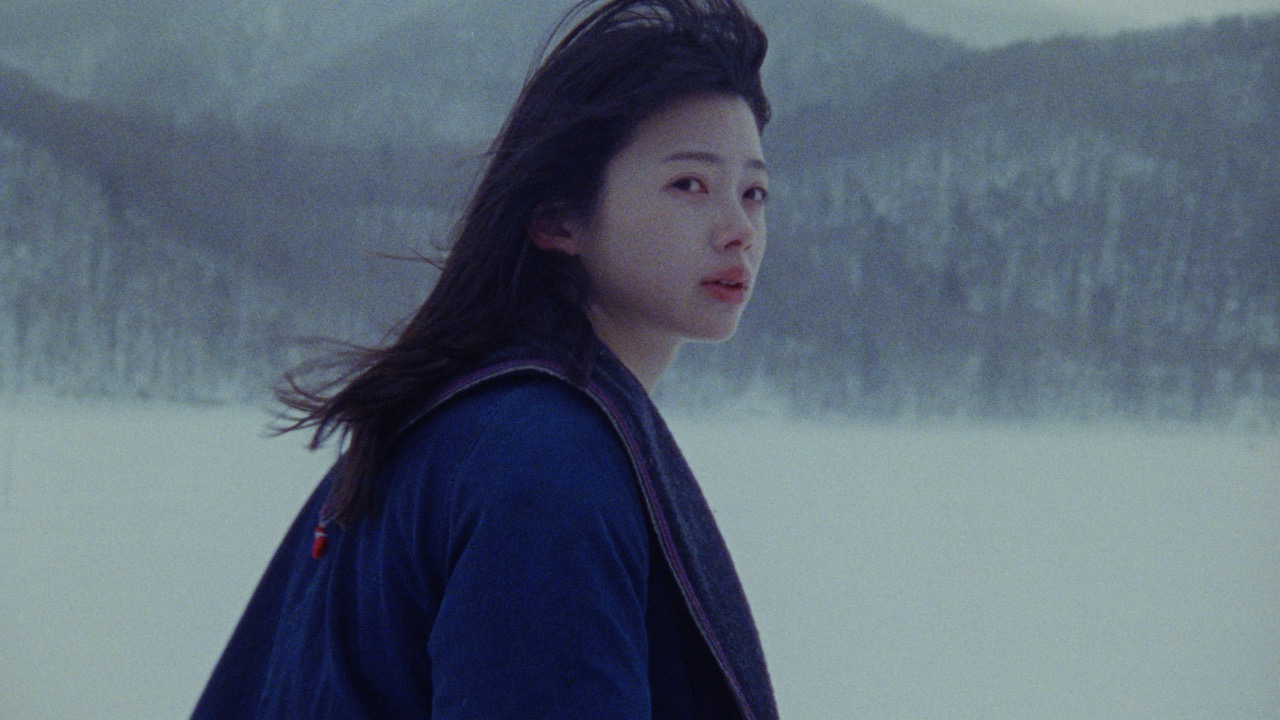


Sam Murphy: The original Princess Kaguya is effectively a visitor—an alien. You live between the two worlds of Tokyo and Paris . Was there something in the source material you recognized when you were working on the film?
Victor Boccard: I never thought about it, but it’s more the location. When I first visited, it reminded me of abandoned, remote areas in France. Hokkaido, the north of Japan, is big: and there are areas it’s almost empty of people.
SM: The location scouting was surreal. The Buddha statue, covered in snow, stood out to me…
VB: I’m interested, did you think it was real? Some people told me they thought it was AI or CGI. It’s actually a cemetery by Tadao Ando, a Japanese architect that I really love. I saw it on Instagram and sent a photo as a joke to my DoP: “Let’s shoot something there one day.” And then I inquired, but they said, “We don’t accept shoots ever. It’s a sacred place.” It was, how do you say, itchy for me. It made me think: what if I write a film that could not be shot anywhere else than this location? That’s how Moongirl really started.
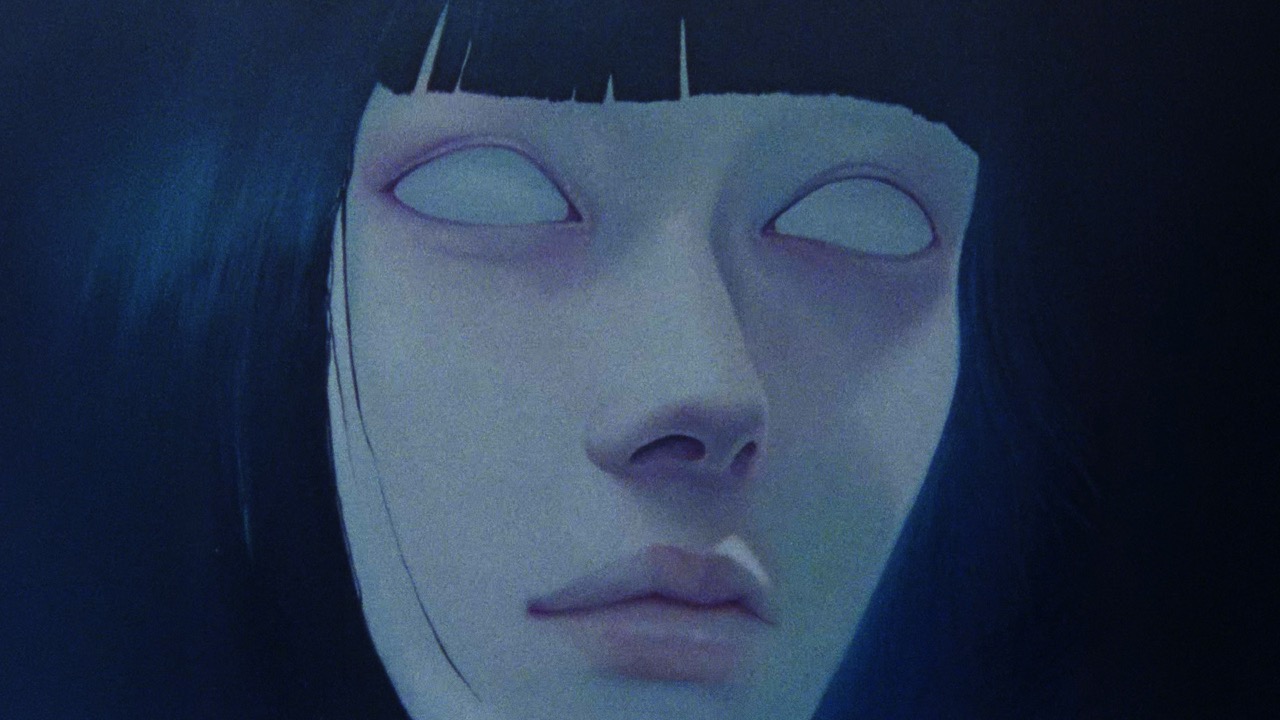
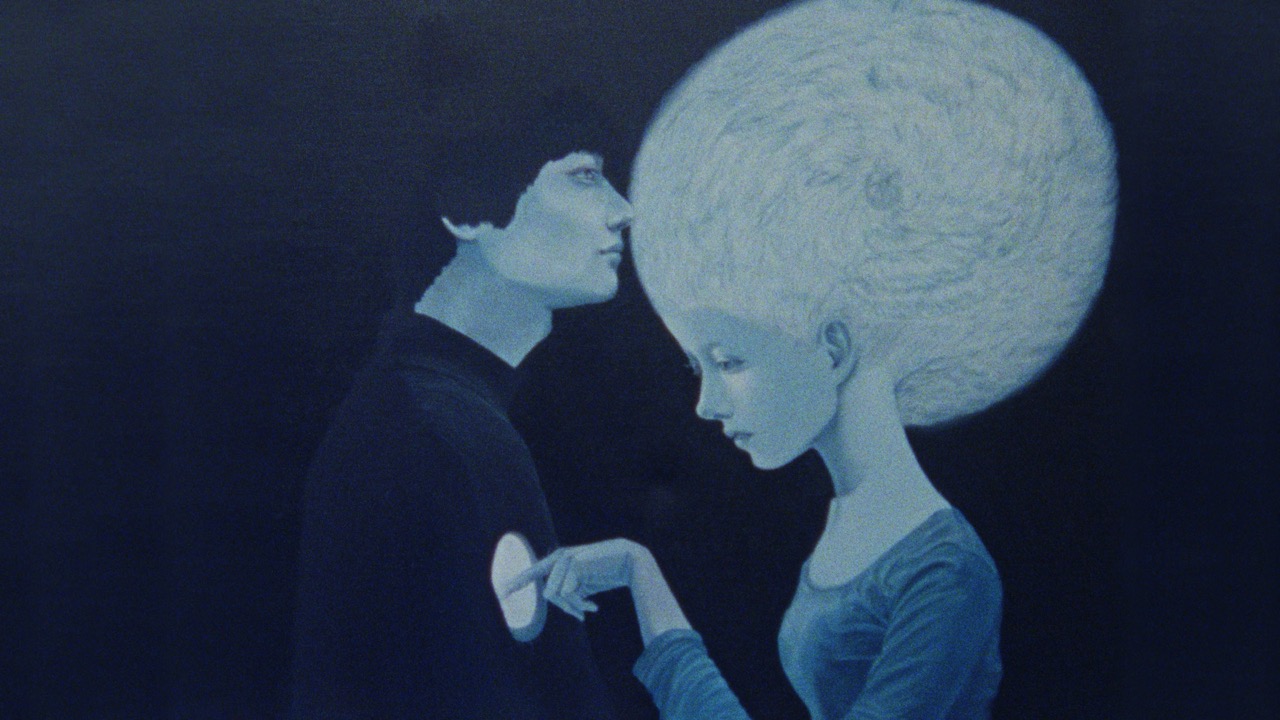
SM: It’s interesting you open with a painting then, and you pan down the image to see the giant moon against the powerlines. The first few seconds feel surreal…
VB: I had a big conversation with my team about what period, the no-phone policy. It’s very hard. I’m working on a feature film now and we don’t want to make it into a period piece, because that’s a genre in itself and more expensive. But if you manage not to have any phones or anachronisms that pinpoint the exact period, it’s more timeless.
The first paintings with the Moon and the poles show we are in the modern world, but not necessarily 2026. The old man [who paints them] lives in today’s age, but his memories are 60 years back. That’s where I fantasized about it.
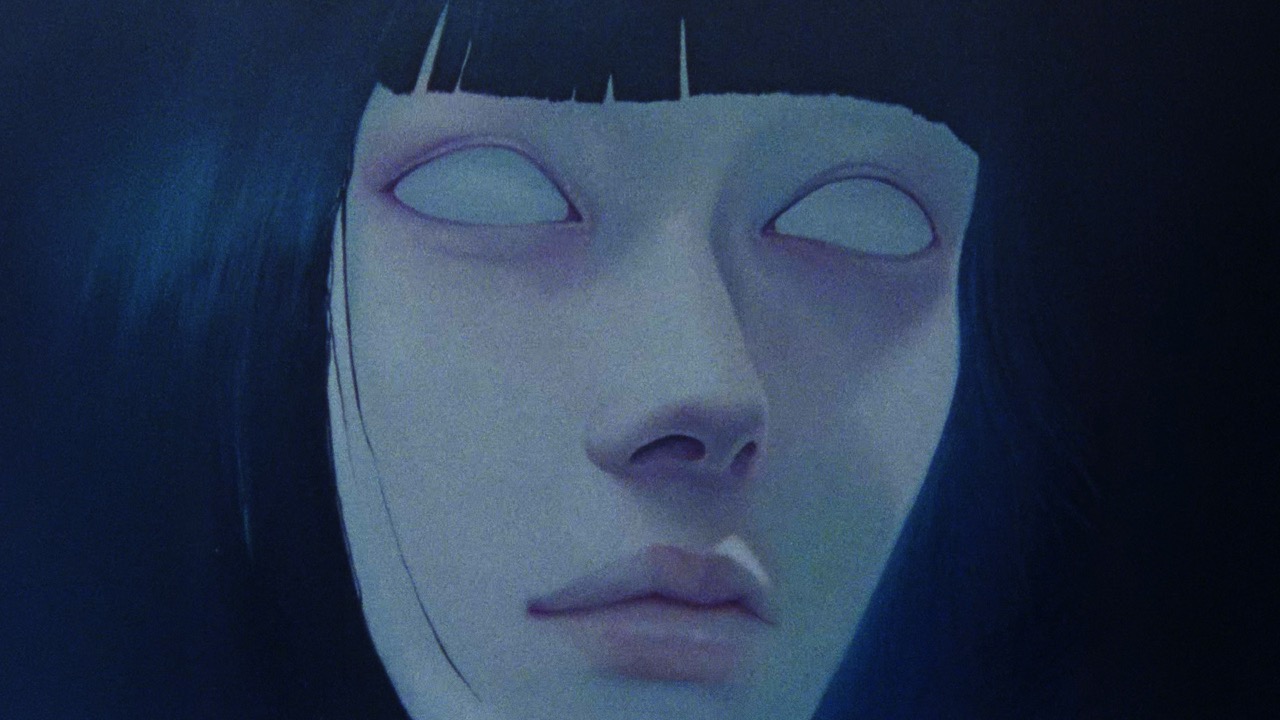
And the paintings are not AI. Some people have also asked that! They are made by a nineteen-year-old genius Japanese painter that I found.
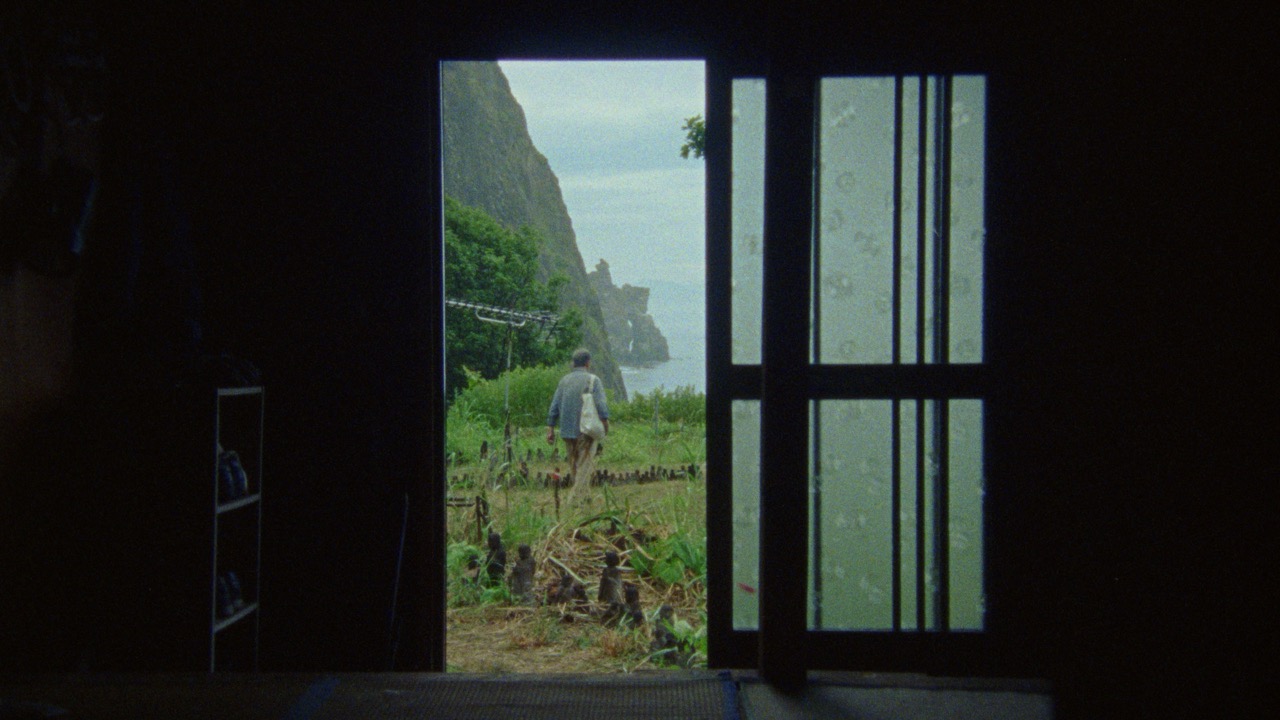
Still from Moongirl (dir. Victor Boccard, 2026).
SM: Towards the end of the film, there’s Kurt Vonnegut’s book of essays, A Man Without a Country. You’re a foreign person going into Japan and looking at this culture closely. Did the essays relate to you?
VB: Not that specific book, but the overall selection of putting foreign books and foreign art sums up how I see Moongirl. Asia is super-popular, Japan is so hyped, and everybody is making Japanese films. I wanted an approach where I bring stuff from our side—whether it’s an Easter egg like the book, or a choice of music. Instead of going to Tokyo, shooting in Shibuya, and putting on Japanese music.
I’m trying to find a way where, yes, it’s set in Japan, yes, it’s in Japanese with Japanese actors, but the art infused in it is not Japanese. Apart from the Kaguya-hime tale, it’s actually the marriage between the Kaguya-hime tale and a poem from Victor Hugo: Demain dès l’aube.
SM: What did the Hugo poem mean to you?
VB: The story of the poem is about an old man who comes out of his home, travels, doesn’t appreciate the beauty of the nature around him, and is obviously sad. The last line is a punchline: he’s bringing flowers to the tomb of his daughter.
I like regrets. It’s my favorite, obsessive, ongoing theme. That’s why I’m always shooting with an older character. What if this character travels through empty locations in Hokkaido and ends up in a location that is super busy and touristy, with lots of tourists taking selfies? It’s the same location as sixty years ago, but it totally changed and destroyed the memory of that cherished conversation. That last line of the poem really hurts. And I like when it hurts.

“At least we have this shot. The movie might be shit, but we nailed that shot.”
- Victor Boccard
SM: Tell me more about the house where the painter opens the door, with that cliff with the glint of light coming in…
VB: We went six times to Hokkaido in total to scout at different seasons, which was the hardest. That’s why the movie took three years to make. I went first in the winter, but the snow was already melting, so I had to cancel the shoot. Then we waited for the summer, shot the summer part, and returned the year after to shoot the winter part.
For the hut, we didn’t find anything that made us happy. At some point we were using Google Earth satellite view, scrolling alongside the coast of Hokkaido, and there was this house on the cliff in the jungle, with absolutely no roads. My producer was like, “Victor, no.” I had a good feeling.
Production found the sister of the man who used to live there. He died years ago, and for many years no one had entered the house. It was totally “urbex”. Half of the house was taken away by a typhoon, I mean wide open, ripped apart. Next to it was a very small guesthouse from the ’50s, when the location used to be a summer vacation destination.
The sister was ninety-ish. She was the head of the scouting party, with a helmet, and brought my team down a 1-hour-30-minute hike down the mountain. We hired Sherpas and a whole crew to bring generators, bring everything. The guesthouse was empty, so we had to take stuff from the main house to set up the workshop of the artist from what we had found.
SM: What was her reaction to you using her relative’s house?
VB: She was happy. All the people in that remote location were amazed that we were taking an interest. Japanese people can have a very weird relationship with their own heritage. There are a lot of abandoned houses, a lot of cultural heritage treasures that they don’t really care about, because globally everybody goes to the city and wants modern comfort. When you go to those remote locations to make a movie, it was emotional—it’s giving a second life to the location.
Also, I almost died making this there. We had no budget, so we could not pay the set designer for more than one day. When we arrived down that hike, we realized there was no way the guy could prep this location and make it look good in one day, and we couldn’t pay more. The DoP and I looked at each other and said, “Okay guys, you can go back up the mountain. We’re going to put some gloves on and start prepping, cleaning, setting up.”
When moving stuff around, I got stung by a nest of Asian hornets hidden in the jungle. I lost consciousness. When I woke up, we still had work to do. We moved furniture around and apparently I breathed in this dust full of fungi and bacteria.
SM: What happened to you?
VB: Because my immune system was smashed by the stings, I got pneumonia and almost died in the following weeks…
SM: There’s a quote in the film: “a million shades of white.” Given what happened, what were your feelings toward the Japanese concept of ma—the beauty of empty space or pause?
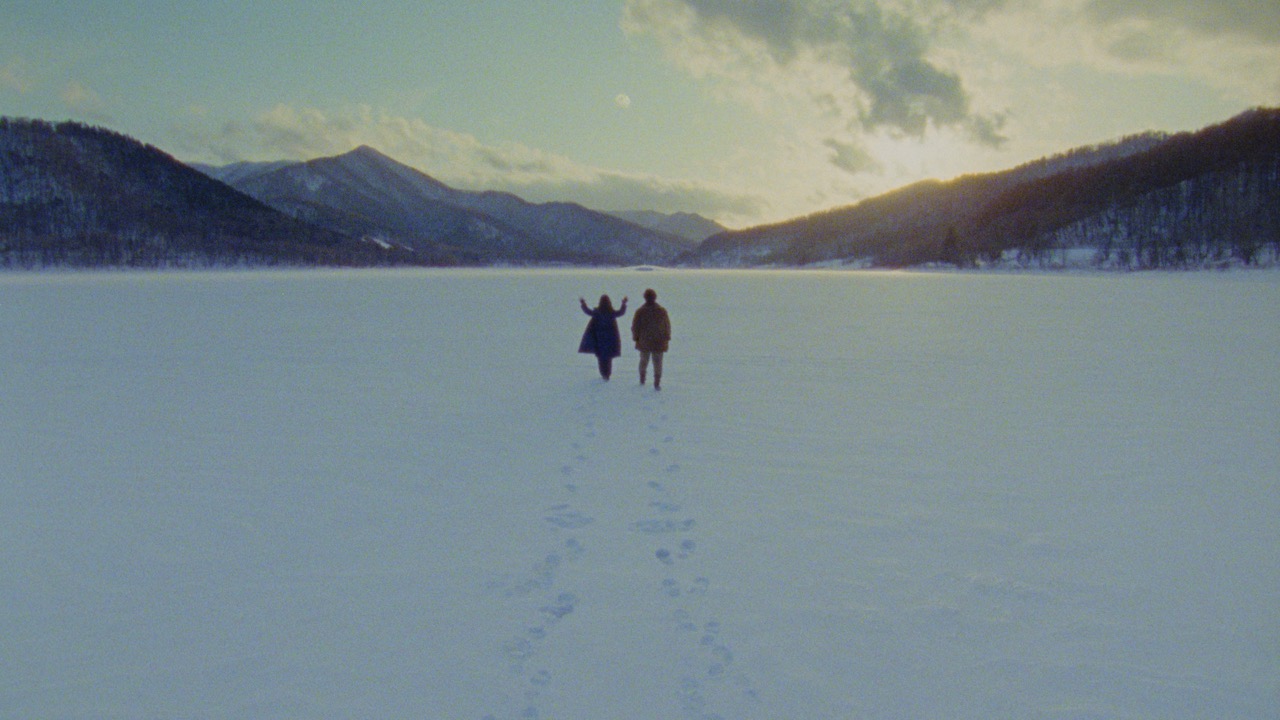
VB: I love ma. I try to use it for everything I do, especially in photography, which I translate through minimalism. In Moongirl, having the limitless horizon, the icy lake…
The working title of the film was Snowhere. It was a joke originally from the screenwriter, who wrote “snowhere” as the title of the sequences happening in the past, because it was somewhere, a long time ago, in the snow. It links with the “million shades of white.” For me, this character remembers a very dear memory, but we don’t know how accurate it is, because he’s old. I like the idea that it’s okay to change memories for the better, because it helps us be who we are, to mend trauma.
And there’s a bit of ma visually, especially in the icy lake sequence. But it’s a very chatty film in the past. The ma comes from the old man not saying anything. He has no dialogue. The old man is the ma.
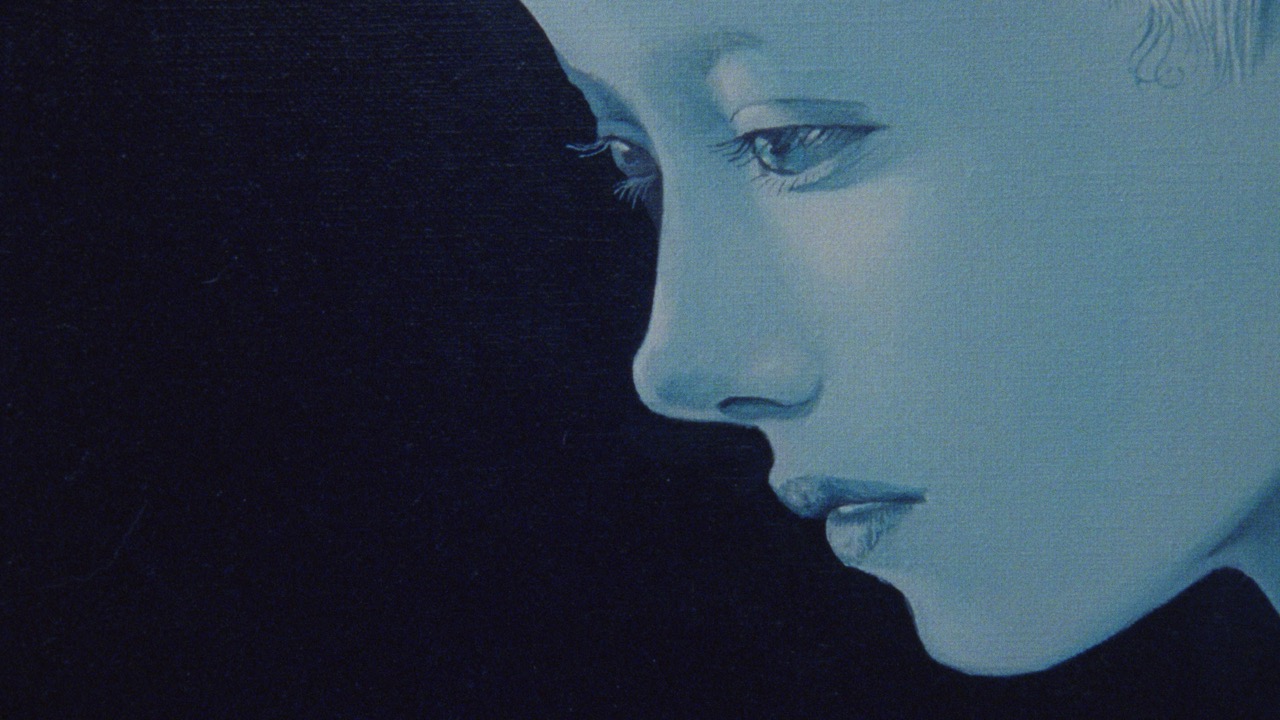
SM: It’s interesting he’s a silent character. You focused so heavily on the painting and the dreamlike aspect…
VB: I had not done that before. I was heavily influenced by Hana-bi. Sometimes very sad feelings or traumatic events cannot really be expressed with words. That’s why we make art. A writer would have written a book; I’m making films. This guy had a thing for painting, and the only way for him to interpret what the hell happened to him was through paintings. Whether she came from the Moon or not, he chose to believe she came from the Moon, and he painted it this way.
It’s also ma to pause the film. Sometimes it’s ten seconds of just a still image of a painting—just breathing moments. The contrast of having that nineteen-year-old female painter make those paintings that this old man was supposed to have done shows he kept a very pure heart. He stayed a young, naive man.
SM: I loved the costume design for him, with the boiler suit and jacket. It felt almost like an Akira character. How did you find that outfit?
VB: You’re not the first one to tell me the costume design looks like anime. Everybody tells it to me as a compliment, but I’m like, “Oh no, I never wanted to make an anime-style live-action film!”
Still, I was looking for something that was crying out “tale.” The locations are a little bit otherworldly—it’s not really possible to have a giant Buddha in the middle of a frozen lake otherwise. His background is that he’s supposed to be a worker in a printing factory, which is why he has ink stains. He’s more of the poor, laboring guy.
For one year in the script and storyboard, she was supposed to be barefoot. That idea stuck for so long, and we dropped it only four days before the shoot because it was -20°C. We were like, “We can’t.”
The sneakers she wears are Converse. She wanted to be a little bit cool and human, wearing what a similar-aged girl would wear, and Converse existed back then in the ’70s. There’s also the Marie Antoinette Easter egg by Sofia Coppola, where she puts Converse in the sequence.
SM: Do you speak Japanese? Was there a language barrier?
VB: Huge language barrier. I’m such a beginner and it’s a very, very hard language.
Back in January, the casting director came with us on shoot to be my dialogue coach and interpreter. Something very boring I did that was very useful: I learned the fifteen pages of dialogue by heart, so that I could follow and know where they were at when they were acting in the freezing cold.
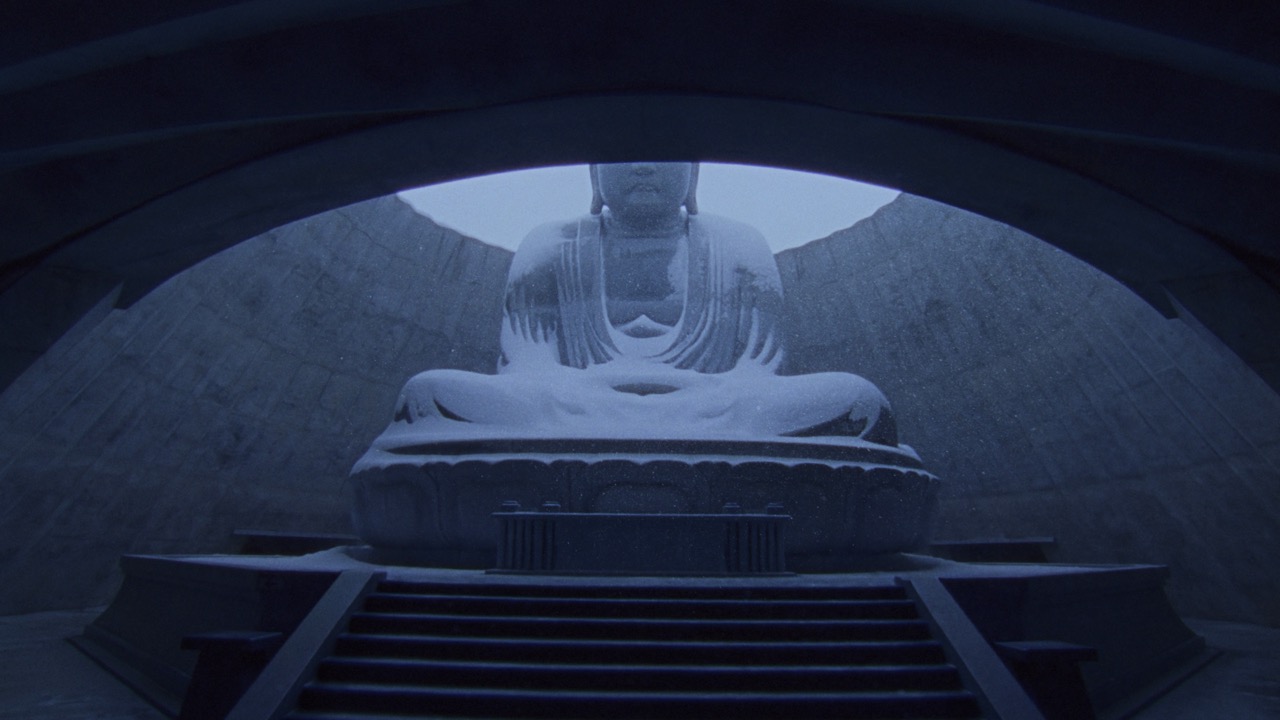
“The locations are a little bit otherworldly—it’s not really possible to have a giant Buddha in the middle of a frozen lake otherwise.”
- Victor Boccard
SM: Seiji Champollion did the score. I noticed he’s French-Japanese. Have you worked with him before?
VB: He’s my best friend. He’s done the music to all my films and even all my commercials. Three years ago we started writing films together. He’s half-French, half-Japanese; he was born in Japan, lives in Paris, and is going back to Japan next year.
We always knew he would make the music. I played the preliminary soundscape on a Bluetooth speaker during auditions, so the soundscape was already there when casting.
SM: The sequence at the end where he’s lying down and the camera is twirling in on itself—how did you achieve that?
VB: It was the most stressful shot of my entire life. My heart almost stopped there.
We’re shooting a film on an island, there’s no gear, or very limited gear. The only rental houses on the island had gear from the ’50s, and we had no money to bring more stuff from Tokyo. We had to do it with what we had: a seven-meter crane from the ’50s. Absolutely no technology inside, fully manual.
It was a team of four guys pushing it on rails, and two handlebars that the DoP was turning to do the 360. But it was so old that you could only do one half-turn, so I had to help him continue the rotation every time. Super old-school.
To add to the difficulty, the video cable didn’t work, so we had no image feedback. We shot that sequence six times at sunset, on film, in pitch dark. We didn’t know how we were framing or if the hill was still in the shot. It was pure instinct. We were just like ‘Go back – go back!” When I received the scans, I was like, “At least we have this shot. The movie might be shit, but we nailed that shot.”
SM: Did you notice a different reaction from the Japanese audiences compared to the international audiences?
VB: For the moment, only Japanese audiences have seen it—really only a few people. You’re one of the first Europeans to see it. There is TIFF in Canada that selected it, but they didn’t give feedback, so I don’t know how they reacted. I’m going to discover that in ten days at the festival with the two public screenings.
I must say that there are two things. For non-Japanese-speaking audiences, they still get it through the structure of the old man and the non-dialogue part, even without listening to the dialogue. That’s the essence of cinema, which makes me super happy: that visually and through the music, the film exists.
On the other hand, the Japanese audience has more cultural keys to understand the film. They know the Kaguya-hime tale. But they might tend to overanalyze the text, because the Japanese in the film is very literate. It’s not how two young people speak on an everyday basis. To us it seems natural, but it’s almost like hearing Shakespeare. It’s elevated. There were some Japanese viewers who told me, “I couldn’t fully connect because of the language.” But that’s only a minority. Most find personal connections.
Although I think I cheated by using the Kaguya-hime baseline, because everybody knows it, and it’s such a good story!
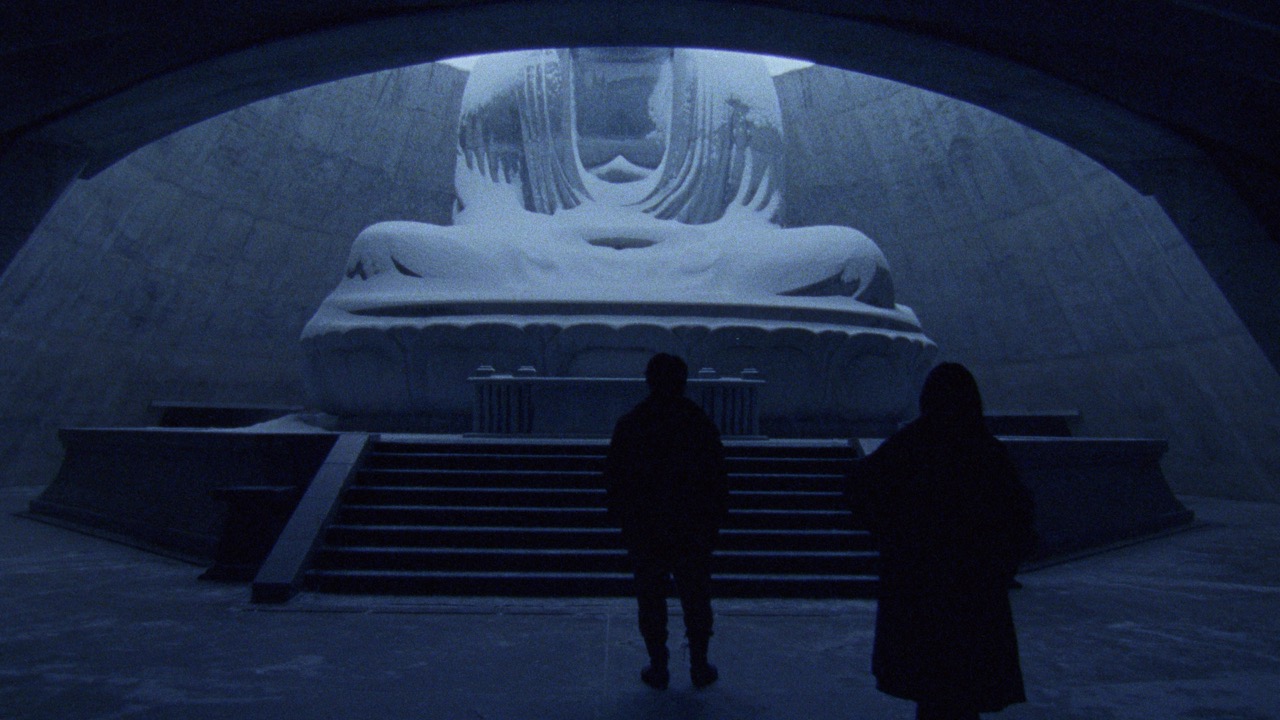
Still from Moongirl (dir. Victor Boccard, 2026).
SM: Talking about conclusions, I really liked the line by the female lover: “If life has a deadline, then it has to contain infinity.” What did that sentiment mean to you?
VB: It’s summing up why she would ever pick to become mortal. If you’re immortal, you experience everything forever, and it’s boring. Nothing happens. If you’re mortal and life has a deadline, the true beauty of that finite life is that everything that happens is only once and forever. Every sunset, every candlelight—it’s finite, it’s almost divine. It won’t repeat twice.
It relates to the Japanese concept of wabi-sabi [impermanence]—the fact that she’s going to die to maybe spend a few months with him, but that’s worth it. For me, they live happily for maybe six months or a year, and then she dies. In one year of human life, you can condense every emotion, what’s best about being human.
SM: How do you deal with an unbearable loss?
VB: When I first went to Hokkaido, it reminded me of my home village in the middle of France where my mom was born, and where I still go to see my grandfather. There is a lot of greenery, lakes, mostly old people because all the young people went to the city. There is this beautiful sadness in the air in all seasons, especially in autumn and winter. I immediately thought about my grandfather, which is also maybe why I related to the poem of an old man doing this trip.
This sadness in the air is not really sad—it’s beautiful. Melancholia is not: I want to cry and commit suicide. It’s: Life is beautiful, and that makes me sad because it’s so beautiful. It’s more like tears of joy. When she falls to her knees on the lake and says, “I’m freezing,” she’s feeling everything for the first time. She’s overwhelmed by the sensations: it’s beautiful to feel something, and then so beautiful that you get tears out of it, yet sad because it has a deadline.
I’m super worried about having regrets at the end of my life—of not having achieved enough as a director, of not leaving enough behind me that will stay forever. I’m kind of obsessed by this. But having had a happy childhood gives me the objectivity to treat those emotions.
Takeshi Kitano used to be a comic on television doing Baka TV, very silly stuff live on air. Then he became a director and made the best, serious, very grounded yakuza films. When you take someone who is very good at comedy and bring them into being more serious, you get really interesting stuff out of it.
SM: Regret requires a sense of happiness in a way…
VB: Exactly.
SM: So would you, as they pose in the film, like to live forever?
VB: No. I would choose the same as her. You can’t have regrets if you’ve not been happy.
When he goes back to die next to the grave, for me, it’s not sad. He had this meaningful relationship with her, which is rare and pure. Then she passed away, and he spent sixty years painting about it, but still he lived. Life is super precious; life must go on. He goes to die there, but it was worth it. It was worth waiting, it always is.