

As she brings As A Cure—the final chapter of her MOMMY short film trilogy—to the San Sebastian Film Festival following its Locarno premiere, Dorothea Sing Zhang discusses the three years it took to complete the trilogy, learning the ropes from the Dogme filmmakers, and why ugly is forever.
When I meet 27-year-old writer-director Dorothea Sing Zhang at London’s British Film Institute, she’s got a glass of red wine in hand and a cool smile on her face. We’re here to talk about movies, but as we settle in the upstairs foyer, looking out over crowds of students, cinephiles and film workers going about their days, Zhang quickly reveals that she was never really interested in becoming a filmmaker at all.
First cutting her teeth as a photographer (she refers to the practice as “image-making”), Zhang didn’t take the expected route into the film business. In fact, for most of her life, cinema wasn’t on her radar, bar one exception: Lars von Trier. The Danish director was among the few who really captivated her, and she became obsessed with his work long before she ever considered making films herself. Then, a few years ago, in the midst of the COVID-19 pandemic, a drink (and then another, and then another) changed everything. “I went to a very strange temporary film school,” she says. “It wasn’t exactly a formal education. It was three months with all these drunk directors who decided to show some films. They were careful about ‘teaching’ anything.”
The “drunk directors” Zhang is referring to are, if you can believe it, Thomas Vinterberg, Jørgen Leth and von Trier himself—though she clarifies that he was the only one who remained sober throughout the experience. All three are key figures in the film scene that produced Dogme95, the Danish avant-garde movement that famously sought to strip filmmaking back to its essentials, rejecting elaborate production techniques in favour of raw, immediate storytelling.
The “film school” in question was École de Leth, a pop-up school founded in Denmark around the filmmaking approach and artistic output of Leth, and open to aspiring filmmakers of all backgrounds. “You didn’t need any credentials to get in,” Zhang says, before adding: “That would be very un-Dogme.”
Zhang’s unconventional entry into filmmaking, coupled with her reverence for Dogme, has seeped into her MOMMY trilogy: an equally unconventional series of short films exploring her relationship with her mother—the renowned Peking Opera performer Geng Qiaoyun—across three different genres. Masterpiece Mommy (2024), a musical; A Small Fiction of My Mother in Beijing (2025), a docu-fiction; and the trilogy’s final instalment, As A Cure (2026), a narrative film, are works of finely composed beauty. Zhang, who already knows a thing or two about crafting a striking image, doesn’t always count this as a good thing. “I get compliments about the images in my films often,” she admits. “I’m not really proud of that. A beautiful spectacle is not a genuine experience. Spectacle creates a distance between the viewer and the work. They have to disengage to see it on its own, which is not good. The wish now is to make something that looks uglier but feels beautiful. Ugly is more dynamic than beauty. Ugly is forever.”
Below, Zhang and I discuss the three years it took to complete the trilogy, getting drunk with Danes, and the uselessness of nostalgia.
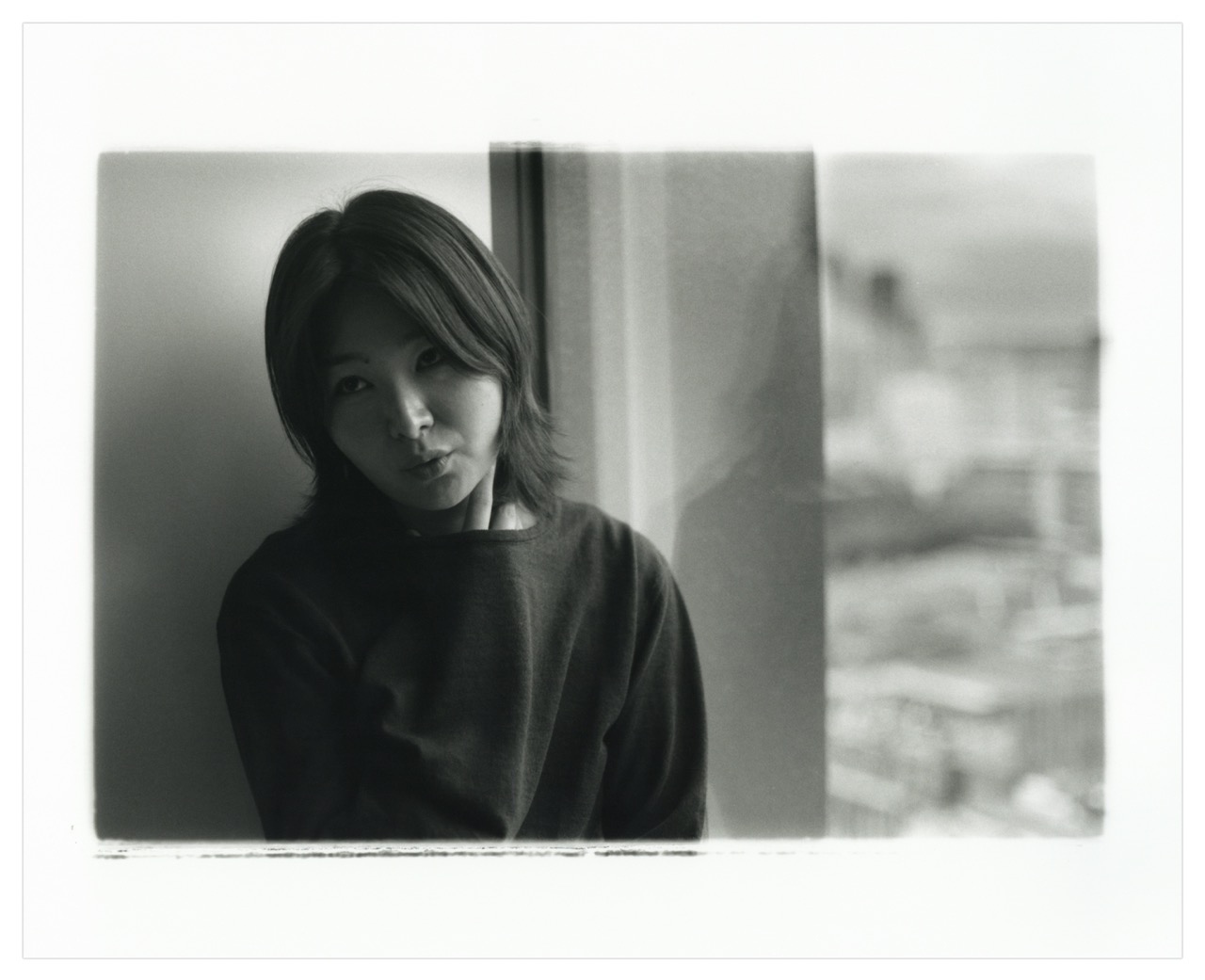
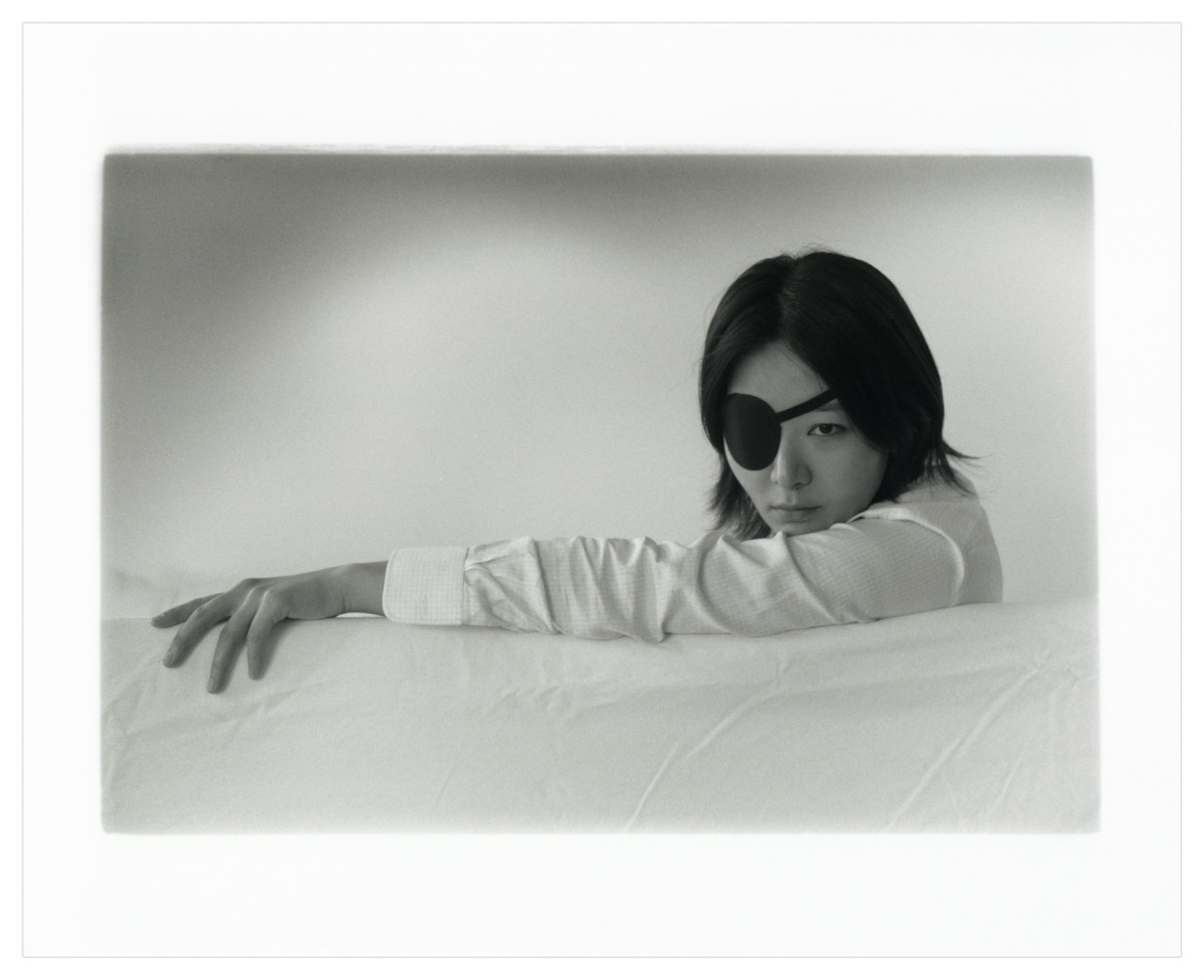
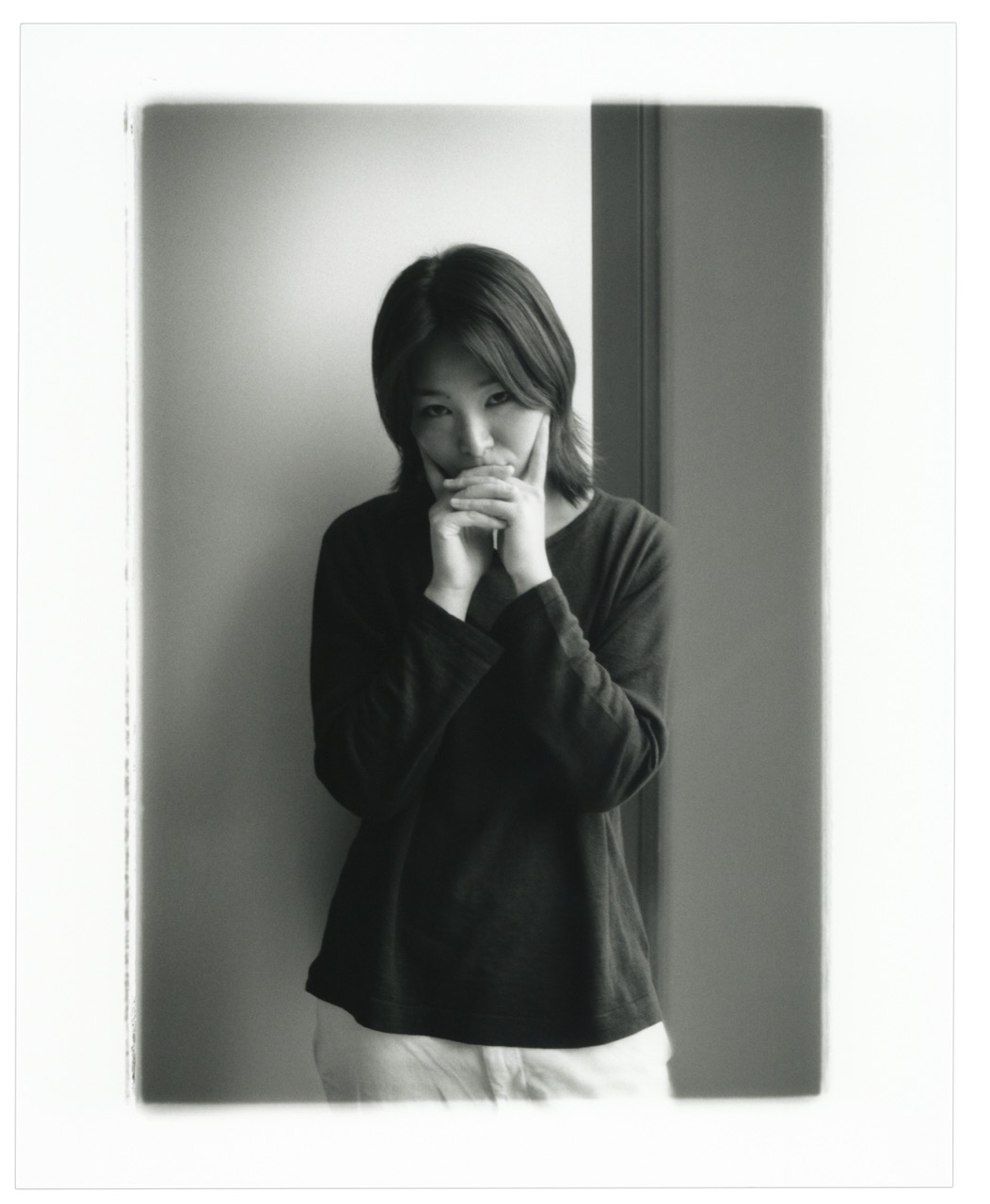
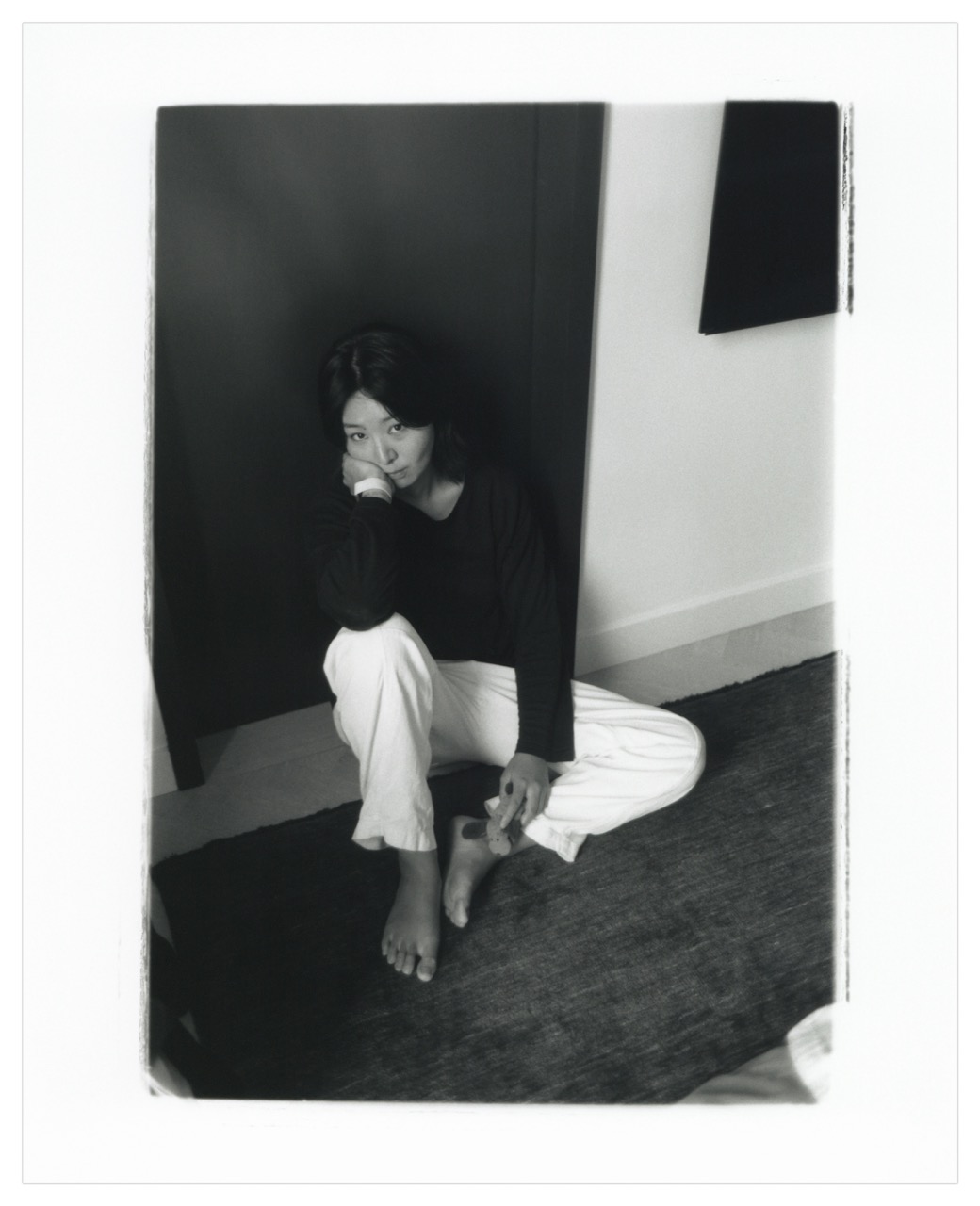
Dorothea Sing Zhang. By Kingsley Ifill, 2026.
Luke Georgiades: You began your film education in Denmark, but it wasn’t exactly a conventional film school. How did you end up there?
Dorothea Sing Zhang: Well, I went there for a very strange temporary film school. It wasn’t exactly a formal education. It was three months with all these drunk directors who decided to show some films. They were careful about “teaching” anything.
LG: By drunk directors, you mean…
DSZ: Lars Von Trier, Jørgen Leth, Thomas Vinterberg—all my personal heroes, really. It was during the pandemic. The whole programme was for 20 people, and of course you didn’t need any credentials to get in, that would be very un-Dogme.
LG: What was the experience like?
DSZ:I learned to drink there. Lars, Jørgen, Thomas, they taught me how to drink. I can’t remember much else, except that I didn’t really drink before École de Leth, but after I left, it was a very different story. It’s very Danish to drink for any occasion, it is never looked down upon. On the first day, Jørgen told us, “I don’t want to teach anything, please do not learn anything, I just want to share what filmmaking is to me.” I was moved by Jørgen, all the time. He was gentle, frail, he moved mountains for cinema. I’ve always felt very understood when he said in The Five Obstructions, “There is just no reason to wake up that early,” when he had to get up early to film one day. I went to Mallorca a couple of years ago to see him. He was alone in his apartment. One evening, we spent two hours deciding on what film we were going to watch. We settled on Mulholland Drive. He passed away last year. The last thing he texted me was asking for a link to see my film.
LG: Before that, did you have any formal or structured education in filmmaking?
DSZ: I hadn’t made any films, nor did I want to. My curiosity at the time was just this fascination with the work of Lars Von Trier. Dogme95 is the most sincere reflection of what cinema means in my mind. I did not know movies could be like that. He enchanted my soul. My experience with all of them was strange. It was around the time that Lars was diagnosed with Parkinson’s disease. It hadn’t been announced publicly yet. When he would speak, Jørgen would start crying, then we would all start crying.
LG: How does it feel to finally have this trilogy be complete?
DSZ: It feels good to finish things, to know that it’s ended. We make things about the things that hurt us. A trilogy is sort of like three different windows looking into the same room. Or maybe it’s just an excuse to talk about the same thing over and over again. The trilogy was my film school. I didn’t have a formal education, so I designed my own. The idea was to tell the same story but in three different forms—musical, docu-fiction, and narrative film. I learned recently that I am probably not a perfectionist. It’s a tragedy, really, to be a perfectionist, if the severity is too high, one ends up not doing anything. Because to sacrifice the gorgeous idea in your mind for what it really is… It’s pretty horrible. But I fear the latter more.
LG: Judging by the images, it feels to me as if you’ve been making films for far longer than you have.
DSZ: I’d been making photographs for some time prior to making films. I get compliments about the images in my films often. I’m not really proud of that. A beautiful spectacle is not a genuine experience. Spectacle creates a distance between the viewer and the work. They have to disengage to see it on its own, which is not good. The wish now is to make something that looks uglier but feels beautiful. Ugly is more dynamic than beauty. Ugly is forever.


LG: Looking back on the trilogy, how do you feel about them? Were they experiments?
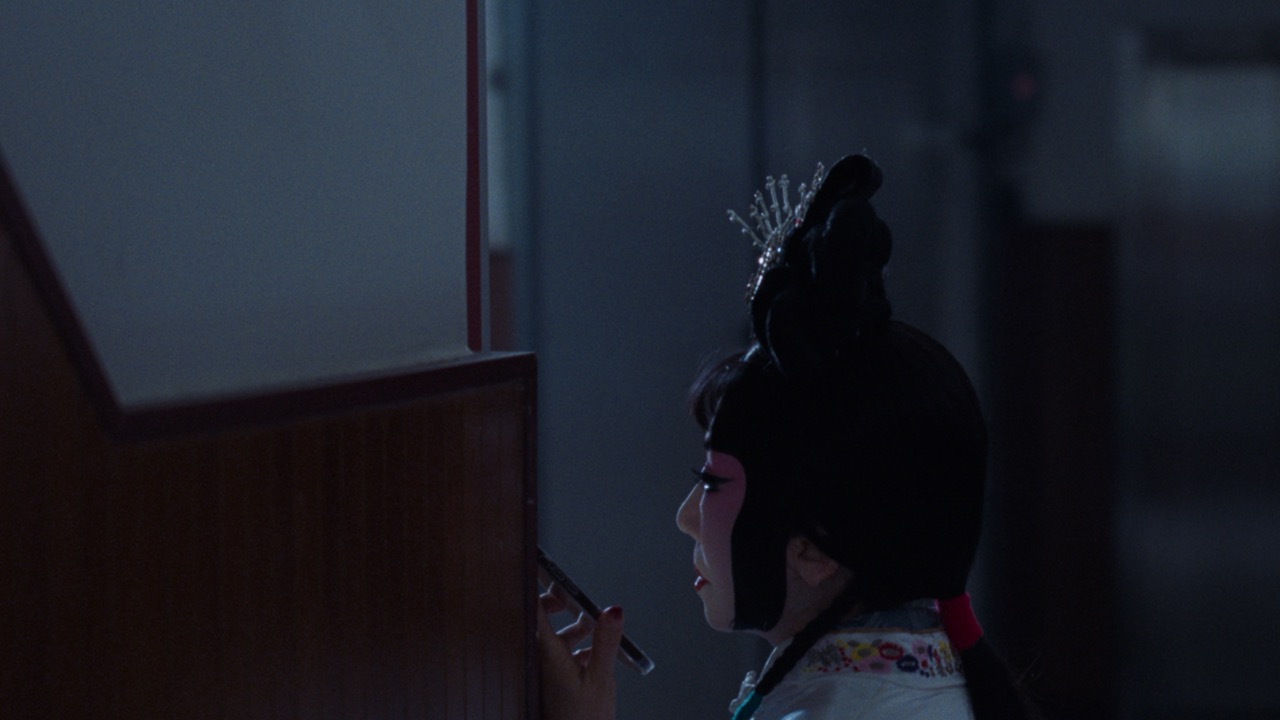
DSZ: I don’t know. I think the desire was to say something about the painful connection shared and transferred between mothers and daughters. The musical [Masterpiece Mommy] was trying to look at it from the outside. It’s the genre that the audience has the most expectations of. I’m attempting to give something beyond the expectation. To keep the tradition of melodrama but offer some new images—ones that would be strange to put in a musical.
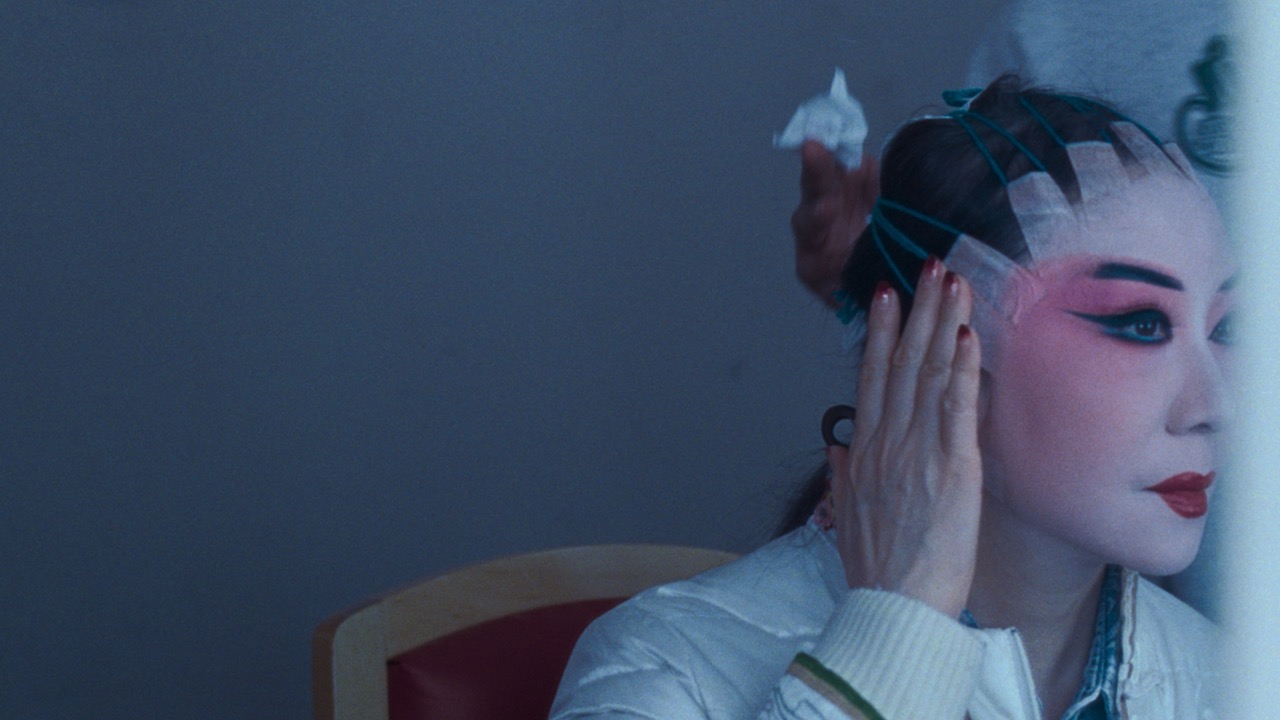
The docu-fiction [A Small Fiction of My Mother in Beijing]—even though I consciously reject sentimentality, I think I failed here. It’s an incredibly sentimental film. I took a very basic film theory from Hitchcock, this idea that you can film people on a date, but under the table there is a bomb. Then you can cut to whatever you want, but once in a while you just have to cut back to the bomb, and the audience will always be curious to see what will happen. We shot the documentary scenes in the first three days, with no story in mind. On the evening of the third day, the fictional scenes we needed to shoot for the next three days came to me. Those scenes would turn the documentary scenes, a bunch of random vignettes with no coherence, into a real story. This film is really my insurance policy to myself, it’s like paying tax. I felt I needed to make these images of my mother, probably from fear.
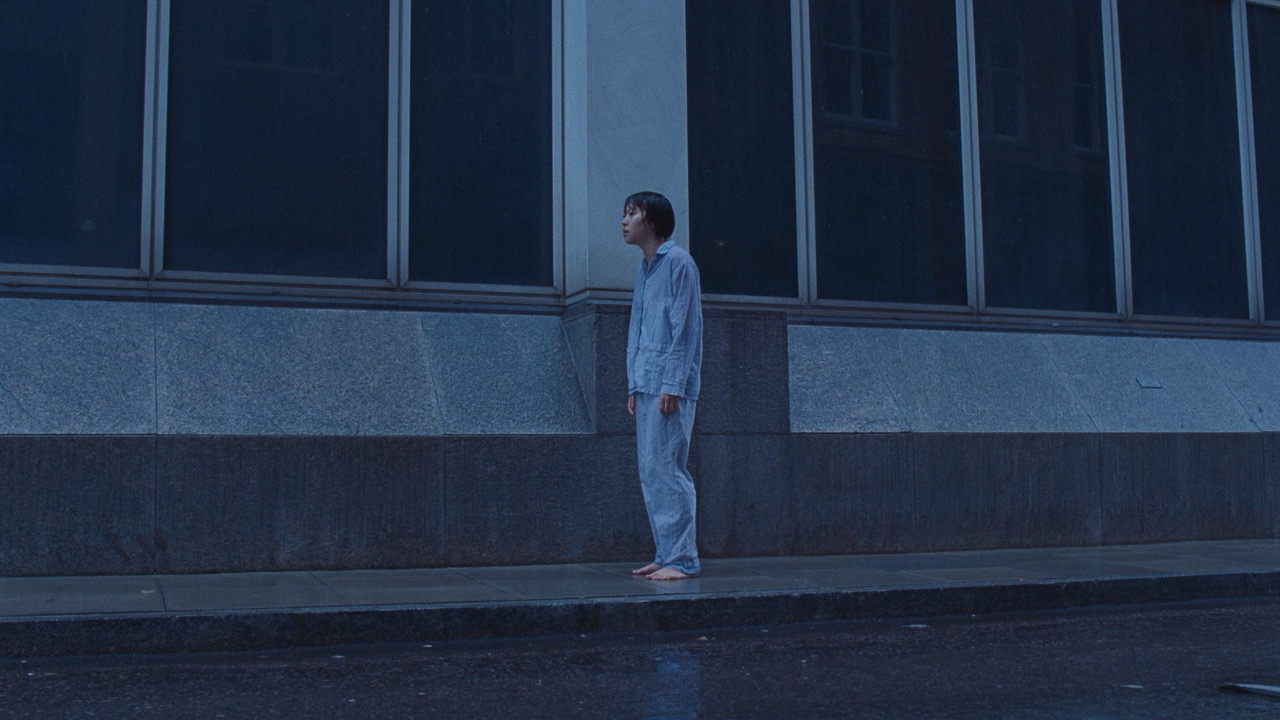
The fiction film [As A Cure] started from a series of strong images that, once they snapped into view, I couldn’t forget. A girl lighting a match, blowing it out, using it as eyeliner. There was also something to say about the “once upon a time” story. I’ve always been fond of fables with no moral or no real resolution.
“The nature of making a film is so far removed from what you might consider a regular activity that it’s almost like—why would one do that if not for some useless nostalgia? I don’t know. But if it doesn’t try to give something to the medium of film and it’s just made of pure sentiment, I do think it’s a bit useless.”
- Dorothea Sing Zhang
LG: How meticulously did you plan the trilogy?
DSZ: I planned it in the same way that I approach everything. If I was to calculate how ambitious or arduous something might be, I would just not do it. If you were to climb a mountain, your guide would tell you not to look at the peak. You take some steps, and some more steps, you get high enough, and at a certain point it’s too late to turn back. I didn’t go to film school—those weren’t my people, I didn’t have to impress them. I felt liberated by that. It meant that I could try whatever I wanted, and nobody could tell me that I did or did not do it well. In hindsight, Masterpiece Mommy was the least risk-averse, because I really didn’t have anything to do with film then. I couldn’t be judged, because it wasn’t what I “knew.” I still try to keep this mentality now.
LG: You’ve mentioned that you don’t consider your filmmaking sentimental. But they are undoubtedly personal films. Where do you draw the line between what is sentimental and what is personal?
DSZ: Inevitably, all films are personal. The nature of making a film is so far removed from what you might consider a regular activity that it’s almost like—why would one do that if not for some useless nostalgia? I don’t know. But if it doesn’t try to give something to the medium of film and it’s just made of pure sentiment, I do think it’s a bit useless. It’s not an exercise in therapy. I know that because I don’t feel like I’ve recovered from the kinds of experiences that I was seeking answers from. In that sense, A Small Fiction of My Mother in Beijing is the one that is the least like what I’m trying to make. It was really to test the theory. I am proud of that film because I do like the idea of films as love letters, but when people talk about their work solely in the way of “this happened to me and therefore it’s important,” I don’t think that is always significant.
LG: Was developing the project a solitary experience, or did you discuss it with your mum?
DSZ: She’s not involved, and it should stay that way. She came to the premiere of A Small Fiction of My Mother in Beijing at TIFF. She was upset that I cut her whole performance in the opening scene, because it showcased her talent. I think she’d disagree that I’m casting a version of her. The “sentiment” could be a departure point. But once I’m writing a story, I’m no longer thinking exclusively about what has happened to me. Like the feature I’m writing right now…well, I don’t want her to watch that. I think she’ll be upset. But it doesn’t matter.
LG: Your mum was selected at nine years old to train in Peking Opera in Beijing, against her family’s wishes. How did that affect you growing up?
DSZ: Deeply embarrassed, especially when I was young. I would lie and tell my friends she worked in real estate. At the time, the embarrassment came from a sour place, whereas now it comes from a place of admiration. Acting is inherently embarrassing. I have so much admiration for actors. Of course, we’re all actors. Right now I’m trying to act the part of eloquence or wisdom, and you’re trying to do the same. These are our roles.
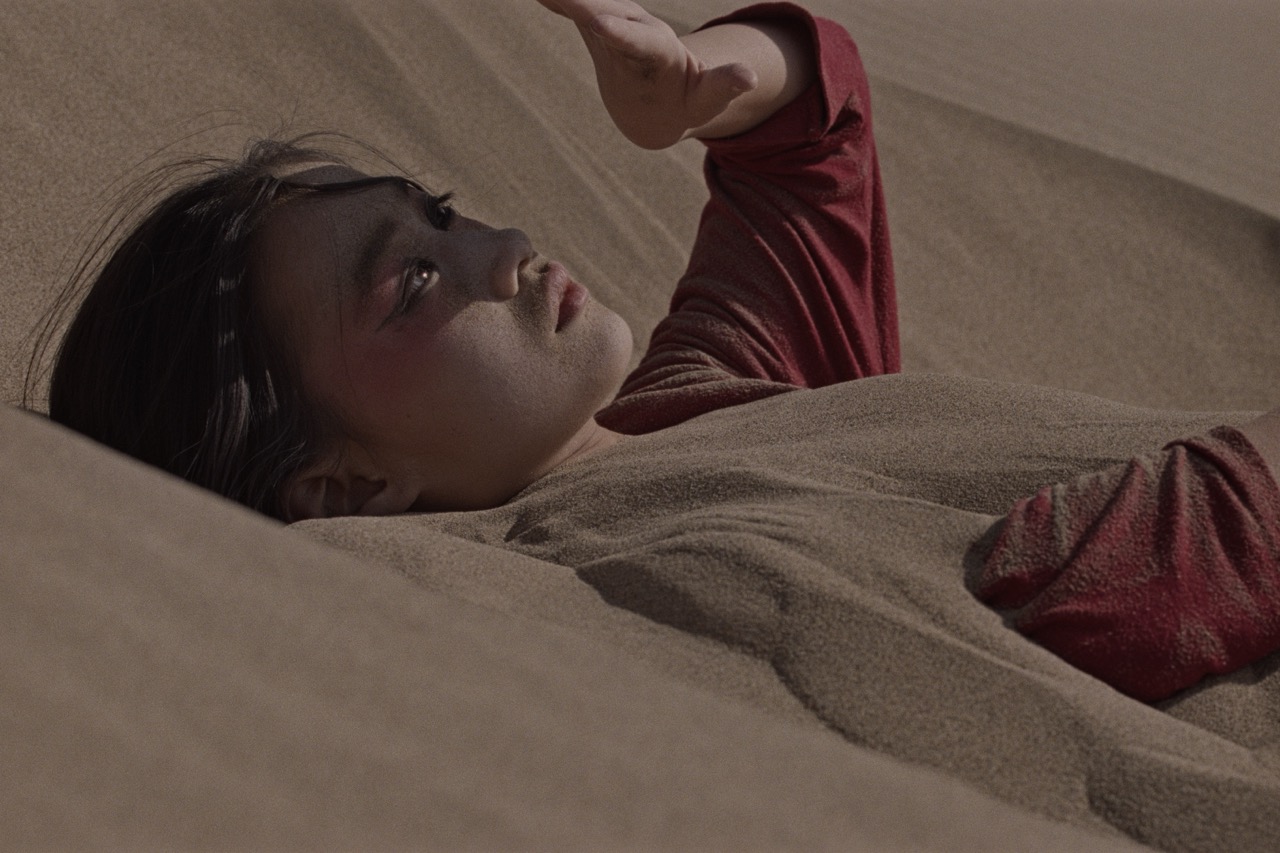
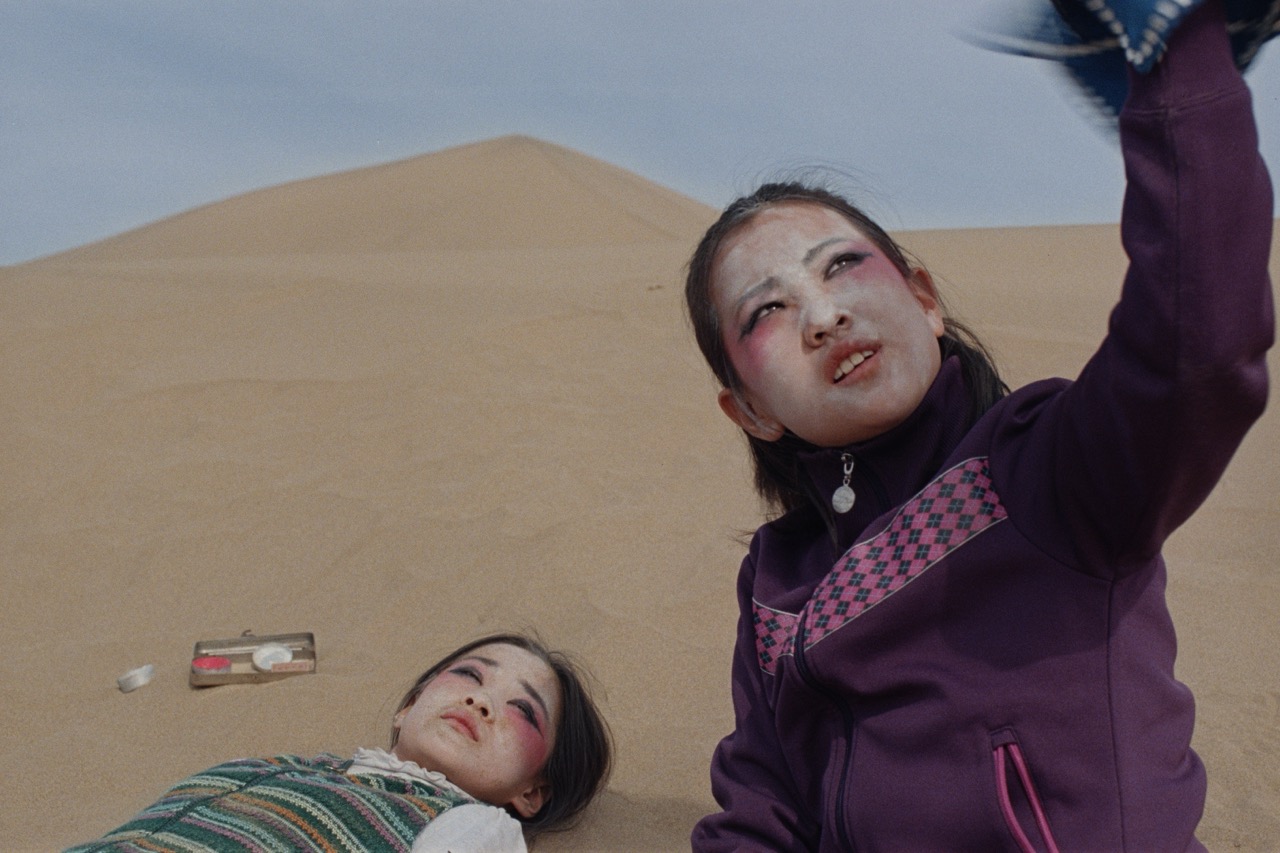
LG: In As A Cure, a little girl is tasked by her mother with finding her identity card in a vast desert. It almost feels like something out of an ancient mythological fable.
DSZ: The idea started with images of the dune and this little girl who has an innate desire to seek something greater outside of her reality. The story is fundamentally quite cliché. I wanted to tell a microscopic story set in a landscape that narratively always represented “being lost”, instead, here it’s where she becomes herself. It’s also a setting that could operate somewhere between fiction and reality. I like to call it practical surrealism. In Masterpiece Mommy, a hospital is somewhere we can easily ground ourselves, but the knowledge that you might die is incredibly surreal. For me, the dune is one of those places.
LG: The same can’t be said about a hospital, but in Masterpiece Mommy you make those mundane rooms and objects feel visually very unique.
DSZ: I’m really showing what I know, which is making some nice images. But the desire now is to commit to what the medium of cinema really is: the emotional interior of the viewer. It’s not the same as other art forms. If you were to look at paintings, illustrations, or sculptures, the height of the work is in its aesthetic, but because cinema constitutes reality, it allows the medium to transcend beyond aesthetics. Beauty is not the peak of cinema. Even if it looks good, it doesn’t necessarily mean that it is good.
LG: Growth can’t be stopped, so it makes sense to me that you’re underplaying the films you made a few years ago now.
DSZ: For the record, I do like them [laughs]. I do! But it just wouldn’t be true if I sat here and said, “Right, this is all so great and this is why I made it.” I personally would rather read something more introspective, where there is more hesitation in the afterthought.
LG: You use dialogue sparingly throughout the trilogy.
DSZ: I’m impressed by films that use dialogue as texture rather than plot. The gift of the musical genre is that you can say whatever you want, because the audience has unconsciously already accepted that singing will appear before the movie even begins.
LG: Did you have an existing musical in mind while you were writing the lyrics for Masterpiece Mommy?
DSZ: Singin’ in the Rain and Dancer in the Dark were of course on my mind. Writing the lyrics was a lot of fun. It was my opportunity to pretend to be a musician. If God was giving gifts, I would have wanted to be a musician.
LG: Where did the phrase “as a cure” come from?
DSZ: It’s a great aesthetic, words. I became obsessed with the phrase ‘as a cure.’ I don’t remember how I came to think of it, but it’s about this idea: what if it’s not the desire, but rather the cure? What if we are not greatly passionate about what we do, but that everything else is so unbearable it terrifies us? I like this idea that what we choose to do maybe is really just holding off and saving us from killing ourselves.