Four decades after it rocked Thatcher’s Britain and ushered a new vision for queer stories in cinema, Henry Wong revisit the fashions and feelings of My Beautiful Laundrette with writer Hanif Kureishi and filmmaker Stephen Frears.
Two men stand outside a laundrette in South London. Johnny, who has been decorating the exterior, wears a uniform befitting a 1980s punk: paperboy hat, Lonsdale hoody, plaid vest. His unkempt hair is bleached blonde. The other, Omar, is nerdier: he’s dressed in a checked shirt and a grey V-neck jumper. It’s an imitation of his immigrant uncle, who hopes to be viewed as a respectable member of society: good for business, good for Britain. They are not alone. Skinheads—Johnny’s old friends—loiter in the road, watching and whispering. Johnny pays Omar for his handiwork and leans in for a hug. And then, as the two young men scuffle slightly, Johnny licks Omar’s neck. Hidden from the onlookers, their faces break out into smiles. The moment lasts only a second but, like all indiscretions, lingers a lot longer.
You could, in truth, point to many scenes in My Beautiful Laundrette as evidence of why the 1985 film has endured for so long and in so many people’s hearts. Thanks to its complex, slightly Shakespearean plot lines—a gay, interracial relationship in Thatcher’s Britain; the at times shocking, though unfortunately not unfamiliar, racism of suburban London; a touching, subversive story of immigrant families—the picture means an awful lot to an awful lot of people. But the clue is in the name: My Beautiful Laundrette. Not The Beautiful Laundrette or A Beautiful Laundrette. Not even Our Beautiful Laundrette. That first-person possessive adjective is important.
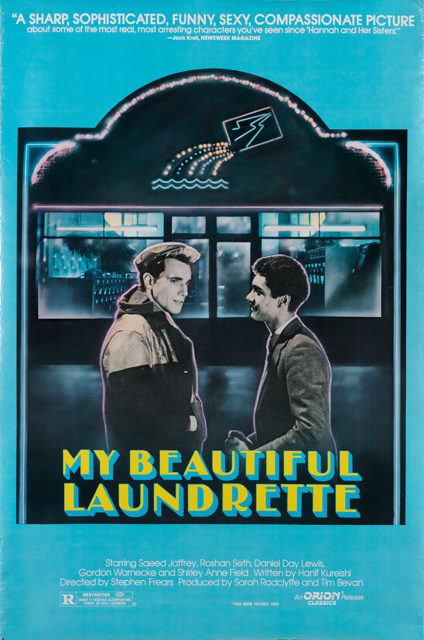
Poster for My Beautiful Laundrette (1985).
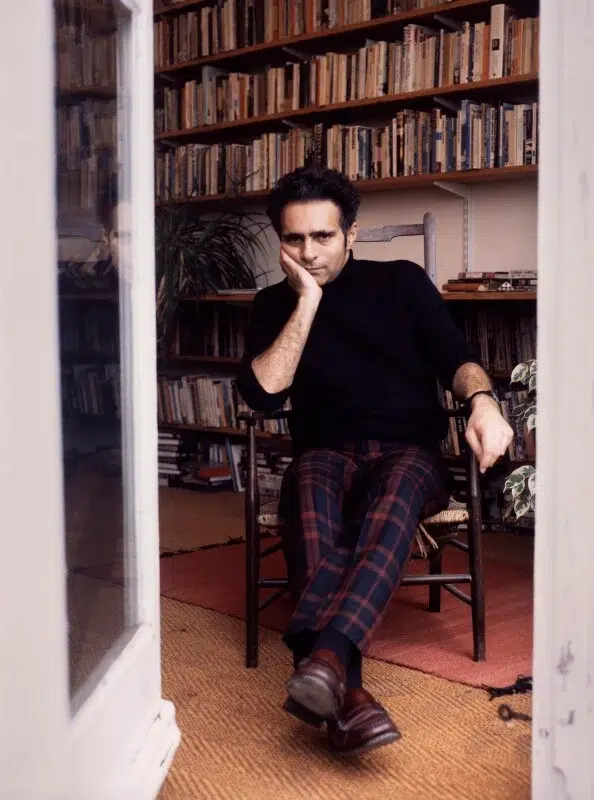
It belongs to Hanif Kureishi, then an up-and-coming writer, who was writing and working in London. Kureishi was born in Bromley, a district that was historically Kent and later officially became London in the 1960s, and is therefore neither. His mother was English and his father a Pakistani immigrant who worked at the Pakistan Embassy in London. In the 1980s, Kureishi was writing in theatre circles—at the Royal Court and the Royal Shakespeare Company—but he had also been working at laundrettes owned by a family friend, at the behest of his father. “So I went round these fucking laundrettes,” Kureishi tells me, “and then when Channel 4 asked me to write a film, I thought, ’I’ll write a film about a bloke running a laundrette’.” (The broadcaster was established in 1982 and had started to make low-budget British films and television series.)

“So I went round these fucking laundrettes and when Channel 4 asked me to write a film, I thought, ’I’ll write a film about a bloke running a laundrette’.”
Hanif Kureishi
A story emerged, with details from his own life. Kureishi, who is now 71, had grown up with a lot of children who became skinheads. “A lot of my school friends wore short hair and DMs and Levi’s and shirts and all that gear,” he tells me, over a video call from his kitchen in Shepherd’s Bush. He then added details to these characters’ lives— Omar’s father is a liberal journalist in Pakistan but flounders in the UK, while his uncle is superficially a successful businessman—to contextualise the “enterprise culture” of the 1980s. Most importantly, he added romance. The film was about two friends running a laundrette together, he explains. “And then I remember writing the kiss,” Kureishi says, “and the story had much more momentum. It ignited at that moment.”
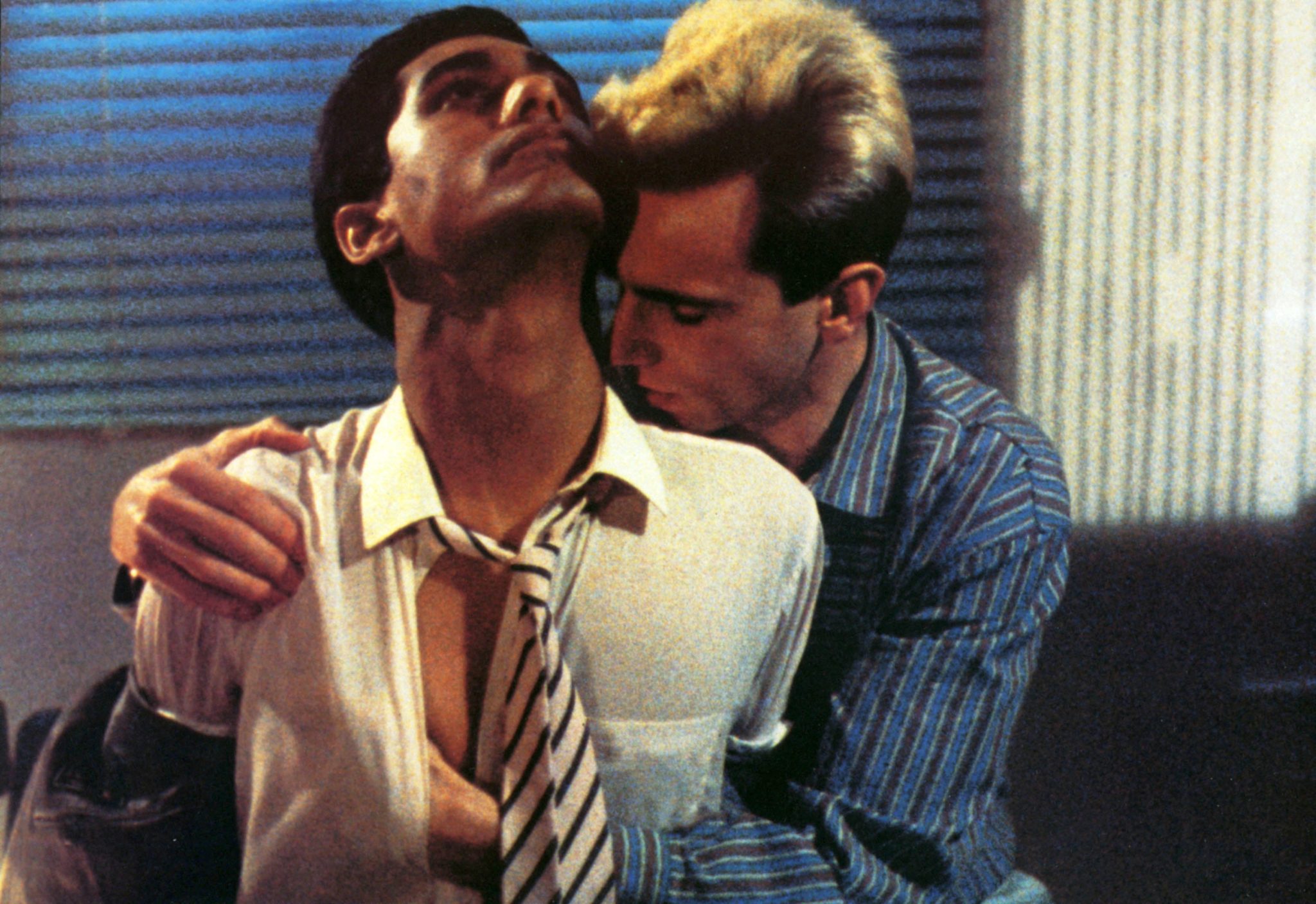
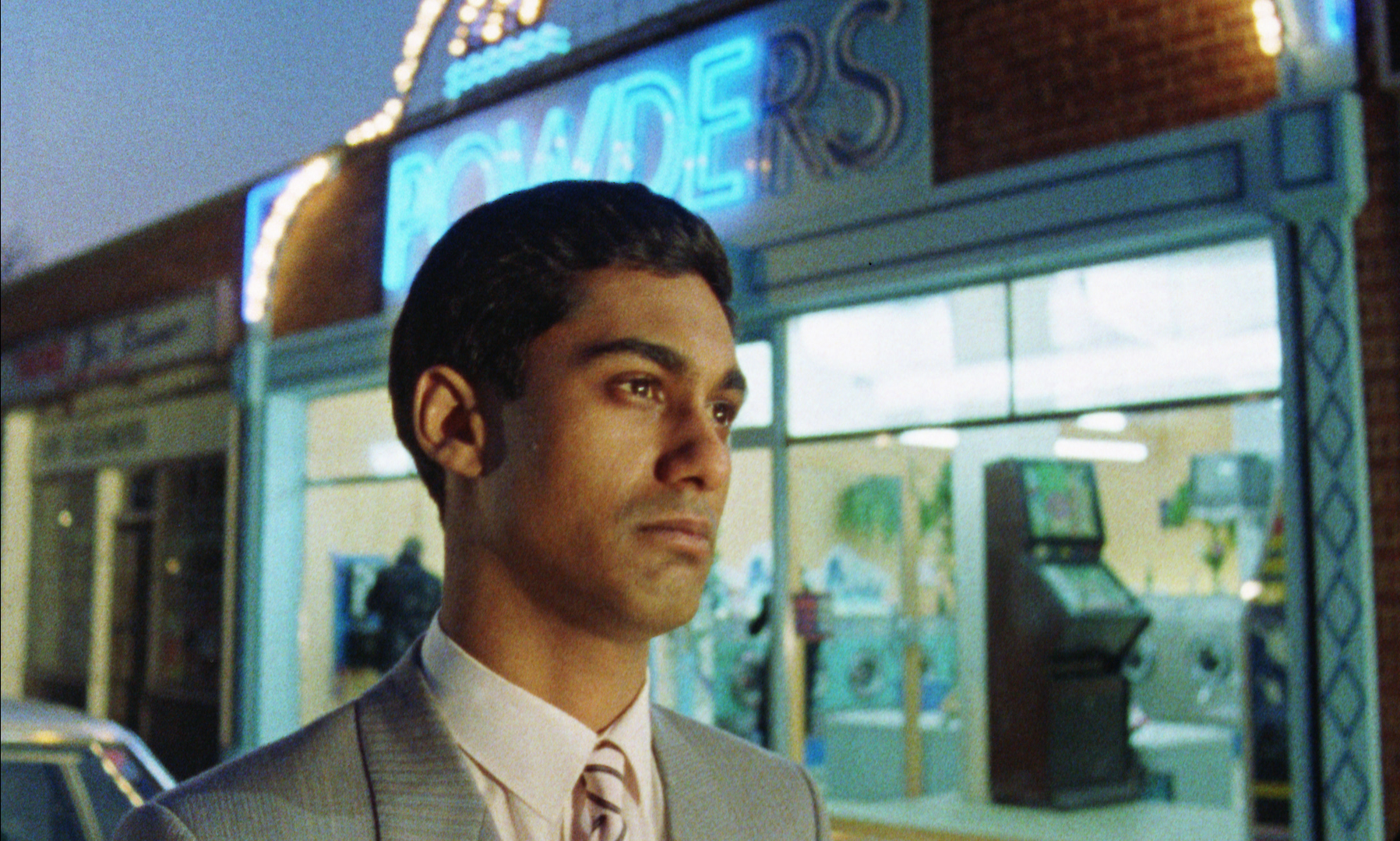
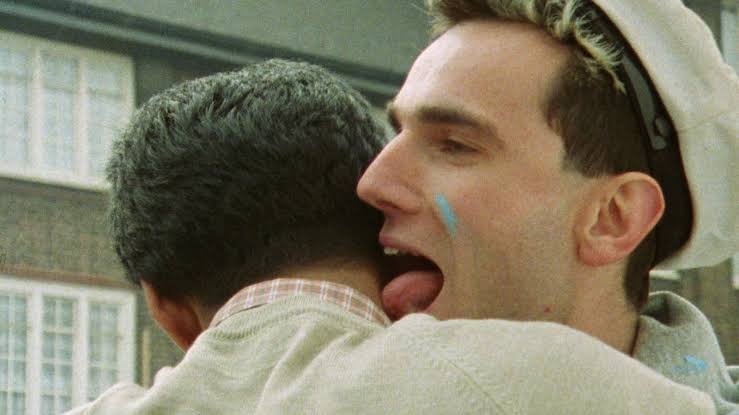
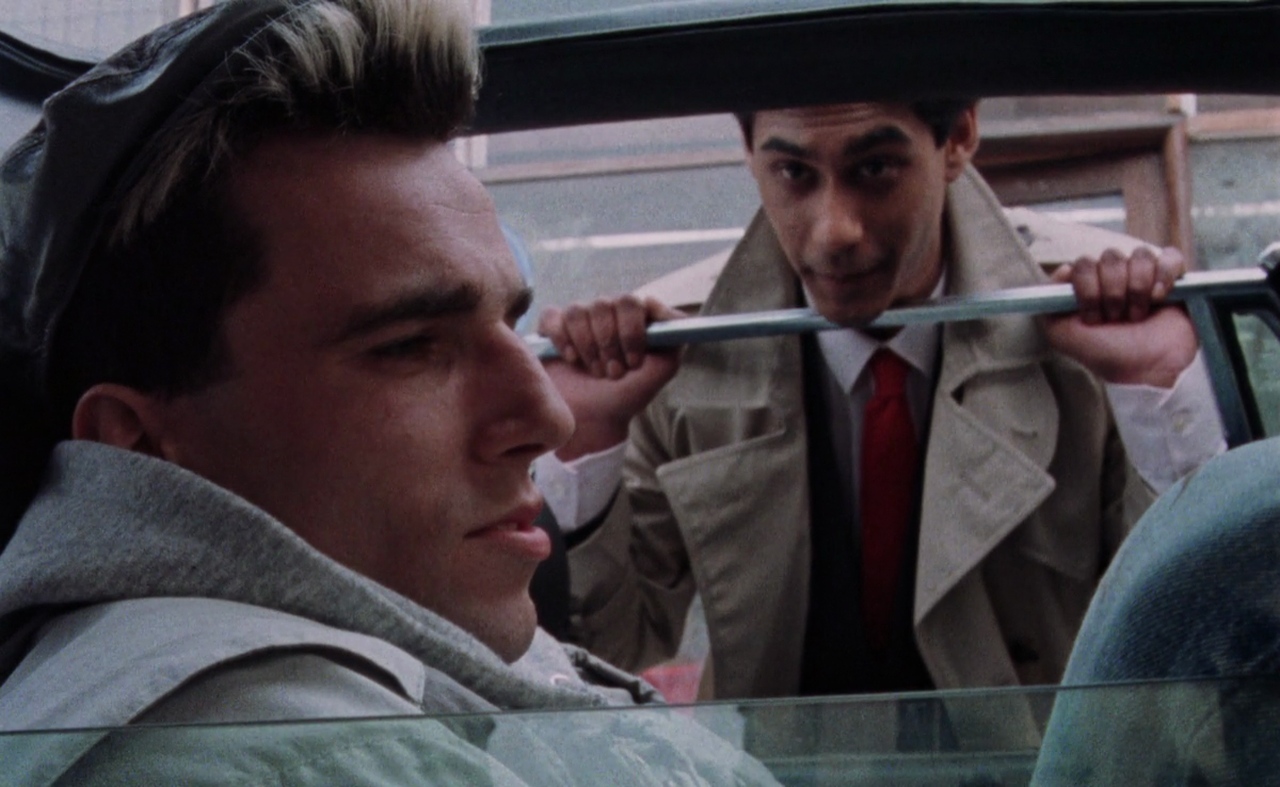


Ignite is the right word. After the first kiss between Johnny (Daniel Day-Lewis) and Omar (Gordon Warnecke)—at night, in an alleyway, both a little surprising and completely mundane— the film turns into something else entirely. While Kureishi—who is bisexual—points to Romeo and Juliet as a frame of reference, there are few theatrics to Omar and Johnny’s romance. Director Stephen Frears injects the story with tenderness and humour at every turn. There is, of course, deception (the business is used to launder drug money) and destruction (Johnny’s allegiance to Omar’s family reaches a scrappy climax).
But the final scene—a vignette of the two boys washing each other at a sink—is neither tragic nor sappy. “It never occurred to me to write a happy ending,” Kureishi tells me. “It’s a much more, let’s say, neutral ending that these two people are going to carry on together. Who knows what their future is going to be like?”. My Beautiful Laundrette was made for around £500,000. It grossed around £2.3m worldwide. It launched the career of Daniel Day-Lewis, who followed it up with the Merchant Ivory adaptation of A Room with a View (1985).
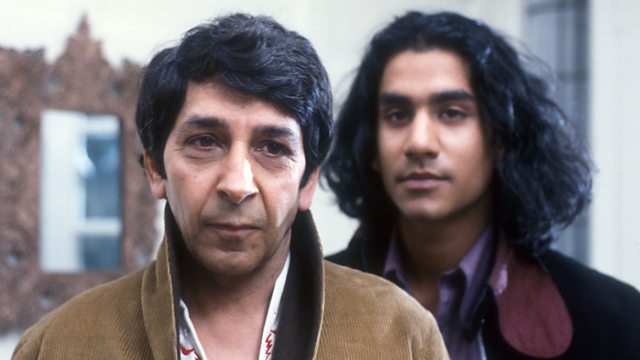
Roshan Seth and Naveen Andrews in The Buddha of Suburbia (1993), another adaptation of Kureishi’s work.
In the following decades, Frears would direct Dangerous Liaisons (1988), High Fidelity (2000), and The Queen (2006). For his debut film, Kureishi was nominated for an Academy Award and a BAFTA for Best Original Screenplay. While he may not have won either, he has become one of our leading writers, and his 1990 novel The Buddha of Suburbia—about an English-Indian, bisexual teenager—won the Whitbread Award for best debut. And, an even rarer achievement among writers, he has remained a talking point throughout his career, thanks to his robust opinions and—rather unwriterly outspokenness. He is also now tetraplegic, after fainting and falling on his neck in 2022. His spirit, I am happy to report, has not dimmed.
“He had long hair, I remember. He was not flamboyant in that moment.” This is how Frears, now 85, recalls meeting Kureishi for the first time, after the writer mailed him the screenplay. “I just thought though, the script was very, very good,” Frears says. “And when I’d had the script explained to me, because I had to be taught all about imperial history, it just got more and more interesting.” Certainly the set sounds—from both Kureishi and Frears’s viewpoints—a little alchemical. “I remember a sound editor saying most of his work was taking my laughter out of the tracks,” the director recalls. Plus, Kureishi was present all of the time on set.
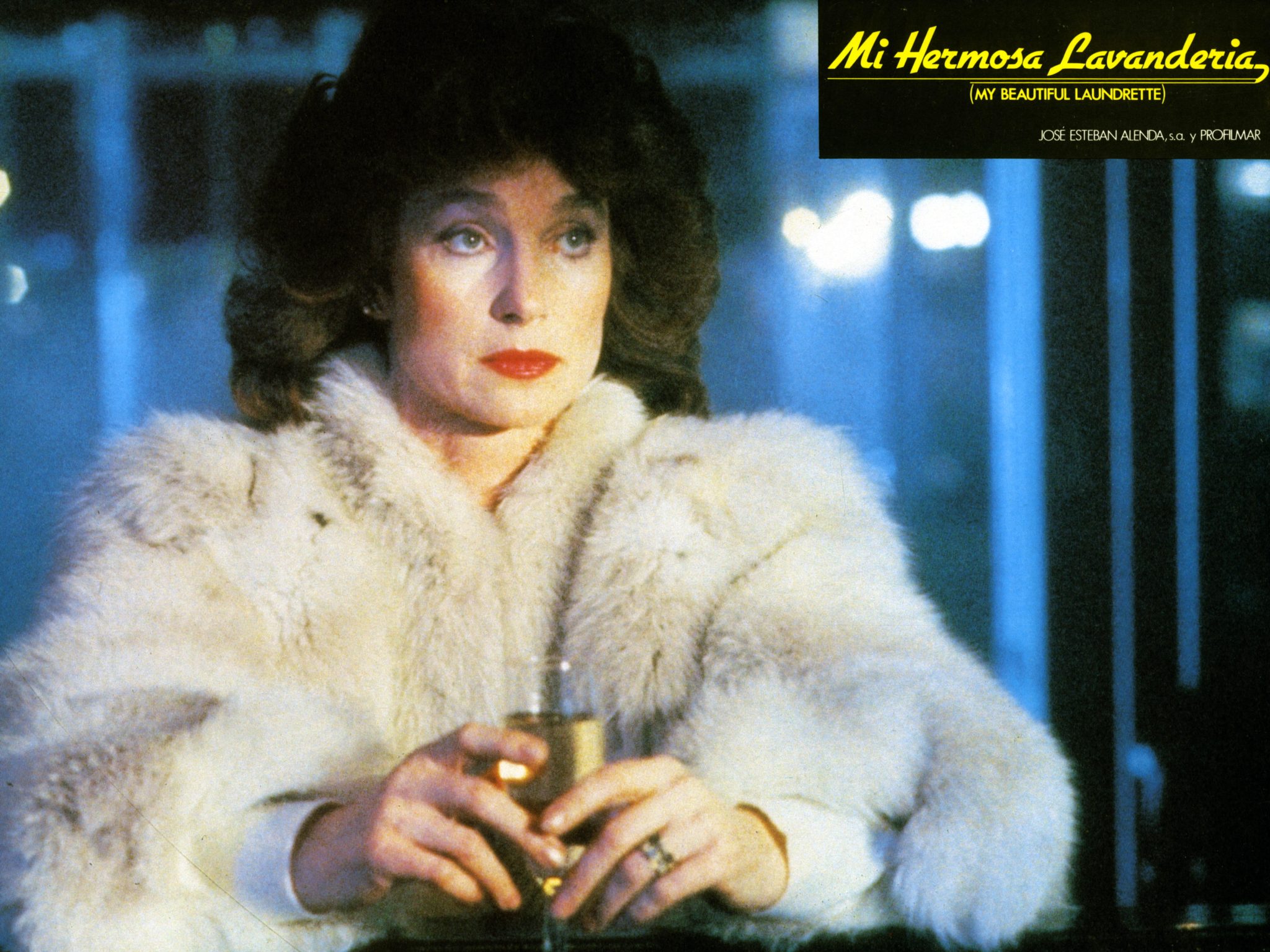
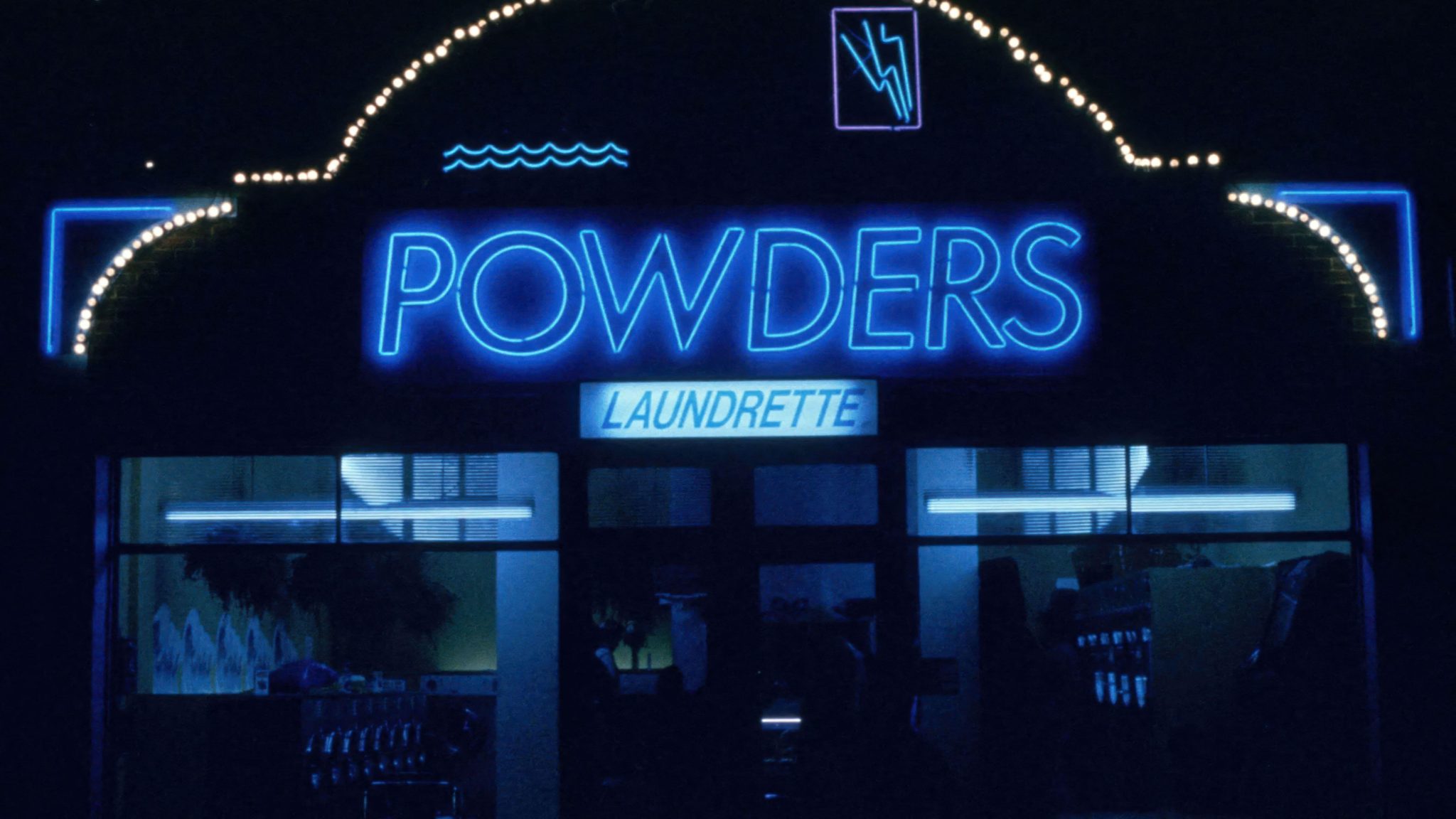
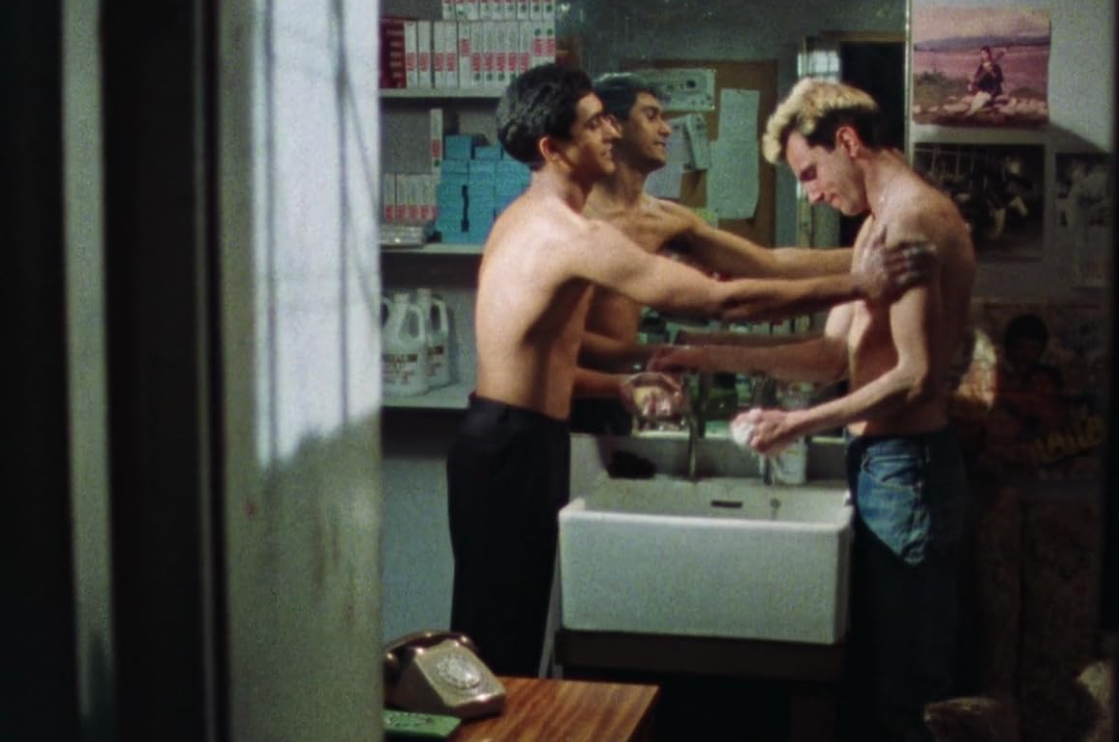
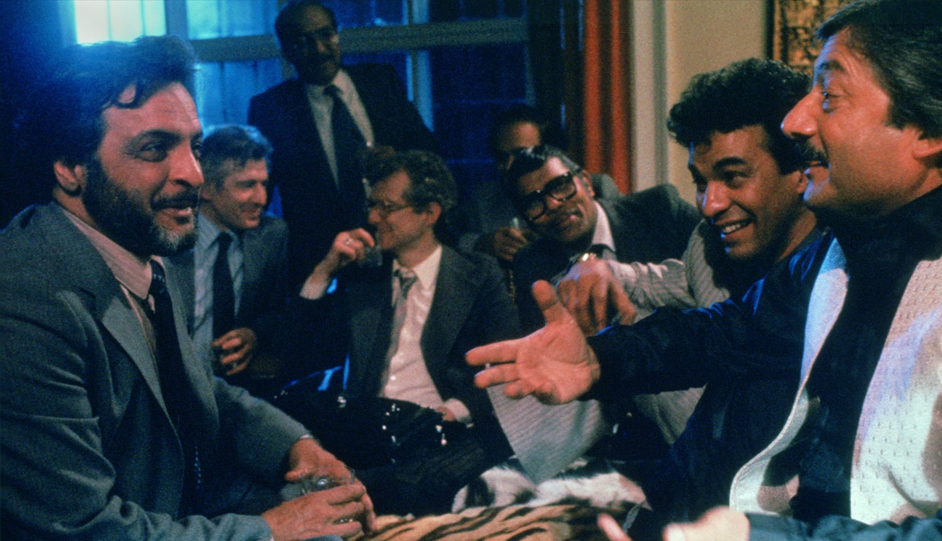
“Particularly in the laundrette,” Frears points out. “You know, there was a man on the phone, and we were always giving him lines through that. He’d say, ’Go on, I’ll talk about that and talk about this.’ And he was very very good. So we made it up the whole time.” The movie and its fashion and sensibility capture a certain coolness about London at the time. The Face had launched in 1980; punk had spread from the King’s Road at the end of the previous decade; My Beautiful Laundrette captures a city in flux and fizz.
The film, four decades later, still looks modern. “It’s very well designed,” Kureishi agrees. He points to Oliver Stapleton, the film’s photographer, who had been working in music at the time and was the cinematographer on the music video for Aha’s 1984 song “Take On Me”. The work of costume designer Lindy Hemming is undeniable, though one of the best choices—Day-Lewis’s bleached hair—was down to Frears. As Kureishi explains, the actor had just dyed his hair for a stage production of Dracula. “Half of it was white and half of it black, and [Day-Lewis] said, ’Excuse me for my hair, but I’m growing it out.’ And Stephen said, ’Oh you look fucking great like that. Why don’t we do it like that?’”
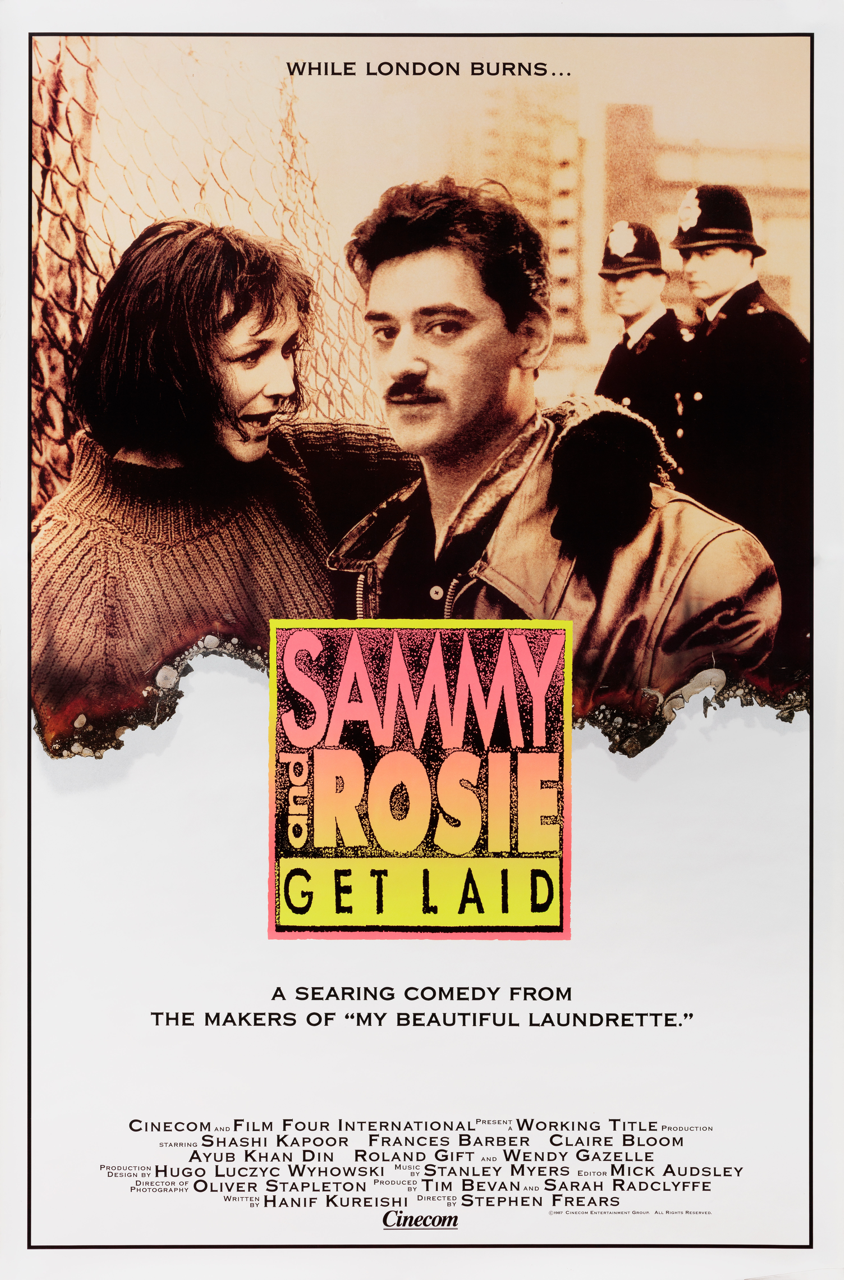
Sammy and Rosie Get Laid (1987), the duo’s excellent but lesser-seen follow up project.
Kureishi and Frears teamed up again on Sammy and Rosie Get Laid (1987), a romantic comedy about a married couple in an open relationship. Ayub Khan-Din (who would go on to write the 1999 film East Is East) played Sammy while Frances Barber took on the role of Rosie. “With the success of My Beautiful Laundrette, which neither of us expected, it felt inevitable,” Frears says. “But the follow-up was not as successful.” After that, the pair didn’t collaborate as often. Kureishi’s next film—London Kills Me (1991)—was about a young man trying to escape the drug scene. “I said, ’Look I’ve got two children, I can’t make films that have a sort of implicit approval of drugs,’” Frears says. “And that was that.”
Kureishi doesn’t think he’s watched the film since 1986. He doesn’t want to. “It will be too upsetting: the memories of being on set, of who I was going out with at the time, of the parties we went to, and the shit that happened around that time.” That hasn’t, of course, stopped the film’s influence, particularly among gay fans who still come up to the writer and discuss Johnny and Omar.
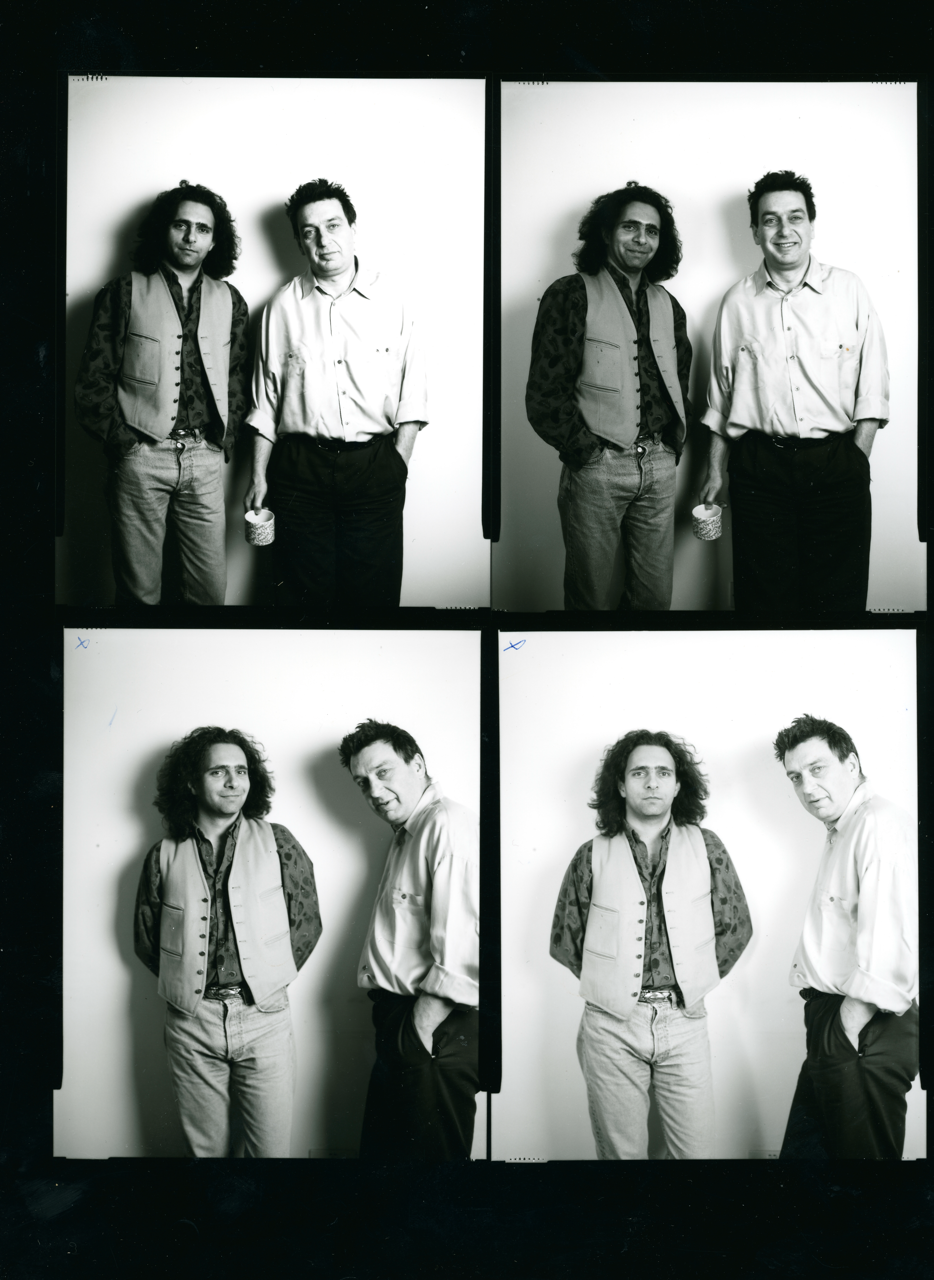
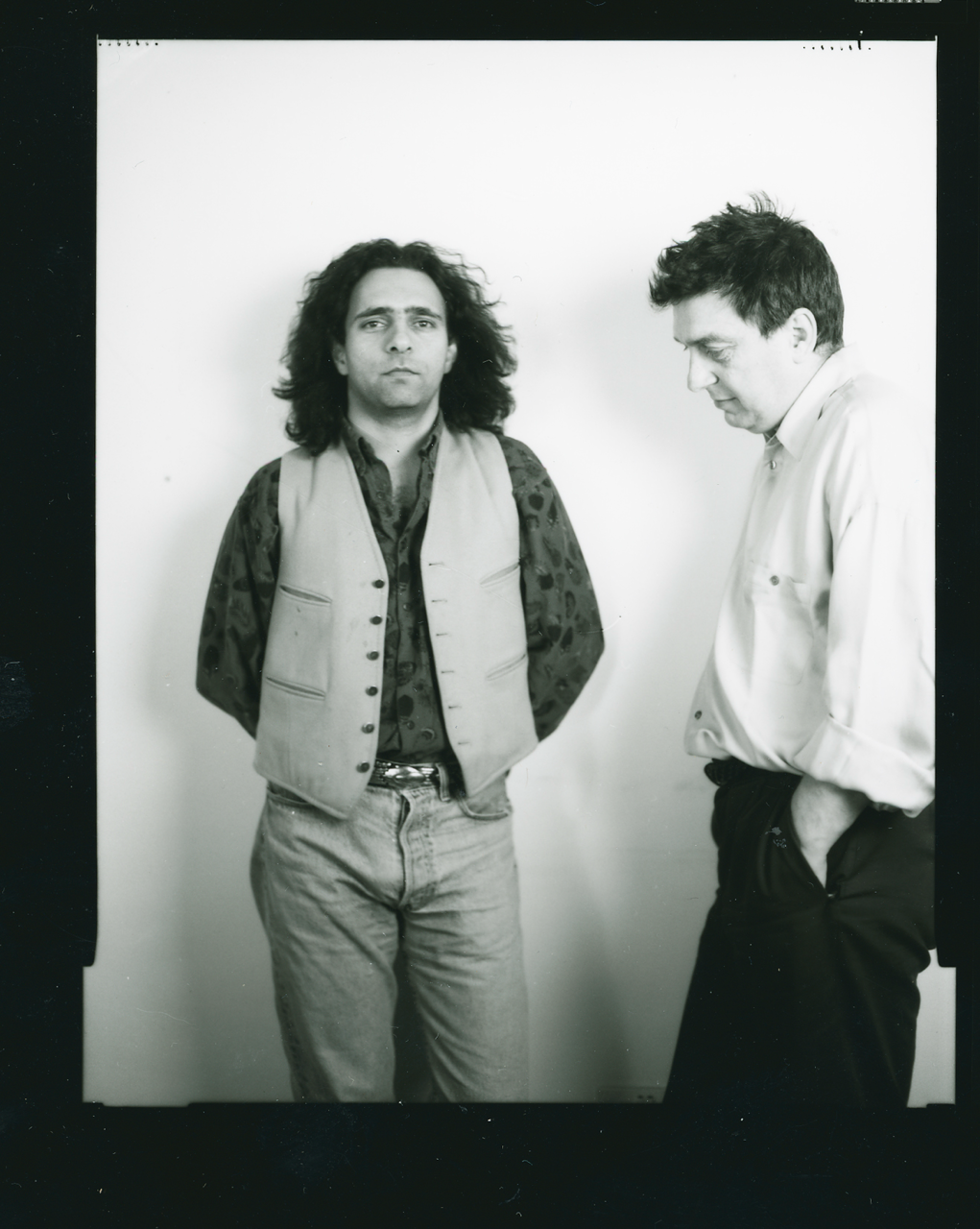
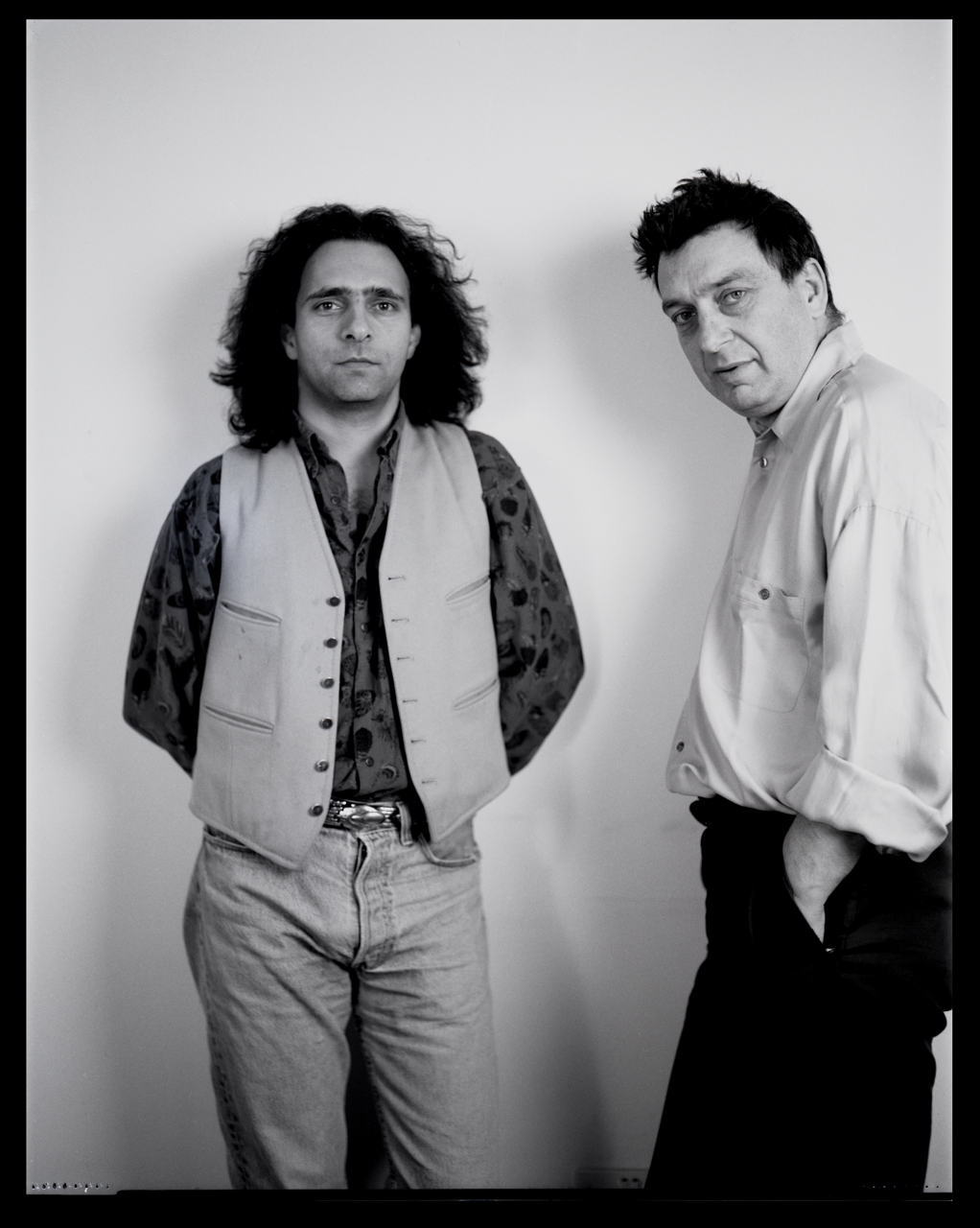
“You know,” Kureishi muses towards the end of our conversation, “most gay queer films before My Beautiful Laundrette are pretty miserable.” Kureishi clearly wasn’t interested in indulging that dourness or expressing, in his own frank terminology, “What a drag it is to be gay”. Kureishi didn’t want to get into the typical narratives: do I tell my dad? Do I tell my mum? “They never talk about being gay,” he says about the two leads. “This was quite a cheerful film about queer love.”
Towards the end of our conversation, Kureishi leaves me a story that explains the movie’s success better than any film critic. It is also, I suspect, only a story that Kureishi could tell: “Derek Jarman had a flat on the Charing Cross Road, and you could look out of Derek’s window and there was a cinema on the other side of the road where people would queue to go and see My Beautiful Laundrette. Derek said he used to hang out of the window looking at the queue and all these beautiful young queer kids in their groovy clothes with their great hair and so on. He said it was amazing to see that London had come alive in this new way when this movie opened.”