

Bassam Tariq has spent his career turning to the people around him. Now, with a film in cinemas this week, he talks about community, criticism, and why the best ideas are the ones you keep to yourself.
On one of the windiest days London has had all year, a line of journalists waits outside the Southbank Centre’s Royal Festival Hall for the talent at the UK premiere of Your Mother, Your Mother, Your Mother. Barriers are toppling, and dresses are having a full Marilyn Monroe moment. I chat with the journalists around me, and many of them, it turns out, have been helped onto their spot on the red carpet by the film’s director, Bassam Tariq.
When he finally arrives, he doesn’t head straight for the cameras. He works the line instead, asking for everybody’s names, checking how everyone is doing, making sure nobody has been left out in the wind. He is still looking around, attentive to the people near him, checking who’s missing, with the humility of someone who knows that it takes a village. “For anyone to think that you’re going to climb a mountain on your own, it’s bananas,” he tells me later. “There’s a team of Sherpas or whatever it is that takes you up together.” He adds that he feels a responsibility to his community: “I want to listen, and I want to grow.”
Bassam Tariq is something of a chameleon. Born in Pakistan and raised in America, he now splits his time between New York and Houston, and he is as comfortable in a London hotel as he is anywhere. He is endlessly curious, quick to turn the conversation back on me. It’s a self-effasiveness that has shaped his career behind the camera.
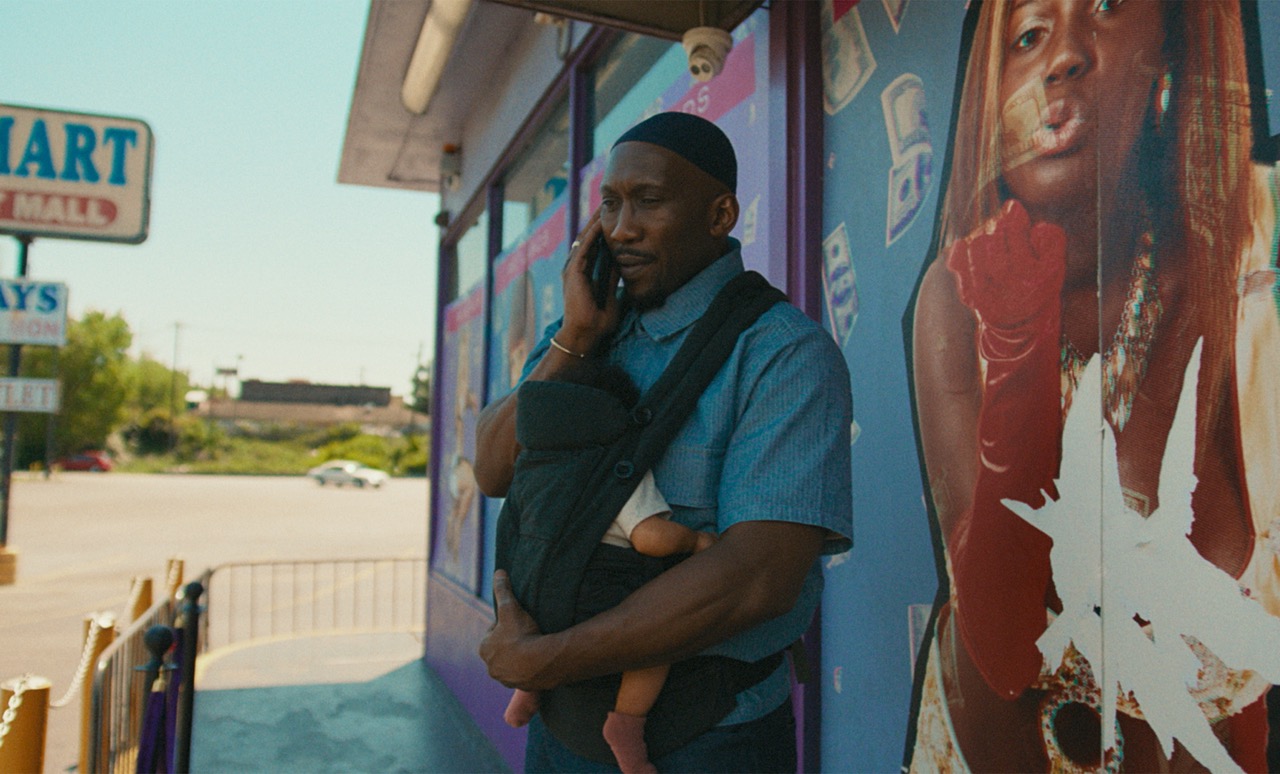
He made his name with Mogul Mowgli (2020), a heartfelt drama about a British Pakistani rapper played by Riz Ahmed, who he later reunited with on the series Bait. In 2021 he was attached to Marvel’s Blade opposite Mahershala Ali before he departed due to production delays. Now the two have finally made a film together, an original hitman drama in which Ali plays Latif, a devout Muslim father trying to balance his work as a hitman with his faith and fatherhood, following the death of his wife. Tariq wrote it himself, and it is the first big studio film of his career.
It was not an easy sell.
In 2023, after rereading the script in a coffee shop, he told his agent not to send him anything else, because this was what he was making next. “They were all like, ‘What? You want to make a film about a Black Muslim who’s kind of a jihadi, looking for breast milk, and then he fights some Korean pastor at the end?’” he recalls. His answer was simple: “Yeah, I know. That’s what I want to do.”
The film nearly had a different name. It began its life as Zephyr. Tariq also had another script, a revenge story he hoped Ahmed would star in, and Ahmed told him, kindly, that the script wasn’t great but the title was. So Ahmed made a suggestion: take the title and put it on Zephyr. Tariq returned to the script and felt something click.
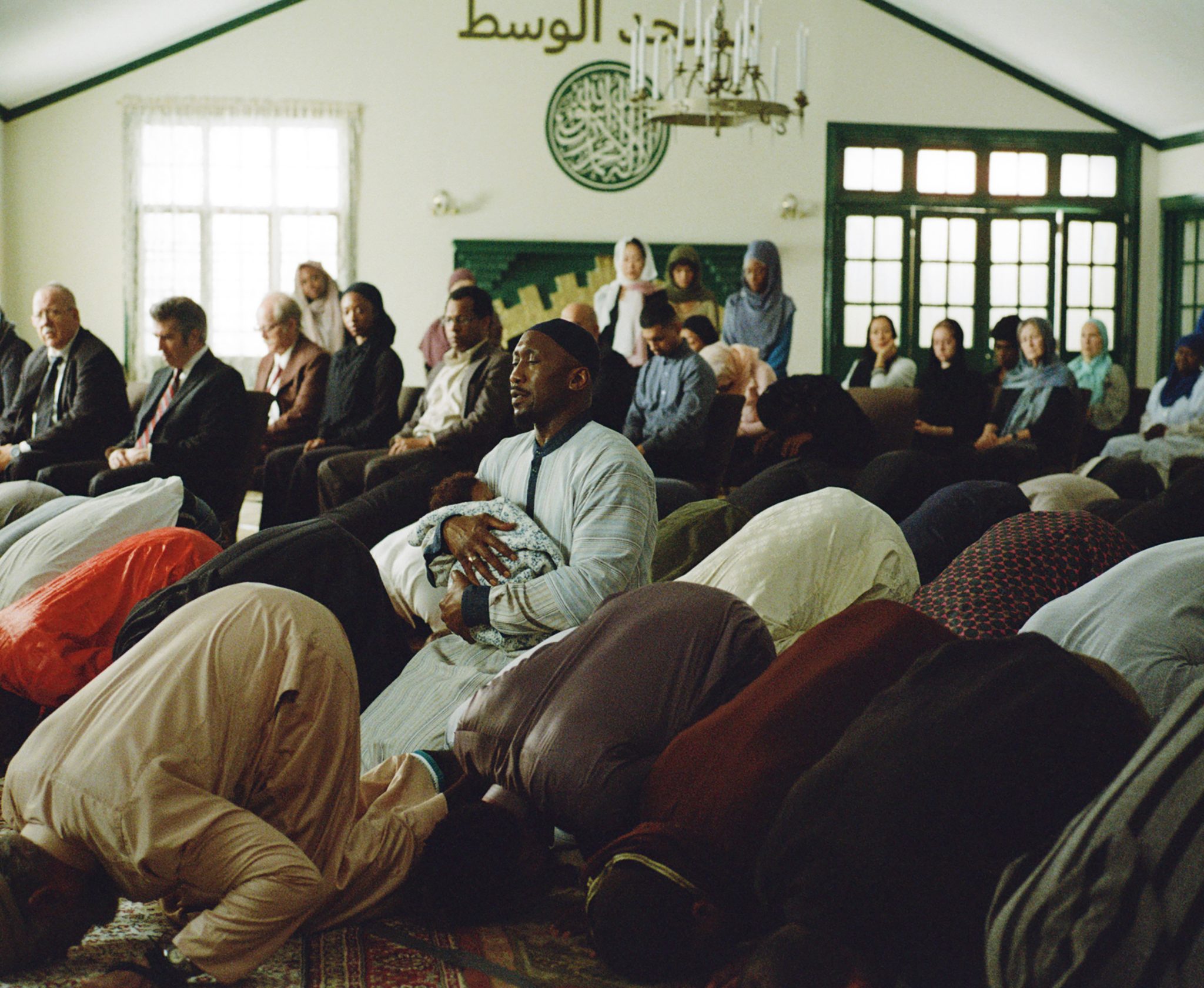
Before a single character appears, there is a Bismillah in Arabic calligraphy, written by Tariq himself and styled after the title cards of old samurai films. He wanted swagger, but he also wanted reverence, and not only for Islam. The film treats all religions with respect, and he wanted to make that clear. He has watched Islam turn into a punchline on screen, sometimes at the hands of people who mean well, and he refused to join in. The same goes for other faiths. “I will make Muslims the joke, and that’s fine,” he says, “or the Christian person, but Christianity, the Bible, is not the joke.”
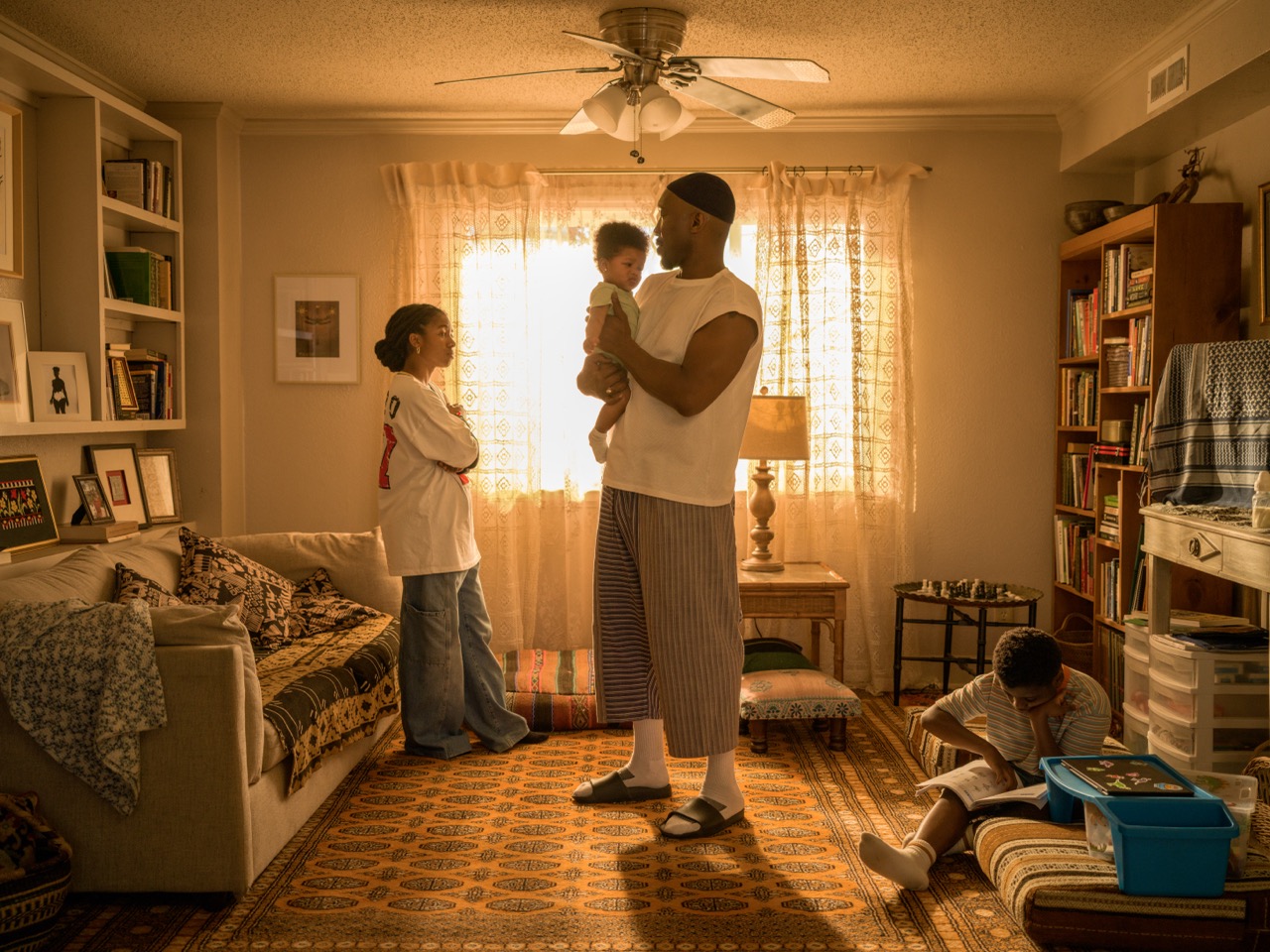
For Tariq, mercy is the part of belief he thinks about most. “What is grace or mercy if it’s not forgiving someone when they don’t deserve it?” Tariq asks. That kind of forgiveness, he says, “requires you to believe in the unseen.” The film puts that question into the body of one man. Latif is a hitman and a devoted father, and Ali plays both without strain.
“They were like, ‘What? You want to make a film about a Black Muslim who’s kind of a jihadi, looking for breast milk, and then he fights some Korean pastor at the end?’”
- Bassam Tariq
“He just does it,” Tariq says. “This is who he is.” Tariq pushes back on the idea that a man has to choose. “You have to be able to hold multitudes,” he says: “knowing when it’s time to protect your family, which means I’ll take a fucking sword and kill you if you come in the way of my family, and at the same time, I will love you with my whole heart and be attentive to you, because that’s what you deserve.”
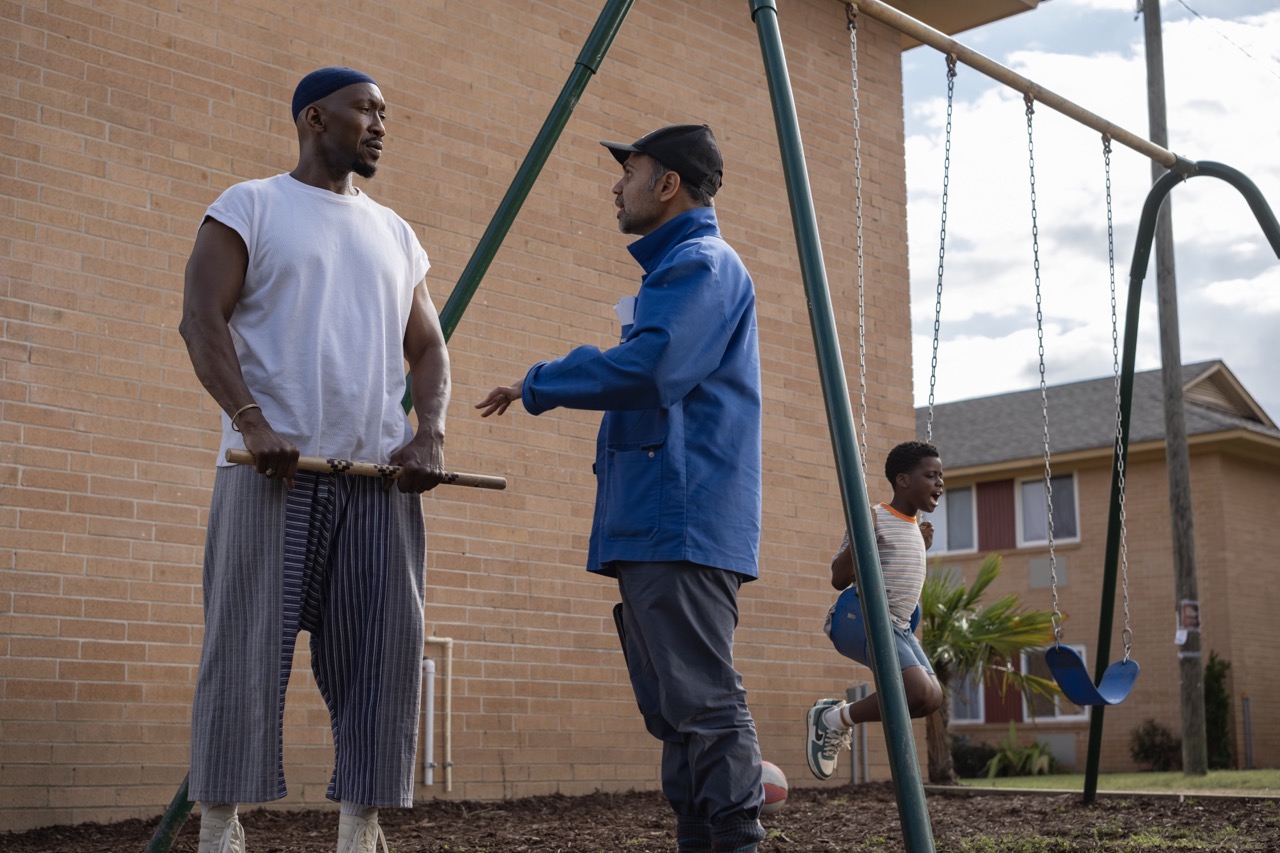
Tariq brought the same care, and the same refusal to compromise, to the shoot. Action films are shot out of order, “just because of the nature of an action movie, the schedule, and the budget constraints,” he says, but he fought to film the final scenes last. “I wanted the last scenes of the film to be the last things we filmed, which created challenges for the schedule, but I thought it was the most important thing.” After more than 30 days of shooting, “there was so much emotion and now we were able to have that release.”
I say it’s a rare original film in an era of remakes and sequels, but Tariq is more optimistic than I am. “It’s an exciting time right now,” he says. “There are a lot of great, really auteur-driven films coming out. It feels like a really good year for movies, and people are out there watching them.”
I ask what he’s liked recently, and he lights up. “I finally saw Nirvana the Band the Show the Movie,” he says. “I loved it. Did you see that?” I did. “It really spoke to me. It’s a very specific kind of movie. My wife wasn’t a fan, and she turned it off halfway, but I just loved it.” He goes on about the turns, the characters, and how far Matt Johnson threw himself into the madness. “Character is what moves all the craziness.”
Perhaps it’s no surprise from a director whose own film is a hitman thriller, a family drama and a meditation on faith. It also hints at an appetite that the label “Muslim filmmaker” tends to flatten. There is a familiar pressure on Muslim-led films, and on projects by people of colour more broadly, to be everything at once, because there are so few of them that each one feels too precious to spend on being experimental.
Tariq says he understands the frustration. “There’s a general feeling that we’ve been so utterly dismissed,” he says, that when a film finally arrives with a studio megaphone behind it, people hope it will speak for them. He knows some viewers have been unsettled by the film’s mix of scripture and violence. “Sit with the work,” he says, “and I hope you get something from it, or that you’re inspired to go make your own thing.”
He was with the comedian Guz Khan the night before we met, he says, and Khan warned him that some of “the mandem” might be upset by parts of the film. “That’s okay,” Tariq told him. “Not everything has to be for everybody.” But he feels a responsibility to his community, and says he wants to listen. “Will I agree with everything? No.”
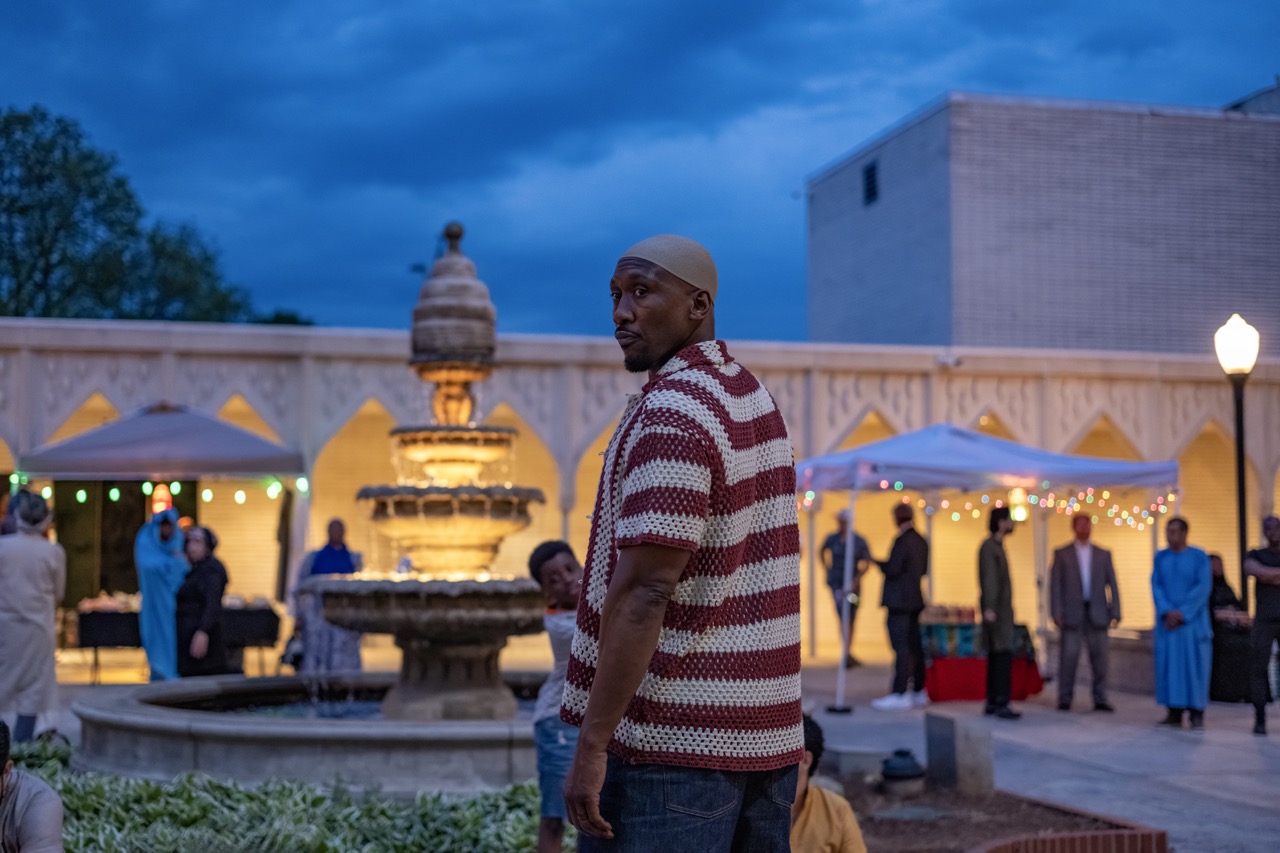
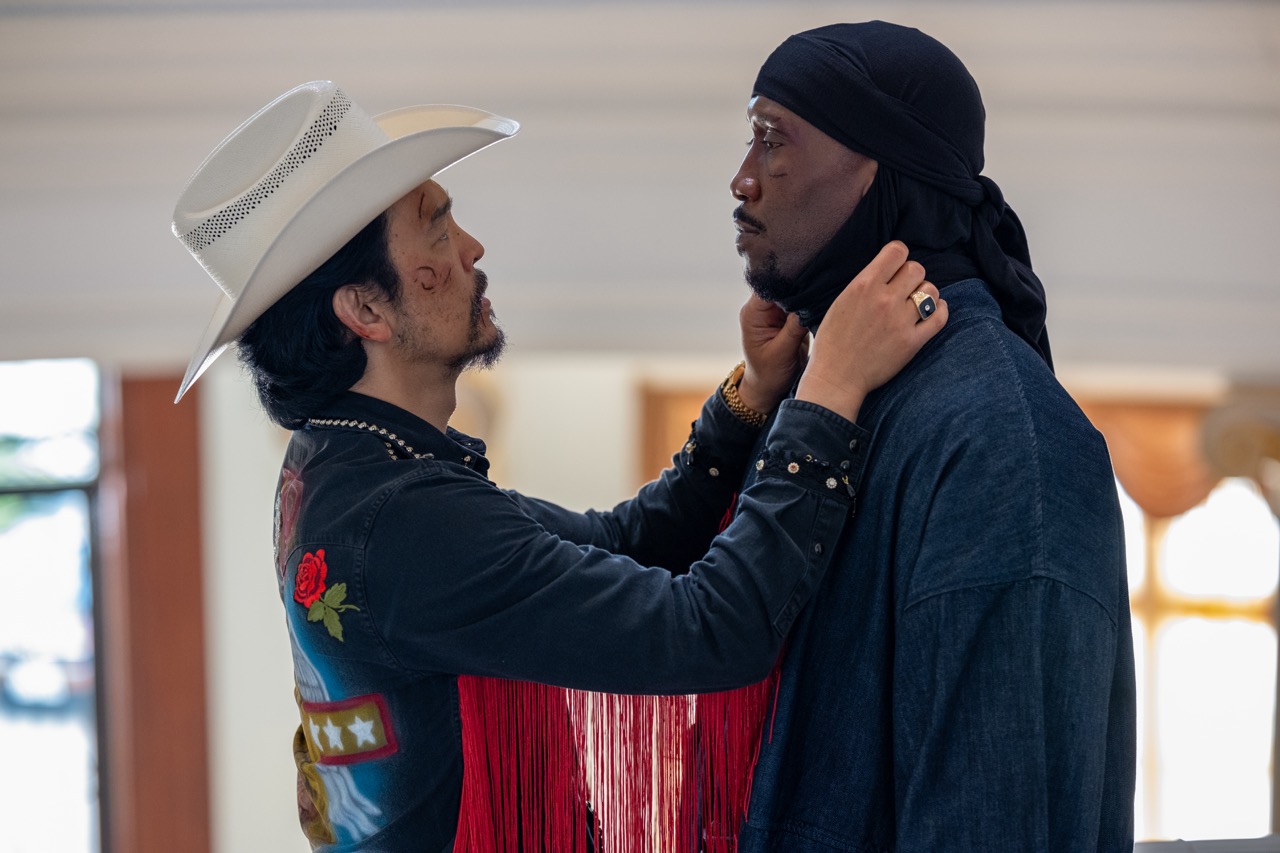
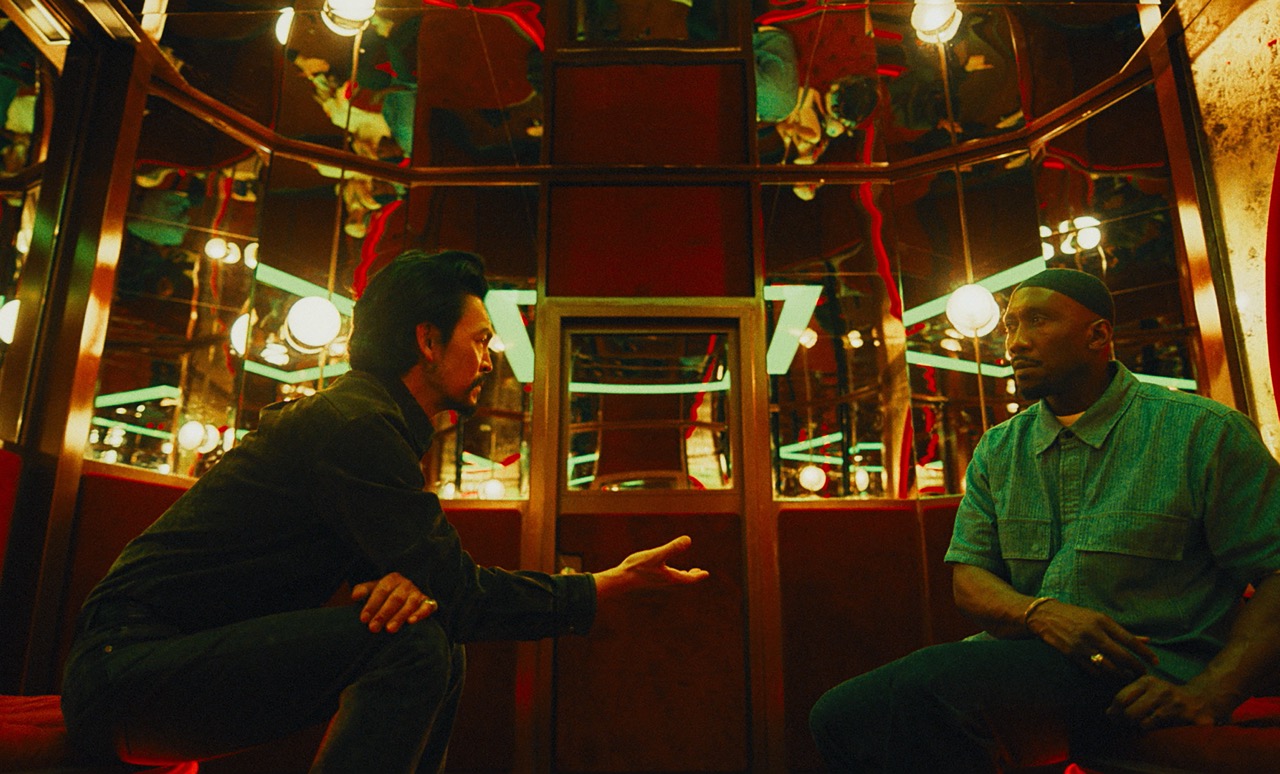


For many Muslim viewers, it is also a milestone. There’s pride that a film like this exists but also bitterness at how long it took. Tariq feels the weight of it too, but pays it no mind. At a party, he says, someone told him it was the first time a Pakistani filmmaker had headlined a gala at the London Film Festival. He asked them not to make it public. “I don’t care,” he says. “Yes, it’s something, but that’s not what needs to be celebrated.” The more interesting question, he suggests, is why it took so long. “How many Pakistanis exist in this city, in this country?”
He is wary of letting any label or milestone do the steering. When Mogul Mowgli came out, he says, audiences found it dark, though he always thought it was funny. It was COVID, and people weren’t in a room together. “We didn’t have permission to laugh as an audience at that moment,” he says. Now, watching Your Mother, Your Mother, Your Mother in packed cinemas, he sees people laughing together. He says he wants to make work that feels meaningful to him without worrying about the labels that come with it, which he calls “really dangerous.”
He explains with a story about his wife. He once asked why she loves him, and she wouldn’t tell him. “Oh yeah, don’t tell me,” he said. If he knew the thing, he might start performing it. “If I just am it, that’s the best version of it.”
That is partly why the audience reaction has thrown him. Around the United States, people have been weeping at the film, and it has left him with a very different apprehension. “I want to make a stupid comedy,” he says he told Mahershala Ali one day. “Can I do that now?” He asked whether Ali ever wants to go and do something like Ace Ventura, “talking out of your butt.” Ali, he says, saw the question behind his question: “You can’t operate from a place of fear.”
So, what’s next for Tariq? “I don’t know if I’m at a place where I can talk about what’s next yet,” he tells me. What he has learned, he explains, is to hold his ideas as secrets for as long as he can. He points to a culture of oversharing online, where people post videos of themselves praying. “This is me praying tahajjud, this is me doing Fajr,” he says, mimicking them. “I’m like, bro, that’s crazy. Is this for God or for Instagram?”
Writing, he thinks, works the same way. Now that there is more interest in what he is doing, something he says has never happened before, he feels he has to guard his work even more closely. “So I can be better for everybody.”
Your Mother, Your Mother, Your Mother is out in UK cinemas on November 20th.