

With his ‘Cornish Trilogy’, Mark Jenkin has created a new mythology and mysticism of his native region, and in doing so won the admiration of cinephiles around the world. For our special August digital cover, Chris Cotonou meets the filmmaker in Newlyn, West Cornwall to discuss a deep love of analogue filmmaking, his latest film Rose of Nevada and his next project about a working class Cornishman who cracks Hollywood.
This interview was conducted in the cafe of the Newlyn Picture House. This working fishing village is in West Cornwall, a short drive from Land’s End, where the region—or independent nation of Kernow, as many locals would have it—extends into the Atlantic. It is as far from London as it gets. Newlyn is also the home of Mark Jenkin, a director, cinematographer, writer and composer, who has built a mysticism around his vision of Cornwall—the local fishermen and its folklore, as well as his commitment to 16mm hand-processed celluloid.
People come to Cornwall to study with Jenkin the same way they once did with musician Gram Parsons in Joshua Tree. Jenkin’s latest film Rose of Nevada is, to my mind, one of the best this year; a time travel story starring two of Britain’s most in-demand actors: Callum Turner and George MacKay. When both of them were asked what drew them to the film, the answer was simple: working with Mark Jenkin.
So, A Rabbit’s Foot went to Newlyn.
After seven hours on the road, the anticipation creeped in. But the theatre staff of Newlyn Picture House were rather relaxed. “Oh Mark’s popping down, is he?” they said, as though he was any regular moviegoer (and not a BAFTA winner). In the bathroom was a better clue at the local pride: his recent cover with Sight and Sound Magazine was placed reverently on the walls. “It used to be a Quentin Tarantino cover,” the theatre owner tells us. “But obviously we replaced him with Mark.”
“I’m quite pleased with that,” Jenkin says when he gets the news. He is tanned from a fortnight in the United States, where he has been screening Rose of Nevada at different venues, bringing the original film cans on tour with him. Audiences there reacted very positively, and Jenkin keeps a hawk’s eye on reviews and the theatres who are running it. “Americans understand Cornish stories better than the English,” he explained. “You know—so many of the rural communities in America were Cornish miners, but they’ve been forgotten. Their stories aren’t as vivid as, say, the Irish.” It’s perhaps a good hint towards one of his many future projects, a few of which are set in the US—beginning with a story of a Cornish woman in the 1970s, who sets out on the road in America. Then, he’s working on a fictional tale (mischievously pitched as a biopic) about a working class Cornishman who cracks Hollywood in the early twentieth century.
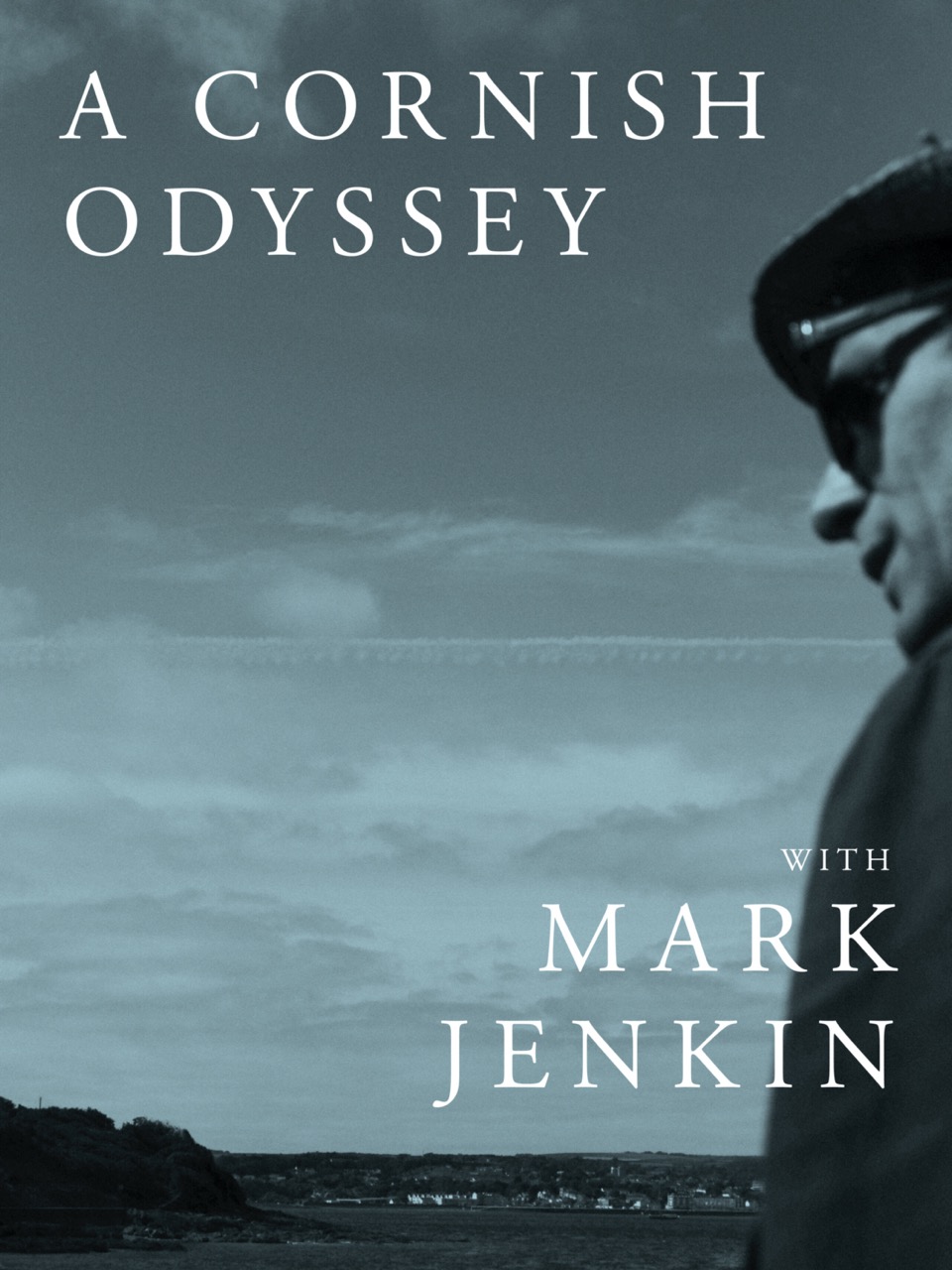
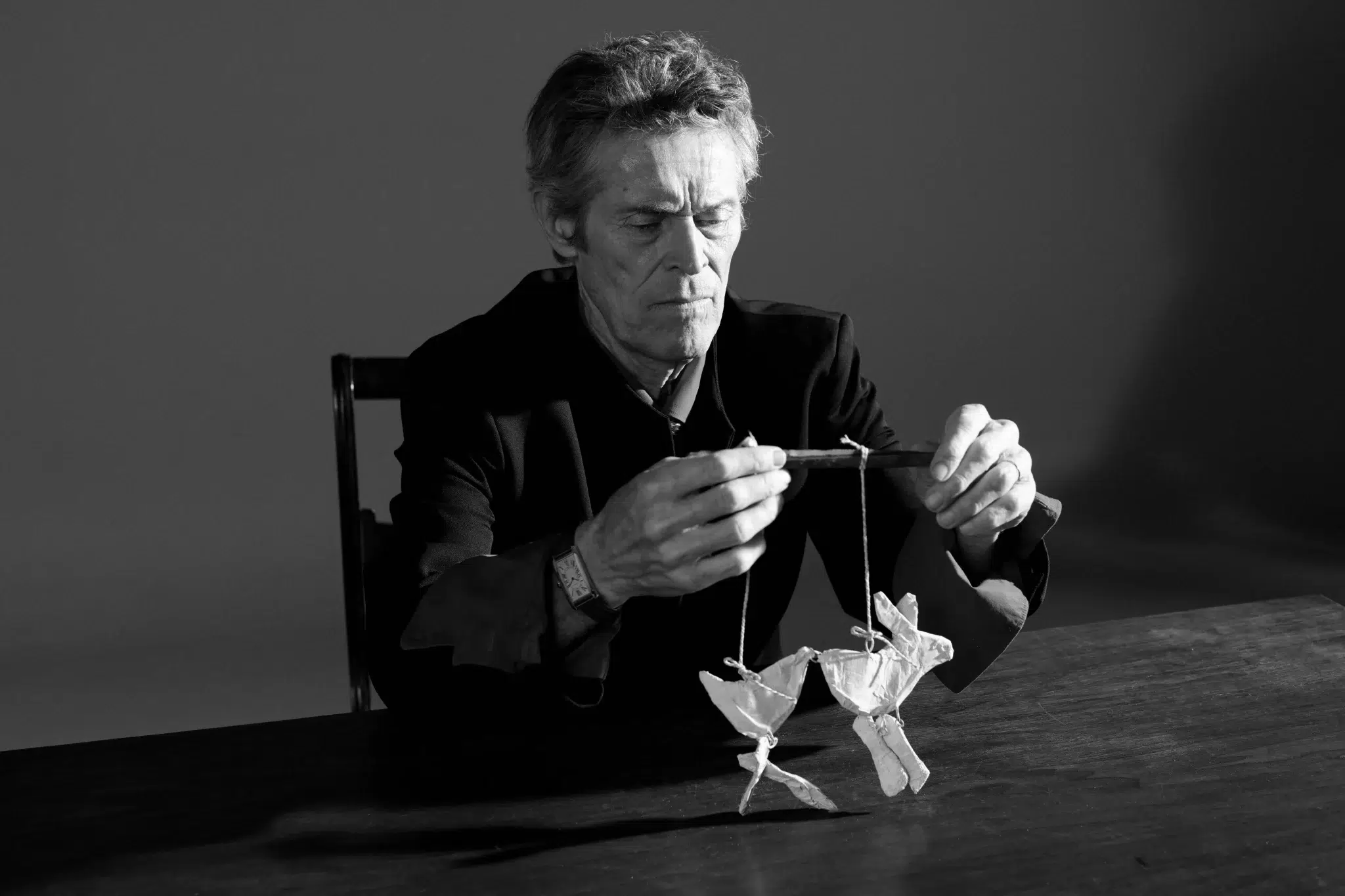
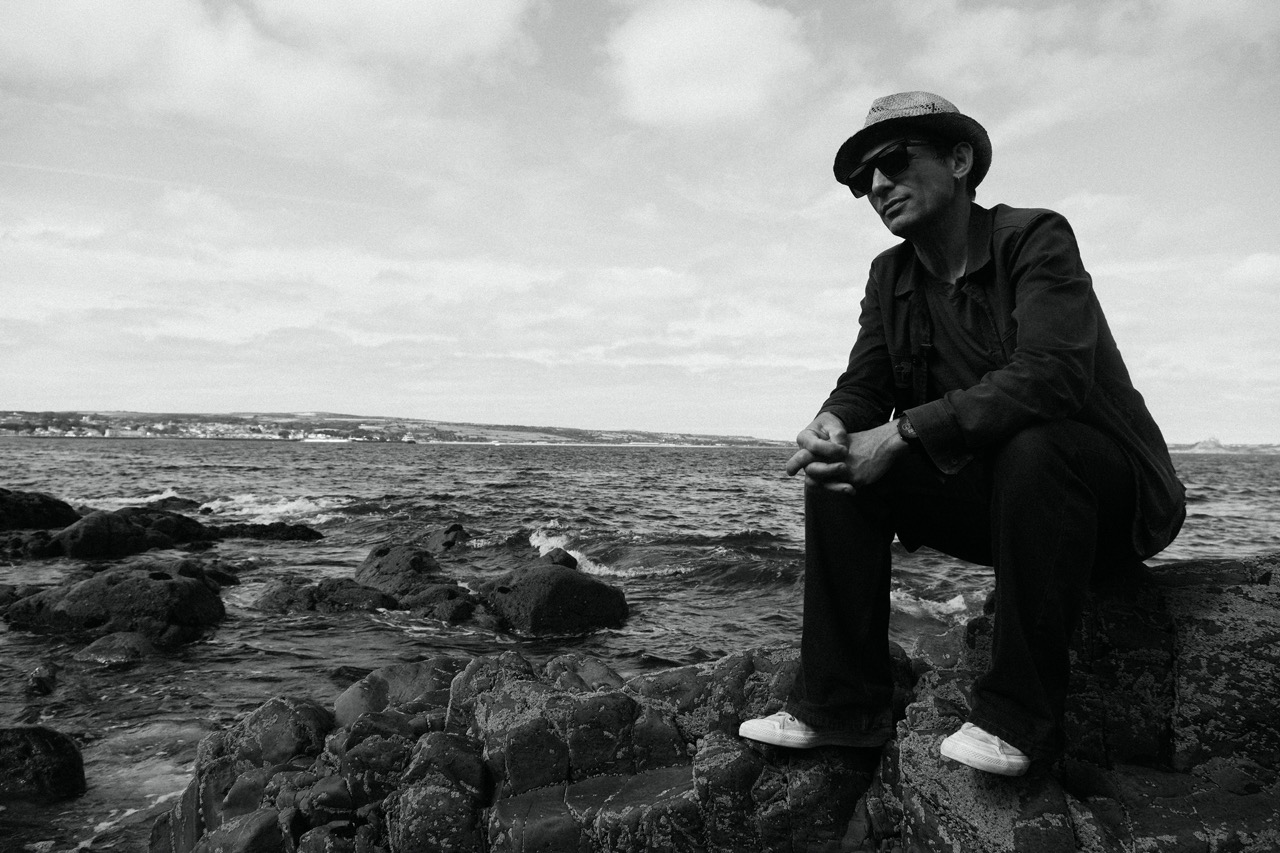
Mark Jenkin for A Rabbit’s Foot. August, 2026.
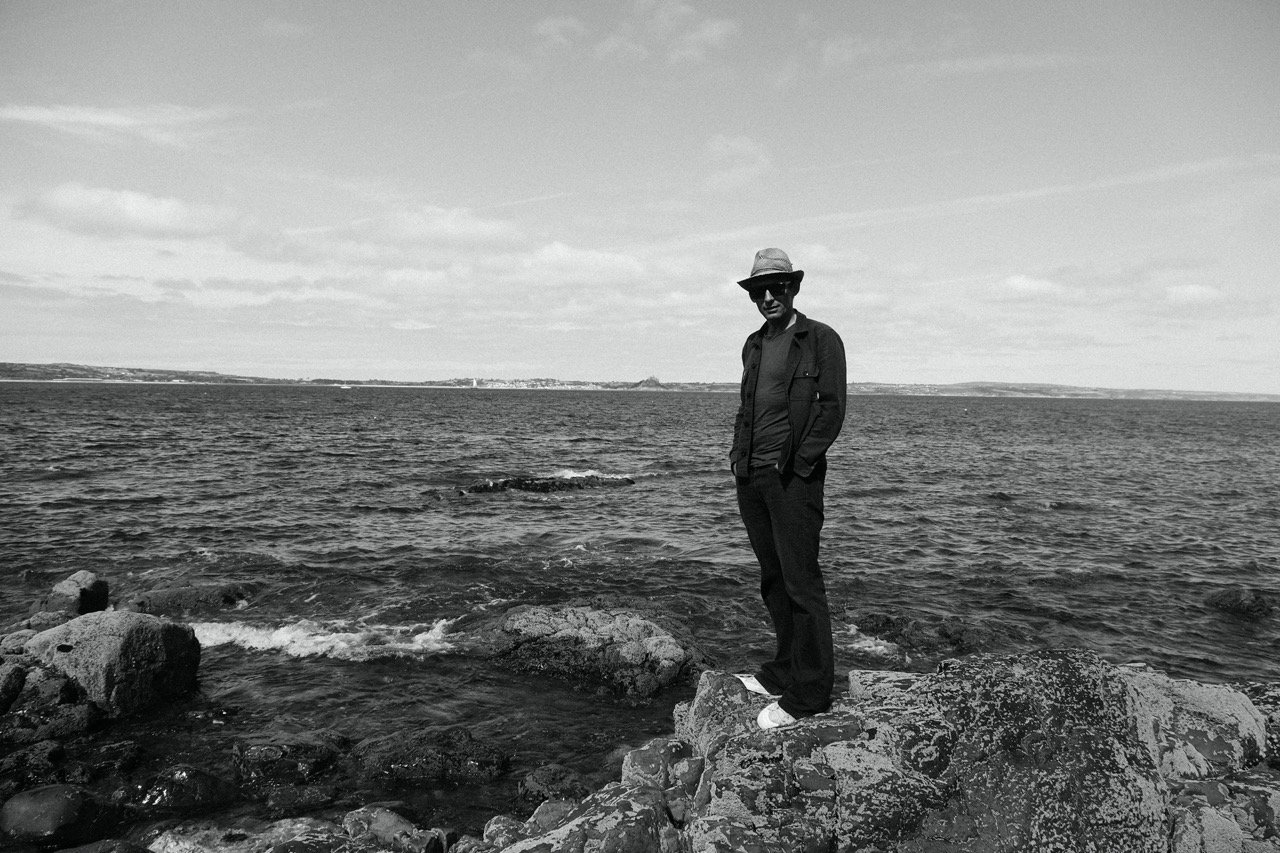
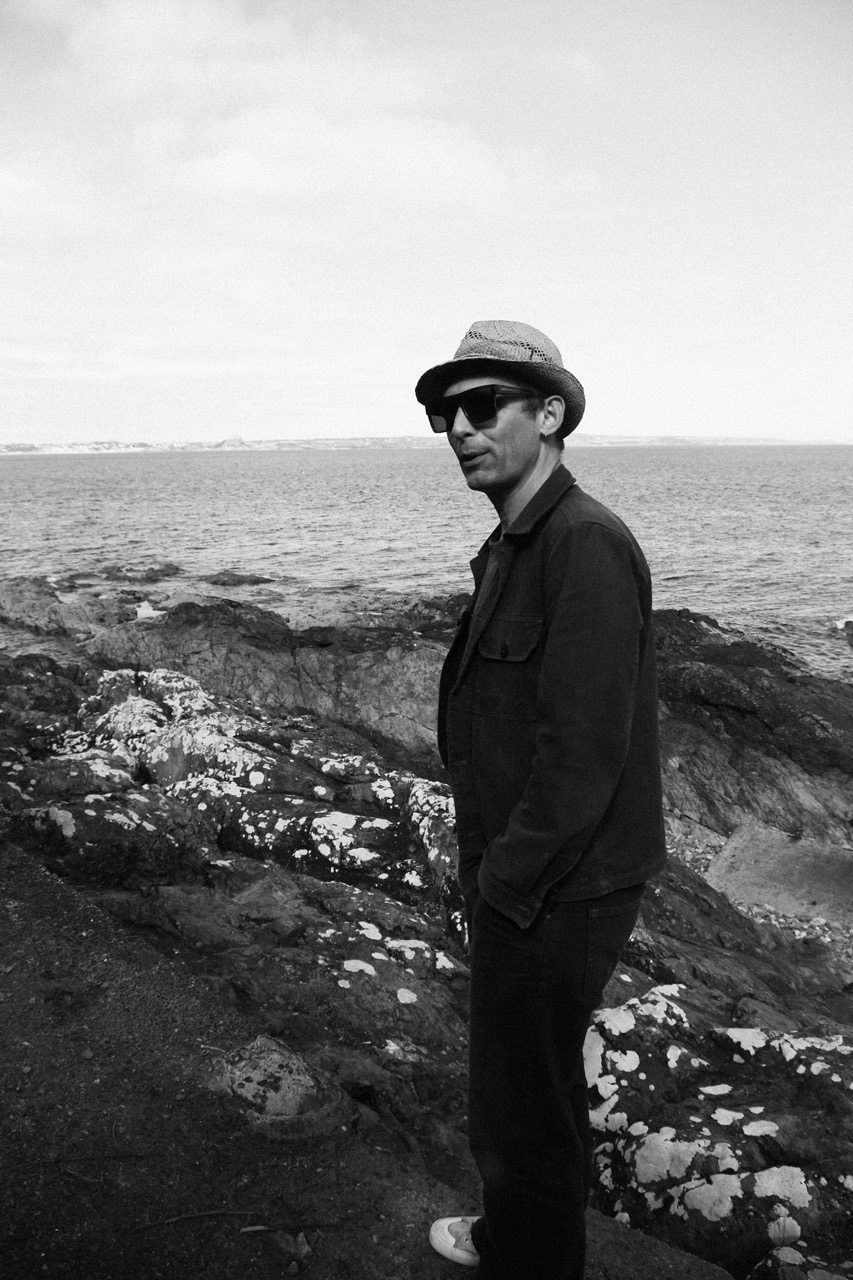
For now, his so-called Cornish Trilogy, which started with the grounded Bait, continued with the surreal masterpiece Enys Men, and concluded with Rose of Nevada, will remain exactly that.“If I made another one right here, it wouldn’t be a trilogy,” Jenkin grins. The trilogy will be released as a collection by the BFI in September. The cover art for this, a picture of the sea, was shot where we later go to take photographs of Jenkin. He brings us to this secret stretch of rugged coastline with St Michael’s Mount on the sunny horizon, like a strange Arthurian castle. To our right, away from Penzance—of Pirates of Penzance fame—is an old shipyard, and the pretty village of Mousehole where repurposed fishing boats are arriving for the start of an yearly maritime festival. It is a beautiful part of the world, Cornwall.
“I do all my sea shots right here,” he says. “I’ll just run down to this beach with my camera.” His Swiss Bolex camera is the only instrument that can do the textures of the salt-dashed rocks, the sea, the wide skies and mossy coves justice. Jenkin is not only from Cornwall, he is now recognised as its foremost storyteller: awarded the hallowed title of Cornish Bard. His ancestor, the painter and fisherman Alfred Wallis, is the region’s most famous artist. Kernow greatness runs in the blood.
“I reckon for my last film I’ll make a biopic of Wallis,” he explains, with a broad grin. “But I’ll wait for him to become unfashionable first.”
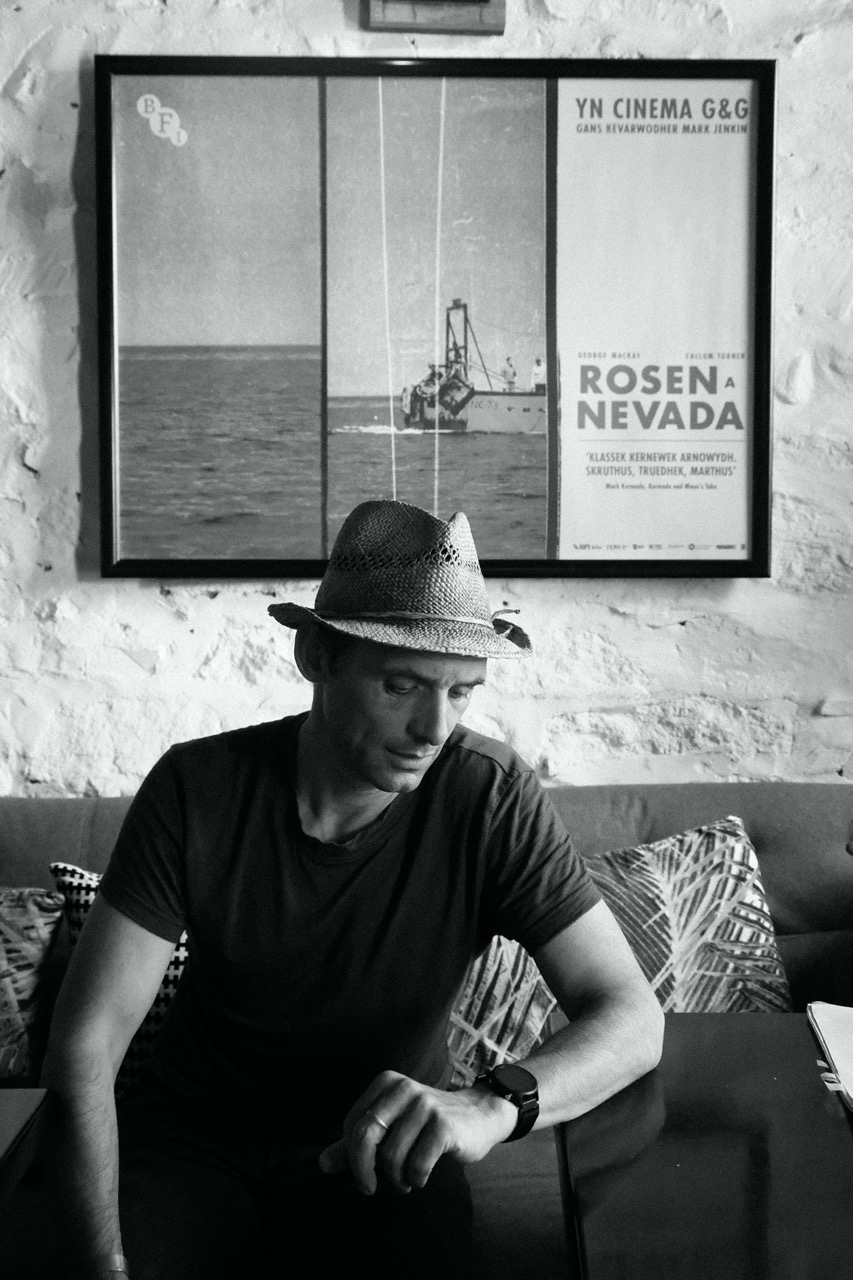
Chris Cotonou: After Bait, which is such a narrative, almost old‑fashioned drama, you move into something much more abstract with Enys Men, and then Rose of Nevada which seems to sit between the two. Was that a conscious shift on your part?
Mark Jenkin: Bait is a weird one because the script goes right back to 1999. So when people talk about it as my “recent” film, I have to remember the bones of it belong to a completely different era of my life. By the time I actually made the film, I’d changed a lot as a filmmaker and as a person.
For a long time I’d been drifting away from plot and toward mood and atmosphere. That side of me absolutely influenced how I cut Bait. I watched it again not that long ago and thought, “Atmospherically, this is really strong.” But in terms of structure, it’s still driven quite heavily by story because that’s what the original script was.
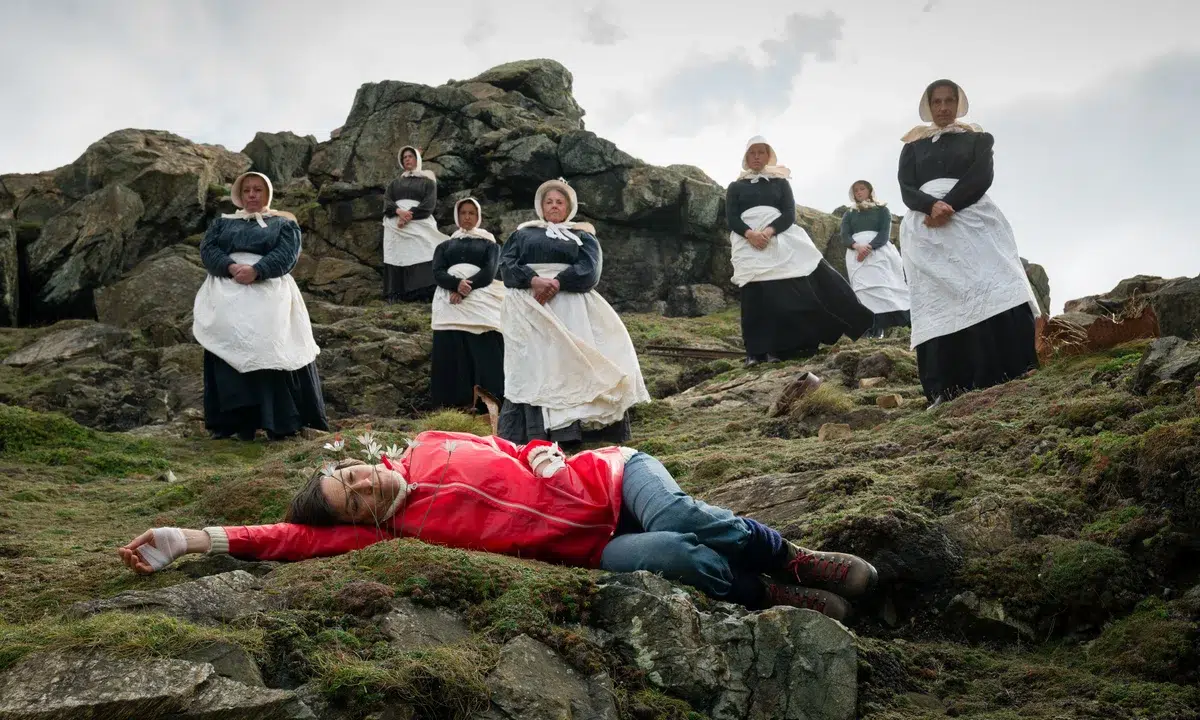
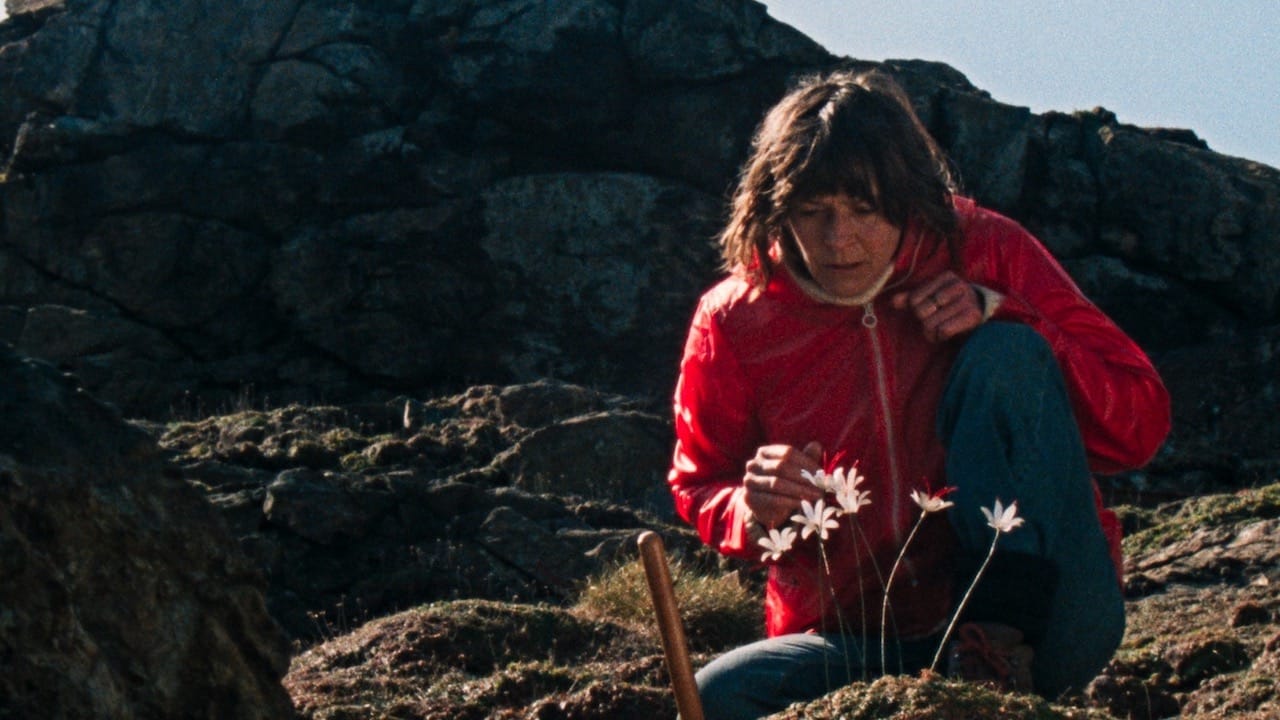
With Enys Men, I wanted to strip everything right back. I liked the idea of something very simple in story terms – essentially one protagonist, a very limited environment, and a lot of space for the atmosphere to creep in. Less plot, more feeling. Then Rose of Nevada feels to me like a combination of those two impulses: it has some of that narrative drive from Bait, but also the looseness and abstraction of Enys Men.
When we premiered it in Venice, people kept saying, “It’s like Bait and Enys Men combined.” I came home and said that to Mary as though it was this big new observation, and she just looked at me and said, “I literally told you that as soon as I read the script.” Mary and Denzil usually clock what I’m doing a long time before I do.
Chris: So you didn’t sit down and say, “Now I’m going to become more abstract”?
Mark: No, there was never a manifesto on the wall. There was a practical nudge, though.
My agent, Matthew Bates at Sayle Screen, was very keen that I didn’t stall after Bait. There’s always that danger – you make one film that gets attention, and then you disappear for ten years trying to scale up to something huge. Matthew’s advice was, essentially: “Don’t try to jump ten rungs up the ladder. Make another film, quickly. Keep moving.”
That immediately led us to the question: how simple can we make this? How small can the cast be? How self‑contained can the story be? And then COVID happened. We were delayed by a year, and when we finally did shoot Enys Men, it was during the third lockdown. Technically, you could go to work, but the rest of life wasn’t normal at all. No wrap parties, no big lunches, no hanging around in pubs getting to know each other. We barely even met as a full team before we started shooting.
All of that forced us into a kind of formal austerity. We simplified out of necessity, and it suited where my taste had gone anyway: toward single characters, confined spaces, that feeling of the film being more about the air in the room than ticking off plot beats.
Chris: Viewers and critics talk about your films as “folkloric,” full of myth and Cornish legend. How much of that is actually deliberate?
Mark: Honestly, almost none of it is deliberate. People will say, “That shot clearly references this particular legend,” and I’ll have never heard of the thing in my life. Maybe I did hear that story once as a kid and forgot it consciously, and it’s worked its way back in somehow – that’s possible. But I don’t sit there leafing through a book of Cornish myths thinking, “Right, I’ll put that bit in.”
I was brought up in Cornwall, so the land and the atmosphere of the place are just in me. You grow up around standing stones, chapels, cliffs, fog, all of that. It would be very odd if none of that seeped into the work. But I’m not a folklore obsessive, which might disappoint some people.
When we put together a season of films around Enys Men, almost all the works I chose were influences in terms of form, not subject. They were films that were bold about sound, structure, or rhythm, rather than stories about witches on the moor or whatever.
And the more fashionable folklore has become, the less interested I am. I’m quite contrary by nature. If everyone suddenly started shooting 16mm, hand‑processing film, and post‑syncing the sound, I’d probably go off and make a massive 3D digital blockbuster just to keep myself amused.
Chris: Cornwall is obviously central to your work, yet you rarely actually say “Cornwall” within the films. How do you think about that relationship between story and place?
Mark: I think the place is completely central, but it doesn’t need to be named. I don’t think any of the films actually say the word “Cornwall.”
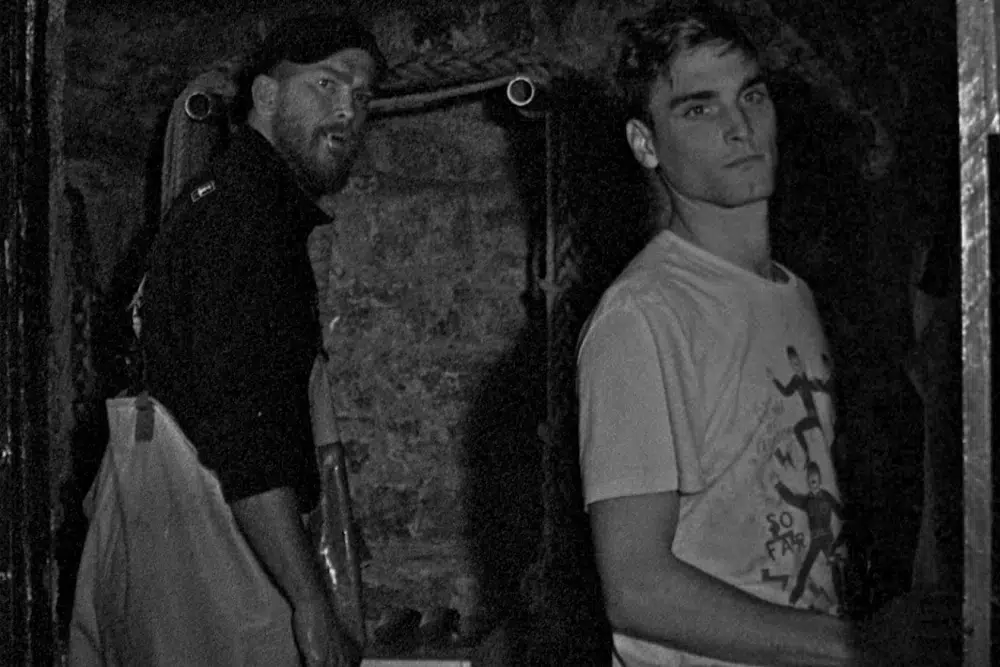
In Bait, Ed’s wearing a T‑shirt that says “Cornish,” so that’s a clue. And there might be a radio bulletin somewhere in Enys Men where it’s mentioned in passing. But mostly it’s implied through the landscape, the accents, and the work people are doing.
With Rose of Nevada, the village is totally made up. It’s not based on any real town. And if we’re being honest, the idea of a derelict harbour in Cornwall that hasn’t been gentrified, hasn’t had luxury flats built around it – that’s nonsense. That place doesn’t really exist anymore. So the location ends up being allegorical rather than realistic.
If I made that exact same film in the United States – in a genuinely forgotten coastal backwater – it might seem more plausible as a literal story. In Cornwall it’s closer to myth. But that’s okay.
The cliché is true: the more specific you get with context, the more universally it lands. By being very precise about Cornwall, you actually make it easier for people from elsewhere to connect. They fill in their own equivalent: their own marginal place, their own version of a harbour that’s been left behind.
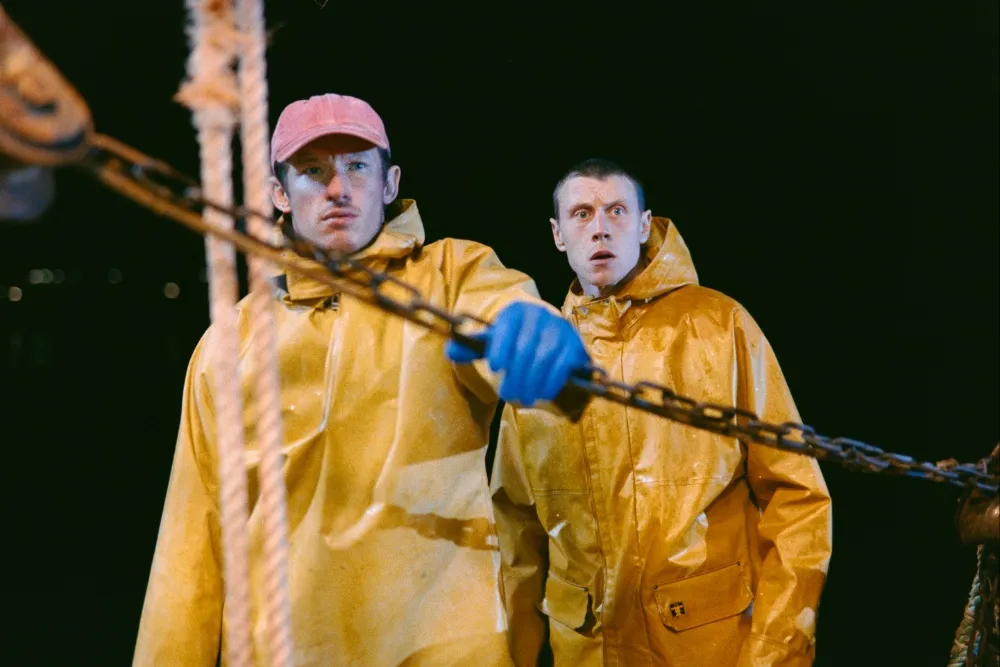
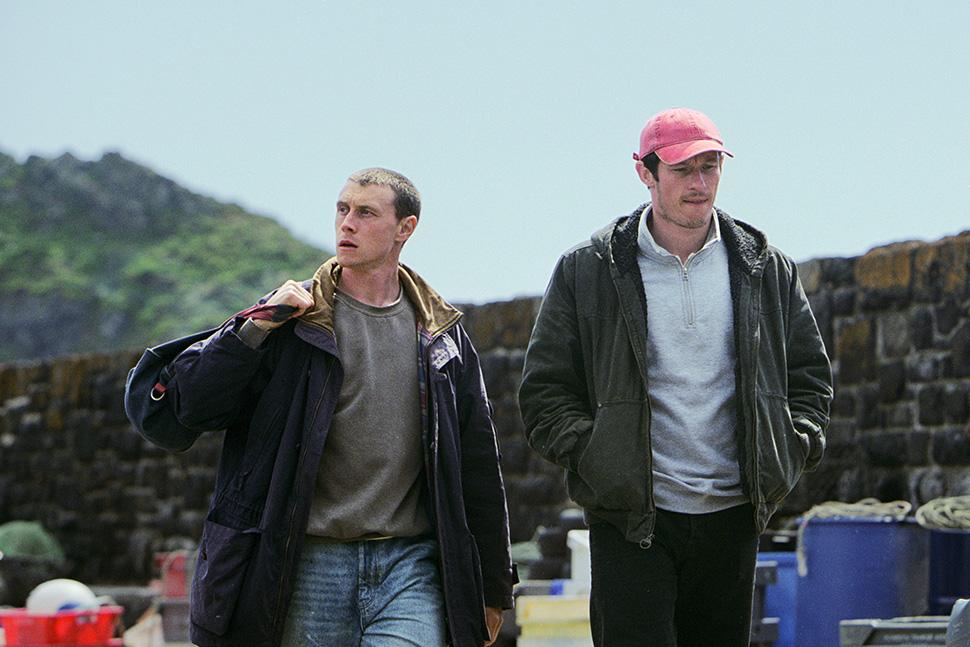


Chris: The BFI has started referring to Bait, Enys Men, and Rose of Nevada as a “Cornish trilogy.” How does that label sit with you?
Mark: It came from them, not from me. Stuart Brown from the BFI said to me in Venice, “You’ve completed the Cornish trilogy,” and that was the first time I’d ever heard that phrase.
At first I was a bit wary. Calling something a trilogy makes it sound like you’ve closed a door. And I’m always suspicious of neat packaging. From my side, I just made one film, then another, then another, each one in response to my circumstances and my gut.
But I am quite optimistic by nature, so after the initial wariness, I thought: “If this is the end of something, then it means a new phase has to begin.” And that idea became quite energising.
I doubt Antonioni thought, “I’m making a trilogy” when he shot those films [the alienation trilogy] that people later grouped together. That language tends to come from programmers, critics, historians. I’m fine with it. If it helps people frame the work, that’s great. From inside, it feels less like “I’ve completed something” and more like “I’ve got to change gear for the next one.”
Chris: You’ve hinted the next project will be technically very different. What can you say about that?
Mark: There’s a project that’s been around for a while, sitting just off to the side of everything else. It never felt like it belonged on the same slate because we couldn’t work out how to finance it in the same way we made these last three.
Recently, something’s shifted and it looks like we might be able to fund it through a different route. That’s exciting, but it also puts a bit of pressure on how we approach it formally.
What I know is that it can’t just look and feel like a secret fourth part of the Cornish trilogy. That would be wrong. If I shot it on the same format, with the same methods, it would feel like I was dragging this story into a mode of working that belongs to some other era.
So it has to be different – technically, structurally, atmospherically. I don’t want to start every new project with the assumption that we’ll shoot on this stock, process it this way, and cut it in that style. The decisions about form have to come out of the story and the production reality, not habit.
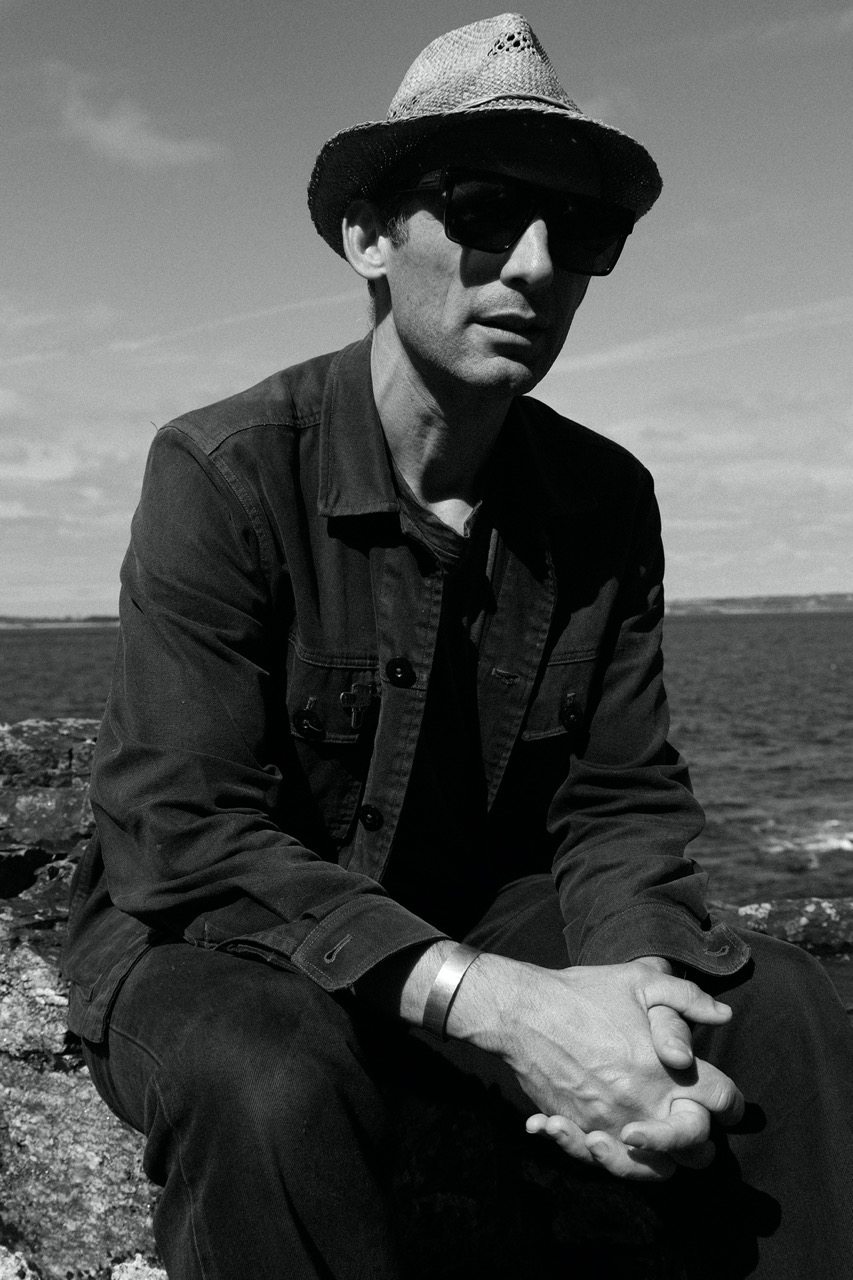

“If I made that exact same film in the United States – in a genuinely forgotten coastal backwater – it might seem more plausible as a literal story. In Cornwall it’s closer to myth.”
Mark Jenkin
Chris: You’ve been very candid before about a time when you became disillusioned with filmmaking. What happened?
Mark: About fifteen years ago, I had what felt like a proper crisis. I fell in love with film at 17. I shot a roll of Super 8 and just thought, “This is it. This is the greatest thing that can ever happen to a human being.” That carried me through film school, then into London.
Landing in Soho after three years in Bournemouth and my whole life in Cornwall was intoxicating. The pubs, the energy, the sense that cinema history was embedded in those streets. I worked in Soho for about three years. That in itself was incredible. Then I got some money to develop a script called The Holiday Park, which morphed over time into Bait. I moved back to Cornwall, full of momentum – I thought the feature was just around the corner. And then things started to stall.
There were other projects too, all circling in development. Meetings, notes, waiting, more notes, more waiting. The joy went out of it. I was teaching a bit at the same time, and that was fine, but the act of making films – which had always been the great love of my life – began to feel like another job that wasn’t going anywhere.
At some point I just thought: “Bollocks to this. I don’t want the thing I love most to turn into something that makes me miserable.” That’s when I literally went back to basics – picked up a small film camera again, worked with whatever I had, and tried to rediscover the pleasure I’d had at 17.
Chris: Is that why you came to do so much yourself – camera, editing, sometimes even music?
Mark: Yes, that period was when I realised how much I enjoyed every part of the process.
I love writing, even though it’s torture sometimes. I love directing, working with actors, figuring out how a scene breathes. I love operating the camera because, for me, the camera is the centre of everything in cinema. I love editing, and I genuinely believe that’s where the film is finally written. And then there’s sound and music, which I sort of fell into.
When you’re shooting silent and post‑syncing everything later, you naturally end up thinking about sound very carefully. You can’t just throw a mic on and hope it’ll be fine. And because I was already that far down the rabbit hole, I started playing with music too – tentatively at first.
I don’t think of myself as a musician, but I’ve been having a lot of fun pretending to be one. Dion and I – the two halves of Cornish Sound Unit – just had our first proper rehearsal to reinterpret one of my scores live. On the way here, I actually dropped a guitar case at the studio and sat there for an hour playing through pedals, just trying things. It’s all part of the same compulsion to keep learning new bits of the process.
People say “the film got rewritten in the edit” like it’s a criticism. I don’t see it that way. To me, that’s where the real writing happens. Writing is the hardest part of filmmaking – and that includes the writing you do with shots and cuts.
Chris: You use the phrase “follow your gut” a lot. What does that actually look like in practice when you’re shooting or editing?
Mark: It looks like doing as little as possible. That’s the paradox. If you overthink everything, you tend to hedge: you shoot three versions of a scene “just in case,” you keep adding shots, you complicate things. Before you know it, you’ve got 24 hours of rushes and no idea where the film really is.
Your gut is very binary. It’s designed to keep you alive – fight or flight, stay or run. If you trust that mechanism in your work, it becomes a simple yes/no device. “Does this feel right?” If yes, you do it. If no, you don’t. It’s not very poetic, but it’s a great way to avoid clutter.
I hate the idea of the “cutting room floor.” I don’t like this image of hundreds of metres of film with all these little people in the frames that will never be seen. When I expose a roll, I want to use it. On Rose of Nevada, I think we had something like eight hours of rushes for a nearly two‑hour film. On a digital production it wouldn’t be unusual to have three times that. That economy isn’t about being mean; it’s about the film being written as we go.
Often in the edit I’ll find I don’t actually have everything I’d need to cut a scene exactly as it was scripted. I’ll be missing a transition or a piece of coverage. So I solve it by rewriting the film in the cut. Some of my favourite sequences only came into focus the day before picture lock, when I was putting together the final version of a scene with just enough material to make it work.
People say “the film got rewritten in the edit” like it’s a criticism. I don’t see it that way. To me, that’s where the real writing happens. Writing is the hardest part of filmmaking – and that includes the writing you do with shots and cuts.
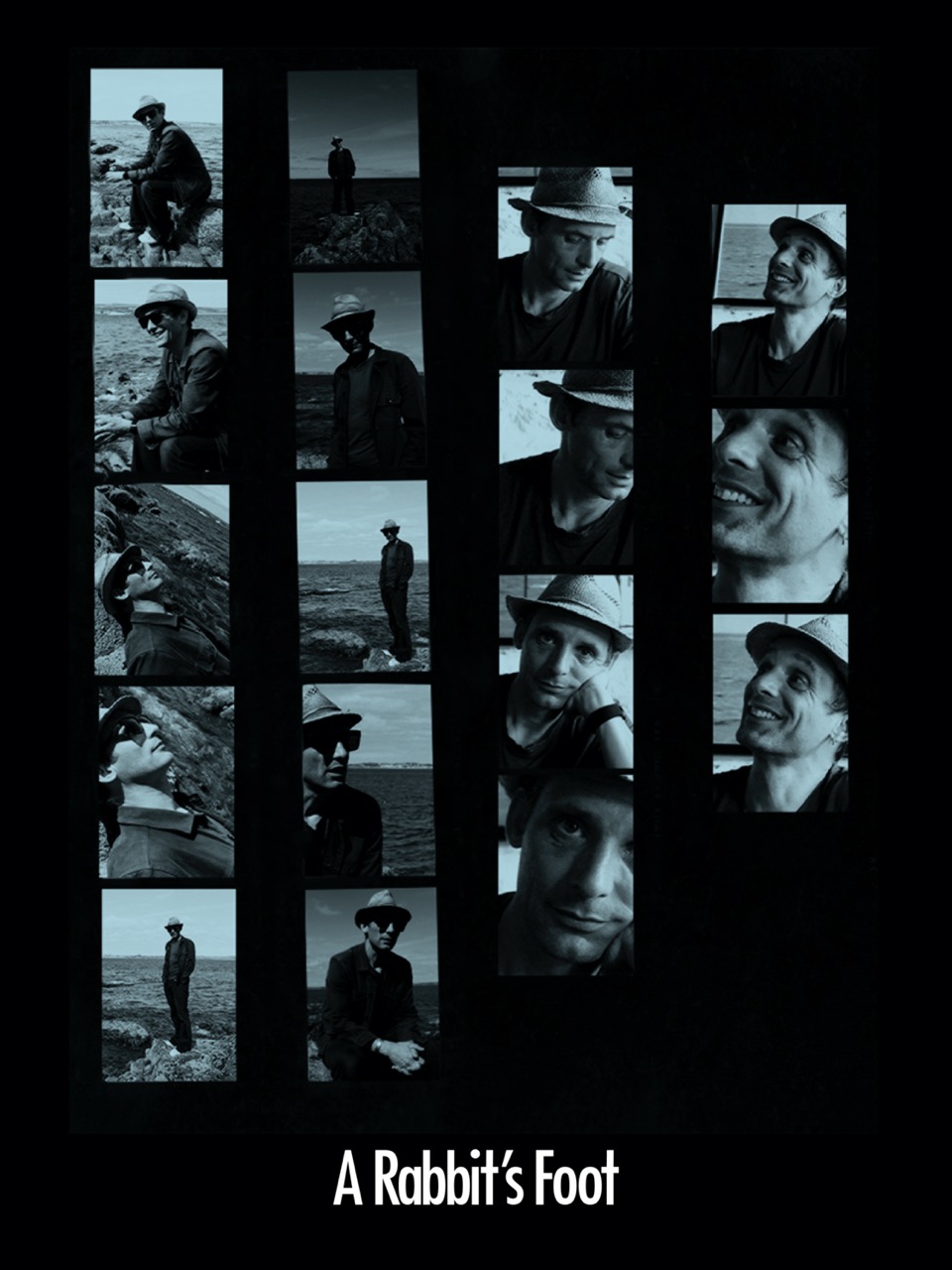
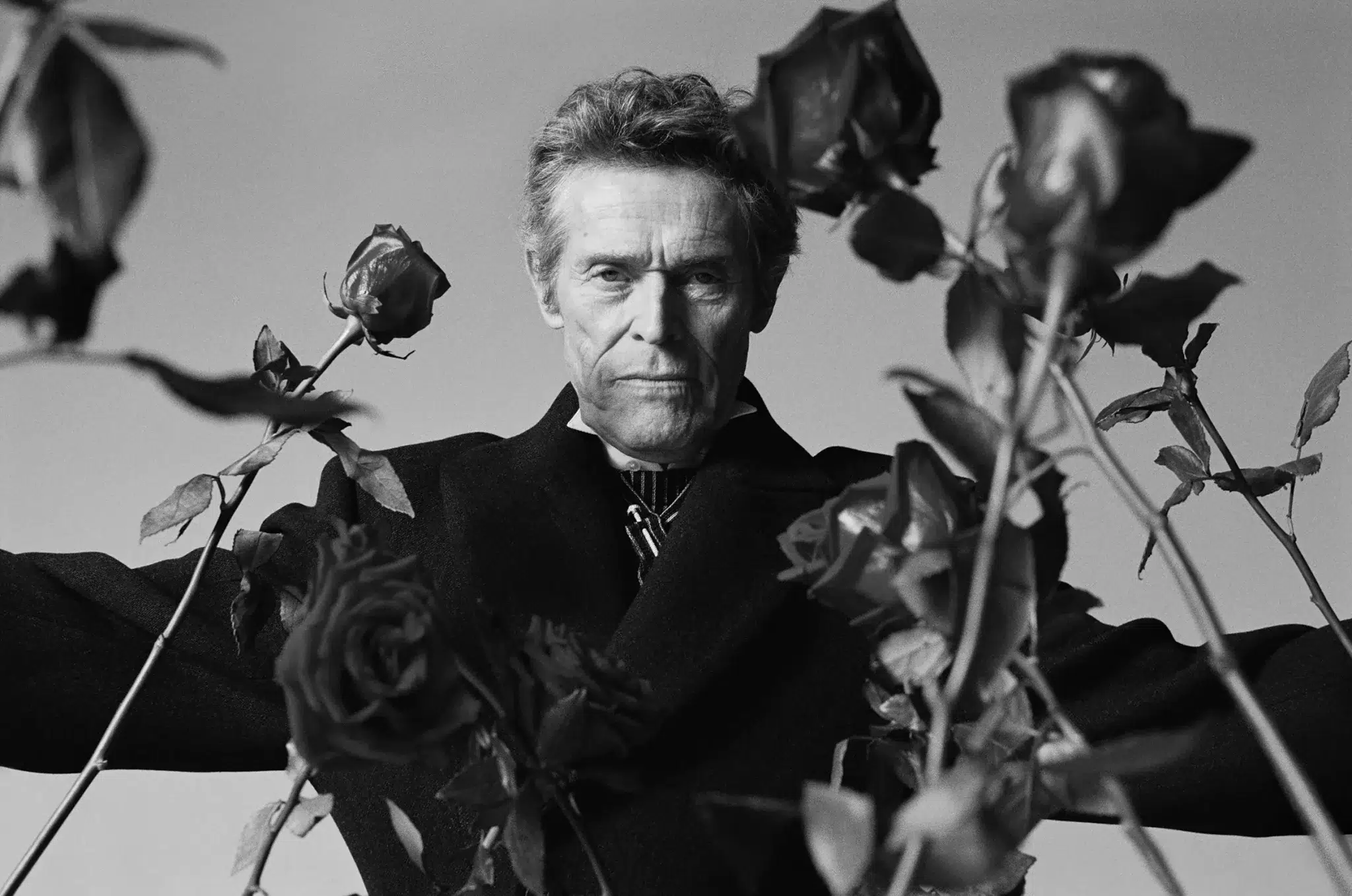
Mark Jenkin for A Rabbit’s Foot, 2026
Chris: You’ve said you’re “not a cinematographer,” which is funny because your films are so visually distinctive. How do you mean that?
Mark: I mean I’d never take a job shooting someone else’s film. I don’t have that technical breadth or that interest. But over the years I’ve learned how to shoot my own work in a way that’s right for it.
Edgar Wright once said my films reminded him of Russ Meyer, in the sense that if you look at the shots individually, a lot of them are quite static. There isn’t much internal movement in each frame. On paper, that sounds like criticism, but he meant it quite affectionately. It’s just an observation of style.
Take the storm scene in Rose of Nevada. With a big budget, that sequence would have been completely different: multiple cameras, wide shots of enormous waves, maybe a water tank, all the toys. We didn’t have that. It was basically me, a couple of assistants, and Crooksy, my gaffer.
So you break the problem down. Instead of one grand, all‑encompassing shot, you build the storm out of lots of very specific shots – bits of water, bits of reaction, snatches of detail – and you create the energy in the edit.
Filmmaking in general is like that. If you think about a four‑hour epic across multiple countries, it’s overwhelming. If you think, “Today I have to shoot these three simple shots,” it becomes possible. It’s the same with being behind schedule: you can often catch up by stripping a scene down to two close‑ups and doing eight pages of dialogue in a day. Start from simplicity, don’t end in it.
Chris: Let’s talk about money, film stock, and value. You make quite a thing of the cost of film being a positive constraint.
Mark: It’s not that I’m in love with spending money – I’m really not. But I am fascinated by how people value things.
We’ll balk at the cost of a roll of film but think nothing of buying takeaway coffee every day. Or we’ll happily spend on streaming services we barely use, then say a cinema ticket is “too expensive.” When you stack those choices up, it’s quite revealing.
The cost of film is good for me because it makes every decision intentional. Those rolls sit in the fridge like a little army of future moments, and when I take one out, I’m saying, “This is worth using some of that up.” I don’t want to waste them.
There’s a parallel with tickets: if you give tickets away for free, they all “sell out” instantly. On the night, half the people don’t turn up. If somebody pays – even a small amount – they show up. They’ve made a commitment.
That isn’t to say everything should be expensive; clearly that locks people out. But psychologically, when something has a cost, people treat it with a bit more care. Film stock is the same. It changes the mindset on set. Everyone knows we can’t just roll endlessly. That sharpened focus is creative.
And there’s a time element too. Film can be time‑cheap. You might spend more on stock, but if you come back with eight hours of rushes instead of 24, you’ve saved weeks or months in the edit. Sometimes we forget that time is the biggest cost of all.
Chris: Do you think about privilege in that context – who gets to make films this way?
Mark: I do, and I think about it more as I get older. It’s a privilege to make films at all, in any format. It requires time, some form of economic safety net, people willing to collaborate for not very much money.
In my own case, there have been grants, support from bodies like the BFI, support from Cornwall itself. None of this happens in a vacuum. So when I talk about making the choice to shoot film, or to do things a certain way, I’m conscious that those choices are enabled by a web of other people and institutions.
At the same time, I don’t want to be coy about the fact that filmmaking is expensive in every direction. Even when people are working for reduced fees or in difficult conditions, they’re still giving up their time and energy. That’s part of why I bang on about being economical in the work. If you’re asking people to invest their lives in a project, you owe them clarity of purpose.
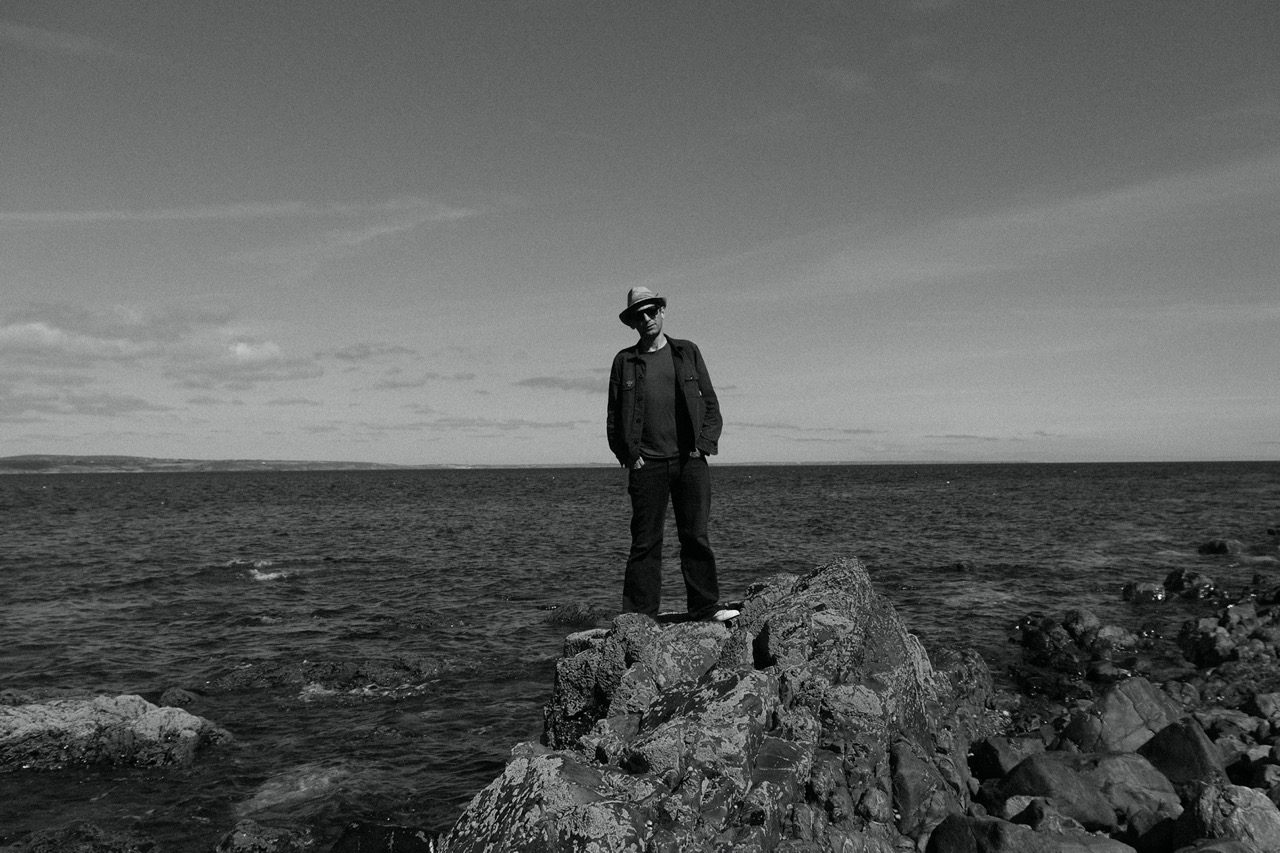
“If you strip away the money and the bureaucracy and the careerism, what you’re left with is this fantastically strange art form that combines all the others – writing, music, painting, theatre – and turns them into time.”
Mark Jenkin
Chris: How do you see the cinema experience now – tickets, screenings, the idea of a film as an event?
Mark: I think it’s more important than ever that screenings feel like occasions, not just alternative ways of watching the same file that’s on your laptop.
Streaming means you can see almost anything, almost anywhere. So the question becomes: why leave the house? The answer can’t just be “bigger screen.” It has to be: because it’s a shared moment in time, in a particular place, with other people.
That’s where cinemas like Newlyn Filmhouse or any independent venue come in. They’re not just showing films; they’re staging encounters. You buy a ticket, you go on a particular night, often you hear an introduction or a Q&A, you sit in the dark with strangers, and then you’re spat back out into the real world together.
That context changes how the film lands. It also changes how you behave – you concentrate more, you’re less likely to pause or look at your phone, you talk to people afterwards. I think that’s worth defending.
Chris: After everything – the disillusionment, the return to basics, the Cornish trilogy – where are you with filmmaking now?
Mark: Weirdly, given how grim things can feel in the industry, I’m quite optimistic. I still think, on a gut level, that filmmaking is one of the greatest things human beings have come up with.
If you strip away the money and the bureaucracy and the careerism, what you’re left with is this fantastically strange art form that combines all the others – writing, music, painting, theatre – and turns them into time. You sit in the dark with people you don’t know and, for a couple of hours, you share a dream.
There was a point where that almost fell apart for me. But going back to film, doing things with my own hands again, embracing the limitations – that brought the love back.
Now the challenge is to keep following my gut without getting comfortable, to stay a bit afraid of each new project. As long as I have that feeling – that mix of terror and excitement – I think I’m in the right place.
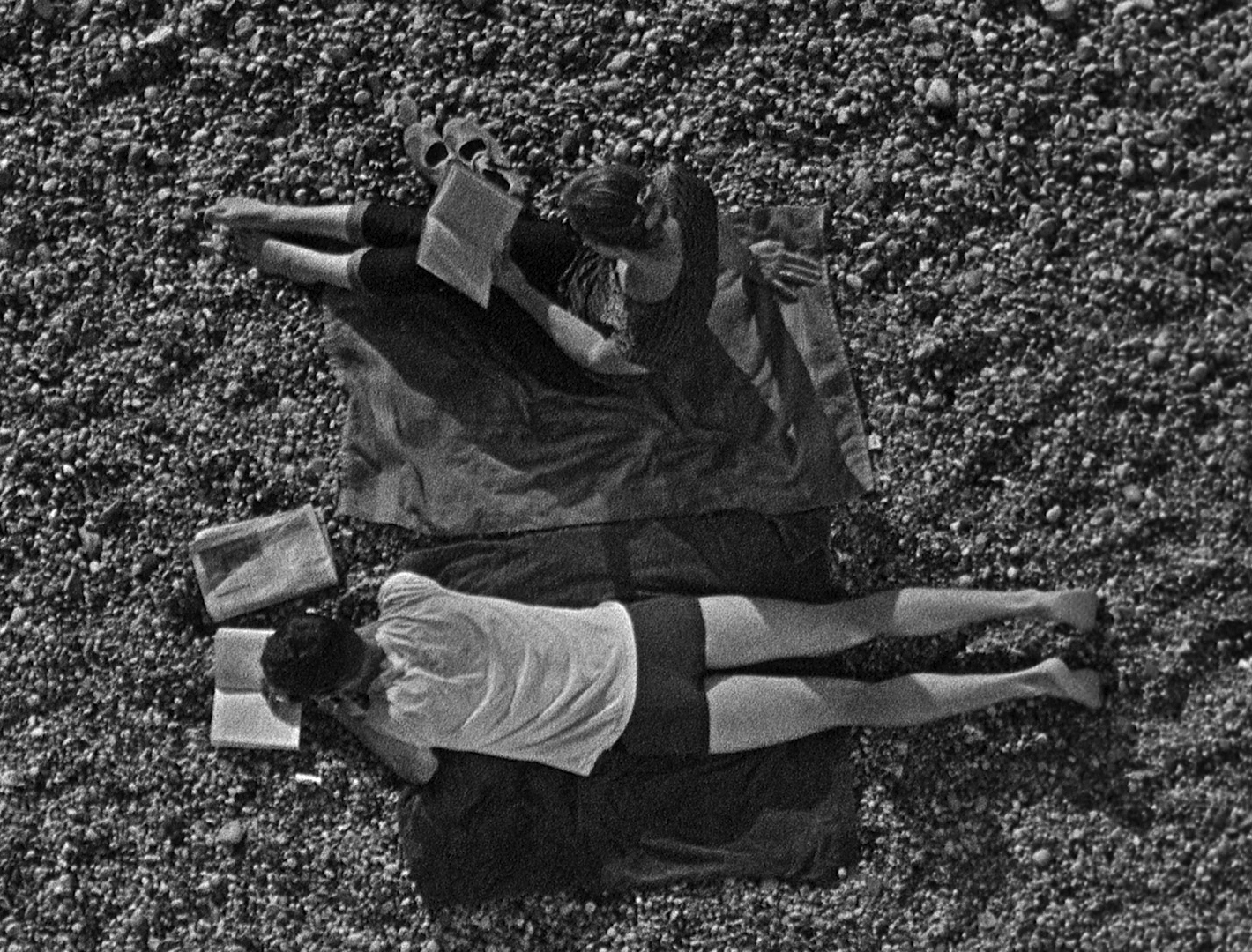
The Mark Jenkin Collection of short films are now live on BFI Player.