

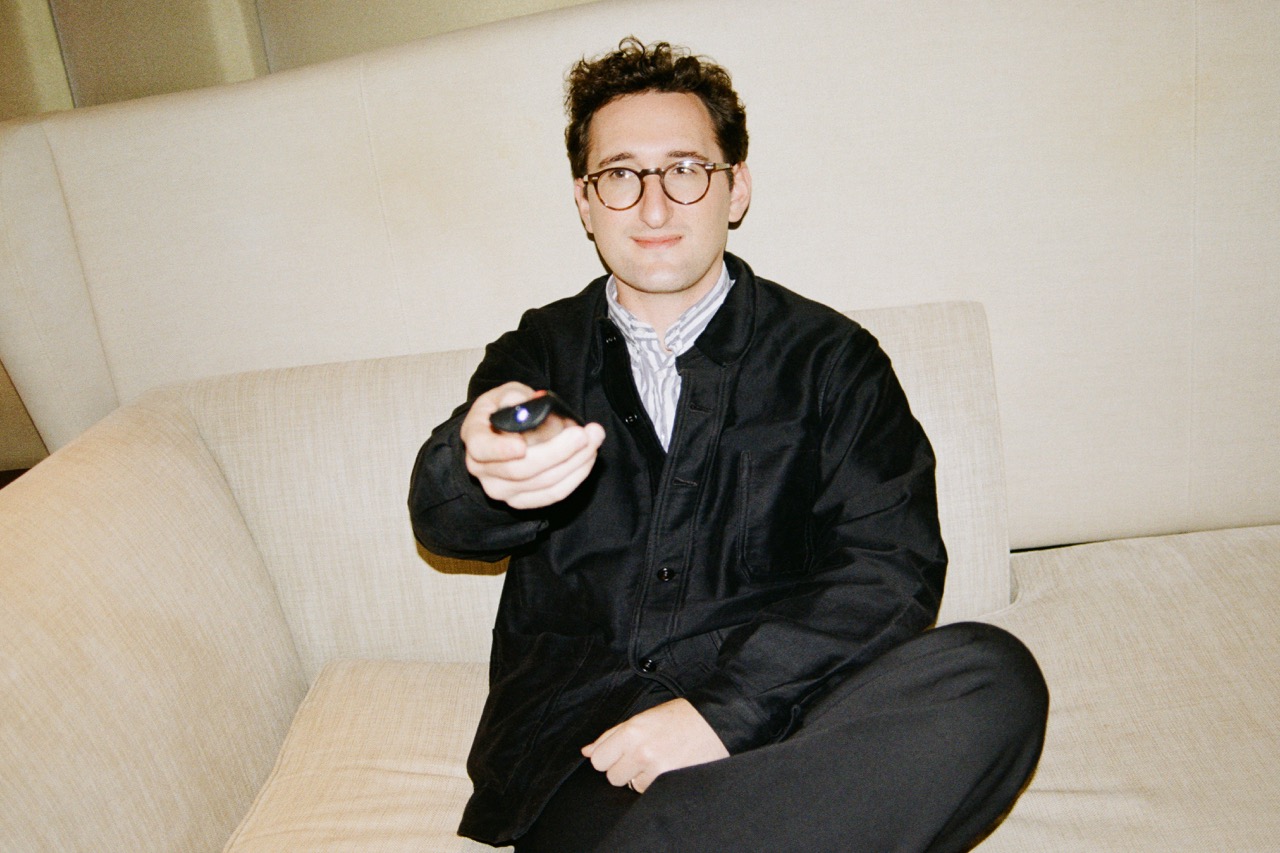
Lance Oppenheim has spent a year turning two of America’s most mythologised media figures into cinema, Chris Hansen in Primetime and Elizabeth Holmes in You Can See Everything. He talks to us about docs versus features and the “docu-fantasia”.
It’s been a whirlwind year for filmmaker Lance Oppenheim. His director’s credit has appeared on two wildly different, high-status projects released only a few months apart, ruffling feathers and astounding critics along the way. Lauded new documentary You Can See Everything—co-directed with Nathan Fielder—focuses on disgraced Theranos founder Elizabeth Holmes, and Oscars speculation about it is fierce. Primetime, Oppenheim’s first foray into feature filmmaking, also homes in on a real, living subject: TV presenter Chris Hansen, of To Catch a Predator (2004–07) fame.
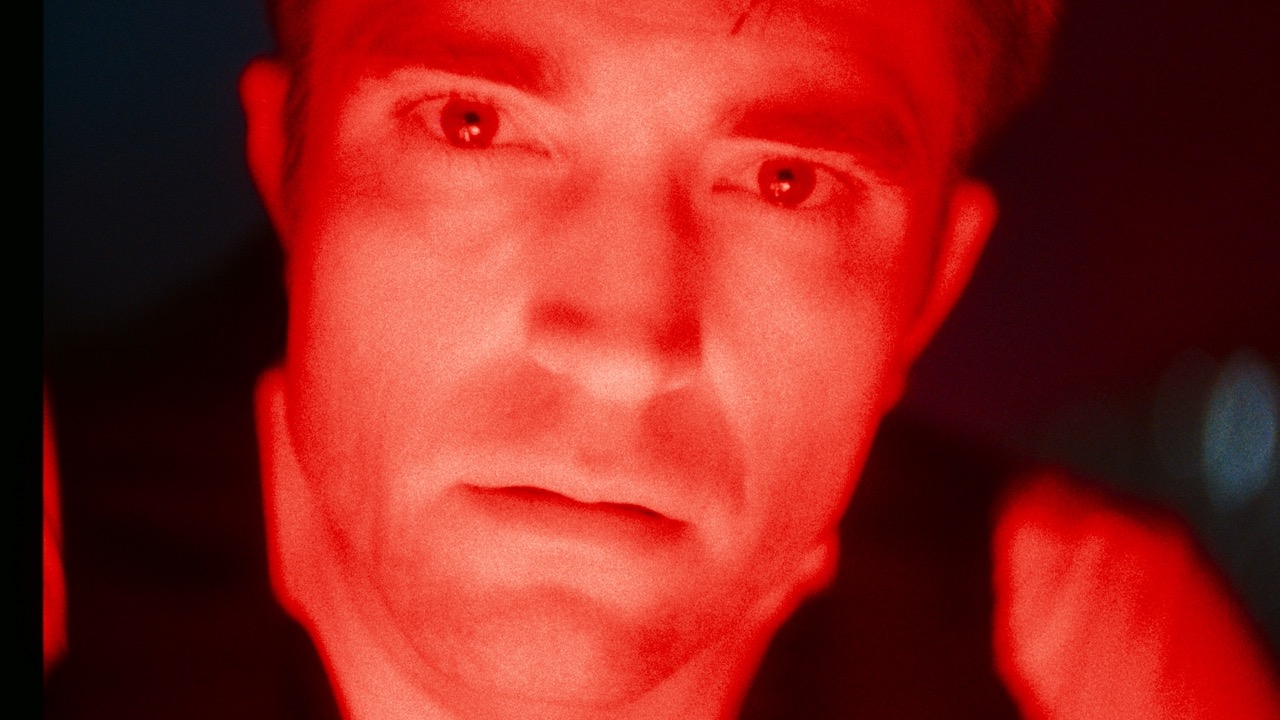
Starring Robert Pattinson as Hansen, Primetime is not a straightforward biopic. It synthesises and explores the media mutations of Hansen’s highly memeable screen journalism. His show saw him baiting and outing sex offenders with a combination of gunslinging quips and vengeful zeal. Touching on the darkness of entrapment as entertainment, the film avoids damning its subject—but also leans into the operatic horror of some of Hansen’s vigilantism. In the role, Pattinson has an exhilarated gleam in his eye as he sets up complex televised traps for would-be pedophiles: he believes in the righteousness of his job.






It makes sense that this extremity would draw Oppenheim to the subject. The 30-year-old documentarian started his career with the droll, thoughtful 2020 doc Some Kind of Heaven, set at a retirement community in Oppenheim’s native Florida. Since then, his non-fiction has actively sought out the niche, the obsessive, and the surreal: Spermworld (2024) saw him delve into the unregulated sperm-donation market and the personalities engaged with it, while comic HBO mini-series Ren Faire (2024 ) explored the goofy and theatrical power struggle for the next kingpin of a Texas renaissance fair.
For a filmmaker who has a taste for exploring persona, the media, and self-deception in his non-fiction, Primetime lands comfortably among his other work. At a busy and auspicious time for the filmmaker, Christina Newland sat down with Oppenheim to learn more about Primetime, docs versus features, and the transition from one to the other.
A Rabbit’s Foot: Did your documentary background inform Primetime? Or did this require a radically different approach?
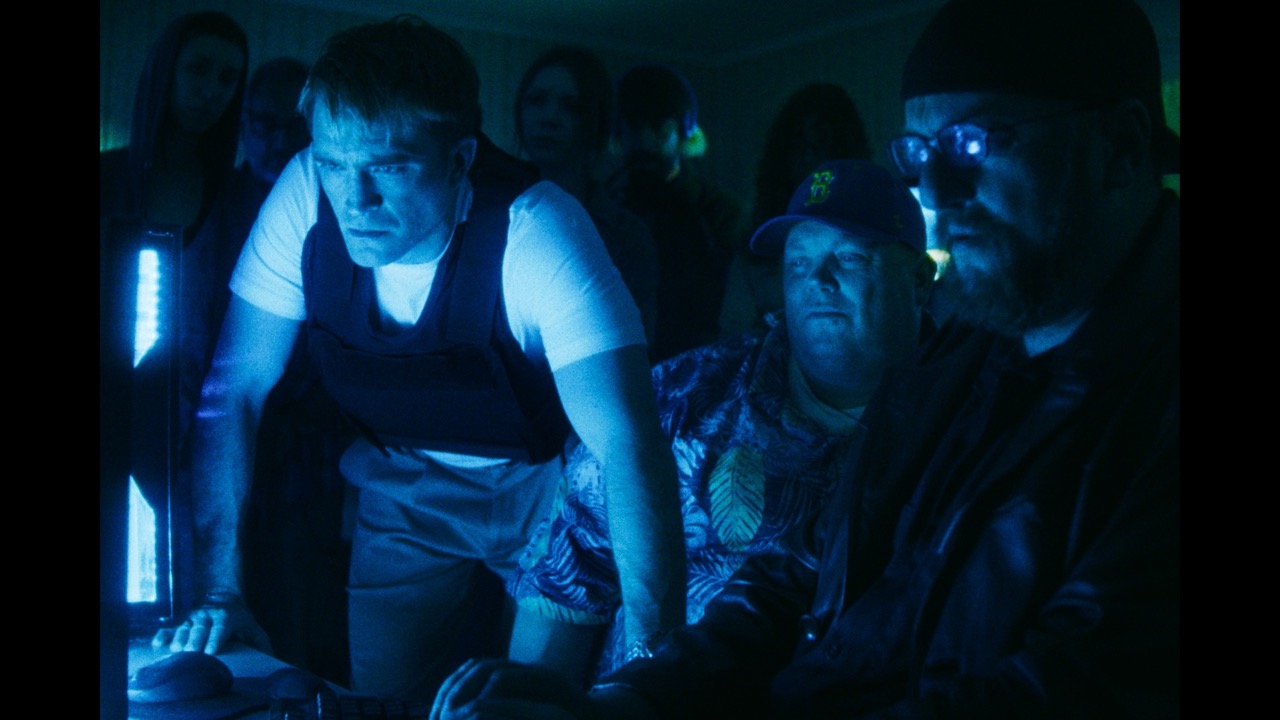
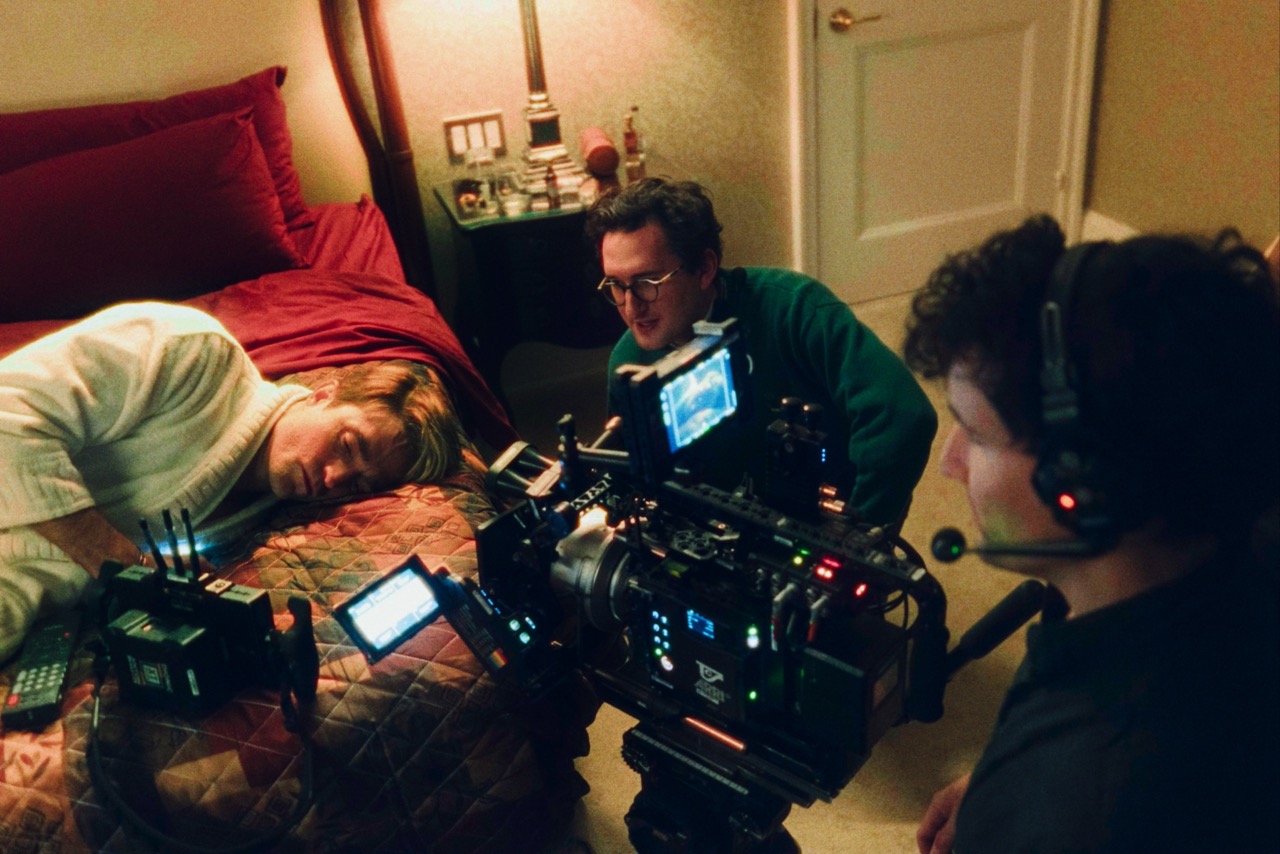
Lance Oppenheim: In some ways, Primetime felt more like making a documentary than my documentaries did, because of the process. With a documentary, I have a crew of five or six people and can wait for something to happen. With Primetime, we had hundreds of people involved and nearly 12 different camera formats. We had shot lists, but we abandoned all of our plans on the day to create an environment where things could feel a little unpredictable.
The performers in the movie opted to not rehearse, which also was conducive to the chaotic vibe that I was searching for on set. Even though the movie is heightened, I always was hunting for little nuggets of reality—something vulnerable or sincere that would sprout out from an improvised exchange. Primetime also fits within, maybe, a larger project I’ve been working towards the past few years, this idea of the “docu-fantasia”. In my earlier films, I was interested in turning human drama into Hollywood drama. With Primetime, it was sort of the opposite. I wanted to turn reality inside out, into a fever dream.
ARF: Why was Robert Pattinson so taken with this role, and how did that coalesce with your own enthusiasm for it?
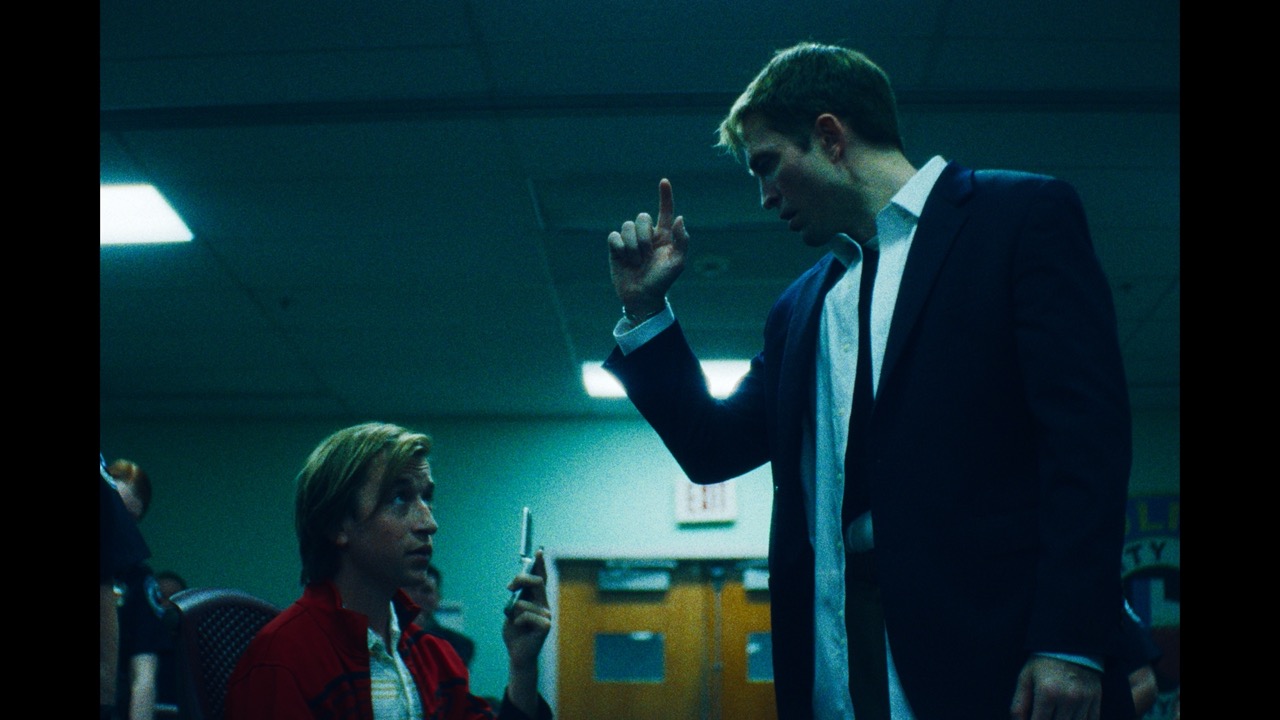
LO: Rob was already obsessed with To Catch a Predator when I met him. Rob and I both came to the show through this slightly distorted lens before actually engaging with the source material. He had been sent a meme of Chris in 2008, and I had seen many parodies of the show (South Park, Human Giant, MadTV) before actually seeing the real thing. I think we were fascinated by the same thing: Chris Hansen was a television presenter who somehow became a kind of mythological hero. He had these incredible one-liners. But there was also something really strange and theatrical about the whole enterprise. Rob immediately understood that there was something much more interesting there than just impersonating Chris Hansen. We were both excited by the idea of making a kind of superhero movie about a guy who had become a superhero in his own mind. And what crystallised that whole idea was showing Rob this Cameo video of Chris that my wife had purchased for me. It almost felt like he was engaging in a form of self-satirisation. And that was very fertile ground for exploring what happens when a man becomes a meme.
ARF: You’ve spoken before about how Pattinson is capable of giving this performance a multi-faceted conceptual dimension—presenting the many personas or versions of Chris Hansen as he’s appeared through TV and social media. Can you explain more about that?
LO: What’s interesting about Chris Hansen is that he’s become this character who exists in so many different contexts. There’s the serious network journalist: the guy confronting people in those houses. There’s the Chris Hansen of 30 Rock and late night TV appearances. And then the meme version of Chris Hansen that exists online. So what happens when someone becomes so identified with a persona that it starts to shape how they understand themselves? Rob could play all these different registers at once.
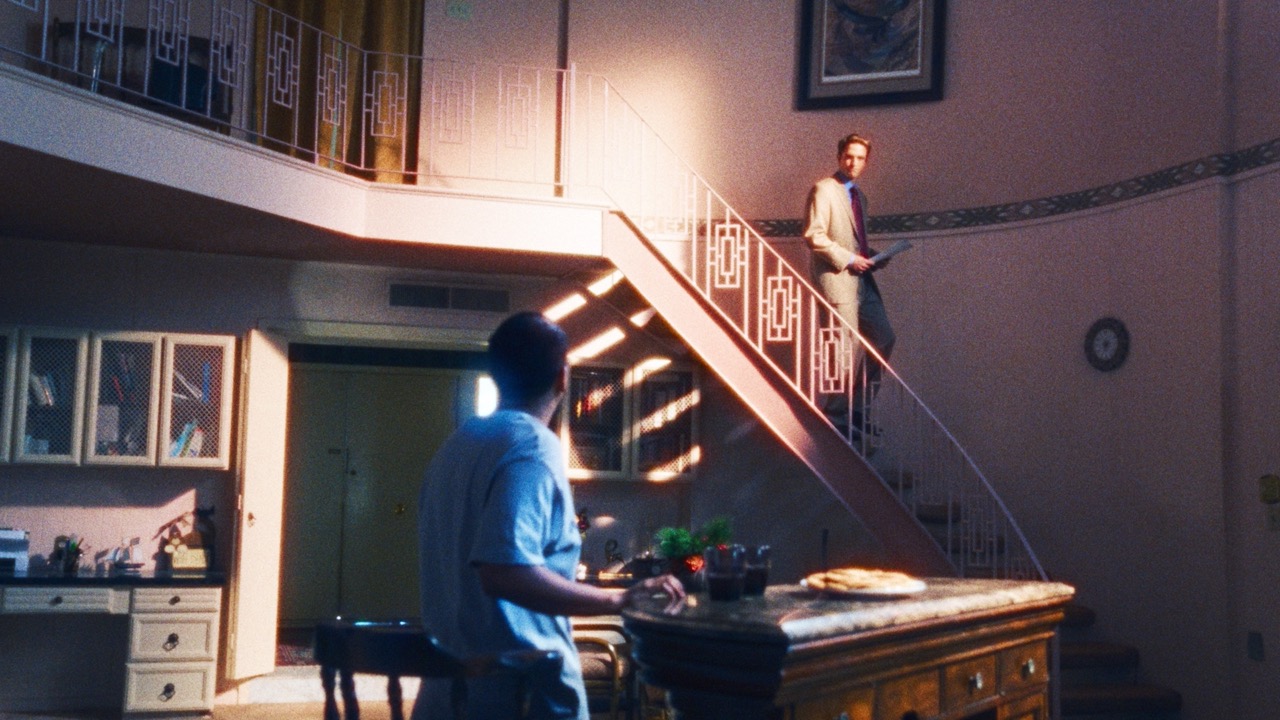
His performance is almost a media collage of every version of Chris Hansen that’s ever existed. I’ve said this a few times, but it’s almost like he’s channeling Chris Hansen, Jerry Maguire, and Dracula in one performance. He’s the most powerful person in the universe when he’s across the kitchen island from these potential predators in one moment, and, in the next, when he’s outside the world of the constructed reality he’s created, he’s dealing with the loss of control. I liked the idea of playing with this, the gulf between worlds, and seeing Rob inhabit the character was extraordinary. And, somehow, Rob never lost sight of the humanity of it: the emotional toll this work has taken, and what it costs to live inside this world 24/7—hunting, as Chris sees it, literal monsters.
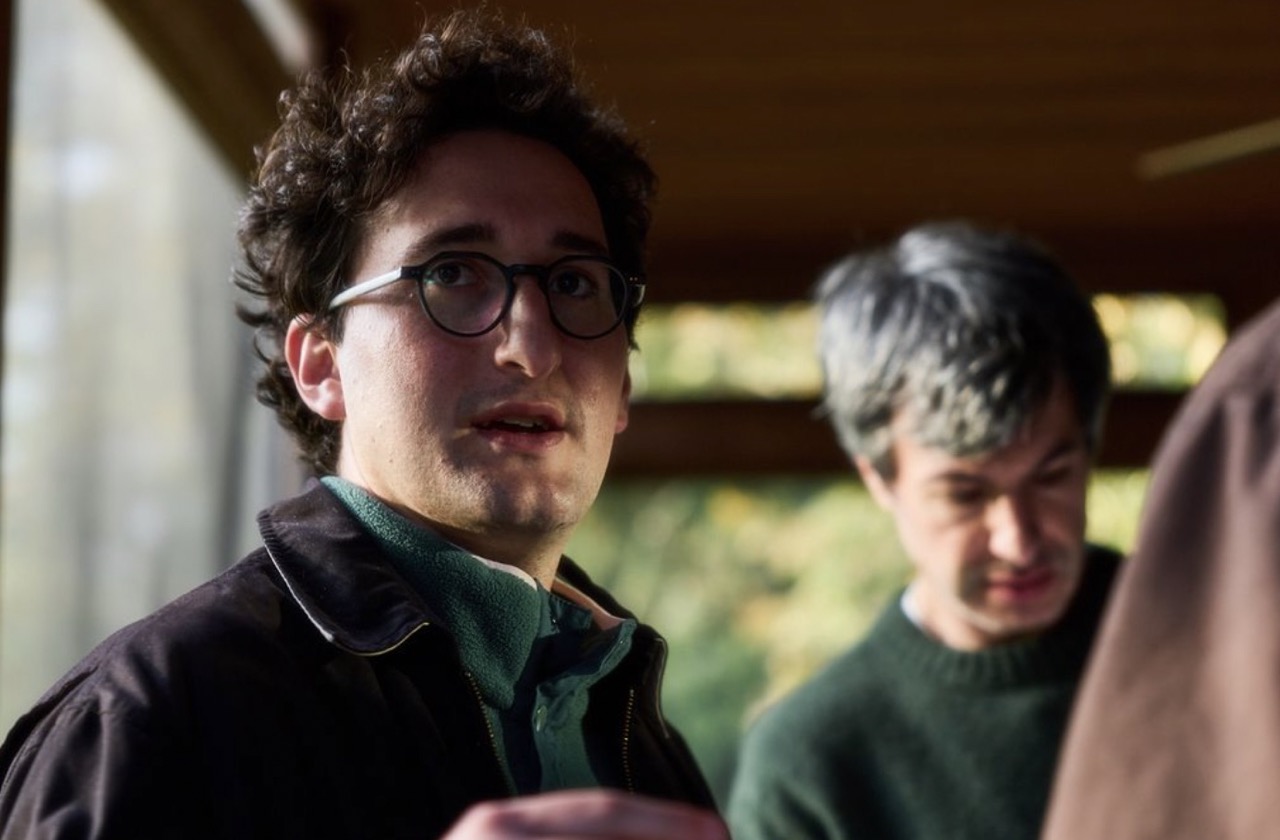
Lance Oppenheim and Nathan Fielder on the set of You Can See Everything.
ARF: Do you see Primetime in dialogue with the legacy of films which examine mass media and truth—Network (1976) et al?
LO: When I first watched the original series, I was struck by how strange the mixture of artifice and reality was. You had short, adult actors pretending to be children, fake houses, props… and then a very real, high-stakes situation happening in the midst of it. It felt like a circus, with Chris as this PT Barnum figure. The show, in a lot of ways, reminded me of some of my favorite reality-bending movies, like F for Fake (1973). The challenge with this film was to do something that riffed off its reality, that was almost stranger than stranger-than-fiction. I wanted to create something phantasmagoric, a descent into madness that felt like it was dipped in the nuclear colours of the early 2000s, the way trash TV looked then. And I was really excited to draw from so many of my favourite movies, Billy Wilder’s Ace in the Hole (1951), Olivier Assayas’s Demonlover (2002), Oliver Stone’s Natural Born Killers (1994) and JFK (1991), Brian De Palma’s Body Double (1984)—the list goes on! But there was something about finding a marriage of my favourite media-morality movies, movies about the consequences of the Hollywood Dream and cyber-thriller movies from the early aughts, that got me excited.
ARF: You’ve worked largely with a lot of the same team and crew members throughout your career. Can you talk a bit about the collaborative process, and how much creative and personal trust has to factor into those relationships?
LO: All the people I make movies with are my best friends. I’ve known David Bolen, my cinematographer, since I was 17. There’s a real shorthand that develops over time, and there’s a willingness to put yourself into the work in a way that might feel embarrassing if you weren’t around people you trusted. Everyone I work with is equally invested in the process and discovery of whatever story we’re exploring. On each project, David and I attempt to create an aesthetic value system around the setting we’re in. We develop a visual language that evolves from the drama unfolding in front of us. I love creating things in this sort of way: working small, working democratically, being prepared with ideas for what I think the story is. But then also being prepared to throw all of my preconceived ideas out of the window. Working with the same crew again and again encourages that process. It allows things to be more fluid.
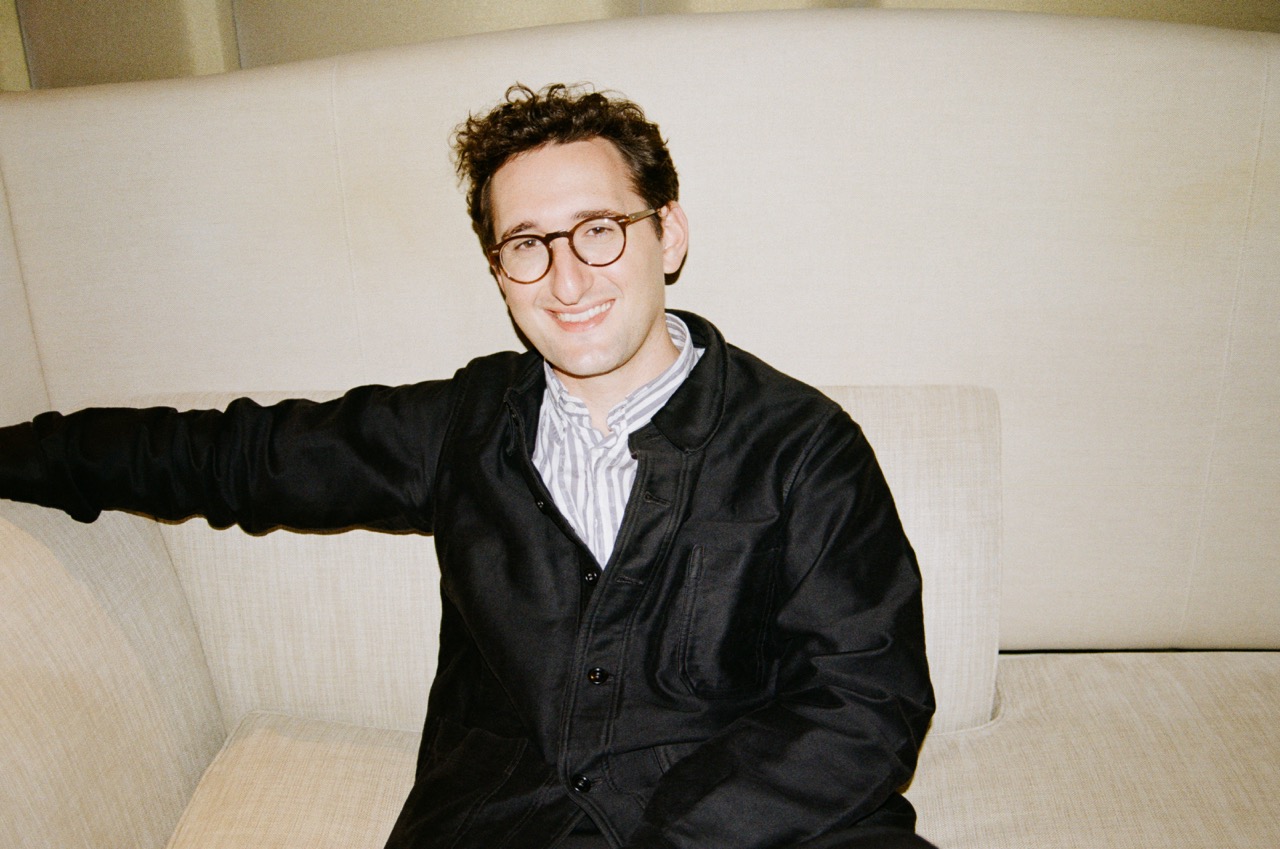
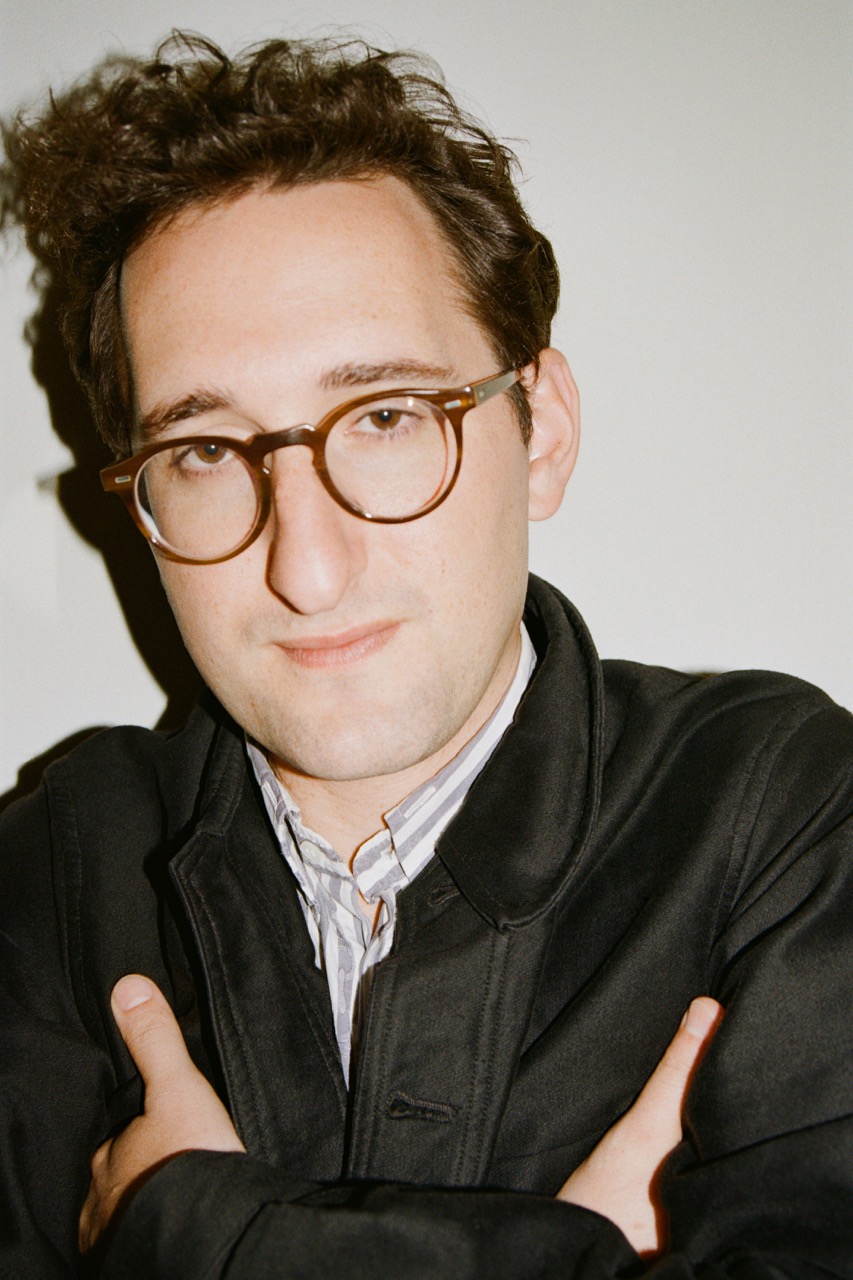
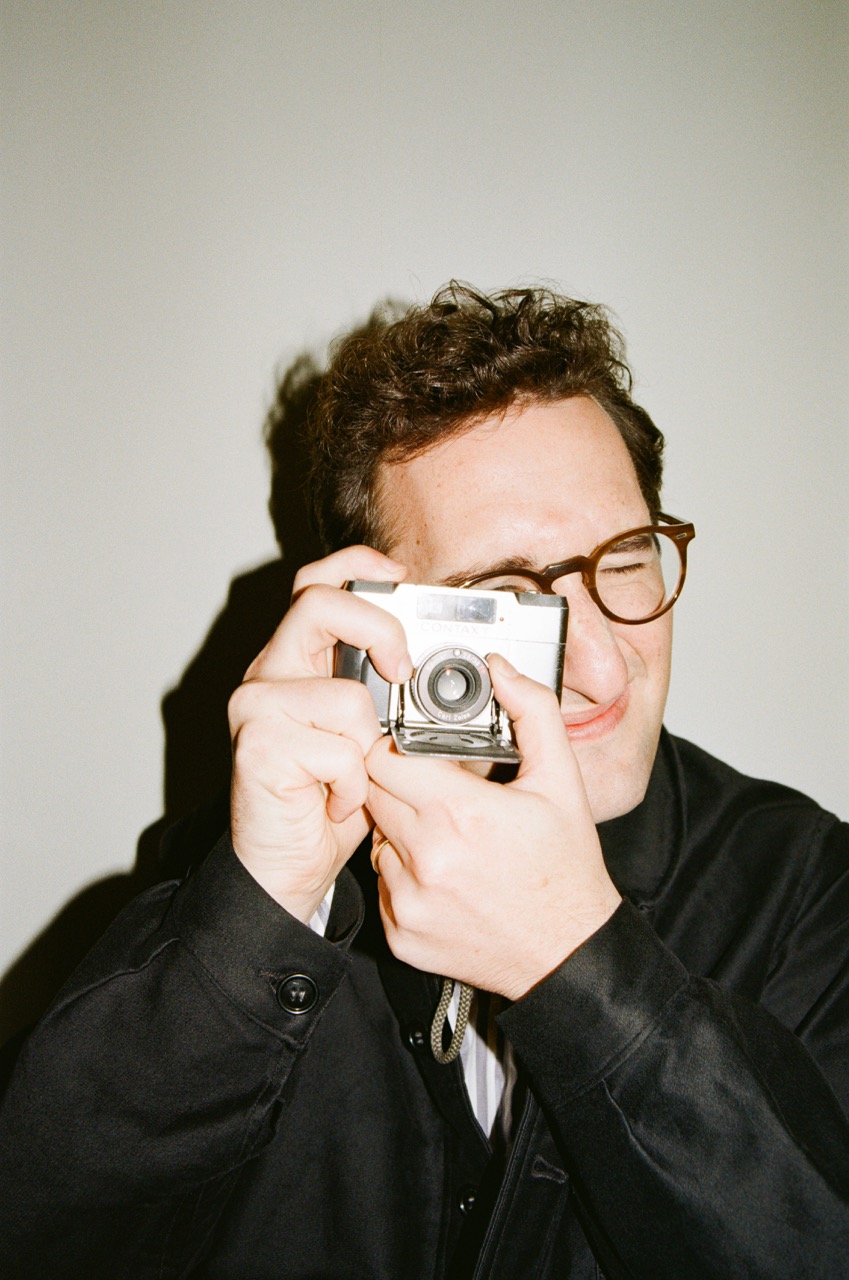
Lance Oppenheim for A Rabbit’s Foot. London, 2026. By Charlie Pike.

“It’s almost like he’s channeling Chris Hansen, Jerry Maguire, and Dracula in one performance.”
Lance Oppenheim on Robert Pattinson
ARF: Chris Hansen has complained about Primetime to the press, which I expect you must have been braced for on some level. What do you make of his reaction, and how did you prepare yourself for that being a possibility?
LO: What’s happening now is almost like watching another version of the movie play out in real time. Chris’s reaction feels connected to the thesis of the film. He’s a showman! It’s lately become about whether Hollywood is trying to make him a villain, and that’s not how I see it at all. I love Chris Hansen and I love his show. Growing up, he was a superhero to me… and here, in this film, the man who plays Batman is playing him! I can’t control how someone responds to a movie, and I don’t think the point of making one is to ensure that everyone agrees with your interpretation. But I still hope he knows that I came into this process as a fan of his, and I remain a fan of his after making the film.
Primetime is in cinemas now and You Can See Everything is in UK cinemas from 20th November