

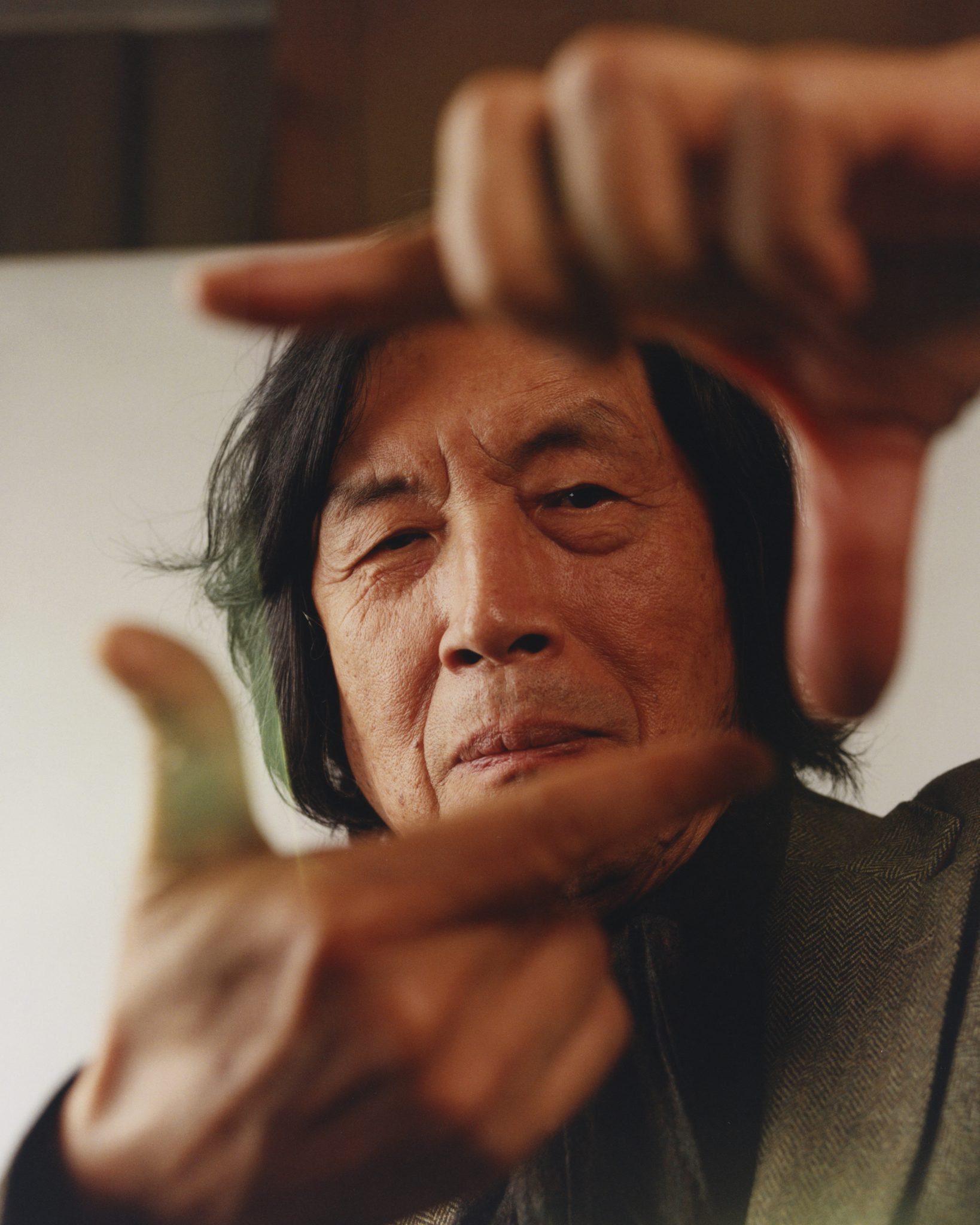
The South Korean filmmaker discusses his Venice Silver Lion winner Possible Love, how he feels about former student Na Hong-jin calling him the “God of Cinema”, and what he thinks of his debut feature Green Fish, almost three decades later.
A few weeks ago, Na Hong-jin, the director of the rollicking action blockbuster Hope, told me about his experience as a film student under the tutelage of legendary filmmaker Lee Chang-dong. “When I was having a conversation with him, I really felt that he was very closely analyzing me”, Na had said. “Dissecting me, trying to understand and complete me like a riddle. That gave me a slight discomfort. In retrospect, director Lee is one of the great filmmakers. He knows the power of the movies, and he knows the positivity, naivety and the power of the senses. He can put it all into his films. Me and my fellow filmmakers call him “the God of cinema”.
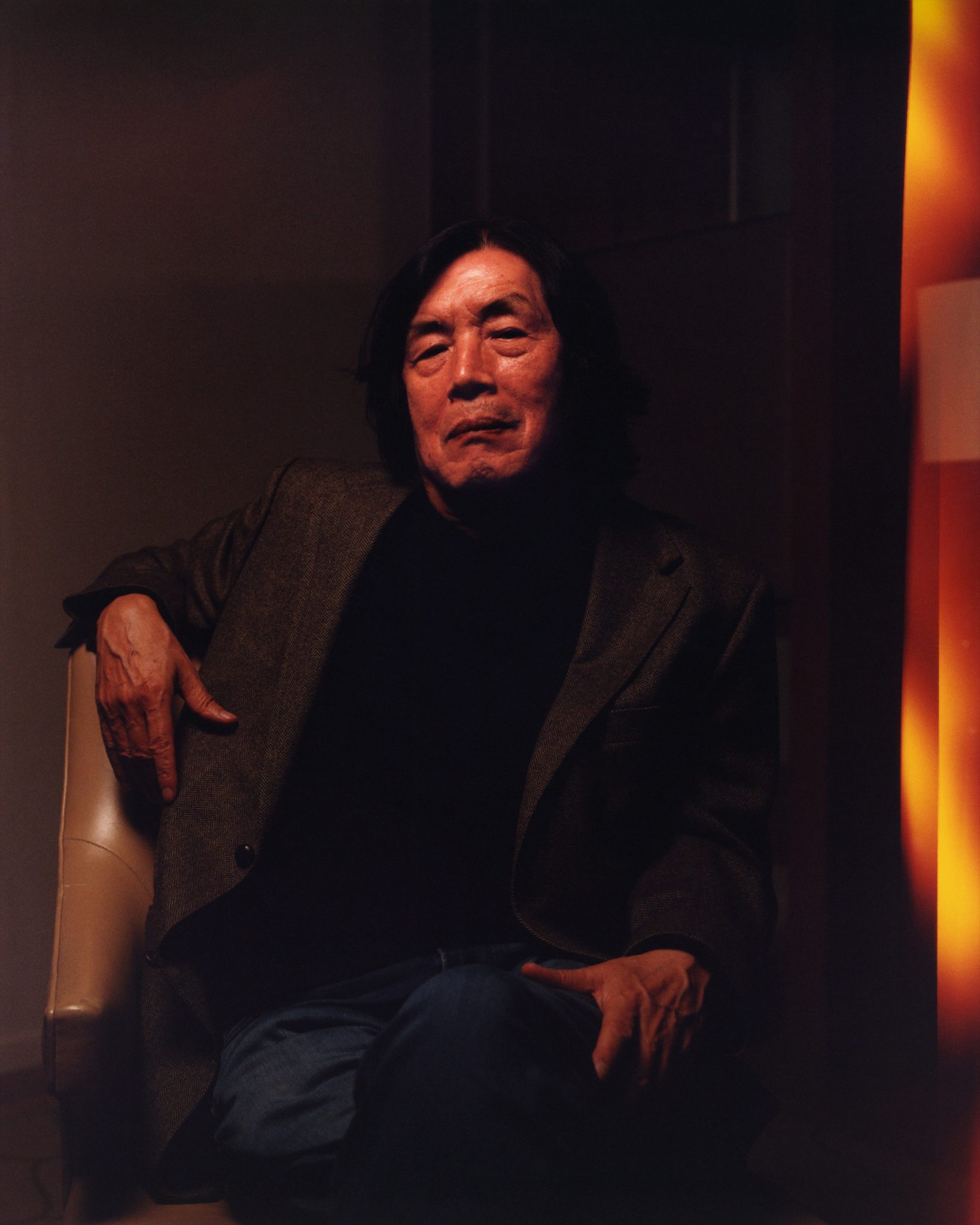
Hearing this, former professor Lee chuckles to himself. The 72 year-old novelist-turned-filmmaker can appreciate a little ribbing from his former students, especially one who has gone on to earn a healthy amount of acclaim himself. He also winces a little at the nickname Na and his cohorts have given him. Despite Lee boasting one of the great living-and-breathing legacies of South Korean film history—his pioneering Korean New Wave film Peppermint Candy, the devastatingly beautiful Secret Sunshine, and his slow-burn Murakami thriller Burning, to name a few—he still doesn’t appear to fully believe his own hype.
Doubt has often crept through Lee’s mind over the course of his thirty-year filmmaking journey. Born into a left-leaning family in Daegu, long the bedrock of Korea’s conservative right, he has spent a career exploring, in painful detail, the inner turmoil of the powerless against the backdrop of societal decay—and he has despaired over the voyeurism that the work requires of him. “Knowing when to aim the camera and when to turn the camera away is a difficult burden”, he tells me. “There’s never a clear line.”
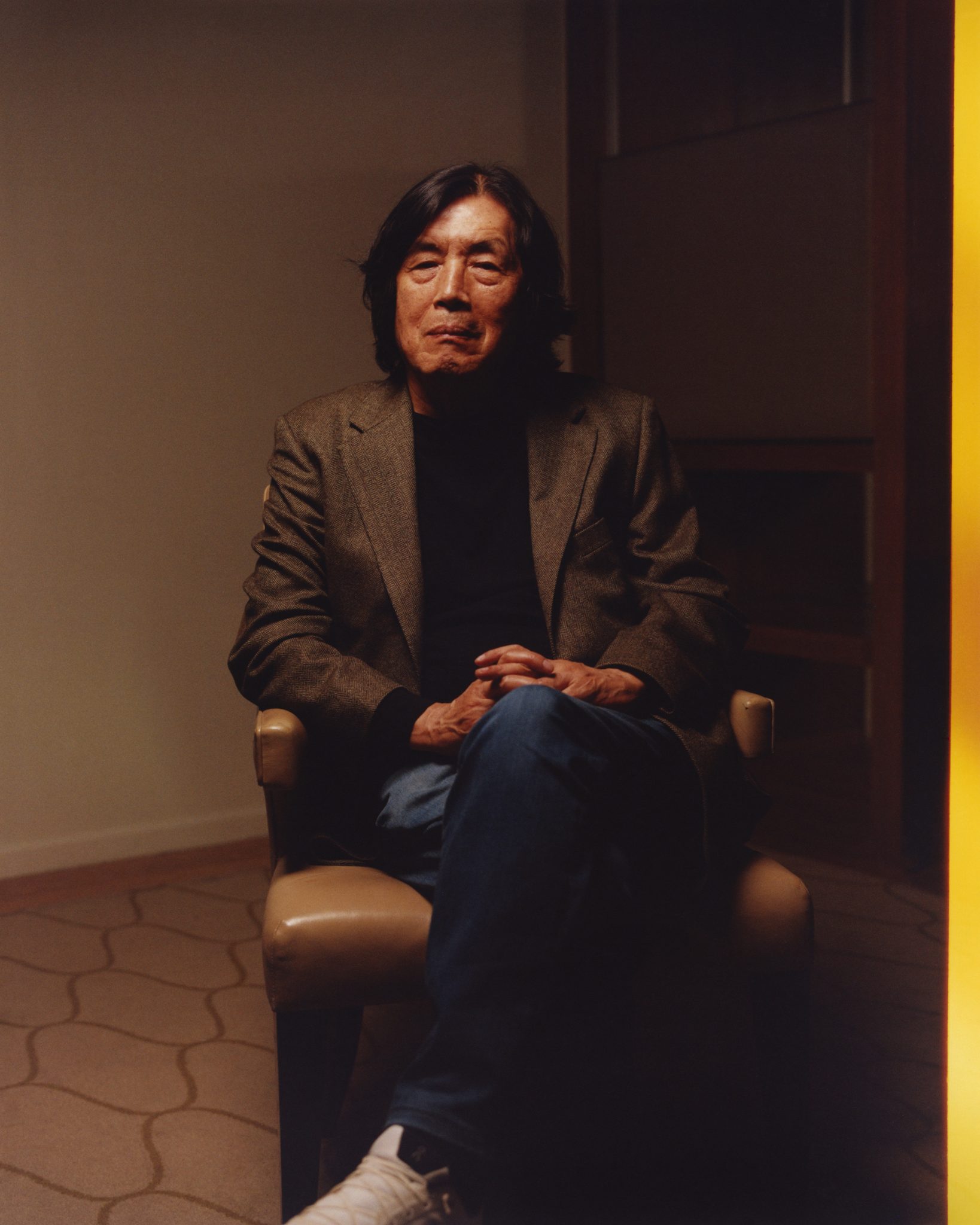
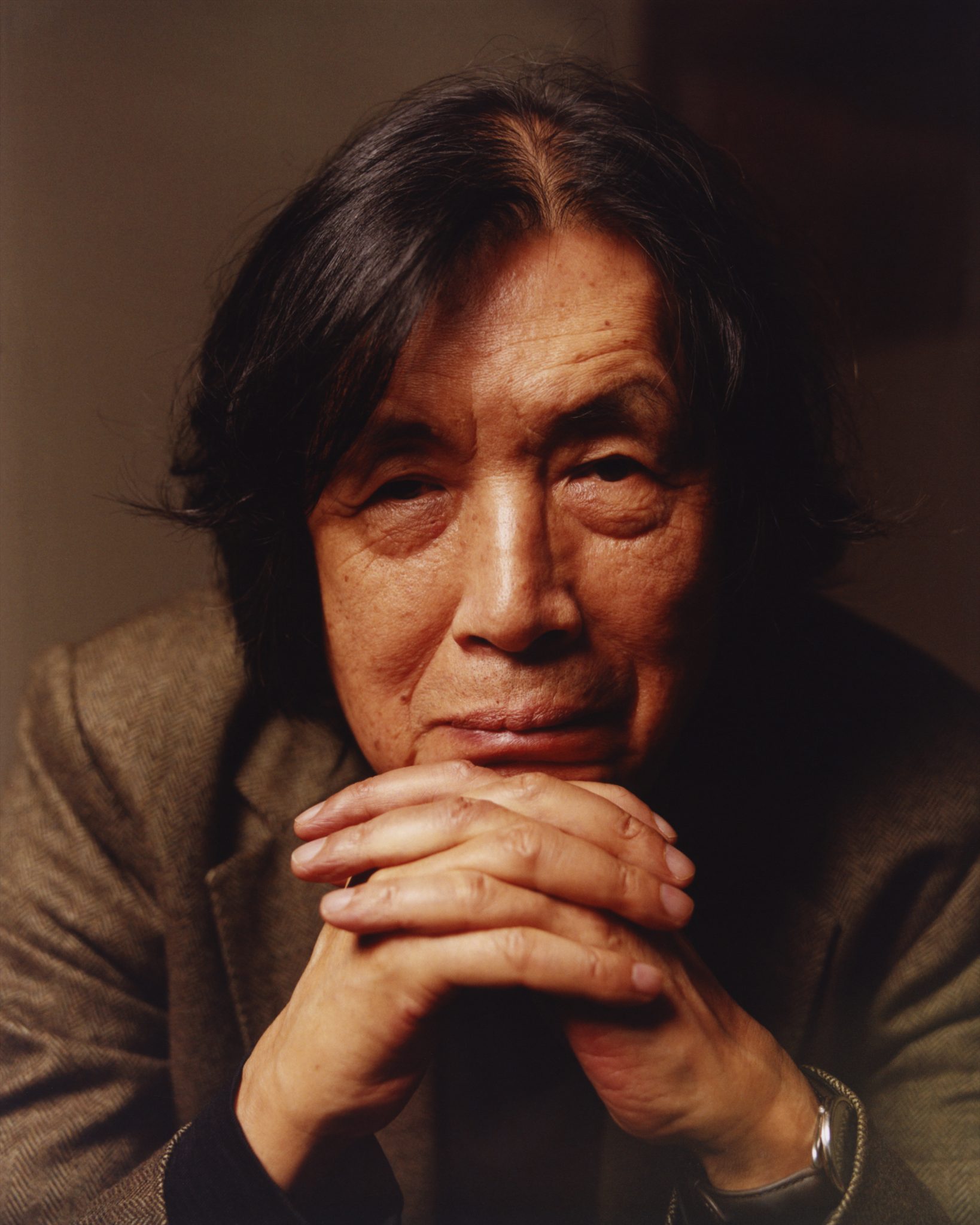


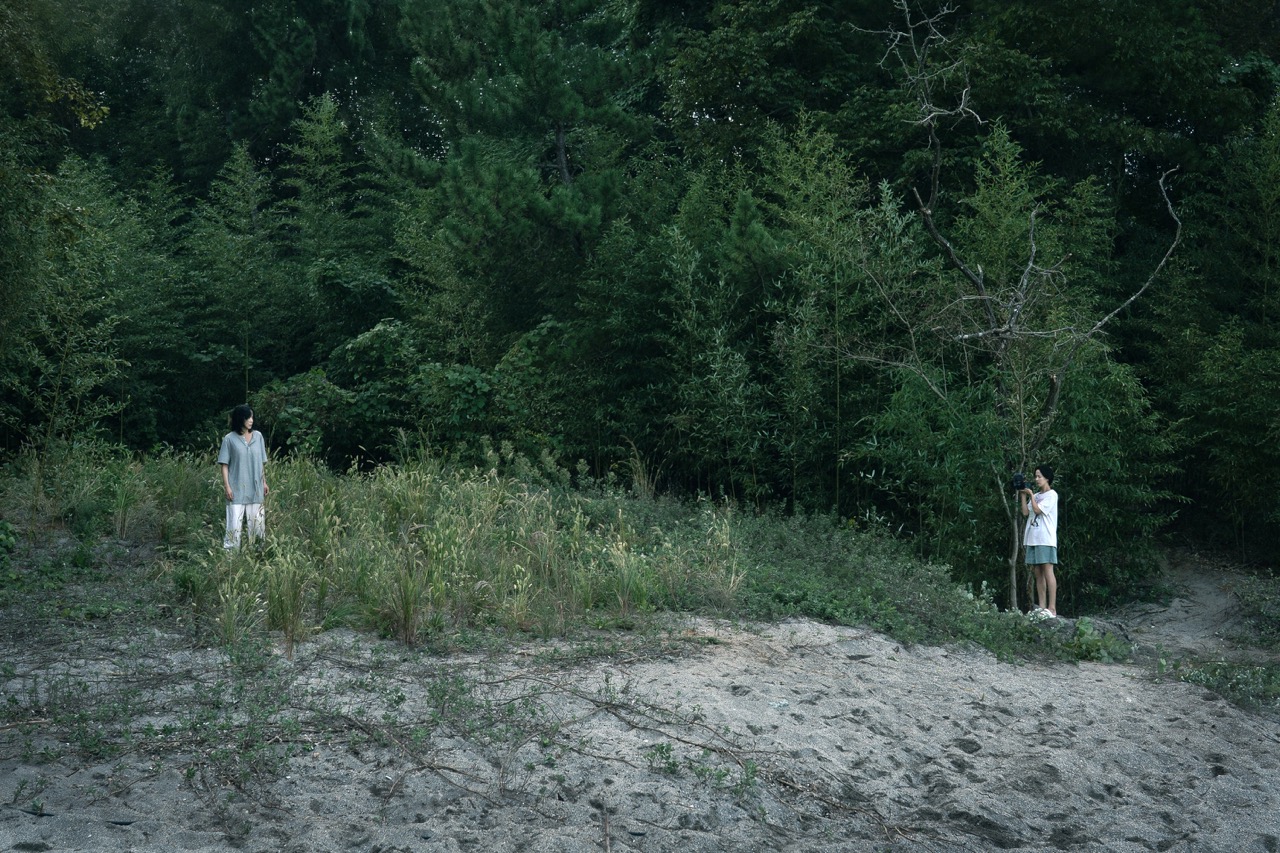
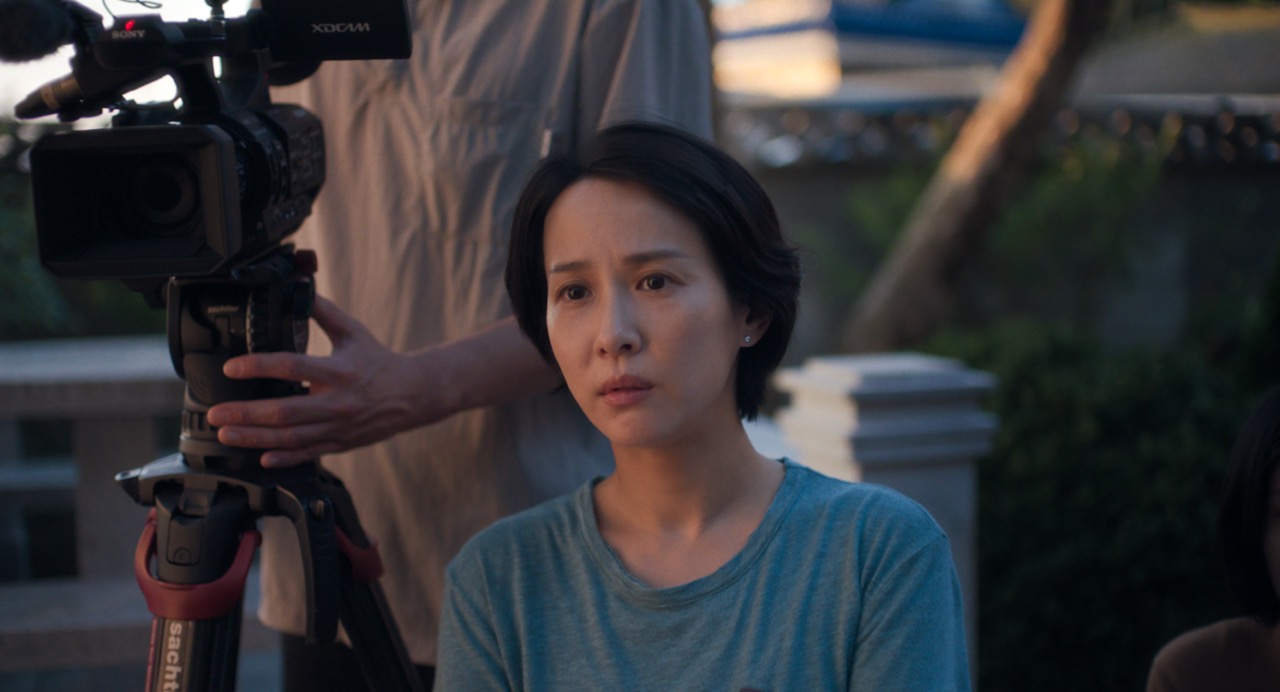
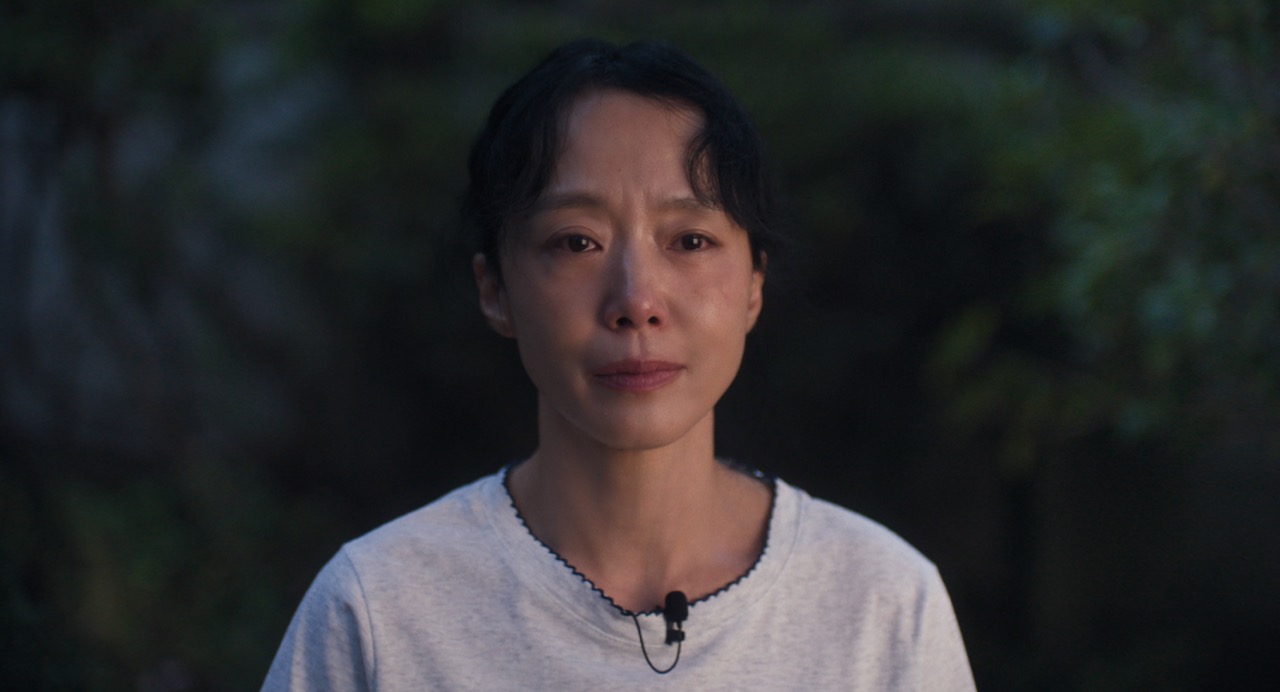
Lee’s self-interrogation has led him to Possible Love, a film in which he doesn’t try to solve the question of his unworthiness so much as put himself on trial for it. Inspired by a real labour strike that turned violent at the hands of Korean authorities (likely the 2009 SsangYong Motor strike), the film follows Mi-ok (Jeon Do-yeon) and her laid-off husband Ho-seok (Sul Kyung-gu), whose lives become entwined with those of wealthy businessman Sang-woo (Zo In-sung) and his wife Ye-ji (Cho Yeo-jeong), a well-intentioned documentarian eager to make a movie out of their trauma, and an avatar for Lee himself.
After taking home the Silver Lion at the Venice Film Festival this year, Lee joined A Rabbit’s Foot in London to discuss the symbolism behind one of Possible Love‘s most crucial scenes, his evolution as a filmmaker over three decades, and the shackles inherent in turning suffering into storytelling.
Luke Georgaides: I recently spoke to director Na Hong-jin, and he mentioned that he and his peers call you “the God of cinema”. I wonder if being held in that kind of awe makes it harder to sit down and write?
Lee Chang-dong: [Laughs]. I don’t feel pressure over it, I know they’re only joking. Na Hong-jin was a student in my class. We would watch the student films together and I would critique them and question their intentions. Na said that he was so scared of his turn coming up that he dropped out of school and ran away to make his debut feature film The Chaser.
LG: You mentioned that when you first wrote this script 12 years ago, you asked yourself whether you were worthy of making this movie. What didn’t make you worthy back then?
LCD: The closer I approach the reality of those that are suffering, the more I doubt myself. The greater their pain is, the more I feel shackled by questions of whether I am worthy to tell their story, and, also, whether I have the right to be close with them. I felt I lacked the conviction in answering those questions with clarity. Knowing when to aim the camera and when to turn the camera away is a difficult burden. There’s never a clear line. What do I show? What do I leave out? It is that very attitude that decides the characteristics of the film.
LG: You’ve said in the past that your process is one of “utter despair”, but Jeon Do-yeon has mentioned that, compared to Secret Sunshine, the energy on the set of Possible Love was bright, and that even you were infected by the joy of making this film. Does that reflect how you’ve changed as a filmmaker?
LCD: I’ve gotten older. When I look at photos of myself now, I’ve noticed my eyes have grown softer. In the past, there was a lot of fire behind my eyes. I was fierce. Maybe it comes with age. Shooting Secret Sunshine was a painful process. It deals with the concept of suffering itself. With that role, Jeon was tasked with facing levels of pain that she had never faced as an actor prior to that, and then the next day an even greater degree of pain would be waiting for her.
LG: I noticed threads and stray lines of dialogue in this movie that can be traced back to your older work. In Peppermint Candy, Sul Kyung-go uses the phrase, “if she’s looking at the same rain as me.” In Possible Love he uses the same phrase, but for the moon instead of rain. What draws you back to the idea of two people sharing the same sky from far apart?
LCD: I never thought about that connection before, though now I see how one could see it like that. The situation between the two are quite different. In Peppermint Candy, Sul Kyung-go uses that almost like a pickup line. He wants to appear to be this very romantic guy who is suffering the loss of the woman he loves. That’s why he brings up rain. The moon in Possible Love is more fundamental. Regardless of the conditions of your life or where you stand on the spectrum of power dynamics, we are all looking up at the same moon. It is universal—the great equaliser. That is what I wanted to speak to.
LG: You’ve said in the past that a filmmaker’s first film is also his most pure. How do you feel about Green Fish after almost 30 years since it was released?
LCD: I do think, still, that there is some innocence to Green Fish. But there was a certain inevitability in my choosing the genre of film noir in order so I could get my debut film made. I had to borrow a certain convention and try to tell my story within that. Now that I look back on it, I can see my efforts in wanting to give it my own colour. There are many elements in that film that feels like a boiled down version of the archetypes that I wish to convey through all my films.
“It’s something that many popular men do. They just tempt women because they can, for no particular reason. I think that resembles the nature of capital itself. Capital will always continue to chase further profit, despite it having everything it needs.”
- Lee Chang-dong
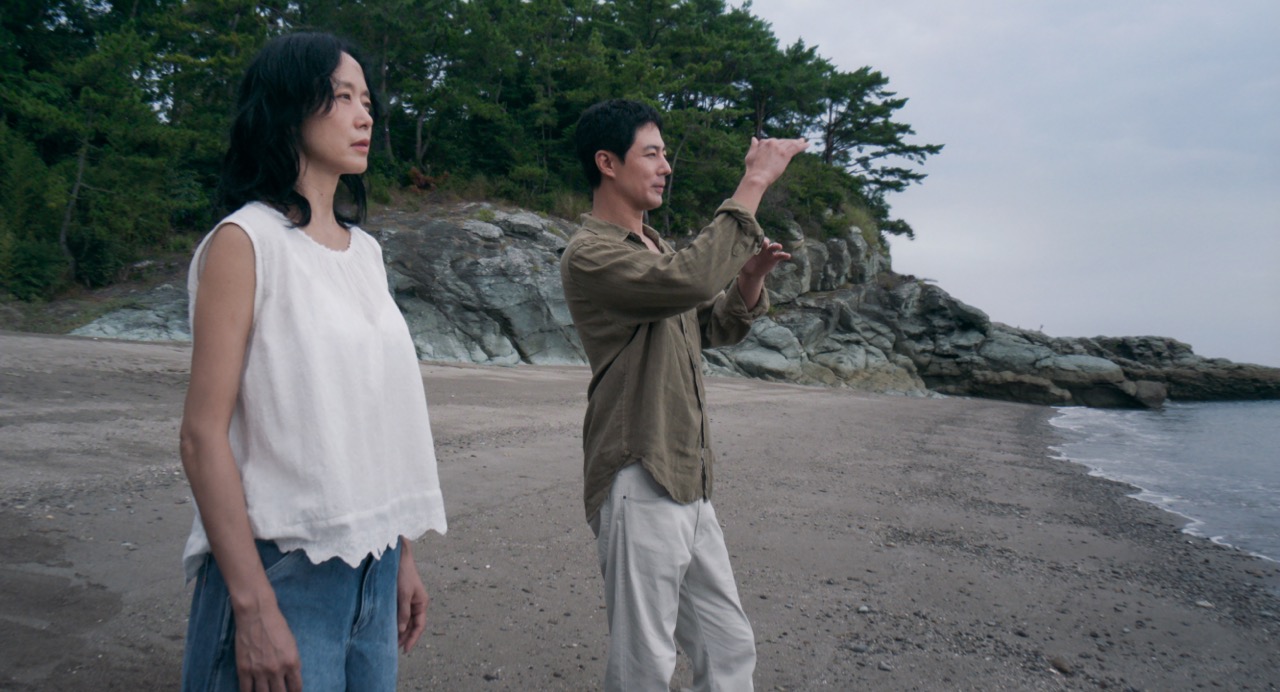
LG: Jeon Do-yeon’s performance in this film is mesmerising, particularly in the scene between Mi-ok and Sang-woo on the beach. How did you hope to direct her in that scene?
LCD: One of the most crucial moments of symbolism in Possible Love is during the scene at the beach. I don’t like to explain what a particular scene means to my actors because more often than not it will just take away from their focus on the scene. I want my actors to be able to live and feel and act as those characters in the moment, and I don’t think being aware of the meaning of the scene is in any way helpful to their performances.
LG: To what extent do you interpret the decisions that your actors make in those pivotal moments?
LCD: It’s hard even for me to comprehend what Mi-ok is feeling in that scene. That morning, she witnessed the inner hell that Ho-seok is living in. I think that she realizes that the forces that dominate her and her husband’s lives are represented by someone like Sang-woo, who symbolises capital. And in that moment, she wants to resist that power with her free and naked body, because for someone like her, that is the trial of a lifetime. By following her into the water, Sang-woo crosses a line. Until then, he has enjoyed stirring things up in Mi-ok without really revealing what his motives are. It’s something that many popular men do. They just tempt women because they can, for no particular reason. I think that resembles the nature of capital itself. Capital will always continue to chase further profit, despite it having everything it needs. In that scene, Mi-ok is almost like a matador, fighting off this aroused and furious bull, and in doing so she is making a stand. She is protecting her self dignity.