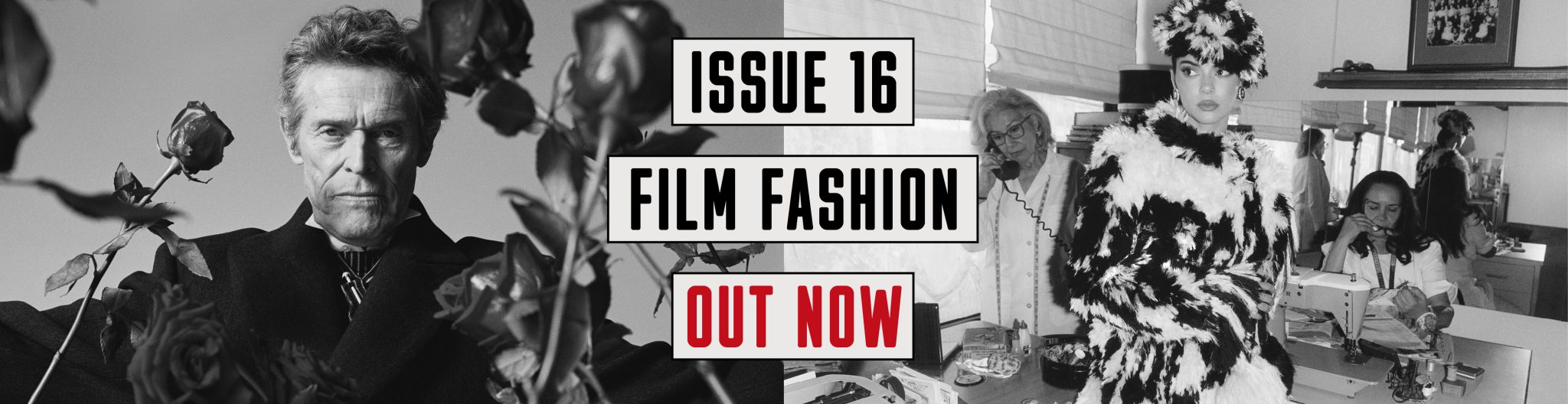


At Claire de Rouen for Alaïa, the American photographer Nancy Honey joined curator Brandei Estes for an intimate conversation about her practise.
As the dust settled on London Fashion Week and the majority of the fashion pack headed to Milan, at Alaïa’s New Bond Street store on Wednesday night, there was a treat for those who remained behind. In partnership with Claire de Rouen books, the French maison hosted the photographer Nancy Honey for an intimate conversation about her work and life.
The top floor of the London flagship—accessible by its sculptural spiral staircase—has been an outpost for rare photography, art and fashion bookstore Claire de Rouen since 2024, the photographer, whose analogue work explores intimacy, womanhood and domesticity, was joined by Brandei Estes, Acting Senior Curator of Photographs at the National Portrait Gallery.
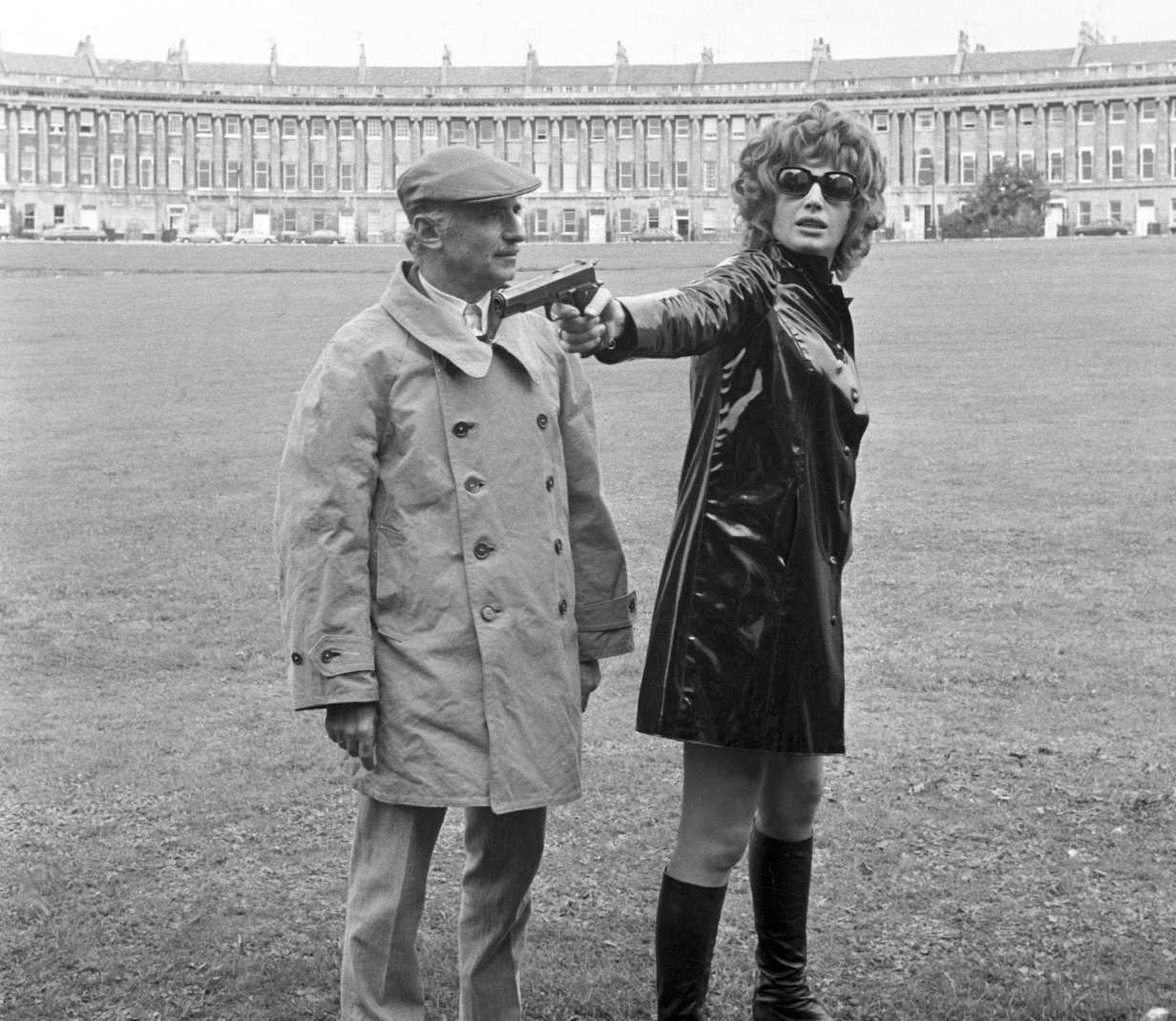
The pair discussed Honey’s origins as a photographer in Bath, where she moved to from San Francisco in 1968 with her ex-husband. “I gave up my education, my home, I had two children, I thought what am I doing?,” said Honey, who enrolled on a local course in graphic design and then photography at the Bath Academy of Art, before developing her practice in a community of photographers that included Peter Fraser, Jem Southern Martin Parr.
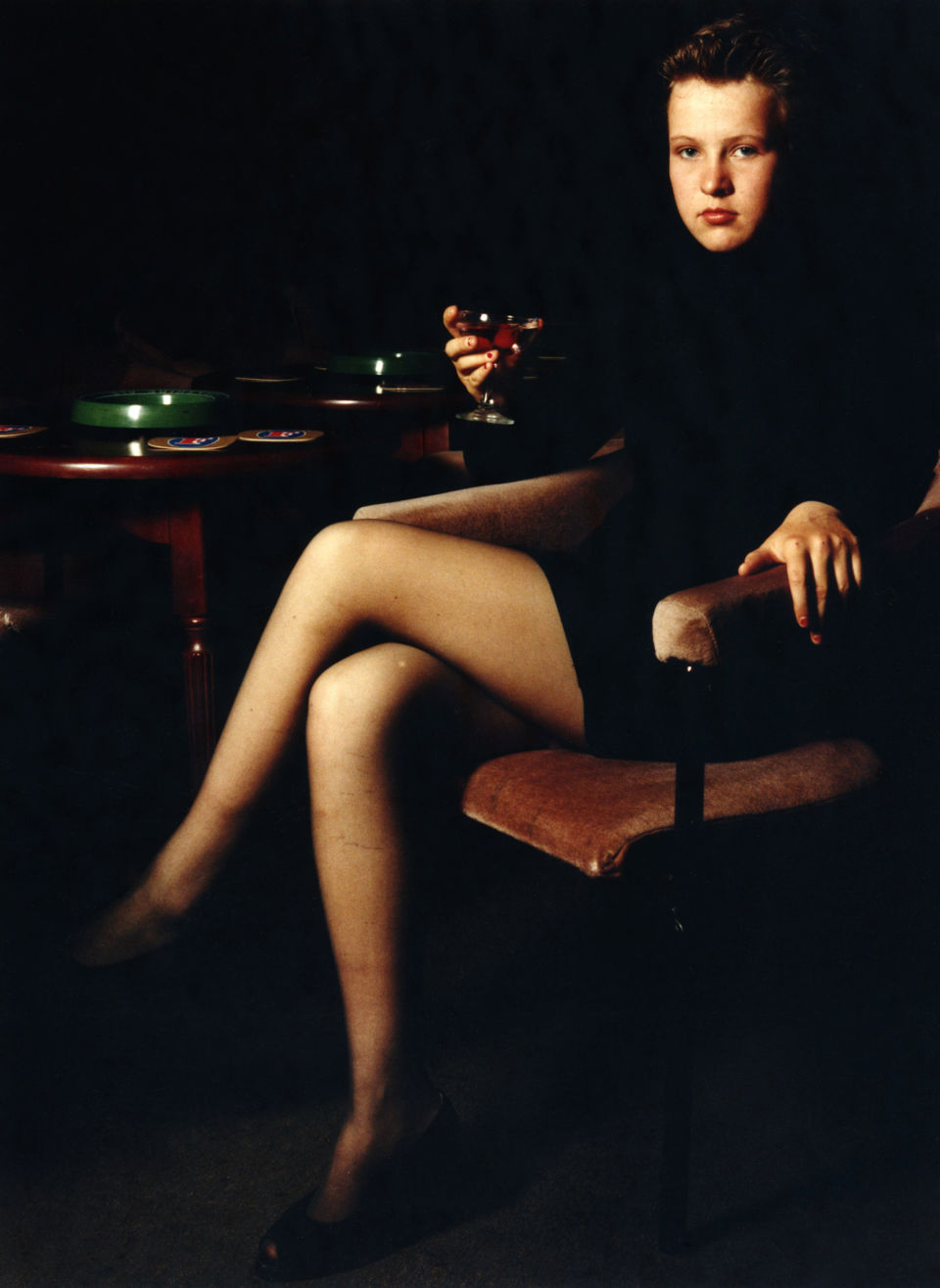
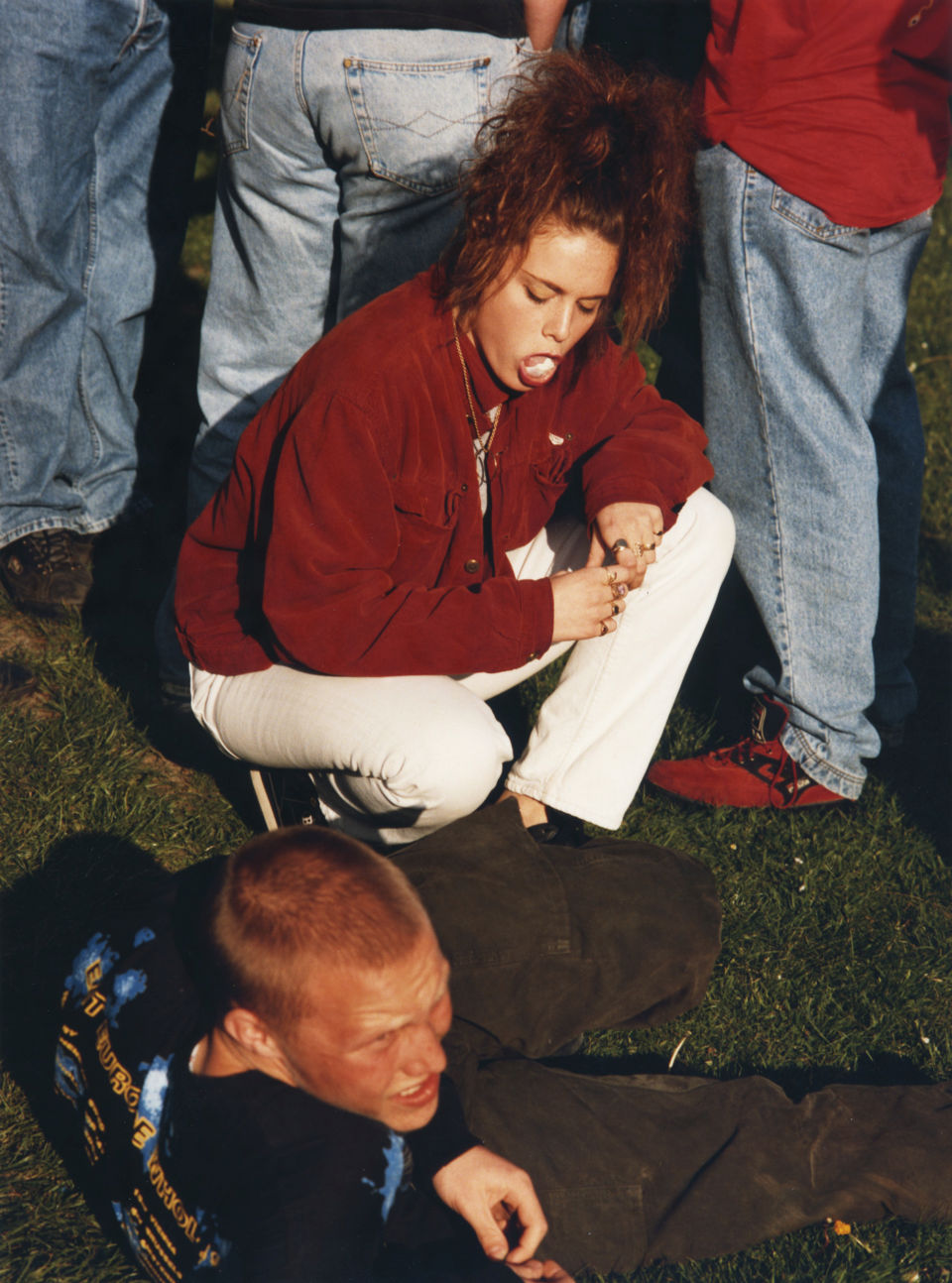
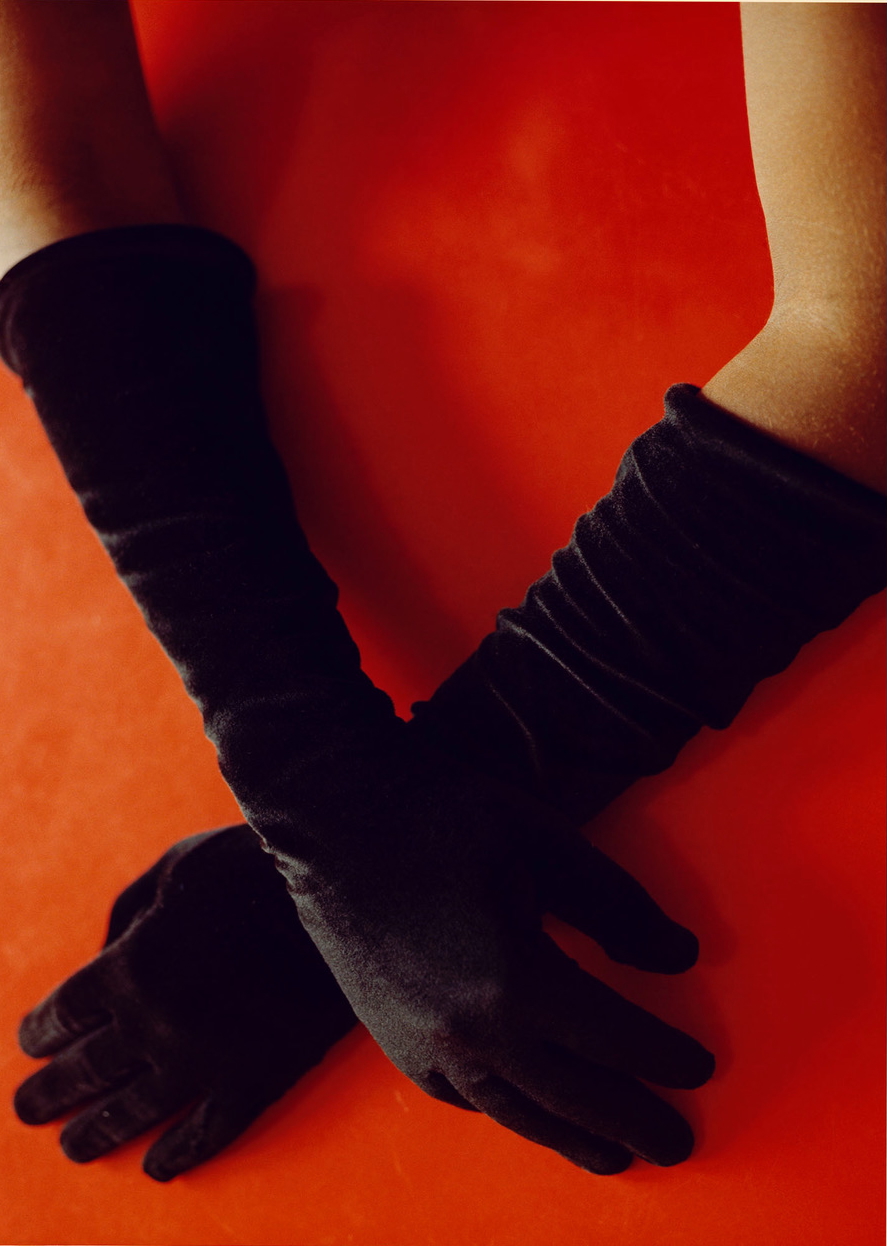


Unlike Parr and Fraser, Honey was a mother, an identity that became a central part of her subject matter, capturing her own children with her signature brightly hued, fuzzily nostalgic lens. “I just thought, I’ll photograph them and I’ll photograph them and what it means to me to be a mother and my family,” said Honey.
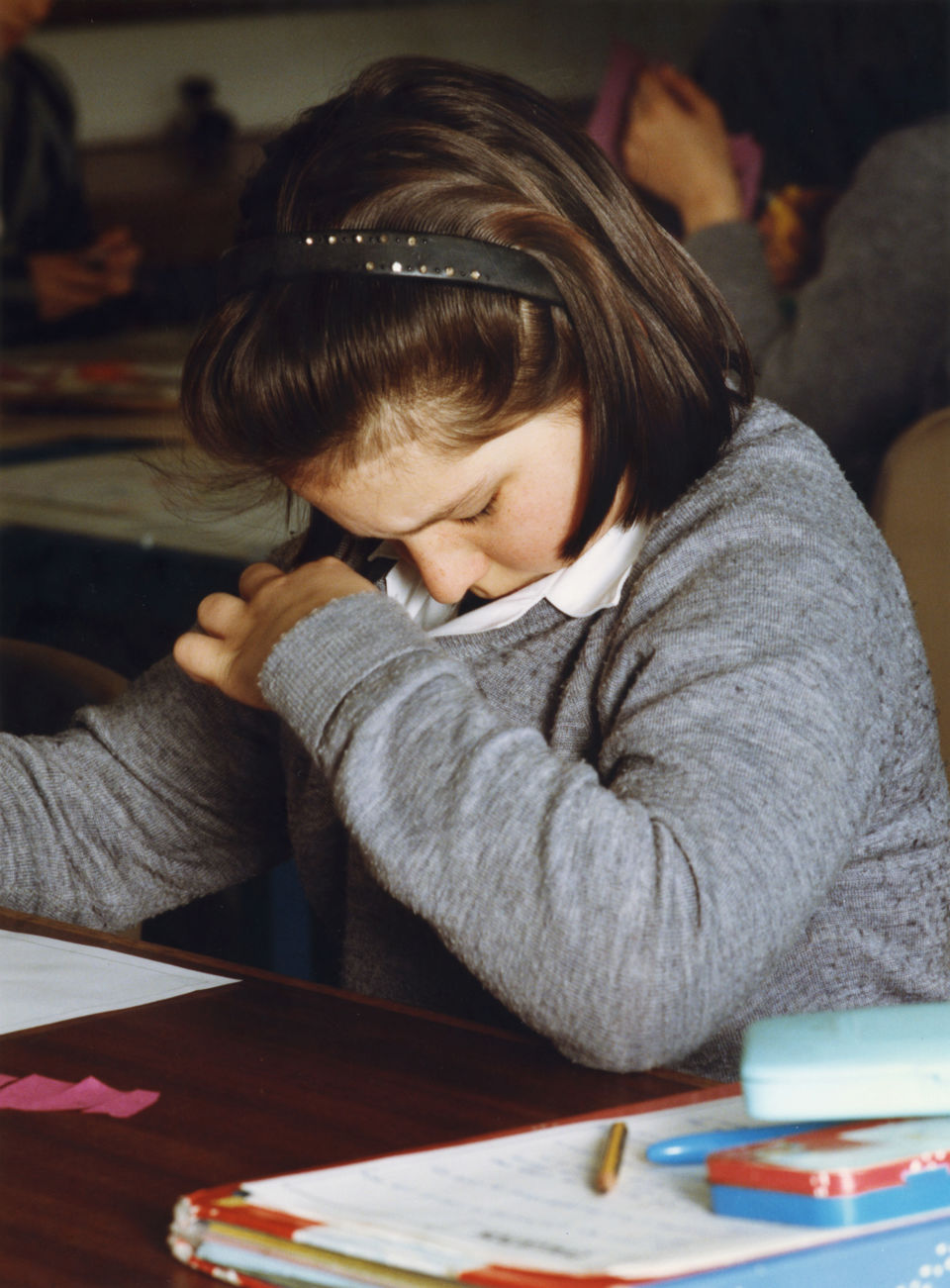
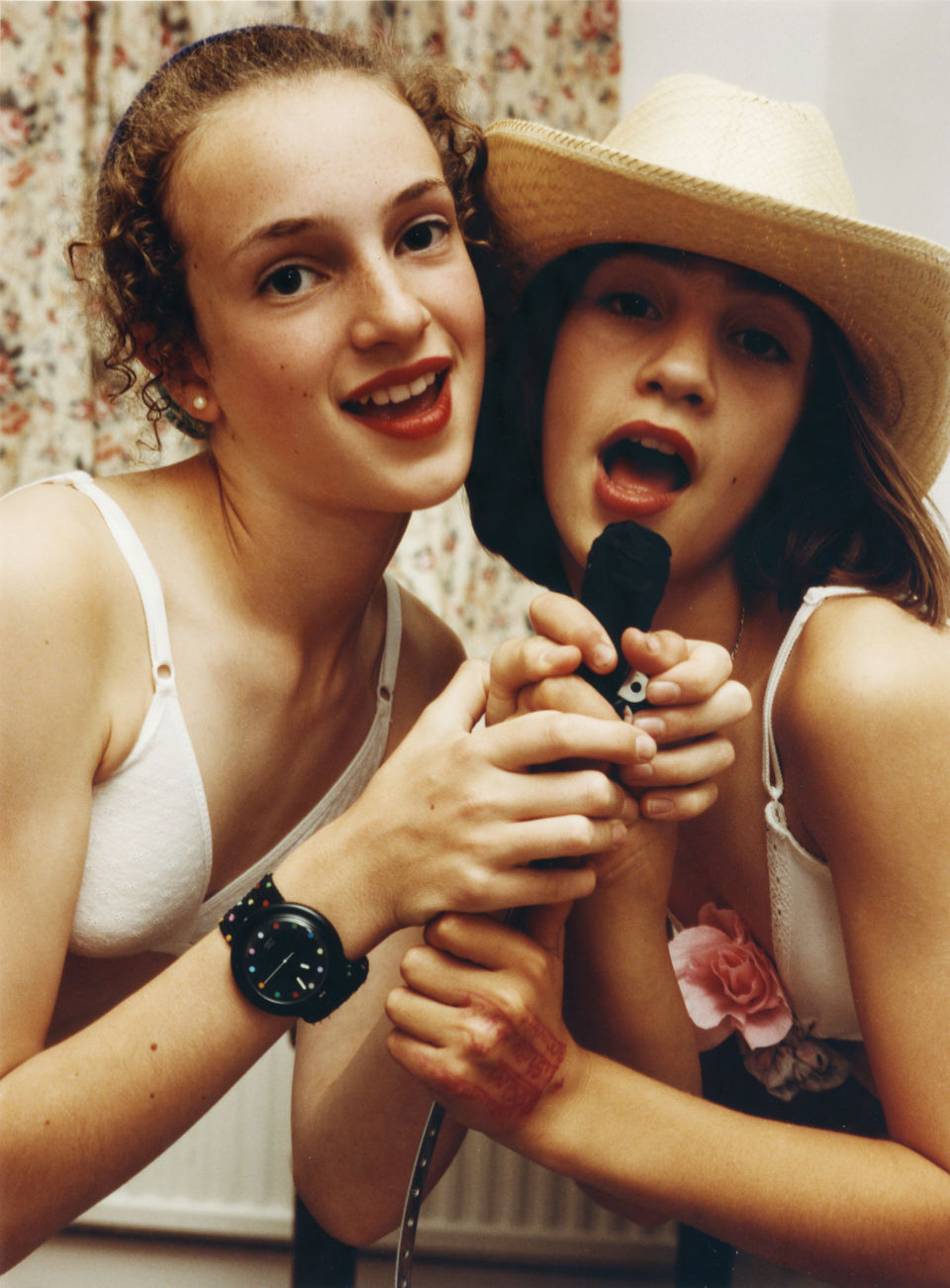
She also examined key projects—images of which were on display in the cafe space. This included Entering the Masquerade (1992), which invited schoolgirls to dress up in their chosen costumes and Woman to Woman, which, made between 1997 and 2000, consisted of 66 images exploring daily female life. From schoolgirls and supermarkets to clothes adverts and Christmas dinners, the images are arranged as triptychs. “Putting one picture alongside another picture opened up the meanings,” added the photographer.
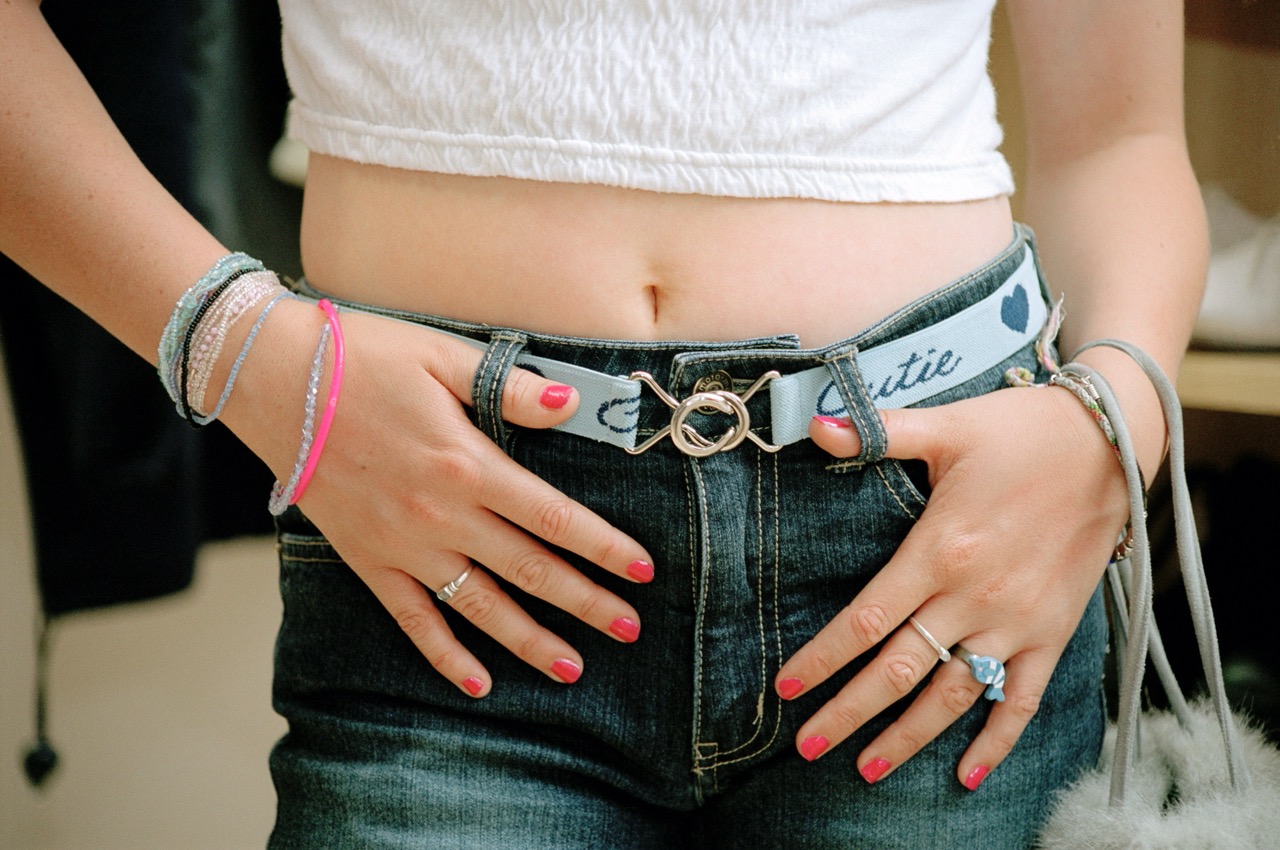
The setting of Alaïa also invited the photographer to question ideas of clothing, the body and commercial imagery. Apple of My Eye (1991), Honey’s intimate series of photographs of her daughter explored society’s scopophilic relationship to women’s breasts. “I wanted to explore the complexity of questions that I felt like I never had any answers to, and then to be able to express how confusing that is to my own daughter, who was just developing her own body at the time,” she told Estes.
The evening was the first talk by Alaïa to be curated by Claire de Rouen, looking at “fashion, photography and culture and the intersection where they cross,” said Estes, who has also curated a list of books to accompany the occasion—all connected by themes such as girlhood, domestic space and memory–by photographers and artists such as Collier Schorr, Corinne Day, Sofia Coppola and Joanna Piotrowska. “The issues that I was exploring then are still being questioned today by women photographers,” says Honey.
With A Rabbit’s Foot, Honey discussed overcoming shyness, her love of colour and a lifelong interest in capturing intimacy.
You mentioned you are in an archiving process at the moment, can you talk a bit about that?
I have a giant archive. I’ve been cataloguing it and indexing it, and trying to figure out what’s going to happen to it when I’ve passed away, for about the last six years. It’s huge. I tried to figure out how many photographs there were once, and I know it was more than 10,000.
You said you were drawn to photography for its relationship to time. What specifically is it about that relationship that you find so compelling?
It’s a complicated question. First of all, a photograph is a slice of time at the instant that you make it. I don’t know about other photographers, but the photographers I know all agree that we can remember the exact second when we took a photograph. It’s amazing to me that, after photographing for so many years, I can remember exactly what was happening at that moment. I can remember the atmosphere, how I was feeling at the time, whether someone was annoying me, and all of those different things just from looking at the image.
You mentioned being a mother and taking photographs in the West Country. Did you feel isolated at that time?
I felt very isolated in the country, but not necessarily as a mother. I grew up in San Francisco and then found myself in Bath. It was absolutely beautiful there, but after a few years I was so bored. I had my children, and when they were really small I decided I had better hurry up and get my degree. That made things a lot better because at least it was something that was mine. I think what was really boring was that I didn’t feel like there was anyone like me at all. I’m sure it’s different now because everybody wants to live in Bath.
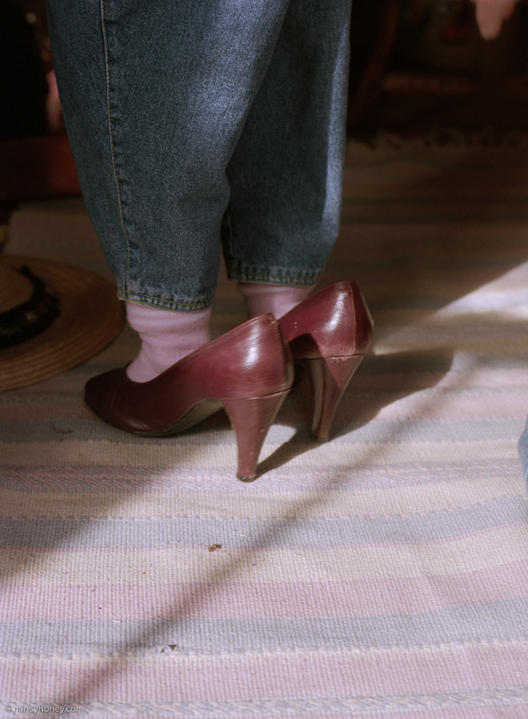
Photography by Nancy Honey.
Did you feel far removed from London?
Well, with the internet it’s different. When I left, in about the early ’90s, there was only just the beginning of the internet. I really felt adrift. When I finally met people who were interested in my work, it made a huge difference. There was something called the Women Artists’ Slide Library in London. Somehow I connected with them and they had some of my work. I would very occasionally come up to London to do things connected with it, and when I did, I would meet other women who were just like me. I would think, Oh my God, I’m not going crazy.
Did you ever have a commercial practice?
Yes, but that was much later, after I moved to London. My advertising career was something I loved. Every day was basically the same: all of the art directors wanted me to repeat the same images I was using for my personal projects.
What sort of things were you shooting?
It could be anything: a bank, soap powder, whatever. I think it was just about being in the right place at the right time because what became known as, and I hate this term, “lifestyle photography” was exactly what was happening then, in the very early ’90s. City Bus was a big project that we didn’t talk about tonight. I was riding on buses in Southampton, and it was a public art commission. Because it was so documentary and sort of street-style, it was the kind of thing that art directors really wanted to be able to recreate. The whole project was about bus journeys. There were three things that seemed to me to stand out about bus journeys: making up narratives in my head about the other passengers; looking out the window and almost falling asleep and missing my stop; and the annoyance of waiting.
It’s interesting that, as an American, you were doing something about British buses.
If you look at those pictures now, they look like they’re from the ’50s, when they’re actually from the early ’90s.
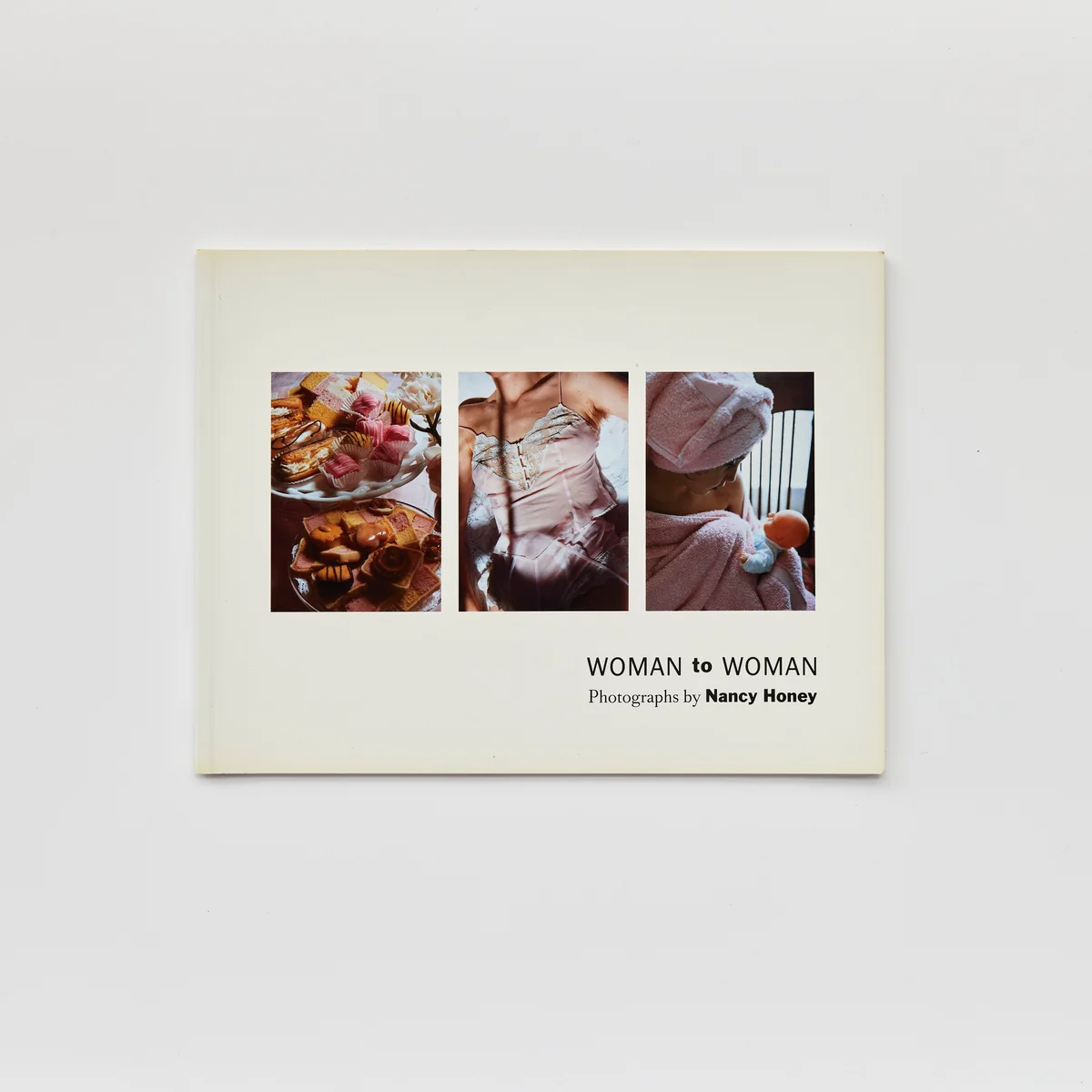
Woman to Woman (1990) by Nancy Honey
You’ve said you’re a very shy person. How do you overcome that reserve? Does the camera give you permission?
A little bit. But more of it was something I learned when I was young. It’s all very well to make beautiful paintings, drawings or photographs and then keep them under your bed. But if you want to go out into the world, you have to cross that threshold. For me, getting over that threshold was very, very difficult. If you’re shy, especially if you live in the provinces, having grown up in a city and being in a different country, it can be hard. I literally had to pace up and down before phoning people. I would just pace.
What would keep you going? What makes you do it?
I always say, What have you got to lose?
Photography by Nancy Honey.
I’m thinking of something Collier Schorr told me, that you should ask every photographer about an image they can’t reveal. Is there a photograph you’ve taken that you’ve never been able to show people?
No, I don’t think so. But I do have this thing about family photographs from a long time ago. It’s really strange. I don’t think a lot of photographers share this. When I look back at pictures of the family, I just can’t do it. It upsets me too much. Because of loss. I find that really, really difficult to look back on. I’d say my children’s young lives, and then me and my ex-husband, and all of that sort of thing. The whole of that loss makes it too painful.
You’ve said you’re a very shy person. How do you overcome that reserve? Does the camera give you permission?
A little bit. But more of it was something I learned when I was young. It’s all very well to make beautiful paintings, drawings or photographs and then keep them under your bed. But if you want to go out into the world, you have to cross that threshold. For me, getting over that threshold was very, very difficult. If you’re shy, especially if you live in the provinces, having grown up in a city and being in a different country, it can be hard. I literally had to pace up and down before phoning people. I would just pace.
What would keep you going? What makes you do it?
I always say, What have you got to lose?
What was behind your decision to stop?
Health issues. About six or seven years ago, I developed rheumatoid arthritis. It isn’t so much the physical side of it, but the chronic fatigue. I was always, and still am to a point, a very high-functioning person. When you have no energy, you have to decide what you want to spend the little energy you have on. I had to decide that my energy should go into my archive. I made all those prints, and after a while of making prints I used to think, It’s so hard to set up the whole darkroom just for one picture. I think I’ll make ten.
As we’re in Alaïa, it would be wonderful to hear you reflect a bit more on fashion, at what point do you consider clothing as part of a composition?
Well I think it’s about colour. When I started, colour was considered amateur and frivolous. And over the years, that sort of swapped. But fashion is also just so important to me. It’s one of those funny things, would I be attracted to someone if they were wearing something I hated? I probably wouldn’t. As a child I always loved dolls and dressing them and I guess I’ve always loved dressing people for the camera. It’s just that instinct.