

Deputy Editor Chris Cotonou journeys into The Big Apple in search of the great actor’s fit from North By Northwest.
“He’s a well-tailored one, isn’t he?”
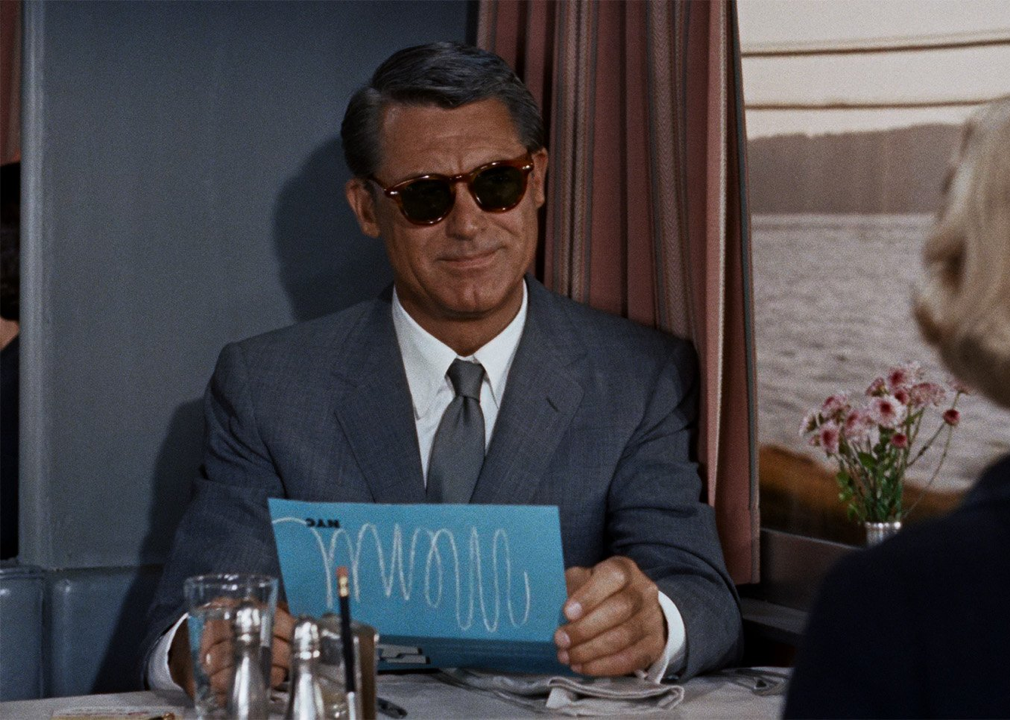
As wrongly-accused hero Roger O Thornhill (Cary Grant) steps into a room, the villain of North by Northwest, Philip Vandamm, remarks on his smart tailoring first. Seemingly everyone is dressed to the nines in Alfred Hitchcock’s film, but none more so than Grant’s Thornhill who, although tossed-and-turned as he escapes dust-croppers and crooks, still manages to cut a dashing figure in his grey glen-check two-piece suit.
It’s an image imprinted in my mind since film studies class at A-Level. But Grant’s tailoring didn’t come from Savile Row, as I had initially suspected. North by Northwest was dressed by New York’s last menswear haberdashery, and the original emporium of fine tailoring in America: Paul Stuart on Madison Avenue.
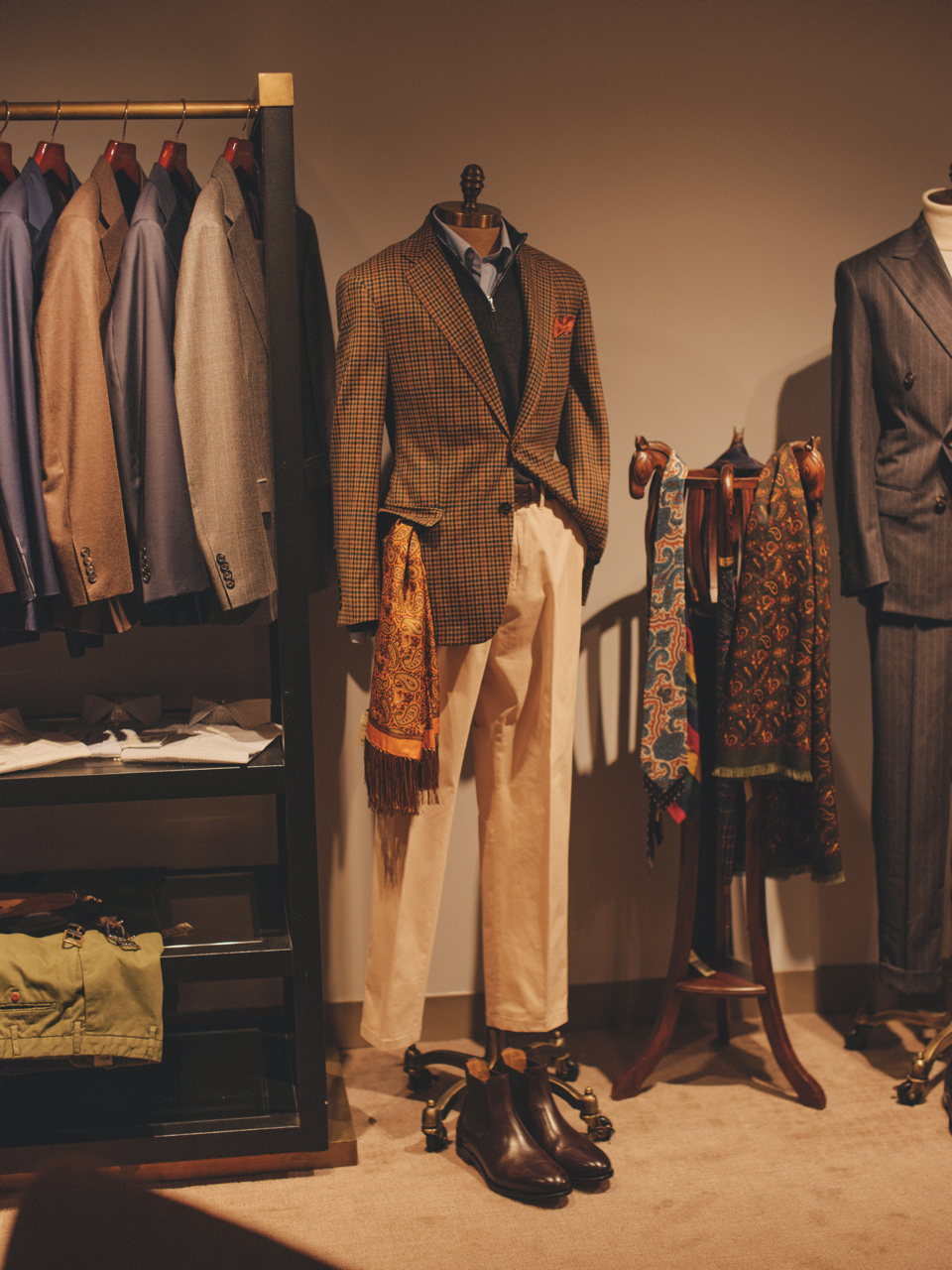
With roots back to 1915, this is also New York’s most enduring menswear store. It has remained a reference for the city’s upper crust (and upper east-side) since the permanent location opened in 1938 and carries a lot of a particular type of true New York atmosphere.
Last month, on a trip to New York, I stepped inside. If Madison Avenue sounds familiar, it’s the namesake of Don Draper’s Mad Men, based on the real advertising executives that inspired the show, and who worked at offices on Madison Avenue. “The team pulled a lot from Paul Stuart’s archives to give the authentic look an adman would’ve displayed at the time,” says a representative. The cut is distinctly American, with its masculine shoulder-lines and cut—even though the inspiration at Paul Stuart has always been rooted in Britain.
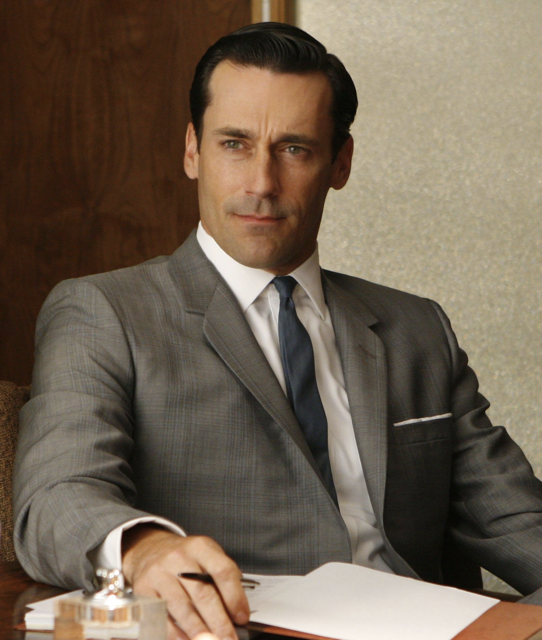
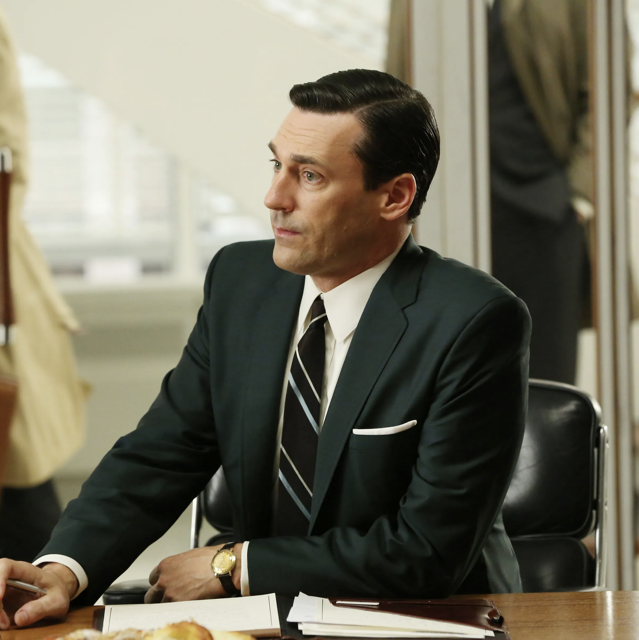
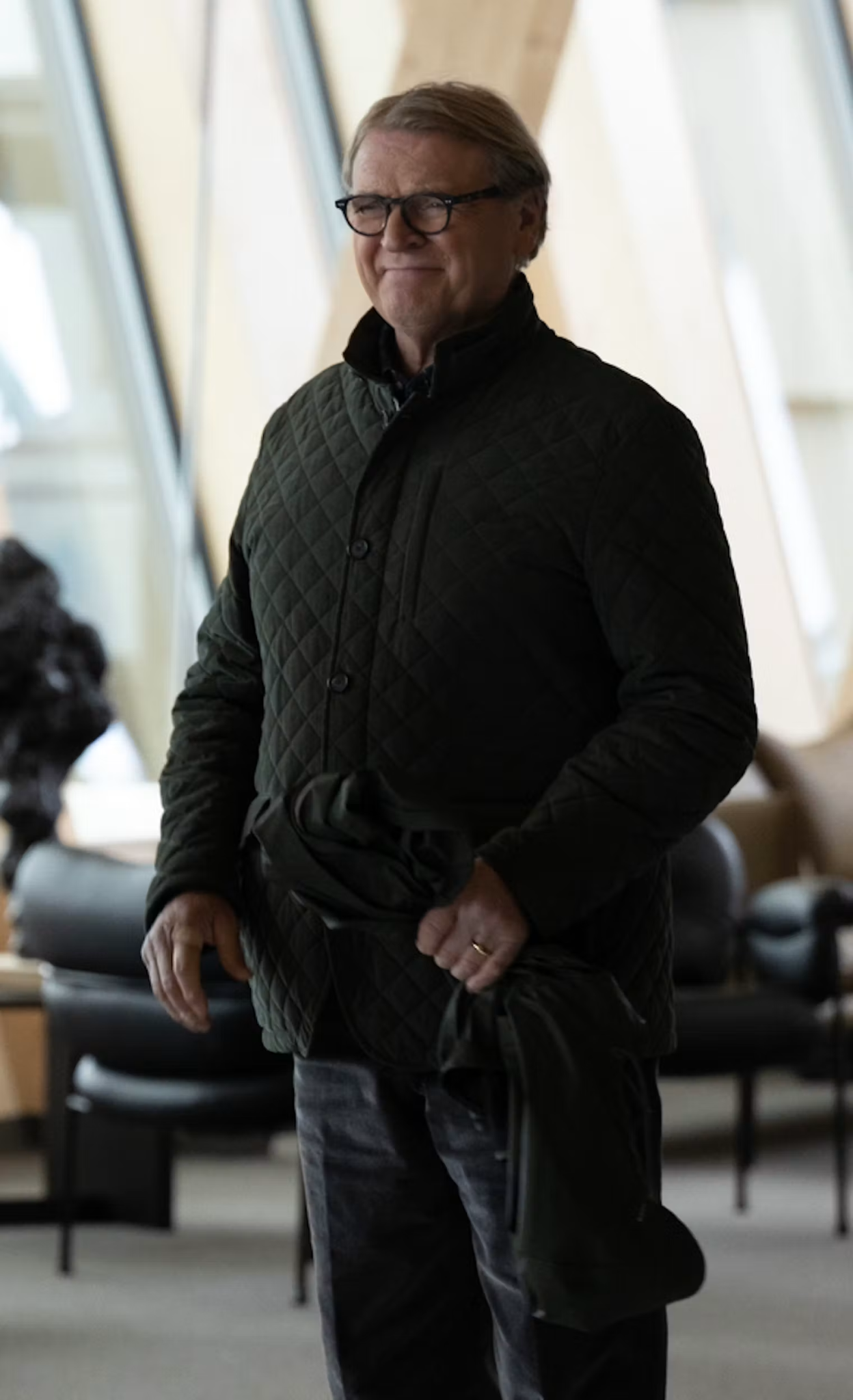



Not only did I find the home of Cary Grant’s glen-check suit but also those worn by Don Draper’s associates. Paul Stuart has since dressed another generation of city workers: for HBO’s Succession. In multiple scenes, you can spot the bags in Manhattan apartments. Tom wears the legendary gilet jackets and other quilted outerwear is used in scenes when the family and their friends decamp to the country. Mother Caroline even wears plenty of Paul Stuart tops during the show. It still remains a mark of the city’s well-heeled, and the show-runners looked at their most recent collections for an understanding of what is authentically worn in these circles. “Hollywood knows us as the last New York haberdashery, so they’re aware that they can find everything from bow ties, to suspenders and cashmere robes in our stores, as well as tailoring,” the rep tells me. “We’re the original Ivy League spot.”
As if their Ivy league pedigree wasn’t more obvious, their longtime logo (known as the Man on the Fence) is a drawing of Dink Stover, the fictional character from Stover at Yale. It makes total sense for the transatlantic elegance Grant embodied that his well-to-do Thornhill would be a customer.
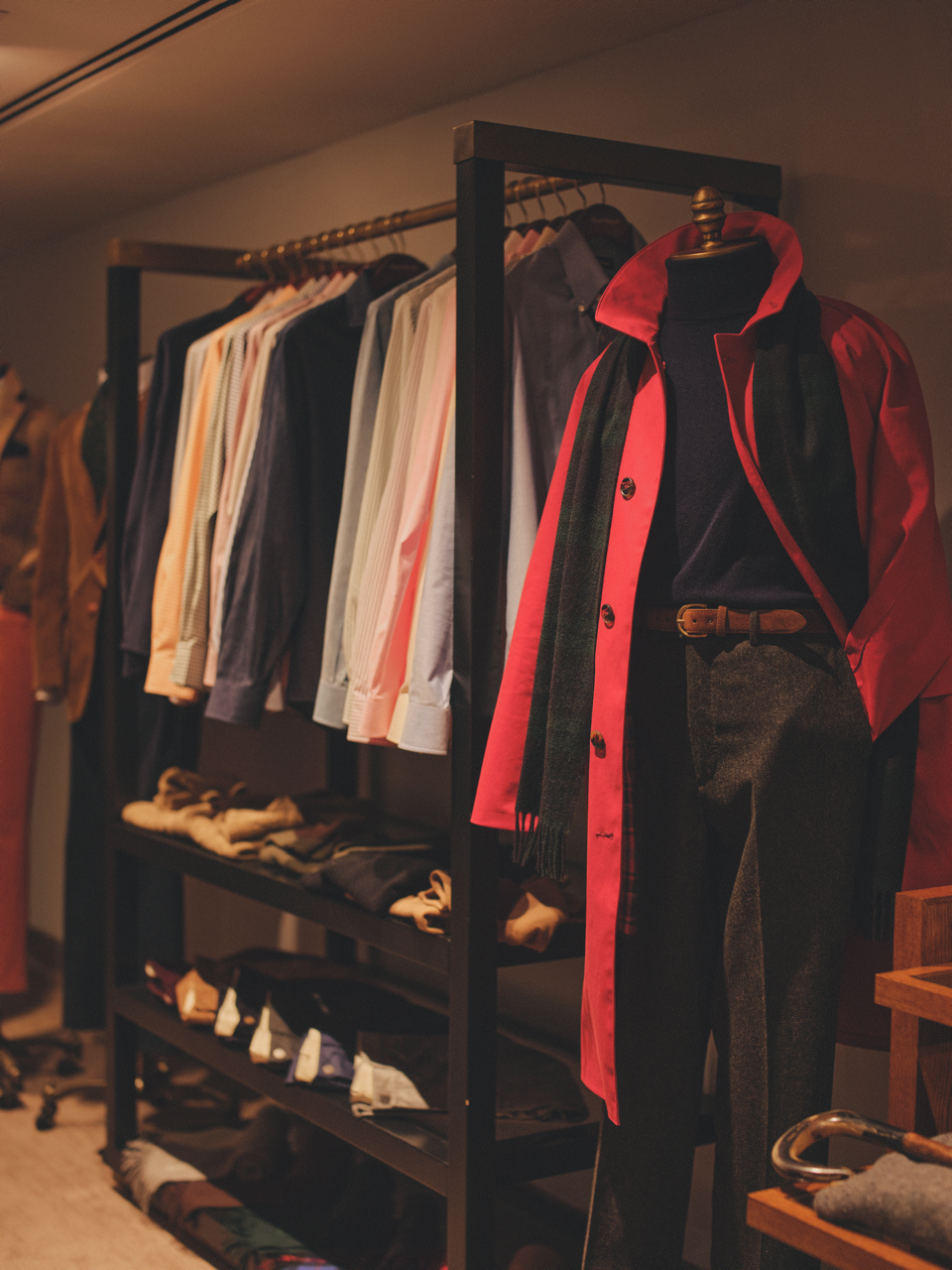
But Paul Stuart has always had star pedigree—even beyond Grant. Other famous clients include Fred Astaire and Frank Sinatra, the latter said to arrive at the store armed with a wad of hundred-dollar bills. Miles Davis was a regular too, alongside fellow jazz greats Art Blakey and Billy Taylor — men who dressed with the same precision they brought to a solo. Paul Newman shopped here; more recently, so have Michael Bloomberg and Paul McCartney. It’s a clientele that spans genres and generations but shares one instinct: the belief that a well-cut suit is its own kind of authority.
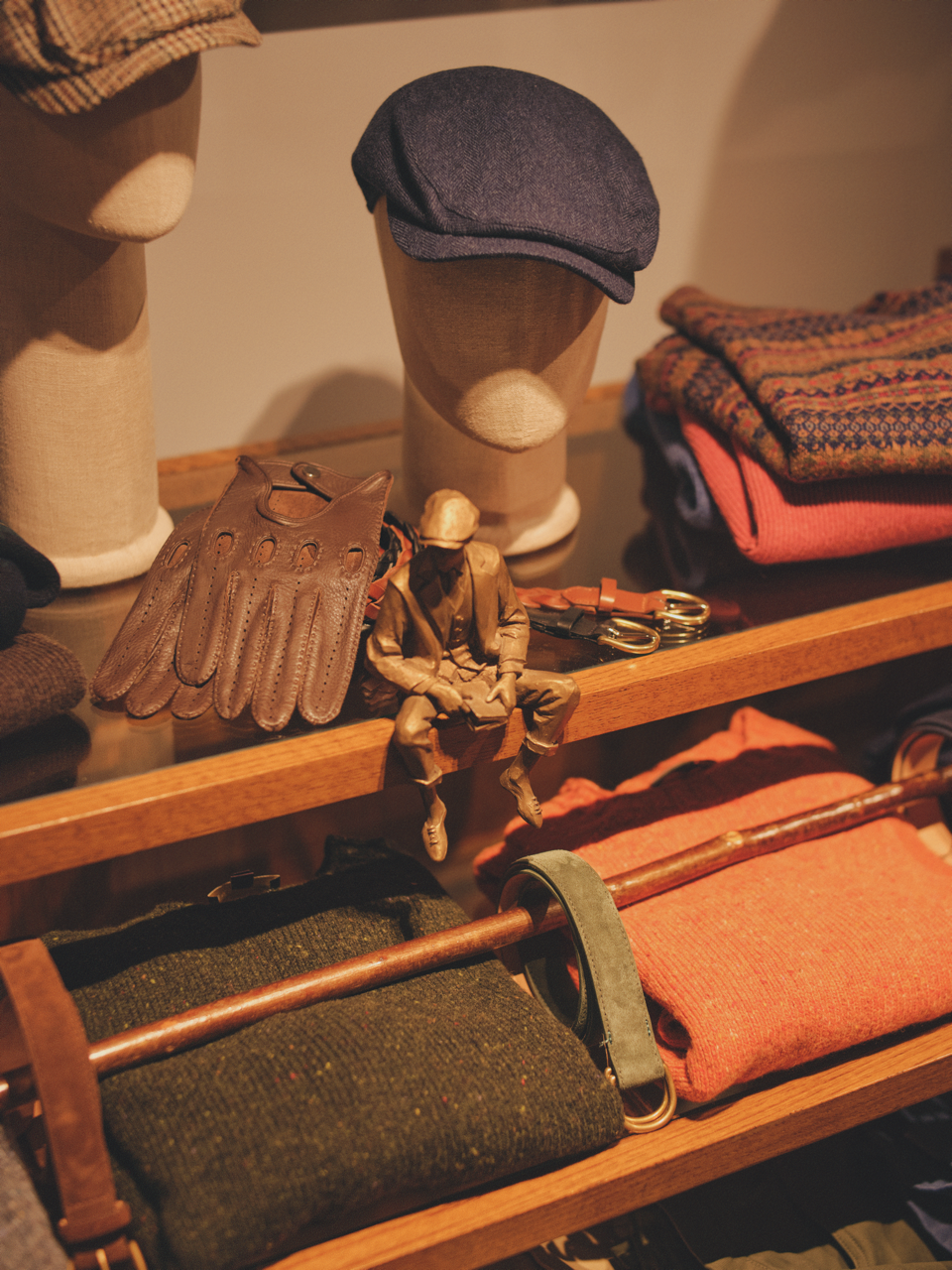
Standing on the shop floor, under the same dark wood and glass cases that would have greeted Grant, it’s hard not to feel the accumulated weight of all those fittings. Paul Stuart has never chased fashion, which is precisely why fashion keeps returning to it — from Mad Men‘s admen to Kendall Roy’s tailoring in Succession, each generation rediscovering an American formality that was there all along. Thornhill’s grey glen-check suit endures not because Hitchcock dressed his hero well, but because he dressed him truthfully: a New York man, in a New York uniform, on the run through a city that still, eight decades later, hasn’t changed its mind about what “well-tailored” means.