

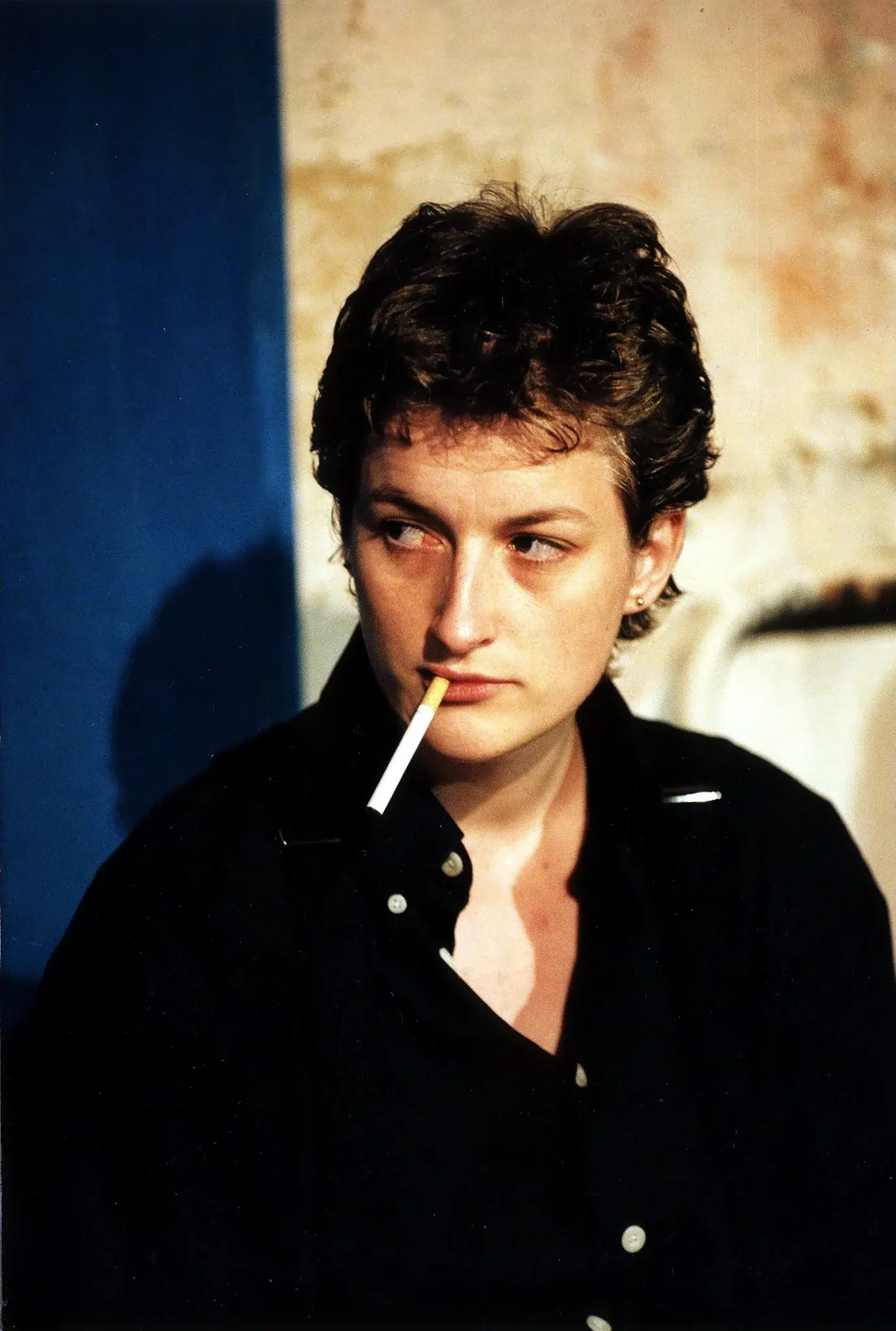
First performed in 1998, Sarah Kane’s Cleansed cemented the playwright’s reputation for transgression, with plays that featured extreme violence, defecation and even cannibalism. As it returns for the first time in a decade in a new production at the Almeida Theatre, writer Sam Moore considers the challenges of staging Kane’s formally inventive writing, and why her supposedly ‘impossible’ plays continue to reshape our understanding of what theatre can do—and be.
A dying tabloid journalist in the middle of a war-zone eats a baby. A raven descends from the sky to feast on the corpses of a royal family. A man’s tongue, hands, and feet are severed. Sunflowers bloom through the ground in the middle of a torture chamber. These are just some of the stage directions that appear throughout the work of Sarah Kane, one of the most infamous and challenging dramatists to emerge from contemporary British theatre. And with directions like these—and the stripped-back abstraction that would define her final plays—Kane’s work has a reputation for being difficult, maybe even impossible to stage.
And yet, Cleansed—first performed in 1998, after a writing process that Kane described as taking years—is returning to London, with a new production opening at the Almeida Theatre, the latest since the National Theatre staged the play a decade ago, starring Michelle Terry as Grace. The play is about a gay couple and a pair of siblings who find themselves in a bizarre institution in the remains of what was once a university. Presided over by the sadistic Tinker, these characters are tortured in order to test and prove their love for one another. Throughout the play, Carl has his tongue, hands, and feet removed, transforming his relationship to his partner Rod and forcing them to reconsider and redefine the idea of love.
For Katie Mitchell, director of the 2016 production of Cleansed at the National, Kane’s brutal directions are no more challenging than those that have appeared in theatre for centuries. “They’re mechanical problems that need to be solved,” she tells me. “I really relish those practical, mechanical challenges that Kane’s stage directions set directors.” These directions, she stresses, are no more abstract or impossible than those in Shakespeare: the supernatural characteristics and mystical forest of Birnam Wood in Macbeth are not unlike getting a rat to move across the stage in Cleansed. Mitchell says that there’s a danger in conversations about Kane’s work centering so much on stage directions, which make up “five to ten percent of the performance that the audience are going to see.” Mitchell adds that they often serve as “a distraction.” “What should be centred are the bigger ideas that she’s writing about and the bigger changes she might be wanting to make in society by writing about them in such an extreme way,” says Mitchell. “Which includes some very challenging stage directions.”
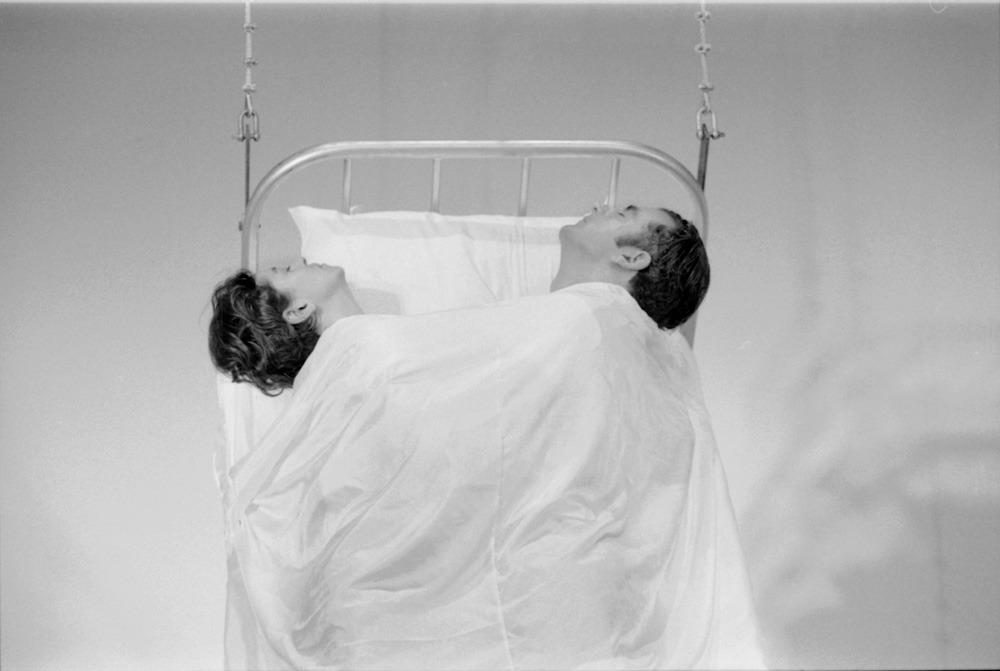
Sarah Kane’s Cleansed by the Royal Court Theatre Company at the Duke of York’s Theatre. London, England, 1998.
Kane’s work has often been forced to exist under the shadow of notoriety. The wave of negative reviews that accompanied her debut play, Blasted, initially performed in 1995 , seemed to offer up nothing more than a litany of the play’s most gruesome moments. Then-critic for the Daily Mail, Jack Tinker (thought to be the namesake of the character in Cleansed) offered up a list, including “vividly enacted male rape, through to the barbaric cannibalism of a dead baby, and on to simple defacation on stage” going as far as to call the play a “disgusting feast of filth.” But all of Kane’s work, from Blasted onward, was always interested in theatrical form, on exactly what the ‘impossible’ might be on stage, and how it could be brought to life. Blasted begins with a middle-aged tabloid reporter and a young woman in a hotel room together in Leeds; their relationship is tense, often violent. But at the end of the play’s second scene, when a Soldier invades the hotel room—and the city that surrounds it—Kane writes ‘there is a blinding light and a huge explosion,’ only for the following scene to reveal ‘the hotel has been hit by a mortar bomb.’ This moment requires the immediate destruction of the set between scenes, with no sense of how beyond a light and explosion, but also shows Kane pushing up against the limits of theatrical form at the time, literally destroying the naturalism and black-box set design of the writers that came a generation before her.
Dan Rebellato, a writer and academic, saw Blasted early on, after becoming aware of it through the condemnation in the review. These led him to the assumption that “she’s probably done something infantile and purely shocking”, he says, only for the play itself to reveal in Kane’s work “a brilliant sense of theatre and stagecraft and dramaturgy.” Kane’s work, because and not in spite of things like a mortar bomb blowing up her debut after two scenes, or the cavalcade of violence in Cleansed, remains a writer who is deeply in tune with what theatre in particular can offer a writer, a director, and an audience.
Kane herself described Cleansed as something that could only ever be done on stage. “I think Sarah Kane was probably quite angry about some aspects of theatre practice and traditions, and she did want to wake us up to what theatre could be.” Rebellato echoes this, and the idea that one of the things that makes Kane’s work so challenging and singular decades later is what her work asks of the audience Kane’s plays never offer what Rebellato calls “explicit moral condemnation,” instead leaving these brutal images and complicated themes – in Blasted about the nature of violence; in Cleansed, exactly what kind of language can be used to define love – are left in the viewer’s hands, to try and make sense of however they choose. Blasted was produced in the wake of what Rebellato calls writing “in that David Hare tradition, where it had a very big theme and it was very clear what the writer was saying about it.” In the years leading up Blasted, Hare had written a trilogy of plays that presented a view on three British institutions: The Church of England, the legal system, and the Labour Party. Blasted, however, lacked a single point of view on the rightness or wrongness of the contents of the play, something that Rebellato argues people “mistook for [a] moral approval of what’s going on.”
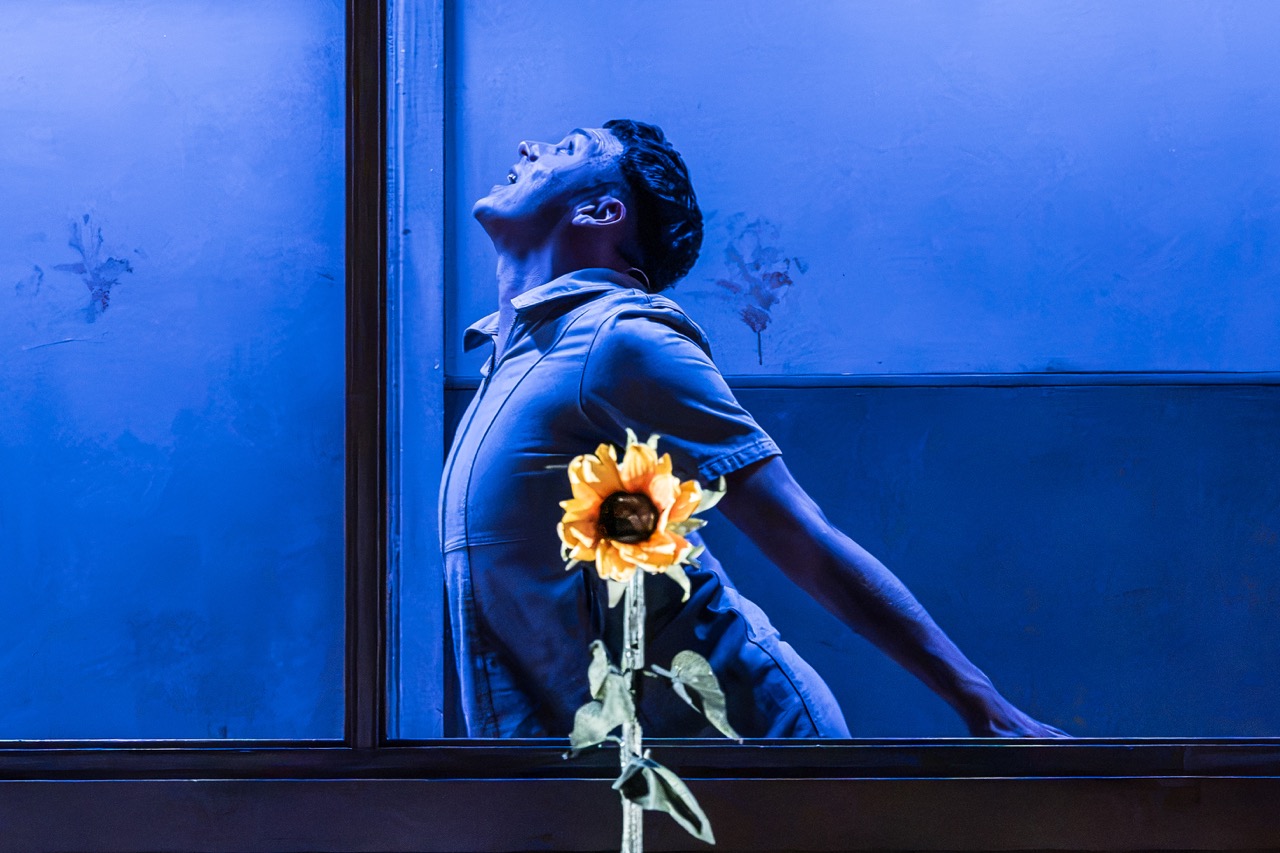
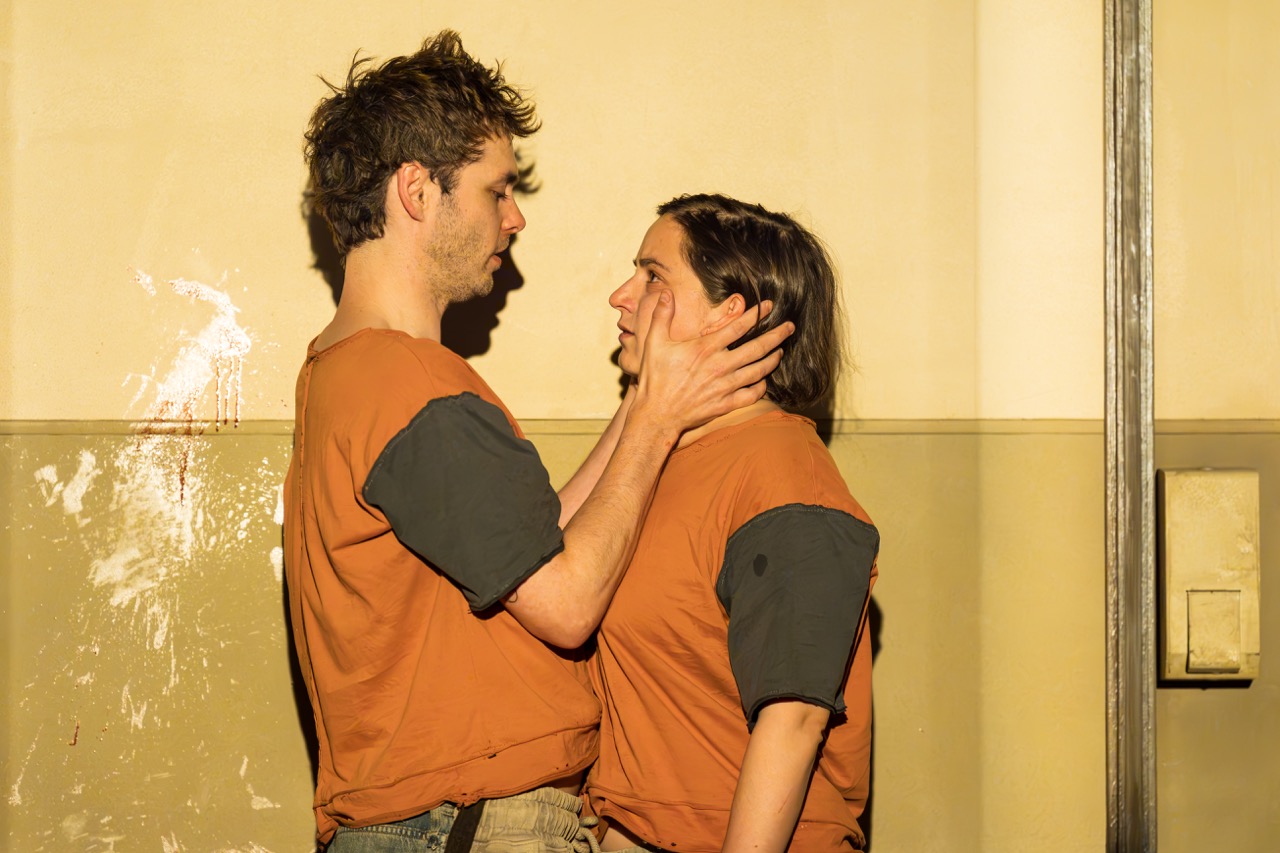
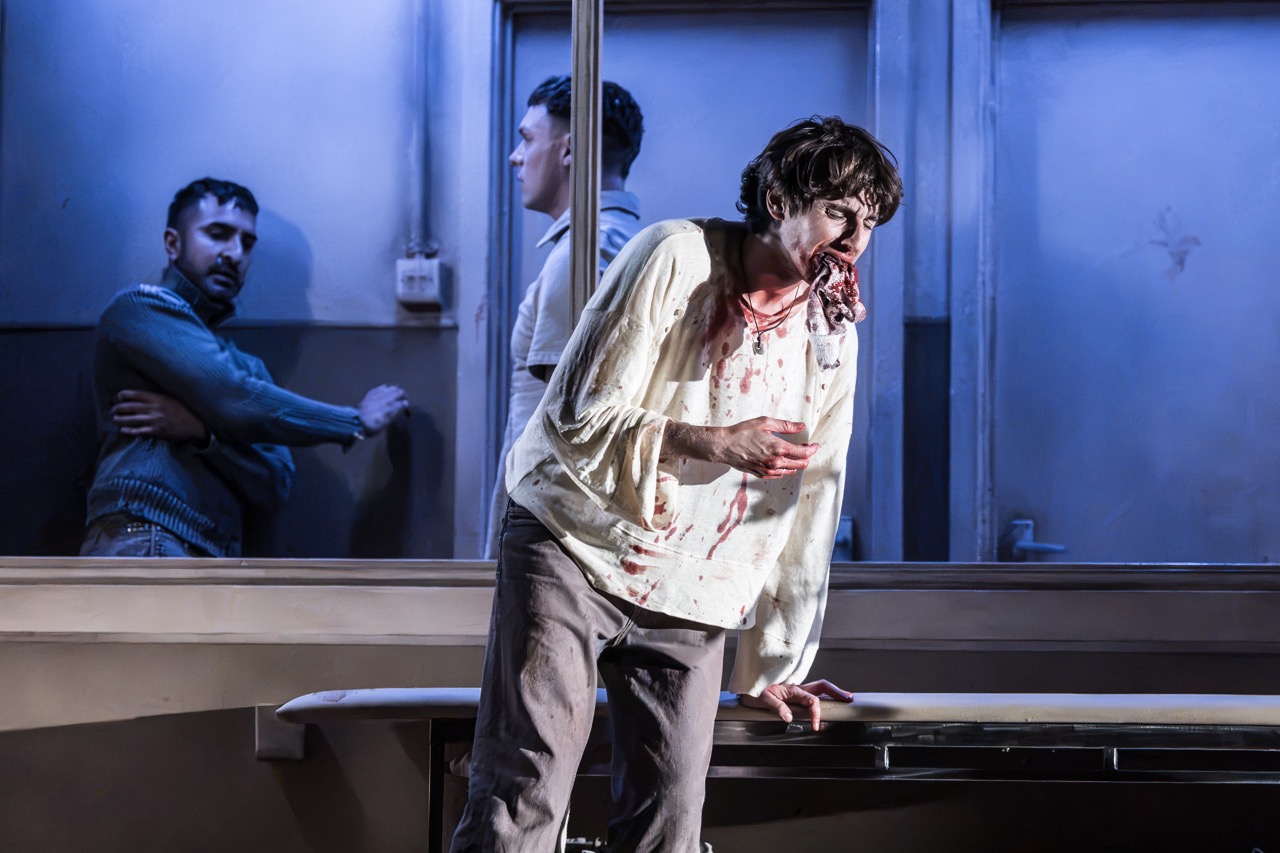
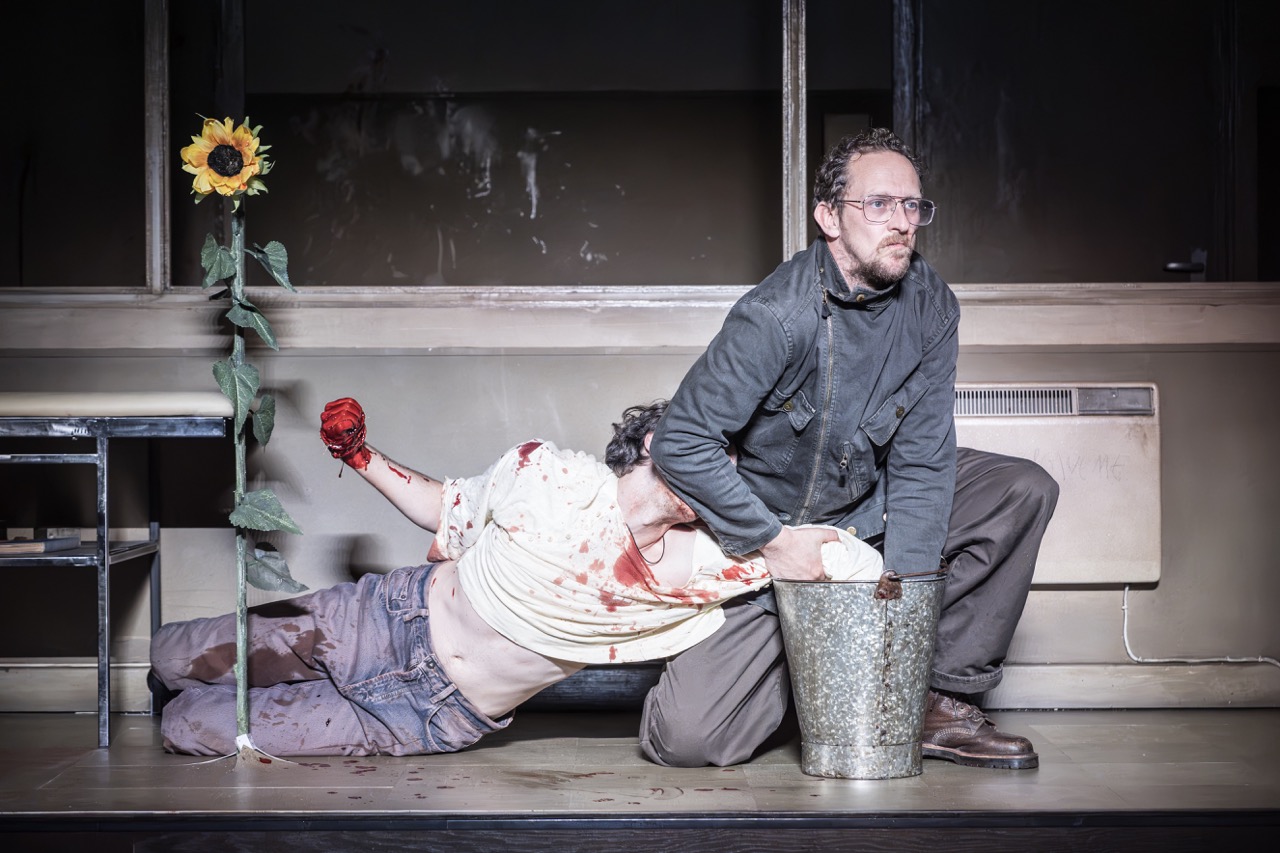
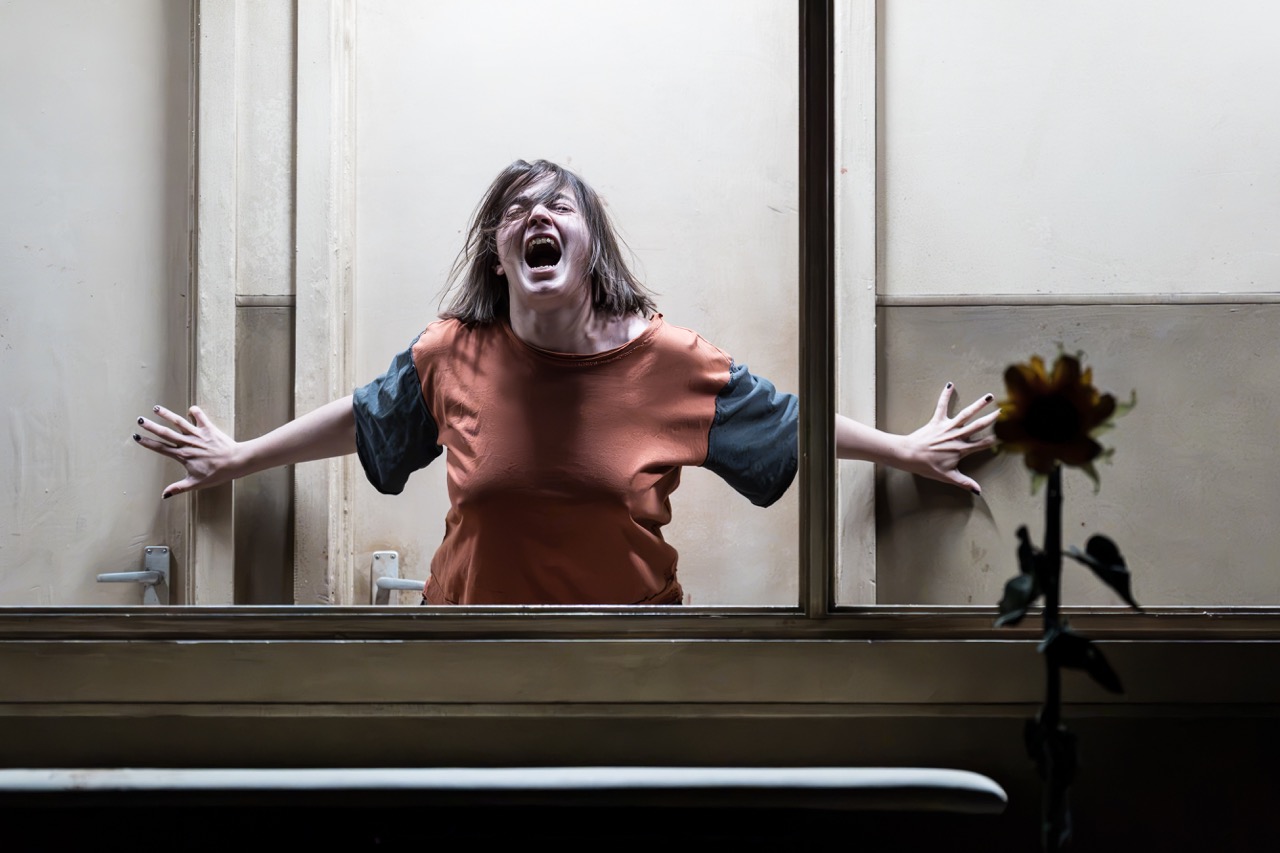


Rebellato describes Kane’s approach to writing stage directions as “generous.” The fact that they ask so much but offer no real explanation creates a challenge for any director. There are moments in Cleansed where, even after horrific violence, sunflowers emerge from the ground. And, as Rebellato says, “if she’d written that a projection of a sunflower grows on the back wall, then that would be how you probably have to do it. But she tells you the thing that is going to be represented, not how to represent it.”
Rebellato was also shocked at the degree of realism in Mitchell’s 2016 production of Cleansed, and exactly how those directions were realised. But it wasn’t the torture or even the flowers that Mitchell found most difficult. Instead, it was Kane’s approach to form, with the director describing it as a play that “is difficult to cohere,” choosing to keep one of the play’s major characters—Grace, a woman who stumbles into a nightmarish institution of violence while looking for her brother—on stage throughout. This is a way of not only solving what she calls the “mechanical problems” of the text, but also foregrounding themes of grief and loss, by presenting everything through the perspective of “this surviving sister who was dreaming about the death of her brother.”
For many people, it seemed like the temptation was to think about Sarah exclusively through the prism of her plays. Rebellato tells me that, when he invited her to speak at Royal Holloway – when she was in the process of writing her final play, 4:48 Psychosis – his students were terrified: “They thought she was going to be this monster, really. But she was funny, but very serious about the work and, and, you know, quite moral about the work.” Kane described herself as “writing about love nearly all the time,” seemingly because, and rather than in spite of the extremity in violence in her early plays – she said that she “abhorred” the sensibility of Tarantino, and abandoned the final play in a planned war trilogy, saying “I’m past violence – I’m really sick of it.” Her final play, so explicitly about mental illness, went through a period of being read as explicitly autobiographical – Kane took her own life at 28 – with Michael Billington asking in his review of the original production, “how do you award aesthetic points to a 75 minute suicide note?” And yet in so much of her work, there’s a crack of light amidst the darkness; Kane herself argued that “Blasted is about hope. Cleansed is about love.”

“The world has become more Kane-ian since she died… people being deported to detention centres isn’t that far off from Cleansed.”
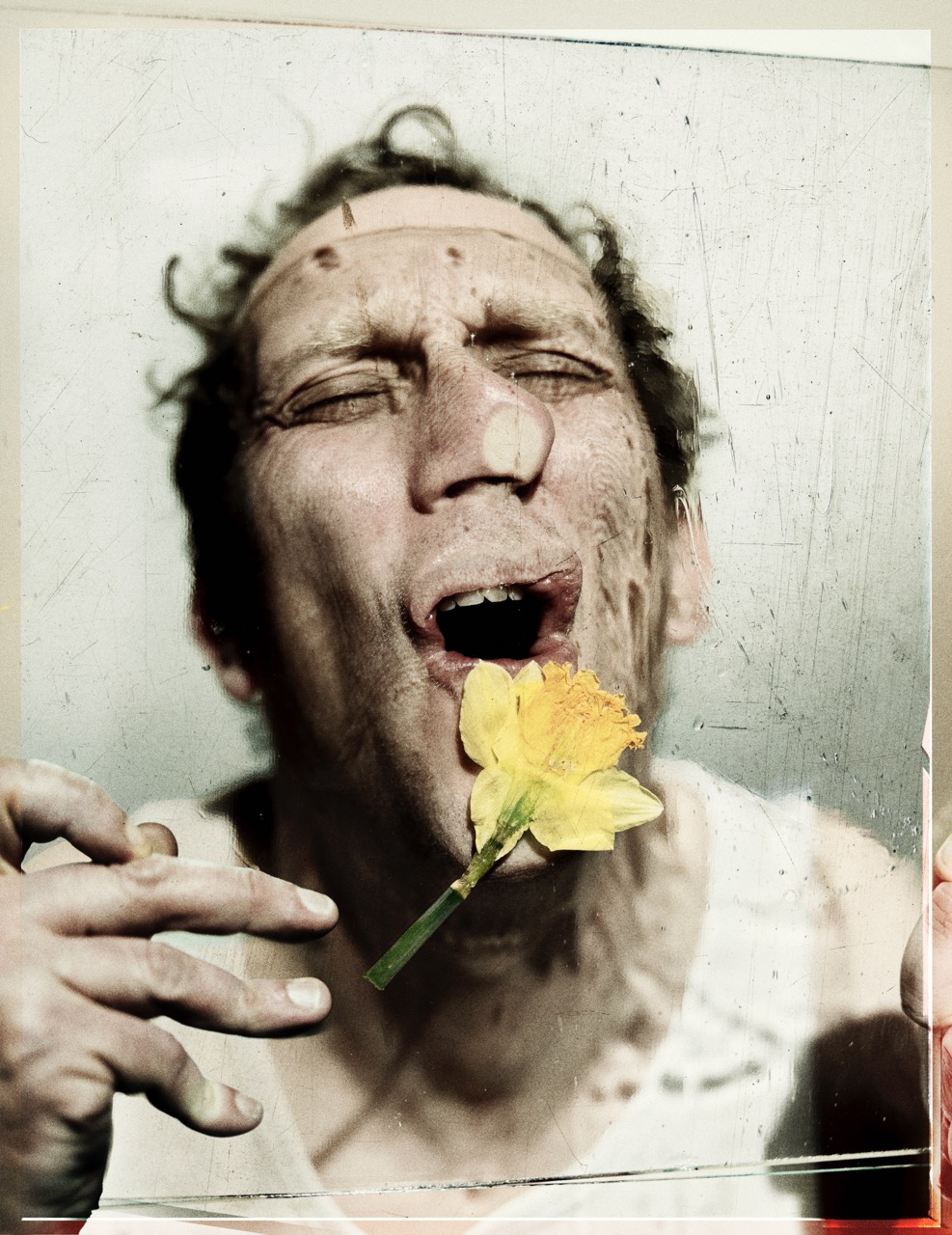
Poster for the 2026 Almeida production of Cleansed.
The Almeida’s upcoming production of Cleansed approaches the text differently to the relative realism of Mitchell’s revival. Associate director Roberta Zurick describes the process of staging the notorious directions of Cleansed as existing on “a scale of naturalism to abstraction,” with too heavy an emphasis on either end potentially undercutting the power of the text itself. “If you stage them realistically, the dramatic and emotional intention doesn’t always come across,” she says. This sense of Kane’s writing existing on a spectrum, and the importance of exploring it, is at the core of the way the production’s director, Rebecca Fecknall, approached the text. “If you come in knowing what Sarah Kane should be, I think you’ve fallen at the first hurdle,” Zurich says. For those who have spent time staging Kane’s work then, these directions are anything but impossible, but instead an invitation to explore what theatre might be, with Zurick saying that a play like Cleansed reminds us that we’re “still capable of being surprised.”
Cleansed is coming in the midst of several major productions of Kane’s work. Her final play, 4.48 Psychosis was revived at the Royal Court in the summer of 2025, and its opera adaptation is returning to the capital in the autumn For Rebellato, Kane’s work seems to speak to our current moment. “The world has become more Kane-ian since she died,” he says, adding that the spectacle of “people being deported to detention centres isn’t that far off from Cleansed.” But more than that, is the hope that this renewed interest in Kane’s work speaks to a willingness—from theatres, directors, and audiences—to push the boat out. Zurick describes the way that Kane presents female bodies in Cleansed as “extraordinary, the female gaze on these bodies is quite evident,” and Rebellato stresses that the queerness inherent in her work offers a new way for his own students to interpret her texts. Mitchell, though, is more emphatic still: “there will always be moments where there are pieces like Cleansed.” For Mitchell, the return of plays like Cleansed or Psychosis isn’t just about a moment in time, or what the theatre as an industry is trying to put forward, but is a testament to the power of Kane’s writing. “She hasn’t arrived, there isn’t a moment for her,” the director insists. “She’s here to stay, she is forever.”