

For its 25th anniversary, guest writer Caspar Kelly reflects on Steven Spielberg’s most enduring and prescient works—A.I. Artificial Intelligence.
Before Stanley Kubrick died in 1999, he harboured a long-standing wish to adapt two stories: the 1883 fantasy children’s novel The Adventures of Pinocchio and Brian Aldiss’ 1969 short story Supertoys Last All Summer Long. One story is about a boy made of pine; the other, a boy of metal, but when Steven Spielberg was tasked with carrying out Kubrick’s lost vision for the latter project, he saw the narrative thread that connected the two – what is a human?
After 30 years of development hell, a dreamlike fable concocted from an impossibly mercurial vision was complete – A.I Artificial Intelligence released in 2001 (a year that Kubrick turned from calendar year to dorm-room-wall-staple). It remains Spielberg’s most audacious creative risk. It’s not because it proved to be a rare box office flop for Spielberg, the inventor of the modern blockbuster, nor because it was too frightening for a children’s flick. It’s not even because of the fact this film languished in the shadow of the late master who conceived it. It’s because 25 years later, we are close to living in the technological dystopia that the film envisions – and it still challenges audiences to this day, in ways that Jaws or Indiana Jones could never – because it dares us to feel sympathy for the machine.
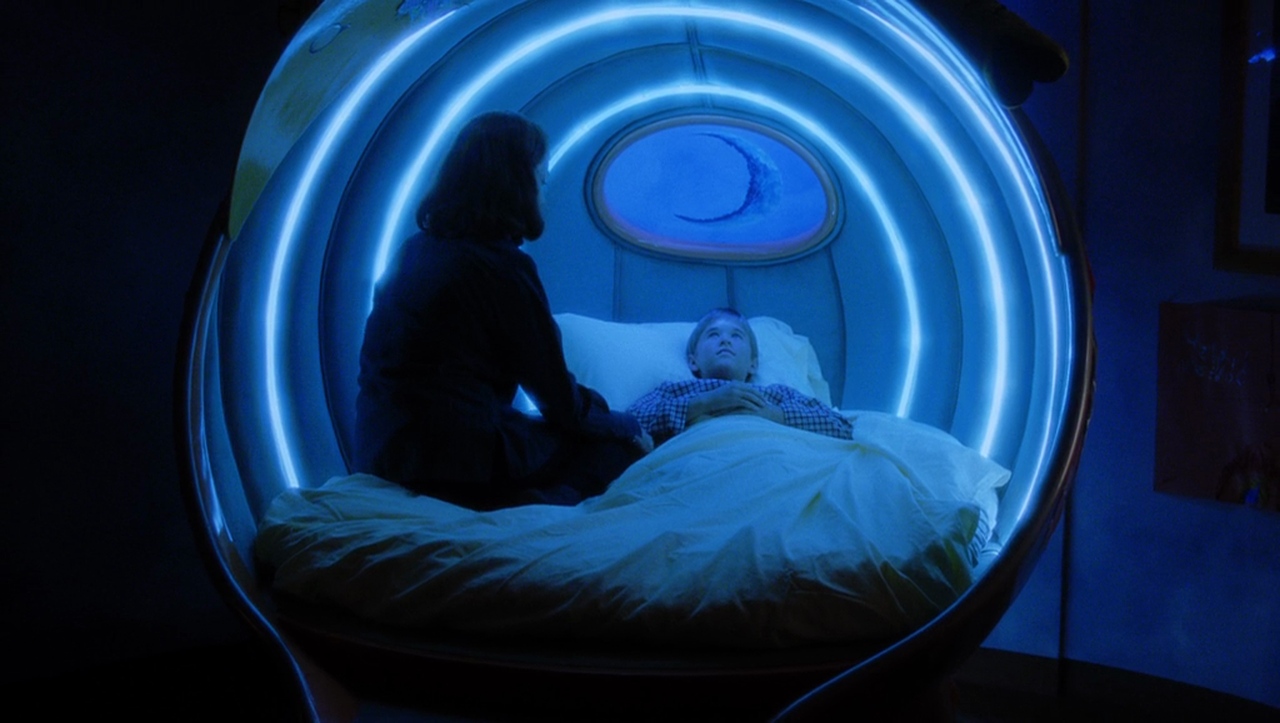
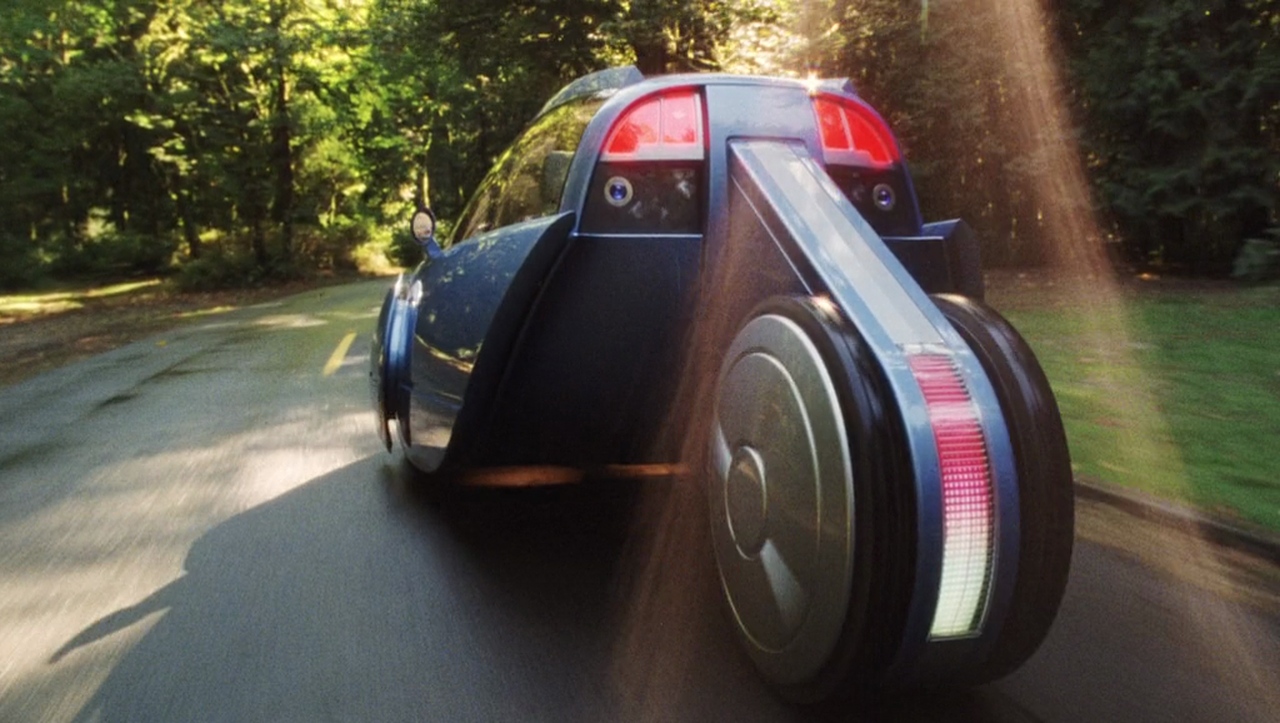
The film takes place in the 22nd century, but it’s a future that feels more like our present. Humans live in smart homes alongside “supertoys”, highly advanced companions designed for entertainment. But for Monica and Henry Swinton, a grieving couple whose son Martin slipped into a permanent coma, an 11 year old prototype mecha called David is given to them for an unique purpose: to love them like a human son would.
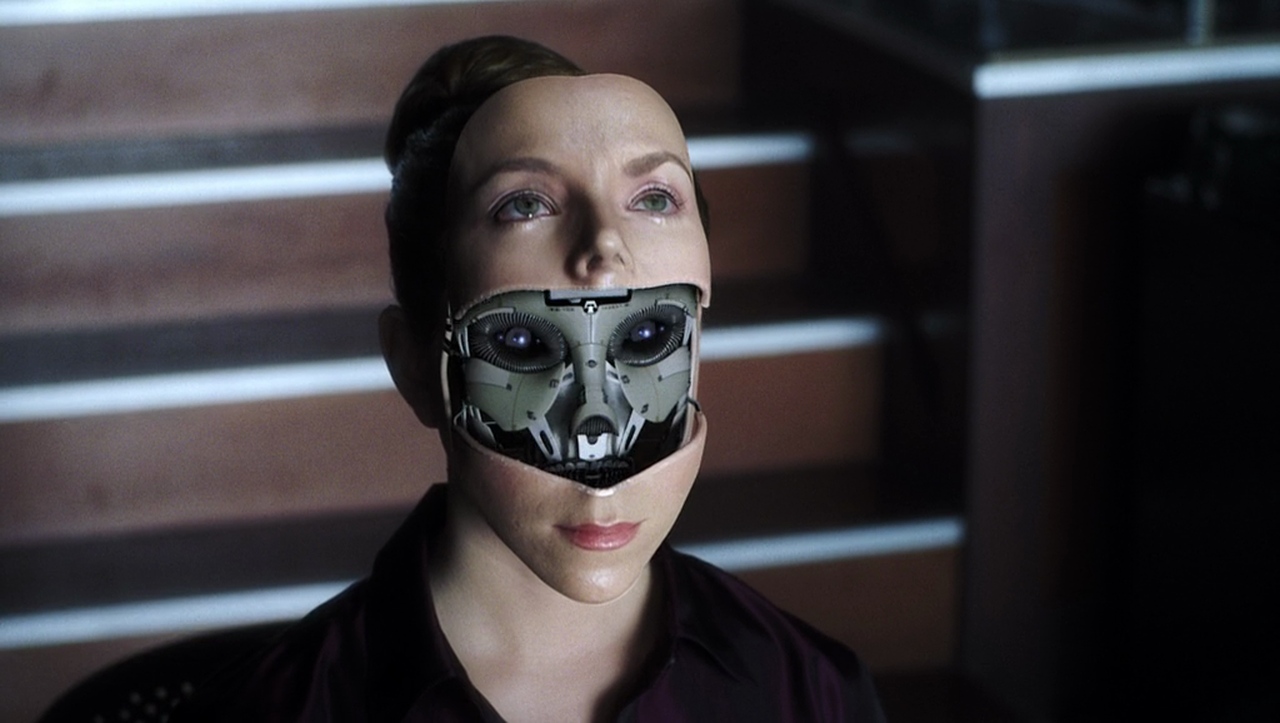
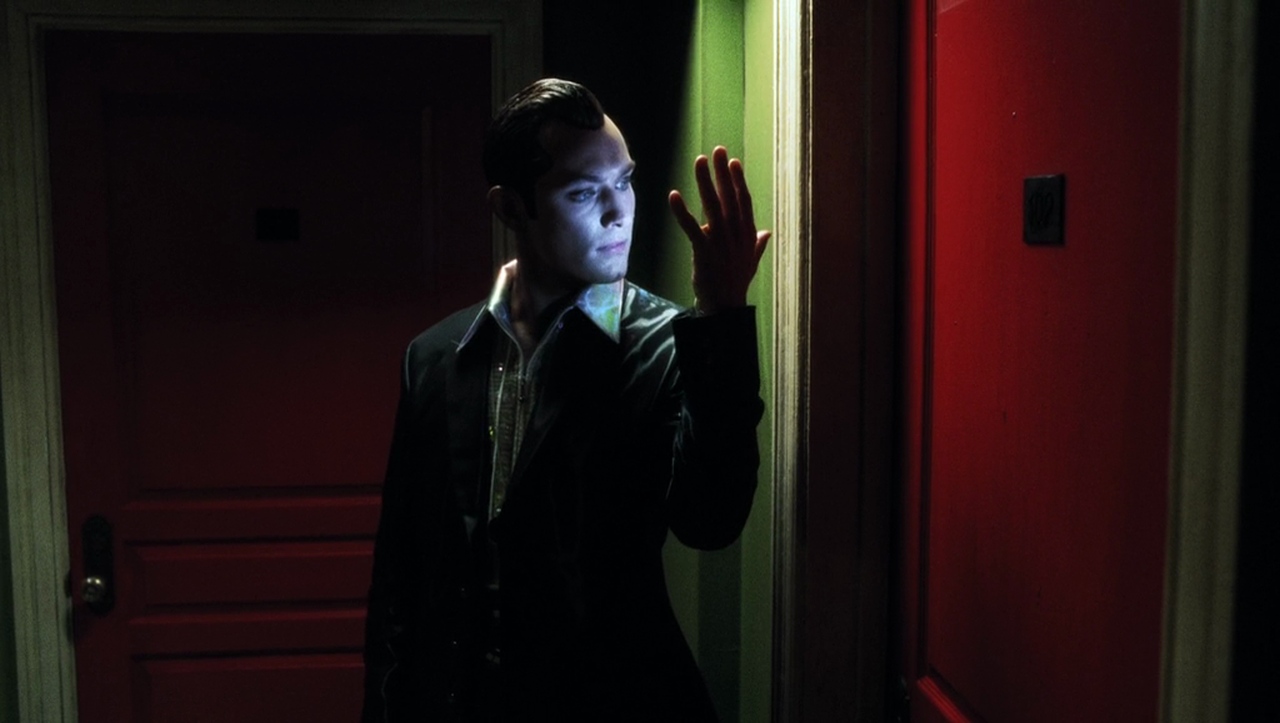
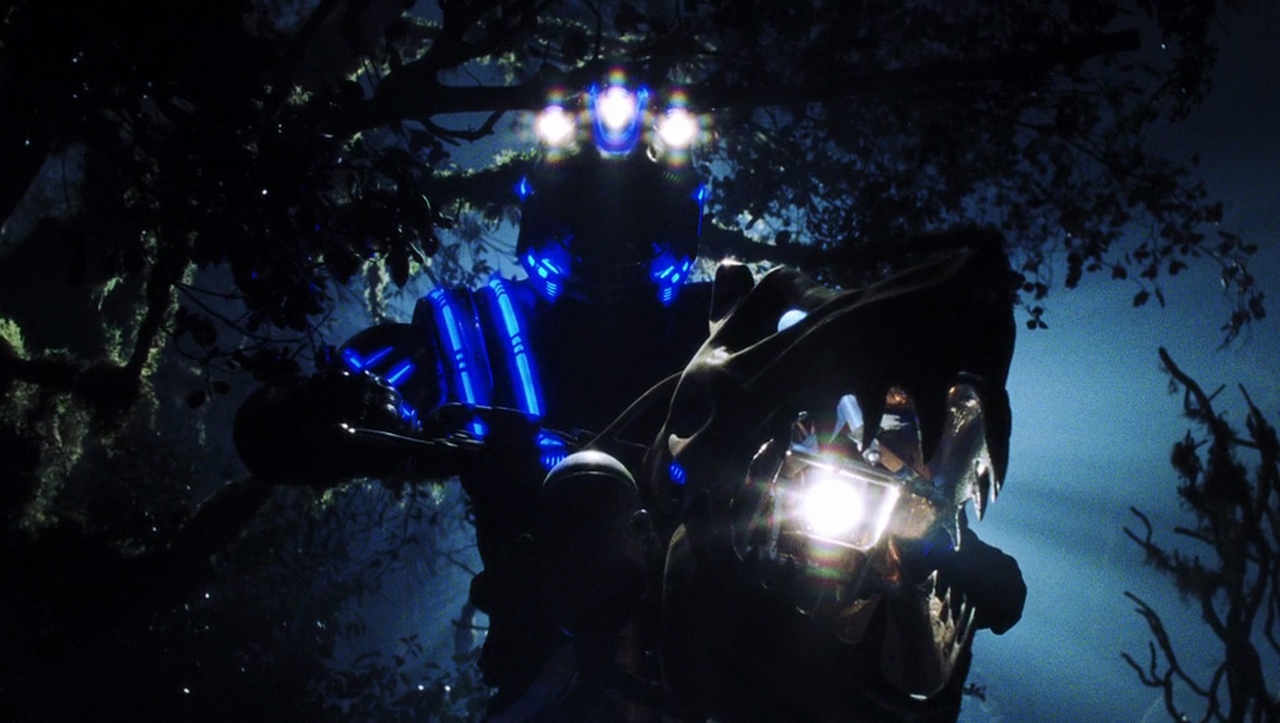
The couple are slow to accept David, played by Haley Joel Osment, because although he’s cute as a button and feels real, he’s fundamentally fake. He’s simply programmed to love – where his heart is supposed to be is a circuit board of algorithms executing perfect commands. When the couple choose to activate David’s “imprinting” protocol, a process where David will be hardwired to become utterly dedicated to the couple, a miracle occurs: Martin awakes – but it’s a tragedy for David. No longer needed, he is abandoned in a forest like an unwanted pet. There, he enters a “tin city” of discarded robots and meets Gigolo Joe (Jude Law), a “lover model” on the run, who accompanies David on his quest to find the “Blue Fairy” who will make him into a real, and therefore loveable, human boy.
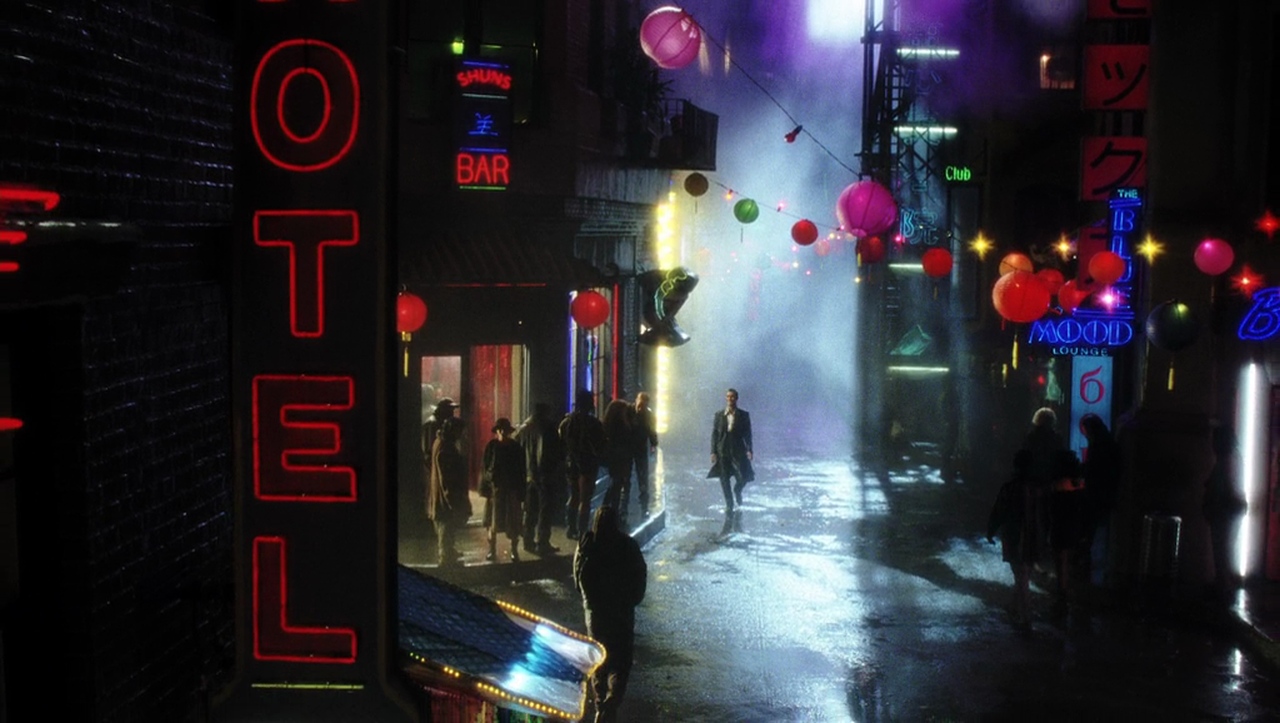
A.I. Artificial Intelligence (dir. Steven Spielberg, 2001).
I have to admit. A.I. Artificial Intelligence is my favourite movie of all time, but I’ve struggled with it for the past few years. As an arts writer, I find myself becoming more of a Luddite everyday. I see AI-crafted “art” clogging up my inbox followed by generated text – it’s not just a threat to my job, but a threat to the whole industry. I don’t feel bad for giving Alexa a bit of guff and I felt no kinship with those grocery delivery droids during lockdown. I didn’t even really care about my Nintendogs. The culture I grew up in was also distrustful of technology: Just two years before A.I’s release, Mike Judge’s cult favourite Office Space featured a group of IT workers famously gang-attacking a malfunctioning office printer and The Matrix foretold a dystopian future consumed by menacing artificial intelligence. Many people feared the great global reset of Y2K. If only they knew how bad it would get! In October last year, robotics company 1X announced NEO, a humanoid “home robot” that unsettled just about everyone. Reports of “AI-psychosis” are becoming more widespread whilst SAG-AFTRA continues to fight against digital replicas of human likenesses. Funnily enough, Kubrick delayed production on his Supertoys adaptation because he believed no human could convincingly achieve a robot’s “otherness” – in other words, he needed a Tilly Norwood.


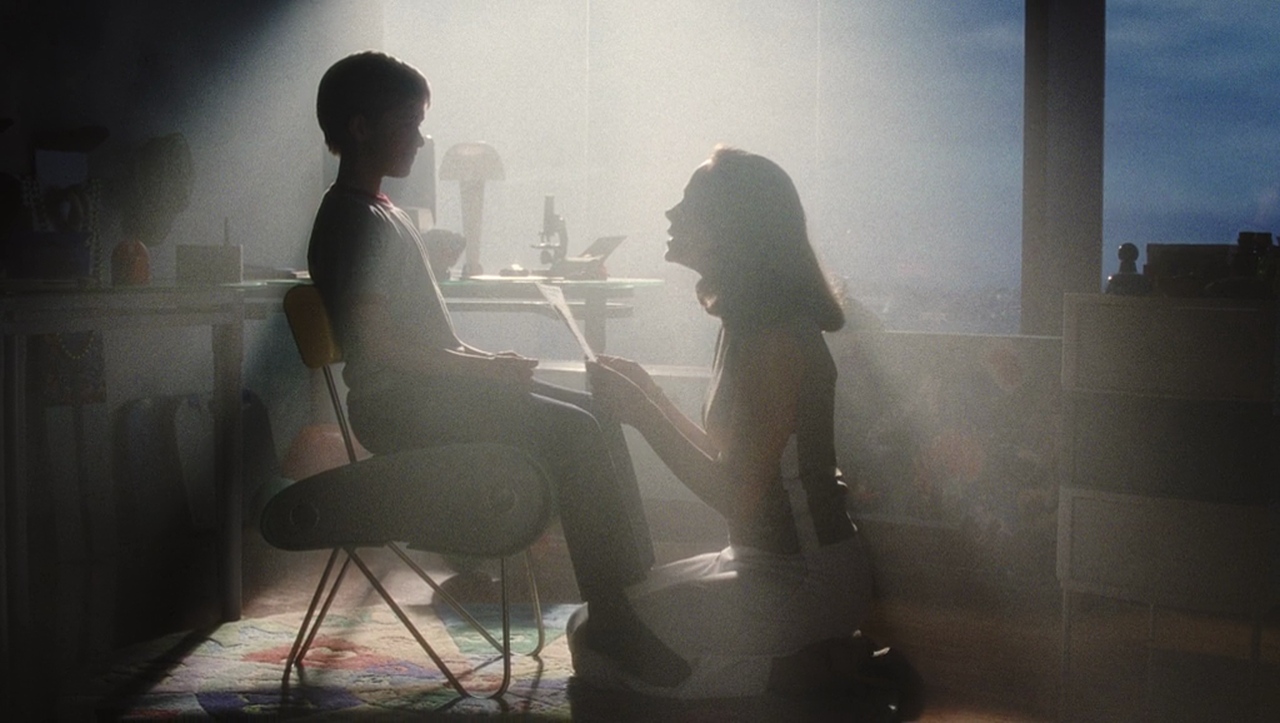
So, why is it that when I watch A.I., I become stupidly, week-ruiningly heartbroken? The answers can be found simply in the themes of Pinocchio, essentially the first story about an animated object that wishes to become of mortal flesh. We, as audiences and readers, admire the quest to transform into a “real person”, because it’s not just a matter of humanness, but of a trickier concept: humanity. And that’s something you aren’t born with, but consciously cultivate. Most importantly, we see ourselves in Pinocchio, and in extension, David. David’s programming makes him act more like the ideal of humans than actual humans act, in fact, just about every human character in A.I. is a giant sod. Whilst they treat David like disposable software, he treats them as gods. He’s eager to learn, he’s fiercely loyal, he dreams, he hopes and he possesses perhaps the most human trait of all: the desire to self-actualise.
It goes without saying that A.I. Artificial Intelligence is prophetic. We may not have flying cars, but we do have the film’s holographic answer engine Mr. Know in the form of your average Siris, Cortanas, Gemini, etc. We have facial recognition, voice cloning, and smart vehicle technology. Widows are attempting their deceased loved ones through LLMs. If you go far enough into the internet, you’ll find we even have “lover” robots, if you catch my drift, but not quite as charming as Jude Law. It’s easy to imprint our own current anxieties about the world onto the film. We fear the world has become fake, filled with illusions. Even the internet may be “dead”, filled with robots designed to appear like humans. But we’re also scared of feeling fake. Trapped in algorithms, dictated by micro-trends, consuming misinformation – we chose emotional dullness as a form of escapism. The tragedy of A.I.’s modern message is that David believes in the future and yearns for the brilliance of human life, meanwhile we’ve found ourselves becoming more and more machine-like.
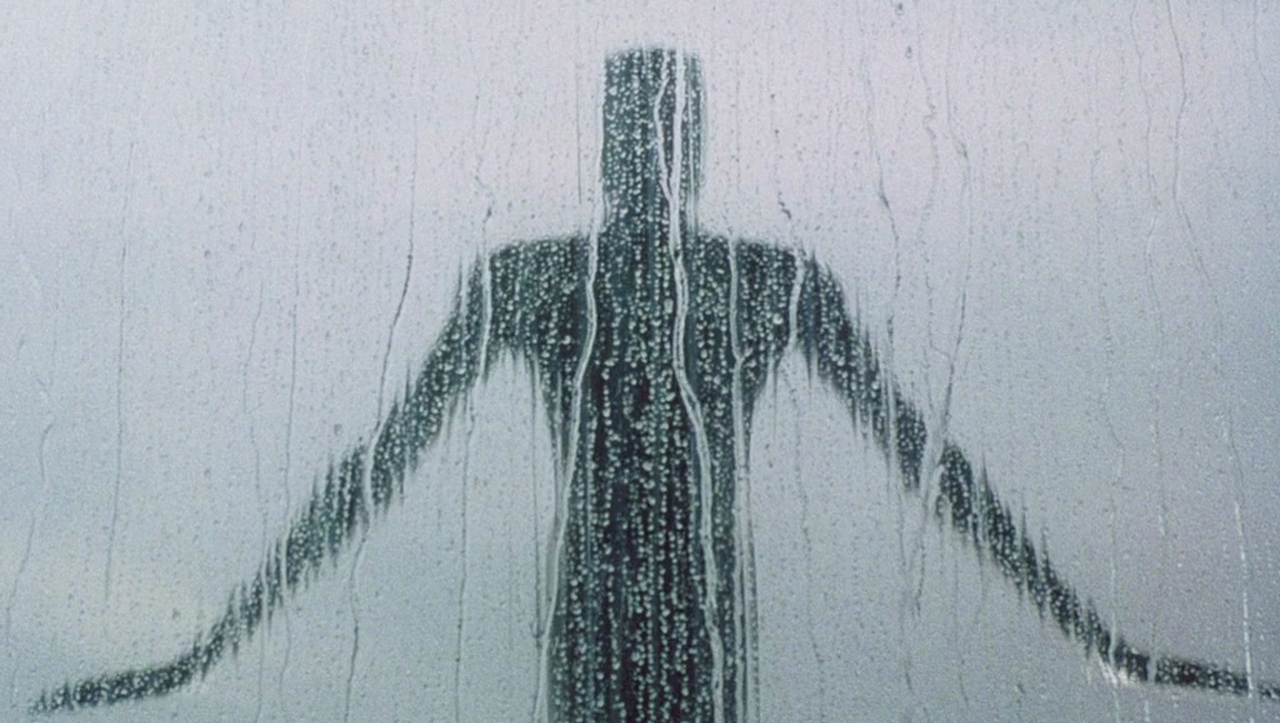
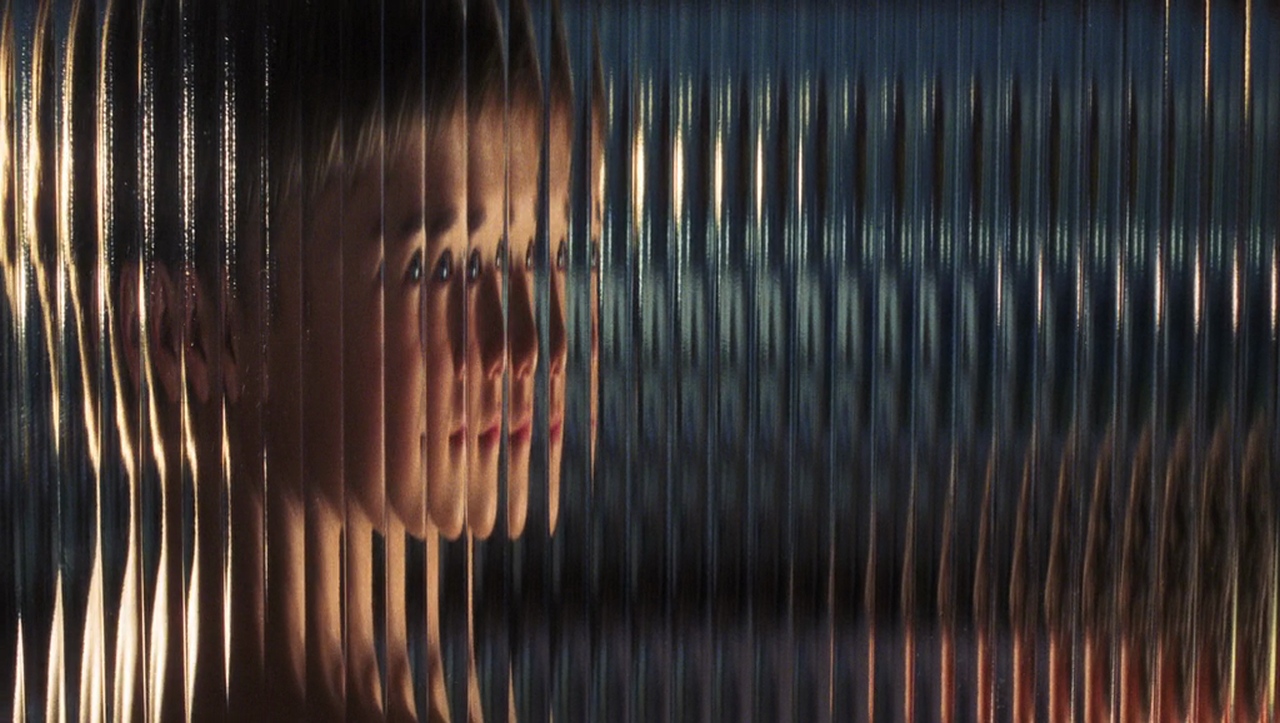
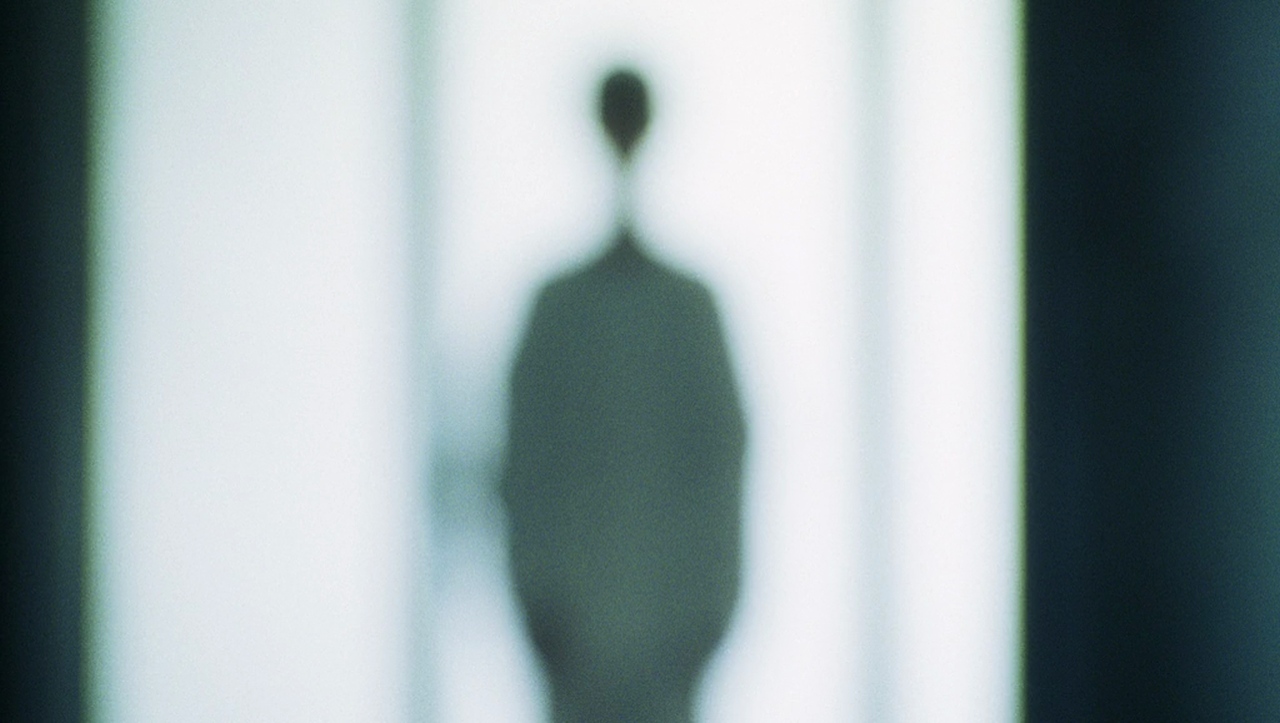
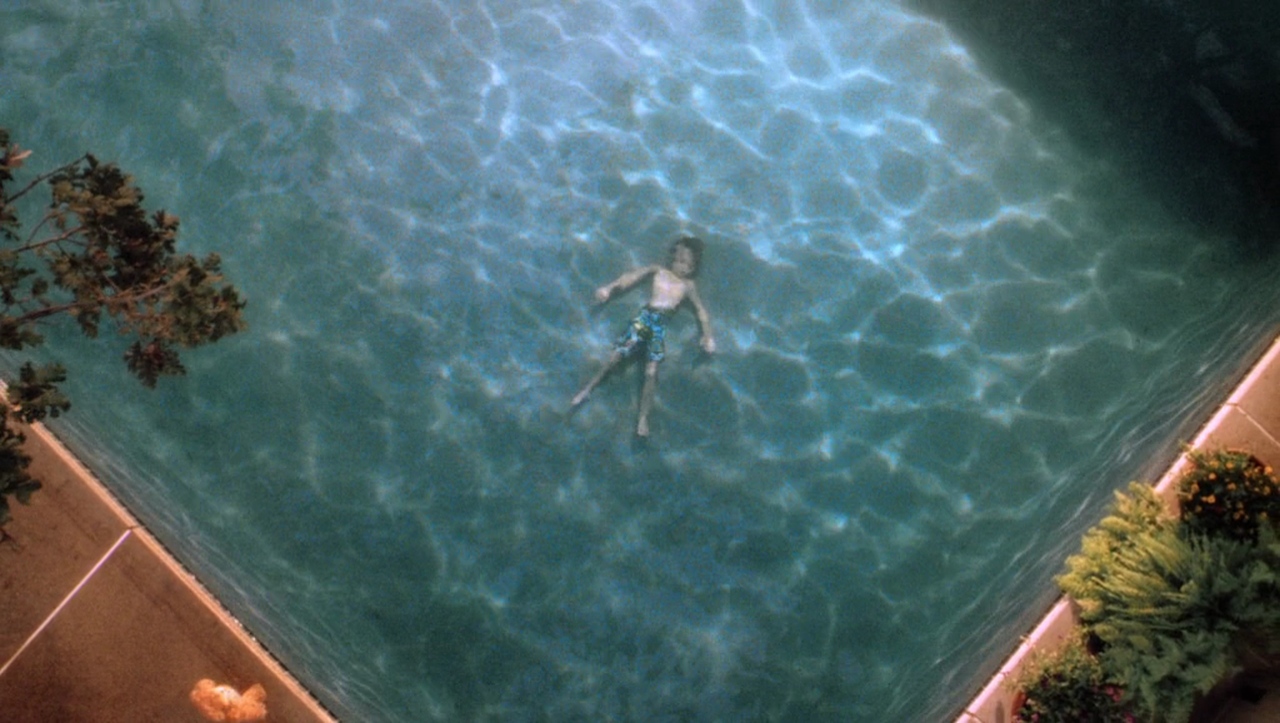
After David literally meets his maker, Dr. Hobby (William Hurt) in the climax of the film, he realises he will never be a “real boy” for magic isn’t real. Naturally, he decides to fall to the bottom of the ocean where he remains for 2000 years as a new ice age erases humanity. He’s eventually thawed out from his glacial tomb by the Specialists – an alien-like species of artificial intelligence who seek to learn more about humanity. Today, we fear AI will replace us, but in A.I., it misses us. David, a machine, is the last human – although he may not be of flesh and bone, he carries the last embers of what humanity is all about. He doesn’t just want to affirm his mother, he wants to affirm himself. Through our love for others we find ourselves.
I don’t feel love for robots. But I feel love for David. It’s inspiring that Kubrick’s story of eternal love and Spielberg’s critique of the traditional family unit still resonates through the uncanny valley of Haley Joel Osment’s airbrushed face. As an arts writer, A.I Artificial Intelligence offers reconciliation with what being human is. David represents the purpose of art – to capture a feeling, whatever it may be, and make it live forever, even after the humans who felt it are gone. If that’s not what it’s all about, then hold my power button down.