A film lover’s guide to the 2026 Venice Biennale



As the world’s most prestigious cultural exhibition kicks off in the floating city, art writer Sofia Hallström rounds-up the most cinematic shows on offer.
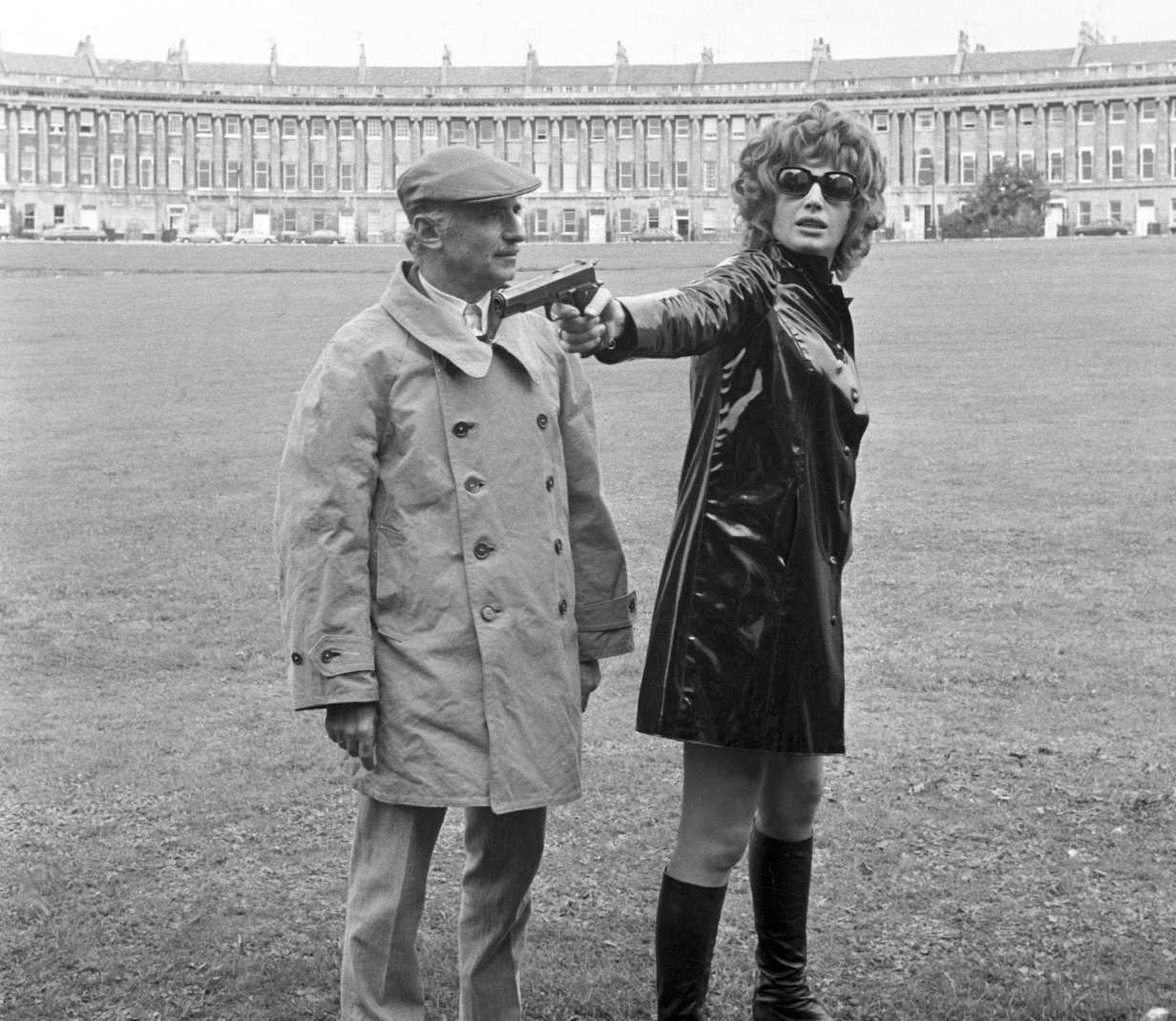
It is easy to understand why Venice has been an irresistible film location for many directors across decades of cinema. A city that exists, improbably, in water with its Gothic palazzos and hidden dark alleyways dissolving into the reflections of the canals below. Its beauty is inseparable from its decay. Luchino Visconti used the Hotel des Bains on the Lido as the backdrop to Death in Venice (1971), and James Bond hover-crafted past gondolas in Moonraker (1979). Katharine Hepburn fell into the Campo San Barnaba canal filming Summertime (1955), contracting an eye infection that stayed with her for the rest of her life, and Joanna Hogg’s deeply personal feature The Souvenir (2019) features Venice as the backdrop for her story of love and becoming.
The Venice Biennale brings together a central curated exhibition and national pavilions and collateral exhibition at the Giardini della Biennale, the Arsenale, and in palazzos and churches across the city. In its 61st edition, In Minor Keys, was conceived by the late Koyo Kouoh. In music, a minor key refers both to the structure of a song, building its emotional intensity. This edition of the Venice Biennale emphasises this sensory experience, which perhaps explains why so many of its most compelling presentations are structured around moving image and the grammar of cinema.
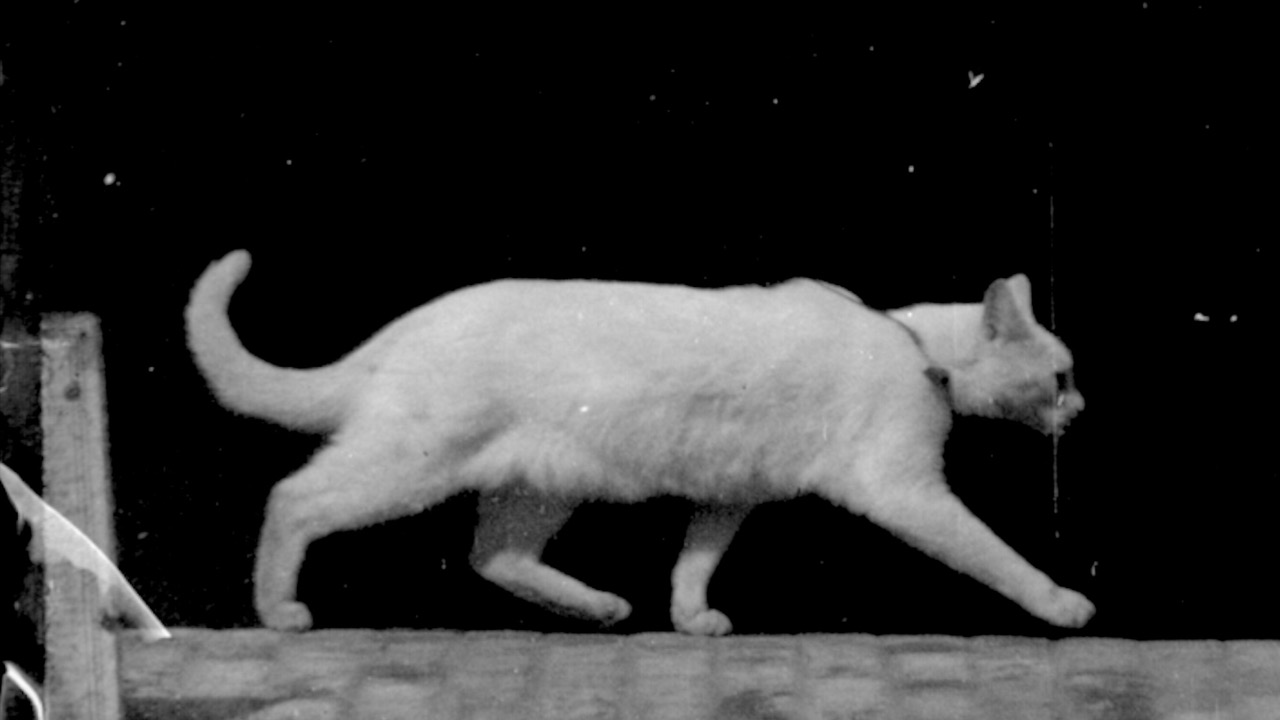
An essential starting point for a film lover visiting La Biennale. Fondazione In Between Art Film is conceived by Beatrice Bulgari to promote moving image works, and Canicula is the third and final chapter of the Trilogy of Uncertainties, which has seen the Complesso dell’Ospedaletto transformed each time into a form of cinematic architecture. Formerly a hospital, before becoming an old people’s home and later abandoned, the architecture of the space—with scenography was conceived by 2050+ Milan—is important, with each artist responding to the site. Beginning with Penumbra (2022) and Nebula (2024), each work explores a different atmospheric metaphors that condition our ways of seeing and experiencing the world. Canicula (Latin for ‘dog days’ or the ‘hottest days of summer’) features eight new site-specific video installations by artists Lawrence Abu Hamdan, Massimo D’Anolfi and Martina Parenti, Roman Khimei and Yarema Malashchuk, Janis Rafa, P. Staff, Wang Tuo, Yuyan Wang, and Maya Watanabe. Every commission operates between documentary, fine art, and experimental film and responds to the restlessness and uncertainties of the current moment. Lebanese-British artist Abu Hamdan treats audio as forensic evidence, whilst Ukrainian filmmakers Khimei and Malashchuk’s short film won the main award at the Tallinn Black Nights Film Festival. (6 May – 22 November 2026, Complesso dell’Ospedaletto)
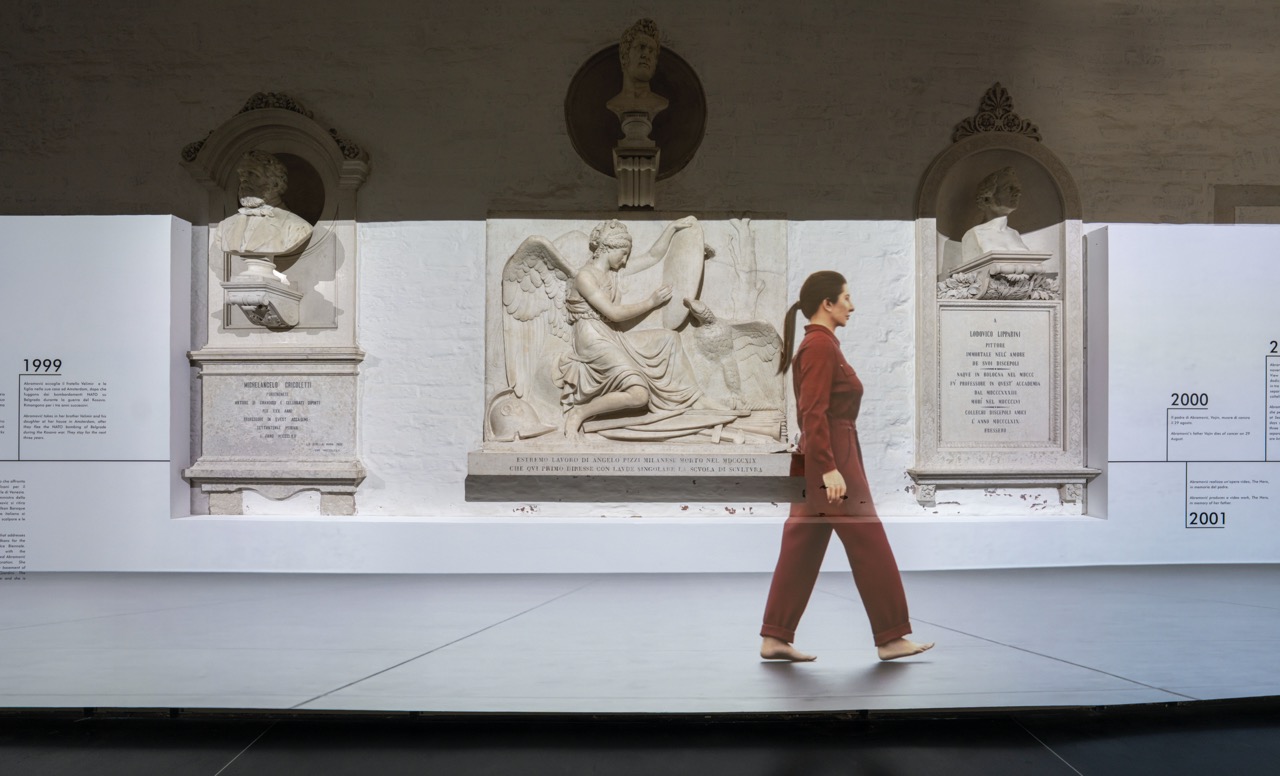
When Abramović first visited the Biennale as a fourteen-year-old, travelling by train from Belgrade, she stepped out of the station and wept. More than six decades later, she returns as the first living woman artist to be honoured with a major exhibition at the Gallerie dell’Accademia, home to many masters if Venetian Renaissance painting, including Titian, Bellini, and Tintoretto. Transforming Energy marks the artist’s 80th birthday, placing iconic works including Rhythm 0 (1974), Balkan Baroque (1997), and projections of early performances in direct dialogue with the Renaissance masterpieces around them. The centrepiece sees her Pietà (with Ulay) (1983) placed before Titian’s Pietà (c. 1575–76), his unfinished final masterpiece. The exhibition also invites the audience to lie on crystal-embedded stone structures and to become performers themselves, activating what Abramović calls “energy transmission.” (6 May – 19 October 2026, Gallerie dell’Accademia)
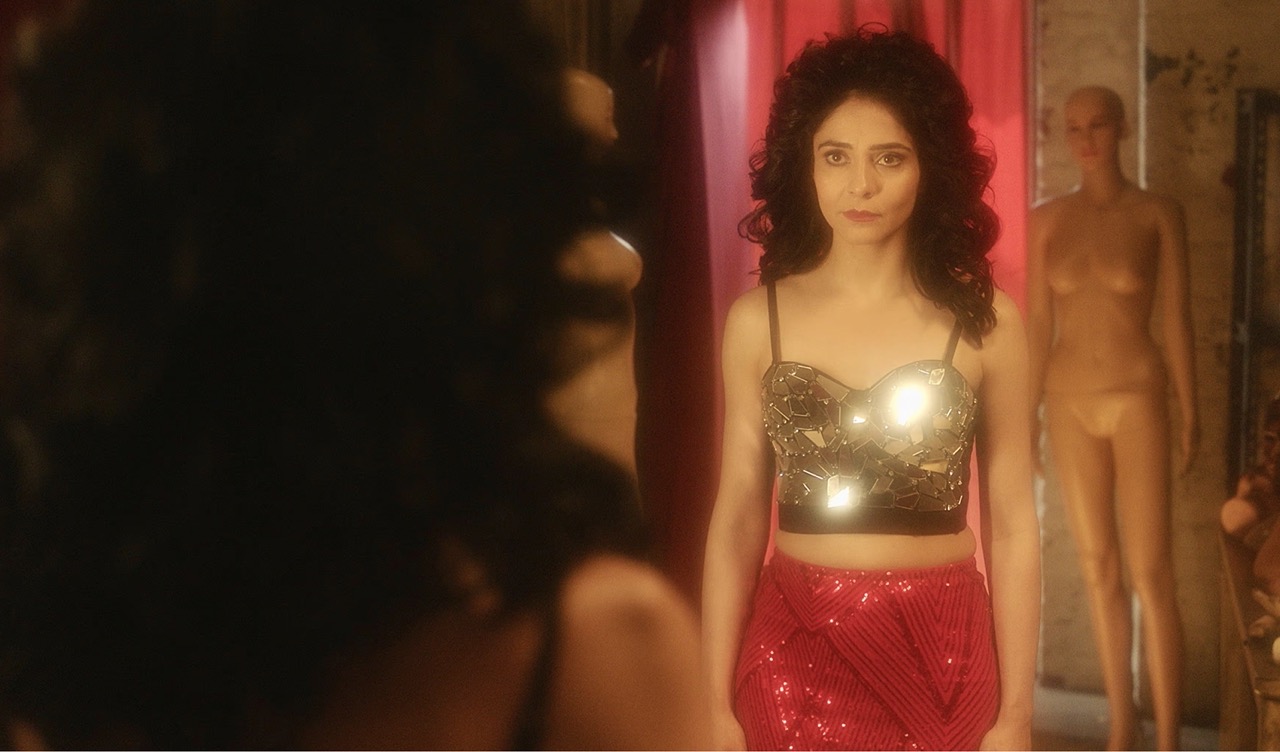
American-Iranian artist Shirin Neshat’s connection to Venice is a significant one. She won the Golden Lion at the Biennale in 1999, and won the Silver Lion for Best Director at the Venice Film Festival for Women Without Men in 2009. Her new film trilogy at Palazzo Marin takes the story of Nasim Aghdam as its starting point. Aghdam was a media figure of Iranian origin who fled Iran to the US because of her Bahá’í faith. Shot in three socioeconomic contexts across New York City, Do U Dare! investigates the tension between interiority and exterior representation in the female condition and Brooklyn’s immigrant community. It’s political, poetic, and in true Neshat style, cinematically rich. (9 May – 6 September 2026, Palazzo Marin)
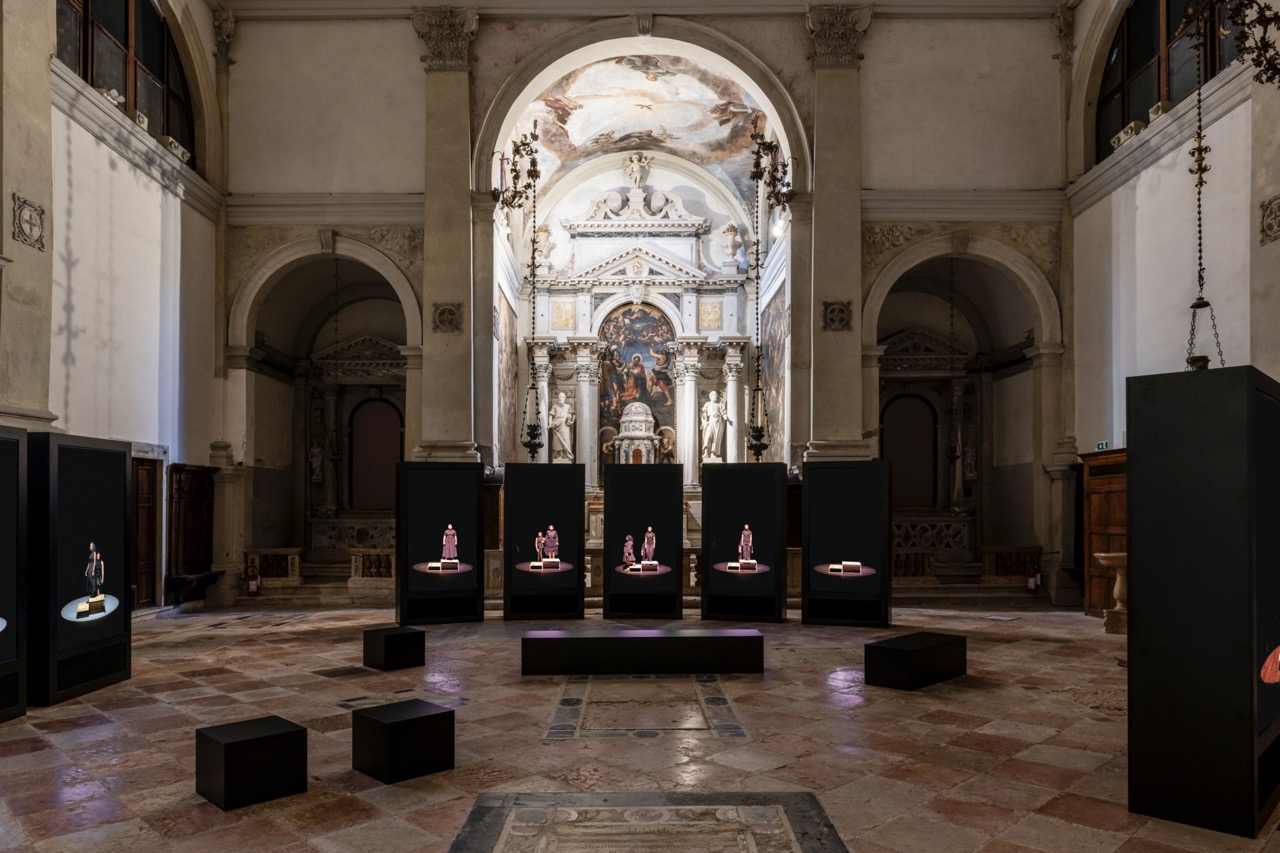
Goliath was initially selected to represent South Africa at this year’s Biennale, but had her pavilion cancelled by the country’s minister of sport, arts and culture, who objected to a section of Elegy addressing the death of Palestinian poet Hiba Abu Nada. After a court dismissed her challenge, the South African pavilion remains empty, but Goliath brought the work to Venice independently at Chieda di Sant’Antonin. Elegy is a multi-channel video installation and ritual lament, a call to mourn developed over more than a decade through performances across Johannesburg, São Paulo, Paris, and beyond. It addresses femicide, genocide, displacement, and the legacies of colonialism through a chorus of shared breath and song. The cinematic logic here is one of the most radical and emphatic, using film as testimony, and as a medium that portrays grief in its most vivid and confronting state. (5 May – 31 July 2026, Chiesa di Sant’Antonin, Salizada Sant’Antonin)
Thai artist Rirkrit Tiravanija has designed a tent-like structure inspired by the Arabic majlis (a traditional gathering space) housing a film by Qatari-American artist Sophia Al-Maria, with live performances by Lebanese composer Tarek Atoui, sculpture by Alia Farid, and food by Palestinian chef Fadi Kattan. Al-Maria’s experimental narrative film follows a protagonist on a dream-like journey exploring the power of music and sound. Her practice spans science fiction, video, and writing, with a persistent undertone of otherworldly unease. This is cinema reimagined as interactive, providing hospitality and experience in a shared space, with music, food, and others present. (9 May – 22 November 2026, Qatar Pavilion Giardini della Biennale)
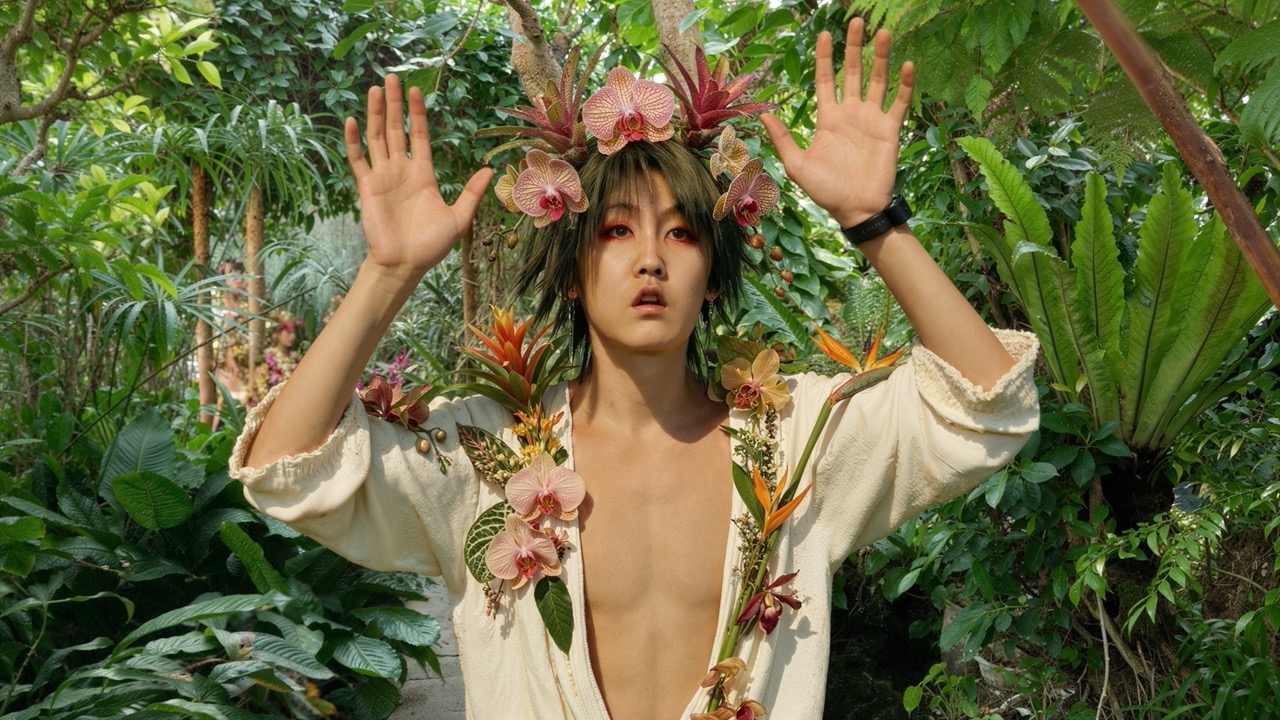
Just a short walk from Piazza San Marco, Lu Yang’s universe is intoxicating and genuinely strange. His 3D animations and installations explore the relationships between body and consciousness, spirituality and technology. At the centre is DOKU, a genderless avatar built from the artist’s own face, named after the Japanese Dokusho Dokushi. In this fourth chapter of the series, DOKU becomes the Creator, a meditative presence conjuring phenomena through contemplative stillness in a realm of illusion and Buddhist impermanence. With its mirrored surfaces and immersive soundscapes, this exhibition is for those who love cinema’s capacity to conjure alternate realities. (8 May – 4 October 2026, Espace Louis Vuitton Venezia, Calle del Ridotto 1351)
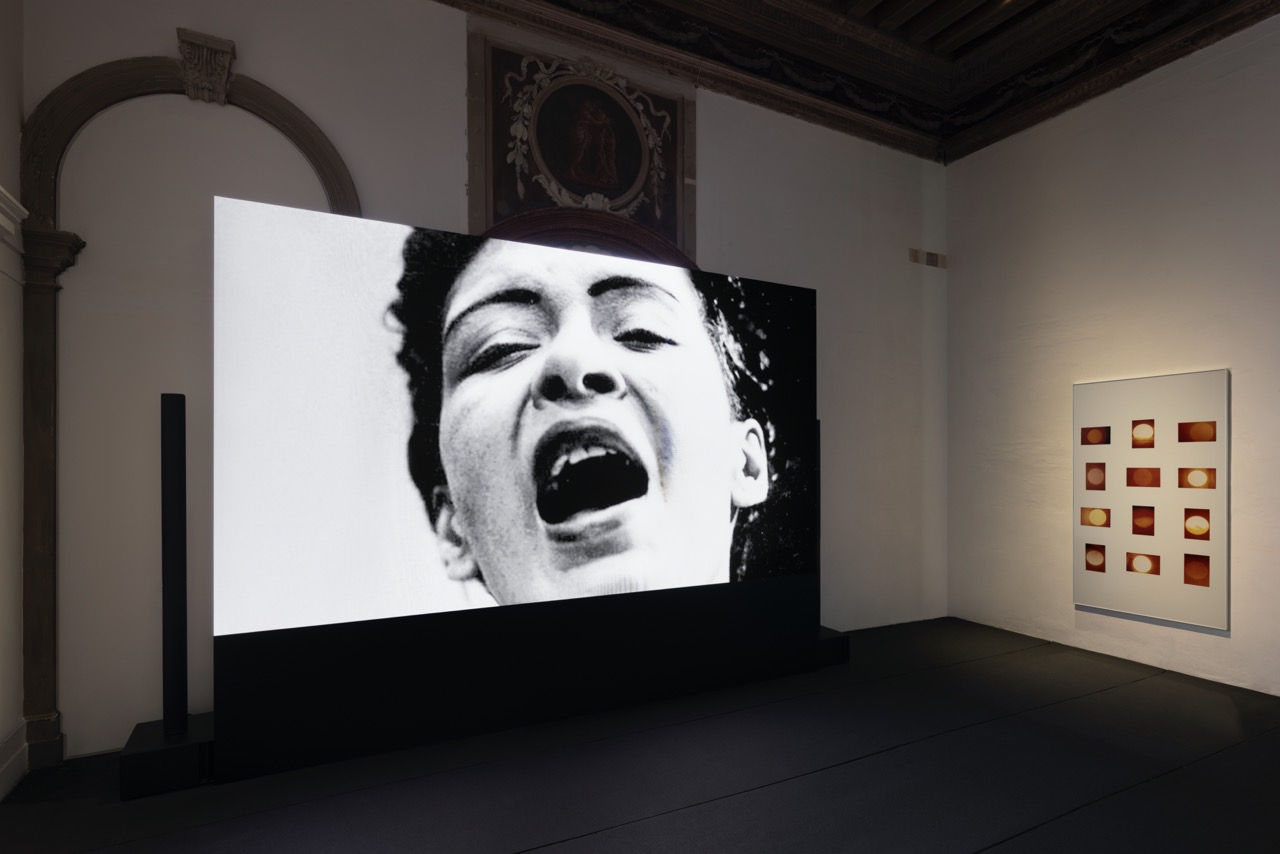
Arthur Jafa is one of the most important video artists in contemporary art. He previously has worked as cinematographer on Julie Dash’s Daughters of the Dust and Spike Lee’s Crooklyn. At Fondazione Prada, Jafa is paired with Richard Prince in an exhibition curated by Nancy Spector. Both artists share an ethos of lawlessness in their appropriation of images siphoned from movies, YouTube, news reels, and social media. Jafa’s practice is rooted in Black experience and a mission to invigorate Black cinema, whilst Prince probes white masculinity and American mythology. Together they produce a fractured portrait of America, shaped by spectacle, violence, music, and the endless recycling of the ideal of the American dream. (9 May – 23 November 2026, Ca’ Corner della Regina, Fondazione Prada Venice)
Described as “a sonic prayer, a call to the contemplative act of listening,” the Vatican’s Holy See is curated by Hans Ulrich Obrist, bringing together twenty-four artists responding to the life and legacy of Saint Hildegard of Bingen, the 12th-century Benedictine abbess, poet, healer, and composer. The roster is extraordinary, including Brian Eno, FKA Twigs, Devonté Hynes, Patti Smith, Jim Jarmusch, Laraaji, Kali Malone, Terry Riley, Meredith Monk, Moor Mother, Suzanne Ciani, Holly Herndon & Mat Dryhurst, and the Benedictine Nuns of the Abbey of St. Hildegard Eibingen. In the Mystical Garden, new sonic commissions are heard through headphones in an intimate, one-to-one encounter with sound. At Santa Maria Ausiliatrice, the second site presents the final work of German filmmaker Alexander Kluge, completed before his death in March 2026. Jim Jarmusch’s films have always been as much about listening as looking. FKA Twigs brings a practice built from the intersection of body, sound, and image. Sit in the exhibition and listen to Brian Eno’s response to the medieval mystic while canal sounds drift over the walls. This is, unmistakably, a deeply Venetian experience. (9 May – 22 November 2026, The Mystical Garden of the Discalced Carmelites, Cannaregio; and Complesso di Santa Maria Ausiliatrice, Castello)
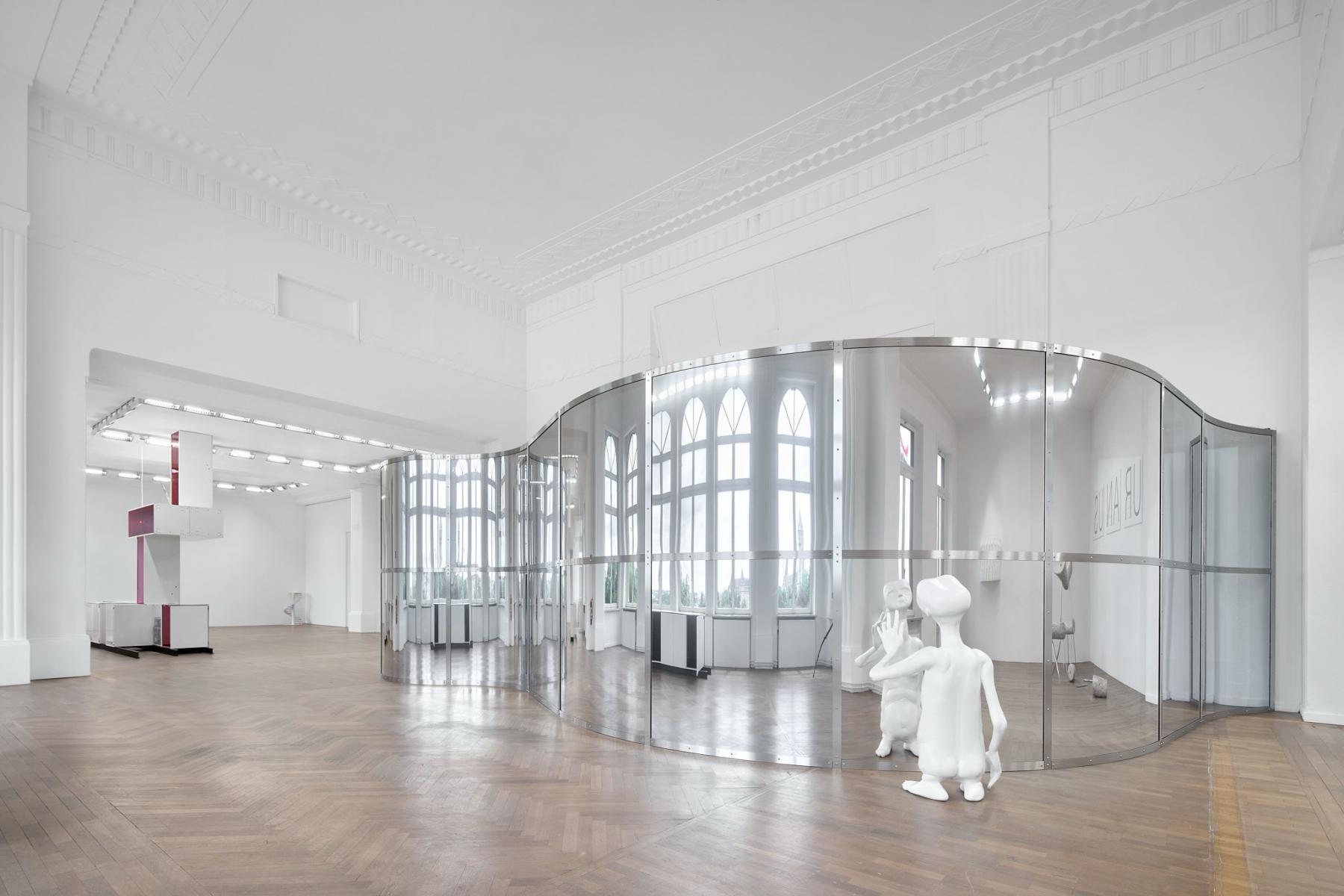
Aline Bouvy at the Luxembourg Pavilion presents one of the most formally inventive cinematic experiences in the entire Biennale. La Merde brings together a film, alongside a spatialised sound composition, and a semi-circular mirror-glassed steel architecture that seats the audience. The acoustically padded structure becomes a kind of communal headphone, facing a large LED screen. The film is a feminist manifesto. The protagonist is an anthropomorphic excrement, and it addresses shame as a social construct, tracing the thresholds at which bodies are categorised, tolerated, or excluded. Shot with the full grammar of feature film cinematography, it uses cinema’s conventions against themselves. The audience sit on chairs identical to those appearing in the film itself. (9 May – 22 November 2026, Arsenale Sale d’Armi, 1st Floor)
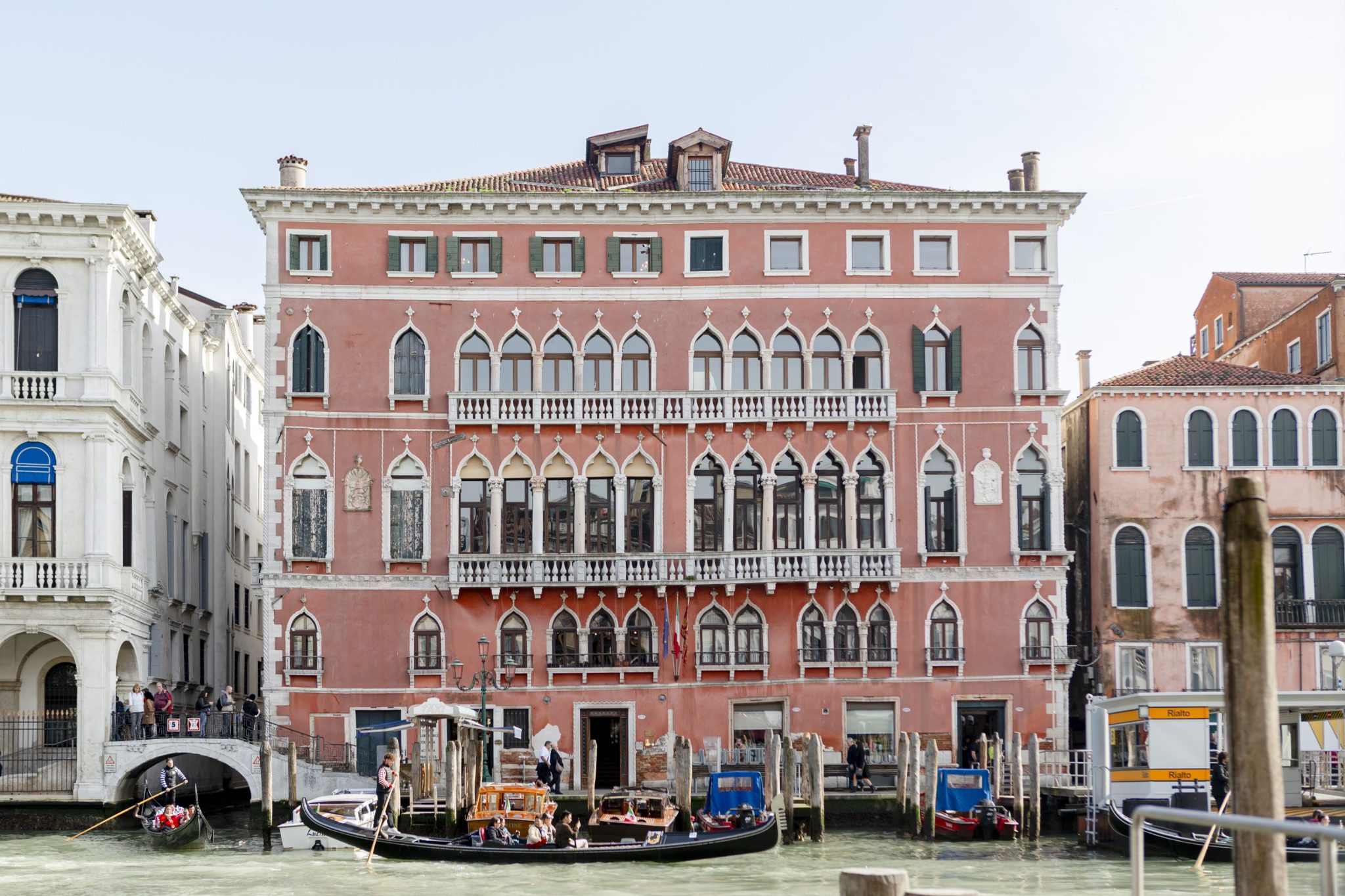
Personal Structures is one of the Biennale’s ongoing collateral exhibitions. A sprawling independent exhibition now in its seventh year, taking place across two historic palaces and the Marinaressa Gardens. Standout works include Nick Turvey’s two lenticular dioramas from his ongoing Memento Mori series. The three-dimensional image-objects act as living theatres that shift and change as you move past them. Their starting point comes from grief and death, using imagery from specific people that Turvey has known and outlived. Metempsychosis features a butterfly with a human face, a headless automaton still signing autographs, a caterpillar smoking, a ghost releasing butterflies from a cage. It’s strange, funny, and slightly disturbing, circling the question of where identity ends. Turvey started out making underground films, and that instinct persists in these lenticular dioramas. They share a certain logic of cinema, with sequential images, the duration, the viewer’s movement as a kind of editing process in itself. (9 May – 22 November 2026, European Culture Centre Palazzo Bembo and Palazzo Mora)