

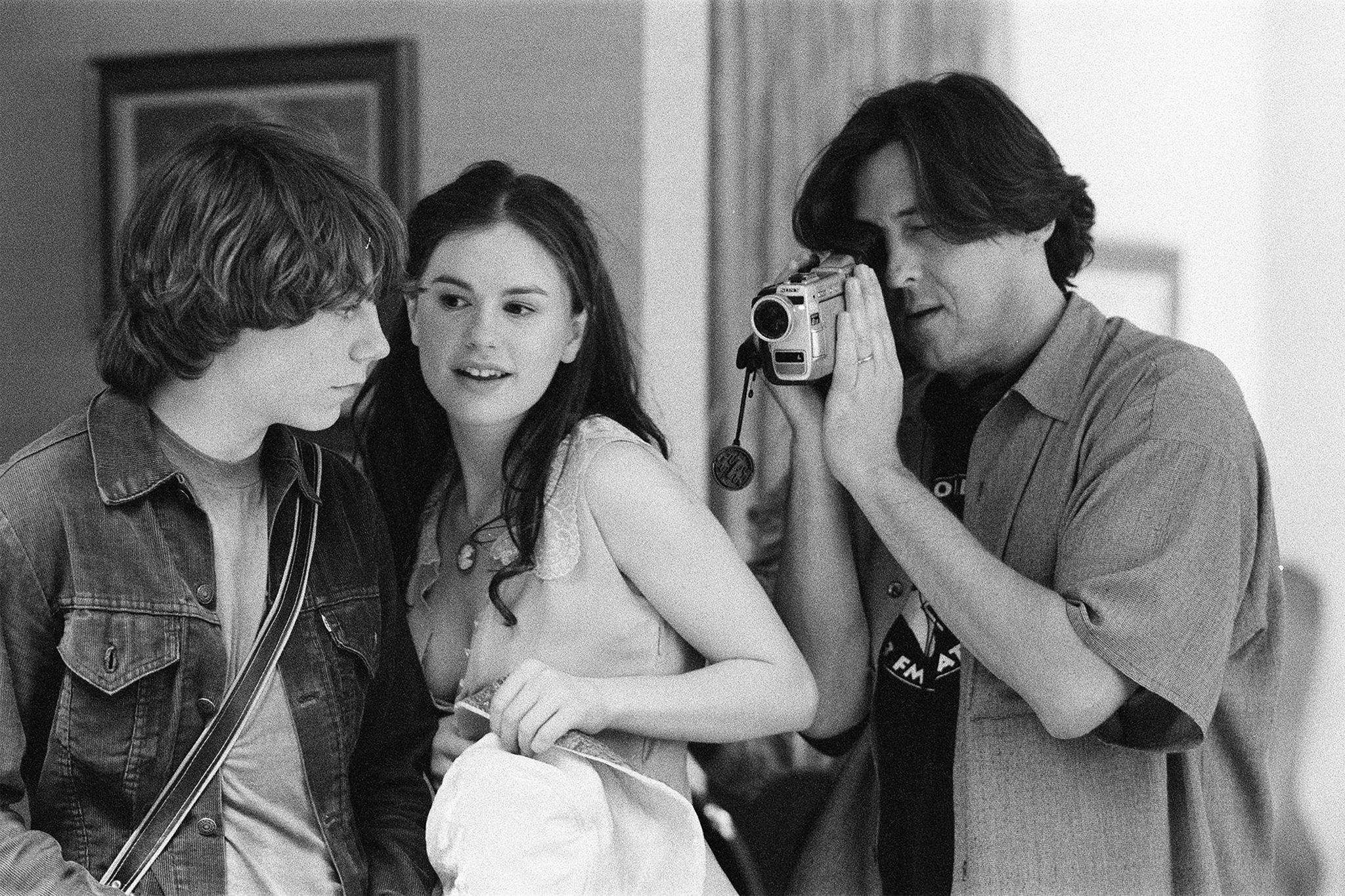
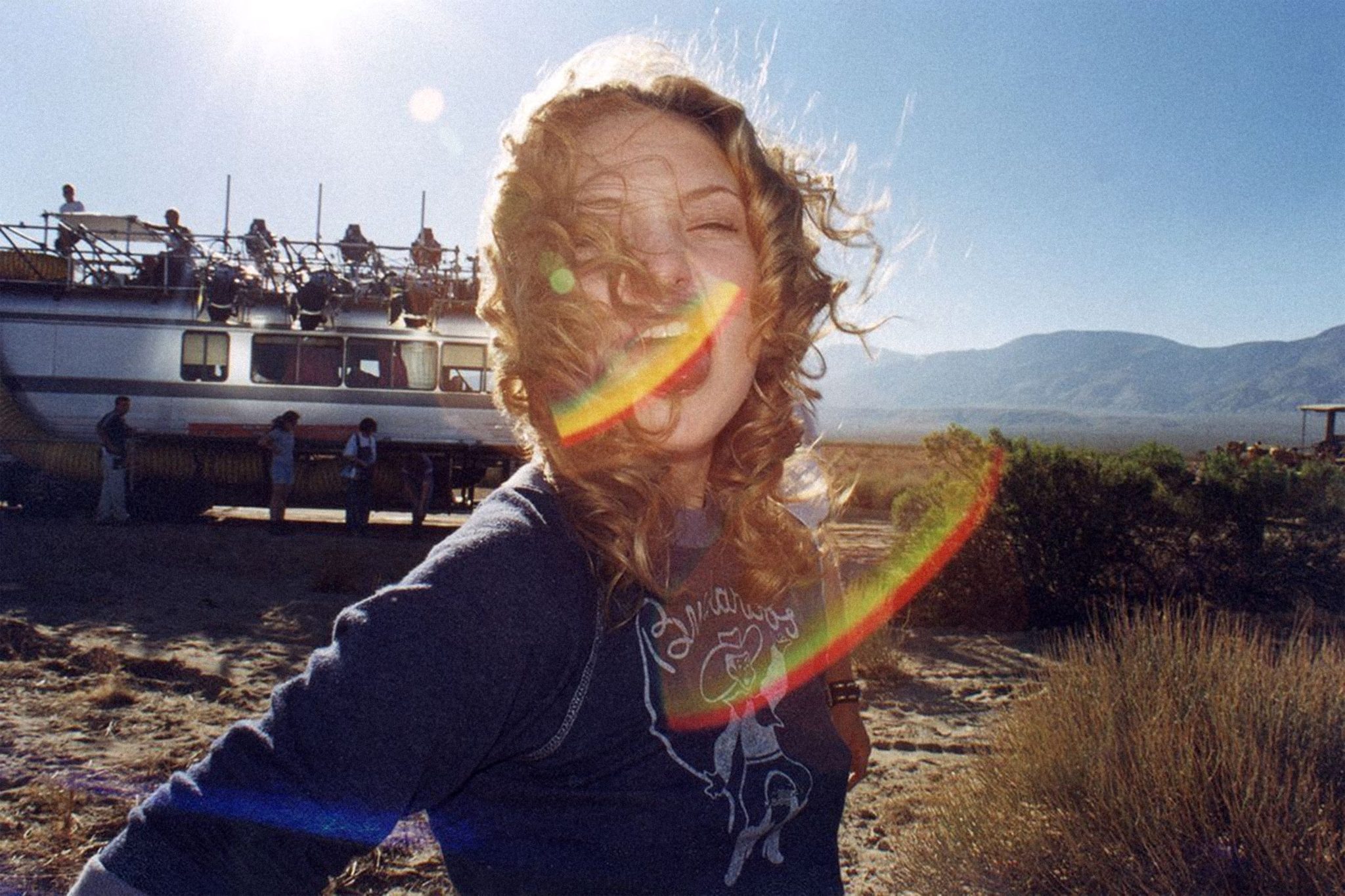
From the making of Blue to the mythology of Laurel Canyon, filmmaker Cameron Crowe’s lifelong dialogue with Joni Mitchell reveals how music shaped a generation—and his own career. Tracing love, loss, creativity, and place, Tobias Gray explores the fragile line between countercultural myth and artistic truth in Crowe’s world.
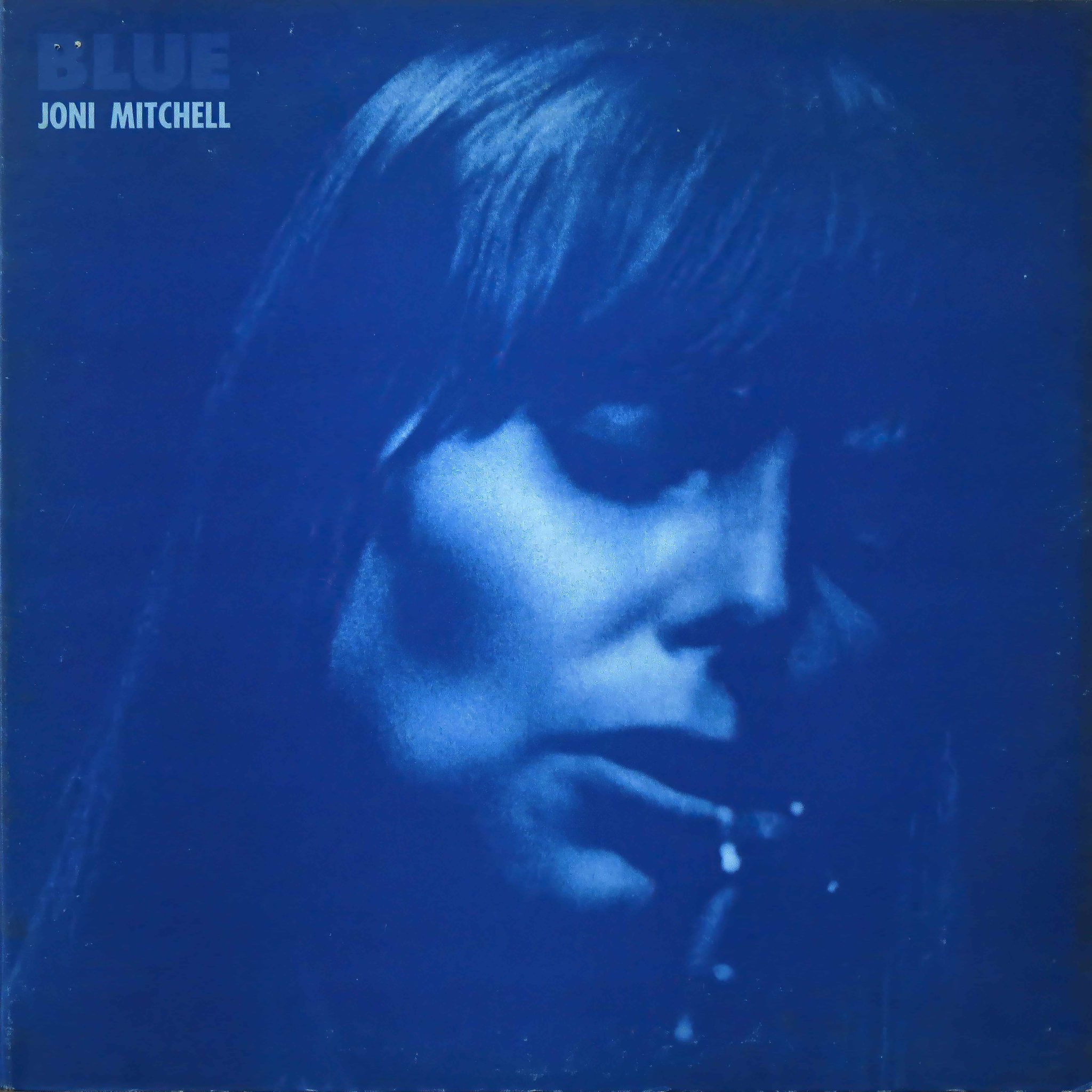
Cameron Crowe’s first inkling that Joni Mitchell’s music might have something to teach him occurred in the summer of 1971, when he chanced upon her album Blue in a Los Angeles record store. The 13-year-old budding music journalist—and future director of Almost Famous (2000)—had loved the whimsy of Mitchell’s first albums, but listening to Blue felt like being handed “a manual on the depth charges of real romance”. In Crowe’s heroically honest autobiography, The Uncool: A Memoir, published to widespread acclaim last October, he rounded out his reflection by noting how “once again, music was at my shoulder, guiding the way”.
In many ways Blue was the apotheosis of what came to be known as the Laurel Canyon sound. The startling intimacy of its lyrics and unusual musical dissonance confronted a moment when the utopian ideals of the 1960s—peace, love, and communal living—had been hijacked by the horrors of the Manson murders and the chaos of Altamont. Mitchell wrote several of the songs for Blue at her iconic Laurel Canyon bungalow on Lookout Mountain Avenue, in the painful aftermath of her breakup with Graham Nash. His Crosby, Stills, Nash, & Young song Our House (1970) had previously immortalised their domestic bliss in the home they once shared.
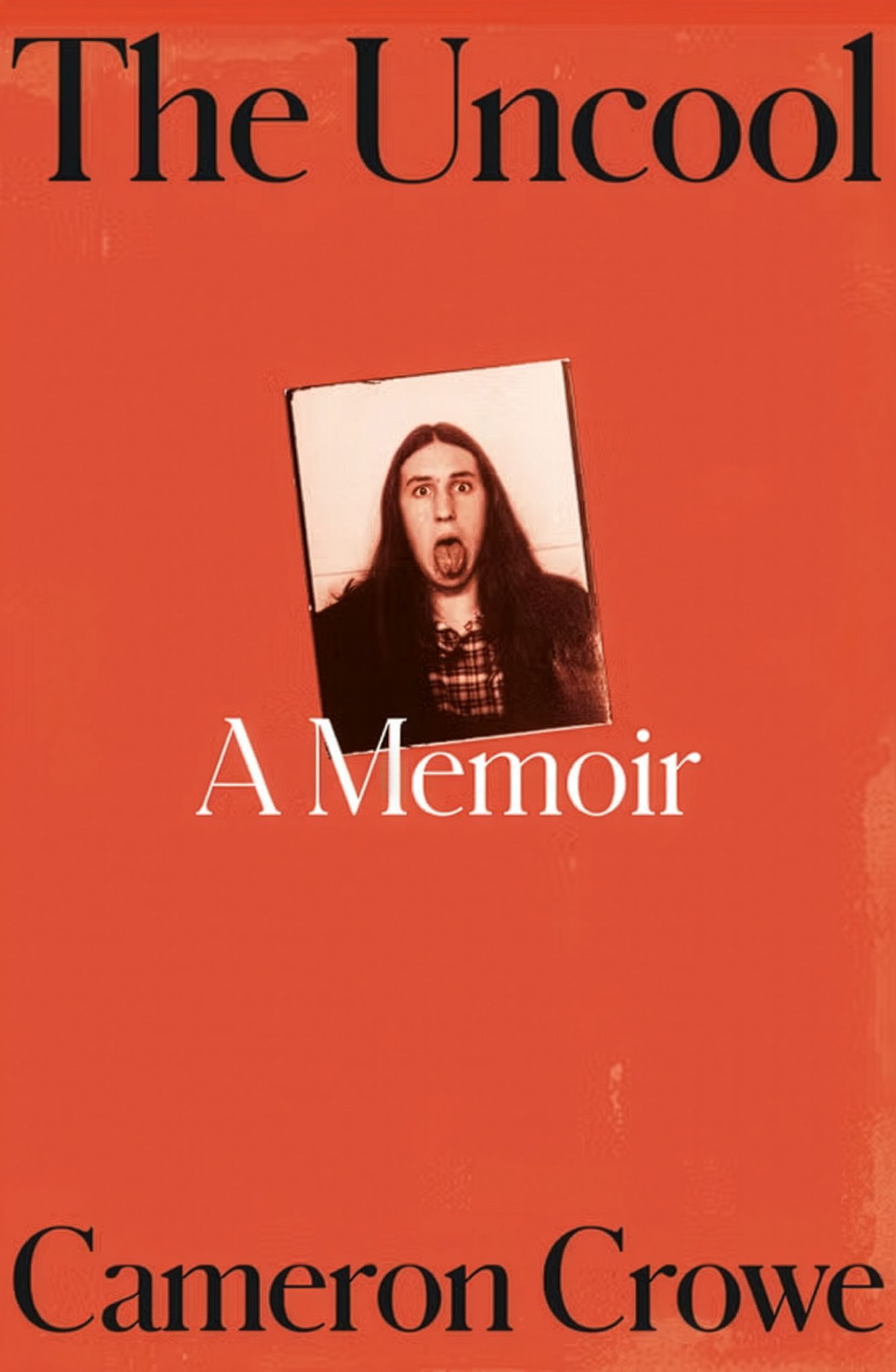
The Uncool, Cameron Crowe’s 2025 memoir.

“In many ways Blue was the apotheosis of what came to be known as the Laurel Canyon sound. The startling intimacy of its lyrics and unusual musical dissonance confronted a moment when the utopian ideals of the 1960s—peace, love, and communal living—had been hijacked by the horrors of the Manson murders and the chaos of Altamont.”
Mitchell had bought the little house high up among the eucalyptus trees—which she still owns today—in the spring of 1968. She funded the purchase with the royalties from her first album, Song to a Seagull (1968), which had been produced by David Crosby. It soon became the unofficial hub of the neighbourhood: a place where Laurel Canyon-dwelling musicians came to hang out and jam, and where the first harmonies of CSN were famously born in her kitchen.
In a 2003 interview with Cameron Crowe, Eagles frontman Glenn Frey recounted how he developed the guitar part for Best of My Love (1974) after receiving an informal lesson from Mitchell at her Laurel Canyon home. Other extraordinary talents, including Eric Clapton and Jimmy Page, have since confirmed that observing Mitchell’s open guitar tunings—developed because a childhood bout with polio left her with a permanently weakened left hand—proved a lasting source of inspiration.
Long before Mitchell and her peers arrived in the late 1960s, Laurel Canyon had already established itself as a refuge for artists. In the early 20th century, it attracted figures such as Errol Flynn, Orson Welles, and Harry Houdini, all seeking a woodland escape from the urban sprawl of downtown Los Angeles. Serious development began in 1910 when speculator Charles Spencer Mann started selling housing lots halfway up the canyon on a tract of steeply sloped land dense with chaparral, sycamore, and the California bay laurel, which gave the canyon its name. In his 1953 novel The Long Goodbye, Raymond Chandler describes his hard-bitten detective Philip Marlowe gazing down from his Laurel Canyon perch at the “glare of the big angry city hanging over the shoulder of the hills through which the boulevard had been cut”.
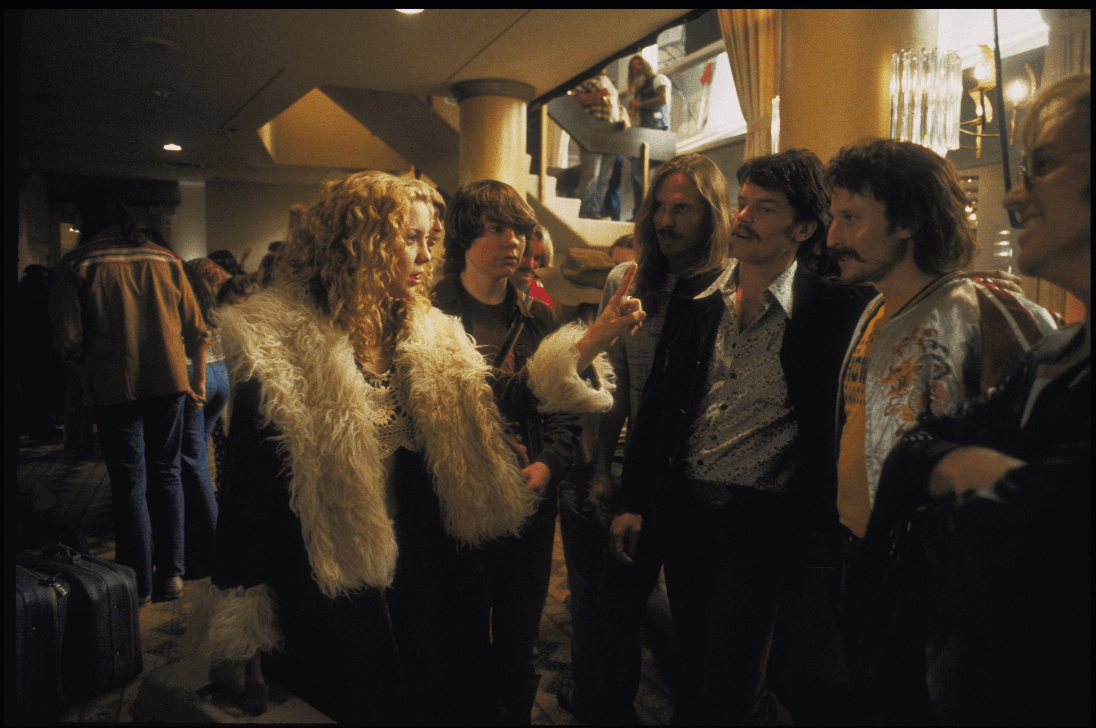
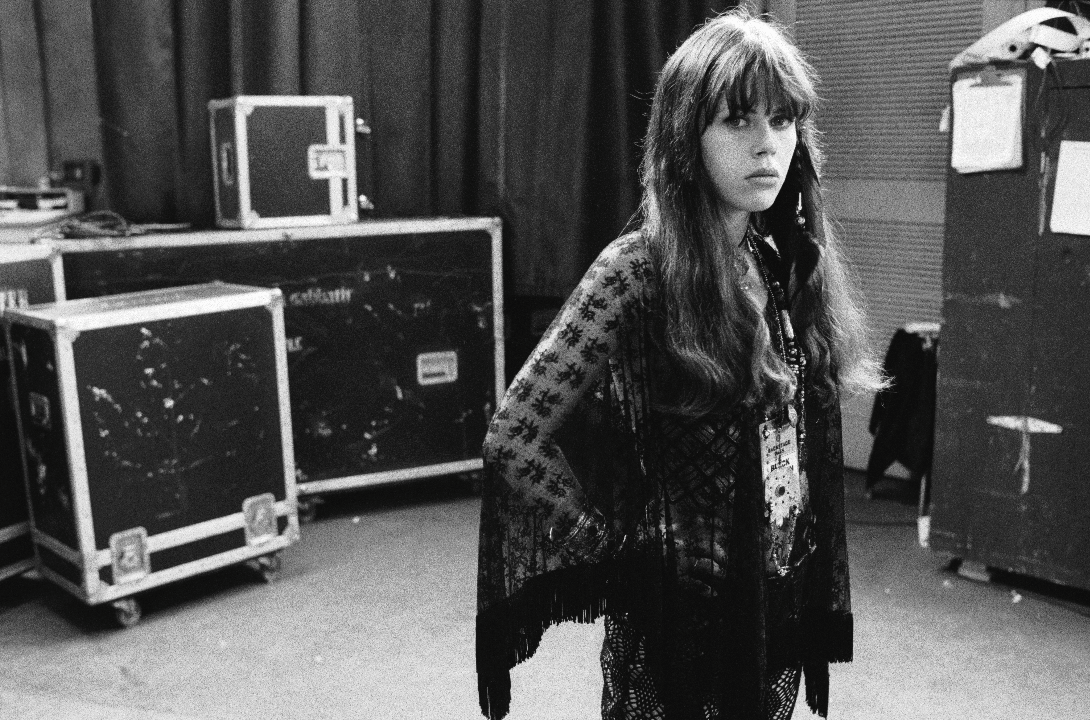
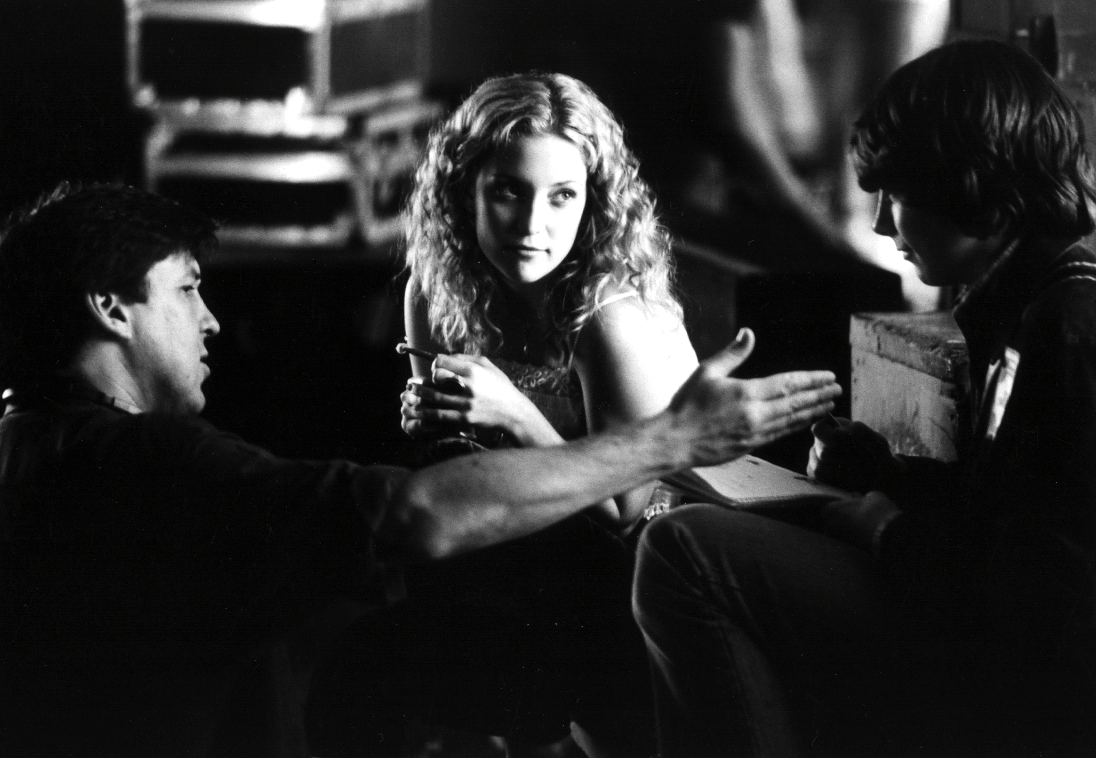
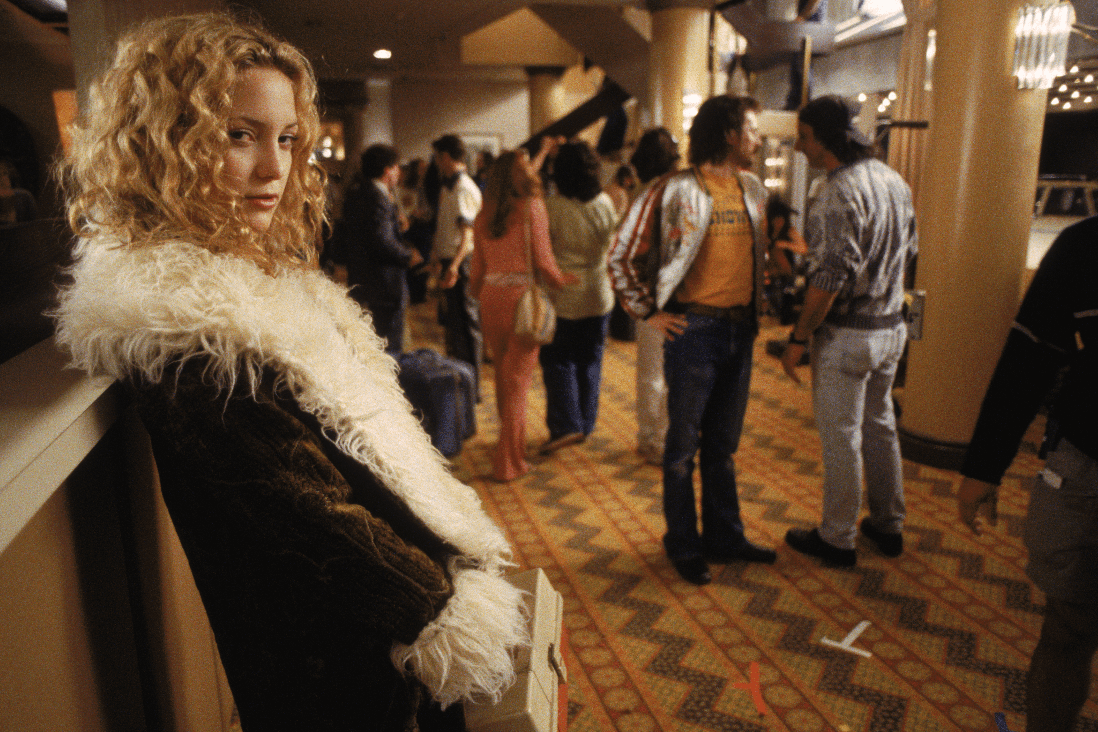


Crowe, 68, revisited several of the canyon’s iconic settings for the 2019 documentary David Crosby: Remember My Name, which he produced. While filming he attempted a nostalgic walk-and-talk scene with Crosby at the Laurel Canyon Country Store, a central meeting spot where photographs of famous former canyonites line the walls. Crosby, who died in 2023 at the age of 81 after a late-career renaissance, bluntly dismisses Crowe and director AJ Eaton, telling them: “You guys are nuts. There’s no cinematic value here at all. There isn’t a shot, it isn’t here.” For Crosby, the store was simply a place where people did their shopping; for a crestfallen Crowe it was a valiant attempt to find meaning behind a myth that resists simplistic readings.
Bittersweet moments abound in David Crosby: Remember My Name, none more so than when Crosby recalls the moment his short-lived relationship with Mitchell broke up. One night, he remembers, a group of friends had gathered for dinner when Mitchell arrived unannounced, guitar in hand. “She sits down and says, ‘I’ve got a new song’,” Crosby recalls. “And we all went, ‘Oh fantastic. A new Joni song. Unbelievable. This is so great. Sing it for us. Sing it for us.’ And it was obviously her ‘Fuck you and goodbye’ to me. And she finished the song, looked at me. This intense, angry expression on her face, and then she sang it again. There was no one like Joni Mitchell.”

Joni Mitchell in Laurel Canyon, 1970. By Henry Diltz.
“It’s that rare, chemical reaction where a song doesn’t just sit on top of a scene, but crawls inside it and changes the way you see the actors’ faces… When it works, you aren’t just watching a film; you’re hearing a feeling.”
Cameron Crowe
As a journalist for Rolling Stone magazine in the 1970s, Crowe often gained access to musicians who were famously reluctant to go on the record, such as David Bowie, Gregg Allman and Page. Bowie, in particular, only agreed to an extensive interview with an 18-year-old Crowe in 1975 because he reckoned that his youth meant that he was unlikely to lie or misrepresent him. Ever since falling in love with Blue, Crowe had tried and failed to land an interview with Mitchell, who had spent a decade avoiding in- depth conversations with the press. Crowe finally snagged his “dream” interview in 1979 when Mitchell reached out to him to discuss her jazz-inflected collaboration with the ailing Charles Mingus, which resulted in the studio album Mingus. To make her comfortable, Crowe broke a standard Rolling Stone policy by allowing her to read and edit his interview before publication—he writes in The Uncool that this gesture was integral to earning her lasting trust.
It turned out to be Crowe’s final cover story for Rolling Stone and signalled a sea change in his career as he switched tack to go undercover and research a book about high-school life. The project, which became the basis for his script for Fast Times at Ridgemont High (1982), directed by Amy Heckerling, saw a 22-year-old Crowe pose as a student at San Diego’s Clairemont High for a full school year beginning in the autumn of 1979. The popular success of Fast Times gave Crowe the foothold he needed to become a film director of a string of hits, including Say Anything (1989), Jerry Maguire (1996) and Almost Famous.
Nothing Crowe has made since Almost Famous has hit the sweet spot of what he does best: namely the marriage of music and images in surprisingly touching ways. “It’s that rare, chemical reaction where a song doesn’t just sit on top of a scene, but crawls inside it and changes the way you see the actors’ faces,” he writes in The Uncool. “When it works, you aren’t just watching a film; you’re hearing a feeling.” Indeed, writing The Uncool seems to have reconnected Crowe to what matters most to him—not least the music of Joni Mitchell.
He is now preparing to shoot a biopic about the 82-year-old Canadian-American musician’s life, bringing his career full circle to the artist who showed him how music can change the way you see the world.
Foot note
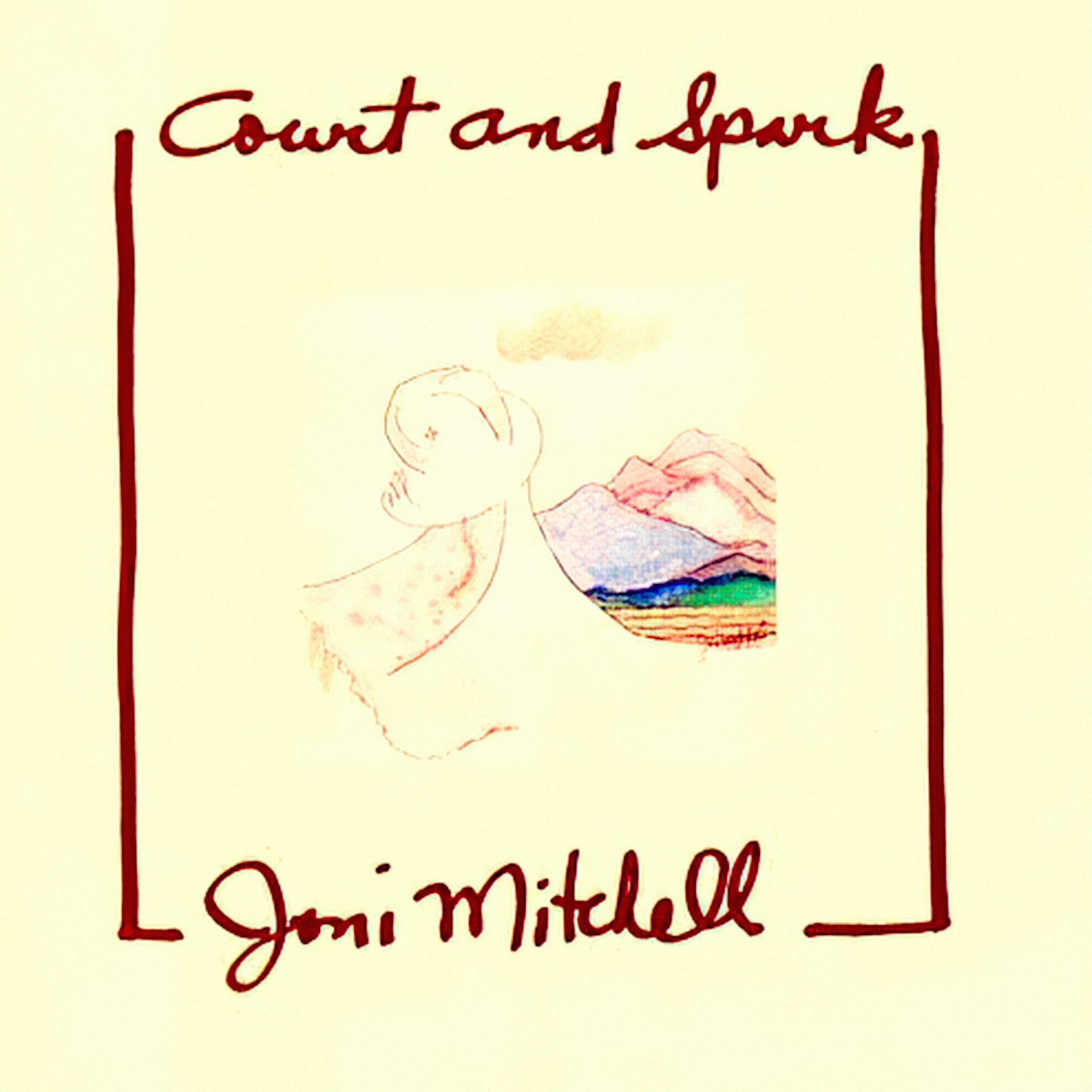
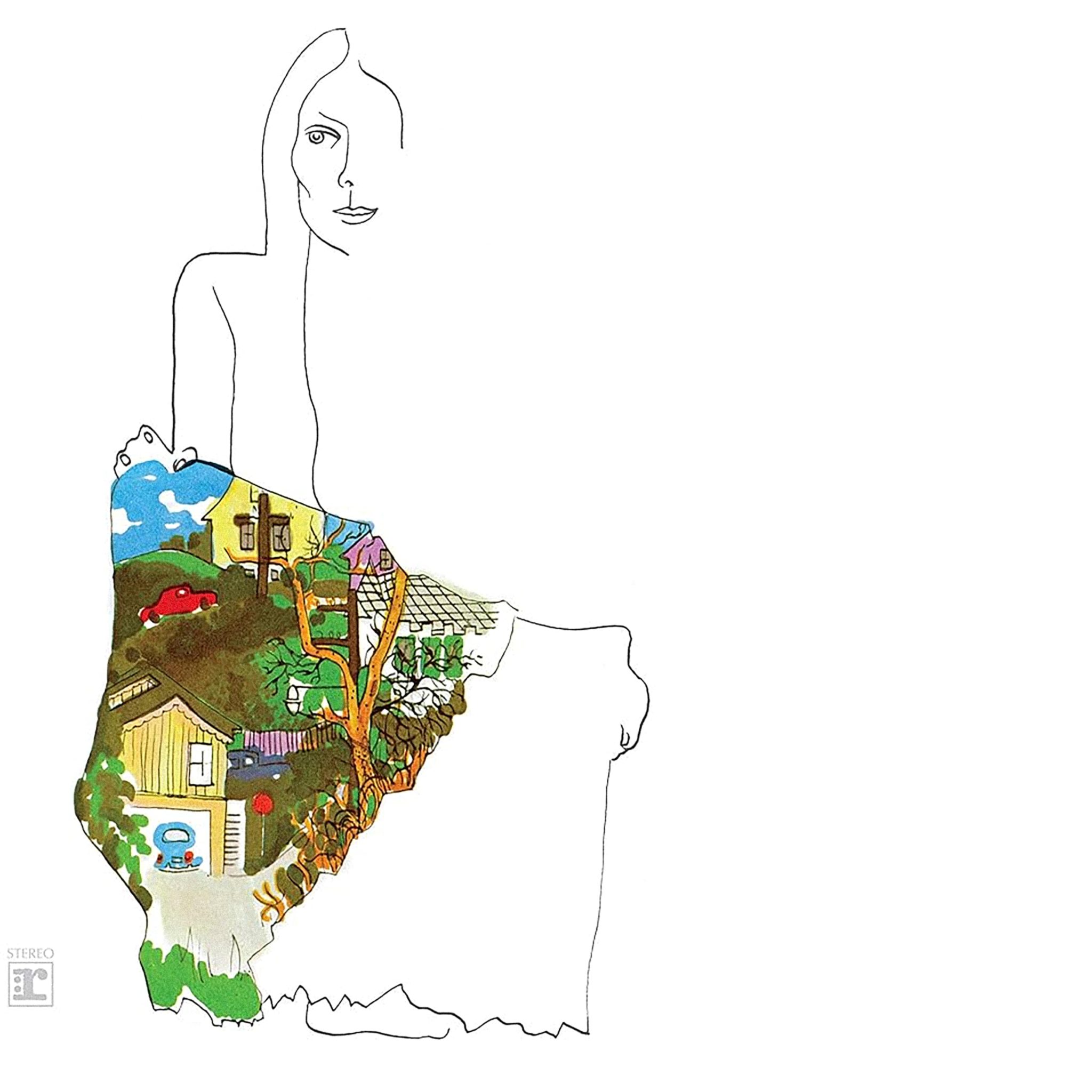
Although she was born in Canada, the legendary Joni Mitchell has always been associated with Californian bohemia. Her most famous song is, after all, a love letter to the state—a longing for the sun and a lover. “California, I’m coming home,” she sings in California, from the album Blue (1971). She made the state the subject of her work on numerous occasions, including the album Ladies of the Canyon (1970), describing the Laurel Canyon music scene, and the song Free Man in Paris (1974) where she talks about the Los Angeles music industry.