

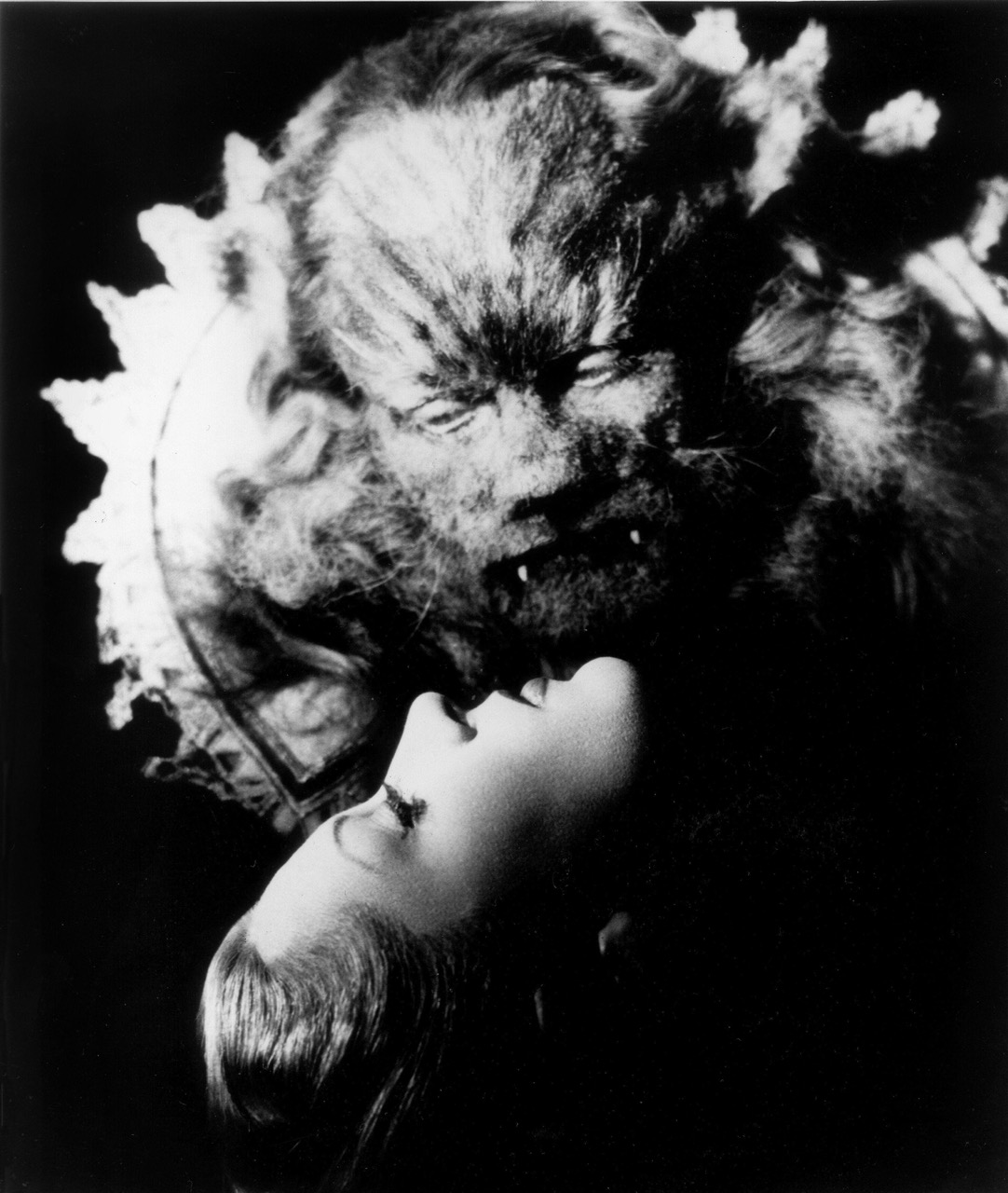
Jean Cocteau’s La Belle et la bête astounded audiences when it premiered 80 years ago. Cocteau expert Chloë Cassens looks back at the impact of the film, which played in competition at the first ever Cannes Film Festival in 1946.
La Belle et La Bête was made in 1945 and premiered at the first Cannes Film Festival in 1946. It is one of the most influential works of cinema ever made, with an outsized legacy that touches an endless list of iconic directors, musicians, and artists. (Guillermo del Toro has stated that his sci-fi romance The Shape of Water (2017), which won the Oscar for Best Picture in 2018, is his “retelling” of the film.)
The film’s director Jean Cocteau (1889-1963) was an iconic Renaissance man who refused to restrict himself to any one medium, though he forever referred to himself as “The Poet”. He appears in the film’s introduction to ask the audience to put themselves in a childlike frame of mind. He invites us to remain unjaded for a little while and to dream.
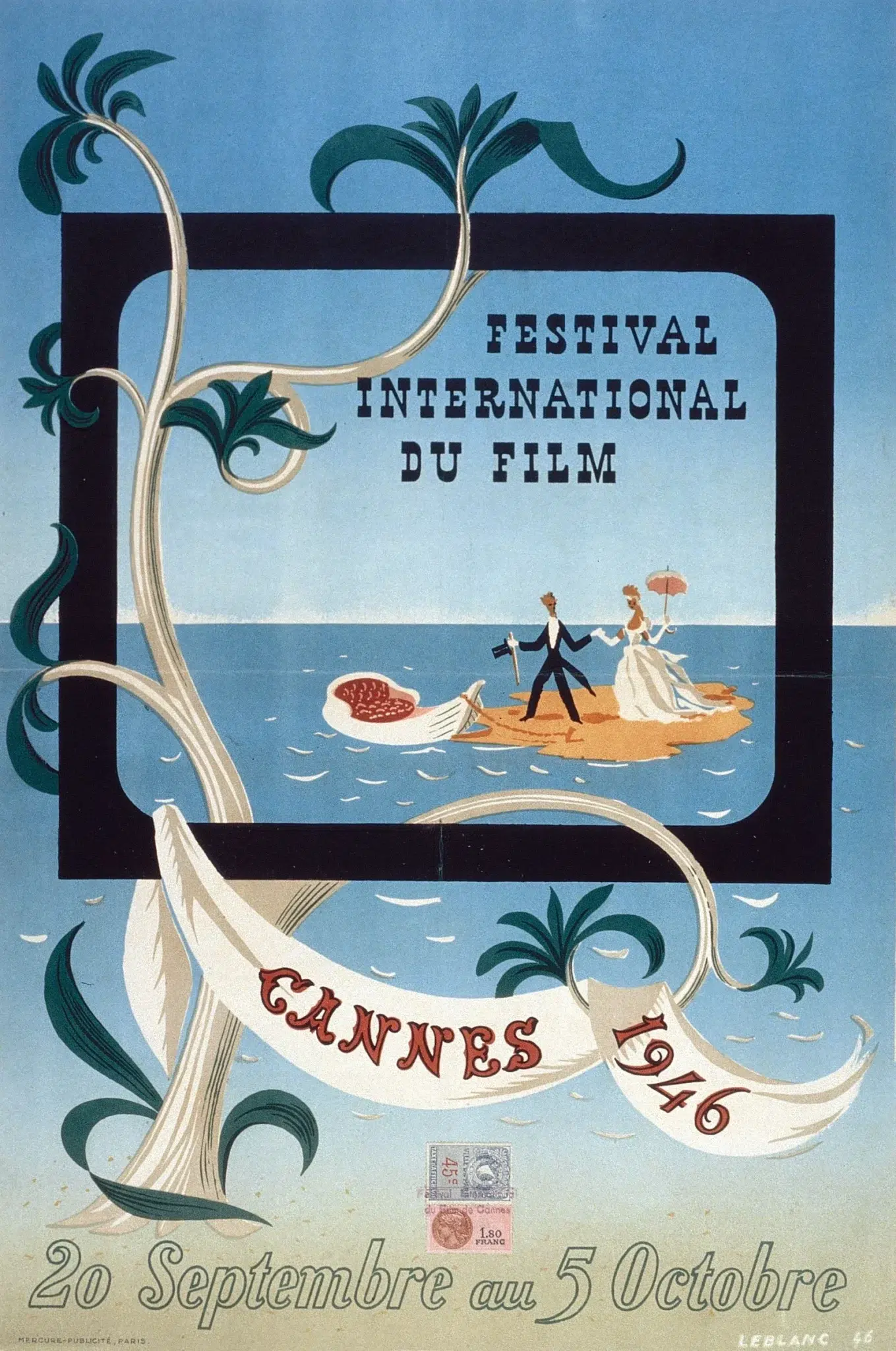
The official festival poster for the 1946 Cannes Film Festival
The original fairy tales that are pervasive in today’s pop culture, most commonly via Disney, were darker, sicker, and gorier than their modern adaptations. Rarely are the erotic underpinnings of some of these classic stories emphasised, and so overtly, as in Cocteau’s best-known film. And while adaptations abound, still none have topped the grandeur and beauty of what Roger Ebert once called “one of the most magical of all films”.
To cast their spell, Cocteau and his collaborators (his lover-slash-leading-man Jean Marais and costume designer Bébé Berard) turned to heavy prosthetics and special effects. Marais sat for upwards of six hours per day in the make-up chair to totally efface his handsome face and become the Beast. As a result, the Beast is pure seduction; when Marais is turned into Prince Ardent, he’s a lacquered and glossed eyesore, despite his status as an icon of male beauty. The effect is pearlescent and nauseating. Legend states both Marlene Dietrich and Greta Garbo were aggrieved to see the Beast disappear.
Would it have been cathartic to see Belle’s tears turn to diamonds? To see her sadness given value and turned into the material of adornment? Would it have been a little maddening that Cocteau, in his earnestness, made the monster of the story its hero? After many years of battles, rations, and occupations, was this fantasia a balm?

Among the more underrated contributions of Cocteau’s life in poetry are the vast foundations he laid as a special effects artist: here mirrors are portals, a castle has a life of its own, and people float and fly.
Chloë Cassens
Themes of the supernatural and fantasy are not often explored in French cinema—as a filmmaking nation, France has cornered the market on dissecting emotional realism. Among the more underrated contributions of Cocteau’s life in poetry are the vast foundations he laid as a special effects artist: here mirrors are portals, a castle has a life of its own, and people float and fly. Necessity is the mother of invention, and his desire to transport people into the land of imagination, rather than the one they inhabit, remains at the heart of his work.
Cocteau’s big, bleeding heart once isolated him from his macho peers. Eight decades later, it still draws audiences. “Love can turn a man into a beast; but love can also make an ugly man handsome,” says Prince Ardent to Belle. Love can also make an arduous filmmaking process worth the struggle. It can be the reason why a handsome actor would spend hours each day piling on heavy facial prosthetics in service of his lover’s artistic vision. It can be behind the choice to give the public an escape to dream after surviving a war. That this opulent and tender film came after a period of extreme destruction cannot be overlooked.
So what kind of story does someone tell after global trauma? One about the monstrosity of humanity and the humanity of monstrosity. A love story.