

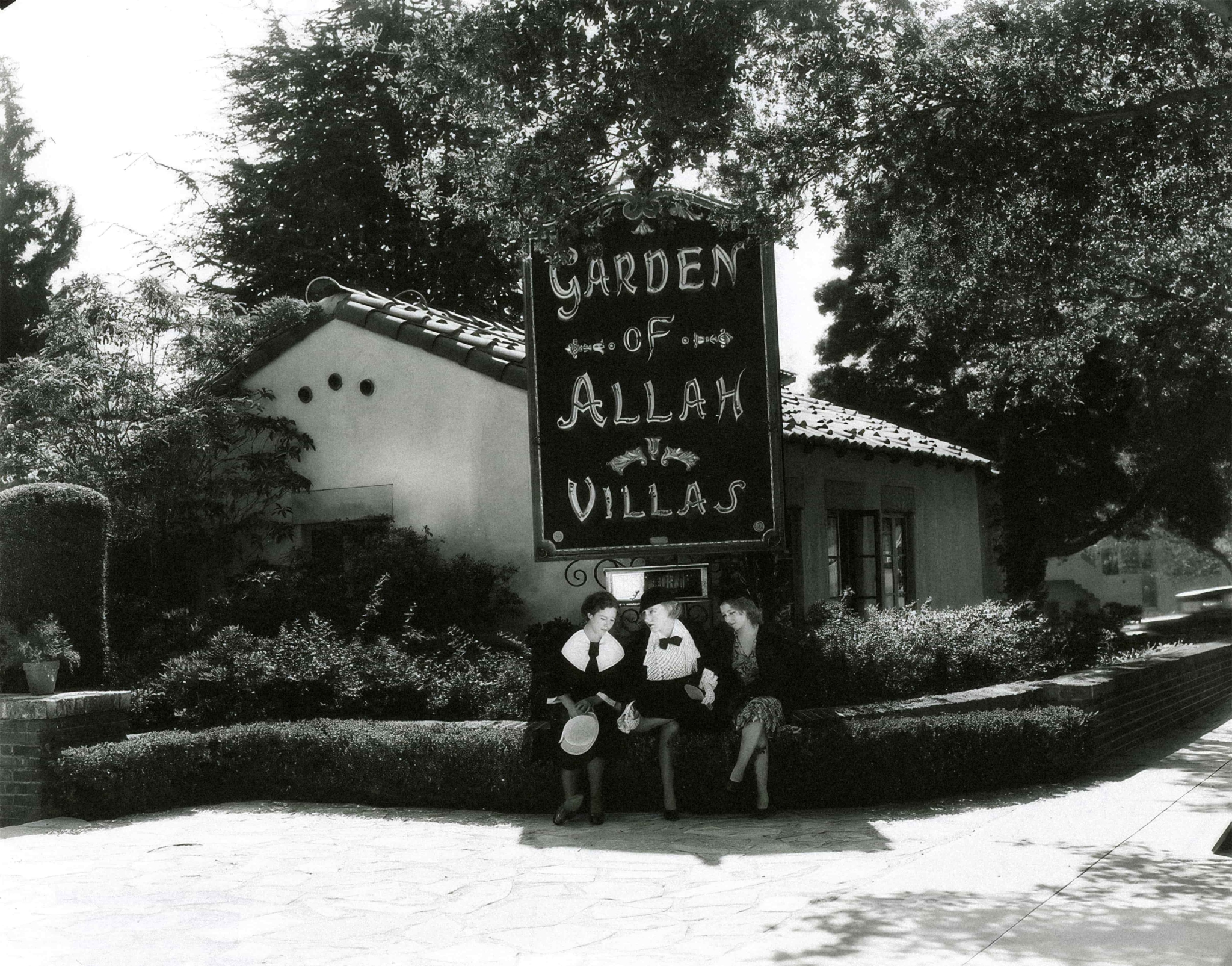
The Garden of Allah was like no other home or hotel, before or since. From 1919 to 1959, Alla Nazimova, dramatic diva of stage and silent screen, gave Hollywood a languid, louche sanctuary where they could simply “be themselves”. A liminal space for free-spirited creatives of the nascent industry to compose, connect, and seduce, the plum location became a nexus of political and social discourse synchronous with wild, days-long debauches. Infused with a libertine energy that fired the imagination, it sheltered everyone from F Scott Fitzgerald to William Faulkner, the Marx Brothers to Frank Sinatra, Marlene Dietrich to Anna May Wong. Cary Grant couldn’t afford his own room at The Garden when he first arrived in Los Angeles, but he aspired to… More than an edifice, it was a chance, perched right on the cusp of opportunity, cradling the dreams of those who came west, hat in hand or contract freshly inked, ready to make their mark.
Built in 1913 when Sunset Boulevard was just a dirt track, the palatial mansion set on a three-acre estate was leased by Broadway star Nazimova in 1918. She had decamped from New York to take up a lucrative contract with Metro Pictures, and the 12-room, four-bathroom Hayvenhurst was ideal. After investing nine months and a hefty chunk of her fortune in expansive, expensive improvements—digging the biggest pool in Los Angeles, planting a semi-tropical botanical garden among the palm trees and orange groves—she bought it. While she would later adapt her sumptuous private paradise into a hotspot hotel, The Garden of Alla(h) was to remain her home until her death in 1945.
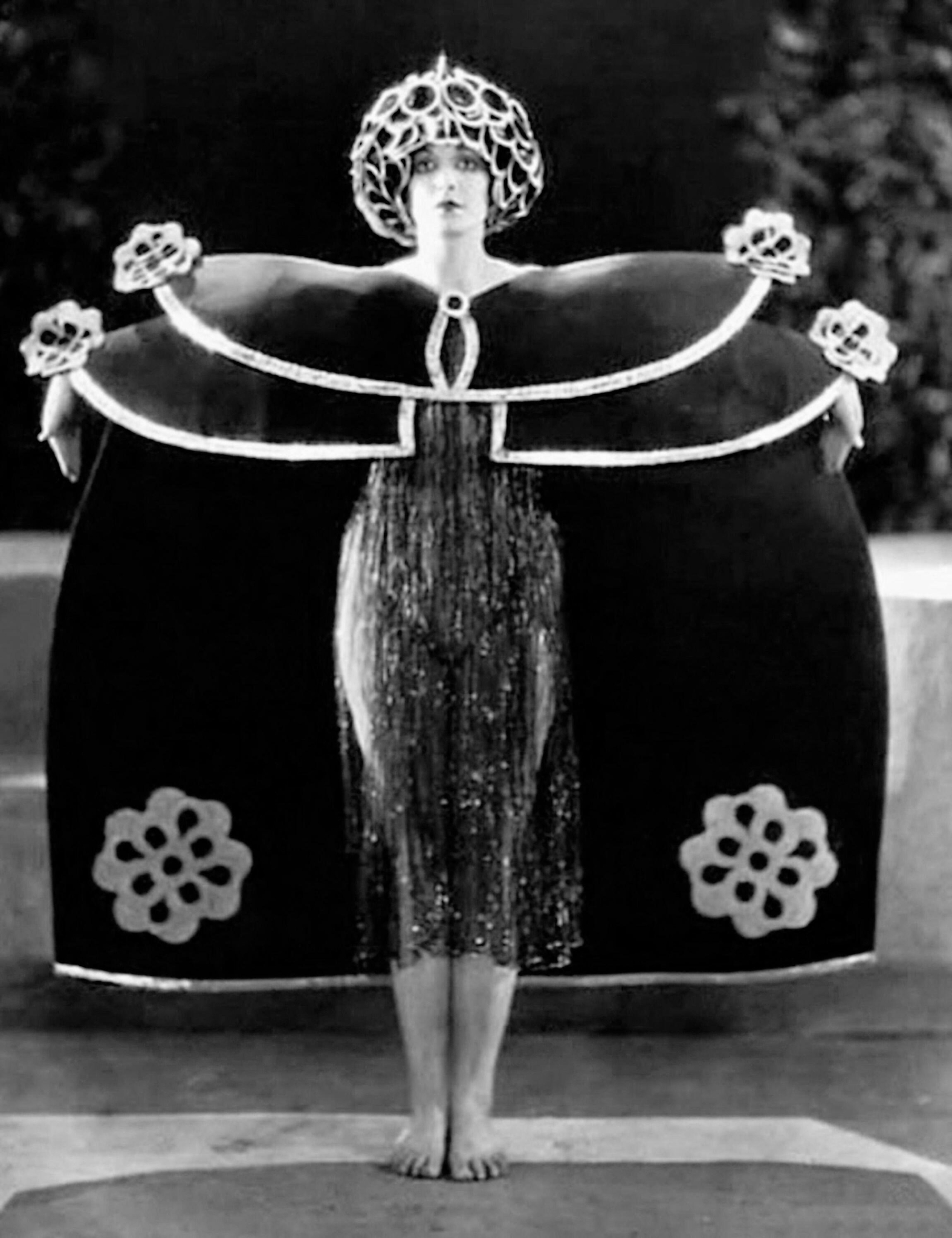
Alla Nazimova in Salome (1923).
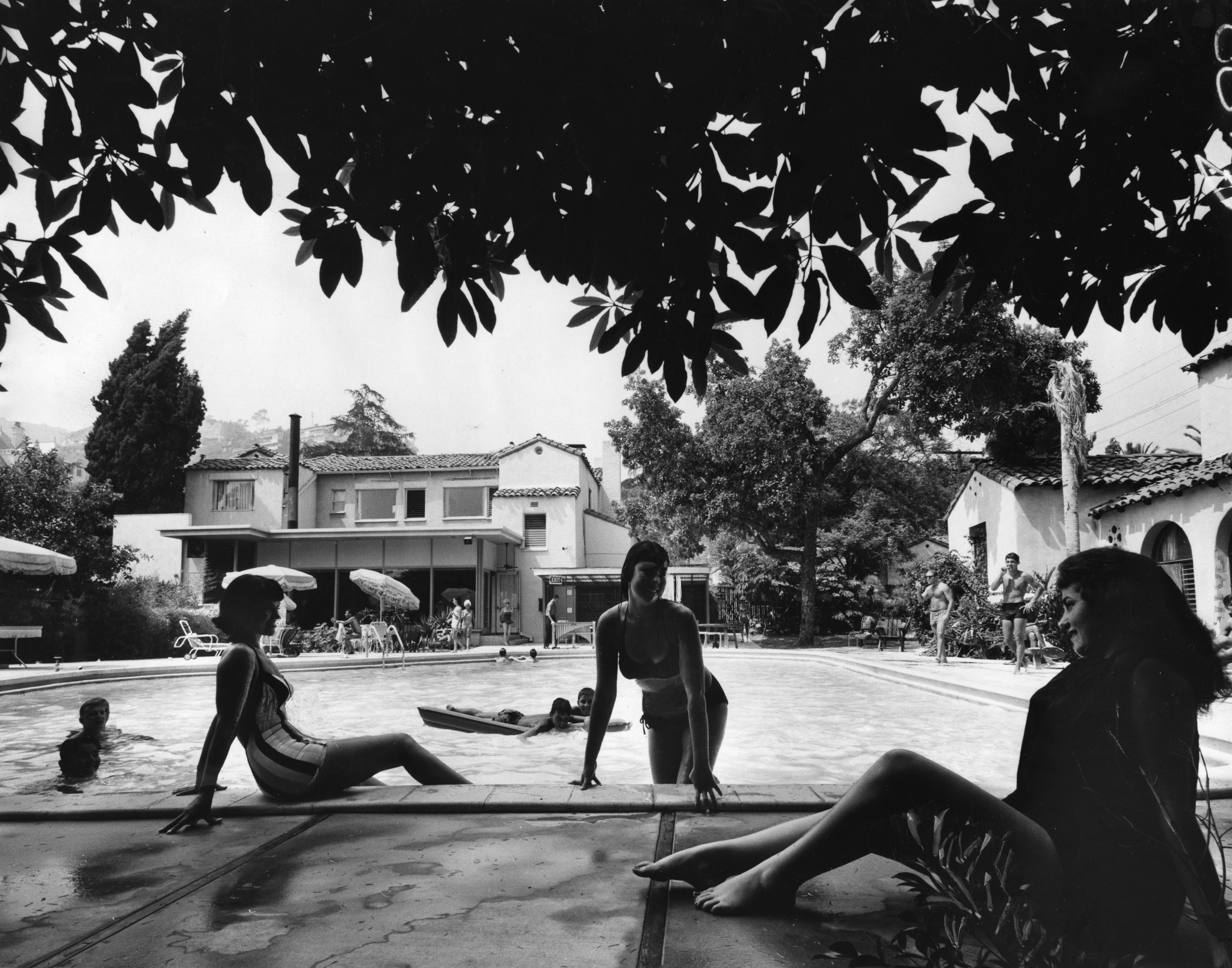
It’s 1920. After taking the train west across the American continent, you emerge from Union Station, blinking in the pure, bright light. On your journey to a remote and mainly undeveloped tract on the edge of Hollywood, you pass rolling fields of avocados, citrus orchards, and poinsettia flowers. On the ridge where Sunset Boulevard meets the foothill crests of Laurel Canyon, your destination is a grand mansion overlooking a lush, verdant landscape: The Garden of Allah. Passing through the gates, there’s a shiny Rolls-Royce in the double garage, being polished by a valet. Palm-shaded paths lead you past the aviary and tennis courts. Nazimova, in custom lounging pajamas, greets you: “Pupsik, I’m so glad you could come.” Her clear blue eyes sparkling, her raven hair curled with casual elegance. And you join the party around the huge, amorphously curved pool. Lithe, limber ladies float on their backs, hiding little. Charlie Chaplin, cute in a tank swimsuit, dips his toes. The butler brings out a tray of cocktails. You’ve arrived. Fast forward 10, 15, 20 years. Now, the boulevard is graded asphalt, with bill-boards all the way to Malibu. The intersection of Sunset and Crescent has become the gateway to all the pleasures of the city; bars, gambling dens, nightclubs, jazz joints. Poolside, there’s topless and bottomless swimming, and sweaty buckets of champagne on ice. As you discuss your screenplay with your sun-lounger neighbour, you hear piano music to one side and a harp on the other, duelling from different bungalows… And you glimpse a figure, petite but powerful, draped in dark devoré velvet and making her way up the steps of Villa 24. Nazimova doesn’t come over to welcome you this time, but you don’t take offence; there are too many people in her Garden now for her to even notice you’re there. Instead of by the pool, she’s inside in the shade, swimming in her past, writing her memoirs. When she steps out on her terrace, she scans the bare-skinned bodies sunbathing below, and smiles. This is all her doing, and it’s beautiful.
So who was Nazimova? Acclaimed by all who saw her perform live as a truly great actress, she electrified Eugene O’Neill, lit a fire under Tennessee Williams, and was praised to the heavens by Noël Coward (no mean feat). On the silent screen, in lieu of sound, every mimed gesture telegraphed an emotion; with sound, she had a rich and expressive voice and magnetic self-possession. When they toured a play in London in 1927, The Guardian lauded Nazimova and her friend Chaplin not only as great mimes but also “those who became, and have remained the giants of the screen, moulding themselves to the Kinema, and the Kinema to them.” Whether theatre or film, the roles Nazimova chose to incarnate were always strong, complicated women. They were the anti-heroines of great literature and legend, often seductresses, wilful outcasts—Ibsen’s Hedda Gabler (1907), Bella Donna (1912), Camille (1921), Salomé (1923), Aphrodite (1921), cancelled by the studio during production, and Brecht’s The Mother (1939) from Gorky’s revolutionary political novel.
It is said pressure creates the diamond; that could be the case here. What Nazimova described as “devilish ambition” was her reaction to surviving a brutal childhood in Yalta on the Crimean Black Sea, then part of the Russian Empire. Her resilient personality was forged in a crucible of psychological and physical abuse at the hands of her violent, possibly syphilitic father, and her selfish, meretricious mother. ‘Alla’ was a nickname derived from her birth name, Miriam Edez Adelaida Leventon. But from an early age, Alla Leventon actively disassociated, splitting away from her miserable reality and into the grander persona of Alla Nazimova, who was good at everything and felt no pain. At 17, she finally escaped her toxic family circumstances, blossoming as an actress at the Moscow Art Theatre under Konstantin Stanislavsky. Trained in “the Method”, her method was to push her talent to its breaking point with each new role. Sometimes directing the plays herself, touring vaudeville in cities across America and Europe was gruelling, often demanding multiple performances in one day.
Nazimova arrived in Hollywood as the highest paid actress at any studio, Metro Pictures (which merged into MGM in 1924) having lured her there with $13,000 a week versus rival Mary Pickford’s $10,000. She was worth it; while Pickford was ‘America’s Little Sweetheart’, Nazimova was the opposite: an exotic, Eastern ‘vamp’ box-office bang. Fiery, sexy, emotional, she knew how to sear that into film. The studio system of the Golden Age (and of course, much later) was based on controlling every aspect of the actor’s image, presenting them as clearly defined, readily consumable archetypes. The important distinction to make here is that Nazimova’s persona was not manufactured by the studio. It was all her; they just banked on it.
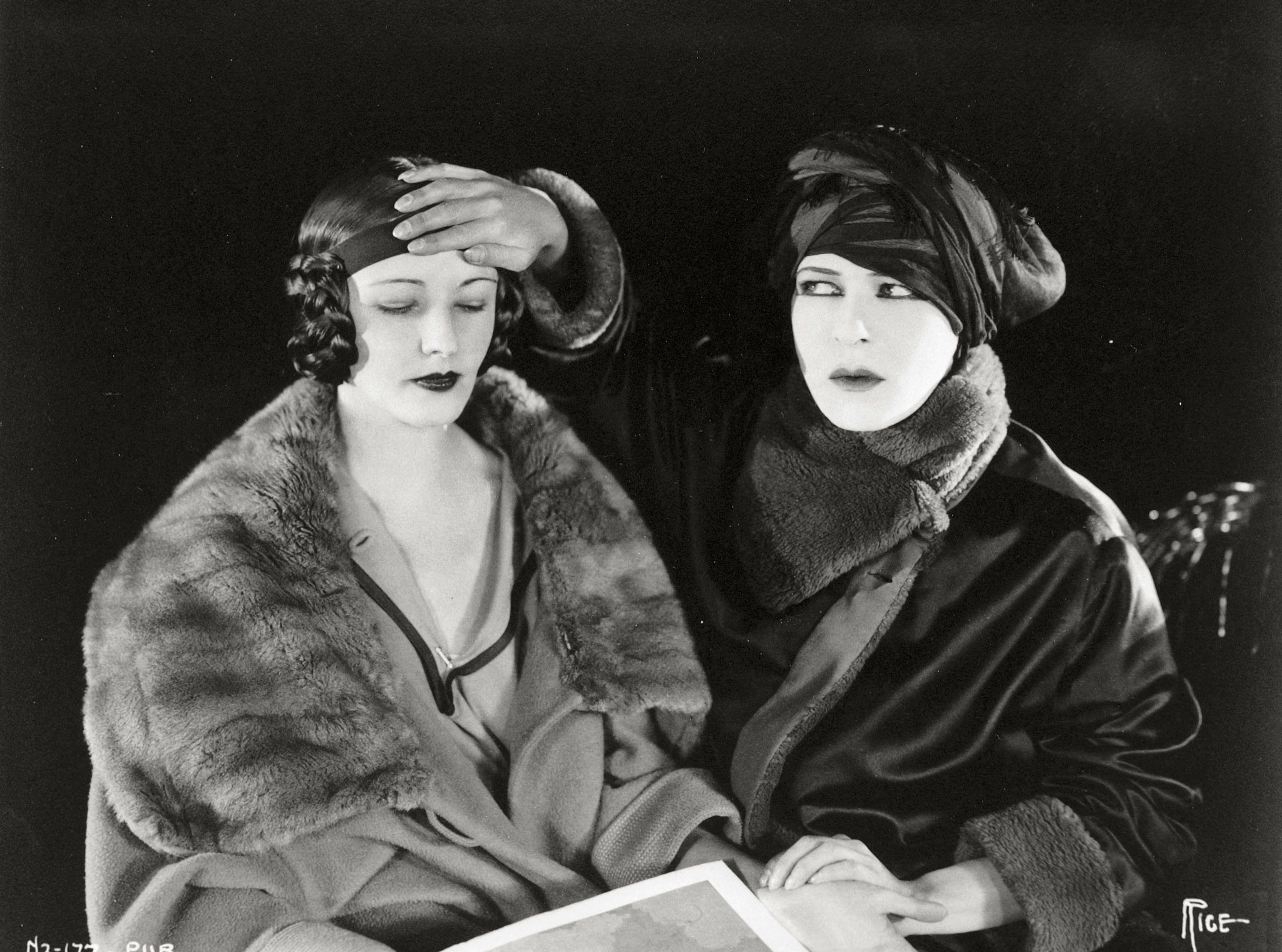
Alla Nazimova and Natacha Rambova.

It is said pressure creates the diamond; that could be the case here.
Hannah Bhuiya
In her formative years, Nazimova had been denied stable home comforts, shuttled between relatives and imposed on strangers; now, the prestige and paychecks of professional success enabled all of her domestic dreams to come true. In her own home, Nazimova wanted only beauty, harmony, and luxurious textures near her. Her preferred decor was a fusion of Belle Époque and bohemian artistry—chinoiserie, lacquered wood, fringed velvet, colour-blocked walls. She explained that her stylistic aim was “an unmodern look”. When a Los Angeles Times reporter paid a visit, they were dazzled by the effect, “[which] reminds one of the Arabian Nights’ descriptions of magic palaces”.
Along with beauty, Nazimova also desired interesting people around her always, preferably artists like herself; she was a woman who never liked to be alone. While she actively curated a coterie of like-minded sybarites, her romantic companions, both masculine and feminine, were usually younger, with an interest in the business who could be presented as merely ‘protégés’. Nazimova’s first recorded same-sex romance (but certainly not her first infatuation) was with playwright Mercedes de Acosta; the future sexual conquistador and Nazimova had met in New York in 1916. Another, Dorothy Arzner, then a script typist, went on to become the first female Hollywood director. Nazimova knew talent, hand-picking Rudolf Valentino to play male lead against her in Camille at the precise moment he found global fame in The Four Horsemen of the Apocalypse (1921). Valentino then married not one but two of Nazimova’s acolytes in quick succession. The second, costume and set designer Natacha Rambova, collaborated on Nazimova’s radical Salomé. Rambova was an “exotic Russian” made, not born—her surname was Shaughnessy and she was from Utah—and must have found Nazimova, a bonafide Eastern enigma, alluring. While it came to be seen as a visionary work of art, at the time the film’s dark, Symbolist mood was incomprehensible to studio bosses used to simple commercial fodder, and Nazimova’s Metro contract was cancelled. But no matter. She was an artist, among artists, intent on making art. There’s an image of Nazimova with Rambova, lounging around at The Garden, wearing stylish pyjamas of Rambova’s design. Her finger poised over a front-page newspaper review, Nazimova twists back to fix her good friend with a mysterious, and still piercing, stare.
And so it went on. Throughout all her dalliances, Nazimova was legally married to a minor Russian actor that she’d left in the dust of her past. So for the moralistic American market, she arranged for Charles Bryant, a tall, conventionally handsome British actor, to play a long-term role as her ‘husband’. Bryant was a very dull man, but he was useful as chauffeur, stand-in director, and as a leading man lacklustre enough to never upstage her. Nazimova described theirs as a “neuter relationship”, and a blanc or lavender marriage was a practical necessity for many in an era before legal or social acceptance of diverse sexual identities. While in truth she did exactly what she wanted, with whom she wanted, when she wanted to, Nazimova was caught in a time-worn paradox; she needed to appear solely heterosexual to maintain the successful acting career that paid for her life-style of private libertinage.
The Garden became the headquarters of Nazimova’s sophisticated, international social network. Being drawn from the same ever-increasingly-entangled web of theatrical lesbians, bisexuals, and allies, many of Nazimova’s lovers also became her lifelong friends. Settled so advantageously on Sunset Boulevard, some, such as Southern belle Tallulah Bankhead, made The Garden their West Coast base of operation. While it was very difficult to be ‘out’ publicly at the time, an invitation to Nazimova’s intimate 8080 Club offered an atmosphere of unabashed private freedom to indulge as one wished. (8080 was the street number before it was updated to 8152.) Prohibition began in June 1919, but not at The Garden… Intellectual conversation in several languages flowed at lavish dinners, costume parties, and reel-to-reel movie screenings. Sunday afternoons were set aside for ladies-only lounging by the pool… and wherever else the mood took them. It was Nazimova who coined the term “the sewing circle” to describe this informal association of influential, Sapphically inclined performers—many now revered as queer icons (Joan Crawford, Marlene Dietrich, Greta Garbo). These were scissor sisters with power connections. Nazimova was a tease as well as a wit; she liked to hint at what she could not fully reveal to the press, cooing, “My friends call me Peter and sometimes Mimi” to a Photoplay reporter in the early 1920s. Most of all, however, she was called Madame.
Serendipitously, just after her divorce decree finally arrived from Russia, or perhaps because the professional sponger knew Nazimova’s funds were running low, her fake husband, Bryant, left The Garden, never to return. With the deadweight off her back and a lover 20 years her junior (cinematographer Paul Ivano), Nazimova was sensually reawakened. A 1923 letter to a former lover, the theatre director Eva le Gallienne, expresses something of the voluptuary existence she made possible at The Garden of Allah: “All I want to do is sleep, doze, lie around, and kiss! Don’t laugh, my dear, but all through winter I coveted so much the sun and the caresses that I became greedy! Nothing is enough for me! I want more and more… It seems to me that not only is it my house but everything, the moon, the stars shine only for me… I drink the beauty around like a drunk.”
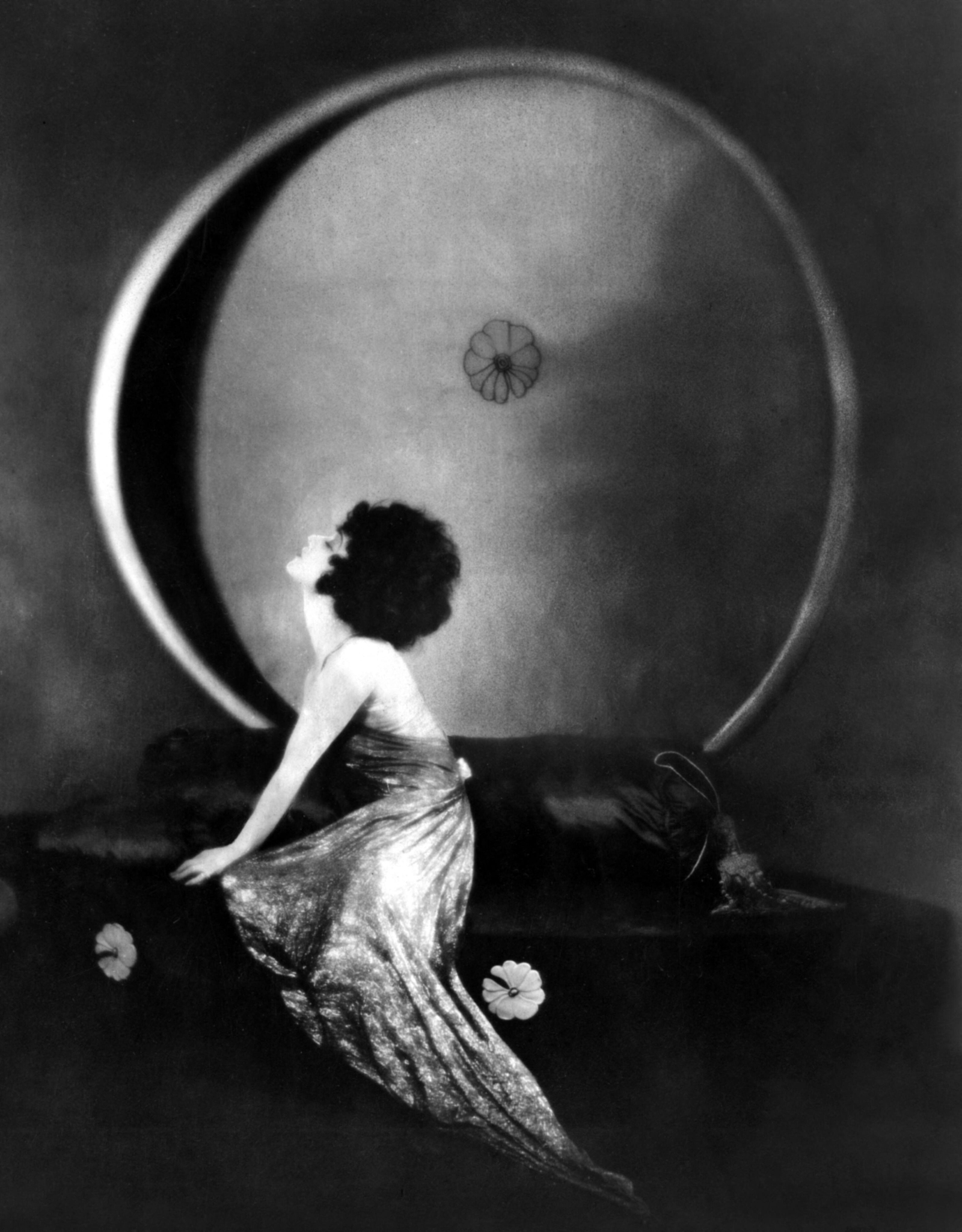
Alla Nazimova in Camille (1921)
This elemental, insatiable way of life was extremely attractive, but in these early years, sampling it was an invitation-only, friend-of-friend kind of deal. But this most private Garden was soon to be open to more than those in Madame’s personal address book. In 1926, Jean Adams, a young, female ‘business manager’, approached Nazimova with a proposal to develop her property into a hotel. Nazimova said yes, agreeing to a large mortgage to fund the 24 new villas that were swiftly built in clusters around the grounds. Madame’s grand mansion was converted into the hotel lobby and a dining room, its rarified character retained. Outside, an Orientally inspired neon sign read THE GARDEN OF ALLAH, with an H, which Nazimova wasn’t so happy with. The new venture opened with a thrilling 18-hour celebration; It-girl Clara Bow enjoyed the party so much that she checked in and kept partying. The talk of the town and heralded as “a marvel”, the conversion was a triumph. But after less than a year, it turned out that Nazimova had been swindled—Adams was a serial real-estate fraudster and had run off with all the profits and every cent of Nazimova’s investment. The actress had to scramble for a loan before the bank foreclosed and seized her home, only re-gaining control in 1928. Her carefree commune now a voracious money pit, Nazimova sold her stake in 1930, after which the hotel went through several corporate owners. But, by including a clause that allowed the founder to live on in Villa 24, right next to the pool, she never lost her prized home. And so, rather than retreating to a tiny flat in some anonymous apartment block, Madame retained the pattern of life she knew best. Strolling the sun-dappled lanes of her estate in always-chic ensembles, Nazimova made an impression on an entire new generation of creatives. These insiders knew that booking into The Garden allowed instant access to authentic Old Hollywood, long after it had faded away everywhere else.
While the estate had come into her possession as Hayvenhurst, its name, and later the hotel, became The Garden of Allah, in a natural and good-humoured play on Nazimova’s first name. Allah is, of course, the Arabic name for God. Architecturally, the Spanish Revival trope, with its terracotta and ceramic tiling, courtyards, arches, and fountains, draws upon the codes of Islamic architecture that influenced Iberia during the Umayyad Caliphate conquest. In her memoir, Nazimova wrote that her Russian-Jewish bloodline had distant Sephardic roots, with Leventon derived from Levandera by way of reconquista Spain. Knowing this, the strange cognomen somehow fits, with Nazimova’s taste for fusing antique forms perhaps a deep cellular memory linking back to geometric wonders from the Alhambra to Isfahan.
And it should be noted here that in a Western colloquial context, the name The Garden of Allah was so effective because it is a semantic extrapolation of key Orientalist fantasies. Pampered, perfumed luxury behind the closed doors of a Moorish palace… Bazaars and beggars, sooth- sayers and sandstorms. This was a zone where overt desire is forbidden and intricate intrigues must be contrived. Ingrained in Hollywood entertainment from its earliest offerings; Nazimova herself played the “untamed desert child” Hassouna, a sheik’s daughter turned café dancer, in 1918’s Eye for Eye. Films such as Kismet (1914, 1920, 1930, 1944, 1955), The Thief of Bagdad (1924), Morocco (1930), and Algiers (1938), all set in a heavily fictionalised Middle East and North Africa, are some more well-known examples of the popular genre.
In the 1904 novel, the Garden of Allah refers to the vast desert dunes on the edge of the Sahara, which offer a metaphysical transformation to those who venture to face its challenge. Where nothing grows but where the soul can soar. Author Robert Hichens adapted his tale into a stage play in 1911, with films realised in 1916, 1927, and 1936. The latter was the most memorable—a surreal and visually stunning Technicolor production with Marlene Dietrich as the headstrong Domini Enfilden and Charles Boyer as the lapsed monk Boris Androvsky, also known as Brother Antoine. The lovestruck couple traverse the desert together before Brother Antoine returns to his Trappist monastery, compelled to sequester himself away from all worldly distractions, and again devote his life to purity, prayer, and asceticism. Co-opting the phrase The Garden of Allah to refer to an uninhibited den of iniquity at the fulcrum of the planet’s most salacious image factory seems… insane. But stepping back, perhaps it’s not so absurd. This Garden of Allah, a zone where no rules applied, did provide spiritual (or at the very least, ‘ecstatic’) escape for those who earned a living providing fantasy escape for others, onscreen.
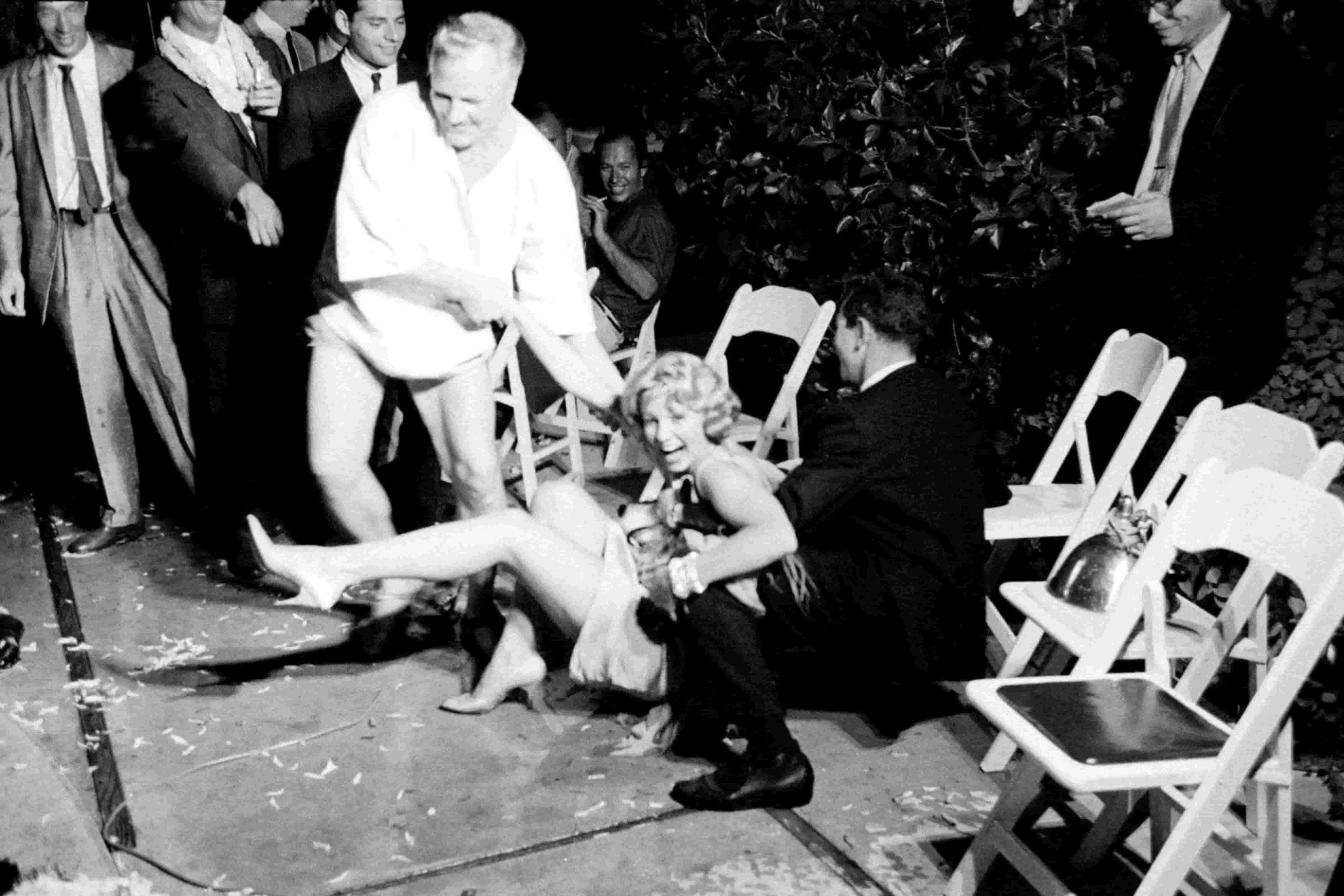


And that is why The Garden of Allah’s cultural impact is unique. I’d like to posit that no other three-acre lot on earth has been the birthplace of so many significant lyrics and lines. Works created or refined while in residence include those from Sergei Rachmaninoff to Harpo Marx, Igor Stravinsky to Nacio Herb Brown (composer of Singin’ in the Rain, 1929). Cole Porter apparently rustled up Night and Day (1932) here, and the lyrics seem to support this: “In the roaring traffic’s boom, in the silence of my lonely room, I think of you, night and day…” One of William Faulkner’s several stays was dedicated to the screenplay of To Have and Have Not (1944), a Hemingway epic that became a star vehicle for Humphrey Bogart and Lauren Bacall, who’d spent their early days together shacked up at The Garden. So had Ava Gardner and her (briefly) second husband, jazz band leader Artie Shaw, oiling up his clarinet before a gig at Mocambo. Nazimova listened, transfixed, as Frank Sinatra practiced his phrasing and Orson Welles orated his latest radio play.
While it was near all the movie studios and recording suites, The Garden of Allah offered much more than a convenient location. As a notoriously vast, disconnected city, Los Angeles has loneliness hard-wired into its urban design. Cooped up all alone in a big house on a hill, far from human contact, a sensitive creature can descend into navel gazing and despair. I’d argue that this spot became such a locus of cultural transmission because the closely grouped villas replicated the conditions of a real village, a cosy mode of semi-communal life squeezed out by modern times. It was impossible to be lonely here, with fast friends at every window. I’d also like to suggest that the libidinal energy released by the sheer volume of amorous liaisons that so effortlessly occurred at The Garden blasted a pathway directly into the collective unconscious. A klieg light of concentrated creative jouissance pointed into the night sky, coaxing the muses out from behind their harps and down to zip code 90046 to help Nazimova’s residents create works of art that would influence ages to come.
The hotel’s later years were not quite as glorious. Many of The Garden’s early fans had ‘made it’ and, with their own secluded dream homes, felt no need to splash around with the hoi polloi. Those who had not made it at all, and could no longer afford a room or even a drink, were equally absent. Razor-penned Dorothy Parker had led her “vicious circle” of Algonquins west, where many became victims of the McCarthy era blacklist, forced to write under pseudonyms and for pennies. The Great Gatsby (1925) far in his rearview mirror, Villa 1 habitué Fitzgerald wrote too, but also drank and often ran dry, sending bellboys out to get him more booze from Schwabs, just across the street. Still married to Zelda, he met British gossip columnist Sheilah Graham, his final companion, during her engagement drinks to a marquess (who was jilted once her connection to the ailing literary legend had been secured). The open-eared writer absorbed as much as she could before and after Fitzgerald’s death in 1940, publishing The Garden of Allah, her not-quite-fact-checked account, in 1971. The nadir came in 1942 when, during a botched robbery, the night desk clerk was killed by a desperate criminal subsequently sent to die in a San Quentin gas chamber.
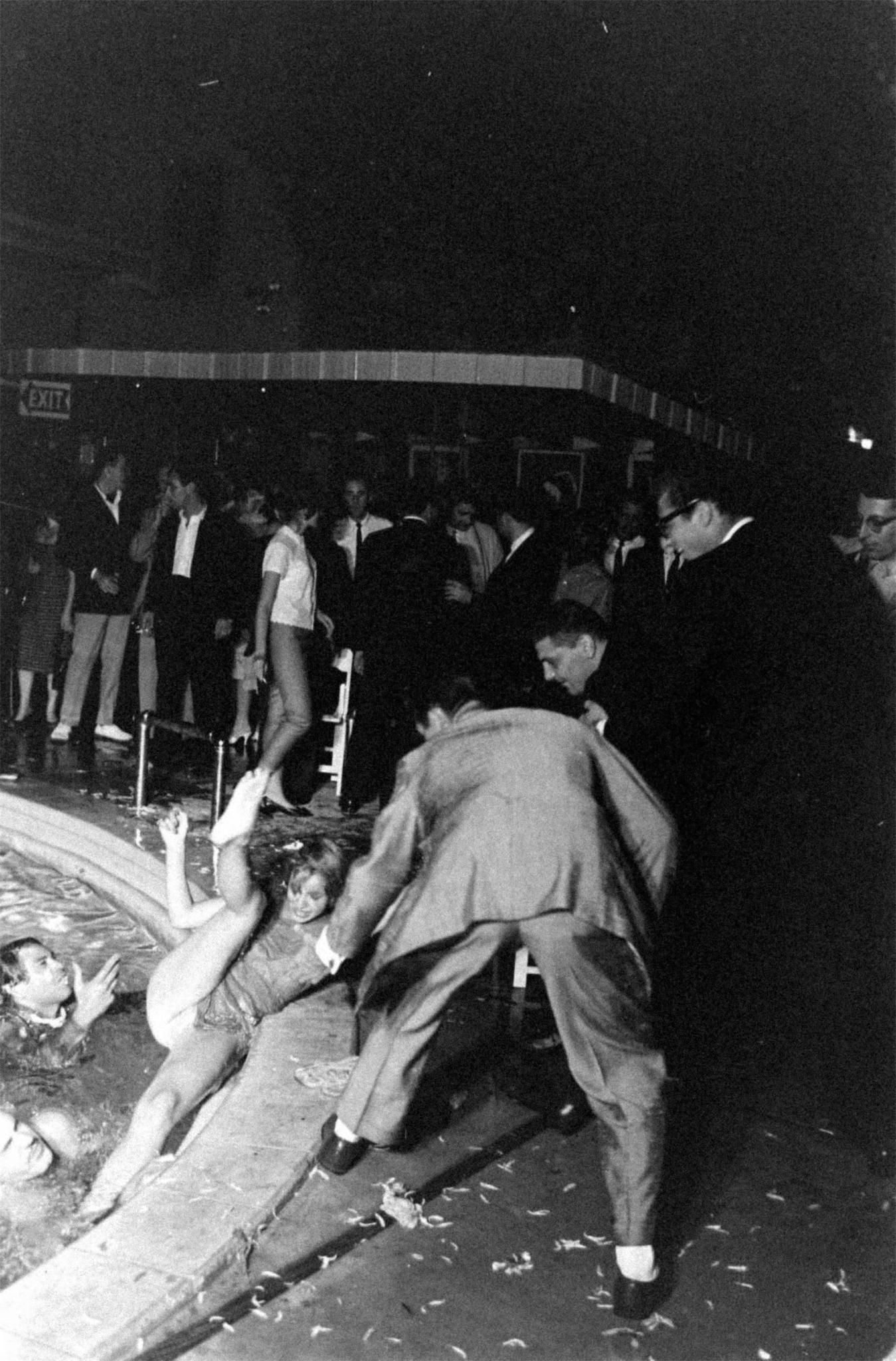
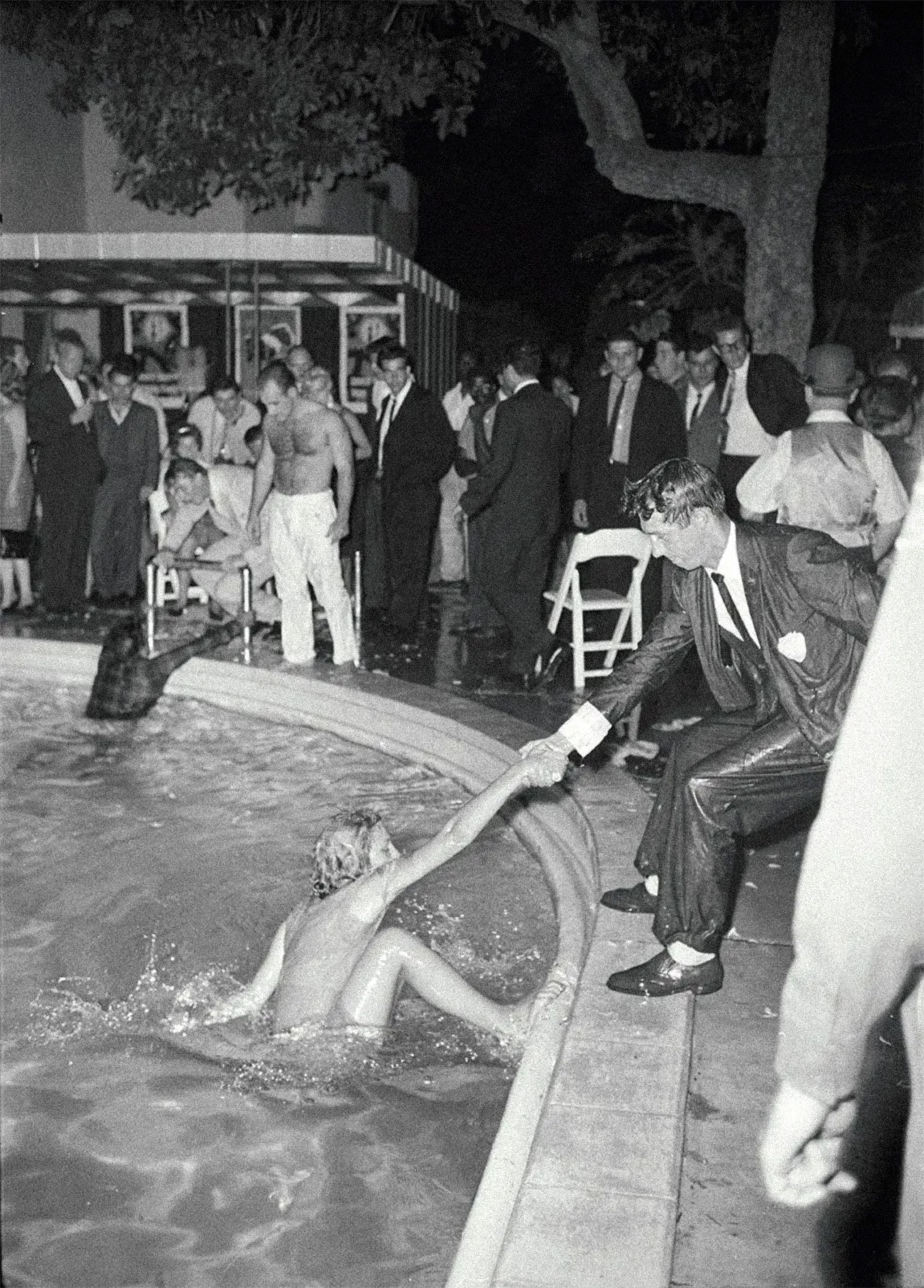
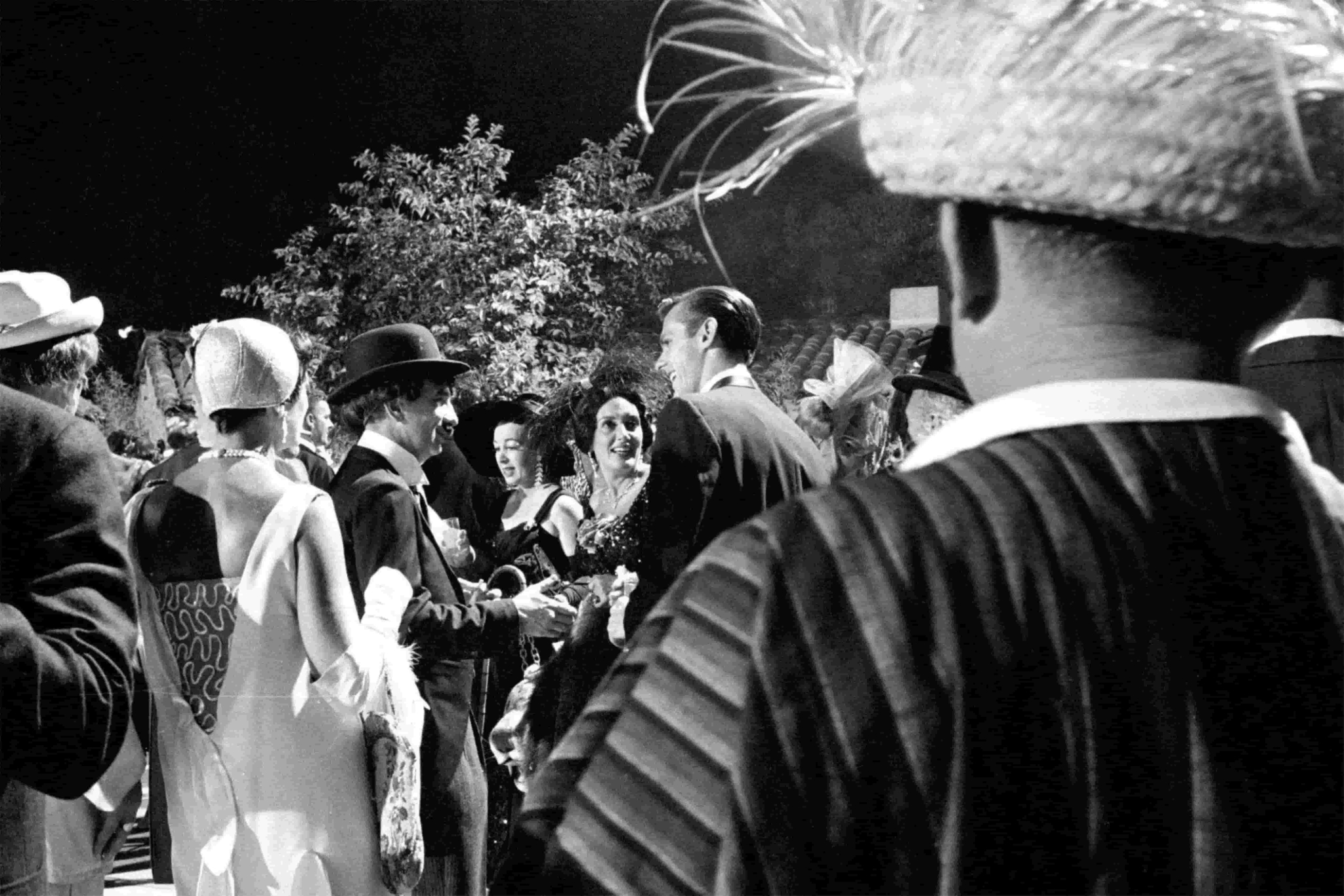
In the summer of 1945, just after turning 66, Nazimova too, shuffled off her mortal coil, passing over to the next plane in her bedroom from a coronary thrombosis. The timing was merciful; her heart would have been broken if she’d been around to witness what was to come next. In 1959, after years of abject neglect, the property was bought by a businessman set on building a flagship for his savings and loan bank right there on the most exposed intersection in Hollywood, rather than in the suburbs where it belonged. A few preservationist voices questioned razing such a beloved local landmark, but Holy Capital had spoken, and an utterly graceless real estate development was approved. As a grand finale for the HQ of Hollywood hedonism, the new and penultimate owner threw a raucous blow-out, with guests asked to come dressed as Old Hollywood’s finest. Rather than glamorous, it was ghoulish, the bedraggled costumes of yesteryear and smudged ‘vamp’ make-up a messy, tragic parody.
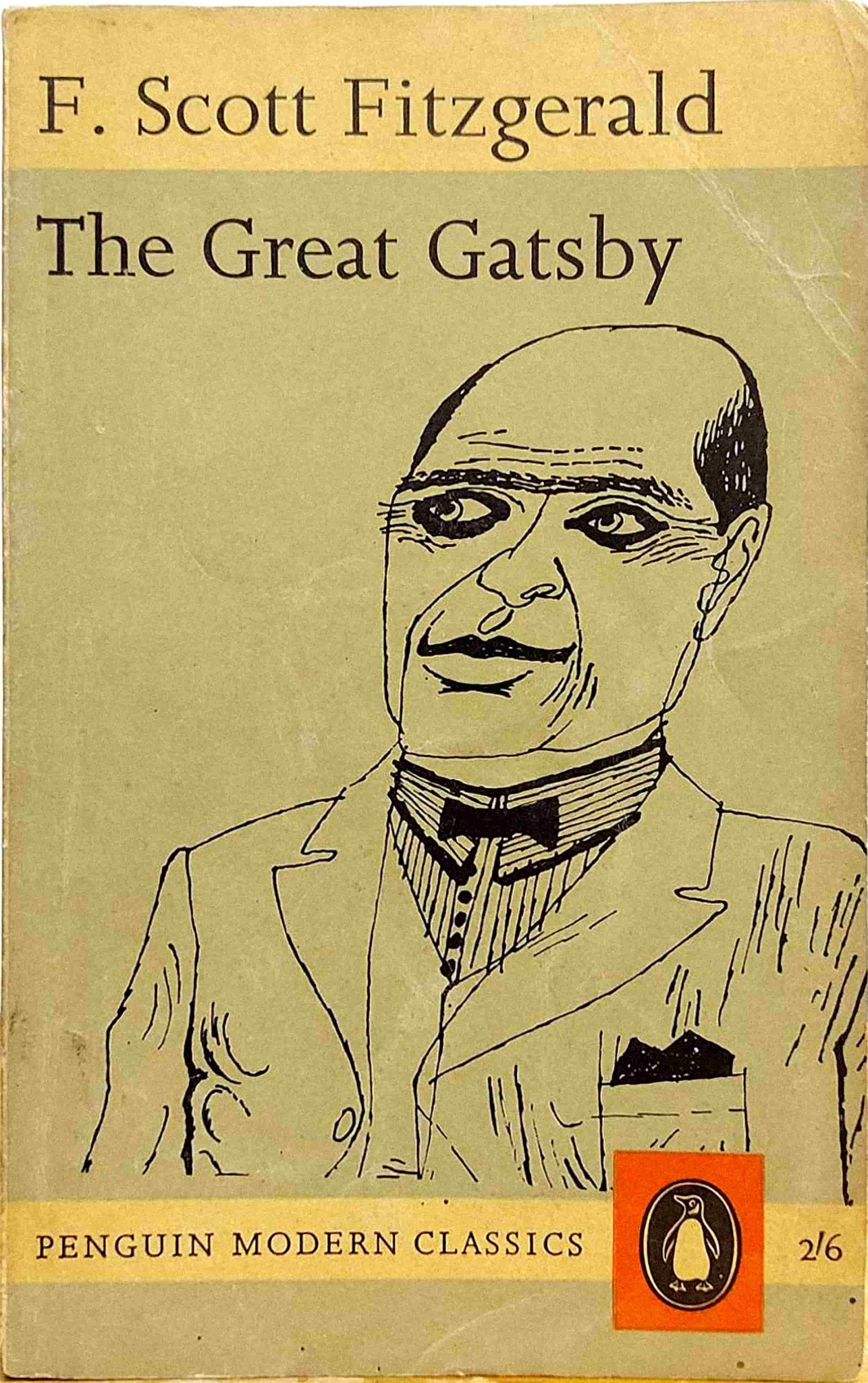
F Scott Fitzgerald’s The Great Gatsby (1925).
The entire historic estate was violently dismembered the very next day. With staff still nursing their hangovers, furniture and fittings—hand-strung chandeliers, Chinese brocade couches, and several beds proclaimed to have been ‘slept’ in by Errol Flynn—were ripped out and auctioned off. The wrecking ball and bulldozers completed the desecration, smashing through stucco and beam, dumping the debris into the shattered pool. The Garden of Allah was no more. Upon its grave rose a severe Modernist concrete bank, followed by a strip mall including a McDonald’s, a parking lot, and an art storage facility. That is, until 2021, when that, too, was obliterated for a new Frank Gehry-designed complex. The project—which proposed a gargantuan structure completely at odds with the classic architecture of the area—has been cancelled. There’s nothing there. Not even a tree stump where palms once towered. Bare, the earth has returned to a raw state last seen before Sunset was even a Boulevard.
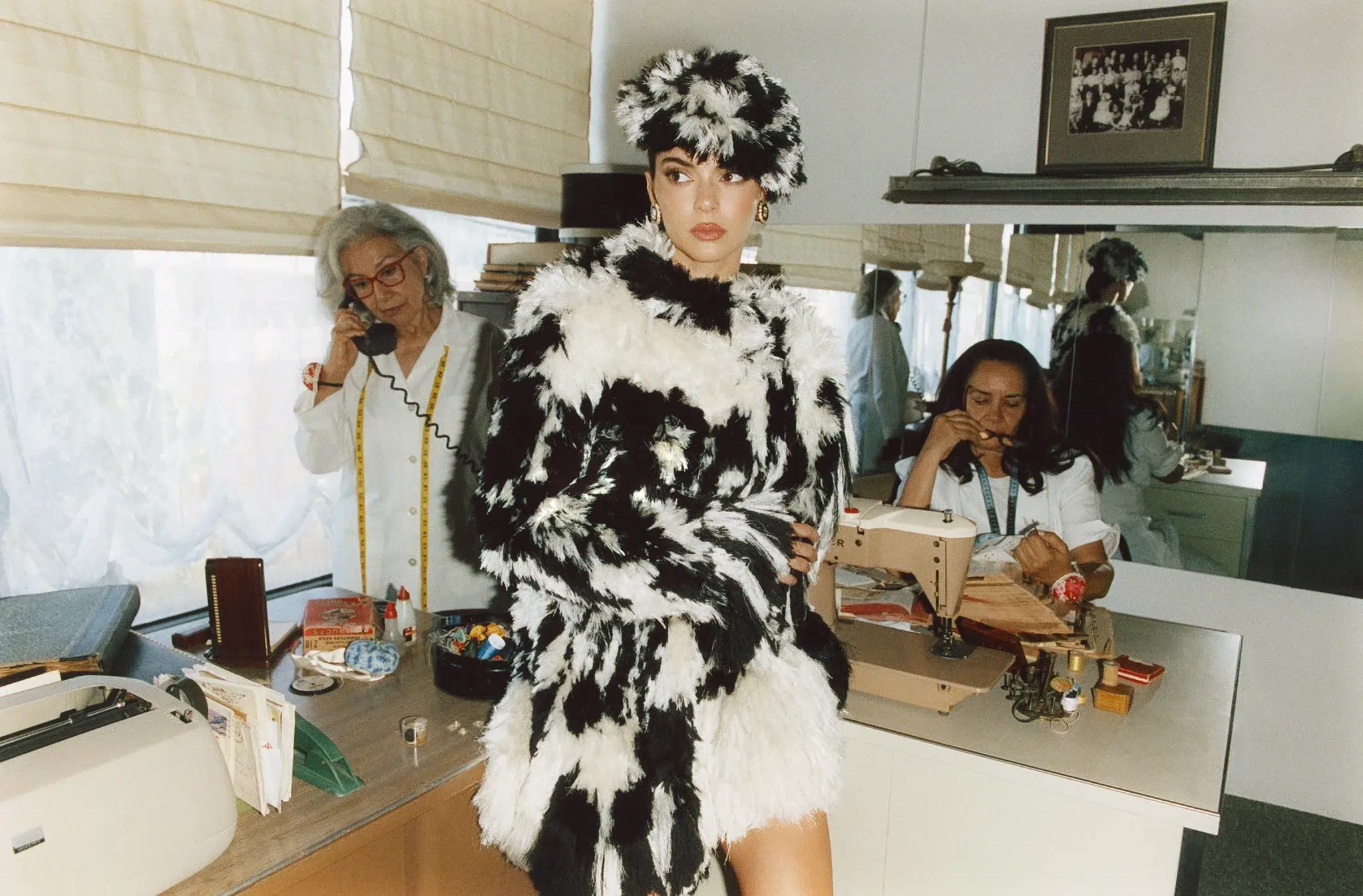
Today, the empty plot’s entire street-facing perimeter wears a high black fence proportioned to host poster advertising. This spring, it sported Prada’s traffic-stopping Ten Protagonists campaign, as written by novelist Ottessa Moshfegh and featuring British actress Carey Mulligan. Morphing into a sequence of wildly different characters with the help of wigs, bold eye make-up, and extravagant costuming, the three-time Oscar nominee employs expressive tactics very much like those of… a silent movie star. The wheel of culture turns, and ends in the same spot. Acting as a cycle of mimicry. Cinema as vehicle for global self-reflexivity, the ultimate disseminator of archetype…We’ve flown from Cary Grant to Carey Mulligan. From Salomé to Steven Meisel. From original to interpretation. It’s heartening to see the performative essence of an acclaimed actress in full flame returning to its birthplace. Through this evocative display, so close to the skin of the past, we recuperate a shimmer of Nazimova and her Garden, now a ghost.
But I know that you, like me, want it to be there. So, to get as close as spiritually possible to The Garden of Alla(h) in contemporary Los Angeles, here’s my advice. Make your way west, from wherever you might be. Book into the Chateau Marmont (unfortunately, the rates have gone up somewhat since it opened in 1929). The Castle on Sunset now, as then, sits directly across the road from Nazimova’s fiefdom. You can touch the timbers and textures of those times, preserved and restored with care; rich wood, plush settees, vaulted ceilings, essence of Damascus rose in the air. Spend your day reading a book by the palm-shaded bungalows. Dip in the salt-water pool. Walk barefoot across the sun-baked bricks. Lie back on your lounger and watch the hawks surfing the wind currents in the blue sky above. Then head back inside and pad up the jewel-toned carpet to the castle’s sixth floor. Look east over Sunset Boulevard, towards the junction with Crescent Heights. Hovering to the right is that lost world—the flat, bare dirt lot you see below you was once Nazimova’s slice of paradise, where she feasted on sage honey and love. A memory shared by many is stronger than death, a legacy above and beyond ‘time’. While there’s nothing tangible left of the glory that once was, what’s absent can be present, overlayed using only your imagination, if you know what was there to reconstruct. And now you do. To complete your invisible visitation, take yourself and a (young) companion downstairs for dinner and drinks. Flash your sparkling eyes around the room and add more interesting people to the party… And don’t forget to use that comfy hotel bed. It’s what Nazimova would have wanted.
Foot Note
To get you in the Garden of Allah mood… watch Sunset Boulevard (1950) the seminal insider movie by Hollywood filmmakers about Hollywood film-making. The fictional Norma Desmond, with her silent movie past, flickering film projector, younger lovers and large pool, certainly give shades of the real-life Nazimova. Gloria Swanson often came to Alla’s exclusive salon parties in the early days. Next is In a Lonely Place (1950). Frequent Garden resident Humphrey Bogart knew The Garden well, and his character, screenwriter Dix Steele lives in similar Spanish revival courtyard apartments based on Villa Primavera, just a block away on Harper Avenue, where director Nicholas Ray had lived in his early industry days.