Ottessa Moshfegh: A Room in LA




Get unlimited access to all our articles for just £3.50 per month, with an introductory offer of just £1 for the first month!
SUBSCRIBEWhile more readily associated with the cold climes of the East Coast, author Ottessa Moshfegh has long called California home. She talks about arriving in Los Angeles, her cinematic ambitions, and the room she rented from a gossip columnist.
Ottessa Moshfegh moved to California in 2011, after finishing graduate school at Brown University in Rhode Island. “I couldn’t do another winter there, but I knew that if I moved back to New York I’d never leave. It just felt heavy,” says the writer. “Los Angeles had this lightness and magic to it that felt strange and foreign. I didn’t understand the place, but I sensed there was space here. It felt literally like there was room for me.” Alongside her writing and studies, Moshfegh, 44, who is from Boston, had built up a side hustle dealing vintage clothes. “I think I had $10,000 in my bank account. I was like, ‘I’m so rich, I can move to California’, as if that was all the money I’d ever need,” she says. “I liquidated everything, and moved to LA, despite having only been here once before.”
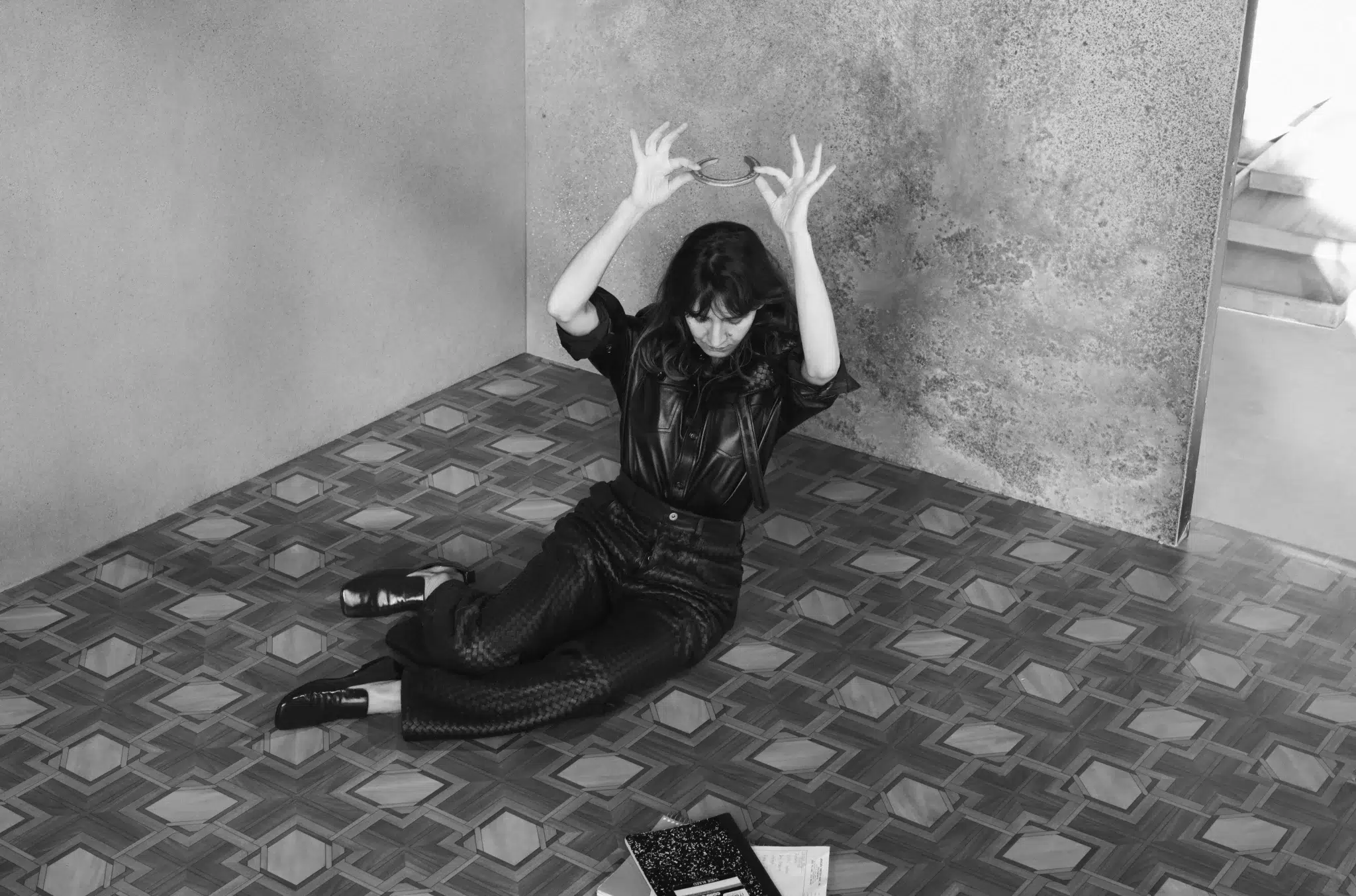
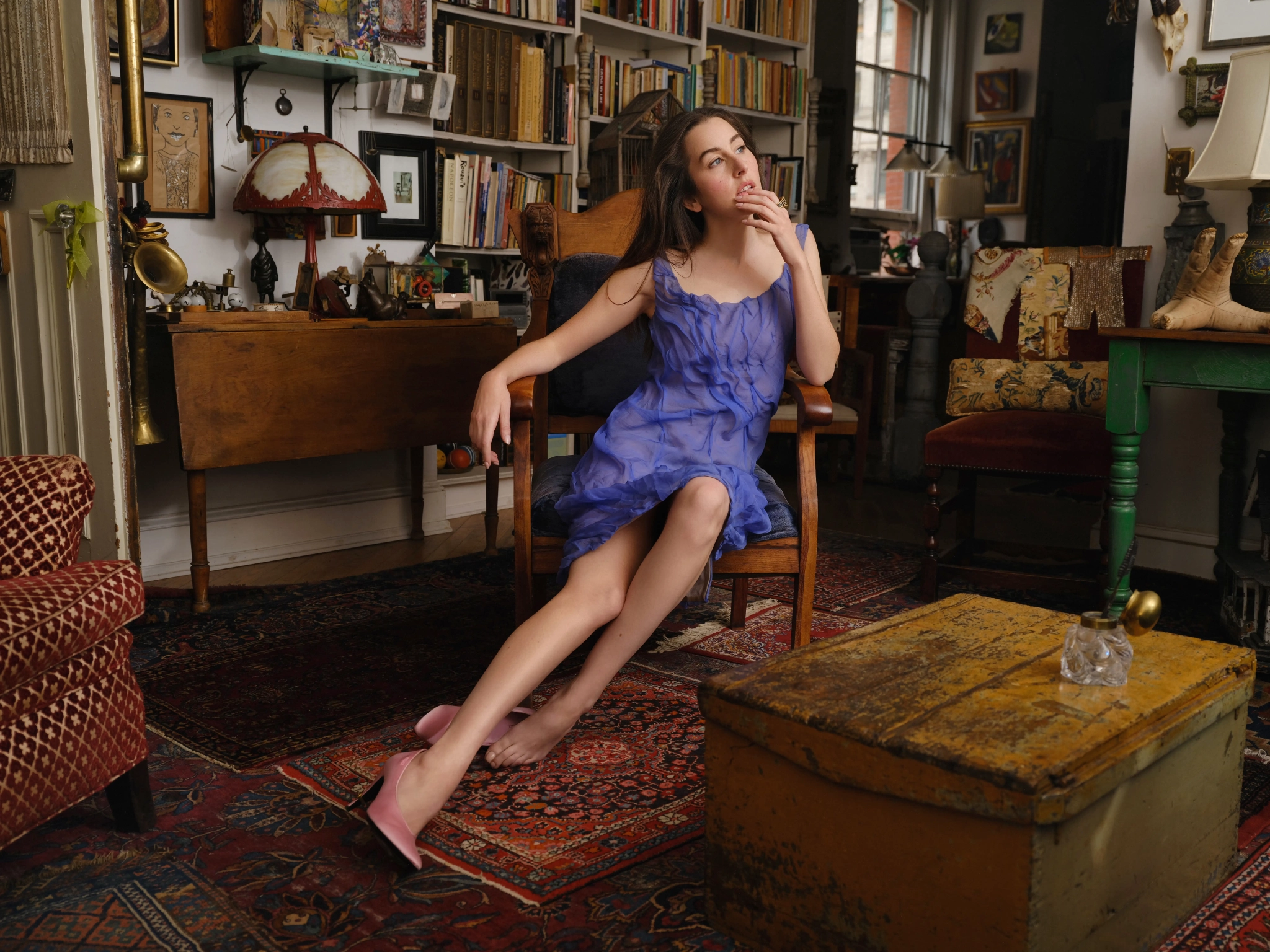
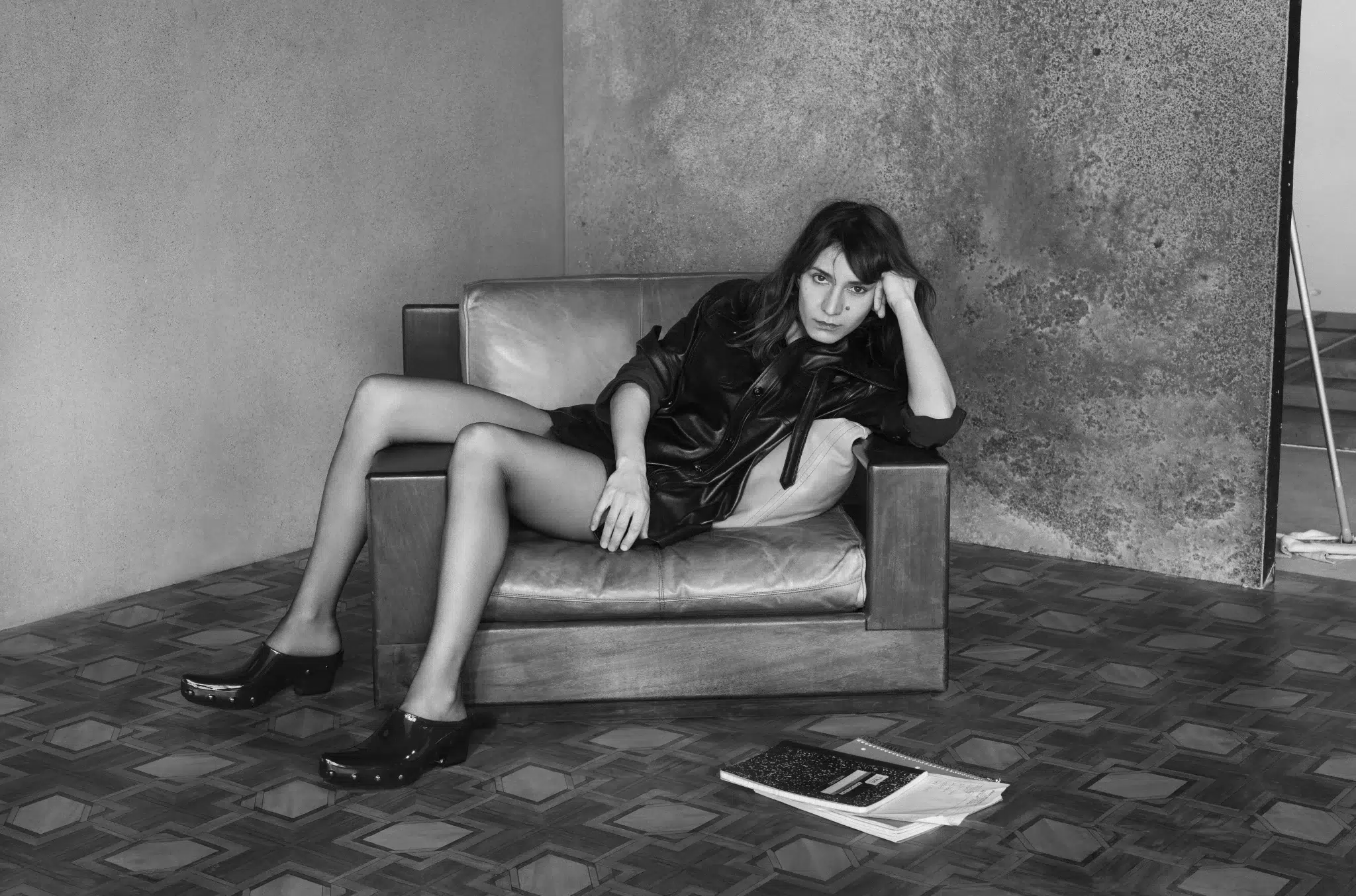
Ottessa Moshfegh by Jim Goldberg. Moshfegh is wearing Bottega Veneta.
The blue horizons of California perhaps aren’t the first environment that comes to mind for readers of Moshfegh’s novels. They will more likely think of cold New England towns (Eileen (2015)), pestilent medieval villages (Lapvona (2022)), and airlocked New York apartments (My Year of Rest and Relaxation (2018)). Keen readers, however, might be familiar with My New Novel (2021), Moshfegh’s book about a writer set in Los Angeles, and Nothing Ever Happens Here (2015), a short story about an actor who moves to the city and rents a room in the house of a gossip columnist.
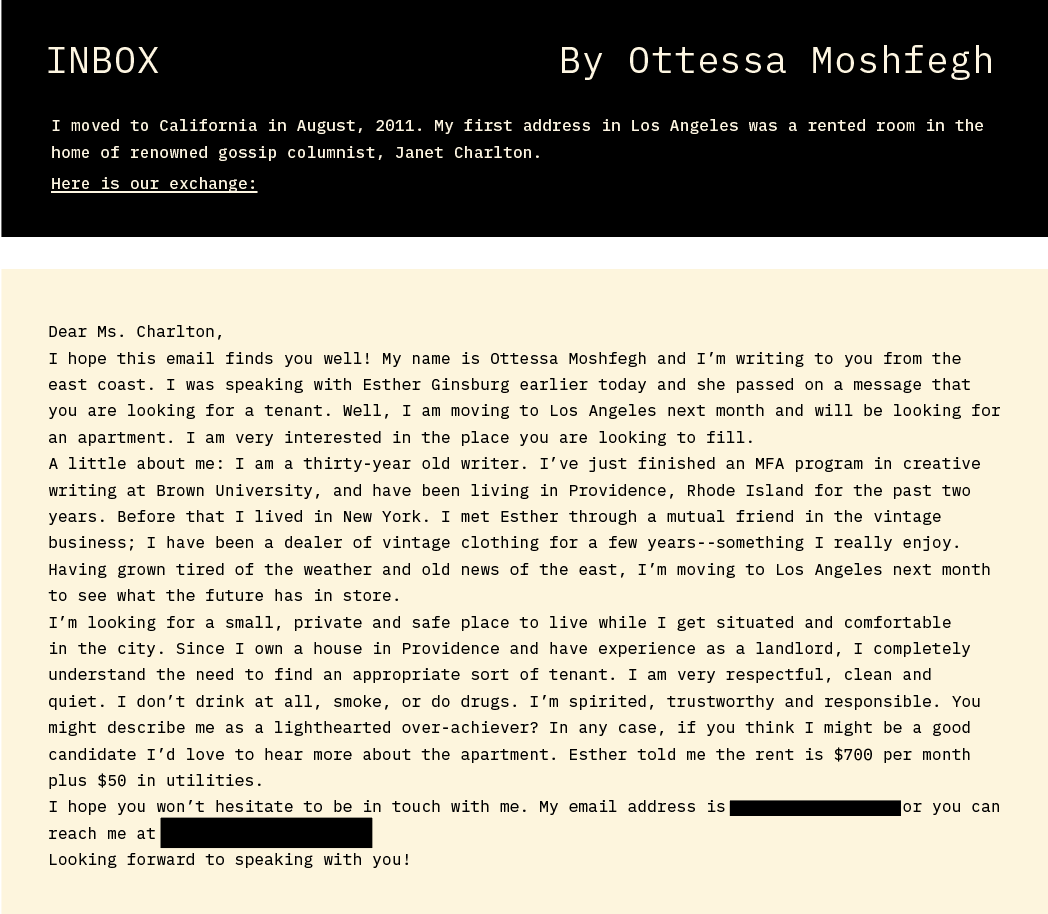
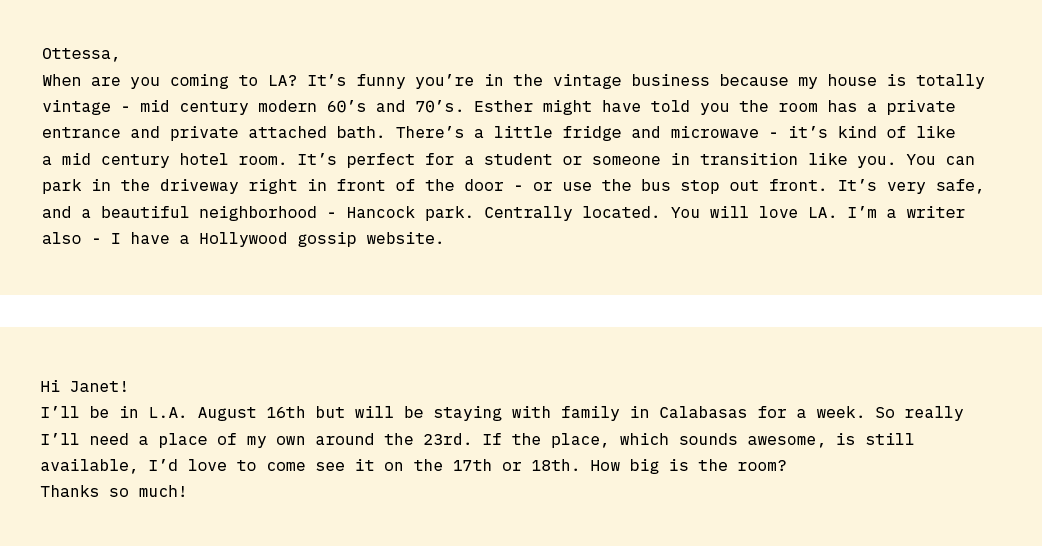
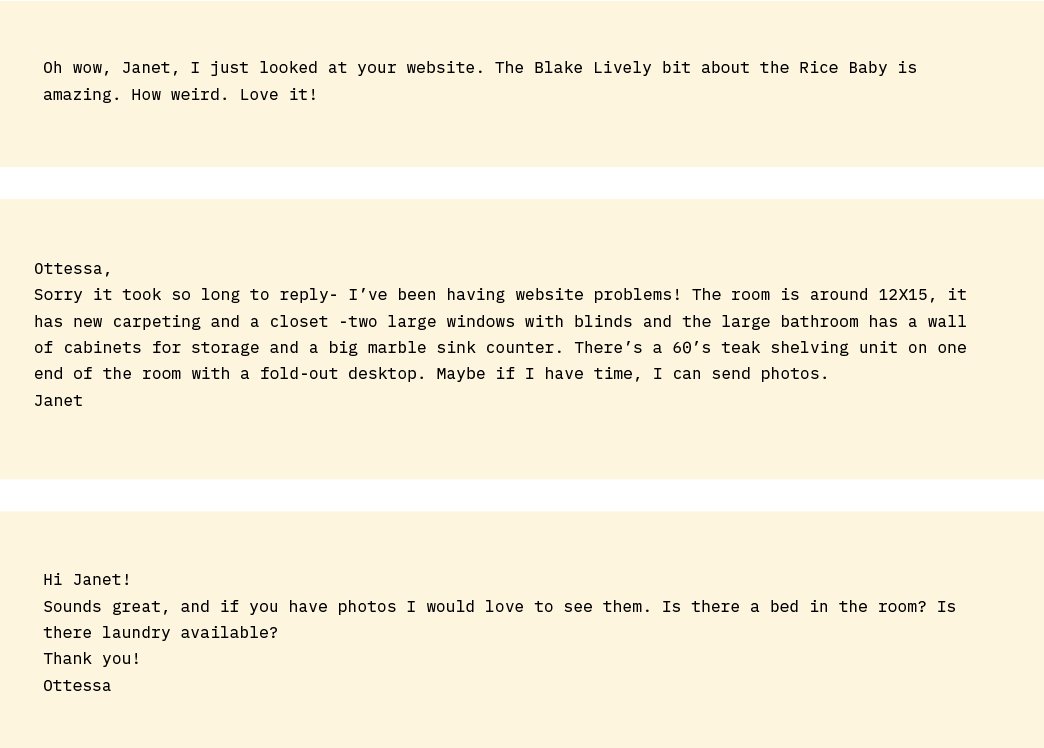
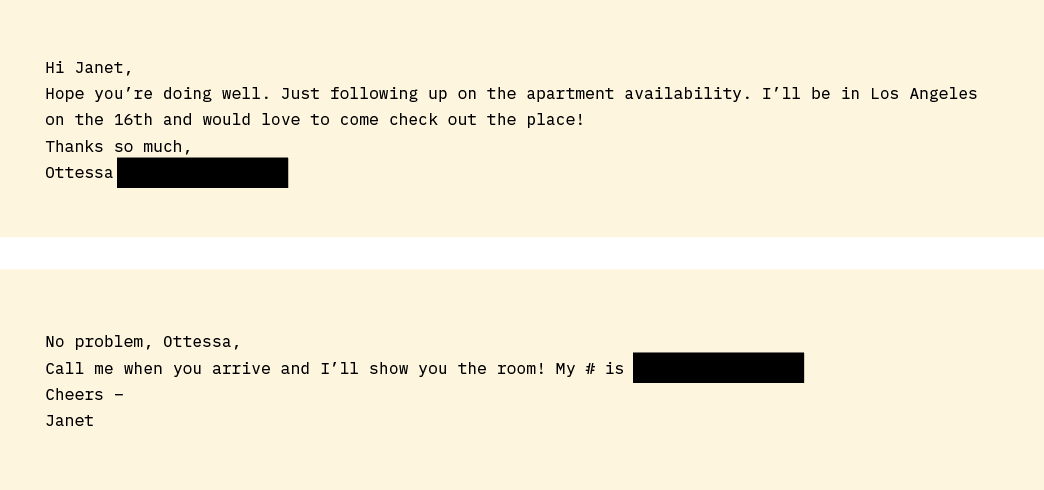
The latter is based on real events. Through her contacts, Moshfegh was put in touch with a vintage dealer called Esther (“Her store was called Polly Esther,” notes the author), who introduced her to Janet Charlton, a celebrated gossip columnist. Moshfegh, who has shared excerpts of her early email exchanges with Charlton, below, rented out a room in her house for a few months, before moving to a “shithole” in Angeleno Heights followed by somewhere “better” in East Hollywood.
The protagonist of Nothing Ever Happens Here moves to Los Angeles to pursue some vague goal of success: “I’m going to Hollywood to be an actor… On television, or in movies,” he tells an overweight man sitting next to him on the bus from Utah. Moshfegh reveals a similar motive. “I couldn’t really admit to myself that there was some ambition guiding me to LA at the time,” she says, describing her fascination for big 1980s blockbusters such as the early Indiana Jones movies (1981–89) and Back to the Future (1985). “I’d always had some fantasy of writing or making movies. At this point I’d been writing for a long time, but I hadn’t published a novel. Getting a job writing for a TV show, I thought maybe that could happen.”
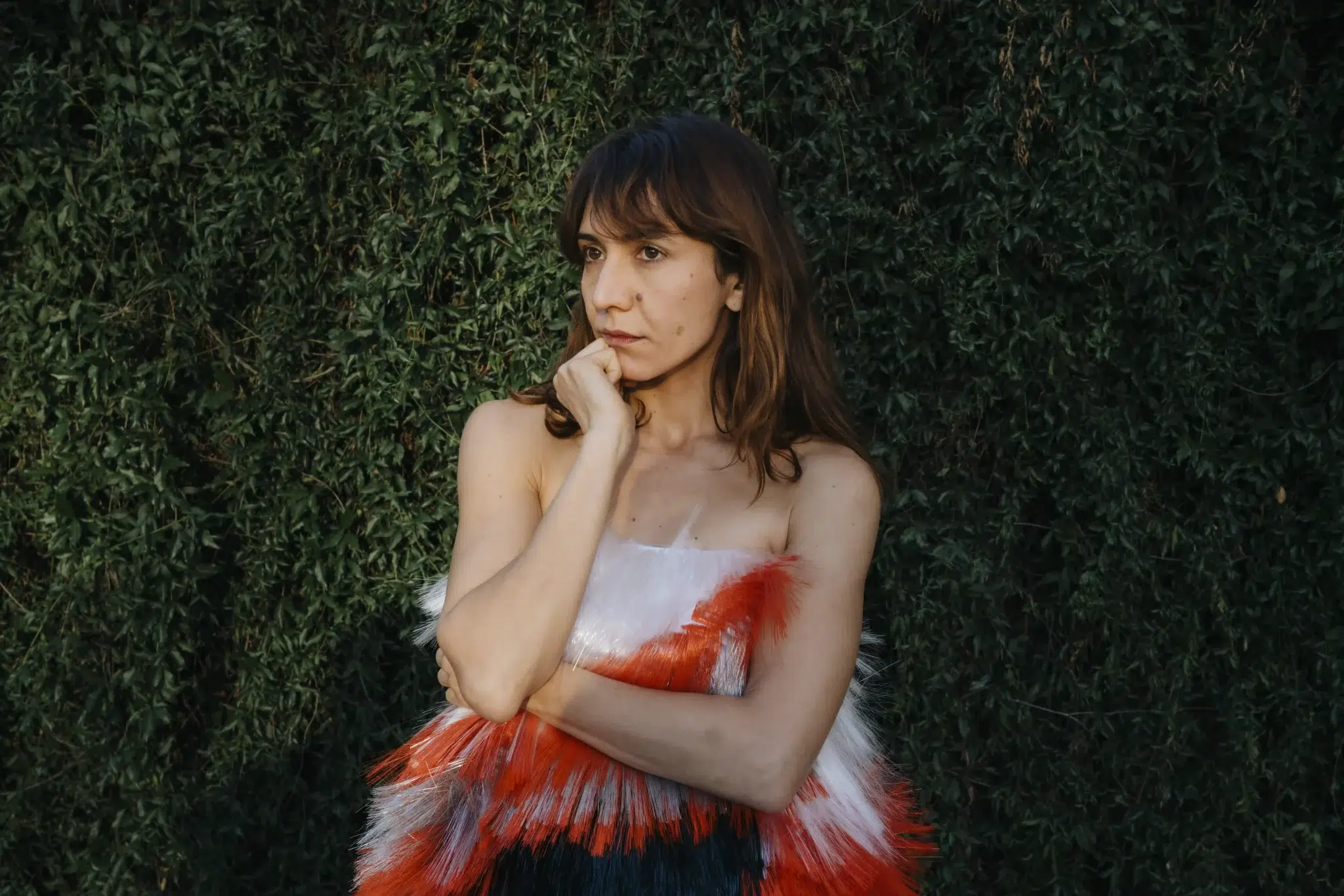
Ottessa Moshfegh by Jim Goldberg. Moshfegh is wearing Bottega Veneta.
“Los Angeles had this lightness and magic to it that felt strange and foreign. I didn’t understand the place, but I sensed there was space here.”
The reality, says Moshfegh, has been better. “It took me years to get acquainted with the city, but I’ve wound up 15 years later, living in a house I own in Pasadena. I’ve published five or six books and I have friends who are cool and interesting.” In the aftermath of the Los Angeles fires, her home—which sits at the bottom of a mountain range and she shares with her husband and dogs—was damaged by a mud slide. After a brief exile, which saw her spend time in the New Mexico desert and Koreatown—she is back in Pasadena. “So far, it is heaven,” she says
When she first moved to California, literature helped Moshfegh to situate herself. “I didn’t read [Charles] Bukowski until I got here, and then discovering he was influenced by John Fante—that was important in grounding myself in a literary past.” She might offer the same anchor for future writers who make the move west. “I don’t know if I’ll be here forever, but I can imagine turning my house into some sort of writer’s residency,” she says. “I’m so attached to this place that even if I moved away, I don’t know, I would still want it.”