

As a positive uptick in Gen-Z cinephiles means seats are filling up across theatres, Allegra Handelsman explores a less desirable side effect: the loss of a space she once treasured for its sense of anonymity.
Picture this: it’s a Monday evening and my best friend and I arrive at the cinema to watch The Drama. We’re at the new Everyman at The Whiteley, a place which personally carries a strange sense of nostalgia. Back when The Whiteley was just Whiteleys, the cinema there was a staple for west London tweens and teens, and a pivotal part of my early cinema-going. I still remember twelve-year-old me going to see the coming-of-age romcom The Fault in Our Stars there with friends after school and crying the whole way home when my mum picked me up. But here I was, back as an adult, more emotionally regulated, and taking advantage of their two-for-one tickets on Mondays and Tuesdays.
I arrived looking, for lack of a better word, dishevelled, wearing joggers, glasses and carrying an oversized paper shopping bag. My friend was wearing a ‘Team Edward’ t-shirt I’d bought her for Christmas a couple of years back. (We’re both unashamedly devout Twilight fans and will die on the hill Catherine Hardwicke’s original film is anything but an indie masterpiece!) So safe to say, we were not expecting to see anyone we knew on our Monday night excursion.
But when I spotted my friend near the screen, her Team Edward t-shirt gleaming under the foyer lights, I noticed she wasn’t alone. She was talking to two men dressed head to toe in black. At first, I assumed she’d just stopped a couple of staff members to ask about her seat, but the closer I got, the clearer it became: she knew them. I knew them. We knew them. They were friends of ours also seeing the film, and were there with their girlfriends, who suddenly appeared. It turns out we were not the only ones taking advantage of the two-for-one deal. So, the six of us stood near the screen, ordering burgers, fries and popcorn, speculating about what we thought the film’s titular spoiler might be. When we sat down, I spotted two more people I recognised, half-awkwardly waved at them, and became acutely aware of my complete lack of anonymity.
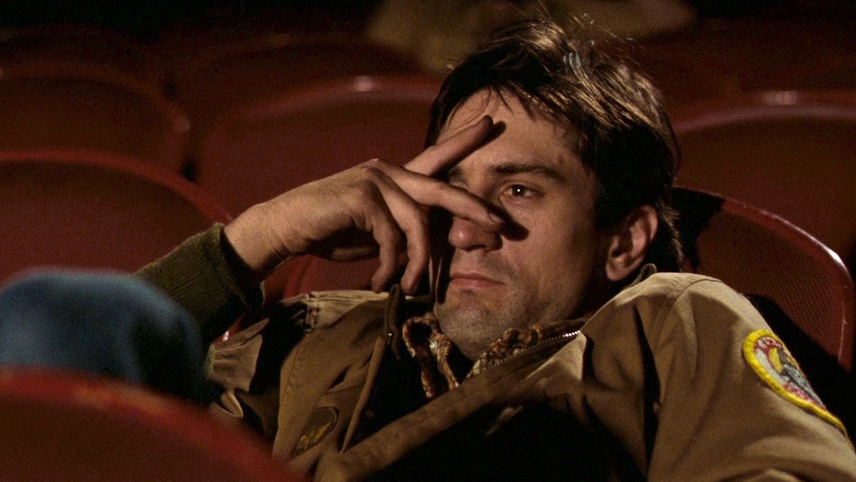
Robert De Niro in Martin Scorsese’s Taxi Driver (1976)
But I shouldn’t have been surprised. For the last few months, every time I’ve gone to the cinema, I’ve bumped into someone I knew. The first time I noticed this as an actual pattern was just before New Year’s—the 28th of December, to be exact. During that strange time of year where everyone is bloated, tipsy and counting down the days till New Year’s Eve. I went to see Marty Supreme with a friend at Picturehouse Central, and when we walked in, it was as if every male ‘creative director’ in the city had received the same memo. I have never seen so many men in gorpcore this side of Dalston.
Then soon I couldn’t escape it. A few weeks later I very awkwardly sat next to a friend of a friend during Hamnet, where for two hours we wept inches apart and while I contemplated if I should say hi. I didn’t. When I caught my reflection on the way out—smudged purple eyeshadow halfway down my face—I decided I’d made the right call.
I remember the time my boyfriend and I went to see Emerald Fennell’s Wuthering Heights the day after Valentine’s Day and we bumped into my friend and his boyfriend. They greeted almost everyone who entered the screening room—like hosts at a popular restaurant. By the time they made it to their seats, they’d said hi to us, the people next to us, and the people behind us, and through this had somehow encouraged us to make friends with one another—which we regretted as soon as the film started, as we all gradually sank into our seats, romance somewhat killed.
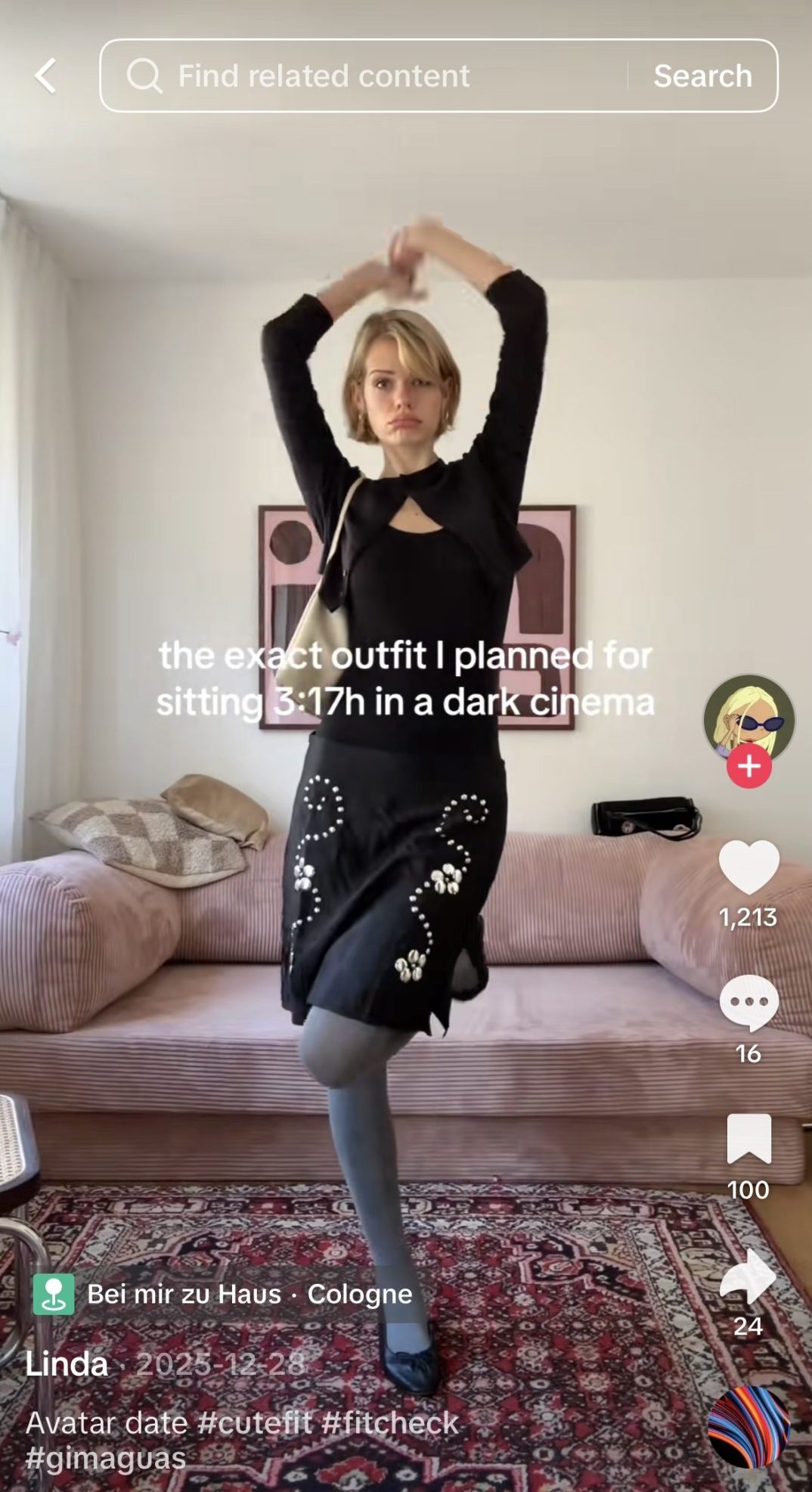
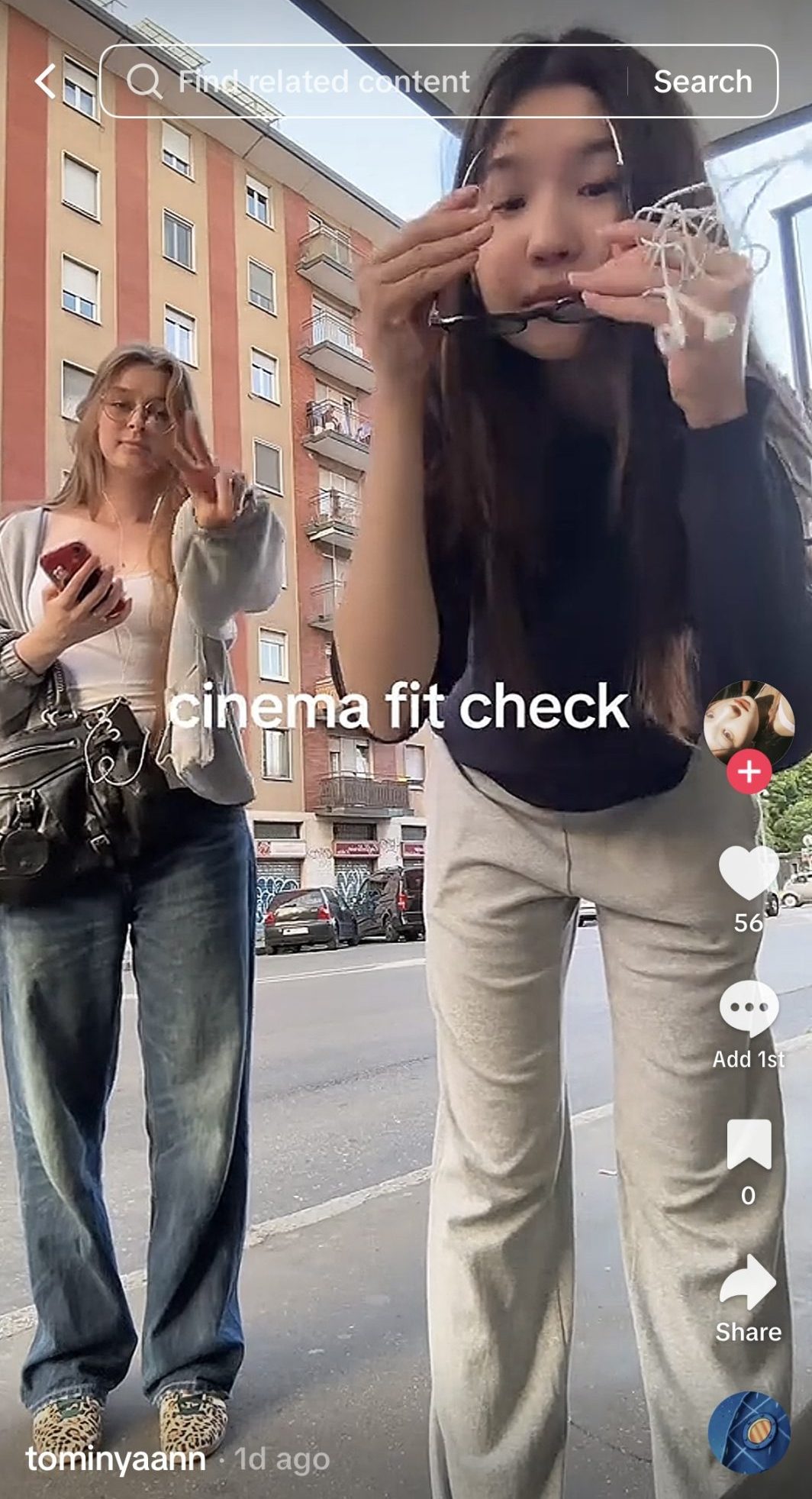
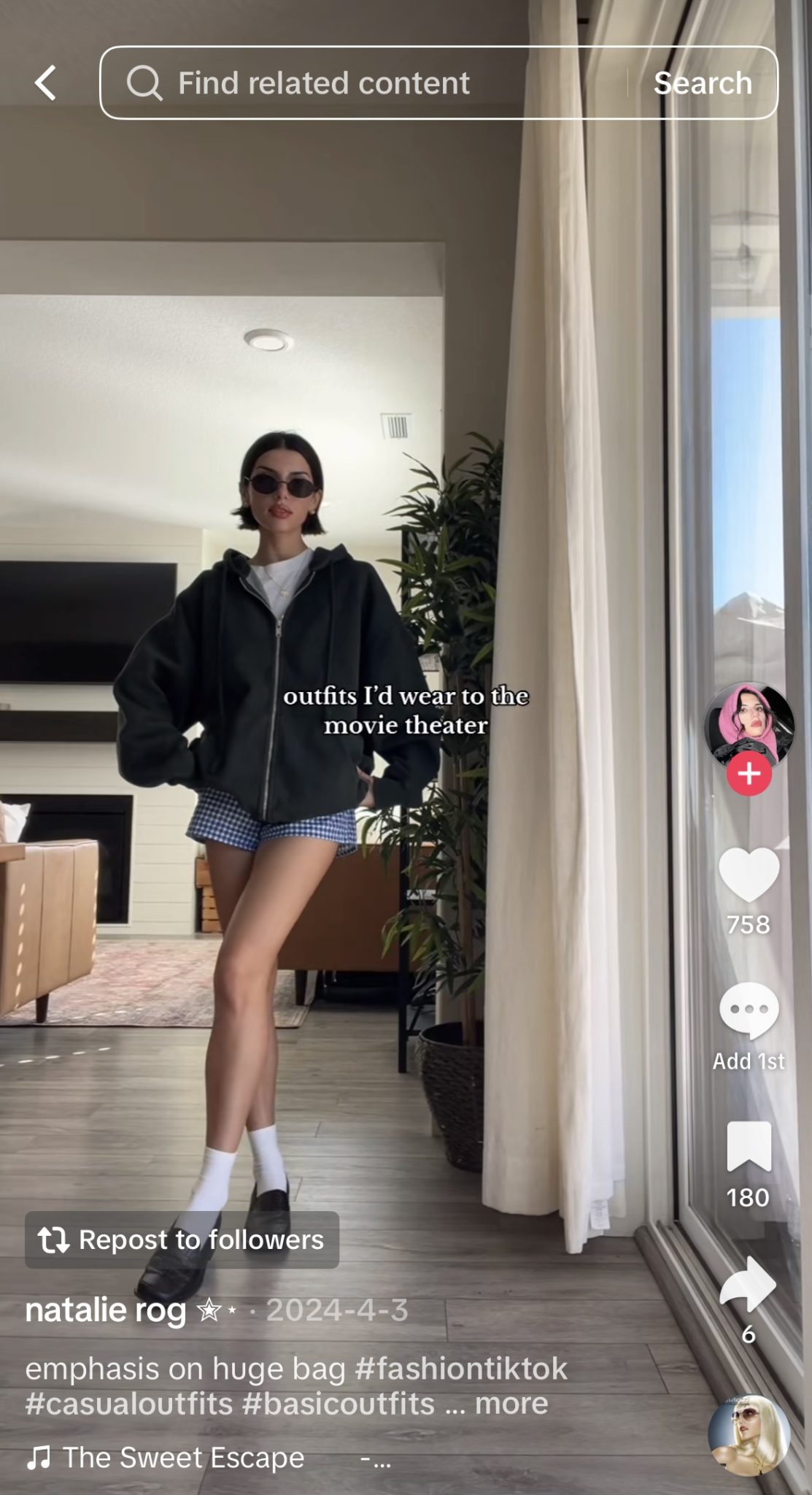



Of course I’m not the only one to experience this phenomenon, I seem to simply be collateral in a wider trend, albeit a positive one. A recent Fandango study found that Gen Z are now the most active cinema-going demographic, in the US 87% of them attended at least one film in theatres in the last year, more than any generation above them, with millennials not far behind at 82%. But the motivations differ: millennials tend to see cinema as an escape from daily routine, while Gen Z treat it as a social experience. The same study shows that Gen Z specifically like to go to the cinema with their friends, while Millennials go with their significant others or children. On TikTok people are posting cinema ‘fit checks’ as well as coordinating outfits to match the film they’re seeing—think of the all-pink ensembles at the Barbie screenings. Meanwhile, Letterboxd has turned a night at the cinema into something worth documenting and analysing with strangers. Between 2020 and 2026, the platform grew from 1.7 million users to 26 million users, and since January 2025 alone has added 9 million more. The biggest age demographic is the 18-24 range.
Of course this should be celebrated. For years, cinephiles have preached about the importance of saving cinema, fighting its corner against the slow creep of streaming and the shrinking of attention spans. In an age of infinite scroll, on-demand everything, and a loneliness epidemic isn’t a shared experience in a dark room more important than ever?
But what about me? As overjoyed as I am that cinemas are having their renaissance, I’d like to raise a small, personal concern: what about my freedom to sit in the dark and feel things without having to make small talk with friends, friendly—as well not so friendly—acquaintances?

In his 1975 essay ‘Leaving the Movie Theatre’, semiotician Roland Barthes writes of the particular erotics of the cinema as one of heady anonymity, whilst the walk home is a chance to prolong this feeling of spectacular disorientation.
There is something so anonymising about going to the cinema. The dark lights, the hush, even the collective agreement to put your phone away for two hours. So, no matter how many times you bump into someone you know, it will never stop feeling jarring—like being caught somewhere you were supposed to be invisible. It’s one of the few places left where the outside world genuinely can’t reach you – there are no distractions or notifications. And I can’t be the only one who feels this way. (In his 1975 essay ‘Leaving the Movie Theatre’, semiotician Roland Barthes writes of the particular erotics of the cinema as one of heady anonymity, whilst the walk home is a chance to prolong this feeling of spectacular disorientation). There’s this communal unease we all seem to possess. The etiquette of unexpectedly running into people at the cinema just isn’t there yet. Do you stop and chat, or pretend you haven’t seen them?
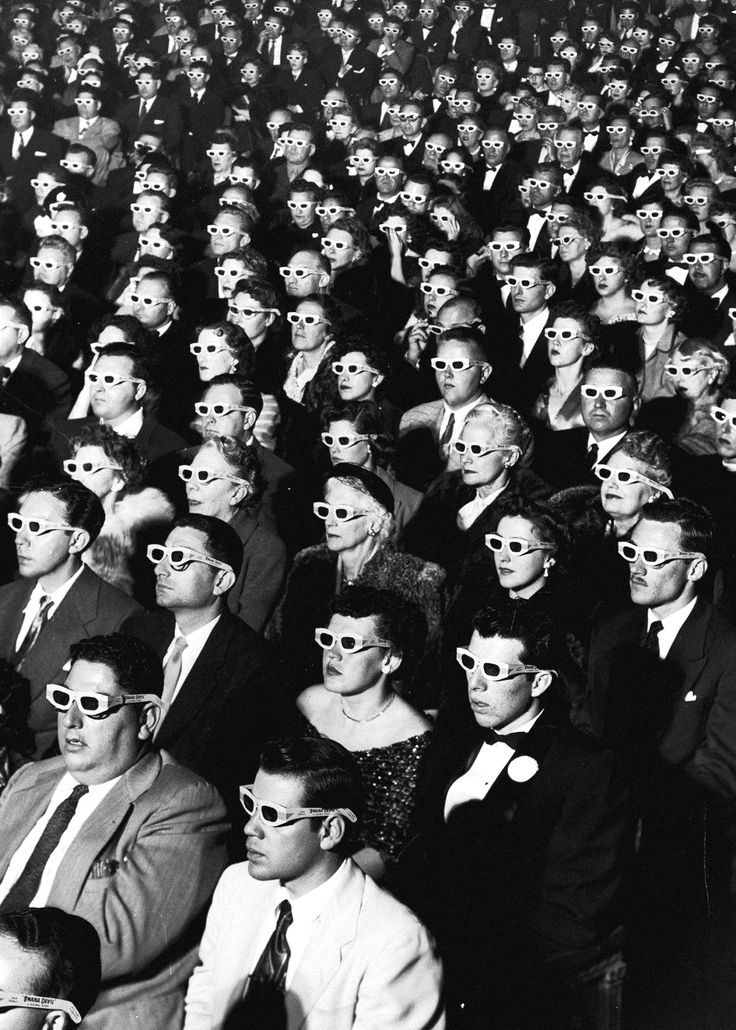
Maybe the cinema was never really anonymous, and we just convinced ourselves it was. In the 1950s, the cinema was a place of courtship and socialising for the emerging class of teen consumers. And if people, especially in my generation, are choosing to spend their time going back to the cinema and back to shared spaces, then that is something worth celebrating. And if certain films are more likely to be social events than others, perhaps it will lead true cinephiles towards even more untrodden pastures, even deeper cuts and quirkier cinemas, where they are less likely to have such encounters. In the meantime, I’ll have to deal with occasional awkward waves or forced small talk. There are worse problems to have, I suppose.