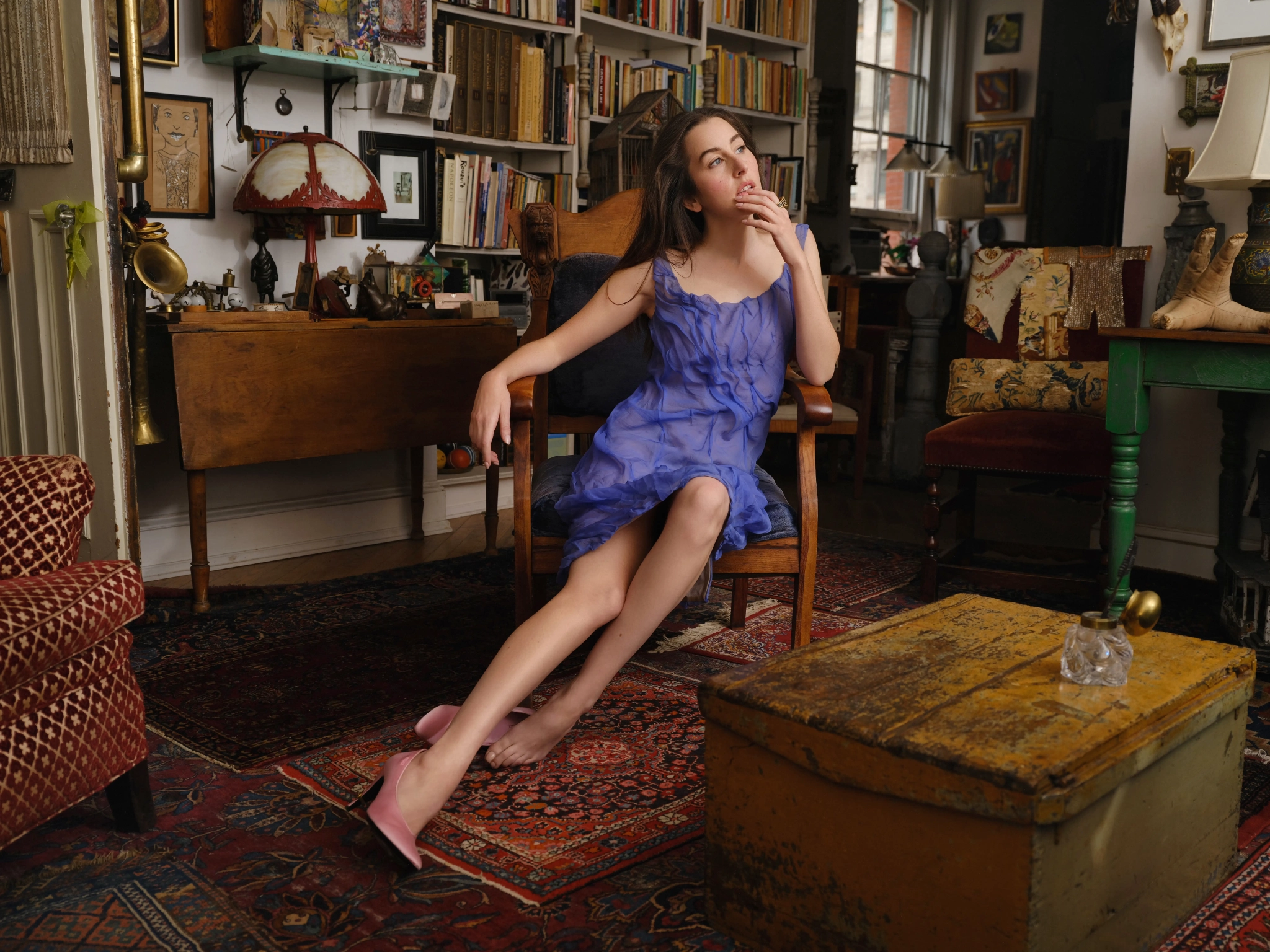



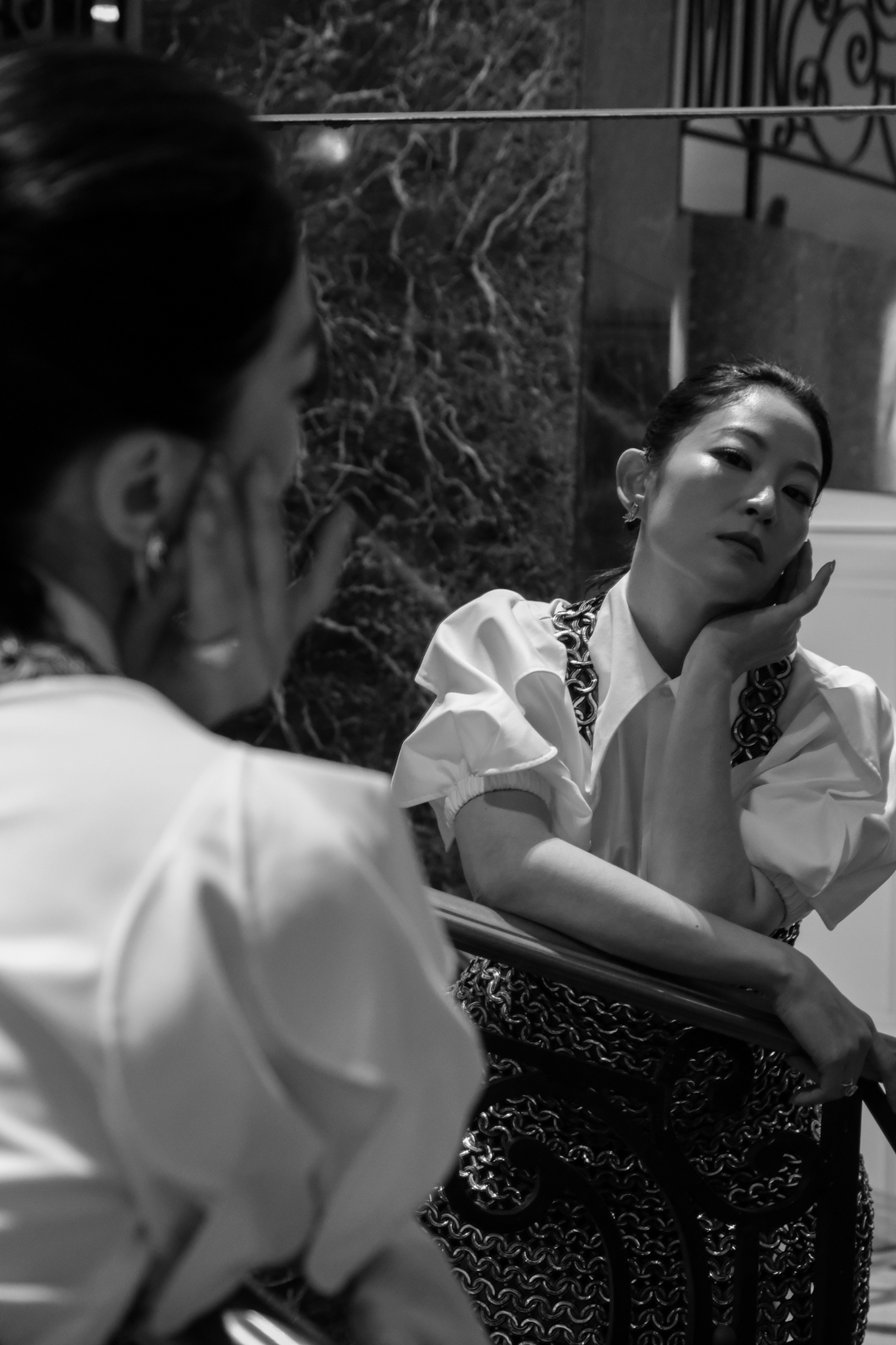
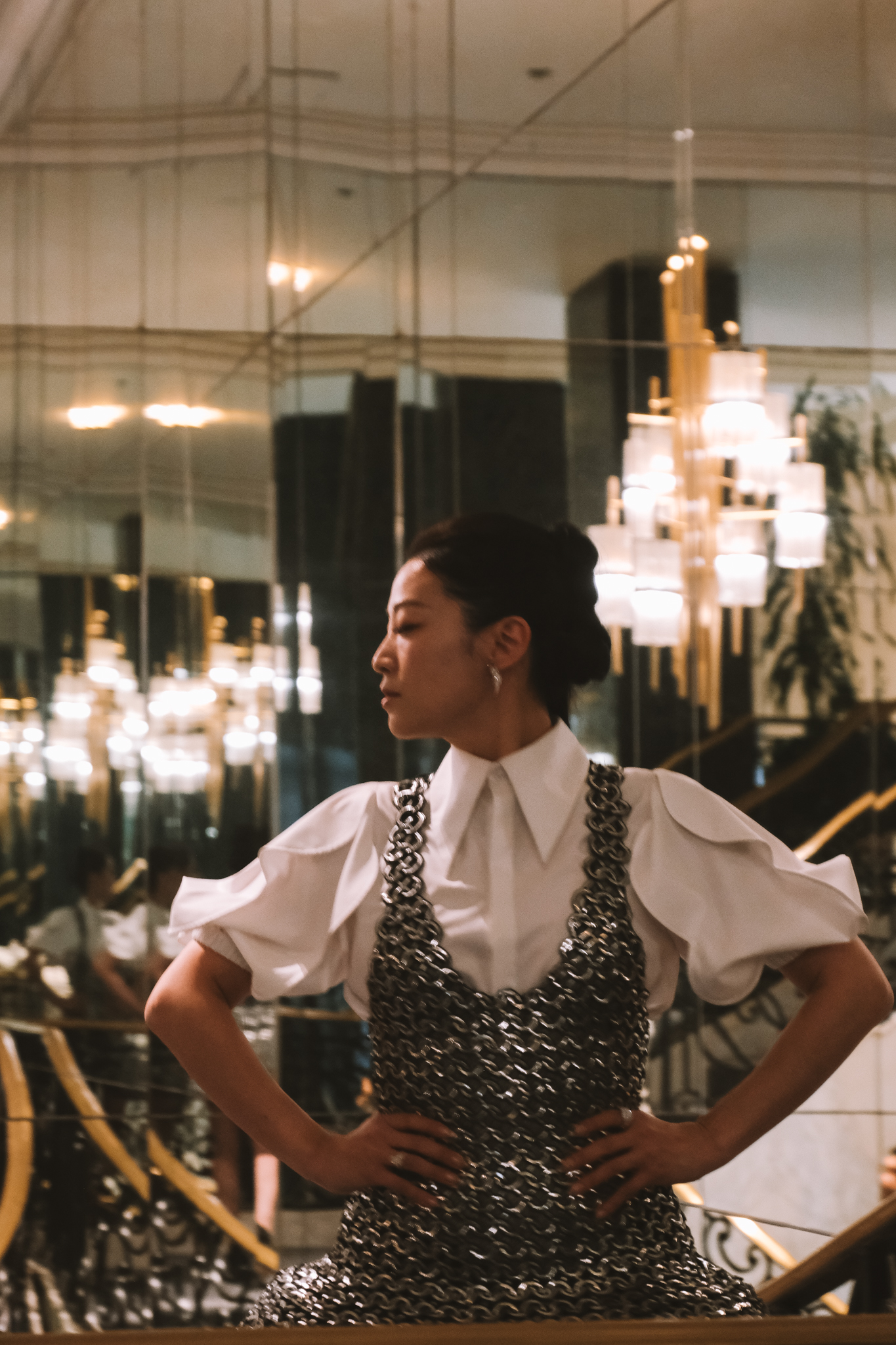
With KPop Demon Hunters emerging as the most talked-about animated film of the year, lead voice actor Arden Cho is enjoying a moment of collective success with her cast and crew. The actor joined us a few nights before the 2026 Oscars (where the film is nominated for Best Animated Feature) to discuss the film’s cultural impact, the unusual experience of sharing a character with singer Ejae, and how past career disappointments helped shape her performance as Rumi.
Luke Georgiades: It goes without saying that the impact of KPop Demon Hunters is going to long outlive awards season, but regardless, how are you feeling about this chapter coming to an end?
Arden Cho: Hearing it like that makes me really emotional. It’s been growing and expanding for so long that I haven’t really thought about the end. I think you’re right, it’s going to live on. We’ve just been picked up for a sequel, after all. I’ve been in this business a long time, and I used to get overwhelmed by it all. Amazing things would happen, then you’d blink and it was over. This time, in this moment, it felt important to be present. We might never experience something like this again.
LG: How has it been campaigning with the rest of the team?
AC: We’ve been meeting more and more of the animators during awards season, and the family keeps growing. Animation is a world where entire teams work on the same project without ever being in the same room. Because of the success of this movie, we’ve had the pleasure of getting to know each other and celebrating together. Editors and VFX artists come up and hug us and say, “I’ve been staring at your face for years!” It’s overwhelming, but also really sweet. They know me intimately through the filmmaking process, and now I’m getting the chance to know them too. That vulnerability is what brings our characters to life. It’s those artists, the writers, and our directors who worked so hard to make this real.
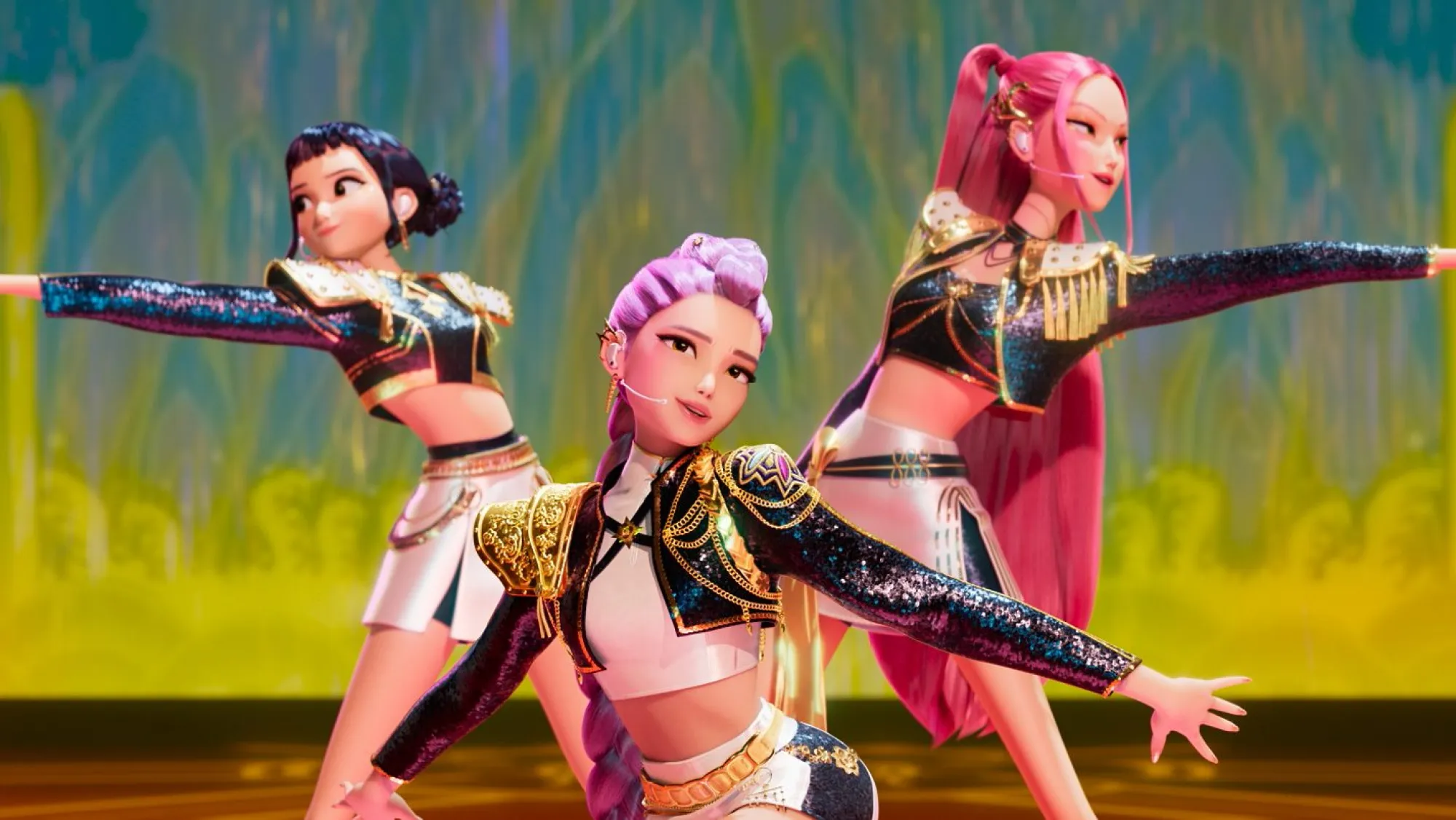
LG: It’s a unique experience that you and the rest of the main cast are having where you’re sharing your characters with another person. Usually a character is yours entirely, but you’re one part and Ejae is another part of that whole. Do you both have shared beliefs about the character?
AC: That’s been the best part. When we were recording for the movie we had never met. The directors did a wonderful job blending our voices into one performance. When I first saw the cuts of us sharing this role, I was bawling. Ejae’s voice is magical. I’m honoured to share a character with her. It’s the best of both worlds. Animation lets you combine the best voice actor and the best vocalist to create someone like Rumi. We’ve also shared a lot of the same history—the heart, the feeling, some of the pain—and we brought that into these characters. Most of us have been working a long time. I never imagined I’d get to voice a character like this. I actually auditioned for Celine, so even being part of the movie felt like an honour. Acting is interesting, because you get a lot of credit but also a lot of the blame. The success or failure of a project can fall on your shoulders. On this project, that responsibility was shared, which was really rewarding.


LG: It’s interesting because you and Ejae have similar stories—experiencing what might feel like morale-shattering failures before finding renewed purpose in this role. What do you think that says about your connection to the character?
AC: We’ll always share a bond now. I feel like I know Ejae so well. Seeing her blossom and grow has been so special. As the older one, there’s an automatic “unnie” dynamic with the girls. They’re like my little sisters. As a young Asian-American girl growing up in the States, all I wanted was to see girls like us as the main character—unapologetic, fierce, vulnerable, loud. There are a lot of highs and lows in a career, and a lot of it can feel lonely. A lot of people I know who have experienced major industry success have told me, ‘this is the best day of my life, but I feel so alone up here.’ The other Huntrix girls and I are lucky to live inside this success together.
LG: You mentioned the ebbs and flows of a career. How has your perception of failure and success evolved since experiencing this latest high?
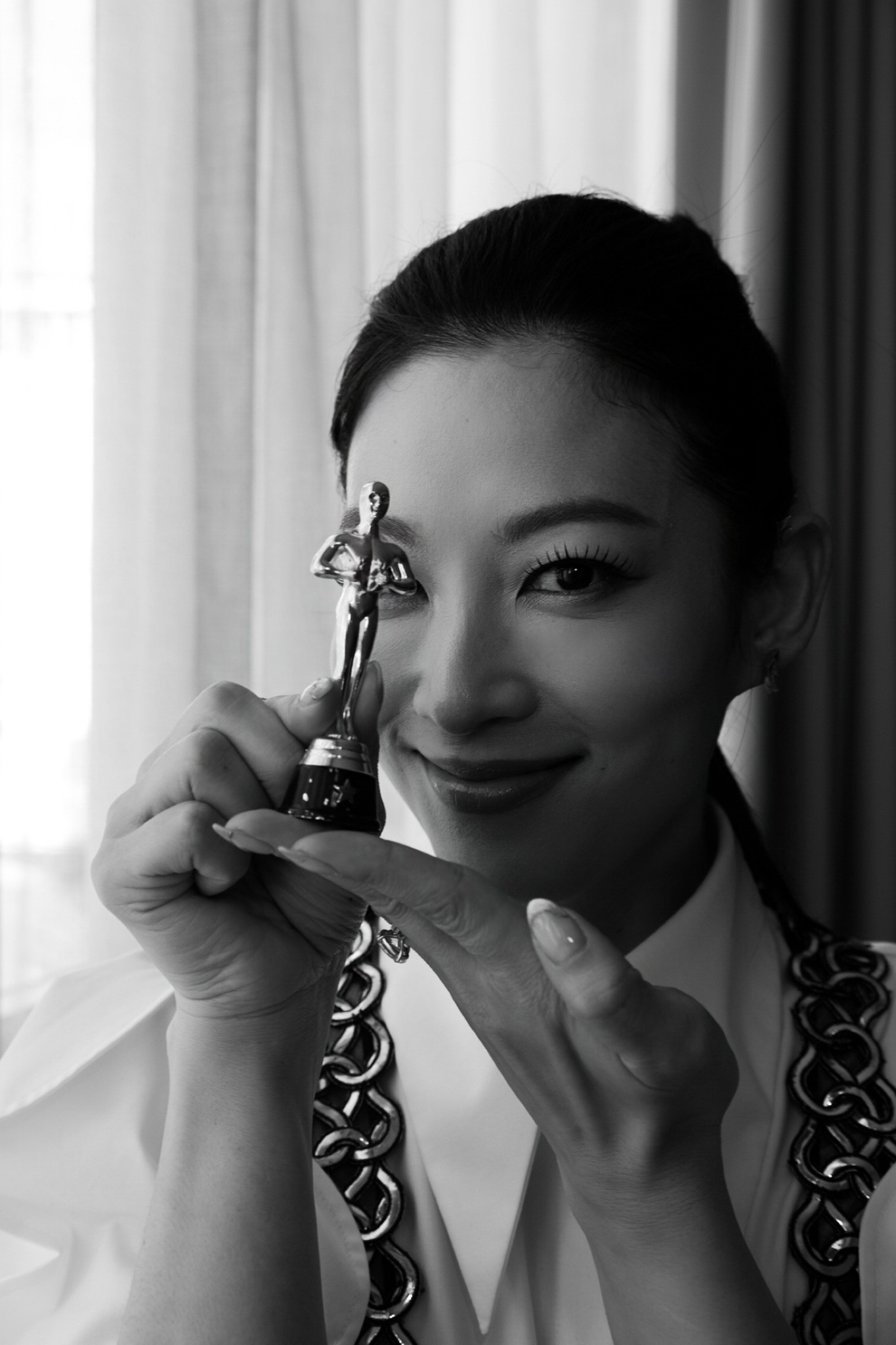
AC: We’ve already won. Just having KPop Demon Hunters exist feels like a win. If a story like this opens doors for other Asian creatives and Asian-American stories, that’s already a success. Of course we’d love to take that Oscar home on Saturday—and I’d like to think our chances look pretty good [laughs]—but nothing is ever a lock. Everywhere we go people are talking about the movie. They’re playing “Golden.” I did a carpet today and recorded four Rumi videos for people’s kids and nieces and nephews. That’s the number-one request now.
LG: Is it moments like that that make you realise how big a phenomenon this movie has become?
AC: Maybe. I’ve been travelling a lot. When seven-year-olds run up and hug you, you think, how do you even know who I am? And they say, “I googled you—this is my favourite movie.” But I’ve been in the business more than twenty years, so now I’m meeting parents who say they grew up watching me on Teen Wolf. They tell their kids they knew me first. That’s when I realised this was special, because it’s cross-generational. People are rediscovering Partner Track because of this movie. And honestly, that show being cancelled after one season led me here. If I had been doing season two, maybe this wouldn’t have happened. If I hadn’t hit that rock bottom, I wouldn’t have brought the heart and pain to Rumi that she deserves. When Rumi falls to her knees and asks Celine, “Why am I not enough?” I’m not going to lie—I thought about Partner Track. I thought about all the losses.
“We’ve already won. Just having KPop Demon Hunters exist feels like a win. If a story like this opens doors for other Asian creatives and Asian-American stories, that’s already a success. Of course we’d love to take that Oscar home on Saturday—and I’d like to think our chances look pretty good [laughs]—but nothing is ever a lock.”
Arden Cho
LG: What was your relationship with K-Pop growing up?
AC: Growing up in Texas and Minnesota, I was often the only Asian kid and I got made fun of for liking K-Pop. For a long time I felt like I had to hide it. I wasn’t confident enough to explain why I loved it. But since college I’ve proudly told people I love K-dramas and K-Pop. I have friends in that industry, and I know how hard those artists work. It’s incredibly competitive. They’re amazing performers. That’s what the film captures so well—it’s not just concerts or music, it’s an entire experience. I’m excited that I don’t have to explain K-Pop to people anymore, partly because of this movie.
LG: I was interested to learn you grew up in Texas. Do you still feel connected to the state?
AC: I’ll always carry that Southern hospitality. I also spent time in Minnesota and Illinois, so I tell people I’m a Southern-Midwestern girl. I’ve been in L.A. a long time now, and I love the mix of cultures and the food. But growing up in Texas was tough. I often felt like an outsider. The way I looked or the things I liked weren’t considered normal. Now it feels like the culture is finally catching up.
LG: Where was your creativity born?
AC: I’ve always loved performing. I was singing before I was talking. I put on little musical performances all the time. I was a shy kid and didn’t socialise much, so creating became my therapy. Music was like a journal. My first album was built from notes I wrote to myself. During the pandemic I recorded another album and shot several music videos. Then KPop Demon Hunters took on a life of its own and my music went on the back-burner for a while. But that’s okay. Music is my playground; acting is my job. Hopefully I’ll get to share that music soon—maybe after we win that Oscar [laughs].