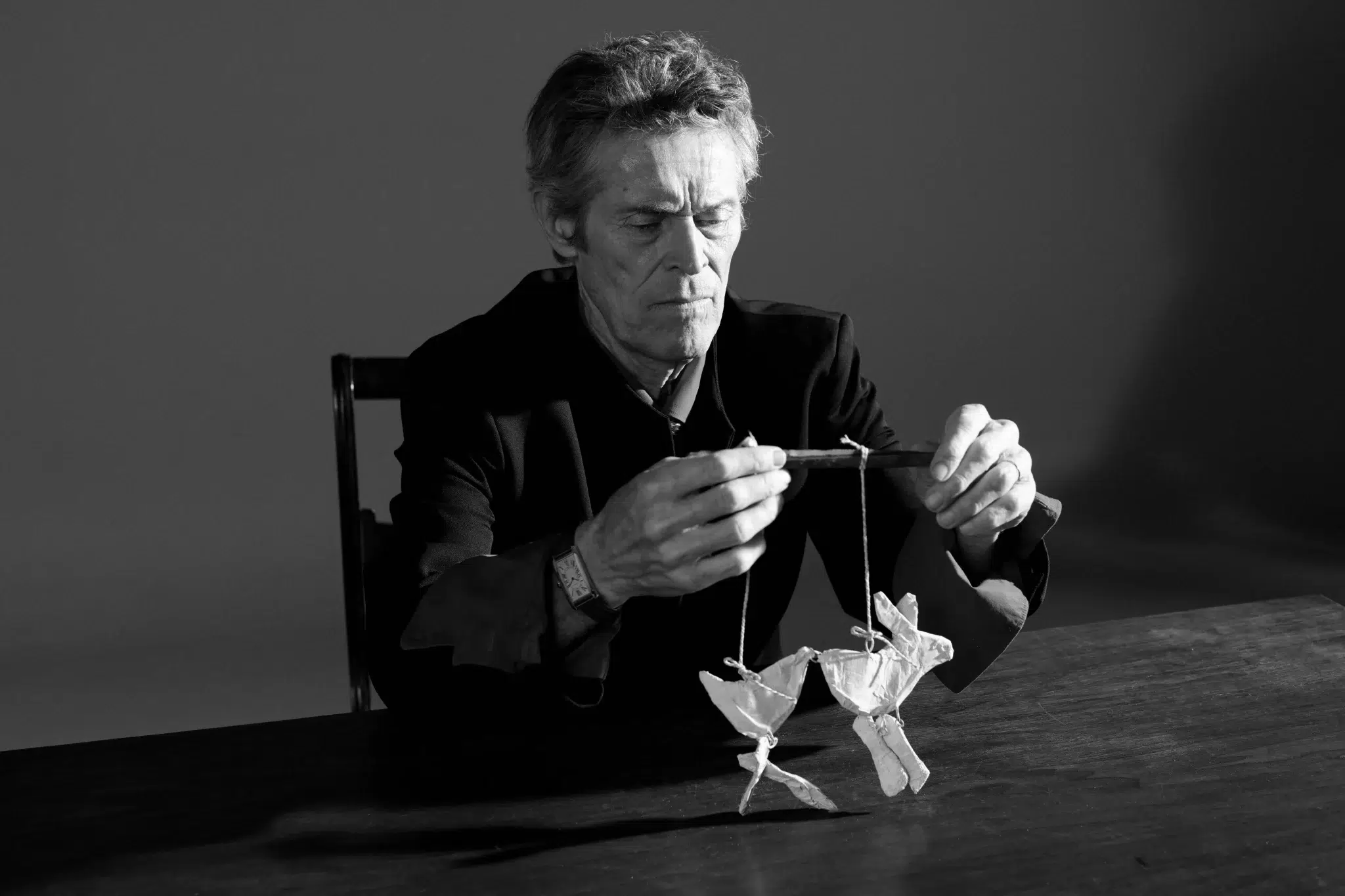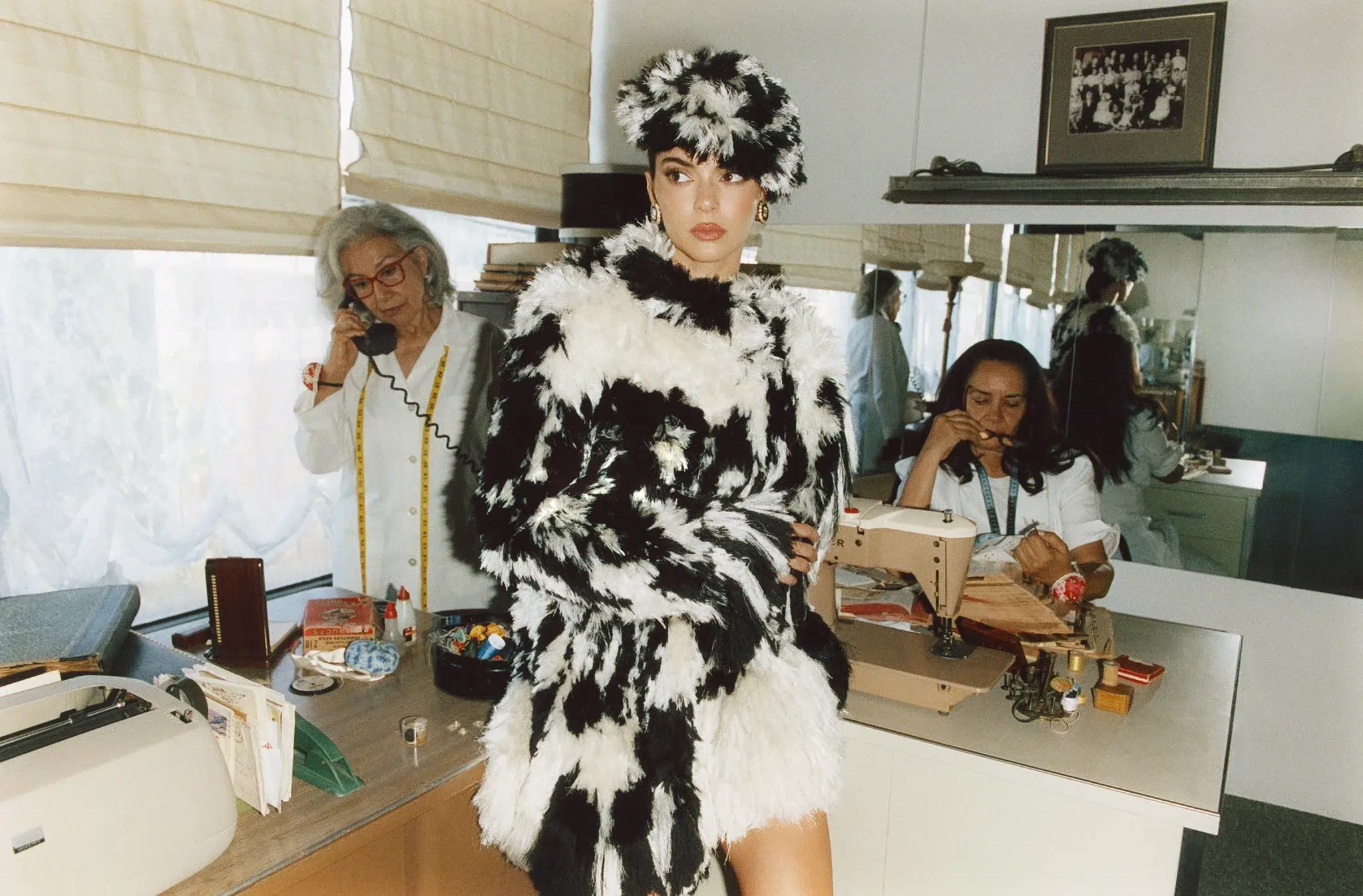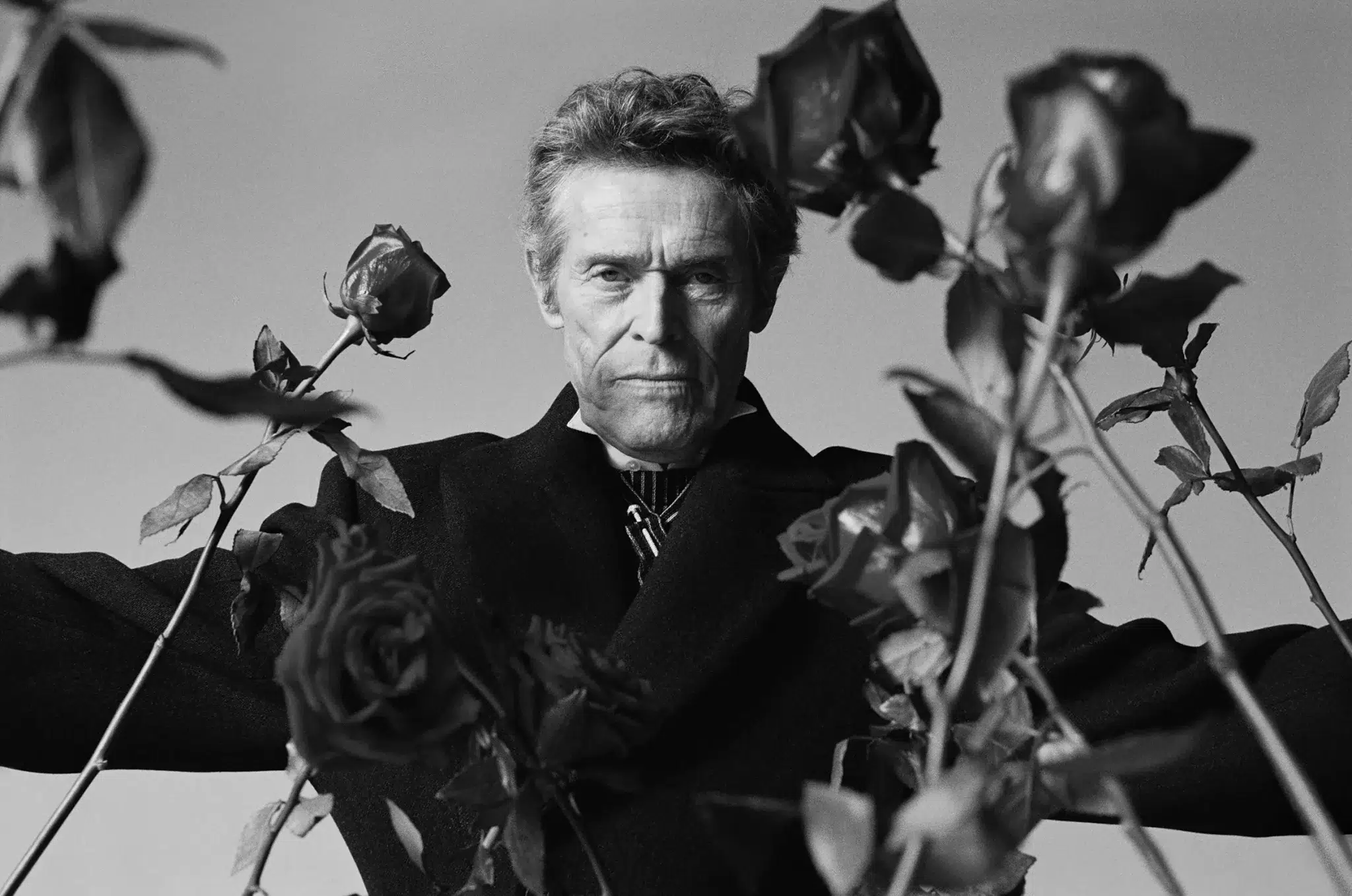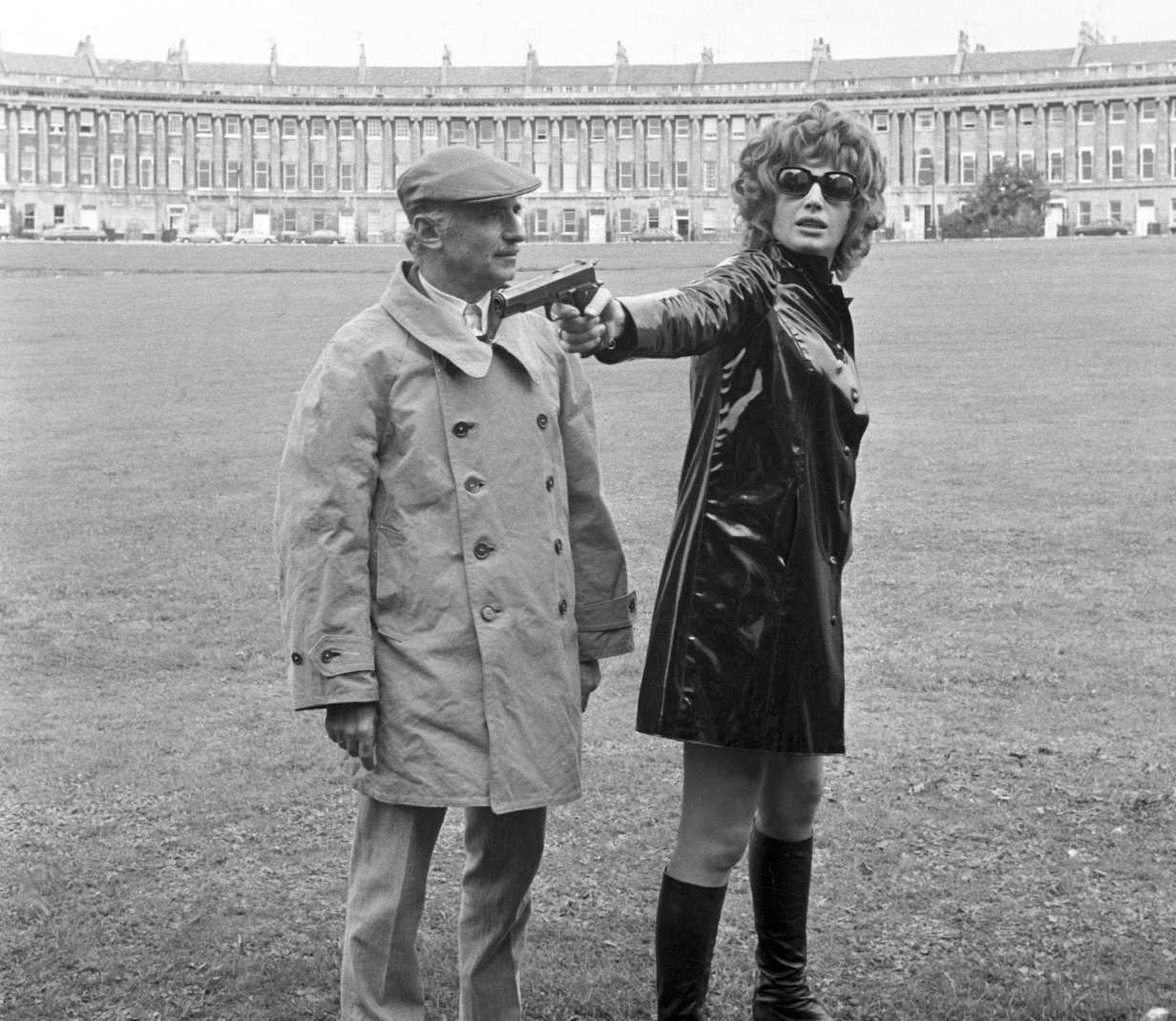


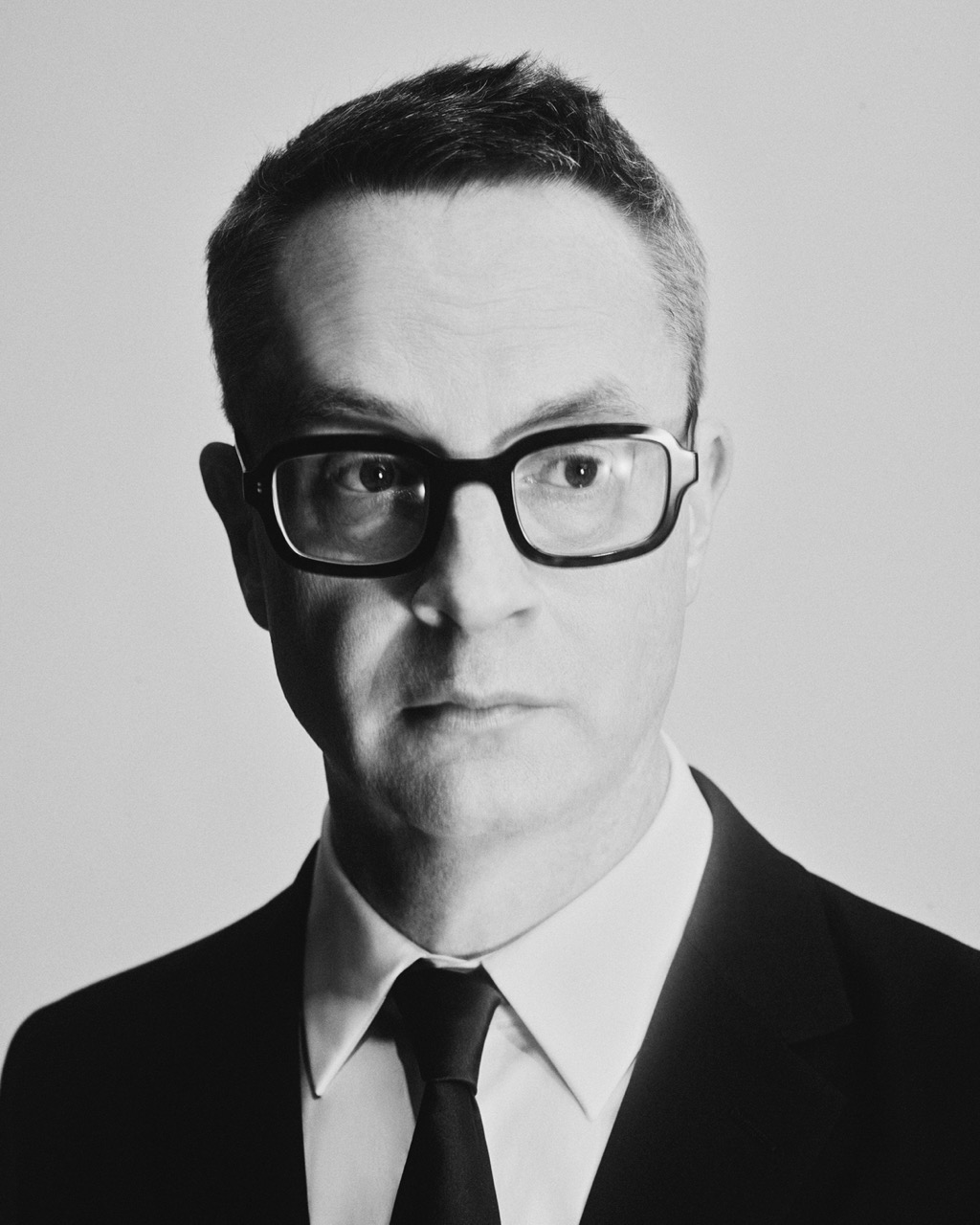
After suffering from a ‘leaking heart’ in 2023, Nicholas Winding Refn was clinically dead for 25-minutes, before jolting back to life. The experience inspired him to create Her Private Hell, a moody, neon-drenched tale of a daughter’s painful search for her father. We meet the director in London to find out more.
No one quite does it like Nicholas Winding Refn. And yet, when we meet in London, the filmmaker can’t place his finger on what it is. “Though I do think I’m actually where I want to be,” he explains. Her Private Hell, his long-awaited feature release starring Sophie Thatcher, Charles Melton and Havana Rose Liu, the first in a decade since The Neon Demon, is a blistering, challenging, yet visionary piece of work from a director who we only expect to deliver us something truly singular. And for all of the conversation surrounding Her Private Hell — a father-daughter tale set in a futuristic metropolis engulfed by a mysterious mist—it works simply by being a Winding Refn movie, just as Drive (2011), Bronson (2009), or Only God Forgives (2013) were. The director is unapologetically true to his vision, which he attributes to music and to faith. Before making the film, he briefly died and then came back to life: a traumatic moment that translated some of his deeper fears about fatherhood into what we see on-screen.
In London, A Rabbit’s Foot speak to Winding Refn about Her Private Hell, creating his own streaming service, his friendship with video game master Hideo Kojima, and his relationship with God.
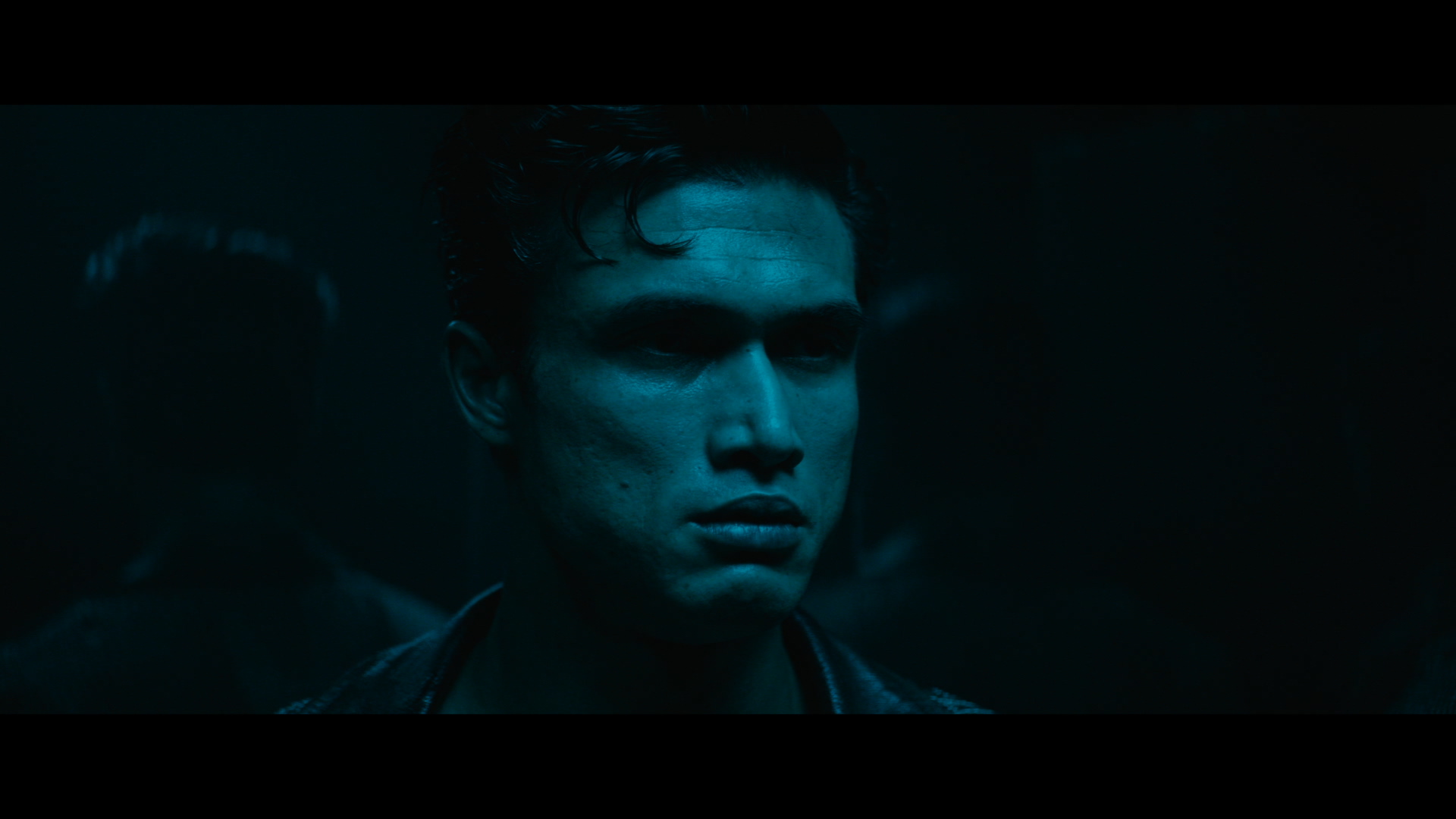
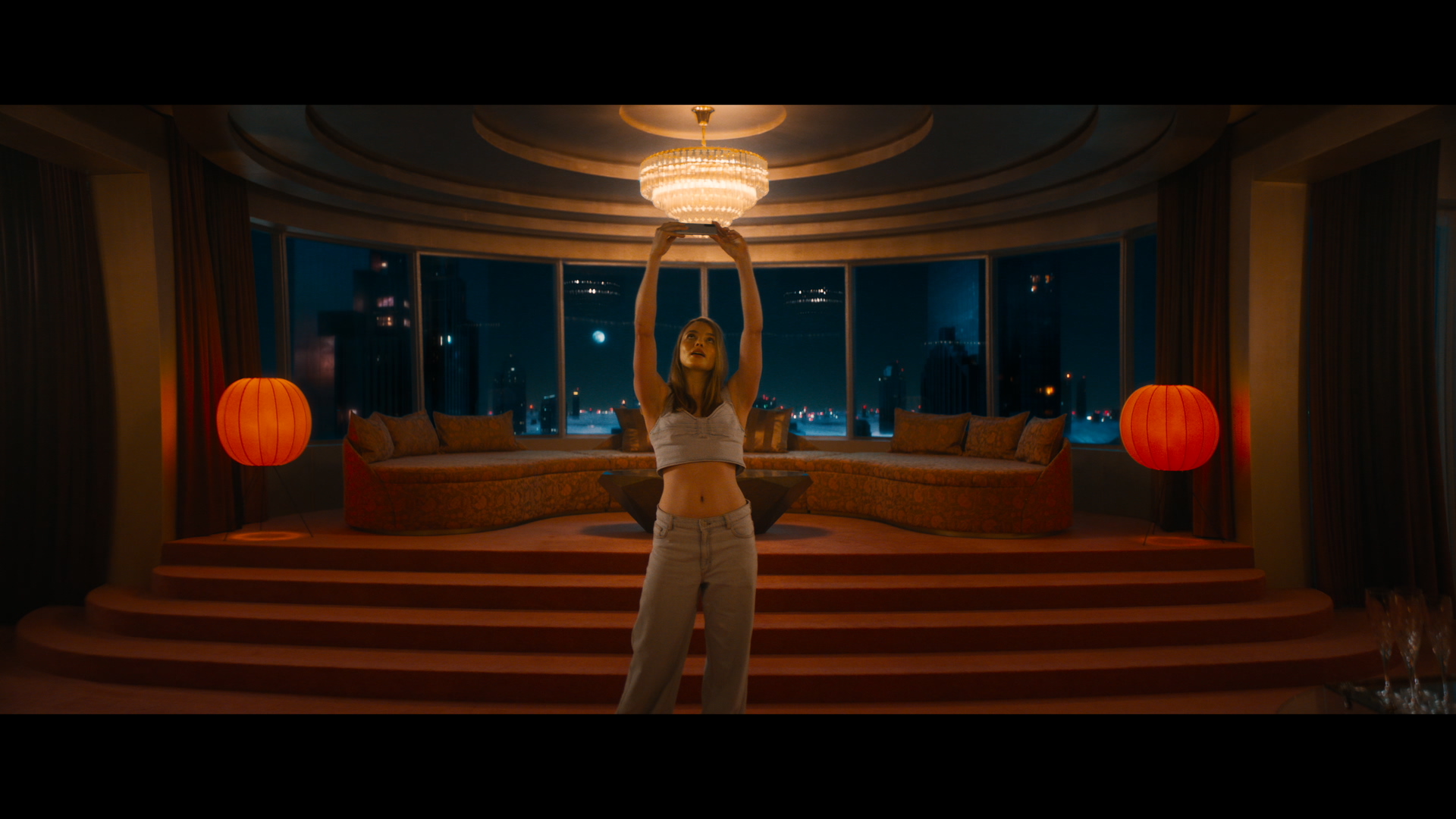
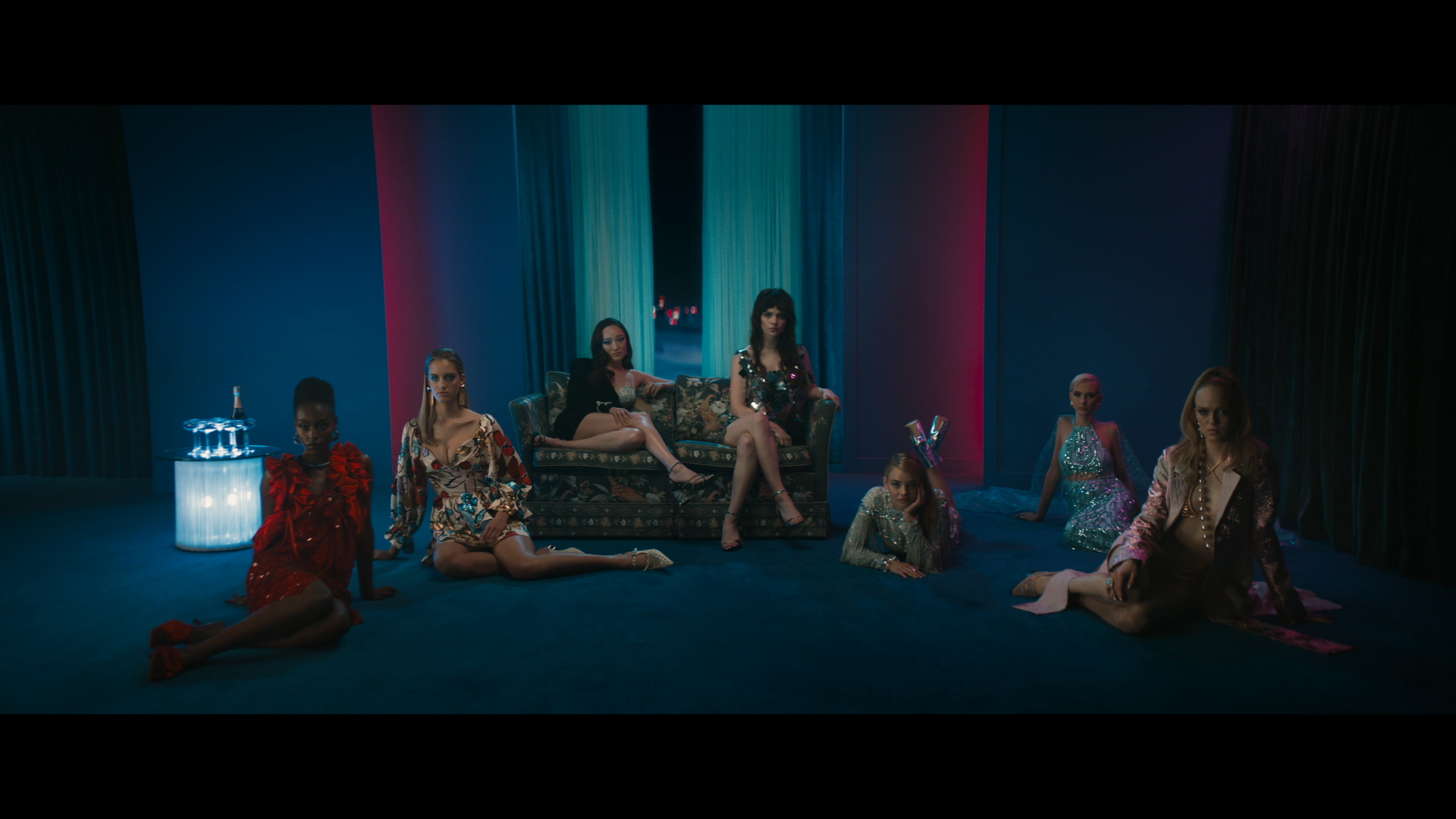


You are able to translate to the screen such vivid visions. Where do they emerge from? Dreams?
Not from dreams. It usually comes from music. A single song. Then the film comes to me.
What kind of song represents this film?
Definitely an opera.
Before we get into the film, can you tell me about your streaming service by NWR? It seems like a radical, yet obvious, thing for a filmmaker to do.
I wanted to build my own service—a portal to share with others what I find interesting. Like opening your record collection to the public.
You’ve known Alejandro Jodorowsky for years. He has a similar outlook on the ownership of his work. How would you describe his continued influence?
He’s an intricate part of me. His philosophy was always: you have to be you. I live by that.
How did you translate this vision to your cast?
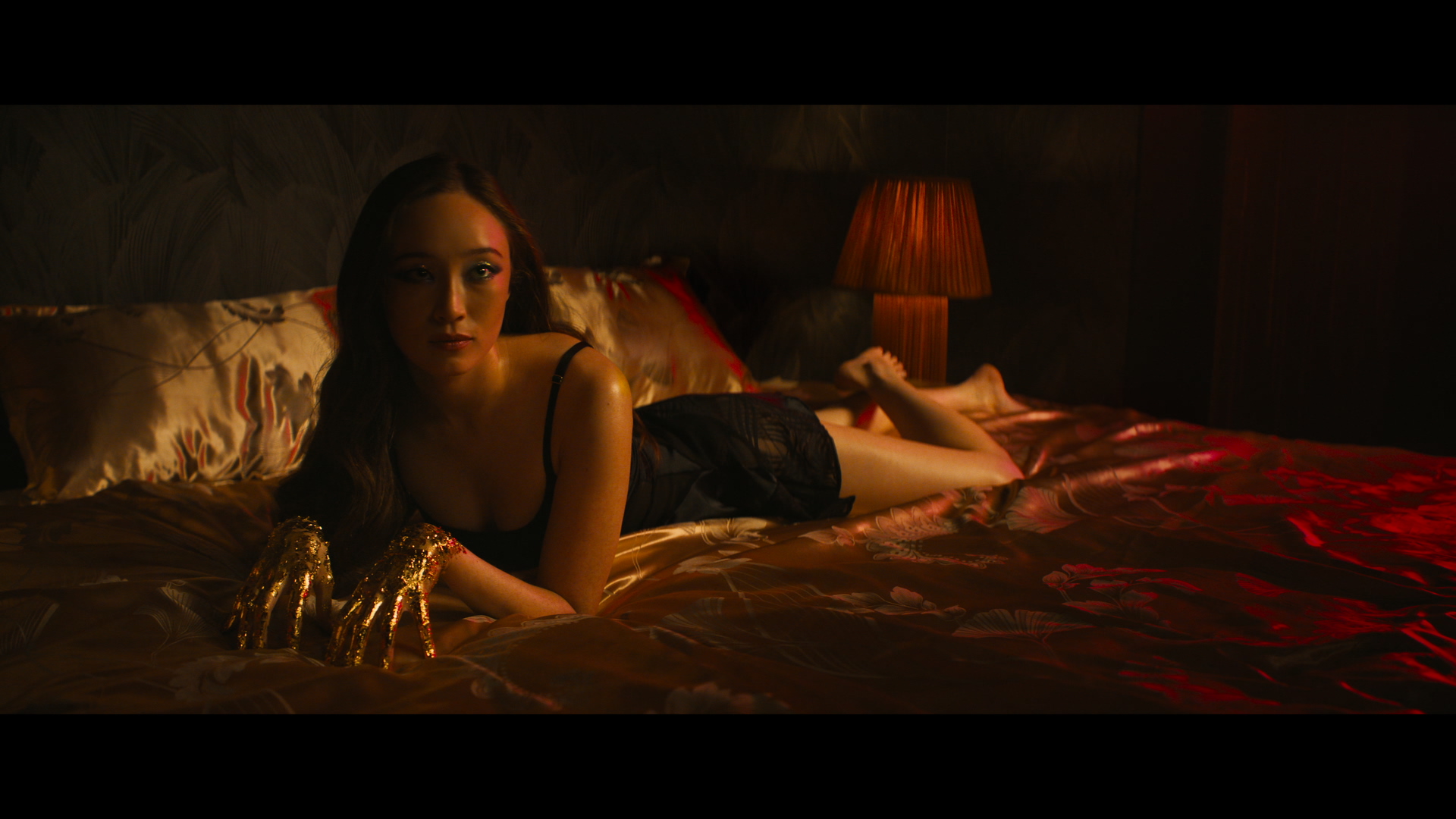
On the surface, it’s simple: a young girl is searching for her father who always leaves her, so she imagines the ultimate father. There are three father archetypes—Private K, Johnny Thunders, and the Leatherman—each a father iconography for her. The girl, played by Sophie Thatcher, happens to be named Elle because of Elle Fanning.
Do you ever feel pressure to make something more mainstream?
Niche is the new mainstream. People want to put you in a box. Don’t judge me—I’m not a box.
Do you see yourself as a filmmaker with signatures and do you try to escape them?
Sometimes. But you’re a product of who you are. The question is how to challenge that and not get too comfortable in whatever extreme path you’re on. You can’t escape certain fascinations; they’re part of your DNA. Picasso had different phases, but obsessions remained. To shake it up, put yourself in a situation that’s completely dangerous. Make every movie as if it were your last.
Where did your appeal to risk originate?
I don’t gamble. But I understand the endorphin of doing it my way. If I can do it only my way, the reward is an endorphin you can’t describe. You become addicted to your own endorphins—I became addicted to life.
Do you care what people think of your films?
I care that they have an experience—love it or hate it. Both reactions are fine.
The film has a neon-drenched energy. Didn’t you plan to shoot in Tokyo?
I considered Tokyo and Seoul—also going back to Bangkok—but no city existed the way I saw it. So I had to build it and went back to Copenhagen, built a few set pieces, and shot it there.
Your work has always reminded me of the action and fantasy of video-games. Are you a gamer? How did Hideo Kojima influence you, since you’re both famously such good friends?
The video-game sensibility fascinated me all the way back to Only God Forgives. I’m not really a gamer—only Game Boy back in the day. Through Hideo, I had a great teacher in understanding gaming. We met in London years ago and stayed great friends. We’ve mostly communicated through translations, emojis, and images. Maybe that’s why we never argue—how do you argue with emojis?
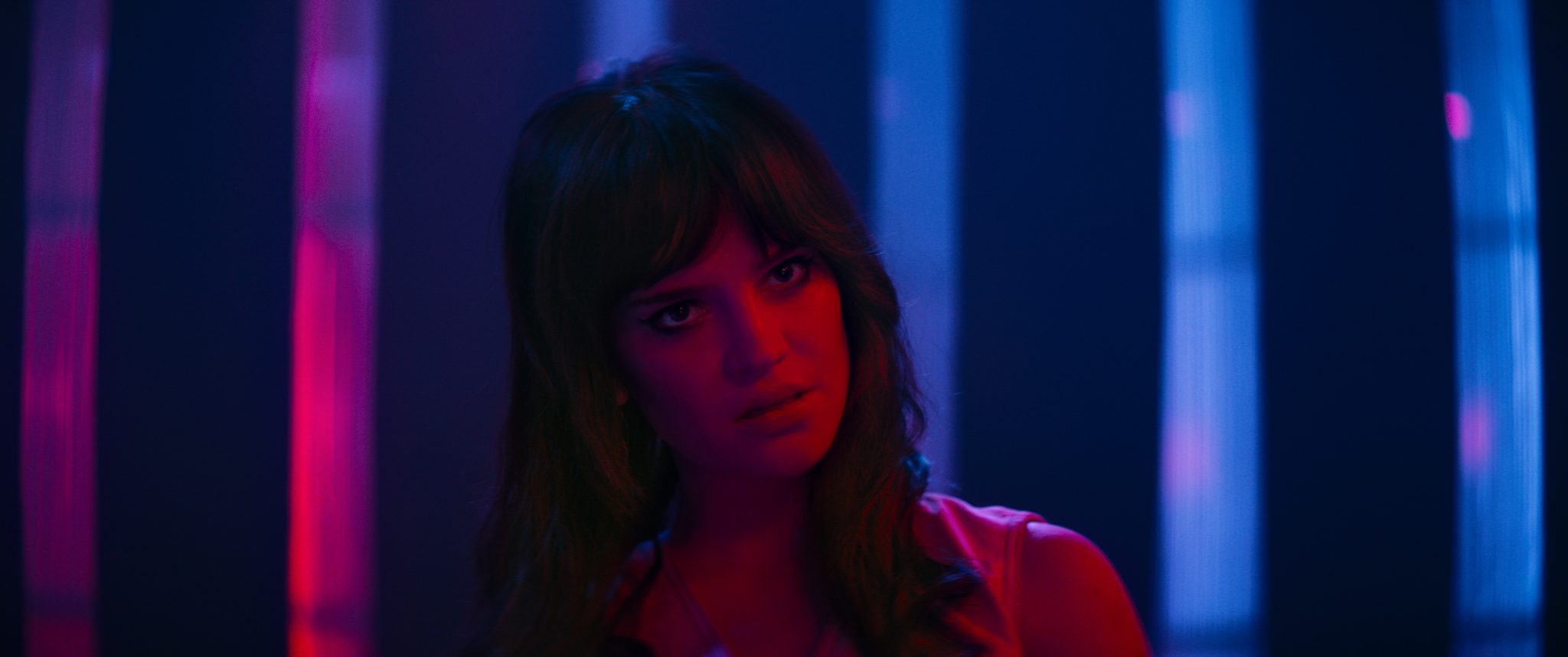
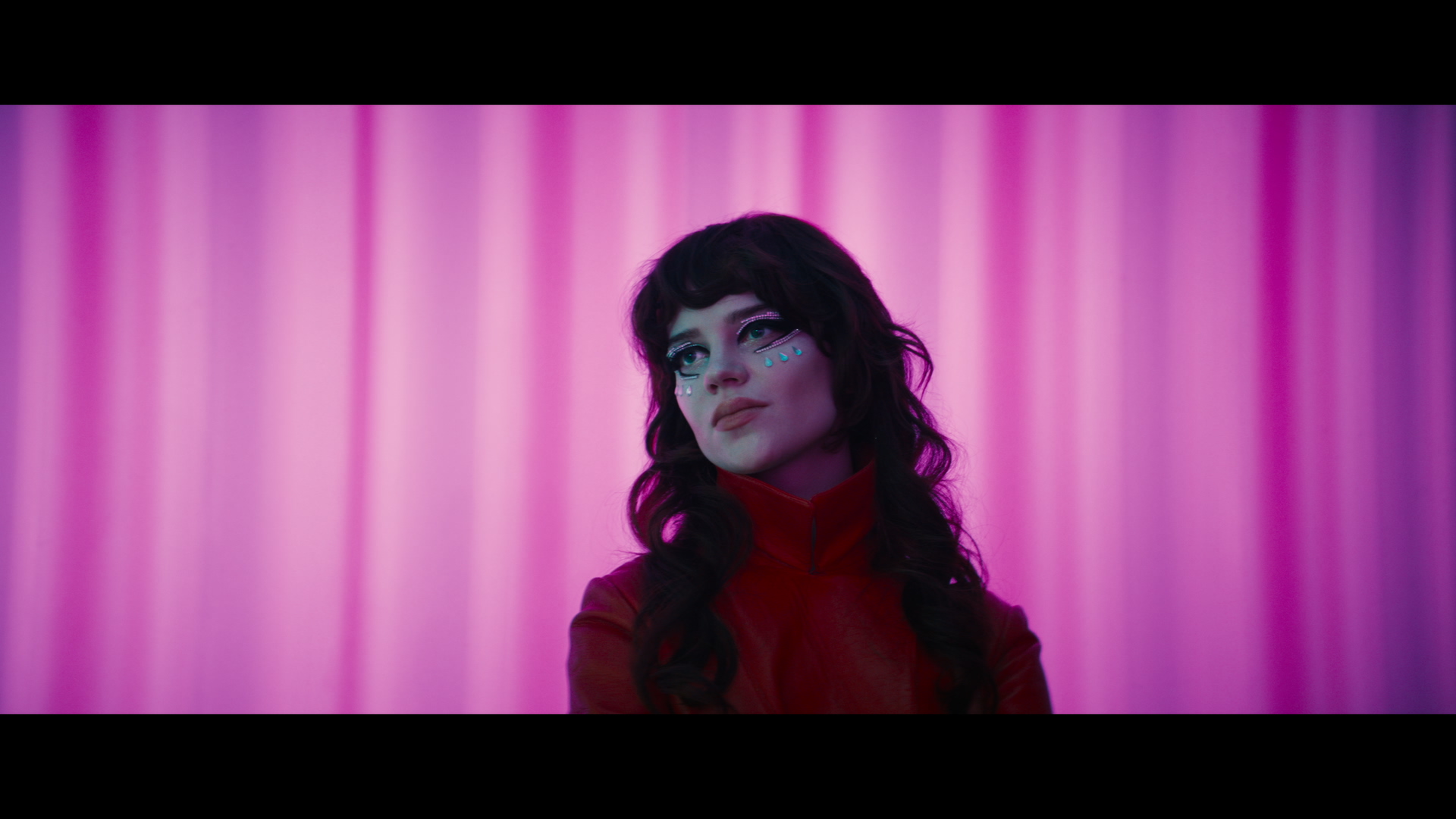
Sophie Thatcher in Her Private Hell, 2026. Directed by Nicholas Winding Refn.
Have you wanted to incorporate interactivity into film, like Kojima does with cinema in games?
It’s more the philosophy of games than interactivity—the hero, the mind expansion. Hideo’s field evolves constantly through technology. Film risks stagnation when it becomes information rather than experience.
Why Pino Donaggio for the score, and why now?
This was the first film where I couldn’t imagine the sound. I tried many things while shooting. Halfway through, I realized it’s an opera—I always wanted to make one. In opera you start with music; here it would end with music. So the composer had to tie it all together. I needed someone who does film and opera. You go to Italy. The greats are mostly gone—except Pino Donaggio. I’d used his work as source over the years. I met him; he was mid-80s. I told him, it’s all on you, baby. He sent temps; I commented—but I relied on him to tie it together. It could’ve been a disaster.
You’re already moving on to an adaptation of Maniac Cop.
Larry Cohen was a great writer. The Winged Serpent, Black Caesar—those were part of my childhood. The collapse of society and a boogeyman in uniform—that iconography is fascinating. The rights came up about 18 years ago. I bought them.
How do you make someone else’s IP personal?
The trick isn’t that it comes from you; the trick is making it personal. A director can make it personal if he or she is able to. Drive is a book—I didn’t write it—but I made it personal. The Shining is Stephen King, but Kubrick made it… more.
Would returning to a gritty Pusher-style approach betray who you’ve become?
I became more who I really was later. For Copenhagen Cowboy, I sold it as Pusher to the execs—but I wasn’t going to make the original movies. I’d already made them. It was: if I made Pusher now, what would it look like? Copenhagen Cowboy.

Niche is the new mainstream. People want to put you in a box. Don’t judge me—I’m not a box.
Nicholas Winding Refn
What do you want the audience, tired of being spoon-fed as you’ve put it, to feel?
That they’re getting an experience, not information. Something that resists predictability—the enemy of the algorithm.
You’ve mentioned your heart surgery—being close to death and returning. How did that experience shape this film?
It wasn’t about exonerating trauma. My heart operation—dying and being brought back—was a passage. A reigniting. We all have a flame in us that represents our creativity. That flame will eventually fade out—just go out. The question is: how do you bring it back? If it’s gone, how do you reignite it? For me, something had to happen. I asked the big guy for the big plane. And it was like, “Okay, I’ll kill you and I’ll bring you back,” and your flame will be as if you’re 24 again. Even though I’m 55, I feel creatively like I’m 24.
That’s powerful. When you say “passage,” what changed on the other side—practically and artistically?
Urgency and clarity. It reset the creative clock. You feel life in a different way—like an addiction to your own endorphins when you do it your way. That’s the reward you can’t describe. It makes you commit to risk: make every movie as if it were your last. And it hardens your stance against comfort. You accept your obsessions—your DNA—but you refuse stagnation. You push yourself into danger so the flame doesn’t dim again.
Did that “rebirth” change how you built this specific film?
Yes. I wanted to make a movie the AI couldn’t make—the enemy of the algorithm. Something for the kids—everyone is sick of being spoon-fed. Midway through, I realized it was an opera. Usually with opera you start with music; here the music would end the process and tie it all together. That’s why I needed someone who could bridge film and opera—Pino Donaggio. I relied on him to be the ace that binds it. It could have been a disaster, but that’s the risk.
How much does faith factor into your path?
There’ve been places where luck intervened—the divine, as I say—and that’s happened more than once. I believe that’s part of the path. The question is: what’s my deal in the bargain? What did I agree to? I’m still working it out…
Her Private Hell is in UK cinemas from 25th September.