

The Secret Agent has become a blockbuster in Brazil for its pithy portrayal of a dissident under dictatorship. Now a serious contender at this year’s awards circuit, the film—which also captures the honeyed hues of 1970s Recife—might also have thing or two to say about politics today. A Rabbit’s Foot caught up with the Brazilian auteur ahead of the film’s theatrical release.
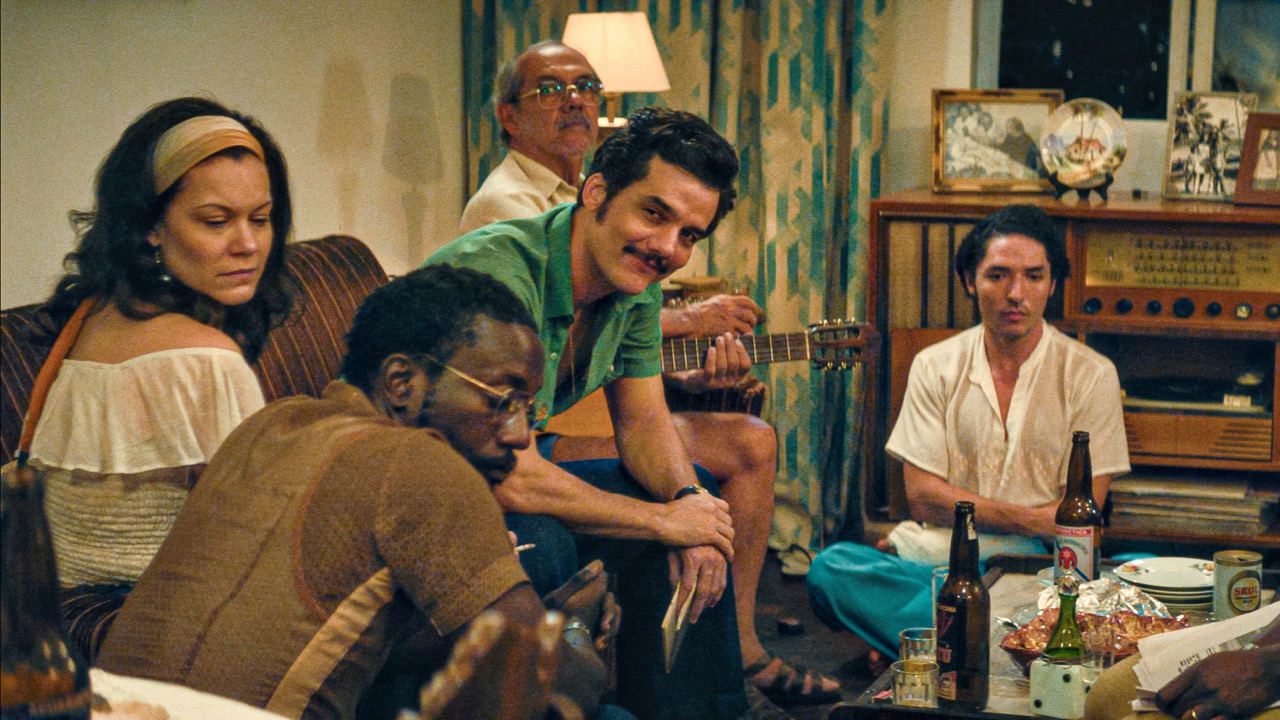
To the international festival circuit, Brazilian auteur Kleber Mendonça Filho is a well-known entity, responsible for the radical cult hit Bacarau (2019) and poignant ethnographic documentary Pictures of Ghosts (2023). But it’s his fourth feature film—the Cannes prize-grabbing The Secret Agent—that has captured the attention of the mainstream and scooped four Oscar nominations, including for Best Picture. Set mainly in 1977 Brazil, where Filho himself grew up in an era of fascism and chaos, it stars Wagner Moura as Armando, a former academic who goes on the run after raising the ire of the venal industrialists and crooked criminals who run the country with an iron fist. Shot in gorgeously honeyed Panavision with an anthropological eye for social mores, the film mixes genres with panache: from the 1970s crime flick to political thriller, without ever conforming to expectation, unfolding instead into its own unique and epic tapestry. It is a film that shows how history remains alive to us, and how pivotal is that we protect it.
With Christina Newland, the director discusses how the 1970s atmosphere was drawn from memory and archival research, the film’s Bond-esque opening sequence and what this all means for Brazilian cinema.
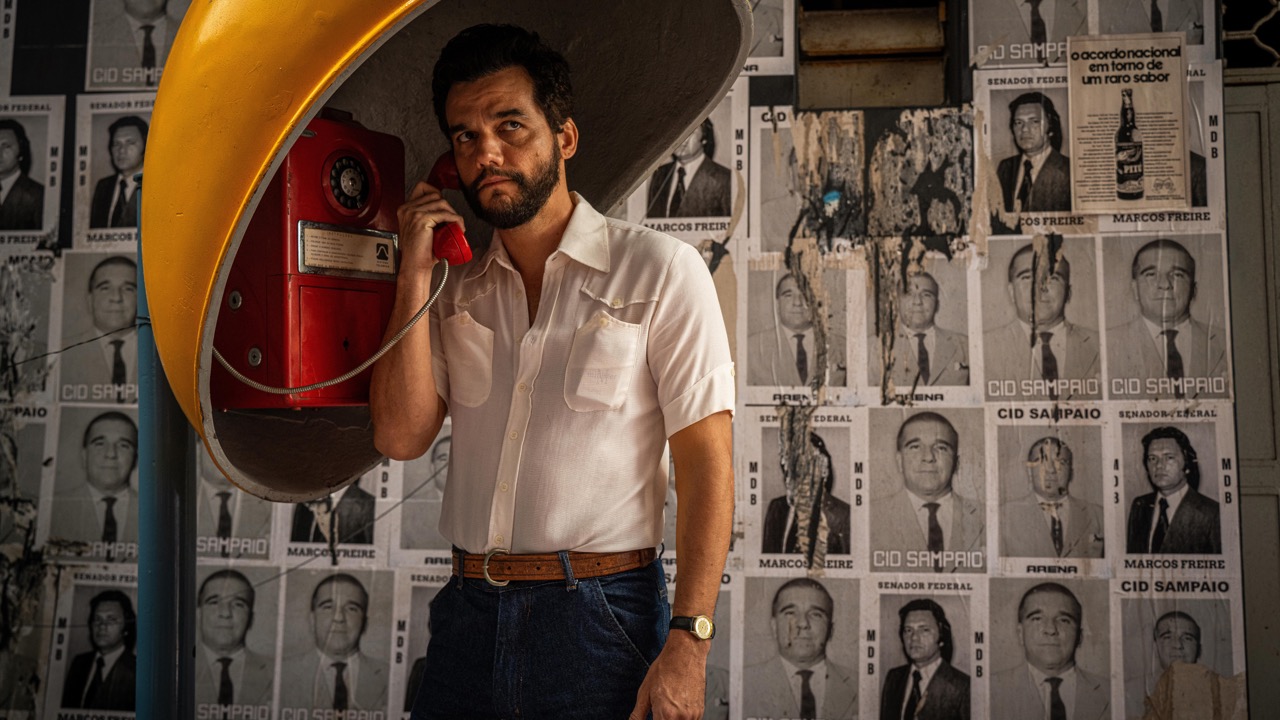
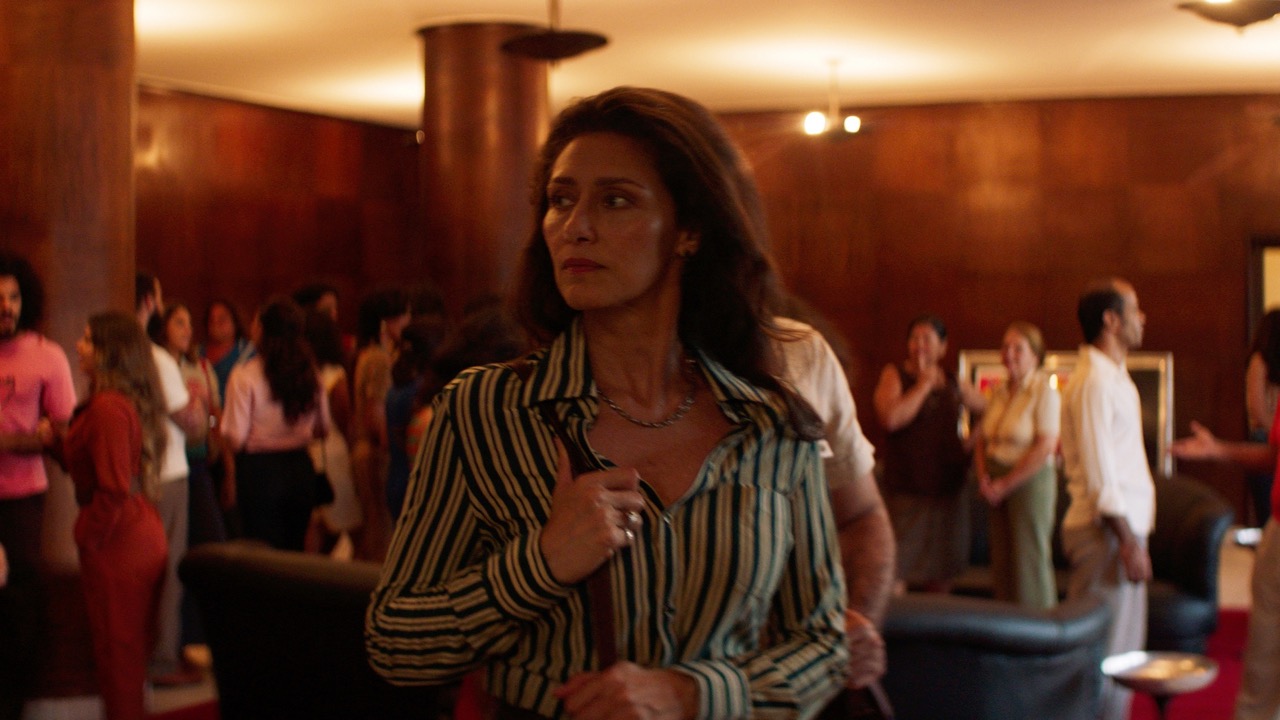
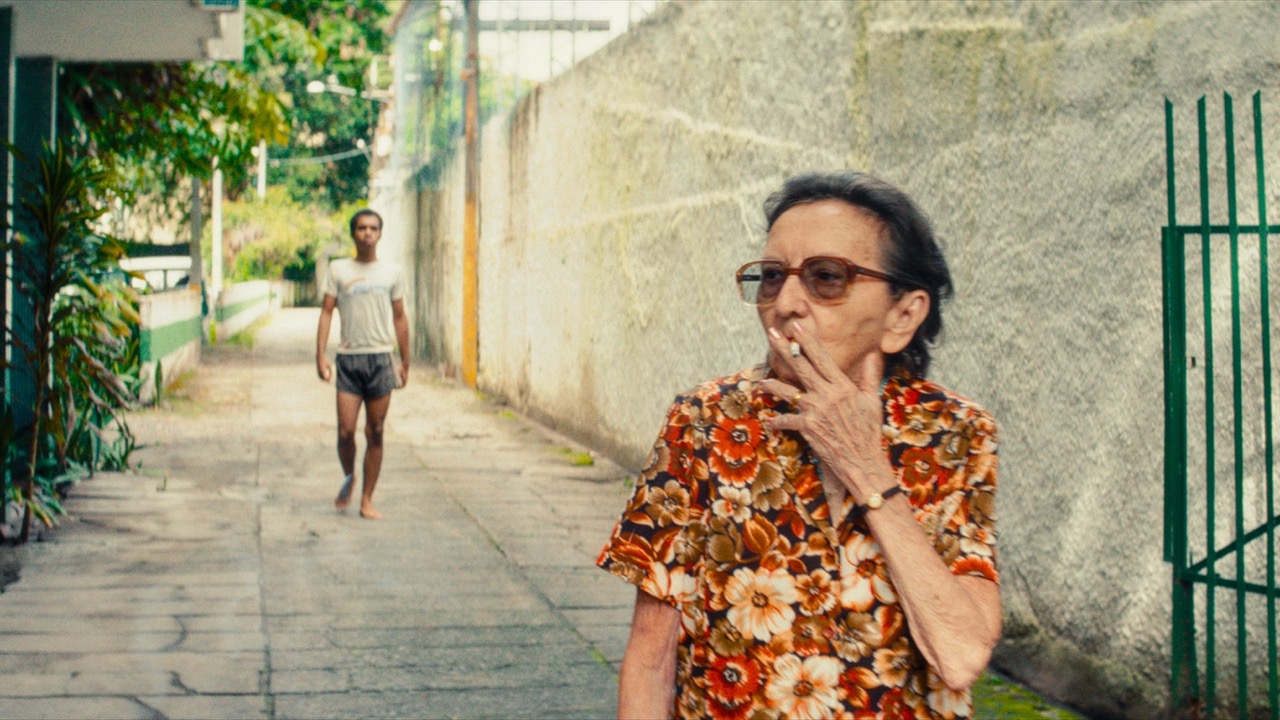
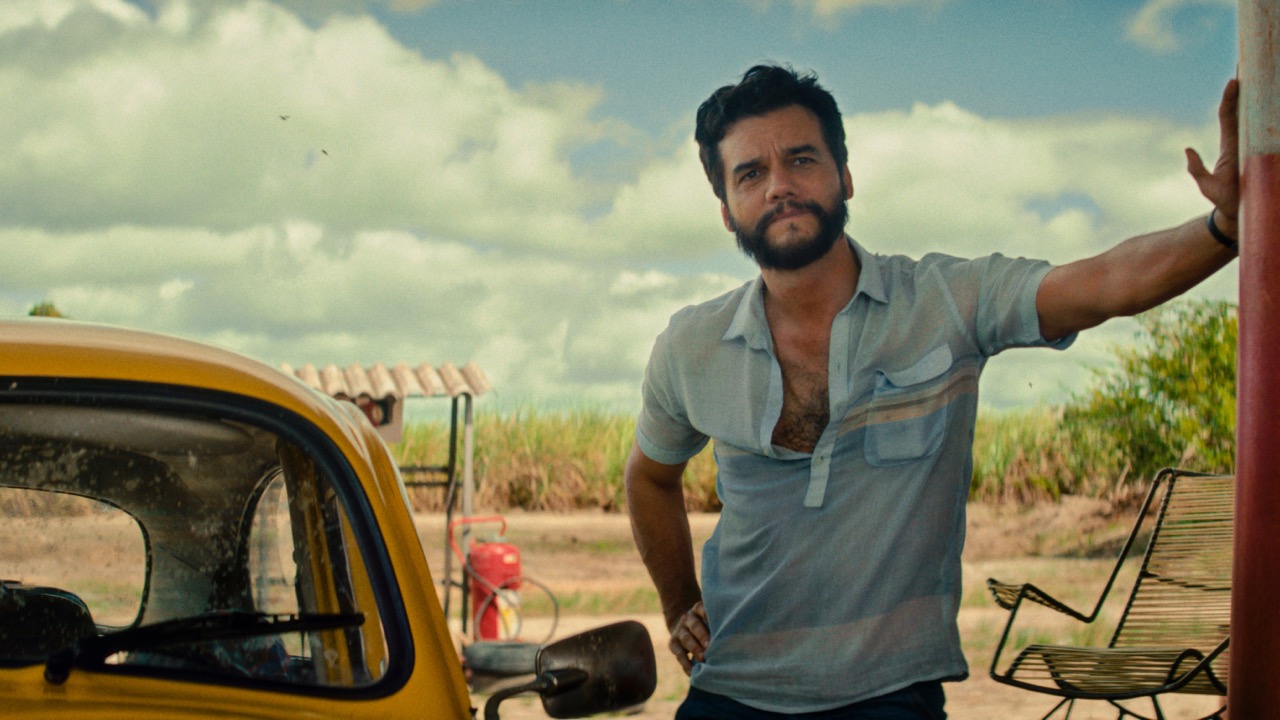


Christina Newland: The film is so vividly textured from your own memories of growing up in Recife, Brazil, during the 1970s. But it’s also a fictional story with other elements. How did you balance these two elements in the storytelling?
Kleber Mendonça Filho: It’s strange, because I wrote the script very fast. But then it took months to add layers and details. So it took over a year to get to this version. But also the previous film I made, Pictures of Ghosts, I spent seven years going through the archives looking at the history of the city. So when it got to the 1970s, and I was looking at some of the newspapers [from that time], I started to remember things from when I was a little kid. So the texture comes from myself and my memories: the cars, the cinemas, the streets. And my costume designer for the film, she did something beautiful. Many designers would look at Harper’s Bazaar or some chic magazine to look at fashion of the time, but she went to family photo albums and friends’ albums to see what someone’s uncle in his mid-thirties might be dressed in 1974. So that’s the texture.
But when it came to the storyline, it took a long time, but I had the starting point, which was the gas station sequence. I almost wanted it to be like those James Bond movies which begin with a sequence that feels like the end of some other story, before the opening credits. You see the sequence, this elaborate sequence, and then the film actually begins after the credits. But here’s this intriguing sequence which is very much about Brazil, about my country 50 years ago, and carnival and violence. And it introduces Wagner [Moura]’s character.
CN: It reminded me of Bring Me the Head of Alfredo Garcia (1974)
KMF: Ah! That’s an interesting one. The one I really had in mind was Wake in Fright (1971)
CN: Tell me about the jumping back and forth through time, and how you do this so unconventionally—not moving forward into the present-day or presenting the story as a flashback until much later in the film.
KMF: Originally, I had a version where the two students [in present day] don’t come in until 90 minutes. I showed it to some people and it was probably a little much, a little too radical. Then I realised I had something beautiful from [the character of] Sebastiana, who’s walking in the yard and disappears into the building. So that was an entry point at 42 minutes. But I always wanted the audience to have complete immersion into 1977, and then reveal at some point that someone is listening in the future. It’s almost like if our conversation recording survives for forty-five years, it might pick up different elements to someone listening in the future. I find that idea really fascinating.
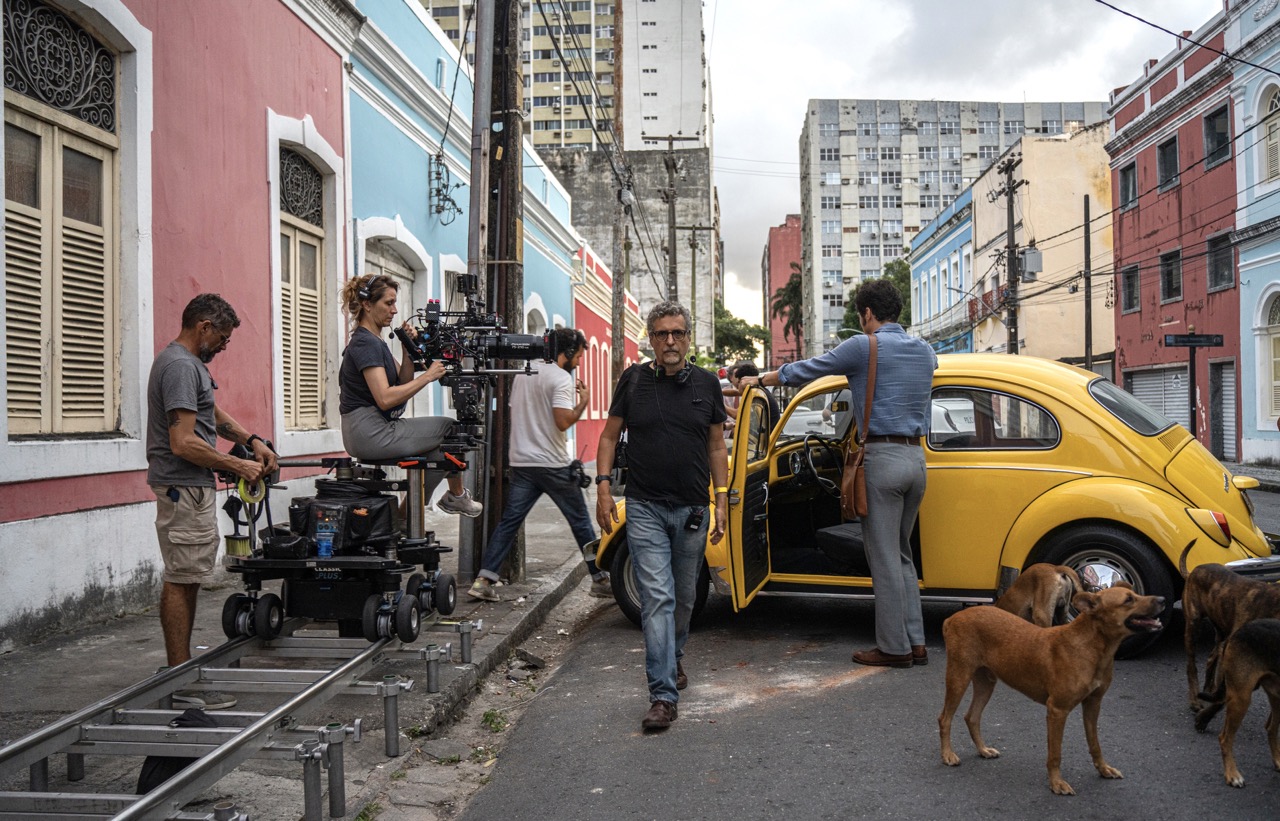
Kleber Mendonça Filho on the set of The Secret Agent. Credit: Victor Juca Large
CN: There’s a real running theme in The Secret Agent about cultural heritage, archives, and how we protect cultural history. I understand your mother was a historian, and this film is your first which is so grounded in a period setting.
KMF: There was a book coming out which contained the script for the film, and I was writing an introductory text for it. Then I uncovered this interview that my mother did back in 1980 about oral history. And what she said back in 1980 could have been, basically word for word, how I feel about cinema. Even if you make a silly romantic comedy, that could become a historical document. You look at clothes, behaviour, and values. The most important idea, I think, is the idea of a death in the film coming up in a newspaper archive. Some people didn’t get it. But many people did.
CN: It’s such a harrowing moment.
KMF: Cinema tries to organise life in neat bands of information, which is fine. But it doesn’t always work like that.
CN: Can you tell me about Wagner Moura and his working relationship with you, but also with the street-cast actors you found?
KMF: Me and my producer Emily, we work hard to bring in great people to work with. In theory, you can work with a complete idiot who happens to be a great artist. But I’d rather avoid that. Wagner Moura is one of these people that I identified as a really good person and also a great artist. And sure enough, he comes to the city a month before the shoot, dedicates himself to walking around, making friends, rehearsing. It was a 60+ character film and I love to mix professional actors with people who you have to convince to be in the film. I hate the word ‘non-actors’. They’re all great actors. I’m very happy with the cast we have: it expresses what I see in Brazil. Faces, bodies, all different kinds of colours and complexions.
CN: When I think about the epilogue for the film and the way that the hospital was once where this childhood cinema was. Do you think the film has something to say about the threat to cinemas in our time?
KMF: It’s very much about the passing of time and the way cities change. I think cities in the Americas, they change maybe too much, and as the years go by, you grow older and you think: that place was a cinema when I was a little kid. That’s where I saw Star Wars, and that place was a supermarket and another supermarket, and then another supermarket, and then the fourth supermarket, and then a depot for office supplies, then a private university, and now it’s a blood bank.

“I came to understand the film came from my feelings in the four years Brazil had to put up with Bolsonaro as president, who’s now in jail. But I think many US friends can see something in the film which is quite relatable.”
Kleber Mendonça Filho
CN: Do you think that part of the success of the film internationally, and with its Academy Award nominations, is that it has a certain relevance right now?
KMF: The film seems to be talking about Brazil 50 years ago, but but the logic of power being used to crush people is the same. I came to understand the film came from my feelings in the four years Brazil had to put up with Bolsonaro as president, who’s now in jail. But I think many US friends can see something in the film which is quite relatable.
CN: The Secret Agent seems to be protective of public and communal spaces like the cinema and like the university, places of intellect and art, that feel under threat.
KMF: The stupid right-wing people in Brazil, they say it’s immoral that public funding be given to artists and filmmakers because we are all communists. So that dialogue in the dinner sequence
is very much myself and my colleagues and people I know in the community having to listen to these stupid fucking assholes who were always belittling Brazilian cinema. And saying that nobody sees these films. Now, The Secret Agent is blockbuster in Brazil. It’s bigger than F1 and Wicked. They are lost for words, because this is not supposed to happen. In their minds, we make shitty films nobody wants to see. They’re really embarrassed now, and it’s wonderful.
The Secret Agent will be in UK cinemas from 20th February.