

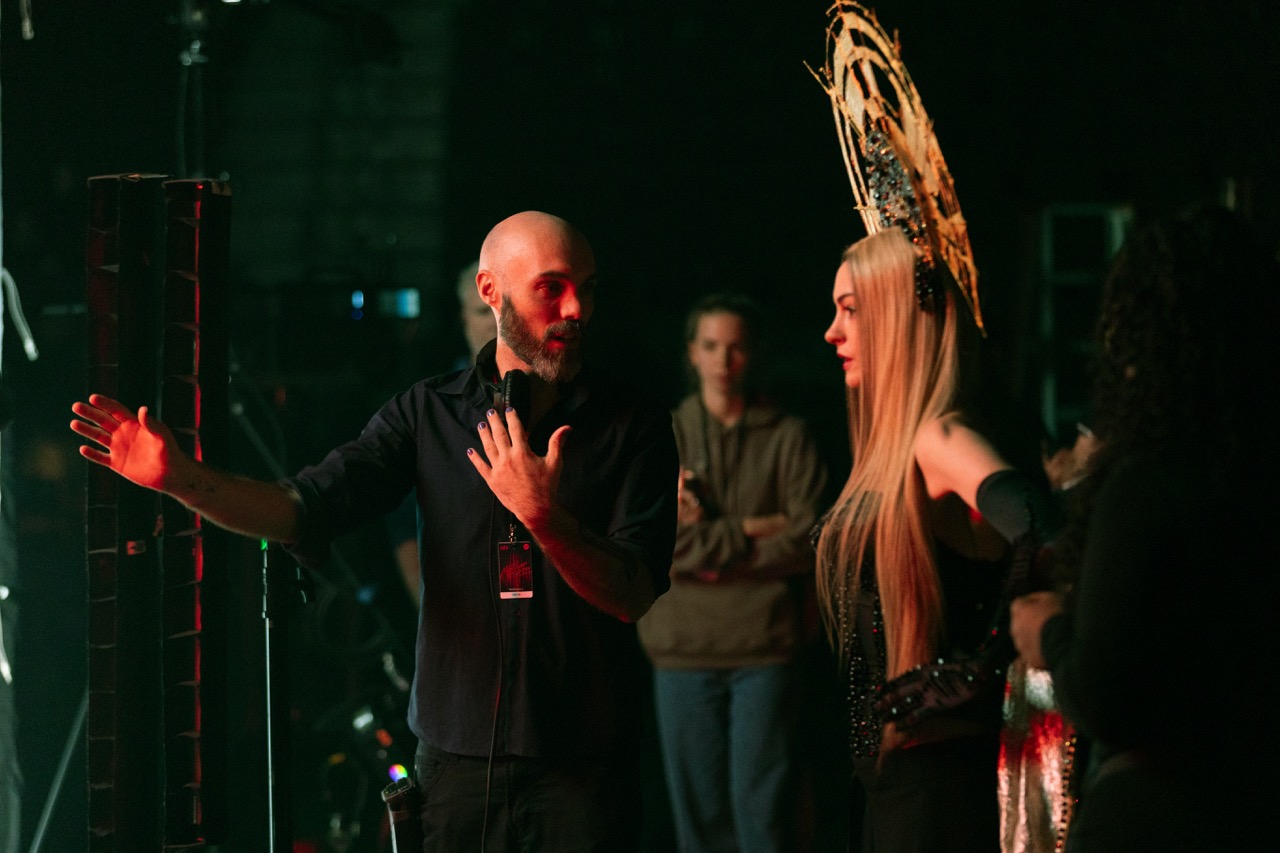
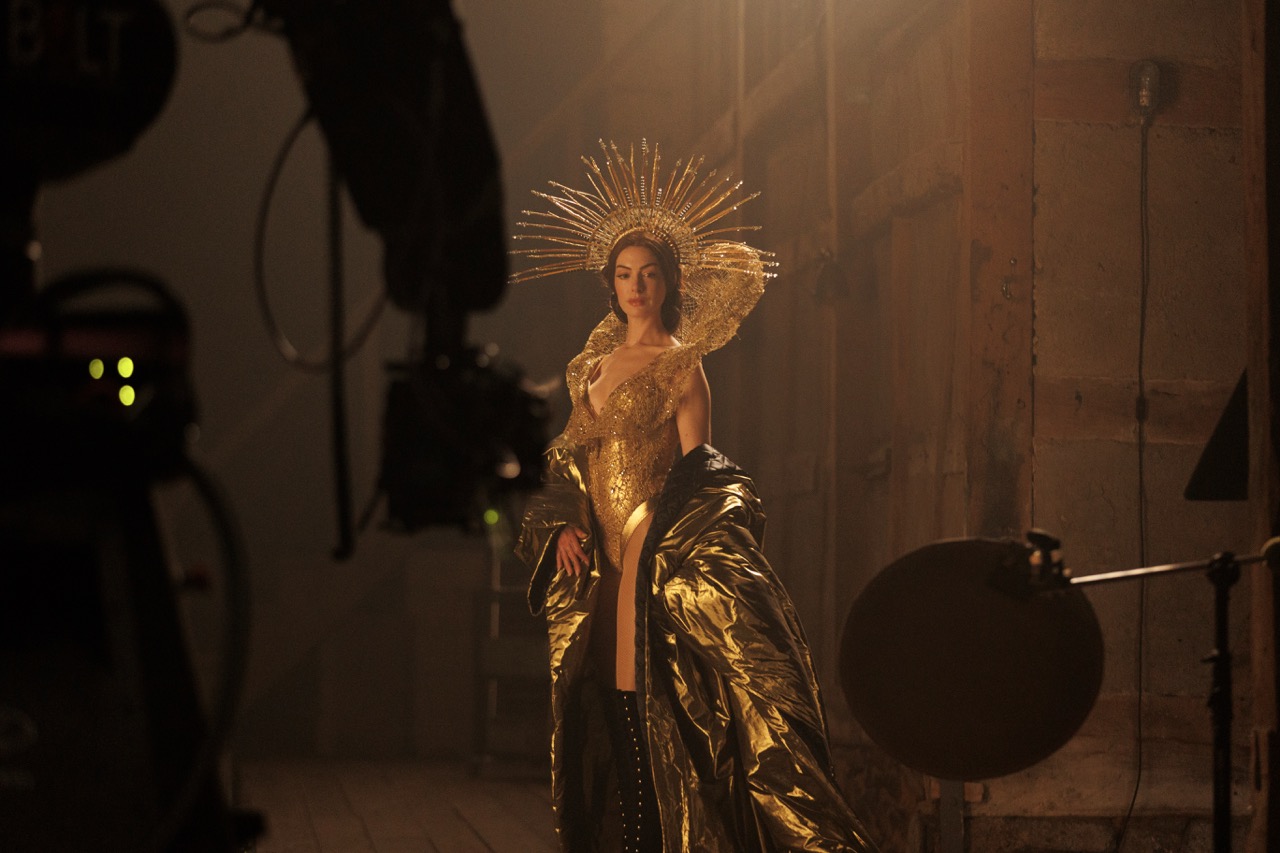
We sat down with the filmmaker to discuss his haunting chamber piece and art-pop odyssey Mother Mary , which explores the relationship thorny reconciliation between a seasoned pop-queen played by Anne Hathaway and her scorned, but visionary, costume designer, played by Michaela Coel.
Love or hate his movies—If there’s one thing about David Lowery, it’s that he’ll keep you thinking long after the credits roll.
The American filmmaker has historically refused hard categorisation, a reflection of his dynamic taste. He’ll take a premise that on paper sounds as conventional as they come—an Arthurian period piece (A Green Knight), a crime caper about an aging bank robber (Old Man & The Gun), a haunted house story (aptly titled A Ghost Story)—and do something totally unexpected with them. There’s something undeniably classic, and largely unique (in his generation anyway), about how deftly he balances the arthouse and the mainstream.
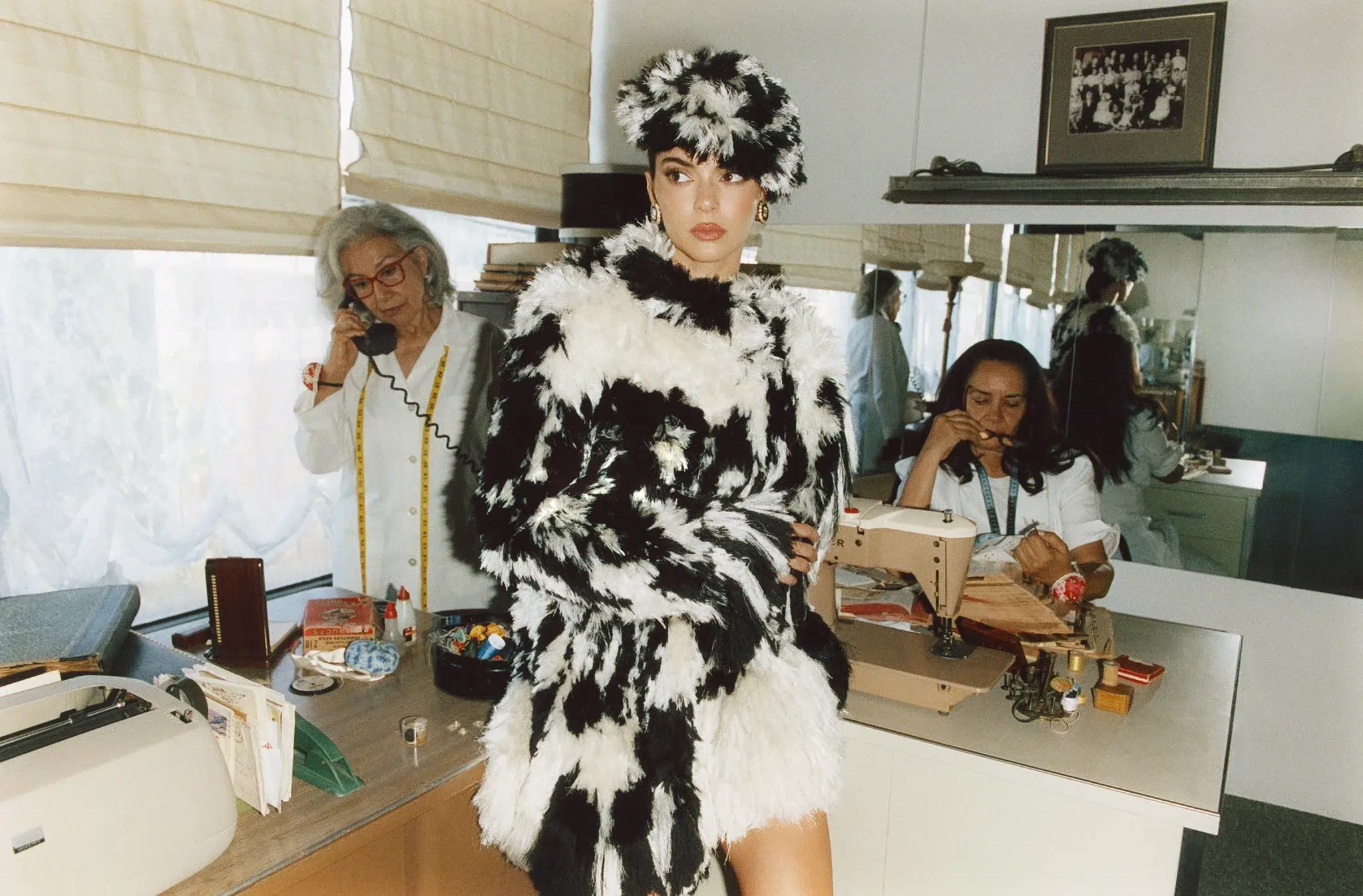
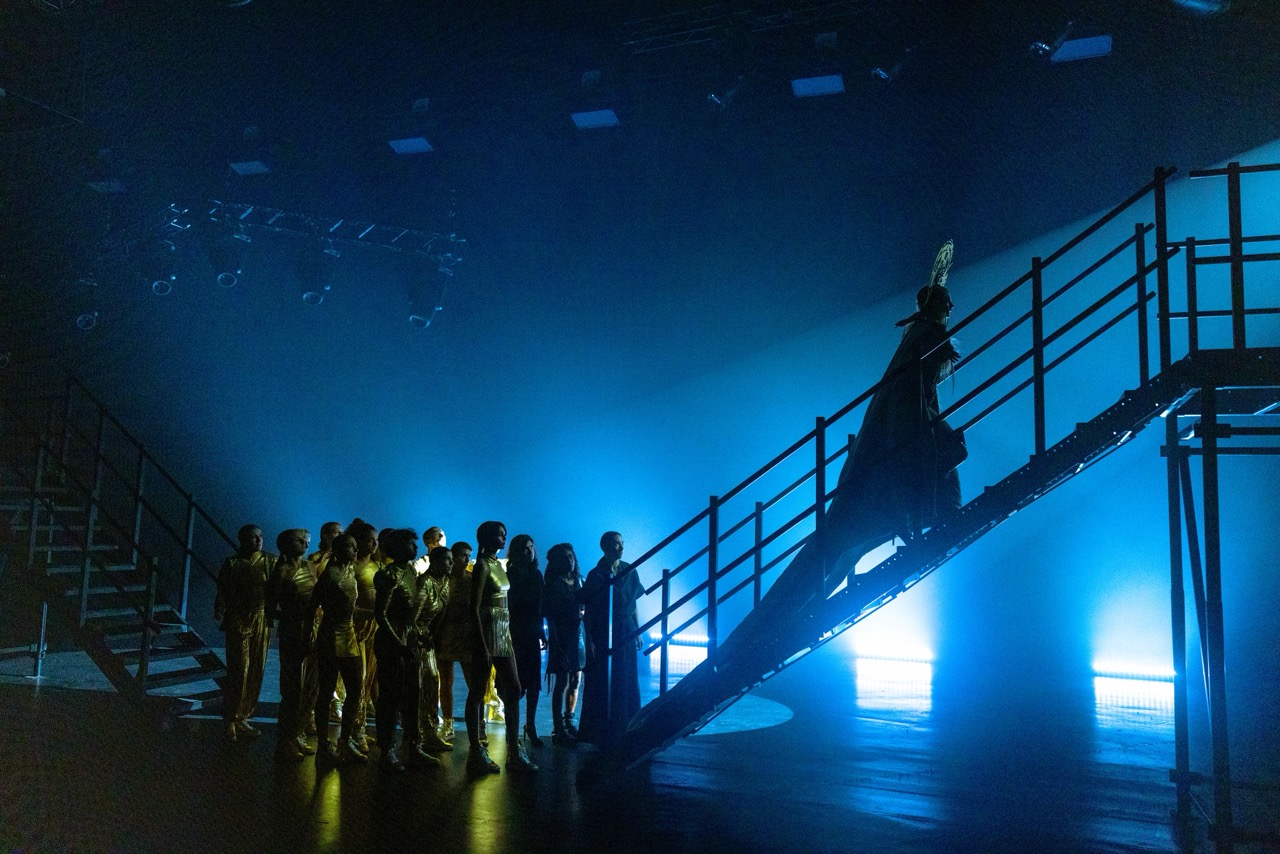
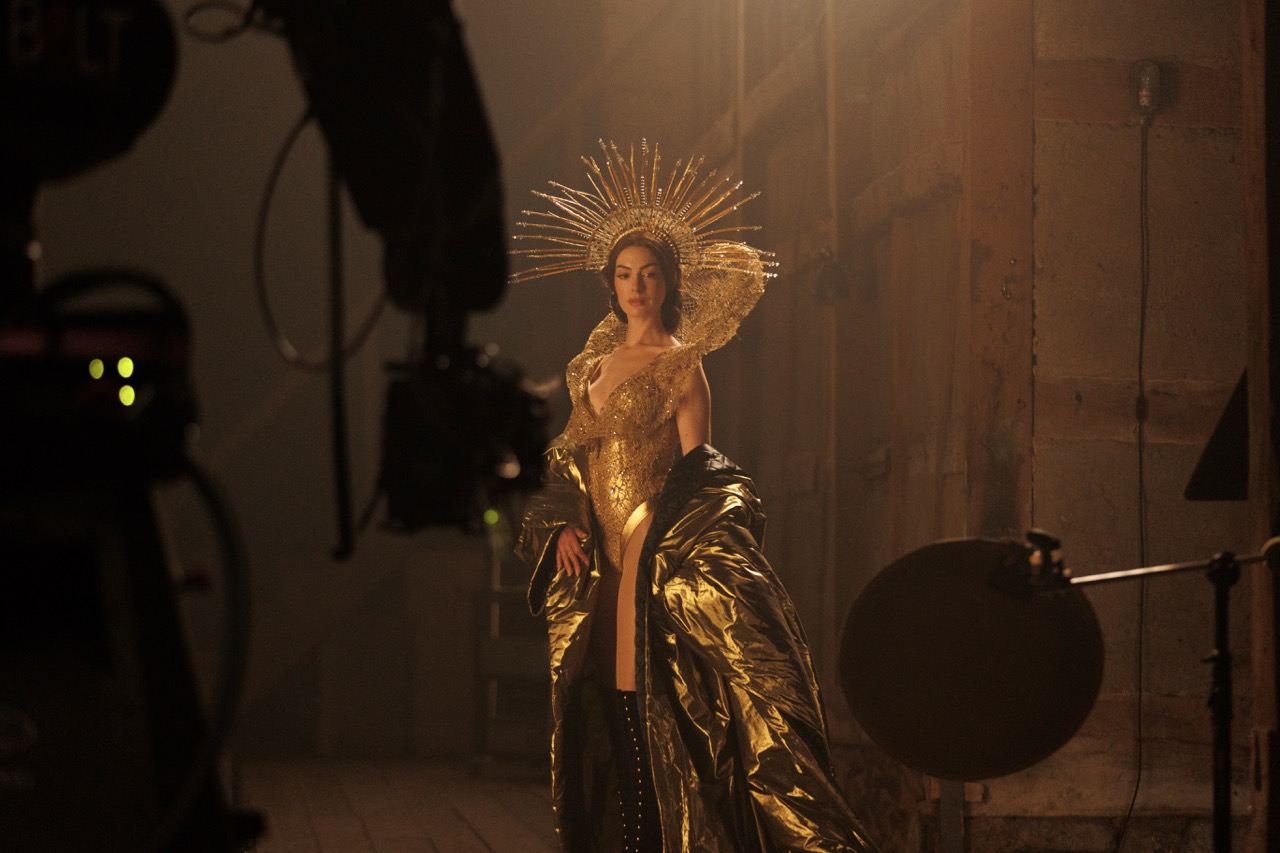
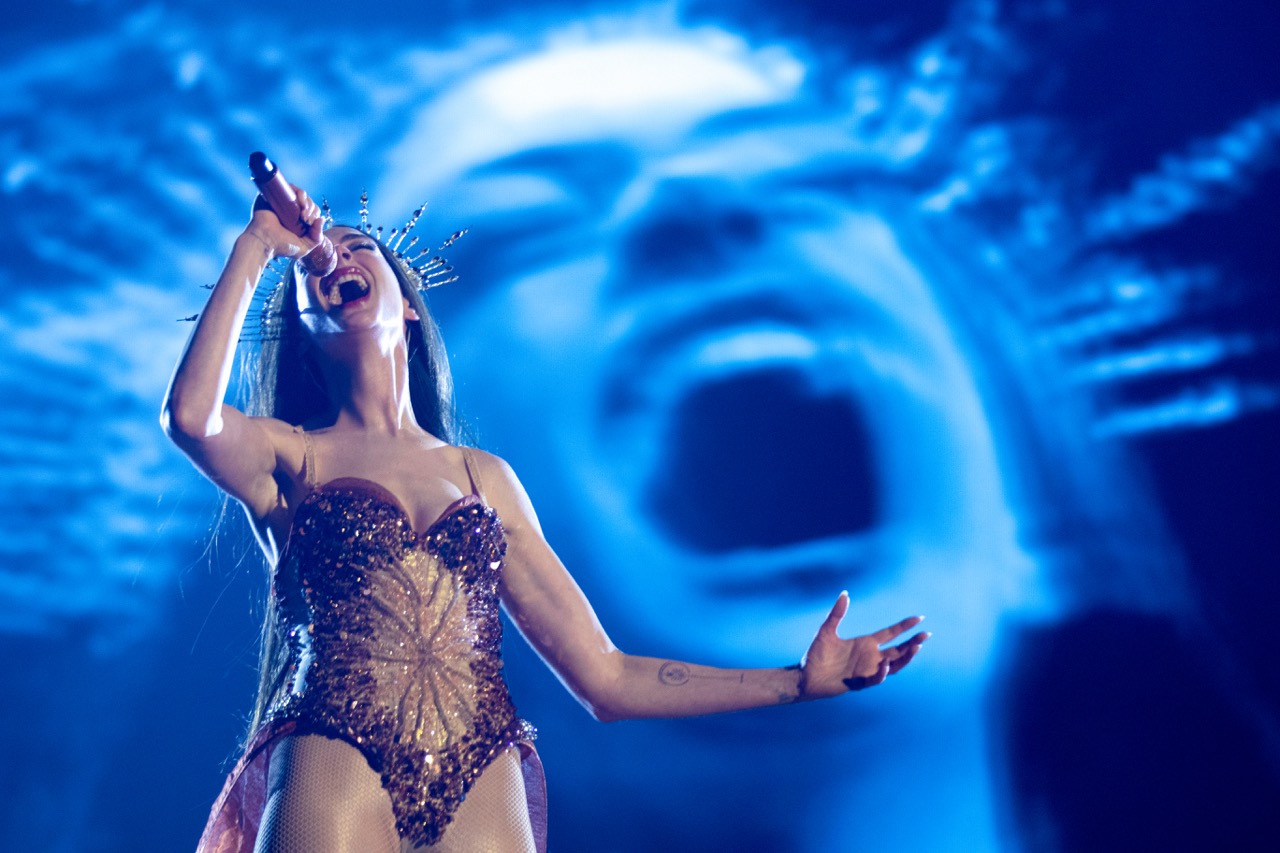
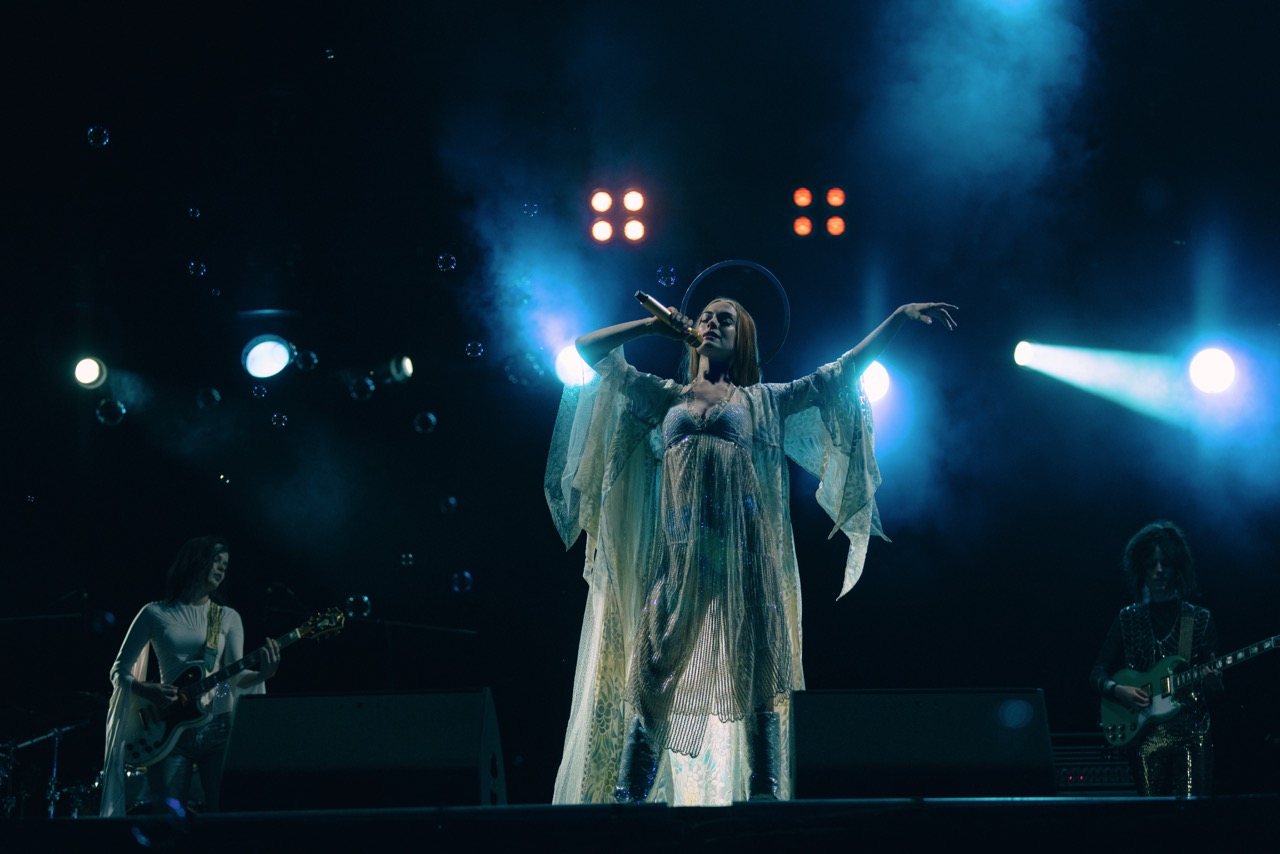
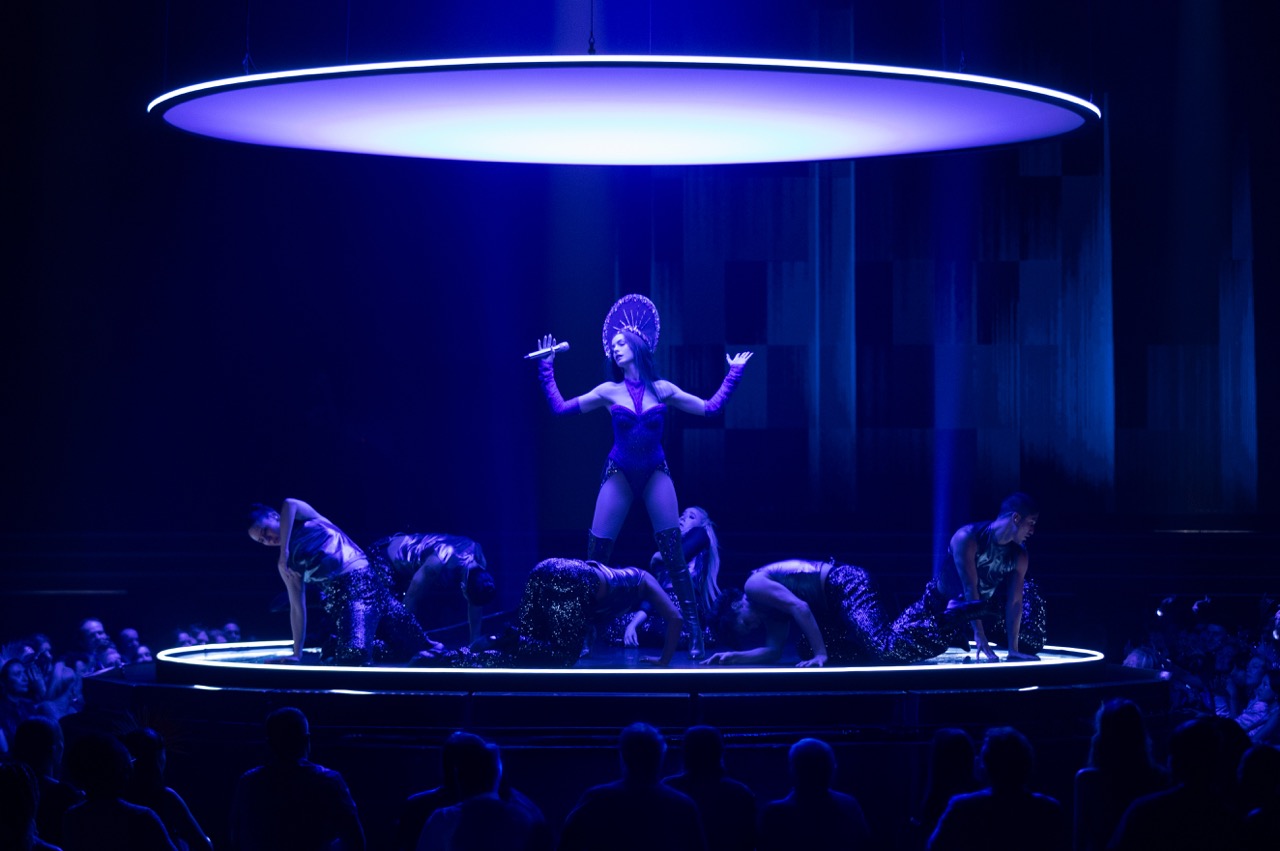
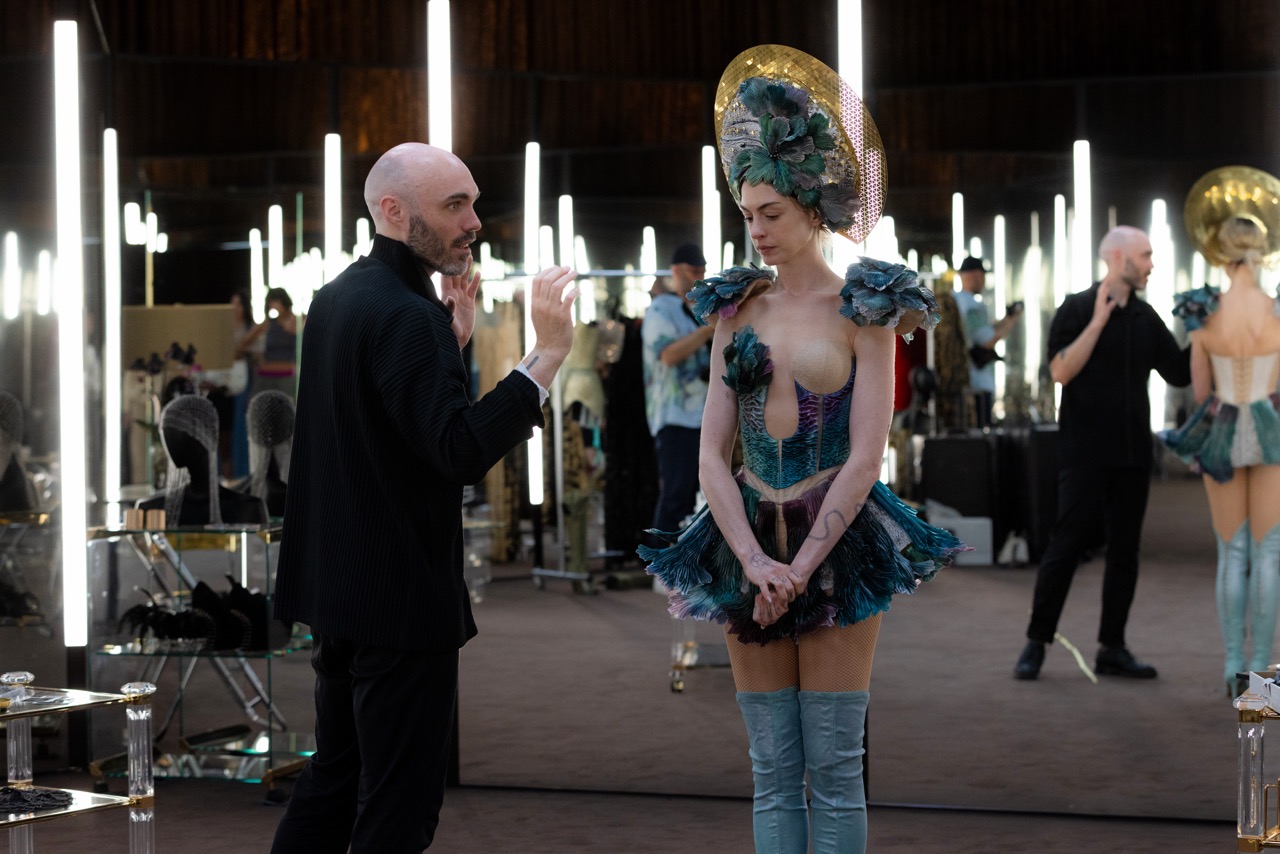
His latest, Mother Mary, follows suit. An ambitious, phantasmagorical experiment disguised as a traditional chamber piece, the film stars Anne Hathaway as a Madonna-like pop star who asks her long-estranged, eccentric costume designer (Michaela Coel) to create a special piece for her upcoming comeback show. Part pop-tinged supernatural thriller, part love story, the film is buoyed by a soundtrack crafted by Charli XCX and Jack Antonoff, with a screen appearance from FKA Twigs—just enough pop power to make its loftier thematic ambitions go down easy.
I met a jet-lagged but cheerful Lowery on a sunny morning in London, where we discussed his affinity for ghost stories, his memories working with the late great Robert Redford, and the pop sensibilities of Mother Mary.
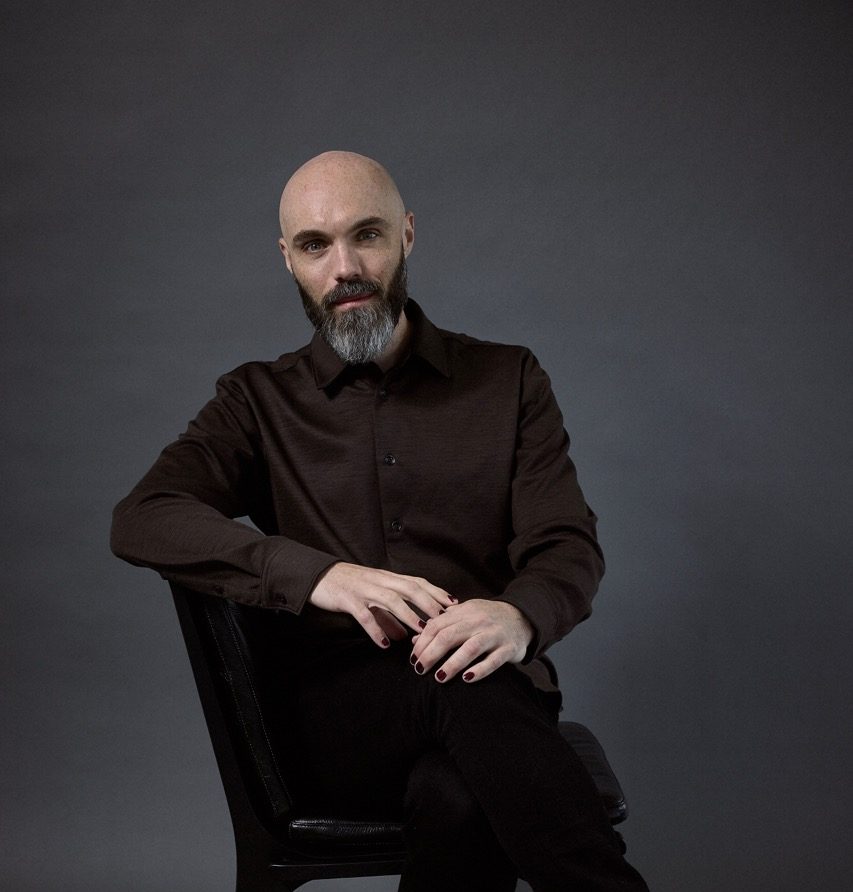
“I’m an atheist that believes in ghosts. What that says about me, I don’t know, but I do believe that there is a hauntological layer to our reality that is incredibly fascinating to me, and useful for me as a storyteller.”
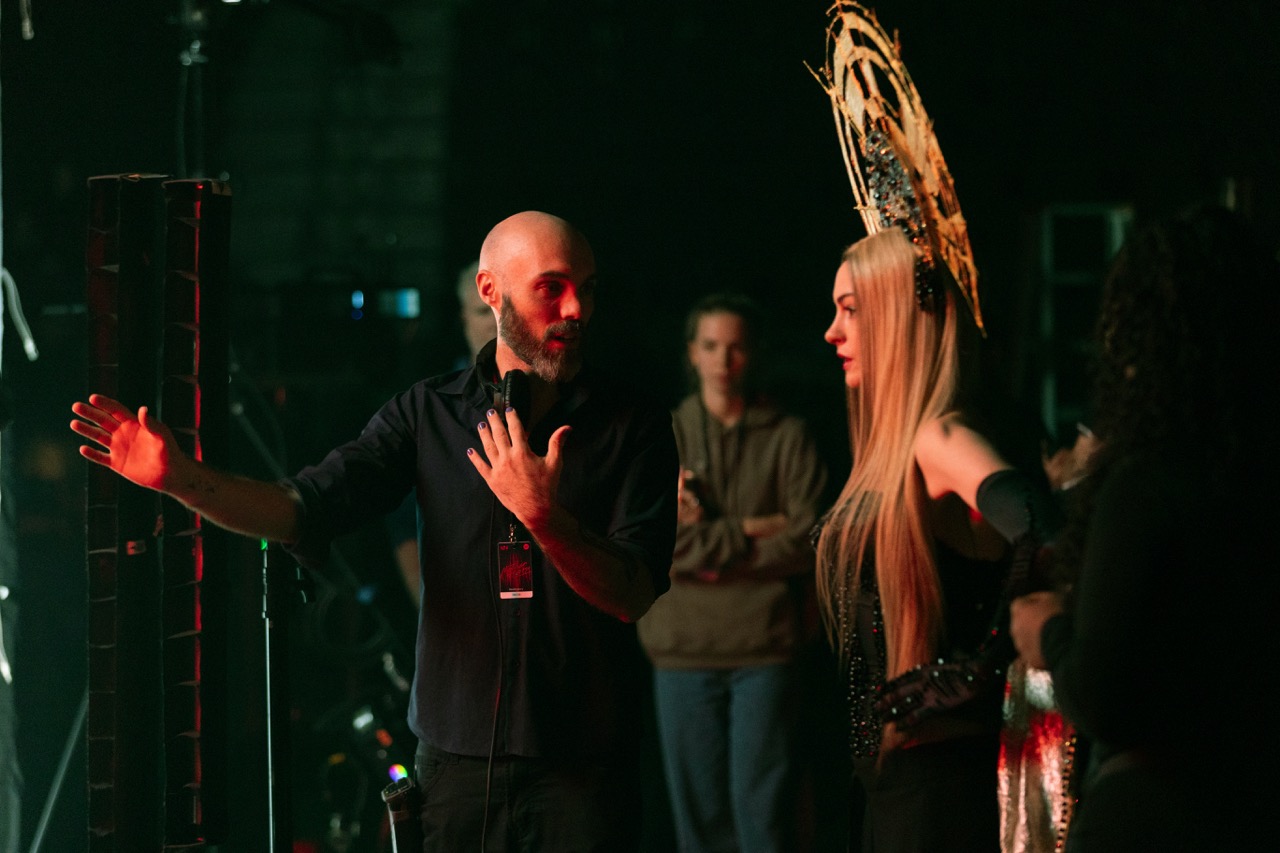
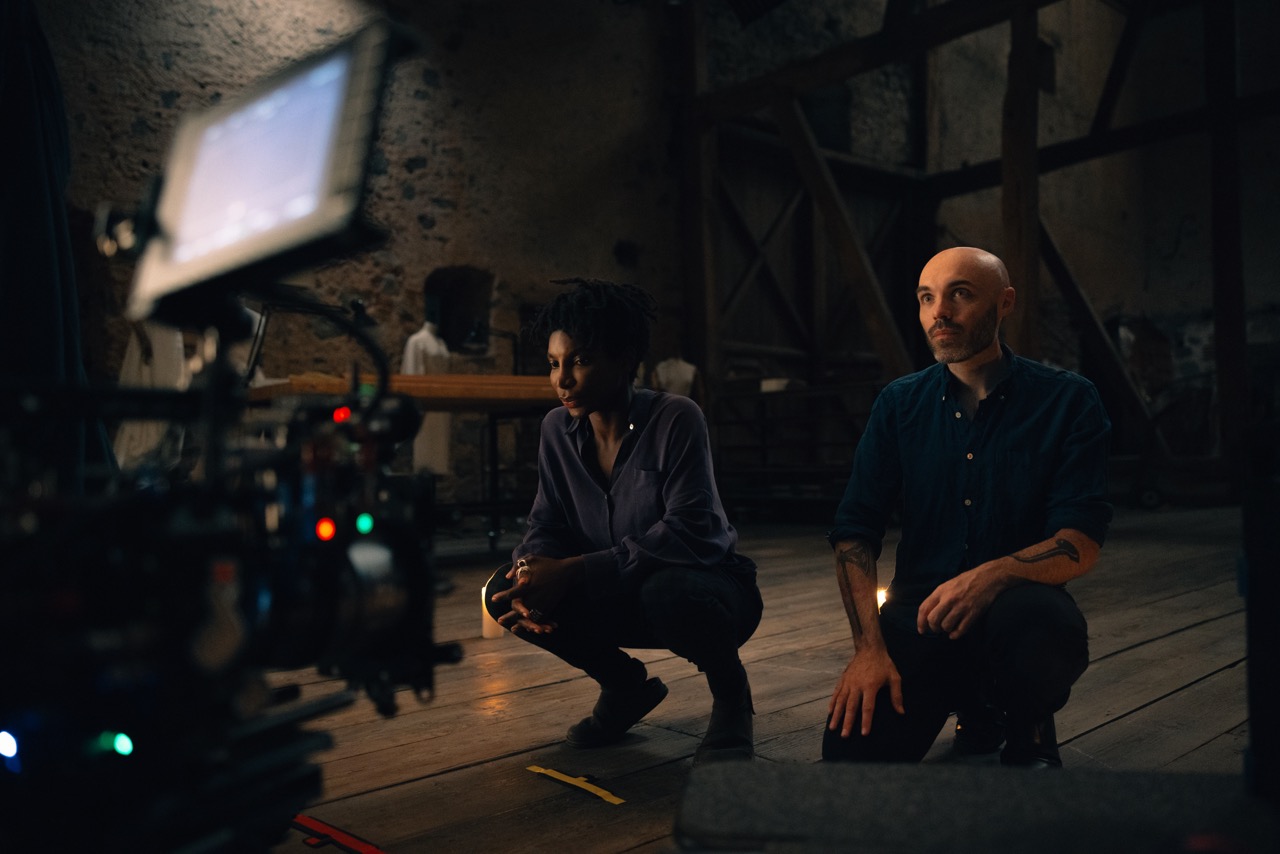
David Lowery (Photo by Gracie Newman)
LG: I’ve always considered your movies art-pop movies. Your films tread a fine line between arthouse and the mainsteam. Is that something you’ve strived for over time?
DL: That’s heartening to hear. Sometimes I worry that a movie like Mother Mary might be too alienating for audiences, and I certainly intended it to be entertaining as well as provocative and insightful. It is reflective of my tastes. I go and see everything, and my tastes run the gamut between the most mainstream of mainstream films, and what some may call challenging, arthouse cinema. I love them equally, and never want to have to choose. I do choose sometimes. But to hear that you can see evidence of both is very reassuring to me.
LG: How much do you allow the commercial pressure of studio filmmaking to entwine itself with your vision?
DL: It changes from film to film. But I usually try to find a balance that makes me happy not as a filmmaker but as an audience member. I try to think about what would make a film stick for me. I never want to make something that is disposable. I hope that, regardless of whether you like my movies or not, that they’re difficult to shake. That they’re worth interrogating, processing and remembering.
When I’m making a Disney movie, I do think about reaching as wide an audience as possible. But I’m also thinking about what I would want as the parent of a child taking my family to see a movie, and I want more than disposable family entertainment. I make all of my movies for who I was at the age of 7. I think about the audience every step of the way—I respect the time that they’ll have to put into engaging with this.
LG: But it’s for that same reason that the images and sequences that you put on screen have longevity—they’re allowed to breathe and change meaning over time. We lost Robert Redford last year and the first thing I thought of was his performance in Old Man & The Gun and the amazing ‘Blues Run The Game’ needledrop in that film, which took on a whole new meaning within the context of his passing.
DL: When we were making that, I was so dead-set on preserving the sense of fun that I saw in Bob. For someone who was also a legendary movie star, he was a very playful individual, and I wanted the movie to represent that. I never wanted it to be burdened with a sense of legacy or an overt sense of finality, especially once he announced that it would more than likely be his last film. We did a pretty good job of that. We just tried to make each other laugh all day. The experience of making that film felt very effervescent. That’s how I remember the movie: a lark, a blast. It has now taken on, on its own accord, that melancholic sense of legacy that I was trying to dodge every step of the way. I knew it would eventually attain that status, and yet when it happened I was completely unprepared for it.
LG: The shoot sounds like an amazing experience. Talk about satisfying your 7 year-old self.
DL: I mean, there’s dialogue in that movie about making your 7 year-old self happy, and that moment was literally me talking about myself as a filmmaker. In a weird way, that conversation also set the stage for Mother Mary, which is unlike Old Man & The Gun in almost every way, but there is this unpronounced connective tissue between the two.
LG: Are there any other themes that you feel like have found your way from your earliest work to this one?
DL: I think my very first short film Pioneer really set the stage for everything I’ve made since. That movie contains the entirety of A Ghost Story within it. That movie sets the tonal register that I stayed with when I made Ain’t Them Body Saints, and it’s completely indicative of where I was heading with Mother Mary—in the most reductive way possible, because it’s about two people in a room talking. There are a lot of seeds planted in Pioneer that are starting to sprout in Mother Mary.
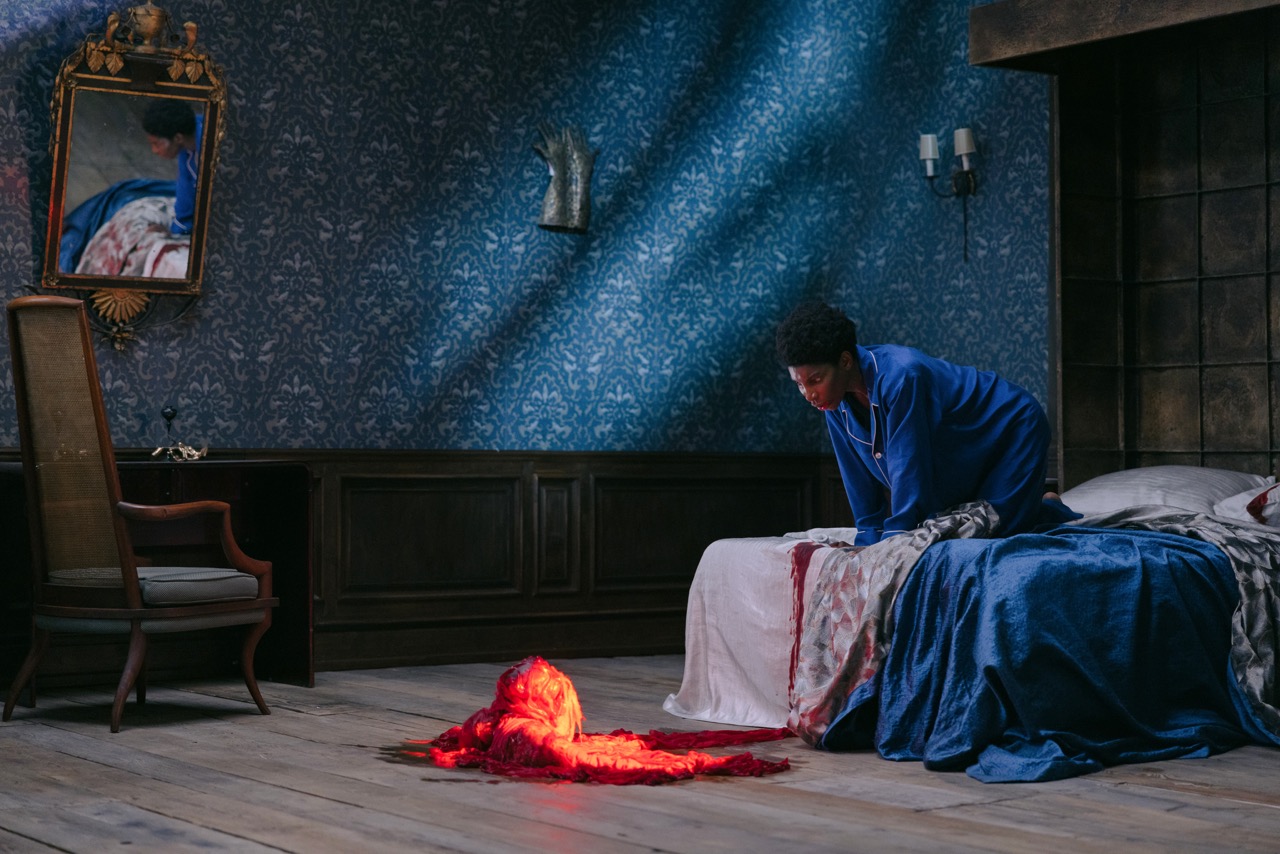


LG: You have previously resisted the connection between ghosts and horror. Even in this film, which is more traditional in its horror conventions than A Ghost Story, you still resist the notion that a spirit is either pure good or pure malevolence.
DL: I love dancing around the edges of genre. I love employing genre to non-generic ends. The truth of the matter is I love horror films, and one day I will make a horror film, and I’ll be in heaven doing so. But until then, I’m making these movies that need some other layer to them to help me figure out how to talk about what I’m talking about. They need some device, and I find that the language of horror films is an excellent device for illuminating what it is that I’m after. I also know how audiences react to horror films, and I feel like I can play into that visceral anticipation to achieve something that may not be horrific but uses the language of the genre to suit the story I’m trying to tell.
LG: Is the supernatural purely a tool of metaphor and meaning for you or do you have strong-held beliefs about their nature?
DL: With Mother Mary, I’m leaning into the metaphoric value of the supernatural. The characters directly acknowledge that in the movie, repeatedly. Ghosts make for incredible metaphors. But I also I really do believe in them. I’m an atheist that believes in ghosts. What that says about me, I don’t know, but I do believe that there is a hauntological layer to our reality that is incredibly fascinating to me, and useful for me as a storyteller. At some point, I will use my perception of reality for a more traditional ghost story, but until then, their metaphorical purposes are evergreen to me.
LG: You worked with two pop queens on the soundtrack of the film—FKA Twigs and Charli xcx. What made each of those experiences distinct?
DL: Charli and Jack Antanoff were there from the very beginning, helping me figure out how to define Mother Mary’s sound, but also how to think about pop in a new way. Watching them work from the inside out helped me understand the level of craft that goes into creating a great pop song. I knew, on a theoretical level, that it wasn’t easy, or else everyone would do it, but I didn’t know on a granular level exactly how difficult it is to make it look as easy as it sounds. I was trying to find a sound for the character that was distinct from the film. At a certain point, the two tones intersect, and that’s where Twigs was helpful. I didn’t cast her because she was a pop star, I cast her because of the je ne sais quoi that she could bring to the movie as an actor, but once her voice was part of the fabric of the movie, I knew it was then okay to start bringing her in on a musical level as well.
You mentioned two pop Queens, but there was a third: Anna Hathaway. I can’t overstate how vital she was to bringing all these artists together to create something that worked for her character. She needed to feel those songs on a cellular level, which meant breaking down all of her ideas of what singing them would mean, and actually re-learning how to sing. We all know she’s an incredible singer, but she recognised that she had miles to go before she could sing those songs the way that they needed to be sung. She took it upon herself to, not only take endless vocal training, but to re-record the songs over and over again until she found that specific quality that makes a pop star truly great.
“Religious iconography and pop iconography both inspire devotion. They both provide their congregation with transcendence and an opportunity to feel like they belong. That’s something I didn’t fully comprehend until I felt the power of being surrounded by hundreds of thousands of people, all singing along to the same song and forming an intense personal connection to the person on stage—one that can never truly be reciprocated face to face.”
LG: The general public doesn’t often give pop its due in terms of just how complex and hard it is to make a great pop song.
DL: During prep for Mother Mary we were watching videos of Ariana Grande recording. Her songs feel so weightless and fun, but when you watch her in the studio and see the degree of exactitude that she puts into the vocal layering, it is truly humbling to behold. You see an artist who knows exactly what a song needs and is in true control of her craft. We had to learn how to do that too.
LG: Do you have a personal pop mount rushmore, dead or alive?
DL: Where were the seeds planted for me? It was probably David Bowie. I never would have referred to him as a pop star before—he was always rock and roll. But when you look at him now and see how he relates to the modern pop stars, there’s a lot of cross pollination there. The way he played a character on stage is very similar to someone like Lady Gaga, who I also deeply love.
When I was making Ain’t Them Body Saints I was listening to Kesha the entire time. She wound up being in A Ghost Story because I was such a huge fan of hers. Then while I was making Mother Mary she released her album Gag Order, and I just listened to that over and over again while shooting. It really struck an emotional chord for me. She’s one of my all time favourites. I’ll sometimes cite Kesha and Lorde together. They’re two sides of my pop personality.
LG: Where is the through-line for you between pop ideology and spiritual ideology?
DL: I think religious iconography and pop iconography both inspire devotion. They both provide their congregation with transcendence and an opportunity to feel like they belong. That’s something I didn’t fully comprehend until I felt the power of being surrounded by hundreds of thousands of people, all singing along to the same song and forming an intense personal connection to the person on stage—one that can never truly be reciprocated face to face. Yet, it still feels deeply intimate between them. It feels devotional, it feels religious. For someone who grew up Catholic, I can see the way in which music and concert-going can supplant the ritual of going to church and praying, and ultimately feeling connected to a higher power.