


Hollywood’s friendly neighbourhood tough guy takes us from prison riots in San Quentin to becoming one of cinema’s most widely beloved “that guy” actors.
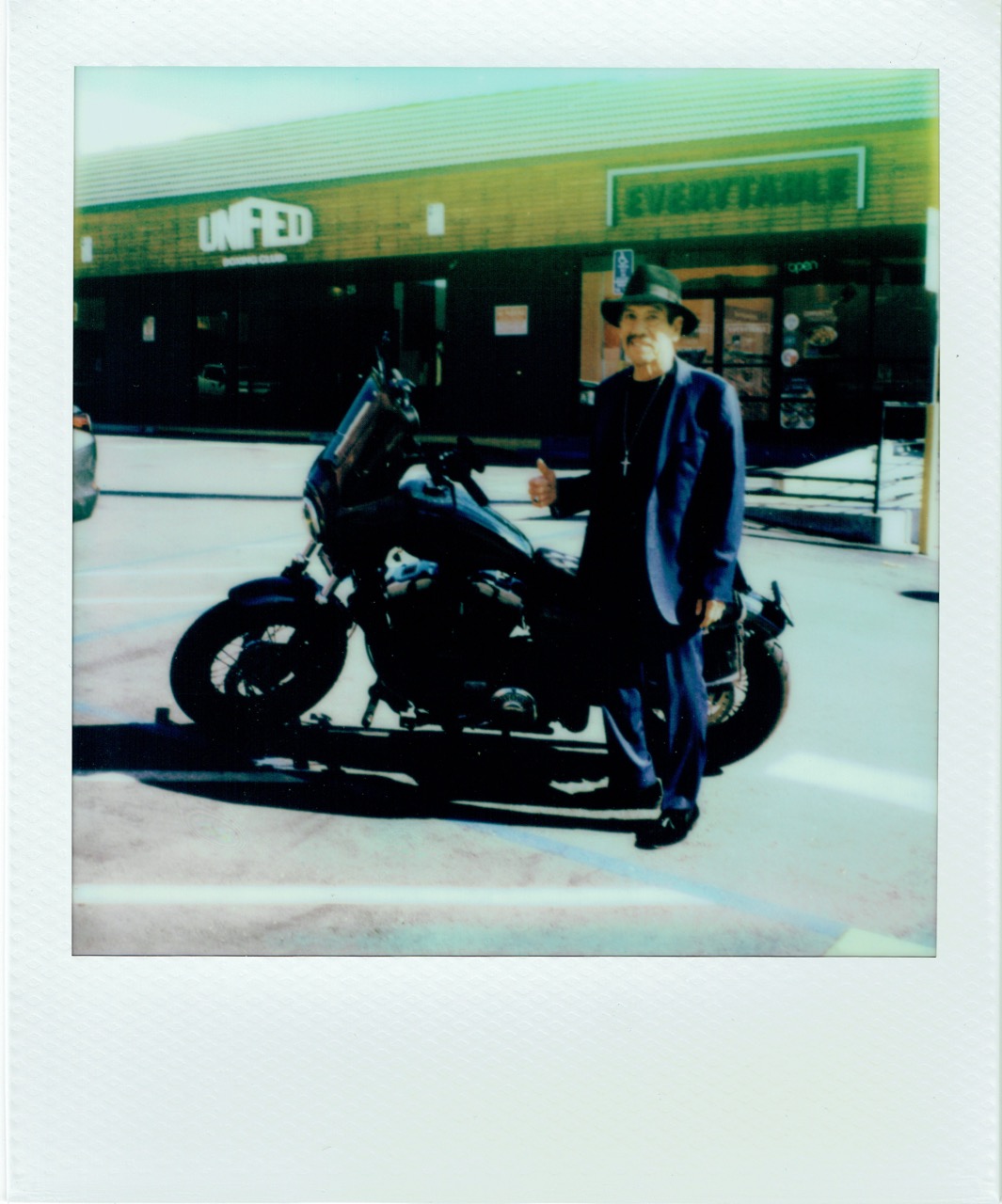
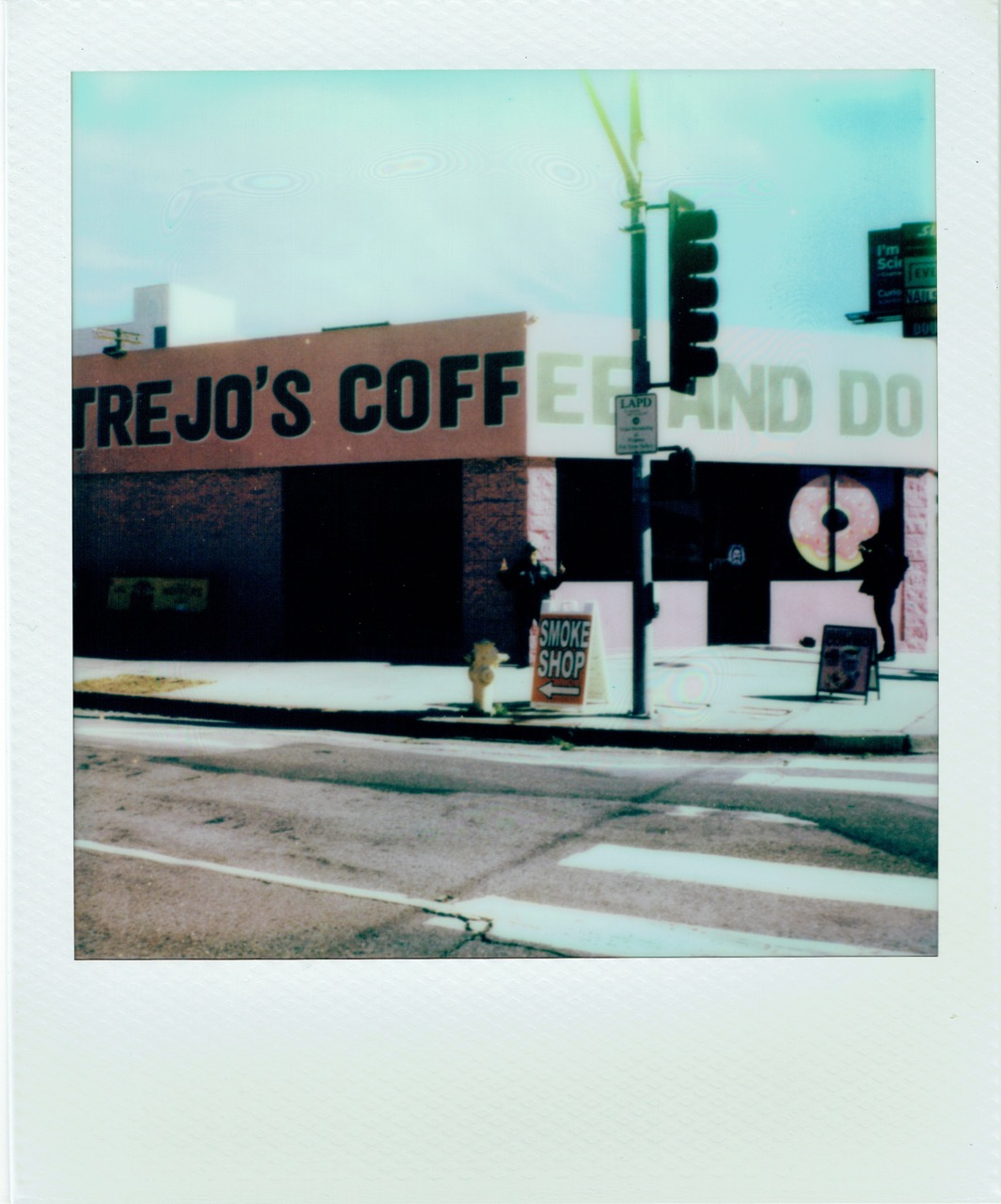
A man riding a motorcycle does a U-turn outside Trejo’s Coffee & Donuts, where A Rabbit’s Foot is sitting down with movie star, entrepreneur, drug counselor and California native Danny Trejo. The bike roars to a stop, and the rider—complete with a studded leather vest and full sleeve of tattoos—removes his white chrome helmet to reveal a beaming face. “I grew up watching you, man!” he yells, pointing at Trejo.
The Spy Kids (2001–03) actor smiles warmly and beckons the young man, a twenty-something, over for a photo in front of the motorbike. After a brief exchange, the biker lifts both his arms in the air triumphantly: “My bike is Trejo approved!” He rides off, and Trejo turns to me. “I love my job,” he grins, waving at someone shouting “Uncle Machete” from their car as they zoom by.
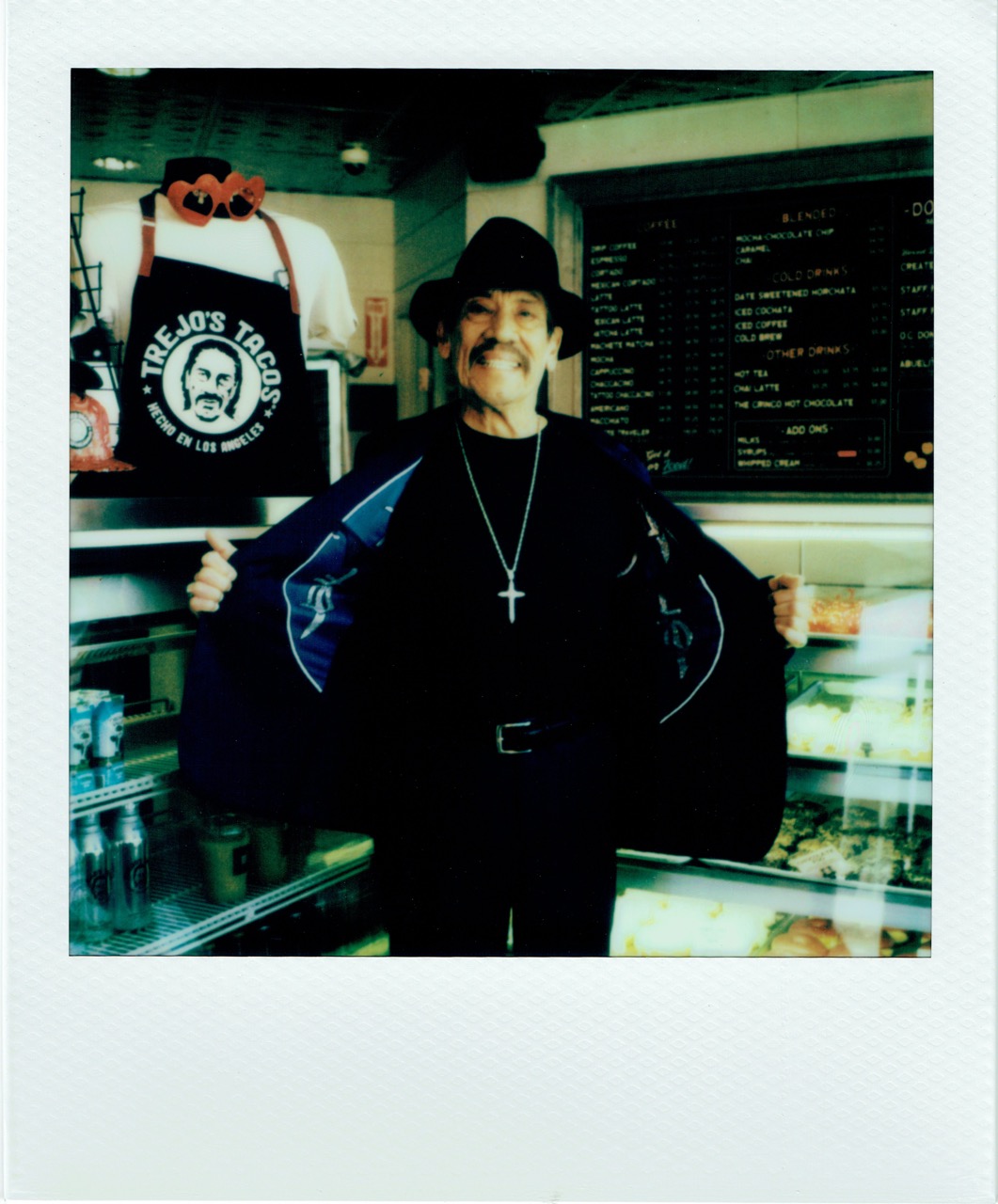
Another two dozen people approach Trejo in the same way during our short stint with him at the donut shop—an offshoot of his popular chain Trejo’s Tacos—and he has time for every single one of them. Camilla Bennett, the cheerful Trejo’s Coffee & Donuts employee on shift that day, says he visits at least once every few weeks to surprise fans.
But it wasn’t always like this for the now-adored actor, who made a name for himself as a “that guy” in various B-movies, exploitation flicks, and action blockbusters such as Heat (1995), Con-Air (1997), Desperado (1995), and the Machete series (2010–13), in which Trejo plays the titular Mexploitation hero. Raised on the mean streets of Pacoima in the San Fernando Valley, Trejo spent most of his early years in and out of penitentiary. When he wasn’t fighting tooth-and-nail to survive in Los Angeles’s toughest prisons, he was out on the streets, robbing liquor stores and doing drugs. After finally getting clean, he became a drug counsellor and dedicated his life to helping others—a mission that continues to ripple through his work and his personal life. “That’s the way I live,” he says. “Me and everybody around me—all we do is help somebody every day, and it makes our lives better.”
Below, Trejo takes us through his journey from prison cells to Hollywood sets, regaling us along the way with stories from his life as a convict and boxing champion in prison, and his 40-plus years as Hollywood’s friendly neighbourhood tough guy.


LG: How did your upbringing in Pacoima reflect your character growing up?
DT: It was a troubled neighbourhood, and you were either in it or you weren’t. Trouble followed me everywhere. I got into the Youth Authority and juvenile hall, then state penitentiary. Everybody said I was a leader—so I led everybody to the penitentiary [laughs]. Me and my friends all went. I had an uncle [Gilbert] who was also a “leader”. I was following in his footsteps.
LG: Was there a moment during those years when you realised you wanted to turn your life around?
DT: It was 1968 in Soledad State Prison. We had a riot and three of us were going to the gas chamber. I remember thinking, “God, if you’re really there, it’s going to be okay—if you’re not, I’m screwed.” I told him that if I had to face death, I wanted to do it with dignity, and if I survived, I would say his name every day and do everything I could for my fellow inmates. I said “inmates” because I never thought I was getting out. When I went to the parole board a year later, they told me they were sick of me. They said, “We’re kicking you out of here. Bring us back a life sentence.” They had no faith in me.
I came out of the penitentiary for the last time in 1969. I didn’t know how to be “good”. I didn’t know how to not rob or do drugs. I got into a programme, I stayed clean and sober, and I started helping people. That’s all I did. And my life took off from there. Everything good that has happened to me has happened as a direct result of helping someone else. I’ve found the key to success.
LG: Who were some of the first people you helped after getting out?
DT: I started a gardening business and I got into it by helping a lady with her yard. She was the bruja [witch] of the neighbourhood. She’d turn the kids into cats if they were trouble. I asked my mum what happened, and she said one of her sons was killed in Vietnam, another was murdered in a gang war, and her husband committed suicide. That’s when she turned into the bruja. She’d bring out lemonade in these beautiful pitcher glasses. One of my fantasies when I was in prison was for a gorgeous Las Vegas showgirl to bring me a cocktail in a real pitcher. It was funny it ended up being her. I thought, “That’s not exactly what I meant, God” [laughs]. She’d put the pitcher out on the porch without coming outside. Because witches can’t come out during the day. They burn up.
LG: What were some of the other ways that living karmically has changed your life?
DT: I met this Southern Mexican inmate and talked to him about staying clean. Eight years later I ran into him at a Narcotics Anonymous meeting—he’d taken my advice, got clean, and become a drug counsellor like I did. Fourteen years after that, he saved my son’s life. He was killing himself with drugs. I was in London doing a film when this guy called and said, “I gotta go get Gilbert.” He went and got him, and we took him to rehab together. He’s been clean ever since. He’s a director now. That’s the way I live—me and everybody around me—all we do is help somebody every day, and it makes our lives better.
LG: You also got into the movie business that way.
DT: One of the kids I was working with as a drug counsellor called me and said, “Hey, man, I’m an extra on a movie set and there’s a lot of cocaine down here. I don’t know what to do. Everybody’s sniffing.” In 1985 you could walk into a production office and there would be lines all over the desk. It was that rampant. So I went out there and talked to the kid. This guy saw me and asked if I wanted to be an extra. I said, “An extra what?” He said, “Can you act like a convict?” I had done time in just about every damn prison in California. I had been acting like a convict my entire life. I said, “I’ll give it a shot.” I got paid $50.
On the set, this guy kept looking at me, and he came over to me and said, “Danny, I saw you win the lightweight and the welterweight title in San Quentin.” His name was Eddie Bunker [screenwriter and former convict]. Me and my uncle had bought a robbery from him in 1962. He was the Captain’s clerk in San Quentin in 1964. He was the most powerful inmate in the pen, because he had the Captain sign anything he wanted. If you wanted a guard moved because he was hassling you too much, you’d pay Eddie and he’d make it happen.
He said that they needed to train [actor] Eric Roberts how to box, and asked if I was still getting in the ring. I said, “Hell no, I’m 40 years old.” He said, “Well, it pays $320 per day, but you gotta be careful because he might hit you.” I said, “I’ve been beat up for free. For $320 per day you can give him a stick. Give me $500, I’ll kill him” [laughs].
LG: This was on Runaway Train (1985), right?
DT: Yeah. The director, Andrei Konchalovsky, came up and said, “You—work with Eric. And you—be in the movie. And you—be my friend”, and he kisses me on both cheeks and walks away. In prison, “be my friend” is a red flag. You don’t want to be anybody’s “friend” in prison. I turned to Eddie, and I said, “Look, I’ll train the kid for $320, but if I’m gonna be kissing that old man, I want more money.” But if I had known then what Konchalovsky did for me by getting me that SAG card, I would’ve asked to wash his back. He changed my whole life. I’ve worked steadily since 1985. It’s been real rewarding. Everybody asks me if I’ll ever take a vacation. From what? I’ve played gangsters, I’ve played cowboys, and I’ve died more than anybody else in the business. My life has been a dream.
LG: How has Eddie mentored you over the years?
DT: He taught me that there’s more to life than being tough. Back then, if you looked my way too long, there’d be a problem. I had to stop that. I remember driving after I’d done a couple of films and seeing some kids staring at me. I was about to step up to them, and one of them lifted up a pen and a piece of paper. Eddie turns to me and says, “How do you feel, tough guy?” That was the greatest lesson. I know a bunch of talented tough guys who have stayed on the periphery of acting, because they never knew how to drop it.
LG: What was it like being directed by Michael Mann in Heat?
DT: I used to pride myself on closing a scene in one take, and he had me do seven takes. I was getting frustrated. He comes up to me and says, “Hey, De Niro did nine for me, okay kid? It’s not about you.” I’m older than Michael Mann [laughs]. I said, “I got it sir.”
LG: Has acting always come effortlessly to you?
DT: Let me tell you the hardest thing in the world. You’re in San Quentin, and you know there’s going to be a riot, and you’re looking around and thinking, “I know this guy hates me, and I know that guy hates me”, and you’re holding a knife and you know that any second now you could die. You’re just waiting—and you have to act unafraid. You have to get hateful to survive that. You gotta harden up, and direct your hate at everybody in the world. But there’s a part of you deep inside that is saying, “Dear God, let this end”. Then you hear the guards saying “Recall, all inmates back to their cells” and you breathe a sigh of relief. You go back to your cell. You drop the knife. That’s acting. This Hollywood stuff is easy. Can I act like I’m gonna get killed? Yes, I can.
LG: You were also an advisor on Heat.
DT: Me and Eddie were armed robbery consultants. Michael did a movie called The Jericho Mile (1979), and when he went to Falsom to shoot, the white guys came out, the Black guys came out, but no Mexicans. He found out that he had to talk to the guy that ran the Mexican gang in prison. That was my Uncle Gilbert. So he talked to Gilbert about the rules of prison. Him and Michael became good friends. He won’t admit it but he paid my uncle $320 a day to be a consultant.

“I try to be a gentleman everywhere I go. Every once in a while you have to pull someone aside and threaten to beat them to death. But it’s just so much easier to be nice.”
Danny Trejo
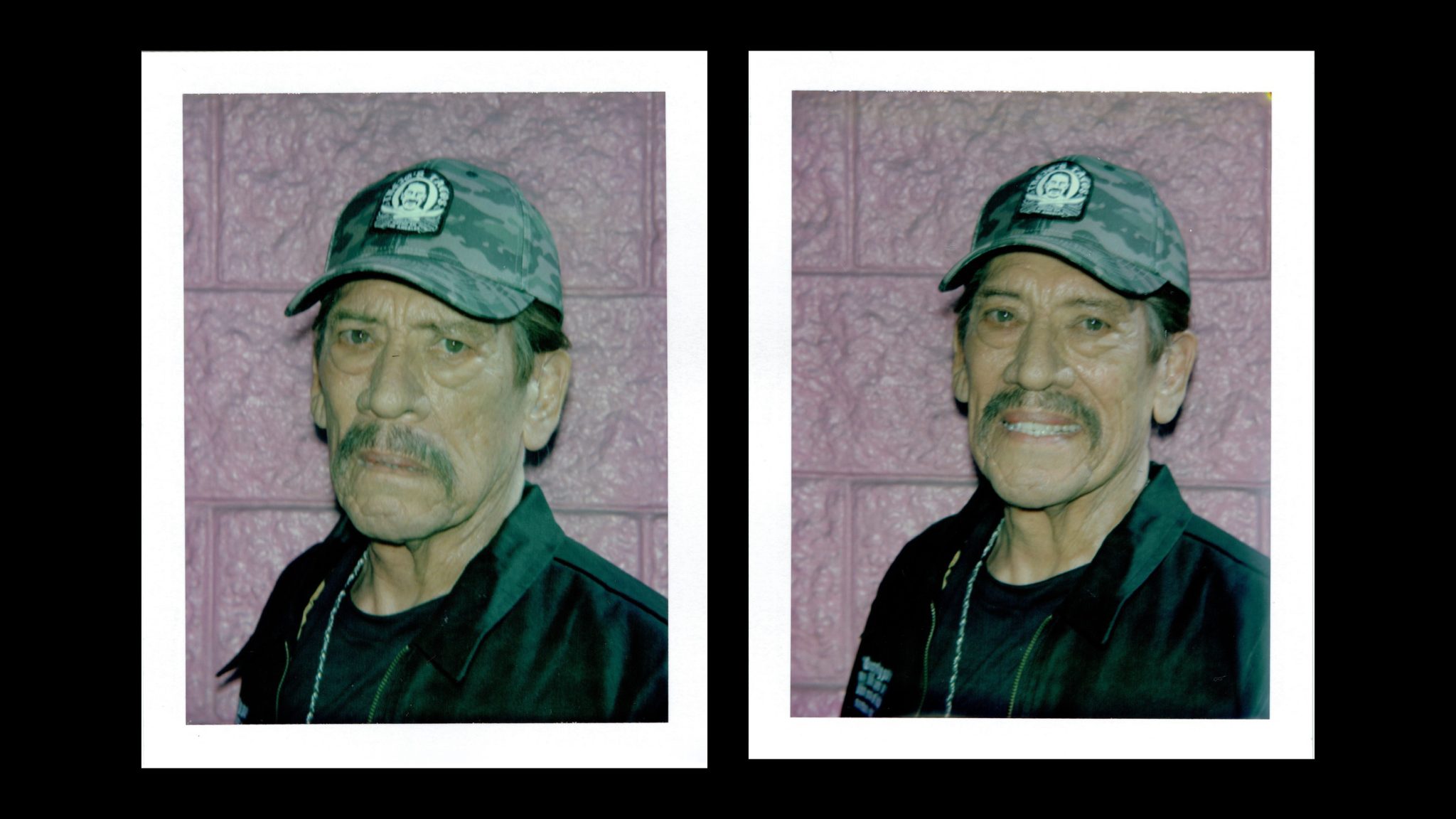
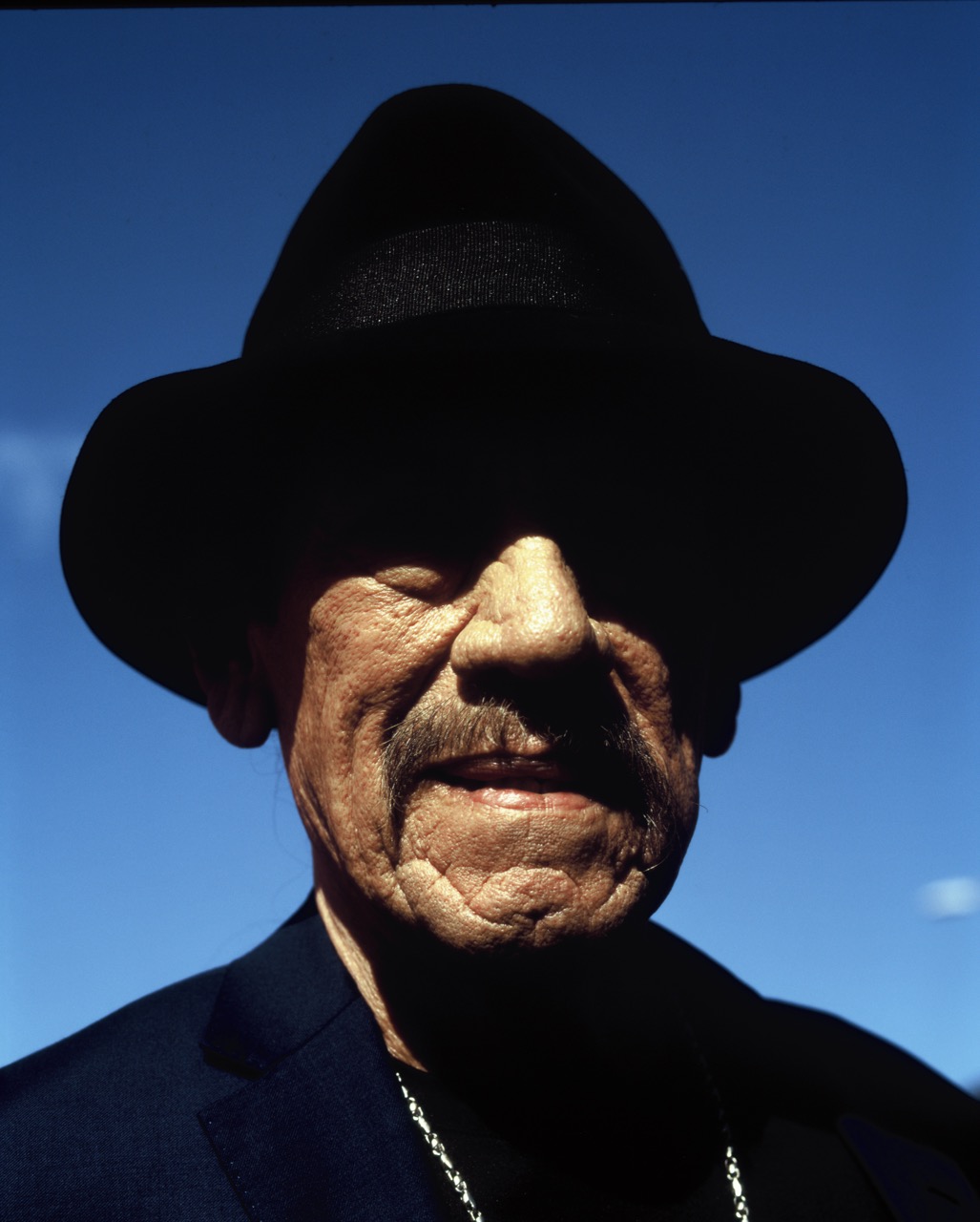
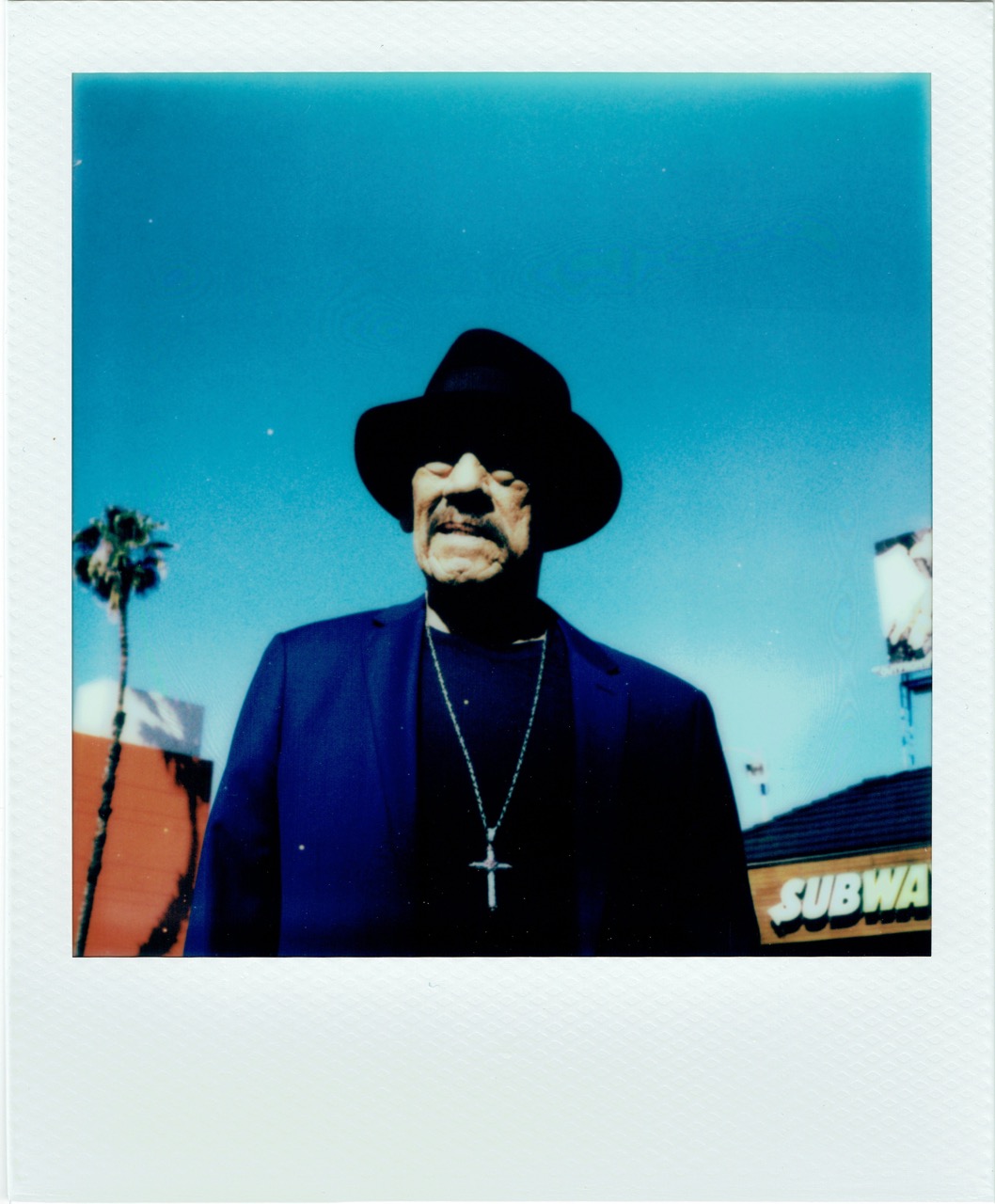
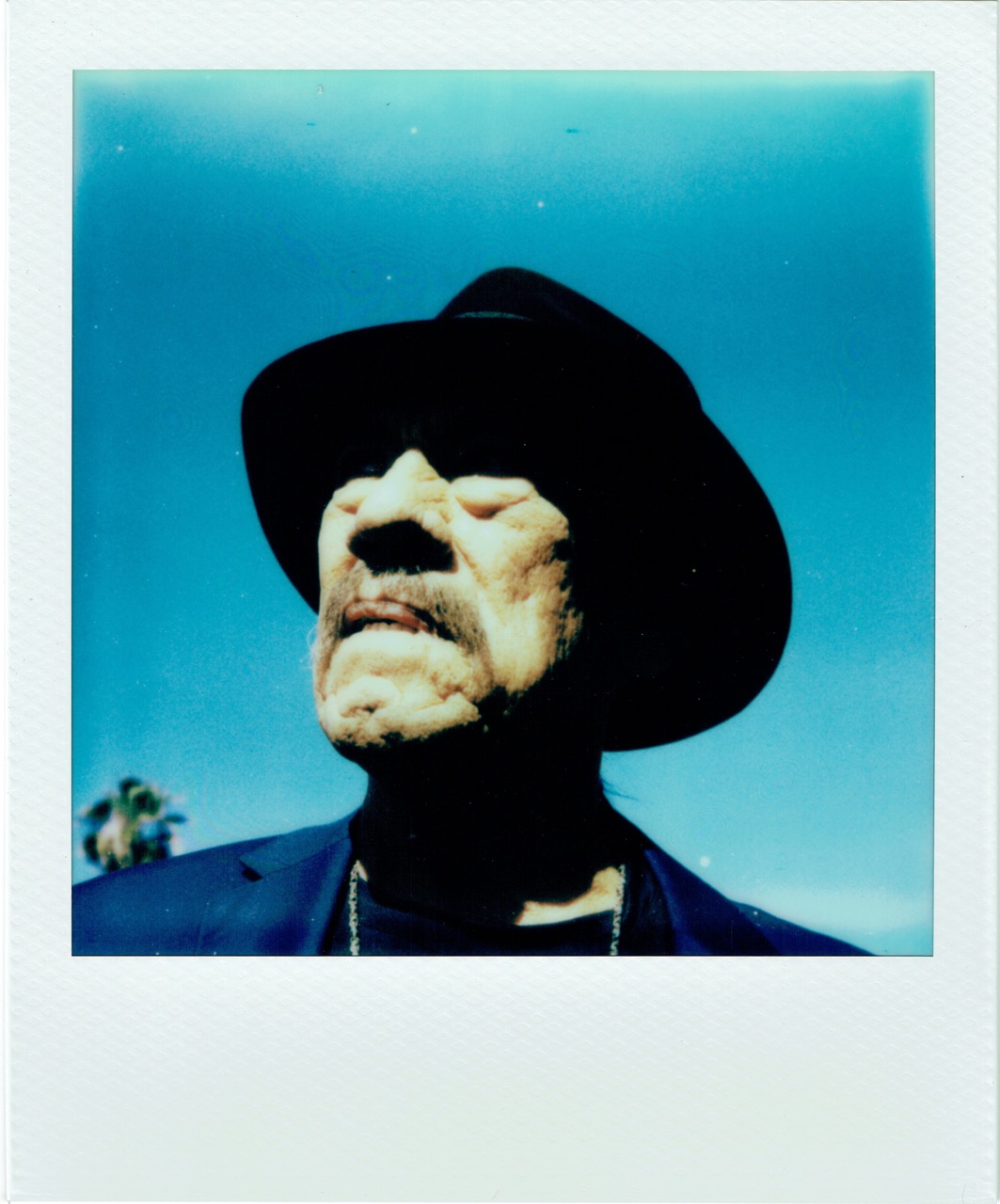
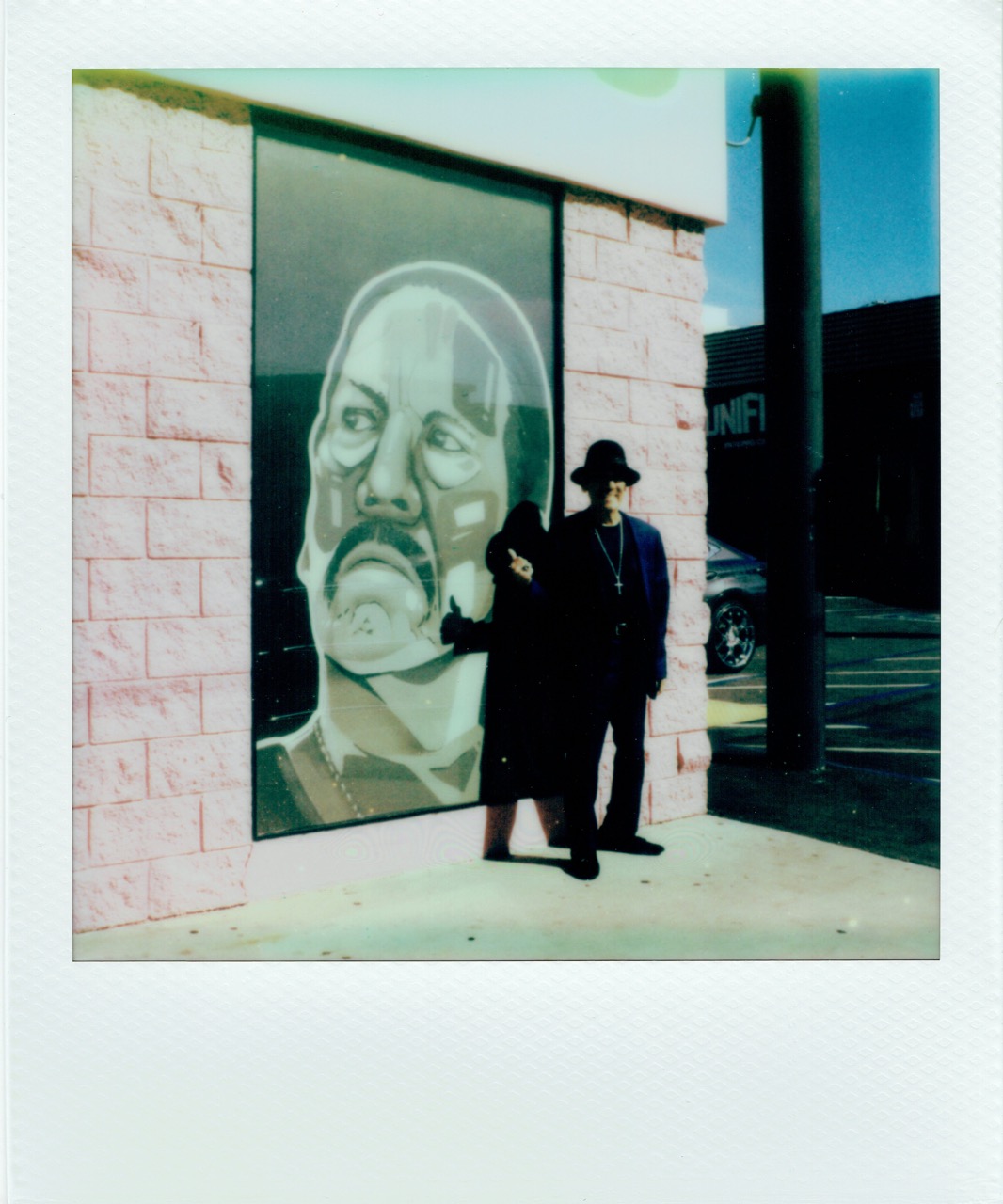
Danny Trejo outside of Trejo’s Coffee & Donuts, Los Angeles. By Ryan Cuan. 2025.
LG: Despite your reputation as a tough guy, it’s obvious that you lead with kindness. How did you get to that place?
DT: The movie business wants guys who can act tough. They don’t want tough guys. The real tough guys get washed up. I try to be a gentleman everywhere I go. Every once in a while you have to pull someone aside and threaten to beat them to death. But it’s just so much easier to be nice. Being tough is a 24-hour job. For me, it’s impossible. In prison, you have no choice. You gotta say, “Well, let’s kill him” and then go eat a sandwich.
LG: What strategies did you develop to stay safe as an inmate?
DT: In prison, you don’t have anybody supporting you. So I found that protecting weaker guys paid off. I would run a protection ring, where people would pay us to make sure nobody messed with them. I had a reputation as a fighter, so nobody would mess with me. I remember the first time somebody challenged me to a fight. They messed with someone that I was protecting. I was walking to fight this guy, and his friends were warning him, saying that I was going to kill him. This guy thought we were going to fist fight. No, I had a knife. I have never seen a fist fight in prison. If you have a fist fight, you can get caught—you’ll be there for four or five minutes. If you use a knife, the guy falls immediately and you’re already 30 feet away. That’s the law in prison. Go and become a boxer if you want to fist fight.
LG: Which you did. You were the San Quentin boxing champion for multiple years.
DT: I was champion in every institution I was in. My uncle taught me how to box when I was eight years old. When I would get out of prison, I couldn’t get a licence because of my violent history, so I would fight smokers in a bar for money.
LG: What was it like meeting Robert Rodriguez for the first time?
DT: It was while he was casting Desperado. I walked into his office, and he said, “Wow, you remind me of the bad guys I knew in high school.” I said, “I am the bad guys you knew in high school.” He handed me a knife, and he said, “Here, learn how to twirl that.” I took the knife and left. He had hired me right there. Later, on set, I found out he’s my second cousin.
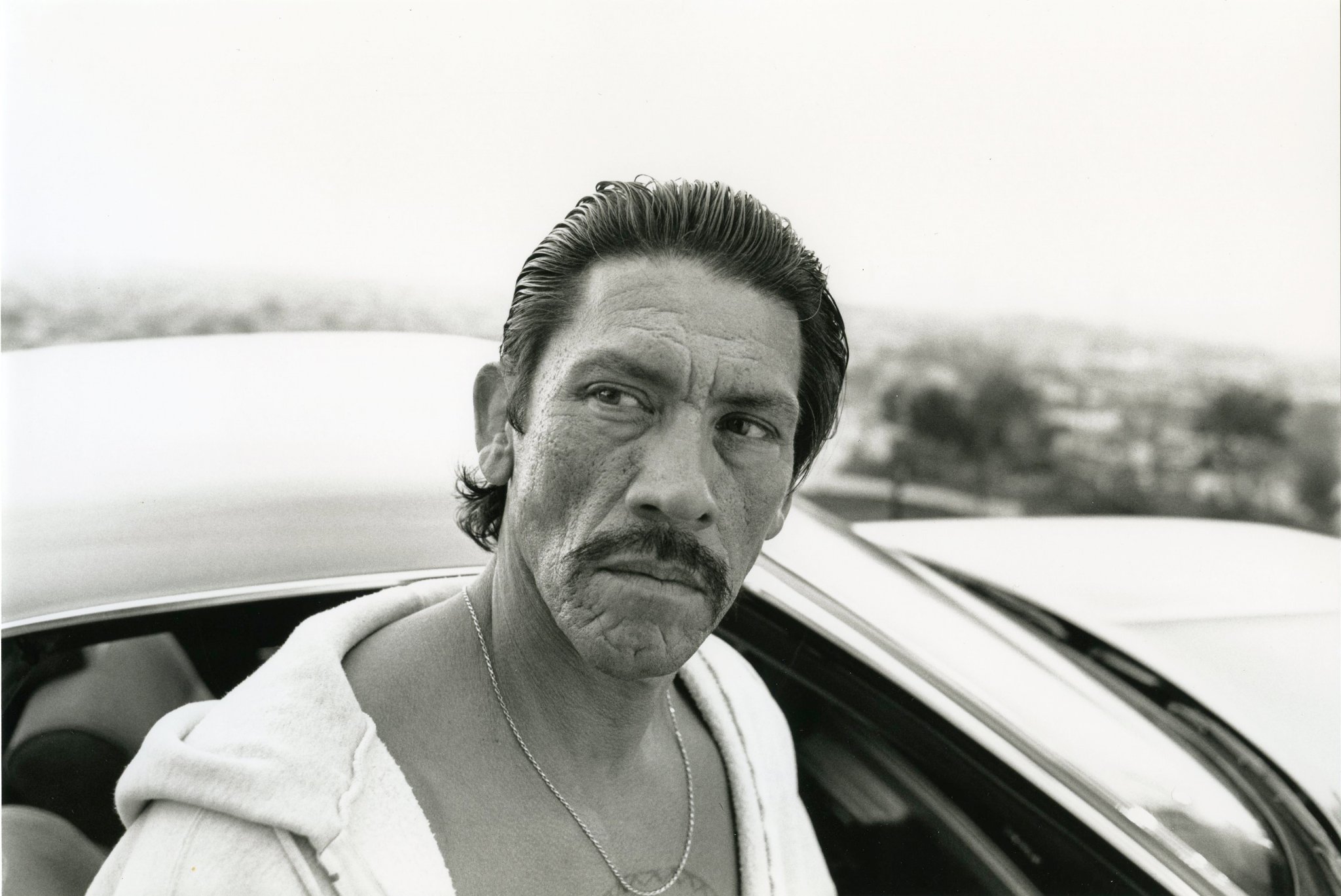
“I’ve played gangsters, I’ve played cowboys, and I’ve died more than anybody else in the business. My life has been a dream.”
Danny Trejo
LG: Rodriguez jokes that you were calling him constantly asking to make Machete.
DT: We were shooting Desperado in this small town in Mexico. People didn’t know Antonio Banderas yet. I’m standing there, big guy, shirtless, tattoos, and people started coming up and taking pictures with me instead. Rob said, “Hey, they think you’re the star of this movie.” I said, “So do I” [laughs]. Later on, we made a fake trailer to the Machete movie to play ahead of Grindhouse (2007). The producers came out of that screening and said, “We gotta make that movie.” Rob knew what he was doing. He’s a genius. He made me a small A-lister. I was in Cape Town, South Africa, and I got out of my car across the street from this school. All of a sudden, 500 kids were running towards me for pictures and autographs. I was Uncle Machete from Spy Kids.
LG: Do you have a proudest moment on screen?
DT: When I did Heat, I truly felt like I had reached the upper echelon of movies. Then I asked De Niro to be in Machete, and he said yes. That was the pinnacle. He said in an interview that I held my own as the lead. That was like being touched by the king. I had already done a hundred movies, but only then did I feel like I was a real actor. Now, when I walk into events, I see actors staring at me. A lot of them don’t come up and talk to me—they’re worried about what kind of mood I’m in. But I’m full of joy.