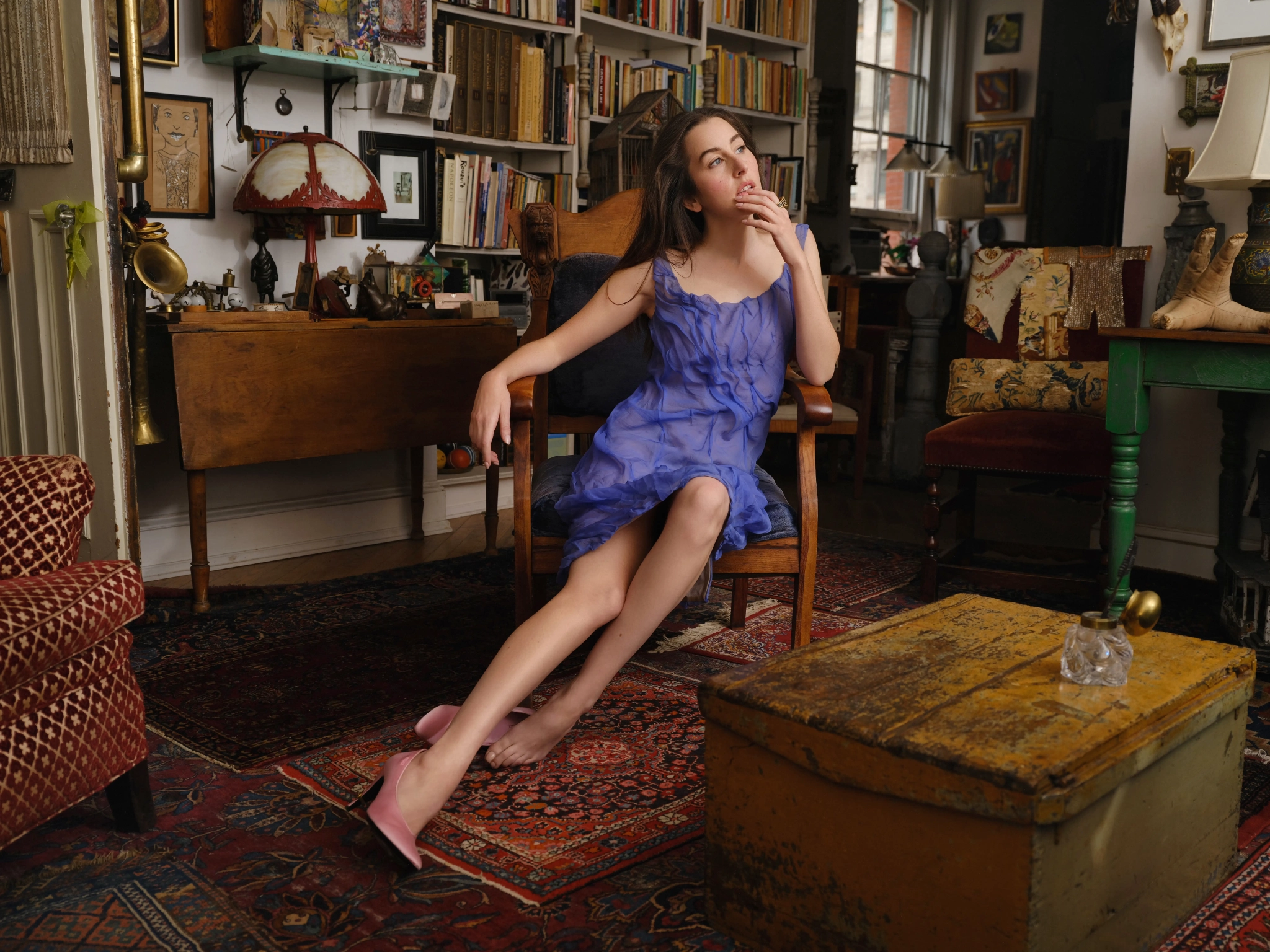


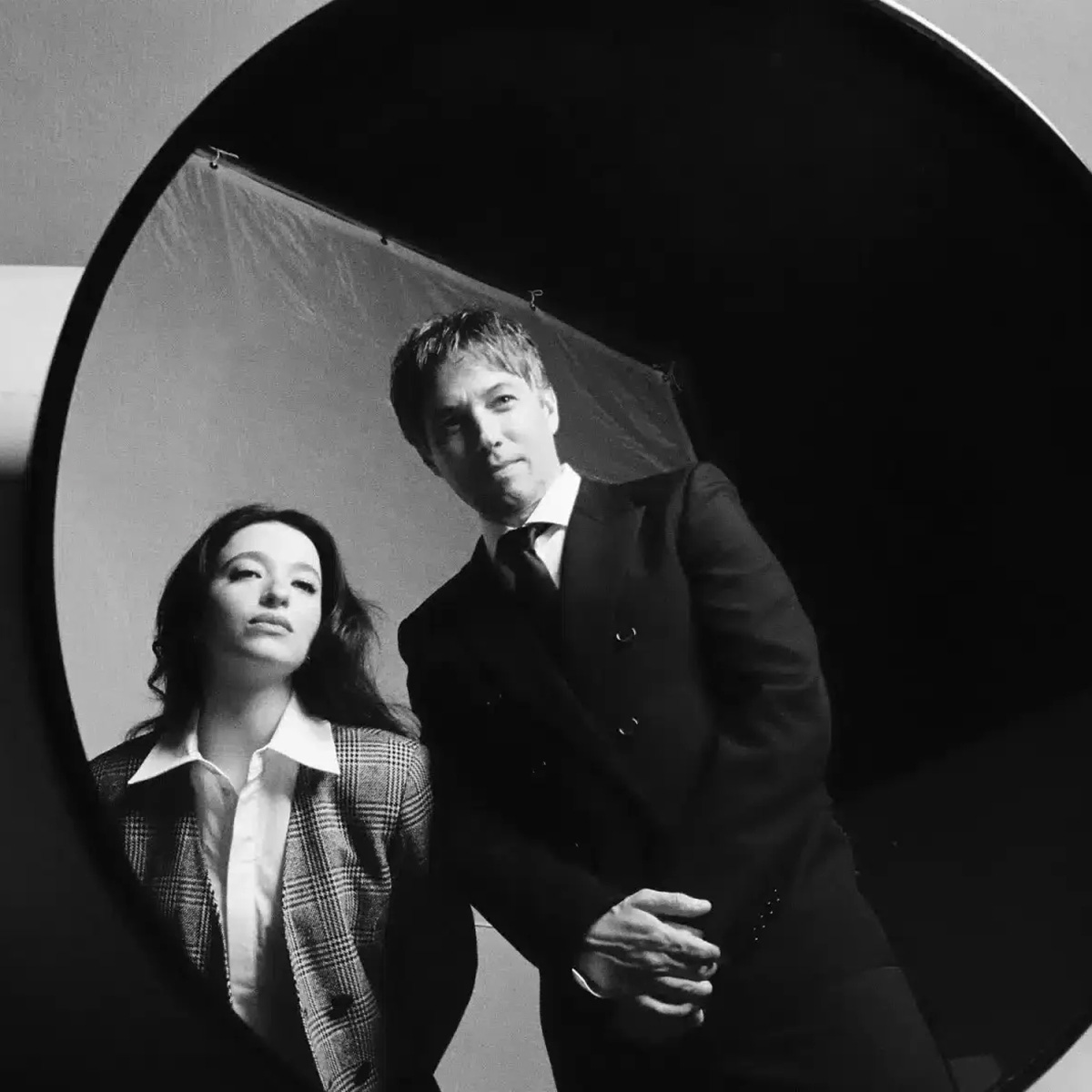
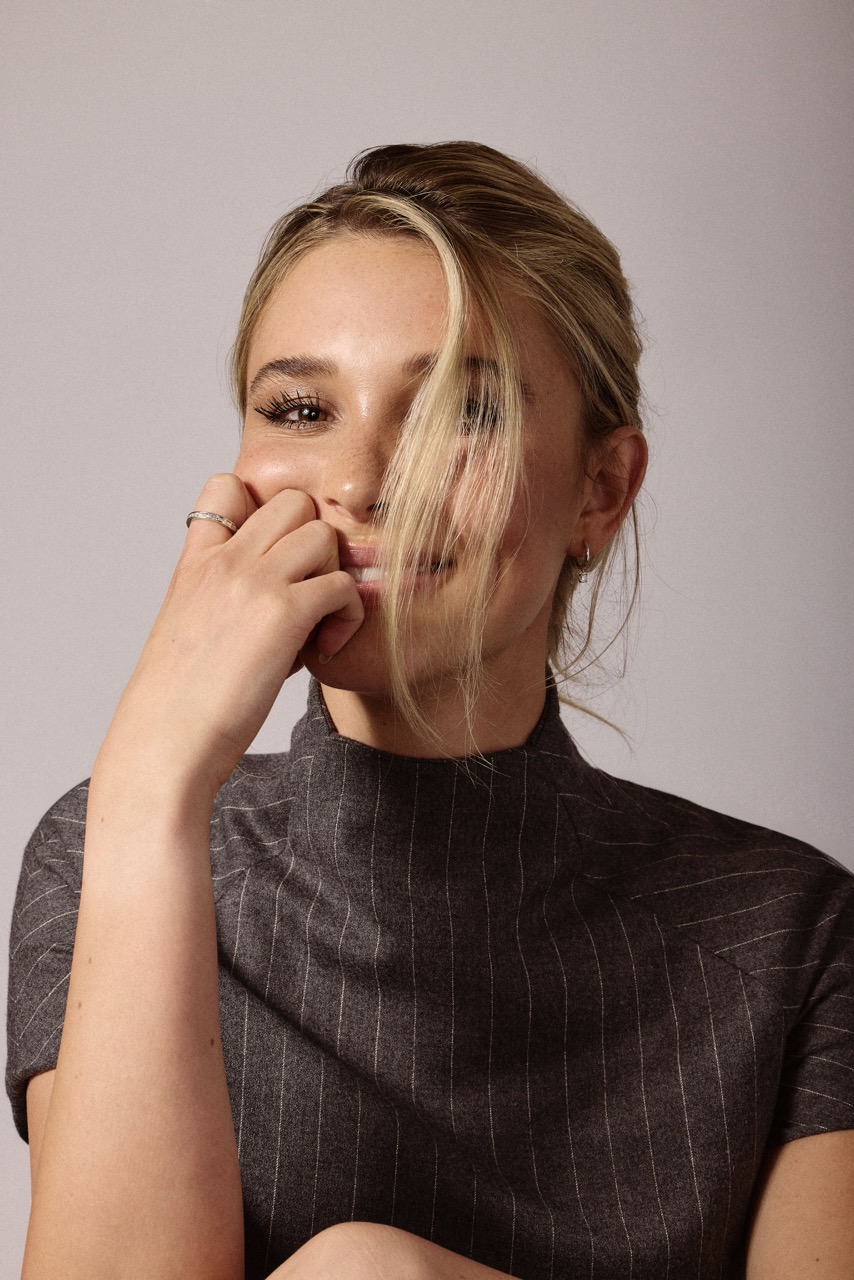
Deputy editor Chris Cotonou talks to up-and-comer Isabel May, who he describes as an undeniable star in the making.
When I meet Isabel May, she’s in the middle of promoting Scream 7, the latest in the iconic horror franchise. “Last night I was part of a live stream viewing of the first Scream,” she grins. “It’s cool to feel a part of it.”
Devoted fans will have a new “final girl” to cheer on, with May taking the role of Tatum, daughter of Sidney Prescott (Neve Campbell), the series’ original survivor. But for those keeping up with May’s career, it’s one of seven different projects in post-production. After she wowed audiences in Western TV show 1883, the 25-year-old from Santa Monica has had her head down picking a savvy selection of films with veteran directors. One of those is Robert Zemeckis for The Last Mrs Parrish.
May is charming, but rather mysterious. Young actors are supposed to be all over social media, aren’t they? Especially if they’re in as much quiet demand as she is. But the actress has swapped the internet noise for her own sanity, staying off of Instagram. That’s an incredibly wise thing to do. Are young actors supposed to be this wise, this self-aware?
After our conversation, I felt genuinely convinced that Isabel May is going to be a major star in the near-future. She’s hard-working, obsessive on set, absolutely focused on the work, and she is about to be in a knockout series of films that have the range to appeal to all film fans, casual and cinephile. This is our conversation.
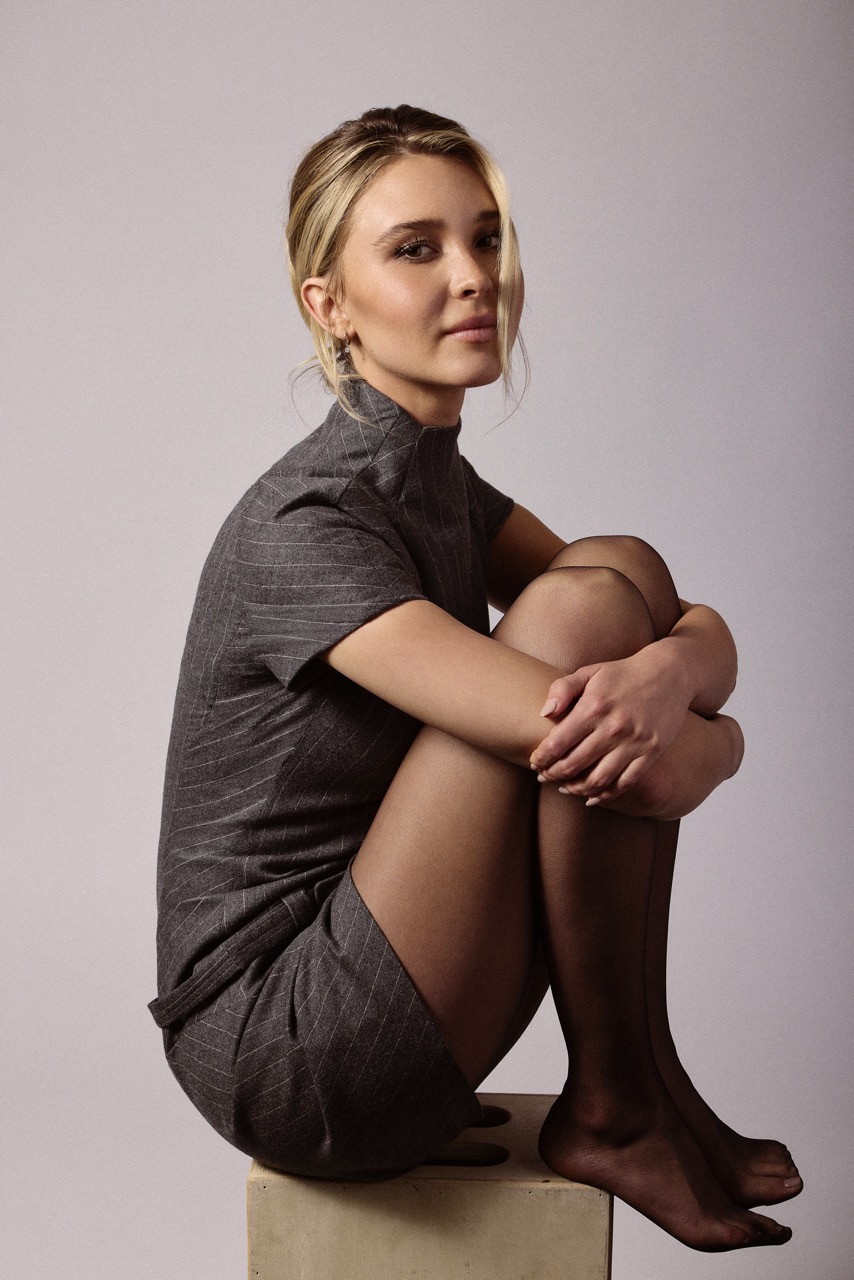
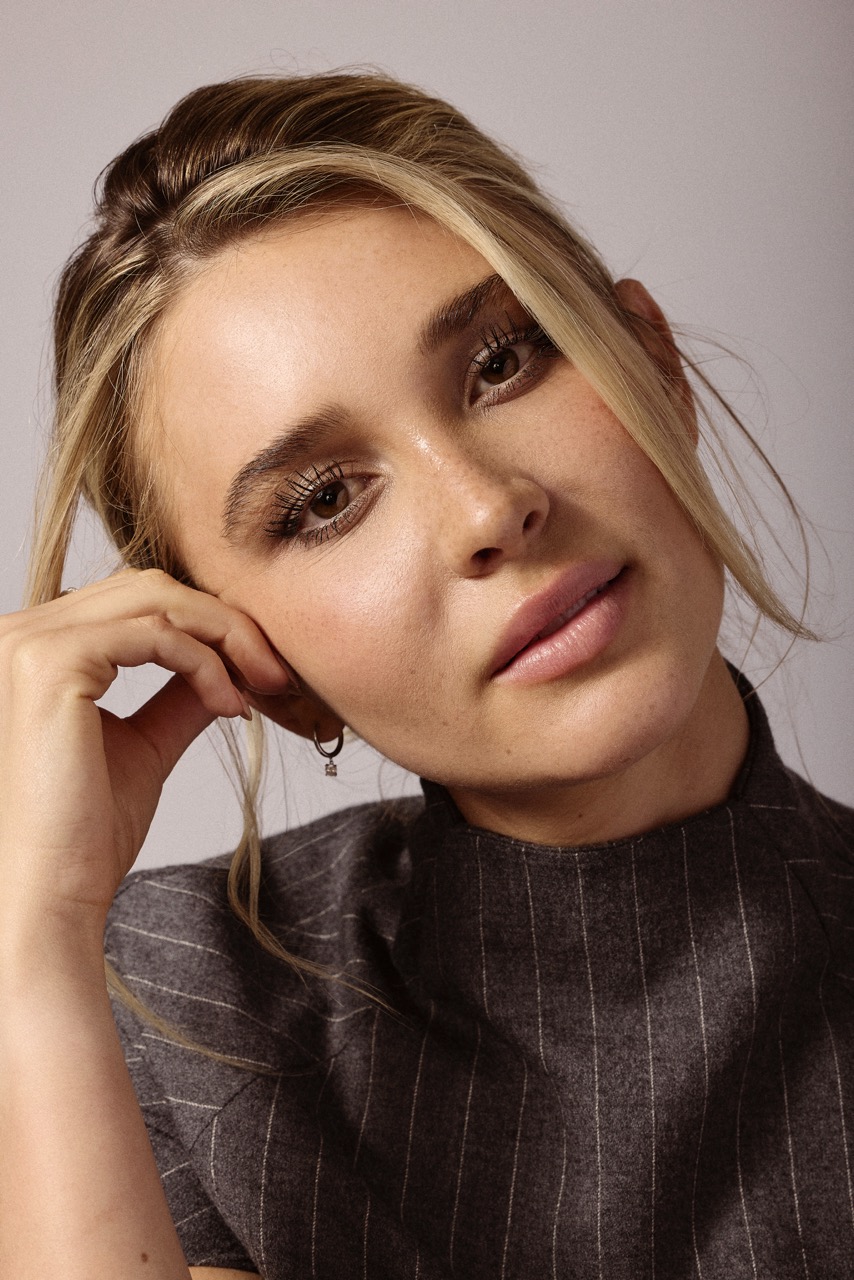
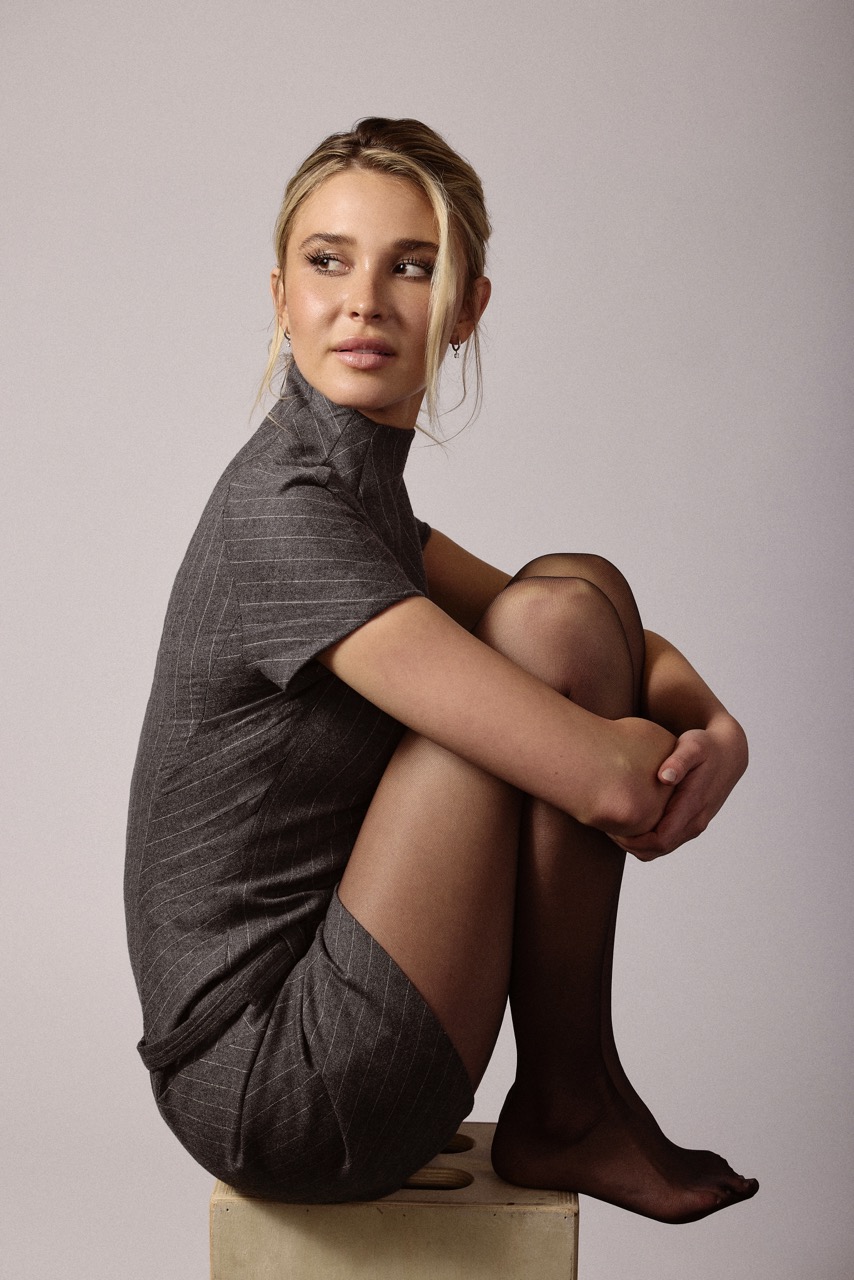


Chris Cotonou: You’ve just stepped into one of the most iconic horror franchises of all time with Scream—and you’re essentially leading the film. How did that feel when the opportunity came your way?
Isabel May: I’ve been surrounded by Scream my whole life. I was born in 2000, the first film came out in 1996—every Halloween I’d see a Ghostface or Neve Campbell billboard. I really felt the weight of it. People care deeply about this franchise; for some, it’s been with them their entire lives. I took that seriously. I didn’t want to be the reason they like Scream less—I wanted to be the reason they like it more.
CC: You’re known for 1883 and period work. Was it refreshing to move into something modern and meta like Scream?
IM: Definitely. I loved doing 1883—especially adopting an accent and disappearing into that world. But what excited me here is that it’s not just contemporary storytelling. Horror, to me, is a pressure cooker for human behavior. I wanted to explore how fear impacts identity—how people adapt to fear and, more broadly, to pressure. In Scream, we’re dealing with a legacy of trauma, not just jump scares.
CC: Every Scream entry has a “final girl.” How did you approach that archetype with your character, Tatum?
I thought of Sidney Prescott [original Scream “final girl”] as someone who carries both trauma and resilience—she’s a symbol of perseverance. As her daughter, Tatum is inheriting both: she inherits the trauma, but she also inherits the strength.
I didn’t want Tatum to be a mirror of Sidney, even if she’s a reflection of her. This is about generational trauma and generational strength. She wasn’t given all the tools she should have had to fight properly, but once mother and daughter come together and there’s faith between them, you see Tatum’s true colors. She really is her mother’s daughter.
CC: Horror requires a lot of raw fear on screen. How do you get yourself into that emotional space?
When I was younger, I relied on music in a pretty unhealthy way—almost torturing myself with sounds that made me anxious, trying to give myself a panic attack. That came from not trusting myself yet.
Now I trust my instrument more. I almost distract myself from the emotion until I need it, and then I lean on breath. If you change the way you breathe, you can make yourself feel almost anything very quickly. Combined with imagination, that’s incredibly powerful.
But in horror, it’s brutal. You’re tricking your body into believing it’s terrified. It’s physically demanding in a way I didn’t fully anticipate.
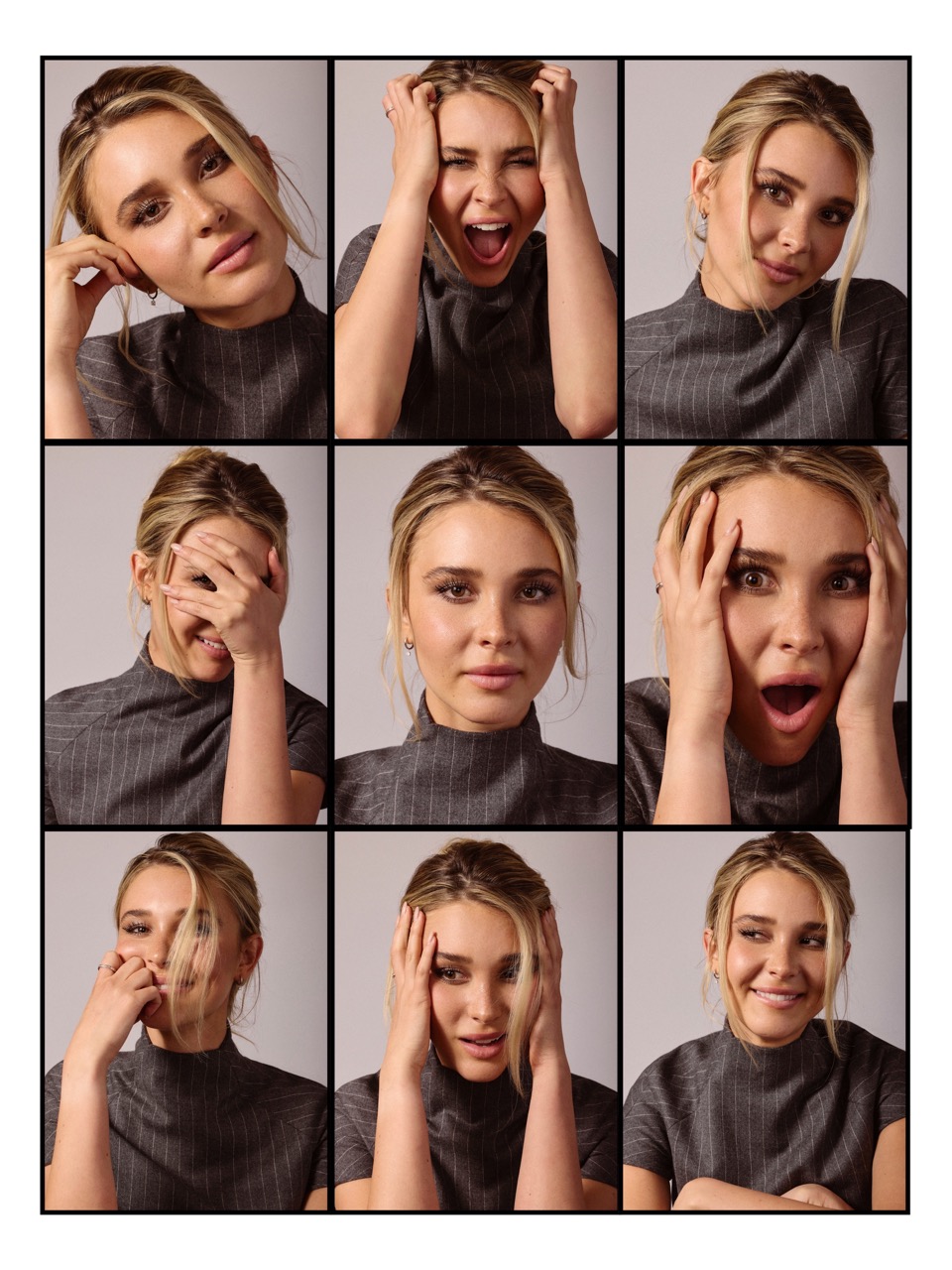
“I’m widely accused of being a hermit. I’ve stayed away from typical industry social circles. I like to meet people through the work—if we genuinely connect, then we stay in touch.”
Isabel May
CC: You talk about this with a lot of self-awareness. Where does that come from?
I was always called an old soul, and I grew up in a very adult environment as an only child. I’ve always loved watching people—especially when they think no one’s watching. You learn so much when the mask is off.
I don’t claim a high IQ—I won’t show you my math scores—but I do think I have a naturally high EQ. As a kid, I was hyper-aware of my own emotions. I’d notice how my breath changed when I cried, how my stomach hurt, even physical sensations like pin-prickles when I acted out a panic attack.
Acting is often about tricking your body into believing something that isn’t happening. Over time, that takes a toll… if you’re not careful.
CC: How do you protect your mental health, especially when you’ve done several projects back to back?
Last year I did four films in a row, and by the end I felt like I was tormenting myself a bit. The opportunities were incredible, so they were impossible to turn down—but it’s still a lot.
I want to finish a project feeling proud that I spilled my guts for it, but still sane enough to move into the next thing. If you’re constantly destroying yourself, you eventually can’t do the work as well.
CC: You’re an LA native and an LA actor. As a young actor in that city today, do you feel supported?
I’m widely accused of being a hermit. I’ve stayed away from typical industry social circles. I like to meet people through the work—if we genuinely connect, then we stay in touch.
I’ve been incredibly lucky with the people I’ve worked with. And I’m much more proactive now: if I really want to work with someone, I’ll find a way to tell them. More young people are doing that. There’s a new confidence and resolve—we know we can reach higher, develop things ourselves, not just wait to be chosen.
CC: You mentioned learning from filmmakers. You’ve just worked with people like Robert Zemeckis and Jonathan Levine. How do you approach being on their sets?
Quietly, but curiously. I ask a lot of questions. I like standing behind the monitor—behind several shoulders, ideally. Sometimes I end up right next to Bob, watching playback with him and gently probing.
I’m always trying to read: “Am I annoying you, or are you enjoying this conversation?” What I’ve found is that many directors actually like having someone to talk to, someone who genuinely cares about the process. You never want to get in their way, but if you pick your moments, you get access to an incredible amount of knowledge.
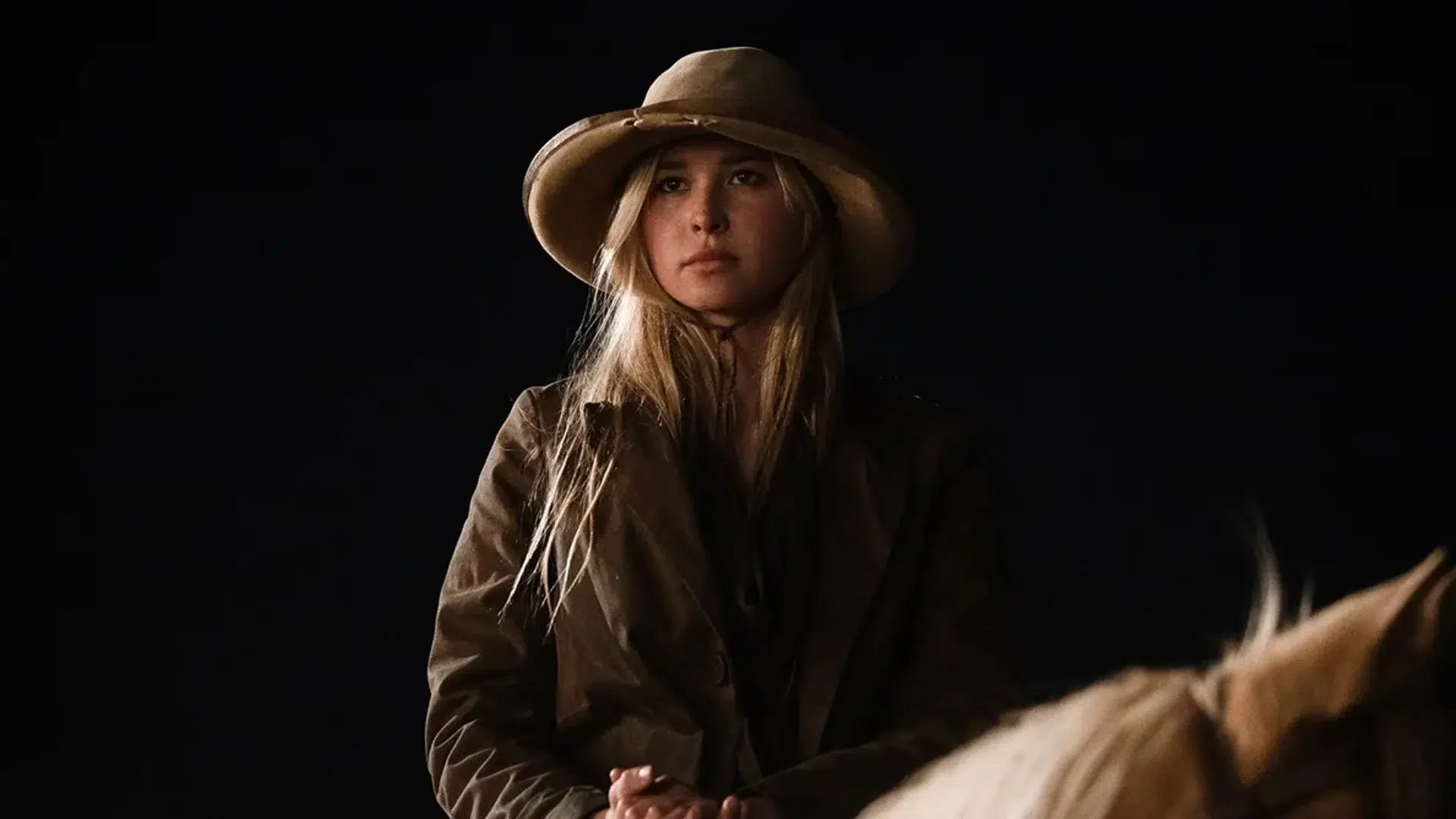
“Right now I can’t greenlight projects—I can maybe yellow-light them. I want to get to the place where I can help greenlight truly great films, not for ego, but because those are the stories everyone wants to tell.”
Isabel May
CC: Are you someone who likes to improvise, or do you prefer to stick to the script?
It depends on the project. Some things are so technical that you can’t veer off much. But I think everything is a form of improvisation—your reactions, your timing, the small choices that aren’t on the page.
On a rom-com I did with Chloë Grace Moretz, I was in a supporting role and had a lot of freedom to throw things out there. That was really fun. I love improvising when it’s organic.
What I don’t like is improvising just to show you can improvise. Directors can feel that. If you’re going to do it, do it with real intent and confidence.
CC: You’ve got a number of upcoming projects, including Karoshi with Takashi Doscher and a strong Japanese cast. Do you consciously seek out challenges to build a multifaceted career?
Absolutely. Everything I did last year was intentional; each film lives in a different world.
With Karoshi, I managed to get hold of the script and immediately thought, “I have to do this.” They were going out with offers and I was not the obvious choice, but the one thing I knew I could do was express genuine enthusiasm. So I chased it: I met producers, got connected to Takashi, and basically said, “I love this, I know what I can do with it, and I want nothing more than to be part of it.” He responded to that.
Right now I can’t greenlight projects—I can maybe yellow-light them. I want to get to the place where I can help greenlight truly great films, not for ego, but because those are the stories everyone wants to tell.
I want each project to feel like stepping into a totally different universe. I’d love to play a role like Sally in When Harry Met Sally and have it feel as natural as something like 1883. My goal is to be a real chameleon—to belong in very different worlds, not just visit them.
CC: Who did you look up to when you were younger? Which careers made you think, “That’s the path I want in my own way”?
My favorite film is Hal Ashby’s Being There. Peter Sellers and Shirley MacLaine in that film are just perfection. I also love things like Alien, Terminator, Jaws… movies that were both commercial and way ahead of their time.
In terms of actors, Heath Ledger is huge for me: someone who could do A Knight’s Tale and then Brokeback Mountain. Jennifer Lawrence moved from sitcoms to Winter’s Bone and Silver Linings Playbook. Emma Stone went from Easy A and Spider-Man to becoming a two-time Oscar winner in roles that feel genuinely earned.
Watching those trajectories—starting in more commercial spaces and then bending that into authorship and range—that’s very inspiring. I never got into acting just to be “an actor.” I wanted to be a storyteller and to turn over every stone in that process.
CC: When you pour so much of yourself into roles, how do you actually leave them behind?
If I’m lucky enough not to be flying straight into another job, I do very normal things—get a massage, drink a ton of water, pamper myself a bit.
I probably should have a proper creative ritual. I don’t yet, but I suspect it would really help with closing the door on a character.
CC: I tried to research you before this interview and couldn’t find you on social media. For a young actor today, that’s almost radical. Why did you decide to stay off it?
I’ve always been private, but staying off social media is a very intentional choice. It’s not about fear of exposure—that’s part of the job. Visibility comes with what I do.
The issue is that it distracts me from what matters. Craft is my priority. Social media makes me care about things I can’t control and that ultimately don’t matter. People will always have opinions. All I can really do is the work, be kind, and live my life.
I also think we’re all overexposed. I don’t want that. I’d rather let the work speak for itself—and protect my sanity. Screens can be great—I recently had a medical procedure and the internet helped me prepare properly, and I was very grateful for that. But outside of those very practical uses, I don’t see a lot of value in being online all the time.
I’d rather spend that energy on the work itself.