


As he gears up to release his directorial debut Glenrothan, veteran actor‑turned‑director Brian Cox joins us for a wide‑ranging conversation about psychopaths, sentimentality, and why he’s choosing movies over religion any day.
In recent years, veteran actor Brian Cox—known for roles such as Hannibal Lector in Manhunter, William Stryker in X2 and, more recently, the formidable media oligarch Logan Roy in Succession—has often been reduced to a pull-my-string action figure for controversial headlines. Throughout the various Succession press tours (2018-2023), it was all about how Cox hated method acting, famously aiming much of his vitriol at his co-star Jeremy Strong. In 2024, GQ published an article literally titled “just a long list of stuff that Brian Cox hates”, which included everything from Liz Truss, Quentin Tarantino, and the word “process” among its vengeful ranks.
This time, as he does the rounds for his directorial debut feature Glenrothan, the actor-turned filmmaker has reportedly taken jabs at Ian McKellen (“not my taste”), Edward Norton (“a pain in the arse”), Margot Robbie (“far too beautiful for [Wuthering Heights]”) and Kevin Spacey (“a stupid, stupid man”)
What you notice when talking to Cox, however, is that he’s far from the type to rub their hands gleefully at the prospect of making headlines, entertaining as his often contentious comments may be. Though he is refreshingly honest about what’s on his mind (during our conversation he jumps from thrashing Donald Trump and Benjamin Netanyahu to cursing God himself), Cox’s priority remains with the arts and humanity. “I’m known for playing the bully, or the big mouth,” he tells me, Zooming in from London. “It’s not who I am. I’m more egalitarian than that.”
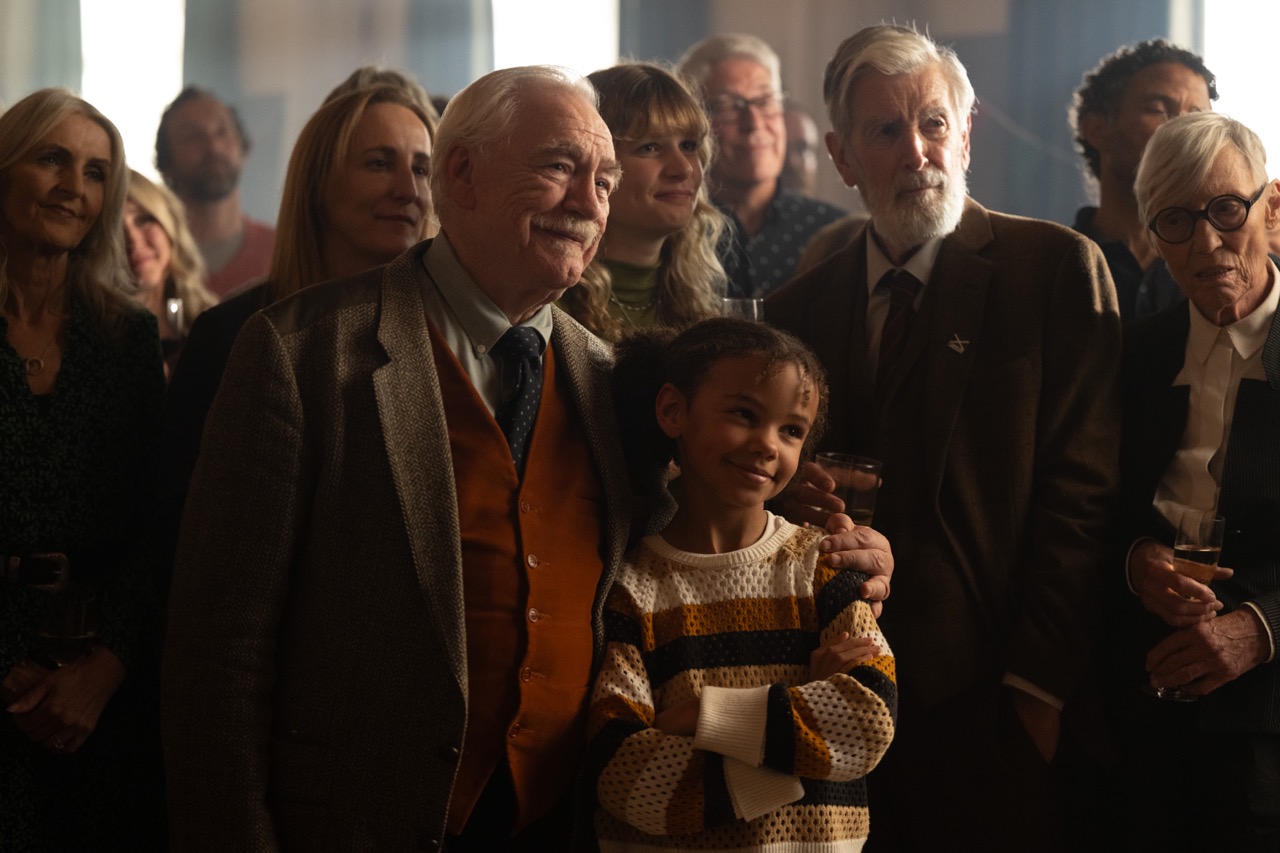
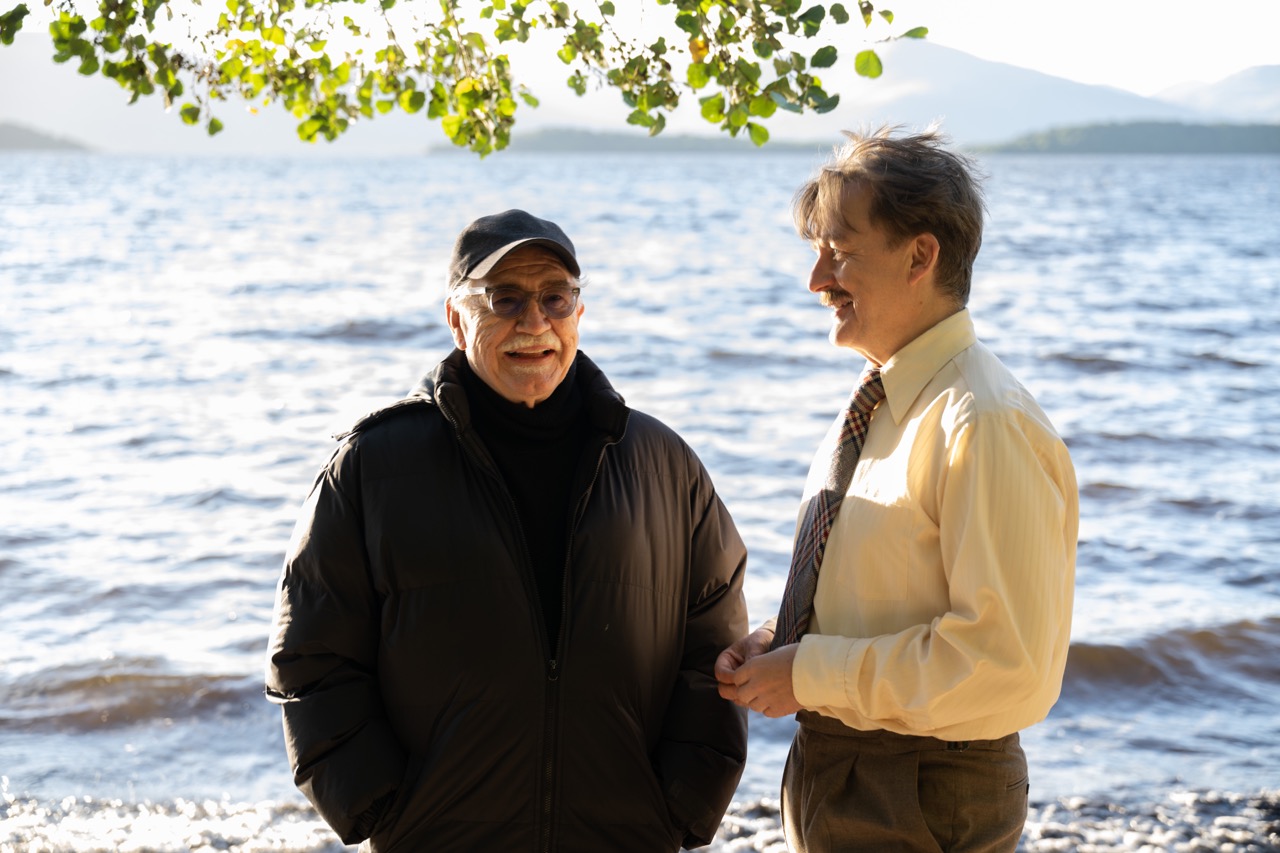
A self-proclaimed socialist and stark humanist, his film Glenrothan—about two estranged brothers (Alan Cummings and Cox himself) reconciling at their family distillery in Scotland—reaches deeply for a sentimentality that Cox insists the world is in dire need of. “We need films that talk about the human heart,” he says passionately. “What we care for. What our priorities are. That’s something that’s missing.”
Below, Cox discusses religion, his first brushes with Hollywood, and why, even as he sits in the director’s chair, acting remains his primary focus.
Luke Georgiades: Why was now the perfect time to direct a feature? Was this an itch you have always wanted to scratch?
Brian Cox: No! Never. It was force majeure. These are old friends of mine—the writer [David Ashton] and producer [Neil Zieger]. Neil came up to me one day and said, ‘you’re directing this film’, and I went, ‘what? I’ve never directed a film in my life.’ He said, ‘well, you’re directing this one.’
LG: Were you nervous about directing?
BC: I was nervous that I didn’t have it in me. I kept thinking of all these visionary directors. I ended up saying to myself, just be who you are. Be what you are, and it will either come out, or it will be awful. You risk it.
But for me, at the end of the day, it’s all about the acting. I can see wonderful visual films and think, isn’t that beautiful, but if there’s no humanity there, it doesn’t mean anything to me. You give actors the right territory, you don’t have to say too much to them. If they’re really good, they’ll just do it.
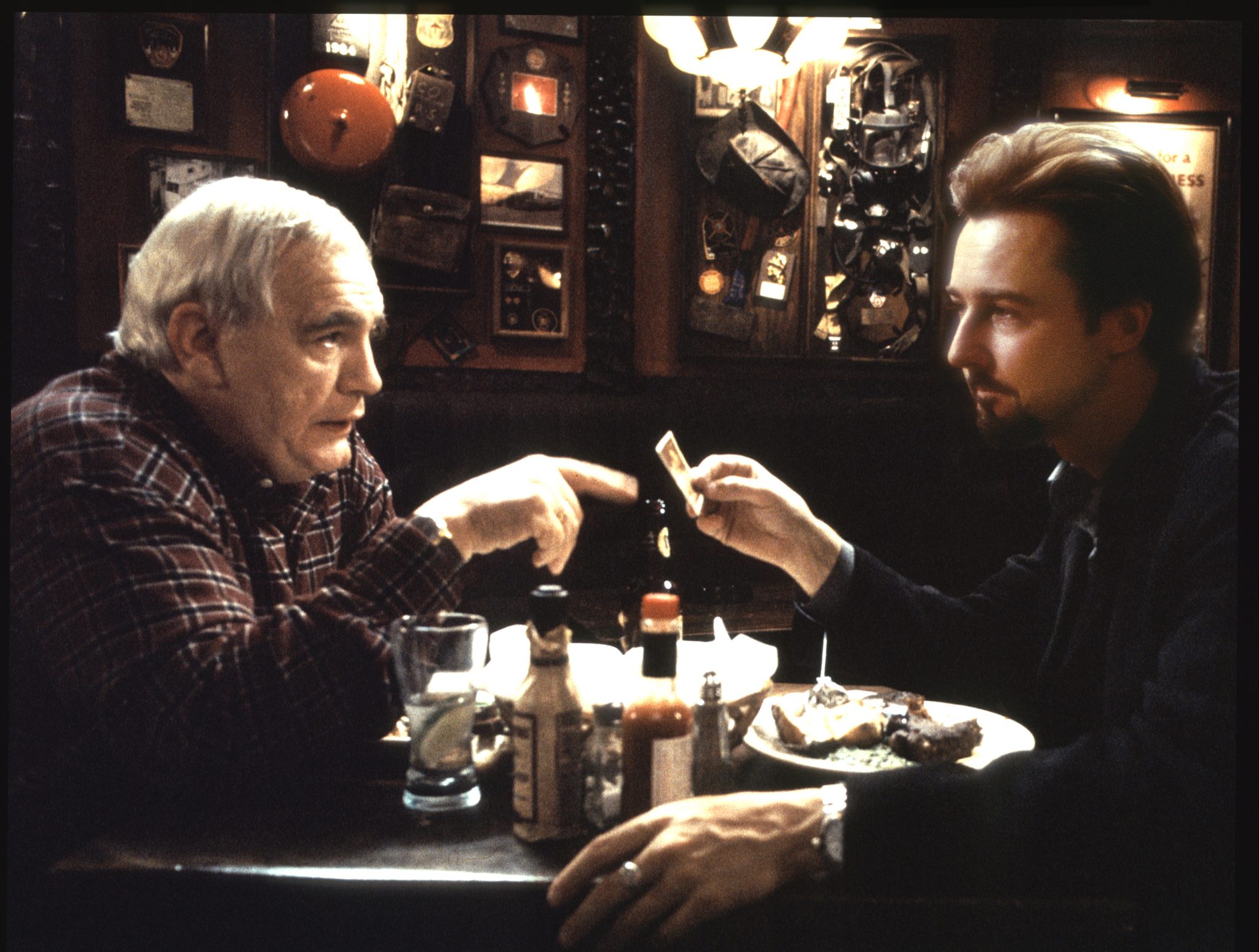
LG: It’s an interesting role for you, too. It’s tender and gentle—it reminded me of your character in 25th Hour. Is that a refreshing change of pace for you?
BC: I don’t play enough of those parts. I’m known for playing the bully, or the big mouth. It’s not who I am. I’m not that person. I’m more egalitarian than that. I’m more socialist in my thinking and feeling.
My eldest son is playing Rupert Murdoch on the London stage, and he gives a very interesting performance. He was making choices for the character that I never would have thought to make, and it made me see Murdoch in an entirely different way.
I ended up having a row with somebody who said, “We can’t stand him,” and it made me wonder: what is it about Murdoch? I realised that one telling detail is that he kept a statue of Lenin with him all the time. In his way, he’s a real Republican, and what he seems to reject most—particularly in Britain—is the class system. In many ways, the whole move to Wapping was about trying to break that system.
In the play, he says, “I’m just a man—I’m just making papers.” What’s interesting is how these kinds of characters are driven, and the dynamics that shape them. In our film, that’s played more organically—one thing leads to another, almost by osmosis. We are creatures of influence, and I find that more interesting from a dramatic point of view.
LG: Did it feel necessary for you to cleanse your palate after Succession ended?
BC: I’m always cleansing my palate. I do that anyway. I’ve been doing this for 65 years. Five of those years have been tied up with Logan Roy. But that’s only part of my work. I’ve done major work in the theatre. I’ve done Bach. I’m going to Washington in September, October to do Bach again. That’s what I am: a working actor. I’ve never thought of myself as anything but.
LG: Were there any pitfalls you were trying to avoid that you have noticed during your time working under directors for the past six decades?
BC: Going for the shot rather than the performance. There are certain elements when it’s not about the actors where you can focus purely on visualising. But for the actors, it’s about the performance, it’s about what their struggle is, about who they are in relation to the other characters. The great thing about Glenrothan is it’s a relationship story. It’s about the burden and liberation of community.
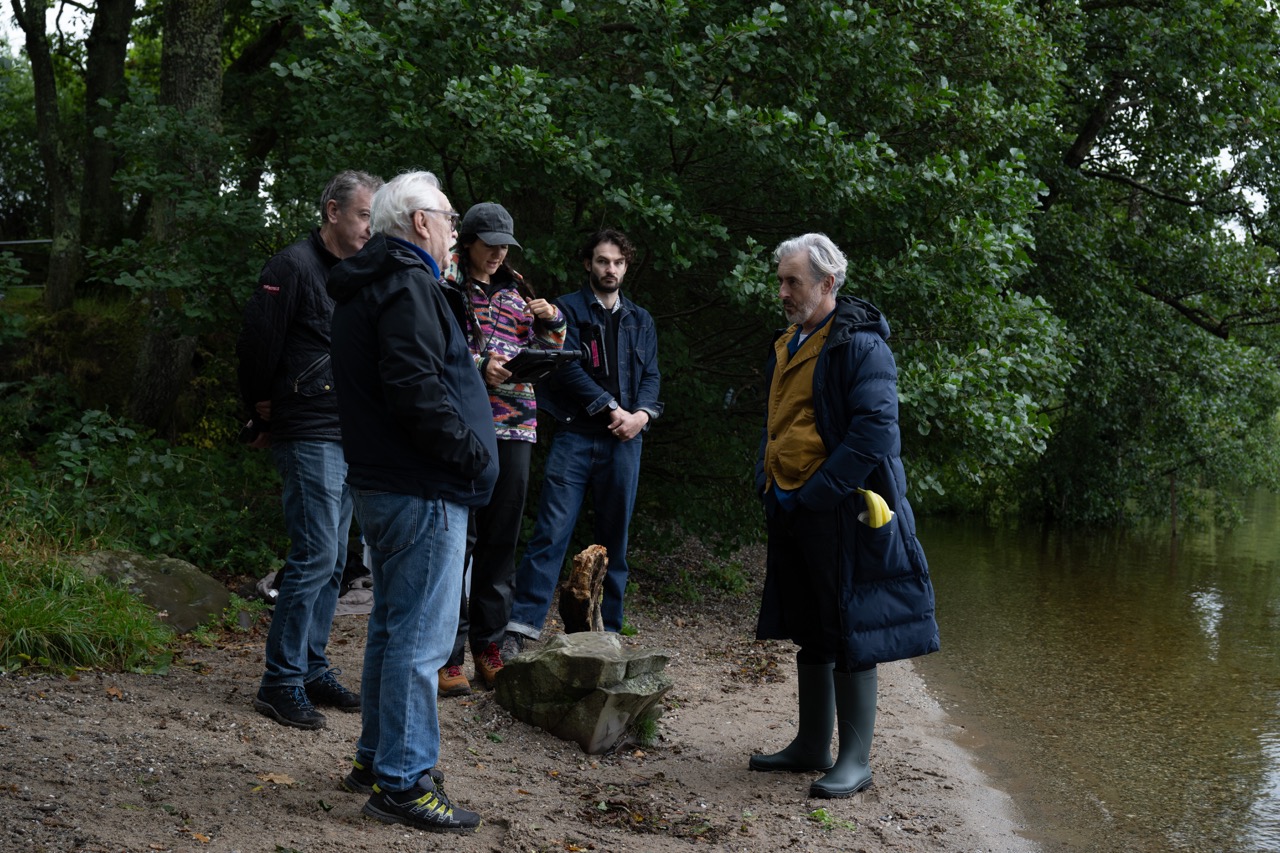
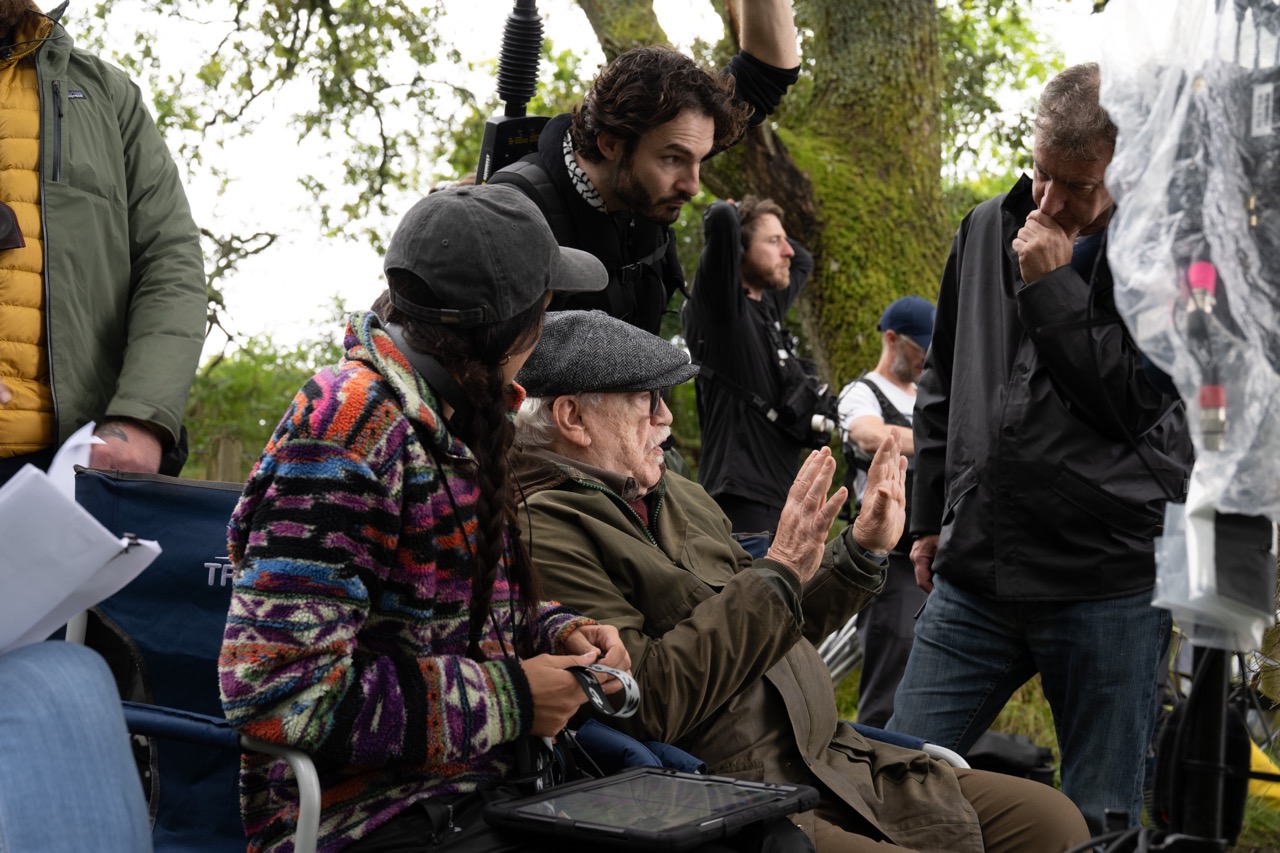
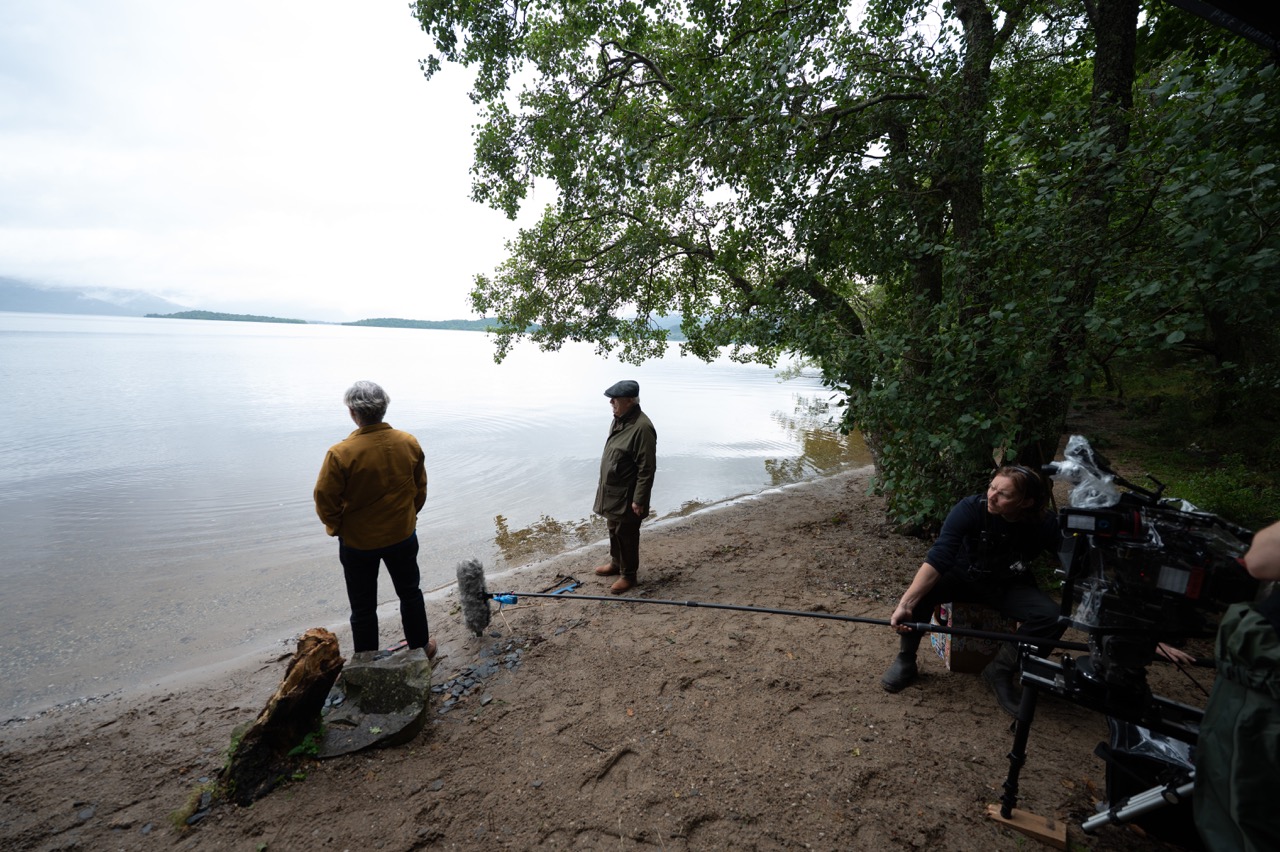
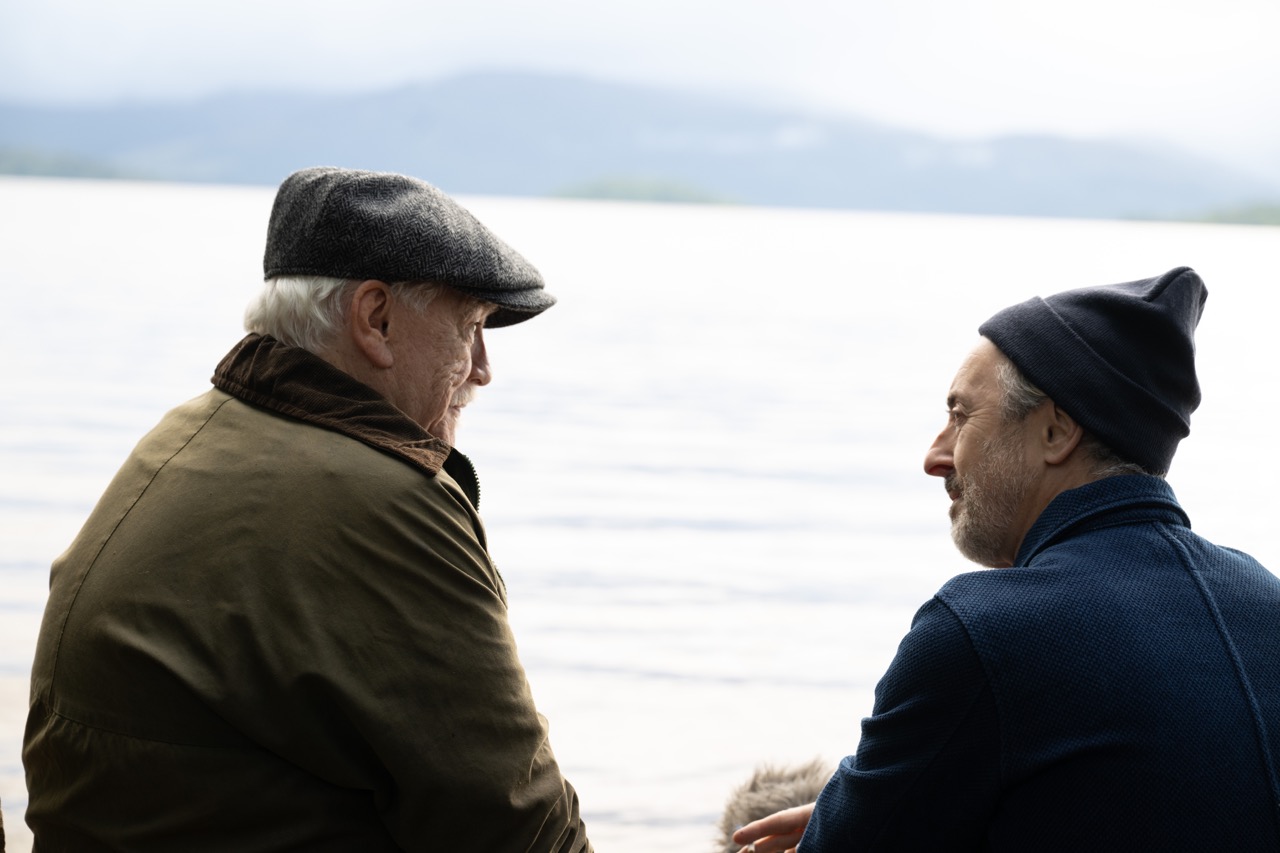
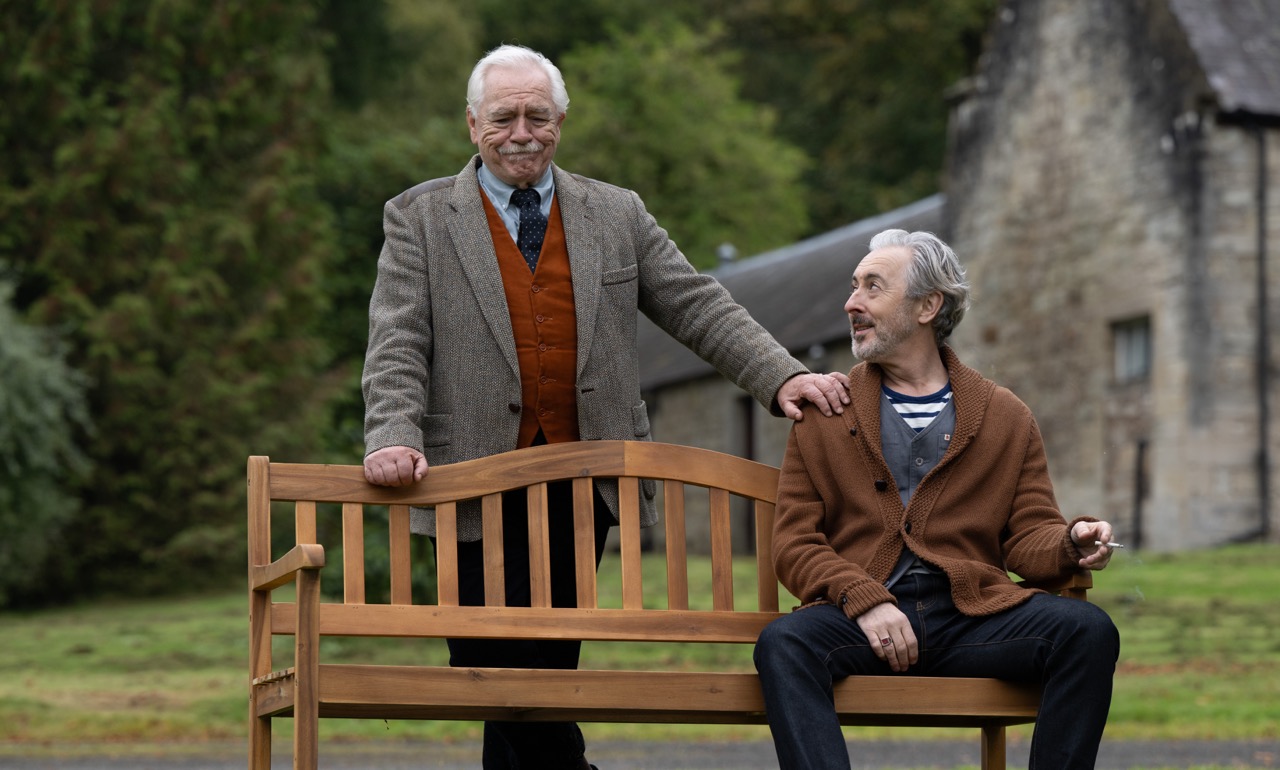


LG: It also allows the characters and audience the catharsis of sentimentality. Many filmmaker’s first instinct is to reject that these days.
BC: There’s never been a more important time for sentimentality. We’re living in such a bad time. We’ve got this fucking idiot, Trump, who has not a fucking clue—who is leading the Western world and talking such shite. The man’s mouth should be all brown, the amount of shite he talks. And then we’ve got Netanyahu, who is no hero of mine. Gaza’s been put on the backburner, but the settler’s are coming in and stealing their homes. The Palestinians have been treated appalling. What I find extraordinary about that is, considering what the Jewish people went through in the ‘30s, how can they do the same that was done to them?
It’s shocking. And that’s why we need films that talk about the human heart. What we care for. What our priorities are. That’s something that’s missing. When I think about poor Valensky and what he has to deal with Ukraine, and the fact that this war is empowering Putin. My thinking all the way down the line is that’s the problem. Nevermind what’s going on with Iran, that’s a mythical thing anyway, that will just go on and on. What’s more important is what’s happening in Ukraine. Those “accidental” rockets that were landing in Poland. Accident my arse. Trump can’t see it because he’s in some sort of thrall with Putin.
LG: So though this film isn’t explicitly about those topics, it’s very much a response to the state of the modern world right now.
BC: That’s absolutely right. It’s directed by an older man. It’s written by an older man. It’s coming from a place of experience, and asking what’s happened to the notion of family? What has happened to basic human values? It took me a long time to realise that I had directed a good film. I was so nervous about it. I kept thinking, I’m not James Cameron. My biggest influence was Lindsay Anderson. He was such a humanist in his work. My favourite film of his is The Sporting Life, which is about the emotions of a man caught in a dilemma. Lindsay always had this amazing compassion. His great note was, ‘never attitudinize. Just play the moment, allow the moment to be.’ It was a guidebook to theatre.
“The theatre and the cinema is the one true church, because that’s where we see what Man is doing, and why they’re behaving the way they behave. That’s infinitely more exciting to me than anything else, because it’s my dilemma. What’s the point of my being here? It’s an issue we don’t deal with enough, because organised religion gives us an excuse not to. Bugger God. God is not there, so now we have to go back to questioning this extraordinary dance that we’re all involved in called life. That’s what I love about the work.”
Brian Cox
LG: 25th Hour is similar in the sense that it was also a response to a very present-day event, 9/11.
BC: That’s Spike. Spike is one of the greatest directors I’ve ever worked with. He’s a visionary. Everyone thinks because he’s black, he always must fall in that category. But he’s more expansive than that. You would never have expected him to direct that film, but he did it tremendously.
LG: I was pleasantly surprised to see you do a special promotional video for Tekken a few years ago. How do you find your way to lending your gift to that medium?
BC: It depends on the game. There are some games that are a little questionable. But I’ve been lucky with the games I’ve had a chance to work on. I love the voiceover stuff, and doing games has greatly contributed to that.
LG: The first role I saw you in was X2, and you have a line reading in that movie that became gospel between my siblings and I growing up. You tell another character, “I was piloting black ops missions in the jungles of North Vietnam while you were sucking on your momma’s tit at Woodstock.”
BC: [Laughs].
LG: For whatever reason, it became one of those lines of dialogue that my household would reference constantly. I’m grateful that you never shied away from commercial films that allowed me to be exposed to your work as a child.
BC: As long as there’s a core of humanity in the work, I will do it. Art is about who we are. I genuinely believe that all religions fail miserably because it’s all guess work. That’s why I love the arts. The theatre and the cinema is the one true church, because that’s where we see what Man is doing, and why they’re behaving the way they behave. That’s infinitely more exciting to me than anything else, because it’s my dilemma. What’s the point of my being here? It’s an issue we don’t deal with enough, because organised religion gives us an excuse not to. Bugger God. God is not there, so now we have to go back to questioning this extraordinary dance that we’re all involved in called life. That’s what I love about the work.
LG: There was a time very early in your career where you withdrew from Hollywood, returning eventually for Manhunter. What alienated you at the time?
BC: It was so overwhelming. I remember going to L.A. way back in the 70s. I remember seeing Ridley and Tony Scott at this industry bar. They were these little frightened Northern Englishman coming in. They had yet to make their mark, and there was something very sweet about how wide-eyed they were. But it was very overwhelming for me, and I knew I wasn’t ready for it. It isn’t real. That’s the whole point of the place. It’s about ultra-reality. But eventually, I came back, and realised it was okay. It’s great mythology. Those X-Men films are allegorical. That’s why they’re so great.
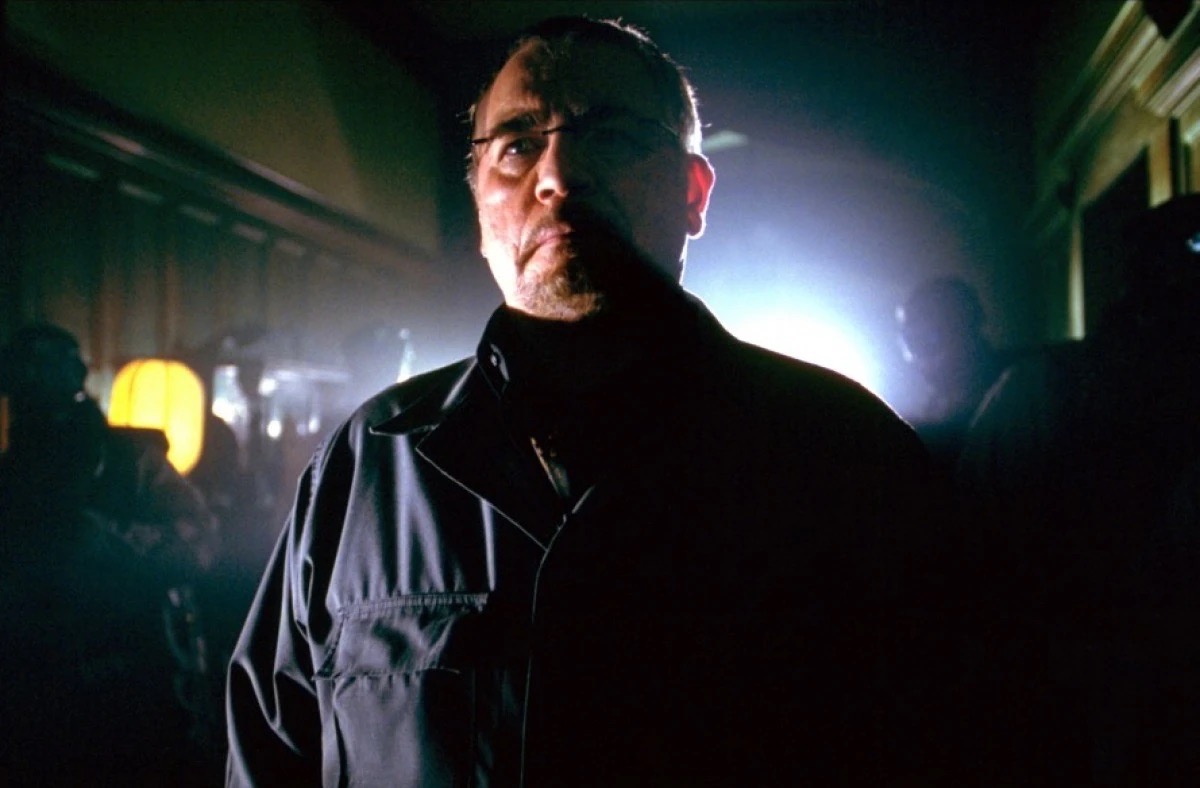
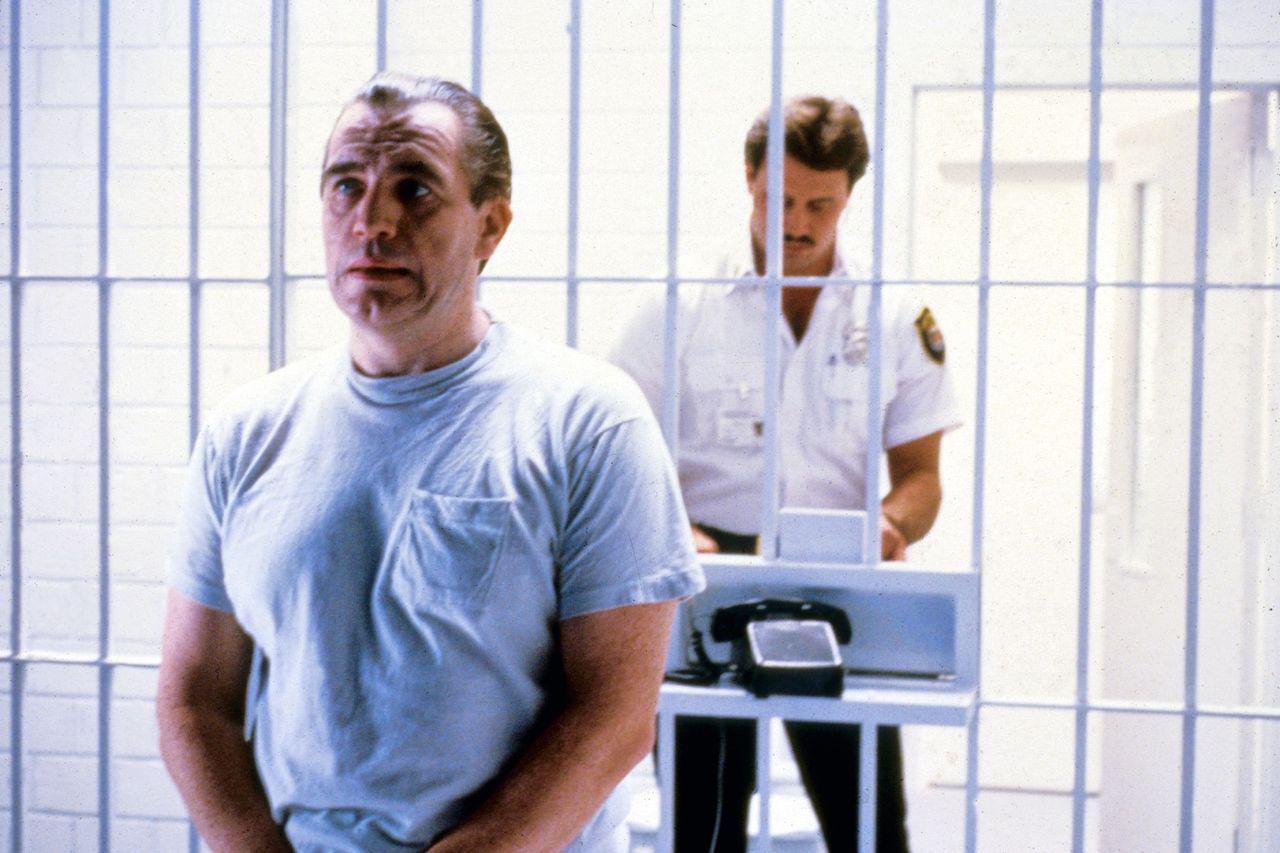
LG: Do you ever think of the impact of your own work in the long term? There’s an argument to be made that your take on Hannibal Lecter in Manhunter has perhaps been more influential than any others in the portrayal of the screen serial killer.
BC: I knew I could portray him well because I went to school with boys like Hannibal Lecter. [Laughs]. I went to school with boys that were really quite dangerous individuals…up here [taps head]. They were psychopaths, and you didn’t want to cross them. They were unpredictable in their violence, and they would do horrible things. I always felt that was the strength of my performance, basing it on boys I had known, rather than on some idea of a creature. I just knew who that guy was.
LG: Do you feel as if because you’re considered a “serious” actor that people may ignore the possibility that you’re also doing this because it’s fun for you?
BC: Oh, yeah. I love my job. I have the best time. I’ve had my ups and downs, my disappointments. But I think it’s a very important job, what we actors and filmmakers do. We slightly underestimate it. We feed the spirit.
LG: Do you remember the first films that fed your spirit?
BC: I was very lucky. I grew up during the emergence of Marlon Brando and James Dean. Before that, it was Abbott & Costello, and Dean Martin & Jerry Lewis. Dean was a very interesting force. He came from a very working class mining family. Apparently, he was always the one that sorted things out. Nobody would cross him. Even Frank Sinatra was inhibited by Martin.
But then along came Marlon Brando, and to see On The Waterfront at 10? Well, that’s it. James Dean in East of Eden? Wow. That was an extraordinary time for me, in terms of first discovering my purpose in life. I used to go to the cinema all the time. There were 21 cinemas in my town, and I visited every single one of them. It was my passion from a very early age. I knew what I wanted to do from the age of three.
Glenrothan is in cinemas from 17th April.