

Featuring Fouquet’s, Frank Capra and a sumptuous stay at Le Normandy, Chris Cotonou reports from the latest edition of the Deauville American Film Festival.
At the legendary Fouquet’s Paris brasserie – a stop-off before heading to the Deauville American Film Festival – I wandered by as many tables as I could. You have to understand: on the wood-panelled walls behind them, there is a silver plaque reading “TABLE PRÉFÉRÉ PAR…” and then names of the kind of greatness of Jean Gabin, Michel Audiard, Marcel Pagnol, and Edith Piaf, and so, a sudden hallowed energy is summoned in the dining room.
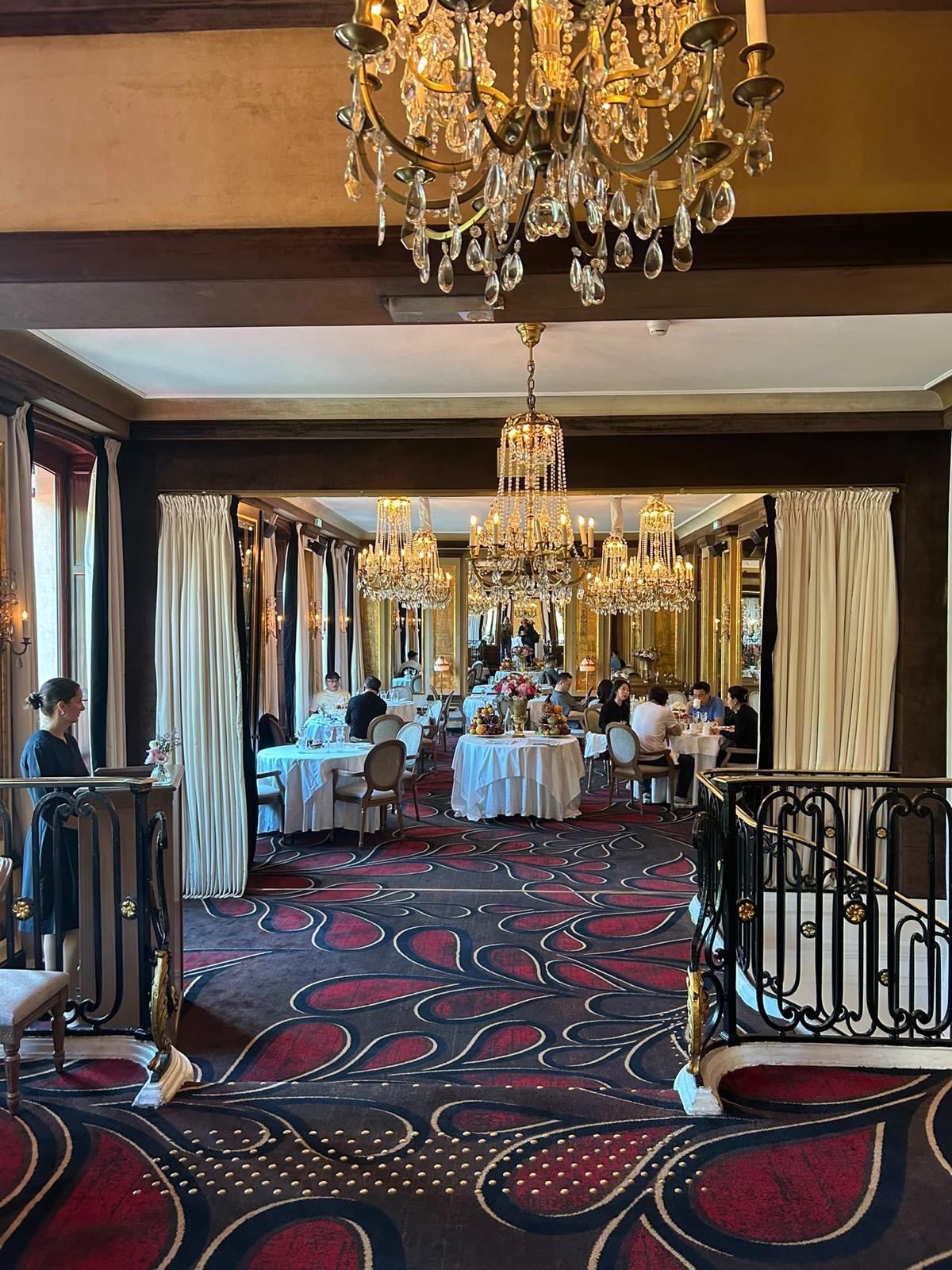
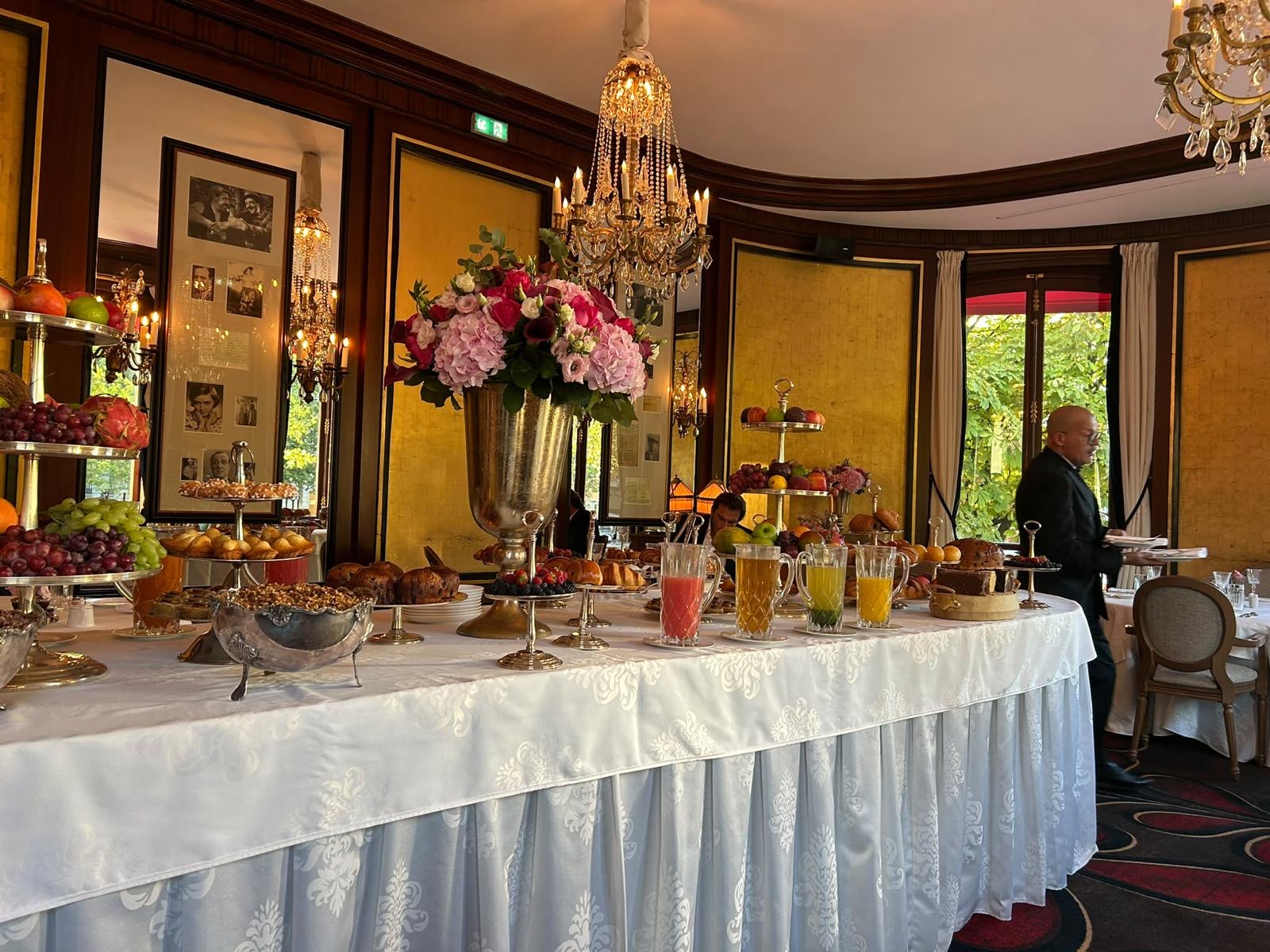
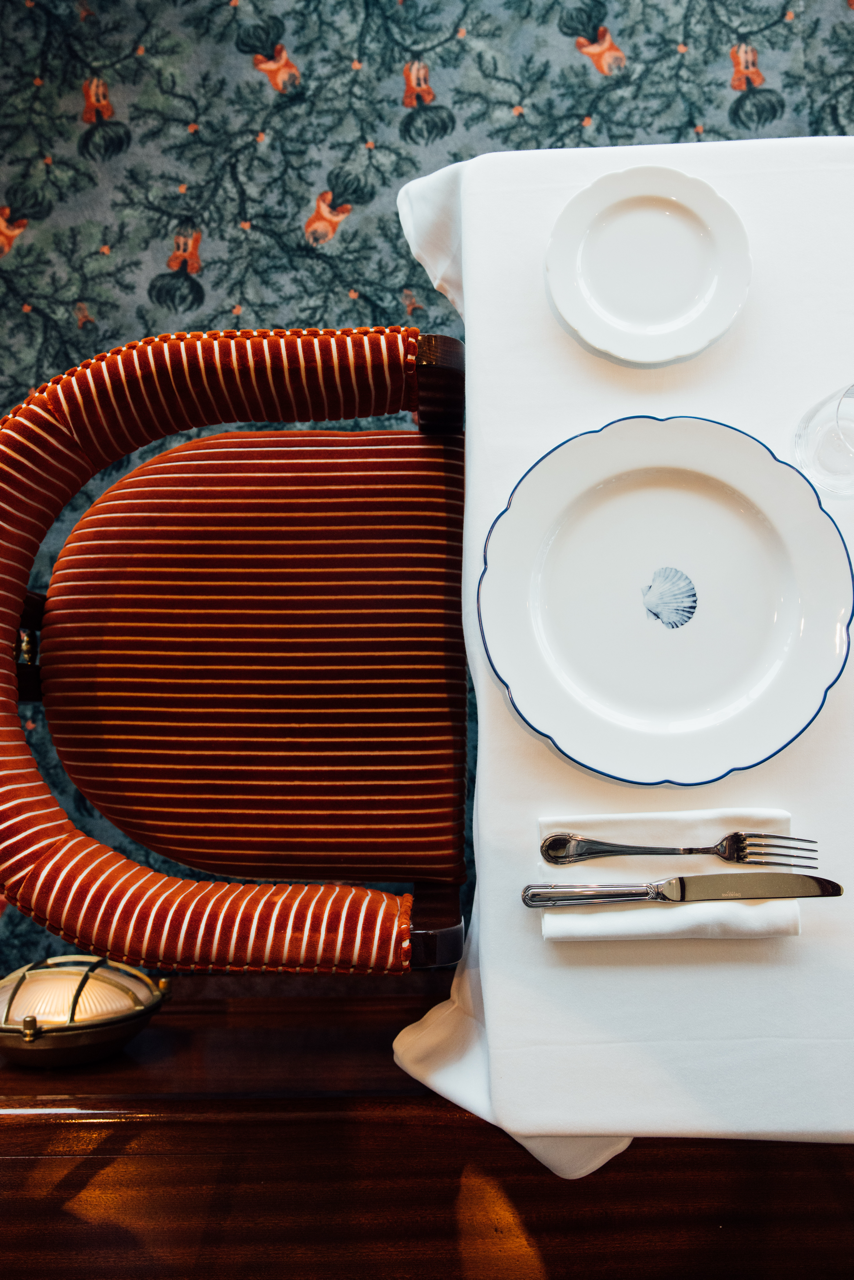
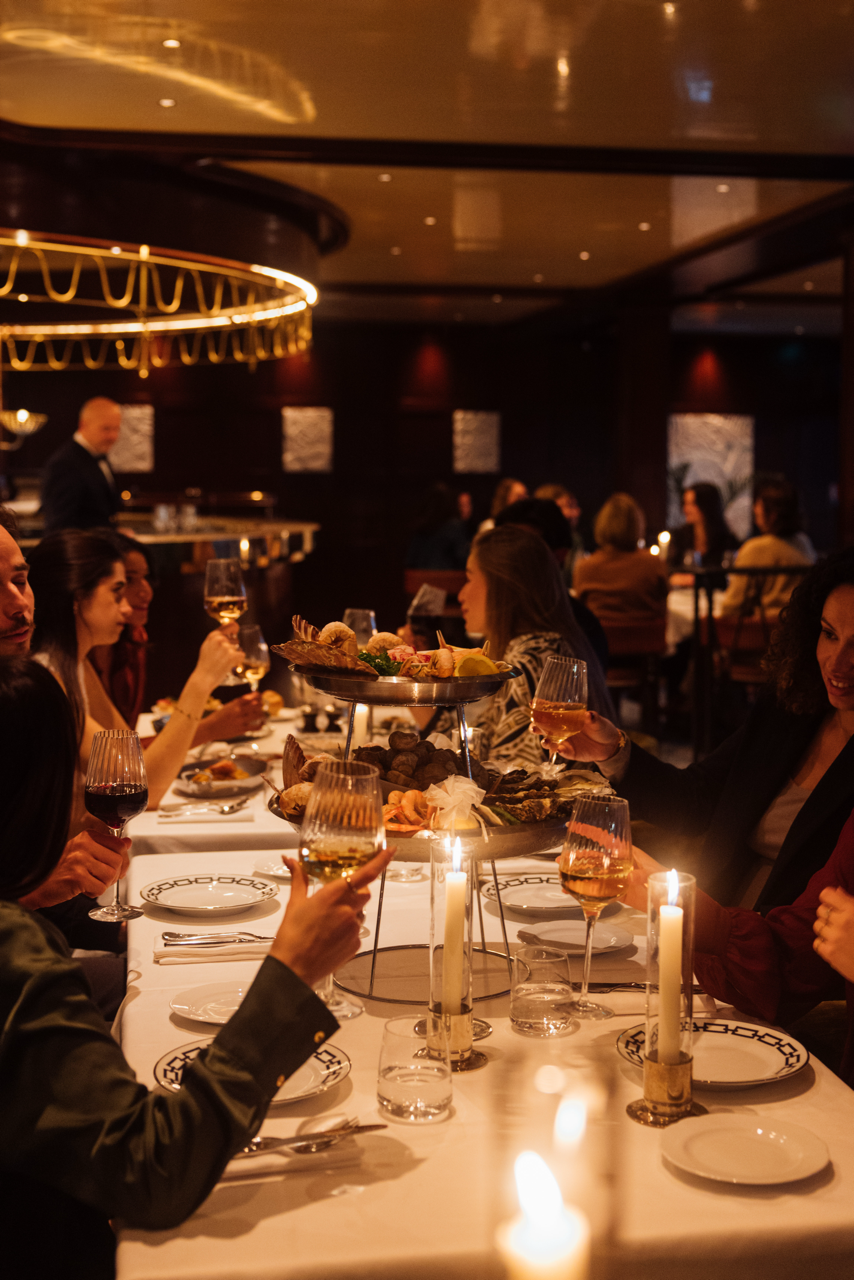
We’re on Orson Welles’s table (by we, I mean myself and other journalists invited on the same schedule). There’s good leg room and I imagine Welles here at lunchtime during his heavier, epicurean days, drowning two bottles of red wine and popping oeufs a mayonnaise in his mouth like popcorn, followed by Atlantic lobster, while leerily looking over at master Pagnol or the younger upstarts Truffaut and Godard – who probably just earned their tables. There are black-and-white photos all over the walls; Hollywood faces, Italian faces, some Brits. The César Awards are held here I am told, and the room is made to host an impossible four-hundred people.


Obviously, Fouquet’s is a place of enthralling anecdotes. One goes: on the upstairs balcony, now occupied by the sublime hotel, it is said that the great directors would take their breakfast overlooking the cinemas of the Champs-Elysée. They would study the crowds, the queues, the audience reactions… only then would they know whether their film was going to be a hit or not. Only then would they know whether the next bottle of wine would be one for celebration or sorrow.
Today, there’s only one cinema on the Champs-Elysée. When I lived in Paris a decade ago, there were at least five. Fortunately, Fouquet’s is still here – thanks in part to the efforts of Jean-Paul Belmondo, who helped prevent it from being turned into a shopping mall in the 1990s. You can’t say the rest for its neighbours. Some of this in part is thanks to the Fouquet’s Hotel in the same building, opened by Barrière.
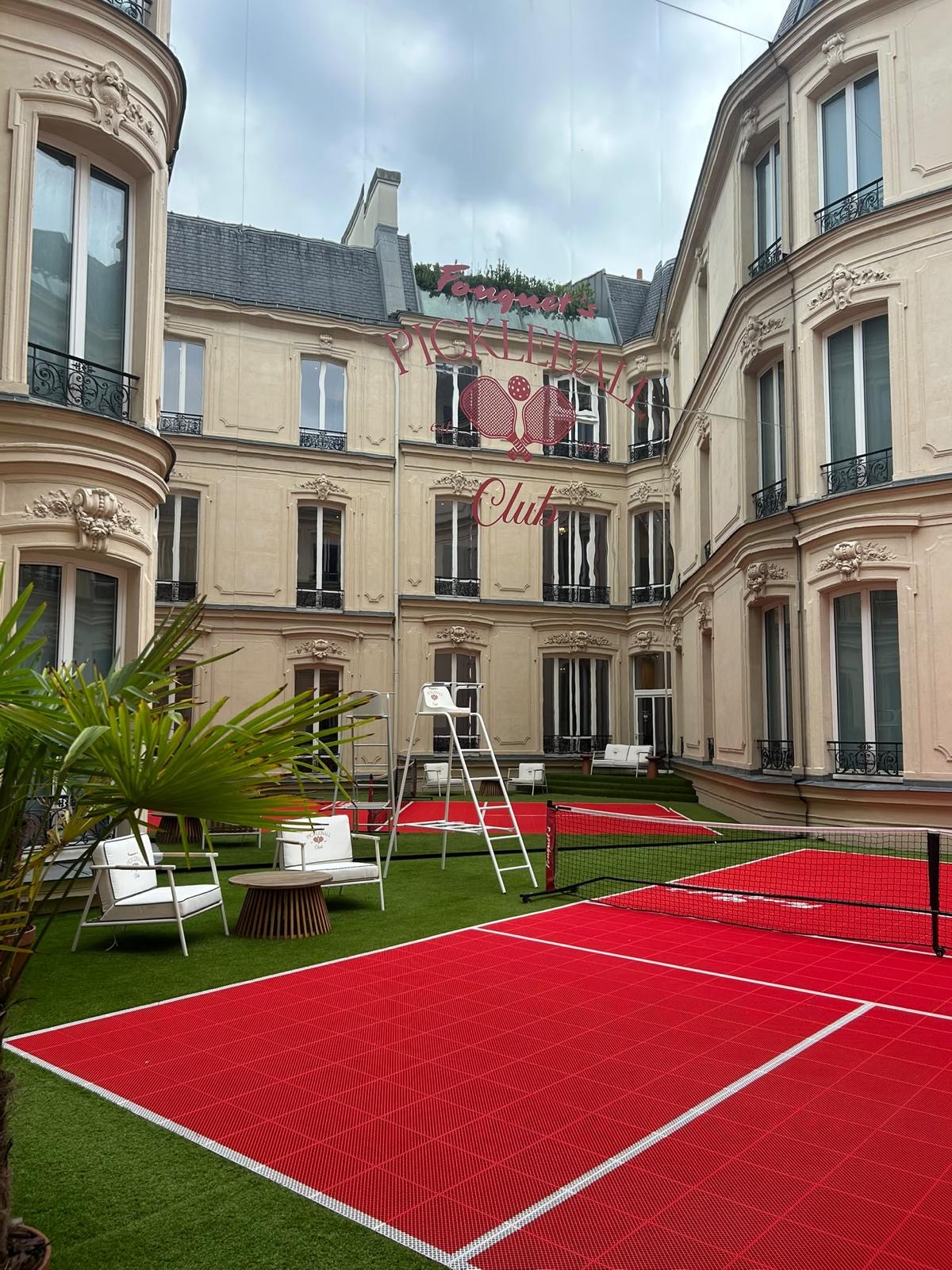
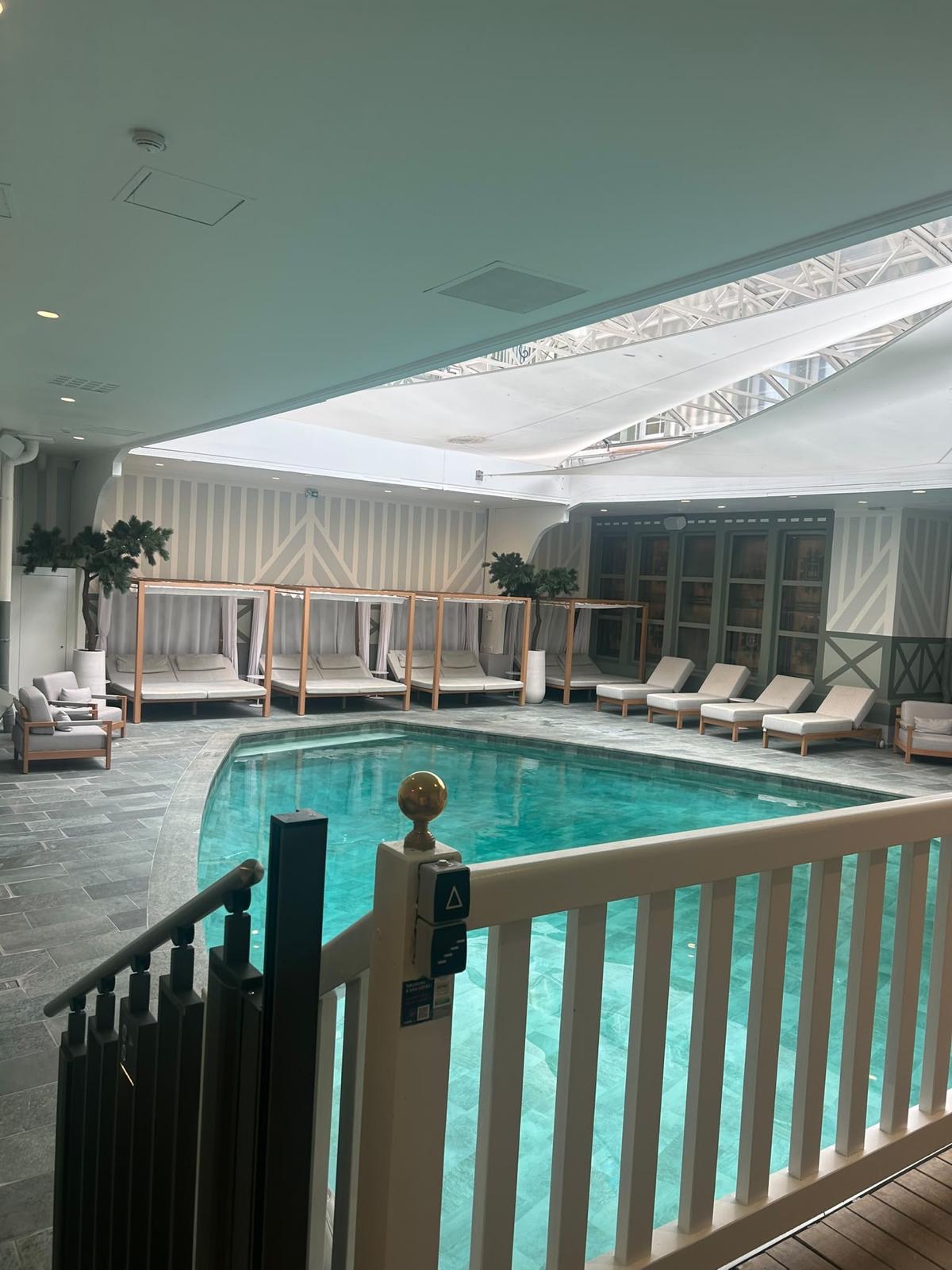
The hotel has a restaurant romantically enclosed by Hausmann buildings, as well as a paddle court and comfortable, large rooms. The rooftop bar overlooks the Champs-Élysée, where journalists (like myself) watch over the carnival of Parisian life with a Negroni, and perhaps begrudgingly try to imagine the days of the theatres, or Welles, of the golden age of cinema à la français. But nothing beats Fouquet’s for sheer warmth and luxury. It was a touching memento when they offered me a leather room card holder with my initials monogrammed. “For future visits,” the concierge said.
We departed for Deauville early to make the start of the American Film Festival. This was the 52nd edition of one of France’s most prestigious film events; one that is lesser-known abroad but which makes the covers of Paris Match and is broadcast live across the country — a nation that has a ceaseless fascination with all things American. (Perhaps you recall it from Joachim Trier’s Sentimental Value.)
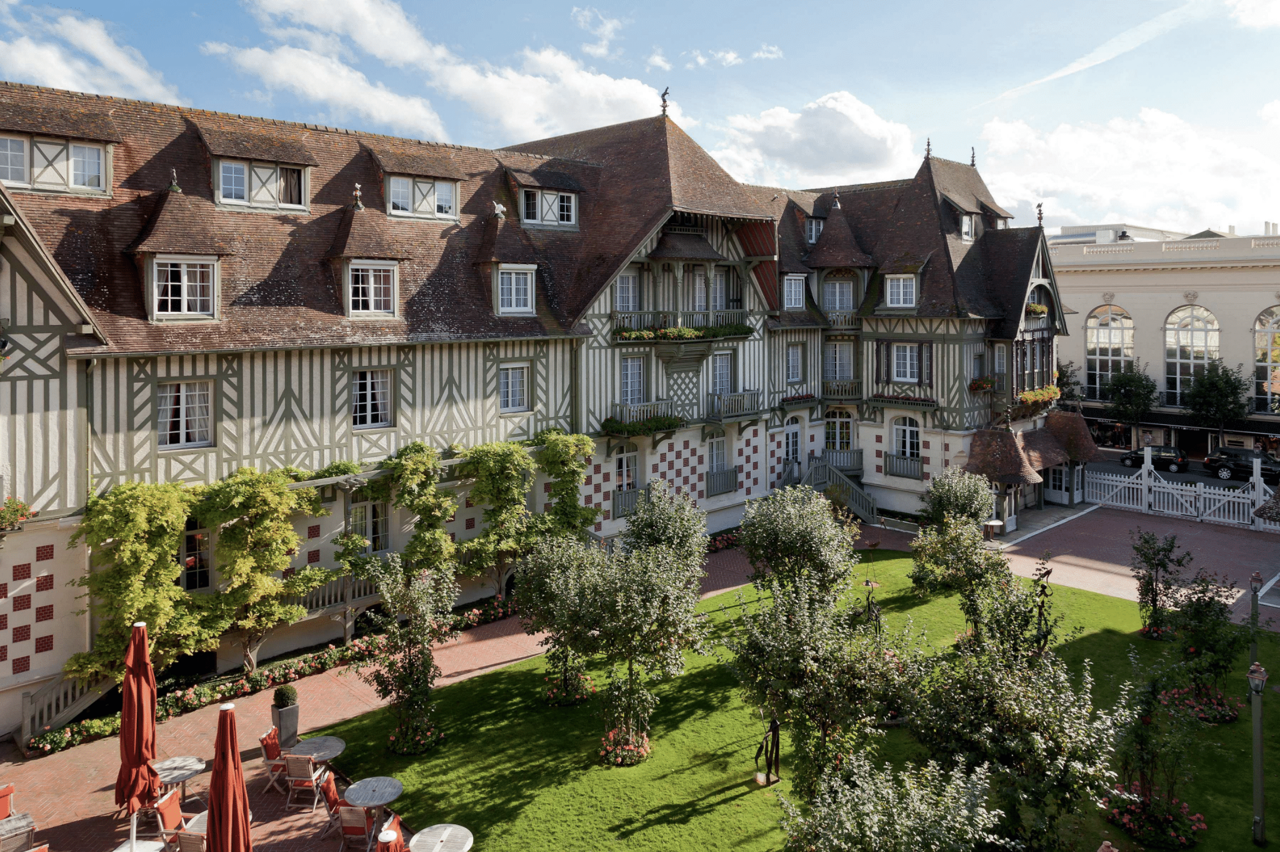
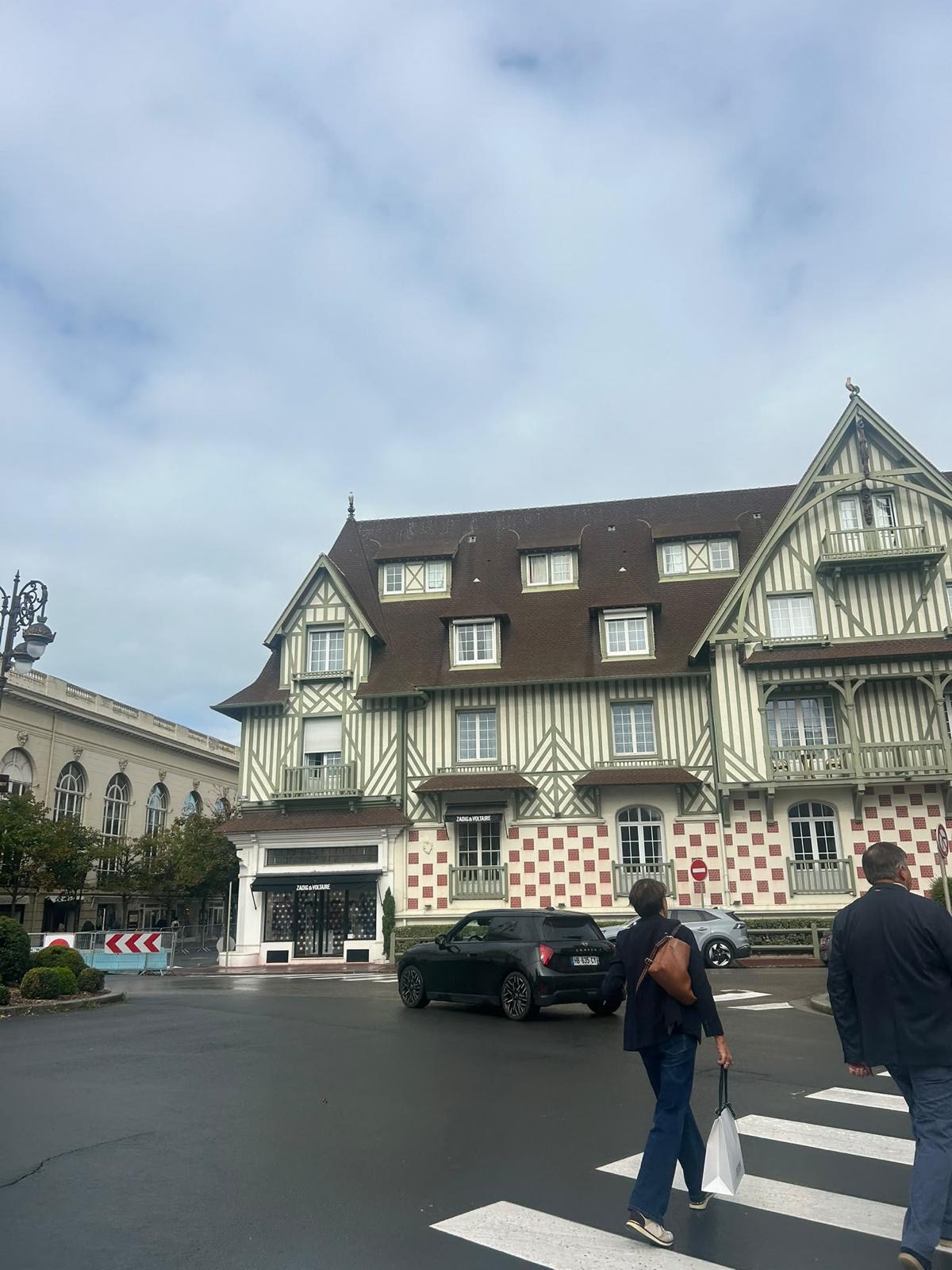
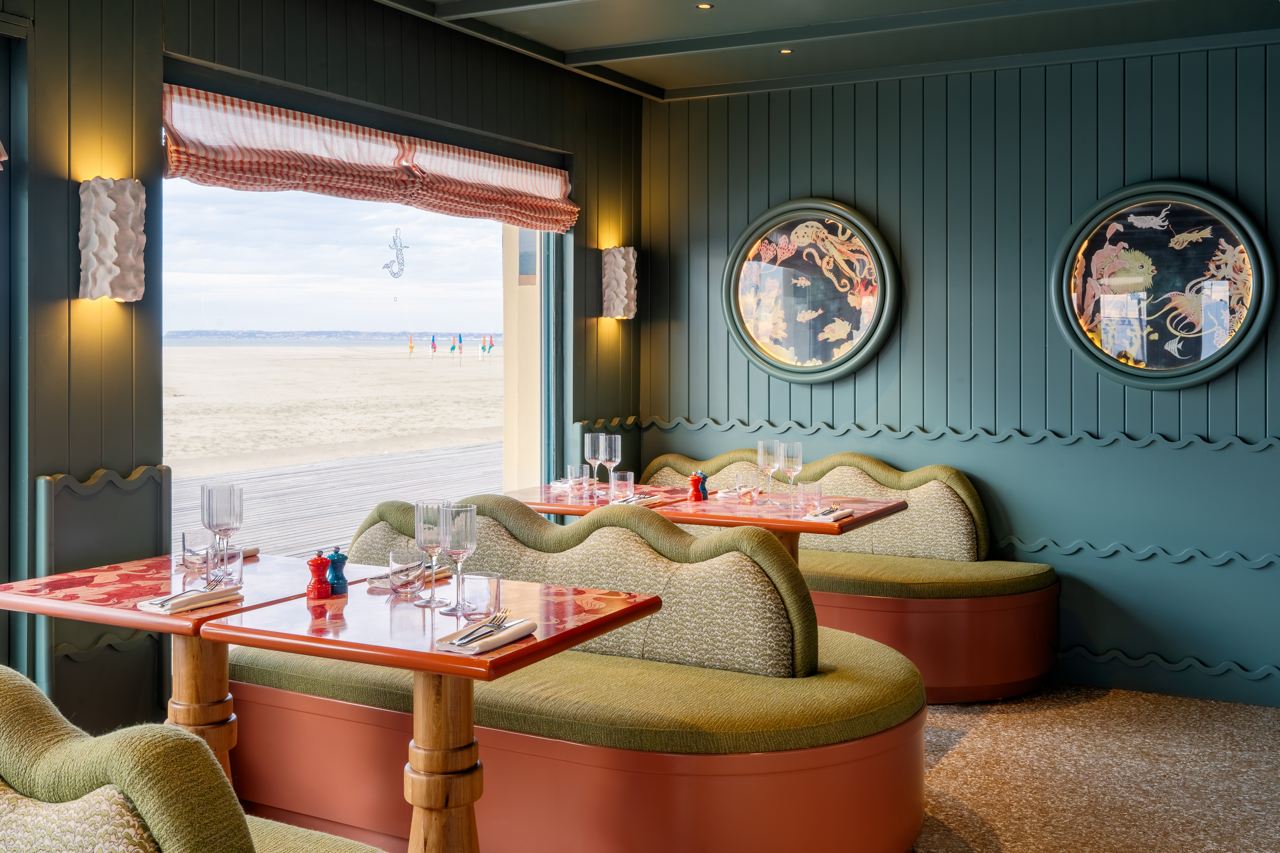
I’d been given a room at Le Normandy, among the grand dames of movie-star stays – where I had been told Spielberg, Scorsese, and other American legends had arrived to be honoured at the film festival. It stood out in the central square like a medieval castle, in the typical Norman style of half-timbered architecture and steeply pitched roofs (Normandy is more British in character, and weather, than other parts of France). On the same weekend I was in Deauville, the Bayeux Tapestry was being presented in London. If I’m honest, I think England got the better of the exchange.
A brief walk around the town (following a dizzyingly relaxing massage at the hotel’s Guerlain spa) and it’s clear how important the American Film Festival is to this affluent resort town. The star-spangled banner is flown in place of the tricolor, lining the streets and hoisted above Le Normandy and the hotel de ville. There is indeed something very American about Deauville in its sense of suburban perfection – the whole place is quaint enough to be a movie set from a Frank Capra picture — perhaps It’s A Wonderful Life.
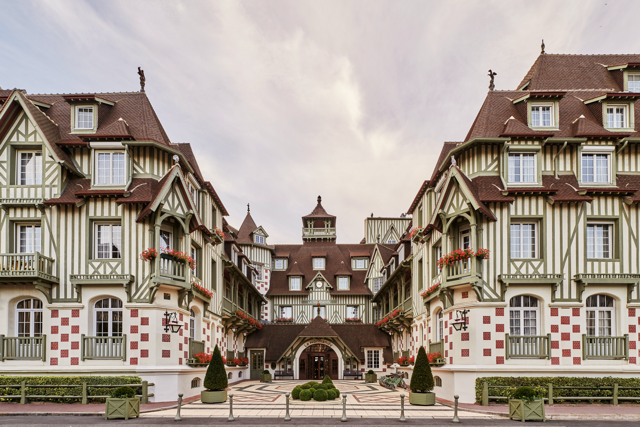
Le Normandy, Deauville.
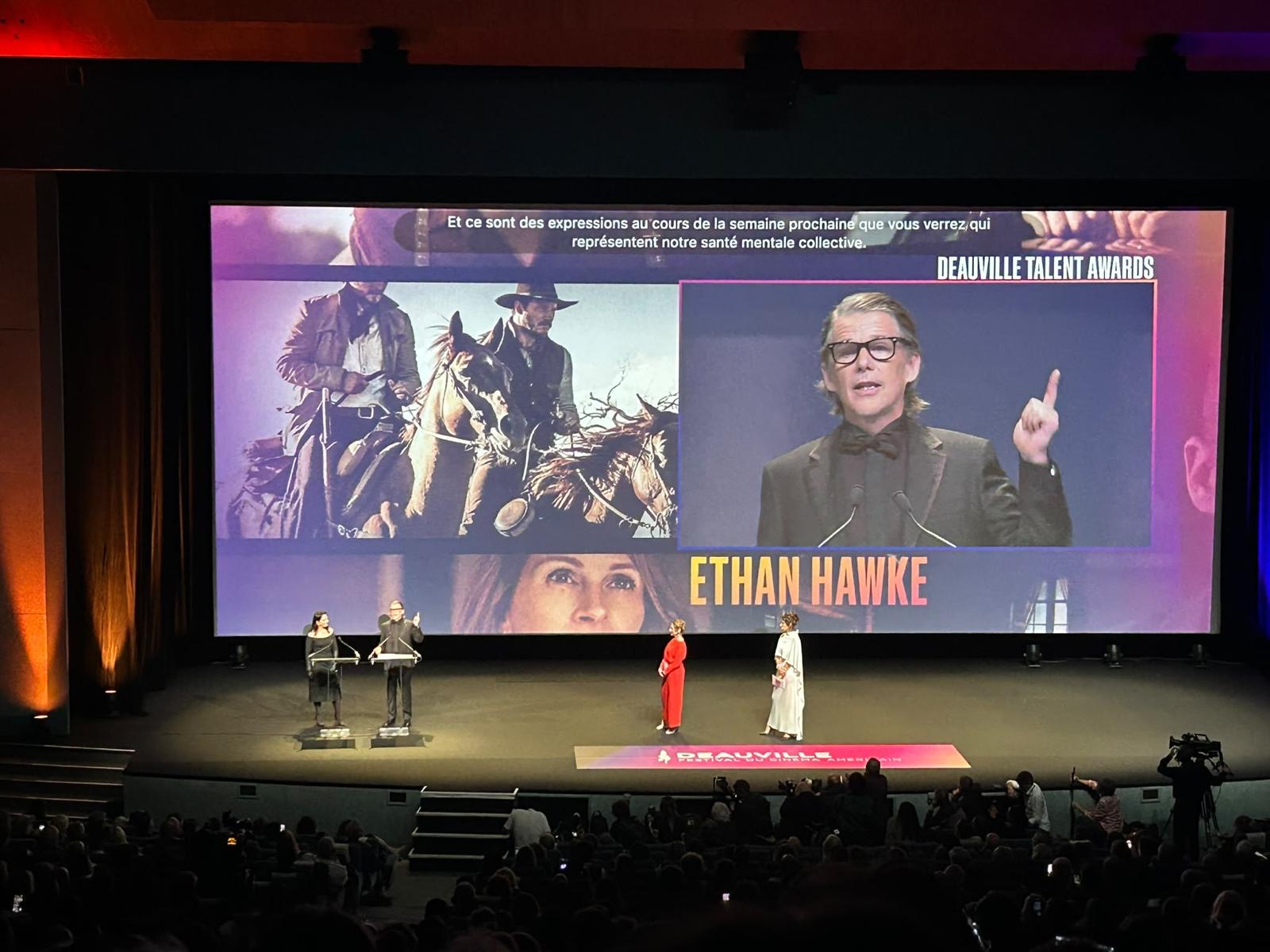
A visit to Deauville has also become a rite-of-passage for American directors and actors; the serious ones who are romantic about film history, at least. They absolutely love being here, in a place where the movies are all-important, where there are fewer paparazzi, low-stakes premieres, and a break from the high-octane schedules at Cannes. When Ethan Hawke accepted his tribute at the opening ceremony, he suggested it was the most important moment of his professional career.
The ceremony opened with the surprisingly excellent (and under-the-radar) The Weight, starring Hawke as a man hired to smuggle gold during the Great Depression. Juliette Binoche stood to pay tribute in front of a largely French crowd, with a few members of the American consulate there to confirm “the shared friendship and values” of “our two great nations.” For Americans, it’s a much-needed affirmation of what is good about their country. For the French, it is a marvellous bit of diplomatic soft power.
For an English film critic, it is a chance to revisit some of the year’s best films in easy succession, including Club Kid, which won the major prize. There are also showings of classic American cinema on the big screen.
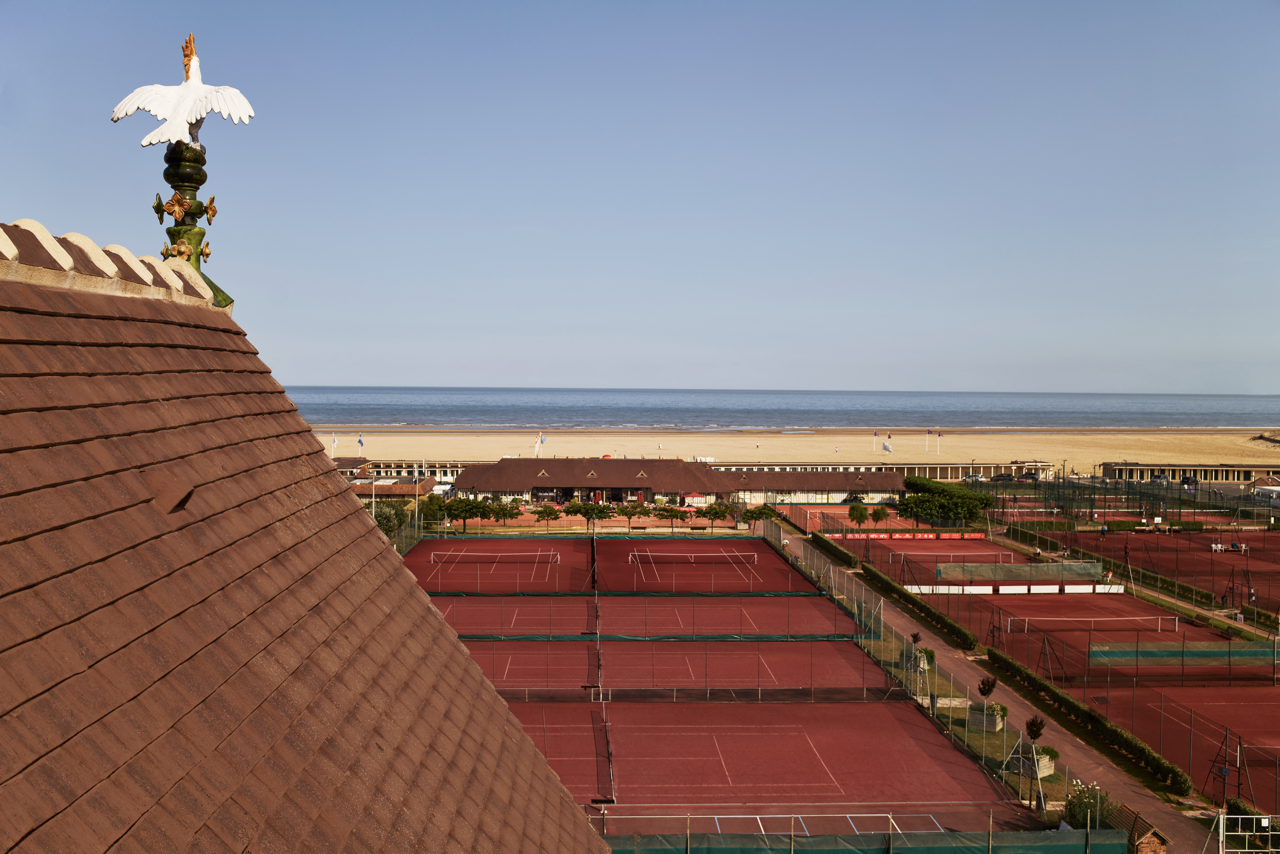
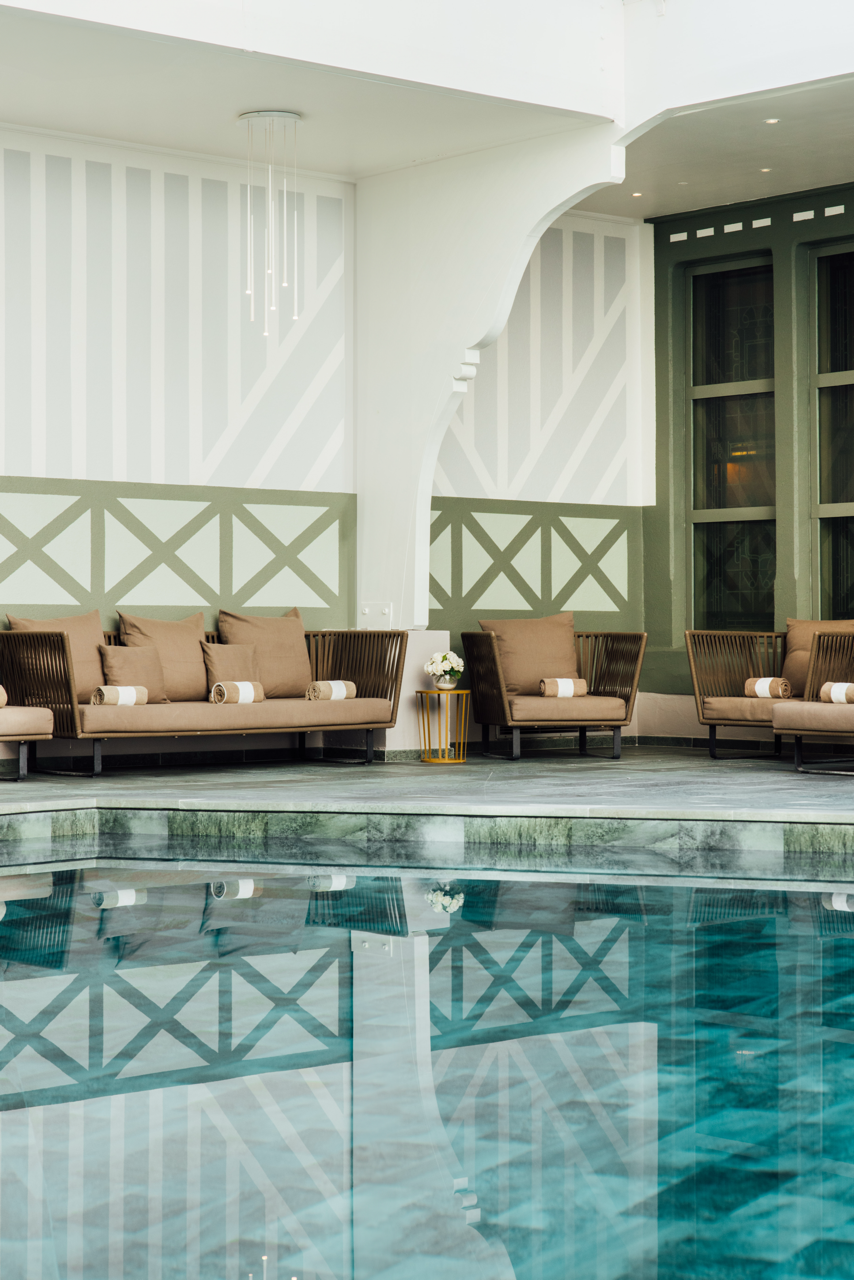
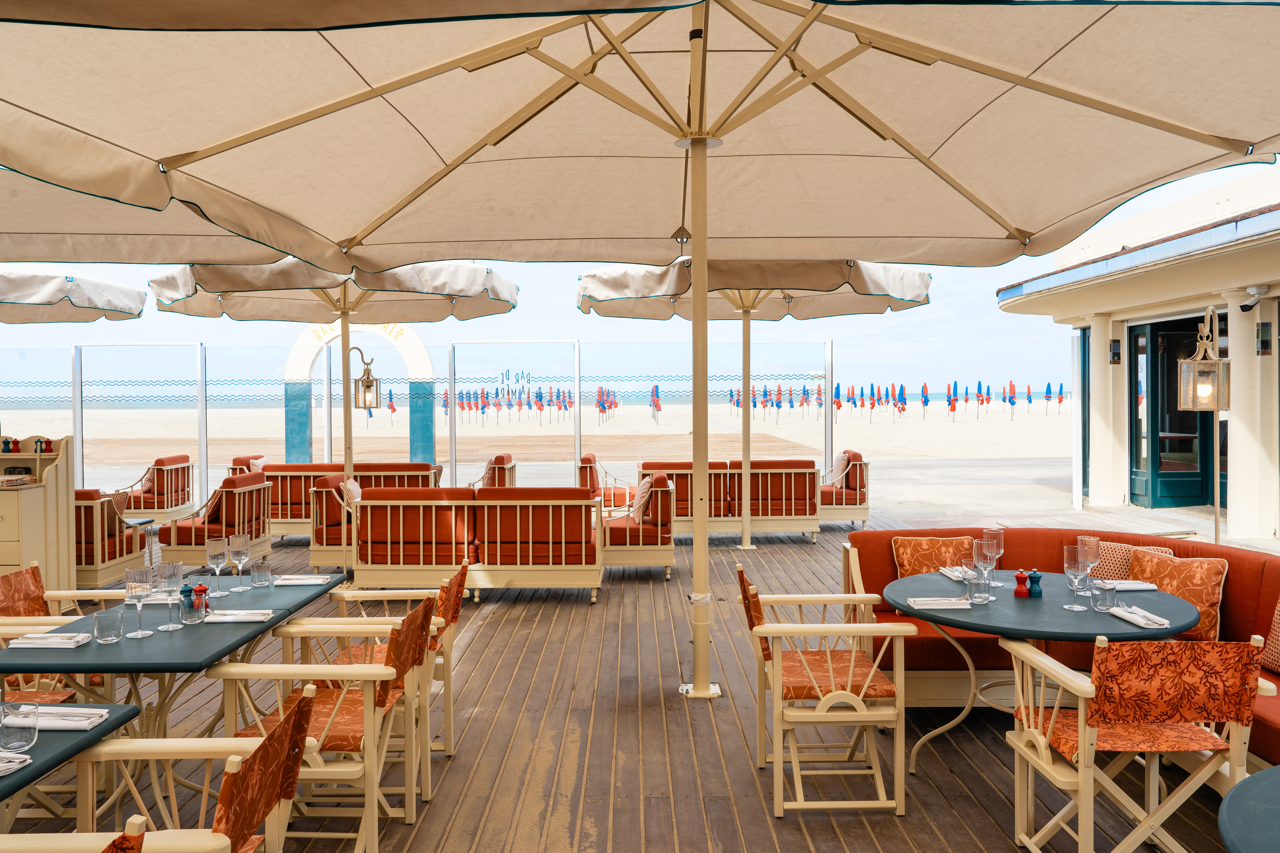
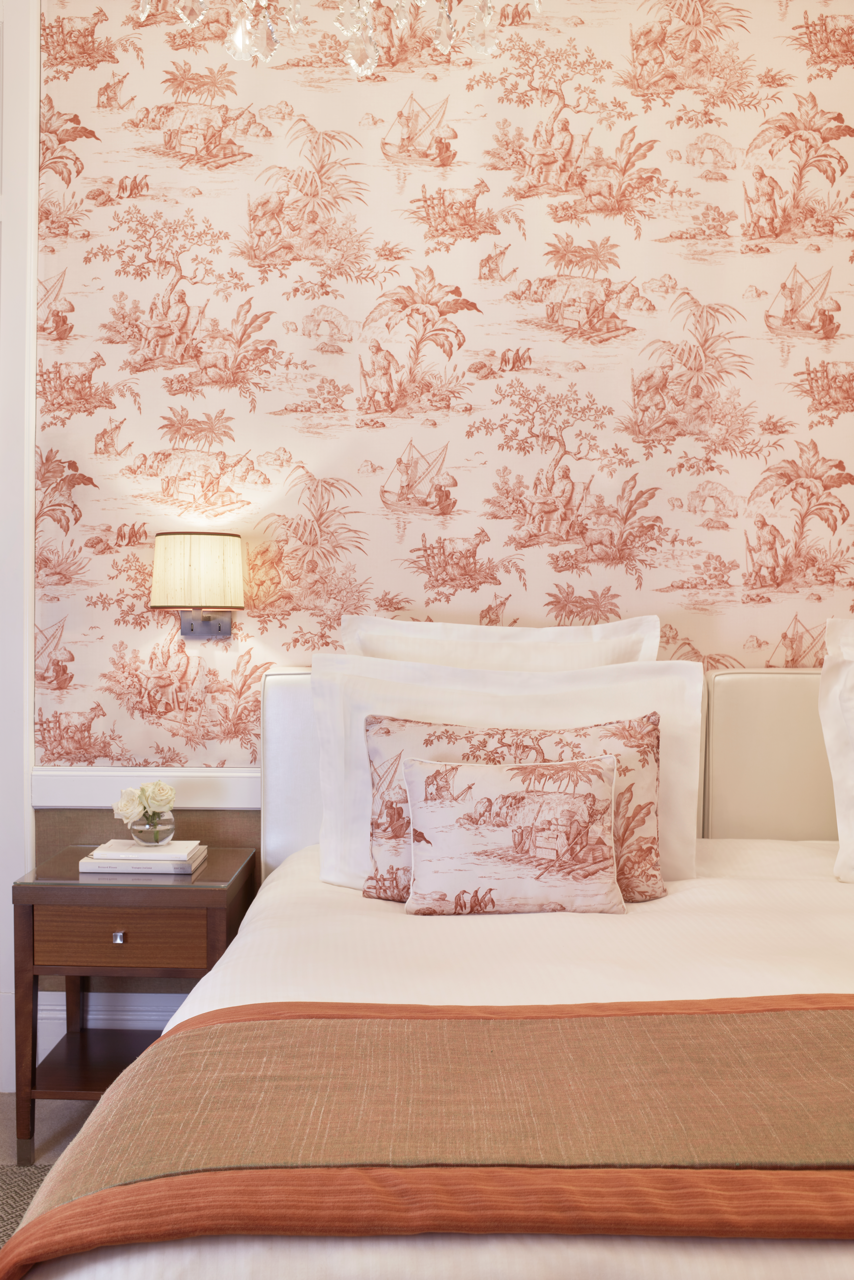
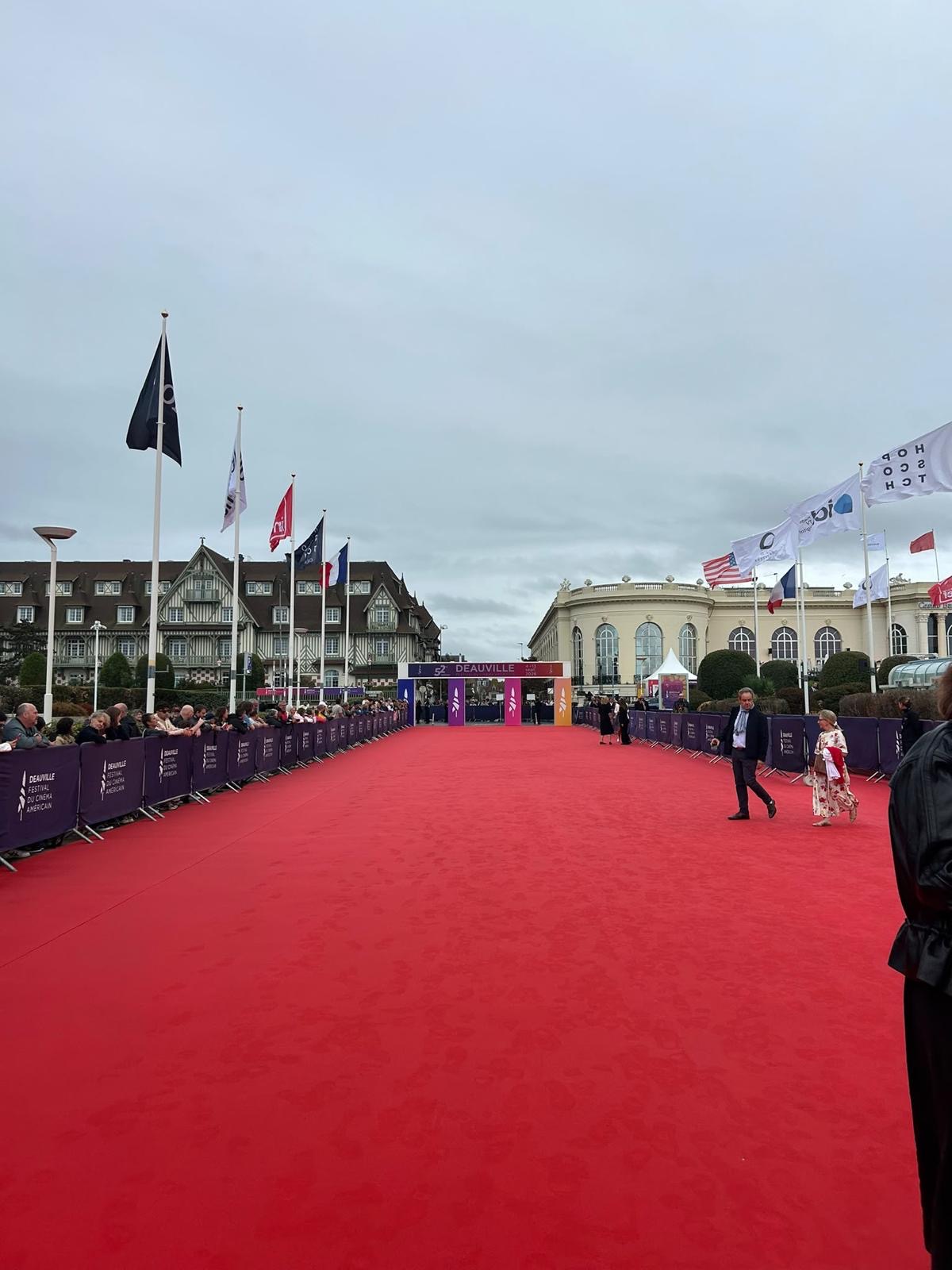
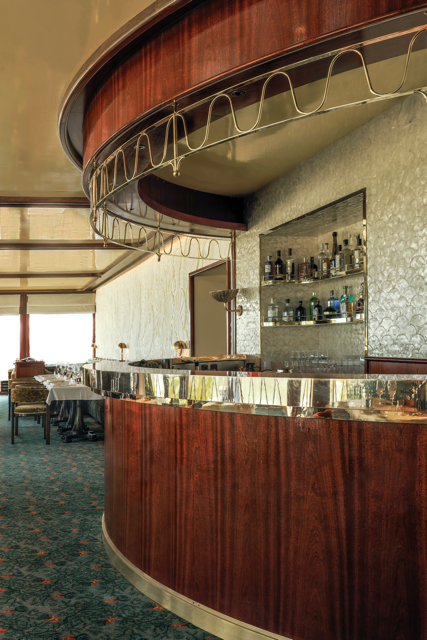
I was especially drawn to Le Normandy – the real star of my short trip, where the red carpet begins and continues up to the Centre International de Deauville, inaugurated by Clint Eastwood in 1992. I love hotels like this; the kind whose bones are calcified by the alluring alchemy of movie-stardom. They wear their history proudly, while remaining tidy, modern to a point, and a joy to return to after a long day. When the time comes to get suited up, I leave my room and step through its doors, continuing past the friendly staff into a foyer of bright marble columns and a dimly-lit bar, with the sense that this place has played its supporting role like nowhere else. After the opening ceremony, we wound up at a spectacular ballroom for dinner, sort of swept up in the glamour of it all while directors and actors coursed by. But by now, I wanted to head back.
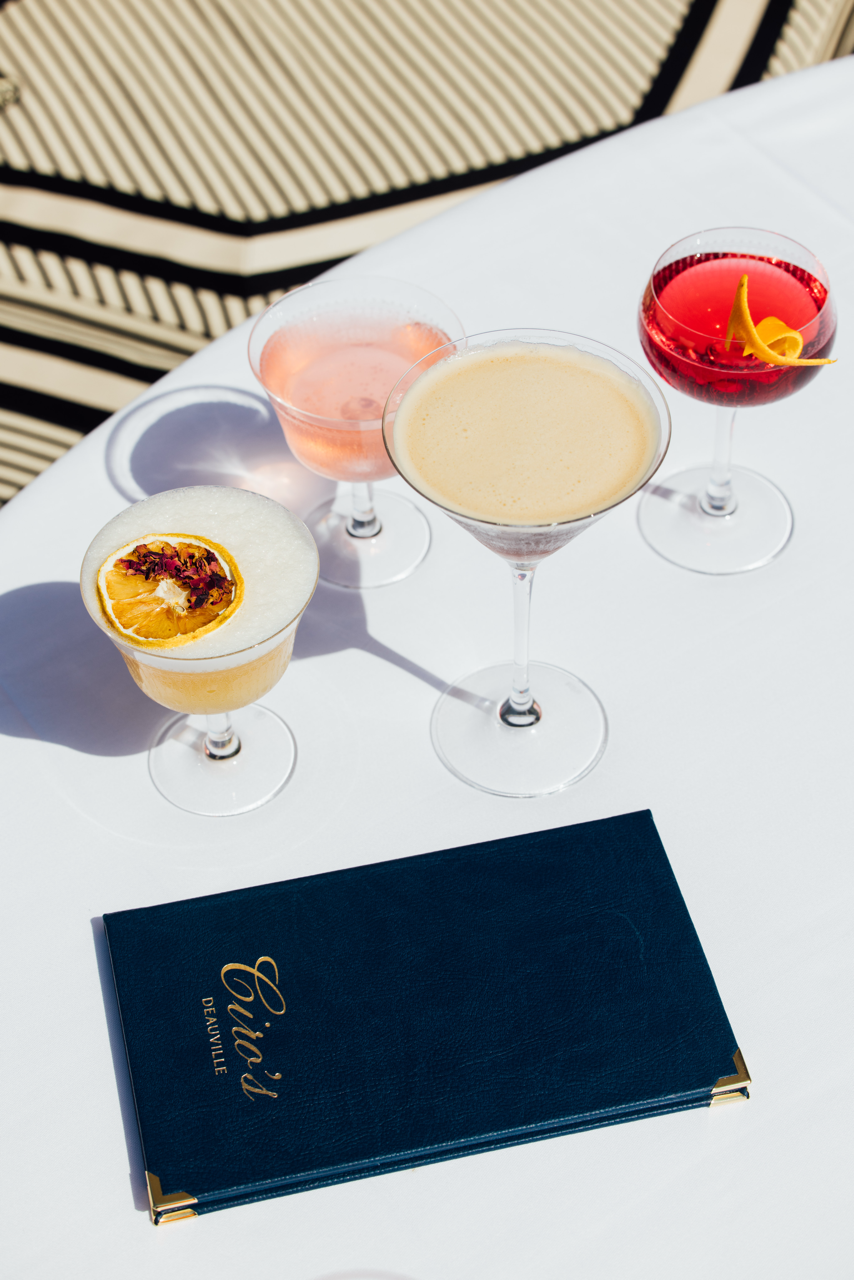
I spent the end of the opening ceremony night enjoying whiskey sours at the hotel’s bar. There is a painting of Serge Gainsbourg smoking, drinking that felt resonant at two am; perhaps thinking about “initials B.B.” like in his famous song. Of course, this was no pub anglais as the crooner notes in the opening verse. This is somewhere spectacular: Le Normandy during the Deauville American Film Festival. There is nowhere on earth like it, either in France or America for that matter.